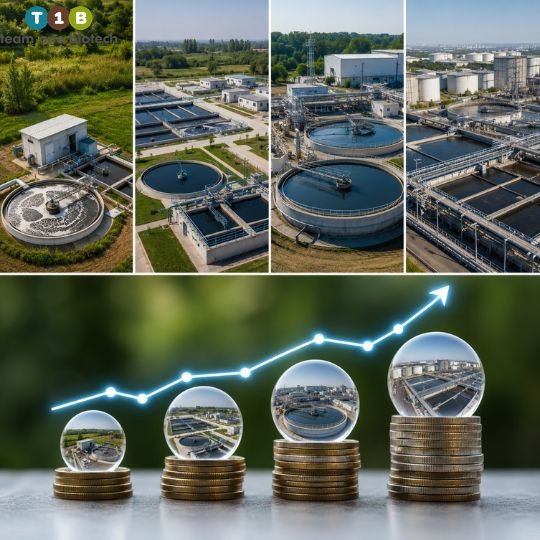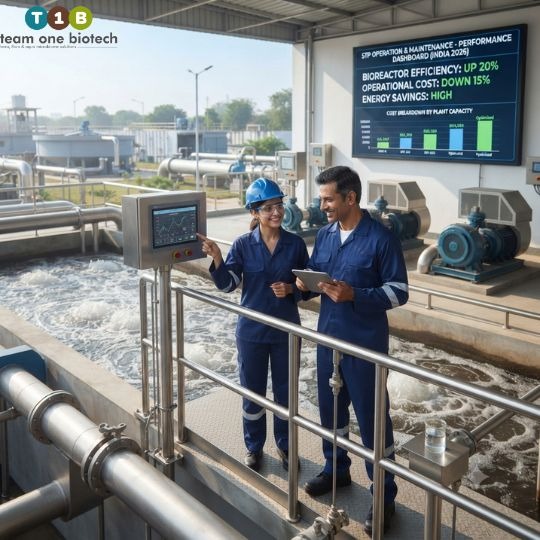
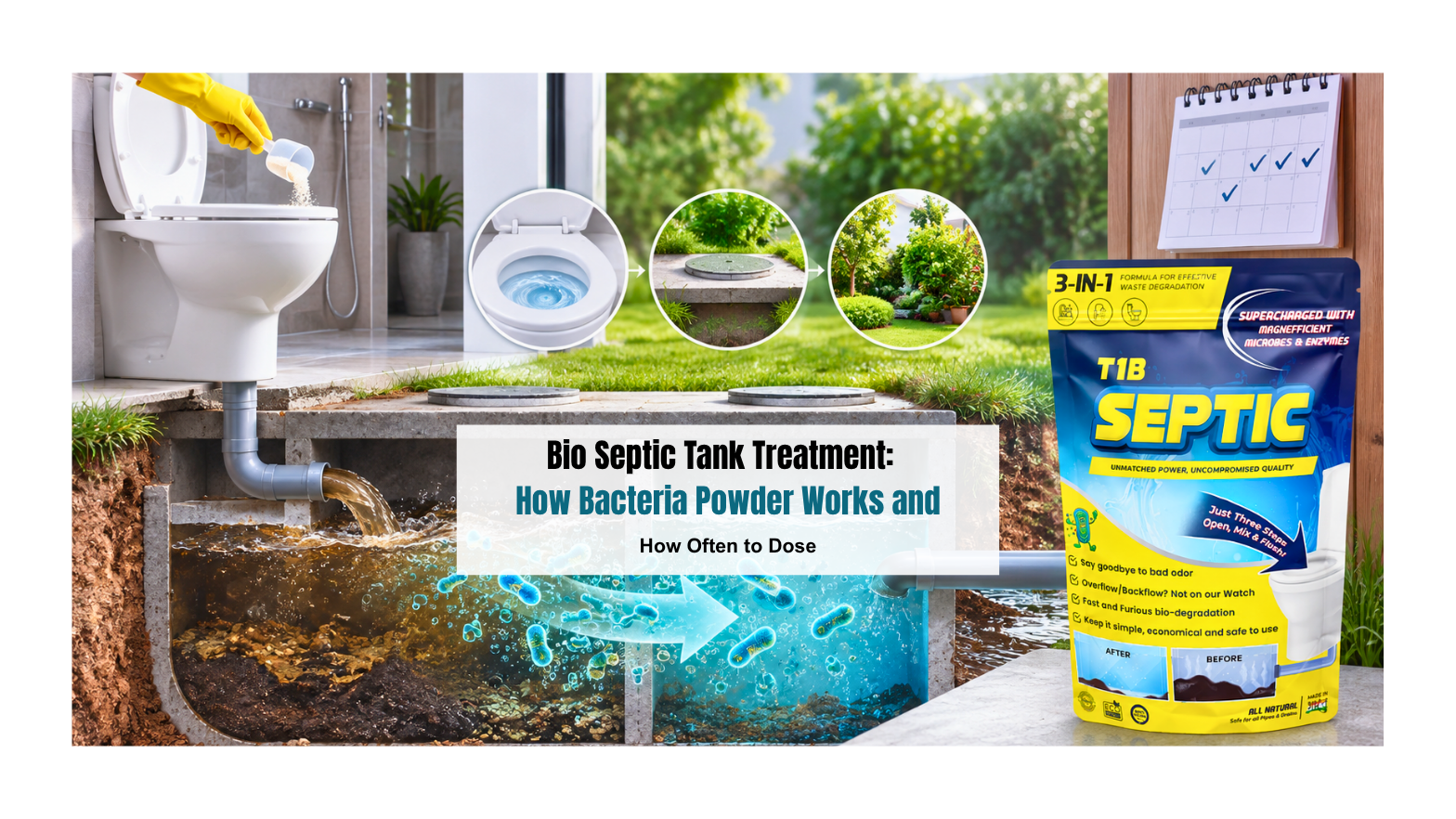
STP Operation and Maintenance Cost in India 2026, Breakdown by Plant Capacity

It usually arrives at the worst possible time. A show-cause notice from the State Pollution Control Board, citing non-compliance with treated effluent parameters. Or worse, an AMC vendor standing at your gate with an “emergency repair” invoice that wasn’t in any quote you signed. For society management committees, factory owners, and procurement heads across India, the sewage treatment plant sitting in the basement or utility yard isn’t just mechanical equipment, it’s the single asset standing between your facility and its legal right to operate.

Your Consent to Operate (CTO), issued under the Water (Prevention and Control of Pollution) Act, is not a one-time formality. It is a continuing obligation, and the STP is how you fulfil it. When people ask about STP operation maintenance cost India-wide, they’re really asking a more pointed question: what does it actually cost to stay compliant, avoid penalties, and stop being surprised by vendor invoices? This guide breaks that down honestly, by capacity, so you can budget for 2026 with your eyes open.

Why the CPCB Framework Makes This Non-Negotiable

Why the CPCB Framework Makes This Non-Negotiable

The Central Pollution Control Board, through respective SPCBs, mandates that any facility discharging sewage or trade effluent maintain treatment infrastructure in continuous functional condition. This isn’t a suggestion buried in fine print, it’s a licensing condition tied directly to your CTO renewal. A malfunctioning STP, discovered during a routine inspection or a citizen complaint, can trigger:

  • Show-cause notices and compliance deadlines
  • Monetary penalties under environmental compensation provisions
  • In repeated or severe cases, closure directions or CTO suspension

Framing your STP budget as “optional maintenance” is where most facilities go wrong. It should be framed as a compliance line item with the same seriousness as fire safety or electrical certification.

The Anatomy of an STP Bill: Five Pillars of Monthly Cost

The Anatomy of an STP Bill: Five Pillars of Monthly Cost

Before looking at capacity-specific numbers, it helps to understand what actually drives a monthly STP running cost. Nearly every invoice, fair or inflated, breaks down into these five components:

  1. Electricity, Aeration blowers, pumps, and UV/ozone disinfection units are the biggest power draws, often 40-50% of running cost.
  2. Manpower, Trained operators for daily monitoring, log maintenance, and adjustment of dosing systems.
  3. Chemicals and consumables, Coagulants, chlorine tablets, pH correction chemicals, and antifoam agents.
  4. Sludge management, Dewatering, storage, and tanker-based removal to authorized disposal sites.
  5. Lab testing and compliance documentation, Periodic BOD, COD, TSS testing required for CPCB/SPCB reporting, plus record-keeping for inspections.

Every fair AMC quote should let you see these five pillars separately, not buried into one vague “maintenance fee.”

Capacity-Wise Cost Breakdown (2026 Ranges)

Capacity-Wise Cost Breakdown (2026 Ranges)

Cost per KLD (kiloliters per day) doesn’t scale linearly, smaller plants carry a higher relative burden because fixed costs like manpower and lab testing don’t shrink proportionally with capacity. Here’s how the numbers generally look for 2026 across three common capacity bands.

Parameter50 KLD STP100 KLD STP500 KLD STP
Monthly AMC charges (2026)₹35,000 – ₹55,000₹55,000 – ₹90,000₹1,80,000 – ₹3,20,000
Power cost (monthly, approx.)₹15,000 – ₹25,000₹28,000 – ₹45,000₹1,20,000 – ₹2,00,000
Manpower (operator visits/shifts)Part-time / visit-based1 dedicated operator2-3 shift operators
Chemical & dosing cost (monthly)₹4,000 – ₹8,000₹8,000 – ₹15,000₹35,000 – ₹60,000
Sludge handling & tanker removal₹3,000 – ₹6,000₹6,000 – ₹12,000₹25,000 – ₹45,000
Lab testing & compliance reporting₹2,500 – ₹4,000₹3,500 – ₹6,000₹8,000 – ₹15,000
Approx. running cost per KLD/month₹700 – ₹1,100₹550 – ₹900₹360 – ₹640

Note: These are general values and operational outcomes will vary based on the specific design, technology used, microbial load, and unique parameters of individual Effluent Treatment Plants (ETPs) and Sewage Treatment Plants (STPs).

If you’re evaluating a 100 KLD STP maintenance cost India quote and it falls well below the lower end of this range, that’s not necessarily good news, it usually means something’s been left out.

Reviewing a quote that looks too good to be true? A quick audit from Team One Biotech can tell you exactly what’s missing before you sign.

Understanding the “Per KLD” Equation

This is the part most procurement teams miss when comparing quotes across different-sized facilities. A 50 KLD plant doesn’t cost half of what a 100 KLD plant costs, it often costs 70-80% as much, because:

  • One operator visit costs roughly the same whether the plant treats 50 KLD or 100 KLD
  • Lab testing frequency and reporting obligations don’t reduce with smaller volume
  • Statutory compliance documentation is a fixed administrative burden regardless of scale

This is why the sewage treatment plant running cost per KLD is consistently higher for smaller societies and factories than for larger industrial campuses. If you’re benchmarking your AMC quote against a neighbouring facility of a different size, adjust your expectations accordingly, direct comparison without capacity context is one of the most common budgeting mistakes RWAs make.

Evaluating AMC Quotes: What’s Fair vs. What’s a Red Flag

A comprehensive, honest AMC for 2026 should transparently include:

  • Scheduled operator visits with defined frequency (daily, alternate-day, or weekly depending on capacity)
  • Water sample lab testing at a defined periodicity, with reports shared proactively
  • Blower and pump preventive maintenance, not just breakdown repair
  • Microbial/bio-culture dosing as part of routine treatment, not an add-on
  • Clearly stated inclusions for diffuser servicing, membrane cleaning, and sludge tanker costs

Watch for these red flags in unusually cheap quotes:

  • A base price that excludes diffuser overhauls or membrane replacement, items that surface as “surprise” costs six months in
  • No mention of sludge tanker removal frequency or disposal documentation
  • Vague or absent lab testing schedules (a compliance risk in itself)
  • Manpower listed as “on-call” rather than scheduled visits, especially for 100 KLD and above

If a vendor’s number seems dramatically lower than the ranges above, ask them directly which of the five cost pillars they’ve reduced or removed. The answer usually reveals the trade-off.

The Biotech Advantage: Lowering Cost Without Cutting Corners

The Biotech Advantage: Lowering Cost Without Cutting Corners

This is where facility owners often assume the only lever available is choosing a cheaper vendor. In reality, the more durable lever is improving what happens inside the tank.

Advanced microbial cultures and targeted bio-augmentation change the cost equation in three concrete ways:

  • Faster organic breakdown reduces hydraulic retention time strain and improves consistent BOD/COD reduction, lowering the risk of non-compliance during inspections.
  • Reduced sludge volume from optimized microbial digestion directly cuts tanker removal frequency, one of the more variable and often underestimated line items in an AMC.
  • Optimized aeration demand means blowers run more efficiently rather than longer, trimming the largest single cost pillar: electricity.

Team One Biotech’s bioremediation approach is built specifically around this principle, treating cost reduction as a byproduct of better biological performance, not a trade-off against compliance.

From Reactive Firefighting to Predictable Budgets

The facilities that struggle most with STP costs are usually the ones managing it reactively, reacting to breakdowns, surprise SPCB notices, and unplanned tanker calls. The facilities that budget confidently for 2026 are the ones that have moved to a planned, transparent AMC structure with a clear view of all five cost pillars, backed by microbial optimization that keeps running costs predictable month to month.

If you’re currently reviewing a quote, budgeting for a new CPCB compliant STP installation, or simply want a second opinion on whether your current AMC charges reflect fair 2026 market rates, don’t wait for the next inspection to find out.

Visit the Team One Biotech Contact Us page today for a customized facility audit and a transparent quote verification, before you sign anything.

Looking to improve your ETP/STP efficiency with the right bioculture?
Talk to our experts at Team One Biotech for customised microbial solutions.

Contact+91 8855050575

Email:  sales@teamonebiotech.com

Visit: www.teamonebiotech.com

Discover More on YouTube – Watch our latest insights & innovations!-

Connect with Us on LinkedIn – Stay updated with expert content & trends!
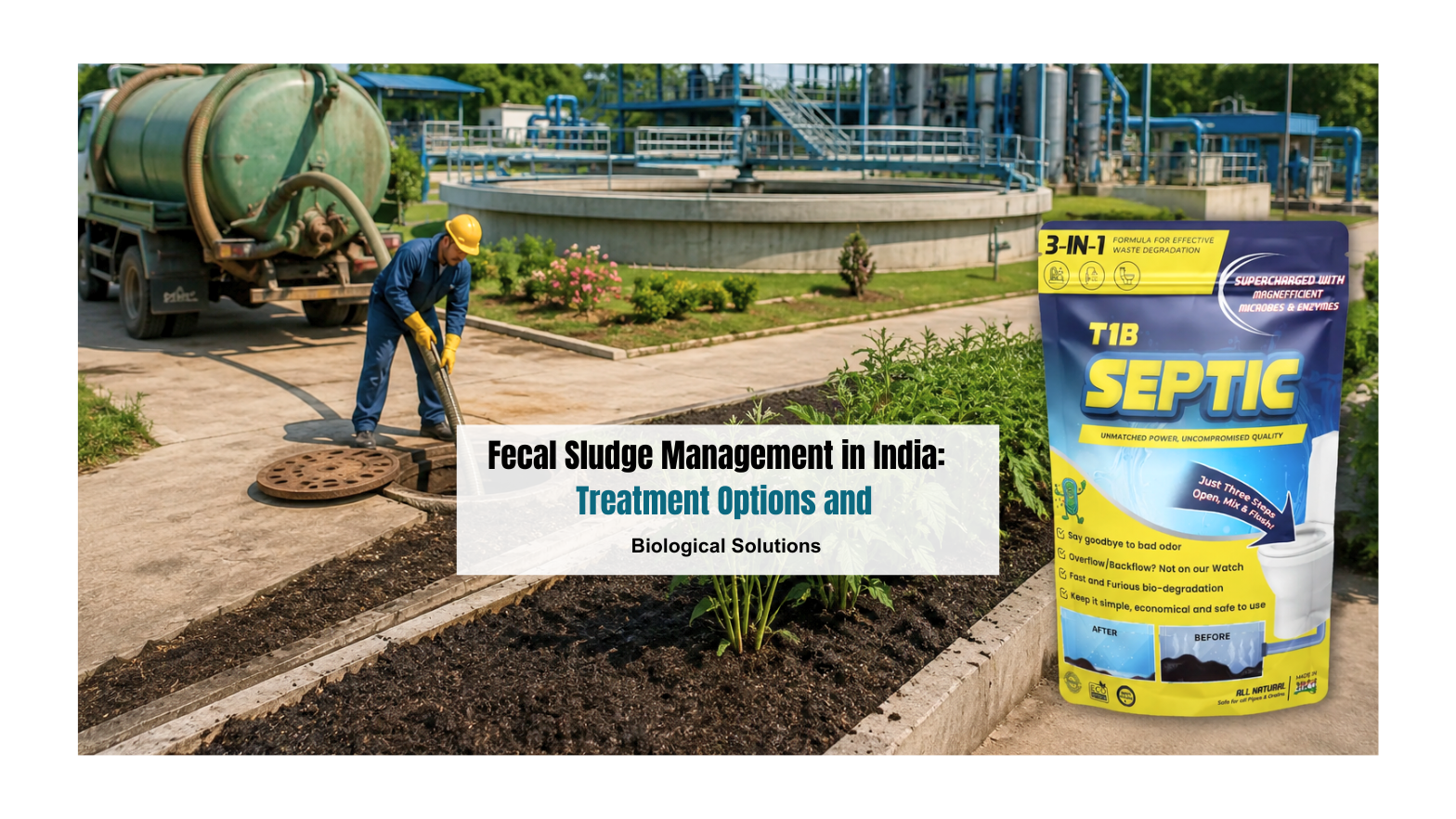
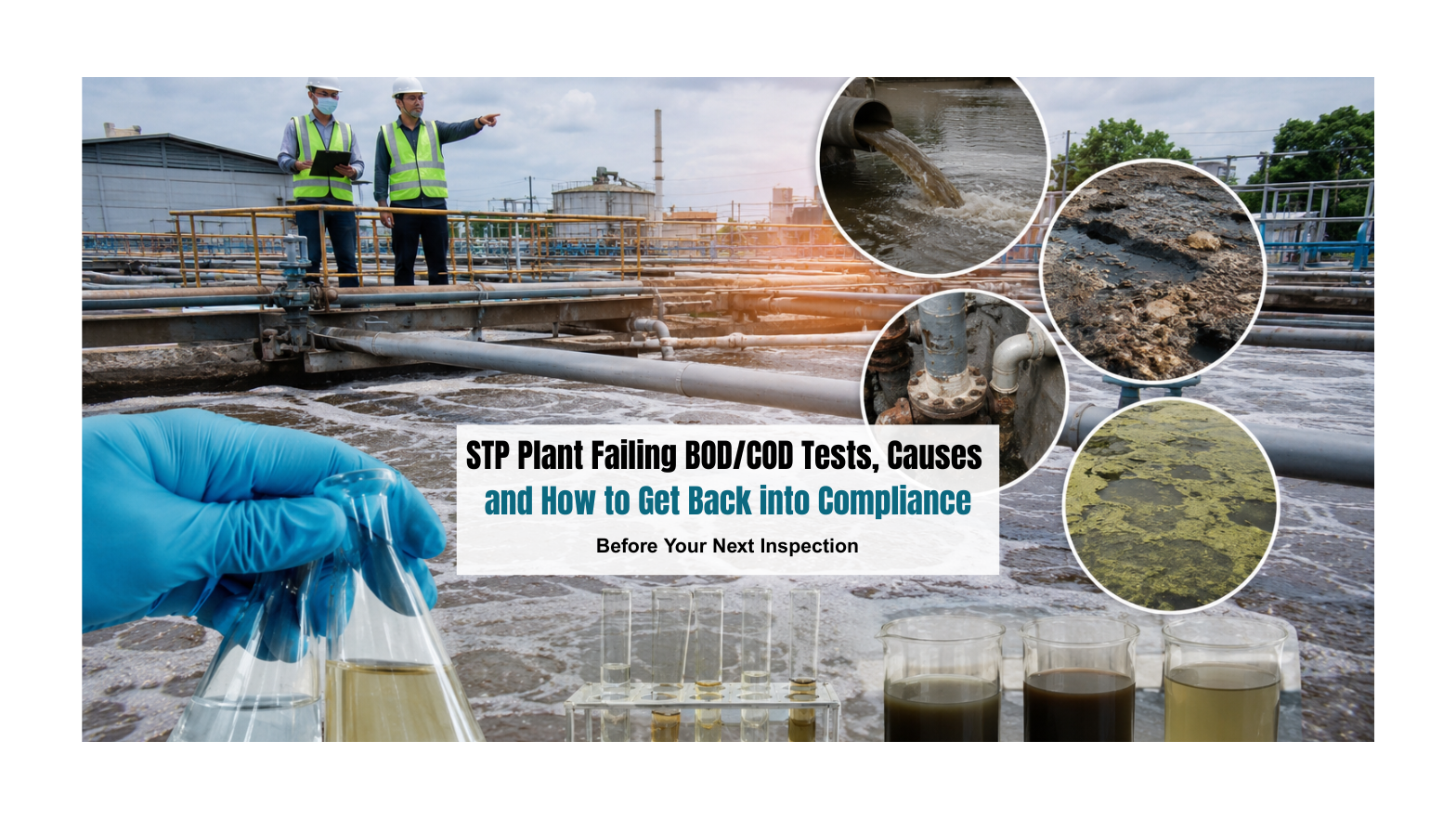
STP Plant Failing BOD/COD Tests, Causes and How to Get Back into Compliance Before Your Next Inspection

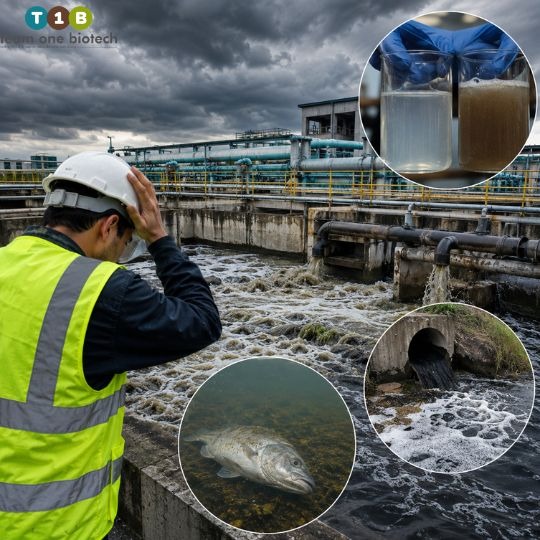
The lab report lands on your desk on a Tuesday morning, and within thirty seconds your stomach drops. BOD reading: out of range. COD: worse. And taped to your mental calendar is a date you cannot move, the State Pollution Control Board inspection, now less than two weeks away.

You already know what this means if the numbers don’t correct themselves. Closure notices. Penalty assessments that eat into budgets you’ve already spent. The very real possibility of explaining to your facility director, your tenants, or your corporate office why operations might grind to a halt. This is not an abstract compliance exercise. This is your plant, your job, and your facility’s reputation sitting on the line.

Take a breath. A failing STP report is a solvable engineering problem, not a verdict. But solving it requires understanding exactly why your biological treatment system stopped performing, and what to do about it before the inspector’s car pulls into your parking lot.

Why STP BOD COD Not Meeting Standards Is a Five-Alarm Problem

Why STP BOD COD Not Meeting Standards Is a Five-Alarm Problem

Under CPCB general standards for discharge into inland surface waters, treated effluent is expected to keep Biochemical Oxygen Demand within the 20 to 30 mg/L spectrum, with Chemical Oxygen Demand levels safely below the 200 to 250 mg/L threshold, depending on your specific consent conditions and state-level variations.

Note: These are general values and operational outcomes will vary based on the specific design, hydraulic load, and unique configuration parameters of individual Sewage and Effluent Treatment Plants (STPs/ETPs).

These aren’t arbitrary numbers bureaucrats picked to make your life difficult. BOD and COD are direct proxies for how much organic and chemical load your treated water is still carrying when it leaves your premises. When those numbers spike, it tells the SPCB, and anyone downstream of your discharge point, that your biological treatment process broke down somewhere along the line.

The legal exposure here is immediate, not theoretical. A failed consent renewal, a show-cause notice, or in repeat-offense scenarios, a closure direction under the Water (Prevention and Control of Pollution) Act. For commercial complexes, hospitals, and industrial campuses, this can mean disrupted operations, stalled occupancy certificates, and damage to relationships with regulators that takes years to repair.

The Diagnostics Room: Three Reasons Your STP Is Failing

The Diagnostics Room: Three Reasons Your STP Is Failing

Most BOD/COD failures trace back to one of three root causes. Rarely is it just one in isolation.

Aeration System Bottlenecks

Your biological treatment process depends entirely on aerobic bacteria having enough dissolved oxygen to metabolize organic matter. When DO levels drop, typically falling below a working range of 2 to 4 mg/L in the aeration tank, those bacteria slow down or stop breaking down waste entirely.

Note: These are general values and operational outcomes will vary based on the specific design, hydraulic load, and unique configuration parameters of individual Sewage and Effluent Treatment Plants (STPs/ETPs).

Common culprits include clogged or worn-out diffusers, undersized blowers struggling against actual hydraulic load, and fouled membrane discs that can no longer transfer oxygen efficiently into the liquid. In many Indian installations, aeration equipment runs continuously for years with minimal preventive maintenance, and by the time anyone notices reduced output, the biomass has already been gasping for weeks.

Sludge Health and MLSS Imbalances

Mixed Liquor Suspended Solids represent your active biological workforce. When MLSS concentrations drift too far outside an optimal working band, often somewhere between 2,000 and 3,500 mg/L depending on process design, you get either an underfed, struggling biomass or an overloaded system that simply cannot keep pace with incoming waste.

Note: These are general values and operational outcomes will vary based on the specific design, hydraulic load, and unique configuration parameters of individual Sewage and Effluent Treatment Plants (STPs/ETPs).

Poor sludge settling in the secondary clarifier is the visible symptom here. If sludge volume index climbs and your settled sludge becomes light, fluffy, or prone to floating, biomass washes out with your final effluent, taking your treatment capacity with it.

Microbial Shock and Toxicity Events

This is the silent killer of STP performance, and it is brutally common across Indian commercial and institutional facilities. Housekeeping staff or contracted cleaning crews pour concentrated disinfectants, acidic descalers, or bleach-heavy formulations down floor drains and washroom outlets, with zero awareness that this drainage eventually reaches the STP’s biological tanks.

A sudden toxic or pH shock load can kill off a meaningful percentage of your active microbial population within hours. Once that biomass dies, BOD and COD removal efficiency collapses, and recovery without intervention can stretch across several weeks of natural regrowth, a timeline most facilities facing an imminent inspection simply do not have.

Note: These are general values and operational outcomes will vary based on the specific design, hydraulic load, and unique configuration parameters of individual Sewage and Effluent Treatment Plants (STPs/ETPs).

The Rapid Troubleshooting Matrix

SymptomRoot CauseImmediate Corrective Action
Low DO readings, foul odor near aeration tankAeration bottleneck, fouled diffusers, undersized blowerInspect and clean diffusers, verify blower capacity against actual flow, check for air leaks in distribution piping
Cloudy or turbid final effluentPoor sludge settling, biomass washoutCheck sludge volume index, reduce wasting rate temporarily, inspect clarifier weirs for uneven flow
Sudden spike in BOD/COD after a specific dateToxic or chemical shock loadTrace drainage source, halt harsh chemical disposal into STP-connected drains, initiate bio-augmentation dosing
Floating or rising sludge in clarifierDenitrification gas formation, septic conditions upstreamIncrease sludge wasting frequency, verify adequate DO is maintained throughout aeration cycle
Persistent high COD despite normal BODNon-biodegradable chemical contaminationInvestigate industrial or cleaning chemical inputs, consider pretreatment or source segregation
Inconsistent readings across daysPower fluctuation disrupting continuous aerationInstall or test backup power continuity for blowers, log aeration downtime against lab result timing

The India Factor: Monsoon Surges, Heat, and Power Realities

The India Factor: Monsoon Surges, Heat, and Power Realities

Indian STPs face structural stressors that textbook treatment models rarely account for. Summer ambient temperatures pushing tank water well above comfortable biological operating ranges accelerate oxygen depletion, since warmer water holds measurably less dissolved oxygen even as microbial metabolic demand increases.

Monsoon season brings the opposite challenge: sudden hydraulic shock loads as stormwater infiltrates aging sewer networks, diluting influent in some cases while overwhelming hydraulic retention time in others. Your biomass simply doesn’t get adequate contact time with incoming waste, and treatment efficiency drops accordingly.

Then there is the power supply question that every Indian facility manager knows intimately. Erratic grid supply causing intermittent aeration blower shutdowns, even gaps lasting a relatively short window, can meaningfully depress DO levels and stress your biological culture, especially if outages cluster during peak loading hours.

The Emergency Revival Plan: How to Improve STP Effluent Quality Fast

The Emergency Revival Plan: How to Improve STP Effluent Quality Fast

When your inspection window is measured in days rather than months, here is the tactical sequence that delivers the fastest, most reliable BOD COD reduction sewage treatment plant performance recovery.

Step One: Stabilize aeration immediately. Verify blower runtime, clean accessible diffusers, and confirm DO readings across multiple points in the aeration tank, not just one probe location.

Step Two: Audit sludge wasting and return rates. Adjust your return activated sludge ratio to bring MLSS back toward an optimal working range, and reduce excessive wasting that may be depleting your biological workforce.

Step Three: Trace and eliminate toxic inputs. Walk the drainage network, talk to housekeeping supervisors, and identify any recent change in cleaning chemical usage or disposal practice.

Step Four: Deploy bio-augmentation immediately. This is the single most effective lever available when your biomass has been compromised and you do not have weeks to wait for natural regrowth. Seeding your system with advanced, targeted microbial cultures, specifically engineered consortiums designed for rapid acclimatization, can jumpstart organic load breakdown far faster than waiting on the native population to recover on its own.

Note: These are general values and operational outcomes will vary based on the specific design, hydraulic load, and unique configuration parameters of individual Sewage and Effluent Treatment Plants (STPs/ETPs).

Step Five: Increase monitoring frequency. Daily DO and pH checks, not weekly, until your numbers stabilize comfortably within target range across multiple consecutive readings.

From Reactive Crisis to Proactive Compliance

Here is the uncomfortable truth most facility managers eventually face: a plant that only gets attention during a crisis will keep generating crises. Emergency interventions buy you time for this inspection, but they don’t fix the underlying operational gaps that caused the failure in the first place.

Structured bioremediation, paired with a maintenance calendar that accounts for seasonal stressors, power reliability, and chemical handling protocols, transforms your STP from a recurring liability into a system you can actually trust. Permanent compliance isn’t about heroics before every inspection. It’s about building a biological process resilient enough that the inspection becomes a formality rather than a threat.

Don’t Wait for the Inspector to Walk In

If your STP is failing BOD/COD tests right now, every day that passes without corrective action narrows your options and raises your risk. Team One Biotech specializes in exactly this scenario: rapid-response biological health audits, emergency microbial dosing strategies, and engineered bio-augmentation cultures built to revive a struggling plant under real deadline pressure.

Every hour you spend deliberating is an hour your biomass continues to struggle and your inspection date continues to approach. The plants that pass their next SPCB review aren’t the ones that waited for a miracle, they’re the ones that brought in the right diagnostic and microbial expertise the moment the lab report came back red. Contact Team One Biotech now for an emergency STP compliance audit and let our team assess your specific aeration, sludge, and biological health parameters before your deadline arrives, not after. Compliance is still within reach, but only if you act on it today. 

Reach out to Team One Biotech today for an immediate STP biological health audit. Your inspection date isn’t moving. Your compliance status still can.

Looking to improve your ETP/STP efficiency with the right bioculture?
Talk to our experts at Team One Biotech for customised microbial solutions.

Contact+91 8855050575

Email:  sales@teamonebiotech.com

Visit: www.teamonebiotech.com

Discover More on YouTube – Watch our latest insights & innovations!-

Connect with Us on LinkedIn – Stay updated with expert content & trends!
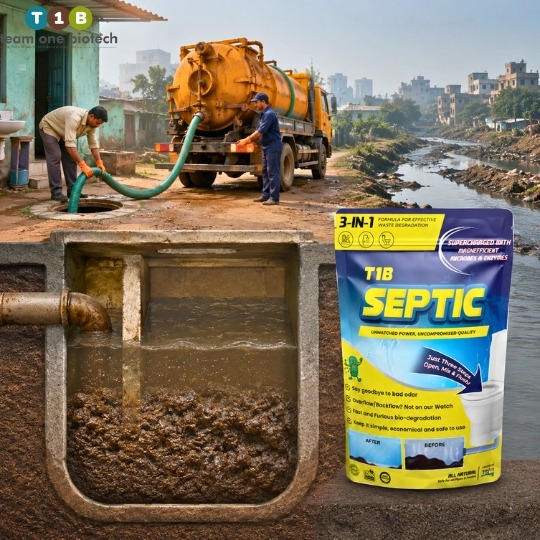
Septic Tank Treatment: How to Eliminate Pumping and Foul Odours Permanently

There is a particular kind of dread that facility managers know well. It is the dread of walking into your own property and smelling something before you see it.

It does not matter how well your rooms are turned, how polished your lobby floors are, or how carefully your operations are run day to day. The moment a guest catches that faint but unmistakable trace of a failing septic system in a corridor, near a restroom, or worse, in a dining area, the experience is over. Not just for that guest, but for everyone they will ever tell about it.

India’s hospitality and commercial food service sector runs on reputation. A luxury hotel in Bangalore, a fine-dining restaurant in Mumbai, a managed corporate campus in Gurugram, these are businesses built on the promise of a controlled, clean, comfortable environment. When the sanitation infrastructure underneath that promise begins to fail, it does not send a warning; instead, as detailed in The Ultimate FOG Management & Septic Health Guide for Commercial Facilities, it announces itself, loudly and at the worst possible moment.

What makes this so frustrating for the people responsible for these facilities is that septic failures are almost always predictable. They do not happen overnight. They build slowly, layer by layer, inside drainage lines and underground tanks, over weeks and months, until the accumulated effect of doing nothing proactive becomes impossible to ignore.

And yet, most commercial facilities across India continue to handle their septic infrastructure the same way they always have. Call the tanker, pump the tank, pay the bill, and wait for the problem to return. Which it always does.

Why Pumping Your Septic Tank Is Not the Same as Maintaining It

If you manage a commercial property in India, the cycle is familiar. The tank fills. The smell creeps in. You call the contractor. The tanker clears the system and drives away. For a few weeks, everything seems fine. Then it starts again.

That is not a maintenance programme. That is a holding pattern, one that keeps your facility functional on the surface while the underlying problem continues to build.

What Is Actually Happening Inside an Unmanaged Septic Tank

Inside a septic tank that is only being emptied periodically, organic solids accumulate steadily between pump-outs. Anaerobic bacteria dominate the biological environment inside the tank, and the byproducts of that anaerobic activity, primarily hydrogen sulphide and methane, build up continuously. These gases are the direct source of that sewage smell that seems to seep into corridors, service areas, and restrooms regardless of how often the space is cleaned. No surface spray or air freshener gets near what is being generated underground.

Over time, managing a septic system purely through mechanical pumping does not just create an odour problem. It creates a set of compounding operational risks:

  • Persistent hydrogen sulphide generation that no deodoriser or masking product can neutralise at the source. The smell keeps returning because the process producing it has never been addressed.
  • Underground drainage connections that deteriorate progressively and quietly, showing up eventually as emergency situations rather than items on a scheduled maintenance list.
  • Wastewater discharge with elevated BOD and COD levels that puts you in real compliance exposure territory under CPCB and State Pollution Control Board norms, particularly as enforcement activity increases in metro municipalities.
  • Gradual infrastructure deterioration that adds to long-term capital replacement costs without ever appearing as a line item until something fails.
  • The constant background risk of a backup or overflow during a health inspection, a high-occupancy period, or a formal event, which is precisely when you can least afford it.

Mechanical pumping removes what has accumulated on the day the tanker arrives. It does nothing to change the biological conditions inside the tank that will reproduce the same situation within weeks.

The Real Cost of Doing Nothing Different

For a hotel managing multiple residential blocks, staff accommodation, and banquet infrastructure, the honest annual cost of a purely reactive approach is considerably higher than most finance teams realise. Add up scheduled pump-outs across the year, emergency callout fees, periodic compliance-related expenditure, and any infrastructure repair costs that get attributed to other budget lines, and the number tends to be surprising. That is before you try to put a figure on what a public odour complaint or an unannounced inspection costs in terms of both revenue and brand standing.

How Bioremediation Works, and Why It Produces a Different Result

Moving from mechanical pumping to biological treatment is not a change of contractor. It is a change in how you think about the problem, from removing waste after it accumulates to breaking it down continuously before it can.

Bioremediation introduces carefully selected strains of beneficial bacteria and enzymes directly into the septic tank environment. These are not off-the-shelf cultures. They are specific microbial strains chosen for their ability to metabolise the complex organic solids, proteins, and waste compounds that build up inside commercial septic systems, converting them continuously into water, carbon dioxide, and trace mineral byproducts.

The word that matters most here is continuously. A well-established biological treatment system does not create a brief window of cleanliness before accumulation starts again. It works around the clock, every day, regardless of what service period your facility is running.

Why Indian Operating Conditions Demand an India-Specific Solution

This point gets far less attention than it deserves when Indian facility managers evaluate biological treatment products, most of which are either imported or formulated for operating environments that look nothing like a commercial property in India.

Temperature has a direct and significant effect on microbial performance. Bacterial cultures have optimal activity ranges, and the overwhelming majority of bioremediation formulations developed for European or North American markets are calibrated for ambient temperatures that are well below what facilities in Chennai, Hyderabad, Ahmedabad, or Delhi experience for most of the year. When temperatures climb regularly into the 38 to 45 degree Celsius range, standard imported cultures lose efficacy quickly or shift into metabolic states where their organic degradation performance drops significantly.

Team One Biotech’s microbial formulations are developed specifically for Indian conditions. They are tested for stability and consistent performance across the full temperature range encountered across Indian geographies and seasons, from the cooler winters of northern India to the sustained heat of a peninsular summer. This is not a minor technical detail. It is the difference between a product that looks good in a specification sheet and one that actually performs inside your facility month after month.

What the Treatment Process Actually Looks Like

The process begins with a site-level assessment. The technical team evaluates your tank sizing, drainage configuration, daily usage volumes, and the current organic load the system is carrying. From that assessment, a dosing protocol is developed that is matched to the specific wastewater profile of your property rather than a generic average.

An initial establishment period follows, during which the bacterial colonies build and stabilise within the tank environment. After that, a low-intensity ongoing maintenance dosing schedule sustains biological activity and prevents re-accumulation from taking hold.

There is no operational disruption involved. The system simply begins working and continues working in the background, without demanding the same recurring attention that a purely mechanical approach requires.

Septic Odour Is Not a Housekeeping Issue. It Is a Brand Issue.

In the luxury and upper-midscale hospitality segment, this needs to be said directly. A guest who encounters sewage odour anywhere on your property does not classify it as a minor inconvenience. They classify it as evidence that the property is not operating at the standard they paid for. And increasingly, they document it online, where the record sits permanently on a platform that your future guests will check before they book.

Why Chemical Masking Products Are Not a Strategy

The sprays, blocks, gels, and liquid deodorisers that many properties rely on as their first line of response do one thing: they add a smell to cover another smell. The anaerobic decomposition generating hydrogen sulphide and ammonia inside the tank continues completely unaffected while the masking product disperses into the air above it. This is a cosmetic response to a biological problem. It addresses nothing at the source, and it has a shelf life measured in hours.

Bioremediation resolves the odour by resolving the condition that produces it. When the anaerobic biological activity inside a septic tank is displaced by an active, functioning aerobic microbial community, hydrogen sulphide generation drops substantially. The smell does not return because the process responsible for it has been interrupted at a biological level, not papered over at a surface level.

For a hotel general manager managing guest complaints about corridor smells, or a facility director watching review scores trend in the wrong direction without an obvious cause, this is not a subtle distinction. It is the difference between a problem that cycles back every few weeks and one that is genuinely under control.

The Financial Case for Biological Septic Treatment

What You Are Currently Spending Without Realising It

A mid-scale commercial property managing its septic infrastructure under a purely mechanical model carries a set of recurring costs that rarely get looked at together. Scheduled pump-outs throughout the year. Emergency callout fees for the backup events that mechanical maintenance does not prevent. Periodic compliance expenditure when discharge standards are not met. Infrastructure repair costs that show up under various budget categories but trace back to the same underlying neglect.

When these are added up honestly, the total tends to be considerably higher than the line item for scheduled pumping alone suggests.

What Facilities Report After Making the Transition

Businesses that have moved from mechanical pumping to a biological treatment programme typically report total sanitation maintenance costs in the range of 30% to 60% of what they were previously spending on equivalent functions. Please note that these are general estimates and actual outcomes will vary based on tank conditions, influent characteristics, facility size, and local operating environment.

The reduction in direct cost is, in most cases, the smaller part of the story. The more significant change is the reduction in unpredictable expenditure. Emergency callouts, compliance penalties, and unplanned operational disruptions are difficult to budget for precisely because their timing is not in your control. A biological treatment programme does not just reduce what you spend. It makes what you spend far more predictable.

For any finance or operations team working to bring overhead costs under tighter control without compromising service delivery, that shift from unpredictable to managed is worth something well beyond the direct line item saving.

Why a Single Solution Does Not Work Across All of India

A facility management company running commercial properties across Delhi, Kochi, and Pune is not dealing with a single sanitation challenge. It is dealing with three distinct ones, each shaped by its own municipal sewage infrastructure, its own seasonal temperature profile, its own State Pollution Control Board requirements, and its own wastewater composition driven by the nature and volume of operations at each site.

Generic biological products are not built for this reality. They are built on the assumption of a standardised operating environment that simply does not exist across India’s commercial landscape.

How Team One Biotech Approaches Site-Specific Treatment

Team One Biotech begins every new client engagement with a site assessment before any treatment recommendation is made. The technical team looks at local wastewater characteristics, seasonal temperature ranges, drainage infrastructure type and age, daily usage volumes, and applicable local compliance requirements. The protocol that comes out of that process is calibrated for the specific conditions of your property, not for a theoretical average that may bear little resemblance to what your facility actually deals with.

This approach takes more time upfront than ordering from a product catalogue. The results it produces reflect that additional rigour.

The Choice in Front of You

Facilities that continue relying on mechanical pump-outs as their primary septic management approach are not choosing the cost-effective option. They are deferring a change that will eventually become unavoidable, through rising maintenance costs, a compliance event, or a reputational situation that makes the status quo impossible to defend.

The biological treatment technology that breaks the pumping cycle permanently, eliminates septic odours at their source, and converts sanitation from an operational liability into a managed cost line is not a future development. It is available today and in active use across hotels, corporate campuses, and managed commercial facilities throughout India.

Team One Biotech offers a no-obligation site audit for commercial properties anywhere in India. It is a practical technical conversation covering your current infrastructure, your compliance exposure, and what a treatment programme built specifically for your facility would look like.

If you are ready to stop managing the same problem on a repeating schedule and start actually resolving it, reach out to Team One Biotech today. The audit costs nothing. What it tells you might change how your facility operates for good.

Looking to improve your ETP/STP efficiency with the right bioculture?
Talk to our experts at Team One Biotech for customised microbial solutions.

Contact+91 8855050575

Email:  sales@teamonebiotech.com

Visit: www.teamonebiotech.com

Discover More on YouTube – Watch our latest insights & innovations!-

Connect with Us on LinkedIn – Stay updated with expert content & trends!
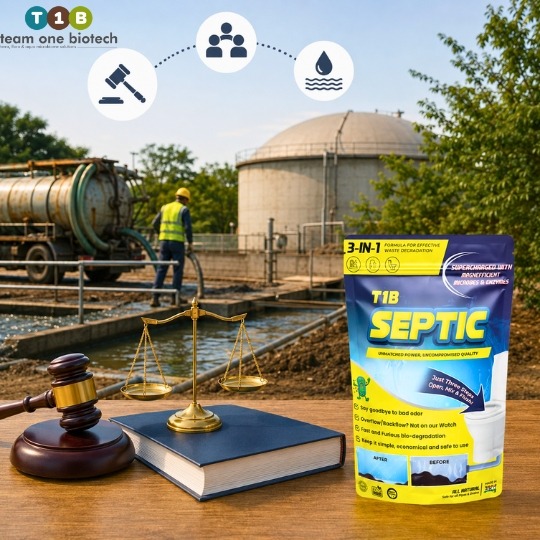
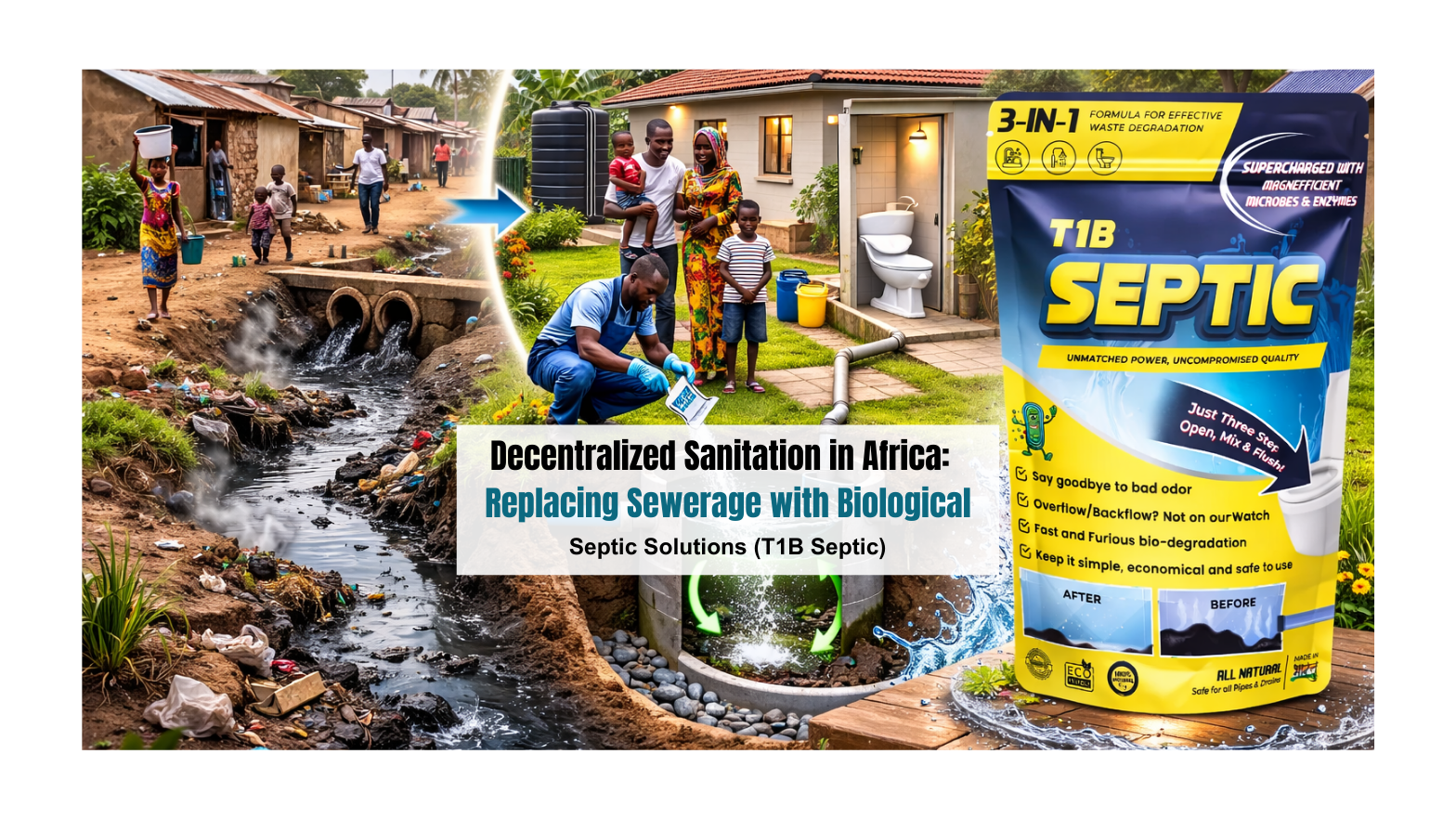
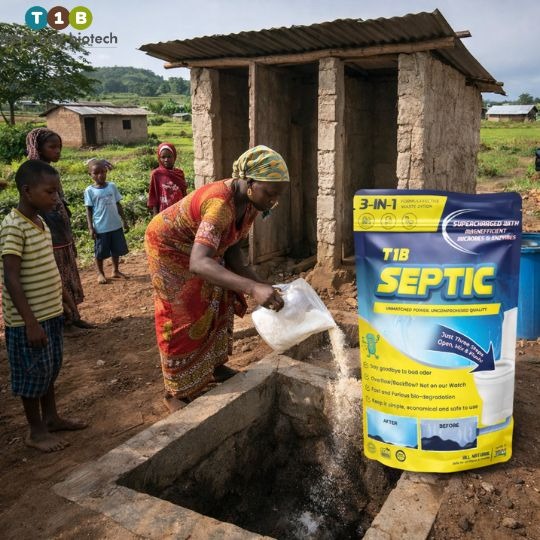
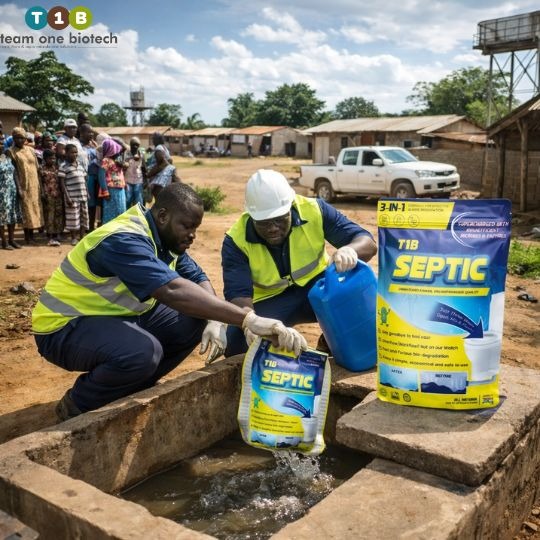
Decentralized Sanitation in Africa: Replacing Sewerage with Biological Septic Solutions (T1B Septic)

There is a street in Nairobi, Kampala, or Kinshasa that looks, on the surface, like progress. New construction, expanding commerce, a population surging with ambition. But beneath that street, there is nothing. No sewer line. No treatment facility. No connection to the centralized wastewater infrastructure that city planners promised a generation ago.

This is the reality for an estimated 4.2 billion people globally who lack access to safely managed sanitation. In sub-Saharan Africa alone, fewer than 30 percent of urban residents are connected to any form of sewage network, and in rural areas, that number collapses to near zero. The human cost is staggering, waterborne disease, infant mortality, lost productivity, and environmental degradation that sets back economic development by decades. The World Bank estimates that inadequate sanitation costs the global economy over $200 billion annually. In Africa, the burden falls disproportionately on the poorest communities.

The answer that governments and infrastructure developers are increasingly reaching for is not a bigger pipe. It is a smarter system, built on biology rather than concrete.

This is where decentralized sanitation solutions for Africa come into focus, and why biological septic treatments like T1B Septic from Team One Biotech represent one of the most consequential tools available to distributors, NGOs, mining operators, and infrastructure developers working at the frontier of global sanitation.

Why Centralized Sewerage Has Failed Developing Regions

Why Centralized Sewerage Has Failed Developing Regions

Centralized sewer networks were engineered for a different era and a different context: the dense, relatively wealthy, and slowly growing cities of 19th-century Europe. They depend on substantial upfront capital investment, continuous energy for pumping and treatment, highly trained municipal staff, and a population density that justifies the cost per connection.

None of those conditions exist uniformly across rapidly developing regions.

In sub-Saharan Africa, Southeast Asia, and remote areas of South America, communities grow faster than infrastructure budgets. Mining operations establish worker camps in locations that will never see a municipal sewer line. The UAE and broader Gulf region manage wastewater with expensive tanker truck services that shuttle sewage from buildings to treatment plants, a system that is neither cost-effective nor environmentally sustainable as urban density increases.

The result is a infrastructure gap that cannot be closed with the old model. What is needed is a parallel paradigm: on-site, biological wastewater treatment that works without connection to any grid or pipeline, scales with demand, and degrades waste naturally before it can contaminate groundwater or public health.

The Science Behind T1B Septic: Biology as Infrastructure

The Science Behind T1B Septic: Biology as Infrastructure

T1B Septic (Bio Septic Tank Cleaner Bacteria Powder) is a formulation developed by Team One Biotech that harnesses what nature already does in soil, wetlands, and healthy water bodies, and concentrates it into a deployable microbial tool.

How the Microbial Consortia Works

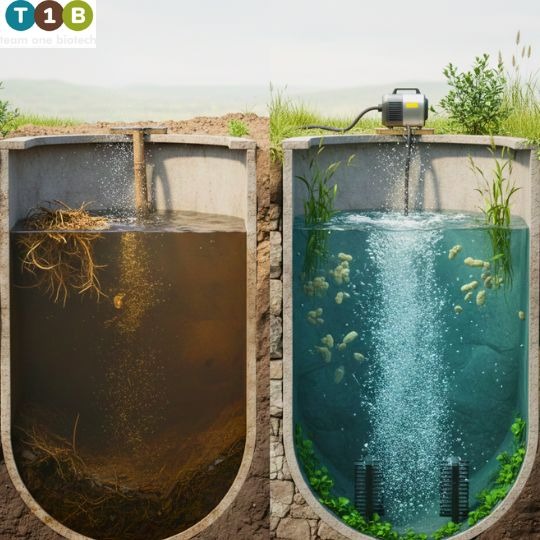
A properly functioning septic system is fundamentally a biological reactor. The tank creates an anaerobic environment (low or zero oxygen) and an anoxic zone (oxygen-limited) in which specialized microorganisms consume organic waste as their primary energy and nutrient source. These microbial consortia, diverse communities of naturally occurring bacteria working in sequence, break complex organic compounds down into simpler molecules: water, carbon dioxide, and stabilized biomass.

The problem with neglected or overloaded septic systems is that this microbial community becomes disrupted. Household chemicals, antibacterial soaps, heavy usage, and irregular maintenance deplete the bacteria population. Without a healthy consortia, organic solids accumulate faster than they are digested, sludge builds up, odors intensify, and eventually the system fails, requiring expensive mechanical pump-outs or full replacement.

T1B Septic reseeds and amplifies this microbial population. The powdered formulation introduces a concentrated, targeted blend of anaerobic and facultative bacteria selected for their efficiency in breaking down human waste, grease, proteins, carbohydrates, and household chemical residues. Regular application:

  • Accelerates the digestion of organic solids, reducing sludge accumulation significantly
  • Controls hydrogen sulfide and ammonia production, which are the primary sources of septic odor
  • Extends intervals between mechanical pump-outs, reducing operational costs
  • Protects the leach field or soakaway from premature clogging
  • Maintains system performance under high-load conditions

This is the shift from reactive maintenance to proactive biological management. Instead of waiting for a system to fail and then paying to pump it out, operators maintain a living, active microbial workforce inside the tank at all times.

Regional Applications: Where T1B Septic Solves Real Problems

Regional Applications: Where T1B Septic Solves Real Problems

Africa: Scaling Sanitation Without the Grid

For NGOs designing WASH (Water, Sanitation, and Hygiene) programs across East and West Africa, the central challenge is deploying sanitation infrastructure that communities can maintain independently, without specialized equipment or continuous access to technical support.

Septic tanks and biodigesters are already widely used across the continent, from rural health clinics in Uganda to peri-urban housing developments in Ghana. The gap is in biological maintenance. When these systems are installed without a treatment protocol, they degrade within two to three years, reverting to open defecation or expensive pump-out cycles that strain municipal budgets.

T1B Septic addresses this gap directly. The powder format is stable, simple to apply, and requires no infrastructure beyond the existing tank. For NGOs procuring at scale, the product is available in bulk packaging with private label options, allowing local branding and distribution partnerships that build in-country capacity rather than dependence on imported expertise.

For government bodies and infrastructure developers building decentralized sanitation networks across urban peripheries or rural districts, T1B Septic provides the biological backbone that makes those systems economically viable over the long term.

South America: Remote Mining Camps and High-Capacity Waste Management

Mining operations in the Andes, the Amazon basin, and the Atacama region share a common logistical reality: large concentrations of workers in locations entirely disconnected from municipal infrastructure. A camp of 500 to 2,000 workers generates substantial daily wastewater volumes, and the cost of trucking waste out of remote locations is prohibitive.

On-site biodigesters and high-capacity septic systems are the standard solution, but they require consistent biological maintenance to function at capacity. Biological overload, caused by irregular application of treatment products or the introduction of industrial chemicals, is the primary failure mode in these environments.

T1B Septic is formulated for high-load applications. For procurement managers and environmental compliance officers at mining firms, the product offers a measurable reduction in pump-out frequency, odor complaints, and regulatory risk. Bulk procurement through Team One Biotech’s Alibaba store allows mining operators to establish reliable supply chains for remote camp operations across multiple sites.

UAE and the Gulf: Water Scarcity, Green Building, and the True Cost of Tanker Services

The UAE presents a distinct but equally compelling case. In a region where water is among the scarcest resources on the planet, the management of wastewater is not simply a sanitation issue, it is a water security issue. A significant proportion of commercial and residential buildings across Dubai, Abu Dhabi, and the Northern Emirates rely on septic tanks serviced by tanker trucks. The cost of these services, combined with traffic, environmental impact, and the risk of illegal dumping, represents a substantial and growing liability for property managers and developers.

The UAE’s Green Building regulations and Estidama Pearl Rating System increasingly require demonstrable commitments to sustainable waste management. Biological septic treatment directly supports compliance by reducing tanker call-out frequency, minimizing groundwater contamination risk, and contributing to reduced carbon impact from transport.

For UAE-based distributors and facility management companies, T1B Septic offers a white-label product that can be positioned directly into the premium sustainability market. The demand is there. The regulatory pressure is building. The product provides the solution.

Team One Biotech: The Global Export and Private Label Partner

Team One Biotech: The Global Export and Private Label Partner

Team One Biotech is not simply a product manufacturer. It is a global export and private label hub built specifically for the international distributor market.

For organizations operating at scale, whether that is an NGO procuring across five African countries, a mining firm managing camps across three continents, or a UAE distributor supplying the facility management sector, the ability to source consistently, brand locally, and scale without supply chain risk is decisive.

What Team One Biotech Offers B2B Partners

  • Private Label Manufacturing: White-label formulations allow distributors to go to market under their own brand, with Team One Biotech handling production, quality control, and export documentation.
  • Bulk Order Capability: Products are available in industrial quantities with competitive pricing tiers designed for large-scale procurement.
  • Regulatory and Technical Support: Team One Biotech provides product documentation, MSDS sheets, and application protocols to support distributor sales teams and end-user implementation.
  • Consistent Formulation Standards: Every batch of T1B Septic is produced to consistent microbial concentration and viability standards, ensuring that distributors can stand behind the product they are selling.

Procure Globally, Deploy Locally: The T1B Official Alibaba Store

For international buyers, procurement managers, and distributors exploring the full range of Team One Biotech’s biological sanitation portfolio, the T1B Official Alibaba Store is the primary gateway.

Alibaba’s trade platform provides the infrastructure that large-scale international procurement requires: verified supplier credentials, trade assurance protections, streamlined bulk ordering, and direct communication channels for private label negotiation. Whether you are sourcing for a single pilot project or establishing a long-term supply agreement for regional distribution, the Alibaba store provides the documentation, pricing transparency, and logistics support to make that process efficient.

Visit the T1B Official Alibaba Store to:

  • Request bulk pricing for T1B Septic and related biological sanitation products
  • Initiate private label discussions for regional distribution programs
  • Access product specifications, certifications, and application documentation
  • Connect directly with the Team One Biotech export team for customized supply chain arrangements

The global sanitation crisis is real, urgent, and solvable. Biology, applied intelligently and at scale, can replace the concrete infrastructure that never arrived. T1B Septic is not a workaround. It is the system.

Contact Team One Biotech through the T1B Official Alibaba Store and bring biological sanitation to the communities and operations that need it most.

Looking to improve your ETP/STP efficiency with the right bioculture?
Talk to our experts at Team One Biotech for customised microbial solutions.

Contact+91 8855050575

Email:  sales@teamonebiotech.com

Visit: www.teamonebiotech.com

Discover More on YouTube – Watch our latest insights & innovations!-

Connect with Us on LinkedIn – Stay updated with expert content & trends!
Microbial Colony Development in Septic Systems

The phone call always comes at the worst possible moment. A houseguest is arriving tomorrow, and suddenly there’s that unmistakable odour wafting from the garden. The toilet won’t flush properly. Your neighbour mentions they’ve noticed something unpleasant near your compound wall. For lakhs of Indian homeowners, this nightmare scenario isn’t hypothetical, it’s a recurring crisis that exposes families to health risks, social embarrassment, and expensive emergency repairs.

What most people don’t realise is that beneath every functioning septic system lies an invisible army of microorganisms working tirelessly to break down waste. When this microbial colony collapses, your entire wastewater management system collapses with it. The question isn’t whether you need these bacteria, it’s whether you’re accidentally killing them every time you pour bleach down your drain.

The Living Laboratory Beneath Your Feet

The Living Laboratory Beneath Your Feet

Your septic tank isn’t just a concrete chamber buried in the ground. It’s a carefully balanced bioreactor hosting trillions of microorganisms engaged in the complex process of organic waste degradation. These bacterial colonies don’t appear overnight, nor do they operate randomly. They follow a predictable lifecycle that determines whether your system thrives or fails.

Understanding this lifecycle changes everything about how you maintain your septic system. The bacteria responsible for bioremediation in your tank progress through four distinct phases, each critical to long-term septic health.

Lag Phase: The Vulnerable Beginning

When bacteria first enter your septic environment, whether naturally through waste or introduced through microbial additives, they don’t immediately start working. This lag phase represents their adjustment period. The microorganisms are adapting to the temperature, pH levels, and nutrient availability in your tank.

During Mumbai’s sweltering summers, this phase shortens considerably. In the cooler climates of hill stations like Ooty or Shimla, it extends significantly. This is why septic systems in different regions of India require tailored approaches to maintenance.

For housing societies in Bangalore or Pune, where multiple units share sewage treatment infrastructure, this lag phase becomes even more critical. A sudden influx of harsh chemical cleaners from even one household can reset the entire colony back to square one, leaving hundreds of litres of waste unprocessed.

Log Phase: Peak Performance

This is when your microbial colony hits its stride. Bacterial reproduction accelerates exponentially, and waste breakdown occurs at maximum efficiency. The anaerobic bacteria in the depths of your tank are consuming solid waste, converting it into simpler compounds, while facultative bacteria handle the transition zones.

During this phase, properly maintained septic systems handle the heavy loads typical of Indian households, large joint families, frequent guests, and the water-intensive washing practices common across the subcontinent. The colony is robust enough to process everything from kitchen waste to bathroom effluent without creating the foul odours that plague poorly maintained systems.

This is also when your septic system is most forgiving of minor disturbances. A single use of Harpic or phenyl won’t immediately devastate the colony, though repeated use certainly will.

Stationary Phase: The Balancing Act

Eventually, bacterial growth plateaus. The colony has reached the carrying capacity of your septic environment. Population growth equals population death, creating a stable equilibrium. In well-designed systems, this phase can last for years.

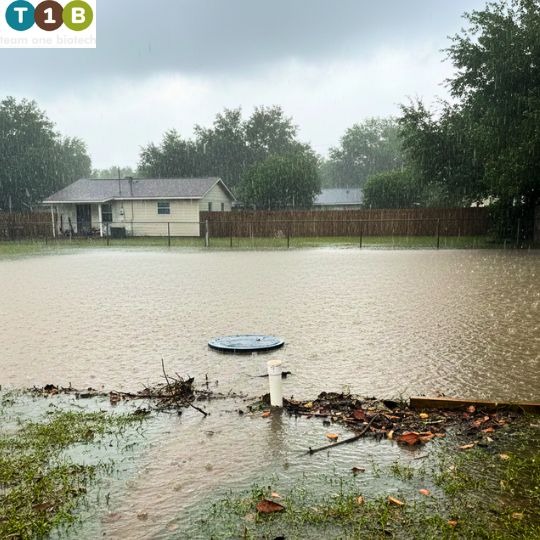
The challenge for Indian septic systems is maintaining this balance through dramatic seasonal changes. The monsoon presents particular difficulties. In Kerala, Assam, or coastal Maharashtra, heavy rains can flood septic tanks, diluting the bacterial concentration and washing away portions of the colony. The sudden influx of water also reduces the retention time needed for proper organic waste degradation.

Industrial facilities face an additional challenge. The wastewater from factories often contains compounds that slowly poison the bacterial colony, gradually pushing it out of the stationary phase and toward collapse.

Death Phase: The Point of No Return

When a microbial colony enters the death phase, the decline accelerates rapidly. Nutrients become depleted, toxic compounds accumulate, or environmental conditions become untenable. Bacteria die faster than they reproduce.

The symptoms are unmistakable: persistent foul odours, slow drainage, visible scum on the surface of standing water, and backed-up toilets. By this stage, emergency intervention isn’t optional, it’s necessary to prevent a complete system failure that could cost over ₹50,000 to rectify.

The Chemical Warfare Happening in Your Drains

The Chemical Warfare Happening in Your Drains

Walk into any Indian household, and you’ll find an arsenal of cleaning products: Lizol, Domex, Harpic, phenyl, and various acid-based toilet cleaners. These products promise hygiene and freshness. What they deliver to your septic system is something closer to a chemical weapon.

Phenyl, still widely used for floor cleaning across India, is particularly devastating to septic bacteria. Its active compounds don’t just clean your floors, they sterilise your septic tank, killing off the very organisms responsible for waste breakdown. A single bucket of phenyl-laced water can set back your microbial colony by weeks.

The same applies to the antibacterial handwashes, bleach-containing detergents, and harsh toilet cleaners that promise a “deep clean.” They work too well, eliminating not just harmful pathogens but also the beneficial bacteria essential for sewage treatment.

Housing societies compound this problem. When twenty flats in a Gurgaon tower complex all pour chemical cleaners down their drains, the cumulative effect on the shared septic infrastructure becomes catastrophic. Facility managers often don’t understand why their expensive sewage treatment plants require desludging every six months instead of every two years.

Consider this: Team One Biotech’s system audits across Delhi-NCR consistently reveal that chemical cleaner overuse is the single largest factor in premature septic failure. The solution isn’t just reducing chemical use, it’s actively replenishing the bacterial population with specialised microbial additives designed for Indian wastewater conditions.

Anaerobic vs. Aerobic: The Dance of Decomposition

Your septic system operates on a two-stage process that mimics natural decomposition, but accelerated and contained. Understanding the difference between anaerobic and aerobic bacteria explains why proper system design matters so profoundly.

The Anaerobic Zone: The Deep Workers

In the oxygen-depleted depths of your septic tank, anaerobic bacteria perform the heavy lifting. These microorganisms don’t require oxygen, in fact, oxygen can inhibit or kill many anaerobic species. They break down complex organic compounds in solid waste, converting proteins, fats, and carbohydrates into simpler molecules.

This process generates methane and hydrogen sulphide as byproducts, which is why improperly vented septic tanks create that characteristic “rotten egg” smell. In well-designed systems, these gases vent harmlessly away from living areas.

Indian wastewater presents unique challenges for anaerobic bacteria. Our cuisine’s heavy use of oils and ghee creates fatty layers that are difficult to break down. The high fibre content from vegetable-heavy diets adds bulk. Anaerobic bacteria adapted to these conditions perform better than generic imported strains, a fact that Team One Biotech’s research has repeatedly confirmed.

The Aerobic Zone: The Polishers

In the upper layers of your tank and especially in the drain field or soak pit, aerobic bacteria take over. These microorganisms require oxygen and perform the final breakdown of organic compounds into carbon dioxide, water, and stable organic matter.

The monsoon poses particular challenges for aerobic bioremediation. When soak pits flood, the aerobic bacteria suffocate. When the water recedes, the system must rebuild this bacterial population from scratch, a process that can take weeks during which your septic system operates at reduced efficiency.

Housing societies with sequential batch reactors or extended aeration systems depend heavily on maintaining healthy aerobic bacterial populations. When these colonies fail, the treated effluent quality plummets, potentially violating environmental regulations and creating health hazards.

The Monsoon Challenge: When Water Attacks Your Waste System

The Monsoon Challenge: When Water Attacks Your Waste System

For three to four months every year, much of India transforms into a water-logged landscape. Streets flood. Basements fill. And septic systems face their greatest annual test.

The problems are multiple and compounding. First, groundwater levels rise, often submerging soak pits and drain fields. This eliminates the aerobic treatment zone entirely. Second, rainwater infiltration dilutes the bacterial concentration in septic tanks, reducing treatment efficiency. Third, the cooler temperatures of the monsoon season slow bacterial metabolism.

In cities like Chennai, where cloudbursts can dump 200mm of rain in a single day, septic tanks can overflow, washing away years of carefully established bacterial colonies. The aftermath isn’t just a cleanup problem, it’s a rebuilding problem that requires weeks of careful bacterial reestablishment.

Facility managers in high-density areas like Navi Mumbai or Noida face additional complications. Shared sewage treatment infrastructure means that when one building’s septic system fails during monsoon, the backup can affect dozens of households. The social tensions this creates in housing societies are well documented.

The solution lies in proactive management. Introducing concentrated microbial additives before monsoon season helps build bacterial populations robust enough to withstand dilution. Ensuring proper drainage around septic tanks prevents excessive water infiltration. These preventive measures cost a fraction of emergency repairs.

Urban Density: The Compound Effect

Indian cities are among the most densely populated on Earth. Mumbai packs over 30,000 people per square kilometre. This density creates unique challenges for septic and sewage treatment systems that Western wastewater management models don’t adequately address.

Consider a typical housing society in Pune: forty flats, 150 residents, sharing a common septic system designed for perhaps 100 people. Morning peak hours see toilets flushing simultaneously, washing machines running in parallel, and kitchens disposing of cooking waste from forty different households. The hydraulic load alone can overwhelm bacterial colonies that haven’t been properly established or maintained.

The waste composition is equally challenging. Indian households generate more organic kitchen waste, vegetable peels, fruit scraps, rice water, than Western counterparts. This should theoretically benefit septic bacteria, as it’s readily biodegradable organic matter. However, when combined with the oils, spices, and acidic compounds from Indian cooking, the waste stream becomes more complex.

The facility manager’s nightmare scenario unfolds when chemical use patterns diverge across households. Twenty families might use eco-friendly cleaning products while five others regularly pour drain cleaners and phenyl into the system. Those five households can single-handedly compromise the bioremediation capacity of the entire infrastructure.

This is precisely where professional intervention becomes essential: Team One Biotech’s microbial solutions are formulated to withstand the variable chemical inputs and high organic loads typical of Indian housing societies, maintaining stable bacterial populations even under adverse conditions.

Industrial Wastewater: A Different Beast Entirely

Manufacturing facilities, food processing plants, and textile factories generate wastewater that would devastate household septic systems. The bacterial strains capable of handling domestic sewage are wholly inadequate for industrial effluent.

Pharmaceutical plants discharge trace antibiotics that create selection pressures favouring resistant bacterial strains. Textile factories release dyes and fixing agents that many bacteria cannot metabolise. Food processing facilities generate wastewater with biochemical oxygen demand (BOD) levels ten times higher than domestic sewage.

These industries require specialised bacterial consortia, carefully selected combinations of microorganisms bred specifically for industrial waste streams. A one-size-fits-all approach to bioremediation fails spectacularly in industrial settings.

The regulatory environment adds complexity. The Central Pollution Control Board and State Pollution Control Boards mandate specific treatment standards. Facilities that fail to meet these standards face penalties, operational shutdowns, and reputational damage. Maintaining robust bacterial colonies in industrial sewage treatment plants isn’t just about avoiding bad smells, it’s about regulatory compliance and business continuity.

Restoring the Balance: A Path Forward

The solution to septic system failures isn’t complicated in principle, though it requires consistency in practice. Your microbial colony is resilient when properly supported but fragile when neglected or poisoned.

Start by auditing your chemical use. That bottle of acid toilet cleaner might make your bowl shine, but it’s creating long-term problems in your septic system. Eco-friendly alternatives clean effectively without devastating your bacterial population.

Understand that your septic system has carrying capacity limitations. If your household has grown, adult children returning home, elderly parents moving in, your septic infrastructure may need capacity expansion or more aggressive bacterial supplementation.

Schedule regular professional assessments. A qualified microbiologist or wastewater specialist can measure bacterial activity levels, identify problems before they become crises, and recommend targeted interventions. This is particularly crucial for housing societies and industrial facilities where system failure affects many people.

Most importantly, recognise that your septic system is a living ecosystem requiring ongoing care. The bacteria working in your tank right now are keeping your family healthy, your property value intact, and your neighbours unbothered by unpleasant odours. They deserve better than being poisoned with harsh chemicals every week.

The Decision That Changes Everything

Septic system failure is preventable. The science is clear, the solutions are proven, and the consequences of inaction are both expensive and unpleasant. The microbial colonies in your wastewater treatment system aren’t mysterious, they’re well-understood biological communities that respond predictably to how you treat them.

Every day you delay addressing the chemical warfare happening in your drains is another day your bacterial population weakens. Every monsoon season that passes without proper preparation is another opportunity for colony collapse. Every household in your society that pours phenyl down the drain is undermining the infrastructure you all depend on.

The path forward requires partnering with specialists who understand Indian wastewater conditions, the climate variations, the chemical use patterns, the dietary impacts, and the infrastructure challenges unique to our country. Team One Biotech has spent years developing microbial solutions specifically for these conditions, not generic formulations adapted from Western markets.

Your septic system’s health is not negotiable. The bacteria working beneath your home right now are either thriving or dying. Contact Team One Biotech today for a comprehensive system assessment and discover how specialised microbial additives can restore the balance your wastewater infrastructure needs. Because prevention isn’t just better than cure, it’s dramatically cheaper, less disruptive, and more effective.

The invisible ecosystem beneath your home deserves your attention. Give it that attention today, and it will serve your family reliably for decades. Neglect it, and you’re one crisis away from an expensive, embarrassing emergency that could have been entirely prevented.

Looking to improve your ETP/STP efficiency with the right bioculture?
Talk to our experts at Team One Biotech for customised microbial solutions.

Contact+91 8855050575

Email:  sales@teamonebiotech.com

Visit: www.teamonebiotech.com

Discover More on YouTube – Watch our latest insights & innovations!-

Connect with Us on LinkedIn – Stay updated with expert content & trends!
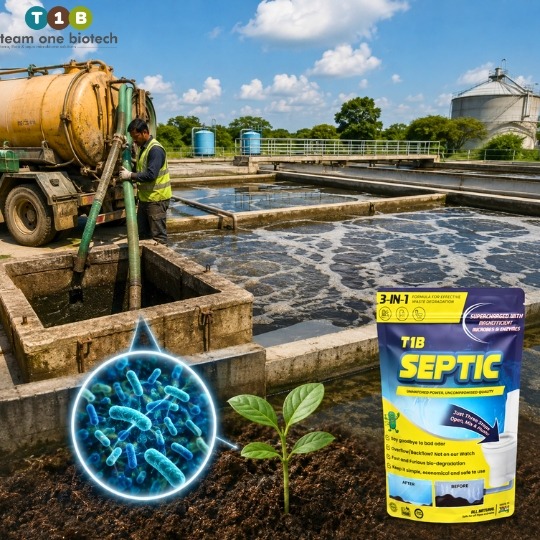
How to Use T1B Septic Tank Cleaner: Step-by-Step Guide

Why Your Septic Tank Needs More Than Just Water

Your septic tank isn’t just a concrete box buried in your backyard, it’s a living, breathing ecosystem. Every flush sends billions of bacteria to work, breaking down waste in a delicate biological dance. But here’s what most homeowners don’t realize: modern household products are quietly sabotaging this system.

That antibacterial hand soap you bought? It’s killing the good bacteria your septic tank desperately needs. The bleach you use weekly? It’s sterilizing your system’s natural digestive capacity. The cooking oil you occasionally rinse down the sink? It’s forming a thick, suffocating layer that blocks proper waste breakdown.

The result? Foul odors wafting through your compound during summer evenings. Slow drains that make morning routines stressful. And eventually, that dreaded call to the septic pumping service, along with a bill that makes you wince.

T1B Septic Tank Cleaner from Team One Biotech offers a different approach. Instead of harsh chemicals that temporarily mask problems, it introduces over 100 crore (1 billion) powerful microbes per gram that actually restore your tank’s natural ability to digest waste. But like any biological solution, effectiveness depends entirely on proper application.

This guide will walk you through exactly how to use T1B Septic Tank Cleaner, from understanding the science behind it to troubleshooting common mistakes that reduce its effectiveness.

What Makes T1B Septic Different

What Makes T1B Septic Different

Before we dive into the how-to, it’s important to understand what you’re actually adding to your septic system.

The Problem with Chemical Cleaners

Walk into any hardware store, and you’ll find shelves lined with septic cleaners promising “instant results.” Most contain sulfuric acid, sodium hydroxide, or synthetic solvents designed to dissolve blockages through brute chemical force.

The catch? These products don’t discriminate. They destroy the organic obstruction, but they also kill 70-90% of the beneficial bacteria that keep your septic system functioning. It’s like taking broad-spectrum antibiotics that wipe out your gut’s healthy microbiome along with the infection.

Worse still, these chemicals corrode concrete tank walls, weaken PVC pipes, and eventually leach into groundwater, contaminating the very water sources your community depends on.

The Biological Alternative: How T1B Actually Works

T1B Septic takes the opposite approach. Think of it as a probiotic supplement for your septic tank, a concentrated dose of beneficial microorganisms that work with nature, not against it.

Each 250g packet contains specialized bacterial strains engineered to:

1. Secrete Powerful Enzymes

  • Lipases break down fats, oils, and grease from your kitchen
  • Proteases digest proteins from human waste and food scraps
  • Cellulases decompose toilet paper and vegetable fibers
  • Amylases target starches from rice water and food waste

2. Complete the Four-Stage Digestion Process

Your septic tank relies on a complex biological pathway:

  • Hydrolysis: Large waste molecules break into smaller pieces
  • Acidogenesis: These pieces convert into fatty acids
  • Acetogenesis: Further breakdown into acetic acid
  • Methanogenesis: Final conversion into methane gas and water

T1B’s microbial consortium ensures each stage happens efficiently, preventing the bottlenecks that cause odors and backups.

3. Adapt to Indian Conditions

Unlike imported products designed for temperate climates, T1B’s “All-Weather Formula” remains active in temperatures ranging from 1°C to 48°C. Whether you’re in Shimla’s winter chill or Chennai’s summer heat, the bacteria keep working.

Step-by-Step: How to Apply T1B Septic Tank Cleaner

How to Apply T1B Septic Tank Cleaner

Step 1: Choose the Right Timing (Critical for Success)

The single biggest mistake homeowners make is applying T1B during peak water usage hours. Here’s why timing matters:

Best Application Times:

  • Late evening (10 PM – 11 PM) after dinner dishes are done
  • Before leaving for vacation when the house will be empty for days
  • Early morning (5 AM – 6 AM) before the family wakes up

Why Low-Flow Periods Matter:

Bacteria need 6-8 hours of “residence time” to transition from their dormant powder state to active vegetative form. During this critical period, they settle into the sludge layer and begin colonizing organic solids.

If you flush T1B at 8 AM and then shower, run the washing machine, and use the kitchen sink heavily, incoming wastewater will simply flush the microbes through the tank before they can establish themselves. You’ve essentially wasted the product.

Pro Tip for Working Families: Apply T1B on Friday night before a weekend trip, or Sunday night when Monday’s work schedule naturally reduces morning water usage.

Step 2: Prepare the Application

What You’ll Need:

  • T1B Septic Tank Cleaner packet (250g for routine maintenance)
  • Optional: 1-2 liters of lukewarm water in a bucket
  • Toilet access (primary application point)

Important Temperature Note: Never use hot water. Temperatures above 60°C will kill the bacteria before they reach your tank. Lukewarm water (around 30-35°C) helps activate enzymes without harming the microbes.

Step 3: Application Methods

Method A: Direct Toilet Flush (Recommended for Most Users)

  1. Open the T1B packet by tearing along the perforated edge
  2. Remove the inner pouch containing the powder
  3. Pour the entire contents directly into the toilet bowl
  4. Flush twice to ensure all powder clears the P-trap and reaches the septic tank
  5. Avoid using the toilet for 6-8 hours if possible (overnight application makes this easy)

Method B: Pre-Activated Application (For Severe Issues)

If you’re dealing with strong odors or extremely slow drains:

  1. Pour the T1B powder into a bucket containing 2 liters of lukewarm water
  2. Stir gently for 30-60 seconds to dissolve the powder
  3. Let it sit for 5 minutes to activate the enzymes
  4. Pour the mixture slowly into the toilet
  5. Flush once to move it into the tank

Method C: Kitchen Drain Treatment (For Grease Issues)

If your kitchen drain is particularly problematic:

  1. Mix half a packet of T1B with 1 liter of lukewarm water
  2. Pour directly down the kitchen sink drain
  3. Do not use the sink for 6-8 hours
  4. Follow up with the remaining half packet via toilet

This targeted approach helps the lipase enzymes work directly on grease buildup in your kitchen plumbing before reaching the septic tank.

Step 4: Post-Application Protocol

The first 8 hours after applying T1B are critical. Follow these guidelines:

DO:

  • Allow the bacteria time to colonize undisturbed
  • Continue normal toilet usage after 6-8 hours
  • Note any changes in drainage speed or odor over the next 7-10 days

DON’T:

  • Use heavy bleach or disinfectants for 24 hours
  • Run multiple loads of laundry immediately after application
  • Pour chemical drain cleaners down any drains
  • Add antibacterial cleaners to toilet bowls

What to Expect:

  • Days 1-3: Bacteria are establishing colonies
  • Days 4-7: Noticeable reduction in odors as digestion ramps up
  • Days 7-14: Drainage improvement becomes evident
  • Week 3+: System reaches optimal bacterial balance

Dosage Guidelines: How Much T1B Do You Actually Need?

The correct dosage depends on your tank size and the severity of any existing problems.

For Routine Maintenance (System Functioning Normally)

Septic Tank CapacityMonthly Dosage
Up to 10,000 liters1 packet (250g)
11,000 – 20,000 liters2 packets (500g)
21,000+ liters3 packets (750g)

Application Schedule: Once every month on the same date (set a phone reminder)

For Severe Issues (Strong Odors, Slow Drains, Recent Pumping)

Month 1 (Shock Treatment):

  • 10,000L tank: 3 packets (750g) – one packet per week for 3 weeks
  • 20,000L tank: 4-5 packets spread over 3-4 weeks

Month 2 (Stabilization):

  • 10,000L tank: 2 packets (500g) – split into two applications
  • 20,000L tank: 3 packets (750g)

Month 3 Onward (Maintenance):

  • Return to routine maintenance schedule above

When to Apply Shock Treatment:

  • Immediately after professional tank pumping (to reseed beneficial bacteria)
  • After using harsh chemical cleaners
  • Following extended periods of antibacterial soap/bleach use
  • When persistent “rotten egg” smell (hydrogen sulfide) is present
  • After family gatherings or periods of unusually high water usage

Common Mistakes That Sabotage T1B Effectiveness

Common Mistakes That Sabotage T1B Effectiveness

Mistake 1: Using Hot Water

Hot water kills bacteria. Always use lukewarm or room-temperature water if pre-activating the powder.

Mistake 2: Applying During Peak Water Usage

Morning rush hours or laundry day flushes bacteria through before they can work. Always apply during low-flow periods.

Mistake 3: Expecting Overnight Miracles

T1B is biological, not chemical. Bacterial populations need 7-14 days to reach working levels. If you’re expecting instant results, you’ll be disappointed, but give it two weeks and you’ll notice the difference.

Mistake 4: Continuing to Use Antibacterial Products Heavily

If you’re using antibacterial hand soap, toilet bowl cleaners with bleach, or heavy disinfectants daily, you’re constantly killing the bacteria you just added. Switch to septic-safe alternatives.

Mistake 5: Skipping Months

Bacterial populations decline over time, especially in the presence of household cleaners. Consistent monthly applications maintain the population at optimal levels.

What You Should NEVER Flush (Even with T1B)

What You Should NEVER Flush (Even with T1B)

T1B’s microbes are powerful, but they’re not magic. Certain items will cause physical blockages no amount of bacteria can fix:

Prohibited Items:

  • Wet wipes (even “flushable” ones)
  • Sanitary pads and tampons
  • Condoms
  • Dental floss
  • Cotton swabs
  • Cigarette butts
  • Cat litter
  • Paper towels
  • Disposable diapers
  • Cooking oils in large quantities
  • Paint, solvents, or chemicals
  • Expired medications

Kitchen-Specific Rules:

  • Scrape plates into trash, don’t rinse food scraps down the drain
  • Collect cooking oil in a container for proper disposal
  • Use sink strainers to catch food particles
  • Avoid garbage disposals if connected to septic systems

Maximizing Long-Term Results: The Complete Maintenance Strategy

Monthly: T1B Application

Set a recurring reminder for the same date each month. Many users choose the 1st or 15th for easy tracking.

Quarterly: System Inspection

Every three months, check for:

  • Gurgling sounds from drains
  • Slow drainage in multiple fixtures
  • Odors near the septic tank area
  • Wet spots or unusually green grass over the drain field

Annually: Professional Assessment

Even with perfect T1B maintenance, schedule an annual inspection to check:

  • Sludge and scum layer thickness
  • Structural integrity of tank and baffles
  • Drain field health

Every 3-5 Years: Professional Pumping

With consistent T1B use, most households can extend pumping intervals from every 1-2 years to every 3-5 years. The bacteria reduce sludge volume by up to 60%, dramatically lowering maintenance costs.

Cost Savings Calculation:

  • Professional pumping: Rs. 8,000 – 15,000
  • T1B monthly treatment: Rs. 400 – 600
  • Annual T1B cost: Rs. 4,800 – 7,200

Even if T1B only extends your pumping interval by one extra year, it pays for itself several times over, while providing daily odor elimination and drainage improvement.

Troubleshooting: When T1B Isn’t Working as Expected

Problem: No improvement after 3 weeks

Possible Causes:

  • Tank is critically full and needs professional pumping first
  • Excessive use of antibacterial products is killing bacteria faster than T1B can repopulate
  • Physical blockage (non-biodegradable item) in pipes
  • Drain field failure (beyond T1B’s scope)

Solution: Schedule professional inspection to rule out mechanical issues

Problem: Initial improvement, then symptoms return

Possible Causes:

  • Inconsistent monthly applications
  • Sudden increase in household water usage
  • Introduction of chemicals that killed bacterial population

Solution: Apply shock treatment (2-3 packets over 2 weeks), then resume monthly schedule

Problem: Works great in summer, less effective in winter

Possible Causes:

  • While T1B works in cold temperatures, bacterial activity slows

Solution: Increase dosage by 50% during winter months in cold climates (above 2,000m elevation)

The Environmental and Economic Case for T1B

Protecting Groundwater

Every time you choose biological treatment over chemicals, you’re protecting your family’s water source. Chemical residues from traditional cleaners leach through soil and into aquifers, the same aquifers supplying drinking water to your community.

T1B’s microbes are naturally occurring, non-pathogenic, and completely biodegradable. They break down waste and then die off naturally, leaving no toxic residue.

Extending System Lifespan

The average septic system costs Rs. 1.5 – 3 lakhs to install. Drain field replacement alone can exceed Rs. 2 lakhs. By maintaining optimal bacterial populations with T1B, you’re protecting a significant investment in your property.

Supporting Sustainable Sanitation

India’s Swachh Bharat Mission emphasizes safe sanitation practices. Biological septic treatment aligns perfectly with these goals, ensuring waste is properly treated before entering soil and water systems.

Transform Your Septic System with Proper T1B Use

Using T1B Septic Tank Cleaner isn’t complicated, but it does require consistency and proper technique. Apply during low-flow periods, use the correct dosage for your tank size, and maintain a monthly schedule. Avoid antibacterial products that work against the bacteria, and never flush non-biodegradable items.

Within two weeks of your first application, you’ll notice odors diminishing. Within a month, drainage improves. Within three months, your septic system will be functioning as nature intended, efficiently, odor-free, and with minimal maintenance.

The choice between chemical band-aids and biological solutions isn’t just about your septic tank. It’s about protecting groundwater, reducing maintenance costs, and ensuring your sanitation system serves your family safely for decades.

Looking to improve your ETP/STP efficiency with the right bioculture?
Talk to our experts at Team One Biotech for customised microbial solutions.

Contact+91 8855050575

Email:  sales@teamonebiotech.com

Visit: www.teamonebiotech.com

Discover More on YouTube – Watch our latest insights & innovations!-

Connect with Us on LinkedIn – Stay updated with expert content & trends!
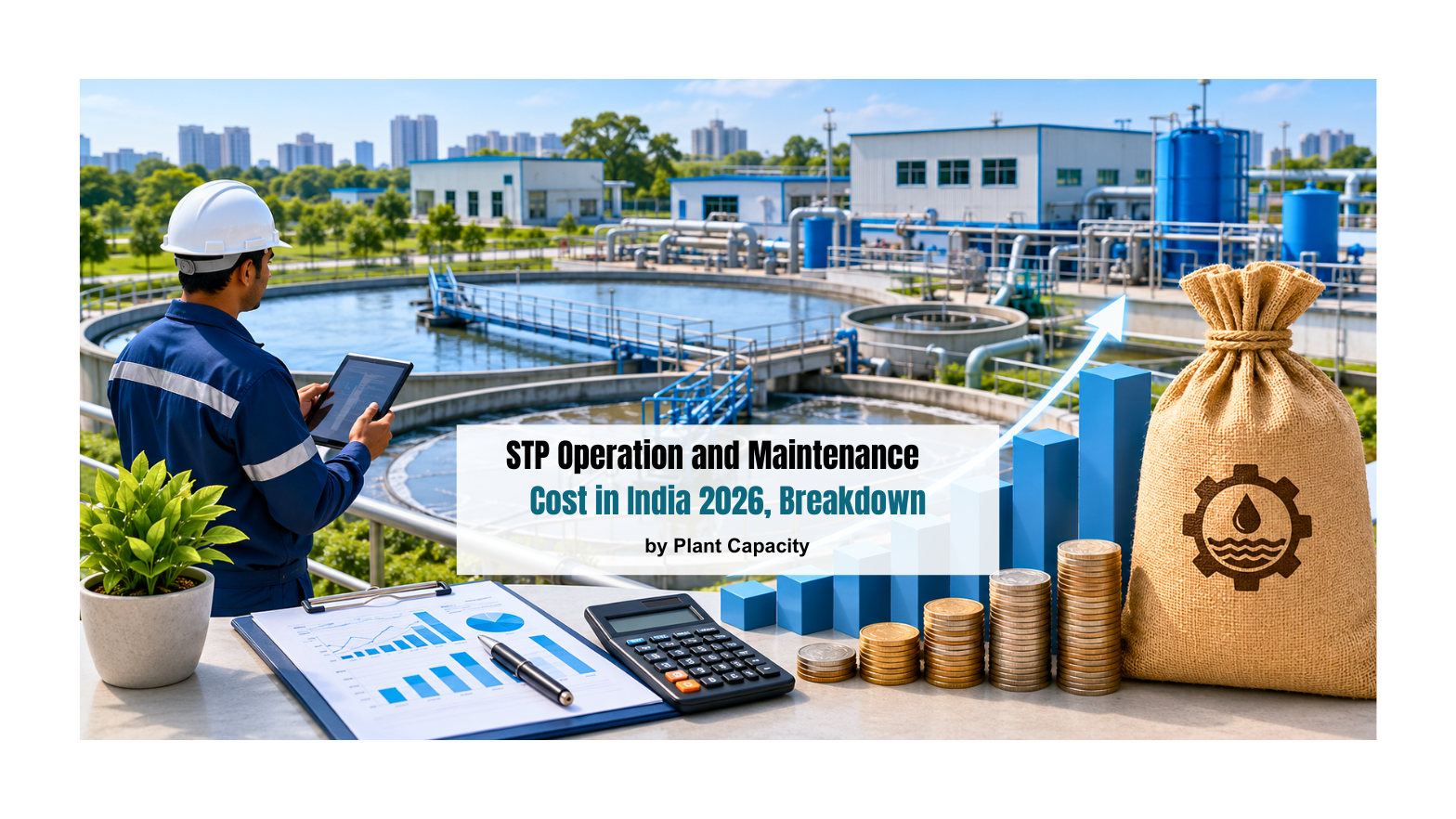
Monthly Septic Tank Maintenance Checklist

It was a Saturday evening in Mumbai’s monsoon season when the Sharma family’s worst nightmare unfolded. Guests were arriving for their daughter’s engagement ceremony, and suddenly, a foul odor began permeating the garden. Within minutes, sewage water started backing up through the outdoor drain. The celebration turned into chaos, the embarrassment was overwhelming, and the cleanup cost them over Rs. 45,000 in emergency services.

This scenario plays out in thousands of Indian homes every year, yet it’s entirely preventable.

Your septic tank is the silent guardian of your home’s hygiene and comfort. When functioning properly, it remains invisible, quietly processing hundreds of liters of wastewater daily. But neglect this underground ecosystem for even a few months, and you’ll face consequences that go beyond mere inconvenience: health hazards, property damage, groundwater contamination, and social mortification.

The good news? A systematic monthly maintenance routine, enhanced with modern bioremediation technology, can keep your septic system functioning flawlessly for decades. This comprehensive guide provides Indian homeowners with a practical, scientifically-backed maintenance checklist that accounts for our unique climate challenges, dietary habits, and water usage patterns.

The Indian Septic System Challenge: Why Standard Maintenance Falls Short

The Indian Septic System Challenge: Why Standard Maintenance Falls Short

India’s diverse geography and lifestyle patterns create unique stress factors for septic systems. Unlike Western countries where septic maintenance protocols were developed, Indian households contend with:

Monsoon Intensity: The dramatic shift from scorching summers to torrential monsoons affects groundwater tables, potentially flooding drain fields and disrupting the anaerobic digestion process inside tanks.

Dietary Impact: Indian cuisine, rich in oils, ghee, spices, and complex carbohydrates, creates different waste profiles compared to Western diets. These substances can solidify in pipes, create thick scum layers, and disrupt the bacterial balance necessary for waste breakdown.

Chemical Overuse: There’s a widespread belief in Indian households that harsh chemical cleaners, bleaches, and toilet disinfectants ensure better hygiene. In reality, these products annihilate the beneficial bacteria that your septic tank depends on, leading to system failure.

Water Usage Patterns: From daily bucket baths to washing machine discharge, Indian water usage follows different patterns that affect hydraulic loading on septic systems.

Understanding these factors is the first step toward developing a maintenance approach that actually works in Indian conditions.

Section 1: The Monthly Visual and Functional Inspection Checklist

The Monthly Visual and Functional Inspection Checklist

A proactive homeowner catches problems before they escalate into emergencies. Set aside the first Sunday of every month for this systematic inspection routine.

Exterior Inspection Points:

  • Access Cover Check: Locate your septic tank’s access lid. Ensure it’s properly sealed and hasn’t been damaged by weather or vegetation. A compromised lid allows rainwater infiltration, which overloads your system.
  • Ground Surface Evaluation: Walk over the drain field area. Look for soggy patches, unusually lush grass growth, or surface pooling. These indicate that effluent is surfacing rather than percolating properly, a sign of drain field saturation or failure.
  • Vegetation Management: Tree roots are opportunistic and will penetrate septic tanks and pipes seeking moisture. Keep large trees at least 10 meters away from your tank and drain field. Monthly, check for new saplings in the vicinity.
  • Structural Integrity: Examine the ground around the tank for settling, cracks, or depressions. These could indicate tank deterioration or soil erosion that compromises structural stability.

Functional Performance Tests:

  • Drain Speed Assessment: Once monthly, time how long your kitchen sink, bathroom basin, and shower drains take to empty completely. Progressively slower drainage is an early warning sign of partial blockage or tank fullness.
  • Toilet Flush Test: Flush each toilet in your home and observe. Weak flushes, gurgling sounds, or water backing up into other fixtures suggests ventilation issues or developing blockages.
  • Odor Detection: A properly functioning septic system is odor-free. Any sewage smell near drains, in your yard, or inside your home indicates either venting problems or that anaerobic digestion isn’t occurring properly due to bacterial imbalance.

Section 2: Understanding What Happens Inside the Tank

What Happens Inside the Tank

Your septic tank isn’t just a holding container, it’s a living ecosystem. Understanding this transforms you from a passive homeowner into an informed custodian.

The Three-Layer System:

When wastewater enters your septic tank, natural separation occurs. Solids settle to the bottom forming sludge, oils and grease float to the top creating scum, and relatively clear liquid (effluent) remains in the middle layer. This effluent flows to the drain field where soil bacteria complete the purification process.

The critical factor? Beneficial anaerobic bacteria that colonize your tank and digest organic matter. These microscopic workers break down solid waste, reduce sludge accumulation, and prevent system overload.

The Bacterial Balance Crisis:

Modern Indian households unknowingly wage war against these beneficial bacteria. Every time you use:

  • Antibacterial toilet cleaners
  • Chlorine bleach for bathroom cleaning
  • Strong chemical drain openers
  • Concentrated detergents with harsh surfactants

You’re essentially sterilizing your septic tank, killing the bacteria that keep it functioning. This is why households with meticulous cleaning habits often experience the worst septic problems.

Monthly Bacterial Replenishment:

This is where bioremediation for septic tanks becomes indispensable. Rather than relying on naturally occurring bacteria, which take time to re-establish after chemical assault, monthly addition of specialized bacterial cultures ensures consistent waste digestion.

Team One Biotech’s bacterial additives for sewage contain scientifically selected strains that:

  • Thrive in Indian climatic conditions
  • Digest complex oils and fats from Indian cooking
  • Rapidly multiply even after chemical exposure
  • Produce enzymes that break down paper, proteins, and carbohydrates
  • Reduce sludge volume by up to 60 percent

Application Protocol: On the last day of each month, flush the recommended quantity of bacterial culture down your toilet before bed. Nighttime application ensures the bacteria aren’t immediately flushed out, giving them time to colonize the tank.

Section 3: Water Management and Conservation Strategies

Water Management and Conservation Strategies

Excessive water usage is the silent killer of septic systems, particularly in Indian apartments and housing societies where 24-hour water supply encourages wasteful habits.

Why Water Management Matters:

Your septic tank is designed for a specific daily volume. Exceeding this causes:

  • Insufficient retention time for solid separation
  • Flushing of undigested solids into the drain field
  • Hydraulic overload preventing proper percolation
  • Premature drain field failure

Monthly Water Audit Checklist:

  • Fixture Inspection: Check all taps, showerheads, and toilets for leaks. A running toilet can waste 200 liters daily, overwhelming your septic system with clean water that dilutes bacterial activity.
  • Appliance Scheduling: Spread laundry and dishwasher loads throughout the week rather than concentrating them on weekends. This prevents hydraulic shock to your system.
  • Greywater Diversion: Consider routing washing machine discharge away from the septic tank during heavy usage periods. This reduces the fat, oil, and grease (FOG) load entering your system.
  • Rainwater Management: Ensure roof gutters and surface drainage don’t discharge into or near your septic tank and drain field. Monsoon flooding can cause complete system failure.

Section 4: The Bioremediation Advantage, How Team One Biotech Simplifies Maintenance

Traditional septic tank maintenance in India relies on periodic mechanical de-sludging, an expensive, unpleasant process that requires tanker trucks and manual labor. In many cases, homes require pumping every 1-2 years at costs ranging from Rs. 8,000 to Rs. 15,000 per service.

Bioremediation technology fundamentally changes this equation.

The Science Behind Team One Biotech Solutions:

Team One Biotech has developed specialized bacterial consortia specifically for Indian septic conditions. These aren’t generic products imported from other countries, they’re formulated for our unique waste profiles.

The bacterial strains work through enzymatic digestion, breaking down complex organic molecules into simpler compounds. This process:

  • Reduces solid waste volume continuously
  • Prevents scum layer buildup that causes overflows
  • Keeps drain fields permeable by reducing biological mat formation
  • Eliminates foul odors by ensuring complete anaerobic digestion
  • Extends the interval between mechanical pumpings to 4-5 years or more

The Complete Monthly Protocol:

Incorporating Team One Biotech solutions into your routine is straightforward:

  • Week 1: Conduct visual and functional inspections
  • Week 2: Perform water audit and address leaks
  • Week 3: Review household chemical usage; replace harsh cleaners with septic-safe alternatives
  • Week 4: Add bioremediation bacterial culture as directed

This systematic approach creates a predictable maintenance rhythm, preventing septic backups and eliminating the anxiety of potential system failure.

Section 5: Warning Signs That Require Immediate Professional Attention

Even with diligent monthly maintenance, certain symptoms demand immediate expert evaluation:

  • Sewage backing up into fixtures despite no visible blockages
  • Standing water over drain field that persists for more than 24 hours after rain
  • Strong sewage odors that worsen rather than improve after bacterial treatment
  • Unusually high water table rise in inspection wells
  • Visible cracks in concrete tank structures

When you notice these signs, consult with a Team One Biotech expert immediately. Early professional intervention can prevent complete system failure and the catastrophic costs associated with drain field replacement.

Long-Term Savings and Environmental Responsibility

The monthly septic tank maintenance checklist outlined in this guide represents more than just system preservation, it’s an investment in your family’s health, your property value, and environmental stewardship.

Consider the mathematics: A well-maintained septic system lasts 25-30 years. Neglected systems fail within 10-15 years, requiring complete replacement costing Rs. 2-4 lakhs. Monthly bioremediation treatment costs approximately Rs. 300-500, meaning your annual investment of Rs. 3,600-6,000 protects a system worth lakhs.

Beyond economics, proper septic maintenance prevents groundwater contamination, a growing crisis in Indian urban and suburban areas. Failing septic systems leach untreated sewage into aquifers, contaminating drinking water sources and spreading waterborne diseases.

Team One Biotech’s bioremediation solutions offer Indian homeowners a scientifically advanced, environmentally responsible path forward. By harnessing nature’s own waste-digesting capabilities and enhancing them through bacterial science, you eliminate the need for harsh chemicals, reduce dependence on mechanical pumping, and ensure your septic system operates as the invisible, efficient waste processor it was designed to be.

Take Action Today:

Don’t wait for a septic emergency to disrupt your life and drain your finances. Implement this monthly maintenance checklist starting today. For personalized guidance based on your specific system configuration, household size, and local soil conditions, consult with a Team One Biotech expert.

Looking to improve your ETP/STP efficiency with the right bioculture?
Talk to our experts at Team One Biotech for customised microbial solutions.

Contact+91 8855050575

Email:  sales@teamonebiotech.com

Visit: www.teamonebiotech.com

Discover More on YouTube – Watch our latest insights & innovations!-

Connect with Us on LinkedIn – Stay updated with expert content & trends!

Culture Dosage for 1000-Litre Tanks
Culture Dosage Requirements for 1000-Litre Tanks

The Hidden Cost of Getting Dosage Wrong

Ever happened your effluent treatment plant isn’t cooperating? The characteristic odour of hydrogen sulphide greets you before you even reach the tank. Your compliance report is due Thursday, and the last BOD test came back at 180 mg/L, three times above the CPCB discharge limit of 30 mg/L for most industrial zones.

You’ve been adding microbial culture, but nothing seems to work. Either you’re burning through your budget on excessive dosing, or you’re under-dosing and watching your treatment efficiency plummet. The chemical bills are mounting, the regulatory pressure is intensifying, and you’re caught between operational chaos and environmental responsibility.

This scenario plays out daily across hundreds of facilities in India. The difference between treatment success and costly failure often comes down to one critical factor: precise culture dosage calculation.

Understanding the exact microbial inoculum requirements for your 1,000-litre tank isn’t just about following a formula, it’s about protecting your facility from non-compliance penalties, reducing operational costs, and ensuring your treatment system performs reliably under India’s challenging environmental conditions.

Why Standard Dosage Charts Fall Short in Indian Conditions

Why Standard Dosage Charts Fall Short in Indian Conditions

International bioremediation guidelines rarely account for the unique stressors present in Indian industrial wastewater systems. Our tropical climate brings temperature swings from 15°C in winter mornings to 45°C in summer afternoons. Seasonal monsoons dilute influent concentrations unexpectedly. Industrial clusters in Gujarat, Maharashtra, and Tamil Nadu generate effluents with COD levels exceeding 5,000 mg/L, far beyond what conventional formulas anticipate.

Generic dosage recommendations fail because they assume:

  • Consistent ambient temperatures between 20-25°C
  • Moderate organic loading (COD below 2,000 mg/L)
  • Stable pH conditions
  • Regular operational oversight

None of these assumptions hold true for most Indian facilities. This is precisely why customized dosage protocols, calibrated to your specific tank volume and operational reality, become non-negotiable.

Understanding the Two-Phase Dosage Approach

Successful bioremediation in a 1,000-litre tank requires understanding two distinct phases: startup dosage and maintenance dosage. Confusing these phases is the primary reason most treatment systems underperform.

Startup Dosage: Building Your Biological Foundation

Startup dosage applies when you’re:

  • Commissioning a new ETP/STP system
  • Restarting after extended shutdown (more than 7 days)
  • Recovering from toxic shock loading
  • Switching from purely chemical treatment to biological methods

During startup, you’re not just treating wastewater, you’re establishing a thriving microbial ecosystem capable of sustained pollutant degradation. This requires higher initial concentrations to achieve rapid colonization.

Recommended Startup Protocol for 1,000-Litre Tanks:

For a standard 1,000-litre tank treating industrial effluent with COD levels between 1,500-3,000 mg/L:

  • Initial dose: 500-750 grams of concentrated microbial culture
  • Application frequency: Daily dosing for the first 7-10 days
  • Stabilization period: 14-21 days until consistent COD reduction above 80% is achieved

Critical startup consideration: During the first week, your microbial population is vulnerable. Avoid introducing shock loads, maintain pH between 6.5-8.5, and ensure adequate aeration (dissolved oxygen above 2 mg/L).

Maintenance Dosage: Sustaining Treatment Efficiency

Once your system achieves biological stability, typically indicated by consistent COD/BOD reduction and stable MLSS (Mixed Liquor Suspended Solids) readings, you transition to maintenance dosing.

Recommended Maintenance Protocol for 1,000-Litre Tanks:

  • Standard dose: 200-350 grams per week
  • Application frequency: Split into 2-3 applications per week
  • Monitoring parameter: Adjust based on weekly COD/BOD analysis

Maintenance dosing compensates for natural microbial die-off, nutrient depletion, and operational stresses. Think of it as replenishing your biological workforce to maintain treatment capacity.

The Variables That Determine Your Exact Dosage

The Variables That Determine Your Exact Dosage

No two facilities operate identically. Your precise culture dosage depends on several interconnected factors specific to your operation.

1. Organic Loading and Pollutant Complexity

COD/BOD Ratio Matters:
Pharmaceutical and chemical industries often generate effluents with COD:BOD ratios exceeding 3:1, indicating recalcitrant compounds. Higher ratios demand specialized microbial consortia and increased dosage, potentially 30-50% above standard recommendations.

Calculation Example:
If your 1,000-litre tank receives influent with 4,000 mg/L COD (instead of the baseline 2,000 mg/L), increase your maintenance dosage proportionally:

Standard dose (200g) × (4,000 ÷ 2,000) = 400 grams weekly

2. Temperature Fluctuations in Indian Climate

Microbial metabolism is temperature-dependent. For every 10°C drop below the optimal range (28-35°C), biological activity can decrease by 40-60%.

Winter Dosage Adjustment (November-February):
In North Indian facilities where temperatures drop to 12-18°C, increase maintenance dosage by 25-40% to compensate for reduced microbial activity.

Summer Considerations (April-June):
Temperatures exceeding 38°C can stress mesophilic bacteria. Ensure adequate cooling or consider thermophilic culture strains. Monitor DO levels closely as oxygen solubility decreases in warmer water.

3. pH Stability and Nutrient Availability

Most bioremediation cultures perform optimally between pH 6.8-7.8. Indian industrial effluents, particularly from textile, dyeing, and metal finishing operations, frequently exhibit extreme pH values.

pH-Related Dosage Modifications:

  • Acidic conditions (pH below 6.0): Increase dosage by 20% and supplement with alkalinity
  • Alkaline conditions (pH above 8.5): Increase dosage by 15-25% and consider pH adjustment before biological treatment

Nutrient Balance:
Ensure adequate nitrogen and phosphorus availability. The ideal C:N:P ratio for effective bioremediation is 100:5:1. Nutrient deficiency can necessitate 30-50% higher culture dosing to achieve comparable results.

4. Hydraulic Retention Time (HRT)

Your 1,000-litre tank’s HRT directly influences treatment efficiency. Shorter retention times require higher microbial populations to achieve adequate contact time.

HRT Impact on Dosage:

  • HRT 24-36 hours: Standard dosage sufficient
  • HRT 12-24 hours: Increase dosage by 20-30%
  • HRT below 12 hours: Increase dosage by 40-50% or consider system redesign

Step-by-Step Application Protocol for 1,000-Litre Tanks

Step-by-Step Application Protocol for 1,000-Litre Tanks

Proper application technique significantly impacts treatment outcomes. Follow this proven protocol for optimal results.

Step 1: Pre-Application System Check

Before introducing culture, verify:

  • Tank pH is between 6.5-8.5
  • Dissolved oxygen exceeds 2 mg/L (for aerobic systems)
  • No toxic chemical additions in previous 24 hours
  • Aeration system functioning correctly

Step 2: Culture Preparation

Never add concentrated culture directly to the tank. Proper activation ensures immediate microbial viability.

  1. Take a clean bucket with 10-15 litres of dechlorinated water
  2. Add measured culture quantity
  3. Mix thoroughly for 3-5 minutes
  4. Allow to stand for 15-20 minutes (activation period)
  5. Add 200-300 grams of jaggery or molasses as carbon source

Step 3: Application Technique

  • Pour activated culture mixture evenly across tank surface
  • If possible, apply near aeration points for rapid distribution
  • Avoid application during peak sunlight (UV can harm bacteria)
  • Ideal application timing: early morning or evening

Step 4: Post-Application Monitoring

Track these parameters for 48-72 hours after dosing:

  • DO levels: Should remain above 2 mg/L
  • pH stability: Fluctuations indicate biological activity
  • Sludge settling: Improved settling indicates active biomass
  • Odour reduction: Noticeable within 24-48 hours

Step 5: Weekly Performance Assessment

Measure treatment efficiency weekly:

  • COD/BOD reduction percentage
  • TSS (Total Suspended Solids) levels
  • Sludge Volume Index (SVI) for settling characteristics

If COD reduction falls below 75%, increase next dosage by 15-20% and investigate operational issues.

Cost-Benefit Analysis: Investing in Proper Dosage

Cost-Benefit Analysis: Investing in Proper Dosage

Under-dosing appears economical initially but creates cascading costs:

Consequences of Insufficient Dosage:

  • Extended treatment time increases power consumption
  • Higher chemical additive requirements (coagulants, pH adjusters)
  • Frequent system failures requiring emergency interventions
  • CPCB non-compliance penalties ranging from ₹25,000 to ₹1,00,000
  • Potential facility shutdown orders

Investment in Optimal Dosage:

A 1,000-litre tank requiring 300 grams weekly maintenance typically costs ₹600-900 monthly for quality microbial culture. This investment delivers:

  • 80-90% COD/BOD reduction consistency
  • 40-60% reduction in chemical treatment costs
  • Elimination of odour complaints
  • Regulatory compliance assurance
  • Extended equipment lifespan due to reduced chemical corrosion

The real question isn’t whether you can afford proper dosage, it’s whether you can afford the consequences of inadequate treatment.

Why Team One Biotech Culture Formulations Outperform Generic Products

Not all microbial cultures deliver equivalent results. Team One Biotech formulations incorporate several technological advantages specifically engineered for Indian industrial applications:

1. Polyculture Synergy

Our consortia contain 15-20 bacterial strains selected for complementary metabolic pathways, ensuring degradation of complex pollutants including:

  • Petroleum hydrocarbons
  • Phenolic compounds
  • Heavy metal complexes
  • Recalcitrant dyes and pigments

2. Temperature Resilience

Strains selected for stable performance across 15-45°C temperature range, eliminating seasonal dosage uncertainty.

3. Shock Load Recovery

Enhanced spore-forming species provide rapid recovery from toxic exposure or operational disruptions.

4. Reduced Sludge Generation

Optimized culture balance minimizes excess biomass production, reducing sludge disposal costs by 25-35% compared to conventional treatments.

Common Dosage Mistakes to Avoid

Even experienced operators make these critical errors:

Mistake 1: One-Size-Fits-All Approach

Applying the same dosage regardless of seasonal changes, loading variations, or operational upsets guarantees inconsistent results.

Solution: Implement adaptive dosing protocols that respond to monitoring data.

Mistake 2: Ignoring Acclimation Period

Expecting immediate results after first application leads to premature dosage escalation.

Solution: Allow 14-21 days for culture establishment before making dosage adjustments.

Mistake 3: Simultaneous Chemical and Biological Treatment

Adding disinfectants, heavy metals, or high chlorine concentrations during biological treatment decimates microbial populations.

Solution: Separate chemical pre-treatment from biological stages, or consult Team One Biotech for compatible chemical protocols.

Mistake 4: Inadequate Record Keeping

Without documented dosage, timing, and performance data, troubleshooting failures becomes guesswork.

Solution: Maintain detailed treatment logs including dosage amounts, application times, and weekly performance metrics.

When to Increase Dosage Beyond Standard Recommendations

Certain situations demand temporary or permanent dosage escalation:

Immediate Dosage Increase Triggers:

  • COD reduction drops below 70% for two consecutive tests
  • Visible sludge bulking or poor settling
  • Return of foul odours after previous control
  • Introduction of new product lines affecting effluent composition
  • Post-monsoon startup with diluted influent requiring system re-establishment

Consult Team One Biotech technical support before increasing dosage beyond 50% of standard recommendations to rule out operational issues that dosage alone cannot resolve.

Team One Biotech: Your Partner in Sustainable Treatment

Managing a 1,000-litre ETP/STP system doesn’t have to be a constant struggle between performance and budget. Team One Biotech provides more than microbial cultures, we deliver comprehensive treatment solutions tailored to your specific operational challenges.

Our Customized Support Includes:

  • Site-Specific Dosage Calculators: Based on your actual COD loading, temperature conditions, and discharge requirements
  • Quarterly Performance Audits: On-site assessment of treatment efficiency with optimization recommendations
  • 24/7 Technical Helpline: Immediate support during treatment emergencies or operational upsets
  • Compliance Documentation: Assistance with CPCB reporting and environmental audit preparation

Ready to optimize your treatment system? Contact Team One Biotech today for a complimentary dosage assessment and discover how precision bioremediation can transform your facility’s environmental performance while reducing operational costs.

Precision Dosage as Your Competitive Advantage

In India’s increasingly stringent regulatory environment, wastewater treatment excellence isn’t optional, it’s a business imperative. The difference between facilities that struggle with compliance and those that achieve effortless environmental performance often comes down to mastering the fundamentals: understanding your system, monitoring consistently, and dosing precisely.

Your 1,000-litre tank represents more than a regulatory checkbox. It’s an opportunity to demonstrate environmental stewardship, reduce operational costs, and build resilience against future regulatory tightening. With proper culture dosage, calibrated to your specific organic loads, temperature conditions, and operational constraints, biological treatment becomes your most reliable and cost-effective solution.

Team One Biotech stands ready to support your journey toward treatment excellence. Whether you’re commissioning a new system, troubleshooting existing challenges, or pursuing performance optimization, our technical expertise and proven formulations provide the foundation for lasting success.

Don’t leave your environmental compliance to guesswork. Partner with Team One Biotech and experience the confidence that comes from precision bioremediation.

Looking to improve your ETP/STP efficiency with the right bioculture?
Talk to our experts at Team One Biotech for customised microbial solutions.

Contact+91 8855050575

Email:  sales@teamonebiotech.com

Visit: www.teamonebiotech.com

Discover More on YouTube – Watch our latest insights & innovations!-

Connect with Us on LinkedIn – Stay updated with expert content & trends!
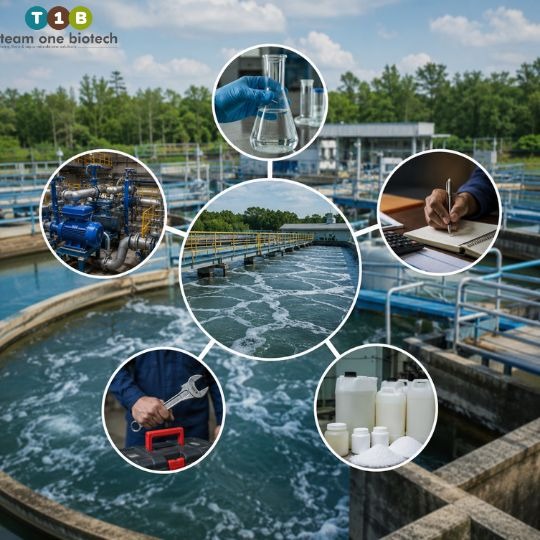
Scan the code