Managing Oil and Grease in Food Processing Units: Meeting Municipality Norms

Ask any hotel operations manager what their worst Saturday night looks like, and somewhere in that story, there is a blocked drain.

It is peak service. The banquet hall is full. The main kitchen is running three stations simultaneously. And then the floor drain near the dishwashing area starts backing up. Slowly at first, just a thin film of greasy water spreading across the tiles. Then faster. Within minutes, the kitchen supervisor is on the phone, the executive chef is furious, and someone is making the call that nobody wants to make: we need to slow down service.

What follows is not just a plumbing emergency. It is a cascade. Guests notice delays. Staff morale takes a hit. If a health department inspector happens to visit the following morning, and in several Indian cities, anonymous complaints do trigger surprise visits, the conversation becomes significantly more expensive than a plumber’s bill.

FOG management, which stands for Fats, Oils, and Grease, is one of those operational responsibilities, often detailed in “ The Ultimate FOG Management & Septic Health Guide for Commercial Facilities “, that sits quietly in the background until it does not. And when it fails, it fails loudly, expensively, and almost always at the worst possible time.

Why Grease Behaves the Way It Does

To understand why oil and grease trap maintenance matters so much, it helps to understand what FOG actually does inside a commercial drain system.

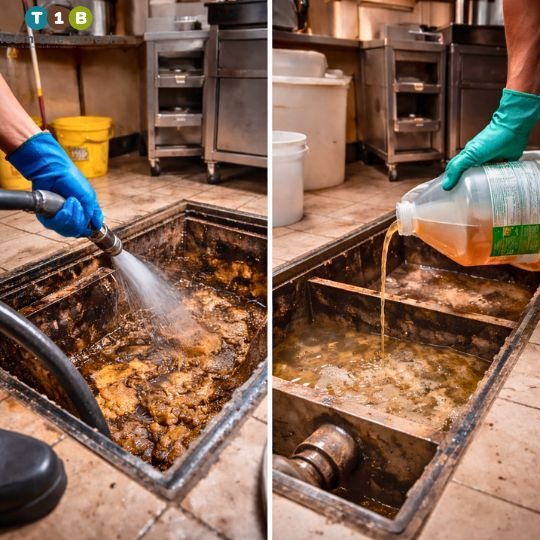
When kitchen wastewater is hot, grease moves freely. It looks harmless flowing down a drain. The problem begins about two meters into your pipe network, where the water starts to cool. As temperature drops, FOG transitions from liquid to semi-solid, and it starts sticking to pipe walls. Over time, those thin layers build up into something considerably more stubborn.

Indian kitchens add another variable to this: the cooking itself. Heavy use of ghee, refined oils, coconut oil, and animal fats in Indian cuisine means the FOG load per meal is considerably higher than in, say, a continental kitchen. A hotel running a multicuisine buffet, a south Indian restaurant doing high-volume lunch service, or an industrial canteen preparing meals for a factory shift, each of these operations pushes a significant FOG burden into the drain system every single day.

The consequences compound quickly:

  • FOG narrows drain channels gradually, then blocks them suddenly
  • Accumulated grease produces hydrogen sulfide gas, responsible for the rotten-egg odor that no amount of air freshener solves
  • It creates a warm, nutrient-rich environment where pathogens multiply
  • It is the single biggest reason commercial grease traps fill faster than their scheduled maintenance intervals

None of this is dramatic in isolation. Each day’s accumulation is small. But over weeks and months, a drain system that receives no biological intervention will degrade in a way that physical cleaning alone cannot reverse.

The Honest Problem with Traditional Grease Trap Cleaning

Most facility managers running commercial kitchens already know what a grease trap is. The interceptor unit sits between your kitchen drains and the municipal sewer line, capturing FOG before it enters the public network. It does its job, but only up to a point.

The standard maintenance routine is physical cleaning: a crew arrives with pumps and hoses, removes the accumulated grease, washes down the trap interior, and leaves. This is necessary. But here is what it does not fix.

Physical cleaning removes what has already separated out in the trap. It does not address:

  • The grease film coating the interior walls of the trap between cleanings
  • The FOG that has already migrated past the trap into downstream pipes
  • The biofilm layer building up across your entire drain network
  • The fact that accumulation resumes almost immediately after the crew leaves

In a high-volume Indian kitchen, a monthly cleaning cycle is often not enough. Some operations, banquet kitchens, large QSR franchises, hospital cafeterias, generate enough FOG that their grease traps are at capacity well before the next scheduled visit. When that happens, grease bypasses the trap entirely and flows directly into the municipal sewer. That is both a compliance problem and a practical one.

There is also the cost reality. Grease trap cleaning by external vendors is not cheap when you add up service visits, pump-out fees, and the labor cost of the downtime involved. Many operations are spending more on reactive maintenance than they would on a well-designed preventive programme.

What Indian Regulations Actually Require From You

This is the part of the conversation that most facility managers find uncomfortable, not because they do not care about compliance, but because the regulatory framework is genuinely layered and not always easy to navigate.

In India, commercial wastewater discharge is governed at two levels. The Central Pollution Control Board (CPCB) sets the national standards. State Pollution Control Boards (SPCBs) enforce them, and enforcement varies considerably depending on your state, your commercial zone classification, and how actively the local municipal corporation is pursuing the issue.

For food establishments discharging into municipal sewers, the effluent standards cover oil and grease content, BOD levels, pH, and suspended solids. Several large municipal corporations, including those in Delhi, Mumbai, Bengaluru, and Hyderabad, have tightened scrutiny on commercial kitchens specifically, driven by the growing problem of sewer chokes that municipal engineers are linking directly to restaurant grease.

On top of CPCB and SPCB requirements, FSSAI’s licensing framework under Schedule 4 of the Food Safety and Standards (Licensing and Registration of Food Businesses) Regulations, 2011, requires that wastewater management systems be maintained and functional.

In practical terms, compliance means having:

  • A correctly sized grease interceptor or oil and grease trap installed and operational
  • Documented maintenance records available for inspection at any time
  • Effluent quality that meets the applicable CPCB and SPCB discharge limits for oil and grease
  • In several states, periodic effluent test reports submitted to the SPCB

What makes this more than just paperwork is the consequence of getting it wrong. A show-cause notice from the PCB does not just result in a fine. It can delay license renewals, disrupt procurement relationships with institutional clients, and in repeated-violation situations, result in closure orders. For a hotel group or a managed kitchen operation, that is a risk worth taking seriously.

The facilities that treat compliance as a business asset, rather than a nuisance, tend to be the ones that never have that conversation with an inspector.

What Bioremediation Does That Cleaning Cannot

What Bioremediation Does That Cleaning Cannot

Bioremediation is not a new concept in industrial waste management. What is relatively newer is its application in commercial kitchen and food processing environments in India, where awareness has historically lagged behind the technology.

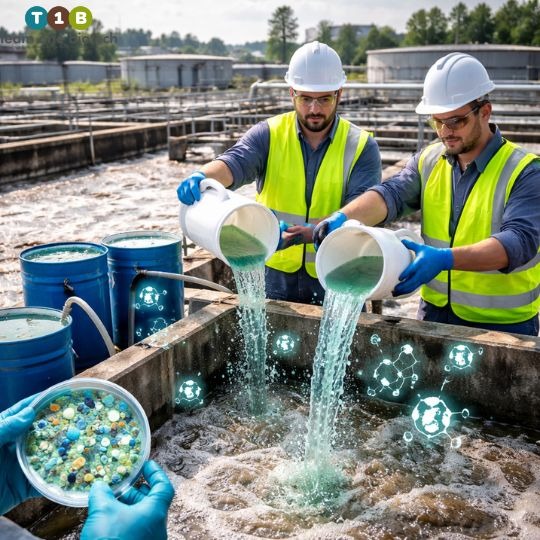
The principle is straightforward. Certain strains of naturally occurring bacteria produce enzymes called lipases, which break down the molecular structure of fats and oils. When introduced into a grease trap or drain system, these bacteria colonize the surfaces where FOG accumulates and digest it continuously, not just during a scheduled cleaning visit, but around the clock, between visits, through the weekend rush, and through the Monday morning prep session.

Bio-Blocks for Hotels 

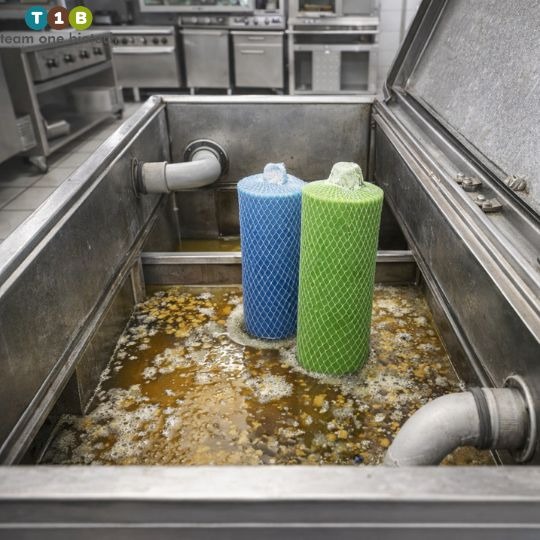
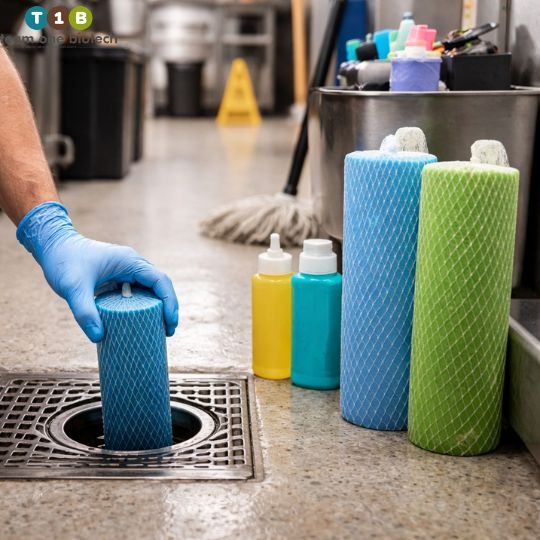
For busy hotel kitchens where staff turnover is high and operational consistency is key, Bio-Blocks for Hotels offer the ultimate “set and forget” solution. These slow-release bacterial blocks are placed directly inside the grease trap or high-flow drain lines. Unlike liquid treatments that can be washed away during heavy cleaning shifts, the block stays in place, eroding slowly to provide a constant, metered dose of FOG-digesting microbes. This eliminates the need for daily manual dosing by kitchen staff, ensuring the drainage system remains protected even during the most hectic banquet seasons.

Liquid Bacterial Concentrates are dosed periodically into floor drains, sink drains, and grease trap inlets. These are particularly suited to larger kitchen operations with multiple drain points, where a single-location block may not reach every part of the drain network. The liquid format ensures bacterial activity extends through the full length of the drainage system.

Team One Biotech’s product range for FOG management is built around two primary delivery formats:

Dosage and application frequency depend on kitchen volume, FOG load, trap size, ambient temperature, and the specific drain configuration. General treatment ranges run between doses applied every few days to weekly intervals, depending on operational intensity. 

These are general values and may vary significantly based on the specific facility design, FOG load, and environmental conditions. A site assessment gives you the precise protocol rather than a generic one.

FOG Challenges and Bioremediation Solutions

FOG ChallengeConventional ApproachBioremediation Solution
Grease trap fills rapidlyMore frequent pump-outsBio-Blocks reduce accumulation rate between cleanings
Drain line blockagesHigh-pressure jettingBacterial cultures digest grease on pipe walls continuously
Foul odors from drainsDeodorizers and masking agentsBacteria eliminate odor-causing compounds at the source
Non-compliant effluentIncreased cleaning frequencySustained FOG reduction brings discharge closer to CPCB norms
Septic tank FOG overloadEmergency desludgingBio-augmentation restores microbial balance and prevents recurrence
High maintenance costsTreated as fixed operating expensePreventive dosing reduces frequency and cost of mechanical intervention

What a Well-Managed FOG Programme Actually Looks Like

What a Well-Managed FOG Programme Actually Looks Like

The facilities that get this right are not necessarily spending more. They are spending differently, shifting budget from reactive callouts to preventive dosing, and getting considerably more operational stability in return.

In practice, a well-managed FOG programme for a commercial kitchen combines three things: correctly sized physical infrastructure (grease trap appropriate for your kitchen’s daily output), a scheduled biological dosing routine using bacterial products, and periodic physical cleaning on a cycle that is determined by actual accumulation data rather than a fixed calendar.

For a hotel managing multiple F&B outlets, standardising this protocol across all kitchen units also simplifies audit preparation. Your maintenance logs are consistent. Your effluent quality is predictable. When the PCB inspector visits, you are not scrambling.

For a standalone restaurant or QSR franchise, the benefit is simpler: fewer emergency drain callouts, less odor, and a grease trap that your cleaning crew actually likes working with.

Ready to Stop Reacting and Start Managing?

Every kitchen is different. The right FOG management protocol depends on your kitchen’s size, cooking style, drain configuration, trap capacity, and whether you are on municipal sewer or a septic system.

Team One Biotech works with hotels, restaurant groups, hospital kitchens, food processing facilities, and industrial canteens across India to design site-specific bioremediation programmes. The process starts with a facility audit, a straightforward assessment of your current grease management setup, your drain health, and your compliance position.

If your grease trap is being cleaned more often than it should be, if your drains smell between cleaning visits, or if you are not entirely confident in your current effluent quality, that is worth a conversation.

Get in touch with Team One Biotech for a site audit consultation. The right programme does not just fix the problem, it means the 2 AM call never comes.

Looking to improve your ETP/STP efficiency with the right bioculture?
Talk to our experts at Team One Biotech for customised microbial solutions.

Contact+91 8855050575

Email:  sales@teamonebiotech.com

Visit: www.teamonebiotech.com

Discover More on YouTube – Watch our latest insights & innovations!-

Connect with Us on LinkedIn – Stay updated with expert content & trends!

Bio-Blocks for Hotels: The "Set and Forget" Solution for Drain Maintenance
Bio-Blocks for Hotels: The “Set and Forget” Solution for Drain Maintenance

Imagine it is the height of wedding season. Your banquet hall is packed, the kitchen is firing on all cylinders across three simultaneous services, and then housekeeping radios in with the kind of message that makes every General Manager’s stomach drop: there is a drain backup near the lobby washroom, and something distinctly unpleasant is working its way toward the reception area.

Your maintenance team rushes over. Guests start noticing. And before the evening is out, someone has already typed something onto a review platform.

This is not a worst-case hypothetical. It is a scenario that plays out with uncomfortable regularity across Indian hotels, from business properties in Pune to heritage resorts in Rajasthan, especially during high-occupancy periods. And what sits at the root of most of these incidents is a problem that rarely gets serious attention until it becomes an emergency: the unchecked accumulation of Fats, Oils, and Grease, FOG, inside the drainage system.

If you are a General Manager, an F&B Director, or a facility management professional, this article, much like The Ultimate FOG Management & Septic Health Guide for Commercial Facilities, is written for you. Not to alarm, but to offer a genuinely better way of handling something your team is probably managing reactively right now. That better way is called a FOG Bio-Block, and the reason it matters is because it works while your team is busy doing everything else.

Why FOG Is a Bigger Problem in Indian Hotels Than Most Operators Realize

Why FOG Is a Bigger Problem in Indian Hotels Than Most Operators Realize

Indian commercial kitchens are, by their very nature, high-fat environments. The cuisine demands it. A full-service hotel kitchen preparing an Indian buffet alongside continental and Chinese stations will push through ghee, refined oil, coconut milk, dairy cream, and animal fat in volumes that few international benchmarks account for. Deep-fry stations, tawa sections, biryani preparation, and mithai production all contribute, and they all drain into the same system.

The issue is what happens after the oil goes down the drain. It does not disappear. It cools as it travels through the pipe network, sticks to inner walls, and gradually builds up into a dense, waxy layer that restricts flow, traps food solids, and creates the anaerobic conditions that produce hydrogen sulfide, the gas responsible for that unmistakable rotten-egg odor that no amount of air freshener will permanently fix.

Left unaddressed, this FOG layer thickens. Drains slow. Grease traps hit capacity faster than scheduled service intervals account for. And then, at the worst possible moment, a full house, a VIP check-in, a wedding reception, something backs up.

Manual grease trap cleaning is the conventional answer to this, and it works. But it only works at the moment of service. The interval between visits is always a window of risk, and in a busy hotel kitchen, that interval tends to shrink faster than the cleaning schedule expects. Add the contractor cost, the downtime, the chemical disposal compliance requirements, and the picture starts looking like a system that is perpetually catching up with itself.

There is a more intelligent approach.

What a Bio-Block Actually Does, and Why the Science Behind It Matters

What a Bio-Block Actually Does, and Why the Science Behind It Matters

A FOG Bio-Block is a solid, slow-dissolving block packed with concentrated bacterial strains and enzymatic compounds. You place it inside or near the grease trap, wet well, or wastewater collection point, and it gets to work, quietly, continuously, without anyone having to manage it between placements.

The mechanism works in two coordinated stages:

  • Enzymes move first. Lipase enzymes immediately begin breaking down complex fat molecules into shorter fatty acid chains. Think of this as pre-digestion, the FOG is made biochemically accessible before the bacteria even arrive.
  • Bacteria do the sustained work. The released bacterial strains, aerobic and facultative anaerobic varieties, colonize the grease-coated surfaces inside the drainage system and continue metabolizing FOG into carbon dioxide, water, and minimal residual biomass. This is not a surface clean. It is a biological process that works through the buildup.

What makes this genuinely different from a chemical treatment is the slow-release matrix the block is built around. Rather than one sharp intervention followed by a return to baseline, the Bio-Block maintains a low, steady biological presence in the system, week after week, often for months depending on block size and drainage load.

This is bioremediation in practical application: the use of naturally occurring microorganisms to break down organic waste. The science has deep roots in industrial wastewater management and has been successfully adapted to the specific demands of commercial kitchen drainage maintenance.

Septic Tank Treatment: How to Eliminate Pumping and Foul Odors Permanently

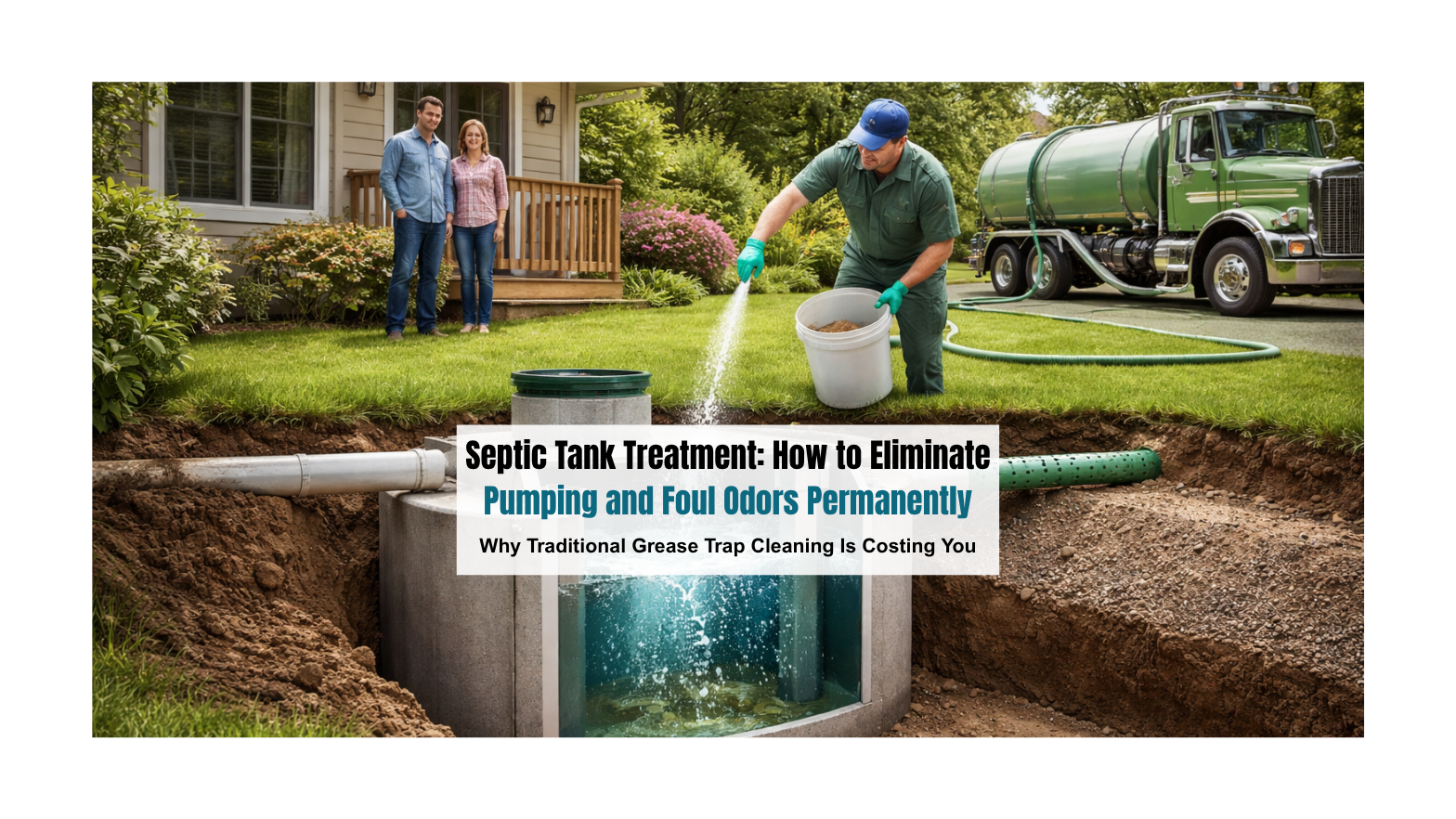
While Bio-Blocks are famous for keeping kitchen lines clear, the same bioremediation principles apply to the most neglected part of a hotel’s infrastructure: the septic tank. Traditional maintenance usually involves reactive “pump-outs” once the system sludges up or begins venting foul gases near guest areas.

By introducing specialized biological treatments for Septic Tanks, you can effectively eliminate the need for frequent mechanical pumping. The high-concentration bacteria in these treatments aggressively break down solid waste and organic sludge, converting them into liquid and gas. This not only prevents the dreaded “overflow” scenario during peak wedding or holiday seasons but also neutralizes the sulfur compounds that cause odors. Instead of just hauling waste away, you are creating a self-sustaining ecosystem that digests waste permanently, protecting your ground sensors and drainage fields from clogging.

“Set and Forget”, What That Actually Means Day-to-Day

The phrase earns its place because it describes a real operational shift, not a marketing idea. Once a Bio-Block is deployed in your oil and grease trap, your maintenance team is no longer managing a problem on a crisis-driven timeline. They are sustaining a biological system that runs between human interventions, not because of them.

Here is what that looks like in practice:

  • Fewer manual cleaning visits. Properties using Bio-Blocks typically report a reduction in professional grease trap cleaning frequency in the range of 30% to 60% over a 6 to 12-month period, depending on kitchen load and system configuration.
  • Lower contractor and chemical costs. Fewer pump-out events mean fewer site visits, less chemical purchase, and less coordination overhead for your maintenance team.
  • Persistent odor control. Because the biological process suppresses the anaerobic conditions that generate foul gases, the odor issue is addressed at its source rather than temporarily masked.
  • Better pipe health over time. A drainage system that carries consistently lower FOG loads experiences less internal corrosion, fewer emergency blockages, and a meaningfully longer service life between major interventions.

For a General Manager who is tracking guest satisfaction scores and managing departmental cost efficiency at the same time, this is not a minor convenience. It is a structural change in how the property handles one of its most unglamorous but consequential systems.

Want to know what your property’s FOG load actually looks like, and which Bio-Block configuration makes sense for your setup? Reach out to Team One Biotech for a no-obligation site audit.

The India-Specific Challenges That Generic Solutions Often Miss

Products designed for Western markets are generally calibrated for lighter fat loads and more stable ambient temperatures. Indian hotel kitchens are a different operating environment, and it is worth being specific about why.

Temperature swings are more extreme. Kitchen drainage in India experiences high temperatures during service and significant cooling overnight. This thermal cycling accelerates the solidification of FOG on pipe walls in ways that are more aggressive than what temperate-climate formulations are designed to handle. Bio-Block products suited for Indian conditions need bacterial strains that remain active across a broad temperature range, typically 20°C to 45°C, without losing efficacy.

The FOG profile is more complex. A combination of hydrogenated vegetable oils, animal fats, dairy fats from paneer, khoya, and cream-based gravies, and coconut oil from South Indian preparations creates a layered, harder-to-degrade FOG matrix. Bacterial strain selection matters significantly here. Not all bioremediation products are formulated for this level of complexity.

Regulatory pressure is growing. Urban local bodies in Indian metro cities, and increasingly in Tier 2 cities, are tightening enforcement of effluent discharge norms under CPCB and SPCB guidelines. Hotels operating ETPs and STPs face periodic inspections, and a persistent FOG problem in the drainage system can quietly undermine effluent quality metrics downstream. Proper FOG management through Bio-Blocks directly supports cleaner influent entering treatment units, which helps maintain their biological health and supports ongoing compliance.

Traditional Chemical Cleaning vs. Bio-Block Bioremediation: A Side-by-Side Look

ParameterTraditional Chemical CleaningBio-Block Bioremediation
MechanismChemical dissolution (acid/alkali-based)Biological degradation via bacteria and enzymes
Treatment durationOne-time per service visitContinuous, weeks to months per block
FOG removal depthSurface clearance, temporary effectDeep metabolic breakdown of FOG compounds
Labor requirementHigh, scheduled contractor visitsMinimal, periodic block replacement only
Odor controlTemporary masking effectAddressed at biological source
Impact on pipesRisk of long-term corrosionBenign to infrastructure
Environmental profileChemical waste, disposal compliance burdenBiodegradable, environmentally aligned
ETP/STP impactMay disrupt biological treatment unitsSupports downstream biological treatment health
Cost trajectory over 12 monthsHigh and recurringDecreasing as system stabilizes
Compliance alignmentNeutralSupports CPCB/SPCB effluent discharge norms

The above reflects general behavioral patterns across typical commercial systems. Specific outcomes will vary based on system configuration, kitchen load, and product application method.

What the First Twelve Months Actually Look Like

Setting realistic expectations here matters, because Bio-Blocks are not an overnight fix. They are a biological system, and biological systems need time to establish.

Months 1 to 2, Establishment. Bacterial colonies are finding their footing in the system. Early odor reduction is usually noticeable. Flow improvement is marginal at this stage. For properties with significant pre-existing FOG buildup, one professional grease trap cleaning session before deployment is often recommended, giving the biological system a cleaner baseline to build from.

Months 3 to 6, Active remediation. The biological film is now active across the system. FOG accumulation rate slows in a measurable way. Most properties see a clear reduction in drain complaints coming from the kitchen and housekeeping teams during this period.

Months 7 to 12, Maintenance equilibrium. The system is running in biological balance. Manual commercial kitchen drainage maintenance events are reduced to the minimum operationally or regulatorily required. Total drain maintenance cost over this period, compared against the same 12 months prior, typically reflects a net reduction in the range of 25% to 45%, depending on kitchen output and the baseline condition of the system.

For a hotel running breakfast, lunch, and dinner service across a 100-plus cover restaurant with active banquet operations, the absolute savings are meaningful. But factor in what a single drainage emergency during peak season actually costs, emergency contractor rates, potential guest compensation, the review platform fallout, and the return on investment argument becomes a much easier conversation.

Disclaimer

All performance ranges, timelines, and cost reduction estimates in this article are general informational values based on typical commercial kitchen and drainage system conditions. Actual results will vary based on kitchen output volume, existing pipe and trap condition, grease trap size and configuration, ambient temperature, water chemistry, and the specific parameters of your ETP or drainage network. 

Team One Biotech recommends a professional site assessment prior to initiating any Bio-Block deployment. This content does not substitute for individualized technical consultation.

The Brand Protection Argument, Because Finance Understands This Language

A backed-up drain during peak occupancy is never just a maintenance failure. It is a guest experience event that lands on review platforms, travels through travel agent networks, and gets shared in the kind of informal channels that are genuinely difficult to manage after the fact.

India’s hospitality market is review-driven in a way that continues to intensify. A single high-visibility drainage incident during a busy period can have trailing effects on occupancy and achieved room rate that will cost far more than any annual drain maintenance budget. Framing septic tank treatment and FOG management as brand protection, not just a cost line, tends to land very differently in leadership conversations.

That reframe is accurate. And it is the one that tends to move the decision forward.

Talk to the commercial kitchen drainage specialists at Team One Biotech. We will help you identify the right Bio-Block formulation for your specific FOG profile, kitchen configuration, and drainage system. Request your consultation today.

Working with Team One Biotech

Team One Biotech supplies and supports FOG Bio-Block deployment for hotels, resorts, hospital kitchens, institutional catering operations, and facility management companies across India. Our technical team conducts on-site assessments, determines the right block type and placement strategy for your specific oil and grease trap configuration, and provides ongoing monitoring support throughout the deployment period.

We work with properties both on a project basis and through recurring maintenance contracts, which include scheduled block replacement, periodic system reviews, and compliance documentation support for ETP and STP operators managing regulatory reporting obligations.

Two ways to move forward: Contact us for a product inquiry to explore Bio-Block options suited to your property, or ask about our recurring maintenance contract program, a structured, cost-predictable approach to keeping your drainage system biologically managed without adding to your team’s internal workload.

The kitchen will always run hard. Guests will always arrive expecting a certain standard. The drainage system running quietly beneath all of it should never be what lets either of those things down.

Looking to improve your ETP/STP efficiency with the right bioculture?
Talk to our experts at Team One Biotech for customised microbial solutions.

Contact+91 8855050575

Email:  sales@teamonebiotech.com

Visit: www.teamonebiotech.com

Discover More on YouTube – Watch our latest insights & innovations!-

Connect with Us on LinkedIn – Stay updated with expert content & trends!
Septic Tank Treatment: How to Eliminate Pumping and Foul Odours Permanently

There is a particular kind of dread that facility managers know well. It is the dread of walking into your own property and smelling something before you see it.

It does not matter how well your rooms are turned, how polished your lobby floors are, or how carefully your operations are run day to day. The moment a guest catches that faint but unmistakable trace of a failing septic system in a corridor, near a restroom, or worse, in a dining area, the experience is over. Not just for that guest, but for everyone they will ever tell about it.

India’s hospitality and commercial food service sector runs on reputation. A luxury hotel in Bangalore, a fine-dining restaurant in Mumbai, a managed corporate campus in Gurugram, these are businesses built on the promise of a controlled, clean, comfortable environment. When the sanitation infrastructure underneath that promise begins to fail, it does not send a warning; instead, as detailed in The Ultimate FOG Management & Septic Health Guide for Commercial Facilities, it announces itself, loudly and at the worst possible moment.

What makes this so frustrating for the people responsible for these facilities is that septic failures are almost always predictable. They do not happen overnight. They build slowly, layer by layer, inside drainage lines and underground tanks, over weeks and months, until the accumulated effect of doing nothing proactive becomes impossible to ignore.

And yet, most commercial facilities across India continue to handle their septic infrastructure the same way they always have. Call the tanker, pump the tank, pay the bill, and wait for the problem to return. Which it always does.

Why Pumping Your Septic Tank Is Not the Same as Maintaining It

If you manage a commercial property in India, the cycle is familiar. The tank fills. The smell creeps in. You call the contractor. The tanker clears the system and drives away. For a few weeks, everything seems fine. Then it starts again.

That is not a maintenance programme. That is a holding pattern, one that keeps your facility functional on the surface while the underlying problem continues to build.

What Is Actually Happening Inside an Unmanaged Septic Tank

Inside a septic tank that is only being emptied periodically, organic solids accumulate steadily between pump-outs. Anaerobic bacteria dominate the biological environment inside the tank, and the byproducts of that anaerobic activity, primarily hydrogen sulphide and methane, build up continuously. These gases are the direct source of that sewage smell that seems to seep into corridors, service areas, and restrooms regardless of how often the space is cleaned. No surface spray or air freshener gets near what is being generated underground.

Over time, managing a septic system purely through mechanical pumping does not just create an odour problem. It creates a set of compounding operational risks:

  • Persistent hydrogen sulphide generation that no deodoriser or masking product can neutralise at the source. The smell keeps returning because the process producing it has never been addressed.
  • Underground drainage connections that deteriorate progressively and quietly, showing up eventually as emergency situations rather than items on a scheduled maintenance list.
  • Wastewater discharge with elevated BOD and COD levels that puts you in real compliance exposure territory under CPCB and State Pollution Control Board norms, particularly as enforcement activity increases in metro municipalities.
  • Gradual infrastructure deterioration that adds to long-term capital replacement costs without ever appearing as a line item until something fails.
  • The constant background risk of a backup or overflow during a health inspection, a high-occupancy period, or a formal event, which is precisely when you can least afford it.

Mechanical pumping removes what has accumulated on the day the tanker arrives. It does nothing to change the biological conditions inside the tank that will reproduce the same situation within weeks.

The Real Cost of Doing Nothing Different

For a hotel managing multiple residential blocks, staff accommodation, and banquet infrastructure, the honest annual cost of a purely reactive approach is considerably higher than most finance teams realise. Add up scheduled pump-outs across the year, emergency callout fees, periodic compliance-related expenditure, and any infrastructure repair costs that get attributed to other budget lines, and the number tends to be surprising. That is before you try to put a figure on what a public odour complaint or an unannounced inspection costs in terms of both revenue and brand standing.

How Bioremediation Works, and Why It Produces a Different Result

Moving from mechanical pumping to biological treatment is not a change of contractor. It is a change in how you think about the problem, from removing waste after it accumulates to breaking it down continuously before it can.

Bioremediation introduces carefully selected strains of beneficial bacteria and enzymes directly into the septic tank environment. These are not off-the-shelf cultures. They are specific microbial strains chosen for their ability to metabolise the complex organic solids, proteins, and waste compounds that build up inside commercial septic systems, converting them continuously into water, carbon dioxide, and trace mineral byproducts.

The word that matters most here is continuously. A well-established biological treatment system does not create a brief window of cleanliness before accumulation starts again. It works around the clock, every day, regardless of what service period your facility is running.

Why Indian Operating Conditions Demand an India-Specific Solution

This point gets far less attention than it deserves when Indian facility managers evaluate biological treatment products, most of which are either imported or formulated for operating environments that look nothing like a commercial property in India.

Temperature has a direct and significant effect on microbial performance. Bacterial cultures have optimal activity ranges, and the overwhelming majority of bioremediation formulations developed for European or North American markets are calibrated for ambient temperatures that are well below what facilities in Chennai, Hyderabad, Ahmedabad, or Delhi experience for most of the year. When temperatures climb regularly into the 38 to 45 degree Celsius range, standard imported cultures lose efficacy quickly or shift into metabolic states where their organic degradation performance drops significantly.

Team One Biotech’s microbial formulations are developed specifically for Indian conditions. They are tested for stability and consistent performance across the full temperature range encountered across Indian geographies and seasons, from the cooler winters of northern India to the sustained heat of a peninsular summer. This is not a minor technical detail. It is the difference between a product that looks good in a specification sheet and one that actually performs inside your facility month after month.

What the Treatment Process Actually Looks Like

The process begins with a site-level assessment. The technical team evaluates your tank sizing, drainage configuration, daily usage volumes, and the current organic load the system is carrying. From that assessment, a dosing protocol is developed that is matched to the specific wastewater profile of your property rather than a generic average.

An initial establishment period follows, during which the bacterial colonies build and stabilise within the tank environment. After that, a low-intensity ongoing maintenance dosing schedule sustains biological activity and prevents re-accumulation from taking hold.

There is no operational disruption involved. The system simply begins working and continues working in the background, without demanding the same recurring attention that a purely mechanical approach requires.

Septic Odour Is Not a Housekeeping Issue. It Is a Brand Issue.

In the luxury and upper-midscale hospitality segment, this needs to be said directly. A guest who encounters sewage odour anywhere on your property does not classify it as a minor inconvenience. They classify it as evidence that the property is not operating at the standard they paid for. And increasingly, they document it online, where the record sits permanently on a platform that your future guests will check before they book.

Why Chemical Masking Products Are Not a Strategy

The sprays, blocks, gels, and liquid deodorisers that many properties rely on as their first line of response do one thing: they add a smell to cover another smell. The anaerobic decomposition generating hydrogen sulphide and ammonia inside the tank continues completely unaffected while the masking product disperses into the air above it. This is a cosmetic response to a biological problem. It addresses nothing at the source, and it has a shelf life measured in hours.

Bioremediation resolves the odour by resolving the condition that produces it. When the anaerobic biological activity inside a septic tank is displaced by an active, functioning aerobic microbial community, hydrogen sulphide generation drops substantially. The smell does not return because the process responsible for it has been interrupted at a biological level, not papered over at a surface level.

For a hotel general manager managing guest complaints about corridor smells, or a facility director watching review scores trend in the wrong direction without an obvious cause, this is not a subtle distinction. It is the difference between a problem that cycles back every few weeks and one that is genuinely under control.

The Financial Case for Biological Septic Treatment

What You Are Currently Spending Without Realising It

A mid-scale commercial property managing its septic infrastructure under a purely mechanical model carries a set of recurring costs that rarely get looked at together. Scheduled pump-outs throughout the year. Emergency callout fees for the backup events that mechanical maintenance does not prevent. Periodic compliance expenditure when discharge standards are not met. Infrastructure repair costs that show up under various budget categories but trace back to the same underlying neglect.

When these are added up honestly, the total tends to be considerably higher than the line item for scheduled pumping alone suggests.

What Facilities Report After Making the Transition

Businesses that have moved from mechanical pumping to a biological treatment programme typically report total sanitation maintenance costs in the range of 30% to 60% of what they were previously spending on equivalent functions. Please note that these are general estimates and actual outcomes will vary based on tank conditions, influent characteristics, facility size, and local operating environment.

The reduction in direct cost is, in most cases, the smaller part of the story. The more significant change is the reduction in unpredictable expenditure. Emergency callouts, compliance penalties, and unplanned operational disruptions are difficult to budget for precisely because their timing is not in your control. A biological treatment programme does not just reduce what you spend. It makes what you spend far more predictable.

For any finance or operations team working to bring overhead costs under tighter control without compromising service delivery, that shift from unpredictable to managed is worth something well beyond the direct line item saving.

Why a Single Solution Does Not Work Across All of India

A facility management company running commercial properties across Delhi, Kochi, and Pune is not dealing with a single sanitation challenge. It is dealing with three distinct ones, each shaped by its own municipal sewage infrastructure, its own seasonal temperature profile, its own State Pollution Control Board requirements, and its own wastewater composition driven by the nature and volume of operations at each site.

Generic biological products are not built for this reality. They are built on the assumption of a standardised operating environment that simply does not exist across India’s commercial landscape.

How Team One Biotech Approaches Site-Specific Treatment

Team One Biotech begins every new client engagement with a site assessment before any treatment recommendation is made. The technical team looks at local wastewater characteristics, seasonal temperature ranges, drainage infrastructure type and age, daily usage volumes, and applicable local compliance requirements. The protocol that comes out of that process is calibrated for the specific conditions of your property, not for a theoretical average that may bear little resemblance to what your facility actually deals with.

This approach takes more time upfront than ordering from a product catalogue. The results it produces reflect that additional rigour.

The Choice in Front of You

Facilities that continue relying on mechanical pump-outs as their primary septic management approach are not choosing the cost-effective option. They are deferring a change that will eventually become unavoidable, through rising maintenance costs, a compliance event, or a reputational situation that makes the status quo impossible to defend.

The biological treatment technology that breaks the pumping cycle permanently, eliminates septic odours at their source, and converts sanitation from an operational liability into a managed cost line is not a future development. It is available today and in active use across hotels, corporate campuses, and managed commercial facilities throughout India.

Team One Biotech offers a no-obligation site audit for commercial properties anywhere in India. It is a practical technical conversation covering your current infrastructure, your compliance exposure, and what a treatment programme built specifically for your facility would look like.

If you are ready to stop managing the same problem on a repeating schedule and start actually resolving it, reach out to Team One Biotech today. The audit costs nothing. What it tells you might change how your facility operates for good.

Looking to improve your ETP/STP efficiency with the right bioculture?
Talk to our experts at Team One Biotech for customised microbial solutions.

Contact+91 8855050575

Email:  sales@teamonebiotech.com

Visit: www.teamonebiotech.com

Discover More on YouTube – Watch our latest insights & innovations!-

Connect with Us on LinkedIn – Stay updated with expert content & trends!
Why Your Restaurant's Oil and Grease Trap Fails: A Biological Solution to FOG
Why Your Restaurant’s Oil and Grease Trap Fails: A Biological Solution to FOG

A Friday night, every table is full, the kitchen is in full swing, dal makhani bubbling on the burner, tawa rotis coming off hot, biryani portions flying out to service. Then someone shouts from the back. The floor drain by the dishwash station is gurgling. And before you can even react, greasy, foul-smelling water is spreading across your kitchen floor.

You’re standing there with exactly two options: call off service and eat the loss, or keep the kitchen running and hope a health inspector doesn’t walk through that door tonight. This isn’t a worst-case scenario cooked up to sell you something. It’s Tuesday for hundreds of hotel kitchens, restaurant chains, and canteen operations across India. It gets worse every monsoon. It peaks every Diwali banquet season. It follows the catering calendar like clockwork.

To prevent these costly disruptions, many operators rely on The Ultimate FOG Management & Septic Health Guide for Commercial Facilities to maintain their infrastructure. And almost every time, it traces back to the same two things, a grease trap that’s given up, and drain lines packed solid with FOG: Fats, Oils, and Grease.

What FOG Actually Does to Your Drainage Infrastructure

What FOG Actually Does to Your Drainage Infrastructure

FOG doesn’t announce itself. It doesn’t cause a problem the first day, or the tenth. It accumulates quietly, service by service, shift by shift, until one day your drain simply stops draining.

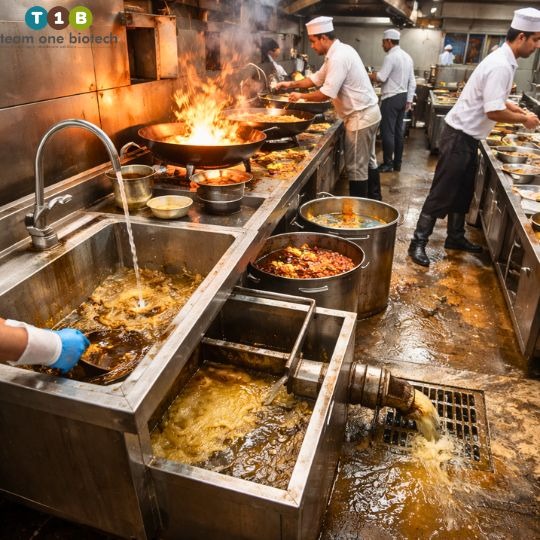
Here’s what’s actually happening inside your pipes. Hot oil, ghee, coconut cream, meat fat, all of it flows down the drain as liquid. The moment it hits the cooler temperatures inside underground drain lines, it solidifies. It sticks to the pipe walls. The next batch sticks on top of that. Food particles, debris, and grime get trapped in the layers. Over weeks and months, the pipe’s internal diameter shrinks, and eventually water can’t move through at all.

Implementing a Microbial Solution for FOG Treatment can help break down these stubborn accumulations before they lead to total blockages.

Now factor in what Indian commercial kitchens are actually cooking. The FOG load here is considerably heavier than what most Western F&B operations deal with:

  • Refined oils, mustard oil, and ghee used in large volumes across multiple cooking stations
  • Coconut milk and cream gravies that are standard in South Indian and coastal menus
  • Cream-heavy dishes like butter chicken and korma that generate emulsified fat in quantity
  • Tandoor cleaning that pushes dripped fat directly into the drainage system

Your grease trap exists to catch this FOG before it reaches the main drain line. The problem isn’t that the trap can’t do the job, it’s that most operators are maintaining it in a way that makes failure almost inevitable.

Why Conventional Grease Trap Cleaning Falls Short

Why Conventional Grease Trap Cleaning Falls Short

The Pump-and-Dump Problem

Ask most kitchen managers how they handle grease trap maintenance and you’ll get a version of the same answer: wait for a problem, call a tanker, pump it out, move on. It’s treated like a janitorial emergency rather than an engineered process that actually requires some thought.

The issue is what that tanker leaves behind.

Mechanical pumping removes the bulk of what’s sitting in the trap, but it doesn’t touch the thick biofilm of degraded FOG coating the internal walls, the inlet baffle, and the outlet pipe. That residual layer is what seeds the next buildup cycle. It’s also what produces hydrogen sulphide gas, the rotten egg smell that has a way of drifting out of the kitchen and into your dining room or hotel lobby at the worst possible moment.

Infrequent Servicing Schedules

Most operators time their grease trap cleanouts around budget cycles or visible failures, not around what the trap is actually accumulating. In a high-volume hotel kitchen or a restaurant running multiple stations, a trap that genuinely needs attention every two to three weeks is routinely left for six to eight. By that point, it’s not intercepting much of anything. FOG is passing straight through into the main drain line, and the problem you’re managing has quietly tripled in scale.

The Monsoon Amplifier

There’s a seasonal dimension to this that operators in cooler climates simply don’t have to think about. During the Indian monsoon, ground-level drains are absorbing heavy stormwater, which significantly raises the hydraulic pressure in underground drain lines. That pressure surge physically pushes accumulated FOG blockages further into the system. Hotels with large banquet kitchens and restaurants in low-lying areas can see simultaneous drain failures at multiple points across the property, all triggered by a single rain event on top of months of accumulated buildup.

The Biological Evolution: Biobloc and FOG Powder

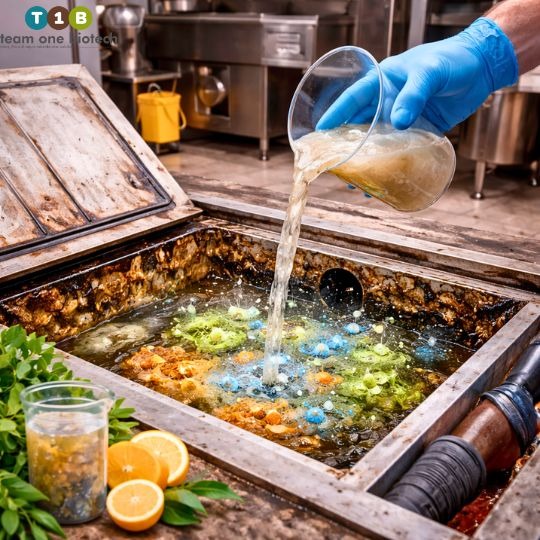
Microbial degreasing introduces non-pathogenic bacteria and enzymes—specifically lipase—to eat the grease. Unlike caustic chemicals that provide a temporary (and corrosive) fix, biological solutions establish a living colony that works 24/7.

To manage a high-volume Indian kitchen effectively, a dual-pronged biological approach is required:

Biobloc: The Constant Guardian for Grease Traps

For grease traps, wet wells, and lift stations, the Biobloc is the primary line of defense.

  • What it is: A slow-release block composed of highly concentrated bacteria and enzymes.
  • How it works: Placed directly inside the grease trap, it dissolves slowly over time, releasing a steady stream of microorganisms into the wastewater.
  • The Benefit: It ensures consistent treatment without manual dosing. It breaks down the heavy FOG “cap” in the trap, reducing the frequency of expensive tanker pump-outs and keeping odors under control.

FOG Powder: The Deep-Clean for Drain Lines

While the Biobloc guards the trap, FOG Powder is designed to keep the “arteries” of your kitchen clear.

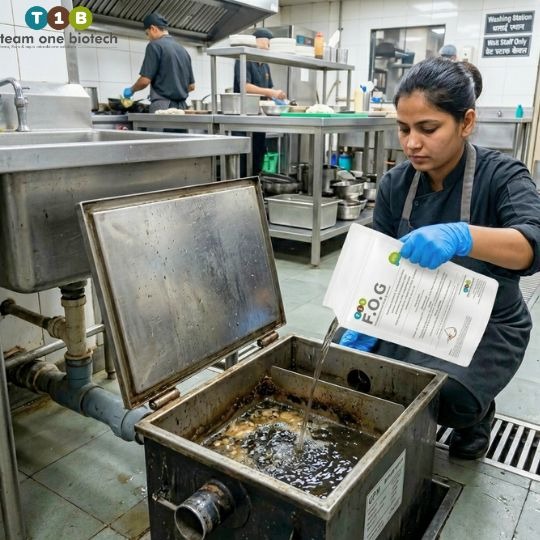
  • What it is: A concentrated powder formulation designed for manual dosing into floor drains and sinks.
  • How it works: When flushed into the drains at the end of a shift, the powder colonizes the pipe walls, eating away at the solidified grease and food particles that cause backups.
  • The Benefit: It prevents the slow drains and unsanitary overflows that lead to kitchen shutdowns. Regular use of FOG powder ensures that the pipes leading to the trap remain as clear as the trap itself.

The Biological Alternative: Microbial Degreasing

The Biological Alternative: Microbial Degreasing

How It Works

Microbial degreasing means introducing carefully selected, non-pathogenic bacteria and enzyme consortia directly into your drain lines, grease traps, and connected drainage infrastructure. These aren’t generic microbes, they’re specifically chosen for their ability to produce lipase enzymes in large quantities. Lipase is the same class of enzyme your own digestive system uses to break down fat. Applied industrially, it’s remarkably effective.

Once these bacterial cultures get into a FOG-heavy environment, here’s what they do:

  • They secrete lipase enzymes that break the ester bonds in fat molecules, converting solid grease into water-soluble fatty acids and glycerol that can actually be flushed away
  • They consume the resulting organic compounds as their carbon and energy source, the grease is literally their food
  • They colonise the biofilm layer on pipe walls and progressively degrade accumulated FOG from the inside out
  • They compete with and displace the anaerobic bacteria responsible for hydrogen sulphide production, which means the smell reduces as a natural consequence

The key difference from chemical degreasers is that biological treatment isn’t a one-time fix. A caustic chemical might dissolve a blockage on the day, but it also destroys the microbial environment in the drain and leaves the pipe wide open for rapid FOG re-accumulation. A biological treatment establishes a living, self-sustaining microbial population that keeps breaking down incoming FOG as part of its ongoing metabolic cycle. The protection is continuous, not episodic.

Application in the Indian Commercial Kitchen Context

Bioremediation products for drain line maintenance are delivered in two main ways, depending on your setup:

Dosing Units are automated dispensers fitted at the drain line or grease trap inlet. They release a measured volume of bacterial suspension during low-traffic hours, typically overnight, so biological activity happens consistently without needing anyone to do anything. For high-volume properties, this is the most reliable option.

Manual Dosing uses concentrated bacterial powder or liquid formulations that kitchen staff add to floor drains or directly into the grease trap at the end of each service. This is perfectly workable for smaller standalone restaurants where a daily end-of-shift routine is feasible and staff are properly trained.

For a mid-scale hotel kitchen running two or three meal services a day, consistent biological dosing typically shows measurable results, reduced grease trap solids accumulation, noticeably lower drain odour, within three to six weeks. Once the microbial population is properly established, the interval between mechanical pump-outs can extend considerably. That said, biological treatment doesn’t replace periodic physical inspection and servicing. It makes those intervals longer and those visits less dramatic.

FOG Management and Your Regulatory Exposure

FSSAI Compliance and Kitchen Sanitation

FSSAI is clear on this: food business operators are required to maintain drainage and sanitation infrastructure in a state that prevents waste accumulation, contamination risk, and pest attraction. A grease trap that’s chronically failing, or a drain line that backs up into food preparation areas, is a direct compliance violation. Depending on how an inspector finds it, you’re looking at licence suspension or cancellation.

It’s worth saying plainly: FSSAI compliance isn’t just about your cold storage temperatures or your prep surface hygiene. Waste management infrastructure, including your drainage, is squarely within scope. A kitchen that smells like a backed-up drain during an inspection is going to have a bad time regardless of how clean everything else looks.

State Pollution Control Board Norms and ETP Obligations

For hotels and larger restaurants that discharge to municipal sewers or operate their own Effluent Treatment Plants, there’s a second layer of regulatory exposure. State Pollution Control Boards, working under the Water (Prevention and Control of Pollution) Act, set discharge limits for BOD, COD, and total suspended solids in final treated effluent.

When a kitchen is pushing high-FOG wastewater downstream without proper pre-treatment, it dramatically elevates the organic load hitting your ETP. That makes the plant harder to run, drives up your chemical dosing costs, and puts your discharge compliance at risk.

Addressing FOG at the grease trap and drain line stage, before it reaches the ETP, directly reduces that organic load. It makes the plant more efficient and keeps your numbers in range without having to compensate downstream for what wasn’t handled upstream.

Building a FOG Management Protocol That Actually Works

The Three-Layer Approach

There’s no single fix for FOG management in a working Indian commercial kitchen. What works is a three-layer approach running concurrently.

Layer 1, Source Control is the simplest and most overlooked. Train your kitchen staff on not pouring oil down the drain. Build dry wiping of pans and cooking vessels into the standard wash-up process before anything goes near the sink. Set up a segregation system for used frying oil so it goes to authorised disposal or repurposing rather than disappearing down a drain.

Layer 2, Mechanical Interception means having a correctly sized grease trap installed in the right position in your drainage system, and then actually servicing it on a schedule tied to real FOG accumulation rates, not to whatever quarter the budget falls in. Every service visit should include inspection of inlet and outlet baffles, not just pumping and leaving.

Layer 3, Biological Maintenance is where consistent microbial dosing fits in. Use a product formulated for the FOG profile of Indian commercial kitchens specifically, the oil types and cooking volumes here differ enough from global averages that generic products often underperform. If you have an on-site septic tank treatment system, dose that too. Run a monthly review of odour levels, trap accumulation rate, and drain flow, these three indicators tell you whether the programme is working before something fails.

What to Look for in a Bioremediation Partner

Not all microbial products are equal, and not all suppliers know Indian kitchen conditions. When you’re evaluating options, look for:

  • Documentation of bacterial strains and a viability guarantee, the product must contain live, active cultures at the point of use, not dead material that sat in a warehouse
  • Confirmed compatibility with your existing ETP and STP chemistry, certain bacterial consortia underperform in high-chlorine or high-disinfectant drain environments
  • Site-specific dosing recommendations rather than a generic dosing chart that assumes conditions nothing like yours
  • A demonstrated track record with Indian F&B and hospitality clients, where the grease profile, cooking volumes, and infrastructure realities are genuinely different

The Long-Term Cost Case

A single emergency drain clearance in a mid-scale restaurant or hotel kitchen, tanker hire, plumber callout, and whatever service revenue you lost during the shutdown, routinely lands somewhere in the five figures. Run that scenario three or four times in a year and you’ve comfortably spent more than a structured biological maintenance programme would have cost over the same period.

The financial math is fairly straightforward. The reputational math is harder to quantify but more expensive to ignore. One social media post about a sewage smell in your dining room. One hygiene review mentioning a kitchen closure. One regulatory action that ends up in a public record. These don’t recover cleanly, and no maintenance budget can undo them after the fact.

Biological FOG management isn’t a premium service for large hotel chains with dedicated facilities teams. It’s a baseline operational control that any food service business running a serious kitchen in India should have built into its maintenance framework.

Final Assessment

Your oil and grease trap isn’t failing because you bought the wrong equipment. It’s failing because reactive, pump-only maintenance can’t keep up with what a working Indian commercial kitchen generates across every single service.

Switching from pump-and-dump to biological drain line maintenance isn’t a complicated transition. It takes consistency, the right dosing protocol, and a microbial product matched to your specific kitchen’s profile. What you get in return, fewer shutdowns, lower compliance risk, a more manageable ETP, and a kitchen that doesn’t carry the smell of last week’s service into this week, is concrete and measurable.

Team One Biotech provides scientifically validated bioremediation solutions designed specifically for the Indian hospitality and food service sector. Reach out to discuss a FOG management protocol built around your property.

Looking to improve your ETP/STP efficiency with the right bioculture?
Talk to our experts at Team One Biotech for customised microbial solutions.

Contact+91 8855050575

Email:  sales@teamonebiotech.com

Visit: www.teamonebiotech.com

Discover More on YouTube – Watch our latest insights & innovations!-

Connect with Us on LinkedIn – Stay updated with expert content & trends!
The Ultimate FOG Management & Septic Health Guide for Commercial Facilities

When Your Drainage System Becomes Your Biggest Business Liability

It is a Saturday evening. Every table is taken. The kitchen has been running hard since noon, biryanis finishing in the dum, a fresh batch of paneer going into the gravy, the fryer cycling through order after order. The kind of service your team has been working towards all week.

And then one of your kitchen staff calls out from the floor. The drain near the pot-wash station is not clearing. You walk over. The water is sitting. And within the next ten minutes, it is not just sitting, it is rising.

You know what happens next, because you have either lived it or heard it from someone who has. The smell reaches the pass before it reaches the dining floor, but not by much. A guest near the service entrance wrinkles her nose. Your manager is on the phone with a plumber who will not arrive for two hours. The kitchen slows down not because of orders but because half your team is working around standing water.

By the time service ends, you have lost covers, burned goodwill, and paid an emergency callout rate that would have funded three months of proper maintenance.

This is the reality that nobody puts in a facility management manual, but every hotel operator, restaurant owner, and commercial complex manager in India eventually confronts. A drainage system pushed past its limits during the worst possible moment. And almost without exception, it traces back to one thing: FOG, Fats, Oils, and Grease, that was never properly managed.

Implementing a Microbial Solution for FOG Treatment can be the turning point in preventing these disasters before they begin.

This guide is written for the people who cannot afford for that evening to happen again. Whether you run a mid-scale hotel in Pune, a banquet facility outside Delhi, or a high-volume food court in a Tier-2 city, what follows is a practical, technically honest walkthrough of how FOG accumulates, why it becomes dangerous, and what a real management programme actually looks like.

FOG: Why Indian Commercial Kitchens Face a Unique Challenge

FOG: Why Indian Commercial Kitchens Face a Unique Challenge

What FOG Is and Why It Does Not Stay Where You Think It Does

Every commercial kitchen produces FOG. It comes off the tawa with the ghee, it rinses out of the karahi with the masala, it drains away from the fryer station with the hot water your staff uses to clean down at the end of service. In the moment, it looks like it is simply going away. It is not.

What is actually happening is that fats and oils are traveling through your drainage lines in a temporarily liquid state, carried along by heat and water pressure. As that water cools inside your pipes, the fats begin to solidify. They do not travel further. They stick. They layer. And over weeks and months, what started as a film on the inner wall of a drainage pipe becomes something closer to a plug.

This is not a plumbing problem in the conventional sense. It is a chemistry problem with a plumbing outcome.

Why Indian Cuisine Makes This Harder Than Most

The global benchmarks used to design grease traps and set cleaning schedules were largely developed for Western commercial kitchens. Lower ghee use, less deep-frying per cover, lighter oil profiles. Those benchmarks do not transfer cleanly to Indian operations, and applying them without adjustment is one of the most common mistakes facility managers make.

Consider what a typical high-volume Indian commercial kitchen actually puts through its drainage system on a busy day:

  • Ghee and clarified butter used in dal, biryanis, rotis, and finishing gravies. Saturated animal fat that congeals quickly and adheres aggressively to cold pipe surfaces.
  • Spent frying oil from pakoda, puri, samosa, bhatura, and fried snack stations. High-volume, high-frequency, difficult to fully capture before it reaches the drain.
  • Coconut oil and palm oil from South Indian and coastal menus, lighter but still significant in accumulated volume across a full service day.
  • Masala residues and spice pastes that bind with fats to form a dense, semi-solid matrix inside your traps and pipes that mechanical cleaning alone struggles to fully address.
  • Pre-prep wash water carrying suspended solids from vegetables, pulses, and marinated proteins, all of which combine with FOG to create layered, compacted blockages.

A facility serving 400 covers a day in an Indian format is generating a FOG load that is substantially higher than a comparable Western-style restaurant at the same volume. (These are general estimated values; actual requirements differ based on specific ETP/STP design, load, and environmental factors.) If your maintenance schedule does not account for that difference, you are already running behind.

The Climate Factor Nobody Talks About

India’s heat does something to drainage systems that most facility managers only understand once they have had to deal with the consequences.

In cooler climates, organic waste inside a septic tank or grease trap decomposes slowly. The gases produced accumulate gradually. In India, ambient temperatures between 25°C to 40°C across most of the year mean that biological decomposition, both the wanted and unwanted kinds, runs faster. (These are general estimated values; actual requirements differ based on specific ETP/STP design, load, and environmental factors.)

The unwanted kind produces hydrogen sulfide. That is the gas responsible for the rotten egg smell that drifts up from floor drains in summer, that seeps into basement service corridors, that occasionally makes its way to a hotel lobby and prompts a guest complaint that ends up in a review.

The wanted kind, the microbial activity that breaks down organic waste, is exactly what a well-designed bioremediation programme exploits. India’s heat is not just a problem. Managed correctly, it is an advantage. Warm temperatures accelerate the activity of introduced bacterial cultures, meaning a biological treatment programme deployed in Mumbai or Chennai will typically establish and perform faster than the same product used in a temperate climate.

Understanding this dynamic shifts how you think about your maintenance strategy entirely.

The Oil and Grease Trap: Your First Line of Defence

The Oil and Grease Trap: Your First Line of Defence

How It Actually Works

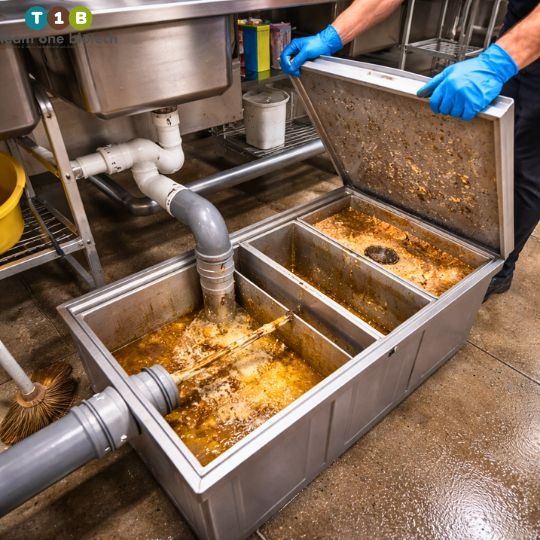
The principle behind an oil and grease trap is straightforward, even if the engineering details vary. Wastewater from your kitchen enters the trap and slows down. Because fats and oils are lighter than water, they rise to the surface and form a scum layer. Heavier solids sink and form a sludge layer at the bottom. The relatively cleaner water in the middle, the effluent, exits through the outlet pipe toward your main drainage or treatment system.

That is the design. It works well when the trap is correctly sized, regularly cleaned, and biologically active. When any of those three conditions breaks down, the trap becomes the problem rather than the solution.

Sizing: Where Most Indian Facilities Are Already Behind

A common pattern across Indian commercial properties, particularly those that have expanded operations since original construction, is a grease trap that was sized for a lower service volume than the facility now runs at.

Original kitchen capacity on paper, actual peak covers served today, added banqueting or catering operations, new food stations in a hotel’s all-day dining, any of these increases the hydraulic load on a trap that was designed for something smaller. The trap does not fail dramatically. It just becomes progressively less effective. FOG bypass rates increase. Downstream blockages become more frequent. The system appears to be working until it suddenly is not.

If your facility has grown since your oil and grease trap was last assessed, that assessment is overdue. Team One Biotech offers site audits that evaluate whether your existing trap infrastructure is matched to your current operational reality, contact us to arrange one.

What Delayed Grease Trap Cleaning Actually Costs You

There is a common pattern in how facility managers think about grease trap cleaning: it is deferred because it is unpleasant, mildly disruptive, and the cost appears as a line item with no obvious immediate return. The logic holds right up until it does not.

Here is what the full cost picture actually looks like when cleaning is deferred too long:

  • Emergency plumbing rates on a weekend evening are not comparable to scheduled service rates. They are multiples of them, and that is before accounting for the disruption cost to your operations.
  • Lost revenue from service disruption during a blocked-drain event. Not theoretical revenue. Actual tables that did not complete their meal, actual bookings that were turned away.
  • Pipe corrosion driven by prolonged hydrogen sulfide exposure degrades your drainage infrastructure over time in ways that are expensive to diagnose and even more expensive to repair.
  • Regulatory exposure from exceeding permissible FOG discharge limits, a risk that increases significantly as trap maintenance is deferred and bypass volumes rise.

Grease trap cleaning is not a cost. It is risk mitigation with a clear return on investment. The question is whether that investment is made on a schedule you control or in an emergency at a rate you do not.

Septic Tank Treatment: Understanding What Is Happening Below Ground

The Biology Your Maintenance Schedule Depends On

For a significant proportion of hotels, resorts, standalone restaurants, and commercial complexes in India, particularly those outside dense urban sewer networks, the septic tank is the terminal point for all wastewater. What happens inside it determines whether your drainage system functions reliably or fails progressively.

A healthy septic tank is a biological system, not simply a storage vessel. Three things need to happen continuously for it to function:

Physical separation, solids settle to the bottom as sludge, fats and lighter materials rise as scum, and the clarified middle layer flows toward secondary treatment or dispersal.

Anaerobic digestion, naturally occurring bacterial populations break down organic solids in the sludge layer. This is the process that prevents the tank from filling up faster than it is being emptied. When it functions well, you get reliable long intervals between desludging. When it collapses, your tank fills rapidly and your drainage system pays the price.

Effluent dispersal, the clarified effluent exits to a leach field, soak pit, or secondary ETP/STP. If the incoming effluent is not adequately clarified, because physical separation or digestion has broken down, solids carry over and begin to compact the dispersal system. This is the failure mode that is most expensive to remediate.

FOG is the most common disruptor of all three processes. When large volumes of grease bypass an undersized or poorly maintained oil and grease trap and enter the septic system, they suppress the anaerobic bacterial populations responsible for digestion, accelerate scum layer formation, and carry over into dispersal infrastructure. The system does not fail immediately. It fails incrementally, in ways that are easy to miss until the problem is advanced.

Reading the Early Warning Signs

Most septic system failures give you notice before they give you a crisis. Facility managers who know what to look for can intervene at a fraction of the cost of emergency remediation.

Watch for these indicators:

  • Multiple slow drains across the facility, not one blocked fixture but a pattern, suggesting the problem is downstream of the individual drain points
  • Persistent sulphur or sewage odour near inspection chambers, in basement plant rooms, or in low-lying outdoor areas adjacent to the leach field
  • Unusually wet or lush patches above the dispersal area, effluent surfacing because the soil can no longer absorb it
  • Pump-out intervals shrinking, if you are desludging more frequently than your historical schedule, biological activity inside the tank has likely degraded significantly
  • Drainage gurgling sounds across multiple fixtures after heavy service, indicating the system is under hydraulic stress

None of these are simply cosmetic nuisances. Each one is a data point telling you that the biological balance inside your septic system needs attention.

How Often Should You Actually Be Treating Your Septic Tank?

This is a question Team One Biotech gets asked constantly, and the honest answer is that it depends on variables specific to your facility. That said, a practical framework for high-load commercial operations looks like this:

Biological dosing of microbial cultures should typically occur every 15 to 30 days for facilities running at significant daily load. (These are general estimated values; actual requirements differ based on specific ETP/STP design, load, and environmental factors.) Mechanical desludging, the physical removal of accumulated sludge that cannot be biologically degraded, should be planned at intervals of 6 to 18 months, calibrated to your tank volume and daily input load. (These are general estimated values; actual requirements differ based on specific ETP/STP design, load, and environmental factors.)

After every desludging, a concentrated microbial reinoculation is critical. A freshly emptied tank has had its entire biological population removed along with the sludge. Returning it to full operational load without reestablishing those populations means weeks of degraded treatment performance at the point when your system is most vulnerable.

Team One Biotech designs septic tank treatment programmes around your facility’s specific configuration, load profile, and seasonal conditions. If you have not reviewed your current treatment approach recently, now is the right time to do it, reach out to our team for a consultation.

Mechanical Cleaning vs. Bioremediation: What Each One Actually Does

Why Mechanical Cleaning Alone Is Never Enough

Mechanical grease trap cleaning, vacuum extraction of accumulated FOG and sludge, is necessary. It cannot be skipped, and no responsible bioremediation provider will suggest otherwise. But here is what it does not do.

It clears the accumulated material at the trap itself, at that point in time. It does nothing to the biofilm of grease adhering to the pipe walls between your kitchen and the trap. It does not restore microbial populations in your septic system. It does not slow the rate at which FOG will accumulate again.

The day after a mechanical clean, your system starts accumulating FOG at exactly the same rate as the day before the clean. The conditions that caused the buildup have not changed. The maintenance cycle repeats. The costs repeat. The risk repeats.

This is not a criticism of mechanical cleaning. It is simply an accurate description of what it is and is not designed to do. The problem arises when it is treated as a complete solution rather than one component of one.

What Bioremediation Actually Does to Your System

Bioremediation for FOG management is the introduction of selected, non-pathogenic bacterial strains, in concentrated, stable formulations, into your drainage lines, grease trap, and septic system. These are naturally occurring organisms, not engineered chemicals. They produce specific enzymes targeted at the organic compounds your kitchen generates:

  • Lipases break down fats and oils at the molecular level
  • Proteases address protein residues from food prep and wash-down
  • Amylases break down starch and carbohydrate matter from prep and dishwashing

The bacteria then consume the breakdown products as their carbon and energy source, converting complex organic waste into carbon dioxide, water, and inert biomass. The process does not simply move the FOG, it eliminates it biologically.

Over a sustained programme, the practical outcomes are measurable:

  • FOG accumulation rate inside the grease trap slows, extending intervals between mechanical cleanouts
  • Biofilm inside drainage pipework between the kitchen and the trap begins to degrade, reducing pipe-wall buildup
  • Hydrogen sulfide-producing anaerobic conditions in the septic system are displaced, reducing odour
  • Biological digestion within the septic tank is restored and maintained, slowing sludge accumulation
  • Long-term maintenance costs decrease as mechanical intervention frequency reduces

Facilities on a structured bioremediation programme alongside scheduled mechanical cleaning typically see a reduction in cleanout frequency of between 25% to 45% over a sustained period. (These are general estimated values; actual requirements differ based on specific ETP/STP design, load, and environmental factors.)

Why This Approach Works Particularly Well in India

The same warm ambient temperatures that accelerate FOG-related problems also create near-ideal conditions for introduced microbial cultures to establish and perform.

At the temperature ranges typical of Indian commercial environments across most of the year, bacterial populations in a well-dosed bioremediation programme reproduce and become active faster than they would in temperate climates. The system reaches biological equilibrium more quickly. The results manifest earlier.

Team One Biotech’s product formulations are selected and validated specifically for Indian tropical and subtropical conditions. That is not a marketing distinction, it is a technical one that directly affects how quickly and consistently a programme delivers results in your specific environment.

Building a FOG Management Programme That Actually Holds

Building a FOG Management Programme That Actually Holds

The Four Pillars That Make It Work

No single intervention solves FOG management. What works is a structured programme built on four interdependent elements:

Infrastructure that fits your actual load, Not your theoretical kitchen capacity from the original build plans. Your actual peak-hour output today. If there is a mismatch, maintenance alone will not compensate for it.

A mechanical cleaning schedule you keep, Fixed intervals, logged properly, non-negotiable. Your grease trap cleaning schedule belongs on your facility maintenance calendar alongside your HVAC and fire system services.

Consistent biological treatment, Dosed on a regular schedule into your grease trap, drainage lines, and septic system. Consistency matters here more than concentration. An inconsistent programme is substantially less effective than a lower-dose programme applied reliably.

Kitchen protocols that do not undermine everything else, The most sophisticated treatment programme is weakened by poor kitchen-floor habits. Pre-scraping before washing, spent oil collected in designated containers and not poured down drains, hot water disposal directly into grease trap inlets prohibited. These are not complicated protocols. They are discipline, and they make a material difference.

What Compliance Actually Requires

Municipal bodies across Indian cities operate under discharge standards aligned with Central Pollution Control Board frameworks that specify maximum permissible concentrations of oil and grease in effluent released to the sewer network. These are not suggestions. Exceeding them creates legal exposure.

For hotels and restaurants under FSSAI licensing, drainage failures that generate health or hygiene risk can trigger licence review proceedings. The regulatory risk is compounding, a municipal fine is one thing, but a licence complication during peak season is another category of business impact.

A documented FOG management programme, service logs, biological treatment records, grease trap cleaning certificates, effluent test results, is your primary evidence of compliance in any inspection scenario. It is also, frankly, evidence of professionalism that reflects well on your operation regardless of whether an inspector ever asks to see it.

Team One Biotech provides complete documentation support as part of its managed maintenance programmes. If you want a programme that holds up under regulatory scrutiny, contact our team to discuss what that looks like for your facility.

Frequently Asked Questions

How often should grease trap cleaning happen in a high-volume Indian restaurant?

For a restaurant serving a primarily Indian cuisine menu at significant daily covers, the practical trigger is the 25% rule: clean the trap when the combined scum and sludge depth reaches between 25% to 33% of the trap’s total liquid depth. In operational terms, this typically means cleaning every 2 to 6 weeks for high-load kitchens. (

These are general estimated values; actual requirements differ based on specific ETP/STP design, load, and environmental factors.) 

Facilities on an active biological treatment programme may legitimately extend those intervals, but only within guidance from their service provider based on actual trap inspection data, not as an assumption.

Can biological treatment replace mechanical desludging?

No, and any provider who suggests otherwise is not giving you accurate information. Biological septic tank treatment reduces sludge accumulation rate and maintains biological health between desludging cycles. It cannot eliminate the accumulation of inert solids that no bacteria will break down. All septic systems require periodic physical desludging. Bioremediation makes that necessary interval longer and the system more stable between interventions, it does not make the intervention unnecessary.

Is bioremediation safe to use in commercial food service environments?

Properly formulated commercial bioremediation products use non-pathogenic bacterial strains found naturally in soil and organic environments. They are safe for drainage infrastructure, safe for staff handling them according to product guidelines, and safe for receiving water bodies. They do not corrode pipes, damage fittings, or disrupt the biological processes in your downstream treatment system. Team One Biotech’s formulations comply with applicable Indian regulatory standards for commercial application.

Our property has a combined ETP/STP. Is FOG management still relevant?

It is more relevant, not less. Excess FOG entering a combined treatment system will coat aeration membranes, suppress the biological activity in activated sludge chambers, and compromise your treated effluent quality, potentially causing you to exceed discharge standards even when the treatment system itself is functioning correctly. A properly maintained oil and grease trap upstream of your ETP/STP inlet protects your treatment investment and is a prerequisite for consistent compliance performance.

How long before we see results from a bioremediation programme?

The first indicators, odour reduction and a visible slowing of FOG accumulation inside the trap, are typically noticeable within 2 to 6 weeks of a properly dosed programme. Measurable changes in cleanout frequency and drainage flow performance generally become clear over 3 to 6 months of sustained application. 

(These are general estimated values; actual requirements differ based on specific ETP/STP design, load, and environmental factors.) 

The rate of improvement depends on system size, starting biological load, dosing consistency, and how well kitchen operational protocols are being followed alongside the treatment programme.

We already have a blocked drain right now. What should we do?

In an active blockage, mechanical intervention is the immediate priority, biological treatment will not clear a blocked pipe. Once the blockage is resolved and the system has flow, commence a biological reinoculation protocol to restore microbial populations and begin addressing the underlying conditions that created the blockage. Going from emergency mechanical clear to a structured ongoing programme is exactly the transition that prevents the same emergency from recurring. Team One Biotech supports facilities through exactly this transition, contact us if you are dealing with an active issue and need guidance on next steps.

The Conversation Worth Having Before the Next Emergency

There is a version of this that plays out as a crisis, the Saturday evening backflow, the guest complaint, the municipal notice, the emergency plumber at midnight. And there is a version where none of that happens, because someone made a decision to treat drainage infrastructure as the operational asset it actually is rather than the back-of-house problem to be deferred until it cannot be anymore.

Both versions are available to every facility manager reading this. The difference is a structured programme, applied consistently, designed for the specific conditions of Indian commercial operations.

Team One Biotech works with hotels, restaurants, and commercial facilities across India to design FOG management and biological treatment programmes that fit the actual operational reality of each facility, the cuisine profile, the kitchen volume, the infrastructure configuration, the regulatory environment, and the seasonal conditions that affect how all of it performs.

If you are ready to move from managing crises to preventing them, the starting point is straightforward.

Contact Team One Biotech today to request a site audit or a customised FOG management and bioremediation plan. The conversation costs nothing. The alternative, as you may already know, costs considerably more.

Looking to improve your ETP/STP efficiency with the right bioculture?
Talk to our experts at Team One Biotech for customised microbial solutions.

Contact+91 8855050575

Email:  sales@teamonebiotech.com

Visit: www.teamonebiotech.com

Discover More on YouTube – Watch our latest insights & innovations!-

Connect with Us on LinkedIn – Stay updated with expert content & trends!
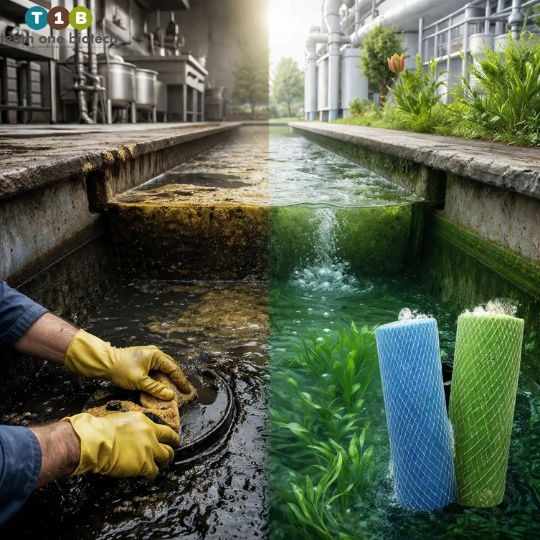
Case Study: Reducing Sludge Dewatering Costs by 40% with Microbial Bio-augmentation

The Cost No One Talks About in Your P&L

Every plant manager knows the obvious costs, power, raw materials, compliance audits. But there is one line item that quietly bleeds operational budgets dry, quarter after quarter: ETP sludge management.

In Indian textile mills, pharmaceutical units, distilleries, and chemical plants, sludge disposal is no longer just an inconvenience. It has become a significant and growing operational liability. Filter presses running at high electricity draw. Polymer and coagulant chemicals ordered in bulk every month. Third-party sludge haulers charging more with every trip. And despite all of it, the sludge keeps coming, wet, heavy, and expensive.

If your ETP sludge is consistently coming off the filter press at 85–95% moisture content, you are not just dealing with a dewatering problem. You are dealing with a biological treatment failure upstream. And the meter is running.

Why Indian ETPs Face a Uniquely Difficult Challenge

Why Indian ETPs Face a Uniquely Difficult Challenge

The problem is not simply poor equipment or undertrained operators. Indian industrial ETPs operate under a set of conditions that are genuinely difficult to manage:

  • Highly fluctuating organic loads, Batch production cycles in pharma and distilleries create feast-or-famine conditions for biological systems, often destabilizing the microbial ecosystem in the aeration tank.
  • Climatic variability, From a 12°C winter morning in Ludhiana to a 42°C summer afternoon in Surat, temperature swings stress microbial populations in ways that laboratory-designed systems rarely account for.
  • Complex and inhibitory wastewater composition, High BOD, COD, TDS, and the presence of recalcitrant compounds in textile dye effluents or solvent-heavy pharmaceutical discharge actively suppress native microbial communities.
  • CPCB and SPCB pressure, Discharge norms are tightening. Consent to Operate renewals now scrutinize sludge disposal records, TSDF utilization, and biological treatment efficiency with far greater intensity than even five years ago.
  • Rising TSDF costs, With hazardous sludge disposal at authorized facilities becoming more expensive and logistics more complex, the cost per metric tonne of wet sludge keeps climbing.

The result: ETP operators pour more chemicals into a system that is biologically weak, produce more sludge than the system should generate, and then spend more money trying to dewater sludge that simply does not want to release its water.

The Case Study: A Large-Scale Industrial ETP Struggling to Break Even on Sludge Costs

A Large-Scale Industrial ETP Struggling to Break Even on Sludge Costs

The Facility

A mid-to-large industrial unit, operating a combined biological treatment system handling both aerobic and anaerobic process streams, was experiencing chronic sludge management issues. The facility ran a conventional activated sludge process followed by a secondary clarifier and a filter press dewatering unit. On paper, the system was adequate. In practice, it was consistently underperforming.

The Problem

The plant’s ETP team flagged several compounding issues over a period of months:

  • Sludge moisture content stubbornly holding at 88–93%, despite optimal filter press cycle times and regular polymer dosing adjustments.
  • Chemical coagulant consumption rising quarter-on-quarter with diminishing returns on cake dryness.
  • Biological treatment zones showing poor VSS/TSS ratios, indicating a weak and unbalanced microbial community, too much inert biomass, not enough active degraders.
  • Effluent quality intermittently failing BOD and COD discharge standards during peak load periods, attracting regulatory scrutiny.
  • Sludge disposal volumes, and the associated TSDF costs, had increased substantially over the preceding financial year, making sludge management one of the top three operational cost centres in the ETP budget.

The root cause was clear upon detailed assessment: the biological treatment system was not breaking down complex organics efficiently. Instead of being mineralized within the system, organic matter was being carried forward into the sludge, adding to its mass and making it structurally resistant to mechanical dewatering. A filter press cannot fix what biology has failed to do.

The Solution: A Targeted Bio-augmentation Program

Rather than recommending capital expenditure on new equipment, the approach taken was fundamentally different, restore and reinforce the biological engine at the core of the ETP.

A customized microbial bio-augmentation program was designed and deployed across the facility’s biological treatment and anaerobic process zones. Here is what that involved:

Microbial Selection and Customization

Not all microbial consortia are equal. Generic, off-the-shelf products often fail in complex industrial wastewater because they are not matched to the specific substrate chemistry of the effluent. In this case, a site-specific microbial formulation was developed after wastewater characterization, targeting:

  • High-efficiency heterotrophic bacteria capable of degrading complex COD fractions under variable load conditions
  • Specialized hydrolytic organisms to break down long-chain polymeric organics in the sludge matrix itself
  • Facultative anaerobes adapted to function effectively across the temperature and pH ranges observed at this facility
  • Acid-phase and methanogenic bacteria for reinforcing the anaerobic process zone’s capacity to handle shock loads

Deployment Protocol

Bio-augmentation was not treated as a one-time addition. The protocol involved:

  • Seeding the aeration tank and anaerobic digester with the tailored microbial consortium during a controlled inoculation phase
  • Monitoring VSS activity, SVI (Sludge Volume Index), and F:M ratio on a weekly basis during the stabilization window
  • Gradual reduction in chemical coagulant dosing as biological floc quality improved and the sludge’s natural dewatering characteristics strengthened
  • Ongoing performance reviews tied to sludge cake moisture readings and monthly disposal volumes

Addressing India-Specific Challenges

Recognizing that seasonal temperature drops would periodically stress the newly augmented biomass, the program included cold-tolerant microbial strains in the formulation, organisms selected for functional stability at lower temperatures without losing hydrolytic activity. This is a critical design consideration that generic bio-augmentation products routinely ignore.

The Science Behind Better Dewaterability

Understanding why bio-augmentation reduces sludge dewatering costs requires a brief look at what makes ETP sludge difficult to dewater in the first place.

Why Sludge Holds Water

Sludge dewaterability is not just a mechanical issue. It is a biological and physicochemical issue. The key factors are:

  • Extracellular Polymeric Substances (EPS): Microbially-produced biopolymers that trap water molecules within the sludge floc structure. High EPS concentrations, common in stressed or overfed biological systems, make sludge sticky, voluminous, and resistant to pressing.
  • Colloidal and bound water: A significant fraction of moisture in poorly conditioned sludge is chemically bound to organic particles, not free water that a press can expel.
  • Poorly structured floc: Weak biological communities produce filamentous or dispersed floc with poor settling and compression characteristics, as opposed to the dense, compact floc formed by a healthy, well-balanced biomass.

What Bio-augmentation Changes

When specialized microorganisms in bioremediation are introduced and allowed to establish, several changes occur in the sludge matrix:

  • EPS hydrolysis: Certain organisms within the consortium produce extracellular enzymes, particularly proteases, lipases, and glucanases, that actively degrade the EPS matrix, releasing bound water and reducing overall sludge volume.
  • Enhanced organic mineralization: Complex organics that would otherwise persist in the sludge and contribute to its mass are broken down to carbon dioxide, water, and simple mineral compounds, reducing volatile solids content and sludge generation at the source.
  • Improved floc architecture: A diverse, healthy microbial population produces well-structured floc with better compression characteristics, allowing filter presses to achieve significantly drier cake with less polymer input.
  • Reduced endogenous decay residue: When biological treatment is highly efficient, less inorganic inert residue accumulates as waste biomass, reducing the non-compressible fraction in the sludge cake.

In simple terms: fix the biology, and the sludge takes care of itself.

The Results

Over a monitored period following full program deployment, the facility recorded the following improvements across its sludge treatment and biological treatment operations:

ParameterObserved Change
Sludge cake moisture contentReduced from 88–93% to 72–78% range
Dewatering operating costs35–45% reduction
Chemical coagulant consumption20–30% reduction
Monthly sludge disposal volumes (wet weight)30–40% reduction
Filter press cycle efficiency15–25% improvement in throughput
Effluent BOD/COD complianceConsistent pass during peak load periods

The cumulative financial impact was substantial. A reduction in wet sludge volume of 30–40% directly translates to fewer TSDF trips, lower transport costs, and significantly reduced disposal fees, recurring savings that compound on a monthly basis.

The reduction in coagulant and polymer chemical spend provided additional operating cost relief, while improved filter press throughput reduced electricity consumption per tonne of sludge processed.

Note: The figures mentioned are general industry ranges based on specific case studies; actual results may vary depending on the unique characteristics and operational parameters of each individual ETP.

What This Means for Your ETP Budget

The financial logic is straightforward. If your plant generates, for example, 500 kg of wet sludge per day at 90% moisture content, a reduction to 75% moisture content does not just make the cake drier, it fundamentally reduces the mass you are paying to dispose of. That delta, multiplied across 300 operating days and priced at current TSDF disposal rates, is a number worth calculating.

Bio-augmentation is not a product you buy once and forget. It is a managed biological intervention, an ongoing program with monitoring, dose adjustment, and performance accountability built in. The cost of the program is, in virtually every well-executed case, a fraction of the savings it generates.

Is Your ETP a Candidate for Bio-augmentation?

The following indicators suggest your facility could benefit significantly from a structured microbial program:

  • Filter press cake consistently above 78–80% moisture content
  • Monthly chemical coagulant and polymer costs trending upward with no improvement in performance
  • SVI above 150 mL/g, indicating poor sludge settling
  • Effluent BOD/COD occasionally failing during high-load periods
  • TSDF disposal costs representing more than 15–20% of your total ETP operating budget
  • Biological treatment zones showing signs of bulking, foaming, or poor clarifier performance

If three or more of these apply to your plant, the problem is almost certainly upstream in your biology, not in your mechanical dewatering equipment.

Take the Next Step: Book a Sludge Audit

Team One Biotech’s technical team works directly with ETP operators and plant managers across Indian textile, pharma, distillery, and chemical sectors. Our process begins with a no-obligation Sludge Audit, a structured technical assessment of your current biological treatment performance, sludge characteristics, and dewatering efficiency.

The audit identifies exactly where your system is losing value and provides a quantified estimate of the cost reduction achievable through targeted bio-augmentation.

To schedule your Sludge Audit or speak directly with our technical team, contact Team One Biotech today.

Your sludge disposal costs are not a fixed expense. They are a recoverable loss, and the biology to recover them already exists.

Looking to improve your ETP/STP efficiency with the right bioculture?
Talk to our experts at Team One Biotech for customised microbial solutions.

Contact+91 8855050575

Email:  sales@teamonebiotech.com

Visit: www.teamonebiotech.com

Discover More on YouTube – Watch our latest insights & innovations!-

Connect with Us on LinkedIn – Stay updated with expert content & trends!
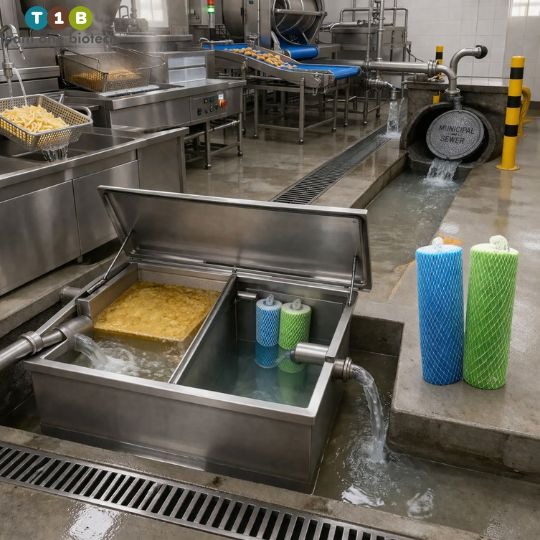
Solving the ETP Sludge Crisis: 5 Ways to Reduce Sludge Volume and Disposal Costs

Every plant manager who oversees an ETP in India knows the feeling. It usually hits around budget review time, or worse, right before a regulatory inspection. You look at the disposal invoices stacking up, you look at the sludge drying beds that never seem to empty fast enough, and somewhere in the back of your mind a number keeps growing, a number that represents money leaving your plant for no productive reason whatsoever.

Sludge. Not the effluent you treat. Not the water you discharge. The leftover mass that your biological treatment process generates and that nobody, not your operators, not your contractors, not your compliance team, has a clean answer for.

This problem is not unique to any one sector. Textile dyeing units in Surat, API manufacturers in Hyderabad, dairy processors in Punjab, tanneries in Kanpur, the conversation is identical across all of them. Too much sludge, nowhere adequate to send it, and a cost curve that only moves in one direction. CPCB and SPCB inspection cycles are not getting more lenient. Third-party disposal contractors charge more every year and their compliance trail is increasingly under the scanner, which means your liability does not end when the tanker pulls out of your gate.

What compounds this in India specifically is the nature of industrial production itself. Seasonal peaks, inconsistent raw material quality, the monsoon’s effect on influent dilution, your ETP was designed around a baseline that real operations almost never maintain. Tropical temperatures accelerate microbial activity in ways that can swing sludge generation rates dramatically from one month to the next. Your operators are managing a living system under conditions that shift constantly, and the sludge output reflects every one of those shifts. Often, the solution lies in Advanced Bioremediation: Using Microbial Cultures to Solve Complex Industrial Waste as a way to stabilize these biological fluctuations.

The result is a reactive posture that most plants are stuck in: manage the sludge that already exists rather than address why so much is being produced in the first place. More dewatering capacity, more disposal contracts, more compliance paperwork, all of it treating the symptom while the underlying biology keeps generating the problem.

That reactive posture is exactly what needs to change. The five strategies below are not quick fixes. They are a biology-first approach to cutting ETP sludge at the source, and keeping it cut, season after season.

Way 1: Bio-Augmentation ,  Putting the Right Microorganisms to Work in Your Bioremediation System

Bio-Augmentation ,  Putting the Right Microorganisms to Work in Your Bioremediation System

Here is something most ETP operators already know intuitively but rarely act on: the microbial population running your aeration tank is probably not well-suited to your effluent.

Naturally seeded microbial communities are generalists. They colonize your system over time, establish a working equilibrium, and do a passable job under average conditions. The operative word is passable. When your influent COD spikes because production shifted to a higher-strength product, or when a batch of toxic intermediates hits your collection sump ahead of the ETP, those generalist populations struggle. They produce excess sludge as a byproduct of incomplete organic degradation, biomass that should have been converted to energy and CO₂ instead ends up in your sludge press.

Using Specialized Microorganisms in Bioremediation to Tackle Toxic Industrial Effluents 

To counter this, modern ETP management relies on the strategic deployment of specialized microorganisms selected for high-toxicity resistance. Unlike standard cultures, these “specialist” strains are capable of breaking down recalcitrant molecules like phenols, cyanides, and halogenated hydrocarbons that typically inhibit or kill off standard biomass. By integrating these specialized microbes into your bioremediation strategy, you ensure that even the most toxic industrial effluents are mineralized at the source. This targeted approach prevents the accumulation of hazardous chemical intermediates in the sludge, effectively lowering the toxicity profile of the resultant waste and making disposal significantly safer and more cost-effective.

Bio-augmentation addresses this directly. The principle is straightforward: instead of waiting for nature to seed your system with whatever microorganisms happen to be present, you deliberately introduce specialized, high-density microbial consortia that are matched to your specific effluent matrix. These are not generic culture products. Effective bio-augmentation uses organisms selected or developed for the particular compounds your plant generates, sulfate-reducing bacteria for tannery effluent, nitrifiers and denitrifiers for food processing wastewater, hydrocarbon-degrading strains for petrochemical ETPs.

The impact on sludge volume is direct. When microorganisms in bioremediation are well-matched to the organic compounds they are degrading, more of that organic load gets converted into energy and CO₂ rather than new biomass. Net sludge yield drops, typically by 20–35% compared to a poorly adapted mixed culture running the same load. (Note: These are general estimates and actual performance parameters will vary based on specific ETP design, effluent characteristics, and operating conditions.)

For Indian plants dealing with high seasonal variability, bio-augmentation also functions as an operational buffer. A robust, diverse microbial population recovers faster from shock loads. It bulks less. It bounces back from monsoon-related influent swings without the week-long process instability that typically follows, instability that is itself a significant driver of sludge generation spikes.

The work involved in bio-augmentation goes beyond adding a culture to your aeration tank. Microbial selection, dosing protocols, system monitoring, and periodic re-inoculation all require expertise. Getting the biology right is an investment. But the return, a lower, more stable sludge baseline, compounds over every month of operation.

Way 2: Fine-Tuning Your Aerobic and Anaerobic Processes for Smarter Biological Digestion

Running your ETP and running it well are two different things. Most plants operate in a fixed configuration that was set during commissioning and adjusted only when something goes wrong. Aeration runs at a fixed rate. The clarifier operates on a fixed cycle. Sludge gets wasted on a schedule that was set years ago and never revisited. The system produces effluent. Sludge accumulates. The cycle repeats.

What is almost never done is genuine process optimization, adjusting operating parameters based on what the biology actually needs at different load conditions. And the gap between a fixed-configuration ETP and an optimized one is where enormous quantities of excess sludge are quietly generated, day after day.

Understanding the difference between aerobic and anaerobic processes is central to this optimization.

The aerobic process is effective but biologically expensive. Aerobic bacteria consume oxygen to break down organic matter, and they produce significant biomass in the process, roughly one gram of sludge for every gram of COD removed under conventional conditions. That ratio is not fixed; it responds to operating parameters. But under standard activated sludge conditions, aerobic treatment is your biggest sludge generator.

The anaerobic process is fundamentally different. Anaerobic bacteria convert organic matter to biogas, primarily methane and CO₂, with dramatically lower biomass production. Anaerobic systems typically produce 80–90% less sludge than aerobic systems treating equivalent organic loads. (Note: These are general estimates and actual performance parameters will vary based on specific ETP design, effluent characteristics, and operating conditions.) For high-strength industrial effluents, distillery spent wash, dairy process water, chemical manufacturing effluent, a properly designed anaerobic pre-treatment stage can remove the bulk of the organic load before the aerobic polishing stage handles the rest. The aerobic system works on a fraction of the original load, generates a fraction of the original sludge, and consumes significantly less aeration energy in the process.

Beyond the aerobic-anaerobic balance, process fine-tuning also means:

  • Sludge retention time management: Longer SRTs give microorganisms time to metabolize their own cellular material, a process called endogenous respiration that directly reduces net biomass output.
  • Dissolved oxygen control: Maintaining DO in the right range prevents both anaerobic dead zones that cause bulking and over-aeration that wastes energy without improving treatment.
  • Load equalization: Smoothing influent peaks through equalization reduces shock loads, one of the primary drivers of excess sludge generation in Indian industrial ETPs where production schedules are rarely uniform.

These are not capital-intensive changes. They are operational disciplines that pay for themselves in reduced sludge volumes across every billing cycle.

Way 3: Mechanical Dewatering Combined With Biological Conditioning

Mechanical Dewatering Combined With Biological Conditioning

Let us be precise about what mechanical dewatering does and does not do. A belt press, filter press, or centrifuge does not reduce the mass of sludge your ETP generates. It removes water from the sludge that is already there, making it lighter, easier to handle, and cheaper to transport. The organic solids remain.

What determines how well your dewatering equipment performs is not the machine itself, it is the nature of the sludge going into it. And this is where biological conditioning changes everything.

Raw biological sludge dehydrates poorly. The reason is a substance called extracellular polymeric substances, EPS, which is essentially the structural glue holding microbial cells together in the sludge matrix. EPS is highly hydrophilic. It holds water tenaciously, which is why raw biological sludge going into a filter press often produces a cake with only 14–18% dry solids. The rest is water you are paying to transport and dispose of.

Biological conditioning treats this problem at the molecular level. Enzymatic preparations, specific enzyme blends selected for your sludge composition, break down the EPS matrix before dewatering. The sludge structure loosens. Water releases more freely. The same belt press or centrifuge that previously produced a 16% dry solids cake now produces one at 22–28%. (Note: These are general estimates and actual performance parameters will vary based on specific ETP design, effluent characteristics, and operating conditions.)

That improvement has a direct financial translation. Drier sludge is lighter sludge. Fewer disposal trips per tonne of dry solids. Lower transportation costs per cycle. And in many cases, particularly for plants in sectors like textiles or food processing where sludge composition is relatively consistent, improved dry solids content can shift the sludge from landfill disposal to co-processing in cement kilns, where it is used as an alternate fuel. The cost difference between those two disposal routes, calculated over a year of operations, often runs into significant lakhs for mid-to-large plants.

Biological conditioning requires no capital investment in new dewatering infrastructure. Your existing press or centrifuge remains the mechanical workhorse. The biology changes what goes into it, and dramatically improves what comes out.

A note before we continue: if you are spending more on sludge disposal than your operational budget can absorb comfortably, the answer is almost certainly in your process biology, not in more dewatering capacity or more expensive disposal contracts. Team One Biotech works with Indian industrial plants to identify exactly where excess sludge is being generated and what it is costing. Our sludge audits are detailed, specific, and actionable. If that conversation is relevant to where your plant stands right now, reach out to our technical team.

Way 4: Source Reduction and Hydraulic Retention Time Management

The most underrated sludge reduction strategy is also the most logical one: generate less organic load in the first place.

Source reduction is not glamorous. It does not involve advanced biology or specialized equipment. It involves looking honestly at your production process and identifying where organic waste enters your wastewater stream unnecessarily, and then doing something about it. In the Indian industrial context, this typically means three areas of focus.

Stream segregation is frequently overlooked in plants that grew incrementally without a master ETP design. High-strength process effluent, concentrated dye baths, mother liquor, high-COD process condensates, gets mixed with low-strength washdown water or cooling water before reaching the ETP collection sump. The result is a larger volume of moderate-strength effluent that your biological system has to process. Segregating these streams allows high-strength waste to be treated separately and efficiently, while low-strength streams bypass biological treatment entirely or receive minimal treatment. The reduction in total organic load hitting your ETP directly reduces biological sludge generation.

In-process water reuse reduces the total hydraulic volume entering your ETP. Less water means less biomass turnover and proportionally less sludge production. For water-intensive industries, textiles, food processing, paper, even modest reuse ratios can produce meaningful reductions in ETP load.

Process chemical substitution is a longer-term lever but a powerful one. Replacing poorly biodegradable surfactants, dispersants, or process aids with more biodegradable alternatives reduces the fraction of organic material that passes through biological treatment and ends up concentrated in sludge. This is particularly relevant for specialty chemical, pharmaceutical, and textile sector plants.

On the ETP operations side, HRT management deserves specific attention. Hydraulic retention time, how long wastewater spends in each treatment zone, directly affects how completely biological treatment removes organic load. When operators increase flow rates during production peaks to prevent upstream backup, HRT drops precisely when the biology needs more contact time. Organic material that should have been metabolized passes through instead, concentrating in the sludge fraction. Establishing HRT control protocols, supported by a proper equalization basin, keeps contact time consistent across load variations. The impact on sludge volumes, typically a reduction of 15–25% on a sustained operational basis, is one of the highest-return improvements available without any capital spend on new treatment infrastructure. 

(Note: These are general estimates and actual performance parameters will vary based on specific ETP design, effluent characteristics, and operating conditions.)

Way 5: Advanced Enzymatic and Biological Treatment to Break Down Refractory Organics

Every industrial ETP has compounds that its biological system cannot fully degrade. In textile plants, it is reactive dyes and their breakdown products. In pharmaceutical manufacturing, it is API intermediates and complex ring structures. In the leather sector, it is chromium complexes and vegetable tanning compounds. In specialty chemical plants, it is any number of synthetic polymers and aromatic compounds.

These are called refractory organics, compounds that resist conventional biological treatment because the microbial populations in a standard activated sludge system simply do not carry the enzymatic machinery to break them down. Instead of being metabolized, they accumulate in the sludge fraction. They increase sludge volume. They elevate the organic and sometimes hazardous content of your final sludge cake. And they complicate disposal, because sludge containing high concentrations of recalcitrant compounds often fails TCLP testing, forcing landfill disposal of material that might otherwise qualify for co-processing or land application.

Advanced enzymatic treatment targets these compounds specifically. Enzymes such as laccases, peroxidases, and hydrolases can depolymerize complex organic structures, breaking apart the molecular architecture of compounds that biological systems cannot attack directly. Once depolymerized, the simpler breakdown products become available for microbial consumption in the subsequent biological treatment stage. The result is a two-stage attack: enzymatic breakdown followed by biological assimilation.

When implemented as part of a comprehensive sludge treatment program, advanced enzymatic treatment delivers several compounding benefits:

  • Reduced total sludge mass: More complete degradation of organic compounds means less material accumulating in the sludge fraction.
  • Improved sludge biodegradability: Sludge with lower refractory organic content digests more effectively in downstream anaerobic digesters or co-composting systems, turning a disposal liability into a potential resource.
  • Improved regulatory classification: Lower TCLP values in the final sludge cake can shift disposal classification from hazardous to non-hazardous, a compliance milestone with direct cost implications that many Indian plants are actively working toward.
  • System stability: Better organic removal reduces the accumulation of inhibitory compounds in your biological system, improving overall treatment performance and reducing the frequency of process upsets that generate sludge spikes.

For sectors where refractory organics are a defining characteristic of the effluent, textiles, pharmaceuticals, specialty chemicals, this fifth strategy often delivers the most significant ROI precisely because it addresses both the compliance risk and the disposal cost simultaneously.

The ROI of Bioremediation: What Sludge Reduction Actually Means for Your Bottom Line

Put the five strategies above together and the cumulative impact on sludge generation is substantial. Plants implementing combined bio-augmentation, aerobic and anaerobic process optimization, biological conditioning, source reduction, and advanced enzymatic treatment have achieved total sludge output reductions in the range of 30–50% on a sustained operational basis. 

(Note: These are general estimates and actual performance parameters will vary based on specific ETP design, effluent characteristics, and operating conditions.)

For a mid-sized plant generating 500–800 tonnes of wet sludge annually, that reduction translates into measurable, line-item savings across every cost category associated with sludge management:

  • Fewer contractor disposal trips per month
  • Lower tipping fees per tonne of material disposed
  • Reduced dewatering equipment wear and maintenance
  • Smaller compliance documentation burden per audit cycle
  • In favorable cases, a shift in disposal classification that eliminates hazardous waste handling costs entirely

Beyond the direct financial impact, there is a strategic dimension that plant managers and CXOs increasingly recognize. Regulatory pressure on industrial sludge disposal in India is moving in one direction. CPCB and SPCB are tightening manifesting requirements, scrutinizing disposal contractor compliance trails more carefully, and in some states moving toward stricter limits on landfill-bound industrial waste. The plant that has already reduced its sludge volume by 35–40% enters that regulatory environment from a fundamentally stronger position than one still running a maximum-sludge-generation process.

Sludge reduction through bioremediation is not a cost center. When it is done correctly, it is one of the highest-return environmental investments an Indian industrial plant can make.

Stop Managing Sludge. Start Eliminating It.

Most plants dealing with a sludge problem respond with logistics: more trucks, bigger presses, higher-capacity storage. That approach does not solve the problem. It defers it at increasing cost, quarter after quarter, until the disposal invoices become impossible to ignore and a regulatory notice forces a more fundamental response.

The manufacturers getting ahead of this issue are taking a different approach. They are investing in the biological intelligence of their ETP, the microbial populations, the enzymatic toolkit, the process discipline, that converts organic load into energy and CO₂ rather than tonnes of wet sludge requiring disposal. They are treating their ETP not as a compliance obligation to be managed but as a biological system to be optimized.

Team One Biotech partners with Indian industrial plants across sectors to design and implement bioremediation-based sludge reduction programs built around your specific effluent chemistry, your existing infrastructure, and your compliance obligations. We do not sell generic microbial products or off-the-shelf enzyme packages. We start with a rigorous sludge audit, characterizing your effluent, assessing your biological treatment system, identifying the specific drivers behind your sludge generation, and quantifying what they are costing you. Then we build a program around what your system actually needs.

If sludge disposal costs are a recurring pressure in your operational budget, and for most Indian industrial plants they are, the first step is understanding exactly where that sludge is coming from and why it keeps coming.

Book a Sludge Audit with Team One Biotech. Our technical team will assess your ETP, map your sludge generation profile, and deliver a clear, specific, actionable reduction roadmap. No generic recommendations. No theoretical frameworks. A real plan for your plant, grounded in your actual numbers.

Contact Team One Biotech today and turn your most stubborn operational liability into a problem that stays solved.

Looking to improve your ETP/STP efficiency with the right bioculture?
Talk to our experts at Team One Biotech for customised microbial solutions.

Contact+91 8855050575

Email:  sales@teamonebiotech.com

Visit: www.teamonebiotech.com

Discover More on YouTube – Watch our latest insights & innovations!-

Connect with Us on LinkedIn – Stay updated with expert content & trends!

Using Specialized Microorganisms in Bioremediation to Tackle Toxic Industrial Effluents

It is a Tuesday morning. You have a production deadline, your procurement team is chasing a chemical supplier for a delayed coagulant shipment, and sitting in your inbox is a show-cause notice from the State Pollution Control Board. Your ETP is running. The logbook says so. But somewhere between the inlet and the discharge point, something is not working the way it should, and you already know that another round of chemical dosing is not going to fix it permanently.

If this feels familiar, you are not alone.

Across industrial clusters in Gujarat, Maharashtra, Tamil Nadu, Punjab, and Uttar Pradesh, plant managers and ETP operators are navigating exactly this tension every single day. The pressure is real, tightening CPCB and SPCB discharge norms, escalating chemical input costs, mounting etp sludge that needs licensed disposal, and a treatment system that was designed for a different era of compliance expectations.

The hard truth is this: most conventional industrial ETPs in India were not built to handle what is being asked of them today. They were built around chemical dosing and physical separation, coagulants, flocculants, pH correction, approaches that do not eliminate pollution so much as relocate it. You are converting dissolved contaminants into solid sludge, and then the sludge becomes your next problem.

Here is what that cycle is quietly costing you:

  • Recurring, month-on-month chemical procurement costs that scale with production volume and never come down
  • Hazardous etp sludge disposal costs that are rising alongside stricter waste handling regulations
  • Round-the-clock energy consumption from aerobic blower systems running whether they need to or not
  • The invisible cost of your ETP team operating in permanent firefighting mode instead of managing a system that works

And then there is the regulatory dimension. The Central Pollution Control Board and State Pollution Control Boards are not easing up. If anything, the direction of travel is clear, stricter discharge limits, more frequent inspections, and an industry-wide push toward zero liquid discharge in water-stressed regions. The cost of non-compliance today is not just a fine. It is production stoppages, legal exposure, damaged relationships with regulators, and a reputational problem that follows your brand.

The question worth asking is not “how do we manage this better?” The real question is: “Are we solving the right problem?”

Because there is a fundamentally different approach available, one that works with biology instead of chemistry, that reduces sludge instead of creating it, and that gets more efficient over time instead of more expensive. This shift toward Advanced Bioremediation: Using Microbial Cultures to Solve Complex Industrial Waste is transforming how plants meet these strict standards.

It starts with understanding what microorganisms in bioremediation can actually do when they are the right organisms for the right job.

Specialized Microbes: Why Generic Bio-Cultures Are Leaving Results on the Table

Specialized Microbes: Why Generic Bio-Cultures Are Leaving Results on the Table

Walk into any industrial chemical distributor in Vapi, Ludhiana, or Coimbatore, and you will find bio-culture products on the shelf. They are easy to source, reasonably priced, and come with broad-spectrum claims. For lightly loaded, relatively simple wastewater, they offer something.

But here is the honest reality that most vendors will not say to your face: a generic bio-culture applied to a complex industrial effluent is like prescribing a general painkiller for a condition that requires targeted treatment. It takes the edge off. It does not fix the problem.

The effluent coming out of a reactive dye unit in Surat is not the same problem as the effluent from a pharmaceutical fermentation plant in Hyderabad or a chromium-heavy tannery operation in Kanpur. Each of these streams carries specific recalcitrant compounds, azo dyes, chlorinated solvents, heavy metals, pharmaceutical active ingredients, sulfides, cyanides, that have chemical structures evolved to resist degradation. A generalist bacterial blend is not equipped to break them down efficiently. Not because the biology is wrong in principle, but because the wrong organisms are being deployed for the job.

This is the distinction that defines Team One Biotech’s approach.

Strain-Specific Deployment

Certain bacterial genera have evolved, over millions of years, with enzymatic pathways specifically designed to metabolize particular classes of compounds. Pseudomonas species carry oxygenase enzymes capable of degrading aromatic hydrocarbons. Rhodococcus strains can break down chlorinated compounds that most organisms cannot touch. Sulfate-reducing bacteria are indispensable in high-sulfide industrial effluents. Dehalococcoides species are among the few organisms that can reductively dechlorinate the most persistent chlorinated solvents.

Deploying these organisms is not guesswork. It is precision microbiology, matching the metabolic capability of the organism to the specific chemistry of your effluent.

Consortia Engineering, The Team Behind the Result

In a well-designed bioremediation system, no single organism carries the full load. What Team One Biotech engineers is a microbial consortium, a structured community where each member plays a specific metabolic role, and where the output of one organism feeds the input of the next. This creates a degradation cascade far more powerful and resilient than any single strain working alone.

Think of it like a production line. Each station in the line handles a specific conversion. The product from Station A becomes the raw material for Station B. The result at the end of the line is complete, not partial, not conditional.

Acclimatization to Indian Field Conditions

This is something that rarely appears in product datasheets but matters enormously on the ground: microbial performance is temperature-sensitive, and India’s industrial geography spans an extraordinary range of thermal conditions.

A bio-culture performing well in a bio-park in Chennai at 38 degrees Celsius may become sluggish or partially inactive in a facility in Himachal Pradesh or Uttarakhand during winter, where temperatures can drop close to 15 degrees Celsius. Team One Biotech’s specialized strains are selected and acclimatized to function across the realistic operating temperature range of Indian industrial facilities, not the controlled conditions of a European laboratory.Heavy Metal Tolerance, A Non-Negotiable in Many Indian Industrial Hubs

In electroplating corridors, leather processing clusters, and battery manufacturing zones, heavy metals are not just a contaminant, they are an active inhibitor of biological treatment. High concentrations of chromium, lead, cadmium, or nickel can suppress or kill poorly selected microbial populations, effectively shutting down your biological treatment stage without warning.

Specific metal-tolerant strains, and organisms with the capacity to biosorb and sequester heavy metals, are essential in these environments. This is not optional complexity. It is a basic requirement for reliable performance in the sectors where it is most needed.

The bottom line: if your ETP’s biological treatment stage is inconsistent, the answer is rarely more chemical dosing or more aeration. More often, it is the wrong biology, or too little of the right kind.

Anaerobic vs. Aerobic: Getting the Biological Treatment Chain Right

Anaerobic vs. Aerobic: Getting the Biological Treatment Chain Right

Here is a question worth sitting with for a moment: how many industrial ETPs in India are running exclusively aerobic treatment on high-strength effluents and wondering why their operating costs are so high?

The answer, if you spend time in Indian industrial facilities, is: quite a few. And it is an expensive habit.

Understanding the difference between anaerobic processes and aerobic biological treatment, and more importantly, when and how to use each, is one of the highest-leverage decisions in ETP management.

Aerobic Biological Treatment, Effective, But Energy-Hungry

Aerobic systems, activated sludge, MBBRs, SBRs, work by using oxygen-dependent bacteria to oxidize biodegradable organic matter. They are well-understood, widely deployed, and effective at reducing BOD in moderately loaded effluents. They are also energy-intensive. Running blowers and aerators continuously to maintain dissolved oxygen is a significant power cost, and in high-strength effluents, the organic load can overwhelm aerobic systems before they deliver compliant output.

Anaerobic Processes, The Underused Workhorse of Industrial Wastewater Treatment

Anaerobic processes work in the complete absence of oxygen, relying on complex, layered microbial communities, hydrolytic bacteria, acetogens, and methanogens, to break down organic compounds through a staged fermentation pathway. The end products are biogas and a dramatically reduced volume of stabilized sludge.

For high-strength industrial effluents, distillery spent wash, paper mill black liquor, pharmaceutical fermentation waste, high-COD textile effluent, anaerobic pre-treatment is not just beneficial, it is transformative. It can reduce organic load by a range of 50% to 80% before the effluent even reaches an aerobic polishing stage. That means your aerobic system is handling a fraction of the load it would otherwise face, which means lower energy consumption, lower sludge generation, and longer system stability.

And the biogas? That is recoverable energy. In high-organic-load applications, biogas capture can offset a meaningful portion, in the range of 15% to 40%, of the facility’s energy consumption. That is a direct reduction in your power bill, funded by the waste you are already generating.

Choosing between aerobic and anaerobic processes isn’t just a technical preference; it is a strategic financial decision. For industries dealing with high-strength organic waste, such as distilleries, paper mills, or food processing, an anaerobic-first approach is often the most viable way to break down complex COD loads without a massive energy bill. Conversely, for finishing stages or lower-strength effluents typical of light manufacturing, aerobic treatment provides the precision needed to meet stringent “polishing” standards for final discharge.

The “right” process is rarely one or the other, but rather a calculated sequence. By understanding the metabolic strengths of each, anaerobic for heavy lifting and energy recovery, aerobic for final compliance, industries can stop over-engineering their chemical dosing and start leveraging the natural efficiency of a dual-stage biological system.

The Optimal Treatment Architecture for Indian Industrial ETPs

For most high-to-medium strength industrial effluents, the most defensible and cost-effective biological treatment chain looks something like this:

  • Equalization and pre-treatment: Balancing flow, correcting pH, removing gross solids and oils that would inhibit biological stages
  • High-rate anaerobic digestion: UASB reactors or anaerobic filters, seeded with specialized granular biomass tailored to your specific effluent chemistry, this is where the heavy lifting happens
  • Aerobic polishing: Activated sludge or MBBR systems to bring BOD, ammonia, and suspended solids to discharge consent levels
  • Tertiary treatment if required: Coagulation-flocculation, advanced oxidation, or filtration for specific parameters like colour, residual COD, or heavy metals

The critical variable at every stage is the microbiology. The UASB is only as effective as the methanogenic consortia seeded into it. The aerobic stage is only as consistent as the nitrifying and heterotrophic bacteria maintaining it. The science of sludge treatment and reduction runs through every stage, and it runs on the right organisms being present, active, and maintained.

Economic Impact: What Happens When Your ETP Starts Working For You

Economic Impact: What Happens When Your ETP Starts Working For You

The boardroom conversation about switching to specialized biological treatment almost always hits the same wall: “Biology is unpredictable. What is the ROI?”

It is a fair question. And it deserves a straight answer.

The ROI on a well-designed and properly implemented biological treatment programme, using specialized organisms tuned to your specific effluent, is not theoretical. It shows up in four places, and it compounds over time.

Where the Economics Show Up:

1. Chemical Cost Reduction Facilities that transition from heavy chemical dosing to optimized biological treatment typically see reductions in coagulant and flocculant consumption in the range of 30% to 60%. That is a recurring annual saving that does not require renegotiating with your chemical supplier, it simply stops being a cost.

2. Sludge Volume and Disposal Cost Reduction This is often the largest single saving. The combination of anaerobic pre-treatment and optimized aerobic digestion can reduce total etp sludge generation by a range of 40% to 65% compared to purely physico-chemical systems. Multiply that reduction against your current licensed hazardous waste disposal rates, which are not cheap and are not going down, and the number is significant.

3. Energy Recovery from Biogas In the right application, your waste stream generates fuel. Biogas recovery in the range of 15% to 40% energy offset is a real possibility for facilities with high organic load, distilleries, food processing, pharmaceuticals, paper mills.

4. Compliance Stability This is harder to put a number on, but every plant manager understands its value. A properly maintained biological system, seeded correctly, managed with the right culture maintenance programme, produces consistent effluent quality. That consistency is what keeps your monitoring data clean, your consent conditions met, and SPCB inspectors finding nothing to act on.

The payback period for transitioning to or retrofitting with specialized biological treatment, when calculated against these four savings categories, typically falls in the range of 12 to 36 months for mid-to-large industrial facilities. After that, the savings are structural, built into your operating model, not dependent on favourable chemical prices or regulatory tolerance.

Your ETP should not be a liability on your balance sheet. With the right biology, it does not have to be.

Real-World Applications: What This Looks Like in Practice

Real-World Applications: What This Looks Like in Practice

Textile Dyeing Facility, Western India

A reactive dye processing unit in a Gujarat industrial estate was struggling with persistently high COD, well above consent limits, and visible colour in its final discharge. The ETP was technically operational. The problem was the biology: generic cultures with no capacity to degrade azo dye compounds, combined with a purely aerobic treatment chain overwhelmed by the organic load.

After a site audit and introduction of specialized decolourizing bacterial consortia alongside an anaerobic pre-treatment upgrade, the results were material. COD in final discharge came within consent limits. Colour was reduced to acceptable levels. Chemical coagulant usage dropped substantially. Sludge treatment requirements fell in line with reduced sludge generation from the revised treatment chain.

Pharmaceutical Formulations Plant, Southern India

A formulations facility in Telangana was seeing inconsistent BOD reduction in its activated sludge system, performing reasonably in cooler months, struggling badly during summer when tank temperatures climbed well above the tolerance range of its generic bio-culture.

Introduction of temperature-tolerant, solvent-degrading aerobic cultures, combined with revised organic loading protocols, stabilized treatment performance across the seasonal cycle. The plant stopped dreading its summer monitoring data.

Distillery/Fermentation Unit, Central India

Among the most challenging effluent streams in the Indian industry, high BOD, high suspended solids, dark colouration, strongly acidic. A high-rate UASB system seeded with specialized methanogenic consortia was introduced as a primary treatment stage. Organic load on the downstream aerobic system was reduced substantially. Biogas recovery began contributing meaningfully to on-site energy use. Total etp sludge generation came down significantly, directly reducing disposal costs.

The Future of Bioremediation in India: This Is Not a Trend, It Is a Transition

The direction of industrial environmental regulation in India is not ambiguous. Discharge norms will tighten. Water stress in industrial regions will accelerate the push toward zero liquid discharge. The cost trajectory of chemical inputs is upward and will remain there.

The industries that navigate this confidently will not necessarily be the ones with the largest ETPs or the most expensive instrumentation. They will be the ones that made a deliberate decision to build the right biology into their treatment systems, and committed to maintaining it.

Microorganisms in bioremediation are not a quick fix or a passing industry fad. When the right organisms are selected for the right application, maintained correctly, and integrated into a coherent biological treatment architecture, they outperform chemical alternatives on every metric that matters: total cost of treatment, sludge output, compliance consistency, and long-term operational stability.

The science is established. The economics are demonstrable. The regulatory imperative is clear.

What is missing, in many facilities, is simply the right partner to translate the science into a site-specific solution that works, reliably, affordably, and within your existing infrastructure wherever possible.

That is exactly what Team One Biotech is here to do.

Is Your ETP Ready for a Better Approach? Let Us Find Out Together.

If any of the following describes where you are right now, it is worth having a direct conversation:

  • Your chemical costs are growing and you cannot see a path to reducing them within your current treatment model
  • Your sludge disposal is becoming a compliance and cost burden that is difficult to manage
  • Your ETP performance is inconsistent, good in some months, problematic in others, especially during temperature extremes or peak production periods
  • You are facing regulatory scrutiny or anticipate it based on your current discharge data
  • You are planning an ETP upgrade or new installation and want to design the biological treatment chain correctly from the outset

Team One Biotech offers a structured, no-obligation Site Audit and ETP Assessment, a practical, ground-level evaluation of your current effluent profile, existing microbiology, and treatment chain performance. From that audit, we provide specific, actionable recommendations on where specialized biological treatment can reduce your costs, reduce your sludge, and bring your compliance position from marginal to solid.

We do not sell generic solutions. We do not pitch biology as a magic answer. We do the diagnostic work first, because that is the only way to recommend something that will actually perform in your specific conditions.

Your SPCB consent conditions have a timeline. Your sludge costs are already accumulating. And the right microbial solution, the one built around your effluent, your infrastructure, and your operational reality, starts with one conversation.

Reach out to Team One Biotech today. Let us audit your ETP, understand your challenges, and show you what the right biology can do for your facility.

Please note that all numerical values and performance metrics mentioned are general ranges provided for educational purposes; actual results vary based on specific ETP conditions, effluent characteristics, and environmental factors.

Looking to improve your ETP/STP efficiency with the right bioculture?
Talk to our experts at Team One Biotech for customised microbial solutions.

Contact+91 8855050575

Email:  sales@teamonebiotech.com

Visit: www.teamonebiotech.com

Discover More on YouTube – Watch our latest insights & innovations!-

Connect with Us on LinkedIn – Stay updated with expert content & trends!

Scan the code