
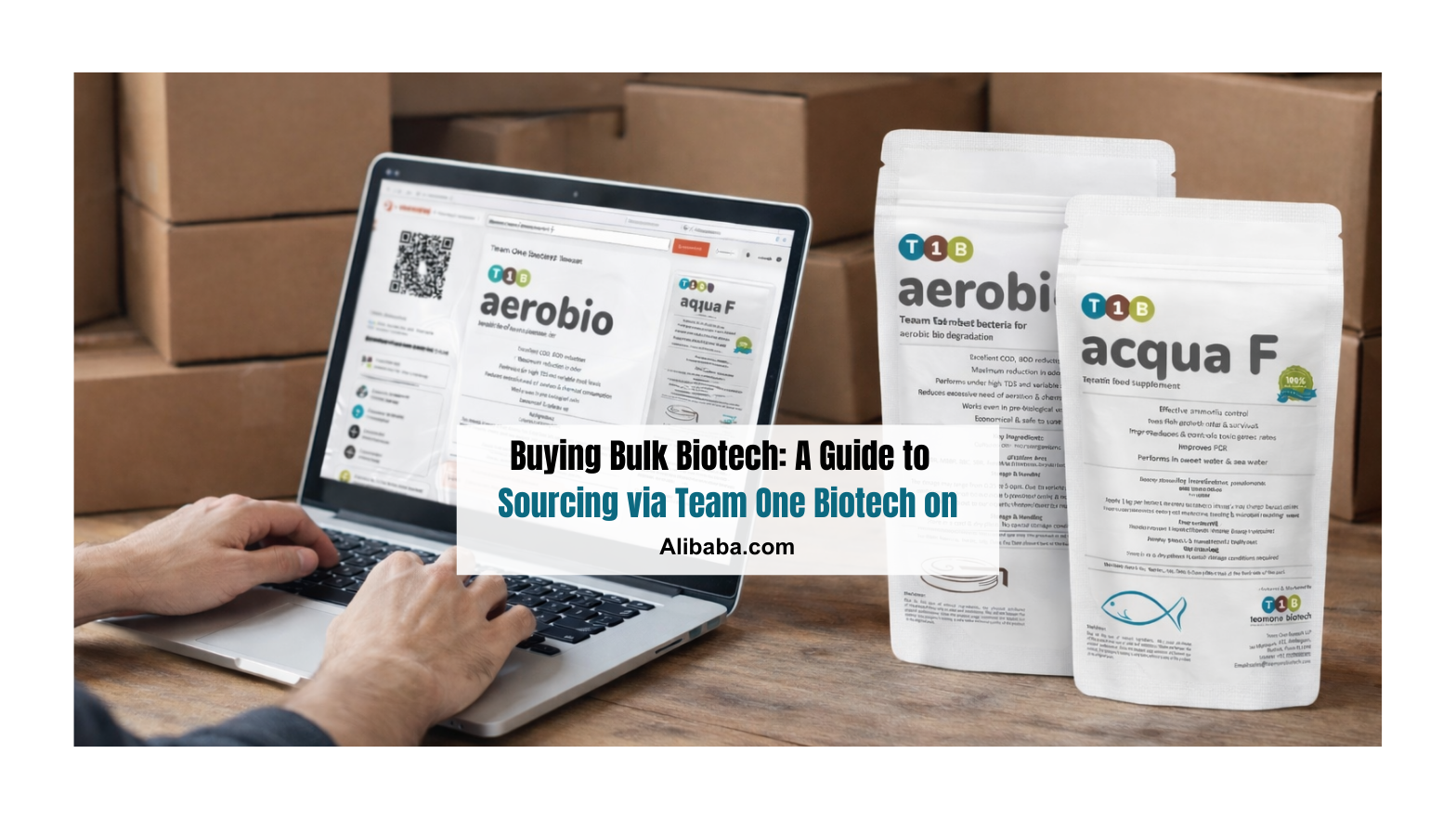
Buying Bulk Biotech: A Guide to Sourcing via Team One Biotech on Alibaba.com

The World Cannot Wait for Slow Solutions

Across sub-Saharan Africa, municipal water treatment facilities are running at half capacity. In the copper belt of Peru and Chile, mining effluent is leaching into river systems that thousands of communities depend on. In Southeast Asia and coastal West Africa, fish farms are losing stock to pond toxicity that no synthetic antibiotic has managed to fully control. These are not hypothetical scenarios. They are the operational realities that procurement officers, environmental engineers, and project managers are navigating every single day.

The global shift away from harsh chemical interventions is no longer a matter of preference. It is a matter of regulatory pressure, cost efficiency, and long-term viability. Governments in over 40 countries have tightened discharge standards. Insurance underwriters are increasing premiums for facilities reliant on chemical-heavy remediation. And communities living downstream are no longer silent.

Microbial biotechnology, the science of deploying targeted bacteria, enzymes, and probiotic cultures to break down waste, restore soil health, and clean water systems, is rapidly becoming the preferred tool for large-scale environmental management. The question is no longer whether to go biological. The question is: who do you trust to supply it at scale, with certifications that hold up across borders?

That answer, for a growing number of buyers across 55 countries, is Team One Biotech.

This is a procurement guide for international distributors, environmental NGOs, and industrial buyers seeking verified, large-scale microbial solutions.

Why Team One Biotech: Depth of Expertise, Breadth of Capability
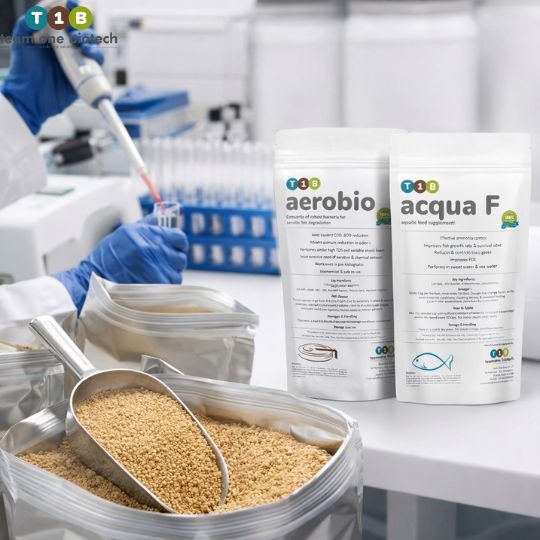
Why Team One Biotech: Depth of Expertise, Breadth of Capability

27+ Years of In-House Manufacturing and Applied Science

Team One Biotech is not a trading company. It is a manufacturer with its own research infrastructure, fermentation capacity, and quality control systems built over more than two and a half decades. Founded and headquartered in Mumbai, India, the company has participated in large-scale government projects across water treatment, sanitation, and agricultural rehabilitation, providing the kind of institutional track record that procurement committees and development finance institutions require before signing a purchase order.

What this means for bulk buyers is straightforward: no middlemen, no reformulation delays, no supply chain surprises. When you place an order, you are dealing directly with the laboratory that designed the product.

Certified at Every Level That Matters

International trade in biological products is closely regulated, and rightly so. Team One Biotech holds ISO, GMP, and SGS certifications, the three standards that matter most when importing microbial formulations into regulated markets. SGS certification, in particular, provides independently verified proof of product safety and consistency, which is increasingly required by port authorities and distribution partners in Africa, Latin America, and the European Union.

For NGOs working under donor-funded programs or procurement officers answerable to government contracts, this certification stack is not a nice-to-have. It is a prerequisite. Team One Biotech meets it entirely.

Strategic Industry Focus: Where Microbial Science Delivers
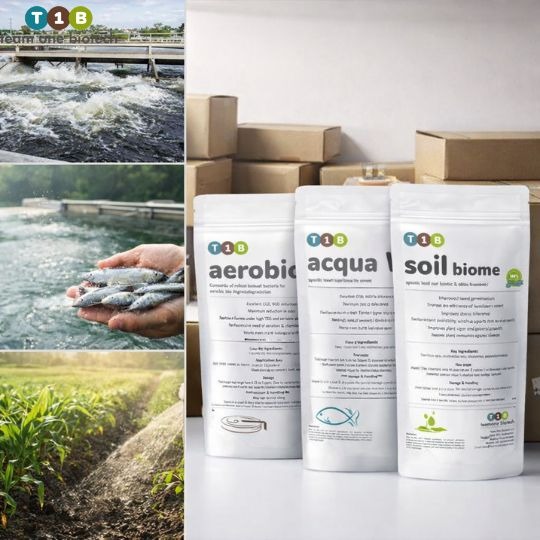
Aquaculture and Agriculture: Healthier Yields Without the Chemical Load

Team One Biotech’s Aqua Microbiome product line is purpose-engineered for aquaculture producers managing shrimp ponds, fish farms, and recirculating aquaculture systems. By introducing targeted probiotic cultures that compete against pathogenic bacteria, improve feed conversion ratios, and stabilize pond water chemistry, Aqua Microbiome allows producers to reduce antibiotic dependency, a critical requirement for exporters serving European and North American food retail markets.

For agricultural buyers, the Terro formulation line addresses soil microbiome depletion, a problem that is particularly acute across overfarmed regions in East Africa, West Africa, and parts of Brazil. Chemical fertilizer dependency degrades microbial diversity over time, reducing the soil’s natural capacity to fix nitrogen, suppress pathogens, and retain moisture. Terro-based microbial soil conditioners work to reverse this degradation, supporting:

  • Higher germination rates and root development in staple crops
  • Improved nutrient availability without increasing synthetic input costs
  • Faster organic matter breakdown, which restores soil structure over successive growing seasons

For agricultural distributors operating across smallholder networks in Nigeria, Kenya, Ghana, or the Cerrado region of Brazil, this product category offers a commercially viable and environmentally responsible alternative to conventional soil inputs.

Wastewater Treatment and Sanitation: Built for Scale, Designed for Compliance

Rapid urbanization in Africa and South Asia has outpaced sewage infrastructure investment by decades. In many cities across the continent, pit latrines and septic tanks remain the primary sanitation infrastructure for urban and peri-urban populations. These systems require biological maintenance to remain functional and safe.

Team One Biotech’s Flaro product range and wastewater treatment formulations are designed for exactly these environments. They are used in:

  • Municipal wastewater treatment plants looking to reduce chemical dosing costs and improve effluent quality for regulatory compliance
  • Septic systems and decentralized sanitation where low-maintenance biological dosing outperforms chemical alternatives
  • Drain and sewer maintenance in hospitality, healthcare, and institutional facilities

The cost structure for bulk buyers is compelling. A single container shipment of Flaro-based bioenzyme formulations can service a regional distribution network across multiple countries, particularly in markets where the regulatory environment is shifting toward biological treatment mandates.

The Global Export and Private Label Opportunity
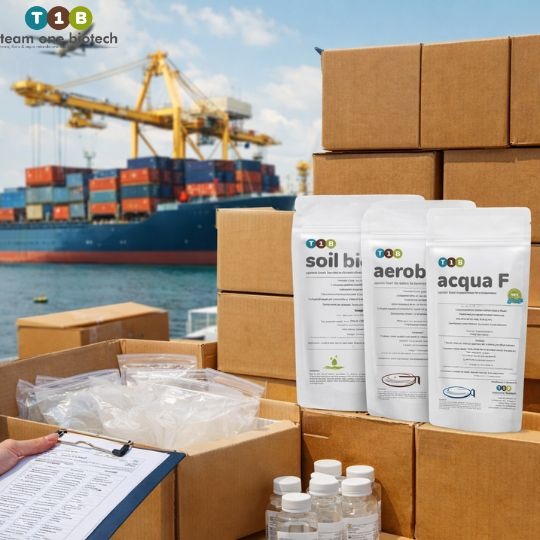
The Global Export and Private Label Opportunity

Building Your Local Brand on Proven Formulations

One of Team One Biotech’s most strategically important capabilities for international distributors is its white-label manufacturing program. Rather than investing years and significant capital into developing proprietary microbial formulations, regional distributors can partner with Team One Biotech to source proven, certified products under their own brand identity.

This model has already been adopted by distribution partners across multiple continents. A distributor in West Africa, for example, can source bulk formulations of microbial wastewater treatment products, have them packaged and labeled under their regional brand, and go to market with a product line that carries all the underlying R&D and certification credibility of Team One Biotech, without disclosing their manufacturing source.

The white-label program supports:

  • Custom formulation packaging in sizes suited to local market requirements (from 5-litre retail units to 1,000-litre IBC totes)
  • Private label artwork and branding applied to finished goods
  • Technical documentation and SDS sheets customized for your brand
  • Regulatory support for import registration in target markets

For NGOs managing agricultural or sanitation programs under development grants, this model also allows procurement of locally branded products that are better received by community stakeholders than generic imported goods.

Your Step-by-Step Buyer’s Guide on Alibaba.com
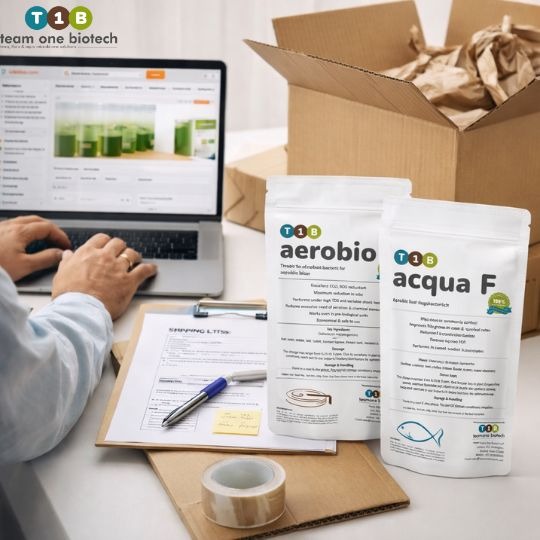
Your Step-by-Step Buyer's Guide on Alibaba.com

Team One Biotech’s verified storefront is live on Alibaba.com as a Trustpass-verified supplier, accessible at: https://teamonebiotech.trustpass.alibaba.com/

Trustpass verification is Alibaba’s highest tier of supplier authentication, requiring in-person business verification, legal documentation review, and ongoing compliance monitoring. For buyers unfamiliar with sourcing biological products internationally, this verification status is the first checkpoint that separates legitimate manufacturers from unverified resellers.

How to Proceed Efficiently

Step 1: Access the Verified Storefront Navigate to nonebiotech.trustpass.alibaba.com. Confirm the Trustpass badge is visible on the supplier profile header before proceeding.

Step 2: Browse by Application Category The store is organized by end-use application, Wastewater Treatment, Agriculture, Aquaculture, Sanitation, F.O.G., Animal Probiotics, and Bioenzyme Natural Cleaners. Identify your priority category and shortlist relevant SKUs.

Step 3: Download Product Specifications Each product listing includes technical data sheets. Download these before initiating contact. Having a clear product spec on hand allows your technical team to pre-approve a formulation before price negotiations begin.

Step 4: Request a Trade Quote (RFQ) Use Alibaba’s built-in RFQ (Request for Quotation) function to submit a structured inquiry. Specify: product category, estimated volume (monthly or per-order), packaging preference, destination country, and whether you require private label options. Team One Biotech’s export team responds to qualified trade inquiries directly.

Step 5: Verify Certifications Ask for copies of the ISO certificate, GMP compliance documentation, and relevant SGS test reports for the product categories you are sourcing. Legitimate manufacturers provide these without friction. Cross-reference the issuing bodies independently before executing any purchase order.

Step 6: Request Samples For new product categories, always request certified samples before committing to a bulk order. Team One Biotech’s standard commercial practice supports sample dispatch to qualified buyers.

Trust, Compliance, and the Certification Standard

In biological product trade, certifications are not marketing tools. They are the legal and technical foundation on which import authorities, development donors, and institutional procurement committees make their decisions.

Team One Biotech’s ISO certification confirms that its quality management systems meet internationally recognized standards. Its GMP (Good Manufacturing Practice) compliance confirms that products are manufactured under controlled, consistent, and documented conditions, a standard originally developed for pharmaceutical manufacturing and now increasingly required for agricultural and environmental biological products. SGS certification, issued by the world’s largest inspection and testing company, provides third-party verification that specific product batches meet defined safety and performance parameters.

Together, these three certifications mean that a procurement officer in Lagos, a project coordinator in Lima, or a compliance manager in Nairobi can sign off on a Team One Biotech purchase order with documented, auditable justification.

Begin Your Procurement Partnership

The environmental challenges facing industrial operators, municipal authorities, and agricultural producers across Africa and South America are not going to resolve themselves. The window for adopting scalable, compliant, cost-effective biological solutions is open now, and the distributors and operators who move first are establishing durable supply chain advantages that their competitors will spend years trying to replicate.

Team One Biotech is ready to support bulk orders, private label programs, and long-term distribution partnerships across every major product category.

To begin a procurement conversation:

  • Visit: T1B Official Alibaba Store
  • Email (Trade Inquiries): marshal@teamonebiotech.com
  • Email (Technical Queries): sales@teamonebiotech.com
  • Phone: +918855050575 / +918485801707 / +918484068864
  • Office: Office No. 9, Ground Floor, Swastik Chambers, Chembur, Mumbai, Maharashtra 400071, India

For distributors ready to discuss white-label programs or NGOs preparing procurement documentation for donor-funded projects, Team One Biotech’s export and technical teams are available to provide product specifications, certification packages, and pricing frameworks suited to your operational scale.

The science is proven. The certifications are in place. The supply chain is established in 55+ countries.

Your next step is a single inquiry away.

Team One Biotech- Terro, Flaro, and Aqua Microbiome Solutions. Your one-stop partner for clean water, healthy soil, and sustainable growth.

Looking to improve your ETP/STP efficiency with the right bioculture?
Talk to our experts at Team One Biotech for customised microbial solutions.

Contact+91 8855050575

Email:  sales@teamonebiotech.com

Visit: www.teamonebiotech.com

Discover More on YouTube – Watch our latest insights & innovations!-

Connect with Us on LinkedIn – Stay updated with expert content & trends!
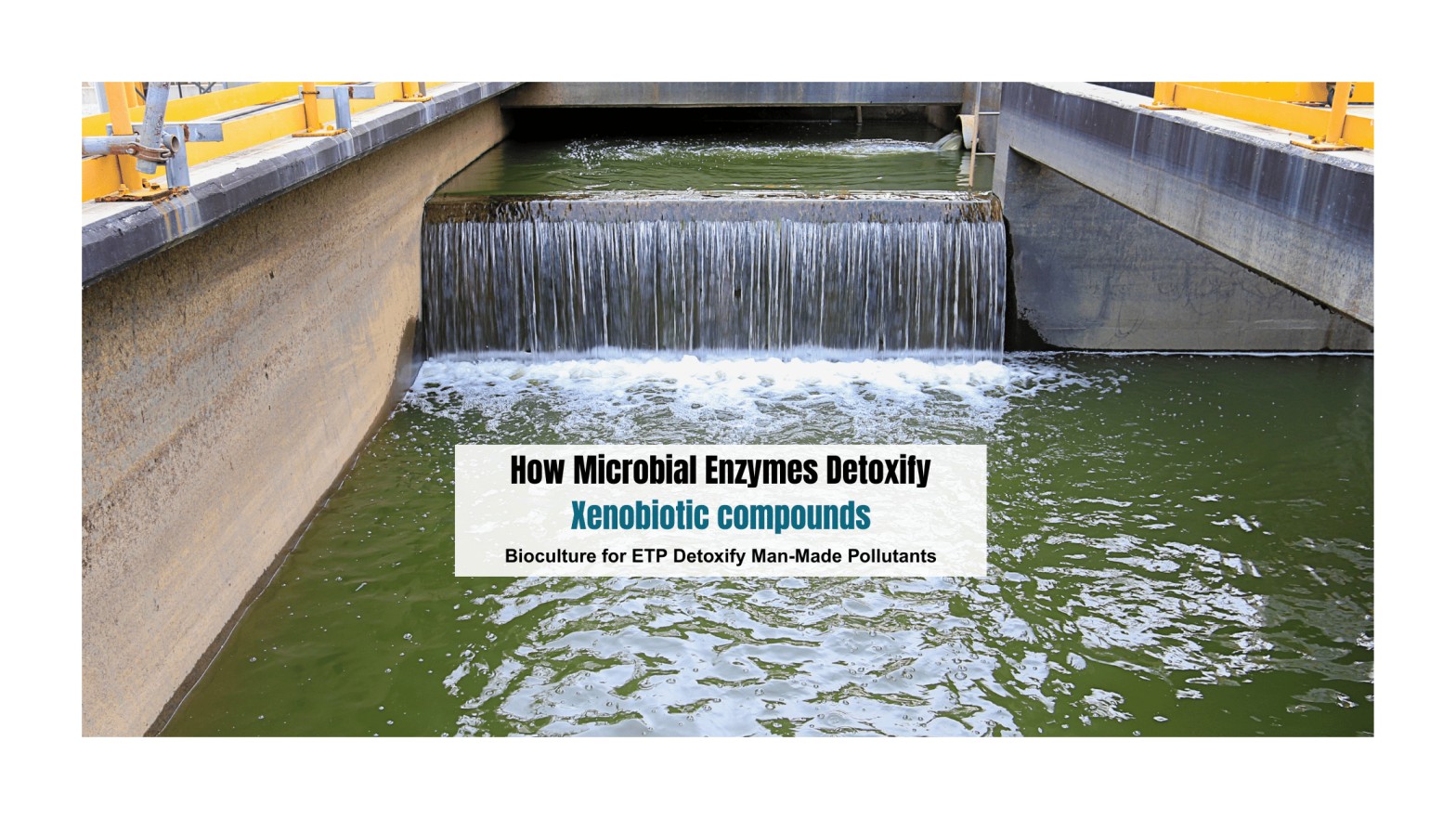
How Microbial Enzymes Detoxify Man-Made Pollutants
Biocultures for ETP- How Microbial Enzymes Detoxify Xenobiotic Compounds

Modern life depends on thousands of synthetic chemicals — plastics, pesticides, dyes, pharmaceuticals, fuels, and surfactants — that make living convenient but leave behind an uncomfortable legacy: xenobiotic compounds. These are man-made molecules that do not occur naturally and often resist degradation by normal biological pathways. They persist for decades, accumulate in ecosystems, and sometimes transform into even more toxic intermediates.

While conventional chemical and physical treatments can remove or immobilize some pollutants, they are energy-intensive and generate secondary waste. The sustainable alternative comes from nature itself — enzymes, the microscopic catalysts that drive every reaction inside living cells.

What Makes Xenobiotics So Stubborn

Xenobiotic molecules often contain:
• Halogenated groups (–Cl, –F, –Br) that make them chemically stable.
• Aromatic rings such as benzene that resist oxidation.
• Complex branching or polymeric chains that ordinary microbes can’t easily access.

Because of this structural complexity, the natural metabolic machinery of most microbes struggles to recognize these molecules as food.
Here’s where specialized microbial enzymes come into play — capable of attacking the unbreakable.

In industrial settings, especially in effluent treatment plants (ETPs), the accumulation of such persistent chemicals creates operational challenges. This is why many industries are now adopting biocultures for ETP systems to introduce pollutant-degrading microbes that can adapt to complex effluent loads.

How Enzymes Break the Unbreakable

Microbial enzymes act as molecular scalpels that cut and modify xenobiotic compounds into less toxic, more biodegradable forms. Key classes include:
Oxygenases and Monooxygenases – Insert oxygen into aromatic rings of hydrocarbons, initiating their breakdown (e.g., Pseudomonas oxygenases degrade benzene and toluene).
Peroxidases – Use hydrogen peroxide to oxidize phenols, dyes, and chlorinated pesticides.
Laccases – Multi-copper oxidases that transform phenolic and non-phenolic xenobiotics using atmospheric oxygen, with no harmful by-products.
Hydrolases and Esterases – Cleave ester and amide bonds in organophosphate pesticides, phthalates, and plastics.
Dehalogenases – Remove halogen atoms, converting recalcitrant chlorinated compounds like PCBs or trichloroethylene into simpler molecules.
Nitroreductases and Dehydrogenases – Detoxify nitroaromatics and explosives such as TNT by reduction and further mineralization.

These enzymatic steps either mineralize the contaminant completely into CO₂ and H₂O or transform it into intermediates that native microbes can assimilate.

When industries use biocultures for ETP, they are essentially introducing microbial communities capable of producing these enzymes naturally inside the aeration tank, equalization tank, or bioreactor. This ensures continuous in-situ enzyme production without requiring costly direct enzyme dosing.

Why Direct Enzyme Application Is Not Recommended

Although enzymes are highly efficient and environmentally friendly catalysts, they should not be administered directly into wastewater systems or soil environments. Free enzymes are unstable in real-world industrial conditions — they degrade quickly, get denatured by temperature, pH, or chemicals in the effluent, and lose activity within hours. They also lack the self-regenerating ability of microbes, meaning continuous dosing becomes impractical and extremely expensive. For sustainable bioremediation, enzymes must be produced in situ by living microbial communities that can multiply, adapt, and secrete fresh enzymes as required.

Why Enzyme-Based Bioremediation Matters
  1. Eco-friendly and specific – Enzymes target particular chemical bonds without producing toxic residues.
  2. Operate under mild conditions – They work at ambient temperature and pH, saving energy.
  3. Applicable to diverse pollutants – From pharmaceuticals and dyes to polyaromatic hydrocarbons and endocrine-disrupting compounds.
  4. Compatible with immobilization and reactors – Laccases, peroxidases, and hydrolases can be immobilized on carriers, enabling continuous treatment of wastewater streams.
  5. Synergy with microbes – Enzyme production in situ through microbial consortia sustains long-term remediation in soils, sediments, and bioreactors.

This is why biocultures for ETP are preferred — because living microbes multiply, adapt to effluent changes, and continuously secrete the required enzymes.

Biocultures for ETP: The Most Effective Way to Deliver Enzymes

In modern effluent treatment plants (ETPs), biocultures — specialized microbial consortia — are the safest and most effective way to introduce enzymes into the system. These microbes naturally produce a broad spectrum of enzymes such as oxygenases, hydrolases, laccases, and dehalogenases based on the pollutants present.

Biocultures:

• Maintain stable microbial populations
• Continuously regenerate and secrete fresh enzymes
• Break down complex industrial pollutants
• Reduce sludge generation
• Enhance COD/BOD removal
• Improve overall ETP stability and efficiency
• Reduce chemical dependency in biological treatment stages

For industries handling pharmaceuticals, chemicals, food processing waste, textiles, and dyes, biocultures for ETP have become an essential part of sustainable operations.

The Bigger Picture

Enzymes remind us that sustainability lies in mimicking nature’s chemistry rather than fighting it. They allow us to convert hazardous xenobiotics into harmless end-products without toxic by-products or energy-intensive treatment steps.

With the rising emphasis on zero-liquid-discharge (ZLD), operational efficiency, and cost control, adopting biocultures for ETP is no longer optional — it is a strategic environmental requirement for industries.

Looking for High-Performance Biocultures for Your ETP?

Team One Biotech provides premium microbial formulations designed for:

  • COD/BOD reduction

  • Sludge minimization

  • Colour & odour removal

  • Faster biological stabilisation

  • Enhanced ETP compliance

Our specialized enzyme-rich biocultures for ETP work across industries including pharmaceuticals, chemicals, textiles, food processing, dyes, FMCG, and more.

Industries today are also increasingly adopting biocultures for ETP not only for better pollutant degradation but also for their economic benefits. By improving microbial efficiency, reducing chemical usage, stabilizing biological reactions, and minimizing sludge handling expenses, biocultures significantly reduce overall treatment costs. To understand this in depth, you can explore how biocultures directly contribute to lowering operational and maintenance expenses in industrial wastewater systems here: How Biocultures Save Costs in Industrial Wastewater Treatment.

As one of the leading biotech companies in India and trusted bioremediation companies in India, Team One Biotech continues to deliver solutions that redefine sustainability across wastewater treatment, agriculture, aquaculture, and hygiene management.

Contact us at- +91 8855050575

Email: sales@teamonebiotech.com

Visit: www.teamonebiotech.com

Discover More on YouTube – Watch our latest insights & innovations!-

Connect with Us on LinkedIn – Stay updated with expert content & trends!
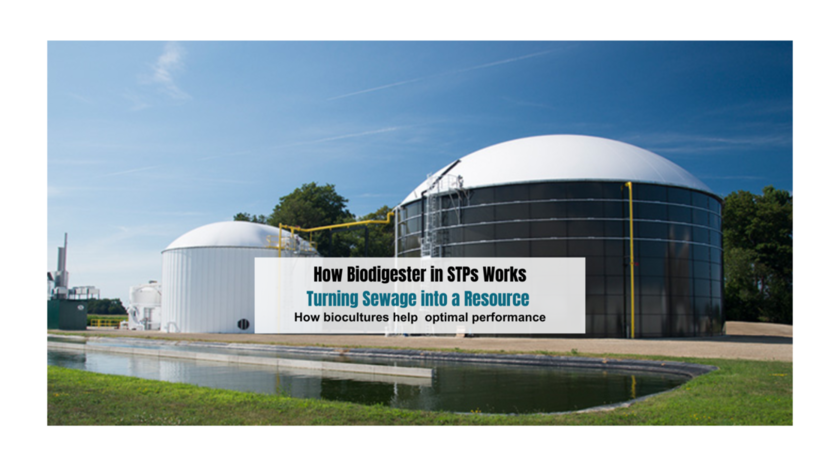
Turning Sewage into a Resource using biocultures (2) (1)
How Biodigester in STPs Works: Turning Sewage into a Resource Using Biocultures
India’s Sewage Challenge

India generates over 72,000 MLD of sewage daily, but less than half is treated effectively. This untreated wastewater flows into rivers like the Yamuna, Ganga, and Mula-Mutha, causing severe health and ecological damage. Despite multiple government initiatives like the Ganga Action Plan and National Mission for Clean Ganga, a significant sewage burden persists.

India is often termed by the world as the Spiritual capital, and people around the world flock to India to seek penance, embrace the tranquillity of nature and follow the path of GOD. But unfortunately, the past few centuries of dark chapters and post-independence blunders have made India and Indians be looked at as unfriendly to cleanliness, and we even prove it sometimes, because the very rivers that we worship and are sacred in our texts are among the most polluted rivers in the world.

By the 1970s and 80s, untreated sewage had become a national crisis. Outbreaks of cholera in Kolkata, jaundice in Surat (1994), and recurring typhoid cases in Delhi highlighted the urgent need for structured sewage management. It was clear that septic tanks and open drains could no longer cope with urban growth.

Why the Government Was Forced to Act

The first large-scale intervention came with the Ganga Action Plan (1986), which introduced Sewage Treatment Plants (STPs) in Kanpur, Varanasi, and other towns along the river. These were followed by the National River Conservation Plan (1995) and later the National Mission for Clean Ganga (2014).

The government realised that simply building drains wasn’t enough. What was needed were systems that could not only treat sewage but also manage solid waste sustainably. This is where biodigesters became a key component of STPs.

City Case Studies

Delhi ( Okhla STP, 1990s): One of the largest STPs in Asia, Okhla adopted biodigesters to process sewage sludge and generate biogas. However, poor maintenance has kept its output below potential, highlighting the gap between design and operation.

Kanpur (Ganga Action Plan, 1986): As one of the first cities to adopt STPs with biodigesters, Kanpur showed early promise.  But decades later, many plants fell into disrepair due to lack of funding and technical oversight, contributing to ongoing Ganga pollution.

Pune (Mula-Mutha River STPs, upgraded in 2018): A positive example, where biodigesters were modernised to produce electricity from biogas, helping reduce operational costs while tackling sewage loads.

Why Many Systems Struggle Today

Despite success stories, 40% of India’s STPs are either non-functional or underperforming (CPCB data). The reasons include:

  1. Poor Maintenance: Microbial cultures die out when not replenished.
  2. Finding Gaps: Municipal budgets often fail to cover operations.
  3. Skill Shortages: A lack of trained operators undermines performance.
  4. Outdated Designs: Many STPs still run on decades-old technology.
Role of Biodigesters in STPs

Biodigesters in Sewage Treatment Plants (STPs) are anaerobic chambers that use microbes to break down sludge. They:

  • Convert organic matter into biogas and nutrient-rich slurry.

  • Enable energy generation from methane.

  • Stabilise sludge and make it safe for reuse.

While cities like Delhi, Kanpur, and Pune have adopted biodigesters, around 40% of India’s STPs underperform due to poor microbial management, outdated designs, and lack of skilled operators.

How Biocultures Improve Biodigester Working

Biodigesters thrive only when the microbial population is balanced and active. Without replenishment, microbial colonies collapse, leading to foul odour, incomplete digestion, and reduced biogas yield.

Here’s how biocultures for STPs can solve these challenges:

  • Enhanced COD/BOD Reduction: Specialised microbial strains accelerate organic load breakdown.

  • Consistent Performance: Prevents biodigester failure during hydraulic shock loads.

  • Sludge Reduction: Biocultures minimise sludge accumulation, reducing disposal costs.

  • Odour & Pathogen Control: Maintains hygienic and sustainable operations.

Team One Biotech’s Expertise

As one of the leading biotech companies in India, Team One Biotech provides customised bioculture formulations to optimise biodigester working in STPs, ETPs, and decentralised sewage systems.

Our solutions include:
  • Anaerobic Biocultures tailored for methane generation.

  • Sludge-reducing microbial consortia to extend biodigester life.

  • Start-up cultures for new STPs or after shock loads.

  • On-site consultation and training for plant operators.

By integrating our biocultures, municipalities and industries can transform underperforming biodigesters into efficient, sustainable, and cost-saving systems.

Conclusion

Biodigesters are the backbone of modern sewage treatment in India, but they need consistent microbial support. Team One Biotech bridges this gap with advanced biocultures for STPs, ensuring reliable biodigester working, reduced sludge, and higher biogas yields.

With the right biotechnological support, India can move towards a circular wastewater economy, cleaner rivers, and healthier cities.

Explore More Solutions by Team One Biotech

Apart from biocultures for wastewater treatment, Team One Biotech also offers innovative and eco-friendly solutions across multiple sectors, including:

– Plant Growth Promoters – microbial formulations for improved agricultural productivity

– Aquaculture Probiotics – supporting fish and shrimp health naturally

– Bio Enzyme Floor Cleaner – eco-safe cleaning for homes and industries

– Multipurpose Cleaner – powerful natural alternative to chemical cleaners

– Septic Tank Cleaning Powder – maintaining septic efficiency and reducing odour

– Probiotic Drain Cleaner – preventing clogs and ensuring hygienic drains

Email: sales@teamonebiotech.com

Visit: www.teamonebiotech.com

Discover More on YouTube – Watch our latest insights & innovations!-

Connect with Us on LinkedIn – Stay updated with expert content & trends!

Bioremediation & Biocultures In Wastewater Treatment :Myths vs Truths
Bioremediation & Biocultures In Wastewater Treatment : Myths vs Truths
Introduction: Cutting Through the Noise

Bioremediation and microbial biocultures are transforming how industries manage wastewater. Yet, despite proven success in ETPs, STPs, and industrial wastewater systems, there are widespread misconceptions. To explore the right approach for your facility, Contact Us.

Too often, decision-makers expect overnight miracles or assume dosing is optional. These myths not only delay results but also undermine the effectiveness of biological solutions.

Let’s separate facts from fiction with some common myths about bioremediation.

  • Myth 1: “ Adding biocultures once will heal my system in one day.”
  • Truth: Bioremediation is a biological process, not an instant chemical reaction.

Microbes require time to acclimatize, multiply, and colonize the wastewater system.

Typically:

  • Heavy Dosing is done initially to build biomass quickly.
  • Visible results (Odour control, COD reduction) appear within days to weeks, depending on the load.
  • Stable long-term performance takes sustained dosing and monitoring.

Fact: Expecting overnight results ignores the science of microbial growth and can lead to disappointment.

  • Myth 2: “Wasting Sludge means losing valuable biomass”
  • Truth: Regular wasting is necessary to maintain healthy microbial populations.

In ETPs/STPs, biomass grows continuously. Without wasting:

  • Excess sludge accumulates, leading to poor oxygen transfer and bulking.
  • Old biomass becomes inactive, reducing treatment efficiency.
  • The system risks sludge carryover and poor settling.

Fact: Controlled wasting removes excess and unhealthy biomass, allowing fresh microbes to thrive.

  • Myth 3: “ Daily dosing isn’t needed in a continuous ETP flow.”
  • Truth: Continuous flow means continuous load-& microbes need continuous replenishment.
 
  • Wastewater inflow brings a fresh organic load every day.
  • Environmental shocks (pH, toxins, load fluctuations) can stress microbial populations.
  • Without daily dosing, microbial strength weakens, leading to consistent COD/BOD reduction.

Fact: Think of dosing like “feeding your system”— consistent inputs maintain consistent output.

  • Myth 4: “ Once microbes are added, they can survive forever.”
  • Truth: Microbes are living organisms, not permanent chemicals.
 
  • Microbes need optimal conditions (DO, pH, nutrients) to thrive.
  • Harsh conditions (shock loads, toxic chemicals, chlorine) kill microbial populations.
  • Even in healthy systems, microbial turnover requires regular replenishment.

Fact: Biocultures extend the life of your ETP/STP but cannot defy natural biological limits.

  • Myth 5: “ Higher dosing means faster results.”
  • Truth: Overdosing doesn’t accelerate bioremediation-it destabilizes it.


  • Microbial populations grow logarithmically when given the right environment.
  • Beyond a certain point, excess microbes compete for food and oxygen, leading to biomass stress.
  • Effective dosing is based on MLSS, influent load, and system design, not “more is better.”

Fact: Precision dosing ensures both performance and cost-effectiveness.

  • Myth 6: “Bioremediation only works for easy-to-degrade pollutants.”
  • Truth: Advanced bioculture consortia can also address oils, grease, and certain tough-to-degrade compounds.


  • Specialized strains degrade FOG (Fats, Oils & Grease).
  • Some formulations target ammonia, sulfides, and nitrates.
  • In combination with physical-chemical methods, microbes help reduce chemical dependency.

Fact: Bioremediation is versatile and can be customized for chemical, food & beverage, pharma, and municipal sectors.

  • Myth 6: “If my system is running fine, I don’t need biocultures.”
  • Truth: Wastewater loads and conditions are never constant.


  • Seasonal fluctuations, production cycles, or toxic shocks can disrupt treatment.
  • Biocultures act as a biological insurance policy, keeping the system resilient.
  • Even well-performing ETPs see improving sludge reduction, odor control, and compliance consistency.

Fact: Prevention is cheaper than a cure. Biocultures maintain stability in unpredictable environments.


The Real Takeaway – Bioremediation is Science, Not Magic

Bioremediation works – but only when applied with scientific understanding, consistent dosing, and proper system management.

At Team One Biotech, our solutions are designed for:

  • Gradual yet consistent performance improvement
  • Long-term compliance stability
  • Reduced operating costs and sludge volumes

By debunking myths and focusing on facts, industries can make informed choices and maximize returns from their wastewater systems.

 Explore More Solutions by Team One Biotech

Apart from biocultures for wastewater treatment, Team One Biotech also offers innovative and eco-friendly solutions across multiple sectors, including:

Plant Growth Promoters – microbial formulations for improved agricultural productivity

– Aquaculture Probiotics – supporting fish and shrimp health naturally

Bio Enzyme Floor Cleaner – eco-safe cleaning for homes and industries

Multipurpose Cleaner – powerful natural alternative to chemical cleaners

Septic Tank Cleaning Powder – maintaining septic efficiency and reducing odour

Probiotic Drain Cleaner – preventing clogs and ensuring hygienic drains

As one of the leading biotech companies in India and trusted bioremediation companies in India, Team One Biotech continues to deliver solutions that redefine sustainability across wastewater treatment, agriculture, aquaculture, and hygiene management.

Email: sales@teamonebiotech.com

Visit: www.teamonebiotech.com

Discover More on YouTube – Watch our latest insights & innovations!-

Connect with Us on LinkedIn – Stay updated with expert content & trends!

SBR & Biocultures for ETP | Microbial Wastewater Treatment
SBR Systems: Ideal for STPs or Industrial Effluent Treatment Too?

Biocultures for wastewater treatment and microbial culture for ETPs are revolutionizing how biotech companies in India address industrial effluent challenges.

In the world of wastewater treatment, one technology often debated is the Sequencing Batch Reactor (SBR). Many engineers and decision-makers see SBRs as a go-to solution for Sewage Treatment Plants (STPs), but the question remains: Can SBRs also be used effectively for industrial effluent treatment, or are they best restricted to municipal sewage?

The answer lies in understanding how SBR wastewater treatment works, its proven performance in municipal applications, and its adaptability in industrial contexts. Get in touch with us to explore how innovative biotech-driven approaches can transform your wastewater management.

What is the SBR Process in Wastewater Treatment?

An SBR (Sequencing Batch Reactor)

is an advanced modification of the activated sludge process. Unlike continuous systems, SBRs operate in time-based cycles—filling, aeration, settling, and decanting within a single task.

This gives the SBR process several key advantages:

  • Compact design  – saves space compared to conventional STPs.
  • Flexibility – can adjust to changing flow and loads.
  • Nutrient removal – capable of reducing nitrogen and phosphorus effectively.Because of these advantages, SBR systems are widely used in modern sewage treatment plants across India and globally. Increasingly, biocultures for ETPs  are also combined with SBR systems to enhance microbial performance and improve treatment efficiency.

Why SBR is Ideal for STP Treatment?

SBR technology has a strong track record in municipal sewage treatment. Studies and performance reports highlight impressive results:

  • BOD removal efficiency : up to 98%
  • COD removal efficiency : up to 96%
  • TSS reduction : up to 97%
  • Nitrogen Removal (TKN) : up to 85%
  • Phosphate removal : up to 99%

These numbers show that SBR-based STP plants can consistently achieve discharge standards of BOD <20 mg/L and TSS <20 mg/L, meeting both CPCB (India) and global environmental norms.

For cities, residential complexes, and institutions, SBR STPs are a reliable, proven choice. Many wastewater treatment companies in India  integrate microbial culture for wastewater treatment

into SBR setups for long-term sustainability.

Can SBR Systems Be Used for Industrial Effluent Treatment?

The answer is yes, but with conditions.

Where SBR Systems Work Well in Industry

  • Food & Beverage Wastewater  – Brewery and dairy effluents respond well, with SBRs achieving significant COD and phosphate removal.
  • Textile Effluent Treatment  – SBRs can cut down BOD and COD effectively. However, color removal may need additional processes like oxidation and membranes.
  • Pulp & Paper, Pharma, and Agro-Industries  – With proper pretreatment and equalization, SBRs can be adapted to these sectors.

Challenges with Industrial Wastewater

  • Toxic or inhibitory loads (dyes, heavy metals, chemicals) can reduce efficiency.
  • Shock loads from sudden spikes in pollutants demand equalization tanks for stability.
  • Advanced polishing may be required for color, nutrient, or refractory COD removal.

In short, SBR for industrial effluent treatment works best for biodegradable loads and when backed by biocultures for wastewater treatment , pretreatment systems, and tertiary polishing technologies.

Operation and Maintenance Considerations

To get the best from an SBR, industries and municipalities must ensure:

  • Screening & Neutralization – Prevents toxic shocks to biomass.
  • Proper Equalization – Stabilizes pollutant spikes.
  • Skilled Operators – Cycle timing, DO control, and sludge management are critical.
  • Hybrid Systems – SBR + tertiary treatment = compliance with stricter discharge norms.

In industrial effluents, SBRs are effective where organic loads are biodegradable, but performance depends on pretreatment, load management, and add-on polishing. Biotech companies in India

are increasingly deploying advanced microbial culture for wastewater treatment  to strengthen biological efficiency and meet CPCB standards.

Conclusion:
SBR wastewater treatment systems are versatile, but they must be applied strategically. They are not one-size-fits-all, but with the right design and integration, including biocultures for ETP  and microbial cultures for wastewater treatment, they can be the backbone of both municipal sewage treatment plants and industrial effluent treatment solutions in India.
GREEN-ENERGY-FROM-WASTEWATER-Biogas-and-Beyond.
Green Energy from Wastewater: How Anaerobic Biocultures Drive Biogas Production in India

The best word that can be an example of a paradox would be ‘Wastewater’. The word itself suggests it’s a waste, and one needs to get rid of it for the sake of saving the environment. But what if I say that this very wastewater can be “useful” too? in chemical energy (think COD/BOD). With the right biology and engineering, you can convert that into biogas, electricity, heat, biomethane (RNG), even hydrogen-and push your plant towards energy neutrality or better.

As one of the agile biotech companies in India, we blend R&D with field deployment for measurable outcomes. We supply targeted biocultures for wastewater treatment to accelerate digestion and reduce operating costs. Our Bioculture programs are designed for both etp and stp facilities, covering shock‑load resilience and sludge reduction. Contact us here.

Why wastewater = energy

Conventional aerobic treatment spends energy on aeration. Anaerobic digestion (AD) flips the script: microbes break down organics in the absence of oxygen and produce biogas (≈55–65% methane) you can burn in CHP engines of oxygen for electricity + heat, or upgrade to biomethane for grid/CNG use. Numerous facilities have demonstrated energy-neutral to energy-positive operation using AD, process efficiency, and on-site generation like the Strass in Austria or Sheboygan in US.

Why going the nature’s way is a game changer?

While anaerobic digestion (AD) is the technology, biocultures are the heart of the process. In AD, specialized microbes break down organics in the absence of oxygen to produce biogas (55-65% methane). The quality and productivity of this gas depend on the microbial community’s health and efficiency. Optimized inoculation and co‑digestion increase biogas production while improving digester stability and dewatering.

Team One Biotech’s anaerobic biocultures are designed to:

  • Rapidly adapt to different waste loads and compositions
  • Boost methane yield and volatile solids reduction
  • Stabilize digestion during shock loads pr toxic events
  • Minimize foaming and scum formation
  • Improve sludge dewaterability, reducing disposal costs

Without strong microbial activity, digestion slows, gas yields drop, and energy recovery becomes uneconomical. We partner with etp stp plant manufacturers to integrate anaerobic digesters, gas handling, and CHP in new builds.

Turning wastewater into Energy: How it works
  1. Anaerobic Digestion + Biocultures

Our Anaerobio biocultures accelerate the breakdown of organics in wastewater and sludge, converting them into methane-rich biogas efficiently and consistently. For plants evaluating anaerobic bioculture price, we provide transparent quotations based on COD load, flow, dosing plan, and target methane yield. We are among reliable anaerobic bioculture suppliers offering consistent strains, QA/QC documentation, and startup support.

  1. Co-Digestion for More Gas

Feeding digesters with FOG (fats, oils, grease), food waste, or dairy residues alongside sludge boosts biogas yields significantly. Our targeted microbial blends handle these high-strength wastes without process instability, giving you more gas from the same infrastructure. Optimized inoculation and co‑digestion increase biogas production while improving digester stability and dewatering.

  1. Biogas Utilize Pathways
  • CHP (Combined Heat & Power) – Run engines on biogas to power blowers, pumps, and heat digesters, cutting energy bills.
  • Biomethane (RNG)-Upgrade biogas for grid injection or CNG vehicles, accessing renewable energy credits and new revenue streams.
  1. Beyond Biogas

Advanced microbial and electrochemical processes are enabling hydrogen production, while wastewater heat recovery systems are capturing thermal energy for building use.

The Business Case

Energy Savings: Reduce grid electricity dependence by up to 80-100% in optimized systems.

Revenue Generation: Sell excess power, biomethane, or renewable energy certificates.

Lower OPEX:  Minimize Sludge disposal costs through higher volatile solids destruction

Sustainability Goals: Lower greenhouse gas emissions and improve ESG scores.

A Practical Roadmap for ETP/STP Owners
  1. Assess your biogas potential — measure COD load and sludge availability.
  2. Strengthen your microbial engine — dose Anaerobio biocultures for faster, more stable digestion.
  3. Explore co-digestion — partner with food industries for high-energy wastes.
  4. Decide your offtake model — CHP for self-powering, or biomethane for revenue.
  5. Plan for future add-ons — hydrogen, nutrient recovery, and heat reuse.
Bottom Line

Wastewater isn’t waste — it’s renewable energy in disguise.
If you operate a biogas generator, gas cleaning (H2S/moisture) and steady feed improve uptime and efficiency. We collaborate with leading green energy companies in india to deliver waste‑to‑energy and biomethane projects. Our portfolio includes end‑to‑end green energy solutions from feasibility to commissioning and operator training.

With the right biocultures, you can turn your plant from an energy consumer into an energy producer, cut operating costs, and generate new revenue streams — all while meeting sustainability goals. Beyond energy recovery, our Bioremediation services address phenols, PAHs, sulfides, FOG, and color bodies.

Among specialized Bioculture companies in India, Team One Biotech focuses on robust consortia for tough industrial effluents.

Email: sales@teamonebiotech.com

Visit: www.teamonebiotech.com

Discover More on YouTube – Watch our latest insights & innovations!-

Connect with Us on LinkedIn – Stay updated with expert content & trends!

Treating Petroleum refinery effluent with high Sulfide concentration
Industrial Wastewater Treatment for Petroleum Refineries: High Sulfide Removal Using Biocultures

A reputed petroleum refinery approached us due to high concentration of sulfides in their effluents. They tried multiple solutions, including electroplating, RO, etc., but they were very cost-intensive. Also, they received multiple notices from the pollution control board and were paying heavy fines.

In such industries wastewater treatment methods like RO and chemical dosing prove unsustainable so we offered them biological wastewater treatment as an eco-friendly alternative.

To upgrade your facility’s efficiency with proven biological wastewater treatment methods, microbial solutions, and expert consultation, Contact Us.

 
ETP Details:
Parameter Value
Flow (current) 450 KLD
Flow (design) 450 KLD
Type of process Facultative
Capacity of UASB 1250 KL
Capacity of AT 450 KL
Retention Time 90.66 hours (combined)

Challenges:

Parameters (PPM) Avg. Inlet Avg. Outlet
COD 5500–9010 2200–4600
BOD 2500–5800 1300–3000
Sulfides 2000 2000
PAH 1250 680
 
Operational Challenges:
  • The primary treatment was working at 10% efficiency in terms of COD reduction
  • The biological treatment worked at an average of 50% efficiency in terms of COD reduction

They were struggling to control the higher Sulfide levels, and it was inducing shock loads as explained earlier. In this case, the Inadequate aeration in water treatment,   systems contributed to sulfide accumulation, highlighting the need for advanced ETP water treatment process design and management.

 
Tackling Sulfides in ETPs:

To tackle sulfides in ETP, the presence of SOBs or sulfide-oxidising bacteria is a must. The SOBs oxidize sulfides into sulfates. To prevent sulfate accumulation, SRBs or sulfur-reducing bacteria are required; however, SRBs are only effective in anaerobic systems.

Issues with Process:

The main issue with the process was that there was no provision of a separate aeration tank before UASB, where sulfides need to be oxidized into sulfates. This gap in the industrial wastewater treatment design reduced system effectiveness and highlighted the importance of using effective biocultures for wastewater treatment.

 
The Approach:

The industry partnered with us to commission their UASB and aeration tank with increased capacity and restart the plant at its full capacity in terms of hydraulic load.

We adopted a 3D approach:

  1. Research/Scrutiny:
  • Our team visited their facility to go through the process of the new ETP and to scrutinize the value-addition factors.
  1. Analysis:
  • We analyzed the 3-month cumulative data of their ETP to see trends in the inlet-outlet parameters’ variations and the permutation combinations related to it.
  1. Innovation:
  • After the research and analysis, our team curated customized products and their dosing schedules with formulation keeping in mind the plan of action to get the desired results.

This process is called bioaugmentation.
Our tailor-made microbial blends reflect Team One Biotech’s leadership among top biotech companies in India, offering scalable solutions based on site-specific microbial demand.

Desired Outcomes:

  1. Reduction in Sulfide levels in the final outlet
  2. Development of strong biology to withstand shock loads and prevent upsets
  3. Making ETP more efficient regarding COD/BOD and PAH degradation
  4. Reduction in FOG
  5. Improved microbial culture for wastewater treatment effectiveness under both aerobic and anaerobic conditions
 
Execution:

Products Used:

  • T1B Aerobio: Our aerobic bioculture for wastewater treatment consists of blends of several strains SOBs and facultative microorganisms, usually bacteria, along with key trace elements on a complex inert media. t1b-aerobio
  • T1B Anaerobio: Our anaerobic bioculture blend consists of SRBs and other anaerobic microbes that effectively reduce sulfates into H2S and enhance COD/BOD control. t1b-anaerobio

Plan of Action:

  1. A tank of 300 KL before UASB was converted into an aerobic tank, and T1B Aerobio with SOBs was dosed for sulfide oxidation.
  2. T1B Anaerobio was dosed in UASB for sulfate and COD reduction.
  3. The addition of T1B Aerobio was also done in the aeration tank after UASB every day.

This strategic integration of wastewater treatment methods significantly boosted operational stability and treatment consistency.

 
Results:
Parameters (PPM) Avg. Inlet Avg. Outlet (Secondary Clarifier)
COD 5500–9010 900–1300
BOD 2500–5800 350–750
Sulfides 2000 180
PAH 1250 220
 
Before & After Bioaugmentation:

Performance Highlights:
  • The COD/BOD degrading efficiency increased from 50% to 83%
  • Sulfide reduction was achieved up to 91%
  • PAH was also getting degraded up to 82.4%
  • MLSS: MLVSS ratio was optimized
  • Biomass in the ASP system displayed great stability even during shock load situations
  • Methane gas production increased by 12%

These results demonstrate the superior impact of our biological treatment approach when combined with engineered aeration in water treatment design.

To upgrade your facility’s efficiency with proven wastewater treatment methods, microbial solutions, and expert consultation, Contact Us.

???? Email: sales@teamonebiotech.com

???? Visit: www.teamonebiotech.com

???? Discover More on YouTube – Watch our latest insights & innovations!-

???? Connect with Us on LinkedIn – Stay updated with expert content & trends!

Sludge Bulking vs. Sludge Settling Ways to improve wastewater treatment in India
Sludge Bulking vs Settling: Biotech Companies in India

Our MLSS is quite high, but we are not getting enough settling. “ or “Our biomass development is very good as our MLSS is high, but we have very little BOD/COD reduction”. these statements are often given by EHS managers. However, the concept of MLSS is completely misunderstood; it’s never the quantity of MLSS, it’s always the quality of MLSS. The settling of sludge and BOD reduction always correspond with how good the MLSS is, and not how much it is.

This blog intricately explains the difference between sludge bulking and sludge settling, and which factors are necessary to look out for.

Sludge Settling vs Sludge Bulking:

With the growing awareness of operational efficiency, several biotech companies in India are now addressing sludge bulking challenges through microbial innovation and advanced diagnostics.

Healthy Sludge Settling:

In a well-operating secondary clarifier, biomass flocs are compact, dense, and settle rapidly. The supernatant above appears clear, and the sludge blanket remains stable.

Sludge Bulking:

Here, the sludge appears fluffy, loose, and struggles to compact at the bottom. The supernatant turns turbid, and sludge blankets may rise or disperse.

Parameter Healthy Settling Sludge Bulking
SVI (Sludge Volume Index) 80–120 mL/g >150 mL/g
Sludge appearance Dense, compact flocs Loose, filamentous flocs
Supernatant Clear Turbid
Settling time 20–30 mins >45 mins
Cause Balanced system Filamentous overgrowth, F/M imbalance
Why Good MLSS ≠ Good Settling

Operators often celebrate high MLSS as a sign of strong microbial population. But MLSS is a mass reading-It doesn’t distinguish between healthy floc-formers and problem-causing filamentous organisms.

“ Think of it like body weight: Two individuals weigh the same, but one may be with lean muscle, the other with excessive fat.

In bulking scenarios, the bulk of MLSS is held together by filamentous bacteria-these long, thread-like organisms stretch out of flocs, creating open, web-like structures that trap water and resist compaction.

Reliable biocultures companies have been instrumental in developing floc-forming microbial strains specifically tailored for bulking control.

What Causes Sludge Bulking?
  1. Filamentous Bacteria Overgrowth

Common species: Type 021N, Sphaerotilus, Microthrix parvicella, Thiothrix

These bacteria thrive under specific conditions such as:

Low DO (<1.0 mg/l) – especially at floc centers.

High F/M ratios – excess food leads to dominance of fast-growing filaments

Nutrient Imbalance– N and P deficiency affect floc formation

Surfactants and FOG – common in food, dairy, and textile industries

Hydraulic surges – shock loading from upstream process

Leading microbial companies in India are providing industry-specific solutions for complex ETP issues, helping clients achieve consistent results in variable conditions.


  1. F/M Ratio Imbalance

Too much organic load relative to MLSS results in excessive microbial growth, and filamentous bacteria often outcompete floc-formers.

Ideal F/M ratio: 0.2-0.5 kg BOD/kg MLSS/day

Bulking is more likely when F/M > 0.6 or < 0.1, especially during inconsistent feed conditions.

  1. pH and Toxic Shocks

Sudden changes in pH (below 6.5 or above 8.5) , or toxic loads (solvents, phenols, metals) can kill floc-formers and allow filaments to dominate during regrowth. However, Solutions like those from Team One Biotech, a known player among bioculture for ETP STP plant manufacturers, are reshaping how industries manage MLSS health and sludge behavior.


Decoding SVI and other key Indicators

Sludge Volume Index (SVI) is the gold standard for assessing settleability.

  • SVI = ( Settled sludge volume in 30 mins, mL/L) / MLSS (g/L)
  • SVI < 100 = Good settling
  • SVI 120–150 → Early warning of bulking
  • SVI > 200 → Severe bulking

Other red flags:

  • Rising sludge in the clarifier
  • Scum layer formation
  • Poor TSS in final discharge
  • Varying DO and pH patterns in aeration tanks
Countermeasures- How to fix Bulking?

In addition to microbial solutions, industrial odor control systems  also play a pivotal role in overall ETP performance and workplace hygiene.

Short-Term Fixes:

  • Chlorination or Peracetic Acid Dosing: Targets filamentous bacteria selectively. Start with 0.5–1 ppm, monitor response.
  • Increase DO Levels: Maintain >2.0 mg/L throughout the aeration tank, especially in large tanks or tanks with dead zones.
  • Sludge Wasting: Reduce SRT (sludge retention time) to control filament growth. Remove excess MLSS.
  • Polymers in Clarifier: For emergency clarity issues, short-term use of cationic polymers can compact sludge.

Long-Term Solutions:

  • Nutrient Balancing: Maintain COD:N:P at approx. 100:5:1. Add urea or DAP if needed.
  • Equalization Tank: Smooth out hydraulic/organic loading rates to the aeration tank.
  • Bioculture Regeneration: Consider seeding with robust floc-forming consortia after bulking episodes.
  • Upgrade Aeration: Switch to fine-bubble diffused aeration systems to improve oxygen transfer.
  • Micronutrient Support: Trace metals like iron, cobalt, and molybdenum support healthy floc formers.

If you’re exploring biocultures for ETP plant manufacturers in India or need effective bacteria solutions for wastewater treatment, Team One Biotech offers proven blends tested across sectors.

Conclusion:

Remember one quote: What settles well, treats well. MLSS and BOD tell only one part of the story – settleability, floc health, and microbial balance complete the picture.

As experts and EHS leaders, we must look beyond the dashboard. A 3500 mg/L MLSS might impress, but if your sludge floats and supernatant clouds, your ETP is already sending you a warning.

Looking for a trusted waste water treatment company to resolve sludge settling problems? Contact Team One Biotech today for tailored solutions and microbial consultation.

???? Email: sales@teamonebiotech.com

???? Visit: www.teamonebiotech.com

???? Discover More on YouTube – Watch our latest insights & innovations!-

???? Connect with Us on LinkedIn – Stay updated with expert content & trends!

Scan the code