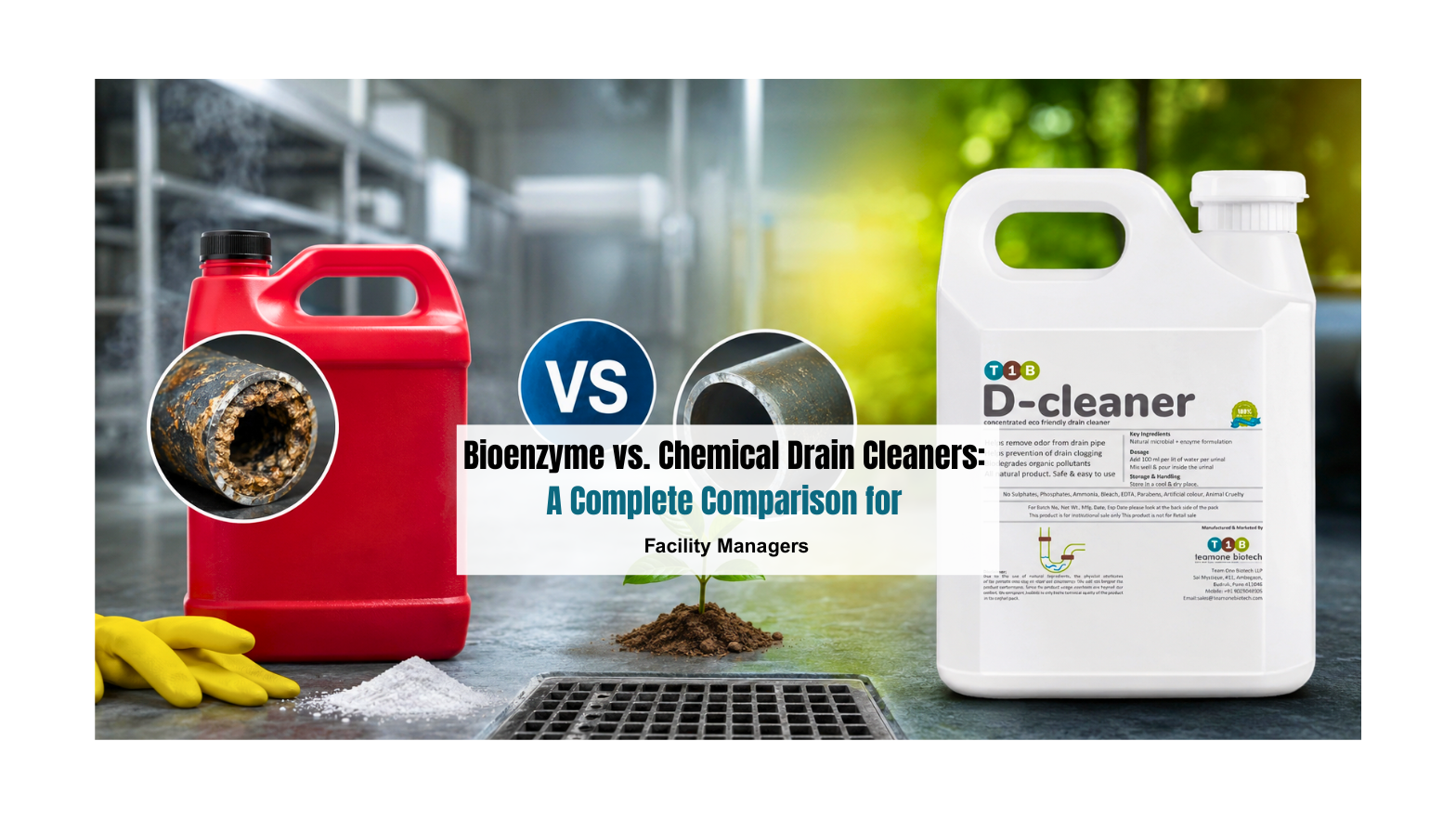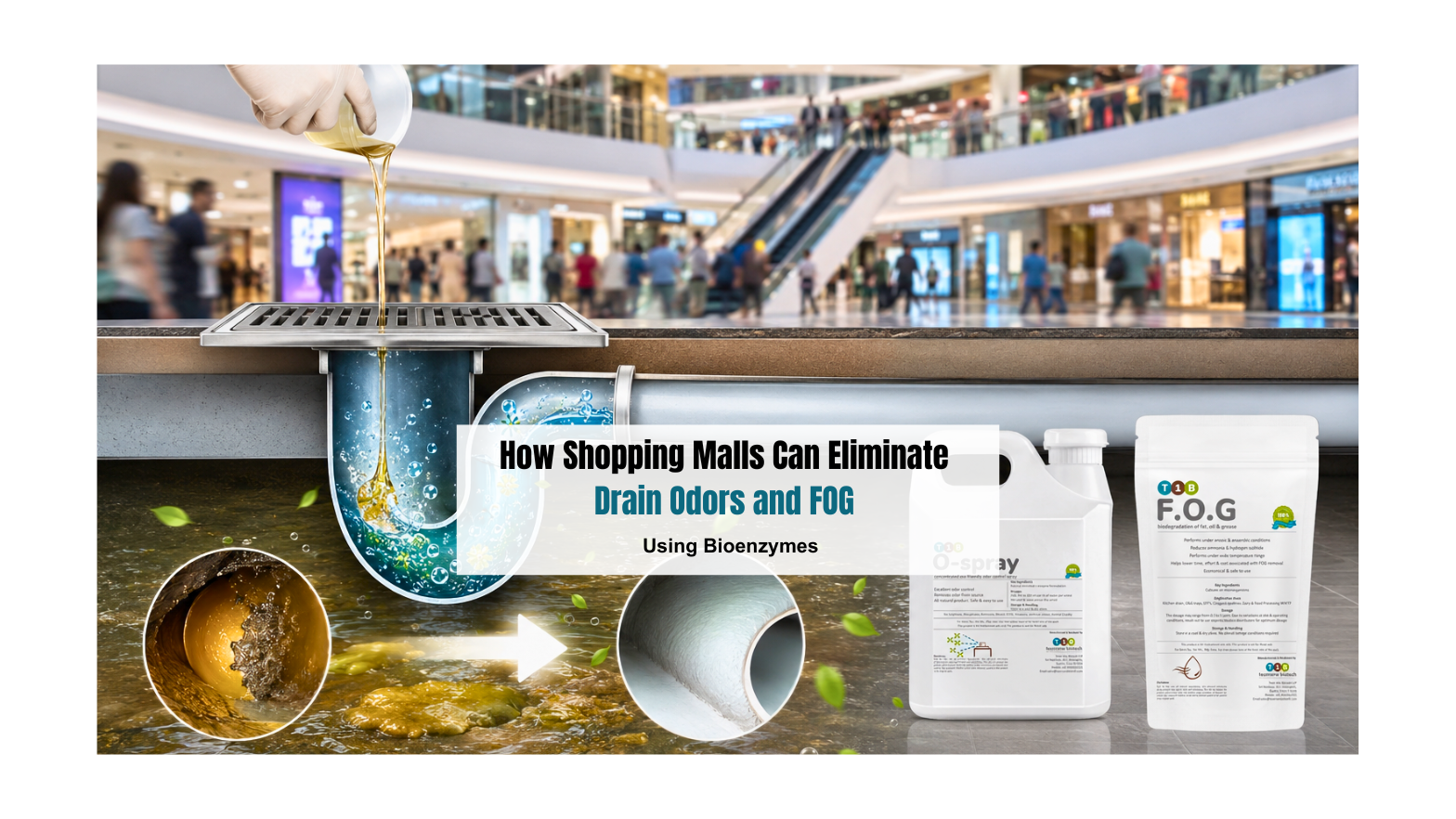
How Shopping Malls Can Eliminate Drain Odors and FOG Using Bioenzymes

There is a moment, usually within the first thirty seconds of walking into a commercial space, when a visitor decides how they feel about it. It is not the lighting, the store layout, or even the promotions on display that form that judgment. More often than not, it is the air. A faint, sour smell rising from a drain near the food court entrance. A subtle but unmistakable heaviness in the corridor near the restrooms. That single sensory signal communicates something that no marketing spend can easily undo: neglect.

For facility managers and operations heads overseeing shopping malls, this is not a hypothetical scenario. It is a daily operational reality, and it costs more than just visitor discomfort. It costs footfall retention, tenant satisfaction, regulatory compliance, and, in the long run, the structural integrity of your drainage infrastructure itself.

This guide from Team One Biotech is written specifically for the professionals who manage these environments: the facility managers handling multi-zone commercial complexes, the sustainability officers balancing environmental compliance with operational budgets, and the operations heads who understand that cleanliness is not a cosmetic concern but a strategic asset.

The Unique Plumbing Burden of a Modern Indian Shopping Mall
The Unique Plumbing Burden of a Modern Indian Shopping Mall

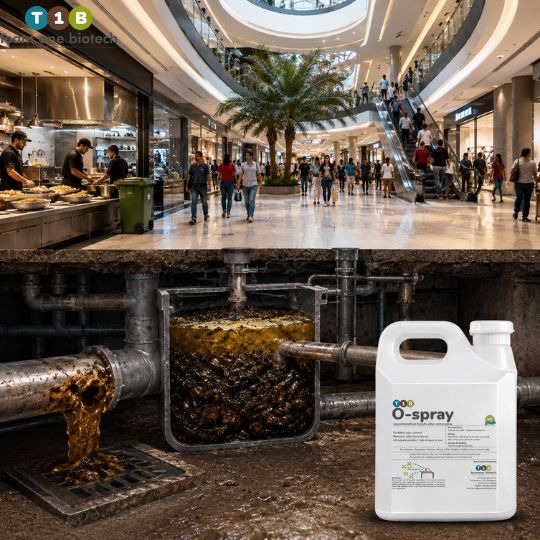
A large-format mall in an Indian metro city is not simply a retail destination. It is a microcity. On any given weekend, it may receive between 20,000 and 60,000 visitors. It houses a food court serving hundreds of meals per hour, multiple restaurants with full-scale commercial kitchens, public restrooms servicing thousands of users daily, and back-of-house operations running throughout the day and night.

Every one of these activities generates organic waste. And virtually all of that waste, food residue, cooking oils, fats from meat preparation, soap scum, and biological waste, eventually enters the same drainage system.

Understanding the FOG Crisis in Commercial Food Spaces

FOG stands for Fats, Oils, and Grease. In the context of a food court or commercial kitchen, FOG is produced constantly and in enormous volume. When hot cooking oil, rendered fat, or grease enters a drain, it does so in liquid form. The problem begins the moment it starts to cool.

As it travels through the drainage network, FOG solidifies and adheres to pipe walls. Over time, these layers accumulate, narrowing the effective diameter of the drain, slowing flow rates, and creating an anaerobic environment, one without oxygen, where bacteria begin breaking down trapped organic matter and producing sulfur-based gases. The result is hydrogen sulfide and mercaptans: compounds that produce the characteristic rotten-egg and sewer odor that no amount of air freshener can neutralize.

The Indian climate introduces an additional complication here. In cities where ambient temperatures regularly exceed 35 to 42 degrees Celsius for months at a stretch, FOG behaves inconsistently. In some seasons, high temperatures keep grease partially liquid, pushing it deeper into the drainage network before it solidifies, creating blockages that are harder to locate and costlier to remove. In cooler months or in air-conditioned back-of-house areas, grease solidifies rapidly near the drain trap, causing frequent localized blockages. There is no single predictable pattern, and that unpredictability is precisely what makes conventional, reactive cleaning strategies insufficient.

Why Traditional Drain Cleaning Methods Are Failing Your Facility
Why Traditional Drain Cleaning Methods Are Failing Your Facility

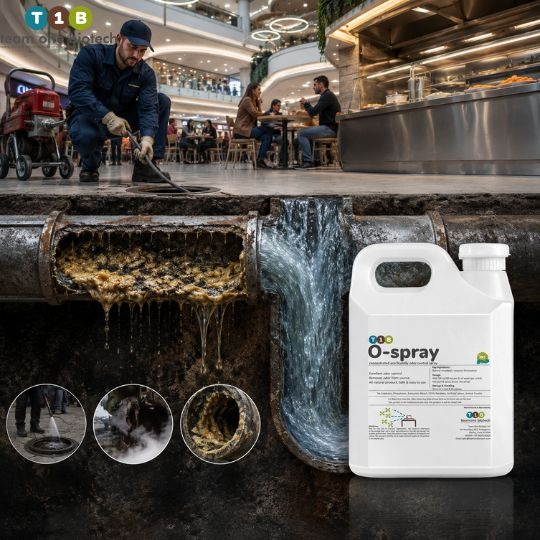
Most facility teams respond to drain issues reactively. A blockage occurs. A jet-cleaning crew is called. High-pressure water or chemical drain cleaners are used to clear the immediate obstruction. The problem appears resolved.

But this approach is fundamentally flawed, and here is why.

Chemical drain cleaners, particularly those using sodium hydroxide or sulfuric acid, do not eliminate FOG or organic waste. They push it further down the system, temporarily restoring flow without removing the material causing the problem. Repeated chemical use also degrades pipe infrastructure over time, particularly in older PVC or mild-steel plumbing systems common in Indian commercial buildings. Beyond the infrastructure damage, caustic chemicals kill the beneficial microbial populations in your facility’s Effluent Treatment Plant (ETP) or Sewage Treatment Plant (STP), directly compromising biological treatment performance and BOD removal efficiency.

Jet cleaning addresses physical blockages but offers no biological degradation of the underlying organic load. Within days or weeks, the same FOG accumulation resumes its buildup cycle.

Both approaches are reactive, not preventive. And in a facility operating 365 days a year, reactive maintenance is the most expensive kind.

The Bioremediation Approach: From Clearing to Digesting
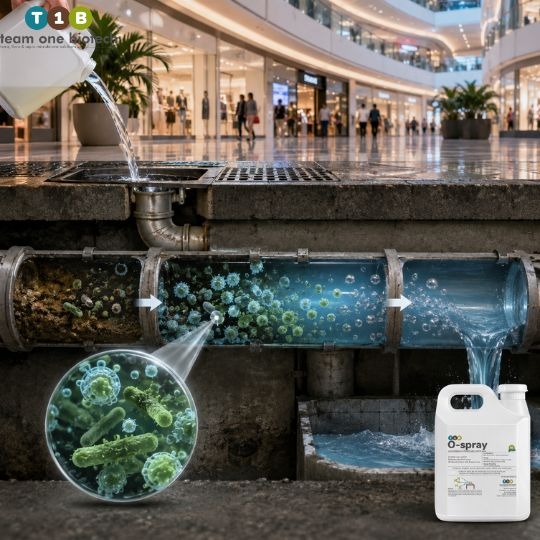
The Bioremediation Approach: From Clearing to Digesting

Bioremediation, in the context of commercial drainage management, is the use of naturally occurring or specially cultivated microbial cultures, and the enzymes they produce, to biologically degrade organic waste at the source.

A high-quality bioenzyme drain cleaner for malls does not simply mask odor or push blockages further down the pipe. It introduces concentrated populations of lipase-producing bacteria directly into the drainage environment. Lipase is the enzyme responsible for breaking down fats and oils at a molecular level, converting them into water, carbon dioxide, and simple organic acids that can be safely processed by your ETP or STP.

How the Mechanism Works

The process follows a three-stage degradation pathway:

  • Colonization: Applied microbial cultures adhere to the biofilm layer inside drain pipes and grease traps, establishing a working bacterial population.
  • Enzyme Production: As the bacteria multiply, they secrete lipase, protease, and amylase enzymes, targeting fats, proteins, and starches respectively. This is the active digestion phase.
  • Continuous Degradation: Because the bacterial culture continues to reproduce and work between maintenance cycles, FOG does not get the opportunity to accumulate. The process is ongoing, not episodic.

The shift this represents is critical: from a reactive clearing model to a proactive digestion model. Rather than waiting for a blockage or odor complaint and then calling in a cleaning crew, bioenzyme dosing establishes continuous organic load management within the drain system itself.

Contact Team One Biotech today for a professional audit of your facility’s drainage and grease management system. Our bio-experts assess your specific load profile and design a dosing protocol matched to your operational schedule.

The Indian ETP/STP Compliance Dimension

Facility managers in India operating commercial complexes above a certain scale are required to maintain functional ETPs or STPs on-site. The Central Pollution Control Board (CPCB) and respective State Pollution Control Boards prescribe discharge standards for parameters including BOD (Biochemical Oxygen Demand), COD (Chemical Oxygen Demand), TSS (Total Suspended Solids), and oil and grease content.

Here is where the strategic value of bioenzyme-based drain treatment becomes especially significant.

When FOG and organic solids from food courts enter an ETP without any pre-treatment or upstream biological reduction, they arrive as a concentrated organic load. This places an extreme burden on the biological treatment stages of your ETP, reducing its efficiency and frequently leading to treated effluent that fails to meet prescribed standards.

Regular application of a bioenzyme drain cleaner for malls at critical upstream points, grease traps, food court drain lines, kitchen wastewater channels, achieves a measurable reduction in the organic load entering your ETP. Facilities using consistent bioenzyme dosing protocols typically observe BOD reductions in incoming effluent streams in the range of 80% to 90%, along with significant reductions in oil and grease content and TSS levels, before the effluent even reaches the biological treatment stage.

This translates directly into:

  • Improved ETP performance consistency and higher confidence in discharge compliance
  • Reduced chemical dosing requirements in the ETP, lowering operational costs
  • Extended service intervals for ETP sludge removal and mechanical servicing
  • Reduced risk of regulatory non-compliance and associated penalties or reputational damage

Disclaimer: All numerical values and performance ranges mentioned in this article are general estimates based on observed outcomes across varied commercial applications. Actual results depend on site-specific ETP/STP design parameters, influent load characteristics, temperature, dosing consistency, and facility management practices. Consult a qualified bio-expert for a site-specific assessment.

Beyond Malls: Why This Solution Scales Across Commercial Verticals
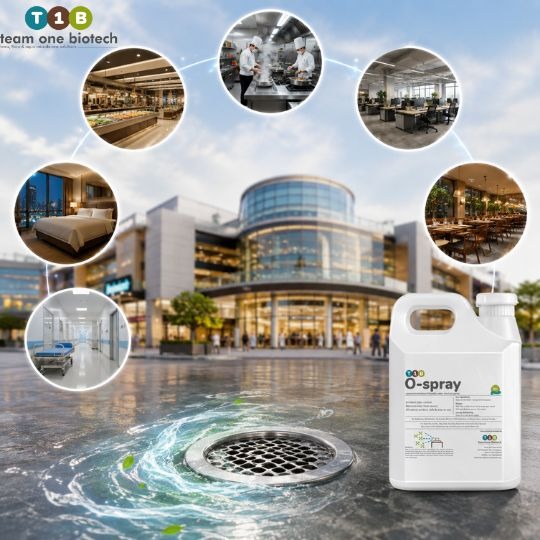
Beyond Malls: Why This Solution Scales Across Commercial Verticals

The bioenzyme approach is not exclusive to retail environments. The same core challenge, high organic load, complex drainage networks, compliance obligations, and reputational stakes, exists across multiple facility types.

Hospitals face a particularly acute version of this problem. Canteen and kitchen waste combines with biomedical waste streams, creating a drainage environment where odor control, pathogen management, and strict effluent compliance are simultaneously critical. Bioenzyme formulations designed for healthcare environments address FOG, protein-based waste, and biofilm formation while being safe for use in sensitive infrastructure.

Schools and university campuses with central mess facilities or large canteens generate consistent daily FOG loads. The long-term infrastructure damage from untreated FOG buildup is a significant hidden cost for educational institutions managing aging plumbing systems.

Corporate parks and IT campuses with multiple cafeteria outlets, often running breakfast, lunch, and dinner services, produce food court-level organic loads without always having food court-level maintenance protocols. Bioenzyme dosing provides an efficient, low-supervision solution that scales across distributed drain networks.

In each of these settings, the core value proposition remains consistent: continuous biological digestion of organic waste, reduced infrastructure maintenance costs, improved compliance outcomes, and elimination of malodor at the source.

Explore Team One Biotech’s sector-specific bioenzyme solutions for hospitals, educational campuses, and corporate facilities. Speak to our specialists to understand the right protocol for your environment.

Implementing a Bioenzyme Drain Management Programme: What to Expect

For a facility manager considering the transition from conventional chemical maintenance to a bioenzyme-based approach, the process with Team One Biotech follows a structured pathway.

Phase 1: Site Assessment and Load Profiling

Every facility is different. The organic load generated by a food court serving primarily North Indian cuisine, with high ghee and oil usage, differs from one serving international fast food. A bio-expert assessment maps your drain network, identifies high-load points, evaluates grease trap capacity and condition, and profiles the volume and nature of daily effluent generation.

Phase 2: Protocol Design and Dosing Schedule

Based on the site assessment, a customised dosing protocol is developed. This includes the specific bioenzyme formulation suited to your waste profile, the dosing points (typically grease trap inlets, main food court drain lines, restroom main drains), dosing frequency and volume, and integration with your existing ETP biological treatment cycle.

Phase 3: Monitoring and Optimisation

Bioenzyme programmes are not static. As seasonal temperatures change, as the facility’s food court tenancy mix evolves, or as operational patterns shift, the protocol is reviewed and adjusted. Regular monitoring of key parameters, odor levels, grease trap accumulation rates, ETP influent quality, provides the feedback loop necessary for continuous improvement.

The Team One Biotech Advantage: Science, Not Sales

What differentiates a professional bioenzyme programme from off-the-shelf enzyme cleaners available in the market is the depth of formulation science, the specificity of strain selection, and the rigour of application methodology behind it.

Team One Biotech works exclusively in the bioremediation space, with formulations developed specifically for Indian climate conditions, Indian food industry waste profiles, and Indian regulatory frameworks. Our bacterial cultures are selected for thermophilic stability, meaning they remain active and effective at the elevated ambient temperatures characteristic of Indian commercial environments, rather than declining in efficacy during summer months as many imported formulations do.

Our protocols are designed to complement, not conflict with, your existing ETP biological treatment processes. We work in close coordination with your facility’s ETP operators to ensure that upstream bioenzyme activity enhances downstream treatment performance.

The Cost of Inaction Is Not Zero

Every month a mall operates without a proactive drain management strategy, FOG accumulates in pipe walls, drain capacity diminishes incrementally, odor complaints from tenants and visitors continue, and the biological load entering the ETP remains unmanaged. The cost of inaction compounds quietly until it becomes an emergency: a major blockage during peak weekend trading hours, a regulatory notice following an effluent compliance failure, or the reputational damage of a negative visitor experience shared widely on social media.

The right time to implement a professional drain cleaner for malls programme is before the problem becomes visible. Request a facility audit from Team One Biotech and take the first step toward sustainable, odor-free, compliant drain management.

Facilities that invest in proactive bioremediation-based drain management are not simply solving a hygiene problem. They are protecting infrastructure, ensuring regulatory compliance, reducing long-term maintenance expenditure, and, critically, ensuring that the first impression every visitor forms of their space is the right one.

That is not a cleaning decision. That is a strategic one.

For inquiries, site assessments, or to consult with a Team One Biotech bio-expert, reach out to our commercial solutions team. We serve facility management professionals across India’s retail, healthcare, education, and corporate sectors.

Looking to improve your ETP/STP efficiency with the right bioculture?
Talk to our experts at Team One Biotech for customised microbial solutions.

Contact+91 8855050575

Email:  sales@teamonebiotech.com

Visit: www.teamonebiotech.com

Discover More on YouTube – Watch our latest insights & innovations!-

Connect with Us on LinkedIn – Stay updated with expert content & trends!

Why Schools Are Switching to Bioenzyme Floor Cleaners: Safe for Kids, Tough on Germs

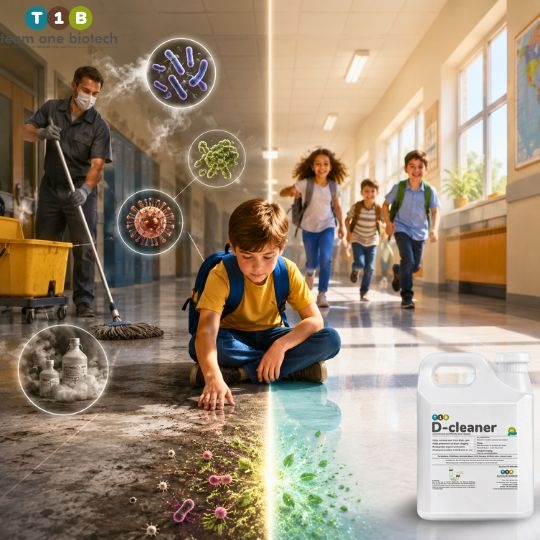
Walk into almost any school in India on a Monday morning. The floors gleam. There is the sharp, familiar sting of phenyl in the air. Parents drop off their children, reassured by the smell of “clean.” But here is the uncomfortable truth that most facility managers and school administrators have not been asked to confront: that smell is not cleanliness. It is chemistry, and not the kind that belongs in a space where six-year-olds sit cross-legged on the floor for eight hours a day.

India’s school environments present a unique hygiene challenge that has no real parallel elsewhere. Classrooms are densely packed. Monsoon season brings with it a surge of fungal spores, moisture-borne pathogens, and mud tracked in by hundreds of pairs of feet. Hard water across cities like Lucknow, Kanpur, Bhopal, and Chennai means mineral deposits cling to floor surfaces and interact unpredictably with chemical cleaning agents. And unlike in a corporate lobby, the people crawling, sitting, eating, and breathing closest to those floors are children, whose immune systems, respiratory tracts, and developing neurologies are significantly more vulnerable to toxic chemical exposure than those of adults.

The conventional cleaning products that have dominated India’s institutional cleaning market for decades, phenyl-based disinfectants, quaternary ammonium compounds, bleach solutions, and synthetic surfactant mixes, do one thing very well: they look effective. The floor shines. The smell signals sanitation. But beneath that performance lies a more complicated, more troubling story about what these chemicals actually leave behind, and what they fail to actually eliminate.

This is the problem that natural cleaners for schools are now being designed to solve, and why forward-thinking institutions across India are making a deliberate, principled shift toward bioenzyme-based cleaning solutions.

What Traditional Cleaners Are Actually Doing to Your Building, and the People In It

What Traditional Cleaners Are Actually Doing to Your Building, and the People In It

To understand why the shift to bioenzyme cleaners matters, you first need to understand what chemical cleaners are genuinely doing when applied to a floor surface.

Most conventional disinfectants operate through a process of surface-level chemical disruption. They kill or suppress microbial life on contact but do so by depositing residue, sometimes toxic, often persistent, on the very surfaces they are meant to clean. Quaternary ammonium compounds, commonly found in institutional floor cleaners, have been flagged in multiple studies for contributing to antimicrobial resistance. Phenol derivatives are classified as potential endocrine disruptors. Bleach-based cleaners, when mixed with hard water mineral content or organic matter (both of which are guaranteed in any Indian school corridor), can generate volatile chlorine compounds.

None of this is visible. None of it smells alarming after the initial cleaning has been done. But children sitting near freshly mopped floors are breathing these residuals. Children with asthma, eczema, or respiratory sensitivities are particularly exposed. And over the course of an academic year, which runs to roughly 200 school days, that cumulative exposure is not negligible.

There is also the problem of what chemical cleaners miss entirely. Biofilm. Organic residue embedded in grout, tile joints, and textured floor surfaces. These reservoirs of bacteria and mold are not addressed by surface-level chemical treatment, they are temporarily suppressed and then, in the humid conditions typical of India between June and September, allowed to re-establish even more aggressively.

The Science, Made Simple: How Bioenzymes Actually Clean

The Science, Made Simple: How Bioenzymes Actually Clean

This is where bioenzyme cleaners represent a genuinely different category of solution, not merely a greener version of the same thing, but a fundamentally different mechanism of action.

Bioenzymes are formulations of naturally occurring microbial cultures and the enzymes they produce. When applied to a surface, these microorganisms and their enzymatic secretions do not mask organic matter or suppress microbial populations temporarily. They consume and break down organic matter at a molecular level, digesting proteins, fats, carbohydrates, urea, and other compounds that constitute the biological “food source” for harmful pathogens.

Think of it this way: a chemical cleaner is a pressure washer, it blasts the surface and the residue moves elsewhere or reforms later. A bioenzyme cleaner is closer to a controlled biological ecosystem, it eliminates the conditions in which harmful organisms thrive, from the substrate level upward.

In institutional settings, bioenzyme floor cleaners have demonstrated microbial load reductions in the range of 85% to 95% for common pathogens including E. coli, Salmonella, Staphylococcus, and Aspergillus molds. (These are general values based on standard testing conditions; actual results may differ across various environments and ETP setups.)

Critically for Indian conditions, quality bioenzyme formulations, such as those developed by Team One Biotech, are engineered for hard water compatibility, maintaining enzymatic activity even at higher TDS levels common in groundwater-dependent municipal systems. This is not a minor technical footnote; it is the difference between a product that performs in the lab and one that actually works in your school in Agra or your corporate campus in Hyderabad.

Why Schools Are Leading the Transition

Why Schools Are Leading the Transition

School administrators are, in many ways, the most exposed decision-makers in the institutional cleaning landscape. They answer to parents, to health inspectors, to education boards, and to their own sense of duty toward the children in their care.

The transition to non-toxic floor cleaning for institutions in the school segment is being driven by several converging pressures:

  • Parental awareness is rising. Urban Indian parents researching allergen triggers, respiratory conditions, and chemical sensitivity in children are increasingly asking schools direct questions about the cleaning products being used on campus.
  • CBSE and state board guidelines are beginning to reflect an emphasis on healthy school environments, pushing procurement committees to re-evaluate legacy chemical cleaning contracts.
  • Cost efficiency over a full academic year is increasingly compelling. Bioenzyme cleaners, when properly diluted and deployed in a scheduled application program, deliver a reduction in total cleaning product expenditure in the range of 20% to 40% over conventional chemical regimes, when residue buildup, re-treatment costs, and material surface wear are factored in. (These are general values based on standard testing conditions; actual results may differ across various environments and ETP setups.)
  • Monsoon season resilience. Bioenzyme cultures actively outcompete the fungal and bacterial bloom that follows India’s rainy season, making them particularly well-suited to the Indian institutional calendar.

What a Bioenzyme Cleaning Protocol Looks Like in a School Setting

A properly implemented bioremediation solution for schools is not simply a product substitution, it is a program. Team One Biotech’s approach to institutional bioremediation involves:

  • Initial surface audit to identify high-load zones: toilet blocks, canteens, gymnasium floors, corridors near entry points
  • Customized dilution schedules based on daily footfall, surface type, and water quality
  • Staff training modules that ensure correct application, since bioenzyme products require appropriate dwell time to perform enzymatic digestion rather than immediate mopping off
  • Periodic microbial monitoring to validate efficacy and adjust concentration levels seasonally

This is a structured, compliance-ready approach, and it is precisely what differentiates a professional bioremediation partner from simply purchasing a “green” product off a shelf.

Beyond Schools: The Institutional Case for Bioenzyme Cleaners

The logic that makes bioenzyme floor cleaners the right choice for schools applies with equal or greater force across other high-stakes institutional environments. Team One Biotech’s bioenzyme solutions are designed for institutional versatility, engineered to perform across the full range of India’s demanding facility management contexts.

Hospitals and Healthcare Facilities

Eco-friendly hospital-grade cleaners represent one of the most technically demanding product categories in the world. Hospitals in India face the dual challenge of maintaining sterile environments while managing the risk of hospital-acquired infections (HAIs), a risk that conventional chemical disinfectants, paradoxically, can exacerbate by contributing to antimicrobial resistance.

Bioenzyme formulations that eliminate organic biofilm in OT corridors, ICU anterooms, and patient wards address the root cause of pathogen persistence rather than creating selection pressure for resistant strains. For hospital procurement officers navigating NABH compliance frameworks, this positions bioenzyme cleaners as both a clinical and regulatory asset.

Malls and High-Footfall Commercial Spaces

Food courts, restrooms, parking levels, and escalator landings in large malls present a specific problem: extreme organic load combined with public accountability. A single food court corridor may receive footfall equivalent to a small town’s daily traffic. The odor control, grease breakdown, and pathogen suppression requirements are severe.

Bioenzyme cleaners address all three simultaneously, digesting the food residue that generates odor, breaking down the fatty deposits that create slip hazards, and reducing microbial colonization in grout and drainage areas. For sustainable facility management in mall environments, this translates directly into reduced complaints, lower maintenance call-out frequency, and a measurably better guest experience.

Corporate Offices and IT Campuses

The case here is quieter but no less compelling. Employee wellness programs, LEED certification aspirations, and ESG reporting requirements are pushing corporate real estate and facilities teams toward procurement decisions that reflect environmental responsibility. Switching to bioenzyme cleaners India suppliers like Team One Biotech is a documented, verifiable step toward green building compliance, and one that comes with a genuine performance benefit, not merely a PR narrative.

The Indian Market Specificity: Why Generic Solutions Fall Short

The Indian Market Specificity: Why Generic Solutions Fall Short

India is not a uniform market, and bioenzyme products designed for European or North American conditions often underperform here for reasons that are entirely predictable: water chemistry, ambient temperature ranges, microbial variety, and application infrastructure all differ substantially.

Team One Biotech’s formulations are developed with Indian conditions as the baseline assumption, not an afterthought. This means:

  • Enzyme consortia selected for activity at Indian ambient temperatures (often above 30°C for significant portions of the year)
  • Hard water tolerance built into the base formulation, not added as a workaround
  • Packaging and dilution ratios designed for the realities of Indian institutional supply chains
  • Technical support accessible in local languages, with field personnel who understand the specific challenges of Indian facility management

This is what sustainable facility management looks like when it is built for the market it actually serves.

Making the Decision: What Facility Managers Need to Know

The transition to bioenzyme floor cleaners is not a compromise, it is an upgrade. It delivers better long-term microbial control, eliminates chemical residue risk, reduces total cost of ownership over an annual cleaning cycle, and positions your institution as one that treats the health of its occupants as a non-negotiable priority.

For school administrators, it is the answer to the question every parent is eventually going to ask. For hospital procurement teams, it is a defensible, compliance-supportive choice. For mall and corporate facility managers, it is the intersection of performance and responsibility that modern stakeholders increasingly demand.

If you are responsible for a building where people spend significant portions of their lives, the floor beneath their feet is not a minor procurement decision. It is a health decision.

Take the Next Step with Team One Biotech

Team One Biotech specializes in customized bioremediation solutions for schools, hospitals, corporate campuses, malls, and industrial facilities across India. Whether you are evaluating a full facility transition or seeking a targeted solution for a specific problem zone, drainage odor, high-humidity mold, monsoon-season bacterial load, their team of bioremediation specialists can conduct a comprehensive site audit and design a program built for your specific environment.

Contact Team One Biotech today to schedule your facility bioremediation audit. The children sitting on your floors, the patients walking your corridors, and the employees breathing the air in your spaces deserve a cleaning strategy that is as serious about their health as you are.

Looking to improve your ETP/STP efficiency with the right bioculture?
Talk to our experts at Team One Biotech for customised microbial solutions.

Contact+91 8855050575

Email:  sales@teamonebiotech.com

Visit: www.teamonebiotech.com

Discover More on YouTube – Watch our latest insights & innovations!-

Connect with Us on LinkedIn – Stay updated with expert content & trends!
Bioenzyme Toilet Cleaners: The Science Behind Odor Elimination Without Harsh Chemicals

There is a particular kind of frustration that facility managers know well. It usually arrives in the form of a complaint email on a Monday morning, a tenant, a parent, a patient, or a corporate client walking into a restroom that smells like it was cleaned with a chemical weapon and still somehow reeks of ammonia by noon. You cycle through stronger disinfectants. You increase cleaning frequency. You spend more on fragrance dispensers. And the problem comes back, reliably, every single day.

This is not a hygiene failure. It is a chemistry failure. And until you address what is actually happening at the biological level inside your drains, tile grout, and pipe walls, no amount of bleach or synthetic fragrance is going to solve it permanently.

This is where the science of bioenzyme toilet cleaners enters, not as a trend, but as a structural answer to one of the most persistent operational challenges in commercial and institutional facility management across India.

The Real Problem: Why Traditional Cleaners Create a Cycle of Dependency

Most conventional toilet cleaners operate on a principle of suppression. Acid-based products dissolve mineral deposits temporarily. Bleach oxidizes surface bacteria. Fragrances chemically mask volatile organic compounds in the air. None of these mechanisms address the root source of odor, which is almost always a colony of odor-producing bacteria thriving inside organic matter, uric acid crystals embedded in grout, biofilm layered along the inner walls of drain pipes, and decomposing organic sludge in the P-traps and U-bends that lie completely out of reach of any surface cleaning product.

In high-traffic institutional environments, a 500-bed hospital, a central school building used by 2,000 students daily, a large commercial mall with restrooms serving thousands of footfalls, this organic buildup is aggressive and continuous. The infrastructure simply cannot keep pace with the biological load being deposited every hour.

The situation is compounded significantly in the Indian context. Aging commercial plumbing in older urban buildings, many constructed in the 1980s and 1990s, was not designed for the current density of use. During monsoon months, backpressure in municipal sewage systems pushes partially treated effluent back into lower-level drainage, dramatically increasing the organic and microbial load on internal sanitation systems. Facilities that are not actively managing their drain biology at this point are fighting an invisible war with no ammunition.

Harsh chemical cleaners also carry a secondary cost that facility procurement officers rarely account for in their initial budgeting: infrastructure degradation. Repeated exposure to strong acids and alkalis accelerates the corrosion of internal pipe fittings, weakens the ceramic glaze on sanitary ware, and destroys the beneficial microbial populations inside Effluent Treatment Plants (ETPs), forcing those systems to work harder and increasing the risk of non-compliance with Central Pollution Control Board (CPCB) effluent discharge standards.

What a Bioenzyme Toilet Cleaner Actually Does (At the Molecular Level)

What a Bioenzyme Toilet Cleaner Actually Does (At the Molecular Level)

A bioenzyme toilet cleaner is not simply a “natural” or “green” cleaning product. That framing undersells the precision of what it actually does.

These formulations contain carefully selected strains of non-pathogenic, beneficial bacteria along with the enzymes those bacteria produce. When applied to a surface or introduced into a drain, these microbial strains begin a targeted biological process rather than a broad chemical assault.

The Four-Stage Biological Action

Stage 1, Enzymatic Pre-digestion

The enzymes in the formulation, primarily proteases, lipases, amylases, and urease, immediately begin breaking down the complex molecular structure of organic waste. Urease, specifically, targets uric acid: the primary compound responsible for the sharp, persistent ammonia odor in urinals and toilet fixtures. Unlike fragrance, which sits on top of this odor, urease cleaves the uric acid molecule itself, eliminating the compound that produces the smell rather than masking it.

Stage 2, Microbial Colonization

The bacteria in the solution then begin to establish a microbial biofilm on treated surfaces. This is not contamination, it is controlled biological occupation. These beneficial bacteria compete directly with odor-producing, pathogenic bacterial strains for space and nutrients. Establishing this colonization typically takes between 24 to 48 hours in standard conditions, after which the biofilm becomes self-sustaining with regular application. (Note: These timelines are general benchmarking values. Actual establishment rates will vary based on existing microbial populations, surface porosity, water temperature, and cleaning frequency.)

Stage 3, Organic Load Reduction in Drain Systems

As the microbial activity progresses through the drain lines, it continues to digest organic sludge, fats, proteins, and carbohydrates, that accumulate in pipe bends and trap systems. In institutional settings, consistent application has been shown to reduce the biological oxygen demand (BOD) and chemical oxygen demand (COD) of wastewater leaving the facility by a meaningful margin, supporting compliance with CPCB norms for commercial effluent discharge. Studies and field observations have documented organic load reductions in the range of 60% to 80% over sustained application periods. (Disclaimer: These ranges represent general benchmarking values drawn from field applications. Actual results will vary significantly depending on ETP configuration, plumbing infrastructure, hydraulic daily load, and specific site conditions. Facilities should conduct independent assessments for accurate baseline measurement.)

Stage 4, Continuous Odor Control

Unlike chemical fragrances, which dissipate within hours, the microbial biofilm established by a bioenzyme toilet cleaner continues to produce odor-controlling enzymatic activity between cleaning cycles. This means the product keeps working after the cleaning staff has moved on, a critical operational advantage in a 24-hour hospital ward or a commercial mall restroom that cannot be closed for deep cleaning during peak hours.

Why This Matters Specifically for Indian Institutional Facilities

Why This Matters Specifically for Indian Institutional Facilities

The operational math changes significantly when you are managing sanitation at institutional scale.

Hospital and Healthcare Environments

Infection control protocols in hospitals rightly focus on eliminating pathogens. But many traditional disinfectants used in restrooms are indiscriminate, they kill beneficial as well as harmful microorganisms, creating ecological voids that pathogenic strains rapidly colonize. A bioenzyme toilet cleaner used in non-critical sanitation areas (patient restrooms, visitor washrooms, staff facilities) introduces a controlled microbial population that actively competes against pathogenic colonization without contributing to the chemical burden that janitorial staff are exposed to on daily 12-hour shifts.

Schools and Educational Institutions

High-density, high-turnover restroom usage in schools creates intense organic deposition within very short time windows. The challenge is not just odor, it is also drain blockage from improper disposal and the accelerated buildup of mineral and organic scale in fixtures used by hundreds of students multiple times daily. Bioenzyme cleaners address both problems simultaneously: enzymatic action keeps drains flowing by continuously digesting organic obstruction, and microbial colonization keeps odor under consistent biological control.

If your school’s restroom infrastructure is suffering from chronic odor complaints despite daily cleaning, it is worth consulting a commercial facility sanitation specialist before the problem becomes a parent-committee agenda item.

Corporate Offices and Commercial Malls

The reputational stakes in corporate office buildings and retail environments are immediate and visible. A premium office park or a high-end commercial mall cannot afford restroom experiences that undercut the brand value of the tenant brands operating within them. Procurement officers in these environments are also increasingly sensitive to ESG compliance, the environmental cost of chemical-heavy sanitation is no longer invisible to sustainability auditors. Transitioning to industrial-grade eco-friendly industrial cleaners directly supports green building certification targets and LEED documentation requirements.

The Cost Conversation: What Procurement Officers Need to Know

Institutional procurement decisions are rightly driven by total cost of ownership rather than per-unit price. On this metric, bioenzyme toilet cleaners compare favorably.

Concentrated bioenzyme formulations typically operate at dilution ratios that make the per-application cost competitive with, and in many cases lower than, the equivalent performance-grade chemical cleaner, particularly when the hidden costs are accounted for: reduced plumbing maintenance calls, lower ETP treatment chemical costs due to reduced incoming organic load, and decreased frequency of drain blockages and emergency interventions. Facilities that shift to consistent microbial odor control programmes commonly report measurable reductions in maintenance call-outs within the first two to three months of implementation. (These timelines are indicative benchmarks only and are subject to variation based on facility size, usage intensity, and baseline infrastructure condition.)

Making the Transition: What a Responsible Rollout Looks Like

Making the Transition: What a Responsible Rollout Looks Like

Switching from chemical to bioenzyme-based sanitation at institutional scale is not simply a product swap, it requires a structured introduction.

The first step is a baseline audit: understanding the current organic load in your drain systems, the condition of your ETP, and the specific odor profile you are dealing with. Team One Biotech’s bioremediation specialists work directly with facility management teams to design application protocols tailored to your infrastructure, not generic dilution instructions printed on a label.

The second step is a phased trial. Running a controlled pilot across one or two high-traffic restroom blocks before full-facility deployment allows your team to document performance, build internal confidence, and create a measurable before-and-after baseline for procurement justification.

The Bottom Line for Facility Managers

The restroom experience in your facility is not a secondary operational concern. It is a direct reflection of your management standards, your environmental responsibility, and your duty of care to everyone who uses your infrastructure.

Bioenzyme toilet cleaners represent the convergence of advanced microbiology and practical facility management, delivering odor control that is rooted in science rather than suppression, and infrastructure protection that reduces long-term costs rather than concealing them.

Team One Biotech manufactures industrial-grade bioenzyme and bioremediation solutions engineered specifically for the demands of Indian institutional and commercial environments. Whether you manage a hospital campus, a school district, a corporate office park, or a retail complex, our formulations are designed to work within your existing infrastructure and compliance requirements.

Contact Team One Biotech today to request a product trial, schedule a site assessment with our bioremediation specialists, or discuss a custom application protocol for your facility. The solution your drains have been waiting for is biological, and it is ready to get to work.

Looking to improve your ETP/STP efficiency with the right bioculture?
Talk to our experts at Team One Biotech for customised microbial solutions.

Contact+91 8855050575

Email:  sales@teamonebiotech.com

Visit: www.teamonebiotech.com

Discover More on YouTube – Watch our latest insights & innovations!-

Connect with Us on LinkedIn – Stay updated with expert content & trends!
Green Cleaning for Corporate Offices: How Bioenzyme Products Meet ESG Standards

The Air You’re Not Talking About

Walk into any premium corporate campus in Bengaluru’s Whitefield corridor, a glass-and-steel IT park in Pune’s Hinjewadi, or a centrally air-conditioned headquarters in Mumbai’s BKC district. What you notice immediately is the gleam. Polished floors. Sanitized restrooms. Lobbies that smell aggressively clean.

What you don’t notice is the chemistry hanging in the air.

Conventional industrial cleaning products, quaternary ammonium compounds, chlorine-based disinfectants, synthetic surfactants, volatile fragrance compounds, don’t simply vanish after use. In a building where windows don’t open and HVAC systems recirculate the same air for eight to twelve hours a day, residual chemical vapors accumulate. According to indoor environmental quality research cited by global green building bodies, indoor air can contain two to five times more chemical pollutants than outdoor urban air. In a country where the majority of India’s top 500 companies operate out of sealed, centrally conditioned campuses, this is not a peripheral concern. It sits at the intersection of employee health, operational liability, and corporate reputation.

And increasingly, it sits squarely within the scope of ESG reporting.

This piece is for the facility managers, procurement heads, and operations directors who are being handed ESG targets by their leadership teams and asked to translate those targets into on-ground action. The argument here is straightforward: the single most consistent, cost-manageable, and measurable lever available to facilities teams is the shift from conventional chemical cleaning to bioenzyme-based cleaning solutions. It is not a trend. It is an operational upgrade with compounding returns.

Why Indian Corporate Facilities Are at an Inflection Point

Why Indian Corporate Facilities Are at an Inflection Point

India’s corporate real estate sector is in the midst of a green building revolution. The Indian Green Building Council (IGBC) has certified over 12 billion square feet of green building footprint, and LEED India certification has become a non-negotiable benchmark for Grade A commercial developments in NCR, Bengaluru, Mumbai, and Hyderabad. Many of India’s largest conglomerates, from Infosys and Wipro to Mahindra and Tata, have publicly committed to net-zero carbon goals within this decade.

What is often underestimated is how deeply housekeeping and sanitation practices feed into these targets. Green building rating systems evaluate indoor air quality, water usage, chemical toxicity, and waste generation, all of which are directly impacted by cleaning protocols. A facility that has invested crores of rupees in green HVAC systems and energy-efficient lighting can quietly undermine those credentials through the continued use of phosphate-heavy floor cleaners and chlorinated disinfectants that discharge into drainage and contaminate ETP influent.

Bioenzyme cleaners, products that deploy naturally occurring microbial cultures and enzyme complexes to break down organic matter at a molecular level, offer facilities teams a way to close that gap. They are not a compromise. In high-performance operational contexts, they consistently match or outperform conventional chemicals on key hygiene parameters, while delivering a fundamentally different chemical footprint.

Sector-by-Sector: Why the Vertical Matters

Sector-by-Sector: Why the Vertical Matters

The transition to green cleaning is not one-size-fits-all. The specific drivers and operational requirements vary meaningfully depending on the facility type. Here is how the case for bioenzyme cleaners plays out across the verticals that matter most.

Corporate Office Complexes and Tech Parks

In a large IT campus housing 5,000 to 15,000 employees, housekeeping teams run cleaning cycles across multiple shifts. The cumulative chemical load deposited on surfaces, in the air, and into drainage systems across a single week is substantial. For facilities managers operating under LEED or IGBC certification requirements, every cleaning input counts toward the facility’s environmental performance score.

Bioenzyme floor cleaners, restroom care formulations, and drain maintenance products reduce Volatile Organic Compound (VOC) emissions from cleaning activities, a parameter that directly affects a building’s Indoor Air Quality score. They also break down organic residues in drainage lines, reducing drain blockage incidents and lowering the BOD (Biological Oxygen Demand) load entering ETPs, a meaningful benefit for large campuses managing their own wastewater infrastructure.

Hospitals and Healthcare Facilities

This is arguably where the stakes are highest. Healthcare-associated infections (HAIs) are a persistent challenge for Indian hospitals, and the instinctive response of many facility managers has been to increase the concentration and frequency of chemical disinfectants. The problem is that many of these compounds, particularly chlorine-based and phenolic disinfectants, leave toxic residues on surfaces, contribute to airborne chemical contamination in patient areas, and accelerate the corrosion of expensive medical equipment surfaces.

Bioenzyme-based sanitation products work differently. By targeting the organic biofilm matrix that pathogens use as a substrate, they disrupt the environment in which harmful microorganisms thrive, without depositing toxic chemical residues. For ICUs, operation theaters, and patient wards where surface and air purity are clinical requirements, this distinction is not academic. Cleaning staff, who are often the most chemically exposed workers in a healthcare facility, also benefit significantly from the shift to non-corrosive, non-allergenic formulations.

Educational Institutions and Schools

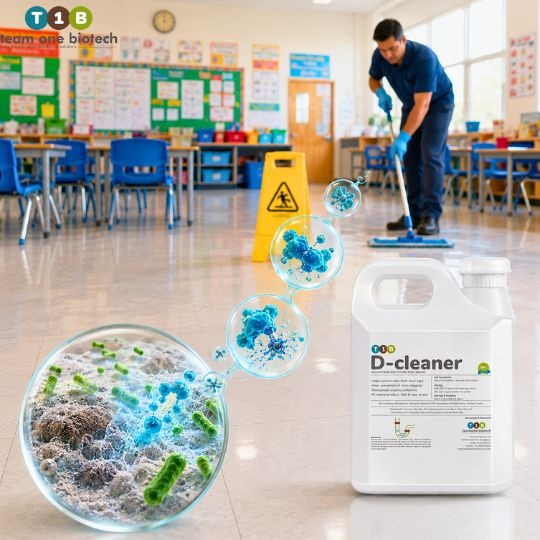
Children are not small adults when it comes to toxicological exposure. A child’s body surface area relative to body weight is higher, their respiratory rates are faster, and their detoxification systems are less developed. A school hallway cleaned with a harsh chemical disinfectant and then occupied by 400 children twenty minutes later is a scenario that few parents or school administrators have quantified, but many are beginning to question.

Bioenzyme cleaners address this directly. Their formulations are free of carcinogenic compounds, synthetic fragrances, and corrosive agents. For schools pursuing green certifications or positioning themselves as health-forward campuses, a growing differentiator in India’s premium private school segment, the shift to biological cleaning solutions is both a safety upgrade and a marketing asset.

Large Commercial Malls

The organic load in a large commercial mall is formidable. Food courts processing thousands of meals daily, restrooms servicing tens of thousands of footfalls, waste collection areas accumulating grease and organic decomposition, these create a maintenance challenge that brute-force chemical cleaning often fails to solve sustainably. Bioenzyme drain care products, for instance, don’t just mask odors. They colonize drain infrastructure with enzymatic microbial cultures that continuously break down grease and organic accumulation, reducing drain blockage frequency and associated maintenance costs. For mall facility teams working with third-party housekeeping contractors on tight SLA targets, this means fewer reactive interventions and more predictable operations.

The ESG Breakdown: How Bioenzymes Deliver Across All Three Pillars

The ESG Breakdown: How Bioenzymes Deliver Across All Three Pillars

Environmental

  • Biodegradability: Bioenzyme formulations break down into water, carbon dioxide, and inert biomass. They do not persist in soil or water systems.
  • Effluent Quality: Facilities using bioenzyme cleaners consistently report a measurable reduction in the chemical oxygen demand (COD) and BOD loads in their drainage outflows, typically in the range of 30% to 40%, though actual figures will vary based on facility design and load. This eases the operational burden on ETPs and reduces the risk of regulatory non-compliance.
  • Water Efficiency: Bioenzyme products are generally formulated for use with reduced water volumes compared to conventional chemical protocols, contributing to a facility’s overall water conservation metrics.

Social

  • Worker Safety: Housekeeping staff are disproportionately exposed to cleaning chemicals. Eliminating corrosive acids, synthetic biocides, and harsh surfactants from daily use reduces incidences of chemical burns, respiratory sensitization, and long-term dermal exposure effects.
  • Indoor Air Quality: Reduced VOC emissions from cleaning operations contribute directly to a healthier work environment for office occupants, with potential downstream effects on productivity and absenteeism.
  • Non-Allergenic Spaces: Bioenzyme formulations are free of synthetic fragrances and common allergens, making them appropriate for shared environments with diverse occupant health profiles.

Governance

  • Regulatory Alignment: India’s Central Pollution Control Board (CPCB) and state-level pollution control boards are progressively tightening discharge standards for commercial and industrial facilities. Using products that reduce chemical load in effluent is a proactive compliance posture.
  • ESG Reporting: Global reporting frameworks, GRI Standards, BRSR (Business Responsibility and Sustainability Reporting) mandated by SEBI for listed Indian companies, require disclosure of environmental impact metrics. Housekeeping chemical inputs that generate auditable data on biodegradability and reduced toxicity strengthen these disclosures.
  • Third-Party Audits: Facilities pursuing IGBC or LEED recertification benefit from documentation showing a shift to low-impact cleaning chemistry. Bioenzyme products typically carry verifiable biodegradability certifications that can be submitted directly to auditors.

Disclaimer: The operational benchmarks and performance ranges referenced in this article, including effluent parameter improvements and water usage reductions, represent general industry benchmarks based on observed operational data across a range of facility types. Actual performance will vary based on the specific design, occupancy load, plumbing configuration, and Effluent Treatment Plant (ETP) setup of each individual facility. Team One Biotech recommends a site-specific audit prior to establishing performance baselines for any facility.

Making the Transition: What It Actually Looks Like

Making the Transition: What It Actually Looks Like

The practical barrier to switching is often not cost or conviction, it is inertia. Housekeeping teams are trained on specific products. Procurement teams have existing vendor relationships. Facility managers are managing too many variables to introduce new unknowns.

Here is what a structured transition looks like in practice:

  • Phase 1, Audit: Identify current chemical inventory, application areas, and discharge points. Map ESG reporting requirements to cleaning inputs.
  • Phase 2, Pilot: Replace conventional products in one high-impact zone, typically restrooms and drainage systems, and run a 30 to 60-day performance comparison.
  • Phase 3, Scale: Extend bioenzyme protocols facility-wide, train housekeeping staff, and establish documentation trails for ESG and certification reporting.
  • Phase 4, Report: Use product biodegradability data, VOC profiles, and operational logs as verifiable inputs for BRSR disclosure, IGBC/LEED audits, or internal ESG dashboards.

The Chemistry of Corporate Responsibility

The facilities that will define the next generation of corporate sustainability in India are not going to be defined solely by solar panels and green rooftops. They will be defined by the granular, operational decisions that stack up daily, what goes into the mop bucket, what flows into the drain, what lingers in the air after the cleaning crew has moved on.

The shift to bioenzyme cleaning is not a sacrifice. It is not a compromise between hygiene and responsibility. It is an upgrade, to cleaner air, safer staff, lower regulatory risk, and credible ESG reporting.

Team One Biotech works with facility managers across corporate, healthcare, educational, and commercial sectors to design customized bioenzyme cleaning protocols that align with your ESG targets, building certification requirements, and operational realities.

Ready to move from chemical dependency to biological efficiency?

  • Request a free facility audit to identify your current chemical exposure and effluent impact.
  • Sign up for a structured pilot program tailored to your facility type and ESG reporting cycle.
  • Download our product documentation for IGBC/LEED certification submissions.

Contact Team One Biotech to schedule your consultation. The transition starts with one conversation.

Looking to improve your ETP/STP efficiency with the right bioculture?
Talk to our experts at Team One Biotech for customised microbial solutions.

Contact+91 8855050575

Email:  sales@teamonebiotech.com

Visit: www.teamonebiotech.com

Discover More on YouTube – Watch our latest insights & innovations!-

Connect with Us on LinkedIn – Stay updated with expert content & trends!
Washroom Odor Control in Public Toilets: Using Bacterial Cultures for Long-Term Results

A freshly renovated corporate headquarters in Gurugram or Bengaluru. Polished granite floors, motion-sensor faucets, premium sanitary ware. The facilities team has spent weeks ensuring everything is spotless before the doors open. And then, within three months, the same complaint arrives from every corner of the building, the washrooms smell.

Not faintly. Aggressively.

For a facility manager, few operational failures carry the reputational weight of a malodorous restroom. It does not matter how sophisticated the air-conditioning system is, or how regularly the housekeeping team mops the floors. The odor is still there, embedded deep beneath the surface, reactivated by every flush and every degree of rising temperature. In a hospital corridor, it triggers patient anxiety. In a school, it discourages children from using the facilities at all, with downstream consequences on health. In a shopping mall, it shortens dwell time and quietly damages the brand promise.

Facility managers across sectors know this trap intimately. The standard response, deploying heavy aerosol masking fragrances, pouring acid-based urinal cleaners, and scheduling more frequent mopping cycles, provides relief for a few hours at most. By the afternoon peak, the complaints are back.

This is not a housekeeping failure. It is a chemistry problem, and no amount of fragrance can solve a chemistry problem.

What actually solves it is biology.

This is where a purpose-engineered washroom odor control solution built on live bacterial cultures changes the entire equation. Team One Biotech has spent years developing industrial-grade biological formulations for organic waste conditions found in Indian institutional and commercial washrooms. Understanding why these solutions work requires first understanding why everything else does not.

The Root Cause: What Your Chemical Cleaner Is Missing

The Root Cause: What Your Chemical Cleaner Is Missing

The odor you detect in a heavily used public toilet is not surface dirt. By the time it registers in the air, the source is already microscopic, layered into porous surfaces, and largely invisible to standard cleaning protocols.

Here is the mechanism:

When urine contacts a tile floor or the grout between tiles, uric acid crystals begin forming immediately. Uric acid is notoriously insoluble in water. Standard mopping, even with disinfectant solutions, breaks up the surface residue but leaves the crystallized uric acid deposits intact within grout lines, cracks in flooring screed, and the micro-pores of older or lower-grade ceramic tiles.

Over time, ambient moisture reactivates these crystals, and the bacteria already present in the environment begin breaking them down through their own metabolic processes, releasing ammonia and mercaptans, the sulfuric, sharp, eye-watering compounds that define institutional restroom odor at its worst.

The core failure of chemical cleaners in commercial restroom odor removal is structural, not operational. Acid-based cleaners dissolve surface buildup but cannot penetrate deep enough into grout to address established uric acid deposits. Masking fragrances introduce a pleasant olfactory distraction for a brief window but do nothing to interrupt the decomposition cycle underneath. Heavy disinfectants kill surface bacteria but also damage the grout and sealant over time, increasing porosity, which actually accelerates future odor buildup.

In the Indian climate, this problem is not just more frequent. It is orders of magnitude more intense. Ambient temperatures across most of the subcontinent, routinely between 32°C and 42°C during peak seasons, accelerate organic waste degradation and microbial proliferation dramatically. High relative humidity compounds the effect. The result is that a washroom that might sustain a chemical cleaning cycle for 24 hours in a temperate climate may revert to baseline odor conditions in as little as 4 to 8 hours during an Indian summer. No fragrance budget survives that math.

The Science of Bioremediation: How Team One Biotech’s Bacterial Cultures Work

The Science of Bioremediation: How Team One Biotech's Bacterial Cultures Work

The biological approach to commercial restroom odor removal does not operate on the same logic as a cleaning product. It operates on the logic of an ecosystem.

Bacterial culture for cleaning in this context refers to carefully selected, concentrated formulations of non-pathogenic, beneficial microorganisms, primarily spore-forming bacilli and enzyme-producing strains, that target specific organic compounds as their food source.

When Team One Biotech’s bacterial formulations are introduced into a washroom environment through regular application protocols, the following sequence occurs:

  • The bacteria secrete enzymes, proteases, ureases, and lipases, that break down uric acid, urea, proteins, and fats at the molecular level. This is not surface action. Enzymes penetrate into porous grout and reach deposits that no liquid chemical can access.
  • Organic matter is consumed, not masked. The bacteria metabolize the odor source directly. Ammonia is not covered up; it is eliminated as a byproduct of the bacteria’s own metabolic cycle.
  • A self-sustaining biofilm establishes itself on treated surfaces over an initial period of approximately 2 to 4 weeks. This beneficial biofilm competes actively with and displaces odor-causing bacterial communities, maintaining a biologically suppressed environment between cleaning cycles.

Note: These are general values and operational outcomes will vary based on the specific design, microbial load, and unique parameters of individual Effluent Treatment Plants (ETPs).

The practical implication for a facility manager is profound: rather than a cleaning product that needs to be reapplied constantly to compensate for its own short effectiveness window, a biological treatment builds compounding results over time. The longer it is in place, the more stable and self-maintaining the odor control becomes.

This is institutional hygiene solutions design at its most efficient, biology doing the work that chemistry fundamentally cannot.

Sector Impact Analysis: Why the Stakes Are Different Depending on Who Uses Your Washrooms

Sector Impact Analysis: Why the Stakes Are Different Depending on Who Uses Your Washrooms

Hospitals

In a healthcare setting, the public toilet maintenance standard is not just about comfort, it is a clinical and regulatory matter. Persistent ammonia odors in patient washrooms or ward toilet facilities directly correlate with patient-reported dissatisfaction and, in certain ward environments, can indicate inadequate sanitation protocols to visiting inspectors.

The critical constraint here is that many chemical approaches introduce their own problems. Harsh acid cleaners and heavy disinfectants release volatile organic compounds (VOCs) that are a documented irritant for patients with respiratory conditions, post-surgical sensitivities, and compromised immune responses. In a neonatal unit or oncology ward, this is not a theoretical risk, it is an operational one.

Team One Biotech’s bacterial cultures are non-toxic, non-fuming, and non-corrosive. They produce no VOCs. They do not require evacuation of the area during or after application. For hospitals managing an uninterrupted schedule of patient movement, this matters enormously. The biological formulation continues working passively after application, requiring no extended dwell time that would take a washroom out of service.

Schools

A school environment presents a uniquely demanding set of washroom conditions. The combination of high-frequency usage across a tight time window, the brief intervals between classes, chaotic usage patterns from younger students, and inconsistent adherence to basic hygiene by children creates an organic load that can overwhelm standard cleaning schedules within hours.

More critically, any cleaning chemistry used in a school environment must meet a non-negotiable standard: it cannot pose a risk to children. Several institutional disinfectants and acid-based urinal cleaners carry cautionary labeling that makes their use around school populations at minimum uncomfortable and at maximum a compliance concern.

Bacterial cultures for cleaning in school washrooms are inherently safe. The microorganisms used are the same category of non-pathogenic bacteria present in healthy soil and in probiotic-grade food products. There is no caustic reaction risk, no fume hazard, and no risk from incidental contact. For school administrators who manage both the operational reality and the duty-of-care obligation, this matters as much as the odor control outcome itself.

Additionally, the organic waste degradation capacity of the bacterial formulation handles the specific waste profile of school washrooms, including the higher incidence of paper waste, food residue, and surface contamination, more comprehensively than standard mopping with a disinfectant.

Shopping Malls and Corporate Office Complexes

In premium commercial real estate, the washroom is an underappreciated brand touchpoint. A luxury mall that invests heavily in retail fit-out and shopper experience cannot afford to send a customer from a flagship boutique into a malodorous restroom. The sensory jarring is immediate and the associative brand damage is real. The same principle applies to a corporate office complex hosting clients.

There is a secondary and less frequently discussed consequence of heavy chemical use in these environments: structural degradation. Acid-based cleaners, applied repeatedly over months and years, erode grout, pit tile glazing, and compromise the sealant integrity of flooring systems. In facilities where the original tile and stone work represent a significant capital investment, the accelerated replacement cycle driven by chemical damage is a genuine cost center.

Bacterial culture applications, by contrast, are pH-neutral and non-corrosive. They extend the life of washroom surfaces rather than compromising them. For a mall or corporate facility running on an asset protection mandate, this is a measurable operational benefit beyond the odor control outcome.

Head-to-Head: Chemical Cleaners vs. Bacterial Cultures

ParameterChemical Cleaners / Masking AgentsTeam One Biotech Bacterial Cultures
Odor EliminationTemporary masking; source remains activeEliminates the organic source at molecular level
Depth of ActionSurface and near-surface onlyPenetrates grout, pores, and subsurface deposits
Duration of Effect4 to 12 hours typicallyBuilds toward sustained control over 2 to 4 weeks
Surface ImpactAcid-based formulas degrade grout and tile over timepH-neutral; protects and preserves surface integrity
VOC / Fume EmissionPresent in many industrial-grade formulationsNone; non-fuming and non-toxic
Safety ProfileRequires precautions, PPE in some applicationsSafe for occupied spaces including schools and hospitals
Environmental LoadHigh chemical oxygen demand in wastewater dischargeLow; biodegradable; reduces ETP shock load
Long-Term Cost TrendRecurring and escalating as resistance and porosity increaseReduces over time as biofilm self-maintains

Note: These are general values and operational outcomes will vary based on the specific design, microbial load, and unique parameters of individual Effluent Treatment Plants (ETPs).

If your current washroom protocol is delivering the same complaints on a weekly cycle, it is time to request a biological audit. Contact Team One Biotech to assess your facility’s specific organic load profile and design a targeted bacterial culture program.

The Indian Compliance and ETP Synergy: A Factor That Most Facility Managers Have Not Considered

There is a dimension to this conversation that rarely appears in discussions about public toilet maintenance in India but has significant operational and regulatory relevance: what happens to your washroom wastewater after it leaves the drain.

Commercial and institutional facilities above a certain footprint are required to manage their wastewater through on-site or shared Effluent Treatment Plants (ETPs). The performance of these ETPs is directly affected by what flows into them.

Heavy chemical cleaners, particularly acid-based products and quaternary ammonium disinfectants used in high volumes across large facilities, introduce a chemical shock load into the wastewater stream. This disrupts the biological treatment processes within the ETP, which rely on their own microbial communities to break down organic matter. When those microbial communities are suppressed by incoming chemical load, ETP performance degrades, effluent quality declines, and the facility moves closer to a compliance threshold.

Switching to bacterial-culture-based institutional hygiene solutions has a directly measurable effect on this dynamic. Bioenzyme-based cleaning products do not introduce disruptive chemicals into the wastewater stream. In fact, the active bacterial content in the wastewater actually supplements the biological processes within the ETP, improving organic load digestion by approximately 30% to 60% in well-managed systems.

Note: These are general values and operational outcomes will vary based on the specific design, microbial load, and unique parameters of individual Effluent Treatment Plants (ETPs).

This alignment with Indian sustainability standards, particularly as regulatory scrutiny of commercial wastewater compliance intensifies under frameworks like the Environment Protection Act and CPCB discharge norms, makes the biological transition not just operationally sensible but strategically sound. Facility managers who are ahead of this curve will have a significantly simpler compliance conversation than those who are not.

Moving from Reactive Odor Masking to Proactive Biological Control

The operational reality for most facility managers today is that washroom odor management is a firefighting exercise. A complaint arrives, a cleaning crew responds, a fragrance is deployed, and the cycle repeats. The budget is consumed not in prevention but in constant response.

Biological treatment reframes this entirely. The investment is front-loaded in the establishment phase, the 2-to-4-week period during which the bacterial biofilm colonizes treated surfaces and begins outcompeting odor-causing microbial communities. After that window, the maintenance requirement decreases, the complaint frequency drops, and the operational cost of managing washroom hygiene begins to normalize at a lower level.

Note: These are general values and operational outcomes will vary based on the specific design, microbial load, and unique parameters of individual Effluent Treatment Plants (ETPs).

For hospitals managing patient perception and clinical compliance simultaneously. For schools managing a duty of care alongside a tight maintenance budget. For malls and corporate complexes managing brand equity through every square foot of the facility, this is not a marginal improvement. It is a structural change in how washroom hygiene works.

The question is not whether bacterial cultures deliver better long-term results than chemical cleaners. The science, the field data, and the environmental chemistry are unambiguous on that point.

The question is when your facility makes the transition.

Partner with Team One Biotech for a Site-Specific Washroom Bioremediation Audit

Team One Biotech works directly with facility managers, operations directors, and administration heads to design bioremediation programs that are built around the specific organic load, footfall patterns, surface conditions, and wastewater management requirements of your individual facility, not a generic off-the-shelf protocol.

Our washroom bioremediation audits cover:

  • Surface and grout assessment for existing uric acid and organic waste penetration depth
  • Microbial load profiling to identify dominant odor-causing bacterial communities
  • Custom bacterial culture selection matched to your facility’s waste chemistry
  • ETP compatibility review to ensure your biological transition supports, not disrupts, your wastewater management system
  • Implementation protocol design with measurable performance checkpoints

If your facility is a hospital, a school campus, a shopping mall, or a corporate complex with a persistent washroom odor problem that conventional cleaning has failed to resolve, the answer has been biological from the beginning. You now know exactly why.

Reach out to Team One Biotech today. Let us conduct a washroom bioremediation audit at your facility and build you a biological odor control program that actually lasts.

Looking to improve your ETP/STP efficiency with the right bioculture?
Talk to our experts at Team One Biotech for customised microbial solutions.

Contact+91 8855050575

Email:  sales@teamonebiotech.com

Visit: www.teamonebiotech.com

Discover More on YouTube – Watch our latest insights & innovations!-

Connect with Us on LinkedIn – Stay updated with expert content & trends!
Gut Health in Dairy Cattle: How Probiotics Improve Milk Yield and Feed Efficiency

There is a particular kind of frustration that every serious dairy farmer knows well. You have invested in quality animals, you are sourcing the best fodder you can afford, your workers are putting in long hours, and yet, milk yield fluctuates, feed conversion feels inefficient, and your veterinary bills keep climbing. In an environment where input costs are rising faster than milk procurement prices, the margin between a profitable farm and a struggling one can feel razor-thin.

What if a significant part of the problem was invisible, living inside your cattle’s digestive system?

Gut health is one of the most underestimated levers in dairy farm management across global markets. And the science of probiotics for dairy cattle is emerging as one of the most practical, cost-effective tools available to farmers who want to close the gap between potential and actual performance.

The Rumen: Your Cattle’s Internal Bioreactor

The Rumen: Your Cattle's Internal Bioreactor

To understand why gut health matters so profoundly, you need to think of the rumen not as a stomach, but as a living fermentation chamber, a complex bioreactor packed with billions of microorganisms working around the clock.

Every kilogram of feed your animal consumes passes through this microbial ecosystem first. Bacteria, protozoa, and fungi in the rumen collectively break down cellulose and hemicellulose from fibrous fodder, synthesize volatile fatty acids (the primary energy source for the cow), and produce microbial protein that supports milk synthesis.

When this ecosystem is balanced, feed is converted efficiently, the cow stays healthy, and milk production reflects the quality of inputs. When it is disrupted, by heat stress, abrupt feed changes, poor fodder quality, or pathogen load, the entire chain breaks down.

The pH of the rumen is a precise indicator of this balance. A healthy rumen operates within a specific acidic range, and even a modest shift toward excessive acidity can impair fiber digestion, suppress immunity, and reduce milk fat percentage. This condition, known as sub-clinical acidosis, is often missed because affected animals do not show dramatic symptoms. They simply perform below their potential, quietly, consistently, and at your expense.

This is where probiotics for dairy cattle enter the picture. By introducing beneficial microbial strains directly into the feed, you actively support the rumen’s microbial balance and restore the conditions that drive optimal performance.

How Probiotics Improve Milk Yield

How Probiotics Improve Milk Yield

Stabilizing Rumen pH and Preventing Sub-Clinical Acidosis

Sub-clinical acidosis is arguably the most financially damaging condition on high-producing dairy farms, and it is almost never diagnosed. Cows affected by it eat less, digest fiber poorly, and shift energy away from milk synthesis. Milk fat percentage drops, often quietly, before farmers notice.

Probiotic strains, particularly certain Lactobacillus and Enterococcus species combined with yeast-based additives, work by consuming excess lactic acid in the rumen, stabilizing pH, and creating conditions where fiber-digesting bacteria can thrive. When fiber digestion improves, more energy is released per kilogram of feed, and that energy goes where you want it: into milk production.

Farms that incorporate microbial feed additives into their nutrition programs consistently observe improvements in milk yield within the range of 5% to 15% over baseline measurements. These improvements are particularly noticeable during periods of dietary transition or seasonal stress. It is important to note that these are general values and actual results may vary significantly based on farm-specific environmental conditions, the quality of baseline nutrition, and the specific formulation used.

The Role of Microbial Diversity in Consistent Milk Quality

Milk is not just volume, it is composition. Fat, protein, and solids-not-fat are the parameters that determine your price per litre at the cooperative or processor level. A rumen that is rich in diverse, beneficial microbial communities produces a more consistent fermentation pattern, which translates into more stable milk fat and protein levels across the lactation cycle.

Probiotics for dairy cattle essentially act as a microbial “top-up”, replenishing populations that are lost due to stress, antibiotic use, or poor fodder quality, and reestablishing the community structure that drives quality milk synthesis.

Feed Efficiency and Nutrient Use Efficiency

Feed Efficiency and Nutrient Use Efficiency

Breaking Down Fiber More Completely

Dairy farmers worldwide work with a highly varied fodder base. Green fodder availability is seasonal and geography-dependent. Dry fodder, including wheat straw, crop residues, hay, and silage, dominates the ration across many regions and seasons, particularly in areas with limited irrigated pasture or during winter months. These materials are nutritionally challenging. Their cell wall structure is dense, and without a well-functioning rumen microbiome, much of the potential energy passes through unutilized.

Specific probiotic strains have demonstrated the ability to enhance fiber-degrading enzyme activity in the rumen. Cellulolytic bacteria, when supported by compatible probiotic additions, become more active and efficient. The practical result is that your cattle extract more energy and nutrients from the same quantity of feed.

Improvements in Nutrient Use Efficiency (NUE) as a result of consistent probiotic supplementation have been observed in the range of 6% to 14% in peer-reviewed field trials across varied livestock production contexts. These are general values, and outcomes will depend on the specific farm environment, existing feed quality, cattle breed, and the formulation profile of the probiotic product being used.

Reducing Feed Costs Per Litre of Milk

The true financial benefit of improved NUE is not just that cattle perform better, it is that they perform better on less. When more of each kilogram of feed is converted into productive output, your cost per litre of milk produced comes down. Over a full lactation cycle, this shift can have a meaningful impact on your bottom line.

If you are managing a herd of 30 or more animals, even a modest improvement in feed conversion across the group accumulates into significant savings at the end of the year. Consulting with Team One Biotech for a herd-specific probiotic strategy can help you identify where the greatest efficiency gains are available in your current feeding program.

Immunity, Antibiotic Reduction, and Herd Resilience

Immunity, Antibiotic Reduction, and Herd Resilience

A Healthier Gut Is a Stronger Immune System

Approximately 70% of the immune system’s activity is rooted in the gastrointestinal tract. This is as true in ruminants as it is in humans. A rumen and gut lining that are populated with beneficial microorganisms create a physical and biochemical barrier against pathogens. Harmful bacteria have fewer sites to colonize, competitive exclusion keeps their populations suppressed, and the immune cells lining the gut are better activated and more responsive.

The downstream effect is fewer clinical illness events, fewer mastitis cases, lower rates of respiratory infection, and reduced incidence of metabolic disorders post-calving. Farms that shift toward probiotic-supported herd management frequently report a reduction in routine antibiotic use, which carries both economic and regulatory advantages as governments worldwide move toward stronger antimicrobial stewardship norms in livestock production.

Heat Stress Resilience in Commercial Dairy Operations

This is a dimension of probiotic science that is directly relevant to dairy farmers operating in warm and temperate climates globally, and it is not discussed enough. Regions across the Americas, the Middle East, sub-Saharan Africa, Southeast Asia, Southern Europe, and Australia subject high-producing Holstein-Friesian and Jersey animals to sustained thermal loads that their genetics were not originally designed to handle.

Heat stress suppresses feed intake, disrupts rumen fermentation, and triggers a cascade of hormonal and metabolic changes that directly reduce milk yield and reproductive performance. Adapted breeds handle heat better due to their physiology, but even they are not immune to the compounding effects of prolonged heat combined with poor gut health.

Certain probiotic formulations help the rumen microbiome maintain stability under thermal stress conditions. By supporting fermentation efficiency even when feed intake drops, probiotics help buffer the production losses that farmers in warmer climates accept as seasonal inevitability, losses that do not have to be as severe as they currently are. Improvements in heat stress resilience observed through probiotic supplementation range from moderate to significant depending on the severity of the thermal environment, breed, and baseline herd health. These are general values, and results will vary based on farm-specific conditions and environmental parameters.

The Global Context: Local Challenges, Targeted Solutions

Fodder Quality Variation Across Seasons

Fodder supply is not consistent in most dairy-producing regions of the world. The gap between flush-season pasture or green fodder and dry-season hay or crop residue-based rations is dramatic, and each transition is a stress event for the rumen microbiome. Probiotics for dairy cattle serve as a stabilizing bridge during these transitions, maintaining microbial populations that would otherwise crash when the feed base shifts suddenly.

Livestock Bioremediation and Farm Waste Management

A point that is increasingly relevant to progressive farm operators globally is the connection between gut health and effluent quality. Healthier digestion produces waste with different microbial and chemical profiles. Incorporating livestock bioremediation strategies, using microbial products to manage slurry, reduce ammonia emissions, and improve biogas yield from farm waste, is a logical extension of probiotic-forward farm management. Team One Biotech works at this intersection, offering solutions that address both animal performance and farm environmental management in an integrated way.

Making Probiotics Work on Your Farm

Probiotics for dairy cattle are not a magic supplement, they are a precision tool. Breed, production stage, local climate, existing feed formulation, water quality, and management intensity all influence which strains perform best and at what dosage.

Generic, off-the-shelf products may deliver inconsistent results because they are not calibrated for your specific herd and conditions. The difference between a product that works and one that does not often comes down to formulation specificity, viable cell count at the time of feeding, and compatibility with your existing ration.

This is precisely why a customized consultation matters. If you are a dairy farmer, cattle operator, or feed manufacturer looking to move beyond generic solutions and build a rumen health strategy that is designed for your operation, reach out to Team One Biotech. Their team of animal nutrition specialists will assess your current program and design a probiotic protocol built around your herd’s biology and your farm’s conditions.

Final Word

The rumen is where profitability begins. Protecting and enhancing the microbial ecosystem inside your cattle is not a fringe idea, it is one of the most evidence-backed interventions available in modern livestock nutrition. As feed costs continue to rise and pressure on milk quality intensifies, the farms that thrive will be the ones that invest in what cannot be seen but makes all the difference.

Probiotics for dairy cattle represent that investment. Done right, with the right strains, the right formulation, and the right guidance, the returns are real, measurable, and sustainable.

Get in touch with Team One Biotech today to explore what a customized rumen health and microbial feed additive program can do for your herd.

Bioenzyme vs. Chemical Drain Cleaners: A Complete Comparison for Facility Managers

It’s a Tuesday morning. Your hospital’s surgical wing is at full capacity. Or your school’s cafeteria is mid-service for 800 students. Or your corporate campus is hosting an investor walkthrough. And then, without warning, a drain line backs up.

The maintenance team reaches for the familiar blue bottle of chemical drain cleaner. Within minutes, the acrid smell drifts through the ventilation system. A nurse flags it. A teacher files a safety complaint. The facilities inbox lights up. You’ve solved one problem and created three more.

This is not a hypothetical. For operations directors and infrastructure heads managing complex, high-traffic plumbing networks across India, this scenario plays out with exhausting regularity. The real question isn’t just how to clear the blockage, it’s whether the solution you’re using is quietly compounding the very problem you’re trying to solve.

The debate around bio drain cleaner vs chemical approaches is no longer a fringe sustainability conversation. For facility managers navigating healthcare compliance, school safety regulations, municipal load restrictions, and increasingly stringent CPCB norms, it has become a core infrastructure decision.

The Chemical Illusion: Fast Results, Slow Damage

The Chemical Illusion: Fast Results, Slow Damage

There’s a reason chemical drain cleaners remain the default in commercial settings. They work fast. Pour a concentrated acid or caustic alkali down a drain and the clog dissolves, often within minutes. For a facility manager under pressure, that speed feels like control.

But what facility plumbing maintenance professionals rarely see is the bill that arrives months later.

What harsh chemical cleaners actually do over time:

  • Pipe degradation: Highly alkaline or acidic formulations attack the internal lining of older cast iron and PVC pipes alike. In buildings constructed more than a decade ago, common across Indian institutional infrastructure, repeated chemical use accelerates micro-fractures that are invisible until they cause a burst.
  • Biofilm disruption without elimination: Chemical agents can strip the surface layer of organic buildup, but they rarely penetrate deep biofilm. What remains continues to accumulate, often faster, because the microbial balance within the pipe has been disrupted.
  • Thermal and fume hazards: In enclosed mechanical rooms and drainage shafts typical of Indian hospitals and high-rise corporate campuses, the off-gassing from chemical cleaners can trigger HVAC safety shutdowns and create genuine occupational health liability.
  • ETP interference: When chemical residues flush downstream into your facility’s Effluent Treatment Plant, they can temporarily neutralize the microbial colonies that your ETP depends on for biological treatment, undermining an expensive, compliance-critical system with a cheap maintenance shortcut.

The chemicals offer an illusion of resolution. The structural and regulatory costs accumulate in silence.

The Bioenzyme Paradigm: Maintenance That Works While You Sleep

The Bioenzyme Paradigm: Maintenance That Works While You Sleep

Enzymatic pipe cleaners and bio drain solutions operate on an entirely different logic. Rather than attacking organic matter with brute chemical force, they introduce concentrated microbial cultures and enzymes that digest fats, oils, grease (FOG), proteins, and cellulose at the molecular level.

Here’s how the process works in a commercial context:

Specific bacterial strains, typically lipase, protease, and amylase producers, are introduced into the drain system in liquid or granular form. These microbes colonize the pipe wall biofilm, continuously breaking down organic deposits as part of their metabolic cycle. Over a period of around 3 to 5 weeks of consistent application, a facility can expect to see a measurable reduction in blockage frequency and drain odour.

Note: These are general values and operational outcomes will vary based on the specific design, microbial load, and unique parameters of individual Effluent Treatment Plants (ETPs).

What makes this approach particularly suited to commercial drain maintenance in complex facilities is its cumulative nature. The microbial population doesn’t reset after each application, it builds. A drain network that has been on a consistent bioenzyme maintenance program for 2 to 3 months behaves fundamentally differently from one treated reactively with chemicals.

It’s the difference between having a maintenance system and having a maintenance crisis management system.

How This Plays Out Across Facility Verticals

How This Plays Out Across Facility Verticals

Hospitals and Healthcare Facilities

Healthcare environments present the highest-stakes intersection of plumbing performance and regulatory compliance. Drain systems in hospitals carry a uniquely hazardous mix: bodily fluids, pharmaceutical residues, surgical waste, and cleaning agent runoff, all moving through a network that must function without interruption.

Chemical cleaners in this context create compounding risks. Fume exposure in patient wards or sterile zones is not merely an inconvenience, it’s a compliance incident. More critically, the indiscriminate nature of strong chemicals means they don’t distinguish between harmful pathogens and the beneficial microbial colonies that help naturally suppress drain-borne hazards.

Eco-friendly bioremediation in healthcare settings offers a different model: targeted microbial cultures that can be selected for compatibility with the specific organic load profile of a hospital drain system. Properly deployed, they compete effectively against pathogenic organisms within the pipe environment, while posing no fume or chemical exposure risk to patients or staff.

Schools and Educational Institutions

In institutional settings serving children and adolescents, the calculus is straightforward: chemical exposure risk is unacceptable as a routine maintenance method. Yet the plumbing loads in Indian schools, particularly large residential schools and university campuses, are significant. Cafeteria grease traps, dormitory drain lines, and high-frequency washroom facilities all generate substantial FOG and organic load.

Bioenzyme solutions applied consistently to these systems address the load without introducing chemical hazards into environments where your exposure liability is at its highest. Over time, the reduction in emergency plumbing calls during academic sessions, when disruption is most costly, represents a tangible operational benefit alongside the safety case.

Malls, Corporate Campuses, and High-Traffic Commercial Hubs

This is where the institutional wastewater treatment challenge becomes genuinely complex. A large mall in a tier-one Indian city might see its food court drainage system handling load spikes during weekends and festivals that dwarf its weekday baseline. Corporate campuses with centralized kitchens face similar variability.

Indian operational conditions add specific layers of difficulty here. Monsoon-season plumbing backups, caused by a combination of elevated groundwater levels, municipal sewer surcharge, and intensified organic decomposition in warm, saturated conditions, can overwhelm drain networks that appear perfectly functional during dry months. Fluctuating municipal water quality affects the chemical behavior of both drain systems and treatment processes.

For facilities running their own Effluent Treatment Plants, the downstream implications of chemical drain cleaner use deserve particular attention. ETPs calibrated to handle specific influent chemistry can be significantly destabilized by periodic chemical flushes from building drainage. Bioenzyme-based maintenance, by contrast, is inherently compatible with biological treatment infrastructure, the microbial cultures in a well-managed drain system can actively support ETP performance rather than undermine it.

A facility managing significant daily wastewater volumes through its own ETP can expect, with consistent bioenzyme application across its drain network, to see improved influent quality reaching the treatment plant within a range of approximately 4 to 8 weeks of implementation.

Note: These are general values and operational outcomes will vary based on the specific design, microbial load, and unique parameters of individual Effluent Treatment Plants (ETPs).

Ready to stop managing plumbing emergencies and start preventing them? Request a custom facility audit from Team One Biotech’s technical team.

Head-to-Head: Bio Drain Cleaner vs Chemical

ParameterChemical Drain CleanersBioenzyme / Microbial Cleaners
Speed of ActionImmediate (hours)Gradual (3–5 weeks for full biofilm colonization)
Structural SafetyDegrades pipe lining over repeated useNon-corrosive; compatible with all pipe materials
Long-Term Cost TrendEscalating (infrastructure damage, emergency calls)Declining (preventive action reduces blockage frequency)
Fume / Safety RiskSignificant; HVAC and occupational hazardNone
ETP CompatibilityDisruptive to biological treatment processesSupportive; enhances downstream microbial activity
Environmental ComplianceRisk of CPCB non-compliance in dischargeAligned with bioremediation-positive regulatory direction
Maintenance FrequencyReactive (applied at point of blockage)Proactive (scheduled, low-dose, continuous)
Efficacy Against FOGSurface-level dissolution onlyDeep molecular digestion of fats, oils, and grease

The ETP Connection: Why CPCB Compliance Makes This Decision Urgent

India’s regulatory environment around industrial and institutional wastewater is tightening. The Central Pollution Control Board’s guidelines on effluent quality increasingly scrutinize the inputs that reach treatment systems, not merely the output. For facilities operating their own ETPs or discharging to municipal treatment infrastructure, the chemical composition of drain cleaning agents is no longer a matter purely of internal maintenance preference.

Chemical drain cleaners that introduce high concentrations of chlorine compounds, strong acids, or persistent surfactants into a building’s wastewater stream can create compliance exposure at the point of ETP discharge testing. Bioenzyme-based maintenance, by design, introduces only biodegradable organic compounds and naturally occurring microbial populations, categories that CPCB’s framework for eco-friendly bioremediation actively supports.

For facility managers in sectors subject to environmental audit, hospitals, large commercial properties, manufacturing-adjacent campuses, this alignment is not a secondary consideration. It is increasingly a risk management requirement.

From Reactive Crisis to Proactive Infrastructure Strategy

From Reactive Crisis to Proactive Infrastructure Strategy

The facility managers who will navigate the next decade of Indian infrastructure complexity most effectively are those who stop treating plumbing as a problem to be solved when it breaks and start treating it as a system to be managed continuously.

Bioenzyme drain maintenance is not a premium product for sustainability-conscious buyers. It is a more intelligent operational framework, one that reduces emergency intervention costs, protects pipe infrastructure, keeps sensitive environments chemically safe, and positions your facility’s wastewater stream for regulatory compliance rather than periodic crisis.

The transition from chemical dependency to microbial maintenance does require a shift in scheduling logic: instead of reaching for a solution when a drain fails, you introduce a maintenance culture that prevents the failure from occurring. The return on that shift, in reduced downtime, reduced infrastructure repair, and reduced compliance risk, compounds over time in precisely the way that pipe damage from chemical cleaners does not.

Take the Next Step With Team One Biotech

Your facility has a unique plumbing load profile, a specific ETP configuration, and operational constraints that generic maintenance products cannot account for. Team One Biotech’s technical consultants work with facility managers across hospitals, educational institutions, corporate campuses, and municipal infrastructure to design bioenzyme maintenance programs calibrated to exactly those parameters.

Contact Team One Biotech today for a complimentary facility drain audit and a custom bioremediation maintenance plan built around your infrastructure, not a generic one-size-fits-all approach.

Looking to improve your ETP/STP efficiency with the right bioculture?
Talk to our experts at Team One Biotech for customised microbial solutions.

Contact+91 8855050575

Email:  sales@teamonebiotech.com

Visit: www.teamonebiotech.com

Discover More on YouTube – Watch our latest insights & innovations!-

Connect with Us on LinkedIn – Stay updated with expert content & trends!
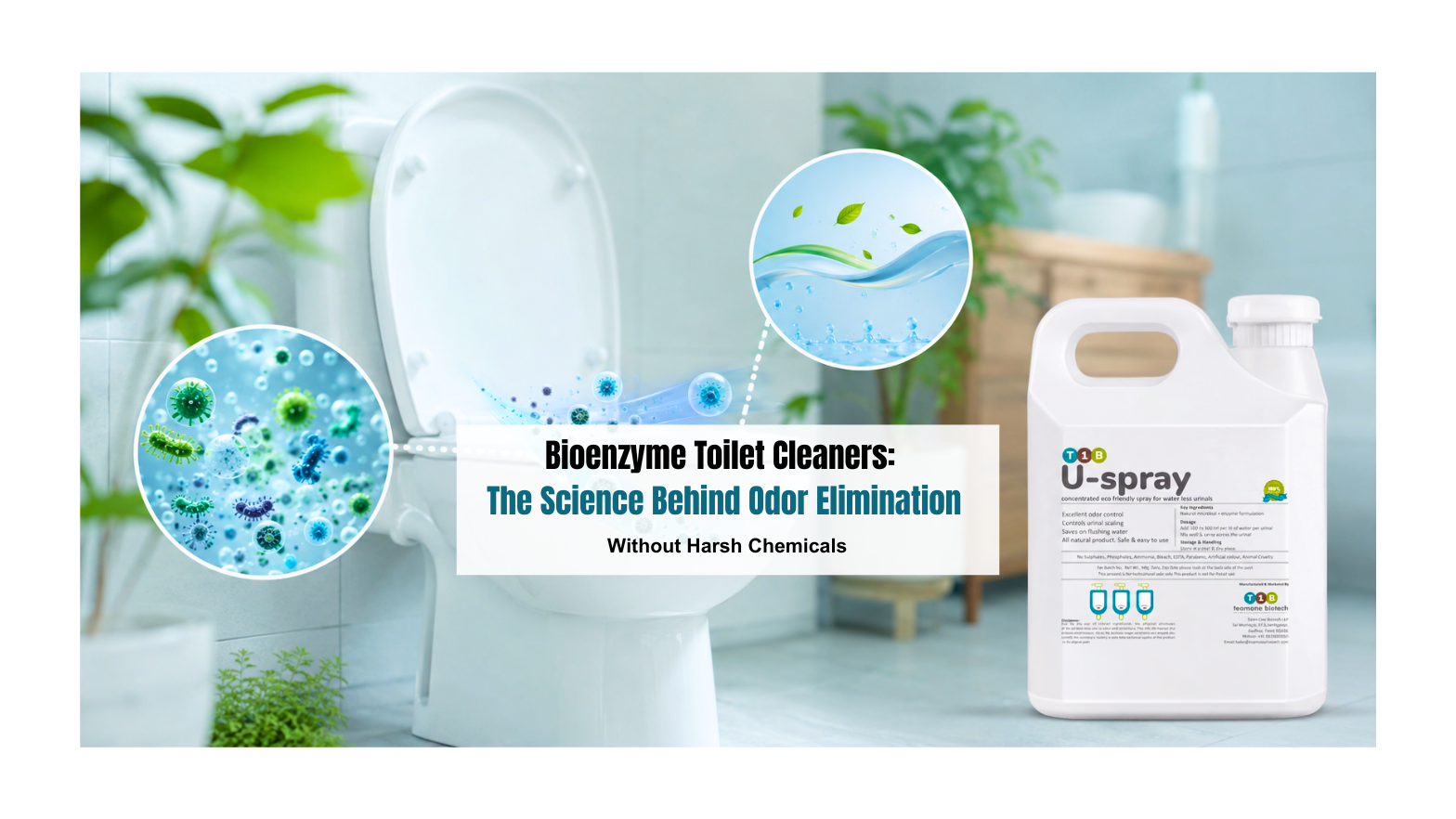
Bioenzyme Cleaners for Hospitals: Non-Toxic Phenyl Alternative
Bioenzyme Cleaners for Hospitals: Infection-Safe and Non-Toxic Alternatives to Phenyl

The Scent of Safety Is a Lie We Were Sold

Walk into almost any hospital corridor across India and you will encounter it, that sharp, almost aggressive sting of phenyl cutting through the air. For decades, that smell has been culturally coded as “clean.” Patients find comfort in it. Administrators take pride in it. Procurement heads buy more of it because complaints go down when the ward smells like something was done.

But here is the uncomfortable truth that facility managers across Indian healthcare institutions are beginning to reckon with: phenyl does not clean. It masks. It suppresses. It overwhelms your sensory perception of a problem while leaving the biological reality of that problem very much intact.

The question facing every hospital administrator, every procurement head, and every facility management professional responsible for high-footfall institutions, whether that is a 500-bed hospital, a corporate hub with 3,000 daily occupants, or a school with hundreds of children, is no longer whether traditional chemical cleaners work. The question is whether you can afford the true cost of continuing to use them.

Team One Biotech exists precisely at this inflection point. And what follows is the science, the strategy, and the institutional logic behind making the shift to a bioenzyme cleaner for  hospital model that is both infection-safe and genuinely non-toxic.

What Phenyl Actually Does, And What It Doesn’t

What Phenyl Actually Does, And What It Doesn't

Phenyl and phenolic compounds function through chemical toxicity. They disrupt microbial cell membranes on contact, which sounds effective until you understand the operational limitations of that mechanism.

Phenolic cleaners are broad-spectrum biocides. They kill, indiscriminately and superficially. The moment the chemical evaporates or is diluted by foot traffic, mopping water, or natural humidity, its efficacy plummets. The biofilm, that invisible, multi-layered colony of bacteria that adheres to tiles, grout lines, and drains, remains structurally intact. Phenyl kills the top layer and the colony rebuilds within hours.

In Indian healthcare environments specifically, this cycle is particularly dangerous. Tropical humidity between 70% and 90% for large portions of the year accelerates microbial regrowth. High patient turnover in government and private hospitals means floors are stressed with organic load, blood, urine, food particles, saliva, far beyond what a surface-level biocide can manage across a full operational day.

The phenyl does not reach what it needs to reach. And it never did.

The Bioenzyme Difference: Cleaning at the Molecular Level

The Bioenzyme Difference: Cleaning at the Molecular Level

This is where enzymatic science changes the conversation entirely.

A bioenzyme cleaner hospital grade solution does not kill microbes through chemical shock. It deploys a consortium of naturally derived biological catalysts, enzymes, that are precision-engineered to break down the organic substrates that bacteria feed on and colonize.

The Three Enzymes Your Facility Needs to Understand

Protease targets protein-based waste. In a hospital context, that means blood residue, pus, skin cells, and mucus. These are the organic materials that standard cleaners smear across surfaces without truly degrading them.

Lipase breaks down lipid and fat-based compounds. Relevant in hospital cafeterias, patient wards where dietary supplements are administered, and surgical areas where biological fats are present in significant quantities.

Amylase degrades starch and carbohydrate-based organic matter, the food residues in dining areas, pediatric wards, and high-traffic corridors that create sticky films on tiles, inviting bacterial adhesion.

Together, these three enzyme classes, along with supporting bacterial cultures, do not just suppress the symptoms of contamination. They consume the substrate. When the food source for pathogenic organisms is digested at a molecular level, the ecological basis for bacterial proliferation is removed. This is sustainable sanitation in its truest scientific definition.

The enzymes continue working long after application, persisting in grout lines, drain pipes, and porous surfaces for extended periods depending on ambient conditions. This residual activity is something no phenolic compound can match without repeated, costly reapplication.

Facility Managers, This Is Your Compliance Problem Too

If you are responsible for a hospital, a corporate campus, or an institutional facility with an Effluent Treatment Plant (ETP), the regulatory landscape in India is tightening in ways that phenyl-dependent operations are not equipped to handle.

Phenolic compounds are persistent environmental contaminants. When mop water loaded with phenol derivatives enters your ETP, you are introducing compounds that interfere with the biological treatment processes within the plant itself. The very microorganisms that your ETP depends on to process organic effluent are suppressed by the same chemicals you are using to clean your floors.

The result is a documented pattern across institutional facilities in India: ETPs running below biological efficiency, requiring more frequent chemical dosing, and producing effluent that struggles to meet CPCB (Central Pollution Control Board) discharge norms. Facilities that undergo green audits, increasingly common for NABH-accredited hospitals and ISO-certified corporate campuses, are finding phenolic chemical loads flagged in their environmental compliance reports.

Bioremediation for Indian healthcare is not a futuristic concept. It is a present-day regulatory and operational imperative.

Enzymatic floor cleaners vs phenyl is no longer just a cleaning debate. It is an environmental audit conversation.

Ready to understand how Team One Biotech’s enzymatic solutions integrate with your existing ETP and facility protocols? Connect with our institutional team today for a no-obligation site assessment.

The Comparison Your Procurement Team Has Been Waiting For

ParameterBioenzyme CleanerPhenyl / Phenolic Compounds
Mechanism of ActionEnzymatic degradation of organic substrateChemical toxicity, surface-level microbial kill
Residual ActivityContinues post-application in porous surfacesCeases upon evaporation or dilution
Biofilm EliminationAddresses root substrate layerKills surface layer only; biofilm rebuilds
Toxicity ProfileNon-toxic, biodegradableToxic to humans, aquatic organisms, ETP bacteria
Staff Health RiskNegligible with standard handlingSkin irritation, respiratory sensitization with prolonged exposure
ETP CompatibilitySupports biological ETP functionSuppresses ETP microbial activity
Environmental Audit ImpactSupports Green Vertical complianceFlagged in CPCB and green audit reports
Odor ProfileLow-odor to neutralStrong chemical odor (often mistaken for cleanliness)
Applicable SurfacesTiles, grout, drains, porous floors, corridorsHard non-porous surfaces
Long-Term Cost EfficiencyReduces reapplication frequency by approximately 40% to 60%Requires consistent reapplication due to no residual activity
Regulatory AlignmentAligned with NABH green standardsIncreasingly non-compliant in green audit contexts

Disclaimer: These are general performance values and results may vary based on specific ETP configurations and site-specific microbial loads.

Why Indian Healthcare Has a Unique Obligation to Make This Shift

Why Indian Healthcare Has a Unique Obligation to Make This Shift

The Indian institutional context, and particularly the healthcare environment, carries specific burdens that Western facility management frameworks do not fully account for.

Footfall density in Indian government and private hospitals routinely exceeds international benchmarks. A 300-bed district hospital in a Tier-2 Indian city may receive between three and five times the patient-facing footfall of a comparably sized European facility. The organic load on floors, drains, and surfaces is proportionally higher. Cleaning protocols built around hourly phenyl application are not failing because of poor execution, they are failing because the chemistry is insufficient for the scale of the biological challenge.

Tropical humidity compounds this. Bacterial doubling times in warm, humid environments are significantly shorter than in temperate climates. A surface cleaned with phenyl at 7 AM may carry measurable microbial load by mid-morning without the enzymatic substrate elimination that a non-toxic hospital grade cleaner provides.

Additionally, contract housekeeping staff, the frontline of institutional cleaning across Indian hospitals, malls, schools, and corporate hubs, face cumulative exposure to phenolic compounds that occupational health frameworks are beginning to take seriously. Respiratory sensitization, dermatological impact, and neurological effects of chronic low-level phenol exposure are documented concerns that institutional employers carry liability for.

The shift toward facility management solutions built on bioenzyme platforms is therefore not altruism. It is institutional risk management.

Green Verticals and the Audit-Ready Hospital

NABH accreditation standards, green building certifications like IGBC and GRIHA, and institutional CSR frameworks are collectively pushing Indian healthcare and corporate campuses toward what is being termed the “Green Vertical”, an operational philosophy where environmental performance is embedded in daily facility management, not treated as a separate sustainability initiative.

Enzymatic cleaners sit naturally within this framework. Their biodegradable formulations introduce no persistent chemical load into water systems. Their compatibility with biological ETPs means your effluent treatment continues functioning as designed. Their low-VOC profiles improve indoor air quality, a metric increasingly captured in green audits for hospitals and enclosed commercial spaces.

For procurement heads evaluating facility management solutions against both operational and compliance criteria, enzymatic alternatives represent a defensible, audit-ready choice. The documentation trail, safety data sheets, biodegradability certifications, ETP compatibility assessments, is cleaner than anything a phenolic supplier can provide in the current regulatory environment.

Procurement decision approaching? Team One Biotech offers institutional procurement support including bulk supply programs, staff training on enzymatic application protocols, and compliance documentation packages. Speak to our B2B solutions team.

Addressing the Operational Objections

“Our cleaning staff is trained on phenyl-based protocols.”

Enzymatic application methods are comparable in equipment requirements and slightly simpler in dilution management. Training timelines for housekeeping staff on bioenzyme protocols are typically completed within a standard onboarding cycle.

“We need immediate kill for infection control.”

Enzymatic cleaners address the foundational driver of hospital-acquired infection risk, the organic substrate that supports pathogen colonization. For acute disinfection needs in surgical or isolation areas, enzymatic maintenance cleaning and targeted medical-grade disinfection are not mutually exclusive. The enzymatic system handles the sustained biological environment; targeted disinfectants handle acute events. This layered approach represents best-practice infection control, not a compromise.

“Phenyl is cheaper.”

The reapplication frequency required to maintain phenyl’s limited residual effect, combined with ETP remediation costs, staff health liabilities, and green audit penalties, routinely makes phenolic systems more expensive at the institutional scale when total cost of ownership is calculated honestly.

The Standard of Clean That Actually Protects

The pungent smell of phenyl is not the scent of safety. It is the scent of a chemical transaction that ends the moment the bucket is put away. Real cleanliness in a hospital ward, a school corridor, or a corporate atrium is biological, not olfactory. It is the absence of the substrate that pathogens need to survive, and that absence is only achievable through enzymatic action that works at the molecular level.

For facility managers, hospital administrators, and procurement heads navigating the complexity of Indian institutional environments, the footfall, the humidity, the regulatory pressure, the staff welfare obligations, the case for a bioenzyme cleaner hospital framework is no longer emerging. It has arrived.

Team One Biotech has built its institutional bioremediation practice on the premise that facilities should not have to choose between effective cleaning and responsible chemistry. The science has matured. The regulatory environment is moving. The only remaining variable is whether your facility gets ahead of that curve or catches up to it.

Team One Biotech provides institutional-grade bioenzyme cleaning solutions purpose-built for Indian healthcare, corporate, and educational facilities. Contact our facility management solutions team to schedule a site assessment, request a product trial, or access our compliance documentation library. Your facility’s biological environment deserves better than a surface-level solution.

All performance ranges cited in this article are general indicative values. Results may vary based on specific ETP configurations, ambient temperature and humidity conditions, application frequency, and site-specific microbial loads. Team One Biotech recommends a formal site assessment prior to protocol implementation.

Looking to improve your ETP/STP efficiency with the right bioculture?
Talk to our experts at Team One Biotech for customised microbial solutions.

Contact+91 8855050575

Email:  sales@teamonebiotech.com

Visit: www.teamonebiotech.com

Discover More on YouTube – Watch our latest insights & innovations!-

Connect with Us on LinkedIn – Stay updated with expert content & trends!
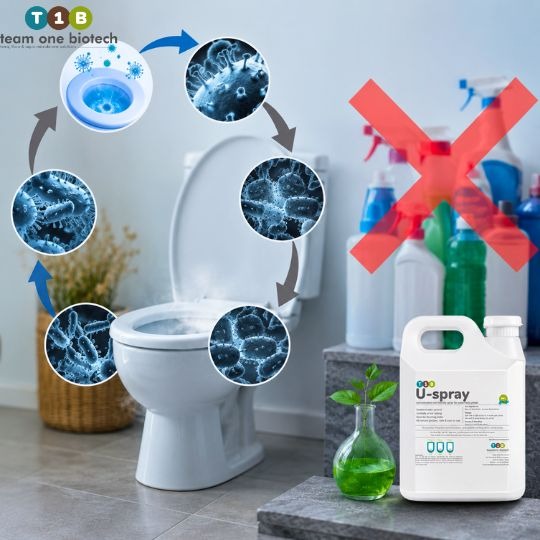
Scan the code