Washroom Odor Control in Public Toilets: Using Bacterial Cultures for Long-Term Results

A freshly renovated corporate headquarters in Gurugram or Bengaluru. Polished granite floors, motion-sensor faucets, premium sanitary ware. The facilities team has spent weeks ensuring everything is spotless before the doors open. And then, within three months, the same complaint arrives from every corner of the building, the washrooms smell.

Not faintly. Aggressively.

For a facility manager, few operational failures carry the reputational weight of a malodorous restroom. It does not matter how sophisticated the air-conditioning system is, or how regularly the housekeeping team mops the floors. The odor is still there, embedded deep beneath the surface, reactivated by every flush and every degree of rising temperature. In a hospital corridor, it triggers patient anxiety. In a school, it discourages children from using the facilities at all, with downstream consequences on health. In a shopping mall, it shortens dwell time and quietly damages the brand promise.

Facility managers across sectors know this trap intimately. The standard response, deploying heavy aerosol masking fragrances, pouring acid-based urinal cleaners, and scheduling more frequent mopping cycles, provides relief for a few hours at most. By the afternoon peak, the complaints are back.

This is not a housekeeping failure. It is a chemistry problem, and no amount of fragrance can solve a chemistry problem.

What actually solves it is biology.

This is where a purpose-engineered washroom odor control solution built on live bacterial cultures changes the entire equation. Team One Biotech has spent years developing industrial-grade biological formulations for organic waste conditions found in Indian institutional and commercial washrooms. Understanding why these solutions work requires first understanding why everything else does not.

The Root Cause: What Your Chemical Cleaner Is Missing
The Root Cause: What Your Chemical Cleaner Is Missing

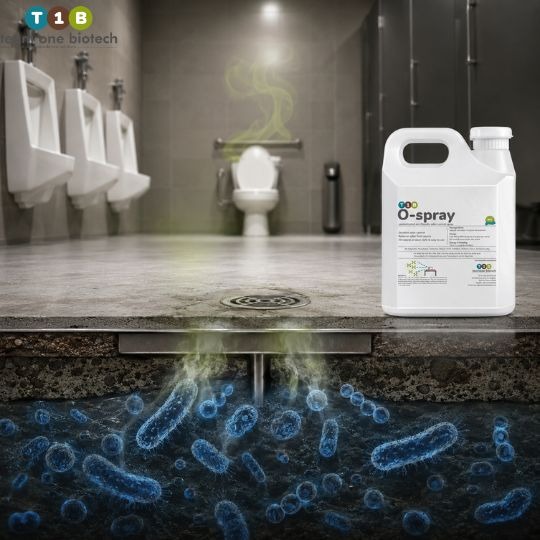
The odor you detect in a heavily used public toilet is not surface dirt. By the time it registers in the air, the source is already microscopic, layered into porous surfaces, and largely invisible to standard cleaning protocols.

Here is the mechanism:

When urine contacts a tile floor or the grout between tiles, uric acid crystals begin forming immediately. Uric acid is notoriously insoluble in water. Standard mopping, even with disinfectant solutions, breaks up the surface residue but leaves the crystallized uric acid deposits intact within grout lines, cracks in flooring screed, and the micro-pores of older or lower-grade ceramic tiles.

Over time, ambient moisture reactivates these crystals, and the bacteria already present in the environment begin breaking them down through their own metabolic processes, releasing ammonia and mercaptans, the sulfuric, sharp, eye-watering compounds that define institutional restroom odor at its worst.

The core failure of chemical cleaners in commercial restroom odor removal is structural, not operational. Acid-based cleaners dissolve surface buildup but cannot penetrate deep enough into grout to address established uric acid deposits. Masking fragrances introduce a pleasant olfactory distraction for a brief window but do nothing to interrupt the decomposition cycle underneath. Heavy disinfectants kill surface bacteria but also damage the grout and sealant over time, increasing porosity, which actually accelerates future odor buildup.

In the Indian climate, this problem is not just more frequent. It is orders of magnitude more intense. Ambient temperatures across most of the subcontinent, routinely between 32°C and 42°C during peak seasons, accelerate organic waste degradation and microbial proliferation dramatically. High relative humidity compounds the effect. The result is that a washroom that might sustain a chemical cleaning cycle for 24 hours in a temperate climate may revert to baseline odor conditions in as little as 4 to 8 hours during an Indian summer. No fragrance budget survives that math.

The Science of Bioremediation: How Team One Biotech’s Bacterial Cultures Work
The Science of Bioremediation: How Team One Biotech's Bacterial Cultures Work

The biological approach to commercial restroom odor removal does not operate on the same logic as a cleaning product. It operates on the logic of an ecosystem.

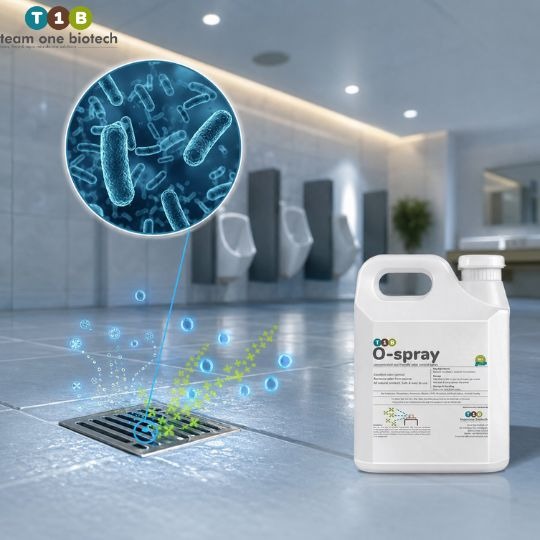
Bacterial culture for cleaning in this context refers to carefully selected, concentrated formulations of non-pathogenic, beneficial microorganisms, primarily spore-forming bacilli and enzyme-producing strains, that target specific organic compounds as their food source.

When Team One Biotech’s bacterial formulations are introduced into a washroom environment through regular application protocols, the following sequence occurs:

  • The bacteria secrete enzymes, proteases, ureases, and lipases, that break down uric acid, urea, proteins, and fats at the molecular level. This is not surface action. Enzymes penetrate into porous grout and reach deposits that no liquid chemical can access.
  • Organic matter is consumed, not masked. The bacteria metabolize the odor source directly. Ammonia is not covered up; it is eliminated as a byproduct of the bacteria’s own metabolic cycle.
  • A self-sustaining biofilm establishes itself on treated surfaces over an initial period of approximately 2 to 4 weeks. This beneficial biofilm competes actively with and displaces odor-causing bacterial communities, maintaining a biologically suppressed environment between cleaning cycles.

Note: These are general values and operational outcomes will vary based on the specific design, microbial load, and unique parameters of individual Effluent Treatment Plants (ETPs).

The practical implication for a facility manager is profound: rather than a cleaning product that needs to be reapplied constantly to compensate for its own short effectiveness window, a biological treatment builds compounding results over time. The longer it is in place, the more stable and self-maintaining the odor control becomes.

This is institutional hygiene solutions design at its most efficient, biology doing the work that chemistry fundamentally cannot.

Sector Impact Analysis: Why the Stakes Are Different Depending on Who Uses Your Washrooms
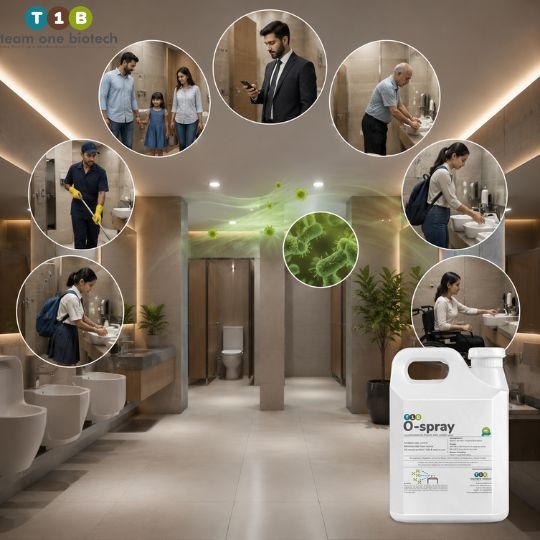
Sector Impact Analysis: Why the Stakes Are Different Depending on Who Uses Your Washrooms

Hospitals

In a healthcare setting, the public toilet maintenance standard is not just about comfort, it is a clinical and regulatory matter. Persistent ammonia odors in patient washrooms or ward toilet facilities directly correlate with patient-reported dissatisfaction and, in certain ward environments, can indicate inadequate sanitation protocols to visiting inspectors.

The critical constraint here is that many chemical approaches introduce their own problems. Harsh acid cleaners and heavy disinfectants release volatile organic compounds (VOCs) that are a documented irritant for patients with respiratory conditions, post-surgical sensitivities, and compromised immune responses. In a neonatal unit or oncology ward, this is not a theoretical risk, it is an operational one.

Team One Biotech’s bacterial cultures are non-toxic, non-fuming, and non-corrosive. They produce no VOCs. They do not require evacuation of the area during or after application. For hospitals managing an uninterrupted schedule of patient movement, this matters enormously. The biological formulation continues working passively after application, requiring no extended dwell time that would take a washroom out of service.

Schools

A school environment presents a uniquely demanding set of washroom conditions. The combination of high-frequency usage across a tight time window, the brief intervals between classes, chaotic usage patterns from younger students, and inconsistent adherence to basic hygiene by children creates an organic load that can overwhelm standard cleaning schedules within hours.

More critically, any cleaning chemistry used in a school environment must meet a non-negotiable standard: it cannot pose a risk to children. Several institutional disinfectants and acid-based urinal cleaners carry cautionary labeling that makes their use around school populations at minimum uncomfortable and at maximum a compliance concern.

Bacterial cultures for cleaning in school washrooms are inherently safe. The microorganisms used are the same category of non-pathogenic bacteria present in healthy soil and in probiotic-grade food products. There is no caustic reaction risk, no fume hazard, and no risk from incidental contact. For school administrators who manage both the operational reality and the duty-of-care obligation, this matters as much as the odor control outcome itself.

Additionally, the organic waste degradation capacity of the bacterial formulation handles the specific waste profile of school washrooms, including the higher incidence of paper waste, food residue, and surface contamination, more comprehensively than standard mopping with a disinfectant.

Shopping Malls and Corporate Office Complexes

In premium commercial real estate, the washroom is an underappreciated brand touchpoint. A luxury mall that invests heavily in retail fit-out and shopper experience cannot afford to send a customer from a flagship boutique into a malodorous restroom. The sensory jarring is immediate and the associative brand damage is real. The same principle applies to a corporate office complex hosting clients.

There is a secondary and less frequently discussed consequence of heavy chemical use in these environments: structural degradation. Acid-based cleaners, applied repeatedly over months and years, erode grout, pit tile glazing, and compromise the sealant integrity of flooring systems. In facilities where the original tile and stone work represent a significant capital investment, the accelerated replacement cycle driven by chemical damage is a genuine cost center.

Bacterial culture applications, by contrast, are pH-neutral and non-corrosive. They extend the life of washroom surfaces rather than compromising them. For a mall or corporate facility running on an asset protection mandate, this is a measurable operational benefit beyond the odor control outcome.

Head-to-Head: Chemical Cleaners vs. Bacterial Cultures

ParameterChemical Cleaners / Masking AgentsTeam One Biotech Bacterial Cultures
Odor EliminationTemporary masking; source remains activeEliminates the organic source at molecular level
Depth of ActionSurface and near-surface onlyPenetrates grout, pores, and subsurface deposits
Duration of Effect4 to 12 hours typicallyBuilds toward sustained control over 2 to 4 weeks
Surface ImpactAcid-based formulas degrade grout and tile over timepH-neutral; protects and preserves surface integrity
VOC / Fume EmissionPresent in many industrial-grade formulationsNone; non-fuming and non-toxic
Safety ProfileRequires precautions, PPE in some applicationsSafe for occupied spaces including schools and hospitals
Environmental LoadHigh chemical oxygen demand in wastewater dischargeLow; biodegradable; reduces ETP shock load
Long-Term Cost TrendRecurring and escalating as resistance and porosity increaseReduces over time as biofilm self-maintains

Note: These are general values and operational outcomes will vary based on the specific design, microbial load, and unique parameters of individual Effluent Treatment Plants (ETPs).

If your current washroom protocol is delivering the same complaints on a weekly cycle, it is time to request a biological audit. Contact Team One Biotech to assess your facility’s specific organic load profile and design a targeted bacterial culture program.

The Indian Compliance and ETP Synergy: A Factor That Most Facility Managers Have Not Considered
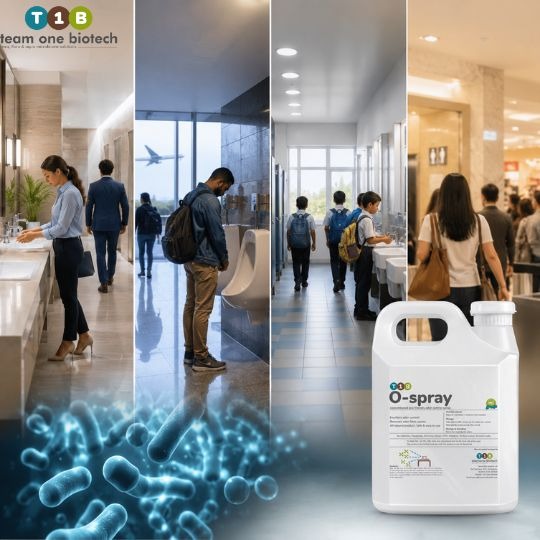
There is a dimension to this conversation that rarely appears in discussions about public toilet maintenance in India but has significant operational and regulatory relevance: what happens to your washroom wastewater after it leaves the drain.

Commercial and institutional facilities above a certain footprint are required to manage their wastewater through on-site or shared Effluent Treatment Plants (ETPs). The performance of these ETPs is directly affected by what flows into them.

Heavy chemical cleaners, particularly acid-based products and quaternary ammonium disinfectants used in high volumes across large facilities, introduce a chemical shock load into the wastewater stream. This disrupts the biological treatment processes within the ETP, which rely on their own microbial communities to break down organic matter. When those microbial communities are suppressed by incoming chemical load, ETP performance degrades, effluent quality declines, and the facility moves closer to a compliance threshold.

Switching to bacterial-culture-based institutional hygiene solutions has a directly measurable effect on this dynamic. Bioenzyme-based cleaning products do not introduce disruptive chemicals into the wastewater stream. In fact, the active bacterial content in the wastewater actually supplements the biological processes within the ETP, improving organic load digestion by approximately 30% to 60% in well-managed systems.

Note: These are general values and operational outcomes will vary based on the specific design, microbial load, and unique parameters of individual Effluent Treatment Plants (ETPs).

This alignment with Indian sustainability standards, particularly as regulatory scrutiny of commercial wastewater compliance intensifies under frameworks like the Environment Protection Act and CPCB discharge norms, makes the biological transition not just operationally sensible but strategically sound. Facility managers who are ahead of this curve will have a significantly simpler compliance conversation than those who are not.

Moving from Reactive Odor Masking to Proactive Biological Control

The operational reality for most facility managers today is that washroom odor management is a firefighting exercise. A complaint arrives, a cleaning crew responds, a fragrance is deployed, and the cycle repeats. The budget is consumed not in prevention but in constant response.

Biological treatment reframes this entirely. The investment is front-loaded in the establishment phase, the 2-to-4-week period during which the bacterial biofilm colonizes treated surfaces and begins outcompeting odor-causing microbial communities. After that window, the maintenance requirement decreases, the complaint frequency drops, and the operational cost of managing washroom hygiene begins to normalize at a lower level.

Note: These are general values and operational outcomes will vary based on the specific design, microbial load, and unique parameters of individual Effluent Treatment Plants (ETPs).

For hospitals managing patient perception and clinical compliance simultaneously. For schools managing a duty of care alongside a tight maintenance budget. For malls and corporate complexes managing brand equity through every square foot of the facility, this is not a marginal improvement. It is a structural change in how washroom hygiene works.

The question is not whether bacterial cultures deliver better long-term results than chemical cleaners. The science, the field data, and the environmental chemistry are unambiguous on that point.

The question is when your facility makes the transition.

Partner with Team One Biotech for a Site-Specific Washroom Bioremediation Audit

Team One Biotech works directly with facility managers, operations directors, and administration heads to design bioremediation programs that are built around the specific organic load, footfall patterns, surface conditions, and wastewater management requirements of your individual facility, not a generic off-the-shelf protocol.

Our washroom bioremediation audits cover:

  • Surface and grout assessment for existing uric acid and organic waste penetration depth
  • Microbial load profiling to identify dominant odor-causing bacterial communities
  • Custom bacterial culture selection matched to your facility’s waste chemistry
  • ETP compatibility review to ensure your biological transition supports, not disrupts, your wastewater management system
  • Implementation protocol design with measurable performance checkpoints

If your facility is a hospital, a school campus, a shopping mall, or a corporate complex with a persistent washroom odor problem that conventional cleaning has failed to resolve, the answer has been biological from the beginning. You now know exactly why.

Reach out to Team One Biotech today. Let us conduct a washroom bioremediation audit at your facility and build you a biological odor control program that actually lasts.

Looking to improve your ETP/STP efficiency with the right bioculture?
Talk to our experts at Team One Biotech for customised microbial solutions.

Contact: +91 8855050575

Email:  sales@teamonebiotech.com

Visit: www.teamonebiotech.com

Discover More on YouTube – Watch our latest insights & innovations!-

Connect with Us on LinkedIn – Stay updated with expert content & trends!
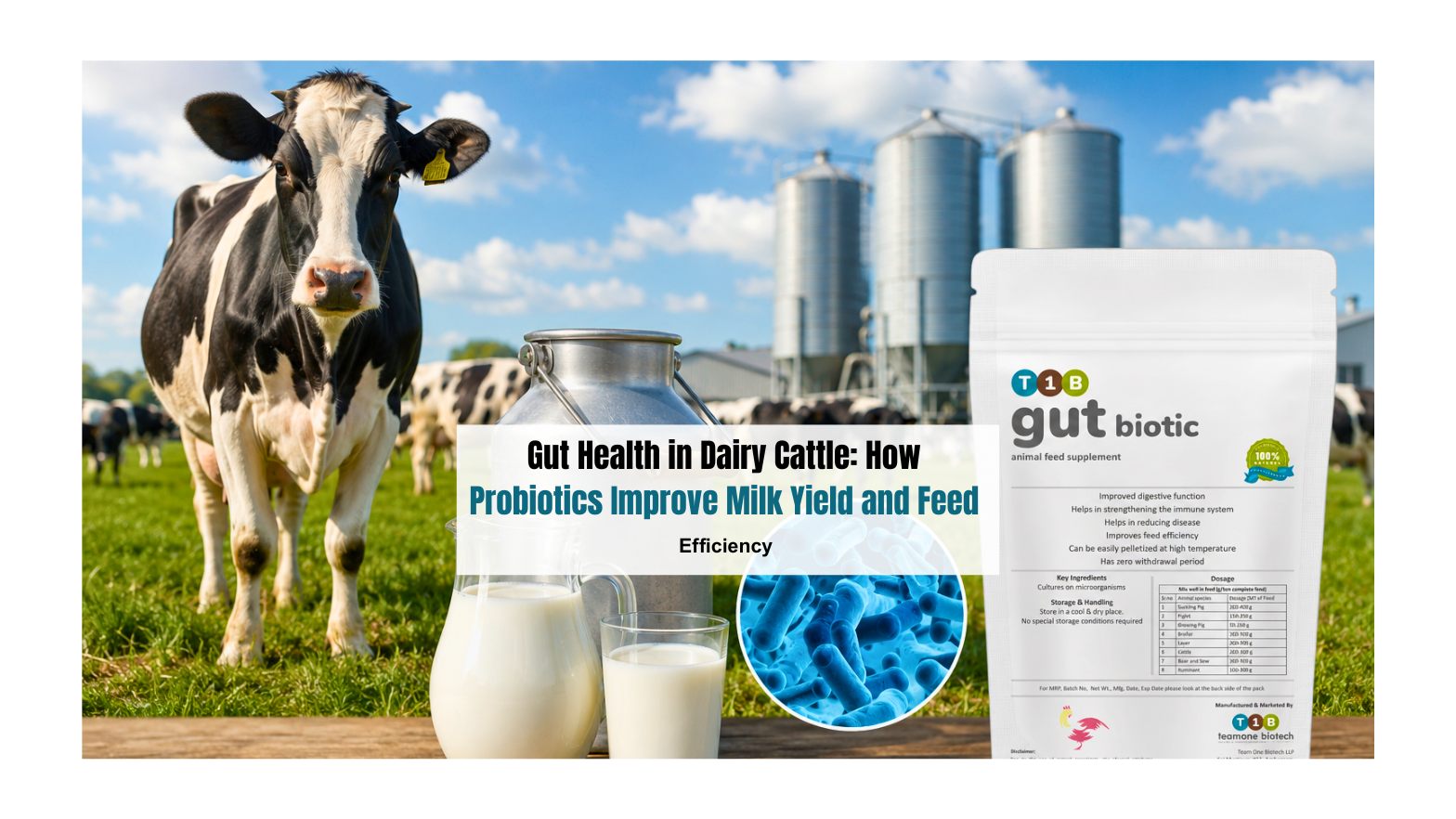
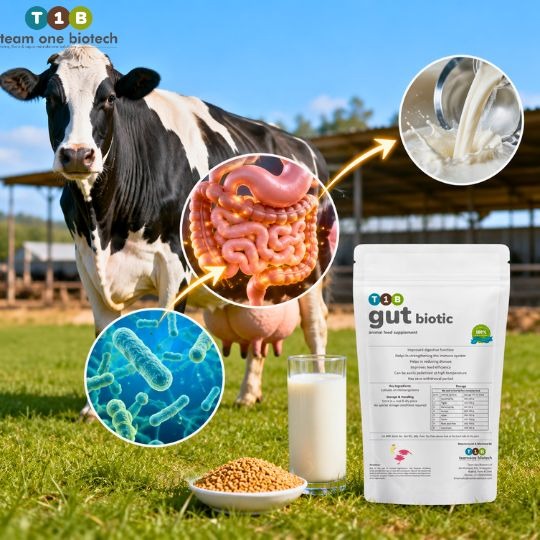
Gut Health in Dairy Cattle: How Probiotics Improve Milk Yield and Feed Efficiency

There is a particular kind of frustration that every serious dairy farmer knows well. You have invested in quality animals, you are sourcing the best fodder you can afford, your workers are putting in long hours, and yet, milk yield fluctuates, feed conversion feels inefficient, and your veterinary bills keep climbing. In an environment where input costs are rising faster than milk procurement prices, the margin between a profitable farm and a struggling one can feel razor-thin.

What if a significant part of the problem was invisible, living inside your cattle’s digestive system?

Gut health is one of the most underestimated levers in dairy farm management across global markets. And the science of probiotics for dairy cattle is emerging as one of the most practical, cost-effective tools available to farmers who want to close the gap between potential and actual performance.

The Rumen: Your Cattle’s Internal Bioreactor

The Rumen: Your Cattle's Internal Bioreactor

To understand why gut health matters so profoundly, you need to think of the rumen not as a stomach, but as a living fermentation chamber, a complex bioreactor packed with billions of microorganisms working around the clock.

Every kilogram of feed your animal consumes passes through this microbial ecosystem first. Bacteria, protozoa, and fungi in the rumen collectively break down cellulose and hemicellulose from fibrous fodder, synthesize volatile fatty acids (the primary energy source for the cow), and produce microbial protein that supports milk synthesis.

When this ecosystem is balanced, feed is converted efficiently, the cow stays healthy, and milk production reflects the quality of inputs. When it is disrupted, by heat stress, abrupt feed changes, poor fodder quality, or pathogen load, the entire chain breaks down.

The pH of the rumen is a precise indicator of this balance. A healthy rumen operates within a specific acidic range, and even a modest shift toward excessive acidity can impair fiber digestion, suppress immunity, and reduce milk fat percentage. This condition, known as sub-clinical acidosis, is often missed because affected animals do not show dramatic symptoms. They simply perform below their potential, quietly, consistently, and at your expense.

This is where probiotics for dairy cattle enter the picture. By introducing beneficial microbial strains directly into the feed, you actively support the rumen’s microbial balance and restore the conditions that drive optimal performance.

How Probiotics Improve Milk Yield

How Probiotics Improve Milk Yield

Stabilizing Rumen pH and Preventing Sub-Clinical Acidosis

Sub-clinical acidosis is arguably the most financially damaging condition on high-producing dairy farms, and it is almost never diagnosed. Cows affected by it eat less, digest fiber poorly, and shift energy away from milk synthesis. Milk fat percentage drops, often quietly, before farmers notice.

Probiotic strains, particularly certain Lactobacillus and Enterococcus species combined with yeast-based additives, work by consuming excess lactic acid in the rumen, stabilizing pH, and creating conditions where fiber-digesting bacteria can thrive. When fiber digestion improves, more energy is released per kilogram of feed, and that energy goes where you want it: into milk production.

Farms that incorporate microbial feed additives into their nutrition programs consistently observe improvements in milk yield within the range of 5% to 15% over baseline measurements. These improvements are particularly noticeable during periods of dietary transition or seasonal stress. It is important to note that these are general values and actual results may vary significantly based on farm-specific environmental conditions, the quality of baseline nutrition, and the specific formulation used.

The Role of Microbial Diversity in Consistent Milk Quality

Milk is not just volume, it is composition. Fat, protein, and solids-not-fat are the parameters that determine your price per litre at the cooperative or processor level. A rumen that is rich in diverse, beneficial microbial communities produces a more consistent fermentation pattern, which translates into more stable milk fat and protein levels across the lactation cycle.

Probiotics for dairy cattle essentially act as a microbial “top-up”, replenishing populations that are lost due to stress, antibiotic use, or poor fodder quality, and reestablishing the community structure that drives quality milk synthesis.

Feed Efficiency and Nutrient Use Efficiency

Feed Efficiency and Nutrient Use Efficiency

Breaking Down Fiber More Completely

Dairy farmers worldwide work with a highly varied fodder base. Green fodder availability is seasonal and geography-dependent. Dry fodder, including wheat straw, crop residues, hay, and silage, dominates the ration across many regions and seasons, particularly in areas with limited irrigated pasture or during winter months. These materials are nutritionally challenging. Their cell wall structure is dense, and without a well-functioning rumen microbiome, much of the potential energy passes through unutilized.

Specific probiotic strains have demonstrated the ability to enhance fiber-degrading enzyme activity in the rumen. Cellulolytic bacteria, when supported by compatible probiotic additions, become more active and efficient. The practical result is that your cattle extract more energy and nutrients from the same quantity of feed.

Improvements in Nutrient Use Efficiency (NUE) as a result of consistent probiotic supplementation have been observed in the range of 6% to 14% in peer-reviewed field trials across varied livestock production contexts. These are general values, and outcomes will depend on the specific farm environment, existing feed quality, cattle breed, and the formulation profile of the probiotic product being used.

Reducing Feed Costs Per Litre of Milk

The true financial benefit of improved NUE is not just that cattle perform better, it is that they perform better on less. When more of each kilogram of feed is converted into productive output, your cost per litre of milk produced comes down. Over a full lactation cycle, this shift can have a meaningful impact on your bottom line.

If you are managing a herd of 30 or more animals, even a modest improvement in feed conversion across the group accumulates into significant savings at the end of the year. Consulting with Team One Biotech for a herd-specific probiotic strategy can help you identify where the greatest efficiency gains are available in your current feeding program.

Immunity, Antibiotic Reduction, and Herd Resilience

Immunity, Antibiotic Reduction, and Herd Resilience

A Healthier Gut Is a Stronger Immune System

Approximately 70% of the immune system’s activity is rooted in the gastrointestinal tract. This is as true in ruminants as it is in humans. A rumen and gut lining that are populated with beneficial microorganisms create a physical and biochemical barrier against pathogens. Harmful bacteria have fewer sites to colonize, competitive exclusion keeps their populations suppressed, and the immune cells lining the gut are better activated and more responsive.

The downstream effect is fewer clinical illness events, fewer mastitis cases, lower rates of respiratory infection, and reduced incidence of metabolic disorders post-calving. Farms that shift toward probiotic-supported herd management frequently report a reduction in routine antibiotic use, which carries both economic and regulatory advantages as governments worldwide move toward stronger antimicrobial stewardship norms in livestock production.

Heat Stress Resilience in Commercial Dairy Operations

This is a dimension of probiotic science that is directly relevant to dairy farmers operating in warm and temperate climates globally, and it is not discussed enough. Regions across the Americas, the Middle East, sub-Saharan Africa, Southeast Asia, Southern Europe, and Australia subject high-producing Holstein-Friesian and Jersey animals to sustained thermal loads that their genetics were not originally designed to handle.

Heat stress suppresses feed intake, disrupts rumen fermentation, and triggers a cascade of hormonal and metabolic changes that directly reduce milk yield and reproductive performance. Adapted breeds handle heat better due to their physiology, but even they are not immune to the compounding effects of prolonged heat combined with poor gut health.

Certain probiotic formulations help the rumen microbiome maintain stability under thermal stress conditions. By supporting fermentation efficiency even when feed intake drops, probiotics help buffer the production losses that farmers in warmer climates accept as seasonal inevitability, losses that do not have to be as severe as they currently are. Improvements in heat stress resilience observed through probiotic supplementation range from moderate to significant depending on the severity of the thermal environment, breed, and baseline herd health. These are general values, and results will vary based on farm-specific conditions and environmental parameters.

The Global Context: Local Challenges, Targeted Solutions

Fodder Quality Variation Across Seasons

Fodder supply is not consistent in most dairy-producing regions of the world. The gap between flush-season pasture or green fodder and dry-season hay or crop residue-based rations is dramatic, and each transition is a stress event for the rumen microbiome. Probiotics for dairy cattle serve as a stabilizing bridge during these transitions, maintaining microbial populations that would otherwise crash when the feed base shifts suddenly.

Livestock Bioremediation and Farm Waste Management

A point that is increasingly relevant to progressive farm operators globally is the connection between gut health and effluent quality. Healthier digestion produces waste with different microbial and chemical profiles. Incorporating livestock bioremediation strategies, using microbial products to manage slurry, reduce ammonia emissions, and improve biogas yield from farm waste, is a logical extension of probiotic-forward farm management. Team One Biotech works at this intersection, offering solutions that address both animal performance and farm environmental management in an integrated way.

Making Probiotics Work on Your Farm

Probiotics for dairy cattle are not a magic supplement, they are a precision tool. Breed, production stage, local climate, existing feed formulation, water quality, and management intensity all influence which strains perform best and at what dosage.

Generic, off-the-shelf products may deliver inconsistent results because they are not calibrated for your specific herd and conditions. The difference between a product that works and one that does not often comes down to formulation specificity, viable cell count at the time of feeding, and compatibility with your existing ration.

This is precisely why a customized consultation matters. If you are a dairy farmer, cattle operator, or feed manufacturer looking to move beyond generic solutions and build a rumen health strategy that is designed for your operation, reach out to Team One Biotech. Their team of animal nutrition specialists will assess your current program and design a probiotic protocol built around your herd’s biology and your farm’s conditions.

Final Word

The rumen is where profitability begins. Protecting and enhancing the microbial ecosystem inside your cattle is not a fringe idea, it is one of the most evidence-backed interventions available in modern livestock nutrition. As feed costs continue to rise and pressure on milk quality intensifies, the farms that thrive will be the ones that invest in what cannot be seen but makes all the difference.

Probiotics for dairy cattle represent that investment. Done right, with the right strains, the right formulation, and the right guidance, the returns are real, measurable, and sustainable.

Get in touch with Team One Biotech today to explore what a customized rumen health and microbial feed additive program can do for your herd.

Bioenzyme vs. Chemical Drain Cleaners: A Complete Comparison for Facility Managers

It’s a Tuesday morning. Your hospital’s surgical wing is at full capacity. Or your school’s cafeteria is mid-service for 800 students. Or your corporate campus is hosting an investor walkthrough. And then, without warning, a drain line backs up.

The maintenance team reaches for the familiar blue bottle of chemical drain cleaner. Within minutes, the acrid smell drifts through the ventilation system. A nurse flags it. A teacher files a safety complaint. The facilities inbox lights up. You’ve solved one problem and created three more.

This is not a hypothetical. For operations directors and infrastructure heads managing complex, high-traffic plumbing networks across India, this scenario plays out with exhausting regularity. The real question isn’t just how to clear the blockage, it’s whether the solution you’re using is quietly compounding the very problem you’re trying to solve.

The debate around bio drain cleaner vs chemical approaches is no longer a fringe sustainability conversation. For facility managers navigating healthcare compliance, school safety regulations, municipal load restrictions, and increasingly stringent CPCB norms, it has become a core infrastructure decision.

The Chemical Illusion: Fast Results, Slow Damage

The Chemical Illusion: Fast Results, Slow Damage

There’s a reason chemical drain cleaners remain the default in commercial settings. They work fast. Pour a concentrated acid or caustic alkali down a drain and the clog dissolves, often within minutes. For a facility manager under pressure, that speed feels like control.

But what facility plumbing maintenance professionals rarely see is the bill that arrives months later.

What harsh chemical cleaners actually do over time:

  • Pipe degradation: Highly alkaline or acidic formulations attack the internal lining of older cast iron and PVC pipes alike. In buildings constructed more than a decade ago, common across Indian institutional infrastructure, repeated chemical use accelerates micro-fractures that are invisible until they cause a burst.
  • Biofilm disruption without elimination: Chemical agents can strip the surface layer of organic buildup, but they rarely penetrate deep biofilm. What remains continues to accumulate, often faster, because the microbial balance within the pipe has been disrupted.
  • Thermal and fume hazards: In enclosed mechanical rooms and drainage shafts typical of Indian hospitals and high-rise corporate campuses, the off-gassing from chemical cleaners can trigger HVAC safety shutdowns and create genuine occupational health liability.
  • ETP interference: When chemical residues flush downstream into your facility’s Effluent Treatment Plant, they can temporarily neutralize the microbial colonies that your ETP depends on for biological treatment, undermining an expensive, compliance-critical system with a cheap maintenance shortcut.

The chemicals offer an illusion of resolution. The structural and regulatory costs accumulate in silence.

The Bioenzyme Paradigm: Maintenance That Works While You Sleep

The Bioenzyme Paradigm: Maintenance That Works While You Sleep

Enzymatic pipe cleaners and bio drain solutions operate on an entirely different logic. Rather than attacking organic matter with brute chemical force, they introduce concentrated microbial cultures and enzymes that digest fats, oils, grease (FOG), proteins, and cellulose at the molecular level.

Here’s how the process works in a commercial context:

Specific bacterial strains, typically lipase, protease, and amylase producers, are introduced into the drain system in liquid or granular form. These microbes colonize the pipe wall biofilm, continuously breaking down organic deposits as part of their metabolic cycle. Over a period of around 3 to 5 weeks of consistent application, a facility can expect to see a measurable reduction in blockage frequency and drain odour.

Note: These are general values and operational outcomes will vary based on the specific design, microbial load, and unique parameters of individual Effluent Treatment Plants (ETPs).

What makes this approach particularly suited to commercial drain maintenance in complex facilities is its cumulative nature. The microbial population doesn’t reset after each application, it builds. A drain network that has been on a consistent bioenzyme maintenance program for 2 to 3 months behaves fundamentally differently from one treated reactively with chemicals.

It’s the difference between having a maintenance system and having a maintenance crisis management system.

How This Plays Out Across Facility Verticals

How This Plays Out Across Facility Verticals

Hospitals and Healthcare Facilities

Healthcare environments present the highest-stakes intersection of plumbing performance and regulatory compliance. Drain systems in hospitals carry a uniquely hazardous mix: bodily fluids, pharmaceutical residues, surgical waste, and cleaning agent runoff, all moving through a network that must function without interruption.

Chemical cleaners in this context create compounding risks. Fume exposure in patient wards or sterile zones is not merely an inconvenience, it’s a compliance incident. More critically, the indiscriminate nature of strong chemicals means they don’t distinguish between harmful pathogens and the beneficial microbial colonies that help naturally suppress drain-borne hazards.

Eco-friendly bioremediation in healthcare settings offers a different model: targeted microbial cultures that can be selected for compatibility with the specific organic load profile of a hospital drain system. Properly deployed, they compete effectively against pathogenic organisms within the pipe environment, while posing no fume or chemical exposure risk to patients or staff.

Schools and Educational Institutions

In institutional settings serving children and adolescents, the calculus is straightforward: chemical exposure risk is unacceptable as a routine maintenance method. Yet the plumbing loads in Indian schools, particularly large residential schools and university campuses, are significant. Cafeteria grease traps, dormitory drain lines, and high-frequency washroom facilities all generate substantial FOG and organic load.

Bioenzyme solutions applied consistently to these systems address the load without introducing chemical hazards into environments where your exposure liability is at its highest. Over time, the reduction in emergency plumbing calls during academic sessions, when disruption is most costly, represents a tangible operational benefit alongside the safety case.

Malls, Corporate Campuses, and High-Traffic Commercial Hubs

This is where the institutional wastewater treatment challenge becomes genuinely complex. A large mall in a tier-one Indian city might see its food court drainage system handling load spikes during weekends and festivals that dwarf its weekday baseline. Corporate campuses with centralized kitchens face similar variability.

Indian operational conditions add specific layers of difficulty here. Monsoon-season plumbing backups, caused by a combination of elevated groundwater levels, municipal sewer surcharge, and intensified organic decomposition in warm, saturated conditions, can overwhelm drain networks that appear perfectly functional during dry months. Fluctuating municipal water quality affects the chemical behavior of both drain systems and treatment processes.

For facilities running their own Effluent Treatment Plants, the downstream implications of chemical drain cleaner use deserve particular attention. ETPs calibrated to handle specific influent chemistry can be significantly destabilized by periodic chemical flushes from building drainage. Bioenzyme-based maintenance, by contrast, is inherently compatible with biological treatment infrastructure, the microbial cultures in a well-managed drain system can actively support ETP performance rather than undermine it.

A facility managing significant daily wastewater volumes through its own ETP can expect, with consistent bioenzyme application across its drain network, to see improved influent quality reaching the treatment plant within a range of approximately 4 to 8 weeks of implementation.

Note: These are general values and operational outcomes will vary based on the specific design, microbial load, and unique parameters of individual Effluent Treatment Plants (ETPs).

Ready to stop managing plumbing emergencies and start preventing them? Request a custom facility audit from Team One Biotech’s technical team.

Head-to-Head: Bio Drain Cleaner vs Chemical

ParameterChemical Drain CleanersBioenzyme / Microbial Cleaners
Speed of ActionImmediate (hours)Gradual (3–5 weeks for full biofilm colonization)
Structural SafetyDegrades pipe lining over repeated useNon-corrosive; compatible with all pipe materials
Long-Term Cost TrendEscalating (infrastructure damage, emergency calls)Declining (preventive action reduces blockage frequency)
Fume / Safety RiskSignificant; HVAC and occupational hazardNone
ETP CompatibilityDisruptive to biological treatment processesSupportive; enhances downstream microbial activity
Environmental ComplianceRisk of CPCB non-compliance in dischargeAligned with bioremediation-positive regulatory direction
Maintenance FrequencyReactive (applied at point of blockage)Proactive (scheduled, low-dose, continuous)
Efficacy Against FOGSurface-level dissolution onlyDeep molecular digestion of fats, oils, and grease

The ETP Connection: Why CPCB Compliance Makes This Decision Urgent

India’s regulatory environment around industrial and institutional wastewater is tightening. The Central Pollution Control Board’s guidelines on effluent quality increasingly scrutinize the inputs that reach treatment systems, not merely the output. For facilities operating their own ETPs or discharging to municipal treatment infrastructure, the chemical composition of drain cleaning agents is no longer a matter purely of internal maintenance preference.

Chemical drain cleaners that introduce high concentrations of chlorine compounds, strong acids, or persistent surfactants into a building’s wastewater stream can create compliance exposure at the point of ETP discharge testing. Bioenzyme-based maintenance, by design, introduces only biodegradable organic compounds and naturally occurring microbial populations, categories that CPCB’s framework for eco-friendly bioremediation actively supports.

For facility managers in sectors subject to environmental audit, hospitals, large commercial properties, manufacturing-adjacent campuses, this alignment is not a secondary consideration. It is increasingly a risk management requirement.

From Reactive Crisis to Proactive Infrastructure Strategy

From Reactive Crisis to Proactive Infrastructure Strategy

The facility managers who will navigate the next decade of Indian infrastructure complexity most effectively are those who stop treating plumbing as a problem to be solved when it breaks and start treating it as a system to be managed continuously.

Bioenzyme drain maintenance is not a premium product for sustainability-conscious buyers. It is a more intelligent operational framework, one that reduces emergency intervention costs, protects pipe infrastructure, keeps sensitive environments chemically safe, and positions your facility’s wastewater stream for regulatory compliance rather than periodic crisis.

The transition from chemical dependency to microbial maintenance does require a shift in scheduling logic: instead of reaching for a solution when a drain fails, you introduce a maintenance culture that prevents the failure from occurring. The return on that shift, in reduced downtime, reduced infrastructure repair, and reduced compliance risk, compounds over time in precisely the way that pipe damage from chemical cleaners does not.

Take the Next Step With Team One Biotech

Your facility has a unique plumbing load profile, a specific ETP configuration, and operational constraints that generic maintenance products cannot account for. Team One Biotech’s technical consultants work with facility managers across hospitals, educational institutions, corporate campuses, and municipal infrastructure to design bioenzyme maintenance programs calibrated to exactly those parameters.

Contact Team One Biotech today for a complimentary facility drain audit and a custom bioremediation maintenance plan built around your infrastructure, not a generic one-size-fits-all approach.

Looking to improve your ETP/STP efficiency with the right bioculture?
Talk to our experts at Team One Biotech for customised microbial solutions.

Contact: +91 8855050575

Email:  sales@teamonebiotech.com

Visit: www.teamonebiotech.com

Discover More on YouTube – Watch our latest insights & innovations!-

Connect with Us on LinkedIn – Stay updated with expert content & trends!
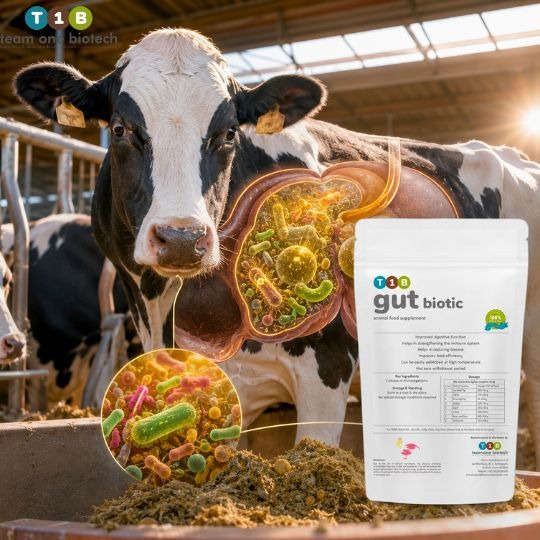
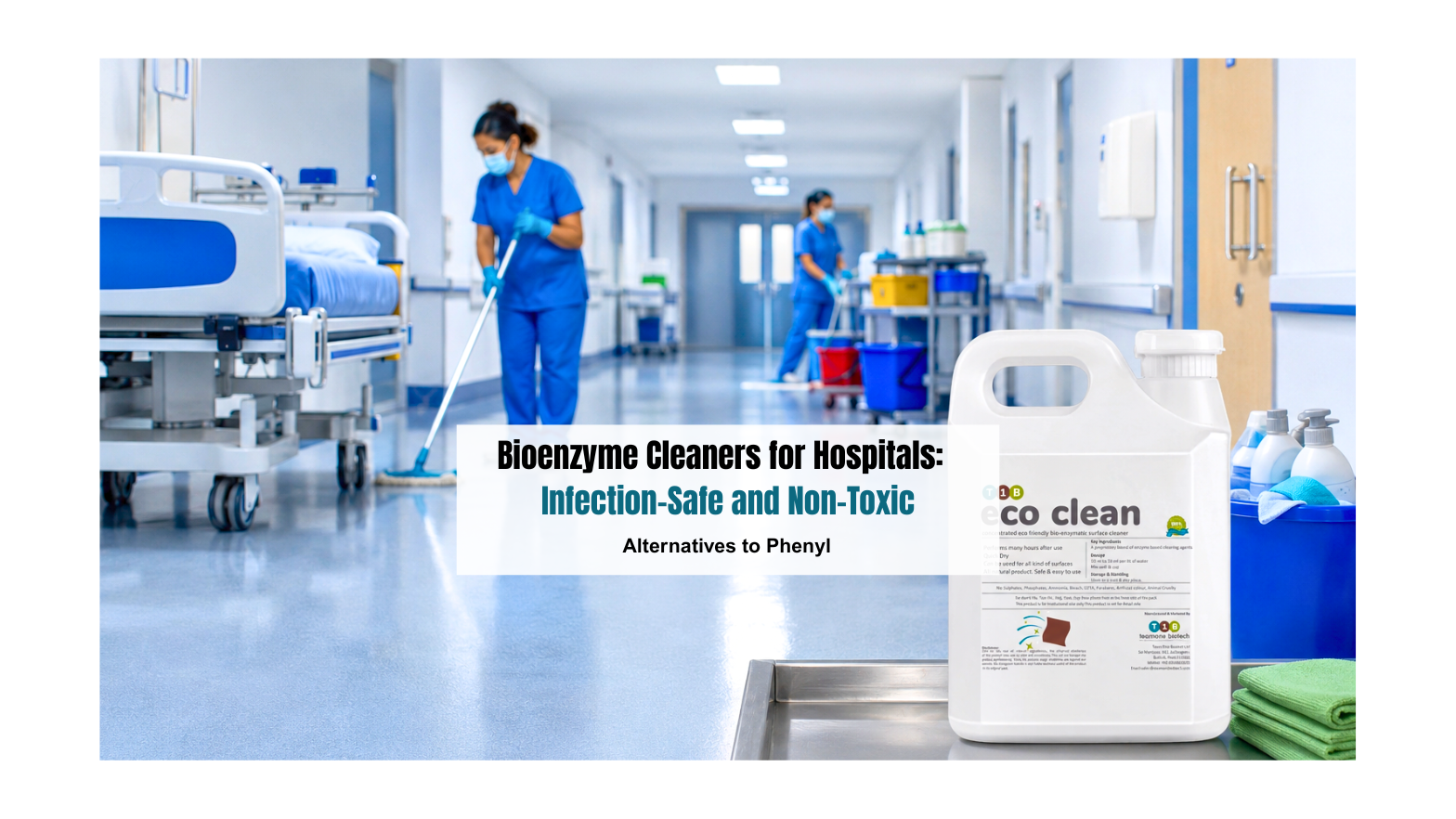
Bioenzyme Cleaners for Hospitals: Non-Toxic Phenyl Alternative
Bioenzyme Cleaners for Hospitals: Infection-Safe and Non-Toxic Alternatives to Phenyl

The Scent of Safety Is a Lie We Were Sold

Walk into almost any hospital corridor across India and you will encounter it, that sharp, almost aggressive sting of phenyl cutting through the air. For decades, that smell has been culturally coded as “clean.” Patients find comfort in it. Administrators take pride in it. Procurement heads buy more of it because complaints go down when the ward smells like something was done.

But here is the uncomfortable truth that facility managers across Indian healthcare institutions are beginning to reckon with: phenyl does not clean. It masks. It suppresses. It overwhelms your sensory perception of a problem while leaving the biological reality of that problem very much intact.

The question facing every hospital administrator, every procurement head, and every facility management professional responsible for high-footfall institutions, whether that is a 500-bed hospital, a corporate hub with 3,000 daily occupants, or a school with hundreds of children, is no longer whether traditional chemical cleaners work. The question is whether you can afford the true cost of continuing to use them.

Team One Biotech exists precisely at this inflection point. And what follows is the science, the strategy, and the institutional logic behind making the shift to a bioenzyme cleaner for  hospital model that is both infection-safe and genuinely non-toxic.

What Phenyl Actually Does, And What It Doesn’t

What Phenyl Actually Does, And What It Doesn't

Phenyl and phenolic compounds function through chemical toxicity. They disrupt microbial cell membranes on contact, which sounds effective until you understand the operational limitations of that mechanism.

Phenolic cleaners are broad-spectrum biocides. They kill, indiscriminately and superficially. The moment the chemical evaporates or is diluted by foot traffic, mopping water, or natural humidity, its efficacy plummets. The biofilm, that invisible, multi-layered colony of bacteria that adheres to tiles, grout lines, and drains, remains structurally intact. Phenyl kills the top layer and the colony rebuilds within hours.

In Indian healthcare environments specifically, this cycle is particularly dangerous. Tropical humidity between 70% and 90% for large portions of the year accelerates microbial regrowth. High patient turnover in government and private hospitals means floors are stressed with organic load, blood, urine, food particles, saliva, far beyond what a surface-level biocide can manage across a full operational day.

The phenyl does not reach what it needs to reach. And it never did.

The Bioenzyme Difference: Cleaning at the Molecular Level

The Bioenzyme Difference: Cleaning at the Molecular Level

This is where enzymatic science changes the conversation entirely.

A bioenzyme cleaner hospital grade solution does not kill microbes through chemical shock. It deploys a consortium of naturally derived biological catalysts, enzymes, that are precision-engineered to break down the organic substrates that bacteria feed on and colonize.

The Three Enzymes Your Facility Needs to Understand

Protease targets protein-based waste. In a hospital context, that means blood residue, pus, skin cells, and mucus. These are the organic materials that standard cleaners smear across surfaces without truly degrading them.

Lipase breaks down lipid and fat-based compounds. Relevant in hospital cafeterias, patient wards where dietary supplements are administered, and surgical areas where biological fats are present in significant quantities.

Amylase degrades starch and carbohydrate-based organic matter, the food residues in dining areas, pediatric wards, and high-traffic corridors that create sticky films on tiles, inviting bacterial adhesion.

Together, these three enzyme classes, along with supporting bacterial cultures, do not just suppress the symptoms of contamination. They consume the substrate. When the food source for pathogenic organisms is digested at a molecular level, the ecological basis for bacterial proliferation is removed. This is sustainable sanitation in its truest scientific definition.

The enzymes continue working long after application, persisting in grout lines, drain pipes, and porous surfaces for extended periods depending on ambient conditions. This residual activity is something no phenolic compound can match without repeated, costly reapplication.

Facility Managers, This Is Your Compliance Problem Too

If you are responsible for a hospital, a corporate campus, or an institutional facility with an Effluent Treatment Plant (ETP), the regulatory landscape in India is tightening in ways that phenyl-dependent operations are not equipped to handle.

Phenolic compounds are persistent environmental contaminants. When mop water loaded with phenol derivatives enters your ETP, you are introducing compounds that interfere with the biological treatment processes within the plant itself. The very microorganisms that your ETP depends on to process organic effluent are suppressed by the same chemicals you are using to clean your floors.

The result is a documented pattern across institutional facilities in India: ETPs running below biological efficiency, requiring more frequent chemical dosing, and producing effluent that struggles to meet CPCB (Central Pollution Control Board) discharge norms. Facilities that undergo green audits, increasingly common for NABH-accredited hospitals and ISO-certified corporate campuses, are finding phenolic chemical loads flagged in their environmental compliance reports.

Bioremediation for Indian healthcare is not a futuristic concept. It is a present-day regulatory and operational imperative.

Enzymatic floor cleaners vs phenyl is no longer just a cleaning debate. It is an environmental audit conversation.

Ready to understand how Team One Biotech’s enzymatic solutions integrate with your existing ETP and facility protocols? Connect with our institutional team today for a no-obligation site assessment.

The Comparison Your Procurement Team Has Been Waiting For

ParameterBioenzyme CleanerPhenyl / Phenolic Compounds
Mechanism of ActionEnzymatic degradation of organic substrateChemical toxicity, surface-level microbial kill
Residual ActivityContinues post-application in porous surfacesCeases upon evaporation or dilution
Biofilm EliminationAddresses root substrate layerKills surface layer only; biofilm rebuilds
Toxicity ProfileNon-toxic, biodegradableToxic to humans, aquatic organisms, ETP bacteria
Staff Health RiskNegligible with standard handlingSkin irritation, respiratory sensitization with prolonged exposure
ETP CompatibilitySupports biological ETP functionSuppresses ETP microbial activity
Environmental Audit ImpactSupports Green Vertical complianceFlagged in CPCB and green audit reports
Odor ProfileLow-odor to neutralStrong chemical odor (often mistaken for cleanliness)
Applicable SurfacesTiles, grout, drains, porous floors, corridorsHard non-porous surfaces
Long-Term Cost EfficiencyReduces reapplication frequency by approximately 40% to 60%Requires consistent reapplication due to no residual activity
Regulatory AlignmentAligned with NABH green standardsIncreasingly non-compliant in green audit contexts

Disclaimer: These are general performance values and results may vary based on specific ETP configurations and site-specific microbial loads.

Why Indian Healthcare Has a Unique Obligation to Make This Shift

Why Indian Healthcare Has a Unique Obligation to Make This Shift

The Indian institutional context, and particularly the healthcare environment, carries specific burdens that Western facility management frameworks do not fully account for.

Footfall density in Indian government and private hospitals routinely exceeds international benchmarks. A 300-bed district hospital in a Tier-2 Indian city may receive between three and five times the patient-facing footfall of a comparably sized European facility. The organic load on floors, drains, and surfaces is proportionally higher. Cleaning protocols built around hourly phenyl application are not failing because of poor execution, they are failing because the chemistry is insufficient for the scale of the biological challenge.

Tropical humidity compounds this. Bacterial doubling times in warm, humid environments are significantly shorter than in temperate climates. A surface cleaned with phenyl at 7 AM may carry measurable microbial load by mid-morning without the enzymatic substrate elimination that a non-toxic hospital grade cleaner provides.

Additionally, contract housekeeping staff, the frontline of institutional cleaning across Indian hospitals, malls, schools, and corporate hubs, face cumulative exposure to phenolic compounds that occupational health frameworks are beginning to take seriously. Respiratory sensitization, dermatological impact, and neurological effects of chronic low-level phenol exposure are documented concerns that institutional employers carry liability for.

The shift toward facility management solutions built on bioenzyme platforms is therefore not altruism. It is institutional risk management.

Green Verticals and the Audit-Ready Hospital

NABH accreditation standards, green building certifications like IGBC and GRIHA, and institutional CSR frameworks are collectively pushing Indian healthcare and corporate campuses toward what is being termed the “Green Vertical”, an operational philosophy where environmental performance is embedded in daily facility management, not treated as a separate sustainability initiative.

Enzymatic cleaners sit naturally within this framework. Their biodegradable formulations introduce no persistent chemical load into water systems. Their compatibility with biological ETPs means your effluent treatment continues functioning as designed. Their low-VOC profiles improve indoor air quality, a metric increasingly captured in green audits for hospitals and enclosed commercial spaces.

For procurement heads evaluating facility management solutions against both operational and compliance criteria, enzymatic alternatives represent a defensible, audit-ready choice. The documentation trail, safety data sheets, biodegradability certifications, ETP compatibility assessments, is cleaner than anything a phenolic supplier can provide in the current regulatory environment.

Procurement decision approaching? Team One Biotech offers institutional procurement support including bulk supply programs, staff training on enzymatic application protocols, and compliance documentation packages. Speak to our B2B solutions team.

Addressing the Operational Objections

“Our cleaning staff is trained on phenyl-based protocols.”

Enzymatic application methods are comparable in equipment requirements and slightly simpler in dilution management. Training timelines for housekeeping staff on bioenzyme protocols are typically completed within a standard onboarding cycle.

“We need immediate kill for infection control.”

Enzymatic cleaners address the foundational driver of hospital-acquired infection risk, the organic substrate that supports pathogen colonization. For acute disinfection needs in surgical or isolation areas, enzymatic maintenance cleaning and targeted medical-grade disinfection are not mutually exclusive. The enzymatic system handles the sustained biological environment; targeted disinfectants handle acute events. This layered approach represents best-practice infection control, not a compromise.

“Phenyl is cheaper.”

The reapplication frequency required to maintain phenyl’s limited residual effect, combined with ETP remediation costs, staff health liabilities, and green audit penalties, routinely makes phenolic systems more expensive at the institutional scale when total cost of ownership is calculated honestly.

The Standard of Clean That Actually Protects

The pungent smell of phenyl is not the scent of safety. It is the scent of a chemical transaction that ends the moment the bucket is put away. Real cleanliness in a hospital ward, a school corridor, or a corporate atrium is biological, not olfactory. It is the absence of the substrate that pathogens need to survive, and that absence is only achievable through enzymatic action that works at the molecular level.

For facility managers, hospital administrators, and procurement heads navigating the complexity of Indian institutional environments, the footfall, the humidity, the regulatory pressure, the staff welfare obligations, the case for a bioenzyme cleaner hospital framework is no longer emerging. It has arrived.

Team One Biotech has built its institutional bioremediation practice on the premise that facilities should not have to choose between effective cleaning and responsible chemistry. The science has matured. The regulatory environment is moving. The only remaining variable is whether your facility gets ahead of that curve or catches up to it.

Team One Biotech provides institutional-grade bioenzyme cleaning solutions purpose-built for Indian healthcare, corporate, and educational facilities. Contact our facility management solutions team to schedule a site assessment, request a product trial, or access our compliance documentation library. Your facility’s biological environment deserves better than a surface-level solution.

All performance ranges cited in this article are general indicative values. Results may vary based on specific ETP configurations, ambient temperature and humidity conditions, application frequency, and site-specific microbial loads. Team One Biotech recommends a formal site assessment prior to protocol implementation.

Looking to improve your ETP/STP efficiency with the right bioculture?
Talk to our experts at Team One Biotech for customised microbial solutions.

Contact: +91 8855050575

Email:  sales@teamonebiotech.com

Visit: www.teamonebiotech.com

Discover More on YouTube – Watch our latest insights & innovations!-

Connect with Us on LinkedIn – Stay updated with expert content & trends!
UASB Reactors and Biological Augmentation: A Guide for High-BOD Industrial Effluents

Walk into any effluent treatment plant attached to a distillery, dairy processing unit, or textile dyeing facility in India, and you will find the same story playing out in different languages. The influent BOD is spiking. The reactor is underperforming. The SPCB inspection notice is sitting on the plant manager’s desk. And the energy bill just climbed another notch.

For ETP operators across Maharashtra, Uttar Pradesh, Gujarat, and Tamil Nadu, the regulatory environment has shifted from cautionary to punitive. The Central Pollution Control Board and its state counterparts are no longer issuing warnings as a first response, they are issuing closures. Zero Liquid Discharge mandates are tightening. The tolerance for effluent that breaches prescribed BOD, COD, and TSS discharge limits has effectively evaporated.

Meanwhile, the operational reality is brutal. High-strength industrial wastewater, whether it is spent wash from a molasses-based distillery, whey permeate from a cheese plant, or sizing effluent from a textile unit, arrives at the ETP with organic loads that can overwhelm even well-designed systems. When the reactor struggles, the downstream aerobic stage cannot compensate. The whole treatment chain suffers.

But here is what many plant operators do not yet fully recognize: that same high-BOD wastewater they are fighting to treat is also a substantial energy resource waiting to be unlocked. The technology that makes this possible, the Upflow Anaerobic Sludge Blanket reactor, has been quietly transforming industrial wastewater management for decades. The challenge is making it work reliably in the demanding, variable conditions of Indian industry. That is precisely where the science of bio-augmentation enters the picture.

What Is a UASB Reactor, and Why Does It Matter for High-BOD Wastewater?

What Is a UASB Reactor, and Why Does It Matter for High-BOD Wastewater?

The Upflow Anaerobic Sludge Blanket, universally referred to as the UASB reactor, is an anaerobic biological treatment system designed to handle wastewater with high organic loading rates. Unlike conventional aerobic treatment, which consumes energy to aerate the effluent, the UASB operates without oxygen. It degrades organic matter through the metabolic activity of anaerobic microbial consortia, producing biogas, primarily methane, as a recoverable byproduct.

The defining feature of UASB reactor wastewater processing is its sludge blanket, a dense, biologically active layer of granular or flocculent biomass suspended in the lower section of the reactor. As wastewater flows upward through this blanket, the microorganisms within it aggressively break down complex organic molecules: carbohydrates, proteins, fats, and volatile fatty acids.

The three-phase separator at the top of the reactor, sometimes called the gas-liquid-solid separator, plays a critical structural role. It separates the rising biogas bubbles from the treated effluent and the settling sludge, allowing the system to maintain its biomass inventory while producing a continuous stream of methane-rich gas.

Why does this matter specifically for Indian ETPs?

Because high-BOD effluents, the kind generated by distilleries (spent wash BOD can reach 40,000–80,000 mg/L), dairy plants, starch processing units, and pharmaceutical fermentation facilities, are actually ideal feedstocks for anaerobic digestion. The higher the organic load, the greater the potential for biogas generation. A system that handles this load efficiently is not just treating waste; it is generating a fuel source that can offset significant energy expenditures.

The UASB, when operating at peak performance, can reduce BOD by ranges typically cited between 70% and 90%, depending on organic loading rates, temperature, and wastewater composition. These performance windows make it the primary treatment workhorse for high-strength effluent before polishing in the aerobic stage.

The Startup Problem Nobody Talks About Openly

The Startup Problem Nobody Talks About Openly

Here is the uncomfortable truth that plant operators already know but rarely see addressed in vendor literature: getting a UASB to perform reliably is significantly harder than the engineering drawings suggest.

The granulation process, the natural formation of dense, compact microbial granules that give a mature UASB its exceptional performance, typically takes months under conventional conditions. During this period, the reactor operates below its designed efficiency. It is sensitive to pH swings, temperature fluctuations, toxic influent, and shock loads from production surges.

In the Indian context, these challenges are amplified. Seasonal variations in raw material quality affect effluent composition. Festive shutdowns followed by abrupt restarts create shock conditions. Power outages disrupt recirculation and pH control. And the microbial seed sludge used at startup may carry insufficient populations of the specific methanogenic archaea required for robust methane production.

The result is a reactor that takes far longer to reach steady-state performance than projected, an operator team under pressure to meet discharge norms with a system that is still biologically immature, and a management team questioning whether the capital investment is delivering returns.

This is the gap that bio-augmentation is specifically engineered to close.

Bio-Augmentation: Accelerating Biology Where It Matters Most

Bio-Augmentation: Accelerating Biology Where It Matters Most

Bio-augmentation is not a chemical additive. It is not a magic fix. It is a precision microbiology intervention, the deliberate introduction of concentrated, pre-adapted microbial consortia into an underperforming or newly commissioned anaerobic system.

Team One Biotech develops custom microbial formulations that target the specific biological bottlenecks in UASB reactor wastewater treatment. These formulations are assembled from strains selected for their performance in high-BOD, high-temperature, and variable-pH environments, conditions that are standard, not exceptional, in Indian industrial ETPs.

The practical outcomes of a well-executed bio-augmentation program include:

  • Accelerated granulation: Dense, settable granules form significantly faster than with conventional seeding, reducing the startup lag from months to weeks in many documented industrial applications.
  • Improved shock load tolerance: Established, diverse microbial communities recover more rapidly after pH excursions, temperature spikes, or toxic influent events.
  • Enhanced methane yield: When the complete anaerobic syntrophic community is present, acetogens, hydrogenogens, and methanogens in functional balance, methane content in biogas typically rises, improving energy recovery value.
  • Sustained BOD reduction: A biologically robust reactor maintains consistent organic removal even as influent quality fluctuates across production cycles.

For sectors like sugarcane-based ethanol distilleries, where spent wash composition shifts with the crushing season, or for dairy cooperatives handling seasonal milk flush, this resilience is operationally critical.

If your UASB is chronically underperforming, producing biogas volumes well below design estimates, failing to achieve target BOD reductions, or struggling to recover after a shutdown, contact Team One Biotech for a diagnostic assessment of your reactor’s microbial health. A targeted bio-augmentation protocol can often deliver measurable improvement within weeks of application.

Turning Wastewater Into an Energy Asset

Turning Wastewater Into an Energy Asset

The conversation in Indian industry has been too narrowly focused on compliance. It is time to reframe UASB reactor wastewater treatment as an energy recovery infrastructure investment, not merely a regulatory obligation.

A well-functioning UASB processing high-BOD wastewater generates biogas with methane content typically ranging between 60% and 75%. This gas can be:

  • Used directly as boiler fuel, displacing furnace oil or natural gas and delivering measurable reductions in fuel procurement costs.
  • Converted to electricity via gas engines or biogas gensets, providing captive power generation for the plant.
  • Processed and upgraded to compressed biogas (CBG) under India’s SATAT scheme, creating an additional revenue stream.

For a medium-scale distillery processing several thousand kiloliters of effluent daily, or a large dairy cooperative managing substantial whey volumes, the energy value locked in that wastewater is not trivial. It can meaningfully offset ETP operational costs, reduce dependence on grid power, and contribute to the facility’s sustainability reporting and ESG commitments.

Team One Biotech’s approach is to optimize the biological core of the UASB so that operators capture the maximum possible methane fraction from their effluent. When the microbial community is functioning at its designed potential, the energy math improves significantly. Schedule a consultation with Team One Biotech to model the biogas potential of your specific effluent stream and understand what energy recovery is realistically achievable at your site.

Regulatory Alignment: CPCB, SPCB, and the Cost of Getting It Wrong

India’s environmental regulatory framework has progressively tightened its standards for industrial discharge. CPCB norms for industries like distilleries, tanneries, and paper mills specify BOD discharge limits that can only be consistently met with a fully functional primary anaerobic stage followed by adequate secondary treatment.

State Pollution Control Boards in states with high industrial effluent discharge, Maharashtra, Gujarat, Punjab, Haryana, Uttar Pradesh, have demonstrated increased willingness to enforce consent conditions. Directions under Section 33A of the Water Act are no longer hypothetical threats. For operators who have received show-cause notices or are operating under court-monitored compliance orders, the margin for reactor underperformance is effectively zero.

Bio-augmentation, when integrated into a comprehensive ETP management strategy, directly supports regulatory compliance by:

  • Reducing the risk of BOD breakthrough events that trigger notices.
  • Shortening reactor recovery time after upsets, minimizing periods of non-compliant discharge.
  • Generating documented evidence of biological system health for regulatory submissions.

A Partnership, Not Just a Product

Team One Biotech’s work with Indian industrial clients across the distillery, dairy, pharmaceutical fermentation, and agro-processing sectors reflects a consistent philosophy: every ETP is biologically unique. Influent characteristics, reactor geometry, sludge age, temperature profile, and operating schedule all shape what a specific microbial formulation needs to achieve.

This is why a site audit is always the starting point. Not a generic product recommendation, a genuine assessment of your reactor’s current microbial community, its limitations, and the targeted intervention that addresses those limitations specifically.

Reach out to Team One Biotech today to arrange a site visit or submit your effluent characterization data for a customized bio-augmentation recommendation. Whether you are commissioning a new UASB, rehabilitating an underperforming reactor, or seeking to maximize biogas recovery from an existing system, the biology can be improved, and the results can be measured.

Disclaimer

All numerical ranges referenced in this article, including BOD reduction percentages, biogas methane content, and treatment performance figures, are general estimates drawn from published literature and broad industry experience. Actual results at any individual facility will vary based on site-specific factors including influent composition, organic loading rates, reactor design, operating temperature, sludge characteristics, and process management practices. Team One Biotech recommends a thorough site assessment and effluent characterization before projecting performance outcomes for any specific installation.

Looking to improve your ETP/STP efficiency with the right bioculture?
Talk to our experts at Team One Biotech for customised microbial solutions.

Contact: +91 8855050575

Email:  sales@teamonebiotech.com

Visit: www.teamonebiotech.com

Discover More on YouTube – Watch our latest insights & innovations!-

Connect with Us on LinkedIn – Stay updated with expert content & trends!
Anaerobic Digestion in STP/ETP: Turning Waste into Wealth

Every month, industrial facilities across India receive electricity bills that eat into already-thin operating margins. Simultaneously, their ETP and STP units are quietly generating tonnes of organic sludge that must be dewatered, transported, and disposed of at significant cost. What if both problems shared the same solution? What if that sludge, widely treated as a liability, was actually an untapped energy asset sitting beneath your feet?

This is not a theoretical proposition. It is the commercial reality of anaerobic digestion (AD), a biological process that is reshaping how forward-thinking plant operators and sustainability managers in India look at wastewater treatment. The question is no longer whether AD works. The question is how long your facility can afford to ignore it.

What Is Anaerobic Digestion and Why Does It Matter to Indian Industry?

What Is Anaerobic Digestion and Why Does It Matter to Indian Industry?

The anaerobic digestion process is a series of microbial reactions that break down organic matter in the complete absence of oxygen, producing two commercially valuable outputs: biogas (primarily methane) and digestate (a nutrient-rich residue usable as fertilizer or soil conditioner).

In the Indian industrial context, this process carries outsized significance. Sectors such as distilleries, dairy processing, paper and pulp, pharmaceuticals, food and beverage, and municipal sewage treatment are all operating under tightening CPCB and SPCB compliance mandates. These regulations are not softening. The Central Pollution Control Board’s evolving discharge norms and the push toward Zero Liquid Discharge (ZLD) compliance are forcing plant operators to rethink sludge management from the ground up.

Meanwhile, the cost of grid electricity continues to climb, and industrial consumers in states like Maharashtra, Gujarat, Tamil Nadu, and Uttar Pradesh are acutely aware of how energy expenditure affects their cost per unit of production. Anaerobic digestion offers a pathway to reduce both the environmental liability of sludge and the financial burden of purchased energy, simultaneously.

The Four Biological Stages of the Anaerobic Digestion Process

The Four Biological Stages of the Anaerobic Digestion Process

Understanding how AD works at a microbial level is critical for operators who want to optimize performance rather than simply install a reactor and hope for results. The process unfolds in four distinct, interdependent stages.

Stage 1: Hydrolysis

The process begins with hydrolysis, where complex organic polymers including carbohydrates, proteins, and lipids are broken down into simpler soluble compounds such as sugars, amino acids, and fatty acids. Specialized hydrolytic bacteria secrete extracellular enzymes to catalyze this breakdown.

This stage is often the rate-limiting step in systems treating high-solid or complex industrial effluents. Indian textile or pharmaceutical ETPs, for instance, frequently encounter effluents with recalcitrant organics that resist rapid hydrolysis, making microbial selection and inoculation at this stage critically important.

Stage 2: Acidogenesis

The soluble products from hydrolysis are then fermented by acidogenic bacteria into volatile fatty acids (VFAs), alcohols, carbon dioxide, and hydrogen. This is the fastest stage in the sequence and produces an acidic intermediate environment.

Operational challenges arise when acidogenesis outpaces the subsequent stages, causing VFA accumulation and a drop in pH that can inhibit or completely crash the system. Managing this balance is one of the most common pain points in Indian industrial AD installations, particularly in distilleries and food processing plants where organic loads fluctuate significantly with production cycles.

Stage 3: Acetogenesis

Acetogenic bacteria convert the VFAs and alcohols from the previous stage into acetic acid, hydrogen, and carbon dioxide, the direct precursors for methane generation. This stage operates in close syntrophic partnership with methanogens. The relationship is exquisitely sensitive to hydrogen partial pressure, and any operational disruption, whether from toxic influent, sudden organic overload, or temperature variation, can break this partnership and suppress biogas output.

Stage 4: Methanogenesis

This is the stage that generates wealth. Methanogenic archaea, the most environmentally sensitive microorganisms in the entire consortium, convert acetic acid and hydrogen into methane (CH4) and carbon dioxide (CO2). The methane fraction in the resulting biogas typically ranges between 55% and 75%, depending on the substrate composition and reactor conditions.

Methanogens are slow-growing, obligate anaerobes. They are extraordinarily sensitive to oxygen intrusion, pH swings, ammonia toxicity, and the presence of heavy metals, all of which are common challenges in mixed industrial effluents across Indian manufacturing sectors.

This is precisely why microbial consortium quality is not an afterthought. It is the foundation of AD performance.

At Team One Biotech, our proprietary microbial cultures for Anaerobic Digestion are developed and tested specifically for the organic profiles common in Indian industrial wastewater. Whether your ETP is treating distillery spent wash, dairy whey permeate, or paper mill effluent, the right biological inoculant can dramatically accelerate startup, stabilize performance, and push biogas yields to the upper end of achievable ranges.

Consult with Team One Biotech today for a free biological assessment of your ETP/STP influent.

Turning the Process into Profit: The Three Pillars of Wealth Generation

Turning the Process into Profit: The Three Pillars of Wealth Generation

Pillar 1: Biogas Recovery and Energy Independence

The most immediate and quantifiable financial return from AD is the recovery of combustible biogas. This gas can be used directly in boilers to replace furnace oil or natural gas, fed into gas engines for combined heat and power (CHP) generation, or, in larger installations, upgraded to compressed biomethane for vehicle fuel or grid injection under the Sustainable Alternative Towards Affordable Transportation (SATAT) scheme.

For medium to large ETPs treating high-strength organic effluent, the energy recovered through biogas can offset a meaningful share of total plant energy consumption. The exact offset depends heavily on influent COD concentration, flow volume, reactor design, and operational consistency. Systems with stable, high-COD inputs and well-managed microbial populations consistently outperform those operating reactively.

The SATAT initiative, promoted by the Ministry of Petroleum and Natural Gas, provides Indian industry with a structured offtake channel for surplus biomethane, creating a genuine revenue stream from what was previously a waste output.

Pillar 2: Reduction in Sludge Handling and Disposal Costs

In conventional aerobic treatment, sludge generation is high and the costs associated with its dewatering, transportation, and disposal can constitute a substantial portion of the ETP operating budget. Anaerobic digestion significantly reduces volatile solids in the sludge stream, resulting in a lower sludge volume requiring final disposal.

The digestate that remains after AD is stabilized, odor-reduced, and in many cases suitable for agricultural land application as a soil amendment, subject to applicable state SPCB norms. This alone can convert a recurring disposal cost into a potential revenue stream or at minimum eliminate a logistics burden that many plant managers underestimate.

Pillar 3: Carbon Credits and ESG Positioning

India’s voluntary carbon market is maturing, and regulatory frameworks around carbon credits are gaining traction. Biogas plants that displace fossil fuels are eligible to generate Verified Carbon Units (VCUs) under recognized methodologies. For industries with aggressive ESG targets or those supplying to multinational buyers with Scope 3 emission requirements, this adds a non-trivial financial and reputational layer of value to an AD investment.

More immediately, demonstrating active energy recovery from wastewater is a powerful narrative for sustainability reporting, green financing applications, and environmental compliance submissions to state pollution control boards.

Addressing Real-World Challenges in Indian AD Installations

Addressing Real-World Challenges in Indian AD Installations

Indian industrial AD systems face a set of challenges that are distinct from those encountered in European or North American installations.

Fluctuating Organic Loads: Seasonal production variations in agro-based industries create wide swings in influent COD and flow, which stress microbial populations adapted to stable conditions. Robust biological seeding and real-time monitoring are essential buffers against this variability.

Temperature Variability: Unlike temperate climates, certain Indian regions experience extreme seasonal temperatures. Mesophilic AD reactors operating in the range of 30 degrees Celsius to 38 degrees Celsius generally perform well across most Indian geographies, but insulation and heating strategies remain important in northern states during winter months.

Inhibitory Compounds: Effluents from pharmaceutical, chemical, and textile sectors frequently contain compounds that are toxic to methanogens at certain concentrations. Pretreatment strategies and the use of inhibitor-tolerant microbial strains are essential in such applications.

Startup and Seeding: Many AD installations in India underperform not because of poor design but because of inadequate or mismatched biological inoculation during startup. A reactor seeded with the wrong microbial community or insufficient biomass will take months to reach design performance, costing operators in both lost biogas and treatment inconsistency.

Team One Biotech’s specialized bio-cultures for anaerobic systems are engineered to address precisely these conditions. Contact us for a plant-specific microbial consortium recommendation and startup protocol.

From Linear Waste to Circular Economy: The Strategic Shift

The traditional model of industrial wastewater management is fundamentally linear. Waste is generated, treated at cost, and discharged or disposed of. Every rupee spent on treatment is a pure operating expense with no return.

Anaerobic digestion fundamentally disrupts this logic. It inserts a value recovery loop into the treatment chain, converting an expense center into a partial revenue center. Organic waste becomes biogas. Biogas becomes electricity or fuel. Digestate becomes soil amendment. Carbon displacement becomes credits. A facility that once paid to manage its waste now extracts value from it at multiple points.

This is the circular economy in industrial practice, and it is not aspirational language. It is an engineering and financial architecture that Indian industry is increasingly positioned to adopt, given the regulatory tailwinds, energy pricing pressures, and the availability of proven biological solutions.

The shift requires commitment at the management level, technical expertise at the operational level, and the right biological foundation at the microbial level.

Team One Biotech works alongside plant engineers and sustainability teams to design, seed, and optimize anaerobic digestion systems tailored to your specific wastewater profile. Schedule a plant audit with our technical team and take the first step from waste liability to energy asset.

Disclaimer: All numerical values, performance metrics, percentage ranges, and yield estimates referenced in this article are general indicative figures based on published literature and industry experience. Actual biogas yields, COD reduction efficiencies, sludge reduction rates, and energy outputs will vary significantly depending on site-specific influent characteristics, reactor design, hydraulic and solid retention times, temperature conditions, microbial population health, and operational management practices. These figures should not be used for detailed engineering design or financial projections without a site-specific technical assessment.

Looking to improve your ETP/STP efficiency with the right bioculture?
Talk to our experts at Team One Biotech for customised microbial solutions.

Contact: +91 8855050575

Email:  sales@teamonebiotech.com

Visit: www.teamonebiotech.com

Discover More on YouTube – Watch our latest insights & innovations!-

Connect with Us on LinkedIn – Stay updated with expert content & trends!
How to Set Up a Biogas Plant from Industrial Effluent: A Step-by-Step Guide

From Liability to Asset: The Waste-to-Wealth Shift Indian Industry Cannot Ignore

Every day, thousands of industrial units across India pump millions of litres of effluent through their ETPs, spending heavily on energy, chemicals, and compliance documentation, only to watch that treated water drain away as a cost center. Meanwhile, energy bills climb. CPCB norms grow stricter. And the pressure on sustainability managers to demonstrate a credible green strategy intensifies with every quarterly audit.

Here is the reality that most plant operators have not yet fully internalized: that effluent is not just waste. It is a fuel reservoir waiting to be unlocked.

Biogas plant setup from industrial effluent is not a futuristic concept. Across food processing corridors in Punjab, distilleries in Uttar Pradesh, pharmaceutical clusters in Gujarat, and textile hubs in Tamil Nadu, forward-thinking industries are already converting their high-COD wastewater into biomethane, slashing fuel costs, achieving regulatory compliance, and generating carbon credits in the process. The technology exists. The policy framework under India’s National Biogas and Manure Management Programme supports it. What most operators lack is a clear, technically grounded roadmap.

This guide provides exactly that.

Phase 1: Pre-Feasibility and Effluent Analysis

Phase 1: Pre-Feasibility and Effluent Analysis

Before a single civil structure goes up or a digester is ordered, the foundation of any successful biogas plant setup lies in rigorous effluent characterization. Skipping this phase is the single most common reason biogas projects underperform or fail entirely.

What to analyze and why it matters:

  • COD/BOD Ratio: This ratio is your primary indicator of biodegradability. Effluents with a COD/BOD ratio falling in the range of roughly 1.5 to 2.5 are generally considered highly amenable to anaerobic digestion. A ratio significantly above this threshold often indicates the presence of recalcitrant compounds, synthetic dyes, heavy metals, persistent organics, that inhibit methanogenic activity.

  • pH Range: Methanogens, the archaea responsible for methane production, operate optimally within a narrow pH window of approximately 6.8 to 7.4. Industrial effluents, particularly from chemical, pharmaceutical, and electroplating industries, frequently arrive outside this range and require pH correction systems upstream of the digester.

  • Temperature: This is where Indian climatic conditions play a significant role. Mesophilic digestion, the most common operational mode, functions best between 32 and 42 degrees Celsius. In northern Indian winters, ambient temperatures can suppress bacterial activity considerably, making insulation and pre-heating provisions non-negotiable for year-round performance.

  • Nutrient Balance (C:N:P Ratio): A target ratio of approximately 100:5:1 (carbon to nitrogen to phosphorus) supports healthy microbial communities. Effluents from certain agro-industrial sources may be nitrogen-deficient or phosphorus-limited and require nutrient dosing.

  • Inhibitory Compounds: Ammonia nitrogen, sulfates (which generate toxic hydrogen sulfide), heavy metals, and certain antibiotics present in pharmaceutical effluents can severely inhibit or destroy the anaerobic consortium. Their concentrations must be assessed before technology selection.

The output of this phase should include: a detailed effluent characterization report, a preliminary biogas yield estimate (typically expressed in cubic meters of biogas per kilogram of COD removed), and a conceptual mass-and-energy balance.

If your ETP is already operational and you want to evaluate its biogas potential, reach out to Team One Biotech for a no-obligation effluent assessment.

Phase 2: Choosing the Right Digester Technology

Phase 2: Choosing the Right Digester Technology

Not all digesters are created equal. The appropriate technology for a pharmaceutical effluent in Hyderabad may be entirely unsuitable for a sugarcane distillery in Maharashtra. Understanding your options is critical.

UASB (Upflow Anaerobic Sludge Blanket) Reactors

UASB technology is among the most widely deployed anaerobic digestion systems in India, and for good reason. It handles high-flow, moderate-to-high COD effluents efficiently, with Hydraulic Retention Times (HRT) typically spanning 4 to 12 hours for suitable feedstocks. It is compact, relatively low-cost to construct, and has a strong track record in sugar, distillery, and food processing sectors. However, it requires stable, granular sludge formation, a process that demands patience during commissioning and the right microbial inoculum.

CSTR (Continuously Stirred Tank Reactor)

The CSTR is better suited for high-solids or viscous effluents that would clog a UASB. Slaughterhouse waste, poultry processing effluent, and certain paper mill streams fall into this category. HRT in a CSTR typically ranges from 15 to 30 days. Mechanical mixing ensures uniform contact between substrate and microorganisms, but energy consumption for mixing is a trade-off to factor into your lifecycle cost analysis.

ABR (Anaerobic Baffled Reactor) and EGSB (Expanded Granular Sludge Bed)

For effluents with fluctuating organic loads, a common challenge in batch-process industries, the ABR offers superior stability. The EGSB, an advanced variant of the UASB with higher upflow velocities, is suited for dilute, low-temperature effluents where UASB performance may be marginal.

Key selection factors include: effluent flow rate, COD concentration and variability, solids content, available land footprint, capital budget, and operational complexity tolerance.

Phase 3: The Role of Specialized Microbes and Bioremediation Integration

Phase 3: The Role of Specialized Microbes and Bioremediation Integration

This is where the science becomes genuinely fascinating, and where Team One Biotech’s core expertise delivers measurable results.

Anaerobic digestion is not a single biochemical reaction. It is a cascade of four interdependent microbial processes: hydrolysis, acidogenesis, acetogenesis, and methanogenesis. Each stage is governed by distinct microbial communities. When these communities are out of balance, biogas yields drop, VFA (Volatile Fatty Acids) accumulate, pH crashes, and the system can fail dramatically.

Why indigenous microbial cultures matter in India:

Industrial effluent microbiomes in Indian conditions are shaped by local climate, feedstock composition, and the specific organic chemistry of regional industries. A microbial consortium developed and adapted to, say, coastal humidity and high-sulfate seafood processing effluent will outperform a generically sourced inoculum in that environment. This is not theoretical, field data from bioremediation projects consistently shows that site-specific or regionally adapted cultures can improve methane yields by a significant margin compared to generic inocula.

Bioremediation integration adds a dual benefit. Specialized consortia that include sulfate-reducing bacteria competitors, hydrogenotrophic methanogens, and syntrophic acetogenic bacteria can simultaneously degrade inhibitory compounds, reducing effluent toxicity while enhancing gas production. For industries dealing with complex organic matrices (pharmaceutical, specialty chemical, textile), this integration is not optional; it is the difference between a plant that works and one that does not.

Practical steps in microbial management:

  • Source inoculum from well-performing anaerobic digesters treating similar feedstock wherever possible
  • Conduct bench-scale or pilot-scale trials before full commissioning to verify community stability
  • Monitor key biological indicators including VFA concentrations, alkalinity ratios, and biogas composition during the start-up period, which may span 6 to 16 weeks depending on system size and complexity
  • Avoid sudden shock loads that destabilize the methanogenic community, feed rate increases should be gradual and staged

Team One Biotech specializes in developing and supplying application-specific microbial consortia for industrial biogas systems. Connect with our biotechnology team to discuss your specific effluent challenge.

Phase 4: Gas Scrubbing and Energy Conversion

Phase 4: Gas Scrubbing and Energy Conversion

Raw biogas from industrial effluent digesters is not immediately ready for use in a generator or boiler. It is a mixture, typically comprising methane (roughly 55 to 70 percent by volume), carbon dioxide (28 to 43 percent), water vapor, and trace quantities of hydrogen sulfide and siloxanes. Each contaminant must be addressed before energy conversion.

The gas treatment train:

  • H2S Removal: Hydrogen sulfide is corrosive to engines and toxic in confined spaces. Iron-based scrubbers, biological desulfurization units, or impregnated activated carbon filters bring H2S concentrations down to acceptable levels for engine operation, generally below 200 parts per million, though equipment specifications vary.
  • Moisture Removal: A water trap or condensate removal system prevents moisture from damaging compression equipment and engines. This step is simple but frequently neglected in poorly designed systems.
  • CO2 Removal (Biomethane Upgrading): If the target is biomethane for pipeline injection or CNG vehicle use, a pressure swing adsorption (PSA) or membrane separation unit is required to bring methane purity to 95 percent or above. For captive power generation within the plant, this step can often be bypassed.

Energy conversion options:

  • Gas Generator Sets (Gensets): The most common route for Indian industrial applications. Biogas-fueled gensets typically have electrical efficiencies in the range of 30 to 38 percent. Waste heat from the engine jacket can be recovered for process heating, pushing overall system efficiency considerably higher.
  • Direct Boiler Combustion: A simpler, lower-capex option for industries that need primarily thermal energy. Biogas replaces furnace oil or LPG, with direct cost savings from day one.
  • Grid Export: Under applicable MNRE and SERC regulations, surplus power can be exported to the grid. The commercial viability depends on state-specific tariff orders and open access regulations.

Phase 5: Operational Monitoring and Maintenance

A biogas plant is not a set-and-forget installation. Sustained performance requires structured monitoring protocols and a maintenance culture that understands anaerobic biology, not just mechanical engineering.

Daily monitoring parameters should include:

  • Influent flow rate and COD loading
  • Digester temperature and pH (in-line sensors are strongly recommended)
  • Biogas production volume and composition (methane percentage, H2S level)
  • Effluent quality at digester outlet (COD, TSS)

Weekly and monthly activities:

  • VFA and alkalinity analysis to assess system stability
  • Sludge inventory management, excess sludge withdrawal and dewatering
  • Gas line and pressure relief valve inspection
  • Agitator and pump maintenance checks

Seasonal considerations for Indian operations: Summer months in arid zones may require digester cooling provisions, while winter in northern states demands heating. Monsoon season can dilute influent significantly in open-process industries, reducing organic loading and biogas yields, a factor that should be built into annual energy projections from the outset.

Disclaimer: The technical values and ranges provided throughout this article are general benchmarks for informational purposes only. Actual requirements differ significantly in every plant, All figures should be validated through site-specific feasibility studies and professional engineering assessment before project implementation.

Consult the Experts: Your Biogas Journey Starts Here

Setting up a biogas plant from industrial effluent is one of the most strategically sound investments an Indian manufacturing unit can make today. It addresses regulatory compliance, reduces energy costs, generates carbon offsets, and signals genuine environmental leadership to investors and customers alike.

But the difference between a plant that delivers on its promise and one that becomes an expensive underperformer lies in the details, effluent characterization, microbial selection, technology matching, and operational discipline.

Team One Biotech brings together industrial biotechnology, bioremediation science, and real-world ETP expertise to design biogas systems that actually perform. Whether you are at the pre-feasibility stage, troubleshooting an underperforming digester, or evaluating a scale-up, our team provides the scientific rigor and ground-level operational knowledge that generic engineering consultants cannot.

Contact Team One Biotech today. Turn your effluent liability into your most valuable energy asset.

Looking to improve your ETP/STP efficiency with the right bioculture?
Talk to our experts at Team One Biotech for customised microbial solutions.

Contact: +91 8855050575

Email:  sales@teamonebiotech.com

Visit: www.teamonebiotech.com

Discover More on YouTube – Watch our latest insights & innovations!-

Connect with Us on LinkedIn – Stay updated with expert content & trends!
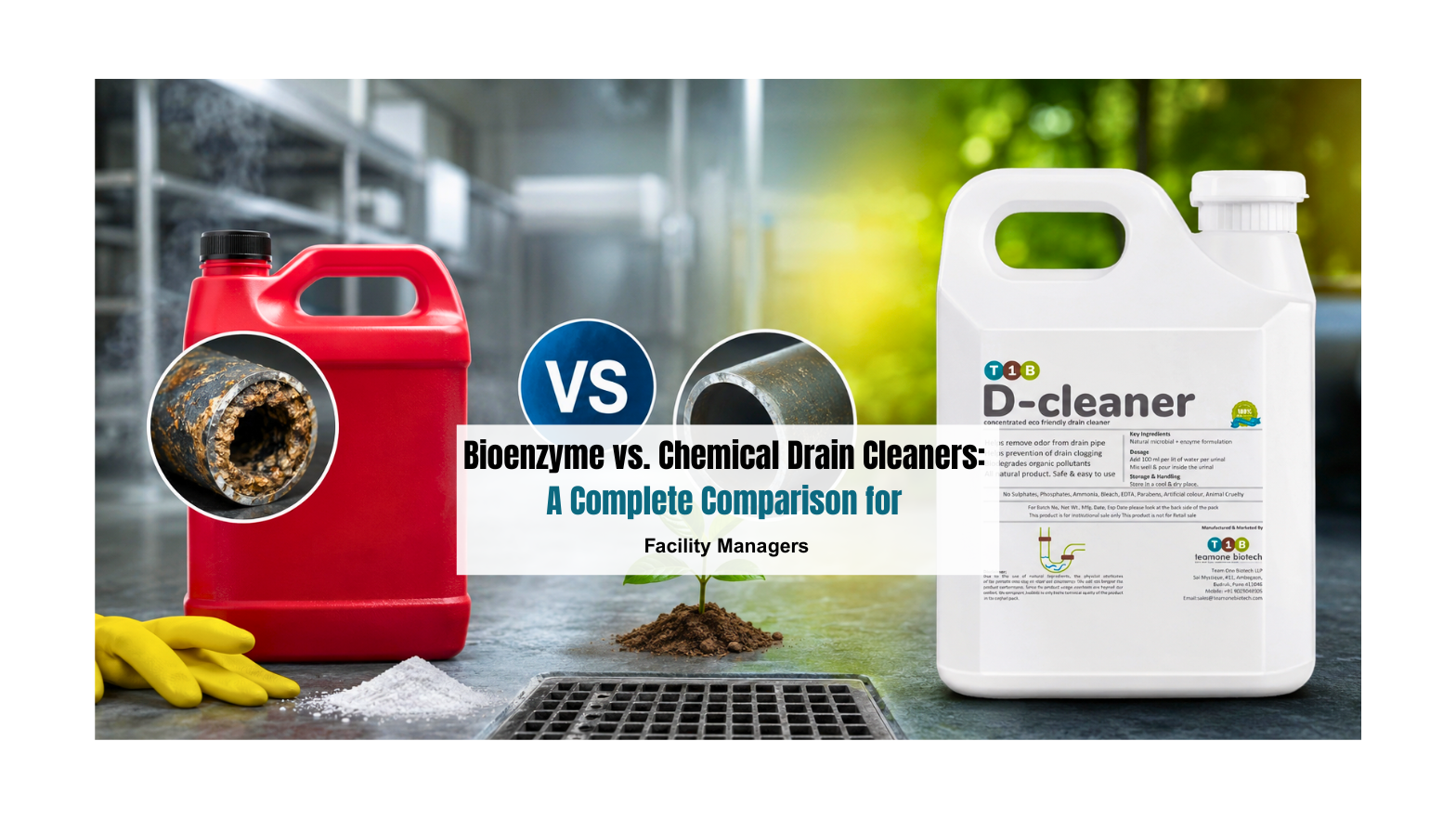
Biogas vs. Incineration: Which Is the Better Sludge Disposal Method for Indian ETPs?

Every ETP operator in India knows the feeling. The sludge pits are filling up faster than budgets can handle, the transporter just hiked his rates again, and the latest CPCB circular is sitting on the desk waiting to ruin the morning. Industrial sludge disposal has quietly become one of the most expensive and legally precarious problems in Indian manufacturing, and the traditional answer of “just haul it away” is running out of road.

Between tightening Hazardous Waste Management Rules, mounting pressure from State Pollution Control Boards, and the sheer logistics of managing high-moisture sludge in a land-scarce country, ETP operators are being pushed, often urgently, toward more sustainable, closed-loop disposal strategies. Two technologies are consistently at the center of that conversation: anaerobic digestion for biogas recovery and thermal incineration. Both promise volume reduction and regulatory compliance. But they deliver very different outcomes when you look at costs, carbon footprints, operational demands, and long-term value.

This is not a theoretical comparison. This is a ground-level evaluation for the conditions that actually exist in Indian ETPs.

The Sludge Crisis Quietly Reshaping Indian Industry

The Sludge Crisis Quietly Reshaping Indian Industry

India’s industrial expansion has been a remarkable story, but it has produced an equally remarkable volume of wet, chemically complex sludge. Textile clusters in Surat and Tiruppur, pharmaceutical corridors in Hyderabad and Ahmedabad, food processing belts in Punjab and Maharashtra, and tanneries in Vellore are all dealing with the same compounding problem: sludge generation is outpacing responsible disposal capacity.

The regulatory environment has changed fundamentally. The Hazardous Waste (Management, Handling and Transboundary Movement) Rules have become significantly more stringent. CPCB’s prescribed standards for landfill co-disposal and the increasing scrutiny on common treatment, storage, and disposal facilities (TSDFs) mean that the days of offloading sludge responsibility to a third-party contractor and forgetting about it are largely over.

Meanwhile, the Government of India’s “Waste to Wealth” mission under the Office of the Principal Scientific Adviser has created a formal policy framework encouraging industries to recover energy and materials from waste streams. Industrial sludge, long treated as a pure liability, is now recognized as a potential resource, if the right technology is applied.

This is the context in which the biogas versus incineration debate becomes genuinely important.

Understanding Your Two Primary Options

Understanding Your Two Primary Options

Biogas (Anaerobic Digestion): The Biological Route

Anaerobic digestion is the process of breaking down organic matter in the absence of oxygen using microbial communities. When applied to ETP sludge, the output is twofold: biogas (primarily methane, with a composition that typically ranges between 55% and 70% methane depending on feedstock quality) and digestate, a stabilized, nutrient-containing residue.

Why India’s conditions favor this technology:

India’s tropical and subtropical climate is a natural advantage for anaerobic digestion. Mesophilic digestion, the most commonly deployed mode, performs optimally in the temperature range that much of India maintains for the majority of the year without additional heating input. This translates directly into lower energy costs for maintaining digester temperature, which is one of the more significant OPEX items in colder climates.

Indian ETP sludge, particularly from food processing, dairy, distillery, and pharmaceutical sectors, tends to carry a high organic load. This is precisely the profile that anaerobic systems digest most efficiently. High volatile solids content means more biogas yield per unit of sludge processed.

Energy recovery and financial value:

The biogas generated can be used to run generators for captive power consumption, fuel boilers replacing furnace oil or LPG, or be upgraded to compressed biomethane for vehicle fuel. Across typical Indian ETP configurations, energy recovery from sludge biogas can fall between 30% and 50% of the theoretical energy equivalent, though this varies significantly by sludge composition and system design.

Industries that successfully close this loop report reductions in grid power consumption and fuel procurement costs that meaningfully improve their operational economics over a three-to-seven-year horizon.

The role of bioremediation in enhancing digestion:

This is where Team One Biotech’s core expertise becomes directly relevant. Raw ETP sludge often contains inhibitory compounds, residual disinfectants, heavy metals at trace concentrations, recalcitrant organics, that suppress the microbial populations responsible for digestion. Bioremediation solutions, specifically the application of specialized microbial consortia prior to or within the digestion stage, can measurably enhance volatile solids destruction rates and improve biogas yields. Pre-treatment with targeted bacterial inoculants has been shown across multiple case studies to reduce digestion cycle times and improve process stability in variable-feed industrial environments.

The digestate question:

The solid fraction remaining after digestion, the digestate, retains nutrients, primarily nitrogen and phosphorus. Depending on the industry and the regulatory classification of the sludge, this digestate may be eligible for use as a soil amendment, which represents an additional avoided cost compared to hazardous waste disposal. Not all sludge qualifies, and a site-specific characterization is essential before assuming this pathway.

Limitations to acknowledge:

Anaerobic digestion is not a fit for every sludge type. Sludge with very high inorganic content, significant heavy metal contamination (as in metal finishing or electroplating ETPs), or very low organic loading will produce marginal biogas yields. The technology also requires operator training, consistent monitoring, and a tolerance for biological variability.

Incineration: The Thermal Route

High-temperature incineration oxidizes sludge completely, destroying organic compounds and pathogens and reducing mass volume dramatically. For hazardous or highly toxic sludge profiles that cannot be biologically treated, it is often the only compliant option.

Where incineration makes clear sense:

  • Sludge from industries with persistent organic pollutants (POPs) or high halogenated compound content
  • Mixed hazardous waste streams where biological activity would be suppressed or unsafe
  • Situations demanding extremely rapid volume reduction where land is critically constrained

The economics are challenging:

Incinerators designed for sludge, particularly those meeting the emission norms specified under the Environment Protection Act and CPCB’s guidelines for hazardous waste incineration, are capital-intensive assets. CAPEX for a compliant industrial incinerator can range across a wide band depending on throughput capacity and pollution control equipment specifications. The OPEX picture is similarly demanding: auxiliary fuel is almost always required to sustain combustion temperatures when sludge moisture is high (which is the norm in Indian ETPs), and this represents a recurring operational cost that does not diminish over time.

Air quality and regulatory exposure:

India’s regulatory framework for incinerator emissions covers particulate matter, sulphur dioxide, nitrogen oxides, hydrogen chloride, heavy metals, and dioxins/furans. Compliance with these norms requires significant investment in air pollution control equipment, wet scrubbers, bag filters, secondary combustion chambers. Operating outside these norms creates substantial legal and reputational risk. This is not a theoretical concern; SPCB enforcement actions against non-compliant incinerators have been documented across multiple states.

Energy recovery is possible but limited:

Waste heat recovery from incineration is technically feasible and practiced at larger installations. However, energy recovery rates for wet sludge incineration are generally lower than those achievable through anaerobic digestion of equivalent organic-rich feedstocks, primarily because significant energy input is consumed in evaporating moisture before combustion can become self-sustaining.

Operational Factors: What Actually Matters on the Ground

Operational Factors: What Actually Matters on the Ground

FactorBiogas (AD)Incineration
Space requirementModerate (digesters can be underground or covered)Higher (combustion chamber, flue gas treatment, ash handling)
Operating expertiseMicrobiology and process monitoringHigh-temperature thermal operations, emission compliance
Sludge moisture sensitivityPerforms well with high-moisture sludgeHigh moisture requires auxiliary fuel, increasing OPEX
Residue managementDigestate (potentially reusable)Ash (requires classified disposal)
CPCB compliance complexityModerateHigh (continuous emission monitoring required)

For smaller and mid-sized ETPs, which constitute the majority of the Indian industrial base, the operational footprint and expertise requirement for incineration can be prohibitive without shared facility arrangements.

Economic Outlook: Thinking in Ranges, Not Promises

Economic Outlook: Thinking in Ranges, Not Promises

Responsible analysis resists the temptation to quote specific payback figures without knowing site conditions. That said, general patterns are observable:

Biogas systems at industrial ETPs with suitable organic sludge profiles have demonstrated payback periods that typically fall somewhere between four and eight years when energy savings, avoided disposal costs, and potential digestate value are modeled together. The range is wide because it depends enormously on current fuel prices, sludge volume, organic content, and whether the biogas is used for power, heat, or vehicle fuel.

Incineration as a standalone investment rarely generates positive financial returns in the traditional sense, it is a compliance cost management tool. The economic case rests on avoided liability, regulatory assurance, and the value of destroying material that cannot be treated any other way.

If your sludge profile is suitable for anaerobic digestion, the economic and environmental case for biogas over incineration is, in most Indian scenarios, substantially stronger.

Making the Right Decision for Your ETP

There is no universal answer, and any consultant or vendor who tells you otherwise is selling rather than advising. The right sludge disposal method is determined by sludge characterization, regulatory classification, existing infrastructure, available capital, and operational capacity.

What is clear is that Indian ETP operators who treat this decision as purely a compliance exercise will continue to face rising costs and tightening pressure. Those who approach it as a resource management decision have the opportunity to recover energy, reduce liability, and align with the direction that Indian environmental policy is clearly moving.

If you are at the point of evaluating sludge disposal options for your facility, the most valuable first step is a detailed site audit, one that characterizes your sludge properly, maps your regulatory obligations, and models realistic performance ranges for technologies applicable to your specific context.

Team One Biotech’s team of bioremediation and ETP specialists conducts exactly this kind of site-specific evaluation. If you would like a ground-level assessment of whether biogas recovery, enhanced biological treatment, or a hybrid approach fits your operation, reach out for an initial consultation. The conversation costs nothing; the wrong technology decision costs significantly more.

Disclaimer

All numerical ranges, performance estimates, payback period references, energy recovery figures, and operational comparisons presented in this article are general indicative estimates drawn from broad industry experience and publicly available studies. Actual results will vary, often significantly, based on individual ETP sludge characteristics, facility design, feedstock variability, equipment specifications, local regulatory requirements, energy tariff structures, and site-specific operational factors. No figures in this article should be treated as performance guarantees or used as the basis for investment decisions without a detailed, site-specific technical and financial assessment conducted by qualified professionals.

Looking to improve your ETP/STP efficiency with the right bioculture?
Talk to our experts at Team One Biotech for customised microbial solutions.

Contact: +91 8855050575

Email:  sales@teamonebiotech.com

Visit: www.teamonebiotech.com

Discover More on YouTube – Watch our latest insights & innovations!-

Connect with Us on LinkedIn – Stay updated with expert content & trends!
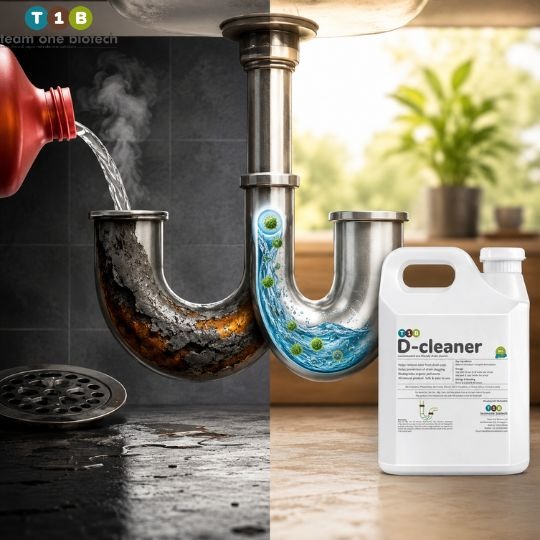
Scan the code