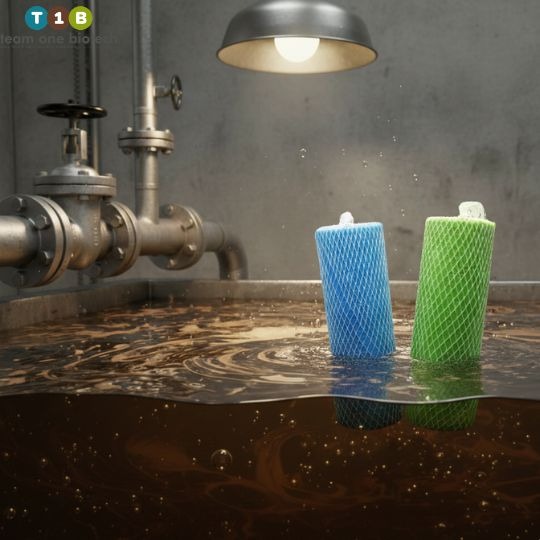
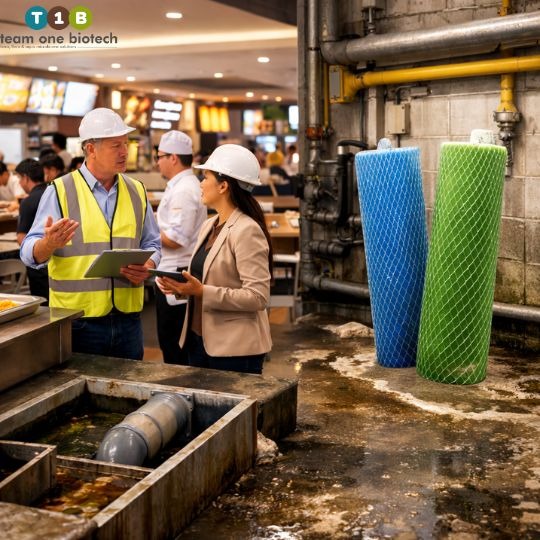
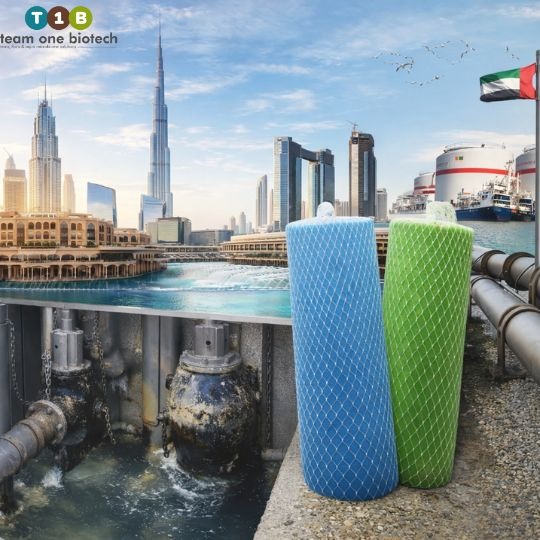
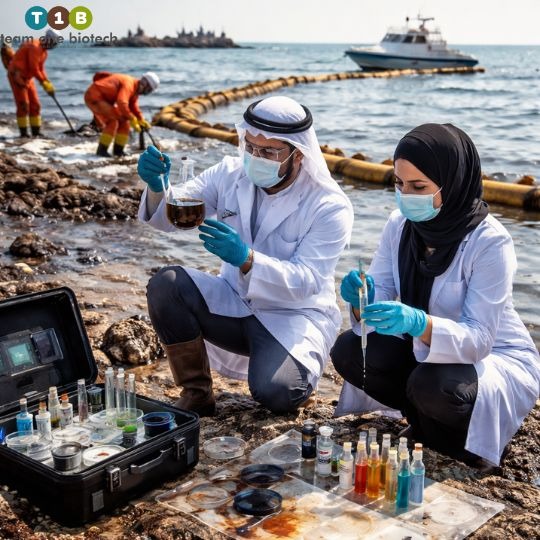
From Waste to Gold: Biological Composting for UAE Urban Landscaping with T1B Compost-Aid

The UAE generates over 6.5 million tons of municipal solid waste annually. A significant portion of that, food scraps, garden trimmings, landscaping debris from sprawling urban developments, ends up compressed into landfills that were never designed to absorb the pace of a nation building at this scale. Meanwhile, Dubai’s Urban Master Plan 2040 and the national “Zero Waste to Landfill” initiative have set a clear directive: organic waste is no longer acceptable as a disposal problem. It is a resource management failure.

For Sustainability Officers in oil and gas facilities, Facility Managers overseeing large commercial campuses in Dubai and Abu Dhabi, and industrial waste management stakeholders navigating Dubai Municipality (DM) and ADSSC compliance requirements, the pressure is no longer abstract. Regulatory timelines are tightening. Penalties for non-compliance are rising. And the economics are shifting in favor of organizations that treat organic waste not as a burden, but as what it genuinely is: a precursor to high-value compost, what agronomists and sustainability professionals increasingly call “Black Gold.”

In the UAE’s desert context, where every gram of viable topsoil carries real agricultural and landscaping value, converting organic waste into stable, nutrient-rich compost is both a compliance strategy and a direct return on operational investment. The question is not whether your organization should integrate biological composting into its waste stream. The question is whether you have the right microbial bioculture to do it efficiently, odor-free, and at industrial scale.

That answer, for a growing number of facilities across Dubai and Abu Dhabi, is Eco friendly compost for bioculture by TeamOne Biotech.

What Is T1B Compost-Aid and Why Does the UAE Climate Demand It

What Is T1B Compost-Aid and Why Does the UAE Climate Demand It

T1B Compost-Aid is a scientifically formulated microbial bioculture solution engineered to accelerate and optimize the biological composting process across both industrial and household organic waste streams. It is not a chemical additive. It is a living consortium of microorganisms, selected, cultured, and stabilized to perform under the specific pressures of high-ambient-temperature environments like those found across the Gulf.

Standard composting in temperate climates operates within a relatively forgiving range of conditions. The UAE presents a fundamentally different set of variables: ambient temperatures that regularly exceed 40°C, low humidity that desiccates compost piles before microorganisms can establish themselves, and dense urban environments where even minor odor incidents become immediate compliance and reputational risks under Dubai Municipality standards.

T1B Compost-Aid addresses each of these variables directly.

Optimizing the Four Key Composting Parameters for Arid Conditions

Effective biological composting depends on maintaining balance across four core parameters. In UAE conditions, each one requires active management:

C:N Ratio (Carbon to Nitrogen Balance) The ideal C:N ratio for composting sits between 25:1 and 30:1. In urban UAE settings, organic waste streams are often nitrogen-heavy, food waste from hospitality and catering sectors, sewage sludge from ADSSC-regulated facilities, and require carbon-rich amendments to balance. T1B Compost-Aid’s microbial consortia are calibrated to function efficiently across a wider C:N range, reducing the precision burden on facility operators while maintaining decomposition rates.

Particle Size Smaller particle sizes increase surface area for microbial activity but also increase the risk of compaction and anaerobic conditions in hot, moisture-deficient environments. T1B bioculture promotes surface-level microbial colonization that compensates for suboptimal particle size, allowing industrial composting operations in Dubai to maintain throughput without requiring costly mechanical pre-shredding at maximum specification.

Aeration Oxygen availability is non-negotiable for aerobic decomposition. In high-temperature UAE conditions, moisture evaporates rapidly, and pile structure can collapse. The microbial strains within T1B Compost-Aid include aerobic-preferring species that signal operators through temperature and odor feedback when aeration intervention is needed, effectively acting as a biological monitoring layer within the compost pile.

Moisture Content The target moisture content for composting is 50-60%. In the UAE, maintaining this range outdoors requires deliberate irrigation scheduling. T1B Compost-Aid includes moisture-retention-supporting microbial activity that helps the pile retain functional humidity longer between watering cycles, a meaningful operational efficiency gain for large-scale urban composting facilities managing multiple bays simultaneously.

The Four Phases of Composting: How T1B Accelerates Each Stage

The Four Phases of Composting: How T1B Accelerates Each Stage

Understanding the science behind biological composting is not academic for compliance officers, it is the basis for calculating throughput timelines, projecting compost output quality, and demonstrating due diligence to Dubai Municipality and ADSSC inspectors.

Phase 1: Mesophilic Phase (20-45°C)

This is the activation stage. Naturally occurring mesophilic bacteria begin colonizing the organic mass, breaking down simple sugars, starches, and soluble proteins. In standard composting without inoculation, this phase can stall due to low initial microbial populations, particularly in sterilized or chemically contaminated waste streams common in industrial settings.

T1B Compost-Aid introduces a pre-established, high-density microbial population directly into the waste matrix at the point of application. This compresses the lag period, the time between pile formation and active microbial heat generation, from days to hours. For industrial composting operations in Dubai operating on tight waste removal contracts, this compression at Phase 1 directly affects weekly throughput capacity.

Phase 2: Thermophilic Phase (45-70°C)

This is the critical compliance phase. Thermophilic bacteria take over as internal pile temperatures rise, breaking down cellulose, hemicellulose, and lignin, the structural components of yard waste, agricultural residue, and woody landscaping debris. More importantly, the sustained heat generated during this phase is what kills pathogens, weed seeds, and fly larvae, transforming regulated organic waste into a biologically safe output that meets ADSSC waste processing standards.

In the UAE, the thermophilic phase presents a paradox: ambient heat can drive surface temperatures too high, creating thermal stress that kills beneficial microorganisms before the interior of the pile has completed pathogen elimination. T1B Compost-Aid’s thermophilic strains are selected for heat stability and can maintain productive metabolic activity at the upper range of 65-70°C, ensuring that pathogen kill thresholds are met without losing the microbial engine driving decomposition.

This phase typically lasts 2-4 weeks in optimized systems. With T1B bioculture active, industrial operators report consistent thermophilic phase completion within the shorter end of that window.

Phase 3: Cooling Phase

As readily available organic compounds are consumed, pile temperatures begin to decline. Mesophilic organisms re-establish dominance, continuing to break down residual complex organic matter. Fungal activity increases during this phase, contributing to the structural breakdown of fibrous plant material.

Without active bioculture management, the cooling phase can plateau, temperatures drop but decomposition slows before material is fully stabilized. T1B Compost-Aid maintains a diverse microbial population through this transition, ensuring that fungal and bacterial handoff occurs without a productivity gap. For organic waste management operations in Abu Dhabi managing continuous feed composting systems, this continuity is operationally significant.

Phase 4: Maturation Phase

The final phase transforms partially decomposed material into stable humus, dark, crumbly, earthy-smelling compost that is biologically inert, pathogen-free, and ready for agricultural or landscaping application. This phase can take several months under passive conditions.

T1B Compost-Aid’s microbial diversity supports the full cycle of humus formation, including the synthesis of humic and fulvic acids that give mature compost its soil-conditioning properties. The resulting output is not simply decomposed waste, it is a structured amendment capable of improving water retention in the sandy, low-organic-matter soils characteristic of UAE urban landscaping projects. For developers building green infrastructure aligned with Dubai’s Urban Master Plan 2040, this represents a direct cost offset against imported soil amendments and synthetic fertilizers.

Odor Control: The Non-Negotiable Standard for UAE Urban Composting

Odor Control: The Non-Negotiable Standard for UAE Urban Composting

No composting program in a dense UAE urban environment survives without rigorous odor control. Dubai Municipality enforcement around odor complaints is active, and proximity to residential zones, hospitality assets, and public spaces makes odor incidents a liability that extends well beyond regulatory fines.

Odor in composting is primarily generated by anaerobic activity, the metabolism of sulfur-containing compounds and volatile fatty acids when oxygen is absent. T1B Compost-Aid’s aerobic microbial consortia actively outcompete anaerobic populations for substrate, suppressing the metabolic pathways that produce hydrogen sulfide, ammonia, and mercaptans. When applied consistently at recommended dosing rates, facilities report measurable odor reduction within the first 48-72 hours of application, a timeline that satisfies both operational management and DM compliance requirements.

Bioremediation Solutions UAE: Connecting Compliance to Commercial Value

Bioremediation Solutions UAE: Connecting Compliance to Commercial Value

The conversation around bioremediation solutions in the UAE has matured significantly over the past five years. Regulatory frameworks are no longer aspirational, Dubai Municipality compliance requirements and ADSSC waste standards have specific technical benchmarks that procurement teams and sustainability officers must now build their vendor selection around.

T1B Compost-Aid is not a commodity product. It is a precision bioculture tool designed for organizations that need verifiable performance data, consistent batch quality, and a supplier capable of supporting industrial-scale procurement with documentation suitable for municipal tender submissions.

Organizations integrating T1B into their waste management operations gain a measurable output, high-grade organic compost, that can be valued against commercial compost prices, applied internally to reduce landscaping input costs, or supplied to third parties as a revenue stream. The ROI case is direct and auditable.

Procure T1B Compost-Aid Through TeamOne Biotech’s Official Alibaba Store

For facility managers, procurement officers, and sustainability teams operating across the UAE and the broader GCC, TeamOne Biotech maintains an official storefront on Alibaba, providing a verified, internationally recognized procurement channel with full product documentation, bulk order capacity, and export compliance support.

The Alibaba store enables organizations to access T1B Compost-Aid with the procurement transparency required for public sector tenders and corporate sustainability reporting. Product data sheets, microbial strain documentation, and application guidance are available through the store for technical due diligence.

For industrial composting operations in Dubai, organic waste management programs in Abu Dhabi, and port or oil and gas facilities seeking compliant bioremediation solutions across the UAE, the T1B Compost-Aid Alibaba store is the direct procurement pathway.

Visit TeamOne Biotech’s Official Alibaba Store to request a product quote, access technical documentation, or initiate a bulk order consultation. Teams managing active DM or ADSSC compliance timelines are encouraged to contact TeamOne Biotech directly through the store messaging system to discuss application-specific dosing recommendations and delivery scheduling.

TeamOne Biotech’s T1B Compost-Aid is formulated for professional and industrial composting applications. For technical consultation on integrating T1B bioculture into your facility’s waste management program, contact TeamOne Biotech through their official Alibaba channel.

Looking to improve your ETP/STP efficiency with the right bioculture?
Talk to our experts at Team One Biotech for customised microbial solutions.

Contact+91 8855050575

Email:  sales@teamonebiotech.com

Visit: www.teamonebiotech.com

Discover More on YouTube – Watch our latest insights & innovations!-

Connect with Us on LinkedIn – Stay updated with expert content & trends!

Nanobubbles in Industrial ETP: Improving Aeration Efficiency by 40% 

Water is the UAE’s most politically sensitive resource, and for industrial operators, it is rapidly becoming the most financially dangerous one. The Arabian Peninsula sits atop one of the world’s most water-stressed geographies, and industrial effluent treatment has never carried higher stakes, regulatory, reputational, and economic.

Here is the uncomfortable reality: most industrial Effluent Treatment Plants (ETPs) in Dubai and Abu Dhabi are hemorrhaging operational budgets through one largely overlooked system, aeration. Conventional diffused aeration and surface aerators consume anywhere between 50% to 70% of an ETP’s total energy load. In the UAE’s climate, where ambient temperatures routinely exceed 45°C and reduce dissolved oxygen (DO) saturation to critically low levels in biological treatment tanks, that energy expenditure buys far less oxygen transfer than operators assume.

The result? Biological treatment underperforms. BOD and COD readings breach the thresholds set by Dubai Municipality (DM) Circular 17 and Abu Dhabi Sewerage Services Company (ADSSC) Technical Standards. Penalties follow. Reputational damage follows that.

Water Treatment with Nanobubble Generator Technology is the solution every Facility Manager, Sustainability Officer, and plant operator in the Gulf should be looking for; the question is no longer whether their ETP can meet compliance, but whether their aeration strategy is fit for purpose in an environment that actively works against conventional oxygen transfer physics.

What Exactly Are Nanobubbles, And Why Does Size Change Everything?

The physics of bubble-based aeration are straightforward: smaller bubbles mean greater surface area for gas-liquid mass transfer. Conventional coarse-bubble aerators produce bubbles in the 2–5 mm range. Fine-bubble diffusers drop that to 1–3 mm. Both represent incremental improvements on the same fundamental limitation, buoyancy causes bubbles to rise and escape the liquid column rapidly, limiting contact time to fractions of a second.

Nanobubbles (NBs) operate in an entirely different regime.

Nanobubbles are defined as gaseous cavities with diameters below 100 nanometers, roughly 2,500 times smaller than a fine bubble. At this scale, three physical phenomena converge to produce treatment outcomes that conventional aeration simply cannot replicate:

1. Near-Neutral Buoyancy and Extended Residence Time

At sub-100 nm diameters, buoyancy forces are negligible relative to the drag forces exerted by the surrounding liquid. Nanobubbles do not rise and escape, they remain suspended in solution for hours, sometimes days. In a biological aeration basin, this translates directly to prolonged oxygen availability for microbial biomass, even in thermally stratified tanks where DO depletion at depth is a persistent UAE-specific challenge.

2. High Internal Pressure and Accelerated Gas Transfer

Governed by the Young-Laplace equation, the internal pressure of a bubble increases inversely with its radius. A nanobubble at 100 nm diameter carries an internal pressure orders of magnitude higher than a 1 mm fine bubble. This elevated pressure gradient drives oxygen molecules across the gas-liquid interface at significantly accelerated rates, the fundamental mechanism behind the 40% improvement in oxygen transfer efficiency documented in industrial deployments of nanobubble generator UAE systems.

3. Electrostatic Surface Charge and Colloidal Stability

Nanobubbles carry a negative surface charge (zeta potential) that provides electrostatic repulsion between bubbles, preventing coalescence and maintaining population density within the liquid phase. This property also enhances interaction with positively charged suspended solids and biological floc, supporting both biological treatment and physical separation processes.

The 40% Advantage: Breaking Down What This Means for Your ETP’s Bottom Line

When Team One Biotech (T1B) deploys its Nanobubble Generator UAE systems into an industrial ETP, the 40% efficiency improvement is not a marketing figure, it is a measurable, auditable outcome grounded in Standard Oxygen Transfer Rate (SOTR) and Standard Aeration Efficiency (SAE) testing protocols.

Consider what a 40% reduction in aeration energy demand means in practice for a mid-scale industrial ETP in Dubai’s Jebel Ali Industrial Zone processing 500 m³/day of effluent:

  • Baseline aeration energy cost at AED 0.38/kWh: approximately AED 180,000–220,000 annually
  • Post-nanobubble deployment energy savings: AED 72,000–88,000 per year, conservatively
  • Payback period on capital investment: typically 18–30 months depending on plant configuration
  • Reduction in aeration-related CO₂ emissions: directly aligned with UAE Net Zero 2050 decarbonization commitments

Beyond energy, the biological performance gains are equally significant. Elevated and sustained DO levels, maintained at 4–6 mg/L even during peak summer temperatures when conventional systems struggle to hold 2 mg/L, accelerate heterotrophic and nitrifying bacterial activity. In practice, T1B clients document BOD removal efficiencies exceeding 95% in aerobic biological treatment stages, compared to 75–85% with conventional fine-bubble aeration under UAE summer conditions.

This is not marginal optimization. This is the difference between reliable Dubai Municipality Wastewater Compliance and monthly variance reports.

If your ETP has not been benchmarked against nanobubble-enhanced aeration in the last 24 months, you are operating on assumptions that the science has already moved past. Request an efficiency audit from T1B today.

UAE-Specific Challenges That Make Nanobubbles Not Optional, But Necessary

High Salinity Wastewater and Oxygen Transfer Depression

Industrial facilities across Abu Dhabi’s industrial corridors, particularly those involved in produced water handling, brine discharge management, and coastal manufacturing, contend with elevated salinity levels that chemically suppress oxygen transfer coefficients (the alpha and beta factors in aeration design). Saline water holds less dissolved oxygen at saturation, and conventional aeration systems are rarely corrected for this in UAE deployments.

Nanobubble technology exhibits significantly lower sensitivity to salinity-driven oxygen transfer depression due to the pressure-driven transfer mechanism. Where a fine-bubble diffuser may see a 20–30% reduction in effective oxygen transfer in high-TDS produced water streams, T1B’s nanobubble generators maintain transfer rates within 8–12% of freshwater performance benchmarks.

Extreme Temperature and Thermocline Formation

Above 35°C, the oxygen saturation ceiling in water drops precipitously. At 45°C, a realistic surface temperature in an uncovered ETP in July, DO saturation is barely 6.5 mg/L, leaving almost no operational headroom for conventional aerators to maintain the minimum 2 mg/L threshold required by ADSSC Technical Standards for biological treatment performance.

Nanobubble generators integrated with T1B’s bioaugmentation programs (seeding specific microbial consortia adapted to thermophilic UAE conditions) allow biological treatment to remain effective at ambient temperatures where conventional ETPs enter compliance risk.

Sector Deep-Dive: Where Nanobubbles Are Transforming UAE Industry Right Now

Oil and Gas: Produced Water Treatment

Produced water, the largest volume byproduct of hydrocarbon extraction, arrives at treatment facilities loaded with residual hydrocarbons, suspended solids, and often significant hydrogen sulfide. ADNOC onshore facilities and offshore platform operators face escalating scrutiny on produced water discharge quality under UAE environmental frameworks.

T1B’s nanobubble generator UAE systems applied to produced water bioreactors deliver measurable TPH (Total Petroleum Hydrocarbon) degradation improvements by sustaining aerobic conditions in treatment zones that fluctuate violently in organic load. The extended bubble residence time ensures that hydrocarbon-degrading microbial communities are never oxygen-limited during shock loading events, a persistent failure point in conventional produced water ETPs.

Cooling Tower Blowdown: Reducing Chemical Dependence

Industrial cooling towers in Dubai and Abu Dhabi generate blowdown streams that are chemically complex, biologically active, and increasingly regulated under DM Industrial Wastewater Guidelines. Conventional treatment relies heavily on chemical oxidants, which carry their own disposal costs and regulatory footprint.

Nanobubble-enhanced treatment of cooling tower blowdown reduces chemical oxygen demand (COD) through accelerated aerobic biodegradation, and the elevated reactive oxygen species (ROS) generated within collapsing nanobubbles provide a natural biocidal effect that reduces Legionella risk, a growing priority for port authority and hospitality sector facilities in the region.

Aquaculture: Sustainable Water Treatment Meets Food Security

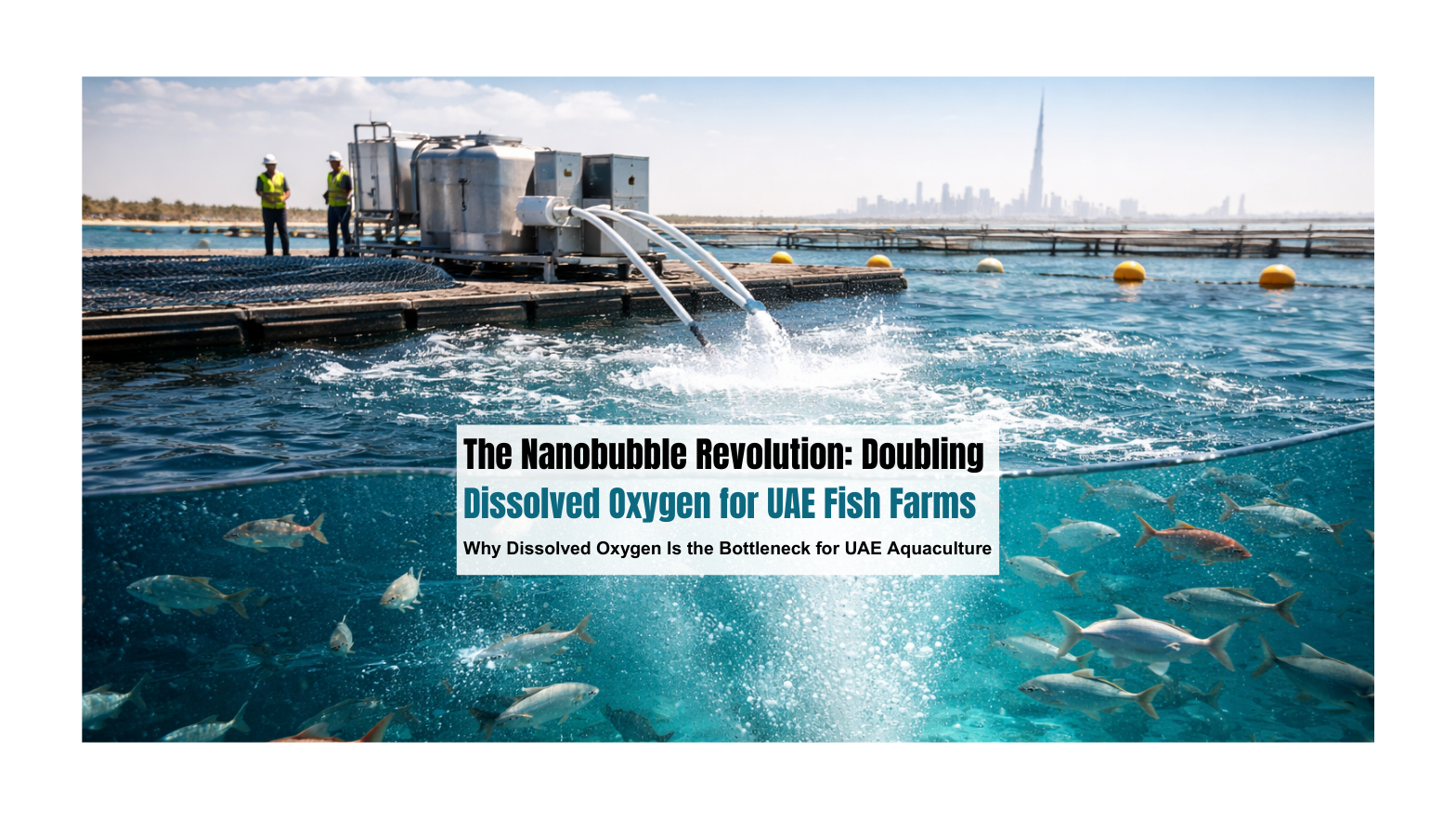
The UAE’s push toward food security under the National Food Security Strategy 2051 has accelerated investment in land-based aquaculture facilities, particularly Recirculating Aquaculture Systems (RAS). Dissolved oxygen management is the single most critical operational parameter in RAS, directly determining fish density, feed conversion ratios, and mortality rates.

T1B’s nanobubble generators installed in RAS oxygenation circuits have demonstrated the ability to maintain DO levels above 8 mg/L in recirculating seawater systems, a benchmark that conventional liquid oxygen injection struggles to achieve economically at scale in the UAE’s climate. The result is higher stocking densities, lower mortality, and a demonstrably more sustainable water treatment footprint.

Meeting Dubai Municipality and ADSSC Standards: T1B as Your Compliance Architecture

Dubai Municipality Circular 17/2016 and ADSSC’s Technical Guidelines on Industrial Effluent set clear discharge quality thresholds: BOD below 20 mg/L, COD below 150 mg/L, TSS below 30 mg/L, and pH within 6–9. For facilities discharging to the sewer network or coastal waters, the compliance burden has never been more rigorously enforced.

T1B’s integrated approach, combining nanobubble generator hardware with precision bioaugmentation using specifically formulated microbial consortia, addresses the root cause of ETP non-compliance: insufficient and inconsistent biological treatment performance. Unlike equipment-only vendors, T1B provides ongoing performance monitoring, microbial health assessments, and process optimization support to ensure that Industrial ETP Efficiency translates into sustained regulatory compliance, not just initial commissioning performance.

Do not wait for a non-compliance notice from Dubai Municipality or ADSSC to initiate your ETP modernization. T1B’s engineering team conducts rapid efficiency audits, contact them before the next inspection cycle.

Aligning with UAE Net Zero 2050: Nanobubbles as a Decarbonization Tool

Aligning with UAE Net Zero 2050: Nanobubbles as a Decarbonization Tool

The UAE’s Net Zero 2050 Strategic Initiative places direct responsibility on industrial operators to reduce Scope 1 and Scope 2 emissions across their operations. Aeration systems, given their energy intensity, are a logical and high-impact decarbonization target.

A 40% reduction in aeration energy consumption across an industrial ETP does not merely save money, it generates verifiable, auditable Scope 2 emission reductions that can be reported against corporate sustainability targets. For organizations pursuing LEED certification, ISO 14001 compliance, or ESG reporting obligations, T1B’s nanobubble deployments provide quantifiable environmental performance data that supports these frameworks directly.

Sustainable Water Treatment is no longer a corporate social responsibility aspiration in the UAE, it is a regulatory and commercial imperative.

Global Accessibility: Source T1B Technology Through the Official Alibaba Store

For procurement teams operating across the UAE and internationally, sourcing advanced nanobubble hardware and microbial formulations through verified, auditable supply chains is a non-negotiable requirement.

Team One Biotech operates a fully verified Official Alibaba Store, providing procurement officers, plant engineers, and international facility managers with direct access to T1B’s complete product range, including nanobubble generator units, replacement components, and proprietary microbial bioaugmentation formulations.

The Alibaba platform provides verified supplier credentials, trade assurance protections, and international shipping logistics support, making T1B’s technology accessible whether your ETP is located in Jebel Ali, the Ruwais Industrial Complex, or internationally across Southeast Asia, South Asia, and Africa.

For UAE-based procurement teams with existing DM or ADSSC vendor approval requirements, T1B’s regional engineering team provides full technical documentation, compliance dossiers, and on-site commissioning support in parallel with Alibaba store procurement.

The platform removes every barrier between your facility’s efficiency gap and the technology that closes it. Visit the T1B Official Alibaba Store today, request a product consultation, and let your procurement team begin the process that your engineering team has already identified as necessary.

One Final Thought for Decision-Makers in Dubai and Abu Dhabi

Every month that an industrial ETP in the UAE runs on conventional aeration is a month of energy cost, biological underperformance, and compliance risk that nanobubble technology could have eliminated. The science is settled. The deployments are documented. The regulatory alignment is direct.

The only remaining variable is whether your organization acts before a non-compliance event, an energy audit, or a competitor’s sustainability report forces the conversation.

T1B’s engineering team is available for rapid ETP efficiency assessments. The audit costs nothing. The delay costs more than you may currently be accounting for.

Looking to improve your ETP/STP efficiency with the right bioculture?
Talk to our experts at Team One Biotech for customised microbial solutions.

Contact+91 8855050575

Email:  sales@teamonebiotech.com

Visit: www.teamonebiotech.com

Discover More on YouTube – Watch our latest insights & innovations!-

Connect with Us on LinkedIn – Stay updated with expert content & trends!

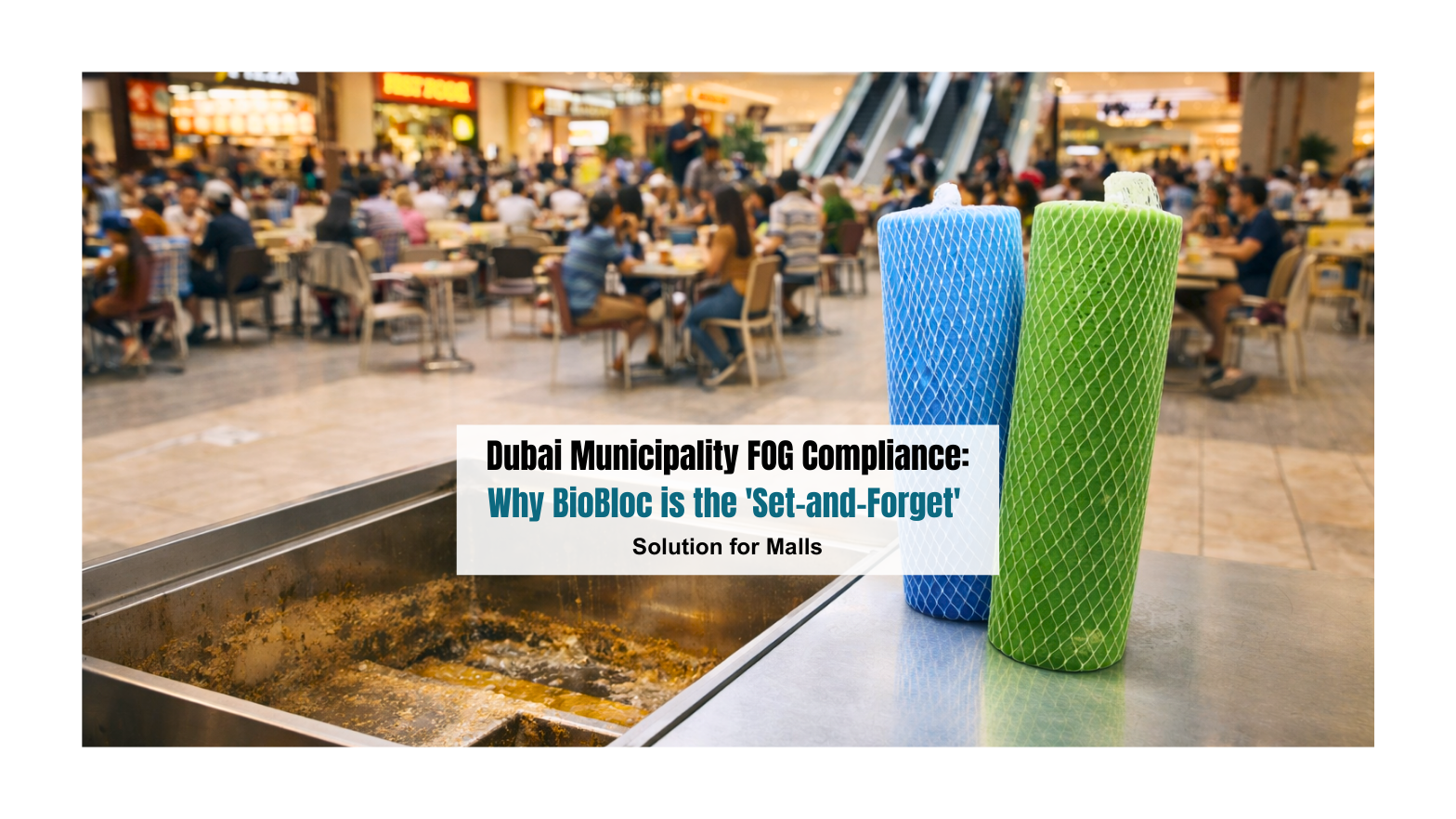
Dubai Municipality FOG Compliance: Why BioBloc is the 'Set-and-Forget' Solution for Malls
Dubai Municipality FOG Compliance: Why BioBloc is the ‘Set-and-Forget’ Solution for Malls

The Fine You Never Saw Coming

A routine Dubai Municipality inspection at your shopping mall, The inspector walks the food court, checks the grease trap, and what he finds stops the conversation cold, a blockage, a foul odor rising from the drainage system, and a grease trap that hasn’t been properly maintained in weeks. Within days, you’re looking at a compliance notice, a heavy fine, and the very real possibility of a temporary operational shutdown.

For facility managers overseeing large-scale commercial properties across the UAE, this is not a hypothetical. It happens. And it happens more often than the industry likes to admit, not because of negligence, but because traditional FOG (Fats, Oils, and Grease) management methods are fundamentally reactive, labor-intensive, and poorly suited to the demands of high-traffic environments.

Dubai Municipality (DM) and the Abu Dhabi Sewerage Services Company (ADSSC) enforce some of the most stringent wastewater discharge regulations in the region. Non-compliance isn’t just a reputational risk, it carries real financial teeth. The question isn’t whether your facility needs a robust FOG management strategy. The question is whether your current approach is actually working.

Team One Biotech’s BioBloc was engineered to answer that question definitively.

The FOG Menace in the UAE: A Problem the Heat Makes Worse

Why FOG Is a Unique Threat in High-Temperature Climates

FOG is a universal challenge in commercial foodservice. But in the UAE, the problem operates on a different level, one that most facility managers underestimate until they’re dealing with a blocked drain during peak trading hours.

Here’s the science behind it: Fats, oils, and grease discharged from commercial kitchens enter drainage systems in a warm, liquid state. In many cooler climates, FOG cools gradually and solidifies slowly. In the UAE, the dynamic is more volatile. Ambient temperatures inside mall infrastructure fluctuate dramatically, grease that flows freely from a kitchen at 40°C hits cooler pipe walls, solidifies rapidly, and begins accumulating in layers.

Over time, this accumulation creates:

  • Severe pipe blockages that restrict or completely halt wastewater flow
  • Hydrogen sulfide gas buildup, the primary source of the foul “rotten egg” odor that migrates into food courts, restrooms, and service corridors
  • Grease trap overflows, which push untreated wastewater back into the facility or directly into municipal sewer lines
  • Regulatory violations that trigger DM inspections, compliance notices, and fines under UAE Federal Law No. 24 of 1999 and local municipal bylaws

For a shopping mall with 30, 50, or 100 food and beverage outlets, the FOG load entering the drainage system daily is enormous. A single quick-service restaurant can discharge several kilograms of grease per shift. Multiply that across an entire food court operating 14 hours a day, seven days a week, and the scale of the challenge becomes immediately apparent.

Manual grease trap pumping, the traditional response, addresses the symptom, not the source. It removes accumulated grease at intervals, but does nothing to break down FOG before it solidifies, nothing to eliminate odor-causing bacteria, and nothing to maintain the biological health of the drainage system between service visits.

BioBloc: The Science of Slow-Release Biological Treatment

BioBloc: The Science of Slow-Release Biological Treatment

How the Technology Works

BioBloc, developed and distributed by Team One Biotech (T1B), takes a fundamentally different approach to FOG management. Rather than waiting for grease to accumulate and then physically removing it, BioBloc introduces a continuous biological intervention at the point of entry, before FOG has the chance to solidify, block, or create compliance risk.

The technology is built around a slow-release block formulation that delivers a precisely calibrated blend of bacterial cultures and enzymatic compounds directly into the wastewater stream. Here’s what makes this approach technically superior:

Bacterial Action: BioBloc contains specially selected aerobic and facultative anaerobic bacteria, strains specifically adapted to survive and thrive in high-temperature, high-grease environments like those found in UAE commercial infrastructure. These bacteria colonize the pipe walls and grease trap surfaces, establishing a biological ecosystem that continuously digests FOG before it can accumulate.

Enzymatic Breakdown: The enzyme complex within BioBloc, primarily lipases, works by breaking the molecular bonds within fat and oil molecules. This process, called hydrolysis, converts complex lipid structures into simpler fatty acids and glycerol, which the bacterial cultures then metabolize further. The end result is a dramatic reduction in FOG load reaching the grease trap and downstream sewer infrastructure.

Slow-Release Architecture: Unlike liquid biological dosing systems that require calibrated pumps, regular refills, and ongoing technical oversight, BioBloc’s solid block format dissolves gradually with each flush cycle. This means consistent, uninterrupted biological treatment 24 hours a day without daily operator intervention.

The practical outcome: grease traps stay cleaner for longer, odor is suppressed at the biological source rather than masked with chemicals, and the entire drainage system operates with significantly reduced maintenance overhead.

BioBloc vs. Chemical Dosing vs. Manual Cleaning

MethodFOG BreakdownOdor ControlLabor RequiredCompliance Risk Reduction
Manual PumpingNoneNoneHighLow
Chemical DosingPartialTemporaryModerateModerate
BioBlocCompleteSustainedMinimalHigh

Chemical degreasers and surfactants are still widely used across the UAE commercial sector. They work, briefly. Surfactants emulsify grease, pushing it further into the sewer system where it re-solidifies downstream, often in municipal lines. This shifts the problem rather than solving it, and DM inspectors are increasingly aware of this practice. Some chemical compounds also conflict with the biological populations in wastewater treatment plants, reducing treatment efficiency at the municipal level, a compliance consideration that facility managers rarely factor in until it becomes a formal issue.

Dubai Municipality Compliance: What Facility Managers Need to Know

Dubai Municipality Compliance: What Facility Managers Need to Know

The Regulatory Framework

DM’s Technical Guidelines for Grease Traps and ADSSC’s Code of Practice set clear standards for FOG concentrations in discharged wastewater. Permitted FOG levels in effluent are tightly capped, typically below 100 mg/L for commercial discharges, and grease traps must be maintained in a manner that consistently meets these thresholds.

Compliance isn’t periodic. It’s continuous. A grease trap that passes inspection one month can fail the next if the maintenance regime isn’t sustained. This is where most facilities that rely solely on scheduled manual pumping run into trouble, the compliance window between pump-outs is a vulnerability period.

BioBloc eliminates that vulnerability window. Because biological treatment is ongoing rather than episodic, FOG concentrations in discharged wastewater remain consistently low throughout the month, not just in the days following a pump-out.

For facility managers operating under DM and ADSSC oversight, this has a direct implication: BioBloc doesn’t just help you pass inspections, it keeps you in a state of continuous compliance readiness.

The “Set-and-Forget” Advantage for Facility Managers

Labor, Cost, and Operational Reality

Managing a large shopping mall means managing hundreds of competing priorities simultaneously. Grease trap maintenance is non-negotiable from a compliance standpoint, but it shouldn’t require disproportionate operational attention. With BioBloc, it doesn’t.

Installation is straightforward: blocks are placed in the grease trap or drain inlet, and the slow-release mechanism does the rest. Replacement intervals depend on usage volume but are measured in weeks rather than days. For a facility management team already stretched across security, HVAC, cleaning, and tenant relations, this matters enormously.

The cost-benefit case is equally compelling:

  • Reduced pump-out frequency: Facilities using BioBloc consistently report extended intervals between required grease trap pump-outs, in some cases by 40 to 60 percent. At UAE commercial pump-out rates, this translates directly to significant annual savings.
  • Reduced emergency call-outs: Blocked drains during operational hours are among the most disruptive and costly maintenance events a mall can experience. BioBloc’s continuous FOG prevention dramatically reduces blockage incidents.
  • Reduced compliance risk: A single DM fine for wastewater non-compliance can far exceed an entire year’s investment in a biological treatment program. The economics are not subtle.
  • Reduced chemical procurement and storage: Replacing chemical dosing programs with BioBloc eliminates the procurement, storage, handling, and disposal overhead associated with commercial degreasers.

Regional Application: Malls, Lift Stations, and the UAE Industrial & Marine Sustainability Context

Regional Application: Malls, Lift Stations, and the UAE Industrial & Marine Sustainability Context

Scaling BioBloc Across Complex Infrastructure

Shopping malls are among the most demanding environments for FOG management, but they’re not the only context where BioBloc delivers measurable results. Across the UAE’s broader industrial and commercial landscape, T1B deploys BioBloc in:

  • Lift stations and pump stations, where FOG accumulation on pump components causes mechanical failure and requires costly emergency maintenance
  • Hotel and hospitality kitchens, where high-volume food preparation generates continuous FOG loads throughout the day and night
  • Port and marine facilities, where the UAE Industrial & Marine Sustainability Hub’s environmental standards demand wastewater treatment solutions that align with international sustainability benchmarks
  • Industrial food processing sites, where regulatory oversight from both DM and federal environmental authorities requires documented, consistent FOG management protocols

The UAE’s Port Authorities, particularly across the Jebel Ali and Khalifa Port corridors, operate under increasingly stringent environmental discharge standards that mirror international maritime environmental protocols. BioBloc’s biological approach aligns with these standards in a way that chemical alternatives cannot, it reduces total organic load rather than redistributing it.

Environmental Impact: Compliance With a Conscience

Beyond regulatory compliance, there is a broader environmental dimension to FOG management that the UAE’s sustainability agenda makes increasingly relevant. The UAE Net Zero 2050 Strategic Initiative and Dubai’s Clean Energy Strategy both place environmental stewardship at the center of commercial operations.

FOG entering municipal wastewater systems doesn’t disappear, it consumes oxygen in treatment processes, disrupts biological treatment in municipal plants, and in overflow events, contributes to waterway contamination. BioBloc’s approach reduces the organic burden reaching municipal infrastructure, meaning every installation contributes, in a small but real way, to a healthier urban wastewater ecosystem.

For sustainability-focused facility managers and corporate real estate teams with ESG reporting obligations, this is a genuine differentiator worth documenting.

Stop Managing the Symptom. Eliminate the Source.

The FOG problem in UAE commercial environments is not going away, if anything, the continued growth of the UAE’s food and beverage sector, combined with increasingly rigorous DM and ADSSC enforcement, means the compliance pressure on facility managers will only increase.

Manual pump-outs deal with what’s already accumulated. Chemical dosing masks the problem temporarily. BioBloc addresses FOG at the biological level, continuously, consistently, and with minimal operational overhead.

For facility managers responsible for shopping malls, hotel complexes, food processing facilities, or any high-volume commercial kitchen environment, the case for BioBloc is straightforward: it reduces compliance risk, reduces maintenance costs, reduces operational disruption, and positions your facility for the kind of sustained wastewater compliance that DM and ADSSC inspections demand.

This is not a product that requires faith. It is a product that requires a conversation.

Contact Team One Biotech today to speak with a specialist about your facility’s specific FOG load, grease trap configuration, and compliance requirements. T1B’s team works directly with facility managers across the UAE to design biological treatment programs that are sized, scoped, and priced for your operational reality.

Ready to Procure? Visit the T1B Official Alibaba Store

For procurement teams, purchasing managers, and international buyers looking to source BioBloc and the full range of T1B biological treatment solutions, the Team One Biotech Official Alibaba Store offers direct access to the complete product catalog with verified supplier status, transparent pricing, and global shipping capability.

Whether you are managing a single facility in Dubai or sourcing for a regional portfolio across the GCC, T1B’s Alibaba storefront provides a secure, streamlined procurement pathway with the product documentation, safety data sheets, and compliance certifications your procurement team requires.

Visit the T1B Official Alibaba Store to explore BioBloc specifications, request bulk pricing, and connect directly with T1B’s international sales team. Global shipping is available, and T1B’s logistics team has established freight and customs experience across the Middle East, South Asia, and Southeast Asian markets.

Team One Biotech is a specialist provider of biological wastewater treatment solutions serving the UAE, GCC, and international markets. T1B’s product portfolio includes biological FOG management, odor control, and industrial wastewater treatment solutions designed for compliance-critical commercial and industrial environments.

Looking to improve your ETP/STP efficiency with the right bioculture?
Talk to our experts at Team One Biotech for customised microbial solutions.

Contact+91 8855050575

Email:  sales@teamonebiotech.com

Visit: www.teamonebiotech.com

Discover More on YouTube – Watch our latest insights & innovations!-

Connect with Us on LinkedIn – Stay updated with expert content & trends!

Marine Oil Spill Response: Using Indigenous UAE Bacteria for Rapid Hydrocarbon Degradation

The Arabian Gulf Is Not Just Any Body of Water

For generations, the waters of the Arabian Gulf have sustained life in ways that extend far beyond commerce. The same coastlines that now support some of the world’s most ambitious port infrastructure, Jebel Ali, Khalifa Port, Mina Zayed, once nurtured pearl divers whose trade defined Emirati identity for centuries. The mangroves of Abu Dhabi’s Eastern Corniche and the seagrass beds off Ras Al Khaimah are not geological footnotes. They are living archives of a maritime culture that predates the modern UAE by thousands of years.

Today, that heritage faces a calculated risk. The UAE’s position as a global industrial and marine sustainability hub, processing, refining, and transporting millions of barrels of hydrocarbons annually, means that the probability of accidental marine oil spills is not hypothetical. It is statistical. And when those spills occur, the response strategy deployed in the first 72 hours determines whether an ecosystem recovers or collapses.

This is where the science of bioremediation, and specifically, the innovation behind T1B OS by Team One Biotech, a robust microbial bioculture becomes not just commercially relevant, but environmentally essential.

Understanding Oil Spills: A Global Environmental Hazard

Understanding Oil Spills: A Global Environmental Hazard

Oil spills are the accidental release of liquid petroleum or hydrocarbon products into the environment. They occur most commonly as a result of maritime transportation accidents, oil well blowouts, or pipeline leaks, all scenarios that are statistically relevant along the UAE’s heavily trafficked Gulf shipping lanes and its extensive offshore production infrastructure.

Oil spills are widely regarded as one of the most severe environmental hazards humanity creates, and for good reason. Hydrocarbons are chemically complex, structurally stable, and extraordinarily difficult to treat once dispersed in a marine or terrestrial environment. The consequences extend across three critical dimensions:

  • Ecological devastation: Widespread damage to marine ecosystems and wildlife, from microscopic phytoplankton to large marine mammals, disrupting food webs that took millennia to establish.
  • Human health risk: Long-term contamination of drinking water sources and the food chain, with hydrocarbon bioaccumulation in fish tissue presenting direct public health consequences for coastal communities.
  • Economic destruction: Oil spills inflict severe economic damage on coastal communities, crippling the fishing and tourism industries that many UAE communities depend upon for their livelihoods.

In the UAE context, these consequences are amplified by the unique hydrological characteristics of the Arabian Gulf, making rapid, effective bioremediation not simply desirable, but operationally critical.

The Problem With Oil Spills in the Gulf: It’s More Complex Than It Looks

The Problem With Oil Spills in the Gulf: It's More Complex Than It Looks

Why the Arabian Gulf Is Uniquely Vulnerable

The Arabian Gulf is one of the most hydrologically stressed marine environments on the planet. It is semi-enclosed, shallow, averaging just 35 meters in depth, and subject to extreme seasonal temperatures that routinely exceed 35°C at the surface. Salinity levels average between 38 and 45 parts per thousand, significantly higher than the global ocean average of 35 ppt. Water residence time, the period before Gulf water is flushed into the Indian Ocean, is estimated at between three and five years.

For HSE managers and port authorities overseeing marine oil spill response in UAE waters, these figures represent an operational reality: pollutants introduced into the Gulf do not simply wash away. They concentrate, they settle into sediment, and they persist.

The Triple Impact: Desalination, Fisheries, and Mangroves

An oil spill event in Gulf waters triggers a cascade of consequences that are uniquely severe in the UAE context.

Desalination Infrastructure: The UAE produces approximately 14% of the world’s desalinated water. A significant proportion of the nation’s desalination plants, including the massive Jebel Ali facility and Abu Dhabi’s Taweelah complex, draw intake water directly from the Gulf.

Hydrocarbon contamination of intake zones does not just disrupt operations. It forces costly shutdowns, requires emergency membrane replacement, and creates a direct threat to national water security. When drinking water sources become contaminated with petroleum compounds, the impact extends far beyond infrastructure, it infiltrates the food chain, with long-term public health consequences that are difficult to quantify and harder still to reverse.

  • Local Fishing Industries: Artisanal fishing communities, particularly in Umm Al Quwain, Ras Al Khaimah, and the eastern coast of Fujairah, depend directly on healthy inshore fisheries. Polycyclic aromatic hydrocarbons (PAHs) released during spill events bioaccumulate in fish tissue, rendering catches commercially unviable and presenting genuine public health risks. The economic and cultural damage to these communities is rarely captured in incident cost assessments, yet it can persist for years after a spill is declared ‘contained.’
  • Mangrove Ecosystems: The UAE hosts an estimated 50 million mangrove trees, with Abu Dhabi committed to planting a further 30 million under its national climate agenda. Mangroves serve as critical carbon sinks, coastal stabilizers, and nursery habitats for commercially important fish species. Crude oil and refined petroleum products penetrate the anaerobic sediment layers where mangrove root systems operate, causing root suffocation and leaving toxic residues that persist for decades without active intervention.

Why Mechanical Recovery Is Not Enough

Traditional mechanical oil spill response, booms, skimmers, vacuum tankers, and sorbent materials, is necessary but structurally insufficient. These methods address the visible surface slick. They do not address dissolved hydrocarbons in the water column, oil that has emulsified, or PAHs that have sedimented on the seabed. Studies consistently show that mechanically ‘cleaned’ sites retain toxic hydrocarbon fractions in sediment for five to twenty years post-incident, continuing to suppress marine biodiversity long after the headlines have faded.

Chemical dispersants, the other conventional tool, carry their own toxicity profile. Several dispersant compounds approved in other jurisdictions are explicitly restricted under Dubai Municipality (DM) environmental standards and are incompatible with ADSSC (Abu Dhabi Sewerage Services Company) industrial discharge guidelines for facilities with marine adjacency.

The regulatory and ecological gap between mechanical recovery and genuine remediation is precisely where bioremediation enters, and where T1B OS delivers a measurable advantage.

T1B OS: Indigenous Bacteria, Engineered for Gulf Conditions

What Is T1B OS? A Product Built for Real-World Gulf Conditions

Bioremediation of oil spills is a natural, eco-friendly approach to treating environments contaminated with hydrocarbons, and it represents the most scientifically defensible solution available for the Arabian Gulf’s specific environmental parameters. T1B OS, a dedicated product from Team One Biotech’s environmental solutions portfolio, is a robust microbial bioculture designed to accelerate the breakdown of oil and petroleum-based contaminants in both soil and water environments.

T1B OS is classified as a non-pathogenic biological product, meaning it poses no risk to human health, marine fauna, or operational personnel during application. It is a GRAS-equivalent (Generally Recognized As Safe) formulation, and its biological composition is fully transparent and documentable for regulatory submission purposes under both DM and ADSSC compliance frameworks.

The core distinction of T1B OS lies in its microbial provenance. The bacterial strains within T1B OS are indigenous to the Arabian Gulf and UAE coastal environments. They were isolated, identified, and cultured from the very sediment and water columns they are designed to treat. This is not a marginal technical detail. It is the factor that determines whether a bioremediation product performs under real Gulf conditions or underperforms against the laboratory data sheets of a European or North American supplier.

Is your facility’s spill response plan aligned with current bioremediation provisions under Dubai Municipality and ADSSC regulations? 

Contact Team One Biotech today to schedule a no-obligation technical consultation with our Gulf-region environmental specialists.

The Science of Rapid Hydrocarbon Degradation, Made Accessible

Hydrocarbon degradation is a natural process. Certain bacteria have evolved, over geological timescales, to metabolize petroleum compounds as a carbon and energy source. The limitation of natural attenuation, the unassisted version of this process, is time. Natural microbial populations in a spill zone are often insufficient in density and diversity to address a large hydrocarbon load within ecologically acceptable timeframes.

T1B OS accelerates this process through bioaugmentation: the targeted introduction of a high-density, pre-adapted microbial consortium directly into the contaminated zone. The consortium includes strains from genera such as Alcanivorax, Marinobacter, Rhodococcus, and Pseudomonas, organisms with documented alkane hydroxylase and aromatic ring-cleaving enzyme systems. In practice, the degradation pathway operates as follows:

  • Aliphatic hydrocarbons (alkanes, the dominant fraction in crude oil) are oxidized by bacterial enzymes into fatty acids, which are then mineralized to carbon dioxide and water, both environmentally benign end products.
  • Polycyclic aromatic hydrocarbons (PAHs), the fraction most toxic to marine organisms and most persistent in sediment, are targeted by ring-cleavage dioxygenases, breaking the aromatic structure into compounds the microbial community can fully metabolize.
  • Biosurfactant production by strains within the T1B OS consortium increases hydrocarbon bioavailability, effectively making oil droplets accessible to bacteria that would otherwise be unable to penetrate the hydrocarbon-water interface.

Because T1B OS bacteria are indigenous to high-salinity, high-temperature Gulf environments, they remain metabolically active at salinities above 40 ppt and water temperatures between 28°C and 42°C. Generic imported cultures, optimized for temperate European or North American waters, demonstrate dramatically reduced metabolic rates under these precise conditions, conditions that are standard, not exceptional, in the Gulf.

Regulatory Alignment: Dubai Municipality and ADSSC Compliance

For compliance officers and HSE managers navigating UAE environmental frameworks, T1B OS offers a bioremediation pathway that is structurally aligned with current regulatory expectations.

Dubai Municipality’s Technical Guideline TG-002 for Environmental Protection explicitly encourages the use of biologically based remediation technologies for

hydrocarbon-contaminated sites where chemical intervention poses secondary ecological risk. 

T1B OS, as a non-toxic, non-pathogenic, non-GMO biological product, satisfies these criteria without requiring the exceptional use permits that chemical dispersants typically demand.

For Abu Dhabi facilities subject to ADSSC’s Industrial Waste Management Regulations, T1B OS can be integrated into facility spill response plans as a compliant secondary treatment following initial mechanical recovery, addressing both the regulatory documentation requirement and the practical residual contamination challenge that mechanical methods leave unresolved.

T1B OS in the Field: Application and Scale

T1B OS is formulated for flexible deployment across the operational scales that UAE port authorities and oil facility managers actually encounter:

  • Nearshore and harbour spills: Direct liquid application to the water surface, compatible with existing boom containment protocols.
  • Sediment treatment: Slurry-phase application for contaminated seabed sediment and mangrove floor remediation.
  • Industrial site runoff and stormwater interceptors: T1B OS functions effectively in land-adjacent hydrocarbon contamination scenarios governed by DM stormwater quality standards.
  • Bilge water and produced water treatment: Applicable in controlled onshore treatment systems for marine vessel operators.

Dosage and application protocols are provided with full technical documentation, and Team One Biotech’s regional team offers on-site deployment support for large-scale incidents.

Port authorities and terminal operators managing active spill scenarios are encouraged to contact Team One Biotech’s emergency response line for same-day technical guidance.

Preserving the Gulf for the Next Generation

There is a version of the Arabian Gulf that our children should inherit, one where sea turtles still nest on Ras Al Khor beaches, where kingfish still run the inshore reefs of Fujairah, and where the mangroves of Abu Dhabi’s coastline continue to store carbon and shelter biodiversity. That version of the Gulf does not happen by accident. It happens because the industries operating within this environment choose response solutions that treat ecological recovery as a genuine operational objective, not simply a public relations obligation.

Oil spills, left inadequately treated, leave a legacy of contaminated sediment, collapsed fisheries, and degraded coastlines that can persist for a generation. The choice of bioremediation, and specifically the choice of an indigenous, Gulf-adapted bioculture like T1B OS, is a choice to honour both the science and the cultural heritage that the Arabian Gulf represents for millions of UAE residents and citizens.

T1B OS exists because the science of bioremediation is mature enough, and the indigenous microbial diversity of the Gulf is rich enough, to make genuine recovery achievable. The question is whether that science is deployed rapidly enough and at sufficient scale when incidents occur.

Team One Biotech invites oil and gas executives, HSE managers, and government compliance officers to engage with us before an incident occurs, not after. A proactive technical consultation costs nothing. An unprepared response to a Gulf oil spill can cost everything.

Global Procurement, Local Expertise: T1B OS on the Official Alibaba Store

Team One Biotech understands that procurement timelines are a genuine operational constraint, particularly for large-scale remediation projects where lead times directly affect environmental outcomes.

To address this, T1B OS is available through the Team One Biotech Official Alibaba Store, providing verified global and regional buyers with direct access to authentic product, transparent technical specifications, and consolidated logistics for bulk orders. Whether you are a port authority procuring emergency response stock, an EPC contractor building a spill response inventory ahead of a major offshore project, or a government environmental agency establishing a national bioremediation reserve, the Alibaba platform offers the procurement infrastructure to support your requirements.

The Alibaba store provides full product documentation, certification records, and direct messaging access to Team One Biotech’s technical sales team for pre-purchase consultation. International shipping to GCC ports is fully supported, with customs-compatible documentation prepared as standard.

Visit the Team One Biotech Official Alibaba Store to review product specifications, request a sample, or initiate a bulk procurement inquiry. For UAE-based clients seeking local technical support alongside product delivery, our regional team in Dubai is available for facility visits and integration planning.

The Arabian Gulf has absorbed the consequences of industrial development for decades. It is capable of recovery, but only with the right intervention, deployed by the right partner. Team One Biotech is that partner. T1B OS is that intervention.

Contact Team One Biotech today to protect what cannot be replaced.

Looking to improve your ETP/STP efficiency with the right bioculture?
Talk to our experts at Team One Biotech for customised microbial solutions.

Contact+91 8855050575

Email:  sales@teamonebiotech.com

Visit: www.teamonebiotech.com

Discover More on YouTube – Watch our latest insights & innovations!-

Connect with Us on LinkedIn – Stay updated with expert content & trends!

Water Stewardship in the UAE: Advanced Bioremediation for Oil, FOG, and Industrial Waste

The Cost of Inaction: Water Scarcity, Regulatory Pressure, and What It Means for Your Operations

The United Arab Emirates sits atop one of the most water-stressed regions on the planet. With annual renewable freshwater resources among the lowest per capita globally, and a rapidly expanding industrial base that demands more from every available liter, the pressure on water infrastructure is not theoretical, it is immediate, measurable, and accelerating. For operations directors, port authorities, and facility managers operating in this environment, the question is no longer whether tighter environmental regulation is coming. It is already here.

Dubai Municipality (DM) and the Abu Dhabi Sewerage Services Company, now operating under the Abu Dhabi Solutions and Services Company (ADSSC) framework, have both significantly strengthened their wastewater discharge standards in recent years. Non-compliance carries consequences that go beyond fines. Operational shutdowns, mandatory third-party audits, reputational damage with regional and international partners, and the potential loss of operating licenses are all real outcomes for facilities that cannot demonstrate adherence to discharge limits for parameters including Total Petroleum Hydrocarbons (TPH), biochemical oxygen demand (BOD), chemical oxygen demand (COD), and Fat, Oil, and Grease (FOG).

At the same time, the UAE’s Net Zero by 2050 Strategic Initiative has redefined the standard by which industrial operations are judged, not just by regulators, but by shareholders, financing institutions, and global partners. Corporate Social Responsibility directors are navigating a landscape where environmental performance is directly linked to market access and long-term business viability.

The good news is that advanced bioremediation technology has evolved to the point where achieving full regulatory compliance, and often exceeding it, is not only possible, but operationally practical across the UAE’s most demanding industrial environments. 

Understanding the UAE’s Unique Environmental Variables

Bioremediation is not a one-size-fits-all technology. The microbial science that underpins effective industrial wastewater treatment must account for the specific environmental conditions of the deployment site. In the UAE, three variables create a treatment challenge that standard solutions, imported wholesale from temperate climates, consistently fail to address adequately.

High Salinity in Receiving Water Bodies

The Arabian Gulf is a semi-enclosed sea with naturally elevated salinity, a condition exacerbated by the UAE’s extensive desalination infrastructure and the discharge of industrial effluents. Microbial consortia that have not been specifically formulated or adapted for high-salinity environments will experience significant population decline when introduced to saline wastewater streams. This is not an edge case, it is the baseline operating condition for every marine terminal, offshore support facility, and coastal industrial operation in the country. Non-pathogenic microbial blends designed for bioremediation in the UAE context must demonstrate halotolerance as a core functional attribute.

Extreme Temperature Fluctuations

Microbial metabolic activity is temperature-sensitive. Enzymatic reaction rates within bacterial cells, the fundamental mechanism by which hydrocarbons are degraded, follow Arrhenius kinetics, meaning that activity roughly doubles with every 10-degree Celsius increase up to the organism’s optimum range, and then drops sharply beyond it. In the UAE, summer ambient temperatures regularly exceed 45°C, and wastewater streams held in open collection systems or surface pits can reach temperatures that are lethal to conventional microbial products. Winter operational conditions, while less extreme, introduce their own variability. Effective bioremediation UAE applications require strains selected for thermal resilience across this full range.

The Imperative of Arabian Gulf Marine Ecosystem Protection

The Arabian Gulf supports critical fisheries, coral systems, and marine biodiversity that are directly connected to the livelihoods and food security of millions of people across the GCC. Incidents of oil contamination, unchecked FOG discharge, or industrial effluent entering nearshore marine environments are not merely regulatory violations, they are events with long-duration ecological consequences. The UAE government has made the protection of this marine ecosystem a stated national priority, and regulatory enforcement in port and coastal zones reflects that commitment. For marine oil spill remediation specifically, the speed and biological efficacy of the response technology deployed in the immediate aftermath of a spill event is a determining factor in ecosystem recovery outcomes.

How Team One Biotech’s Bioremediation Technology Works

How Team One Biotech's Bioremediation Technology Works

Team One Biotech (T1B) approaches industrial wastewater treatment and environmental remediation through a dual-strategy framework rooted in applied microbiology. Understanding the distinction between these two approaches, and why T1B employs both in an integrated system, is essential for any technical decision-maker evaluating solutions for their facility.

Bio-Augmentation: Introducing Purpose-Selected Microbial Populations

Bio-augmentation is the process of introducing concentrated populations of non-pathogenic, hydrocarbon-degrading microorganisms directly into a contaminated waste stream, soil matrix, or water body. These organisms are not genetically modified. They are naturally occurring bacterial and fungal strains, selected and concentrated for their demonstrated capacity to metabolize specific contaminant classes as their primary carbon and energy source.

In the context of industrial wastewater treatment UAE operations, T1B’s bio-augmentation products deliver microbial consortia that are:

  • Hydrocarbon-specific: Capable of degrading a wide spectrum of petroleum-derived compounds including aliphatic hydrocarbons, aromatic hydrocarbons, and polycyclic aromatic hydrocarbons (PAHs) that constitute the primary contaminants in oil and gas wastewater streams.
  •  FOG-targeted: Producing lipase, protease, and amylase enzymes at scale to break down accumulations of Fat, Oil, and Grease in grease traps, collection systems, and treatment infrastructure, directly addressing one of the most persistent compliance challenges in food service, hospitality, and marine catering operations.
  • Halotolerant and thermophilic variants available: Formulated specifically for deployment in the high-salinity, high-temperature conditions characteristic of UAE industrial environments.
  • Non-pathogenic and safe for handlers: Full material safety data sheet (MSDS) compliance, posing no risk to operational personnel or the receiving environment beyond the targeted contaminant degradation function.

Biostimulation: Optimizing the Existing Microbial Environment

Where indigenous microbial populations already exist within a waste stream or contaminated site, a condition that is virtually universal in any organic-rich environment, biostimulation accelerates their natural degradation activity by supplying the limiting nutrients and environmental conditions they require to multiply and perform at maximum biological efficiency.

T1B’s biostimulation approach involves the precise application of nutrient packages, nitrogen, phosphorus, micronutrients, and specialized co-metabolites, calibrated to the specific contaminant load and indigenous microbial profile of each site. The result is a rapid increase in the population density and metabolic activity of naturally occurring hydrocarbon-degraders already present in the system.

The combination of bio-augmentation and biostimulation in T1B’s integrated treatment protocols produces outcomes that neither strategy achieves alone: faster contaminant reduction timelines, lower residual TPH concentrations, and sustained treatment efficacy that persists beyond the initial application window. 

Ready to understand how T1B’s bioremediation technology applies to your specific operations? Contact our technical team for a no-obligation site assessment and contaminant profile review.

Core Application Areas: Where T1B Solutions Deliver Measurable Results

Core Application Areas: Where T1B Solutions Deliver Measurable Results

FOG Management in Dubai: Commercial, Marine, and Industrial Grease Trap Systems

FOG management Dubai is one of the highest-volume compliance categories that Dubai Municipality actively enforces. Food and beverage operations, marine catering suppliers, hotel complexes, and food processing facilities all generate Fat, Oil, and Grease loads that, without active biological management, rapidly overwhelm conventional grease trap infrastructure. The consequence is FOG migration into municipal sewer systems, a condition that triggers DM inspection, remediation orders, and potential facility closure.

T1B’s FOG management solutions employ high-concentration lipase-producing bacterial blends dosed directly into grease trap systems on scheduled application cycles. Documented outcomes in comparable operational environments include:

  • Reduction in grease trap pump-out frequency by up to 60%, directly reducing operational costs
  • Significant decrease in hydrogen sulfide (H2S) gas generation, improving safety conditions for maintenance personnel
  • Consistent maintenance of effluent FOG concentrations below DM discharge thresholds
  • Odor load reduction in collection systems, reducing community and regulatory complaint events

Industrial Wastewater Treatment: Oil and Gas, Petrochemical, and Manufacturing

For operations generating wastewater streams with elevated Total Petroleum Hydrocarbons (TPH) concentrations, including produced water from oil and gas extraction, wash water from equipment maintenance yards, and effluent from petrochemical processing, T1B’s bio-augmentation products are designed to integrate directly into existing treatment train infrastructure.

Rather than requiring wholesale replacement of physical treatment systems, T1B’s biological products function as a biological polishing layer that achieves TPH reduction targets that physical separation methods alone cannot reliably deliver. This integration approach means:

  • Lower capital expenditure: No requirement for new physical infrastructure in most deployment scenarios
  • Operational continuity: Treatment remains active during normal facility operations without process interruption
  • Scalable dosing: Application rates calibrated to seasonal fluctuations in contaminant load and ambient temperature
  • Documented discharge compliance: Supported by analytical testing and treatment records suitable for regulatory submission to Dubai Municipality and ADSSC

Marine Oil Spill Remediation: Rapid Response and Long-Term Recovery

Port authorities, offshore support vessel operators, and marine terminal managers carry direct liability for oil spill events within their operational zones. Marine oil spill remediation using T1B’s rapidly deployable bio-augmentation products offers a biological response capability that complements mechanical containment and recovery operations.

In marine environments, T1B’s specialized hydrocarbon-degrading consortia, formulated for the Arabian Gulf’s specific salinity and temperature profile, can be applied to:

  • Contaminated water column and surface film hydrocarbon loads following spill events
  • Shoreline and intertidal zone sediment contamination
  • Bilge water and ballast water hydrocarbon contamination management in port facilities
  • Oily sludge in collection pits and storage areas at marine terminals

The biological degradation pathway, converting petroleum hydrocarbons into carbon dioxide, water, and biomass, leaves no persistent chemical residue in the receiving marine environment, a critical advantage over chemical dispersant approaches that face increasing regulatory scrutiny globally and within UAE jurisdictional waters.

Navigating Dubai Municipality and ADSSC Compliance Standards

For any facility discharging industrial wastewater in Dubai or Abu Dhabi, the regulatory frameworks administered by Dubai Municipality and the Abu Dhabi Solutions and Services Company (ADSSC) define the operational boundaries within which you must perform, consistently, across every discharge event, regardless of seasonal operational peaks or process upsets.

What the Standards Require

Dubai Municipality’s technical guidelines for industrial effluent discharge establish maximum permissible limits across a comprehensive range of parameters. Key thresholds relevant to oil and gas and marine sector operations typically include limits on:

  • Total Petroleum Hydrocarbons (TPH): Stringent maximum concentrations for direct discharge to sewer and, where applicable, marine outfall points
  • Fat, Oil, and Grease (FOG): Limits that apply to any food service, catering, or food processing operation connected to the municipal sewer network
  • Biochemical Oxygen Demand (BOD) and Chemical Oxygen Demand (COD): Indicators of overall organic loading that directly reflect biological treatment effectiveness
  • Suspended Solids (SS) and pH: Physical-chemical parameters that define acceptable effluent quality across all discharge categories

ADSSC’s standards in Abu Dhabi operate under a similarly structured framework with equivalent technical rigor. Facilities operating across both emirates must ensure that their treatment systems and operational protocols are calibrated to the more stringent of the applicable standards at each discharge point, a complexity that makes a technically capable treatment partner, rather than a commodity chemical supplier, a strategic necessity.

How T1B Helps You Exceed, Not Just Meet, Compliance Thresholds

The distinction between meeting and exceeding discharge standards is not semantic. Facilities that consistently achieve effluent quality substantially below maximum permitted limits build a documented compliance record that provides operational headroom during process upsets, seasonal peaks, or system maintenance periods. T1B’s treatment protocols are designed to target effluent quality at margins that provide this headroom.

T1B supports client compliance in four specific ways:

  • Pre-Treatment Assessment: Detailed characterization of incoming wastewater contaminant profiles, enabling precise product selection and dosing protocol development before treatment begins
  • Treatment Protocol Documentation: Systematic application records, dosing logs, and effluent monitoring data formatted for regulatory submission to Dubai Municipality and ADSSC
  • Adaptive Dosing Protocols: Treatment programs that adjust to seasonal temperature fluctuations and operational load variations, ensuring consistent compliance performance year-round, not just during favorable conditions
  • Technical Support and Escalation: Access to T1B’s technical team for troubleshooting, treatment optimization, and rapid response to compliance events

Are you currently at risk of exceeding your DM or ADSSC discharge limits? T1B offers a rapid compliance gap assessment. Speak to a T1B technical consultant this week.

Aligning with UAE Net Zero by 2050: The Business Case for Advanced Bioremediation

Aligning with UAE Net Zero by 2050: The Business Case for Advanced Bioremediation

The UAE’s Net Zero by 2050 Strategic Initiative is not a distant policy aspiration, it is actively reshaping the regulatory and commercial environment in which industrial operations compete. Government entities, national oil companies, port authorities, and sovereign wealth funds are all incorporating sustainability performance metrics into procurement decisions, concession renewals, and operational licensing criteria.

For CSR Directors and Operations Heads, this creates a direct commercial imperative to demonstrate environmental performance that goes beyond minimum regulatory compliance. Advanced bioremediation offers a contribution to the Net Zero agenda that is both substantive and documentable:

  • Carbon-neutral degradation pathway: The biological oxidation of petroleum hydrocarbons produces carbon dioxide and water as end products, the same outputs as natural aerobic decomposition, with no introduction of persistent synthetic chemicals
  • Reduced energy intensity: Biological treatment systems typically operate at significantly lower energy consumption than physical-chemical treatment alternatives, contributing to facility-level carbon footprint reduction
  • Waste minimization: Effective FOG and hydrocarbon management reduces sludge generation volumes, decreasing the waste disposal burden on municipal infrastructure
  • Circular biology: Bioremediation products return organic contaminants to the natural carbon cycle, aligning with circular economy principles increasingly embedded in UAE sustainability frameworks

For operations reporting under frameworks such as the Global Reporting Initiative (GRI), the Task Force on Climate-related Financial Disclosures (TCFD), or the UAE Securities and Commodities Authority’s ESG disclosure requirements, documented bioremediation outcomes translate directly into measurable environmental performance data that strengthens sustainability reporting credibility.

Why Team One Biotech: The Technical and Commercial Differentiators

The UAE market for industrial wastewater treatment and environmental services includes a wide range of providers, from multinational chemical companies to local service contractors. The differentiating factors that position Team One Biotech as the preferred technical partner for compliance-critical applications are rooted in specific capabilities:

Formulations Developed for the Arabian Gulf Operational Environment

T1B’s microbial products are not European or North American formulations repackaged for the Middle East market. The temperature range, salinity gradient, and contaminant profiles of UAE industrial operations are embedded in the selection criteria applied to every microbial blend in T1B’s product portfolio. This is not a marginal advantage, it is the difference between treatment systems that perform consistently and those that fail precisely when environmental stress is highest.

Full Technical Data Sheet Transparency

T1B maintains comprehensive technical documentation for every product in its range: microbial enumeration data, contaminant degradation performance benchmarks, application protocols, safety data sheets, and regulatory compliance records.

Proven Deployment Across UAE Industrial Sectors

T1B’s solutions have been deployed across the oil and gas sector, marine port infrastructure, food and beverage manufacturing, hospitality facilities, and municipal wastewater support applications in the UAE and broader GCC region. This operational depth means that T1B’s technical team brings direct, relevant experience to every new client engagement, not theoretical product knowledge, but documented field performance.

Integrated Support from Assessment Through Compliance Reporting

T1B’s value proposition extends beyond product supply. From initial site assessment and contaminant characterization through treatment protocol development, application support, and compliance documentation, T1B functions as a technical partner, embedded in the operational challenge, not standing outside it as a commodity supplier. 

Take the Next Step: Protect Your Operations, Meet Your Compliance Obligations, and Lead on Sustainability

The regulatory environment governing industrial wastewater discharge in the UAE is not static, and it is not forgiving of operators who treat environmental compliance as a secondary priority. Dubai Municipality and ADSSC enforcement activity has intensified, reporting requirements are more granular, and the consequences of non-compliance are more immediate than they have ever been.

Team One Biotech offers a direct path to compliance confidence, built on microbial science that works in UAE conditions, technical support that engages with your specific operational context, and documentation that stands up to regulatory scrutiny. 

Global Reach, Local Expertise: Visit the T1B Official Alibaba Store

For procurement managers, operations directors, and technical teams evaluating bioremediation solutions for UAE operations, Team One Biotech’s official Alibaba store serves as the primary portal for international product access, technical specification review, and procurement inquiry.

The T1B Alibaba store provides direct access to:

  • Full product catalogue: The complete range of T1B bioremediation products organized by application, hydrocarbon degradation, FOG management, marine environment remediation, and industrial wastewater treatment UAE applications
  • Technical Data Sheets (TDS): Downloadable product specifications including microbial enumeration, application rates, performance data, operating temperature and salinity ranges, and compatibility information
  • Material Safety Data Sheets (MSDS): Full safety documentation for all products, formatted for UAE regulatory authority review and workplace safety compliance
  • Bulk and commercial pricing: Volume pricing structures appropriate for large-scale industrial deployment, port authority procurement, and ongoing operational treatment contracts
  • Direct technical inquiry: Contact pathways to T1B’s technical team for product selection guidance, application consultation, and site-specific treatment protocol development

For international buyers, logistics partners, and organizations operating across multiple jurisdictions in the Middle East and North Africa region, the T1B Alibaba platform provides the procurement infrastructure of a globally recognized marketplace combined with the technical depth and regional expertise that UAE-specific industrial wastewater treatment demands. Whether your requirement is a single facility deployment or a multi-site programme aligned with your organization’s commitment to the UAE Net Zero by 2050 Strategic Initiative, the T1B Alibaba store is the starting point for an informed procurement decision.

Visit the T1B Official Alibaba Store to access technical data sheets, product specifications, and procurement support. Your compliance strategy starts with the right biological technology, and the right technology starts with a verified, transparent supplier.

 About Team One Biotech

Team One Biotech is a specialized manufacturer and technical partner focused on advanced bioremediation solutions for the industrial, marine, and municipal wastewater sectors. With product formulations engineered for the specific environmental conditions of the Arabian Gulf region, T1B serves clients across the oil and gas, port authority, hospitality, food processing, and industrial manufacturing sectors throughout the UAE and the wider GCC. T1B’s commitment is straightforward: bioremediation technology that performs where it is deployed, documentation that withstands regulatory scrutiny, and technical support that remains engaged throughout the compliance challenge.

Looking to improve your ETP/STP efficiency with the right bioculture?
Talk to our experts at Team One Biotech for customised microbial solutions.

Contact+91 8855050575

Email:  sales@teamonebiotech.com

Visit: www.teamonebiotech.com

Discover More on YouTube – Watch our latest insights & innovations!-

Connect with Us on LinkedIn – Stay updated with expert content & trends!
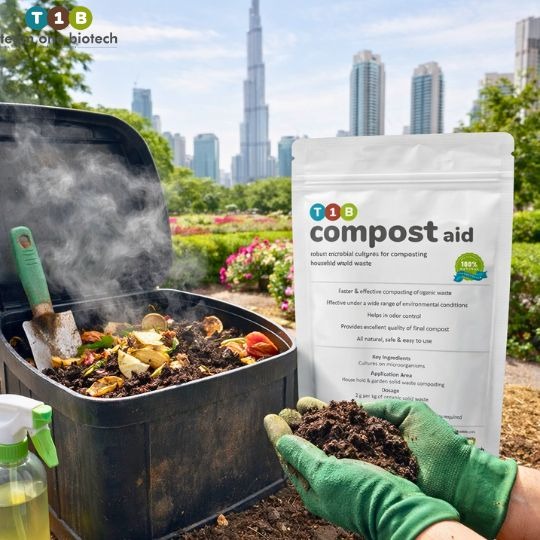
White Labeling for the GCC: Launching Your Own Agri-Biotech Brand in the UAE

The United Arab Emirates is rewriting the rulebook on food production. In a nation where less than 1% of land is arable, vertical farms rise from desert sand, aquaculture facilities operate in former oil infrastructure, and government mandates are driving billions into agricultural innovation. This is not incremental progress, this is a fundamental reimagining of food security in one of the world’s most resource-constrained environments.

For investors and farm operators across the GCC, the moment has arrived. UAE Vision 2031 and the National Food Security Strategy 2051 have created a policy environment where sustainable Agri-Tech is not just encouraged, it’s essential. The question is no longer whether to invest in biological solutions for farming and aquaculture, but how to capture market share before the opportunity window closes.

The answer lies in Agri-Biotech white labeling UAE, a strategic pathway that allows you to launch your own branded bioremediation and probiotic solutions without the decade-long R&D cycle, regulatory navigation, or manufacturing infrastructure typically required.

The GCC Agri-Biotech Gold Rush: Why This Moment Matters

The GCC Agri-Biotech Gold Rush: Why This Moment Matters

The convergence of three powerful forces has created an unprecedented opportunity for Agri-Tech entrepreneurs in the Emirates:

Policy-Driven Demand
The UAE government has committed to increasing local food production from 30% to 50% by 2031. Dubai’s Food Security Strategy specifically prioritizes sustainable farming technologies that reduce water consumption and chemical dependence. These are not aspirational goals, they are backed by sovereign wealth fund investment and regulatory incentives.

Environmental Necessity
Traditional agriculture faces insurmountable challenges in the GCC climate. Summer temperatures routinely exceed 45°C, groundwater salinity levels can reach 15,000 ppm, and water scarcity makes conventional chemical-intensive farming economically unsustainable. Bioremediation for aquaculture and probiotic soil amendments are not premium add-ons, they are survival requirements.

Market Vacuum
While demand for biological solutions is exploding, most international biotech brands treat the Middle East as an afterthought. Distribution is fragmented, products are often poorly adapted to extreme salinity and heat conditions, and technical support is minimal. The entrepreneur who establishes a credible “Made in UAE” biotech brand with localized formulations will dominate this emerging market.

What Is White Labeling? Your Fast Track to Market Leadership

What Is White Labeling? Your Fast Track to Market Leadership

White labeling allows you to sell proven, scientifically validated products under your own brand name. Rather than spending years developing formulations, navigating biosafety approvals, and building manufacturing capacity, you partner with an established biotech producer who handles the complex backend while you focus on brand building and customer relationships.

Here is what Agri-Biotech white labeling UAE specifically means for your business:

Skip the Lab Phase
Team One Biotech (T1B) has already invested in the R&D infrastructure, microbial strain selection, fermentation protocols, and stability testing required for commercial-grade bioremediation products. Your partnership grants immediate access to formulations proven in field trials across Asia, Africa, and the Middle East.

Regulatory Shortcut
Product registrations with UAE Ministry of Climate Change and Environment (MOCCAE) and similar GCC regulatory bodies can take 18-24 months. T1B’s existing compliance frameworks and documentation accelerate this timeline significantly, getting your branded products into customers’ hands faster.

Customization Without Complexity
Need specific bacterial strain combinations for high-salinity shrimp ponds? Want packaging sizes optimized for UAE vertical farms? White label partnerships allow formulation customization and regional adaptation without building your own lab team.

Capital Efficiency
Manufacturing biotechnology products requires bioreactor facilities, quality control laboratories, cold chain logistics, and specialized personnel. White labeling converts these massive capital expenditures into manageable operational costs, preserving your investment capital for marketing and customer acquisition.

The Aquaculture Opportunity: Where Biotech Delivers Immediate ROI

The Aquaculture Opportunity: Where Biotech Delivers Immediate ROI

The GCC’s sustainable farming GCC revolution is particularly pronounced in aquaculture. The UAE alone has committed to tripling domestic seafood production by 2030, with major expansions in shrimp farming, seabass cultivation, and recirculating aquaculture systems (RAS).

This creates massive demand for probiotic water treatment UAE solutions that address the sector’s most pressing operational challenges:

Water Quality Management
In intensive aquaculture systems operating in the Arabian Gulf’s high-salinity conditions, ammonia and nitrite accumulation can reach toxic levels within 48 hours. Probiotic bioremediation products containing Bacillus and Lactobacillus strains rapidly convert these toxic compounds into harmless nitrates, maintaining stable water parameters even at stocking densities that would crash conventional systems.

Feed Conversion Ratio Improvement
Feed costs represent 60-70% of aquaculture operating expenses. Probiotic supplements added to feed or water improve gut health in shrimp and fish, enhancing nutrient absorption and reducing feed requirements by 12-18%. For a mid-scale operation producing 500 tons annually, this translates to AED 400,000+ in annual savings.

Disease Suppression
Vibrio outbreaks, Early Mortality Syndrome (EMS), and white spot syndrome virus (WSSV) can destroy entire harvest cycles. Probiotic water treatment establishes beneficial bacterial populations that outcompete pathogenic species through competitive exclusion, dramatically reducing disease incidence without antibiotics.

Sludge Reduction
Organic waste accumulation in pond bottoms creates anaerobic conditions that produce hydrogen sulfide and methane, toxic gases that stress aquatic animals and reduce yields. Specialized bioremediation products accelerate sludge decomposition, maintaining healthy pond environments and extending operational cycles before cleanout becomes necessary.

For an Agri-Tech investment Dubai portfolio, aquaculture biotech offers something rare: measurable, immediate returns. Farm operators can quantify improvements in water quality, survival rates, and feed efficiency within a single production cycle, making the value proposition undeniable.

Beyond Aquaculture: Terrestrial Agriculture Applications

Beyond Aquaculture: Terrestrial Agriculture Applications

While aquaculture represents the fastest ROI opportunity, the broader agricultural sector in the GCC is equally hungry for biological solutions:

Desert Soil Rehabilitation
Emirate soils are predominantly sandy, low in organic matter, and high in salt content. Microbial soil amendments containing nitrogen-fixing bacteria, phosphate-solubilizing organisms, and organic matter decomposers transform marginal soils into productive growing media for greenhouse operations and controlled-environment agriculture.

Vertical Farm Optimization
The UAE leads the Middle East in indoor farming infrastructure. However, closed-loop hydroponic and aeroponic systems face unique challenges with biofilm formation and root disease pressure. Probiotic inoculants designed for soilless systems prevent Pythium and Fusarium outbreaks while maintaining optimal nutrient availability.

Date Palm Plantation Management
As the UAE’s agricultural heritage crop, date cultivation faces increasing pressure from red palm weevil infestations and declining soil fertility. Biological control agents and soil probiotics offer sustainable solutions that preserve the cultural and economic value of this critical sector.

The White Label Launch Roadmap: Your 6-Month Path to Market

Establishing your branded Agri-Biotech presence in the UAE requires strategic execution across six critical phases:

Phase 1: Market Positioning and Brand Development (Month 1)

Define your target customer segment: Are you serving commercial shrimp farms, greenhouse operators, or government agricultural initiatives? Your brand identity, messaging, and product portfolio must align with specific customer pain points.

Develop brand assets: company name, logo, packaging design that communicates both scientific credibility and regional relevance. The most successful UAE biotech brands balance modern biotechnology imagery with cultural authenticity.

Phase 2: Product Selection and Customization (Month 1-2)

Partner with T1B to identify which formulations best match your market segment and environmental conditions. For GCC aquaculture, prioritize products proven in high-salinity, high-temperature conditions.

Specify any regional customizations: packaging sizes, application instructions in Arabic, concentration adjustments for local water chemistry. This is where white labeling’s flexibility delivers competitive advantage.

Phase 3: Regulatory Navigation (Month 2-4)

Initiate product registration processes with UAE MOCCAE and equivalent bodies in target GCC markets (Saudi Food and Drug Authority, Kuwait EPA). Your white label partner should provide technical documentation, safety data sheets, and efficacy studies to support applications.

For aquaculture products specifically, engage with local fish health authorities early. Demonstrating antibiotic-free disease management aligns perfectly with GCC food safety priorities.

Phase 4: Manufacturing and Quality Verification (Month 3-4)

Place your initial production order with specifications for branded packaging. For UAE market entry, most entrepreneurs start with container-load quantities (20-foot refrigerated container) to balance inventory investment with per-unit costs.

Before committing to large-scale orders, leverage the Team One Biotech Official Alibaba Store to sample products and verify quality. This strategic gateway allows you to test formulations in your specific environmental conditions, conduct small-scale trials with target customers, and validate efficacy claims before investing in branded bulk orders.

Phase 5: Market Entry and Customer Acquisition (Month 4-6)

Launch with a focused pilot program: identify 3-5 early adopter customers willing to conduct side-by-side trials comparing your products against current solutions. Document improvements in water quality parameters, survival rates, or crop yields with data and testimonials.

Invest in technical sales support. GCC farm operators are sophisticated buyers who demand proof. Your ability to provide application guidance, troubleshoot challenges, and quantify ROI will differentiate your brand from generic import competitors.

Phase 6: Scale and Geographic Expansion (Month 6+)

Once you have established case studies and customer references in the UAE, geographic expansion into Saudi Arabia, Oman, Qatar, and Kuwait becomes substantially easier. GCC countries share similar environmental challenges, creating natural product-market fit across the region.

Consider vertical integration into complementary services: water quality testing, farm management consulting, or integrated pest management programs that position your branded products within comprehensive solutions.

Why Team One Biotech Is Your Ideal White Label Partner

The success of your Agri-Biotech white labeling UAE strategy depends entirely on your manufacturing partner’s capabilities. Team One Biotech offers several critical advantages:

Proven Middle Eastern Experience
Unlike biotech manufacturers focused exclusively on Asian or Western markets, T1B has extensive operational history in high-salinity, high-temperature environments similar to the GCC. Products are proven in conditions that mirror UAE aquaculture and agricultural realities.

Flexible Minimum Order Quantities
Many international biotech companies require prohibitively large initial orders. T1B’s white label program accommodates emerging brands with realistic MOQs that allow market validation before massive capital commitment.

Technical Support Infrastructure
Your brand’s reputation depends on effective customer support. T1B provides technical training, application protocols, and troubleshooting guidance that enables your team to deliver professional service even without extensive microbiology backgrounds.

Formulation Customization
The ability to adjust strain combinations, concentration levels, and carrier formulations for specific GCC applications creates genuine differentiation. Your competitors selling off-the-shelf imports cannot match products optimized for local conditions.

The Gateway: T1B Official Alibaba Store

Before committing to full white label partnership, prudent entrepreneurs validate product quality and market fit. The Team One Biotech Official Alibaba Store serves as your strategic entry point:

Sample and Test
Order commercial samples of T1B’s core aquaculture and agriculture products. Conduct trials in your target customers’ actual operations to generate preliminary efficacy data before branding investment.

Build Confidence
Alibaba’s transaction security, product ratings, and verified supplier status reduce risk for international partners. Review existing customer feedback and product performance data from global buyers.

Establish Relationship
Use initial sample orders to evaluate T1B’s responsiveness, technical knowledge, and willingness to customize solutions. The best white label partnerships are built on trust and communication, start small and scale strategically.

The Vision: Building a Regional Biotech Powerhouse

The UAE’s transformation from resource importer to agricultural innovator represents more than food security policy, it is a fundamental economic diversification strategy. The entrepreneurs who establish credible, locally-relevant Agri-Biotech brands in this environment are positioning themselves at the center of a multi-billion dirham market expansion.

Agri-Tech investment Dubai is no longer about betting on uncertain technologies. The science is proven. The regulatory environment is supportive. The customer demand is urgent and growing.

What remains is execution: partnering with the right biotech manufacturer, building a brand that resonates with GCC values and priorities, and delivering measurable value to farm operators facing unprecedented environmental challenges.

White labeling eliminates the traditional barriers, time, capital, expertise, that have kept regional entrepreneurs out of the biotech sector. The pathway is clear. The opportunity window is open.

The question is simple: Will you watch the GCC Agri-Biotech revolution unfold, or will you build a brand that defines it?

Ready to Launch Your Agri-Biotech Brand?

Team One Biotech partners with visionary entrepreneurs and farm operators across the GCC who are ready to establish market-leading biological solutions for agriculture and aquaculture.

Contact us today to discuss white label opportunities, request product samples through our Official Alibaba Store, or schedule a consultation about customized formulations for UAE environmental conditions.

The future of sustainable farming in the Emirates is biological. Your branded presence in this market starts now.

Looking to improve your ETP/STP efficiency with the right bioculture?
Talk to our experts at Team One Biotech for customised microbial solutions.

Contact+91 8855050575

Email:  sales@teamonebiotech.com

Visit: www.teamonebiotech.com

Discover More on YouTube – Watch our latest insights & innovations!-

Connect with Us on LinkedIn – Stay updated with expert content & trends!

The Nanobubble Revolution: Doubling Dissolved Oxygen for UAE Fish Farms

The United Arab Emirates is racing against time. With over 90% of food currently imported and summer water temperatures routinely exceeding 32°C in recirculating aquaculture systems, the nation’s ambitious Vision 2031 and National Food Security Strategy 2051 face a fundamental biological constraint: oxygen.

In the hyperarid Gulf climate, where evaporation rates soar and salinity concentrations climb, maintaining adequate dissolved oxygen (DO) levels in fish and shrimp farms isn’t just a technical challenge, it’s the difference between commercial viability and catastrophic stock losses. Traditional aeration methods struggle in these extreme conditions, achieving oxygen transfer efficiencies below 15% while consuming enormous amounts of energy.

Enter nanobubble technology: a precision oxygenation solution delivering over 90% transfer efficiency, fundamentally reshaping what’s possible for aquaculture operations from Jebel Ali to the Northern Emirates.

Why Dissolved Oxygen Is the Bottleneck for UAE Aquaculture

Why Dissolved Oxygen Is the Bottleneck for UAE Aquaculture

Dissolved oxygen drives every biological process in aquaculture systems. Fish and shrimp require consistent DO levels above 5 mg/L for optimal growth, feed conversion, and disease resistance. Drop below this threshold, and you’re looking at stress-induced mortality, suppressed immune function, and feed waste that compounds water quality problems.

The UAE’s environmental conditions create a perfect storm for oxygen depletion:

  • Elevated water temperatures reduce oxygen solubility, water at 32°C holds 40% less dissolved oxygen than water at 20°C
  • High salinity from desalination sources further decreases oxygen-holding capacity by approximately 20% compared to freshwater
  • Intensive stocking densities required for commercial profitability create massive biological oxygen demand
  • Limited water exchange in recirculating systems means oxygen must be actively injected rather than naturally replenished

A 2023 study of UAE aquaculture facilities found that conventional aeration systems consumed up to 35% of total operational energy while still experiencing critical DO crashes during peak afternoon temperatures. This represents both an economic drain and a fundamental limitation on production capacity.

The result? UAE fish farms are forced to operate at 40-60% of their theoretical stocking capacity simply to avoid oxygen-related die-offs.

The Science Behind Nanobubble Technology

The Science Behind Nanobubble Technology

Nanobubbles are not simply smaller versions of the bubbles generated by conventional aerators. They represent a fundamentally different physical phenomenon with unique properties that make them ideal for aquaculture oxygenation.

What Makes Nanobubbles Different

Standard aeration bubbles measure 2,000-5,000 microns in diameter. They rise rapidly to the surface, bursting within seconds and transferring only 10-15% of their oxygen content to the water. This is why traditional aerators create surface turbulence, most of the oxygen escapes to the atmosphere unused.

Nanobubbles, by contrast, measure less than 200 nanometers (0.2 microns), approximately 10,000 times smaller than conventional bubbles. At this scale, surface tension and Brownian motion fundamentally alter bubble behavior:

  • Near-neutral buoyancy: Nanobubbles rise at less than 0.1 mm per second, remaining suspended in the water column for weeks or months rather than seconds
  • Massive surface area: One cubic centimeter of nanobubbles provides over 60 square meters of gas-liquid interface for oxygen transfer
  • Internal pressurization: The high internal pressure (over 20 atmospheres in a 100-nanometer bubble) drives oxygen into solution even in already-saturated water
  • Extended contact time: With residence times measured in days rather than seconds, oxygen transfer approaches 90-95% efficiency

Practical Implications for UAE Operations

For a commercial fish farm in Abu Dhabi operating a 1,000-cubic-meter raceway system, the mathematics are compelling:

Traditional fine-bubble aeration:

  • Oxygen transfer efficiency: 12-15%
  • Required airflow: 2,500 L/min to maintain 6 mg/L DO
  • Energy consumption: 18-22 kW continuous
  • Monthly energy cost (AED 0.30/kWh): AED 3,960-4,752

Nanobubble technology for aquaculture UAE:

  • Oxygen transfer efficiency: 90-95%
  • Required oxygen injection: 350 L/min equivalent
  • Energy consumption: 3-4 kW continuous
  • Monthly energy cost: AED 648-864
  • Energy savings: 82-84%

Beyond energy economics, nanobubble systems enable consistent DO levels above 7 mg/L even during thermal peaks, eliminating the afternoon DO crashes that plague conventional systems. This translates directly to improved feed conversion ratios (FCR), faster growth rates, and dramatically reduced mortality during critical production phases.

Addressing UAE-Specific Aquaculture Challenges

Addressing UAE-Specific Aquaculture Challenges

The UAE’s unique position, combining desert climate extremes with aggressive food security targets, creates challenges that demand precision-engineered solutions.

Challenge 1: Water Scarcity and Desalination Dependency

The UAE has no natural freshwater resources adequate for large-scale aquaculture. Nearly all operations rely on desalinated seawater or brackish groundwater, both of which come with inherent oxygen limitations and costs approaching AED 4-7 per cubic meter.

Nanobubble technology enables ultra-intensive recirculating systems with water exchange rates below 3% daily, less than one-tenth of conventional flow-through requirements. For a 500-ton annual production shrimp farm, this represents water savings of over 45,000 cubic meters annually, equivalent to AED 180,000-315,000 in avoided desalination costs.

Challenge 2: Salinity Variation and Hypersaline Conditions

Shrimp farms in the Northern Emirates frequently operate at salinities of 40-45 ppt due to evaporative concentration. At these salinity levels, oxygen solubility drops to just 6.5 mg/L at 28°C, barely above the threshold for healthy shrimp.

Conventional aeration cannot overcome this physical limitation. Nanobubble systems, however, can achieve supersaturation levels of 120-150%, maintaining DO above 8 mg/L even in hypersaline conditions. This capability is particularly valuable for high-value species like white leg shrimp (Litopenaeus vannamei) where consistent oxygenation directly impacts final harvest size and marketability.

Challenge 3: Summer Temperature Extremes

June through September brings catastrophic risk to UAE aquaculture. Water temperatures in outdoor systems regularly exceed 34°C in Jebel Ali and industrial zones, while indoor RAS facilities struggle with cooling costs.

Dissolved oxygen optimization through nanobubbles provides a critical buffer. By maintaining DO at 8-9 mg/L rather than the bare minimum 5 mg/L, fish experience substantially reduced thermal stress. Research from UAE University’s Marine Science Department documented 35% lower cortisol levels and 28% improved survival rates in barramundi (Lates calcarifer) held at 33°C when DO was maintained above 8 mg/L via nanobubble supplementation.

Real-World Performance: UAE Case Applications

Case Study: Dubai Shrimp Farm Yield Improvement

A 12-hectare intensive shrimp operation near Jebel Ali implemented nanobubble technology across six production ponds in 2023. The facility previously struggled with afternoon DO drops to 3.5-4.0 mg/L during peak season, forcing harvest weights below 16 grams despite 120-day production cycles.

Following nanobubble installation:

  • Minimum daily DO increased from 3.8 mg/L to 7.2 mg/L
  • Average harvest weight improved from 15.3g to 21.7g (+42%)
  • Feed conversion ratio improved from 1.68 to 1.42 (-15%)
  • Survival rate increased from 68% to 81% (+19%)
  • Overall yield per hectare increased by 73%

The operation achieved ROI on the nanobubble system within 1.3 production cycles.

Case Study: Abu Dhabi Tilapia RAS Efficiency

A 200-ton capacity indoor recirculating system producing Nile tilapia for the local market replaced its aging blower-based aeration with a staged nanobubble injection system. The primary objective was reducing electrical consumption while improving biosecurity through water conservation.

Results after six months:

  • Daily water makeup reduced from 8% to 2.5% of system volume
  • Aeration energy consumption decreased 79%
  • Consistent DO levels eliminated need for emergency oxygen supplementation
  • Reduced water exchange improved biofilter stability and reduced nitrate accumulation
  • Total operating cost per kilogram decreased by AED 1.85

Integration with UAE Food Security Objectives

Integration with UAE Food Security Objectives

The UAE National Food Security Strategy 2051 explicitly targets domestic production of 60% of consumed food by mid-century. Aquaculture represents one of the most space-efficient and water-efficient protein production pathways available in a desert environment.

However, achieving the strategy’s targets requires production intensification, growing more fish in the same water volume. Traditional aquaculture operates at roughly 20-40 kg/m³ in flow-through systems. With optimized DO management via nanobubble technology, intensive RAS operations in the UAE are achieving sustained production densities of 80-120 kg/m³.

This intensity multiplication is precisely what Vision 2031 demands: leveraging advanced technology to overcome natural resource constraints. Nanobubble systems also align with the “Made in the UAE” initiative by reducing dependence on imported frozen seafood while providing fresh, traceable protein to hotels, restaurants, and consumers.

Supporting Local and Global Sustainability Goals

Beyond national strategy alignment, nanobubble technology contributes to broader environmental objectives:

  • Reduced carbon footprint: 80%+ energy savings directly translate to lower emissions per kilogram of fish produced
  • Minimized water extraction: Critical in a region where groundwater depletion is accelerating
  • Improved biosecurity: Reduced water exchange limits disease vector introduction
  • Enhanced product quality: Fish grown in optimal oxygen conditions demonstrate superior flesh quality, color, and shelf life

Implementation Considerations for UAE Operators

System Sizing and Design

Proper nanobubble system specification requires understanding your facility’s oxygen demand profile. Key factors include:

  • Species-specific requirements: Shrimp demand different DO profiles than finfish; larval stages require higher and more stable DO than adults
  • Stocking density targets: Higher biomass per cubic meter requires proportionally greater oxygenation capacity
  • Temperature management: Summer peak temperatures require 40-50% additional capacity for thermal safety margins
  • Water source salinity: Hypersaline systems need higher injection rates to achieve equivalent DO concentrations

Professional system design typically involves computational fluid dynamics (CFD) modeling to optimize injection point placement and circulation patterns within your specific tank or pond geometry.

Maintenance and Operational Requirements

One advantage of nanobubble technology is minimal ongoing maintenance. Unlike mechanical aerators with motors, bearings, and impellers operating in corrosive saltwater, nanobubble generators function through controlled cavitation or pressure dissolution, no moving parts in contact with production water.

Typical maintenance consists of:

  • Quarterly inspection of gas injection ports for mineral scaling (minor in desalinated water systems)
  • Annual service of oxygen concentrator units if using atmospheric oxygen extraction
  • Routine monitoring of DO sensors and control system calibration

Most UAE installations operate continuously for 18-24 months between service intervals.

Integration with Existing Infrastructure

Nanobubble systems retrofit easily into existing facilities. Whether you’re operating traditional earthen ponds, concrete raceways, or sophisticated RAS, nanobubble injection can supplement or replace conventional aeration without major structural modifications.

For new facilities, designing around nanobubble technology from the outset enables even greater optimization, including:

  • Reduced emergency backup aeration requirements
  • Smaller biofilter sizing (due to lower water exchange and improved nitrification efficiency)
  • Simplified tank geometry (elimination of dead zones since nanobubbles distribute uniformly)

Planning a new facility or expansion? Our engineering team provides complimentary preliminary design review for projects above 50-ton annual capacity. Schedule your consultation.

Economic Analysis: Investment and Returns

The business case for nanobubble technology rests on three value pillars:

1. Direct Energy Savings With electricity representing 15-25% of operating costs in intensive aquaculture, an 80% reduction in aeration energy delivers immediate bottom-line impact. For a 100-ton annual production facility, this typically translates to AED 45,000-75,000 in annual savings.

2. Production Intensification The ability to safely stock at higher densities without oxygen limitation means greater output from the same physical infrastructure. This is particularly valuable in the UAE where land costs are high and suitable locations are scarce.

3. Quality and Survival Improvements Reduced stress, improved FCR, and higher survival rates compound across production cycles. Industry data suggests that optimized DO management contributes 12-18% improvement in overall profitability even before considering energy savings.

Typical UAE installations see full payback within 18-28 months, with system lifespans exceeding 10 years.

Global Quality, Local Support

Team One Biotech stands at the intersection of global innovation and regional expertise. As a certified solutions provider specializing in Middle Eastern aquaculture technology, we deliver proven nanobubble systems backed by comprehensive local support across the Emirates.

Our approach combines:

  • World-class technology: Partnerships with leading nanobubble equipment manufacturers ensuring access to the most advanced systems available
  • Regional customization: Solutions engineered specifically for Gulf climate conditions, water chemistry, and species profiles
  • Full-spectrum support: From initial feasibility studies through installation, commissioning, training, and ongoing optimization
  • Bilingual technical team: Arabic and English-speaking engineers based in the UAE for rapid response and consultation

For international clients and partners seeking detailed product specifications, technical documentation, and procurement options, we invite you to explore our official T1B Alibaba Store, your primary portal for accessing our complete product catalog, verified certifications, and streamlined international ordering.

Whether you’re operating a small-scale demonstration facility or planning a multi-hectare commercial installation, Team One Biotech provides the expertise and technology to transform your dissolved oxygen management from a limitation into a competitive advantage.

Looking to improve your ETP/STP efficiency with the right bioculture?
Talk to our experts at Team One Biotech for customised microbial solutions.

Contact+91 8855050575

Email:  sales@teamonebiotech.com

Visit: www.teamonebiotech.com

Discover More on YouTube – Watch our latest insights & innovations!-

Connect with Us on LinkedIn – Stay updated with expert content & trends!
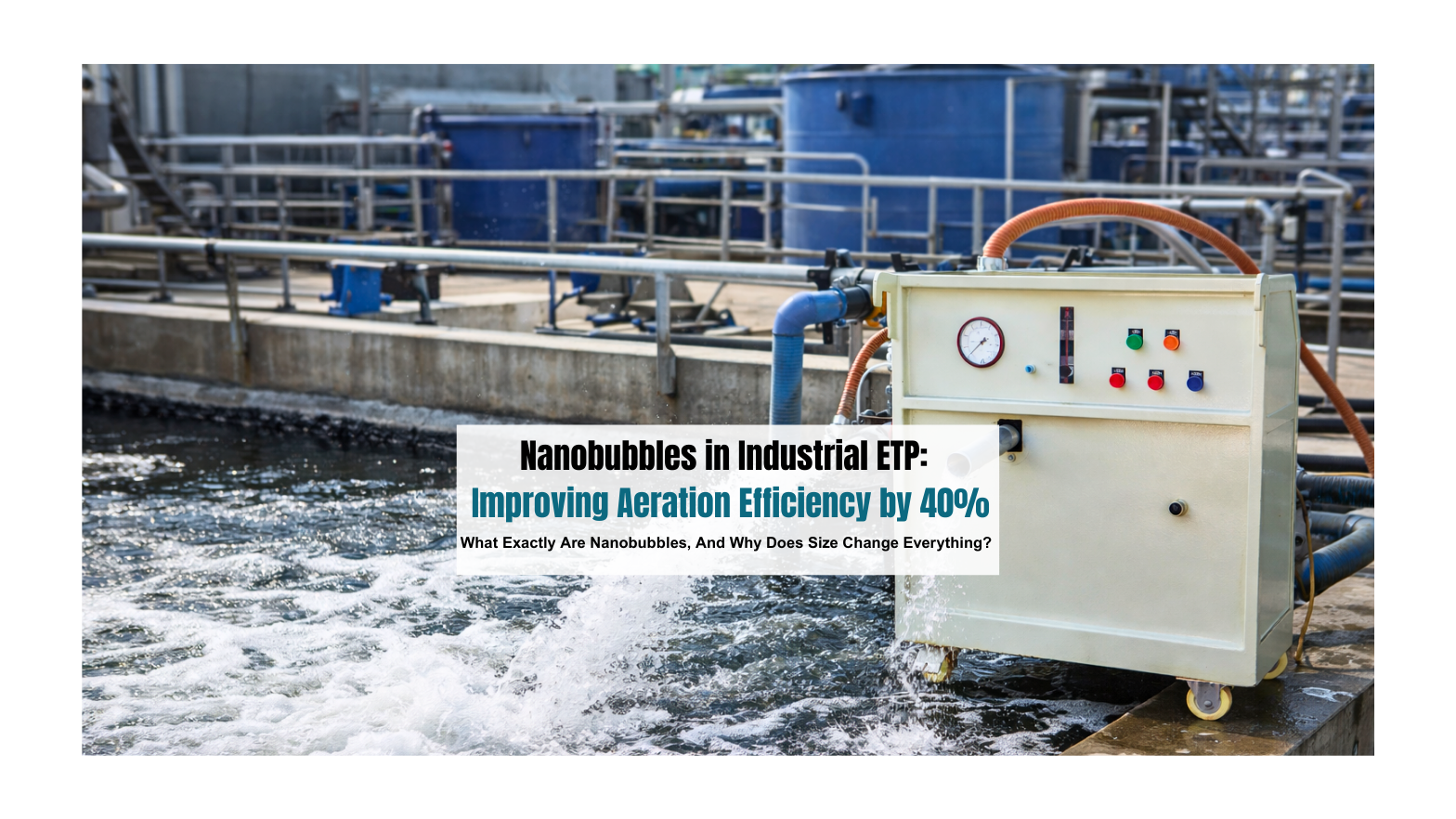
UAE Food Security 2031: Modernizing Aquaculture & High-Yield Farming in Arid Climates

The Desert Imperative: Why the UAE Cannot Wait

The United Arab Emirates imports nearly 90% of its food. In a nation where summer temperatures exceed 50°C and annual rainfall barely reaches 100mm, this dependency represents more than an economic vulnerability, it is a strategic liability. The National Food Security Strategy 2031 sets an audible target: transform the UAE into a global hub for food innovation while building resilient, sovereign production capacity.

The challenge is monumental. Desert soils contain elevated salinity levels that poison conventional crops. Groundwater reserves face depletion and increasing salinization. Traditional chemical-intensive agriculture fails spectacularly in these conditions, leaching toxins into already scarce water supplies and degrading what little arable land exists. The old playbook, fertilizers, pesticides, antibiotics in aquaculture, cannot deliver the yields or sustainability the UAE demands.

This is where biotechnology enters as the essential catalyst. Not as a futuristic experiment, but as the pragmatic foundation for achieving food sovereignty in one of the world’s harshest climates.

The Fundamental Shift: From Chemical Dependence to Biological Intelligence

The Fundamental Shift: From Chemical Dependence to Biological Intelligence

For decades, agriculture worldwide has operated on a simple premise: apply chemicals to force production. Fertilizers to feed plants. Pesticides to kill threats. Antibiotics to suppress disease in fish. This linear, extractive model has devastated ecosystems globally. In the UAE’s fragile desert environment, it accelerates collapse.

Biotech solutions represent a paradigm shift. Instead of overwhelming natural systems with synthetic compounds, bioremediation harnesses living organisms, specific bacterial strains, enzymes, and microbial consortia, to create regenerative cycles. These biological agents don’t just treat symptoms; they fundamentally restore ecological balance.

The Circular Water Economy

Water scarcity defines the UAE’s agricultural reality. The nation has one of the world’s highest per-capita water footprints, yet ranks among the most water-stressed countries globally. In this context, every liter must work harder, cycle longer, and contaminate less.

Probiotic treatments and enzyme-based biotech create closed-loop water systems where beneficial microorganisms continuously purify and regenerate resources. Unlike chemical treatments that leave residues requiring disposal, biological agents break down organic waste, neutralize toxins, and convert pollutants into nutrients. The water improves with each cycle rather than degrading.

This matters acutely in the UAE, where desalination provides much of the fresh water at enormous energy cost. Recirculating aquaculture systems (RAS) and controlled-environment agriculture can reduce water consumption by up to 90% compared to traditional methods, but only if water quality remains stable without constant chemical intervention. Biotech makes this possible.

Soil as Living Infrastructure

Desert soils present a cruel paradox. They often contain mineral nutrients but lack the biological activity to make those nutrients available to plants. High salinity creates osmotic stress that prevents root water uptake. Compaction and lack of organic matter mean water either evaporates instantly or drains away unused.

Chemical fertilizers provide a temporary nutrient surge but acidify soil, kill beneficial organisms, and increase salinity through salt accumulation. Each application leaves soil less productive than before, a downward spiral that has rendered vast agricultural regions worldwide essentially sterile.

Bioremediation rebuilds soil as functional ecosystem. Specific bacterial strains chelate nutrients, making them bioavailable. Mycorrhizal fungi extend root networks, dramatically improving water and nutrient uptake. Enzyme complexes break down salt compounds and organic matter, gradually reducing salinity while building soil structure.

Recent trials in Al Ain demonstrated that biotech-treated soils increased water retention by 40% and reduced irrigation needs by 35% while simultaneously improving crop yields. The soil wasn’t just supporting plants, it was actively becoming more productive with each growing cycle.

Aquaculture Revolution: Building the Protein Pillar

Aquaculture Revolution: Building the Protein Pillar

The UAE’s National Food Security Strategy identifies aquaculture as central to achieving protein self-sufficiency. Fish and shrimp farming offer higher feed conversion efficiency and lower carbon footprints than terrestrial livestock. Barramundi, tilapia, and white-leg shrimp (Litopenaeus vannamei) are particularly suited to UAE conditions when raised in properly managed systems.

Yet conventional aquaculture carries substantial risks. Intensive fish farming concentrates waste, depletes oxygen, and creates ideal conditions for pathogenic bacteria. The standard response, antibiotics, creates resistant bacterial strains, leaves residues in seafood, and fails to address underlying water quality issues.

Recirculating Aquaculture Systems: Technology Meets Biology

RAS technology represents the mechanical foundation of modern aquaculture: sophisticated filtration, climate control, and water recycling infrastructure. These systems allow farmers in Abu Dhabi or Sharjah to maintain optimal conditions regardless of external desert extremes.

But mechanical filtration alone cannot manage the complex biochemistry of intensive fish production. Ammonia from fish waste must be converted to less toxic forms. Dissolved organic compounds must be broken down. Pathogenic bacteria must be suppressed without eliminating beneficial microorganisms. The water must remain a living, balanced medium.

This is precisely where biotech applications deliver outsized value.

Probiotic Water Treatment: The Competitive Microbial Advantage

Introducing specific probiotic bacterial strains into RAS creates what microbiologists call “competitive exclusion.” Beneficial bacteria rapidly colonize all available ecological niches, tank surfaces, biofilters, the fish gut microbiome itself. Pathogenic organisms, arriving later and in smaller numbers, find no foothold.

This biological defense operates continuously, 24 hours daily, without creating resistance issues. The probiotics also produce enzymes that break down waste compounds, clarify water, and reduce the organic load on mechanical filtration systems.

Field data from commercial shrimp farms using probiotic protocols show:

  • Reduction in disease outbreaks by 60-75%
  • Elimination of antibiotic use while maintaining or improving survival rates
  • Water quality stabilization with 30-40% less mechanical intervention
  • Improved Feed Conversion Ratios (FCR) from 1.8 to 1.4 or better

That FCR improvement is economically transformative. It means producing the same biomass of shrimp with 22% less feed, directly reducing the single largest operating cost while lowering environmental impact.

Enzymatic Solutions: Precision Biochemistry

While probiotics provide broad-spectrum biological management, specific enzymes deliver targeted interventions. Protease enzymes accelerate protein breakdown, preventing toxic ammonia spikes. Amylase enzymes process carbohydrates that would otherwise cloud water and promote harmful bacterial growth. Cellulase enzymes break down plant-based feed components, improving digestibility and reducing waste.

These enzymes don’t persist in the environment or accumulate in fish tissue. They perform their catalytic function and degrade naturally, leaving no residue. This aligns perfectly with export market demands, particularly European and Asian markets where antibiotic residues trigger automatic rejections.

The Business Case: Numbers That Matter

A 500-ton annual production shrimp farm in the UAE using conventional methods faces:

  • Feed costs: AED 4.5 million (assuming FCR 1.8, feed price AED 5,000/ton)
  • Disease losses: 15-25% biomass
  • Antibiotic/chemical treatments: AED 180,000-250,000
  • Water/energy for quality management: AED 400,000

The same farm using integrated biotech solutions:

  • Feed costs: AED 3.5 million (FCR improvement to 1.4)
  • Disease losses: 5-8% biomass
  • Biotech treatments: AED 120,000
  • Water/energy: AED 280,000 (more stable systems require less intervention)

The operating cost reduction exceeds AED 1.4 million annually while producing higher-quality, export-ready product. Payback on biotech investment occurs within the first production cycle.

For investors evaluating aquaculture opportunities in the UAE, these metrics are decisive. The Ministry of Climate Change and Environment (MOCCAE) increasingly requires sustainable practices for licensing and subsidies. Farms unable to demonstrate chemical reduction and environmental compliance will face regulatory headwinds. Those built on biotech foundations position themselves as preferred partners for government initiatives.

Your aquaculture investment deserves technology that scales with production while reducing risk. Modern biotech solutions eliminate the antibiotic dependency that threatens market access and profitability.

Desert Agriculture: Growing Food Where Nothing Should Grow

Desert Agriculture: Growing Food Where Nothing Should Grow

The UAE has committed to increasing local produce availability to meet 30% of domestic demand by 2031. This requires producing vegetables, fruits, and fodder crops in conditions that defy conventional horticultural wisdom.

High-tech controlled environment agriculture (CEA), greenhouses with climate control, hydroponics, vertical farming, provides the physical infrastructure. These facilities dot the landscapes around Al Ain, Fujairah, and Ras Al Khaimah, representing billions in investment. Yet infrastructure alone cannot guarantee success. The growing media, water quality, and plant health management ultimately determine whether these facilities profit or fail.

Saline Soil Rehabilitation: The Foundation Layer

Even in controlled environments, substrate quality matters enormously. Many UAE farms use imported coconut coir or peat, expensive, ecologically questionable materials that must be replaced regularly. Others attempt to use local soils, which typically contain 2,000-8,000 ppm salinity (crops generally tolerate maximum 1,500 ppm).

Biotech soil conditioning offers an alternative pathway. Specific halotolerant bacteria (salt-tolerant microorganisms) colonize the root zone and produce exopolysaccharides that bind sodium ions, effectively sequestering salt away from plant roots. These bacteria also produce growth-promoting hormones (auxins, cytokinins) that help plants resist osmotic stress.

Enzyme treatments complement bacterial action. Cellulase and hemicellulase enzymes break down crop residues and organic amendments, rapidly building soil organic matter. This organic content improves water retention and creates physical structure that reduces compaction and salt concentration around roots.

A farm in the Al Dhafra region applied this combined approach to historically unproductive sandy-saline soil. Within three growing seasons:

  • Soil electrical conductivity (EC) dropped from 7.2 dS/m to 3.1 dS/m
  • Organic matter increased from 0.4% to 2.8%
  • Crop yields (tomatoes, cucumbers, leafy greens) increased 180%
  • Irrigation water requirements decreased 40%

The farm transitioned from barely viable to consistently profitable while building an asset, improved soil, that increases in value each season.

Water Efficiency: More Crop Per Drop

The UAE’s water strategy centers on radical efficiency. The phrase “more crop per drop” isn’t marketing language, it’s national policy backed by specific consumption targets and pricing mechanisms that penalize waste.

Biotech enables precision water management in several ways:

Root Zone Optimization: Mycorrhizal fungi form symbiotic relationships with plant roots, extending the effective root system by 100-1000 times through microscopic hyphal networks. These fungi access water and nutrients far beyond the plant’s natural reach, dramatically improving uptake efficiency.

Drought Stress Resistance: Certain bacterial strains produce ACC deaminase, an enzyme that modulates ethylene production in plants. Ethylene triggers stress responses that close stomata and reduce growth. By managing ethylene levels, these bacteria help plants maintain productivity under water stress.

Hydrogel Enhancement: Biotech-derived hydrogels absorb and retain water in root zones, releasing it slowly as plants need it. Unlike synthetic polymers, these biological hydrogels break down into soil nutrients rather than accumulating as microplastic pollution.

Hydroponic and aeroponic systems, common in UAE CEA facilities, benefit dramatically from biotech water treatment. Probiotic additions to nutrient solutions suppress pythium and other root pathogens that thrive in water-based systems. This eliminates the need for fungicides that can accumulate in edible crops and contaminate recycled water.

Pest and Disease Management Without Poisons

Desert agriculture faces unique pest pressures. Whiteflies, aphids, and spider mites thrive in the warm, protected greenhouse environments. Traditional pesticide applications create multiple problems: resistance development, worker exposure risks, residues on produce that fail export testing, and destruction of beneficial insects.

Biological control agents, predatory insects, parasitoid wasps, entomopathogenic fungi, offer an alternative, but these require careful ecosystem management to remain effective. Biotech enhances this approach through:

Induced Systemic Resistance: Certain beneficial bacteria, when colonizing plant roots, trigger the plant’s own immune responses. The plant produces defensive compounds that deter pests and resist disease without external chemical application.

Quorum Sensing Disruption: Pathogenic bacteria coordinate attacks using chemical signaling molecules. Biotech products containing quorum-quenching enzymes interfere with these signals, preventing the synchronized bacterial infections that cause crop losses.

Microbial Biofungicides: Fungal diseases devastate greenhouse crops. Trichoderma and Bacillus species produce antibiotics and compete directly with pathogenic fungi, providing protection without toxic residues.

A major tomato producer in Sharjah implemented fully biological pest and disease management using these biotech tools. Results over two years:

  • Pesticide costs decreased from AED 85,000 to AED 12,000 annually
  • Crop rejection due to residue testing dropped from 8% to zero
  • Overall yields increased 15% due to healthier, unstressed plants
  • Export certification to EU markets achieved (previously impossible)

The export access alone transformed the business model, allowing premium pricing that more than justified the biological management investment.

Commercial farms positioned for export markets cannot afford pesticide residue failures. Biotech-based crop protection delivers both food safety compliance and superior yields.

The Investment Landscape: Where Biology Meets ROI

The UAE government actively supports agricultural innovation through multiple channels. MOCCAE coordinates food security initiatives, providing technical guidance and regulatory frameworks. The Abu Dhabi Agriculture and Food Safety Authority (ADAFSA) offers subsidies and support for technology adoption. Dubai’s Food Tech Valley initiative attracts agricultural technology companies and offers infrastructure for pilot projects.

This institutional support creates unusual opportunities for investors willing to deploy capital into biotech-enhanced agriculture. Unlike speculative agtech ventures, biotech solutions for UAE conditions address immediate, proven needs with measurable returns.

Risk Mitigation Through Biology

Traditional agricultural investment carries climate risk (drought, extreme weather), market risk (price volatility), and production risk (disease, pest outbreaks). The UAE’s desert environment amplifies all three.

Biotech substantially reduces production risk. Systems designed around biological stability rather than chemical intervention show markedly lower variance in outcomes. A RAS facility using comprehensive biotech management experiences fewer disease crashes, more consistent growth rates, and more predictable harvest timing.

This production consistency transforms financial modeling. Lenders and equity investors can underwrite projects with greater confidence when biological safeguards replace chemical dependencies that often fail under stress.

Scalability and Technology Transfer

Biotech solutions scale elegantly from demonstration projects to commercial operations. A probiotic protocol proven on a 10-ton shrimp pilot can deploy across a 500-ton facility with minimal modification. Soil conditioning approaches tested on two hectares extend to 200 hectares using the same biological inputs and protocols.

This scalability matters enormously in the UAE context, where government strategy calls for rapid expansion of domestic production capacity. Projects that demonstrate proof-of-concept can attract follow-on investment for geographic expansion, knowing the core technology remains constant.

The knowledge transfer is equally straightforward. Training farm operators to apply biotech solutions typically requires days rather than months. The products themselves, liquid probiotics, enzyme concentrates, microbial inoculants, require no special handling beyond basic temperature protection. This contrasts sharply with chemical management, which demands extensive safety training, specialized storage, and disposal protocols.

Market Access and Premium Positioning

UAE-produced food faces skepticism in some export markets, fairly or not, based on perceptions about desert agriculture viability. Products certified as organic, antibiotic-free, or pesticide-free command immediate credibility and premium pricing.

Biotech enables these certifications. Shrimp raised without antibiotics, vegetables grown without synthetic pesticides, dates and specialty crops cultivated in biologically enhanced soils, these products access premium market tiers globally.

The UAE’s strategic location provides air freight access to high-value markets in Europe, East Asia, and the Indian subcontinent within 8 hours. Fresh, certification-rich produce from biotech-enhanced farms can compete successfully despite higher production costs because product quality and food safety guarantee premium prices.

If your agricultural project requires investor confidence and export market access, biotech certification provides the competitive differentiation that justifies premium positioning.

Regulatory Environment and National Strategy Alignment

Regulatory Environment and National Strategy Alignment

The UAE regulatory framework for agriculture continues evolving rapidly, driven by food security imperatives and environmental commitments. Understanding this landscape is essential for project planning and investment structuring.

MOCCAE Guidelines and Water Conservation Mandates

The Ministry of Climate Change and Environment sets national policy and coordinates implementation across emirates. Recent guidelines emphasize:

  • Water use efficiency targets requiring 30% reduction in agricultural water consumption by 2030
  • Prohibition of specific chemical pesticides and antibiotics aligned with international standards
  • Mandatory environmental impact assessments for new agricultural facilities
  • Incentives for adoption of water recycling and biological treatment systems

Biotech solutions directly address these requirements. Projects incorporating biological water treatment, soil conditioning, and chemical reduction receive preferential treatment in licensing, subsidy allocation, and access to government-supported infrastructure.

ADAFSA and Food Safety Standards

The Abu Dhabi Agriculture and Food Safety Authority maintains rigorous standards for food production, particularly for products sold locally or exported under UAE certification. These standards increasingly prohibit antibiotic residues in fish and shrimp, restrict pesticide residues below EU maximum residue limits (MRLs), and require traceability throughout production chains.

Facilities built on biotech foundations can achieve compliance more readily than those retrofitting chemical-dependent operations. Regulatory inspections favor operations demonstrating preventive biological management over reactive chemical treatments.

Dubai and Northern Emirates Initiatives

Dubai’s Food Security Council coordinates private sector engagement, offering partnerships for technology demonstration and market access support. The Northern Emirates, Sharjah, Ajman, Umm Al Quwain, Ras Al Khaimah, and Fujairah, have developed specialized agricultural zones with infrastructure support and streamlined permitting for innovative projects.

These zones actively recruit biotech-forward operations, recognizing that sustainable practices enhance regional reputation and create export opportunities that benefit all stakeholders.

Looking Forward: 2031 and Beyond

The National Food Security Strategy 2031 sets ambitious targets that seemed nearly impossible when announced. Achieving 30% food self-sufficiency in one of the world’s most inhospitable agricultural environments demands technologies that simply didn’t exist a generation ago.

Biotech makes the impossible achievable. Not through dramatic, singular breakthroughs, but through systematic application of biological intelligence to every aspect of desert food production. Water that regenerates rather than degrades. Soil that builds fertility instead of accumulating toxins. Fish and crops that thrive without chemical crutches.

The transition from chemical dependence to biological management isn’t merely environmentally virtuous, it’s economically superior and strategically essential. Every farm that adopts biotech principles reduces import dependency, creates jobs, builds technical expertise, and demonstrates that the UAE can indeed feed itself.

For commercial operators, the choice is increasingly clear. Biotech-enhanced systems cost less to operate, produce higher quality output, meet regulatory requirements more easily, and access premium markets that reject chemical-intensive production. The investment returns are measurable and repeatable.

For the nation, each biotech adoption moves closer to food sovereignty, the ability to feed the population from domestic resources even under global disruption. In an era of climate instability and geopolitical volatility, this sovereignty carries value beyond any financial calculation.

The desert is no longer a barrier to agricultural success. With biotech, it becomes an advantage, an environment so challenging that solutions developed here can deploy successfully anywhere on Earth. The UAE isn’t just securing its own food future; it’s creating exportable technology and expertise that will feed the world’s most stressed regions.

Your operation can lead this transformation or follow it. The economic and strategic advantages of early adoption compound with every growing cycle.

Streamlining Your Supply Chain: Direct Access to Proven Solutions

Implementing biotech solutions at commercial scale requires reliable access to proven products, technical support, and consistent supply logistics. Team One Biotech addresses this requirement through its Official Alibaba Store, a global procurement platform designed specifically for commercial agricultural operations, aquaculture facilities, and institutional buyers.

Why Direct B2B Procurement Matters

Agricultural biotech differs fundamentally from consumer products. Effective implementation requires:

  • Product specifications matched precisely to application (water salinity, temperature ranges, target species)
  • Batch consistency ensuring reliable performance across production cycles
  • Technical documentation including protocols, dosing guidelines, and compatibility data
  • Access to application support for troubleshooting and optimization

Product Categories Available

The store organizes solutions by application:

Aquaculture Systems: Probiotics for RAS and biofloc systems, enzymatic water conditioners, organic waste decomposers, pathogen control agents formulated for shrimp, barramundi, tilapia, and marine species.

Soil Health and Conditioning: Halotolerant bacterial consortia for saline soil remediation, mycorrhizal inoculants, enzyme complexes for organic matter development, biostimulants for drought stress tolerance.

Water Treatment and Efficiency: Biological water purification systems, nutrient recycling enhancers, biofilm control agents, irrigation system maintainers.

Crop Protection: Biofungicides, beneficial insect support products, induced resistance elicitors, organic certification-compatible solutions.

Each product listing includes application rates, compatibility information, storage requirements, and expected results under UAE conditions. Technical support teams assist with system design and integration planning.

Procurement Advantages for UAE Operators

Direct manufacturer access eliminates distributor markups while ensuring authentic products. Alibaba’s trade assurance protects commercial purchases with payment security and delivery guarantees. Bulk ordering options reduce per-unit costs and ensure uninterrupted supply for ongoing operations.

The platform facilitates long-term supply agreements essential for operational planning. Facilities can establish reliable procurement relationships that support expansion, replication, and franchising of successful biotech protocols.

For investors conducting due diligence on agricultural projects, direct supplier relationships via established platforms demonstrate operational sophistication and supply chain security. Projects with verified procurement sources and technical support agreements present lower risk profiles than those dependent on gray market or unverifiable product sources.

The T1B Official Alibaba Store provides these elements through a purpose-built commercial platform. Verified supplier status ensures product authenticity. Detailed technical datasheets allow informed selection. Quantity pricing supports operational scaling. Logistics support handles customs, freight, and delivery to UAE facilities.

Visit the T1B Official Alibaba Store to access commercial-grade biotech solutions with the procurement security your operation requires. Transform supply chain risk into competitive advantage through direct manufacturer relationships.

The path to UAE food sovereignty runs directly through biological innovation. Every farm that trades chemical dependence for biotech resilience strengthens national security while building profitable, sustainable enterprise. The technology exists. The regulatory environment supports adoption. The economic case is proven.

The question is no longer whether biotech can deliver desert food production at scale, operations across the UAE demonstrate this daily. The question is how rapidly commercial operators will recognize the strategic and financial advantages of leading this transformation rather than following it.

Your move determines whether your operation becomes a case study in successful innovation or a cautionary tale of competitive disadvantage. Choose biology. Choose sovereignty. Choose the future that’s already working.

Looking to improve your ETP/STP efficiency with the right bioculture?
Talk to our experts at Team One Biotech for customised microbial solutions.

Contact+91 8855050575

Email:  sales@teamonebiotech.com

Visit: www.teamonebiotech.com

Discover More on YouTube – Watch our latest insights & innovations!-

Connect with Us on LinkedIn – Stay updated with expert content & trends!
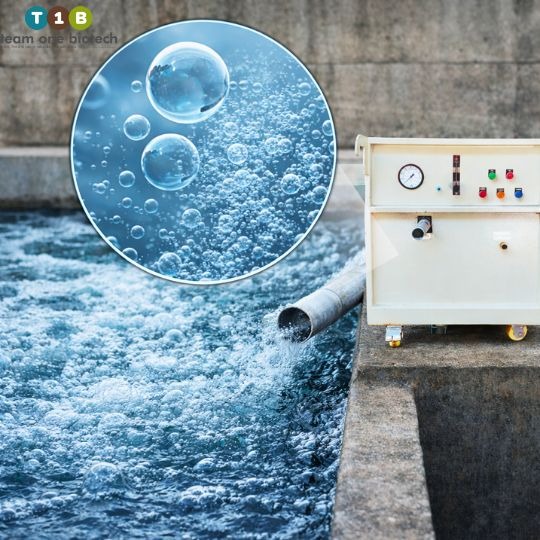
Scan the code