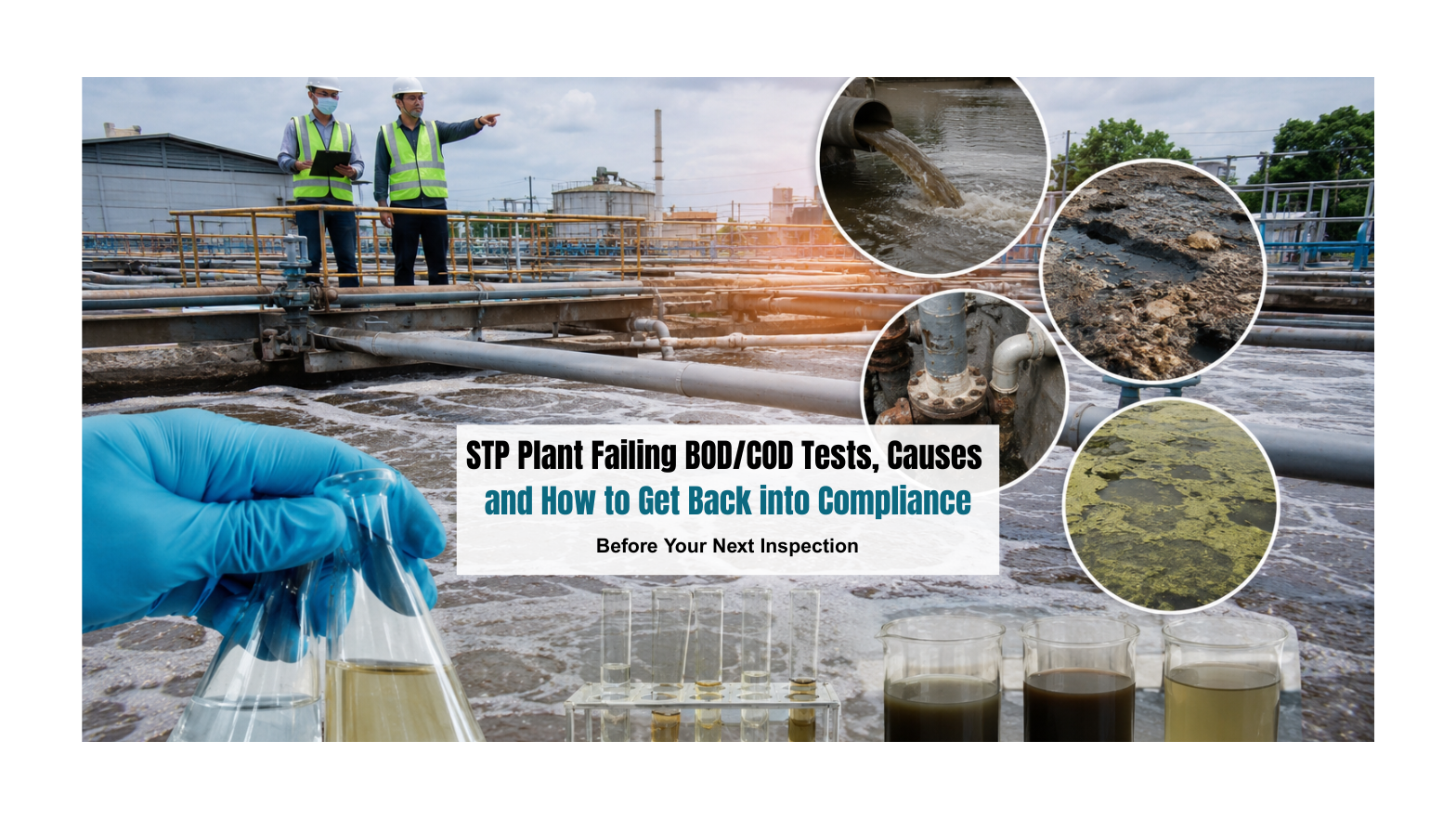
STP Plant Failing BOD/COD Tests, Causes and How to Get Back into Compliance Before Your Next Inspection

The lab report lands on your desk on a Tuesday morning, and within thirty seconds your stomach drops. BOD reading: out of range. COD: worse. And taped to your mental calendar is a date you cannot move, the State Pollution Control Board inspection, now less than two weeks away.

You already know what this means if the numbers don’t correct themselves. Closure notices. Penalty assessments that eat into budgets you’ve already spent. The very real possibility of explaining to your facility director, your tenants, or your corporate office why operations might grind to a halt. This is not an abstract compliance exercise. This is your plant, your job, and your facility’s reputation sitting on the line.

Take a breath. A failing STP report is a solvable engineering problem, not a verdict. But solving it requires understanding exactly why your biological treatment system stopped performing, and what to do about it before the inspector’s car pulls into your parking lot.

Why STP BOD COD Not Meeting Standards Is a Five-Alarm Problem
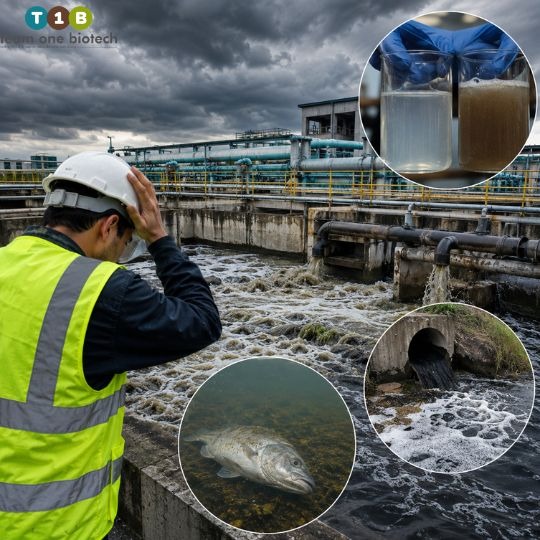
Why STP BOD COD Not Meeting Standards Is a Five-Alarm Problem

Under CPCB general standards for discharge into inland surface waters, treated effluent is expected to keep Biochemical Oxygen Demand within the 20 to 30 mg/L spectrum, with Chemical Oxygen Demand levels safely below the 200 to 250 mg/L threshold, depending on your specific consent conditions and state-level variations.

Note: These are general values and operational outcomes will vary based on the specific design, hydraulic load, and unique configuration parameters of individual Sewage and Effluent Treatment Plants (STPs/ETPs).

These aren’t arbitrary numbers bureaucrats picked to make your life difficult. BOD and COD are direct proxies for how much organic and chemical load your treated water is still carrying when it leaves your premises. When those numbers spike, it tells the SPCB, and anyone downstream of your discharge point, that your biological treatment process broke down somewhere along the line.

The legal exposure here is immediate, not theoretical. A failed consent renewal, a show-cause notice, or in repeat-offense scenarios, a closure direction under the Water (Prevention and Control of Pollution) Act. For commercial complexes, hospitals, and industrial campuses, this can mean disrupted operations, stalled occupancy certificates, and damage to relationships with regulators that takes years to repair.

The Diagnostics Room: Three Reasons Your STP Is Failing
The Diagnostics Room: Three Reasons Your STP Is Failing

Most BOD/COD failures trace back to one of three root causes. Rarely is it just one in isolation.

Aeration System Bottlenecks

Your biological treatment process depends entirely on aerobic bacteria having enough dissolved oxygen to metabolize organic matter. When DO levels drop, typically falling below a working range of 2 to 4 mg/L in the aeration tank, those bacteria slow down or stop breaking down waste entirely.

Note: These are general values and operational outcomes will vary based on the specific design, hydraulic load, and unique configuration parameters of individual Sewage and Effluent Treatment Plants (STPs/ETPs).

Common culprits include clogged or worn-out diffusers, undersized blowers struggling against actual hydraulic load, and fouled membrane discs that can no longer transfer oxygen efficiently into the liquid. In many Indian installations, aeration equipment runs continuously for years with minimal preventive maintenance, and by the time anyone notices reduced output, the biomass has already been gasping for weeks.

Sludge Health and MLSS Imbalances

Mixed Liquor Suspended Solids represent your active biological workforce. When MLSS concentrations drift too far outside an optimal working band, often somewhere between 2,000 and 3,500 mg/L depending on process design, you get either an underfed, struggling biomass or an overloaded system that simply cannot keep pace with incoming waste.

Note: These are general values and operational outcomes will vary based on the specific design, hydraulic load, and unique configuration parameters of individual Sewage and Effluent Treatment Plants (STPs/ETPs).

Poor sludge settling in the secondary clarifier is the visible symptom here. If sludge volume index climbs and your settled sludge becomes light, fluffy, or prone to floating, biomass washes out with your final effluent, taking your treatment capacity with it.

Microbial Shock and Toxicity Events

This is the silent killer of STP performance, and it is brutally common across Indian commercial and institutional facilities. Housekeeping staff or contracted cleaning crews pour concentrated disinfectants, acidic descalers, or bleach-heavy formulations down floor drains and washroom outlets, with zero awareness that this drainage eventually reaches the STP’s biological tanks.

A sudden toxic or pH shock load can kill off a meaningful percentage of your active microbial population within hours. Once that biomass dies, BOD and COD removal efficiency collapses, and recovery without intervention can stretch across several weeks of natural regrowth, a timeline most facilities facing an imminent inspection simply do not have.

Note: These are general values and operational outcomes will vary based on the specific design, hydraulic load, and unique configuration parameters of individual Sewage and Effluent Treatment Plants (STPs/ETPs).

The Rapid Troubleshooting Matrix

SymptomRoot CauseImmediate Corrective Action
Low DO readings, foul odor near aeration tankAeration bottleneck, fouled diffusers, undersized blowerInspect and clean diffusers, verify blower capacity against actual flow, check for air leaks in distribution piping
Cloudy or turbid final effluentPoor sludge settling, biomass washoutCheck sludge volume index, reduce wasting rate temporarily, inspect clarifier weirs for uneven flow
Sudden spike in BOD/COD after a specific dateToxic or chemical shock loadTrace drainage source, halt harsh chemical disposal into STP-connected drains, initiate bio-augmentation dosing
Floating or rising sludge in clarifierDenitrification gas formation, septic conditions upstreamIncrease sludge wasting frequency, verify adequate DO is maintained throughout aeration cycle
Persistent high COD despite normal BODNon-biodegradable chemical contaminationInvestigate industrial or cleaning chemical inputs, consider pretreatment or source segregation
Inconsistent readings across daysPower fluctuation disrupting continuous aerationInstall or test backup power continuity for blowers, log aeration downtime against lab result timing

The India Factor: Monsoon Surges, Heat, and Power Realities
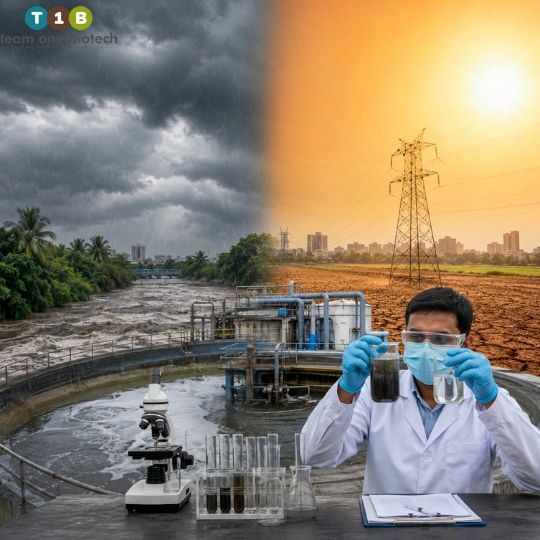
The India Factor: Monsoon Surges, Heat, and Power Realities

Indian STPs face structural stressors that textbook treatment models rarely account for. Summer ambient temperatures pushing tank water well above comfortable biological operating ranges accelerate oxygen depletion, since warmer water holds measurably less dissolved oxygen even as microbial metabolic demand increases.

Monsoon season brings the opposite challenge: sudden hydraulic shock loads as stormwater infiltrates aging sewer networks, diluting influent in some cases while overwhelming hydraulic retention time in others. Your biomass simply doesn’t get adequate contact time with incoming waste, and treatment efficiency drops accordingly.

Then there is the power supply question that every Indian facility manager knows intimately. Erratic grid supply causing intermittent aeration blower shutdowns, even gaps lasting a relatively short window, can meaningfully depress DO levels and stress your biological culture, especially if outages cluster during peak loading hours.

The Emergency Revival Plan: How to Improve STP Effluent Quality Fast
The Emergency Revival Plan: How to Improve STP Effluent Quality Fast

When your inspection window is measured in days rather than months, here is the tactical sequence that delivers the fastest, most reliable BOD COD reduction sewage treatment plant performance recovery.

Step One: Stabilize aeration immediately. Verify blower runtime, clean accessible diffusers, and confirm DO readings across multiple points in the aeration tank, not just one probe location.

Step Two: Audit sludge wasting and return rates. Adjust your return activated sludge ratio to bring MLSS back toward an optimal working range, and reduce excessive wasting that may be depleting your biological workforce.

Step Three: Trace and eliminate toxic inputs. Walk the drainage network, talk to housekeeping supervisors, and identify any recent change in cleaning chemical usage or disposal practice.

Step Four: Deploy bio-augmentation immediately. This is the single most effective lever available when your biomass has been compromised and you do not have weeks to wait for natural regrowth. Seeding your system with advanced, targeted microbial cultures, specifically engineered consortiums designed for rapid acclimatization, can jumpstart organic load breakdown far faster than waiting on the native population to recover on its own.

Note: These are general values and operational outcomes will vary based on the specific design, hydraulic load, and unique configuration parameters of individual Sewage and Effluent Treatment Plants (STPs/ETPs).

Step Five: Increase monitoring frequency. Daily DO and pH checks, not weekly, until your numbers stabilize comfortably within target range across multiple consecutive readings.

From Reactive Crisis to Proactive Compliance

Here is the uncomfortable truth most facility managers eventually face: a plant that only gets attention during a crisis will keep generating crises. Emergency interventions buy you time for this inspection, but they don’t fix the underlying operational gaps that caused the failure in the first place.

Structured bioremediation, paired with a maintenance calendar that accounts for seasonal stressors, power reliability, and chemical handling protocols, transforms your STP from a recurring liability into a system you can actually trust. Permanent compliance isn’t about heroics before every inspection. It’s about building a biological process resilient enough that the inspection becomes a formality rather than a threat.

Don’t Wait for the Inspector to Walk In

If your STP is failing BOD/COD tests right now, every day that passes without corrective action narrows your options and raises your risk. Team One Biotech specializes in exactly this scenario: rapid-response biological health audits, emergency microbial dosing strategies, and engineered bio-augmentation cultures built to revive a struggling plant under real deadline pressure.

Every hour you spend deliberating is an hour your biomass continues to struggle and your inspection date continues to approach. The plants that pass their next SPCB review aren’t the ones that waited for a miracle, they’re the ones that brought in the right diagnostic and microbial expertise the moment the lab report came back red. Contact Team One Biotech now for an emergency STP compliance audit and let our team assess your specific aeration, sludge, and biological health parameters before your deadline arrives, not after. Compliance is still within reach, but only if you act on it today. 

Reach out to Team One Biotech today for an immediate STP biological health audit. Your inspection date isn’t moving. Your compliance status still can.

Looking to improve your ETP/STP efficiency with the right bioculture?
Talk to our experts at Team One Biotech for customised microbial solutions.

Contact+91 8855050575

Email:  sales@teamonebiotech.com

Visit: www.teamonebiotech.com

Discover More on YouTube – Watch our latest insights & innovations!-

Connect with Us on LinkedIn – Stay updated with expert content & trends!
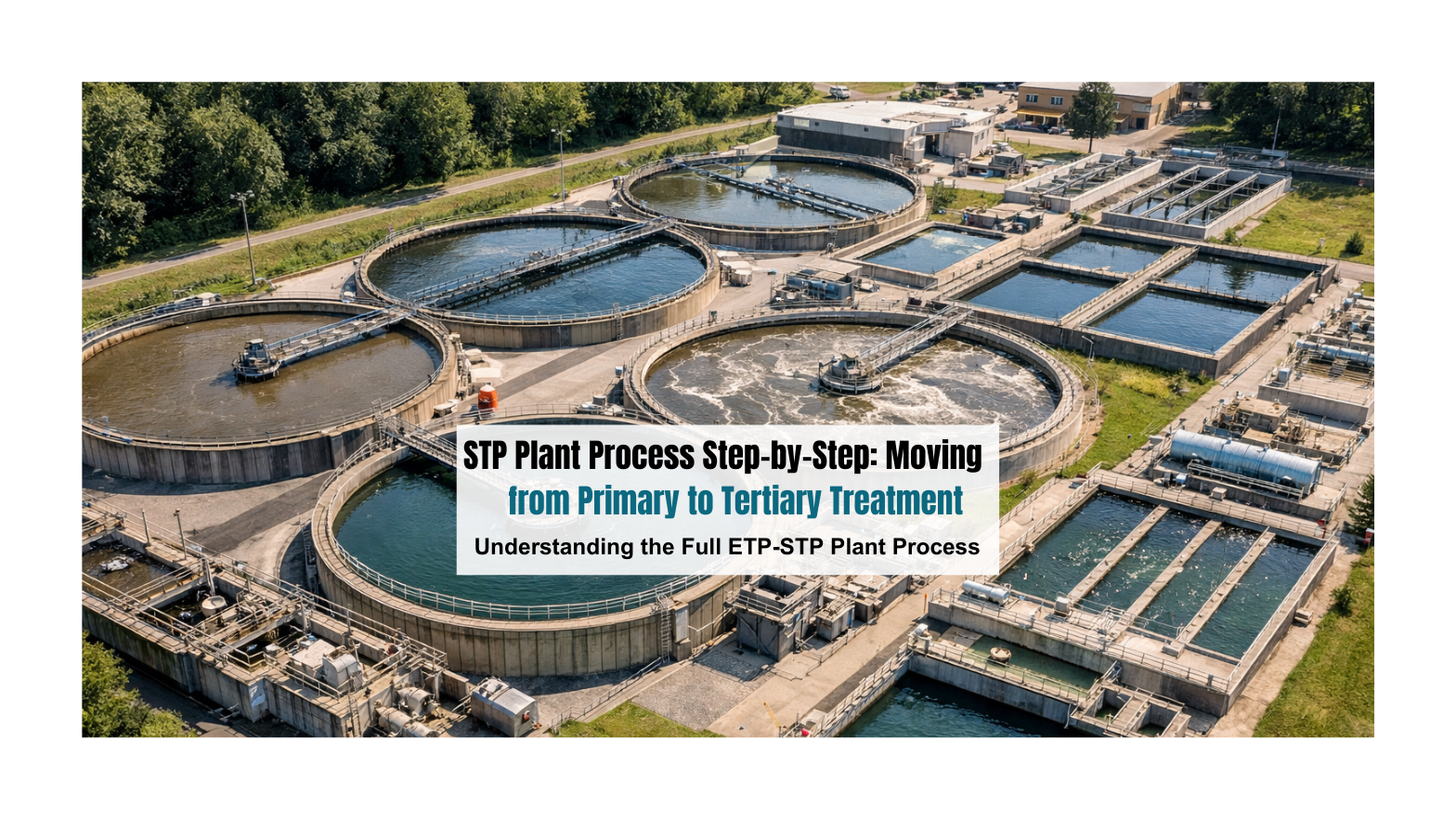
STP Plant Process Step-by-Step: Moving from Primary to Tertiary Treatment

The Stakes Are Higher Than You Think

Most factory managers treat their sewage treatment plant the way they treat a fire extinguisher, essential to have, barely worth thinking about until something goes wrong. That mindset is changing fast, and the reasons are both regulatory and reputational.

CPCB and SPCB inspections have grown sharper. Discharge norms under the Environment Protection Act have tightened. And in water-scarce industrial corridors from Rajasthan to Tamil Nadu, the question isn’t just “are we compliant?” It’s “are we doing this right?” There’s a difference, and that difference now shows up in your operating costs, your audit reports, and eventually, your license renewals.

The best-run plants in India today don’t treat wastewater management as an obligation. They treat it as operational infrastructure. The STP and ETP plant process is as central to their facility as power supply or raw material logistics. When it’s engineered well, it runs silently in the background, protecting margins, protecting permits, and protecting water resources for the communities around them.

You can Read more at The Comprehensive Guide to ETP & STP Design, Process, and Efficiency in India.This article breaks down that process, stage by stage, without oversimplification, and explains where precision biology and smart chemistry can dramatically change your outcomes.

Understanding the Full ETP-STP Plant Process

Understanding the Full ETP-STP Plant Process

A sewage treatment plant and an effluent treatment plant serve related but distinct purposes. An STP is designed to treat domestic or mixed sewage, primarily organic waste, suspended solids, and pathogens. An ETP is built to handle industrial effluent, which may carry heavy metals, chemical oxygen demand (COD) loads, dyes, or industry-specific contaminants.

For many industrial operators, ETP simply expands to Effluent Treatment Plant, but in practice, the full form explains only a fraction of what the system is expected to do inside a regulated factory environment.

If you want to know more, understand here. ETP Plant Full Form & Functions: A Guide for “Red Category” Industries

In Central Pollution Control Board classification, industries listed under Red Category are those with the highest pollution potential. This includes sectors such as:

  • Textile Industry dyeing and processing units
  • Pharmaceutical Industry manufacturing plants
  • Chemical Industry process facilities
  • Paper Industry mills
  • Tannery operations
  • food processing plants with high organic discharge

For these facilities, an ETP is not just installed for wastewater disposal. It performs four critical operational functions:

Core Functions of an Industrial ETP

  • Equalization: Industrial discharge rarely arrives at stable flow or stable chemistry. Equalization tanks absorb production shocks, balancing pH, temperature, COD load, and hydraulic volume before treatment begins.
  • Chemical Correction: Unlike domestic sewage, industrial wastewater often requires pH correction, coagulation, flocculation, or oxidation before biological stages can even function properly.
  • Toxic Load Reduction: Heavy metals, oils, dyes, solvents, and inhibitory compounds must be reduced before the biological process, otherwise microbial systems collapse.
  • Biological Compatibility Creation: In many Red Category plants, the first job of the ETP is not full purification, but making wastewater biologically treatable before it enters downstream secondary systems.

This is where many facilities misunderstand plant design: an STP removes biodegradable sewage efficiently, but an ETP first makes industrial wastewater safe enough to become biologically manageable.

That difference is why Red Category industries cannot rely on sewage-treatment logic alone. Their treatment architecture must be built around effluent chemistry first, biology second.

In most industrial settings, you’re running both. The combined ETP-STP plant process typically flows through three defined treatment stages: primary, secondary, and tertiary. Each stage has a specific job. Skipping or underperforming at any one stage creates compounding problems downstream.

Stage One, Primary Treatment: The Physical Barrier

Stage One, Primary Treatment: The Physical Barrier

What happens here: The incoming wastewater first passes through a series of physical separation processes. No chemistry, no biology, just mechanical force and gravity doing the work.

The primary stage typically includes:

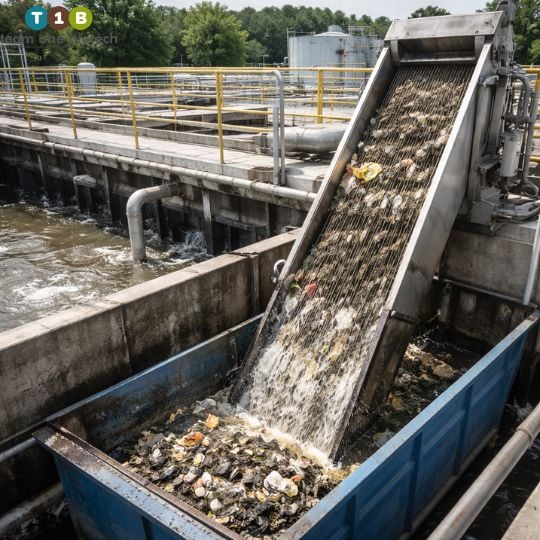
  • Screening and bar screens to remove large debris, rags, plastics, and coarse solids that would otherwise damage pumps and clog downstream equipment
  • Grit chambers where flow velocity is deliberately reduced so that sand, gravel, and heavy inorganic particles settle out
  • Primary clarifiers or settling tanks where suspended organic solids (called primary sludge) settle to the bottom under gravity, while oils and greases float to the surface and are skimmed off

What it achieves: A well-designed primary stage will remove 50–70% of total suspended solids and 25–35% of BOD (Biochemical Oxygen Demand) before the water even reaches biological treatment.

The Indian context: Plants operating in cities with combined sewer systems, where stormwater and sewage mix, face sudden surge loads during monsoon months. Primary infrastructure needs to be sized with this variability in mind. Under-designed screening systems fail precisely when they’re needed most.

Primary treatment sets the table. The secondary stage is where the real work begins.

Stage Two, Secondary Treatment: Biological Processing and the Activated Sludge Process

Biological Processing and the Activated Sludge Process

This is the engine of the entire system. Secondary treatment is biological in nature, and its effectiveness depends entirely on maintaining a healthy, active microbial ecosystem inside your treatment tanks.

How the Activated Sludge Process Works

The activated sludge process is the most widely used secondary treatment method in Indian industrial and municipal plants. Here’s the mechanics:

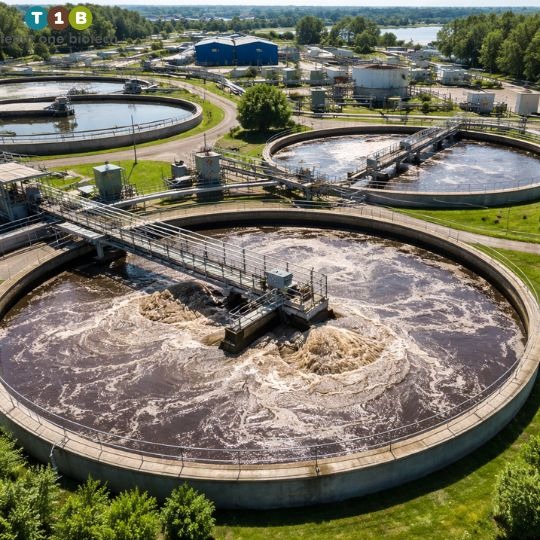
Effluent from the primary stage flows into an aeration tank, where it’s mixed with a concentrated mass of microorganisms, the “activated sludge.” Air is continuously pumped through diffusers at the bottom of the tank, serving two purposes: supplying oxygen for aerobic bacterial metabolism, and keeping the sludge in suspension so microbes stay in contact with incoming organic matter.

The bacteria consume dissolved organics, breaking down BOD and ammonia as their food source. This mixture then flows into a secondary clarifier, where the sludge (now heavier, having fed and multiplied) settles out. A portion of this settled sludge is returned to the aeration tank (Return Activated Sludge or RAS) to maintain microbial population density. The rest is wasted (Waste Activated Sludge or WAS) to control sludge age.

The Variables That Determine Success or Failure

This is where most plants lose control. The activated sludge process is sensitive. It responds to:

  • Temperature fluctuations, Microbial activity drops sharply below 15°C. In northern Indian winters, particularly in Haryana, Punjab, and UP industrial belts, unmanaged temperature drops can crash biological performance within days.
  • Organic loading variability, A sudden spike in COD or BOD, common when production schedules shift, can overwhelm microbial capacity and cause effluent quality to slip.
  • Sludge bulking, When filamentous bacteria overgrow, sludge settles poorly in the clarifier, and you lose your microbial mass through the overflow. This is one of the most common operational crises in Indian STPs.
  • Nutrient imbalance, Microbes need a balanced C:N:P ratio. Industrial effluents that are heavy on COD but low in nitrogen or phosphorus will produce a stressed, underperforming biomass.

Managing these variables requires more than a monitoring sheet. It requires active biological management, which brings us to where Team One Biotech’s technology enters the equation.

The Bioremediation Edge: How Team One Biotech Strengthens Your Activated Sludge System

There’s a persistent misconception that biological treatment systems are static, that you install them, seed them, and walk away. Experienced plant operators know better. A biological system is a living infrastructure. It needs the right microbial strains, maintained at the right concentrations, adapted to your specific effluent chemistry.

Team One Biotech’s bioremediation solutions are engineered to do exactly that.

Our proprietary microbial consortia are formulated specifically for Indian industrial conditions, not imported solutions designed for European climates and wastewater chemistry. The strains we deploy are:

  • Selected for thermal resilience, maintaining metabolic activity across the temperature ranges typical in Indian plant environments
  • Capable of accelerated COD and BOD reduction, shortening hydraulic retention times and improving throughput
  • Designed to suppress filamentous bulking organisms, directly addressing one of the most disruptive failure modes in activated sludge systems
  • Proven to reduce excess sludge generation by 25–40%, which translates directly into lower dewatering costs, reduced disposal frequency, and less pressure on sludge handling infrastructure

When integrated into your aeration tank as part of a structured bioaugmentation program, these cultures don’t compete with your native biomass, they reinforce it. The result is a more stable, more resilient biological stage that holds its performance even under load variations.

If your plant is struggling with sludge volume, inconsistent effluent quality, or seasonal performance dips, this is the conversation worth having.

Talk to our technical team about a plant-specific bioaugmentation assessment. We’ll review your current activated sludge data and identify the intervention points that will deliver the highest operational return.

Stage Three, Tertiary Treatment: Advanced Filtration and Compliance-Grade Output

Stage Three, Tertiary Treatment: Advanced Filtration and Compliance-Grade Output

Once secondary treatment is complete, the effluent has been biologically cleaned but still carries residual suspended solids, trace organics, nutrients, and microbial content. Tertiary treatment is where you take it the rest of the way.

What Tertiary Treatment Includes

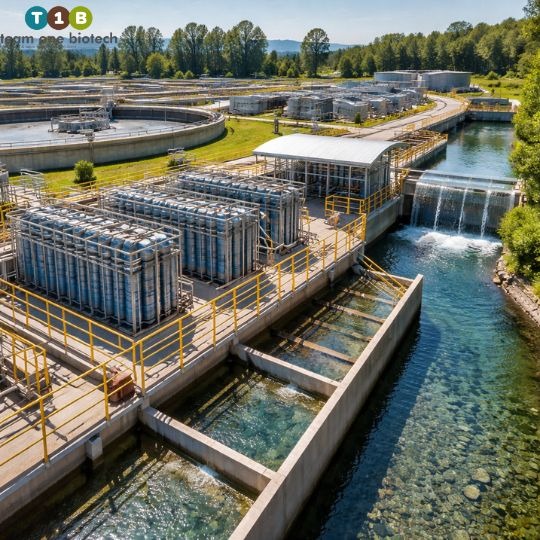
Filtration: Sand filters, multimedia filters, or membrane-based ultrafiltration remove fine suspended particles that passed through secondary clarification. For plants targeting Zero Liquid Discharge compliance, ultrafiltration becomes the bridge to the membrane bioreactor (MBR) or reverse osmosis (RO) stages.

Nutrient removal: Biological or chemical denitrification and phosphorus removal are increasingly mandated by SPCB for effluent being discharged into sensitive water bodies. Plants located near rivers or lakes in ecologically sensitive zones face these requirements directly.

Disinfection: Chlorination, UV disinfection, or ozonation eliminates residual pathogens. For STP operators targeting reuse of treated water, for cooling towers, horticulture, or toilet flushing, disinfection quality determines reuse eligibility under CPCB recycled water norms.

ZLD Integration: In water-stressed industrial regions, Kutch, Rajasthan’s industrial estates, parts of Maharashtra’s Vidarbha belt, Zero Liquid Discharge is no longer optional. It’s a business continuity requirement. A properly sequenced tertiary treatment train, followed by evaporation and crystallization, allows plants to recover and reuse nearly all process water. Team One Biotech designs tertiary programs that integrate with ZLD targets from the ground up, not as afterthoughts.

Compliance Is the Floor. Performance Is the Goal.

CPCB and SPCB compliance sets your minimum. But the plants that are building operational advantage right now are the ones treating their STP and ETP as strategic assets, engineering them to produce consistent, reusable, high-quality treated water rather than barely-acceptable discharge.

The difference between a compliant plant and a high-performing plant often comes down to biological health in the secondary stage and the quality of tertiary polishing. Both are areas where the right technical partnership changes the math significantly.

Explore how Team One Biotech’s bioremediation products can be integrated into your existing activated sludge system. Whether you’re retrofitting an aging plant, scaling up to meet new production volumes, or building from scratch, our technical team can define the right biological strategy for your effluent profile.

Partner With India’s STP and ETP Industrial Powerhouse

Team One Biotech has built its reputation on one principle: wastewater treatment should work as reliably as any other piece of your plant infrastructure. Not seasonally, not approximately, not on paper. Reliably.

From primary screening to ZLD-ready tertiary treatment, from activated sludge stabilization to sludge volume reduction, we bring 15 years of Indian industrial field experience to every plant design, optimization, and audit we undertake.

Your facility deserves a system that doesn’t just meet standards, it sets them.

Contact Team One Biotech today to schedule a plant assessment, discuss a bioremediation integration plan, or explore full ETP-STP design services. The conversation costs you nothing. The operational clarity it delivers is worth considerably more.

Looking to improve your ETP/STP efficiency with the right bioculture?
Talk to our experts at Team One Biotech for customised microbial solutions.

Contact+91 8855050575

Email:  sales@teamonebiotech.com

Visit: www.teamonebiotech.com

Discover More on YouTube – Watch our latest insights & innovations!-

Connect with Us on LinkedIn – Stay updated with expert content & trends!
Scan the code