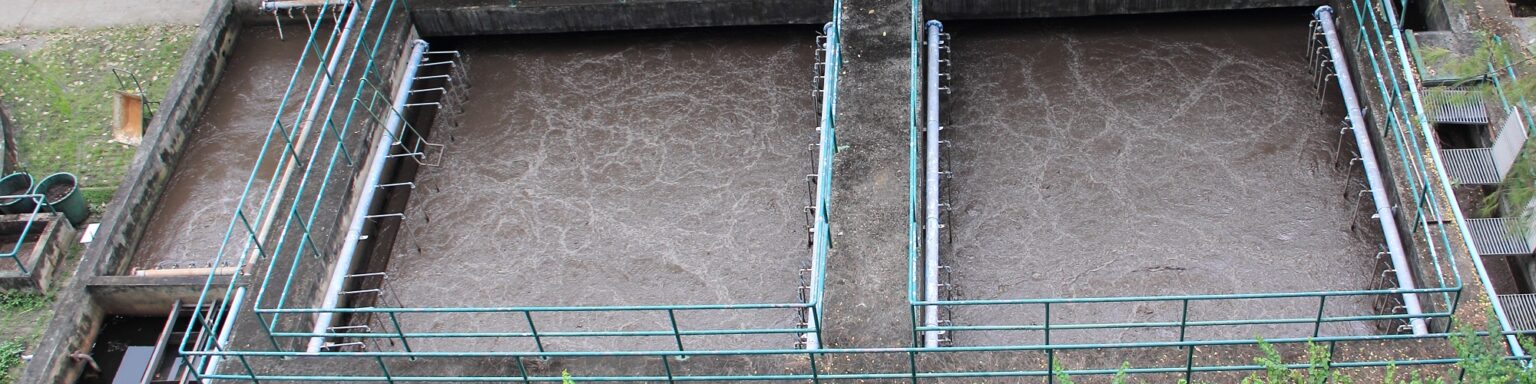
Microbial-Ecology-of-Wastewater-Treatment-facility
Bacteria and Micro-organisms Involved in Wastewater Treatment

Wastewater treatment is a complex water treatment process that relies heavily on the activity of microorganisms, especially bacteria, to break down pollutants and organic matter. These microscopic allies are the unsung heroes in both municipal and industrial waste effluent treatment plants (ETPs), working silently to purify water and ensure environmental sustainability.Whether it’s reducing fat oil and grease (FOG) buildup or breaking down organic contaminants, micro organisms in wastewater treatment is central to successful alternative.

To learn how your facility can optimize treatment with microbial solutions, feel free to contact us.

Why Microorganisms Matter in Water Treatment

Microorganisms are at the core of biological wastewater treatment, particularly in the secondary sewage water treatment stage. Their role is to:

  • Decompose organic matter into simpler, harmless compounds.
  • Convert nitrogenous compounds through nitrification and denitrification.
  • Flocculate suspended solids by forming biofilms and flocs.
  • Reduce odors and toxic substances through biochemical oxidation, contributing to odour control in wastewater treatment.
  • Shock Loads sustainability.

Let’s dive into the key categories and types of micro organisms in wastewater treatment.

  1. Bacteria – The Backbone of Wastewater Treatment
        a) Heterotrophic Bacteria
  • Function: Degrade organic carbon compounds like proteins, carbohydrates, and fats.
  • Examples: Pseudomonas, Bacillus, Zooglea ramigera
  • Process: Aerobic decomposition (oxidation of organics into CO₂ and H₂O). These bacteria are crucial for fat oil and grease removal in both domestic and industrial effluent streams.

They are frequently supported by bio culture for wastewater treatment solutions, used to maintain consistent microbial balance in residential wastewater treatment systems and eco sewage treatment plant units.

        b) Nitrifying Bacteria
  • Function: Convert ammonia (NH₃) into nitrate (NO₃⁻) in a two-step process.
    • Ammonia to Nitrite: Nitrosomonas
    • Nitrite to Nitrate: Nitrobacter
  • Importance: Removes toxic ammonia, stabilizes nitrogen cycle, and supports wastewater recycling initiatives like sewage recycling system setups.
        c) Denitrifying Bacteria
  • Function: Convert nitrate into nitrogen gas (N₂) under anoxic conditions.
  • Examples: Paracoccus, Pseudomonas denitrificans
  • Role: Helps in total nitrogen removal and reduces eutrophication risks.This process is a key component of anaerobic wastewater treatment and anaerobic digestion wastewater treatment systems.
        d) Phosphorus-Accumulating Organisms (PAOs)
  • Function: Uptake and store excess phosphorus.
  • Examples: Acinetobacter species
  • Use: Enhanced Biological Phosphorus Removal (EBPR) systems. Also useful in managing nutrient-rich industrial waste discharge through biological sewage treatment plant strategies.
  1. Other Important Micro-organisms
        a) Protozoa
  • Role: Predators that consume free-floating bacteria and suspended solids.
  • Types:
    • Flagellates – early indicators of system startup.
    • Ciliates (e.g., Vorticella) – associated with mature, stable systems.
    • Amoebae – dominate during toxic shock or startup.

      These are particularly active in aerobic sewage treatment system setups.

        b) Rotifers
  • Role: Help polish effluent by consuming smaller microbes and particulates.
  • Indicator of: Stable and well-oxygenated systems, particularly in advanced aerobic treatment units.
        c) Fungi
  • Function: Degrade hard-to-digest substances (e.g., lignin, cellulose).
  • Usage: In low pH or low-nutrient conditions, ideal for treating FOG and supporting wastewater treatment products such as enzymes for sewage treatment.
  • Example: Trichoderma, Aspergillus

Often employed in fat oil and grease management due to their capacity to decompose complex organics.

        d) Algae
  • Use: In facultative lagoons and tertiary treatment for oxygenation and nutrient removal.
  • Example: Chlorella, Scenedesmus

They play a vital role in pond treatment and systems focused on eco friendly sewage treatment systems.

  1. Microbial Interactions in Treatment Systems
  • Floc formation: Bacteria like Zooglea ramigera excrete extracellular polymeric substances (EPS) that bind flocs a critical part of wastewater filtration.
  • Synergism: Fungi can break down complex molecules, aiding bacteria.
  • Competition: Nitrifiers and heterotrophs may compete for oxygen, especially in high organic loading conditions influencing reducing BOD in wastewater.
  1. Factors Affecting Microbial Activity
  • Temperature: Most microbes thrive between 20–35°C.
  • pH: Neutral range (6.5–8.5) is optimal.
  • Dissolved Oxygen (DO): Essential for aerobic bacteria (ideal >2 mg/L).
  • Toxicity: Heavy metals, chlorinated compounds, and sudden pH shifts can harm microbial populations.
  • F/M ratio (Food to Microorganism ratio): Critical for maintaining sludge quality and sludge management.

Proper balancing ensures cost-effective sewage treatment plant maintenance and performance optimization across domestic waste water treatment systems.

  1. Role of Bioaugmentation

In systems facing high load or startup issues, bioaugmentation with specialized microbial consortia (commercial biocultures) is used to boost treatment performance. These formulations may include:

  • Mixed heterotrophs
  • Specialized oil, grease, or phenol degraders
  • Nitrifiers and PAOs

Bioaugmentation is especially useful for managing FOG accumulation in sewage treatment plants and sludge digestion systems.It’s often deployed by sewage treatment plant manufacturer teams or effluent treatment plant manufacturer experts offering waste water treatment chemicals.

Conclusion

Understanding the micro organisms in wastewater treatment is key to optimizing performance, preventing upsets, and achieving regulatory compliance. Bacteria and other micro-organisms are nature’s solution to pollution, and when harnessed properly, they can transform even the dirtiest wastewater into reusable water.

Whether you are managing a sewage treatment plant in Mumbai, planning a sewage treatment plant in Pune, or searching for the best septic tank treatment, knowledge of microbial dynamics will guide you to the right solution — from cheap sewage treatment plants to mini sewage treatment plant cost in India.

From sustainability and waste management to treatment of industrial waste water, the microbial world offers scalable solutions for every system — large or small.As wastewater professionals, staying informed about microbial communities helps us make better decisions — from choosing the right bioculture to troubleshooting treatment inefficiencies in industrial wastewater management.

For tailored solutions to your treatment challenges, contact us.

???? Email: sales@teamonebiotech.com

???? Visit: www.teamonebiotech.com

???? Discover More on YouTube – Watch our latest insights & innovations!-

???? Connect with Us on LinkedIn – Stay updated with expert content & trends!

aerobic, anaerobic, and anoxic treatment
Anoxic vs. Anaerobic vs. Aerobic Wastewater Treatment
Introduction

Wastewater treatment relies on biological processes to remove contaminants before the treated water is discharged or reused. The three primary treatment conditions—anoxic, anaerobic, and aerobic—each utilize different microbial mechanisms to break down pollutants. Understanding these processes is essential for selecting the most efficient stp water treatment process based on wastewater characteristics and treatment goals.

This blog explores the origins, efficiency, and prominence of each treatment type.For expert solutions in wastewater treatment, visit Team One Biotech.

1. Aerobic Wastewater Treatment
Origins and Development

Aerobic wastewater treatment has its roots in the late 19th and early 20th centuries with the development of the activated sludge process (1913, UK). It gained prominence with the increasing need for effective wastewater management in industrial and municipal applications.

Process Mechanism
  • Requires oxygen to support aerobic microbial activity.
  • Bacteria break down organic matter into carbon dioxide, water, and biomass.
  • Common systems include biological sewage treatment plant, trickling filters, and aerated lagoons.

Biological Oxygen Demand (BOD) + O2 + Biomass + nutrients(N/P) → 

CO2 + H2O + new biomass + energy

Efficiency and Prominence
  • Efficiency: High organic matter removal (90-98% BOD and COD reduction).
  • Energy Demand: High energy consumption due to aeration.
  • Sludge Generation: Produces more sludge compared to anaerobic processes.
  • Prominence: Widely used for municipal wastewater treatment and industrial wastewater treatment due to its ability to handle high organic loads efficiently.
2. Anaerobic Wastewater Treatment
Origins and Development

Anaerobic treatment dates back to ancient times when natural decomposition processes were observed in wetlands. The modern anaerobic process was developed in the late 19th century, with advancements in anaerobic digestion of biomass occurring in the 20th century.

Process Mechanism
  • Operates in the absence of oxygen.
  • Microorganisms break down organic matter into methane, carbon dioxide, and biomass through hydrolysis, acidogenesis, acetogenesis, and methanogenesis.
  • Common systems include Upflow Anaerobic Sludge Blanket (UASB) reactors, gases produced in anaerobic sludge digesters, and expanded granular sludge bed (EGSB) reactors.
Efficiency and Prominence
  • Efficiency: Moderate to high COD removal (70-90%) but requires post-treatment.
  • Energy Demand: Low energy requirement; produces biogas as a byproduct.
  • Sludge Generation: Minimal sludge production.
  • Prominence: Used for high-strength industrial wastewater (e.g., food processing, dairy, breweries) and working of sewage treatment plant in developing regions.
3.Anoxic Wastewater Treatment
Origins and Development

Anoxic treatment became prominent with the increasing need for nitrogen removal in wastewater treatment plants. It gained traction in the late 20th century with the development of biological nutrient removal (BNR) systems.

Process Mechanism
  • Operates with no free oxygen but uses chemically bound oxygen (e.g., nitrates).
  • Facilitates denitrification, where bacteria convert nitrates (NO3-) to nitrogen gas (N2), reducing nitrogen pollution.
  • Common systems include anoxic zones in activated sludge plants and sequencing batch reactors (SBRs).
Efficiency and Prominence
  • Efficiency: Essential for nitrogen removal (80-95% nitrate reduction).
  • Energy Demand: Lower than aerobic treatment but requires a carbon source.
  • Sludge Generation: Moderate sludge production.
  • Prominence: Critical for wastewater treatment plants with strict nitrogen discharge regulations.
Removal of nitrogen:

Nitrification: NH4+ +1½O2→NO2 +2H+ + H2O aerobic conditions

NO2 + ½O2→NO3

Denitrification:NO3 + BOD→N2+H2O+COanoxic conditions

Comparison Table
Parameter Aerobic Treatment Anaerobic Treatment Anoxic Treatment
Oxygen Requirement High None No free oxygen (uses nitrates)
Energy Demand High Low (energy-positive) Low
Organic Removal Efficiency High (90-98%) Moderate-High (70-90%) Specific to nitrogen removal
Sludge Production High Low Moderate
Prominence Municipal and industrial wastewater Industrial, high-strength wastewater Used in biological nutrient removal
Conclusion:

Selecting between aerobic, anaerobic, and anoxic treatment depends on the specific wastewater characteristics and treatment objectives.

  • Aerobic treatment is highly efficient but energy-intensive.
  • Anaerobic treatment is energy-efficient and generates biogas but may require post-treatment.
  • Anoxic treatment is crucial for nitrogen removal and is often used in combination with aerobic systems.

By integrating these wastewater treatment processes effectively, wastewater treatment plants can optimize efficiency, odor removal, and meet regulatory standards.

If you are looking for expert wastewater management solutions from trusted sanitation companies, including specialized services such as sanitization, and waste removal, we’ve got you covered

For more details on wastewater management solutions, contact us at Team One Biotech.

???? Email: sales@teamonebiotech.com
???? Visit: www.teamonebiotech.com

???? Discover More on YouTube – Watch our latest insights & innovations!-

???? Connect with Us on LinkedIn – Stay updated with expert content & trends!

Sequencing Batch Reactors (SBR) for Wastewater Treatment: A Comprehensive Guide
Introduction

With the growing concerns over sewage treatment plant efficiency and environmental pollution, Sequencing Batch Reactors (SBR) for wastewater treatment have emerged as a vital technology. SBRs are a type of activated sludge process designed for the biological treatment of wastewater through a time-controlled sequence of operations in a single reactor.

This blog delves into the history, working mechanism, current applications, advantages, disadvantages, and methods to enhance the efficiency of SBR systems. If you’re looking for expert guidance on optimizing SBR technology for your wastewater treatment needs, feel free to Contact Us for more information

Origin and History of SBR

The concept of batch reactors in wastewater treatment dates back to the early 1900s when activated sludge processes were first developed. However, the modern SBR system gained prominence in the 1950s and 1960s, when technological advancements enabled automated sequencing controls.

In the 1970s, the Environmental Protection Agency (EPA) in the United States supported research into SBRs, leading to their wider implementation in municipal wastewater treatment plants and industrial wastewater treatment facilities.

What is a Sequencing Batch Reactor (SBR)?

A Sequencing Batch Reactor (SBR) is a fill-and-draw activated sludge system where wastewater is treated in batches. Unlike conventional continuous-flow systems, SBRs operate in time-sequenced cycles within the same tank, eliminating the need for multiple tanks for different stages of treatment.

Key Components of an SBR System
  • Influent tank – Stores incoming wastewater before treatment.
  • SBR reactor tank – Where biological treatment occurs.
  • Decanter – Separates treated water from sludge.
  • Aeration system – Supplies oxygen for microbial activity.
  • Control system – Automates the sequencing of operations.
How SBR Works: The Five Phases

SBR systems operate in distinct cycles, typically consisting of five phases:

Fill
  • Raw wastewater is introduced into the reactor.
  • Mixing begins to distribute the organic load evenly.
  • Aeration may or may not occur, depending on treatment objectives.
React
  • Aeration is provided to promote microbial degradation of organic pollutants.
  • Microorganisms break down biochemical oxygen demand (BOD), nitrogen, and phosphorus.
Settle
  • Aeration stops, allowing solids (sludge) to settle at the bottom.
  • A clear liquid (treated effluent) forms above the settled sludge.
Decant
  • The treated effluent is removed using a decanter, leaving behind the sludge.
Idle
  • The system is temporarily inactive before the next batch starts.
  • Excess sludge may be removed for disposal or further treatment.
Ideal Time Period for Each SBR Cycle

The total cycle time for a Sequencing Batch Reactor (SBR) varies depending on the wastewater characteristics, treatment objectives, and operational conditions. However, a typical SBR cycle lasts 4 to 8 hours, with each phase allocated time as follows:

  • Fill: 0.5 – 2 hours
  • React (Aeration): 1.5 – 4 hours
  • Settle: 0.5 – 1.5 hours
  • Decant: 0.25 – 1 hour
  • Idle: 0.25 – 1 hour

The number of cycles per day typically ranges from 3 to 6 cycles, depending on influent flow rate and treatment requirements.

Sequencing Batch Reactors (SBR) for Wastewater Treatment  tank diagram

Key Parameters to Analyze Before Deciding SBR Cycle Times

Before finalizing the cycle duration, several parameters must be analyzed to ensure efficient treatment and compliance with discharge standards:

  1. Influent Characteristics
  • Biochemical Oxygen Demand (BOD5) – Determines organic load.
  • Chemical Oxygen Demand (COD) – Indicates the total oxidizable pollutants.
  • Total Suspended Solids (TSS) – Affects settling time and sludge formation.
  • Ammonia (NH₃) and Total Nitrogen (TN) – Important for nitrification and denitrification.
  • Phosphorus (P) – Influences biological phosphorus removal processes.
  • pH & Alkalinity – Affects microbial activity and process stability.
  1. Effluent Quality Standards
  • Regulatory discharge limits for BOD, COD, TSS, nitrogen, and phosphorus influence cycle duration.
  • More stringent regulations may require longer aeration and settling times.
  1. Microbial Kinetics and Sludge Characteristics
  • Sludge Volume Index (SVI) – Determines sludge settling efficiency.
  • Mixed Liquor Suspended Solids (MLSS) – Helps optimize aeration duration.
  • F/M Ratio (Food-to-Microorganism ratio) – Ensures balanced microbial growth.
  1. Treatment Objectives
  • If nitrification and denitrification are required, additional aeration and anoxic phases may be needed.
  • For biological phosphorus removal, proper anaerobic-aerobic cycling is essential.
  1. Hydraulic and Organic Load Variability
  • If the influent flow rate or pollutant load varies significantly, a dynamic control strategy should be used.
  • Peak flow conditions may require shorter idle times or multiple cycles per day.
  1. Aeration and Energy Consumption
  • Optimizing aeration time can reduce energy costs while maintaining treatment efficiency.
  • Dissolved Oxygen (DO) control is essential to prevent excess aeration.
Current Usage of SBR Systems

SBR technology is widely used in municipal wastewater treatment and industrial wastewater treatment plants, particularly in scenarios where space constraints or fluctuating flow rates make conventional systems impractical. Common applications include:

  • Small to medium-sized municipal wastewater treatment plants
  • Industrial wastewater treatment (e.g., food processing, pharmaceuticals, textiles)
  • Remote or decentralized wastewater treatment facilities
  • Retrofit solutions for existing plants requiring process upgrades
Advantages of SBR Systems
  • Space Efficiency – Eliminates the need for separate tanks for aeration, settling, and decanting.
  • Flexibility – Easily adjustable to handle varying influent flow rates and loads.
  • Superior Nitrogen & Phosphorus Removal – Optimized for nutrient removal due to controlled aeration and anoxic cycles.
  • Cost-Effective – Lower infrastructure costs as fewer tanks are required.
  • Automated Operation – Modern SBRs are highly automated, reducing manual intervention.
Disadvantages of SBR Systems
  • Requires Skilled Operation – Effective management depends on proper sequencing and automation.
  • Higher Energy ConsumptionAeration and mixing require continuous energy input.
  • Sludge Bulking Issues – Poor settling characteristics can reduce efficiency.
  • Time-Dependent Process – Treatment occurs in cycles, making it less suitable for high, continuous-flow systems.
How to Improve the Efficiency of SBR Systems

To maximize the efficiency of SBR systems, consider the following strategies:

1. Optimizing Cycle Times
  • Adjust the duration of each phase based on influent characteristics and organic load variations.
2. Implementing Real-Time Monitoring
  • Use sensors and SCADA (Supervisory Control and Data Acquisition) systems to monitor dissolved oxygen (DO), pH, and nutrient levels.
3. Improving Aeration Efficiency
  • Employ energy-efficient blowers and fine-bubble diffusers to enhance oxygen transfer.
4. Regular Sludge Management
  • Remove excess sludge at appropriate intervals to prevent bulking and maintain process stability.
5. Utilizing Advanced Bioculture Additives
  • Introducing specialized microbial consortia can enhance biological degradation and improve nutrient removal.
6. Enhancing Decanting Mechanisms
  • Using automated and controlled decanting systems reduces the risk of sludge carryover.
Conclusion

Sequencing Batch Reactors (SBR) represent a highly effective and flexible solution for wastewater treatment. Their ability to treat a wide range of effluents while maintaining a compact footprint makes them a preferred choice for municipal and industrial applications.

However, careful attention must be given to cycle optimization, aeration efficiency, sludge management, and real-time monitoring to achieve optimal performance. By integrating modern automation and biotechnological advancements, SBR systems can continue to evolve as a sustainable wastewater treatment technology.

Are you looking for advanced wastewater treatment solutions, including Sequencing Batch Reactor (SBR) systems?Contact us today to discuss your wastewater treatment needs and find the best solution for your facility!

???? Email: sales@teamonebiotech.com

???? Visit:www.teamonebiotech.com

???? Discover More on YouTube – Watch our latest insights & innovations!

???? Connect with Us on LinkedIn – Stay updated with expert content & trends!

effluent treatment plant
Enhancing effluent treatment efficiency at a Nylon tyre cord company

Industry Overview

A leading manufacturer of Nylon Tyre Cord Fabric (NTCF) and Nylon Filament Yarn (NFY) in India. The manufacturing process generates waste water containing high BOD COD and complex organic pollutants, requiring an advanced effluent treatment system or compliance with environmental norms. 

To learn how our solutions can help optimize wastewater management and ensure regulatory adherence, contact us today.

ETP Overview

 The company operates a 650 KLD effluent treatment plant (ETP) with the following aeration tank capacities:

  • Aeration Tank 1: 450 KL
  • Aeration Tank 2: 800 KL
  • Aeration Tank 3: 400 KL

The wastewater treatment system includes equalization, primary treatment, biological treatment (aeration tanks), secondary clarification, and waste management through sludge treatment.

Challenges Faced by the ETP

  1. Frequent Upsets Due to Multiple Waste Water Streams 

The industry has multiple waste water streams, including:

  • ✅ Process wastewater treatment from Nylon production – Contains high COD, phenols, and recalcitrant organics.
  • Dye and finishing waste water – High in sulfates, surfactants, and residual dyes.
  • Boiler & cooling tower blowdowns – High in TDS and scaling compounds.

These varied streams led to fluctuations in pH, organic load, and microbial inhibition, making biological treatment inconsistent.

  1. Filamentous Bacteria Growth Leading to Bulking & Poor Settling 

The aeration tanks experienced frequent filamentous bacterial overgrowth, leading to:

  • Sludge bulking – Poor settleability in the secondary clarifier.
  • ❌ Reduced oxygen transferFilamentous microbes formed a mat, lowering aeration efficiency.
  • ❌ High MLSS but poor COD removal – Inefficient microbial metabolism caused high effluent COD.
  1. High COD and BOD in Final Discharge
    • COD levels >1200 mg/L after biological treatment (well above discharge limits).
    • BOD levels exceeded 250 mg/L, indicating poor organic degradation.
    • Fluctuations in ammonia and nitrate levels due to microbial stress.

Solution: Implementation of Our Customized Bioculture for Effluent Treatment System

To address these challenges, a customized culture solution was implemented in three stages:

  1. Bioaugmentation with Specialized Microbial Strains We introduced a high-performance microbial culture consortia designed to degrade recalcitrant organics and control filamentous growth.
Pollutant / Issue Targeted Bioculture Strains Mode of Action
High COD from dyes & finishing Pseudomonas putida, Bacillus subtilis Produces oxidative enzymes to break down complex organics.
Phenolic compounds & nylon by-products Acinetobacter sp., Comamonas testosteroni Uses phenol hydroxylase to degrade toxic aromatics.
Surfactants & residual oil Sphingomonas sp., Rhodococcus sp. Breaks down surfactants & hydrocarbons.
Filamentous bacterial overgrowth Bacillus licheniformis, Nitrosomonas sp. Competes with filamentous microbes & improves sludge settling.
Ammonia & nitrate fluctuations Nitrobacter sp., Paracoccus denitrificans Enhances nitrification & denitrification for ammonia removal.

Dosage Strategy:

  • First 10 days: Shock dosing of bioculture for STP wastewater treatment (10 ppm/day) to quickly establish microbial dominance.
  • Post-10 days: Maintenance dosing (2–3 ppm/day) for stable microbial activity.
  1. Process Optimization in Aeration Tanks
    • Dissolved Oxygen (DO) Optimization: Increased DO from 1.5 mg/L to 2.5 mg/L by fine-tuning aeration rates.
    • MLSS & SRT Adjustments: Maintained MLSS at 3500–4000 mg/L for optimum microbial growth.
    • Sludge Recycle Ratio: Adjusted to 60% return rate to prevent sludge bulking.
  1. Enhanced Settling & Clarifier Performance
    • The addition of floc-forming microbes (Bacillus sp.) improved sludge compactness, reducing SV30 from 200 ml/L to 80 ml/L.
    • Sludge volume index (SVI) improved from >250 mL/g to <120 mL/g, indicating better sludge settleability.

Results Achieved

Parameter Before Treatment After Bioculture Implementation Reduction %
COD in Effluent 1200 mg/L 180 mg/L 85%
BOD in Effluent 250 mg/L 35 mg/L 86%
Phenol Concentration 45 mg/L 5 mg/L 88%
Filamentous Bacteria Issue Frequent sludge bulking Fully controlled
Dissolved Oxygen (DO) 1.5 mg/L 2.5 mg/L
Sludge Settling (SVI) >250 mL/g <120 mL/g 52% Improvement

Key Benefits for the Industry 

Consistent Compliance with Environmental Norms

  • Effluent quality now meets CPCB discharge limits (COD < 250 mg/L, BOD < 30 mg/L).

Reduced Operating Costs

  • Lower aeration energy costs due to improved oxygen transfer efficiency.
  • Reduced chemical usage (e.g., less need for coagulants & antifoam).

Stable ETP Operation with No More Upsets

  • Bioculture created a robust microbial ecosystem that handled stream variations effectively.

Improved Sludge Management

  • Better settling resulted in less sludge disposal & reduced maintenance costs.

Conclusion 

The implementation of our customized bioculture solution successfully transformed the effluent treatment system at Century Enka Ltd., Bharuch. By addressing COD BOD problems, filamentous bacterial issues, and inefficient aeration, the plant achieved stable treatment performance, reduced operational costs, and regulatory compliance

Are you looking for expert solutions in effluent treatment and sustainable wastewater management?

Contact us to know more about how our customized bioculture solutions can help!

Email: sales@teamonebiotech.com

Visit: www.teamonebiotech.com

Discover More on YouTube – Watch our latest insights & innovations!-

Connect with Us on LinkedIn – Stay updated with expert content & trends!

The Importance of Nitrogen in Wastewater Treatment and Its Environmental Impact

The importance of nitrogen goes hand in hand with its ill effects on the environment and organisms specifically humans as the heavy accumulation of the same in water bodies leads to hazardous effects such as eutrophication having direct impact on human health.

The major contributors to this nitrogen accumulation in water bodies are industries in the form of ammoniacal nitrogen. The pollution control bodies such as NGT and CPCB are very stringent about the ammoniacal nitrogen discharge through the effluent.

What is Nitrification and Denitrification in Wastewater Treatment?

Understanding Nitrification

Nitrification is a two-step aerobic process where ammonia (NH3) is converted into nitrate (NO3) through the action of specialized bacteria. This process occurs naturally in soil and water but is crucial in wastewater treatment to prevent ammonia toxicity and eutrophication in aquatic environments.

1. Ammonia Oxidation: The first step involves the conversion of ammonia to nitrite (NO2) by ammonia-oxidizing bacteria (AOB) such as Nitrosomonas.

NH3 ​+O2  ​→ NO2+ 3H+ + 2e

2. Nitrite Oxidation: The second step involves the conversion of nitrite to nitrate by nitrite-oxidizing bacteria (NOB) such as Nitrobacter.

NO2 ​ + 1/2​O2​ → NO3

Understanding Denitrification

Denitrification is an anaerobic process where nitrate is reduced to nitrogen gas (N2), which is then released into the atmosphere. This process helps in the removal of excess nitrogen from wastewater, thus preventing nutrient pollution.

  1. Nitrate Reduction: Nitrate is first reduced to nitrite.

NO3 ​→ NO2

  1. Nitrite Reduction: Nitrite is further reduced to nitric oxide (NO), nitrous oxide (N2O), and finally nitrogen gas.

NO2​ → NO → N2​O → N2

 The Role of Bioremediation in Wastewater Treatment:

Bioremediation leverages natural or engineered biological processes to degrade pollutants. In the context of nitrification and denitrification, bioremediation uses microbial communities to enhance nitrogen removal efficiently.

  1. Bioaugmentation: This involves the addition of specific strains of nitrifying and denitrifying bacteria to wastewater treatment systems. These microorganisms are selected for their efficiency in nitrogen transformation processes.
  • Nitrosomonas europaea and Nitrobacter winogradskyi are common bioaugmentation agents for nitrification.
  • Pseudomonas and Paracoccus species are effective for denitrification.
  1. Biostimulation: This approach involves optimizing the environmental conditions to favor the growth and activity of indigenous nitrifying and denitrifying bacteria. Parameters such as pH, temperature, oxygen levels, and nutrient availability are carefully controlled.
  2. Immobilization Techniques: Microorganisms can be immobilized on various carriers such as activated carbon, biochar, or synthetic polymers to enhance their stability and activity. This method can significantly improve the efficiency of nitrification and denitrification processes by providing a conducive environment for microbial growth and activity.

Ammoniacal nitrogen control highly depends on the microbes responsible for nitrification and denitrification as well as dissolved oxygen. While in the case of industries specific anoxic systems are designed to control the ammonia in the effluent.

 Anoxic Systems in Wastewater Treatment?

The anoxic system is designed to follow the nitrifying and denitrifying process.

  1. Nitrifying Tank: – It consists of an oxygen source specifically aerators to induce dissolved oxygen in the effluent, which nitrifying bacteria utilize to convert ammonia to nitrite.
  2. Denitrifying Tank: – This tank is devoid of any oxygen sources to induce denitrification where nitrite turns into nitrate with the help of denitrifying bacteria.
  1. Canal or Stream: – Here the wastewater is allowed to flow through a canal or a stream uniformly which allows the nitrogen gas to escape which is ultimately the degradation of bacteria.

The anoxic system is ideally amalgamated with popular and prominent wastewater treatment types to achieve the eradication of NH3-N. By understanding and implementing these processes, industries can significantly reduce their impact on the environment and comply with stringent regulations on ammoniacal nitrogen discharge.

Curious to know more? Get a FREE sample of our bio cultures for effluent treatment or schedule a 1:1 consultation with our technical experts.

Aerobio – Microbial Cultures, Bio Product, Bacteria with Enzymes, Bacterial Culture, Digester Treatment

Since aerobic digestion is an integral and important step in wastewater treatment, the health status of activated sludge becomes a fundamental concern for any industrial WWTP or ETP management.

T1B Aerobio is a trustworthy aid to maintain the functionality and productiveness of any wastewater treatment process. T1B Aerobio is tenacious in breaking down organic matter and reducing the biological oxygen demand (BOD) or chemical oxygen demand (COD) levels in wastewater.

With its exceptional tendency to remain conducive even with fluctuating temperature ranges, unstable pH levels, and escalated levels of total dissolved solids or TDS, the T1B Aerobio is a quintessential addition to a wastewater treatment process.

Recalcitrant compounds are hard to degrade chemical substances. Adding T1B Aerobio in sludge waste fortifies the degradation of these harmful compounds. T1B Aerobio is also a robust bioproduct that decomposes xenobiotic compounds effectively. Use of T1B Aerobio will definitely improve the efficiency of various biological process and units like, ASP, MBR, MBBR, SBR, RBC, Trickling Filter. etc. It works under suspension mode as well as attached mode systems.

T1B Aerobio | Microbiome Solution For Aerobic Digestion – Efficient For Reduction Of BOD and COD in wastewater for reclacitrant and xenobiotic compounds

Aerobic Microbial Cultures – Aerobic Bio Product – Aerobic Bacteria With Enzymes – Aerobic Bacterial Cultures – Aerobic Digester Treatment – Wastewater Bioremediation – Bioremediation – Bioaugmentation – Bio Product – High COD/BOD – High Ammoniacal Nitrogen – High TDS – Tough To Biodegrade Efflunet – Xenobiotic Compounds – Reclacitrants – Oil & Grease – Activated Sludge Process – ASP – Microbial Process – Oxygenation – Carbon Dioxide – Nutrient Removal – Aerobic Microorganisms – Sludge Reduction – Secondary Treatment – Respiration – Oxidation – Air Supply – Energy Efficiency – Carbon Footprint – Environmental Benefits – BOD (Biochemical Oxygen Demand) – COD (Chemical Oxygen Demand) – Aeration Tank – Activated Sludge – Activated Sludge Process – SBR (Sequential Batch Reactor) Process – MBR (Membrane BioReactor) Process – MBBR (Moving Bed Biofilm Reactor) process – RBC (Rotating Biological Contactor) Process – MBR-IFAS (Integrated Fixed-film Activated Sludge) Process – ASP (Aeration Stabilization Process) – Extended Aeration Process – Oxidation Ditch Process – Trickling Filter Process – High-Rate Trickling Filter Process – Submerged Aerated Filter Process – Membrane Aerated Biofilm Reactor (MABR) – Biofilm Reactors – Effective Microbes – Effective Microorganisms – High Strength CFU Per Gram – Industrial Wastewater Treatment – ETP – Efflunet Treatment Plant – CETP – Common Effluent Treatment Plant – Improve MLSS – Reduce Aeration – Plant Stability – Enhance Nitrogen And Phosphorus Removal – Commissioning Time of ETP – Rapid Growth Of MLSS and MLVSS – Shock load Stabilization – Overall Cost Of Operation – Faster Commissioning – Reduce COD BOD Ammoniacal Nitrogen – Improved Setteling – Colour Reduction – Aromatic Compounds Cellulose Proteins lignin lipids – High TDS Tolerant – Food Industry Effluent – Beverage Industry Wastewater – Dairy Industry Effluent – Meat Processing Industry – Paper Industry Effluent – Pharmaceutical Industry Effluent – Effluent From Textile Units – Effluent From Chemical Manufacturing Units – Dyes and Colorants Effluent – Detergents Effluent – Active Bioremediation

Scan the code