Treating Petroleum refinery effluent with high Sulfide concentration
Industrial Wastewater Treatment for Petroleum Refineries: High Sulfide Removal Using Biocultures

A reputed petroleum refinery approached us due to high concentration of sulfides in their effluents. They tried multiple solutions, including electroplating, RO, etc., but they were very cost-intensive. Also, they received multiple notices from the pollution control board and were paying heavy fines.

In such industries wastewater treatment methods like RO and chemical dosing prove unsustainable so we offered them biological wastewater treatment as an eco-friendly alternative.

To upgrade your facility’s efficiency with proven biological wastewater treatment methods, microbial solutions, and expert consultation, Contact Us.

 
ETP Details:
Parameter Value
Flow (current) 450 KLD
Flow (design) 450 KLD
Type of process Facultative
Capacity of UASB 1250 KL
Capacity of AT 450 KL
Retention Time 90.66 hours (combined)

Challenges:

Parameters (PPM) Avg. Inlet Avg. Outlet
COD 5500–9010 2200–4600
BOD 2500–5800 1300–3000
Sulfides 2000 2000
PAH 1250 680
 
Operational Challenges:
  • The primary treatment was working at 10% efficiency in terms of COD reduction
  • The biological treatment worked at an average of 50% efficiency in terms of COD reduction

They were struggling to control the higher Sulfide levels, and it was inducing shock loads as explained earlier. In this case, the Inadequate aeration in water treatment,   systems contributed to sulfide accumulation, highlighting the need for advanced ETP water treatment process design and management.

 
Tackling Sulfides in ETPs:

To tackle sulfides in ETP, the presence of SOBs or sulfide-oxidising bacteria is a must. The SOBs oxidize sulfides into sulfates. To prevent sulfate accumulation, SRBs or sulfur-reducing bacteria are required; however, SRBs are only effective in anaerobic systems.

Issues with Process:

The main issue with the process was that there was no provision of a separate aeration tank before UASB, where sulfides need to be oxidized into sulfates. This gap in the industrial wastewater treatment design reduced system effectiveness and highlighted the importance of using effective biocultures for wastewater treatment.

 
The Approach:

The industry partnered with us to commission their UASB and aeration tank with increased capacity and restart the plant at its full capacity in terms of hydraulic load.

We adopted a 3D approach:

  1. Research/Scrutiny:
  • Our team visited their facility to go through the process of the new ETP and to scrutinize the value-addition factors.
  1. Analysis:
  • We analyzed the 3-month cumulative data of their ETP to see trends in the inlet-outlet parameters’ variations and the permutation combinations related to it.
  1. Innovation:
  • After the research and analysis, our team curated customized products and their dosing schedules with formulation keeping in mind the plan of action to get the desired results.

This process is called bioaugmentation.
Our tailor-made microbial blends reflect Team One Biotech’s leadership among top biotech companies in India, offering scalable solutions based on site-specific microbial demand.

Desired Outcomes:

  1. Reduction in Sulfide levels in the final outlet
  2. Development of strong biology to withstand shock loads and prevent upsets
  3. Making ETP more efficient regarding COD/BOD and PAH degradation
  4. Reduction in FOG
  5. Improved microbial culture for wastewater treatment effectiveness under both aerobic and anaerobic conditions
 
Execution:

Products Used:

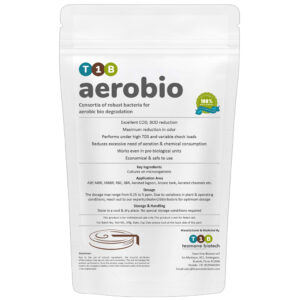
  • T1B Aerobio: Our aerobic bioculture for wastewater treatment consists of blends of several strains SOBs and facultative microorganisms, usually bacteria, along with key trace elements on a complex inert media. t1b-aerobio
  • T1B Anaerobio: Our anaerobic bioculture blend consists of SRBs and other anaerobic microbes that effectively reduce sulfates into H2S and enhance COD/BOD control. t1b-anaerobio

Plan of Action:

  1. A tank of 300 KL before UASB was converted into an aerobic tank, and T1B Aerobio with SOBs was dosed for sulfide oxidation.
  2. T1B Anaerobio was dosed in UASB for sulfate and COD reduction.
  3. The addition of T1B Aerobio was also done in the aeration tank after UASB every day.

This strategic integration of wastewater treatment methods significantly boosted operational stability and treatment consistency.

 
Results:
Parameters (PPM) Avg. Inlet Avg. Outlet (Secondary Clarifier)
COD 5500–9010 900–1300
BOD 2500–5800 350–750
Sulfides 2000 180
PAH 1250 220
 
Before & After Bioaugmentation:

Performance Highlights:
  • The COD/BOD degrading efficiency increased from 50% to 83%
  • Sulfide reduction was achieved up to 91%
  • PAH was also getting degraded up to 82.4%
  • MLSS: MLVSS ratio was optimized
  • Biomass in the ASP system displayed great stability even during shock load situations
  • Methane gas production increased by 12%

These results demonstrate the superior impact of our biological treatment approach when combined with engineered aeration in water treatment design.

To upgrade your facility’s efficiency with proven wastewater treatment methods, microbial solutions, and expert consultation, Contact Us.

???? Email: sales@teamonebiotech.com

???? Visit: www.teamonebiotech.com

???? Discover More on YouTube – Watch our latest insights & innovations!-

???? Connect with Us on LinkedIn – Stay updated with expert content & trends!

Understanding BOD & COD: Beyond the Numbers
The real meaning of BOD & COD-Treat the problems, not the numbers

In the world of wastewater treatment, BOD (Biochemical Oxygen Demand) and COD (Chemical Oxygen Demand) are the most prominent parameters that are considered as pollution indicators. Treated as villains on an EHS dashboard—targets to be brought down, values to be minimized. But what do these numbers truly represent? What kind of organics do they qualify, and more importantly, who in the microbial world is responsible for bringing them down?

Many experts associate these with bod and cod in wastewater practices and their real impact on treatment efficiency.

Effluent treatment is not just a numbers game. It’s a microbial battleground—a complex “tug of war” between different microbial groups vying for pollutants/substrates, adapting to environmental pressures, and working together (or competing) to mineralize organics. In this blog, we explore the microbiological nuances behind bod and cod removal, how substrate complexity affects microbial degradation, and why a high COD isn’t always as alarming as it appears.

Understanding BOD and COD analysis can help in refining real-time operations and system design. Reach out to us to discover how advanced microbial solutions can optimize BOD and COD reduction while improving overall treatment efficiency.

The Basics: What BOD and COD Really Measure?

Before we dive into the microbial dynamics, let’s clarify the distinction.

BOD (Biochemical Oxygen Demand) is the amount of oxygen aerobic microbes require to degrade the organic matter, while COD (Chemical Oxygen Demand) quantifies the total oxygen equivalent required to chemically oxidize all organic matter (biodegradable + non-biodegradable) using a strong oxidizing agent like potassium dichromate.

These two are the cornerstone parameters in industrial wastewater treatment systems and compliance monitoring.

BOD < COD always, because COD includes organics that microbes simply cannot digest or take longer to degrade.

The bod cod ratio offers deeper insight into treatment feasibility and system design.

From an EHS perspective: High COD indicates total organic pollution load, while high BOD reflects readily biodegradable organics. Both values are essential to understand how much pollution is treatable biologically and what might need polishing steps or advanced oxidation.

Tracking wastewater parameters like BOD and COD regularly can optimize the sewage treatment process.

Microbes on the Frontline: Who Eats What?

In biological treatment, different microbes have different dietary preferences. Let’s break down the microbial players and the type of organics they typically handle:

Microbe Type Preferred Substrates Typical Zone
Heterotrophic bacteria Simple organics: sugars, alcohols, VFAs Aerobic & Anoxic
Autotrophs (e.g., nitrifiers) Ammonia and nitrite (not BOD/COD reducers) Aerobic
Facultative bacteria Complex and simple organics Facultative zones
Anaerobic consortia Proteins, lipids, cellulose (via hydrolysis → VFAs) Anaerobic digesters
Fungi Lignin, dyes, complex non-biodegradable organics Low-pH, low-DO

These microbial consortia play a vital role in bioaugmentation and microbial treatment in wastewater.

The ability of microbes to remove BOD and COD depends heavily on the complexity of the organic compounds:

  • Simple organics (low molecular weight): Easily removed in an activated sludge or aerobic digestion process.
  • Complex organics (e.g., phenolics, surfactants, dyes, oils): Require anaerobic process and longer retention time.

Effective treatment starts by understanding the organic load in wastewater and choosing the right microbial tools.

Substrate Complexity: Why It Matters

Not all COD is equal. Consider this:

A sugar-rich food processing effluent with COD 6000 ppm may have a BOD/COD ratio of 0.8 – meaning most of it is biodegradable.

A dye-laden textile effluent with the same COD might have a BOD/COD ratio of 0.2—signifying poor biodegradability.

Such complex effluents need multi-stage biological systems or pre-treatment with specific cultures.

Key Insight:

The BOD/COD ratio is a more insightful metric than standalone COD. Ratios:

  • 0.6: Easily biodegradable
  • 0.4–0.6: Moderately biodegradable
  • <0.4: Poorly biodegradable; may need physico-chemical treatment

In wastewater management, this ratio informs engineers whether nutrient removal or advanced oxidation is required.

Why High COD Isn’t Always Bad?

Let’s bust a common myth:

“High COD = Bad effluent” is not always true.

Imagine a brewery effluent with COD 20,000 ppm. That’s high, but it’s primarily from sugars, alcohols, and yeast residues—all highly biodegradable. A well-seeded biological reactor can bring it down to <200 ppm BOD with minimal retention time.

This shows how biodegradable wastewater with high COD still allows for efficient treatment if the microbial ecosystem is well-managed.

The issue isn’t how much COD, but:

  • What kind of organics are present?
  • Are they toxic to microbes?
  • What is the system design (anaerobic first, aerobic polishing, etc.)?

This is where environmental monitoring and EHS in wastewater become indispensable.

Winning the Microbial Tug of War

If COD removal is a tug of war, here’s how to tip the balance:

  • Pre-treatment & Equalization: pH adjustment, oil & grease removal, and flow equalization prevent microbial shocks.
  • Segmented Treatment Zones: Anaerobic → Anoxic → Aerobic → Polishing ensures sequential degradation of complex substrates.
  • Use of Custom Biocultures: Tailored microbial blends (like lignin-degraders or surfactant–eaters) enhance specific removal.
  • Nutrient Balancing: C:N:P ratio is essential. Too much carbon without nitrogen/phosphorus slows down microbial growth.
  • Monitoring & Feedback: Online DO, ORP, and real-time COD analyzers help in dynamic adjustment

Each of these is critical for maintaining optimal microbial load and ensuring full biological oxygen demand reduction.

Final Thought: Treating the Problem, Not Just the Number

COD and BOD are not just compliance metrics—they are windows into the microbial and chemical world inside your ETP. A high COD is only dangerous if:

  • It overwhelms the biological system
  • It contains toxins
  • Or it is mismanaged

With the right microbial consortia, proper process staging, and continuous EHS vigilance, even high-COD effluents can be efficiently treated—transforming a ‘problematic’ effluent into a sustainable output.

This makes bod cod full form far more than a definition—it’s a philosophy for modern types of wastewater management.

After all, in the tug of war between pollution and treatment, it’s the micro-warriors who win it for us—if we give them the right battlefield.

Team One Biotech is one of the leading Biotech Companies in India, providing advanced microbial solutions like bacteria for ETP treatment and bacteria culture for wastewater treatment.
???? Reach out now to enhance your wastewater treatment efficiency.

???? Email: sales@teamonebiotech.com

???? Visit: www.teamonebiotech.com

???? Discover More on YouTube – Watch our latest insights & innovations!-

???? Connect with Us on LinkedIn – Stay updated with expert content & trends!

Sludge Bulking vs. Sludge Settling Ways to improve wastewater treatment in India
Sludge Bulking vs Settling: Biotech Companies in India

Our MLSS is quite high, but we are not getting enough settling. “ or “Our biomass development is very good as our MLSS is high, but we have very little BOD/COD reduction”. these statements are often given by EHS managers. However, the concept of MLSS is completely misunderstood; it’s never the quantity of MLSS, it’s always the quality of MLSS. The settling of sludge and BOD reduction always correspond with how good the MLSS is, and not how much it is.

This blog intricately explains the difference between sludge bulking and sludge settling, and which factors are necessary to look out for.

Sludge Settling vs Sludge Bulking:

With the growing awareness of operational efficiency, several biotech companies in India are now addressing sludge bulking challenges through microbial innovation and advanced diagnostics.

Healthy Sludge Settling:

In a well-operating secondary clarifier, biomass flocs are compact, dense, and settle rapidly. The supernatant above appears clear, and the sludge blanket remains stable.

Sludge Bulking:

Here, the sludge appears fluffy, loose, and struggles to compact at the bottom. The supernatant turns turbid, and sludge blankets may rise or disperse.

Parameter Healthy Settling Sludge Bulking
SVI (Sludge Volume Index) 80–120 mL/g >150 mL/g
Sludge appearance Dense, compact flocs Loose, filamentous flocs
Supernatant Clear Turbid
Settling time 20–30 mins >45 mins
Cause Balanced system Filamentous overgrowth, F/M imbalance
Why Good MLSS ≠ Good Settling

Operators often celebrate high MLSS as a sign of strong microbial population. But MLSS is a mass reading-It doesn’t distinguish between healthy floc-formers and problem-causing filamentous organisms.

“ Think of it like body weight: Two individuals weigh the same, but one may be with lean muscle, the other with excessive fat.

In bulking scenarios, the bulk of MLSS is held together by filamentous bacteria-these long, thread-like organisms stretch out of flocs, creating open, web-like structures that trap water and resist compaction.

Reliable biocultures companies have been instrumental in developing floc-forming microbial strains specifically tailored for bulking control.

What Causes Sludge Bulking?
  1. Filamentous Bacteria Overgrowth

Common species: Type 021N, Sphaerotilus, Microthrix parvicella, Thiothrix

These bacteria thrive under specific conditions such as:

Low DO (<1.0 mg/l) – especially at floc centers.

High F/M ratios – excess food leads to dominance of fast-growing filaments

Nutrient Imbalance– N and P deficiency affect floc formation

Surfactants and FOG – common in food, dairy, and textile industries

Hydraulic surges – shock loading from upstream process

Leading microbial companies in India are providing industry-specific solutions for complex ETP issues, helping clients achieve consistent results in variable conditions.


  1. F/M Ratio Imbalance

Too much organic load relative to MLSS results in excessive microbial growth, and filamentous bacteria often outcompete floc-formers.

Ideal F/M ratio: 0.2-0.5 kg BOD/kg MLSS/day

Bulking is more likely when F/M > 0.6 or < 0.1, especially during inconsistent feed conditions.

  1. pH and Toxic Shocks

Sudden changes in pH (below 6.5 or above 8.5) , or toxic loads (solvents, phenols, metals) can kill floc-formers and allow filaments to dominate during regrowth. However, Solutions like those from Team One Biotech, a known player among bioculture for ETP STP plant manufacturers, are reshaping how industries manage MLSS health and sludge behavior.


Decoding SVI and other key Indicators

Sludge Volume Index (SVI) is the gold standard for assessing settleability.

  • SVI = ( Settled sludge volume in 30 mins, mL/L) / MLSS (g/L)
  • SVI < 100 = Good settling
  • SVI 120–150 → Early warning of bulking
  • SVI > 200 → Severe bulking

Other red flags:

  • Rising sludge in the clarifier
  • Scum layer formation
  • Poor TSS in final discharge
  • Varying DO and pH patterns in aeration tanks
Countermeasures- How to fix Bulking?

In addition to microbial solutions, industrial odor control systems  also play a pivotal role in overall ETP performance and workplace hygiene.

Short-Term Fixes:

  • Chlorination or Peracetic Acid Dosing: Targets filamentous bacteria selectively. Start with 0.5–1 ppm, monitor response.
  • Increase DO Levels: Maintain >2.0 mg/L throughout the aeration tank, especially in large tanks or tanks with dead zones.
  • Sludge Wasting: Reduce SRT (sludge retention time) to control filament growth. Remove excess MLSS.
  • Polymers in Clarifier: For emergency clarity issues, short-term use of cationic polymers can compact sludge.

Long-Term Solutions:

  • Nutrient Balancing: Maintain COD:N:P at approx. 100:5:1. Add urea or DAP if needed.
  • Equalization Tank: Smooth out hydraulic/organic loading rates to the aeration tank.
  • Bioculture Regeneration: Consider seeding with robust floc-forming consortia after bulking episodes.
  • Upgrade Aeration: Switch to fine-bubble diffused aeration systems to improve oxygen transfer.
  • Micronutrient Support: Trace metals like iron, cobalt, and molybdenum support healthy floc formers.

If you’re exploring biocultures for ETP plant manufacturers in India or need effective bacteria solutions for wastewater treatment, Team One Biotech offers proven blends tested across sectors.

Conclusion:

Remember one quote: What settles well, treats well. MLSS and BOD tell only one part of the story – settleability, floc health, and microbial balance complete the picture.

As experts and EHS leaders, we must look beyond the dashboard. A 3500 mg/L MLSS might impress, but if your sludge floats and supernatant clouds, your ETP is already sending you a warning.

Looking for a trusted waste water treatment company to resolve sludge settling problems? Contact Team One Biotech today for tailored solutions and microbial consultation.

???? Email: sales@teamonebiotech.com

???? Visit: www.teamonebiotech.com

???? Discover More on YouTube – Watch our latest insights & innovations!-

???? Connect with Us on LinkedIn – Stay updated with expert content & trends!

Anaerobic Wastewater Treatment: Demystifying Methanogenesis

The wastewater treatment world is an unending sea of types of processes and variations. One such process, the anaerobic treatment, holds a prominent and popular reputation due to its low CAPEX-OPEX and generation of byproducts such as methane, which is valuable as well as a clean energy source.

The process that leads to methane production is known as methanogenesis-which is the final and slowest step in the anaerobic digestion chain, where intermediate acids and hydrogen are converted into methane.

However, the process is mostly underperforming in the industries due to its bottlenecks and variable mechanism. This blog helps readers understand the intricacies of methanogenesis and helps understand the concept and mechanism.

In the rapidly evolving landscape of anaerobic wastewater treatment, industries are recognizing the limitations of traditional systems and turning toward advanced, high-efficiency strategies. With increasing load from industrial effluent treatment, especially containing high COD and toxic compounds, the need for anaerobic bioreactor optimization is more critical than ever.

With the increasing demand for bacteria solutions for wastewater treatment, industries are actively seeking partners who understand both biology and process engineering.

Companies like Team One Biotech lead the way among bioculture companies and microbial companies in India, delivering high-performance strains suited for industrial ETPs.

We provide expert consulting and microbial formulations tailored for anaerobic systems. Contact us today to learn more about our solutions and transform your treatment process.

What is Methanogenesis?

Methanogenesis is the last step in anaerobic digestion, where the end products from acetogenesis and acedogenesis process are converted into methane gas and CO2 by methanogenic archaea.

Modern facilities strive for not just compliance but profitability through biogas production efficiency, transforming waste streams into energy assets. The use of engineered microbial consortia, such as T1B Anaerobio, ensures higher methane recovery from wastewater even under challenging conditions like salinity and shock loads.

Core stages of Anaerobic Digestion:

  1. Hydrolysis: Breakdown of complex organics (proteins, carbs, Fats)
  2. Acidogenesis: Fermentation into VFAs (volatile fatty acids), alcohol, H2.
  3. Acetogenesis: Conversion of VFAs into acetate, H2, and CO2.
  4. Methanogenesis: Final step producing CH4 and CO2.

Types of methanogens:

Pathway Microbial Group Substrate
Acetoclastic Methanosaeta, Methanosarcina Acetate → CH₄ + CO₂
Hydrogenotrophic Methanobacterium, Methanococcus H₂ + CO₂ → CH₄


These microbes are obligate anaerobes, extremely sensitive to environmental shifts-and incredibly slow-growing.

Why does methanogenesis often fail?

As evident, it is important to have success in all three processes i.e. Hydrolysis, Acidogenesis, and Acetogeneis, before Methanogenesis  to succeed. This requires proper management of pH, temperature, HRT and induction of right biomass. However, in most cases all the three preceding processes are comparatively easier to get executed, it is this methanogenetic process only where most plants struggle due to:

  1. Acid accumulation/VFA Buildup
  • Acidogenesis is rapid, while methanogenesis is slow.
  • Result: VFA overload, which causes pH to drop below 6.8—a toxic zone for methanogens.


  1. Toxic Inhibitors

Common industrial effluents contain:

  • Heavy metals (Zn, Cu, Cr)
  • Sulfides
  • Phenols
  • Ammonia >2000 mg/L

These compounds directly inhibit methanogenic enzyme systems.

  1. Salinity and TDS stress

TDS above 15000-20000 ppm imposes osmotic stress, especially on Methanosaeta, which is already slow-growing.


  1. Lack of Granular Structure in Reactors

Granules in the sludge allow the methanogens to thrive in micro-environments.

  • Poor granulation = less protection = washout
How to Improve Methanogenesis- Practical Strategies

Improving methanogenesis requires a holistic approach involving operational tuning, microbial reinforcement, and environmental stability.

  1. Maintain Optimal pH: 6.8 – 7.4

Methanogens are extremely pH sensitive; any fluctuation can halt the methanogenic process that leads to unwanted reverses.

  1. Control Organic Loading Rate (OLR)

Gradually ramp up OLR during commissioning, ideal OLR: 1.5-3.5 kg COD/m3/day for stable systems. Overfeeding typically leads to acid overload and ultimately methanogen collapse.

  1. Ensure Adequate Retention Time

The ideal HRT should be between 8-15 days (depending on the substrate). The SRT should be even longer in high-loading systems.

  1. Use advanced Biocultures enriched in Methanogens

Key Traits of Effective Methanogenic Biocultures:

  • Contains both acetoclastic and hydrogenotrophic strains
  • High cell viability in anaerobic, low-oxygen environments
  • Pre-adapted to shock loads, high COD, and salinity

At Team One Biotech, our T1B Anaerobio blend includes halotolerant Methanobacterium and facultative syntrophic partners that stabilize early acid-phase products and prevent VFA accumulation.

  1. Add Conductive Materials (Bio-Stimulation)
  • Use activated carbon, biochar, or magnetite in digesters.
  • These promote direct interspecies electron transfer (DIET), bypassing slower H2 pathways
  • Result: Faster methanogenesis and increased CH4 yield
  1. Control Sulfates and Heavy Metals

 Sulfate-reducing bacteria (SRB) compete with methanogens for substrate.

  • High sulfide also directly poisons methanogens
Key Indicators of Methanogenesis Health
Parameter Healthy Range
pH 6.8 – 7.4
VFA/Alkalinity ratio <0.3
ORP -300 to -400 mV
Biogas CH₄ content >60%
Foaming Minimal (indicates balance)
Gas production rate Steady increase or plateau
Methanogenesis is Fragile, but Fixable

Methanogenesis is the most sensitive yet rewarding step in anaerobic treatment. It’s where the “waste” becomes “resource,” and the environmental liability transforms into a clean, combustible asset.

But to get there, industries must move beyond legacy systems and general-purpose biology.

They must:

  • Understand the microbial bottlenecks
  • Deploy engineered or acclimated methanogens
  • Support them with pH buffering, controlled feeding, and granular retention

Only then can your anaerobic system realize its full potential — both in COD removal efficiency and renewable methane production.

Conclusion:

Achieving high COD removal technology performance depends heavily on maintaining organic loading rate control, optimal pH, and reducing VFA accumulation. Furthermore, granular sludge formation enhances microbial retention and process stability, which is vital in high-strength wastewater treatment systems.

Through targeted bioaugmentation for anaerobic digestion, enriched with salinity resistant methanogens, it’s now possible to manage volatile environments and optimize yield. These microbial consortium for ETP solutions include both acetoclastic and hydrogenotrophic archaea, enabling efficient conversion pathways and reduced inhibition.

One promising method includes introducing conductive material in digesters, which boosts DIET and facilitates faster VFA to methane conversion. This, combined with proper HRT/SRT balance and T1B Anaerobio application, unlocks new levels of process performance.

As we progress towards zero-waste water solutions and advanced ETP solutions, methanogenesis is no longer just a biological reaction—it’s a cornerstone of sustainable industrial practice.

In recent years, several biotech companies in India have made significant strides in anaerobic treatment technologies, offering customized microbial formulations.

Team One Biotech is one of the leading Biotech Companies in India, providing advanced microbial solutions like bacteria for ETP treatment and bacteria culture for wastewater treatment.
???? Reach out now to enhance your wastewater treatment efficiency.

???? Email: sales@teamonebiotech.com

???? Visit: www.teamonebiotech.com

???? Discover More on YouTube – Watch our latest insights & innovations!-

???? Connect with Us on LinkedIn – Stay updated with expert content & trends!

industrial holidays Anaerobic Wastewater Treatment in Industries
The effect of industrial holidays on ETP health

The ecosystem of industries is complex as well as consistent. However, shutdowns due to festivals, season, operational failure, or force give a halt to the whole system. Although mostly planned, these industrial holidays are intended to give relief, but deep down in the concrete basins of effluent treatment plants brews a storm of crisis, whether it may be in the primary, secondary, or tertiary systems.

Looking for expert solutions to manage ETP shutdown challenges? Contact Us today for tailored advice and services!

And if we focus on the secondary system, the microbial population gets the worst hit. This blog focuses on what happens inside the secondary system during an industrial holidays, its effects, precautions, and prevention.

The living Microbial world of ETP:

The secondary system is like a society where microbial populations i.e, bacteria, fungi, yeast, metazoans etc. thrive on:

Food: Readily biodegradable organic matter.

Shelter: Biofilms, flocs, or suspended habitats.

Environmental Comfort: pH, temperature, DO, and nutrients in a narrow optimal range.

Maintaining microbial diversity and stability is crucial for consistent ETP performance.

Microbial Starvation- A Hidden Shutdown Crisis

A 10-15 day shutdown without influent feed creates what we call a starvation phase in the bioreactor. The period can trigger several microbial stress responses:

Autolysis Begins:
  • Without food, heterotrophic bacteria begin digesting their own cellular reserves.
  • When reserves run out, cell walls rupture, releasing intracellular enzymes and ammonia into the mixed liquor.
Shift in Community Structure:
  • Fast-growing, high-COD degraders die off first.
  • Resilient microbes like filamentous bacteria and nitrifiers may survive longer, but their metabolic activity drops drastically.
Dissolved Oxygen (DO) Becomes Redundant:


  • With no substrate to oxidize, aeration continues but becomes wasteful.
  • High DO levels can paradoxically stress certain facultative anaerobes used to fluctuating oxygen levels.


MLSS/MLVSS Decline:
  • The Mixed Liquor Volatile Suspended Solids (MLVSS)- the biologically active portion of MLSS drops due to decay.
  • Settling characteristics deteriorate, and the SVI (Sludge Volume Index) can spike due to deflocculation.
Recovery is Not Instant – The Myth of “Rest and Run”

When production resumes, many assume the ETP will bounce back like a machine switched on. But biological wastewater treatment systems have no reset button.

Lag Phase in COD Reduction
  • Microbial populations take time to rebuild numbers and enzyme systems.
  • Expect 2-5 days of poor performance and higher COD/BOD in the outlet, especially in systems with no pre-seeding plan.
Sludge Age Misbalance
  • Sludge that has aged during the shutdown may have lost its settling efficiency.
  • Decayed sludge may also release toxins and nutrients, creating internal loading.
Shock Loads on Restart
  • Sudden reintroduction of full-strength effluent can lead to shock loading.
  • This exacerbates foaming, odor, and even system upset.
Preventive Measures

ETP health during shutdowns doesn’t have to be a gamble. Here are proven strategies, drawn from both research and field practices.

1.Feed Synthetic System:
  • Use glucose, molasses, milk whey, or diluted Urea/COD substitutes to mimic organic load at low levels (10-20% of actual COD).
  • Feed once or twice daily to maintain microbial respiration and floc integrity.\
2.Aerate intermittently:
  • Continuous aeration is wasteful. Instead, apply 4-6 hours/day intermittent aeration to maintain DO and prevent anoxic.
3.Monitor pH and ORP
  • During starvation, microbial metabolism can skew pH or ORP. Keep these in range to avoid unfavorable drift.
4.Bioaugmentation on Restart
  • Introduce high-count commercial biocultures tailored to your effluent type. This accelerates recovery.
  • Use starter cultures or preserved sludge from pre-holiday if available.
5.Sludge Management 
  • Remove aged or decaying sludge before shutdown. 
  • During long holidays, periodic recirculation or RAS/WAS adjustments prevent septic conditions.
Maintaining ETP Efficiency During Industrial Holidays with Bioculture Support

When industrial units pause operations during holidays, the ETP treatment process often slows down due to the absence of organic load. Microbes inside the aeration tank gradually lose activity, leading to poor degradation once the plant restarts. That’s where a bioculture for ETP operations becomes critical — it revitalizes the microbial community, improves resilience, and stabilizes performance without costly chemical interventions.

During downtime, parameters like ETP sludge volume, dissolved oxygen, and pH can fluctuate drastically. A pre-dosage of selected microbial strains helps maintain a balanced environment and prevents sludge bulking or odour generation. When operations resume, the system achieves faster recovery and reduced start-up lag.

To ensure long-term system reliability, work with trusted ETP plant manufacturers in India who understand the importance of integrating biological solutions into design. Many modern ETP and STP systems now include dedicated dosing points for microbial formulations and smart monitoring dashboards that track ETP standard parameters such as BOD, COD, TSS, and MLSS.

Whether you operate a textile, chemical, or food processing unit, maintaining your ETP treatment plant during holidays means safeguarding compliance and avoiding post-shutdown surges in effluent load. Explore how Team One Biotech’s Bioculture Solutions ensure consistent ETP water treatment efficiency even under variable operating conditions.

For more insights on biological treatment technologies, check out our detailed blog on What Are Biocultures for Wastewater Treatment — A Complete EHS Guide and a practical case study Bioculture for ETP- How a Textile Unit Stabilized ETP Performance with T1B Aerobio . Both resources complement this article by showing how bioculture for ETP transforms operational challenges into measurable efficiency gains.

Conclusion:

Industrial holidays are an unavoidable part of operations across industries such as textiles, pharmaceuticals, and chemicals and can’t be avoided but the problems related to it in an ETP can surely be avoided by taking the right steps, proper planning, and taking proactive measures.Investing in bioaugmentation, sludge handling, and strategic aeration ensures microbial resilience during shutdowns.

Team One Biotech is one of the leading Biotech Companies in India, providing advanced microbial solutions like bacteria for ETP treatment and bacteria culture for wastewater treatment.
Reach out now to enhance your wastewater treatment efficiency.

Email: sales@teamonebiotech.com

Visit: www.teamonebiotech.com

Discover More on YouTube – Watch our latest insights & innovations!-

Connect with Us on LinkedIn – Stay updated with expert content & trends!

Thermophilic vs Mesophilic Anaerobic Wastewater Treatment in Industries

The anaerobic treatment of wastewater heavily relies on trends, and unfortunately, adaptation and innovation are very slow in progression compared to rising pollution. 

Although we are all talking about the use of AIs, sensors, IOTs, and efficient hardware, unfortunately, when we consider the industrial wastewater treatment,and broader industrial effluent treatment, we are still stuck at the same processes we were 30 years ago. If you would like to know how we are optimising wastewater treatment methods in diverse environments, feel free to connect with us today.

There needs to be a continuous update at the process level, because 99 % anaerobic plants are mesophilic, i.e, work at a temperature of 30-38 *c. In regards to biocultures for wastewater treatment, the mesophilic treatment is prominent; however, the thermophilic treatment is much more effective and compatible. 

Although it is an uncommon type of ETP water treatment, when it comes to tough-to-degrade effluents such as those with recalcitrant COD, or those with phenols, Aldehydes, etc., the thermophilic microbes treatment can be a game changer in anaerobic digestion.

This blog explores when it makes sense to shift from mesophilic to thermophilic wastewater systems, the practical advantages and challenges, and what it means for plant operators and environmental engineers.

Let us start with the basics:

Parameter Mesophilic (30–38°C) Thermophilic (50–60°C)
Microbial growth rate Moderate High
Biogas yield Moderate Higher (10–25% increase)
Pathogen kill Limited Excellent (>99%)
Energy input required Lower Higher
Process stability High Sensitive to changes
Start-up time Shorter Longer

The core of the thermophilic system lies in its high-energy fast result mechanism. The hydrolysis process is much faster, resulting in increased metabolic rate and superior pathogen control in biological wastewater treatment.

Issues where thermophilic treatment can be effective:
  1. High-Strength Industrial Wastewaters:

Effluents from industries such as dairies, food processing, slaughterhouses, distilleries and starch industries have higher levels of protiens, lipids, and polysaccharides. Thermophilic systems hydrolyze and degrade these faster, leading to:

  • Higher COD, BOD degrading efficiency.
  • Higher biogas production
  • Shorter HRT (hydraulic retention time)
  • Enhanced treatment of high-strength wastewater

2. Excess Sludge and Biomass Handling Issues:

  • While most mesophilic anaerobic systems produce higher sludge, the thermophilic system produces lower quantities of excess sludge and reduces volatile solids.

3. Strict Pathogen and Odor Control

  • The thermophilic systems give 99% pathogen elimination in STP/Centralized ETPs that handle fecal sludge or pathogen prone waste, which is crucial if:
  • Sludge is reused in agriculture
  • Water is recycled for non-potable uses
  • Especially relevant for optimized wastewater microbiome management

4. Waste Heat:

  • In case of high waste steam, condensate, or cogeneration (CHP) units, the thermal energy can be internally sourced.
  • This supports efficient energy recovery within the plant
Microbial Diversification: Fragility Meets Efficiency

In case of the microbial cultures for wastewater treatment, the thermophilic microbes are completely different from mesophilic ones. Although thermophiles are fewer but are formidable with higher metabolic abilities in the organic waste degradation.

Key Observations:

  • Thermophilic methanogens are more sensitive to pH, VFA spikes, and loading rates.
  • Shock loads (especially of fats, solvents, or salts) can cause faster crashes.
  • Granular sludge formation is more difficult at thermophilic temperatures; biofilms or hybrid systems are better suited.
Biogas enhancement: Quantitative and Qualitative

Thermophilic systems offer 10-25 % higher biogas yield per unit COD removed. More importantly, the methane content is often higher (up to 70-75%) compared to 60-65% in mesophilic digestion.

This makes the Thermophilic process enticing where:

  • On-site biogas is used for power/steam
  • Fossil fuel replacement is a business or ESG goal
  • Carbon credit mechanisms or green energy policies apply
  • Also aligns with zero liquid discharge (ZLD) and carbon neutrality efforts
Operational & Engineering Challenges in sewage treatment process

1. Temperature maintenance:

Temperature maintenance is the key of thermophilic processes, which is altogether challenging both technically and economically, especially in large tanks and in colder environments. 

2. Narrower process Window

Thermophiles work in a smaller range.  Any variation in:

  • pH (ideal: 7.2-7.6)
  • Alkalinity ratio (IA/TA < 0.3 )
  • VFA accumulation

Can lead to performance drops

3. Start-Up Lag

Thermophilic start-up can take 30-60 days, requiring:

  • Seeding with adapted sludge
  • Step-wise temperature ramping
  • High monitoring effort

4. Foaming & Scum

Due to high gas production and surfactant sensitivity, thermophilic systems foam more easily, especially during acidification.

Know the Process, Not just the Temperature:

To be precise, a thermophilic system is not for every ETP (Eluent treatment plant), however, it is effective for any ETP where it is applied. It no doubt is high energy, difficult in operations, and with fragile microbial populations, but it always outpaces mesophilic treatment in COD/BOD control, methane gas production, and cleaner sludge.

et, it’s not a plug-and-play upgrade. You must rethink your sludge management, monitoring protocols, nutrient balancing, and energy integration.

The question isn’t whether thermophilic digestion works—it’s whether your plant is ready to manage the precision and potential that comes with it.”

If you’re designing or upgrading an anaerobic system and want to make it future-proof—especially for energy recovery or zero-liquid discharge (ZLD) ambitions—don’t ignore the thermophilic path. Just walk it carefully.

Partner with Team One Biotech for expert guidance in optimizing your ETP’s aeration and biological treatment processes. Our tailored bioculture solutions and technical expertise ensure enhanced treatment efficiency in anaerobic digestion and wastewater microbiome optimization.

Learn more at www.teamonebiotech.com or reach out at sales@teamonebiotech.com/8855050575

???? Discover More on YouTube – Watch our latest insights & innovations!

???? Connect with Us on LinkedIn – Stay updated with expert content & trends!
Improving Oxygen Transfer Efficiency in Chemical ETP
Improving Oxygen Transfer efficiency in a Chemical manufacturing plant
Background

A mid-size chemical manufacturing company situated in Madhya Pradesh was facing efficiency issues in improving oxygen transfer efficiency in its ETP, such as low efficiency, biomass suspension, and diffuser dysfunction. Despite maintaining a good overall diffused aeration system, their biomass was not developing, and MLVSS was very low.

As a result, the client incurred high CAPEXdue to unnecessary diffuser replacements and remained non-compliant with regulatory COD/BOD limits.Facing challenges in improving oxygen transfer efficiency and facing high energy costs? Let Team One Biotech help.

ETP details:

The industry had primary treatment, biological treatment, and then a tertiary treatment.

Flow (current)750 KLD
Type of processASP
No. of aeration tanks1
Capacity of aeration tanks1150 KL
Challenges: 

Parameters Avg. Inlet parameters(PPM)Avg. secondary system outlet parameters(PPM)
COD180006000
BOD85002800-3000
TDS300002500
Problem Statement:

The client observed persistently low dissolved oxygen (DO) levels in the aeration tank despite extended blower run-times and increased air supply. This resulted in:

  • Sub-optimal biological treatment
  • Elevated energy costs
  • Occasional odor issues and inconsistent COD/BOD reduction

A preliminary diagnosis indicated biofilm accumulation and diffuser fouling, affecting fine bubble formation and limiting oxygen dispersion.

Our Approach

Team One Biotech initiated a comprehensive on-site audit including:

Diffuser Health Check

  • Inspected diffuser membranes for fouling
  • Identified scaling and microbial slimes affecting pore performance

Baseline Monitoring

  • DO levels across the tank: <1.5 mg/L
  • Specific Oxygen Uptake Rate (SOUR): <15 mg O₂/g VSS/hr
  • Blower energy use: ~65 kWh/day
  • OTE Baseline: Estimated OTE was 12%

Microbial Evaluation

  • Floc structure was loose, with filamentous dominance
  • Low settleability (SVI > 200)

To implement a cost-effective, eco-friendly bioremediation strategy that:

  1. Enhances the degradation of formaldehyde and glutaraldehyde.
  2. Restores biological treatment efficiency.
  3. Achieves compliance with CPCB norms.
Solution

We proposed a 2-fold intervention:

1.Application of T1B Aerobio Bioculture

  • Dose: 10 ppm daily for 10 days, 8 ppm for next 10 days, and 5 ppm for next 10 days, then 3 ppm as maintenance every day.
  • Objective: Enrich native microbial diversity and improve biomass quality T1b Aerobio bioculture solution by improving oxygen transfer efficiency

2. Aeration System Optimization

  • Conducted sequential backflushing of diffusers
  • Realigned blower duty cycles with microbial demand using DO automation feedback

Monitored DO, pH, and ORP to ensure a stable environment.

Results:

After 60 days of implementation:

Parameters Before interventionAfter Intervention
DO in Aeration Tank1.2 mg/L2.8 mg/L
SOUR1             3.6 mg O₂/g VSS/hr22.3 mg O₂/g VSS/hr
SVI210 mL/g120 mL/g
COD Reduction72%87%
Blower Runtime24 hrs/day16 hrs/day
Energy Use65 kWh/day38 kWh/day
OTE12 %21.4 %
Application results before and after

Conclusion

With the combined effect of T1B Aerobio bioculture and technical aeration optimization, the client achieved a 78.3% increase in oxygen transfer efficiency. This translated into:

  • Significant energy savings
  • Improved microbial activity and settleability
  • Stable effluent quality, meeting compliance standards

This case demonstrates how biology-driven solutions, coupled with system know-how, can deliver tangible performance and cost benefits in industrial wastewater treatment.

Ready to optimize your ETP performance? Connect with us today

Email: sales@teamonebiotech.com

Visit: www.teamonebiotech.com

Discover More on YouTube– Watch our latest insights & innovations!-

Connect with Us on LinkedIn– Stay updated with expert content & trends!

Removal of aldehydes in industrial wastewater and solutions
Aldehydes in Industrial Wastewater: Pollution, Sources & Treatment
Introduction

In this blog, we will explore pollution of aldehydes in industrial wastewater, its impact on the environment, and the methods available for treatment. You’ll gain a clear understanding of what aldehydes are, how they contribute to chemical pollution, and the best practices to treat them effectively in effluent streams. At Team One Biotech, we help industries tackle environmental pollution caused due to aldehydes and related chemical discharge through smart, science-backed wastewater treatment solutions.

???? Contact us for expert advice on aldehyde removal and advanced effluent treatment systems.

What are Aldehydes?

Aldehydes are a group of organic compounds containing a carbonyl group (C=O) bonded to a hydrogen atom and an R group (which can be hydrogen or an organic side chain). Their general formula is R-CHO, where:

  • R is a hydrogen or carbon-containing group.
  • CHO is the aldehyde functional group.

Common examples of aldehydes include:

  • Formaldehyde (HCHO)
  • Acetaldehyde (CH₃CHO)
  • Glutaraldehyde (C₅H₈O₂)
  • Benzaldehyde (C₆H₅CHO)

Aldehydes and ketones are widely used in manufacturing, pharmaceuticals, and food industries, contributing significantly to chemical industry pollution if untreated. They are known for their reactivity, distinct odors, and broad industrial applications.

How Aldehydes Contribute to Wastewater Pollution

Aldehydes in industrial wastewater, especially at high concentrations, are harmful industrial chemicals that significantly contribute to water pollution. They are toxic to aquatic ecosystems and cause serious chemical effects, posing major environmental risks.Some impacts include:

  • Oxygen depletion: Aldehydes are highly biodegradable and demand large amounts of dissolved oxygen during degradation, leading to lower DO levels.
  • Toxicity to microbes: In ETPs, aldehydes can be harmful to bacteria and other microbes essential for biological treatment, especially nitrifiers.
  • Persistent odor and volatility: Aldehydes like formaldehyde can cause secondary chemical pollution through volatilization.
  • Formation of harmful by-products: Under certain conditions, aldehydes can react with ammonia, chlorine, or other substances adding to chemicals involved in water pollution.
Industries That Release Aldehydes in Industrial Wastewater

Several industrial sectors contribute aldehydes and industrial chemicals that pollute water in effluent streams, either directly or as by-products:

  1. Textile & Dye Manufacturing
    – Formaldehyde-based resins are used for wrinkle resistance and dye fixation.
  2. Paper & Pulp Industry
    – Aldehyde derivatives used in wet strength resins and coatings.
  3. Pharmaceuticals & Chemicals
    – Production of intermediates like formaldehyde, acetaldehyde, and glutaraldehyde.
  4. Leather Tanning
    – Use of aldehyde-based tanning agents.
  5. Cosmetics & Personal Care
    – Preservatives and fixatives may contain low levels of aldehydes.
  6. Disinfectant Manufacturing
    – Glutaraldehyde is used in sanitizers and biocides.
  7. Food Processing (especially flavorings and preservatives)
    – Aldehydes like benzaldehyde used in synthetic flavorings.

These examples highlight the scale of chemical industry pollution and the need for effective regulation and treatment.

Treatment Methods for Aldehydes in Wastewater

Effective treatment depends on the concentration, type of aldehyde, and co-contaminants. The goal is often the reduction of aldehydes and ketones into less harmful substances using a mix of treatment methods:

1. Biological Treatment

Biological treatment is often the core of an Effluent Treatment Plant (ETP), especially for organic pollutants. Aldehydes are biodegradable to some extent, making biological treatment viable — but only if concentrations are not too high.

???? a. Activated Sludge Process (ASP)
    • How it works: In ASP, aerobic bacteria in the aeration tank metabolize organic matter. Aldehydes are broken down into simpler compounds like organic acids, CO₂, and water.
    • Requirements: Adequate DO (Dissolved Oxygen), stable temperature, and pH (around 6.8–7.5).
Challenges:
    • Aldehydes, especially formaldehyde or glutaraldehyde, can be toxic at high concentrations.
    • They may inhibit microbial activity, especially nitrifiers.
    • Best practice: Use equalization tanks to prevent sudden chemical pollutants in environment spikes
???? b. Aerobic Degradation
    • Specificity: Some bacteria (like Pseudomonas, Bacillus, etc.) are specially adapted to degrade aldehydes.
    • Conditions: Requires good aeration and neutral pH.
  • Pros:
    • Low operational cost.
    • Produces minimal secondary pollution.
  • Cons: Not suitable for very high concentrations or highly toxic aldehydes.
???? c.Anaerobic Digestion
    • Use case: Rare for aldehydes, but can work in mixed wastewater treatment (especially with long-chain aldehydes).
  • Caution: Anaerobic microbes are more sensitive to chemicals that cause water pollution.
2. Advanced Oxidation Processes (AOPs)

AOPs are highly effective for treating toxic, non-biodegradable, or concentrated aldehydes. They work by producing hydroxyl radicals (•OH) — extremely reactive species that attack and oxidize aldehydes.

???? a. Fenton’s Reagent (Fe²⁺ + H₂O₂)
  • How it works:
    • Hydrogen peroxide reacts with ferrous iron (Fe²⁺) to generate hydroxyl radicals.
    • These radicals oxidize aldehydes into acids or CO₂.
  • Equation: Fe²⁺ + H₂O₂ → Fe³⁺ + OH⁻ + •OH
  • Use case: Effective for formaldehyde, acetaldehyde, and glutaraldehyde.
  • Pros: Fast, powerful oxidation.
  • Cons:
    • Requires pH ~3.
    • Sludge generation due to iron salts.
???? b. Ozonation
  • How it works: Ozone gas (O₃) is bubbled through wastewater. It reacts directly with aldehydes or generates radicals in water.
  • Reactions:
    • O₃ + aldehyde → organic acids + O₂
  • Pros:
    • Powerful disinfectant.
    • Effective even at low concentrations.
  • Cons:
    • High operating cost.
    • Short half-life of ozone; must be generated on-site.
???? c. UV/H₂O₂ or UV/O₃ Systems
  • How it works:
    • UV light breaks down H₂O₂ or O₃ to produce hydroxyl radicals.
    • These radicals degrade aldehydes completely.
  • Pros:
    • High removal efficiency.
    • Can achieve near-total mineralization.
  • Cons:
    • Requires UV setup.
    • Higher energy demand.
3. Chemical Treatment

In this method, chemicals are used to neutralize or oxidize aldehydes directly.

???? a. Chemical Oxidation
    • Agents used: Potassium permanganate (KMnO₄), sodium hypochlorite (NaOCl), chlorine dioxide (ClO₂).
    • Reaction: Aldehyde + Oxidant → Carboxylic acid or CO₂
    • Use case: Ideal for small-volume, high-toxicity effluent (e.g., lab or pharma).
  • Pros:
    • Rapid action.
  • Cons:
    • Residual oxidants must be neutralized.
    • Risk of forming additional chemical pollutants in environment (e.g., chloroform with chlorine).
???? b. Neutralization
    • Example: Glutaraldehyde can be neutralized with:
    • Sodium bisulfite (NaHSO₃): reduces toxicity.
    • Glycine: forms stable, less harmful complexes.
    • Use case: Common in pharma, hospitals, and labs.
  • Pros:
    • Easy to dose.
  • Cons:
    • Only works for specific aldehydes.
    • Generates salt residues.
4. Adsorption Techniques

Adsorption is mainly used as a polishing step or for low concentrations of aldehydes.

???? a. Activated Carbon
    • How it works: Porous carbon adsorbs aldehyde molecules from water.
  • Types:
    • Powdered Activated Carbon (PAC)
    • Granular Activated Carbon (GAC)
  • Best for: Trace-level removal in final polishing.
    • Pros:
    • Simple, no chemical use.
  • Cons:
    • Media needs regular regeneration or replacement.
    • Not effective for large volumes or high aldehyde levels.
???? b. Ion Exchange Resins / Synthetic Polymers
    • Used for: Specific aldehydes or when very low discharge limits are required.
    • Cost: High, but precise.
5. Membrane Filtration

This method involves physically separating aldehydes using semi-permeable membranes.

???? a. Nanofiltration (NF) & Reverse Osmosis (RO)
  • How it works:
    • Pressure is applied to force water through a membrane.
    • Aldehydes and other organics are rejected and concentrated in the reject stream.
  • Pros:
    • High removal efficiency.
    • Produces clean, reusable water.
  • Cons:
    • High CAPEX & OPEX.
    • Membrane fouling risk.
    • Reject stream needs further treatment.
Integration Example in an ETP

If a pharmaceutical plant has glutaraldehyde in its effluent:

  • Equalization Tank – for dilution.
  • Chemical Neutralization – with glycine or bisulfite.
  • Biological Treatment (ASP) – for biodegradation.
  • AOP (UV/H₂O₂) – as a polishing stage.
  • GAC Filtration – before final discharge or RO.
Summary Table
Method Best For Limitations
Biological (ASP) Low–moderate aldehydes Sensitive to toxicity
Fenton / Ozone High-concentration aldehydes Cost, sludge
Chemical Oxidation Small volumes Toxic by-products
Adsorption Polishing stage Media replacement
Membrane (RO/NF) Reuse/very clean water Expensive, complex
Best Practices in ETPs for Aldehyde-Contaminated Effluent
  1. Equalization Tank:
    – To reduce the shock loading of aldehydes on biological systems.
  2. Pre-treatment Unit (AOPs or Chemical Neutralization):
    – Before biological treatment for high aldehyde loads.
  3. Bioaugmentation:
    – Use of aldehyde-degrading microbial strains to enhance biodegradation.
  4. pH and DO Monitoring:
    – Aldehyde toxicity is pH-dependent; maintaining optimal pH (6.8–7.5) helps reduce toxicity.
  5. Toxicity Testing:
    – Regular bioassays to monitor  chemical effects of pollution on microbes
Conclusion

Aldehydes, though small in molecular size, can pose significant environmental challenges if not properly managed in industrial wastewater. As chemical pollutants in environment, they demand robust treatment and monitoring strategies. Integrating pre-treatment, biological processes, and advanced oxidation ensures comprehensive aldehyde removal and compliance with environmental norms.

Industries must also invest in source reduction, green chemistry alternatives, reduction of aldehydes and ketones and ETP upgrades to curb chemical pollution and ensure regulatory compliance.

For expert assistance on treatment solutions or inquiries about the removal techniques of aldehydes in industrial wastewater, Contact Us today!

???? Email: sales@teamonebiotech.com???? Visit: www.teamonebiotech.com

???? Discover More on YouTube – Watch our latest insights & innovations!-

???? Connect with Us on LinkedIn – Stay updated with expert content & trends!

Scan the code