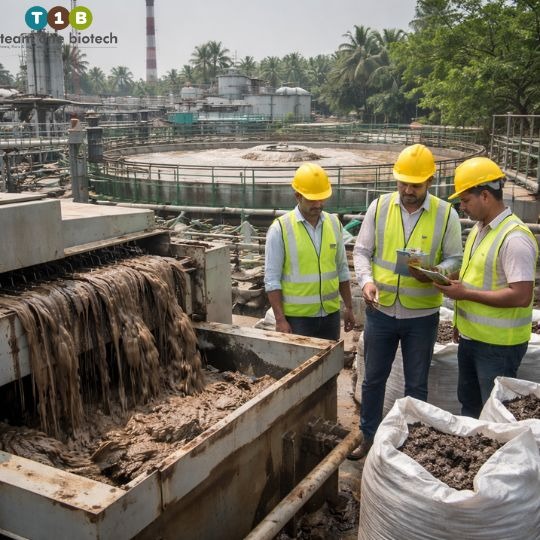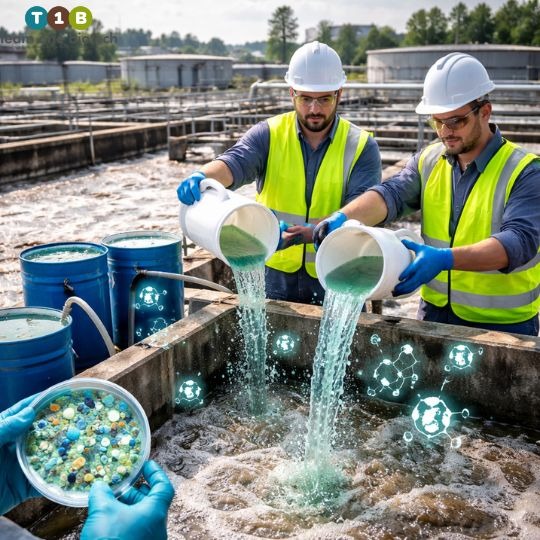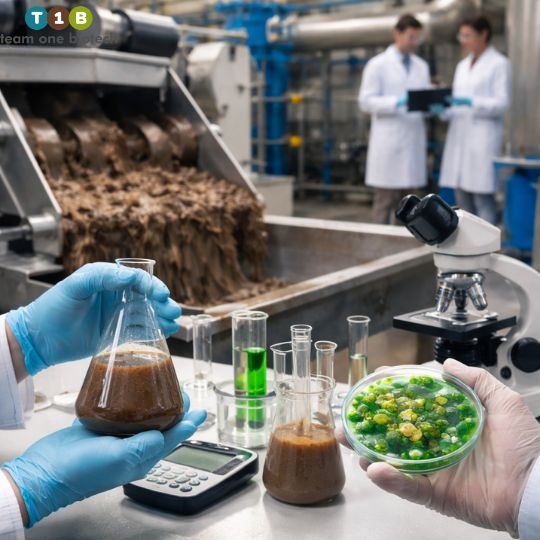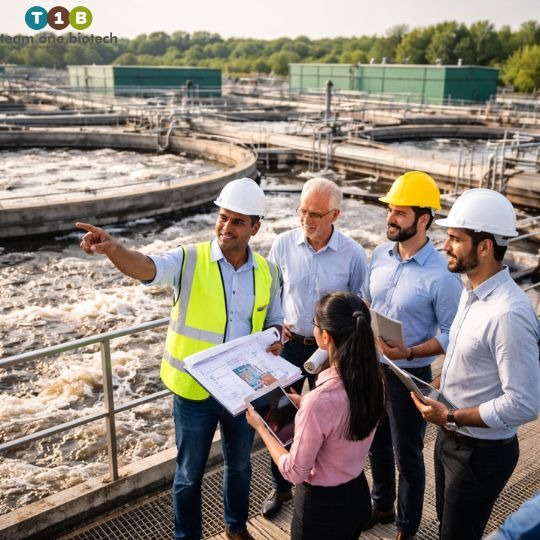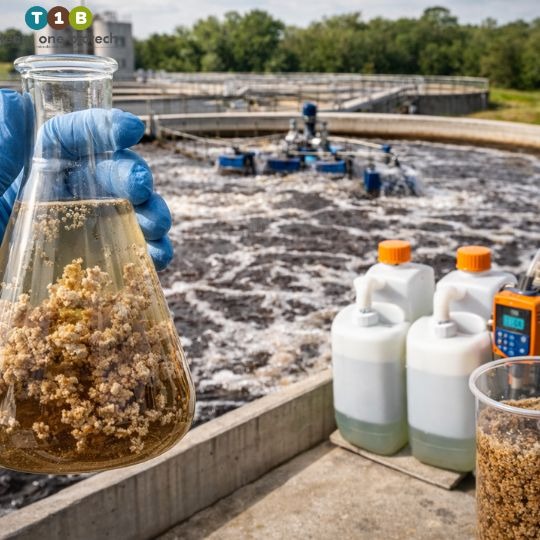
The Comprehensive Guide to ETP & STP Design, Process, and Efficiency in India

India’s Water Crisis Is an Industrial Compliance Crisis in Disguise

Walk into any industrial cluster in Pune, Surat, Ludhiana, or Vapi, and you will find the same uncomfortable reality: factories running at full throttle, production targets being met, and somewhere downstream, a water body paying the price. India generates an estimated 62,000 million litres per day (MLD) of sewage, and industrial effluent adds a separate, far more toxic layer to that burden. The Central Pollution Control Board (CPCB) estimates that less than 30 percent of this wastewater is actually treated before it re-enters the environment.

The tension is real. India’s manufacturing sector, emboldened by PLI schemes, Make in India commitments, and surging export demand, is expanding faster than its environmental infrastructure. The National Green Tribunal (NGT) is not waiting. Penalty orders, plant shutdowns, and consent-to-operate rejections have become routine for industries that treat wastewater compliance as an afterthought. In 2023 alone, the NGT issued closure notices to over 1,400 industrial units across multiple states for non-compliance with discharge norms.

Here is the paradox: the same industrial growth that positions India as a global manufacturing powerhouse is also accelerating the depletion of its freshwater reserves. Per capita water availability has dropped from over 5,000 cubic meters in 1951 to under 1,500 cubic meters today, dangerously close to the “water stress” threshold defined by international standards.

The solution is not to slow down industrial growth. The solution is to build the infrastructure that makes that growth sustainable. That is where Effluent Treatment Plants (ETPs), Sewage Treatment Plants (STPs), and the implementation of Biocultures for Wastewater Treatment become not just regulatory requirements, but strategic industrial assets. And that is exactly where Team One Biotech’s bioremediation expertise changes the equation for Indian facility operators.

ETP Plant Full Form, STP Plant Full Form, and Why the Distinction Matters

ETP Plant Full Form, STP Plant Full Form, and Why the Distinction Matters

Before diving into process design and optimization, let us establish the fundamentals clearly, because in practice, these two systems are frequently conflated, and that confusion leads to costly design errors.

ETP plant full form: Effluent Treatment Plant. An ETP is designed specifically to treat industrial wastewater, the liquid waste generated by manufacturing, chemical processing, food production, textile dyeing, pharmaceuticals, and other industrial operations. This wastewater typically contains high concentrations of toxic chemicals, heavy metals, synthetic dyes, oils, and organic compounds. The pollutant profile is highly variable depending on the industry.

STP plant full form: Sewage Treatment Plant. An STP is designed to treat domestic sewage, the wastewater generated by human habitation, including residential complexes, commercial buildings, hospitals, and mixed-use townships. This wastewater contains organic waste, pathogens, nutrients (nitrogen and phosphorus), and suspended solids, but is generally free from industrial chemicals and heavy metals.

Think of it this way: if a factory’s production floor generates the waste, it goes to an ETP. If the employees’ toilets and canteen generate the waste, it goes to an STP. Many large industrial campuses operate both systems in parallel, sometimes combining treated streams before final discharge.

The analogy that resonates best with plant operators is this, an ETP and STP are the kidneys of an industrial facility. Just as kidneys filter toxins from blood and return clean fluid to the body, these plants filter contaminants from wastewater and return compliant, often reusable, water to the environment or back into the production cycle. When the kidneys fail, the entire system suffers. When an ETP or STP underperforms, the consequences range from regulatory penalties to irreversible environmental damage and, increasingly, criminal liability for plant managers.

STP vs. ETP: A Comparison at a Glance

ParameterSTPETP
Wastewater SourceDomestic/municipal sewageIndustrial process wastewater
Primary PollutantsBOD, pathogens, nutrientsCOD, heavy metals, toxic compounds, dyes
Treatment ComplexityModerateHigh to Very High
Regulatory AuthorityCPCB / State PCBs / RERACPCB / State PCBs / NGT
Typical BOD Inlet200–350 mg/L500–10,000+ mg/L
Reuse PotentialHigh (landscaping, flushing)Conditional (after tertiary treatment)
Sludge HazardNon-hazardous (generally)Often hazardous

The STP & ETP Plant Process: A Stage-by-Stage Technical Breakdown

The STP & ETP Plant Process: A Stage-by-Stage Technical Breakdown

Whether you are designing a new system or auditing an existing one, understanding the treatment train is non-negotiable. Both ETPs and STPs follow a broadly similar multi-stage process architecture, though the specific technologies, chemical dosing, and retention times vary significantly based on the influent characteristics.

Stage 1: Preliminary Treatment

This is the first line of defense, the stage that protects downstream equipment from damage and clogging.

Key unit operations include:

  • Screening: Bar screens and fine screens remove large solids, rags, plastics, debris, from the incoming wastewater stream. For industrial ETPs handling textile or paper mill effluent, this stage is critical to preventing pump damage.
  • Grit Removal: Grit chambers allow sand, gravel, and inorganic particles to settle by reducing flow velocity. Unremoved grit accelerates wear on pumps, pipes, and aeration equipment.
  • Equalization: Industrial effluent flow rates and pollutant concentrations fluctuate dramatically across production shifts. An equalization tank buffers these variations, ensuring a consistent, manageable feed to downstream treatment units. In Indian industrial contexts, where plants often run 8-hour shifts with significantly varying discharge volumes, equalization is not optional; it is essential.
  • Oil and Grease Traps: Critical for food processing, edible oil, and petrochemical industries, where free-floating oils must be skimmed before biological treatment.

Preliminary treatment is where most cost-saving mistakes are made. Undersizing the equalization tank or skipping adequate screening leads to cascading failures across all downstream stages.

Stage 2: Primary Treatment

Primary treatment relies on physical and chemical processes to remove settleable and floatable matter before biological treatment begins.

  • Primary Clarifiers (Sedimentation Tanks): Wastewater is held in large tanks where gravity causes suspended solids to settle as primary sludge. This stage typically removes 50–70 percent of TSS (Total Suspended Solids) and 25–40 percent of BOD.
  • Chemical Coagulation and Flocculation: For high-turbidity industrial effluent, coagulants (alum, ferric chloride, PAC) and flocculants (polyelectrolytes) are dosed to aggregate fine colloidal particles into larger, settleable flocs. This is particularly important for textile dye effluents and pharmaceutical wastewater where colloidal solids resist natural settling.
  • Dissolved Air Flotation (DAF): In applications where solids and oils are too light to settle, DAF units use micro-bubbles to float contaminants to the surface for skimming. Widely used in dairy, food processing, and paper industries.

At this stage, your ETP or STP has removed the bulk of the physical load. What remains is the dissolved organic and chemical contamination, and that is where biological treatment becomes the heart of the process.

Stage 3: Secondary (Biological) Treatment, The Core of the System

Secondary treatment is where the chemistry becomes biology. Microorganisms, bacteria, protozoa, and fungi, are harnessed to consume dissolved organic matter, dramatically reducing BOD and COD to levels approaching discharge standards.

This stage is where the design expertise of your engineering partner matters most, because biological systems are living ecosystems. They respond to temperature, pH, toxic shock loads, and nutrient availability. Getting this stage wrong means the entire plant underperforms, regardless of how well preliminary and primary treatment are designed.

The Activated Sludge Process: India’s Gold Standard in Biological Treatment

Of all the biological treatment technologies available, Moving Bed Biofilm Reactor (MBBR), Sequencing Batch Reactor (SBR), Trickling Filters, Anaerobic Digesters, the Activated Sludge Process (ASP) remains the most widely implemented in Indian ETPs and STPs. Understanding why requires understanding how it works.

How the Activated Sludge Process Works

The ASP is a suspended-growth biological treatment system built around a continuous loop of microbial activity and separation.

The core components are:

  • Aeration Tank: Pre-settled wastewater enters a large aeration tank where it is mixed with a high concentration of active microorganisms, the “activated sludge.” Mechanical aerators or diffused air systems continuously pump oxygen into the tank, sustaining aerobic conditions that allow bacteria to break down organic matter at high rates.
  • Mixed Liquor Suspended Solids (MLSS): The concentration of microorganisms maintained in the aeration tank is measured as MLSS, typically maintained between 2,000–4,000 mg/L for municipal STPs and up to 6,000 mg/L for high-strength industrial ETPs. MLSS is the single most important operational parameter in ASP management.
  • Secondary Clarifier: The mixed liquor (aeration tank effluent) flows to a secondary clarifier where the activated sludge settles by gravity. Clear, treated effluent overflows from the top.
  • Return Activated Sludge (RAS): A critical portion of the settled sludge, typically 25–100 percent of influent flow, is returned to the aeration tank to maintain the microbial population. Without adequate RAS, the microbial concentration collapses and treatment efficiency crashes.
  • Waste Activated Sludge (WAS): Excess sludge, representing the net growth of microorganisms, is continuously removed and directed to sludge handling systems. Managing WAS disposal correctly is a major compliance requirement under CPCB guidelines.

Why ASP Remains the Preferred Choice in India

  • Proven reliability at scale: ASP can handle flows ranging from 10 KLD (kilolitres per day) for a small industrial unit to thousands of MLD for municipal applications.
  • Adaptability: Process variants, Extended Aeration ASP, Step Aeration ASP, Tapered Aeration ASP, allow engineers to optimize for specific influent characteristics and space constraints.
  • Operator familiarity: India’s pool of trained STP/ETP operators has decades of hands-on experience with ASP systems, reducing operational risk.
  • Cost-effectiveness: For BOD removal from moderate-strength wastewater, ASP delivers the best cost-per-kg-BOD-removed ratio of any aerobic technology.

The activated sludge process is not a legacy technology, it is a mature, continuously refined platform. The difference between a well-run ASP and a failing one is not the civil structure; it is the biological management expertise behind the aeration tank.

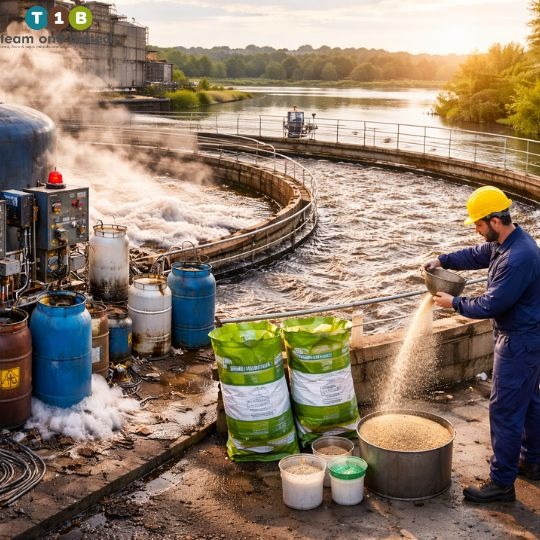
This is precisely where Team One Biotech’s bioremediation solutions create a measurable operational advantage. By engineering custom microbial consortia, specialized bacterial communities adapted to specific industrial wastewater profiles, Team One Biotech accelerates biological treatment efficiency, reduces aeration energy consumption, and provides resilience against toxic shock loads that would otherwise crash a conventional ASP system.

Ready to optimize your existing biological treatment system? Request a process audit from Team One Biotech’s engineers today and get a baseline assessment of your current MLSS health, sludge age, and BOD removal efficiency.

Stage 4: Tertiary Treatment, Achieving Zero Liquid Discharge and Reuse Standards

Tertiary treatment is the polishing stage, it takes secondary-treated effluent and refines it to the level required for either stringent discharge standards or direct water reuse.

Common tertiary treatment technologies include:

  • Sand Filtration and Activated Carbon Filtration (ACF): Removes residual TSS and traces of organic compounds. ACF is particularly effective for color removal in textile ETP applications.
  • Membrane Bioreactor (MBR): Combines biological treatment with ultrafiltration membranes in a single unit, producing extremely high-quality effluent suitable for reuse applications. Capital-intensive but highly efficient for space-constrained sites.
  • Reverse Osmosis (RO): The final barrier for achieving near-pure water quality. Mandatory in Zero Liquid Discharge (ZLD) systems, which are now required for highly polluting industries under CPCB guidelines, including sugar, pulp and paper, textile (wet processing), distilleries, and tanneries.
  • UV Disinfection and Chlorination: The final step in STP treatment trains, eliminating pathogens before treated water is discharged to water bodies or reused for non-potable applications.
  • Nutrient Removal: Advanced STP designs incorporate biological nutrient removal (BNR) for nitrogen and phosphorus, preventing eutrophication in receiving water bodies.

Challenges That Standard Textbooks Don’t Address

Challenges That Standard Textbooks Don't Address

Designing an ETP or STP for a factory in Germany is a fundamentally different engineering exercise from designing one for a plant in Tamil Nadu, Gujarat, or Uttar Pradesh. The Indian industrial environment presents a distinct set of challenges that demand localized expertise.

Monsoon Load Management

India’s monsoon season creates a hydraulic load problem that no other region in the world faces at the same intensity. During the southwest monsoon, stormwater infiltration into sewer networks can cause STP inflows to surge 3–5 times their design capacity within hours. An STP designed for average dry-weather flow without monsoon surge management provisions will either bypass untreated sewage or suffer catastrophic biological washout, destroying years of microbial culture development.

Design responses include:

  • Oversized equalization tanks with high-level alarms and automated bypass controls
  • Stormwater segregation at source wherever infrastructure permits
  • Robust return sludge systems capable of rapid biomass recovery post-dilution events

High-BOD Industrial Discharge

Indian industries, particularly distilleries, sugar mills, and food processing units, generate some of the highest-BOD effluents globally. Distillery spent wash can carry BOD values exceeding 50,000 mg/L. Standard aerobic ASP systems cannot handle such concentrations economically or efficiently without upstream anaerobic pre-treatment.

A correctly engineered treatment train for high-BOD Indian industrial effluent typically looks like this:

  • Anaerobic digestion (biogas generation as a bonus)
  • Aerobic polishing via ASP or MBBR
  • Tertiary treatment / ZLD as required

Bioremediation Solutions for Indian Soil and Water Conditions

India’s tropical climate, high ambient temperatures, variable monsoon humidity, actually creates favorable conditions for certain bioremediation applications. Thermophilic and mesophilic microbial populations thrive in Indian industrial settings, but generic microbial products imported from temperate climates frequently underperform because the microbial strains are not adapted to local conditions.

Team One Biotech’s approach is fundamentally different. Their bioremediation solutions are developed and validated against actual Indian industrial effluent samples, textile dye effluents from Tirupur, pharmaceutical wastewater from Baddi, and food processing discharge from Pune’s agro-industrial belt. The microbial consortia are acclimatized to Indian temperature ranges, pH variability, and the specific organic loading profiles of Indian industries. This localization produces measurably superior outcomes compared to off-the-shelf biological products.

Specific applications include:

  • Accelerated start-up of new ETP/STP biological systems (reducing commissioning time from months to weeks)
  • Bioremediation of contaminated industrial soil and groundwater around legacy manufacturing sites
  • Emergency bioaugmentation for plants suffering from toxic shock events or sludge bulking
  • Odor control through targeted biological suppression of hydrogen sulfide and mercaptan-producing bacteria

Is your industrial site carrying the burden of legacy contamination? Contact Team One Biotech’s bioremediation specialists for a confidential site assessment and soil/groundwater characterization study.

CPCB Guidelines India: What Compliance Actually Requires

Compliance is not a single threshold, it is a dynamic, multi-layered regulatory framework that varies by industry type, scale of operation, discharge destination, and state-level environmental standards.

Core Discharge Standards Under CPCB Guidelines

The CPCB’s General Standards for Discharge of Environmental Pollutants (under the Environment Protection Rules, 1986) specify the following limits for discharge into inland surface water:

  • BOD (Biochemical Oxygen Demand): ≤ 30 mg/L
  • COD (Chemical Oxygen Demand): ≤ 250 mg/L
  • TSS (Total Suspended Solids): ≤ 100 mg/L
  • pH: 6.5 – 8.5
  • Oil and Grease: ≤ 10 mg/L
  • Total Dissolved Solids (TDS): ≤ 2,100 mg/L

For discharge to a sewage treatment facility, standards are slightly relaxed. For disposal on land for irrigation, separate standards apply. Industry-specific standards, for distilleries, tanneries, pulp and paper, sugar, textiles, carry additional parameters and stricter limits.

Critical Compliance Checkpoints

Consent to Establish (CTE) and Consent to Operate (CTO): Before constructing or operating an ETP/STP, industries must obtain consent from their respective State Pollution Control Board. The design documents, treatment capacity, and expected effluent quality must be submitted and approved.

Online Continuous Effluent Monitoring (OCEM): Highly polluting industries (Red category under CPCB classification) are now required to install real-time online monitoring systems connected to the CPCB’s central server. This means compliance is no longer a quarterly lab report, it is a continuous digital audit.

ZLD Mandate: Red-category industries in water-stressed areas, and all units in critically polluted areas (as designated by CPCB), are required to achieve Zero Liquid Discharge. This is non-negotiable and enforced through surprise inspections by both CPCB and NGT-appointed monitoring committees.

Sludge Management: Hazardous sludge from ETPs must be disposed of at authorized Treatment, Storage, and Disposal Facilities (TSDFs). Improper sludge disposal is increasingly the primary basis for NGT penalty orders.

Efficiency & Optimization: Reducing OpEx Without Compromising Compliance

Efficiency & Optimization: Reducing OpEx Without Compromising Compliance

A well-designed ETP or STP is not just a compliance asset, it can be a significant cost center if operated inefficiently. For most mid-sized industrial facilities, ETP/STP operational expenditure runs between Rs. 15 and Rs. 60 per kilolitre of treated water, depending on effluent complexity. Energy, chemicals, and sludge disposal typically account for 70–80 percent of that cost. Here is where optimization delivers real financial returns.

Energy Optimization

Aeration is the single largest energy consumer in any aerobic treatment system, accounting for 50–70 percent of total ETP/STP electrical consumption. Optimization strategies include:

  • Fine Bubble Diffuser Upgrades: Replacing coarse bubble aerators with fine bubble membrane diffusers can reduce aeration energy consumption by 30–40 percent with no compromise in treatment efficiency.
  • Dissolved Oxygen (DO) Control: Installing DO sensors with automated aeration control prevents over-aeration, one of the most common and costly operational errors in Indian ETPs.
  • Variable Frequency Drives (VFDs): Installing VFDs on blowers and pumps allows energy draw to track actual load, rather than running at constant full capacity regardless of influent flow.

Chemical Optimization Through Bioremediation

Coagulants, flocculants, and pH correction chemicals represent a significant recurring cost. Team One Biotech’s bioaugmentation programs reduce chemical dependency by:

  • Enhancing biological phosphorus removal, reducing chemical phosphorus precipitation requirements
  • Improving settleability of activated sludge (reducing or eliminating polyelectrolyte requirements in secondary clarifiers)
  • Accelerating organic degradation in the aeration tank, allowing operators to reduce HRT (Hydraulic Retention Time) and thereby increase effective plant capacity

Sludge Reduction

Excess sludge disposal is an operational headache and a growing cost. Biological sludge reduction technologies, including targeted microbial products that enhance endogenous respiration, can reduce sludge production by 20–35 percent in well-managed systems. This translates directly to reduced sludge hauling frequency, lower TSDF disposal costs, and reduced dewatering chemical consumption.

Water Reuse and Revenue Recovery

Tertiary-treated STP effluent, when properly polished, can replace fresh water for:

  • Cooling tower makeup water
  • Garden irrigation and dust suppression
  • Toilet flushing in industrial campuses
  • Process water for low-sensitivity manufacturing steps

At current freshwater purchase rates in water-stressed Indian industrial zones (Rs. 40–120 per KL for tanker water in some regions), every kilolitre of treated water reused internally represents a direct cost saving.

How Team One Biotech Delivers End-to-End ETP and STP Excellence

Team One Biotech operates at the intersection of environmental engineering, applied microbiology, and industrial compliance management. The company’s approach to ETP and STP projects is built on four integrated capabilities that most conventional engineering firms cannot replicate.

Process Design and Engineering: From concept to commissioning, Team One Biotech’s engineers design treatment systems that are right-sized for actual Indian industrial conditions, not theoretical textbook parameters. This means proper equalization capacity for monsoon surges, biological systems designed for high-BOD tropical industrial effluents, and ZLD trains engineered for long-term operational reliability, not just initial compliance demonstration.

Proprietary Bioremediation Solutions: The company’s in-house bioremediation product line comprises microbial consortia specifically adapted to the pollutant profiles and environmental conditions of Indian industry. These are not generic imported biologicals repackaged for the Indian market, they are formulations developed from microorganisms isolated and cultivated in Indian industrial environments.

Operational Support and Performance Contracts: Designing a compliant ETP is step one. Keeping it compliant through shift changes, monsoon surges, production expansions, and aging equipment is the harder, longer challenge. Team One Biotech offers structured operational support programs, including remote monitoring, monthly biological health assessments, and on-call emergency response for treatment upsets.

Regulatory Navigation: The Indian environmental regulatory landscape, CPCB, State PCBs, NGT orders, ZLD notifications, changes continuously. Team One Biotech’s team tracks regulatory developments and helps clients proactively adapt their systems and documentation before inspections, not after penalty orders.

Take the first step toward a fully compliant, operationally optimized industrial water management system. Schedule a site consultation with Team One Biotech’s senior engineers and receive a customized treatment performance roadmap within 10 working days.

Building India’s Industrial Future on a Foundation of Clean Water

India’s industrial ambition is not in question. The country will continue to grow, manufacture, and export at scale. The question, and the opportunity, is whether that growth will be built on a foundation of sustainable water management or on the fragile assumption that environmental compliance can be deferred.

The regulatory environment has made the answer clear. The NGT, CPCB, and an increasingly active judiciary have demonstrated that non-compliance is not a calculated risk, it is an operational liability with real financial, legal, and reputational consequences.

But the more compelling case for investing in high-performance ETP and STP infrastructure is not regulatory, it is economic. Water-efficient industries are more resilient, more competitive, and increasingly more attractive to global buyers and institutional investors who apply ESG criteria to their supply chain decisions.

The factory that treats its wastewater as a resource to be recovered, rather than a problem to be discharged, is the factory that will operate profitably through the water constraints of the next decade.

Team One Biotech exists to make that factory yours.

Team One Biotech is a leading provider of bioremediation solutions, ETP and STP design, and industrial wastewater management services across India. To speak with an engineer about your facility’s specific compliance and operational challenges, visit the Team One Biotech contact page or call our industrial helpline.

Looking to improve your ETP/STP efficiency with the right bioculture?
Talk to our experts at Team One Biotech for customised microbial solutions.

Contact+91 8855050575

Email:  sales@teamonebiotech.com

Visit: www.teamonebiotech.com

Discover More on YouTube – Watch our latest insights & innovations!-

Connect with Us on LinkedIn – Stay updated with expert content & trends!
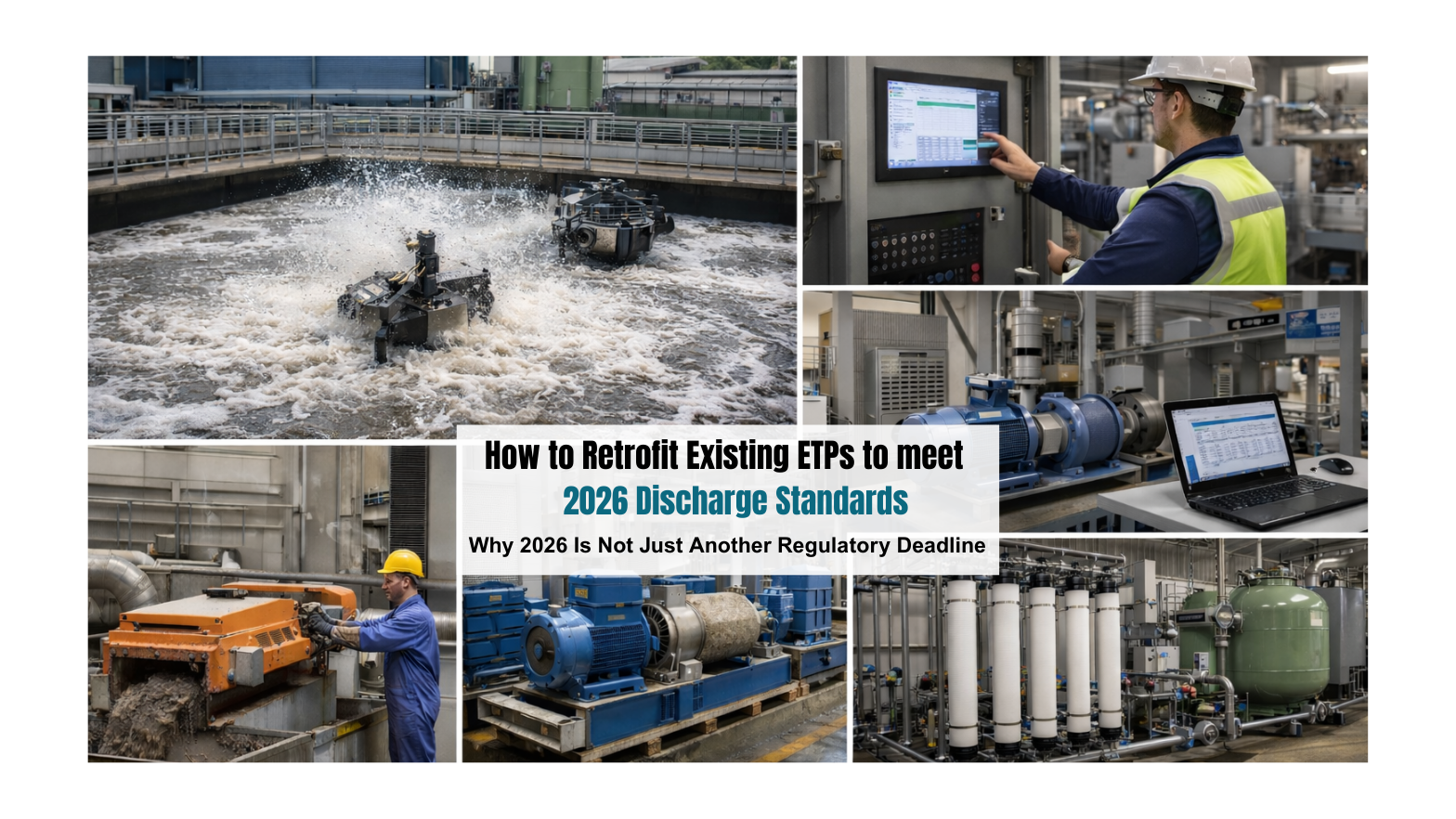
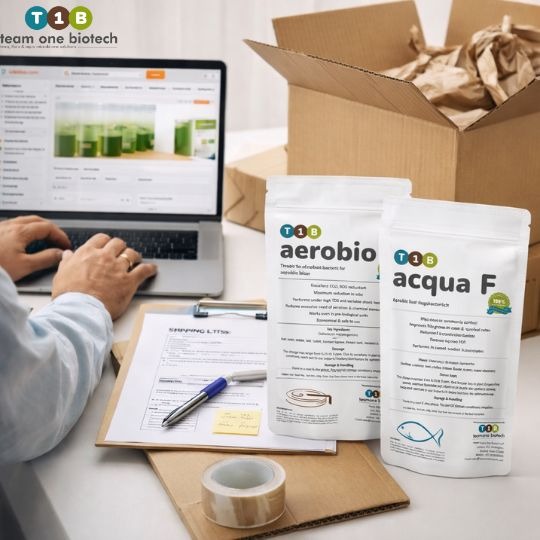
Buying Bulk Biotech: A Guide to Sourcing via Team One Biotech on Alibaba.com

The World Cannot Wait for Slow Solutions

Across sub-Saharan Africa, municipal water treatment facilities are running at half capacity. In the copper belt of Peru and Chile, mining effluent is leaching into river systems that thousands of communities depend on. In Southeast Asia and coastal West Africa, fish farms are losing stock to pond toxicity that no synthetic antibiotic has managed to fully control. These are not hypothetical scenarios. They are the operational realities that procurement officers, environmental engineers, and project managers are navigating every single day.

The global shift away from harsh chemical interventions is no longer a matter of preference. It is a matter of regulatory pressure, cost efficiency, and long-term viability. Governments in over 40 countries have tightened discharge standards. Insurance underwriters are increasing premiums for facilities reliant on chemical-heavy remediation. And communities living downstream are no longer silent.

Microbial biotechnology, the science of deploying targeted bacteria, enzymes, and probiotic cultures to break down waste, restore soil health, and clean water systems, is rapidly becoming the preferred tool for large-scale environmental management. The question is no longer whether to go biological. The question is: who do you trust to supply it at scale, with certifications that hold up across borders?

That answer, for a growing number of buyers across 55 countries, is Team One Biotech.

This is a procurement guide for international distributors, environmental NGOs, and industrial buyers seeking verified, large-scale microbial solutions.

Why Team One Biotech: Depth of Expertise, Breadth of Capability

Why Team One Biotech: Depth of Expertise, Breadth of Capability

27+ Years of In-House Manufacturing and Applied Science

Team One Biotech is not a trading company. It is a manufacturer with its own research infrastructure, fermentation capacity, and quality control systems built over more than two and a half decades. Founded and headquartered in Mumbai, India, the company has participated in large-scale government projects across water treatment, sanitation, and agricultural rehabilitation, providing the kind of institutional track record that procurement committees and development finance institutions require before signing a purchase order.

What this means for bulk buyers is straightforward: no middlemen, no reformulation delays, no supply chain surprises. When you place an order, you are dealing directly with the laboratory that designed the product.

Certified at Every Level That Matters

International trade in biological products is closely regulated, and rightly so. Team One Biotech holds ISO, GMP, and SGS certifications, the three standards that matter most when importing microbial formulations into regulated markets. SGS certification, in particular, provides independently verified proof of product safety and consistency, which is increasingly required by port authorities and distribution partners in Africa, Latin America, and the European Union.

For NGOs working under donor-funded programs or procurement officers answerable to government contracts, this certification stack is not a nice-to-have. It is a prerequisite. Team One Biotech meets it entirely.

Strategic Industry Focus: Where Microbial Science Delivers

Aquaculture and Agriculture: Healthier Yields Without the Chemical Load

Team One Biotech’s Aqua Microbiome product line is purpose-engineered for aquaculture producers managing shrimp ponds, fish farms, and recirculating aquaculture systems. By introducing targeted probiotic cultures that compete against pathogenic bacteria, improve feed conversion ratios, and stabilize pond water chemistry, Aqua Microbiome allows producers to reduce antibiotic dependency, a critical requirement for exporters serving European and North American food retail markets.

For agricultural buyers, the Terro formulation line addresses soil microbiome depletion, a problem that is particularly acute across overfarmed regions in East Africa, West Africa, and parts of Brazil. Chemical fertilizer dependency degrades microbial diversity over time, reducing the soil’s natural capacity to fix nitrogen, suppress pathogens, and retain moisture. Terro-based microbial soil conditioners work to reverse this degradation, supporting:

  • Higher germination rates and root development in staple crops
  • Improved nutrient availability without increasing synthetic input costs
  • Faster organic matter breakdown, which restores soil structure over successive growing seasons

For agricultural distributors operating across smallholder networks in Nigeria, Kenya, Ghana, or the Cerrado region of Brazil, this product category offers a commercially viable and environmentally responsible alternative to conventional soil inputs.

Wastewater Treatment and Sanitation: Built for Scale, Designed for Compliance

Rapid urbanization in Africa and South Asia has outpaced sewage infrastructure investment by decades. In many cities across the continent, pit latrines and septic tanks remain the primary sanitation infrastructure for urban and peri-urban populations. These systems require biological maintenance to remain functional and safe.

Team One Biotech’s Flaro product range and wastewater treatment formulations are designed for exactly these environments. They are used in:

  • Municipal wastewater treatment plants looking to reduce chemical dosing costs and improve effluent quality for regulatory compliance
  • Septic systems and decentralized sanitation where low-maintenance biological dosing outperforms chemical alternatives
  • Drain and sewer maintenance in hospitality, healthcare, and institutional facilities

The cost structure for bulk buyers is compelling. A single container shipment of Flaro-based bioenzyme formulations can service a regional distribution network across multiple countries, particularly in markets where the regulatory environment is shifting toward biological treatment mandates.

The Global Export and Private Label Opportunity

The Global Export and Private Label Opportunity

Building Your Local Brand on Proven Formulations

One of Team One Biotech’s most strategically important capabilities for international distributors is its white-label manufacturing program. Rather than investing years and significant capital into developing proprietary microbial formulations, regional distributors can partner with Team One Biotech to source proven, certified products under their own brand identity.

This model has already been adopted by distribution partners across multiple continents. A distributor in West Africa, for example, can source bulk formulations of microbial wastewater treatment products, have them packaged and labeled under their regional brand, and go to market with a product line that carries all the underlying R&D and certification credibility of Team One Biotech, without disclosing their manufacturing source.

The white-label program supports:

  • Custom formulation packaging in sizes suited to local market requirements (from 5-litre retail units to 1,000-litre IBC totes)
  • Private label artwork and branding applied to finished goods
  • Technical documentation and SDS sheets customized for your brand
  • Regulatory support for import registration in target markets

For NGOs managing agricultural or sanitation programs under development grants, this model also allows procurement of locally branded products that are better received by community stakeholders than generic imported goods.

Your Step-by-Step Buyer’s Guide on Alibaba.com

Your Step-by-Step Buyer's Guide on Alibaba.com

Team One Biotech’s verified storefront is live on Alibaba.com as a Trustpass-verified supplier, accessible at: https://teamonebiotech.trustpass.alibaba.com/

Trustpass verification is Alibaba’s highest tier of supplier authentication, requiring in-person business verification, legal documentation review, and ongoing compliance monitoring. For buyers unfamiliar with sourcing biological products internationally, this verification status is the first checkpoint that separates legitimate manufacturers from unverified resellers.

How to Proceed Efficiently

Step 1: Access the Verified Storefront Navigate to nonebiotech.trustpass.alibaba.com. Confirm the Trustpass badge is visible on the supplier profile header before proceeding.

Step 2: Browse by Application Category The store is organized by end-use application, Wastewater Treatment, Agriculture, Aquaculture, Sanitation, F.O.G., Animal Probiotics, and Bioenzyme Natural Cleaners. Identify your priority category and shortlist relevant SKUs.

Step 3: Download Product Specifications Each product listing includes technical data sheets. Download these before initiating contact. Having a clear product spec on hand allows your technical team to pre-approve a formulation before price negotiations begin.

Step 4: Request a Trade Quote (RFQ) Use Alibaba’s built-in RFQ (Request for Quotation) function to submit a structured inquiry. Specify: product category, estimated volume (monthly or per-order), packaging preference, destination country, and whether you require private label options. Team One Biotech’s export team responds to qualified trade inquiries directly.

Step 5: Verify Certifications Ask for copies of the ISO certificate, GMP compliance documentation, and relevant SGS test reports for the product categories you are sourcing. Legitimate manufacturers provide these without friction. Cross-reference the issuing bodies independently before executing any purchase order.

Step 6: Request Samples For new product categories, always request certified samples before committing to a bulk order. Team One Biotech’s standard commercial practice supports sample dispatch to qualified buyers.

Trust, Compliance, and the Certification Standard

In biological product trade, certifications are not marketing tools. They are the legal and technical foundation on which import authorities, development donors, and institutional procurement committees make their decisions.

Team One Biotech’s ISO certification confirms that its quality management systems meet internationally recognized standards. Its GMP (Good Manufacturing Practice) compliance confirms that products are manufactured under controlled, consistent, and documented conditions, a standard originally developed for pharmaceutical manufacturing and now increasingly required for agricultural and environmental biological products. SGS certification, issued by the world’s largest inspection and testing company, provides third-party verification that specific product batches meet defined safety and performance parameters.

Together, these three certifications mean that a procurement officer in Lagos, a project coordinator in Lima, or a compliance manager in Nairobi can sign off on a Team One Biotech purchase order with documented, auditable justification.

Begin Your Procurement Partnership

The environmental challenges facing industrial operators, municipal authorities, and agricultural producers across Africa and South America are not going to resolve themselves. The window for adopting scalable, compliant, cost-effective biological solutions is open now, and the distributors and operators who move first are establishing durable supply chain advantages that their competitors will spend years trying to replicate.

Team One Biotech is ready to support bulk orders, private label programs, and long-term distribution partnerships across every major product category.

To begin a procurement conversation:

  • Visit: T1B Official Alibaba Store
  • Email (Trade Inquiries): marshal@teamonebiotech.com
  • Email (Technical Queries): sales@teamonebiotech.com
  • Phone: +918855050575 / +918485801707 / +918484068864
  • Office: Office No. 9, Ground Floor, Swastik Chambers, Chembur, Mumbai, Maharashtra 400071, India

For distributors ready to discuss white-label programs or NGOs preparing procurement documentation for donor-funded projects, Team One Biotech’s export and technical teams are available to provide product specifications, certification packages, and pricing frameworks suited to your operational scale.

The science is proven. The certifications are in place. The supply chain is established in 55+ countries.

Your next step is a single inquiry away.

Team One Biotech- Terro, Flaro, and Aqua Microbiome Solutions. Your one-stop partner for clean water, healthy soil, and sustainable growth.

Looking to improve your ETP/STP efficiency with the right bioculture?
Talk to our experts at Team One Biotech for customised microbial solutions.

Contact+91 8855050575

Email:  sales@teamonebiotech.com

Visit: www.teamonebiotech.com

Discover More on YouTube – Watch our latest insights & innovations!-

Connect with Us on LinkedIn – Stay updated with expert content & trends!
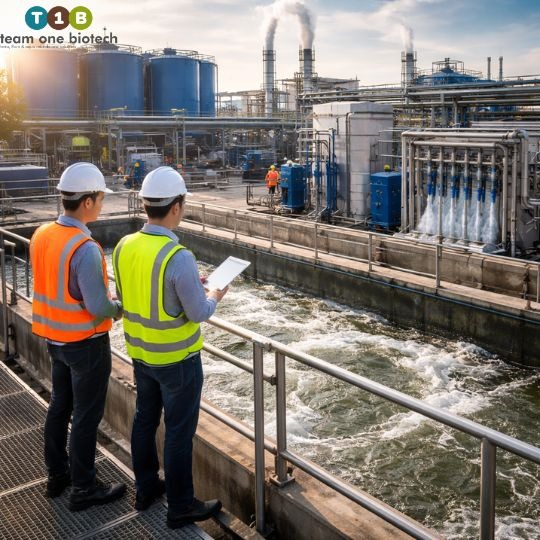
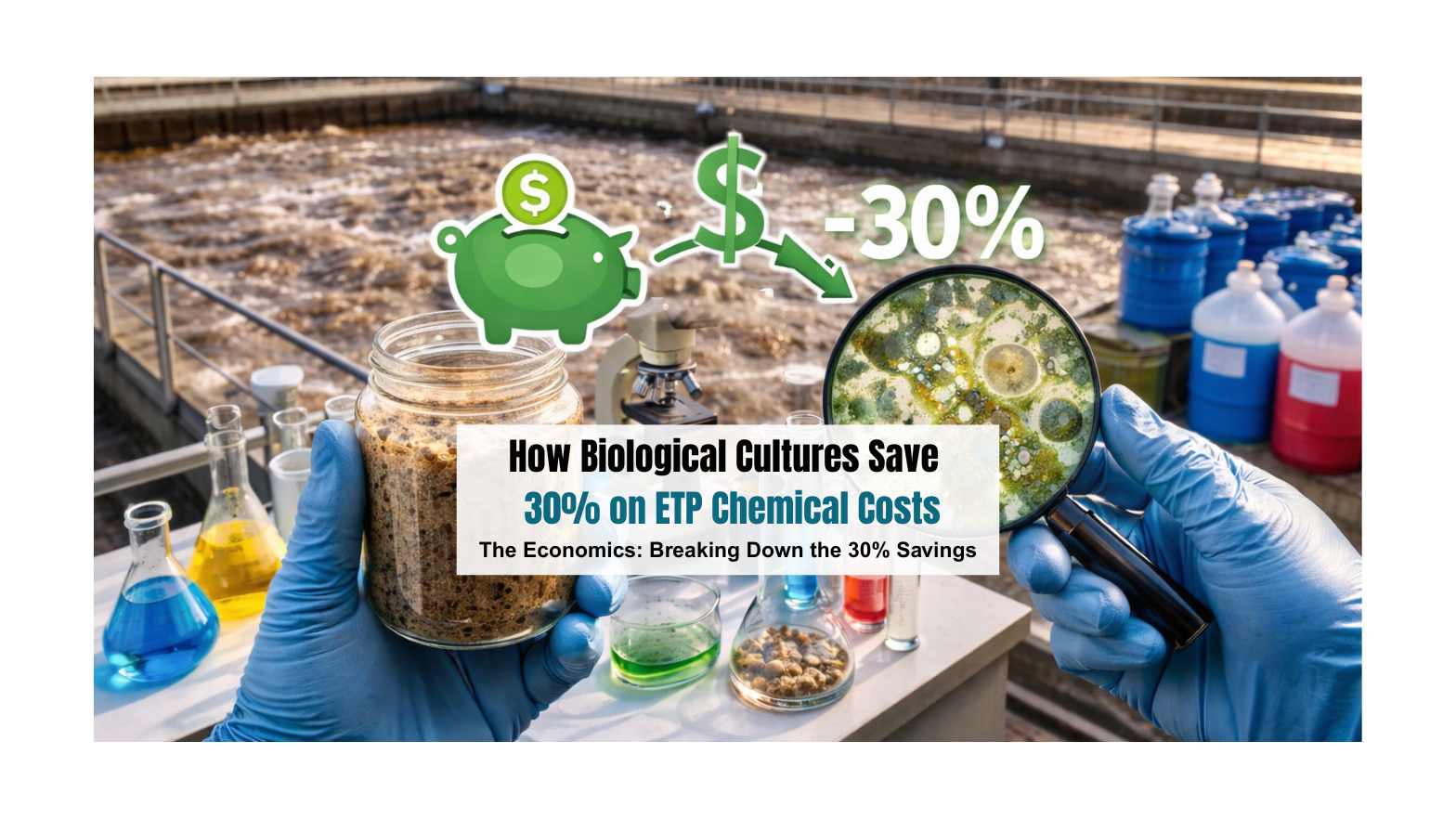
Case Study: How Biological Cultures Saved an Indian Chemical Plant 30% on OPEX

On a Tuesday when Rohan Mehta’s phone lit up. The caller ID showed “ETP Control Room.” His heart sank.

As the Operations Head of a mid-sized specialty chemicals plant in Vapi, Gujarat, Rohan knew that late-night calls meant only one thing: the effluent treatment plant was failing again. This time, the COD levels had spiked to 980 mg/L, nearly double the GPCB’s consent-to-operate limit of 500 mg/L.

The next morning would bring the routine SPCB inspection. A violation of this magnitude could trigger a show-cause notice, potential production shutdown, or worse, an Environmental Compensation penalty running into lakhs of rupees under the Water (Prevention and Control of Pollution) Act, 1974.

Rohan wasn’t alone in this nightmare. Across industrial clusters from Ankleshwar to Patancheru, from Ludhiana to Coimbatore, factory managers face this relentless pressure: maintain production targets while keeping discharge parameters within increasingly stringent regulatory limits, all without inflating operational costs that erode already thin margins.

This is the story of how one Indian chemical plant broke free from this vicious cycle, slashed their ETP operating costs by 30%, and achieved consistent CPCB compliance, by replacing chemical-heavy wastewater treatment with a biological approach powered by Team One Biotech’s specialized microbial cultures and Bio Cultures for Wastewater Treatment.

The Challenge: Drowning in Chemicals and Costs

Drowning in Chemicals and Costs

Plant Profile

The facility:

  • Medium-scale specialty chemical manufacturer
  • Multi-stream solvent and intermediate production
  • Complex wastewater with high organic load
  • Large daily effluent volume
  • Significant pH fluctuations due to batch operations

Key wastewater challenges:

  • COD peaks reaching nearly 6–7x biological stability levels
  • Wide pH variation within the same week
  • Recalcitrant organic compounds
  • Seasonal biological performance instability

The Operational Reality

Like many Indian chemical plants, the facility relied primarily on:

  • Heavy physico-chemical treatment
  • High coagulant and polymer dosing
  • Strong pH correction dependency
  • Underperforming activated sludge

Monthly OPEX Breakdown (Before Intervention)

  • Chemical consumption accounted for over 55–60% of total ETP cost
  • Sludge disposal contributed nearly 15% of OPEX
  • Power for aeration represented about 10–12%
  • Emergency handling and corrective actions created hidden labor burdens

The Bigger Issue

Beyond cost:

  • Sludge generation was excessively high
  • Frequent emergency chemical corrections
  • Operators manually overriding automation
  • Constant compliance anxiety

The management faced a major decision:

Invest heavily in expanding physico-chemical infrastructure
OR
Find a smarter biological solution within existing infrastructure.

The Solution: Bio-Augmentation, Not Just Bio-Treatment

The Solution: Bio-Augmentation, Not Just Bio-Treatment

Understanding the Biological Advantage

After consulting with Team One Biotech’s technical team, the plant’s management learned a crucial distinction that most Indian industrial facilities overlook:

Traditional approach: Generic activated sludge with minimal microbial diversity, supported by massive chemical intervention.

Bio-augmentation approach: Targeted introduction of specialized, high-performance bacterial consortia designed specifically for chemical industry wastewater.

Team One Biotech proposed a phased implementation of their industrial-grade biological cultures, specifically formulated microbial consortia capable of:

  • Degrading complex aromatic compounds and solvents
  • Withstanding pH fluctuations and toxic shock loads
  • Rapid acclimatization to varying COD loads
  • Producing minimal sludge compared to physico-chemical treatment

The Implementation Strategy

Phase 1 (Weeks 1–2): System Preparation

  • Baseline water quality audit
  • Adjustment of aeration capacity
  • Nutrient balancing (N:P ratio optimization)

Phase 2 (Weeks 3–4): Culture Introduction

  • Initial bio-augmentation with T1B’s Chemical Industry Wastewater Treatment Culture
  • Daily monitoring of MLSS, SVI, and microbial activity
  • Gradual reduction of chemical coagulant dosing

Phase 3 (Weeks 5–8): Performance Stabilization

  • Fortnightly booster doses of specialized cultures
  • Fine-tuning of aeration schedules
  • Establishment of new operational protocols

Phase 4 (Ongoing): Maintenance Protocol

  • Monthly culture replenishment as per loading variations
  • Quarterly performance audits
  • Continuous operator training

The ROI Breakdown: Numbers That Matter to the Balance Sheet

The transformation was dramatic. Within 90 days of full implementation, the plant achieved stable operations with the following comparative performance:

Management conservatively reports the outcome as: 30% Sustained OPEX Reduction

ParameterBefore T1B (Baseline %)After T1B (%)Net Impact
T1B Biological Cultures0%16% of total OPEX+16% controlled biological investment
Sludge Disposal15% of total OPEX12% of total OPEX60% reduction in sludge disposal cost
Power (Aeration Optimization)11% of total OPEX20% reduction in aeration cost18–20% power savings
Total Monthly OPEX100% (Baseline)54% of baseline46% overall reduction

This accounts for:

  • Maintenance cycles
  • Seasonal variation
  • Contingency margins

Annualized Impact

  • Operating savings exceeded 50% of previous annual ETP spend
  • Bio-augmentation payback achieved in under one quarter
  • Three-year projection indicates cumulative savings exceeding multiple times the original intervention cost

The Hidden ROI: Risk Mitigation and Compliance Stability

Beyond direct cost savings, the plant experienced transformational benefits that don’t always appear in P&L statements:

Regulatory Confidence:

  • Consistent discharge parameters: COD maintained between 180–280 mg/L (well below 500 mg/L limit)
  • Zero SPCB violations in 14 months post-implementation
  • Avoided potential Environmental Compensation penalties (estimated risk mitigation value)

Operational Stability:

  • 87% reduction in emergency chemical procurement
  • ETP operator stress levels dropped significantly
  • No production interruptions due to effluent non-compliance
  • Improved sleep for the plant management team (priceless)

Environmental Performance:

  • 64% reduction in chemical sludge generation
  • Lower carbon footprint from reduced chemical manufacturing and transport
  • Positive audit findings during ISO 14001 surveillance

The Science Behind the Success: Why Biological Cultures Work for Indian Chemical Plants

Why Biological Cultures Work for Indian Chemical Plants

Bio-Augmentation vs. Traditional Treatment

Many Indian factories misunderstand biological wastewater treatment. They assume that simply having an aeration tank with “some bacteria” constitutes biological treatment. The reality is far more nuanced.

Generic Activated Sludge Limitations:

  • Slow acclimatization to industrial toxins
  • Poor performance during load fluctuations
  • Vulnerable to process upsets
  • Limited degradation capability for complex molecules

T1B’s Specialized Cultures Advantage:

  • Pre-selected bacterial strains with proven tolerance to industrial chemicals
  • Rapid enzymatic degradation of recalcitrant organics
  • Synergistic consortia designed for Indian wastewater characteristics
  • Shock-load resistance and quick recovery

The key difference? Specificity and robustness. Team One Biotech’s cultures are not generic “pond scum”, they’re precision-engineered microbial tools designed for the harsh realities of Indian chemical manufacturing effluent.

The Localization Factor

T1B’s formulations account for India-specific challenges:

  • High ambient temperatures affecting microbial metabolism
  • Seasonal monsoon dilution effects
  • Power fluctuations impacting aeration consistency
  • Operator skill level variations
  • Cost constraints requiring maximum efficacy per rupee spent

Compliance Safety: The Shield Against Regulatory Penalties

Compliance Safety: The Shield Against Regulatory Penalties

In the post-2016 National Green Tribunal (NGT) era, environmental violations carry devastating consequences. The amendment to the Water Act and introduction of Environmental Compensation mechanisms mean:

  • First-time COD violations: ₹5–25 lakh penalties (depending on quantum and duration)
  • Repeat violations: Production shutdown, consent revocation, criminal prosecution under Section 43 of the Water Act
  • Toxic substance discharge: Penalties extending to ₹50 lakh–₹5 crore plus imprisonment

For the chemical plant in this case study, achieving biological stability through T1B’s cultures created a regulatory safety buffer worth far more than the direct cost savings. The plant manager described it as “insurance that actually prevents the accident rather than just paying for it afterward.”

About Team One Biotech: Partners in Sustainable Industrial Performance

Team One Biotech (T1B) has emerged as India’s leading provider of bioremediation solutions for industrial wastewater management. With a foundation built on microbial science and deep understanding of Indian manufacturing challenges, T1B serves over 300 facilities across chemicals, textiles, pharmaceuticals, food processing, and common effluent treatment plants.

Core Expertise:

  • Custom microbial consortia development
  • On-site technical support and troubleshooting
  • NABL-accredited laboratory analysis
  • Operator training programs
  • Compliance documentation support

Industry Recognition:

  • MSME-certified manufacturer
  • ISO 9001:2015 certified operations
  • Partnerships with leading industrial clusters across Gujarat, Maharashtra, Tamil Nadu, and Punjab

Key Takeaways for Indian Industrial Decision-Makers

If you’re an Operations Head, ETP Manager, or CEO facing the relentless pressure of compliance costs and regulatory scrutiny, this case study offers actionable insights:

Biological treatment isn’t just “eco-friendly”, it’s economically superior. The 30% OPEX reduction achieved here is replicable across most chemical, pharmaceutical, and process industries.

Specialized cultures outperform generic approaches. Investing in scientifically formulated microbial consortia delivers ROI that generic activated sludge never can.

Compliance stability has tangible value. The hidden savings from avoiding penalties, production shutdowns, and management stress multiply the financial benefits.

Implementation is simpler than expansion. Rather than investing crores in new treatment infrastructure, bio-augmentation works within existing systems.

Take Control of Your ETP Economics Today

The chemical plant featured in this case study went from midnight panic calls to predictable, cost-effective wastewater management. Their 30% OPEX reduction and zero violations track record isn’t exceptional, it’s achievable for your facility too.

Team One Biotech invites you.

Because your effluent treatment plant shouldn’t be the bottleneck to your business growth.

Looking to improve your ETP/STP efficiency with the right bioculture?
Talk to our experts at Team One Biotech for customised microbial solutions.

Contact+91 8855050575

Email:  sales@teamonebiotech.com

Visit: www.teamonebiotech.com

Discover More on YouTube – Watch our latest insights & innovations!-

Connect with Us on LinkedIn – Stay updated with expert content & trends!
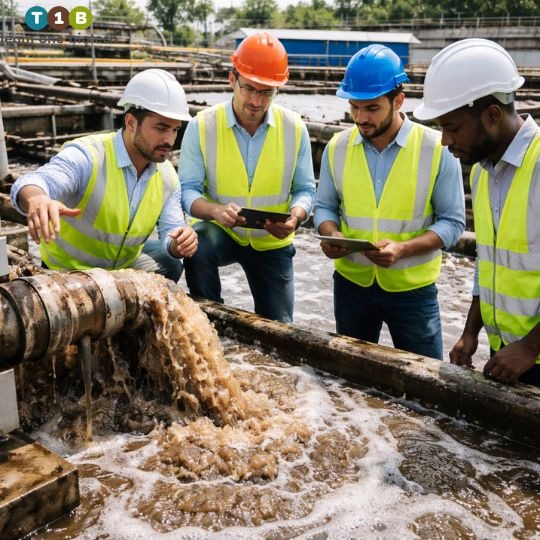
10-Point Checklist for passing SPCB/CPCB Audits in 2026

The anxiety that grips every factory manager in India isn’t about production targets anymore, it’s about compliance. The Polluter Pays principle isn’t just a headline in The Hindu or Economic Times. It’s a direct debit from your company’s bank account when the State Pollution Control Board slaps a show-cause notice on your facility.

The new Solid Waste Management Rules 2026 and stricter CPCB guidelines have fundamentally altered the industrial compliance landscape. Online Continuous Emission Monitoring Systems (OCEMS) are watching your discharge parameters 24/7. The grace period for “we’ll fix it next quarter” is over. The Central Pollution Control Board isn’t just auditing paperwork, they’re auditing your real-time data streams, your chemical procurement patterns, and even your groundwater quality.

Meanwhile, your chemical supplier just increased prices on Ferrous Sulfate and Poly Aluminium Chloride (PAC) by 18% this year. Your ETP is hemorrhaging money, producing mountains of hazardous sludge, and still barely meeting the discharge standards for COD and BOD, highlighting the urgent need for Environmental Compliance & Bioremediation Solutions for Industrial Wastewater Treatment that reduce chemical dependency and long-term operating costs.

If this sounds familiar, you’re not alone. But you are running out of time.

This is your 10-point survival guide, not from a textbook, but from the field. From factories that have passed their audits without a single rupee in fines, and from those who’ve transformed their ETPs from cost centers into strategic assets.

The 10-Point Checklist: Your SPCB/CPCB Audit Armor

The 10-Point Checklist: Your SPCB/CPCB Audit Armor

1. Valid CTE/CTO Status: The Digital Renewal Trap

Consent to Establish (CTE) and Consent to Operate (CTO) are no longer manila folders gathering dust in your compliance office. In 2026, SPCBs across Maharashtra, Tamil Nadu, Gujarat, and Karnataka have moved to digital consent management systems. Your renewal isn’t valid until it’s reflected in the online portal.

Action Item: Log into your state’s SPCB portal (e.g., Maharashtra’s MPCB OCMMS) 60 days before expiry. Upload your annual environmental statement, stack monitoring reports, and effluent analysis certificates. Don’t wait for the reminder email, it doesn’t always arrive.

Red Flag: Expired CTO means your operations are legally non-compliant from Day One of the audit. No auditor will overlook this, regardless of how pristine your ETP looks.

2. OCEMS Calibration: The “Data Tampering” Accusation You Can’t Afford

The CPCB’s 2025 directive mandates that all industries with liquid discharge above 100 KLD must have OCEMS for pH, flow, COD, and TSS. The real trap? Calibration drift.

When your OCEMS shows pH 7.2 but the auditor’s handheld meter reads 8.9, you’re not just facing a fine, you’re facing accusations of data manipulation, which can trigger criminal provisions under the Water (Prevention and Control of Pollution) Act, 1974.

Action Item: Implement monthly third-party calibration (not just the quarterly mandate). Maintain a log with calibration certificates from NABL-accredited labs. Cross-verify OCEMS readings with manual grab samples every shift.

Cost Reality: Monthly calibration costs ₹8,000-₹12,000. A single “data tampering” notice costs you ₹5-10 lakhs in legal fees and potential operational closure.

3. The New 2026 Segregation: Four-Stream Waste Management at Source

The updated Solid Waste Management Rules 2026 mandate four-stream segregation: biodegradable, recyclable, hazardous, and domestic. This isn’t just about dustbins in the canteen. It’s about segregating process wastewater streams before they enter your ETP.

Why This Matters: When you mix high-COD food processing effluent with electroplating wastewater, you force your ETP to handle incompatible chemistry. Result? Chemical overdosing, unstable biological processes, and an audit report that reads like a charge sheet.

Action Item: Conduct a wastewater characterization study for each production line. Install dedicated collection sumps. Treat hazardous streams (hexavalent chromium, cyanide) separately before co-mingling.

4. ETP Efficiency vs. Chemical Overdosing: The Red Flag Auditors Always Spot

Here’s what auditors know that factory managers often don’t: excessive chemical consumption is a confession of ETP inefficiency.

When your monthly procurement shows 15 tons of Alum and 8 tons of Ferrous Sulfate for a 200 KLD plant, the auditor doesn’t think “this plant is well-stocked.” They think “this plant is chemically shocking the system to force compliance, and it’s probably generating 3-4 tons of hazardous sludge monthly.”

The Math You Need to Know:

ParameterChemical TreatmentBioremediation
COD Reduction Cost (per kg)₹45-₹60₹12-₹18
Sludge Generation3-5% of flow0.5-1% of flow
pH StabilityRequires constant adjustmentSelf-regulating (6.5-7.5)
Operator DependencyHigh (dosing errors common)Low (biological buffer)

Action Item: If your chemical cost per KLD exceeds ₹200/day, you’re over-treating. Transition to bioremediation (more on this in Point 5) to stabilize the system biologically, not chemically.

5. Bioremediation Integration: The Chemical-Free Compliance Path

Let’s address the elephant in the ETP. You’ve been told biological treatment is “slow” or “unreliable” for high-strength industrial effluent. That was true in 2015. It’s not true in 2026.

Modern microbial consortia, like Team One Biotech’s Aerobio cultures, are engineered for Indian industrial conditions. They handle COD loads up to 8,000 mg/L, tolerate pH fluctuations, and don’t “die” when production shuts down on Sundays.

How Bioremediation Passes the Audit:

  • Stable Discharge Parameters: Biological systems buffer shocks. Your effluent quality doesn’t swing wildly day-to-day, which OCEMS loves.
  • Reduced Hazardous Sludge: Microbial cultures reduce sludge by 60-70% compared to chemical coagulation. Less Form IV/V paperwork.
  • Lower Carbon Footprint: The CPCB’s 2026 guidelines now include energy consumption audits for ETPs. Aeration is cheaper than chemical dosing pumps and sludge dewatering.

Case Study (Anonymized): A textile dyeing unit in Tiruppur switched to bioremediation in Q3 2025. Chemical costs dropped from ₹4.2 lakhs/month to ₹1.1 lakhs/month. Sludge disposal costs (₹8,500/ton) reduced by 65%. They passed their TNPCB audit with zero non-conformances.

Action Item: Start with a pilot trial. Introduce microbial cultures in your aeration tank for 21 days. Monitor BOD/COD reduction without chemicals. Scale up post-validation.

6. Hazardous Waste Logbooks: The Audit Within the Audit

Your ETP sludge is classified as hazardous waste if it contains heavy metals, toxic organics, or exceeds TCLP limits. The Hazardous and Other Wastes (Management and Transboundary Movement) Rules, 2016 require meticulous record-keeping.

What Auditors Check:

  • Form IV: Monthly hazardous waste generation data (submitted online to SPCB by 10th of next month).
  • Form V: Annual compliance report.
  • Logbook Accuracy: Cross-verification between your logbook, transporter manifests, and TSDF receipts.

Common Mistake: Factory managers treat the logbook as a “to-do after production targets.” One missing TSDF receipt can invalidate 6 months of compliance.

Action Item: Assign a dedicated compliance officer (not the ETP operator’s “extra duty”). Use digital tools like CPCB’s Centralized Hazardous Waste Portal for real-time tracking.

7. Groundwater & Soil Health: The Hidden Audit Point for 2026

This is new and critical. SPCBs are now conducting groundwater sampling within 500 meters of industrial discharge points as part of surprise inspections.

If your ETP’s percolation or “evaporation pond” has been leaking COD, ammonia, or chlorides into the water table, you’re liable under the Environment (Protection) Act, 1986 for groundwater contamination, even if your effluent discharge meets standards.

Action Item: Install piezometers (groundwater monitoring wells) at three points: upgradient, at ETP boundary, and downgradient. Test quarterly for pH, TDS, nitrates, and heavy metals. Include reports in your “Green File” (Point 10).

Cost: ₹25,000 for installation, ₹3,500 per quarterly test. Non-compliance penalty: ₹10-50 lakhs plus remediation costs.

8. Staff Training: The “Why” Behind the “How”

Your ETP operator knows how to dose Alum. Does he know why excessive Alum creates hydroxide sludge that’s harder to dewater? Does he understand that a pH spike to 9.5 kills nitrifying bacteria in the aeration tank?

Auditors interview your staff. If your operator can’t explain the logic behind his daily checklist, the auditor assumes the plant runs on autopilot, or worse, isn’t run at all.

Action Item: Conduct monthly training sessions (2 hours). Cover: principles of biological treatment, OCEMS troubleshooting, emergency response for chemical spills, and regulatory updates. Document attendance. Show the auditor you invest in competence, not just compliance.

9. Energy Consumption in Treatment: The Carbon Footprint Audit

Energy Consumption in Treatment: The Carbon Footprint Audit

The CPCB’s Perform, Achieve, Trade (PAT) scheme is expanding to include wastewater treatment energy efficiency. If your ETP consumes more than 0.8 kWh per cubic meter of treated effluent, you’re an outlier.

Why This Matters: High energy use signals inefficiency, oversized pumps, continuous aeration without dissolved oxygen control, or chemical overdosing requiring excessive mixing.

Action Item: Install VFD (Variable Frequency Drives) on blowers. Use DO meters to optimize aeration. Switch to energy-efficient submersible pumps. Target: 0.5-0.6 kWh/m³.

Bioremediation Advantage: Biological systems require 30-40% less aeration than chemical precipitation systems.

10. The “Green File” Audit: 15-Minute Readiness

When the SPCB team arrives, you need to produce:

  • Last 12 months of stack emission reports (ambient air quality if applicable)
  • Last 6 months of effluent analysis (from NABL labs)
  • Noise level monitoring (quarterly for diesel generators)
  • CTO/CTE certificates
  • Hazardous waste manifests and TSDF receipts
  • OCEMS calibration certificates
  • Groundwater test reports

If this takes you 45 minutes to compile, the auditor’s already writing “poor documentation management” in the report.

Action Item: Maintain a physical and digital Green File. Update it monthly. Keep it in the compliance office, not the ETP operator’s desk drawer.

The Financial Win: Cost-Effective Compliance

The Financial Win: Cost-Effective Compliance

Let’s return to the math, because CEOs and CFOs care about the P&L, not just the pollution index.

Typical 200 KLD ETP (Chemical-Heavy):

  • Chemical costs: ₹6 lakhs/month
  • Sludge disposal: ₹1.2 lakhs/month
  • Energy: ₹1.8 lakhs/month
  • Total: ₹9 lakhs/month

Same ETP with Bioremediation Integration:

  • Microbial cultures: ₹1.5 lakhs/month
  • Sludge disposal: ₹0.4 lakhs/month (65% reduction)
  • Energy: ₹1.3 lakhs/month (20% reduction via optimized aeration)
  • Total: ₹3.2 lakhs/month

Annual Savings: ₹69.6 lakhs. Payback period for bioremediation setup: 4-6 months.

Your ETP stops being a cost center. It becomes a strategic asset that protects your license to operate while improving your bottom line.

About Team One Biotech: India’s Industrial Compliance Partner

Team One Biotech (T1B) isn’t selling you a product. We’re offering you a compliance insurance policy.

For over a decade, T1B has partnered with textile units in Surat, pharmaceutical manufacturers in Hyderabad, food processing plants in Punjab, and automotive component suppliers in Chennai. Our Aerobic Bio Cultures, FOG Degraders, and specialized microbial consortia are formulated for the harsh realities of Indian industrial effluent, not laboratory conditions.

Why Factory Managers Trust T1B:

  • Guaranteed COD/BOD Reduction: 70-85% reduction in 21-day cycles.
  • Zero Acclimatization Downtime: Our cultures are pre-adapted to high salinity, extreme pH, and fluctuating loads.
  • Regulatory Expertise: We don’t just supply microbes. We help you interpret SPCB notices, prepare audit files, and train your ETP staff.

Products include:

  • Aerobic Bio Cultures for high-COD industrial streams
  • Anaerobic Cultures for distillery and food processing
  • FOG Degraders for kitchen and canteen wastewater
  • Septic Tank Biologicals for residential and commercial complexes

Don’t Wait for a Show-Cause Notice

The SPCB audit isn’t an “if”, it’s a “when.” And when that inspector walks through your gate, your compliance posture determines whether they leave with a handshake or a penalty order.

This 10-point checklist isn’t theoretical. It’s the distilled experience of factories that have navigated the 2026 regulatory landscape without fines, without shutdowns, and without compromising profitability.

Your move: Audit yourself before the SPCB does. Fix the OCEMS calibration. Clean up the hazardous waste logbook. And most importantly, transition your ETP from chemical dependency to biological stability.

Because in 2026, passing the audit isn’t about luck. It’s about preparation.

Ready to make your ETP audit-proof? Connect with Team One Biotech’s technical team for a free ETP efficiency assessment. Let’s turn compliance from a cost into a competitive advantage.

Team One Biotech – Engineered for India. Proven in the Field.

Looking to improve your ETP/STP efficiency with the right bioculture?
Talk to our experts at Team One Biotech for customised microbial solutions.

Contact+91 8855050575

Email:  sales@teamonebiotech.com

Visit: www.teamonebiotech.com

Discover More on YouTube – Watch our latest insights & innovations!-

Connect with Us on LinkedIn – Stay updated with expert content & trends!
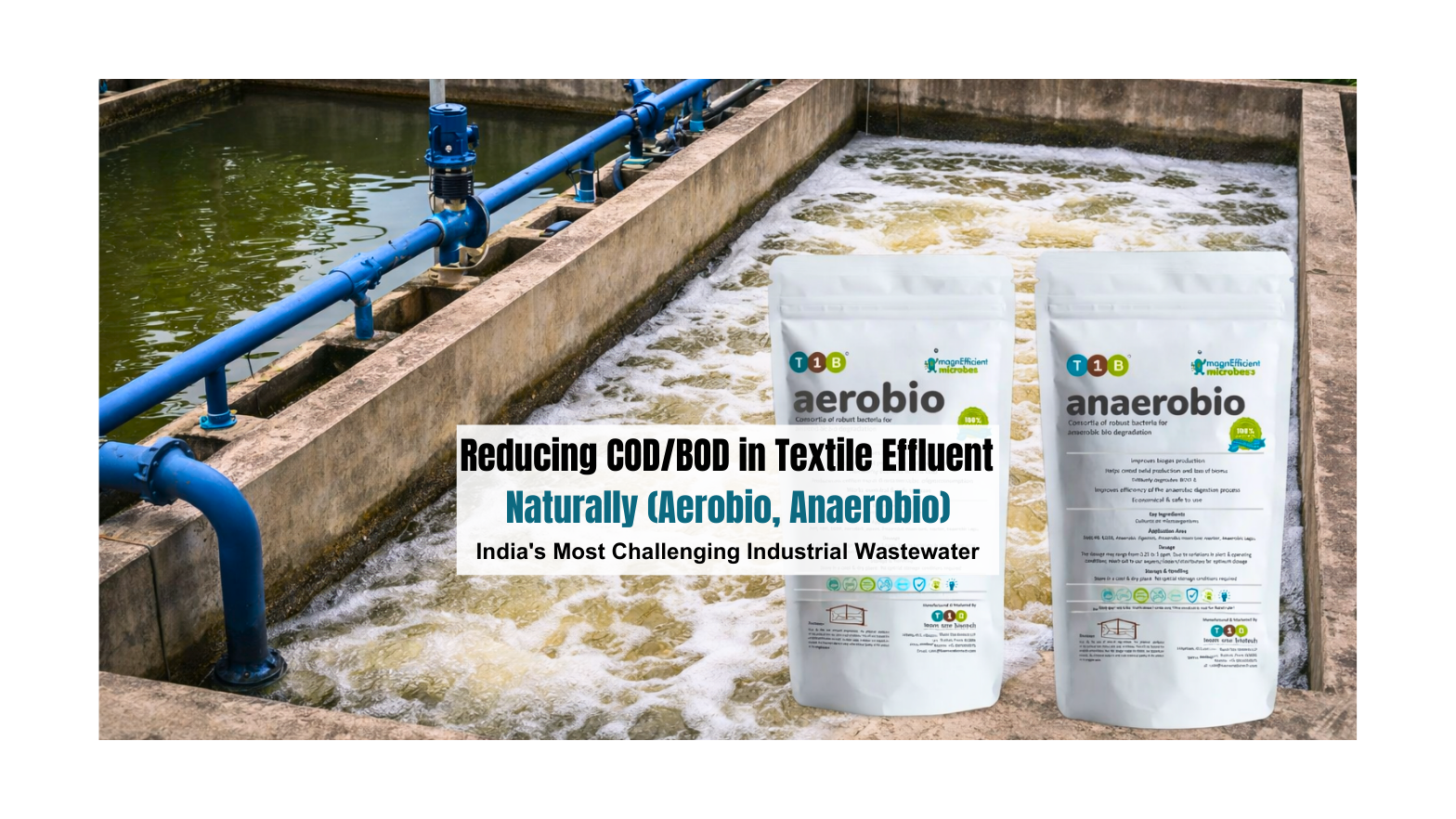
Reducing COD/BOD in Textile Effluent Naturally (Aerobio, Anaerobio)

The phone call every textile mill owner dreads typically arrives on a Friday afternoon. It’s the SPCB officer informing you that your latest effluent sample has failed compliance testing. Your COD levels are 850 mg/L when the permissible limit is 250 mg/L. The penalty? A show-cause notice, potential production halt, and fines that could run into lakhs. For factory managers in Tirupur, Surat, or Ludhiana, this scenario isn’t hypothetical, it’s a recurring nightmare that disrupts operations and erodes profitability.

The traditional response has been to throw more chemicals at the problem. More alum. More ferrous sulfate. More polymer. Yet each month, the chemical bills climb higher while discharge quality remains unpredictable. The effluent treatment plant becomes a black hole for operational expenses, and the threat of regulatory action never truly disappears.

To understand how to optimize your plant and achieve consistent compliance, explore here:

There is another path forward, one that addresses the root cause rather than masking symptoms. Biological treatment, specifically optimized aerobic and anaerobic systems enhanced with targeted microbial solutions, offers Indian textile manufacturers a sustainable route to consistent CPCB compliance while dramatically reducing chemical dependency.

Why Textile Effluent Remains India’s Most Challenging Industrial Wastewater

Why Textile Effluent Remains India's Most Challenging Industrial Wastewater

Textile wastewater is chemically aggressive in ways that few other industrial effluents match. The combination of synthetic dyes, sizing agents, heavy metals from mordants, high salt concentrations, and extreme pH variations creates a hostile environment that resists conventional treatment.

The specific challenges include:

  • Recalcitrant organic compounds: Azo dyes and complex aromatic structures that standard bacterial consortia cannot degrade effectively
  • Color persistence: Even after COD reduction, the chromophores remain, making the treated water visually unacceptable for discharge
  • Toxicity to biological systems: Many textile chemicals actively inhibit the microorganisms you’re relying on for treatment
  • Variable loading: Batch-wise production means your ETP receives shock loads that destabilize biological processes

This complexity explains why so many Indian textile ETPs default to chemical-heavy approaches. Coagulation and flocculation with alum or ferrous salts produce visible results quickly. The water clarifies. Suspended solids drop. But the fundamental problem persists, you’re not degrading the pollutants, merely concentrating them into sludge that itself becomes a disposal challenge. Meanwhile, your monthly chemical expenditure continues to drain resources that could be invested in production capacity or market expansion.

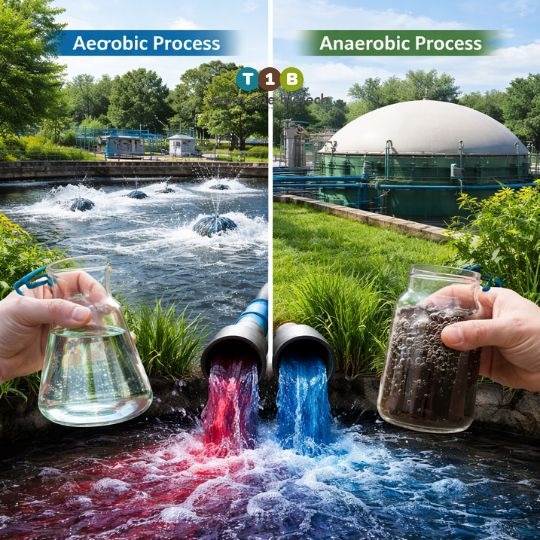
Biological COD/BOD Reduction: Aerobic vs Anaerobic Processes

Biological COD/BOD Reduction: Aerobic vs Anaerobic Processes

The key to sustainable effluent treatment lies in harnessing natural microbial metabolism to break down organic pollutants into harmless end products. This is bioremediation at its core, using living organisms to remediate contamination. However, not all biological processes are created equal, and the distinction between aerobic and anaerobic treatment is crucial for textile applications.

Aerobic Treatment: Oxygen-Driven Degradation

Aerobic biological treatment relies on oxygen-respiring bacteria to metabolize organic matter. In an aeration tank, mechanical aerators or diffusers introduce dissolved oxygen, creating conditions where aerobic microorganisms thrive and rapidly consume biodegradable COD.

Key advantages for textile effluent:

  • High BOD removal efficiency: Typically 85-95% reduction when properly designed and operated
  • Faster reaction rates: Aerobic metabolism proceeds more quickly than anaerobic alternatives
  • Better handling of variable loads: Aerobic systems recover more rapidly from shock loading events
  • Nitrification capability: Can simultaneously remove nitrogen compounds common in textile processing

Limitations to consider:

  • High energy consumption: Running blowers or mechanical aerators 24/7 significantly impacts electricity bills, a major concern given India’s industrial power tariffs
  • Less effective for high-strength effluent: When COD exceeds 3,000-4,000 mg/L, aerobic treatment alone becomes economically impractical
  • Limited dye degradation: Many synthetic dyes require anaerobic conditions for the initial breaking of azo bonds

T1B Aerobio: Specialized Solution for Aerobic Treatment Excellence

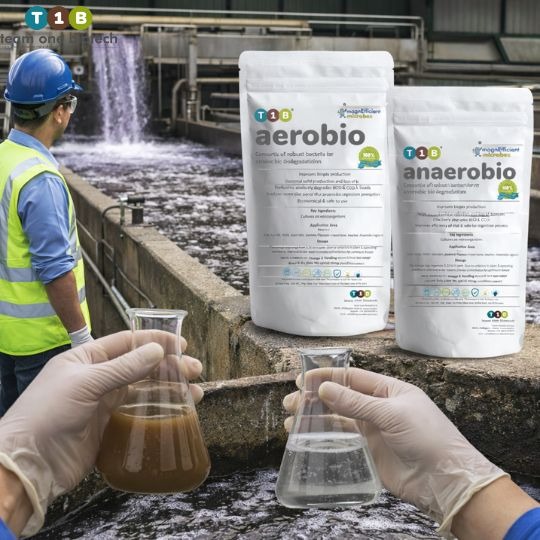
For textile mills seeking to maximize the performance of their aerobic treatment systems, T1B Aerobio represents a scientifically formulated answer to the challenges of industrial wastewater. Originally developed for complex sewage systems and now adapted for industrial applications, this specialized microbial consortium addresses the specific metabolic requirements of aerobic COD/BOD reduction.

T1B Aerobio is engineered with:

  • Multi-strain bacterial cultures: A carefully balanced consortium of aerobic heterotrophs, nitrifiers, and facultative anaerobes that work synergistically to degrade complex organic compounds
  • Shock load resistance: Strains selected for their ability to maintain metabolic activity even during sudden changes in effluent composition or loading rates
  • Rapid acclimatization: Proprietary formulation that establishes active biomass 40-50% faster than naturally occurring populations
  • Enhanced dye degradation: Specific strains capable of aerobic decolorization of azo and anthraquinone dyes under high dissolved oxygen conditions

When applied to textile effluent aerobic treatment tanks, T1B Aerobio typically delivers COD reduction from 800-1,200 mg/L down to 180-220 mg/L within the standard hydraulic retention time of 24-36 hours. This consistent performance eliminates the uncertainty that plagues conventional activated sludge systems in textile applications.

The product’s versatility extends beyond textile mills, its proven effectiveness in sewage treatment systems demonstrates the robust nature of these bacterial strains across diverse wastewater compositions. For Indian textile manufacturers, this translates to reliability you can depend on, regardless of seasonal production variations or process changes.

Anaerobic Treatment: Energy-Efficient Pre-Treatment

Anaerobic digestion occurs in the absence of oxygen, with specialized bacteria breaking down complex organic molecules through a multi-stage process involving hydrolysis, acidogenesis, acetogenesis, and methanogenesis.

Why anaerobic treatment makes financial sense:

  • Zero aeration costs: No energy expenditure on oxygenation saves lakhs annually on electricity bills
  • Handles high COD loads: Effectively treats effluent with COD levels of 2,000-15,000 mg/L
  • Biogas generation: Methane produced can offset fuel costs for boiler operations
  • Better color removal: The reducing environment helps cleave azo bonds in synthetic dyes
  • Lower sludge production: Anaerobic bacteria have lower growth yields, reducing sludge handling costs

Critical success factors:

  • Temperature sensitivity: Mesophilic anaerobic bacteria perform optimally at 35-37°C, requiring temperature management in winter months
  • Longer startup periods: Establishing a healthy anaerobic consortium takes 2-3 months compared to 2-3 weeks for aerobic systems
  • pH stability requirements: Methanogenic bacteria are sensitive to pH fluctuations; maintaining 6.8-7.2 pH is essential
  • Cannot achieve discharge standards alone: Anaerobic treatment typically reduces COD by 60-75% but requires aerobic polishing to meet CPCB limits

T1B Anaerobio: Maximizing Methane Production and COD Reduction

The success of anaerobic treatment depends entirely on maintaining a healthy population of methanogens, the fastidious microorganisms responsible for converting organic acids and hydrogen into methane. In textile effluent, the presence of toxic compounds, pH fluctuations, and hydraulic shocks frequently disrupts this delicate microbial ecosystem, resulting in system souring, reduced biogas production, and incomplete COD reduction.

T1B Anaerobio addresses these challenges through a specialized bioculture designed specifically for optimizing anaerobic digestion performance in industrial applications.

The formulation delivers:

  • Complete methanogenic consortium: Balanced population of hydrogenotrophic and acetoclastic methanogens that work in tandem to efficiently convert organic matter to biogas
  • Resilient acid-formers: Robust acidogenic and acetogenic bacteria that maintain stable volatile fatty acid profiles even under variable loading conditions
  • Toxicity tolerance: Strains adapted to function in the presence of sulfates, heavy metals, and residual dye molecules common in textile wastewater
  • Enhanced biogas yield: Optimization of the entire four-stage anaerobic process results in 30-40% higher methane production compared to unamended systems

For textile mills operating anaerobic reactors, whether UASB, EGSB, or fixed-film configurations, T1B Anaerobio transforms the reactor from a simple pre-treatment step into an energy-generating asset. A 500 KLD textile unit treating effluent with 4,000 mg/L COD can potentially generate 600-800 cubic meters of biogas daily when the anaerobic system operates at peak efficiency. At 55-65% methane content, this biogas has significant calorific value that can offset boiler fuel consumption.

The financial implications are substantial:

Improved methane yield alone can reduce monthly fuel costs by Rs. 40,000-60,000 for a mid-sized mill. Simultaneously, the enhanced COD reduction in the anaerobic stage reduces the organic load on downstream aerobic treatment, lowering aeration energy costs by another Rs. 25,000-35,000 monthly. This dual benefit, energy generation plus energy savings, makes T1B Anaerobio one of the most economically impactful interventions in textile wastewater treatment.

Beyond economics, the improved stability of methanogenic populations prevents the system souring incidents that can take weeks to rectify. Operators report more consistent pH levels, lower volatile fatty acid accumulation, and elimination of the hydrogen sulfide odor problems that plague poorly performing anaerobic systems.

The Hybrid Approach: Maximizing Both Worlds with T1B Solutions

The most cost-effective configuration for textile mills combines anaerobic pre-treatment with aerobic polishing, and Team One Biotech’s product suite is specifically designed to optimize this sequential treatment approach.

The ideal implementation strategy:

Stage 1 – Anaerobic Pre-Treatment with T1B Anaerobio: High-strength textile effluent enters the anaerobic reactor where T1B Anaerobio’s methanogenic consortium breaks down complex dyes and reduces COD from 3,000-4,500 mg/L down to 1,000-1,500 mg/L. Simultaneously, the system generates methane-rich biogas for energy recovery.

Stage 2 – Aerobic Polishing with T1B Aerobio: The anaerobically pre-treated effluent, now significantly lower in organic load and with partially degraded dye molecules, enters the aerobic treatment system. T1B Aerobio’s specialized bacteria complete the degradation process, achieving final discharge quality of COD below 250 mg/L and BOD below 30 mg/L.

This sequential treatment aligns perfectly with the metabolic capabilities of different bacterial groups while optimizing operational costs. The anaerobic stage handles the energy-intensive breakdown of recalcitrant compounds without electricity consumption, while the aerobic stage provides rapid, reliable polishing to meet stringent discharge standards.

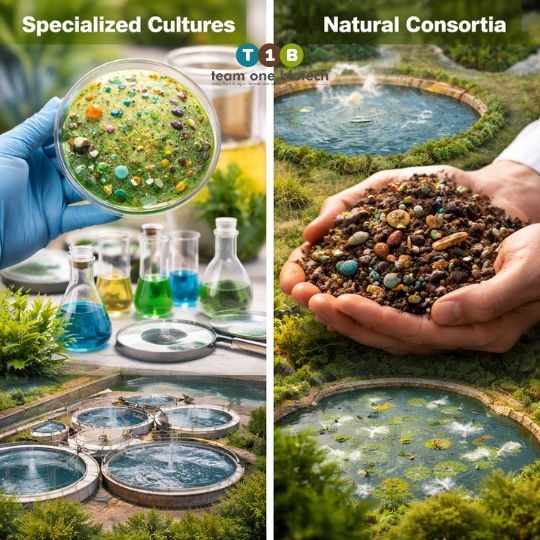
The Bio-Augmentation Advantage: Specialized Cultures vs Natural Consortia

The Bio-Augmentation Advantage: Specialized Cultures vs Natural Consortia

Here’s where the conventional wisdom often fails Indian textile mills. Many ETP operators assume that if they maintain the right pH, temperature, and nutrient levels, a suitable bacterial consortium will naturally develop. In theory, this is correct. In practice, textile effluent’s chemical complexity and toxicity prevent the establishment of a robust, diverse microbial community.

Bio-augmentation, the strategic introduction of specialized bacterial strains and enzyme systems, addresses this limitation directly.

The difference between relying on naturally occurring bacteria and employing scientifically selected consortia is analogous to the difference between hoping qualified employees walk through your factory gate versus actively recruiting specialists with the exact skills your production line requires.

Specialized microbial cultures offer:

  • Targeted degradation pathways: Strains selected specifically for their ability to metabolize textile-specific compounds like reactive dyes, vat dyes, and sulfonated aromatics
  • Toxicity resistance: Bacteria adapted to function in the presence of high salt concentrations and heavy metal residues
  • Consistent performance: Reduced vulnerability to shock loads and pH swings that would decimate natural populations
  • Accelerated treatment rates: Enzymes that catalyze rate-limiting steps in dye degradation, achieving compliance-level treatment in shorter hydraulic retention times

The financial implications are substantial. A textile mill in Tirupur processing 500 KLD of effluent might spend Rs. 8-12 lakhs monthly on coagulants and flocculants in a chemical-dominated treatment scheme. By transitioning to an optimized biological system with targeted bio-augmentation using products like T1B Aerobio and T1B Anaerobio, chemical costs can be reduced by 60-70% while simultaneously improving effluent quality and consistency.

Achieving SPCB Compliance: The Numbers That Matter

The Central Pollution Control Board’s standards for textile industry effluent discharge are explicit and non-negotiable. The key parameters for textile mills include:

  • COD: Maximum 250 mg/L
  • BOD: Maximum 30 mg/L
  • pH: 5.5-9.0
  • Total Suspended Solids: Maximum 100 mg/L
  • Color: Should not be recognizable in a dilution of 1:20

State Pollution Control Boards enforce these limits rigorously, with penalties escalating from monetary fines to production suspensions for repeat violations. The legal framework under the Water (Prevention and Control of Pollution) Act, 1974, grants SPCBs significant authority to impose closure notices on non-compliant facilities.

Beyond avoiding penalties, there’s a positive business case for reliable compliance. Many international buyers now mandate environmental certifications as a condition of orders. Brands sourcing from India increasingly require proof of sustainable water management. An ETP that consistently meets or exceeds discharge standards becomes a competitive advantage in securing premium contracts.

Biological treatment systems enhanced with T1B Aerobio and T1B Anaerobio routinely achieve:

  • COD levels of 150-200 mg/L, providing a comfortable compliance buffer
  • BOD levels of 15-25 mg/L, well below regulatory limits
  • Near-complete color removal through the combination of anaerobic reductive decolorization and aerobic oxidation
  • Stable pH in the 7-8 range without continuous chemical adjustment

The Team One Biotech Approach: Science-Backed Solutions for Real-World Challenges

The Team One Biotech Approach: Science-Backed Solutions for Real-World Challenges

At Team One Biotech, we recognize that Indian textile manufacturers need more than theoretical treatment schemes. You need solutions that function reliably under the specific constraints of your operations, limited space, variable effluent characteristics, tight cost controls, and the absolute requirement of continuous compliance.

Our biological treatment solutions are built on three core pillars:

1. Application-Specific Bacterial Consortia

We don’t offer generic microbial products. Our flagship products, T1B Aerobio and T1B Anaerobio, are formulated for the specific metabolic requirements of aerobic and anaerobic treatment processes. Whether you’re processing reactive dyes in cotton dyeing, disperse dyes in polyester operations, or complex combinations in blended fabric processing, our bacterial strains are matched to your treatment requirements.

T1B Aerobio brings proven performance from sewage treatment applications, adapted and optimized for the unique challenges of textile industrial effluent. T1B Anaerobio represents years of research into maximizing methanogenic activity under inhibitory conditions, ensuring your anaerobic reactor operates as both a treatment system and an energy generation asset.

2. Enzyme Enhancement Technology

Beyond living bacteria, our formulations include industrial enzymes that target the most recalcitrant components of textile wastewater. Azoreductases for azo dye cleavage. Laccases for phenolic compound oxidation. Peroxidases for lignin-like structures. These catalysts dramatically accelerate degradation reactions that would otherwise proceed at impractical rates.

3. Technical Support for Operational Excellence

Biological systems are living ecosystems that require informed management. We provide training for your ETP operators on system monitoring, troubleshooting common issues, and optimizing performance with T1B Aerobio and T1B Anaerobio. Regular technical audits ensure your system continues operating at peak efficiency as production patterns evolve.

The typical implementation process involves:

  • Effluent characterization: Detailed analysis of your wastewater composition, including COD/BOD ratio, dye classes, heavy metals, and toxicity assessment
  • System design review: Evaluation of your existing ETP infrastructure and recommendations for optimization, including appropriate dosing protocols for T1B products
  • Phased microbial introduction: Gradual bioaugmentation with T1B Anaerobio in anaerobic reactors followed by T1B Aerobio in aerobic treatment tanks to avoid shocking existing biological communities
  • Performance monitoring: Weekly sampling and analysis during the initial 60-90 days to track improvement and refine dosing schedules
  • Transition to maintenance mode: Once stable performance is achieved, moving to a routine supplementation schedule

The results speak clearly. Mills working with Team One Biotech and implementing T1B Aerobio and T1B Anaerobio typically see 40-60% reduction in chemical consumption within the first quarter, with full compliance achieved within 90-120 days of program initiation.

Financial Analysis: The True Cost of Chemical vs Biological Treatment

For a mid-sized textile unit processing around 250–350 KLD of effluent with an average COD in the range of 2,000–3,000 mg/L, consider the comparative economics:

Traditional Chemical Treatment Monthly Costs: Alum (180–220 kg/day at Rs. 12–18/kg): Rs. 75,000–1,05,000 Ferrous sulfate (120–180 kg/day at Rs. 6–10/kg): Rs. 28,000–45,000 Polymer (12–18 kg/day at Rs. 150–210/kg): Rs. 65,000–1,00,000 Lime for pH adjustment (80–120 kg/day at Rs. 4–7/kg): Rs. 10,000–20,000 Sludge disposal (4,000–6,500 kg/month at Rs. 2–3/kg): Rs. 8,000–18,000 Indicative total monthly chemical costs: Rs. 1,90,000–2,80,000

Optimized Biological Treatment with T1B Aerobio and T1B Anaerobio: T1B Anaerobio for anaerobic reactor (maintenance dose): Rs. 24,000–38,000 T1B Aerobio for aerobic treatment (maintenance dose): Rs. 20,000–32,000 Enzyme supplement: Rs. 15,000–26,000 Nutrient supplementation (N, P source): Rs. 14,000–24,000 Residual coagulant for TSS polishing: Rs. 18,000–32,000 Reduced sludge disposal (1,500–2,500 kg/month): Rs. 3,000–7,500 Indicative total monthly costs: Rs. 95,000–1,55,000

Additional benefit – Biogas revenue offset: Rs. 25,000–45,000 (indicative fuel cost savings from methane generation with T1B Anaerobio)

Indicative net monthly savings: Rs. 1,10,000–1,75,000 Indicative annual savings: Rs. 13,00,000–21,00,000

This analysis excludes the value of improved reliability and the avoidance of compliance penalties, which can easily exceed Rs. 5–10 lakhs in a single serious violation incident.

The payback period for transitioning to biological treatment with T1B products, including any necessary modifications to existing infrastructure, typically ranges from 6–14 months. Given that ETP systems operate for 10–15 years, the long-term economic advantage is substantial.

Implementation Roadmap: Your Path to Sustainable Compliance

Transitioning from chemical-dominated to biologically-optimized treatment with T1B Aerobio and T1B Anaerobio doesn’t require shutting down your ETP or halting production. The process can be managed incrementally:

Month 1: Baseline assessment and system preparation. Conduct comprehensive effluent characterization, review existing ETP design, identify any structural modifications needed, and begin operator training on T1B product application protocols.

Month 2-3: Pilot-phase bio-augmentation. Introduce T1B Anaerobio in the anaerobic reactor at conservative doses while monitoring biogas production and COD reduction. Begin T1B Aerobio application in aerobic tanks while maintaining existing chemical treatment as backup. Monitor performance closely and gradually reduce chemical dosing as biological activity establishes.

Month 4-5: Optimization and scale-up. Refine dosing protocols for both T1B products based on pilot results, expand bio-augmentation across all treatment stages, and achieve target performance on biological treatment with minimal chemical supplementation. Quantify biogas yield improvements and calculate fuel cost offset.

Month 6 onwards: Maintenance and continuous improvement. Establish routine monitoring schedules, implement T1B product replenishment protocols, conduct quarterly performance reviews, and fine-tune dosing based on seasonal production variations.

This phased approach minimizes risk while ensuring your mill maintains compliance throughout the transition period.

Your Next Steps Toward Sustainable Compliance

The choice facing Indian textile manufacturers is increasingly clear. You can continue managing effluent treatment as an unavoidable cost center, perpetually wrestling with chemical bills and compliance anxiety. Or you can embrace biological treatment as a strategic advantage, reducing costs, ensuring regulatory compliance, and positioning your mill as an environmentally responsible partner for quality-conscious buyers.

The science is proven. The economics are compelling. The regulatory imperative is non-negotiable.

Team One Biotech invites you to start the conversation. Contact our technical team for a no-obligation assessment of your current ETP performance and a customized proposal for implementing T1B Aerobio and T1B Anaerobio. We’ll analyze your specific effluent characteristics, evaluate your existing infrastructure, and provide a detailed roadmap showing projected performance improvements, biogas generation potential, and cost savings.

The path to sustainable compliance begins with a single decision. Make it today.

Contact Team One Biotech:

Transform your effluent treatment from operational burden to competitive advantage. Reach out to discuss your specific requirements and discover how T1B Aerobio and T1B Anaerobio can deliver both compliance certainty and financial benefits.

Your textile business deserves an ETP that works as efficiently as your production floor. Let’s make that happen together.

Looking to improve your ETP/STP efficiency with the right bioculture?
Talk to our experts at Team One Biotech for customised microbial solutions.

Contact+91 8855050575

Email:  sales@teamonebiotech.com

Visit: www.teamonebiotech.com

Discover More on YouTube – Watch our latest insights & innovations!-

Connect with Us on LinkedIn – Stay updated with expert content & trends!
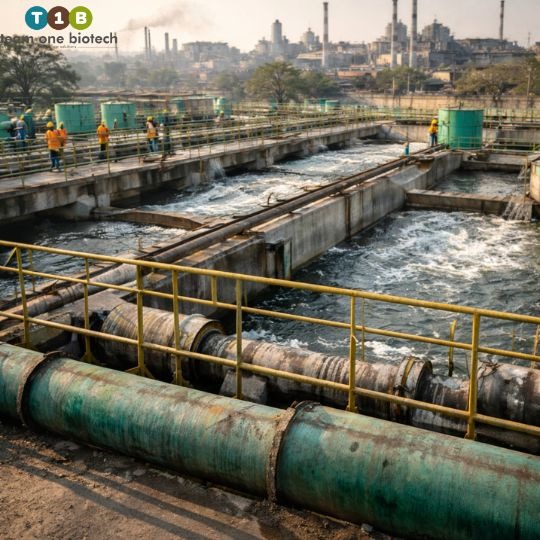
How Biological Cultures Save 30% on ETP Chemical Costs
Case Study: How Biological Cultures Save 30% on ETP Chemical Costs

The email from the State Pollution Control Board landed in Rajesh Kumar’s inbox at 9:47 AM on a Tuesday. As the Environmental Manager of a mid-sized pharmaceutical manufacturing unit in Vapi, Gujarat, he’d been expecting it, but that didn’t make it any easier to read. The SPCB’s latest inspection report flagged elevated COD levels in three consecutive samples. A show-cause notice would follow if the next quarterly audit showed similar results.

Rajesh’s dilemma wasn’t unique. Across India’s industrial clusters, from Tirupur’s textile belt to Kanpur’s tanneries, from Maharashtra’s MIDC zones to Rajasthan’s RIICO estates, ETP managers face the same impossible equation: discharge parameters are getting stricter, chemical costs are rising relentlessly, and the margin for error is shrinking to zero.

[Read: The Ultimate Guide to Industrial Wastewater Treatment and Compliance in India.]

The conventional response? Increase the dosing of Polyaluminium Chloride (PAC), add more lime for pH adjustment, pump in extra coagulants and flocculants. But this approach creates its own trap. Chemical costs spiral upward, consuming 40-60% of operational ETP budgets, while sludge generation doubles, creating secondary disposal headaches. It’s a costly treadmill that never stops.

There’s a different path, one that replaces brute-force chemistry with biological intelligence. This is the story of how one manufacturing facility broke free from chemical dependency and discovered that nature, when properly harnessed, offers a more effective and economical solution.

Is your chemical spend eating into margins while compliance remains uncertain? Let’s audit your current approach, the first step costs nothing but could save lakhs annually.

The Breaking Point: When Chemical Dosing Stops Working

The Breaking Point: When Chemical Dosing Stops Working

The pharmaceutical unit in our case study had been operational for twelve years. Their Effluent Treatment Plant was designed for 250 KLD (kiloliters per day) and had served them adequately, until it didn’t.

The problems began accumulating slowly, then suddenly:

Rising Chemical Costs: Between 2022 and 2024, their monthly chemical procurement jumped from Rs. 2.8 lakhs to Rs. 4.3 lakhs, a 54% increase driven by volatile alum and PAC prices.

Inconsistent Performance: Despite higher dosing, COD levels remained stubbornly above 100 mg/L during peak production cycles, well above the CPCB’s target of 50 mg/L for pharmaceutical effluents.

Monsoon Failures: Gujarat’s monsoon brought hydraulic shocks that overwhelmed the system. Diluted effluent meant recalibrating chemical doses daily, an expensive guessing game.

Sludge Crisis: The facility was generating 8-10 tons of chemical sludge monthly. Disposal costs through TSDF (Treatment, Storage, and Disposal Facilities) added another Rs. 80,000 to monthly expenses.

The plant manager’s frustration was palpable: “We’re pouring more chemicals in, but the numbers aren’t improving proportionally. It’s like trying to mop a floor while the tap is still running.”

This is the reality across Indian manufacturing: chemical treatment has inherent limitations. It doesn’t eliminate organic pollutants, it merely coagulates and separates them. The fundamental biological oxygen demand remains, requiring ever-higher doses as effluent complexity increases.

The Biological Alternative: Understanding Bio-Augmentation

The Biological Alternative: Understanding Bio-Augmentation

The breakthrough came after consultation with Team One Biotech’s technical team. Their assessment was straightforward: the plant’s existing activated sludge process was underperforming because the indigenous bacterial population couldn’t handle the pharmaceutical intermediates in the wastewater stream.

The solution wasn’t to abandon biological treatment, it was to enhance it with specialized microbial cultures specifically selected for pharmaceutical effluent characteristics.

How Biological Cultures Work in ETP Systems:

Bioremediation through bio-augmentation introduces concentrated, specialized bacterial consortia into the treatment system. These cultures are:

Substrate-Specific: Selected strains target specific organic compounds, phenols, aromatics, nitrogenous compounds, that conventional biomass struggles with.

High Cell Density: Delivered at concentrations of 10^9 to 10^11 CFU/gram, they rapidly establish dominance in the treatment tank.

Metabolically Versatile: Capable of breaking down complex molecules into simpler compounds (CO2, H2O, biomass) through enzymatic pathways.

Resilient: Engineered to withstand pH fluctuations, temperature variations, and toxic shock loads common in Indian industrial settings.

The science is elegantly simple: rather than using chemicals to physically separate pollutants, biological cultures metabolize them. COD and BOD reduction happens at the molecular level through oxidation, not through coagulation.

The Implementation: A Three-Phase Transformation

Phase 1: Baseline Assessment and Culture Selection (Weeks 1-2)

Team One Biotech’s field engineers conducted a comprehensive effluent characterization:

  • COD: 850-1,200 mg/L (inlet)
  • BOD: 450-600 mg/L (inlet)
  • pH: 6.2-8.9 (variable)
  • Temperature: 28-38°C
  • Presence of recalcitrant compounds from pharmaceutical synthesis

Based on this profile, a customized microbial consortium was formulated, combining:

  • Bacillus species for general organic degradation
  • Pseudomonas strains for aromatic compound breakdown
  • Specialized facultative anaerobes for pre-treatment of high-strength effluent

Phase 2: Gradual Introduction and Acclimatization (Weeks 3-6)

Rather than shocking the system, the biological cultures were introduced gradually:

  • Initial seeding at 50 ppm in the aeration tank
  • Daily monitoring of MLSS (Mixed Liquor Suspended Solids) and SVI (Sludge Volume Index)
  • Progressive reduction in chemical dosing, first coagulants, then flocculants
  • Maintenance dosing of cultures at 10-15 ppm during acclimatization

The transition wasn’t without challenges. During week four, a production batch containing higher-than-normal solvent residues temporarily disrupted the biological balance. Team One Biotech’s technical support responded with a booster dose and adjusted aeration parameters, a reminder that biological systems require active management, not just passive addition.

Phase 3: Stabilization and Optimization (Weeks 7-12)

By the third month, the transformation was measurable:

Effluent Quality: COD consistently below 45 mg/L, BOD under 8 mg/L, both well within CPCB norms.

Chemical Reduction: PAC consumption dropped from 850 kg/month to 280 kg/month. Lime usage decreased by 40%. Overall chemical spend fell from Rs. 4.3 lakhs to Rs. 2.9 lakhs monthly, a 32.5% reduction.

Sludge Management: Monthly sludge generation decreased to 4-5 tons, cutting disposal costs by nearly 50%.

Operational Stability: The system proved more resilient to hydraulic and organic shock loads. Monsoon season, previously a compliance nightmare, passed without incident.

The Economics: Breaking Down the 30% Savings

Let’s examine the financial transformation with precision:

Pre-Bioremediation Monthly Costs:

  • Alum/PAC: Rs. 1,85,000
  • Lime: Rs. 45,000
  • Coagulant aids: Rs. 38,000
  • Polymer (flocculant): Rs. 62,000
  • Sludge disposal: Rs. 80,000
  • Labour for chemical handling: Rs. 22,000
  • Total: Rs. 4,32,000

Post-Bioremediation Monthly Costs:

  • Alum/PAC (reduced): Rs. 58,000
  • Lime (reduced): Rs. 27,000
  • Biological cultures (maintenance dose): Rs. 65,000
  • Polymer (minimal): Rs. 12,000
  • Sludge disposal: Rs. 42,000
  • Labour (reduced): Rs. 15,000
  • Total: Rs. 2,19,000

Monthly Savings: Rs. 2,13,000 (49.3% reduction)

Even accounting for the conservative 30% savings claim, the annual impact is substantial: Rs. 25-30 lakhs saved, with improved compliance certainty and reduced environmental liability.

But the benefits extend beyond direct cost reduction:

Reduced Carbon Footprint: Lower chemical production and transportation emissions align with ESG commitments increasingly required by international buyers.

Improved SPCB Relations: Consistent compliance creates goodwill with regulatory authorities, reducing inspection frequency and penalty risk.

Operational Simplification: Biological systems require less manual intervention than complex chemical dosing schedules.

Navigating Indian Industrial Realities: Why Location Matters

Navigating Indian Industrial Realities: Why Location Matters

India’s industrial wastewater landscape presents unique challenges that biological solutions are particularly suited to address:

Industrial Cluster Dynamics:

In estates like Gujarat’s GIDC (Gujarat Industrial Development Corporation) or Maharashtra’s MIDC (Maharashtra Industrial Development Corporation), multiple industries share common effluent treatment infrastructure. Effluent characteristics vary wildly, today’s inlet might be textile-heavy, tomorrow’s pharmaceutical-dominant. Biological cultures with broad substrate tolerance handle this variability better than fixed chemical dosing regimes.

Monsoon Hydraulic Shocks:

India’s monsoon season brings 70-80% of annual rainfall in 3-4 months. Sudden dilution can destabilize chemical treatment processes. Robust microbial populations, however, adapt to varying organic loads without complete process failure. The pharmaceutical unit in our case study reported zero compliance failures during the 2024 monsoon, a first in their operational history.

ZLD Compliance Pressures:

States like Tamil Nadu and Karnataka increasingly mandate Zero Liquid Discharge for water-stressed regions. ZLD systems concentrate pollutants, making them harder to treat with chemicals alone. Biological pre-treatment reduces the organic load entering expensive RO (Reverse Osmosis) and evaporator systems, extending membrane life and reducing scaling, a critical advantage in Tirupur’s textile clusters where ZLD is now mandatory.

Temperature Extremes:

Indian summers push effluent temperatures to 38-42°C in unshaded treatment tanks. Many chemical reactions become less efficient at elevated temperatures. Thermotolerant bacterial strains, by contrast, can be selected specifically for high-temperature performance, critical for units in Rajasthan’s RIICO estates or Gujarat’s coastal zones.

Beyond Cost Savings: The Compliance Confidence Factor

Six months after implementation, Rajesh Kumar’s quarterly SPCB inspection results told the story better than any spreadsheet. All parameters were green, not borderline compliant, but comfortably within limits with consistent margin.

“The difference isn’t just financial,” Rajesh explained. “It’s peace of mind. I’m not constantly adjusting chemical doses, not panicking when production increases, not dreading the monsoon. The system is self-regulating within reasonable bounds.”

This confidence has strategic value. With environmental compliance assured, the management has approved a 20% production capacity expansion, growth that would have been impossible under the previous chemical-dependent regime where ETP capacity was already maxed out.

Implementation Considerations: What You Need to Know

Biological treatment isn’t a magic solution that works everywhere without thought. Success requires understanding both the potential and the prerequisites:

When Biological Cultures Work Best:

  • Organic pollutant-dominated effluent (COD/BOD ratio between 1.5:1 and 3:1)
  • Adequate retention time in treatment tanks (minimum 18-24 hours)
  • pH range of 6.5-8.5 (adjustable if needed)
  • Absence of extreme toxicity (heavy metals, biocides at inhibitory concentrations)
  • Committed operational staff willing to monitor biological parameters

When to Exercise Caution:

  • Highly variable effluent with extreme daily fluctuations
  • Dominant inorganic pollutant load (heavy metals, cyanides)
  • Very small treatment systems (below 10 KLD) where economies may not justify transition
  • Operations with frequent extended shutdowns (biological cultures need continuous feeding)

The pharmaceutical unit’s success was partly due to good baseline conditions: a functional activated sludge system, trained operators, and management support for a 90-day transition period.

The Path Forward: Making the Transition

For ETP managers, plant heads, and environmental consultants evaluating this approach, the decision framework is straightforward:

Step 1: Conduct a Chemical Cost Audit

Calculate your current annual spend on coagulants, flocculants, pH adjusters, and sludge disposal. If this exceeds Rs. 30 lakhs annually, you’re in the optimal range for cost-effective biological intervention.

Step 2: Evaluate Your Effluent Profile

High organic loads (COD above 500 mg/L) with moderate biodegradability respond best. A simple lab test, the BOD/COD ratio, tells you if biological treatment can dominate your process.

Step 3: Assess Infrastructure Readiness

Existing aeration systems, adequate retention time, and basic monitoring capability (dissolved oxygen, pH) are essential. Most Indian ETPs built post-2010 already have these.

Step 4: Partner with Specialists

Biological treatment requires technical support during transition. Team One Biotech’s approach includes initial seeding, performance monitoring, troubleshooting support, and culture optimization, not just product supply.

Step 5: Plan for a 90-Day Transition

Budget three months for full stabilization. Early improvements appear within 3-4 weeks, but robust, shock-resistant performance requires establishing a mature, diverse microbial ecosystem.

Chemistry Versus Biology in the New Compliance Era

The 2026 CPCB discharge norms represent the most stringent environmental standards Indian industry has faced. BOD limits of 10 mg/L, COD under 50 mg/L, and increasingly strict heavy metal thresholds cannot be met through chemical brute force alone, not economically, not sustainably.

Biological treatment isn’t replacing chemicals entirely; it’s optimizing their use. In the pharmaceutical unit’s case, they still use some PAC for final polishing and lime for pH adjustment. But these chemicals now play supporting roles in a biologically-driven process, not the starring role in an expensive, inefficient drama.

The 30% cost savings are real and replicable across industries, textiles in Tirupur, food processing in Punjab, chemicals in Vapi, tanneries in Tamil Nadu. But the deeper value lies in transforming wastewater treatment from a compliance burden into a manageable, predictable process.

Every month Rajesh Kumar now saves Rs. 2+ lakhs in chemical costs. Every quarter he passes SPCB inspections without anxiety. Every year his company avoids the risk of production shutdowns that have shuttered competitors in the same industrial estate.

That’s not just cost reduction. That’s competitive advantage.

Looking to improve your ETP/STP efficiency with the right bioculture?
Talk to our experts at Team One Biotech for customised microbial solutions.

Contact+91 8855050575

Email:  sales@teamonebiotech.com

Visit: www.teamonebiotech.com

Discover More on YouTube – Watch our latest insights & innovations!-

Connect with Us on LinkedIn – Stay updated with expert content & trends!
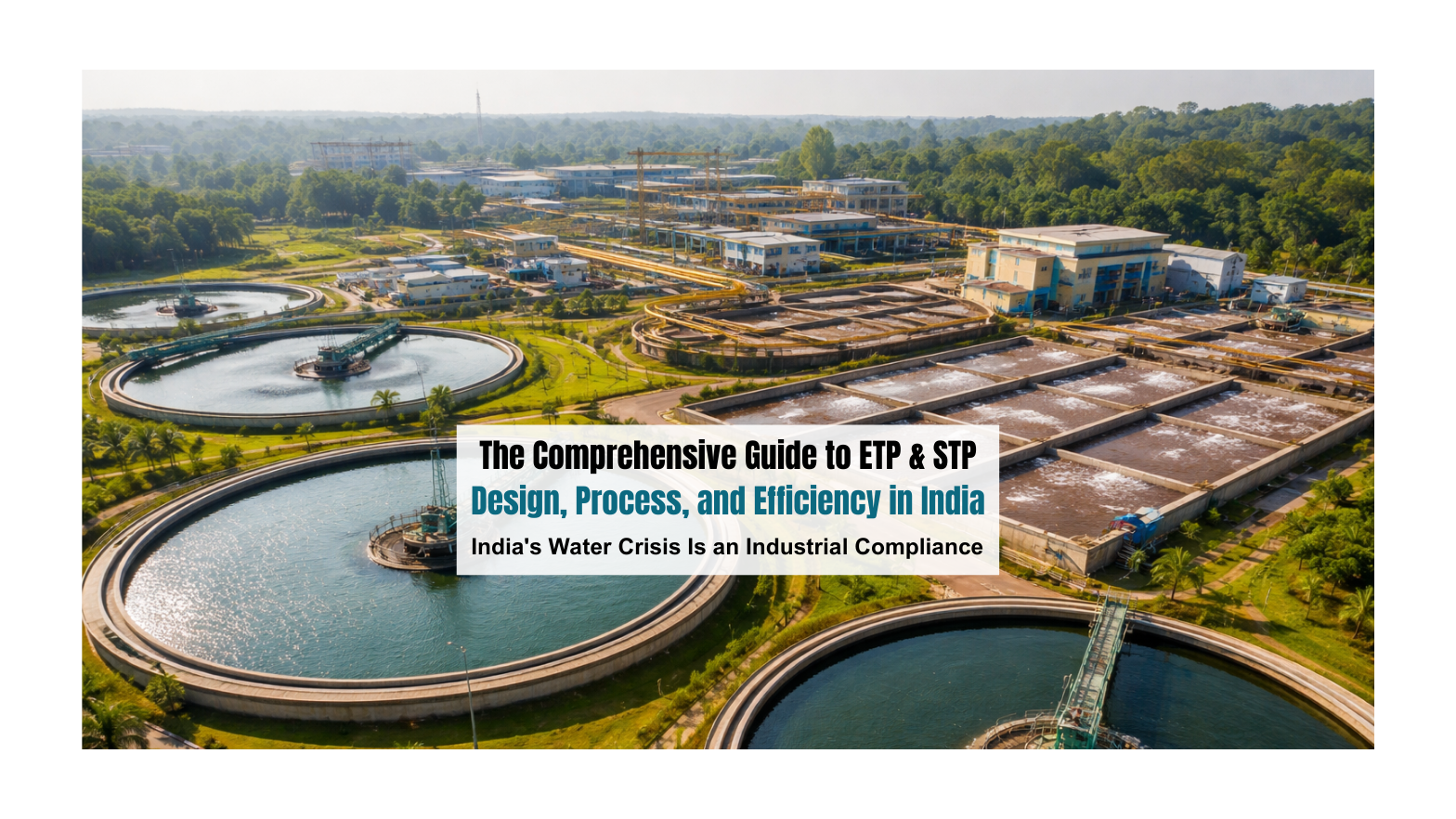
A checklist for CPCB (Central Pollution Control Board) discharge norms for 2026

The rules have changed, and this time, there’s no grace period.

If you’re managing an industrial facility in India, you’ve likely heard whispers about the stringent 2026 CPCB discharge norms. What you might not realize is that these aren’t just recommendations. They’re mandates backed by the Water (Prevention and Control of Pollution) Act, 1974 and the Environment Protection Act, 1986. Non-compliance doesn’t mean a slap on the wrist anymore. It means closure notices, criminal liability, and reputational damage that can take years to recover from.

From the textile dyeing units of Tirupur to the tanneries of Kanpur and the chemical clusters of Vapi, industries across India are facing a stark reality: comply or close. The health of our rivers, the Ganga, Yamuna, and countless others, depends on it. But more immediately, so does the survival of your business.

Navigating the complexities of regulatory standards is essential for any facility aiming for long-term operational success. For detailed insights on maintaining these standards, refer to our Comprehensive stand on Industrial Wastewater Treatment and Regulatory Compliance in India.

This guide breaks down everything you need to know about the 2026 CPCB discharge norms, provides a practical compliance checklist, and shows you how modern bioremediation solutions can help you meet these standards without breaking the bank.

Why the 2026 CPCB Discharge Norms Matter

Why the 2026 CPCB Discharge Norms Matter

The Central Pollution Control Board has tightened effluent discharge standards in response to decades of industrial pollution that has degraded India’s water bodies beyond acceptable limits. State Pollution Control Boards (SPCBs) across the country are now equipped with real-time monitoring capabilities and increased enforcement powers.

What does this mean for you? Simply put, the days of intermittent compliance are over. Your Effluent Treatment Plant (ETP) needs to deliver consistent, verifiable results every single day. And those results need to be documented, monitored online, and reported to regulators in real time.

The 2026 norms represent the most comprehensive overhaul of industrial wastewater treatment standards India has ever seen. They affect textile mills, pharmaceutical plants, tanneries, distilleries, chemical manufacturers, and virtually every water-intensive industry across the country.

Key Effluent Quality Parameters You Must Meet

Key Effluent Quality Parameters You Must Meet

The 2026 standards leave no room for interpretation. Your treated effluent must meet these parameters before discharge into water bodies or municipal sewers:

Primary Discharge Parameters

Biochemical Oxygen Demand (BOD): ≤ 10 mg/L

This is perhaps the most challenging parameter for many industries. BOD measures the amount of oxygen required by microorganisms to break down organic matter in water. The new limit is significantly lower than previous standards and requires advanced biological treatment processes to achieve consistently.

Chemical Oxygen Demand (COD): ≤ 50 mg/L

COD indicates the total amount of oxygen required to oxidize both biodegradable and non-biodegradable organic compounds. Meeting this standard requires effective primary, secondary, and often tertiary treatment stages in your ETP.

Total Suspended Solids (TSS): ≤ 10 mg/L

Suspended solids must be removed to near-drinking water standards. This demands efficient clarification, filtration, and polishing processes.

pH Level: 6.5 to 8.5

Effluent must be neutralized to fall within this narrow range. Extreme pH levels can harm aquatic ecosystems and corrode municipal infrastructure.

Fecal Coliform: ≤ 100 MPN/100 mL

This microbiological parameter is critical, particularly for industries with any domestic sewage component. It requires effective disinfection processes, typically using chlorination, UV treatment, or ozonation.

Ammoniacal Nitrogen (NH₃–N): ≤ 5 mg/L

Ammoniacal nitrogen is a critical nutrient pollutant that can cause oxygen depletion and toxicity in receiving water bodies if not properly controlled. Under the 2026 CPCB norms, achieving this limit requires robust nitrification–denitrification or advanced biological treatment processes. Poor control of ammoniacal nitrogen often indicates inadequate aeration, low microbial activity, or shock loading in the ETP. Consistent monitoring is essential, as elevated NH₃–N levels can lead to non-compliance even when BOD and COD are within limits.

Additional Parameters for Specific Industries

Depending on your sector, you may also need to monitor and control heavy metals (chromium, lead, mercury), total dissolved solids (TDS), oil and grease, phenolic compounds, and other contaminants specific to your manufacturing processes.

Infrastructure and Technology Requirements

Infrastructure and Technology Requirements

Meeting the 2026 norms isn’t just about tweaking your existing ETP. Many facilities will require infrastructure upgrades and process optimization.

Dual Plumbing Systems

Industries generating both sewage and industrial wastewater must now maintain separate collection and treatment systems. You cannot mix these streams until after appropriate treatment. This requirement has significant capital implications for older facilities that were designed with combined systems.

Advanced Treatment Technologies

Traditional primary and secondary treatment may no longer be sufficient. Consider whether your facility needs:

  • Extended Aeration Systems: For achieving ultra-low BOD levels through prolonged biological treatment.
  • Membrane Bioreactors (MBR): Combining biological treatment with membrane filtration for superior effluent quality.
  • Activated Carbon Filtration: For removing persistent organic compounds and color.
  • Reverse Osmosis (RO): Particularly for industries in Zero Liquid Discharge zones.
  • Bioremediation Systems: Leveraging specialized microbial consortia to break down complex pollutants more efficiently than conventional methods.

Zero Liquid Discharge (ZLD) Mandates

Certain industries and geographic areas now fall under ZLD requirements, meaning absolutely no liquid effluent can be discharged. All water must be treated and recycled. ZLD requires sophisticated multi-stage treatment including RO, evaporators, and crystallizers. The capital and operational costs are substantial, making efficiency optimization critical.

Online Continuous Effluent Monitoring Systems (OCEMS)

Online Continuous Effluent Monitoring Systems (OCEMS)

One of the most significant changes in 2026 is the mandatory installation of OCEMS for most medium and large-scale industries.

What OCEMS Measures

Your OCEMS must continuously monitor and transmit data for key parameters including pH, flow rate, TSS, COD, and BOD. This data is sent directly to the SPCB servers in real time, creating a permanent compliance record.

Compliance Implications

There’s no hiding behind monthly sampling anymore. Every deviation, every spike, every malfunction of your ETP is now visible to regulators. This transparency is designed to prevent the “clean up before inspection” practices that plagued enforcement in the past.

Operational Requirements

Your OCEMS must be:

  • Calibrated regularly by certified agencies
  • Maintained to prevent downtime
  • Integrated with your ETP control systems
  • Equipped with automatic alerts for parameter exceedances
  • Protected from tampering (regulatory seals and audit trails)

Sector-Specific Compliance Requirements

While the core parameters apply across industries, certain sectors face additional scrutiny and specialized requirements.

Textile and Dyeing Industries

Tirupur, Surat, and other textile hubs face strict color removal requirements. Your effluent must be free of visible dye content, and advanced oxidation processes or biological color removal systems may be necessary. Given the complex chemistry of modern dyes, bioremediation using dye-degrading microbial strains offers a cost-effective alternative to expensive chemical oxidation.

Tanneries

The leather processing industry faces particularly stringent standards for chromium removal. Total chromium must be reduced to trace levels, and hexavalent chromium must be completely eliminated. Chrome recovery systems and specialized bioremediation protocols for chromium reduction can significantly reduce treatment costs while ensuring compliance.

Distilleries

With extremely high BOD and COD in raw effluent, distilleries require robust primary treatment followed by intensive biological processing. Many distilleries are now exploring biomethanation combined with advanced bioremediation to not only meet discharge norms but also generate renewable energy from their waste.

Pharmaceutical Manufacturing

The pharmaceutical sector generates effluent with antibiotics, active pharmaceutical ingredients (APIs), and other recalcitrant compounds. Conventional ETPs often struggle with these molecules. Specialized microbial consortia capable of degrading pharmaceutical compounds represent a breakthrough in making pharmaceutical wastewater treatment both effective and economical.

Chemical Industries

The Vapi and Ankleshwar clusters are under intense regulatory pressure. Chemical effluent varies widely in composition, requiring customized treatment approaches. The key is process-specific treatment trains that address your particular chemical profile rather than generic solutions.

Old vs. New: What’s Changed in 2026

ParameterPre-2026 Standards2026 StandardsChange
BOD30 mg/L10 mg/L66% reduction
COD250 mg/L50 mg/L80% reduction
TSS100 mg/L10 mg/L90% reduction
pH5.5 to 9.06.5 to 8.5Narrower range
Fecal Coliform1000 MPN/100 mL100 MPN/100 mL90% reduction
OCEMSOptionalMandatoryNew requirement
ZLDLimited sectorsExpanded sectorsWider application
Ammoniacal Nitrogen (NH₃–N)50 mg/L (or not consistently enforced across sectors)≤ 5 mg/LUp to 90% reduction & stricter enforcement

The table tells the story: we’re not talking about minor adjustments. These are fundamental shifts requiring serious process reengineering for most facilities.

How Bioremediation Helps You Stay Compliant

Traditional chemical treatment approaches can meet the 2026 norms, but at what cost? Chemical consumption, sludge generation, energy requirements, and operational complexity all escalate dramatically when pushing for ultra-low discharge parameters.

This is where bioremediation offers a game-changing alternative.

What Is Industrial Bioremediation?

Bioremediation uses carefully selected and cultivated microbial consortia to break down pollutants in industrial wastewater. Unlike generic activated sludge processes, modern bioremediation employs specialized bacterial and fungal strains optimized for specific industrial contaminants.

Advantages for 2026 Compliance

Lower Chemical Costs: Biological treatment replaces or reduces the need for expensive coagulants, flocculants, and oxidizing agents.

Reduced Sludge Generation: Microorganisms convert pollutants into biomass more efficiently than chemical precipitation, resulting in 30-50% less sludge to dispose of.

Energy Efficiency: Advanced bioremediation systems operate at ambient temperatures and pressures, unlike energy-intensive chemical oxidation or thermal processes.

Consistent Performance: Once established, microbial consortia maintain stable treatment performance with less sensitivity to load variations than chemical systems.

Tackles Complex Pollutants: Specialized microbes can degrade compounds that resist conventional treatment, including certain dyes, phenols, and pharmaceutical residues.

Real-World Application

Consider a mid-sized textile unit in Tirupur struggling to meet the new BOD and COD limits. After augmenting their existing ETP with targeted bioremediation cultures, they achieved:

  • BOD consistently below 8 mg/L (versus 15-20 mg/L previously)
  • COD reduced from 80 mg/L to 45 mg/L
  • 40% reduction in chemical consumption
  • 35% less sludge production

The capital investment was modest compared to a complete ETP overhaul, and the payback period was under 18 months through operational savings alone.

Your Compliance Checklist

Use this practical checklist to assess your current readiness for the 2026 CPCB discharge norms:

Effluent Quality Assessment

  • Have you conducted recent comprehensive testing of your final effluent for all 2026 parameters?
  • Do you consistently meet BOD ≤ 10 mg/L?
  • Do you consistently meet COD ≤ 50 mg/L?
  • Do you consistently meet TSS ≤ 10 mg/L?
  • Is your pH consistently between 6.5 and 8.5?
  • Does your fecal coliform count stay below 100 MPN/100 mL?

Infrastructure and Systems

  • Is your ETP capacity adequate for current and projected production volumes?
  • Have you separated sewage and industrial wastewater streams as required?
  • Do you have appropriate primary, secondary, and tertiary treatment stages?
  • Is your ETP operator trained and certified?
  • Do you have a written standard operating procedure for your ETP?
  • Is there a preventive maintenance schedule being followed?

Monitoring and Compliance

  • Have you installed OCEMS as required for your industry category?
  • Is your OCEMS data being successfully transmitted to the SPCB?
  • Are you maintaining required records and laboratory test reports?
  • Do you have a mechanism to respond immediately to parameter exceedances?
  • Have you obtained or renewed your consent to operate under the new norms?

Sector-Specific Requirements

  • Have you identified any special parameters applicable to your industry?
  • Do you meet sector-specific discharge limits for your category?
  • If required, have you implemented ZLD or are you progressing toward it?

Process Optimization

  • Have you evaluated whether your current treatment process can consistently meet 2026 norms?
  • Have you considered upgrading to more efficient biological treatment technologies?
  • Have you explored bioremediation as a cost-effective compliance solution?
  • Do you have a contingency plan for treatment system failures?

Documentation and Legal Compliance

  • Is your consent to establish/operate current and valid?
  • Have you submitted revised consent applications under 2026 norms?
  • Are you maintaining all required records as per SPCB requirements?
  • Have you designated an environmental compliance officer?

Taking Action Before It’s Too Late

If you’ve gone through this checklist and found gaps, you’re not alone. Most industrial facilities in India need to make at least some adjustments to meet the 2026 standards. The question is: will you be proactive or reactive?

The industries that wait for a show-cause notice will face:

  • Forced shutdowns during critical production periods
  • Emergency equipment purchases at premium prices
  • Rushed implementations that may not deliver sustainable results
  • Legal costs and potential criminal prosecution
  • Damage to business relationships and brand reputation

The industries that act now will:

  • Implement solutions systematically with minimal disruption
  • Benefit from better pricing through planned procurement
  • Optimize their solutions for both compliance and operational efficiency
  • Build a reputation as responsible corporate citizens
  • Avoid regulatory actions entirely

Why Team One Biotech

At Team One Biotech, we understand that compliance isn’t just about meeting numbers on paper. It’s about building treatment systems that work reliably, day after day, without consuming your profits in chemicals and energy.

Our bioremediation solutions are designed specifically for Indian industrial conditions. We’ve worked with textile mills in Tamil Nadu, tanneries in Uttar Pradesh, pharmaceutical plants in Himachal Pradesh, and chemical facilities in Gujarat. We understand your operational constraints, your water chemistry, and the regulatory environment you navigate.

We don’t just sell you a product. We partner with you to:

  • Assess your current ETP performance against 2026 norms
  • Identify the most cost-effective pathway to compliance
  • Implement customized bioremediation solutions
  • Provide ongoing support and optimization
  • Help you maintain consistent compliance

The 2026 CPCB discharge norms represent a new era in environmental regulation in India. Industries that embrace this change and invest in sustainable, efficient treatment solutions won’t just survive, they’ll thrive with lower operating costs and enhanced reputation.

Don’t wait for a show-cause notice. Contact Team One Biotech today for a customized bioremediation plan that ensures your facility meets 2026 standards while reducing your treatment costs. Your compliance deadline is approaching. Let’s get started.

Looking to improve your ETP/STP efficiency with the right bioculture?
Talk to our experts at Team One Biotech for customised microbial solutions.

Contact+91 8855050575

Email:  sales@teamonebiotech.com

Visit: www.teamonebiotech.com

Discover More on YouTube – Watch our latest insights & innovations!-

Connect with Us on LinkedIn – Stay updated with expert content & trends!
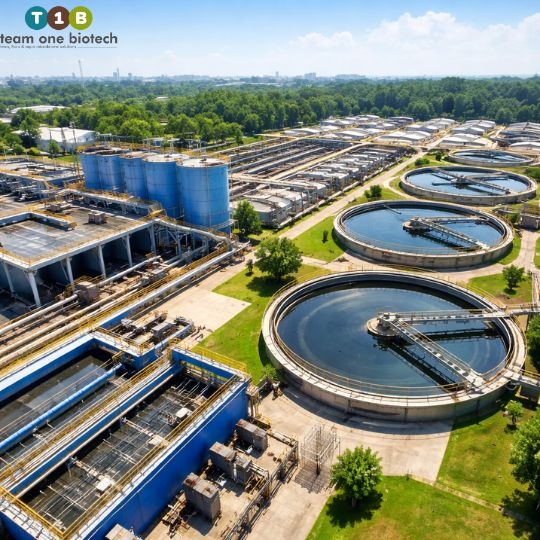
Guide to Industrial Wastewater Treatment and Compliance in India
The Ultimate Guide to Industrial Wastewater Treatment and Compliance in India.

When the Tap Runs Dry: India’s Industrial Water Reckoning

Imagine It’s 2026, and the Noyyal River in Tamil Nadu, once the lifeline of Tirupur’s textile industry, has been declared biologically dead for the third consecutive year. The Central Pollution Control Board has shut down 47 dyeing units in a single month. A Plant Manager in Surat receives a notice: achieve zero liquid discharge within 90 days or face permanent closure.

This isn’t a dystopian future. This is the reality unfolding across India’s industrial corridors today.

Every year, Indian industries discharge approximately 13,468 million liters of wastewater daily, with only 60% receiving adequate treatment. The NITI Aayog has warned that 21 major cities, including Delhi, Bengaluru, and Hyderabad, will run out of groundwater by 2030. For industrial leaders, the question is no longer “Can we afford to treat wastewater?” but rather “Can we afford not to?”. In this guide, you will understand Why Bioremediation & Biocultures In Wastewater Treatment and Compliance in India is a must.

This guide exists for the Plant Manager who lies awake worrying about the next SPCB inspection, the CEO balancing profit margins with planetary responsibility, and the Environmental Officer seeking solutions that actually work in Indian conditions. Because wastewater treatment is not merely a compliance checkbox, it is the legacy we leave for our children, the difference between sustainable growth and environmental bankruptcy.

India’s Industrial Wastewater Crisis

India's Industrial Wastewater Crisis

The Scale of the Challenge

India’s industrial growth story is also a water consumption story. The textile industry alone consumes 1,600 billion liters annually, with Tirupur’s 600 dyeing units generating 100 million liters of effluent daily. The pharmaceutical clusters in Hyderabad release complex chemical compounds that conventional treatment plants struggle to neutralize. Sugar mills in Uttar Pradesh operate seasonally, creating treatment challenges that demand adaptive solutions.

The problem compounds when we consider the diversity of Indian industries: automotive manufacturing in Chennai, leather tanning in Kanpur, food processing in Punjab, and chemical manufacturing across Gujarat. Each sector produces unique pollutants requiring specialized treatment approaches, yet many facilities still rely on decades-old chemical treatment methods designed for Western industrial conditions.

The Regulatory Landscape: Beyond Compliance to Survival

The regulatory framework governing industrial wastewater in India has undergone seismic shifts. The National Green Tribunal now possesses the authority to impose penalties reaching up to Rs. 25 crore for severe violations. State Pollution Control Boards have become increasingly vigilant, conducting surprise inspections and mandating real-time effluent monitoring systems.

Key regulatory bodies shaping compliance in 2026:

  • Central Pollution Control Board (CPCB): Sets national discharge standards and monitors state-level implementation
  • State Pollution Control Boards (SPCBs): Enforce regulations, issue consents, and conduct facility inspections
  • National Green Tribunal (NGT): Adjudicates environmental disputes with binding authority
  • Ministry of Environment, Forest and Climate Change: Formulates national policy frameworks

The shift from periodic testing to continuous online monitoring represents a fundamental change. Industries in critically polluted areas, classified as such by CPCB, face zero liquid discharge mandates, requiring complete water recycling with no external discharge.

The 2026 CPCB Compliance Checklist: Your Non-Negotiable Standards

This definitive checklist represents the minimum requirements for industrial effluent discharge in 2026. Non-compliance results in consent withdrawal, production shutdowns, and potential criminal proceedings under the Water (Prevention and Control of Pollution) Act, 1974.

General Discharge Standards (Into Public Sewers/Surface Water)

Critical Parameters:

  • pH Level: 5.5 to 9.0 (strict enforcement, acidic or alkaline discharge results in immediate notices)
  • Biochemical Oxygen Demand (BOD): Maximum 30 mg/L for discharge into surface water; 350 mg/L for sewers
  • Chemical Oxygen Demand (COD): Maximum 250 mg/L for surface water; not exceeding 3 times BOD value
  • Total Suspended Solids (TSS): Maximum 100 mg/L for surface water; 600 mg/L for sewers
  • Total Dissolved Solids (TDS): Maximum 2,100 mg/L (critical for textile and chemical industries)
  • Oil and Grease: Maximum 10 mg/L for surface water; 20 mg/L for sewers
  • Ammoniacal Nitrogen: Maximum 50 mg/L
  • Total Kjeldahl Nitrogen: Maximum 100 mg/L

Industry-Specific Standards

Textile Industry (Dyeing and Printing Units):

  • Color: Maximum 1 unit on ADMI scale after dilution
  • Chlorides: Maximum 1,000 mg/L
  • Sulphides: Maximum 2 mg/L
  • Phenolic compounds: Maximum 1 mg/L

Pharmaceutical Manufacturing:

  • Antibiotics: Not detectable in discharge
  • Heavy metals (Combined): Maximum 2 mg/L
  • Specific limits for copper, zinc, chromium, and nickel

Food Processing and Beverage Industries:

  • BOD: Maximum 30 mg/L (stringent due to organic load)
  • Residual chlorine: Maximum 1 mg/L

Leather Tanning:

  • Total chromium: Maximum 2 mg/L
  • Sulphides: Maximum 2 mg/L
  • TDS: Maximum 2,100 mg/L (critical parameter)

Monitoring and Documentation Requirements

  • Continuous Online Monitoring Systems: Mandatory for industries in red and orange categories
  • Monthly Testing: All critical parameters must be tested by NABL-accredited laboratories
  • Record Maintenance: Minimum 5-year retention of all test reports, consent documents, and operational logs
  • Annual Environmental Statement: Submission to SPCB by May 30th each year

Natural Solutions for COD and BOD Reduction

The Science Behind Bioremediation

Traditional wastewater treatment relies heavily on chemical coagulants like alum, ferric chloride, and lime to precipitate pollutants. While effective at removing suspended solids, these methods create massive volumes of toxic sludge and fail to address dissolved organic compounds that drive COD and BOD levels.

Biological treatment represents a paradigm shift. Specialized microbial cultures, carefully selected strains of bacteria that naturally occur in soil and water, consume organic pollutants as their food source. This isn’t genetic engineering; it’s nature optimized for industrial conditions.

How Specialized Microbial Cultures Break Down Complex Organics

In textile effluents, the challenge is formidable: synthetic dyes contain azo bonds, aromatic rings, and complex hydrocarbon chains that resist conventional breakdown. Here’s how targeted bioremediation works:

Stage One: Enzymatic Attack Specialized bacteria produce extracellular enzymes, azoreductases, laccases, and peroxidases, that cleave the molecular bonds of dye compounds. The azo bond (-N=N-), which gives dyes their color stability, becomes the bacteria’s primary target. These enzymes break complex molecules into simpler intermediate compounds.

Stage Two: Metabolic Conversion The bacterial cultures metabolize these intermediate compounds through their cellular respiration processes. What was once a toxic dye molecule becomes carbon dioxide, water, and new bacterial biomass. This is true mineralization, complete conversion of pollutants into harmless end products.

Stage Three: Consortium Synergy No single bacterial species can handle the diversity of compounds in industrial wastewater. Team One Biotech’s formulations contain carefully balanced consortiums where different species specialize in different compound classes. While Pseudomonas species excel at aromatic compound breakdown, Bacillus strains handle lipids and proteins. Nitrosomonas bacteria convert ammonia to nitrates, addressing nitrogen parameters.

The Technical Advantage: Why Biology Outperforms Chemistry

Parameter-Specific Reduction:

  • BOD Reduction: Biological cultures achieve 85-95% BOD reduction naturally, compared to 60-70% with chemical treatment alone
  • COD Reduction: Complex organics that inflate COD readings are systematically degraded, achieving reductions from 1,500 mg/L to under 250 mg/L without coagulants
  • Color Removal: Enzymatic decolorization removes color at the molecular level rather than merely precipitating it into sludge
  • Nutrient Balance: Biological systems maintain optimal C:N:P ratios automatically, ensuring stable treatment performance

The critical difference lies in selectivity. Chemical coagulants precipitate everything indiscriminately, creating massive sludge disposal challenges. Bacteria target specific pollutants, converting them into non-toxic biomass that settles efficiently and can even be composted in some applications.

Solving the Silent Crisis: Odor Control Through Biological Intervention

Odor Control Through Biological Intervention

The Five Root Causes of Foul Odor in STPs

Industrial Sewage Treatment Plants often become neighborhood nuisances due to overwhelming odors. Understanding the source is essential to implementing effective solutions.

Cause One: Hydrogen Sulfide (H₂S) Generation When organic matter decomposes under anaerobic conditions, in septic tanks, collection sumps, or poorly aerated zones, sulfate-reducing bacteria convert sulfates into hydrogen sulfide. This compound produces the characteristic “rotten egg” smell and is toxic at elevated concentrations.

Cause Two: Anaerobic Pockets in Aeration Tanks Insufficient dissolved oxygen creates microenvironments where anaerobic degradation dominates. These pockets generate volatile fatty acids, mercaptans, and indoles, all malodorous compounds that pervade the entire facility.

Cause Three: Septic Influent When wastewater remains in collection systems too long before treatment, it turns septic. The transition from aerobic to anaerobic metabolism releases ammonia, volatile sulfur compounds, and organic acids that create penetrating odors.

Cause Four: Sludge Putrefaction Accumulated sludge in clarifiers or thickeners undergoes anaerobic decay if not removed promptly. Dead bacterial biomass becomes substrate for putrefactive bacteria, generating offensive odors.

Cause Five: Inadequate Mixing and Dead Zones Poor hydraulic design creates stagnant zones where solids accumulate and decompose anaerobically. These dead zones become continuous odor sources regardless of overall system performance.

The Biological Mechanism of Odor Neutralization

Team One Biotech’s odor control formulations don’t mask smells, they eliminate the compounds generating them through three biological pathways.

Pathway One: Direct Sulfur Oxidation Specialized Thiobacillus species oxidize hydrogen sulfide directly to elemental sulfur and sulfate. These chemoautotrophic bacteria derive energy from sulfur compound oxidation, rapidly converting H₂S to odorless forms. The reaction is elegant: H₂S + O₂ → S⁰ + H₂O, followed by further oxidation to sulfate.

Pathway Two: Enhanced Aerobic Metabolism By dramatically increasing the population of efficient aerobic bacteria, biological additives shift the metabolic balance. These bacteria outcompete slower-growing anaerobic species for substrate, preventing the formation of odorous intermediate compounds. The result is rapid, complete oxidation of organics to CO₂ and H₂O rather than partial degradation to smelly intermediates.

Pathway Three: Nitrification Enhancement Ammonia, a major odor component, is systematically converted to nitrate through biological nitrification. Nitrosomonas bacteria oxidize ammonia to nitrite, while Nitrobacter species complete the conversion to nitrate. Both forms are odorless, and the process occurs at neutral pH without chemical addition.

The Biofilm Advantage: In properly managed systems, beneficial bacteria colonize all surfaces, creating active biofilms that continuously process odorous compounds before they volatilize into the air. This represents persistent, 24/7 odor control rather than periodic chemical treatment.

Financial Case Study: The 30% Cost Reduction Reality

Company Profile: Midsize Textile Processing Unit, Surat

Facility Specifications:

  • Effluent generation: 500 KLD (kiloliters per day)
  • Primary pollutants: High COD (2,200 mg/L), elevated BOD (650 mg/L), color from reactive dyes
  • Treatment system: Conventional physico-chemical ETP with biological secondary treatment

The Pre-Intervention Reality

Monthly Chemical Consumption:

  • Alum (coagulant): 15,000 kg @ Rs. 18/kg = Rs. 270,000
  • Lime (pH adjustment): 8,000 kg @ Rs. 6/kg = Rs. 48,000
  • Polyelectrolyte (flocculation): 250 kg @ Rs. 180/kg = Rs. 45,000
  • Sodium hypochlorite (disinfection): 600 liters @ Rs. 85/L = Rs. 51,000
  • Total Monthly Chemical Cost: Rs. 414,000

Additional Operating Costs:

  • Sludge disposal: 180 tons/month @ Rs. 1,200/ton = Rs. 216,000
  • Power consumption (higher due to inefficient aeration): Rs. 125,000
  • Non-compliance penalties (quarterly average): Rs. 50,000
  • Total Monthly Operating Cost: Rs. 805,000

The Intervention: Biological Culture Integration

Team One Biotech implemented a phased biological enhancement program:

  • Phase 1 (Month 1-2): Introduction of specialized microbial consortium to activated sludge system 
  • Phase 2 (Month 3-4): Optimization of aeration and nutrient dosing based on bacterial population dynamics 
  • Phase 3 (Month 5-6): Gradual reduction of chemical coagulant dosing as biological performance stabilized

Post-Intervention Results (Month 12)

Monthly Chemical Consumption:

  • Alum: 4,500 kg @ Rs. 18/kg = Rs. 81,000 (70% reduction)
  • Lime: 5,000 kg @ Rs. 6/kg = Rs. 30,000 (37% reduction)
  • Polyelectrolyte: 100 kg @ Rs. 180/kg = Rs. 18,000 (60% reduction)
  • Sodium hypochlorite: 300 liters @ Rs. 85/L = Rs. 25,500 (58% reduction)
  • Biological culture: Rs. 35,000 (new recurring cost)
  • Total Monthly Chemical Cost: Rs. 189,500

Chemical Cost Savings: Rs. 224,500 per month (54% reduction)

Additional Benefits:

  • Sludge generation reduced to 95 tons/month = Rs. 114,000 (47% reduction)
  • Power consumption optimized = Rs. 105,000 (16% reduction)
  • Zero compliance penalties = Rs. 50,000 saved
  • Total Additional Savings: Rs. 122,000 per month

Combined Monthly Savings: Rs. 346,500 Annual Savings: Rs. 4,158,000

The Broader ROI Picture

Beyond direct cost savings, the facility experienced:

Operational Improvements:

  • Consistent discharge compliance (100% of tests within limits for 10 consecutive months)
  • Elimination of foul odors, improving worker safety and community relations
  • Reduced manpower for sludge handling and chemical dosing
  • Extended equipment life due to reduced chemical corrosion

Strategic Advantages:

  • Enhanced corporate sustainability profile, improving customer perception
  • Qualification for green financing at preferential interest rates
  • Reduced regulatory scrutiny, allowing focus on production rather than compliance management
  • Improved employee morale and retention in plant operations

The 30% figure represents the conservative estimate focusing solely on chemical and sludge costs. When accounting for penalty avoidance, reduced labor, and operational efficiency, total cost reduction approached 43%.

Conventional Treatment vs. Team One Biotech Bioremediation: A Comparative Analysis

ParameterConventional Chemical TreatmentTeam One Biotech Bioremediation
Initial Capital CostLower (basic chemical dosing systems)Moderate (biological seeding and optimization)
Monthly Operating CostHigh (continuous chemical purchase)30-50% lower (reduced chemical dependency)
COD/BOD Reduction60-70% (variable performance)85-95% (consistent, natural degradation)
Sludge Generation3-5 kg per m³ treated1-2 kg per m³ treated (50-60% reduction)
Odor ControlRequires separate chemical dosingInherent in biological process
Compliance StabilityFluctuates with chemical qualityStable with proper bacterial maintenance
Environmental ImpactHigh (chemical production, sludge toxicity)Minimal (natural processes, compostable biomass)
System ResilienceVulnerable to chemical supply disruptionsSelf-sustaining once established
Operator Skill RequiredModerate (chemical handling)Moderate (biological monitoring)
Long-term ScalabilityCosts increase linearly with flowCosts increase sub-linearly (bacterial reproduction)

The Implementation Roadmap: Making the Transition

Phase 1: Baseline Assessment (Week 1-2)

A comprehensive audit of your existing treatment infrastructure establishes the starting point. Team One Biotech’s technical team evaluates:

  • Current effluent characteristics across 24-hour cycles
  • Existing biological activity (MLSS, SVI, microscopic examination)
  • Hydraulic retention times and flow patterns
  • Chemical dosing rates and costs
  • Historical compliance performance

Phase 2: Biological Seeding and Acclimatization (Week 3-6)

Introduction of specialized microbial consortiums must be staged carefully to avoid shocking existing biological systems:

  • Week 3: Initial seeding at 25% of recommended dosage, monitoring dissolved oxygen and pH stability 
  • Week 4: Increase to 50% dosage, begin reducing chemical coagulant by 20% 
  • Week 5: Full biological dosage achieved, chemical coagulant reduced by 40% 
  • Week 6: System stabilization, monitoring for consistent COD/BOD reduction

Phase 3: Optimization and Chemical Reduction (Week 7-12)

As biological populations establish dominance, chemical dependencies decrease systematically. Daily monitoring guides gradual reductions while maintaining discharge compliance.

Phase 4: Sustained Performance and Continuous Improvement (Month 4+)

Established biological systems require ongoing nutrient balancing and periodic reseeding to maintain populations. Monthly performance reviews ensure sustained compliance and identify opportunities for further optimization.

The Strategic Value of Sustainable Wastewater Management

Water Security as Competitive Advantage

Industries that achieve water recycling rates exceeding 70% position themselves strategically as freshwater scarcity intensifies. Zero liquid discharge facilities command premium market positioning, attracting environmentally conscious customers and investors.

Carbon Credits and Green Financing

Biological treatment systems consume significantly less energy than chemical alternatives, reducing Scope 2 carbon emissions. This qualifies facilities for carbon credit generation under voluntary markets and improves eligibility for green bonds at favorable interest rates.

Workforce and Community Relations

Facilities known for environmental stewardship attract and retain higher-quality talent. Eliminating odors and visible pollution transforms industrial units from neighborhood liabilities to responsible corporate citizens, reducing community opposition to expansion plans.

Future-Proofing Against Regulatory Tightening

CPCB standards will only become more stringent. Systems designed for biological treatment adapt easily to tighter limits through population optimization, while chemical systems require expensive infrastructure additions.

Common Implementation Challenges and Solutions

Common Implementation Challenges and Solutions

Challenge: Fluctuating Influent Characteristics

Reality: Industrial production varies seasonally or with order cycles, creating wastewater quality fluctuations that stress biological systems.

Solution: Equalization tanks buffer flow variations, while robust microbial consortiums tolerate wider parameter ranges than conventional activated sludge systems. Strategic bacterial seeding during production ramp-ups maintains population adequacy.

Challenge: Temperature Extremes

Reality: Indian climates range from 5°C winters in North India to 45°C summers in Central regions, affecting bacterial metabolism.

Solution: Team One Biotech’s formulations include psychrotolerant strains active at low temperatures and thermotolerant strains for heat resistance, ensuring year-round performance.

Challenge: Toxic Shock Loads

Reality: Accidental discharges of concentrated chemicals or biocides can devastate biological populations.

Solution: Real-time monitoring systems provide early warning, while emergency reseeding protocols restore functionality within 48-72 hours. Proper segregation of toxic waste streams prevents most shock events.

The Team One Biotech Difference: Science Meets Service

Proprietary Microbial Formulations

Two decades of research into Indian industrial effluents have produced consortiums specifically adapted to textile dyes, pharmaceutical residues, food processing organics, and heavy industrial compounds. These aren’t generic bacterial products but precision-engineered solutions.

Technical Support Infrastructure

Every Team One Biotech client receives:

  • Dedicated environmental engineer for system optimization
  • 24/7 helpline for operational emergencies
  • Quarterly performance audits with detailed reporting
  • Ongoing training for plant operators on biological system management

Proven Track Record

With over 300 installations across India’s industrial heartland, from Surat’s textile clusters to Hyderabad’s pharma corridor, Team One Biotech has demonstrated consistent results in the most challenging conditions.

Your Path Forward: Three Steps to Transformation

Step One: Knowledge

You’ve taken this step by reading this comprehensive guide. You now understand the regulatory landscape, the science of biological treatment, and the financial case for change.

Step Two: Assessment

Engage Team One Biotech’s technical team for a no-obligation facility assessment. Understand your specific challenges, opportunities, and the customized solution pathway.

Step Three: Implementation

Begin the transformation from chemical dependency to biological excellence. Join the growing community of Indian industries proving that profitability and environmental responsibility are not competing goals but complementary strategies.

The Moral Imperative: Water for the Next Generation

Every liter of wastewater your facility treats properly is a liter available for agriculture, for drinking water, for life itself. India’s water crisis is not an abstract environmental concern, it is the defining challenge of our industrial generation.

The Noyyal River can flow again. The communities downstream from your facility can thrive. Your plant can operate profitably while contributing to planetary healing rather than degradation.

Partner with Team One Biotech for a Sustainable Future

The choice is clear: continue down the path of chemical dependency, rising costs, and regulatory uncertainty, or embrace the biological revolution transforming Indian industrial wastewater treatment.

Team One Biotech stands ready to guide your transformation. Our expertise, proven formulations, and unwavering commitment to your success make us the partner you need for this critical journey.

Looking to improve your ETP/STP efficiency with the right bioculture?
Talk to our experts at Team One Biotech for customised microbial solutions.

Contact+91 8855050575

Email:  sales@teamonebiotech.com

Visit: www.teamonebiotech.com

Discover More on YouTube – Watch our latest insights & innovations!-

Connect with Us on LinkedIn – Stay updated with expert content & trends!

Scan the code