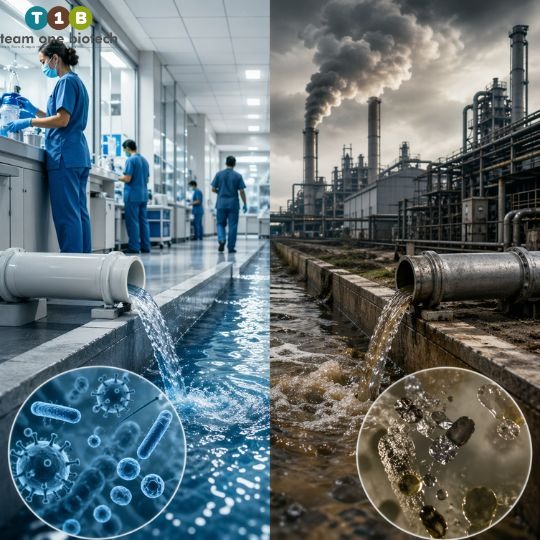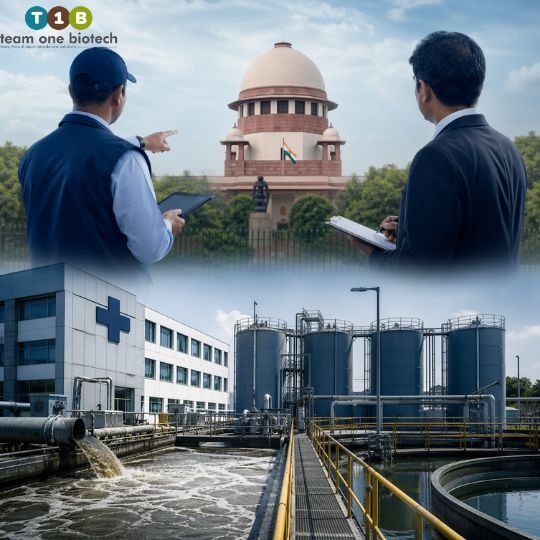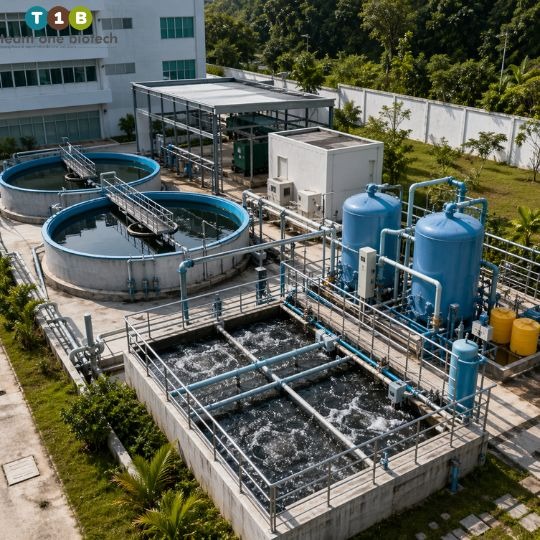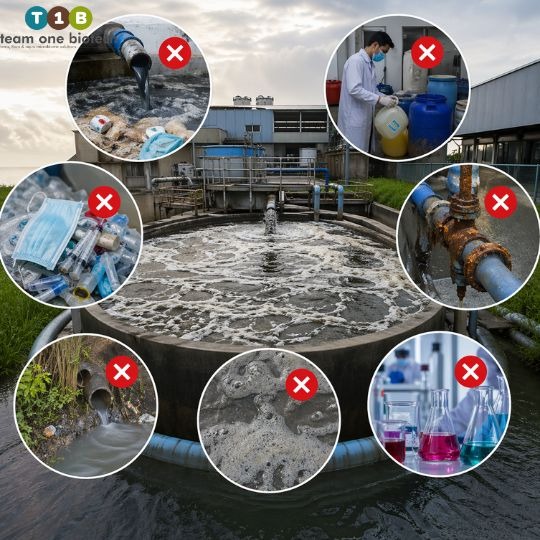
Textile vs. Chemical vs. Pharma ETP: How Biological Cultures Perform Differently

There is a particular kind of stress that EHS Managers know intimately. It arrives unannounced, sometimes on a Monday morning when the shift report shows a spike in COD discharge values, sometimes when an SPCB inspection notice lands on your desk with forty-eight hours’ notice. You have checked the equipment. The aerators are running. The settling tanks look normal to the eye. And yet something in your ETP is quietly failing, and you may not even know where to look.

The answer, more often than not, lives in the biology.

Every industrial effluent treatment plant runs on an invisible workforce: billions of microorganisms, bacteria, archaea, fungi, and protozoa, that consume, transform, and neutralize the toxic load your process generates. These organisms are not passive. They respond to temperature shifts, toxic shock, pH swings, and organic loading fluctuations with the sensitivity of a living ecosystem, because that is precisely what they are. When they are healthy and diverse, your ETP performs. When they are stressed, depleted, or mismatched to your specific effluent chemistry, your compliance numbers begin to drift.

What most plant operators do not realize is that the biological cultures optimized for treating textile dyeing effluent are fundamentally different from those that thrive in a pharmaceutical ETP, and both are different again from what works inside a chemical manufacturing treatment plant. Treating these as interchangeable is one of the most common and costly mistakes in Indian industrial effluent treatment.

This blog post is written for EHS Managers, Plant Heads, and Operations Engineers across pharma, textiles, chemicals, dairy, food processing, paper, and tannery sectors who need a clearer map of what is happening inside their biological systems, and what to do when it stops working.

Indian ETP Compliance Pressure

Indian ETP Compliance Pressure

India’s Central Pollution Control Board (CPCB) and the respective State Pollution Control Boards (SPCBs) have progressively tightened discharge norms under the Environment Protection Act and sector-specific effluent standards. Parameters like BOD, COD, Total Dissolved Solids (TDS), suspended solids, color, and specific toxic compounds are monitored with increasing frequency, and penalties for non-compliance have grown sharper.

Indian manufacturing hubs face a unique combination of challenges that global benchmarks do not fully account for:

  • Extreme seasonal temperature variation: Summer months in Gujarat, Rajasthan, and Maharashtra can push ambient temperatures above 42°C, accelerating microbial metabolism but also stressing sensitive cultures. Winter in Punjab and Himachal facilities can suppress biological activity dramatically.
  • Erratic power supply: Load shedding in Tier 2 and Tier 3 industrial areas causes aeration interruptions that can collapse aerobic biomass within hours.
  • Variable raw material sourcing: Production shifts mean influent chemistry changes batch to batch, making biological acclimatization a constant challenge.
  • Water scarcity and ZLD mandates: Many industrial clusters are now under Zero Liquid Discharge directives, placing enormous pressure on biological systems to perform at the front end of the treatment train.

Against this backdrop, understanding how your specific biological culture is behaving, and whether it is the right culture for your effluent, is not an academic exercise. It is an operational necessity.

Sector Breakdown: The Three Most Challenging Effluent Profiles

Textile ETP: The Problem of Refractory Dyes and High Color Load

Textile dyeing and processing units generate some of the most visually alarming and biologically challenging effluent in Indian industry. The Tirupur cluster in Tamil Nadu, the Surat textile belt, and the Bhilwara region in Rajasthan together represent massive discharge volumes that have defined the evolution of effluent treatment challenges in India.

What makes textile effluent uniquely difficult for biological cultures?

The core challenge is the presence of synthetic dyes, particularly azo dyes, reactive dyes, vat dyes, and disperse dyes, which are specifically engineered to resist degradation. That chemical stability is what makes them effective as colorants. It is also what makes them refractory, meaning resistant to conventional biological breakdown.

Standard activated sludge systems, populated with generic heterotrophic bacteria, will achieve reasonable BOD reduction in textile effluent but fail significantly on color removal and on degrading the aromatic amine compounds that azo dye cleavage produces. These intermediates are not just aesthetically problematic, several are classified as potentially mutagenic and are specifically flagged in CPCB discharge standards.

How specialized biological cultures approach textile effluent:

  • Sequential anaerobic-aerobic treatment is the established framework. Under anaerobic conditions, the azo bond in dye molecules can be reductively cleaved by specific anaerobic bacteria, breaking the chromophore. The aromatic amines released are then further oxidized under aerobic conditions.
  • Specialized facultative anaerobes and white-rot fungal cultures (where integrated) have demonstrated capacity to decolorize a broader spectrum of textile dyes.
  • Biomass health in textile ETPs is typically maintained at Mixed Liquor Suspended Solids (MLSS) levels in a range broadly between 2,500–4,000 mg/L in the aerobic zone, though optimal ranges depend on the specific SBR, MBBR, or conventional ASP design in use.

These are general values provided for guidance; actual parameters vary based on specific ETP design, influent characteristics, and local operational conditions.

Key operational stressors in textile ETPs include salt loading from reactive dye processes (which can osmotically stress microbial cells), pH fluctuations from alkali scouring steps, and temperature spikes from hot dyebath discharges.

If your textile ETP is consistently meeting BOD discharge norms but failing on color or showing rising COD trends, this is a strong signal that your biological culture profile needs reassessment. Team One Biotech’s microbial audit service can identify exactly which functional guilds are underrepresented in your biomass and recommend targeted bio-augmentation.

Chemical ETP: High COD, TDS, and the Inhibitory Cocktail

Chemical manufacturing, including dye intermediates, agrochemicals, specialty chemicals, and petrochemical derivatives, generates effluent that is simultaneously high in organic load, chemically diverse, and frequently toxic to the very microorganisms needed to treat it.

Plants across the Ankleshwar-Panoli cluster in Gujarat, the Navi Mumbai chemical belt, and the Hyderabad pharma-chemical corridor deal with effluent where a single batch change upstream can alter the COD profile by several thousand mg/L.

The defining characteristics of chemical ETP effluent:

  • Very high COD values, often driven by organic solvents, reaction byproducts, and unconverted raw materials
  • Elevated TDS from inorganic salts used in synthesis and process water
  • Presence of specific inhibitory compounds, surfactants, heavy metals (in some processes), halogenated organics, that can suppress microbial enzyme activity
  • Inconsistent BOD:COD ratio, which is a critical indicator of biodegradability; in chemical effluent this ratio is frequently low, indicating that a large fraction of the organic load is not readily bioavailable

Biological culture behavior in chemical ETPs:

Generic sludge inoculants, even when seeded from well-functioning municipal or food-processing ETPs, typically fail to establish stable performance in chemical effluent environments. The selective pressure of the toxic compounds eliminates sensitive organisms rapidly, leaving a depleted, functionally narrow community.

Specialized chemical-industry cultures, developed and adapted under controlled enrichment conditions, incorporate robust degraders of specific compound classes, aromatic hydrocarbons, halogenated solvents, nitrogenous organics, alongside organisms with elevated tolerance to osmotic stress and pH variability.

  • Anaerobic treatment stages in chemical ETPs typically target COD removal efficiency broadly in the range of 60–80% as a pre-treatment step, before aerobic polishing.
  • Dissolved Oxygen (DO) management in the aerobic stage is particularly critical, levels maintained broadly between 1.5–3.5 mg/L are commonly targeted in high-COD aerobic systems, though this varies by system design and organic loading.

These are general values provided for guidance; actual parameters vary based on specific ETP design, influent characteristics, and local operational conditions.

Shock loading, when a process upset sends an unusually high-strength batch to the ETP, is the single biggest threat to biological stability in chemical ETPs. Systems augmented with adapted cultures recover significantly faster from shock events than those relying on acclimatized generic sludge alone.

Pharmaceutical ETP: When Your Effluent Fights Back

Of the three sectors discussed here, pharmaceutical ETP management presents the most technically demanding biological challenge, and it is the one where the gap between compliance expectation and operational reality is most often felt.

The effluent from Active Pharmaceutical Ingredient (API) manufacturing, bulk drug synthesis, and formulation plants contains compounds that are, by design, biologically active, molecules engineered to interfere with cellular processes. When these reach an ETP, they do not conveniently deactivate. They inhibit microbial metabolism, disrupt nitrification, and in high concentrations can cause acute toxicity to the biological community.

What pharma ETP operators deal with daily:

  • Antibiotic residues that suppress or eliminate sensitive bacterial populations in the biomass
  • Solvent loads from extraction and purification steps, methanol, acetone, dichloromethane, ethyl acetate, each presenting different biodegradation kinetics
  • Fermentation broth residues from antibiotic and enzyme manufacturing, which are high in BOD but accompanied by inhibitory secondary metabolites
  • High nitrogen loads in fermentation-based processes requiring specific nitrification-denitrification biological stages

The role of specialized pharma-adapted cultures:

Conventional ETP biology often suffers from what engineers call “wash-out” in pharmaceutical systems, the inhibitory load selectively kills off the most sensitive functional groups, including the nitrifying bacteria responsible for ammonia removal, which are among the most inhibition-susceptible organisms in an ETP.

Pharma-adapted biological cultures are enriched specifically from environments where pharmaceutical compound exposure has driven natural selection toward tolerant strains. These cultures:

  • Maintain functional nitrification activity at antibiotic concentrations that would collapse standard nitrifier populations
  • Include organisms capable of co-metabolic degradation of specific API molecules
  • Are designed for staged introduction to allow gradual acclimatization rather than shock inoculation

MLSS targets in pharmaceutical aerobic systems are broadly maintained in ranges between 3,000–5,000 mg/L in high-load applications, with careful sludge retention time (SRT) management to protect slow-growing nitrifiers.

These are general values provided for guidance; actual parameters vary based on specific ETP design, influent characteristics, and local operational conditions.

For pharma plant operators managing CETP connections or independent ETPs, a biological culture audit before monsoon season, when dilution effects on influent change the loading profile, is a proactive step that consistently pays returns in compliance stability. Reach out to Team One Biotech to schedule a pre-monsoon microbial health assessment for your ETP.

The Biological Edge: Specialized Cultures vs. Generic Sludge

The Biological Edge: Specialized Cultures vs. Generic Sludge

The industrial effluent treatment sector in India has historically under-invested in biological intelligence. The equipment, aerators, clarifiers, filter presses, receives maintenance attention and capital budget. The biology is often treated as a self-sustaining background process that only gets attention when visible failure occurs.

This is the fundamental gap that bio-augmentation addresses.

What specialized cultures offer over generic activated sludge:

  • Functional diversity: Specialized consortia contain organisms selected for specific degradation tasks, color removal, COD reduction of refractory compounds, nitrification under inhibitory stress, rather than generic heterotrophic BOD removal
  • Shock resilience: Adapted cultures carry genetic machinery for stress response, including efflux pump systems and enzyme induction pathways that allow survival and recovery under transient toxic loading
  • Faster establishment: Seeding with specialized cultures reduces the biological start-up period from weeks to days in new ETPs or after catastrophic sludge loss events
  • Reduced sludge generation: Specialized degraders operating efficiently often produce lower excess sludge per unit COD removed, reducing disposal cost, a significant operational saving for large plants

Waste Characteristics Across the Three Sectors

ParameterTextile ETPChemical ETPPharmaceutical ETP
Primary PollutantsSynthetic dyes, auxiliaries, saltSolvents, organics, TDSAPI residues, solvents, fermentation byproducts
Key Biological ChallengeRefractory color, azo compoundsInhibitory organics, shock loadingAntibiotic inhibition, nitrification suppression
COD ProfileModerate to high, variableHigh to very highHigh, variable with batch production
BOD:COD RatioModerateLow to very lowLow to moderate
Best Biological ApproachAnaerobic-aerobic sequentialAdapted aerobic + anaerobic pre-treatmentPharma-adapted cultures, staged SRT management
Critical Indian Compliance ConcernColor, BOD, TDSCOD, TDS, specific organicsCOD, Ammonia-N, ecotoxicity
Seasonal VulnerabilityHigh (temperature, dilution)High (shock loading variation)Very High (nitrifier sensitivity)

Values and characterizations are indicative based on sector-wide trends. Individual plant profiles vary significantly.

A Roadmap to Compliance Peace of Mind

A Roadmap to Compliance Peace of Mind

Compliance peace of mind is not a product of better monitoring alone. Dashboards and sensors tell you what is happening; they do not fix the underlying biology that determines whether your ETP meets its discharge standards on a consistent, day-after-day basis.

The path forward for Indian EHS Managers and Plant Operators is clear:

  • Audit your biology, not just your equipment. A microbial community analysis tells you which functional groups are present, which are depleted, and what your biomass is actually capable of treating.
  • Match your culture to your effluent chemistry. Generic sludge is not a one-size-fits-all solution across textile, chemical, and pharmaceutical applications. The specificity of the biological challenge demands specificity in the biological solution.
  • Build resilience before a crisis. Bio-augmentation as a proactive measure, particularly before seasonal loading changes or production ramp-ups, is dramatically less costly than emergency intervention after a compliance breach.
  • Partner with specialists who understand Indian operational realities. Temperature variability, CPCB/SPCB specific norms, ZLD requirements, and the economics of Indian industrial operations require localized expertise, not generic global benchmarks.

Team One Biotech works with industrial facilities across pharma, textiles, chemicals, dairy, food processing, tannery, sugar, and paper sectors to deliver customized microbial consortia, bio-augmentation programs, and ongoing biological performance support. Whether you are commissioning a new ETP, recovering from a biological crash, or simply trying to move from reactive compliance to proactive stability, our team of environmental engineers and microbiologists is equipped to assess your specific situation.

Contact Team One Biotech today to schedule a customized microbial audit for your ETP. Because the most important part of your treatment plant is the part you cannot see, and understanding it is the first step to compliance you can count on.

Disclaimer: All numerical ranges provided in this article are general guidance values intended for educational purposes. Actual operational parameters depend on specific ETP design, influent characteristics, hydraulic and organic loading rates, local climatic conditions, and regulatory requirements. Consult a qualified environmental engineer before making changes to your ETP operations.

Looking to improve your ETP/STP efficiency with the right bioculture?
Talk to our experts at Team One Biotech for customised microbial solutions.

Contact+91 8855050575

Email:  sales@teamonebiotech.com

Visit: www.teamonebiotech.com

Discover More on YouTube – Watch our latest insights & innovations!-

Connect with Us on LinkedIn – Stay updated with expert content & trends!
Food Processing Effluent Treatment: A Complete Guide for FSSAI and CPCB Compliance

When Compliance Becomes a Crisis: The Stakes Are Real

In March 2023, the Central Pollution Control Board issued closure notices to dozens of food processing units across Punjab and Uttar Pradesh for failing to meet discharge standards. These were not small, unregistered operations. Several had functional ETPs on paper. The problem was not always the absence of treatment infrastructure, it was the failure of that infrastructure to perform consistently under the actual organic load their processes generated.

If you are an EHS manager or plant director in the Indian food, dairy, sugar, or allied processing sector, you already understand the pressure. CPCB enforcement has grown significantly more rigorous in the post-COVID period. Simultaneously, FSSAI has made it explicitly clear that poor environmental hygiene, including inadequate effluent management, can trigger license reviews and public scrutiny. The regulatory environment is no longer forgiving of “we’re working on it.”

This guide exists to help you work through it, systematically, technically, and with a clear roadmap toward genuine compliance.

The Regulatory Landscape: CPCB, FSSAI, and the Space Between Them

The Regulatory Landscape: CPCB, FSSAI, and the Space Between Them

Many plant operators treat CPCB compliance and FSSAI compliance as two separate checklists. This is one of the most consequential mistakes in industrial environmental management in India.

CPCB discharge norms under the Environment (Protection) Act govern what leaves your ETP and enters the receiving water body or municipal drain. For food processing units, the General Standards for Discharge of Environmental Pollutants specify parameters including BOD (Biochemical Oxygen Demand), COD (Chemical Oxygen Demand), TSS (Total Suspended Solids), pH, and oil and grease.

FSSAI’s regulatory framework, while primarily focused on product safety and manufacturing hygiene, increasingly intersects with environmental standards. A facility that cannot demonstrate responsible wastewater management raises red flags during inspections, not just about environmental intent, but about overall process control discipline.

The synergy is this: a well-designed and consistently operated ETP demonstrates that your facility has the microbial control, process monitoring, and operational discipline that FSSAI auditors are also looking for inside your plant. Poorly treated effluent is often symptomatic of broader process hygiene failures, and regulators on both sides of the equation are beginning to recognize this connection.

Practical compliance benchmarks to be aware of:

  • BOD at discharge: General CPCB norms require levels below 30 mg/L for inland surface water discharge (site-specific standards may be stricter)
  • pH at discharge: Typically within the range of 6.5 to 8.5
  • TSS: Not exceeding 100 mg/L for most inland water bodies
  • Oil and grease: Within 10 mg/L for most categories

The values and metrics provided are general industry ranges; actual parameters and performance will vary based on specific ETP design and influent characteristics.

What You Are Actually Treating: Characteristics of Food Processing Effluent

The phrase “food processing wastewater treatment” covers an extraordinarily wide spectrum. Dairy wastewater behaves differently from sugar mill effluent. Meat processing effluent has different microbial profiles than beverage plant discharge. However, there are shared characteristics that define the challenge across sectors.

BOD and COD: The Organic Load Problem

Food processing effluent is, by nature, organically rich. Raw ingredients, cleaning chemicals, process wash-downs, and product losses all contribute to what arrives at your ETP inlet. BOD values in untreated food industry effluent commonly range from 500 mg/L to over 5,000 mg/L depending on the process. COD values can run even higher.

This is not comparable to domestic sewage or even many industrial effluents. A dairy plant processing large milk volumes, for instance, can generate influent with BOD concentrations that would overwhelm an ETP designed without accounting for seasonal milk fat content or CIP (Clean-in-Place) chemical loads.

TSS: The Suspended Solid Burden

Solid particles, from fine food material, cellulose, protein aggregates, and fat globules, add another dimension. High TSS not only violates discharge standards but chokes biological treatment systems, reducing their effectiveness exactly when you need it most.

FOG: Fats, Oils, and Grease

FOG is often underestimated until it causes a catastrophic failure in a biological treatment stage. Fat layers on aeration tanks, clogged diffusers, and inhibited microbial populations are common consequences of inadequate FOG pre-treatment. In a tropical climate like India’s, FOG can congeal rapidly in channels and pipes during cooler months, creating blockages that demand emergency intervention.

The Monsoon Variable

Indian ETPs face a challenge that most global treatment guides do not adequately address: the monsoon season. Hydraulic overloading during heavy rainfall, temperature fluctuation effects on microbial populations, and dilution of treatment chemicals all simultaneously impact performance from June through September. Any robust compliance strategy must account for this seasonal variability, not as an exception, but as a design parameter.

Traditional Chemical Treatment vs. Bioremediation: A Practical Comparison

Traditional Chemical Treatment vs. Bioremediation: A Practical Comparison

The Chemical Treatment Approach

Conventional food processing wastewater treatment has historically relied on coagulation-flocculation using chemicals like alum, ferric chloride, and lime. These are effective at reducing TSS and some BOD in primary stages. They are also relatively predictable in performance, when the chemistry is controlled.

The limitations, however, are significant:

  • High operational cost: Chemical procurement, dosing systems, and sludge disposal all carry recurring expenses that escalate with effluent volume
  • Sludge management burden: Chemical treatment generates considerable sludge that must be handled and disposed of in compliance with Hazardous Waste Management Rules
  • Incomplete BOD/COD reduction: Chemicals alone rarely bring high-strength food effluent to CPCB discharge standards without a robust biological stage
  • pH sensitivity: Incorrect dosing can create its own compliance problem at the discharge point

The Bioremediation Advantage

Bioremediation, specifically, the use of specialized microbial consortia engineered for high-strength organic effluent, addresses the limitations of purely chemical approaches. In food processing wastewater treatment, microbial solutions work by accelerating the natural biodegradation of organic compounds, using them as a carbon and energy source.

Well-formulated microbial products for food industry ETPs can achieve:

  • BOD reduction efficiencies in the range of 75% to 90% in biological treatment stages
  • COD reduction in the range of 60% to 85% under optimized conditions
  • Significant FOG degradation through lipase-producing microbial strains
  • Odor reduction through suppression of hydrogen sulfide-generating organisms

The advantage of bioremediation over chemicals is not just cost, it is specificity and adaptability. Microbial consortia can be selected and augmented based on the actual organic profile of your effluent. A dairy ETP and a sugar processing ETP have fundamentally different treatment needs. Tailored microbial solutions address those differences in a way that generic chemical dosing cannot.

The values and metrics provided are general industry ranges; actual parameters and performance will vary based on specific ETP design and influent characteristics.

Team One Biotech’s specialized microbial cultures are formulated specifically for the high-BOD, high-FOG effluent profiles common in Indian food processing operations. Contact us for a site assessment to determine which consortium is right for your process profile.

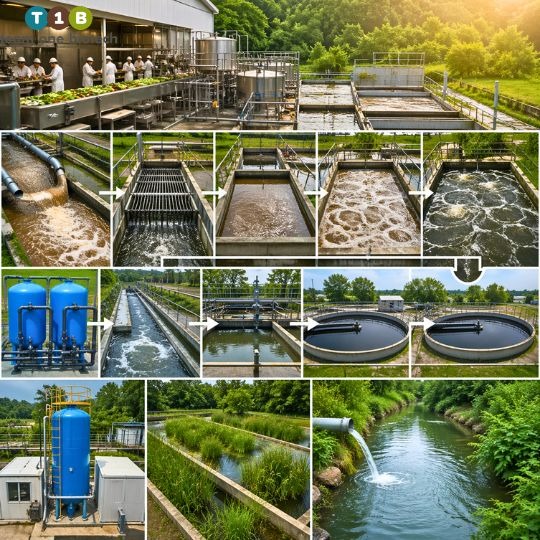
The Compliant ETP: Breaking Down Each Stage

The Compliant ETP: Breaking Down Each Stage

Primary Treatment

The goal here is physical separation. Screening removes large solids. A grease trap or dissolved air flotation (DAF) unit handles FOG. Equalization tanks buffer the flow and concentration variability before biological stages, critical for Indian operations where production scheduling often creates surge loads.

A well-designed primary stage protects your biological treatment from shock loading. Without it, even the best microbial consortium cannot perform consistently.

Secondary Treatment (Biological Stage)

This is where the real BOD and COD reduction happens. Options include:

  • Activated Sludge Process (ASP): Reliable for moderate to high-strength effluent when augmented with appropriate microbial cultures
  • Sequential Batch Reactors (SBR): Increasingly popular for space-constrained facilities; offers operational flexibility
  • Moving Bed Biofilm Reactors (MBBR): Suitable for high-strength effluent and expanding capacity without major civil work
  • Anaerobic treatment (UASB or anaerobic lagoons): Particularly effective for very high COD effluent from sugar and starch processing; generates biogas as a recoverable energy source

Microbial augmentation, adding concentrated, process-adapted bacterial cultures, is particularly impactful in the secondary stage. It helps establish robust biofilm communities faster, maintains treatment efficiency during monsoon temperature swings, and recovers system performance after upset events.

Tertiary Treatment

Tertiary stages polish the final effluent. Sand filtration, activated carbon adsorption, and UV or chlorine disinfection are commonly employed depending on the receiving water body and local discharge conditions. For zero liquid discharge (ZLD) mandated facilities, increasingly common in water-stressed areas of Rajasthan, Gujarat, and parts of Tamil Nadu, tertiary stages must be followed by evaporation or membrane-based concentration systems.

Building Your Compliance Roadmap: Practical Steps for EHS Managers

1. Conduct an honest influent characterization. Do not design or optimize treatment based on assumed values. Measure your actual BOD, COD, TSS, and FOG across shifts and seasons. Monsoon samples matter as much as peak production samples.

2. Audit your existing ETP design against your current production load. Facilities that have expanded production since their ETP was installed frequently find that their treatment capacity was never updated proportionally.

3. Evaluate your biological stage health. Mixed liquor suspended solids (MLSS), dissolved oxygen profiles, and sludge volume index (SVI) readings will tell you whether your microbial community is thriving or under stress.

4. Address FOG at the source. Pre-treatment of FOG-rich streams before they enter the main ETP is almost always more cost-effective than trying to manage FOG accumulation in biological stages.

5. Document everything. CPCB compliance is not just about what your ETP achieves, it is about demonstrating a consistent, monitored process. Online flow meters, daily logbooks, and third-party effluent testing records are your evidence of good faith.

6. Plan for upset recovery. Monsoon season, power failures, and production surges will all periodically stress your ETP. Having a protocol, and a supply of targeted microbial cultures for rapid bioaugmentation, is the difference between a temporary exceedance and a prolonged compliance failure.

Compliance Is Not a Destination, It Is an Operating Standard

The food processing sector in India is under a level of environmental scrutiny that will only intensify. CPCB’s online continuous effluent monitoring requirements for large units, combined with FSSAI’s increasing integration of environmental responsibility into its compliance framework, means that reactive ETP management is no longer a viable strategy.

The facilities that avoid closures, penalties, and reputational damage are those that have moved beyond compliance as a checkbox, toward genuine, technically grounded wastewater management that reflects the organic complexity of their actual processes.

Team One Biotech works with food, dairy, pharmaceutical, sugar, tannery, and paper industry facilities across India to design bioremediation programs that are matched to real operational conditions. Our microbial consortia are developed for Indian organic loads, Indian temperatures, and the variable demands of the Indian production calendar.

If you are ready to move from reactive to robust, reach out to Team One Biotech today. Our team offers confidential site audits, influent characterization support, and customized microbial culture recommendations, with no obligation beyond the conversation.

Your effluent compliance challenge has a technical solution. Let us help you find it.

Disclaimer: The values and metrics provided throughout this article are general industry ranges. Actual parameters, treatment efficiency, and regulatory thresholds will vary based on specific ETP design, influent characteristics, local CPCB notifications, and site-specific consent conditions. Always consult a qualified environmental engineer and your regional pollution control board for facility-specific guidance.

Looking to improve your ETP/STP efficiency with the right bioculture?
Talk to our experts at Team One Biotech for customised microbial solutions.

Contact+91 8855050575

Email:  sales@teamonebiotech.com

Visit: www.teamonebiotech.com

Discover More on YouTube – Watch our latest insights & innovations!-

Connect with Us on LinkedIn – Stay updated with expert content & trends!
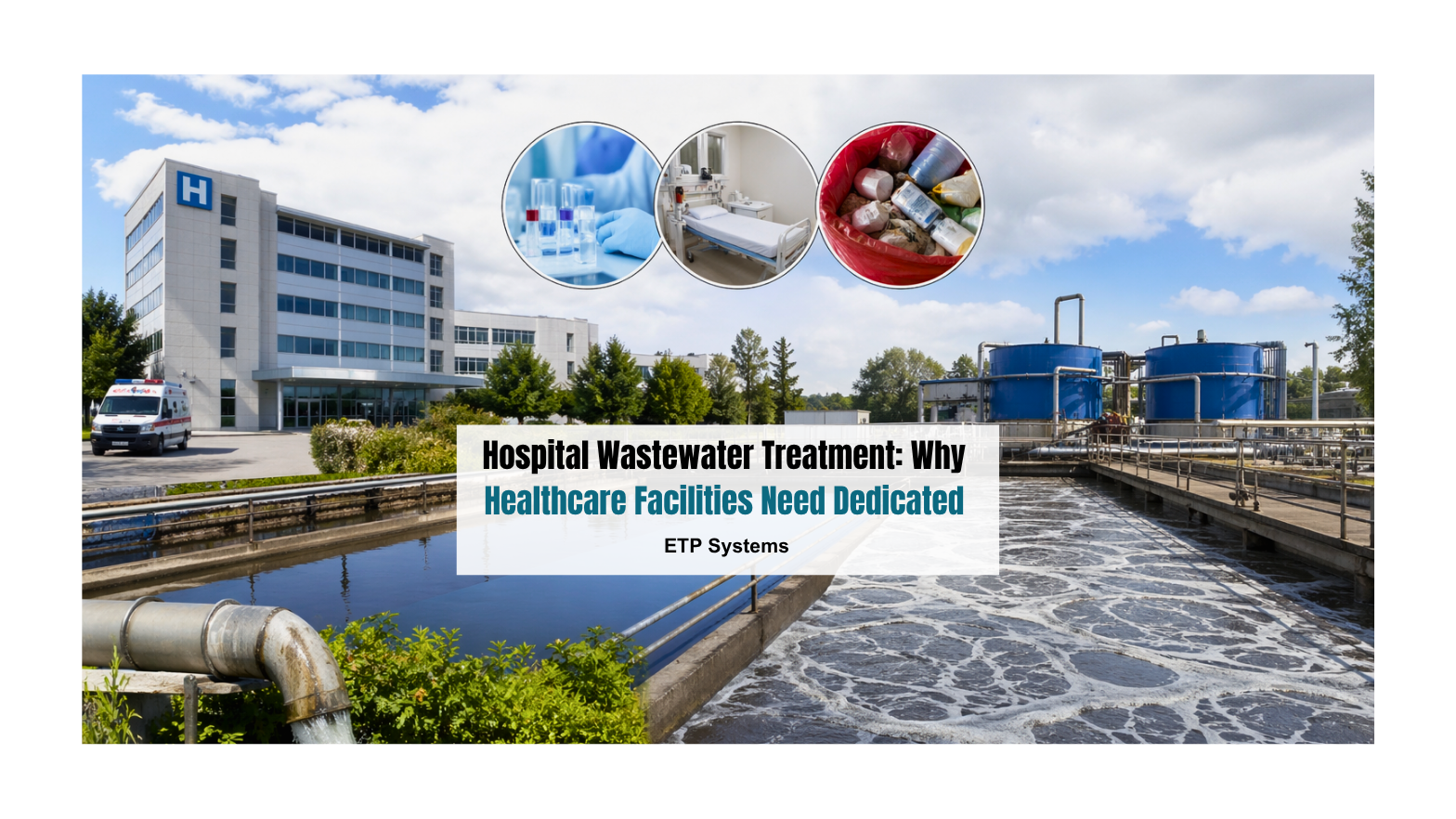
Hospital Wastewater Treatment: Why Healthcare Facilities Need Dedicated ETP Systems

A busy government hospital in Lucknow or a sprawling private medical complex in Hyderabad. Thousands of patients pass through every week. Surgeries happen around the clock. Dialysis units run in shifts. Oncology wards administer chemotherapy. And from every one of these activities, water flows out, carrying with it a chemical and biological burden that most people never think about.

This is not ordinary wastewater. What leaves a hospital through its drainage network is a complex mixture of blood, body fluids, residual pharmaceuticals, heavy metals from imaging chemicals, disinfectants, antibiotic compounds, and, critically, drug-resistant microbial organisms. This “toxic cocktail,” as environmental engineers who work in this space often call it, finds its way into municipal sewage lines, open drains, and, in far too many cases, directly into local water bodies without meaningful treatment.

For communities living near these facilities, especially in India’s densely populated urban corridors, this is not an abstract environmental concern. It is a daily, silent public health crisis.

Why Hospital Wastewater Is Not Like Industrial Wastewater

Why Hospital Wastewater Is Not Like Industrial Wastewater

Most EHS managers working in pharma, dairy, food processing, or paper manufacturing already understand effluent treatment. You manage BOD, COD, TSS, pH. You run your ETPs, maintain compliance records, and file reports with your State Pollution Control Board (SPCB). That experience is valuable, but it does not fully prepare you for the unique complexity of healthcare effluent.

Here is what makes Hospital Wastewater Treatment fundamentally different:

  • Pharmaceutical Residues: Patients excrete a significant fraction of the drugs they consume. Antibiotics, hormones, cytotoxic agents, and analgesics enter the wastewater stream in concentrations ranging between 0.01–100 micrograms per litre depending on the drug and ward type. Conventional biological treatment units are not designed to break these down.
  • Antimicrobial Resistance (AMR) Genes: This is the sleeper issue that’s now getting serious attention from the World Health Organization. Hospital wastewater is a known hotspot for AMR gene transfer. When resistant organisms and genetic material pass into water bodies, they seed environmental reservoirs for superbugs. The Yamuna, Ganga, and Musi rivers have all shown alarming AMR profiles in research conducted over the last decade.
  • Pathogenic Load: Unlike industrial effluent, hospital wastewater carries active pathogens, bacterial, viral, and fungal. Without proper disinfection stages, these organisms survive into receiving water bodies. The BOD of hospital wastewater typically ranges between 150–350 mg/L, and COD can run anywhere from 250–600 mg/L depending on facility type and case mix.
  • Variable Flow and Composition: A textile mill produces a fairly predictable effluent stream. A hospital does not. Morning OPD hours, ICU operations, dialysis sessions, and laundry peaks create wide variation in both volume and pollutant load, sometimes within the same 24-hour period.

This variability is one reason generic ETPs routinely underperform in healthcare settings.

The Regulatory Picture in India: CPCB and NGT Are Watching

The Regulatory Picture in India: CPCB and NGT Are Watching

The Central Pollution Control Board (CPCB) has issued specific discharge standards for hospitals under the Environment Protection Act, and the Bio-Medical Waste Management Rules, 2016 (amended 2018) govern liquid waste disposal. Many states have gone further, Maharashtra, Karnataka, Tamil Nadu, and Delhi have SPCB-level directives that impose tighter standards on larger healthcare establishments.

The National Green Tribunal (NGT) has become increasingly assertive. In multiple landmark orders, the NGT has penalized healthcare institutions, including government hospitals, for discharging untreated or inadequately treated effluent into municipal drains and water bodies. Fines have ranged from lakhs to crores, and in some cases, facility operations have been restricted.

And yet, a 2023 audit by environmental researchers across Tier-1 and Tier-2 Indian cities found that a substantial proportion of hospitals, particularly nursing homes, smaller private facilities, and district hospitals, either lack functional ETPs or operate systems that were designed for domestic sewage rather than clinical-grade effluent. This is a compliance gap waiting to become a liability.

If you are an administrator or EHS manager responsible for a healthcare facility, the question is not whether your facility will face scrutiny. It is whether you will be ready when it does.

If your current ETP setup was not specifically designed for hospital wastewater, this is the right time to request a professional Wastewater Audit from Team One Biotech. Our team will evaluate your current system, identify gaps in CPCB compliance, and give you a clear action plan, no obligations.

What a Dedicated ETP for Hospitals Actually Looks Like

What a Dedicated ETP for Hospitals Actually Looks Like

A properly engineered hospital ETP is a multi-stage system that addresses the specific threat vectors of healthcare effluent. Here is a simplified breakdown of what that looks like in practice:

Primary Treatment

Screening, grit removal, and equalization. The equalization tank is particularly important in healthcare applications, it buffers the wide flow variations mentioned earlier and ensures that downstream biological stages receive a consistent load.

Secondary Biological Treatment

This is where the heavy lifting happens. Activated sludge processes, Moving Bed Biofilm Reactors (MBBR), or Sequencing Batch Reactors (SBR) are common choices. BOD and COD reduction at this stage can bring levels down to 30–100 mg/L and 100–250 mg/L respectively, when properly sized and operated.

Tertiary and Advanced Treatment

Given the pharmaceutical and AMR concerns unique to hospitals, tertiary treatment is non-negotiable. This typically includes:

  • Coagulation and flocculation for suspended solids
  • Activated carbon adsorption for pharmaceutical residue removal
  • Chlorination or UV disinfection for pathogen kill
  • Ozonation in high-specification systems

Sludge Management

Hospital ETP sludge is classified as hazardous. It requires proper dewatering, containment, and disposal in line with Bio-Medical Waste Rules, a step that many facilities overlook when setting up basic treatment units.

Technical Deep Dive: Why Bioremediation Outperforms Traditional Chemical Dosing

This is where things get genuinely interesting, and where the gap between legacy practice and modern science becomes very clear.

Traditional hospital ETPs lean heavily on chemical treatment: coagulants like alum or ferric chloride, hypochlorite for disinfection, and acid/alkali for pH adjustment. These approaches work in narrow parameters. But they have well-documented limitations in healthcare applications:

  • They do not biodegrade pharmaceuticals. Chemical coagulation removes suspended matter. It does not break down dissolved drug molecules, hormones, or AMR genetic material.
  • They generate high volumes of chemical sludge, which itself becomes a disposal burden.
  • Operating costs are persistent and high. Chemical procurement, handling, and dosing add recurring expenditure running into lakhs per year for medium-to-large facilities.
  • System sensitivity to load variation means that during peak hours, chemical dosing systems can underperform, leading to compliance breaches.

Bioremediation, Team One Biotech’s core area of expertise, takes a fundamentally different approach. Rather than adding synthetic chemicals to suppress or precipitate pollutants, bioremediation introduces specialized microbial consortia that actively metabolize contaminants.

In hospital wastewater applications, this means:

  • Pharmaceutical degradation at the molecular level. Carefully selected microbial strains can break down antibiotic residues, hormonal compounds, and certain cytotoxic metabolites, converting them into water, carbon dioxide, and biomass rather than leaving them in altered chemical form.
  • AMR risk reduction. Research increasingly supports that robust biological treatment with diverse microbial communities can suppress the proliferation of resistant organisms. A healthy microbial ecosystem outcompetes pathogens and ARB (antibiotic-resistant bacteria) for resources.
  • Lower sludge generation. Biological processes typically produce 30–50% less sludge than comparable chemical treatment systems, a significant operational and disposal cost advantage.
  • Greater operational stability. Well-established biofilm and suspended growth systems can tolerate load fluctuations better than chemical dosing when properly maintained.
  • CPCB-compatible output. With the right system design, bioremediation-based ETPs can consistently achieve treated effluent quality within CPCB General Standards for discharge.

Team One Biotech’s proprietary microbial formulations have been deployed across healthcare, pharmaceutical, and industrial facilities across India. Our approach is site-specific: we do not sell a generic solution because hospital wastewater in Mumbai does not look the same as hospital wastewater in Bhopal.

Want to understand whether a bioremediation-based ETP could replace or supplement your existing system? Talk to our technical team for a Custom Bioremediation Plan tailored to your facility’s effluent profile.

Common Mistakes Healthcare Facilities Make With Their ETPs

Common Mistakes Healthcare Facilities Make With Their ETPs

A few patterns come up repeatedly when our team evaluates existing hospital wastewater systems:

  • Undersizing the equalization tank. This single error leads to more ETP performance failures than almost any other design flaw.
  • Treating the ETP as a one-time capital project rather than a living system that requires monitoring, microbial replenishment, and periodic process adjustment.
  • Ignoring the pharmacy and laundry streams. These two sources often carry disproportionately high pharmaceutical and surfactant loads and need targeted pre-treatment before they reach the main ETP.
  • Relying on third-party lab reports without in-house monitoring. By the time an external lab flags a problem, a compliance breach has already occurred.
  • Not planning for the NGT audit cycle. Regulatory bodies are increasingly coordinating surprise inspections, and facilities that rely on compliance-by-paperwork rather than compliance-by-performance are the most exposed.

Liquid Medical Waste Management: The Overlooked Last Mile

Even facilities with reasonably functional ETPs often have a blind spot around liquid medical waste management at the source. Properly segregating and pre-treating high-risk liquid streams, from pathology labs, operation theatres, dialysis units, and isolation wards, before they enter the main drainage network is both a regulatory requirement and a practical necessity.

Without source-level segregation protocols, a single high-load event (say, a dialysis session’s concentrated effluent or a pathology lab’s chemical waste) can overwhelm downstream biological treatment stages. Our recommendation: treat liquid medical waste management as a facility-wide discipline, not just an ETP engineering problem.

The Business Case for Getting This Right

Beyond compliance, there is a straightforward business case. Hospitals that invest in properly designed, professionally maintained dedicated ETP systems typically see:

  • Reduced risk of NGT/SPCB penalties, which can range from Rs. 5 lakh to Rs. 5 crore depending on severity and jurisdiction
  • Lower long-term operating costs compared to chemical-heavy legacy systems
  • Stronger positioning for NABH accreditation and green hospital certifications
  • Reputational protection in an era when environmental accountability is increasingly a factor in institutional trust

This is not a regulatory checkbox exercise. It is an investment in the long-term operational resilience of your facility.

Ready to move from compliance risk to compliance confidence? Team One Biotech offers end-to-end support, from initial Wastewater Audit to system design, microbial supply, and ongoing monitoring. Contact our EHS advisory team today and take the first step toward a fully compliant, bioremediation-powered hospital ETP.

Disclaimer: The values mentioned in this article, including BOD, COD, flow rates, cost ranges, and treatment performance benchmarks, are general estimates and industry benchmarks. Actual requirements and performance metrics vary based on individual ETP design, specific facility loads, local regulatory conditions, and operational parameters. Always consult a qualified EHS engineer or licensed ETP designer before making facility-specific decisions.

Looking to improve your ETP/STP efficiency with the right bioculture?
Talk to our experts at Team One Biotech for customised microbial solutions.

Contact+91 8855050575

Email:  sales@teamonebiotech.com

Visit: www.teamonebiotech.com

Discover More on YouTube – Watch our latest insights & innovations!-

Connect with Us on LinkedIn – Stay updated with expert content & trends!
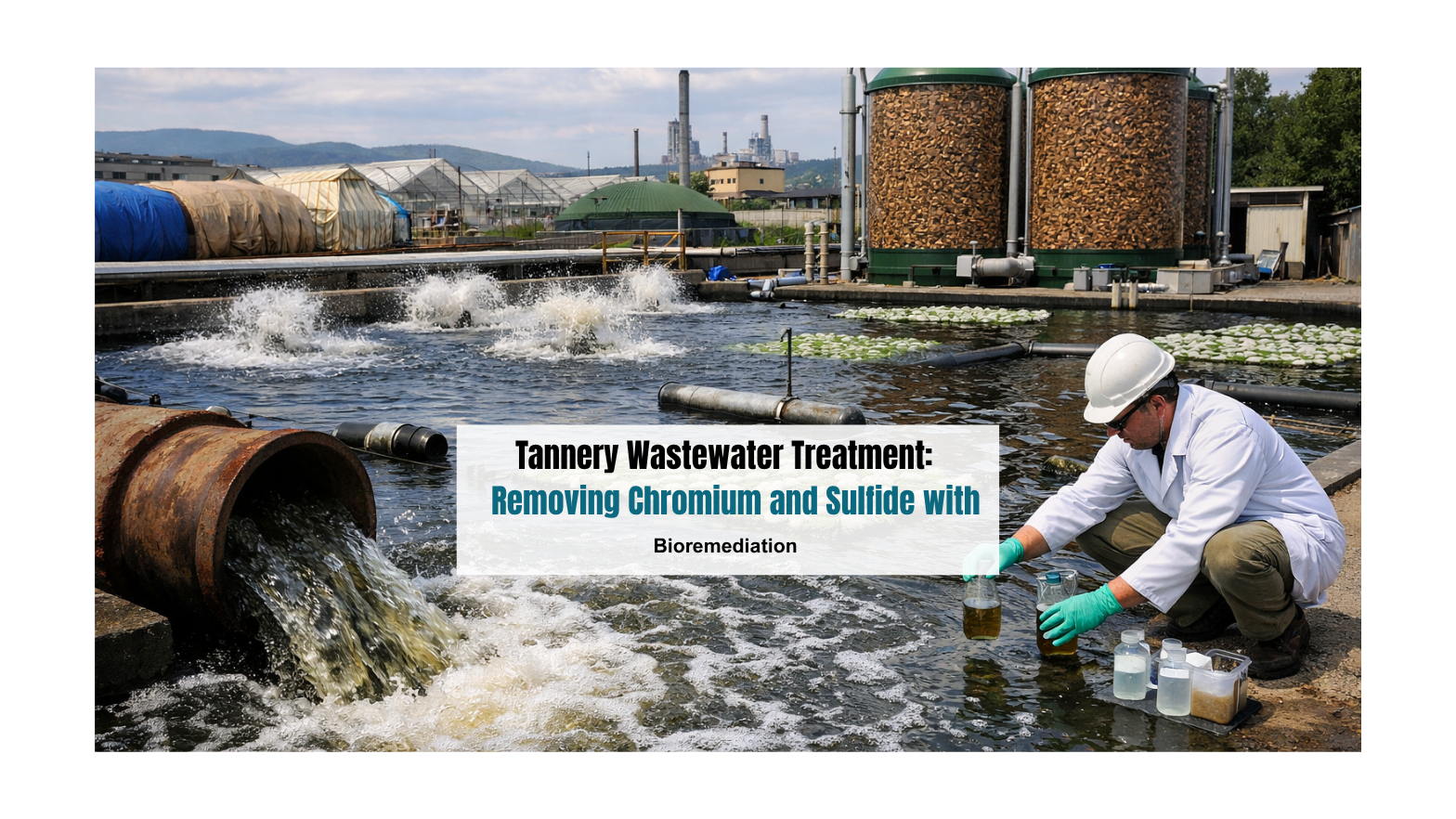
Tannery Wastewater Treatment: Removing Chromium and Sulfide with Bioremediation

If you manage environmental health and safety at a tannery unit in Kanpur, Ambur, or Ranipet, you already know what it feels like to walk into your ETP shed at 6 AM and wonder whether today is the day an SPCB inspection team shows up unannounced. You know the weight of being responsible for what goes into the drain, and what that means for a river downstream, for a community nearby, and for your facility’s operating license.

Bio Cultures for Tannery Wastewater Treatment is not a back-of-house problem. It sits at the intersection of industrial survival and environmental accountability. The leather industry contributes billions to India’s export economy and employs millions of workers, but it also produces one of the most chemically complex effluent streams in any industrial sector. Chromium. Sulfides. High BOD. Extreme pH swings. And CPCB norms that grow stricter with every revision of the Environmental Protection Act.

For EHS managers who have been navigating this pressure for years, the real question is no longer whether to treat, it is how to treat smarter, at lower cost, with less sludge, and with outcomes that actually hold up during third-party audits. That is where bioremediation is changing the conversation.

What Makes Tannery Effluent So Difficult to Treat

What Makes Tannery Effluent So Difficult to Treat

Before talking solutions, it helps to be honest about the problem, because too many vendors oversimplify it.

Traditional chrome tanning processes use trivalent chromium (Cr III) as a tanning agent. Under most ETP conditions, this is manageable. The challenge emerges when your ETP is not optimized: pH fluctuations, oxidizing conditions, and high redox potential can convert Cr(III) to hexavalent chromium (Cr VI), a compound classified as a carcinogen under multiple international standards and explicitly listed under CPCB’s hazardous waste rules.

Indian discharge norms for total chromium in tannery effluent are set at 2 mg/L for inland surface water discharge and 1 mg/L for land application under General Standards for Discharge of Environmental Pollutants (Schedule VI of the Environment Protection Rules, 1986). Facilities operating in river-sensitive zones, particularly those near the Ganga basin in Uttar Pradesh or Palar River basin in Tamil Nadu, face even tighter scrutiny under NGT directives and state-level notifications.

Then there is the sulfide problem. Beam-house operations, liming, de-hairing, and soaking, generate effluent with sulfide concentrations that can range from several hundred to well over a thousand mg/L, depending on process chemistry and hides processed per day. Sulfide in untreated or undertreated discharge creates toxic hydrogen sulfide gas, causes acute aquatic toxicity, and contributes to the foul odor conditions that draw community complaints and media attention to tannery clusters.

The conventional response has been chemical precipitation, adding ferrous sulfate or lime to crash chromium out of solution, and using aeration or chlorination to oxidize sulfide. These methods work, to a point. But they generate enormous volumes of chemical sludge, require significant reagent procurement and storage, and often struggle to consistently hit discharge limits when influent quality fluctuates, which in tanneries, it does frequently.

The Bioremediation Shift: Microbes That Work Where Chemicals Fall Short

Bioremediation in tannery wastewater treatment is not a new concept, but its practical implementation in Indian industrial ETPs has accelerated significantly in the last several years, driven partly by the push for ZLD compliance and partly by the economics of chemical sludge disposal.

What Team One Biotech brings to this domain is a library of specialized microbial consortia that have been selected and conditioned specifically for high-chromium, high-sulfide industrial environments. These are not off-the-shelf bacterial cultures from a generic microbiology catalogue. They are strains that have been adapted to perform under the high-salinity, high-toxicity conditions that are typical of tannery ETPs in the Kanpur cluster or the Ambur-Ranipet belt.

The core distinction between chemical treatment and bio-based treatment is what happens after the contaminant is captured. Chemical precipitation immobilizes chromium in a sludge cake that must then be landfilled or treated as hazardous waste. Bioremediation does something different, and, in many ways, more elegant.

How the Microbial Mechanism Actually Works

How the Microbial Mechanism Actually Works

Chromium Sequestration Through Microbial Reduction

Certain strains of chromate-reducing bacteria, including species from genera such as Bacillus, Pseudomonas, and Desulfovibrio, are capable of enzymatically reducing hexavalent chromium (Cr VI) to the far less toxic trivalent form (Cr III). This reduction typically occurs through electron transfer driven by organic carbon in the effluent, which means the bacteria are using the wastewater’s own chemistry as fuel.

Once reduced, Cr(III) can be further immobilized through biosorption, a process where microbial cell walls, with their negatively charged surface groups, bind to metal cations and remove them from solution. The result is chromium locked into a biomass matrix rather than floating in solution or leaching from a chemically unstable sludge cake.

In optimized bioaugmentation programs, total chromium reduction efficiencies in tannery ETPs have been reported in the range of 70% to 90% in the biological treatment stage alone, before any final polishing. Specific results depend on influent loading, hydraulic retention time, microbial acclimatization period, and the baseline performance of the existing ETP. These figures are benchmarks; actual outcomes vary from plant to plant and require site-specific evaluation.

Sulfide Oxidation Through Microbial Metabolism

The sulfide challenge is addressed through a different but equally elegant mechanism. Sulfur-oxidizing bacteria, which naturally thrive in environments rich in reduced sulfur compounds, convert sulfide (S²⁻) to elemental sulfur and ultimately to sulfate (SO₄²⁻), which is far less toxic and odorous.

In a bioaugmented ETP, this process is accelerated and stabilized compared to what happens in a conventional aeration system. The biological pathway does not require continuous addition of chemical oxidants, and it does not produce the chlorinated by-products associated with hypochlorite-based sulfide control.

Sulfide removal efficiencies in augmented biological treatment stages typically fall in the range of 75% to 92% under stable operating conditions. Again, these are generalized ranges. Actual performance depends on your specific influent sulfide load, reactor configuration, and dissolved oxygen management.

The Indian Industry Context: Why This Matters More Here

The Indian Industry Context: Why This Matters More Here

Indian tannery clusters operate at a scale that makes chemical reagent costs a serious line item. A mid-sized tannery processing 500 to 1,000 hides per day can spend significantly on ferrous sulfate, lime, and acid for pH adjustment alone, before accounting for the cost of sludge disposal, which in hazardous waste categories under the Hazardous and Other Wastes (Management and Transboundary Movement) Rules, 2016 requires authorized TSDF facilities.

Bioaugmentation does not eliminate chemical treatment entirely, most ETPs will continue to use some chemical precipitation for rapid chromium knockdown, but it substantially reduces reagent consumption and sludge volume. Facilities that have integrated microbial treatment into their process have reported reductions in chemical sludge generation in the range of 30% to 55%, though this varies considerably depending on baseline chemistry and process configuration. These figures are indicative and should not be assumed to apply universally without a proper site assessment.

From a ZLD compliance standpoint, reducing the contaminant load entering your RO or evaporation systems also extends membrane life and reduces scaling, which translates directly into lower maintenance costs and longer intervals between system overhauls.

For EHS managers under SPCB scrutiny or NGT compliance orders, particularly those operating in notified zones around the Ganga, Yamuna, or Palar river basins, demonstrating a biological treatment layer in your ETP is increasingly viewed favorably during compliance reviews as evidence of best-available-technology adoption.

If your facility is currently navigating a compliance notice or preparing for a renewal inspection, this is exactly the kind of documented process improvement that regulators want to see. Contact Team One Biotech for a no-obligation audit of your current ETP’s biological treatment potential.

Integrating Bioremediation Into Your Existing ETP: A Practical Path

Retrofitting an existing tannery ETP for bioaugmentation does not require demolishing what you have. The approach is additive, not disruptive. Here is how the implementation typically unfolds:

  • Baseline ETP Assessment, Team One Biotech’s technical team evaluates your current influent parameters: chromium speciation, sulfide load, BOD/COD ratio, pH profile, and sludge generation rates. This gives you a data-backed starting point rather than a guess.
  • Microbial Strain Selection, Based on the assessment, a specific consortium is recommended. High-chromium environments need strains with proven chromate-reduction capacity; high-sulfide environments need dominant sulfur oxidizers. The formulation is not one-size-fits-all.
  • Seeding and Acclimatization, Microbial cultures are introduced into your existing biological treatment tanks, typically the aeration tank or equalization basin. An acclimatization period of two to four weeks is standard before performance benchmarks are meaningful.
  • Monitoring and Optimization, Effluent quality is tracked at defined intervals. Dosing frequency and quantity are adjusted based on observed performance. This is not a one-time application; it is a managed biological process.
  • Documentation for Compliance, Treatment logs, influent and effluent data, and microbial performance records are maintained in a format suitable for SPCB submissions and third-party environmental audits.

Speak to Team One Biotech’s technical team today to understand whether your ETP’s existing infrastructure is ready for bioaugmentation, or what modifications might be needed to maximize outcomes.

Long-Term ROI and the Environmental Legacy You Leave Behind

The economics of bioremediation in tannery wastewater treatment improve over time. In the first year, the primary returns are in chemical savings, reduced sludge disposal costs, and improved consistency in hitting discharge limits. Over a three-to-five year horizon, the return also includes reduced equipment wear on downstream systems, lower compliance-related legal and administrative costs, and the reputational capital that comes with demonstrably responsible effluent management.

For tannery units in clusters like Kanpur, where the Ganga Action Plan and successive NGT orders have made the leather industry a focal point of environmental scrutiny, this is not a peripheral benefit. It is a strategic necessity.

The EHS managers who are building facilities that will still be operating a decade from now are not just chasing compliance thresholds. They are making a considered decision about the kind of industrial legacy their facility leaves in the local ecosystem, the local water table, and the communities around them.

Bioremediation is one of the most credible tools available to make that decision count.

To explore a site-specific bioremediation strategy for your tannery ETP, reach out to Team One Biotech for a detailed technical audit and customized treatment recommendation.

Disclaimer: All numerical values, reduction percentages, and concentration ranges cited in this article are general industry benchmarks compiled from published literature and field observations. Actual results vary from plant to plant and depend on influent characteristics, ETP design, operational parameters, and site-specific conditions. These figures should not be used as guaranteed performance indicators without a formal site assessment.

Looking to improve your ETP/STP efficiency with the right bioculture?
Talk to our experts at Team One Biotech for customised microbial solutions.

Contact+91 8855050575

Email:  sales@teamonebiotech.com

Visit: www.teamonebiotech.com

Discover More on YouTube – Watch our latest insights & innovations!-

Connect with Us on LinkedIn – Stay updated with expert content & trends!
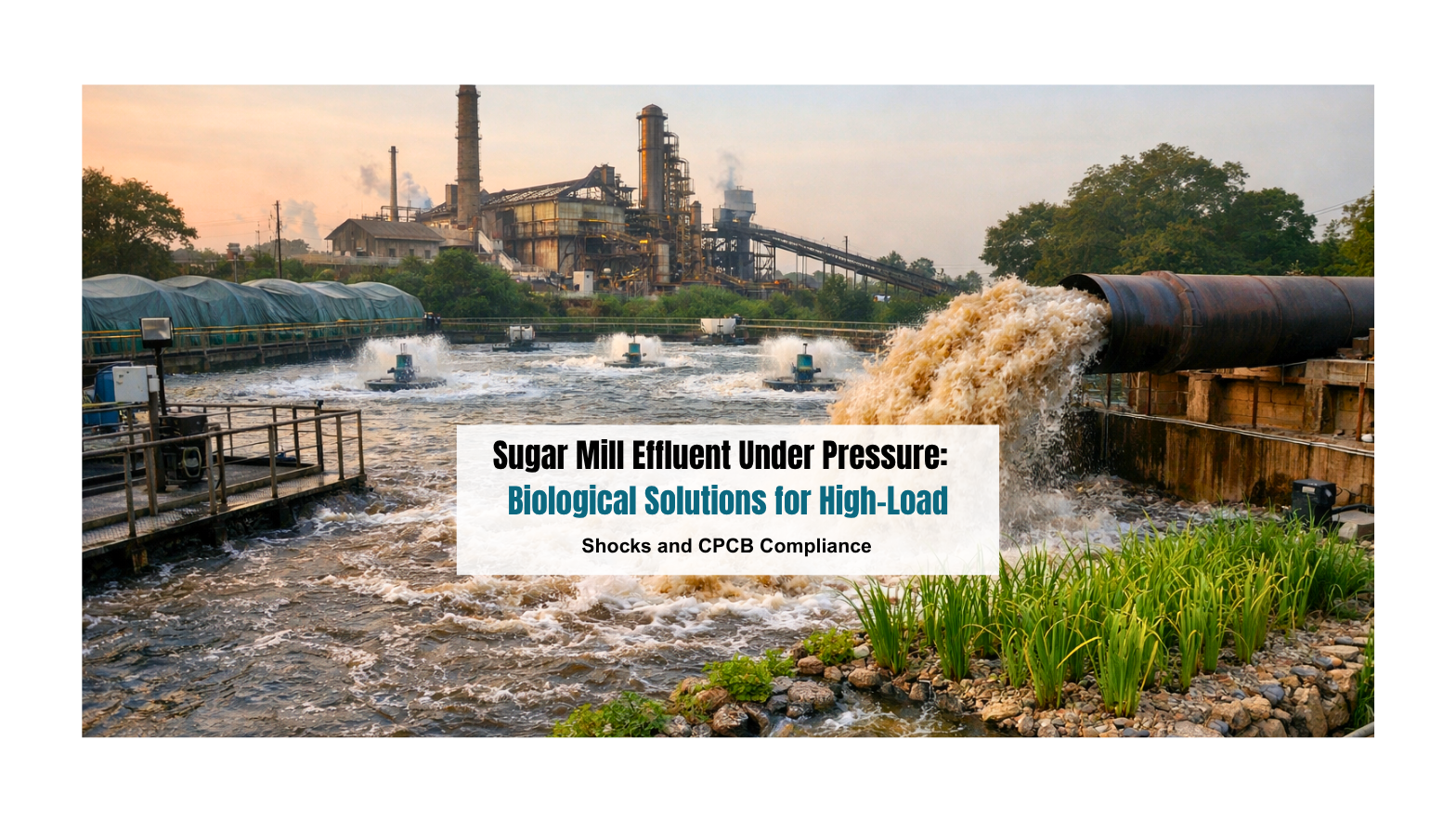
Sugar Mill Effluent Under Pressure: Biological Solutions for High-Load Shocks and CPCB Compliance

Every October, the same alarm starts ringing across sugar belt states,  Uttar Pradesh, Maharashtra, Karnataka, Tamil Nadu. The cane arrives faster than any ETP was designed to absorb. Clarifier overflow. Sludge turning grey. COD spiking to levels that would make an inspector reach for his clipboard before he even finishes his chai.

For an EHS manager standing between a 24-hour production cycle and an SPCB show-cause notice, this is not a theoretical problem. This is a recurring operational crisis,  one that can trigger NGT fines, plant shutdowns, and reputational damage that lingers long after the season ends.

The hidden cost of non-compliance is rarely just the penalty. It is the productivity loss during corrective shutdowns, the cost of emergency chemical dosing, the overtime hours troubleshooting a biological system that was never built for the load it is receiving. And increasingly, with CPCB tightening effluent discharge standards under the Environment Protection Act and NGT maintaining active oversight on Red Category industries, the margin for error has narrowed to almost nothing.

Biological treatment for sugar mills done right is not a backup plan. It is the foundation of a compliant, resilient sugar mill operation.

What Makes Sugar Mill Effluent a Biological Treatment Challenge

Sugar mill effluent is not ordinary wastewater. It is a concentrated, chemically complex mix that includes washings from cane preparation, barometric condenser water, juice spillage, molasses residues, and floor washdowns from the boiling house. During peak crushing, this mix arrives in volumes and concentrations that fluctuate dramatically,  sometimes hour to hour.

The core parameters that drive treatment difficulty:

COD loads typically range from 2,000–15,000 mg/L depending on the unit operation and dilution, though values outside this range are documented during startup and peak throughput.

BOD values commonly fall in the 800–6,000 mg/L range in raw influent, with significant variation tied to molasses carryover and process leakages.

pH swings across 4.5–9.5 in untreated streams, driven by fermentation of residual sugars in collection channels and alkaline process water from sulphitation.

Suspended solids, including bagasse fines and soil from cane washing, regularly read between 500–3,000 mg/L in raw streams entering primary treatment.

Colour, primarily from melanoidins,  the compounds formed when amino acids react with reducing sugars under heat,  is one of the most persistent treatment challenges and a visible indicator of non-compliance even when COD numbers look acceptable.

All values expressed throughout this article represent general industry ranges. Actual figures vary significantly based on plant-specific machinery, cane variety, feedstock quality, process water management, and ETP/STP design configuration. Site-specific characterisation is essential before any treatment design decision.

The Science Behind Biological Degradation of Sugar Mill Wastewater

The Science Behind Biological Degradation of Sugar Mill Wastewater

Why Microbial Consortia Outperform Chemical Treatment Alone

Chemical treatment,  coagulation, flocculation, lime dosing,  addresses the physical load. It does not address the dissolved organic fraction that drives your COD reading and determines whether your discharge will pass consent conditions.

That work is done by microorganisms. Specifically, by diverse consortia of aerobic heterotrophs, facultative anaerobes, and specialised fermenters that collectively degrade the complex organic matrix of sugar mill effluent.

The primary substrates these organisms are breaking down include:

Sucrose, glucose, and fructose,  rapidly consumed fermentable sugars that provide a fast-acting BOD spike in the early stages of biological treatment.

Polysaccharides and starches,  from bagasse and cane pith, which require cellulolytic and amylolytic bacterial populations to hydrolyse before further degradation is possible.

Organic acids,  acetic, lactic, and butyric acids formed during fermentation of residual sugars in collection sumps and anaerobic pockets of the treatment system.

Melanoidins,  high-molecular-weight recalcitrant compounds requiring specialised peroxidase-producing fungi and bacteria, such as Phanerochaete-type organisms or ligninolytic populations, that many generic microbial seed cultures simply do not contain in sufficient density.

The Anaerobic-Aerobic Sequence: Getting the Biology Right

Well-designed biological treatment of sugar mill effluent typically follows a staged approach:

Anaerobic pretreatment,  UASB reactors or anaerobic lagoons reduce the gross organic load, converting 55–70% of incoming COD to biogas and reducing the aerobic stage loading. COD reduction across the anaerobic stage typically falls in the 50–65% range.

Aerobic biological treatment,  Extended aeration, activated sludge, or sequencing batch reactors (SBRs) handle the residual BOD and COD. Well-seeded and maintained aerobic systems achieve BOD reductions of 88–96% across the combined treatment train.

Tertiary polishing,  Filtration, constructed wetlands, or advanced oxidation handles colour and residual suspended solids before ZLD or discharge.

The biology only performs at this level when the microbial population is correctly seeded, adequately fed, and protected from shock events.

Where Operations Go Wrong, The Most Common ETP Failures in Sugar Mills

Sludge Bulking and Settleability Collapse

One of the most frequently reported operational failures in sugar mill ETPs is filamentous sludge bulking,  the proliferation of thread-like bacterial species that create a voluminous, poorly settling sludge blanket. This typically occurs when:

Carbon-to-nitrogen ratios are skewed by high sugar loads without proportional nitrogen supplementation. The ideal C:N:P ratio for aerobic biological treatment is approximately 100:5:1, but in sugar mill systems, this ratio can be thrown to 300:5:1 or worse during high-load periods.

Dissolved oxygen sags below 1.5–2.0 mg/L in aeration tanks during peak load, favouring filamentous organisms over floc-forming bacteria.

Hydraulic retention times are shortened during peak production to maintain inlet flow acceptance, starving the biological population of contact time.

The Failure of Generic Microbial Seeding

This is a pattern that repeats across sugar mills that are attempting biological recovery without specialist input. The plant inoculates with cow dung slurry or municipal sludge,  standard practice passed down through operating teams,  and then waits for the biomass to establish.

The problem is selection pressure. The microbial populations in generic seed material were never exposed to the specific substrates in sugar mill effluent,  melanoidins, complex polysaccharides, high-temperature process water. Establishment is slow, COD reduction remains in the 40–60% range instead of the 85–95% range a specialist consortium can achieve, and the plant operates in a perpetual state of marginal compliance.

Monsoon-Season Biomass Instability

Monsoon creates specific problems for sugar mill ETPs in India that are rarely addressed in treatment design documents but are felt acutely by every plant operator.

Temperature drops across aerobic tanks of 8–14°C relative to pre-monsoon conditions can reduce microbial metabolic rates by 30–50%, stretching biological treatment response times and elevating discharge COD.

Stormwater ingress dilutes mixed liquor suspended solids (MLSS),  the active biological mass,  from stable operating ranges of 2,500–4,000 mg/L down to values below 1,000 mg/L in poorly bunded facilities.

Additionally, the crushing season in northern states begins immediately post-monsoon, meaning biomass is already stressed before it faces the season’s peak organic shock.

Regulatory Pressure and ZLD,  What CPCB and NGT Are Actually Demanding

Regulatory Pressure and ZLD,  What CPCB and NGT Are Actually Demanding

Under CPCB’s effluent standards for sugar industries and the downstream pressure from NGT judgments on critically polluted areas, many large sugar mills are now operating under consent conditions that require discharge COD below 250 mg/L,  and in some states, below 150 mg/L,  into inland surface water bodies.

ZLD aspirations are growing. Several state pollution control boards have begun mandating ZLD compliance for sugar mills in water-stressed districts of Maharashtra, Rajasthan, and parts of Uttar Pradesh. ZLD shifts the entire treatment objective from effluent quality to volume reduction, a target that cannot be achieved without a stable, high-performing biological treatment stage at the base of the system.

For EHS managers preparing for SPCB renewals or NGT submissions, the biological treatment performance records , MLSS logs, SV30 data, effluent quality trends,  are no longer optional documentation. They are evidence.

Download Team One Biotech’s ETP Health Checklist for Sugar Mills,  a field-tested audit framework covering biological performance indicators, sludge management, and CPCB compliance documentation.

The Team One Biotech Approach,  Specialised Biology for Specialised Loads

Team One Biotech works with sugar mills not as a chemical supplier, but as a biological treatment partner. The difference is in the specificity of the microbial products and the depth of the technical support behind them.

The core of the approach involves:

Strain-selected microbial consortia formulated specifically for high-sucrose, melanoidin-heavy wastewater streams. These are not general-purpose cultures,  they carry cellulolytic, lipolytic, and ligninolytic populations capable of degrading the recalcitrant organic fraction that generic seed material misses.

Nutrient balancing protocols that accompany every dosing plan, addressing the N:P deficiencies that are almost universal in sugar mill treatment systems.

Biomass protection strategies ahead of the crushing season,  a pre-seeding programme that builds MLSS levels and microbial diversity before the high-load shock arrives, rather than attempting biological recovery in the middle of peak production.

Ongoing monitoring support across aerobic and anaerobic stages, with dosing adjustments tied to incoming load data rather than fixed schedules.

Team One Biotech’s product range spans industrial wastewater treatment, agricultural soil health, and aquaculture water quality,  a breadth of biological expertise that brings cross-sector learning into every site-specific solution.

Request a site audit from Team One Biotech’s technical team,  field diagnostics, effluent characterisation, and a biological treatment gap analysis built around your plant’s specific operational profile.

Moving From Firefighting to Forward Management

The sugar mill operations that achieve consistent CPCB compliance and are positioned for ZLD mandates are not necessarily those with the most capital-intensive infrastructure. They are the ones whose biological treatment is actively managed,  seeded correctly at the start of the crushing season, supported through monsoon transition, monitored through the season’s peak loads, and backed by a technical partner who understands the difference between sugar mill effluent and generic industrial wastewater.

The shift from reactive crisis management to proactive biological stability is not a technology upgrade. It is an operational philosophy, supported by the right microbial science.

Sugar mill effluent treatment has a biological solution. The season does not have to be a crisis every year.

Contact Team One Biotech today for a customised microbial dosage plan built around your mill’s effluent profile, crushing schedule, and compliance targets. Treatment that works with your biology, not against your operational calendar.

Looking to improve your ETP/STP efficiency with the right bioculture?
Talk to our experts at Team One Biotech for customised microbial solutions.

Contact+91 8855050575

Email:  sales@teamonebiotech.com

Visit: www.teamonebiotech.com

Discover More on YouTube – Watch our latest insights & innovations!-

Connect with Us on LinkedIn – Stay updated with expert content & trends!
Pharmaceutical Wastewater Treatment: How API Manufacturers Can Meet CPCB Discharge Norms

If your Consent to Operate renewal is coming up in the next six months, this post is worth reading carefully. CPCB and SPCB inspection teams across Baddi, Vapi, Hyderabad, and Ankleshwar have sharpened their scrutiny of API manufacturing units over the past two years. Effluent quality records, real-time monitoring data from OCEMS, and third-party lab reports are being cross-verified with a level of technical rigor that most legacy ETPs were simply not designed to withstand.

The problem is not that plant managers are careless. The problem is that pharmaceutical effluent, particularly from API synthesis, is one of the most technically complex wastewater streams in Indian industry. High chemical oxygen demand (COD) in the range of 8,000 to 25,000 mg/L, sharp TDS spikes during solvent recovery operations, low biodegradability indices (BOD:COD ratios below 0.3 in many cases), and the persistent presence of refractory organics such as sulfonamides, beta-lactam intermediates, and heterocyclic compounds, none of this is manageable through conventional physicochemical treatment alone.

If your plant is still relying on a coagulation-flocculation-filtration sequence as the primary treatment mechanism, you are already operating at a structural compliance deficit. Effective biological wastewater treatment requires adaptive biological management.

What CPCB Discharge Norms Actually Require from API Units

What CPCB Discharge Norms Actually Require from API Units

The Regulatory Baseline You Cannot Negotiate Around

Under the Environment Protection Act and the rules framed thereunder, API manufacturing units classified under the Red Category are subject to stringent effluent discharge standards. The current CPCB general standards for discharge into inland surface water include:

  • COD: Not exceeding 250 mg/L
  • BOD (5-day, 20°C): Not exceeding 30 mg/L
  • Total Suspended Solids (TSS): Not exceeding 100 mg/L
  • pH: 5.5 to 9.0
  • Total Dissolved Solids (TDS): No Universal Fixed Limit

For units operating in ecologically sensitive zones or discharging into coastal waters, state-level norms enforced by SPCBs such as GPCB in Gujarat or TSPCB in Telangana are often more stringent than the national baseline. In Hyderabad’s Patancheru-Bollaram cluster, for example, combined effluent treatment plants have faced closure orders not because individual units violated any single parameter, but because cumulative biological oxygen demand loading breached the receiving water body’s assimilative capacity.

The Shift Toward Biological Stabilization

The regulatory shift over the last five years has been unmistakable. CPCB’s technical guidance documents and NGT-driven action plans have increasingly moved away from the notion that physicochemical treatment alone constitutes adequate ETP design for pharmaceutical and bulk drug units. The current compliance expectation, whether stated explicitly in your CTO conditions or implied through inspection scoring rubrics, is biological stabilization, the treatment of effluent to the point where residual organic load is not merely precipitated or filtered out, but metabolically degraded.

This is where the operational gap is widest for most API plants, and where bioremediation-led solutions have moved from being a niche option to a mainstream compliance necessity.

Why Standard Activated Sludge Processes Fail in API Effluent

Why Standard Activated Sludge Processes Fail in API Effluent

The Refractory Organic Problem

Conventional activated sludge processes (ASP) depend on a mixed microbial community adapted to biodegrade organic matter using dissolved oxygen. These microbial communities perform adequately on domestic sewage, food processing wastewater, and moderate-strength industrial effluent. They are not equipped, by design or by acclimatization, to degrade the complex aromatic structures, halogenated compounds, and nitrogen-rich organics that characterize API manufacturing effluent.

When your aeration tank receives a batch discharge containing synthesis intermediates or solvent residues, two outcomes are typical. Either the MLSS concentration crashes due to biological toxicity, or the sludge becomes bulky with SVI values exceeding 200 mL/g, causing blanket carryover into the secondary clarifier and a direct spike in effluent TSS.

The Hydraulic and Seasonal Loading Variable

There is a complicating factor that rarely gets discussed in ETP audits but has a measurable impact on biological treatment performance: hydraulic loading variability driven by monsoon infiltration. In industrial clusters across Himachal Pradesh, Gujarat coastal belt, and Telangana, groundwater ingress into underground sewer networks during heavy rainfall months can dilute influent COD by 30 to 60%, disrupting the food-to-microorganism (F:M) ratio in aeration basins and destabilizing the biological equilibrium your system took weeks to establish.

Designing treatment responses around a static influent quality assumption is a common ETP design flaw.

Bioremediation in ETP: The Science Behind Specialized Microbial Cultures

Bio-Augmentation vs. Bioaugmentation-Plus-Acclimatization

Team One Biotech’s approach to pharmaceutical effluent treatment is grounded in targeted bio-augmentation, the introduction of specialized, pre-screened microbial consortia capable of degrading specific classes of refractory organics that the indigenous mixed liquor cannot metabolize.

These are not generic bacterial cultures. The strains developed and deployed by Team One Biotech for API manufacturing effluent are selected for:

  • Tolerance to high solvent concentrations and low BOD:COD ratios
  • Capacity to degrade aromatic ring structures including benzimidazole, pyrimidine, and chlorinated phenol intermediates
  • Stability under fluctuating pH (5.5 to 9.5) without requiring biological system restart
  • Compatibility with existing SBR, MBR, and extended aeration configurations without requiring capital modifications

Operational Performance Metrics

In bio-augmented systems treating pharmaceutical and API effluent, the following operational improvements are typically observed:

  • COD reduction efficiency: 75% to 92% across aeration and secondary treatment stages
  • BOD:COD ratio improvement in treated effluent: from a pre-treatment range of 0.15–0.30 to post-treatment values of 0.05–0.10
  • MLSS stabilization: 2,500 to 4,500 mg/L maintained without the sludge bulking events common in uninoculated systems
  • SVI normalization: typically brought within 80 to 150 mL/g range within 3 to 6 weeks of consistent dosing
  • Sludge volume reduction: 15% to 35% depending on influent organic load and existing digestion capacity

Note: These are general performance values. Specific results and operating parameters vary depending on the unique characteristics of each individual ETP and influent quality.

Cross-Sector Applicability, Dairy, Food Processing, Sugar, Tannery, and Paper Industries

Cross-Sector Applicability, Dairy, Food Processing, Sugar, Tannery, and Paper Industries

The biological treatment challenges described above are not exclusive to pharmaceutical units. Plant managers and EHS heads across several other high-load sectors face structurally similar compliance pressures.

Dairy and Food Processing

Dairy effluent carries high BOD loads (typically 1,500 to 4,500 mg/L) from fats, lactose, and cleaning chemical residues. The challenge here is less about refractory organics and more about rapid organic loading variability tied to production schedules. Bio-augmentation with lipase-producing and lactose-degrading microbial consortia accelerates treatment kinetics significantly in extended aeration systems.

Sugar and Distillery

Distillery spent wash remains one of the most challenging effluents in Indian industrial wastewater management, with COD values routinely between 80,000 and 120,000 mg/L. Melanoidin compounds, the dark-colored refractory polymers formed during fermentation, are highly resistant to conventional biological treatment. Specialized ligninolytic and melanoidin-degrading cultures can meaningfully reduce color and residual COD in the post-anaerobic treatment stage. 

Tannery Sector

In tannery clusters across Kanpur and Tamil Nadu, effluent contains sulphide, chromium, and protein degradation products in combination. Bio-augmented systems using sulphide-oxidizing and chromium-tolerant microbial consortia have demonstrated effective secondary treatment performance where standard ASP systems have repeatedly failed SPCB inspections.

Paper and Pulp

Lignocellulosic effluent from paper mills, with COD loads of 5,000 to 15,000 mg/L and high color values driven by lignin derivatives, responds well to fungal-bacterial consortium-based bioaugmentation, particularly in CETP-linked secondary treatment stages.

Note: These are general performance values. Specific results and operating parameters vary depending on the unique characteristics of each individual ETP and influent quality.

Next Steps for EHS Managers and Plant Technical Heads

If your ETP is consistently producing treated effluent with COD above 350 mg/L, if your sludge is bulking intermittently, or if your next CTO renewal is within the next 12 months, the time for remediation is before the inspection, not after the notice.

Team One Biotech provides:

  • On-site technical ETP audits covering biological process assessment, influent characterization, and CPCB compliance gap analysis
  • Customized microbial dosing charts specific to your effluent composition, ETP configuration, and seasonal hydraulic loading profile
  • Ongoing technical support through dosing adjustment, performance monitoring, and pre-inspection documentation review

To schedule a technical ETP audit or request a customized microbial dosing recommendation for your pharmaceutical, dairy, sugar, or tannery unit, contact Team One Biotech’s technical team directly. Bring your last three months of ETP monitoring data to the first consultation. The more specific the input, the more precise the solution.

Looking to improve your ETP/STP efficiency with the right bioculture?
Talk to our experts at Team One Biotech for customised microbial solutions.

Contact+91 8855050575

Email:  sales@teamonebiotech.com

Visit: www.teamonebiotech.com

Discover More on YouTube – Watch our latest insights & innovations!-

Connect with Us on LinkedIn – Stay updated with expert content & trends!

Case Study: Reducing Sludge Dewatering Costs by 40% with Microbial Bio-augmentation

The Cost No One Talks About in Your P&L

Every plant manager knows the obvious costs, power, raw materials, compliance audits. But there is one line item that quietly bleeds operational budgets dry, quarter after quarter: ETP sludge management.

In Indian textile mills, pharmaceutical units, distilleries, and chemical plants, sludge disposal is no longer just an inconvenience. It has become a significant and growing operational liability. Filter presses running at high electricity draw. Polymer and coagulant chemicals ordered in bulk every month. Third-party sludge haulers charging more with every trip. And despite all of it, the sludge keeps coming, wet, heavy, and expensive.

If your ETP sludge is consistently coming off the filter press at 85–95% moisture content, you are not just dealing with a dewatering problem. You are dealing with a biological treatment failure upstream. And the meter is running.

Why Indian ETPs Face a Uniquely Difficult Challenge

Why Indian ETPs Face a Uniquely Difficult Challenge

The problem is not simply poor equipment or undertrained operators. Indian industrial ETPs operate under a set of conditions that are genuinely difficult to manage:

  • Highly fluctuating organic loads, Batch production cycles in pharma and distilleries create feast-or-famine conditions for biological systems, often destabilizing the microbial ecosystem in the aeration tank.
  • Climatic variability, From a 12°C winter morning in Ludhiana to a 42°C summer afternoon in Surat, temperature swings stress microbial populations in ways that laboratory-designed systems rarely account for.
  • Complex and inhibitory wastewater composition, High BOD, COD, TDS, and the presence of recalcitrant compounds in textile dye effluents or solvent-heavy pharmaceutical discharge actively suppress native microbial communities.
  • CPCB and SPCB pressure, Discharge norms are tightening. Consent to Operate renewals now scrutinize sludge disposal records, TSDF utilization, and biological treatment efficiency with far greater intensity than even five years ago.
  • Rising TSDF costs, With hazardous sludge disposal at authorized facilities becoming more expensive and logistics more complex, the cost per metric tonne of wet sludge keeps climbing.

The result: ETP operators pour more chemicals into a system that is biologically weak, produce more sludge than the system should generate, and then spend more money trying to dewater sludge that simply does not want to release its water.

The Case Study: A Large-Scale Industrial ETP Struggling to Break Even on Sludge Costs

A Large-Scale Industrial ETP Struggling to Break Even on Sludge Costs

The Facility

A mid-to-large industrial unit, operating a combined biological treatment system handling both aerobic and anaerobic process streams, was experiencing chronic sludge management issues. The facility ran a conventional activated sludge process followed by a secondary clarifier and a filter press dewatering unit. On paper, the system was adequate. In practice, it was consistently underperforming.

The Problem

The plant’s ETP team flagged several compounding issues over a period of months:

  • Sludge moisture content stubbornly holding at 88–93%, despite optimal filter press cycle times and regular polymer dosing adjustments.
  • Chemical coagulant consumption rising quarter-on-quarter with diminishing returns on cake dryness.
  • Biological treatment zones showing poor VSS/TSS ratios, indicating a weak and unbalanced microbial community, too much inert biomass, not enough active degraders.
  • Effluent quality intermittently failing BOD and COD discharge standards during peak load periods, attracting regulatory scrutiny.
  • Sludge disposal volumes, and the associated TSDF costs, had increased substantially over the preceding financial year, making sludge management one of the top three operational cost centres in the ETP budget.

The root cause was clear upon detailed assessment: the biological treatment system was not breaking down complex organics efficiently. Instead of being mineralized within the system, organic matter was being carried forward into the sludge, adding to its mass and making it structurally resistant to mechanical dewatering. A filter press cannot fix what biology has failed to do.

The Solution: A Targeted Bio-augmentation Program

Rather than recommending capital expenditure on new equipment, the approach taken was fundamentally different, restore and reinforce the biological engine at the core of the ETP.

A customized microbial bio-augmentation program was designed and deployed across the facility’s biological treatment and anaerobic process zones. Here is what that involved:

Microbial Selection and Customization

Not all microbial consortia are equal. Generic, off-the-shelf products often fail in complex industrial wastewater because they are not matched to the specific substrate chemistry of the effluent. In this case, a site-specific microbial formulation was developed after wastewater characterization, targeting:

  • High-efficiency heterotrophic bacteria capable of degrading complex COD fractions under variable load conditions
  • Specialized hydrolytic organisms to break down long-chain polymeric organics in the sludge matrix itself
  • Facultative anaerobes adapted to function effectively across the temperature and pH ranges observed at this facility
  • Acid-phase and methanogenic bacteria for reinforcing the anaerobic process zone’s capacity to handle shock loads

Deployment Protocol

Bio-augmentation was not treated as a one-time addition. The protocol involved:

  • Seeding the aeration tank and anaerobic digester with the tailored microbial consortium during a controlled inoculation phase
  • Monitoring VSS activity, SVI (Sludge Volume Index), and F:M ratio on a weekly basis during the stabilization window
  • Gradual reduction in chemical coagulant dosing as biological floc quality improved and the sludge’s natural dewatering characteristics strengthened
  • Ongoing performance reviews tied to sludge cake moisture readings and monthly disposal volumes

Addressing India-Specific Challenges

Recognizing that seasonal temperature drops would periodically stress the newly augmented biomass, the program included cold-tolerant microbial strains in the formulation, organisms selected for functional stability at lower temperatures without losing hydrolytic activity. This is a critical design consideration that generic bio-augmentation products routinely ignore.

The Science Behind Better Dewaterability

Understanding why bio-augmentation reduces sludge dewatering costs requires a brief look at what makes ETP sludge difficult to dewater in the first place.

Why Sludge Holds Water

Sludge dewaterability is not just a mechanical issue. It is a biological and physicochemical issue. The key factors are:

  • Extracellular Polymeric Substances (EPS): Microbially-produced biopolymers that trap water molecules within the sludge floc structure. High EPS concentrations, common in stressed or overfed biological systems, make sludge sticky, voluminous, and resistant to pressing.
  • Colloidal and bound water: A significant fraction of moisture in poorly conditioned sludge is chemically bound to organic particles, not free water that a press can expel.
  • Poorly structured floc: Weak biological communities produce filamentous or dispersed floc with poor settling and compression characteristics, as opposed to the dense, compact floc formed by a healthy, well-balanced biomass.

What Bio-augmentation Changes

When specialized microorganisms in bioremediation are introduced and allowed to establish, several changes occur in the sludge matrix:

  • EPS hydrolysis: Certain organisms within the consortium produce extracellular enzymes, particularly proteases, lipases, and glucanases, that actively degrade the EPS matrix, releasing bound water and reducing overall sludge volume.
  • Enhanced organic mineralization: Complex organics that would otherwise persist in the sludge and contribute to its mass are broken down to carbon dioxide, water, and simple mineral compounds, reducing volatile solids content and sludge generation at the source.
  • Improved floc architecture: A diverse, healthy microbial population produces well-structured floc with better compression characteristics, allowing filter presses to achieve significantly drier cake with less polymer input.
  • Reduced endogenous decay residue: When biological treatment is highly efficient, less inorganic inert residue accumulates as waste biomass, reducing the non-compressible fraction in the sludge cake.

In simple terms: fix the biology, and the sludge takes care of itself.

The Results

Over a monitored period following full program deployment, the facility recorded the following improvements across its sludge treatment and biological treatment operations:

ParameterObserved Change
Sludge cake moisture contentReduced from 88–93% to 72–78% range
Dewatering operating costs35–45% reduction
Chemical coagulant consumption20–30% reduction
Monthly sludge disposal volumes (wet weight)30–40% reduction
Filter press cycle efficiency15–25% improvement in throughput
Effluent BOD/COD complianceConsistent pass during peak load periods

The cumulative financial impact was substantial. A reduction in wet sludge volume of 30–40% directly translates to fewer TSDF trips, lower transport costs, and significantly reduced disposal fees, recurring savings that compound on a monthly basis.

The reduction in coagulant and polymer chemical spend provided additional operating cost relief, while improved filter press throughput reduced electricity consumption per tonne of sludge processed.

Note: The figures mentioned are general industry ranges based on specific case studies; actual results may vary depending on the unique characteristics and operational parameters of each individual ETP.

What This Means for Your ETP Budget

The financial logic is straightforward. If your plant generates, for example, 500 kg of wet sludge per day at 90% moisture content, a reduction to 75% moisture content does not just make the cake drier, it fundamentally reduces the mass you are paying to dispose of. That delta, multiplied across 300 operating days and priced at current TSDF disposal rates, is a number worth calculating.

Bio-augmentation is not a product you buy once and forget. It is a managed biological intervention, an ongoing program with monitoring, dose adjustment, and performance accountability built in. The cost of the program is, in virtually every well-executed case, a fraction of the savings it generates.

Is Your ETP a Candidate for Bio-augmentation?

The following indicators suggest your facility could benefit significantly from a structured microbial program:

  • Filter press cake consistently above 78–80% moisture content
  • Monthly chemical coagulant and polymer costs trending upward with no improvement in performance
  • SVI above 150 mL/g, indicating poor sludge settling
  • Effluent BOD/COD occasionally failing during high-load periods
  • TSDF disposal costs representing more than 15–20% of your total ETP operating budget
  • Biological treatment zones showing signs of bulking, foaming, or poor clarifier performance

If three or more of these apply to your plant, the problem is almost certainly upstream in your biology, not in your mechanical dewatering equipment.

Take the Next Step: Book a Sludge Audit

Team One Biotech’s technical team works directly with ETP operators and plant managers across Indian textile, pharma, distillery, and chemical sectors. Our process begins with a no-obligation Sludge Audit, a structured technical assessment of your current biological treatment performance, sludge characteristics, and dewatering efficiency.

The audit identifies exactly where your system is losing value and provides a quantified estimate of the cost reduction achievable through targeted bio-augmentation.

To schedule your Sludge Audit or speak directly with our technical team, contact Team One Biotech today.

Your sludge disposal costs are not a fixed expense. They are a recoverable loss, and the biology to recover them already exists.

Looking to improve your ETP/STP efficiency with the right bioculture?
Talk to our experts at Team One Biotech for customised microbial solutions.

Contact+91 8855050575

Email:  sales@teamonebiotech.com

Visit: www.teamonebiotech.com

Discover More on YouTube – Watch our latest insights & innovations!-

Connect with Us on LinkedIn – Stay updated with expert content & trends!

How to Retrofit Existing ETPs to meet 2026 Discharge Standards

The Compliance Clock Is Ticking, And Old Infrastructure Is Not Your Enemy

There is a particular kind of stress that settles over a plant manager around this time of year. It is not the stress of a broken pump or a production backlog. It is quieter than that, the kind that sits in the back of your mind during site reviews and board meetings alike. If you run an effluent treatment plant at an Indian industrial facility, you already know what we are talking about.

Walk into any industrial cluster in Surat, Vapi, Ludhiana, or Hyderabad right now and you will hear the same question in different rooms: “Are we going to make it to 2026 without a notice?” Plant managers who have been doing this work for fifteen or twenty years, people who know their systems inside out, are genuinely unsettled. Not because they are careless, but because the goalposts have moved in ways that the original designers of their ETPs could not have anticipated.

The Central Pollution Control Board and State Pollution Control Boards across India are no longer sending gentle reminders. Discharge norms are tightening with a specificity and enforcement muscle that earlier regulatory cycles simply did not have. For deeper insights into navigating these requirements, you can refer to The Comprehensive Guide to ETP & STP Design, Process, and Efficiency in India. And for facilities running effluent treatment plants commissioned in the early 2000s, or even the early 2010s, the uncomfortable truth is this: your plant was built for a different India.

But here is what we want you to hear before anything else. Your old infrastructure is not a liability to be demolished. It is a foundation to be built upon. Retrofitting an existing ETP is not an admission of failure. It is, in fact, one of the smartest operational decisions a factory manager can make right now. Team One Biotech has walked this road with dozens of industrial units across the country, and what we see on the other side consistently surprises even the most sceptical plant operators, lower costs than a greenfield build, faster timelines, and a system that actually fits into how your facility already runs.

Why 2026 Is Not Just Another Regulatory Deadline

Let us be direct about something. Indian industry has seen regulatory deadlines come and go. Extensions have been granted, timelines have shifted, and many plant operators have learned, sometimes correctly, that a degree of buffer exists between announcement and enforcement.

2026 is different, and here is why that matters.

The revised discharge standards being rolled out under the CPCB compliance framework are arriving alongside something that earlier cycles did not have: real-time accountability infrastructure. Online Continuous Effluent Monitoring Systems are no longer optional for designated large industries. When your effluent data is being transmitted live to a regulatory server, the quarterly inspection becomes almost secondary. Non-compliance is no longer a periodic audit risk, it is a daily operational exposure.

Beyond the monitoring shift, the standards themselves have genuinely tightened:

  • COD and BOD discharge limits for inland surface water bodies have been revised downward, particularly for high-strength effluent sectors like pharmaceuticals, textiles, and food processing
  • Total Nitrogen and Total Phosphorus are entering mandatory compliance cycles for larger facilities, parameters that most older ETPs were never designed to address
  • SPCB norms in states like Gujarat, Maharashtra, and Tamil Nadu are, in several parameters, running ahead of national standards, creating a layered compliance reality that is genuinely complex to navigate

Facilities running conventional activated sludge process systems that have not seen meaningful upgrades since commissioning are facing the sharpest gap. BOD reduction demands in high-impact zones now frequently require performance in the range of 90% to 97%. Please note: These are general values provided for guidance; actual requirements differ for every ETP based on influent load and site conditions.

That is not a marginal adjustment. For many plants, it is a fundamental process rethink.

Honest Talk About the ETP-STP Plant Process, Where Things Are Actually Breaking Down

Honest Talk About the ETP-STP Plant Process, Where Things Are Actually Breaking Down

Most plant managers running older systems know, at some level, where their ETP struggles. They have seen it during the monsoon season when influent loads spike. They have seen it when production schedules change and the biological system gets hit with a load it was not expecting. The technical language around these failures can sound complicated, but the underlying story is usually straightforward.

The conventional etp-stp plant process built around the activated sludge process is not fundamentally flawed science. It has treated billions of litres of industrial wastewater across India and it remains the backbone of biological treatment worldwide. The problem is not the process, it is the gap between what these systems were designed for and what they are now being asked to do.

Here is where that gap tends to show up most painfully:

  • Sludge bulking during variable organic loads, a chronic headache in Indian industrial clusters where production runs are seasonal and influent quality can shift dramatically week to week
  • Hydraulic retention time deficits in ageing systems sized for lower concentrations than what is actually arriving at the inlet today
  • Biomass washout during peak load events, the biological community collapses exactly when you need it most, and recovery takes days that compliance timelines do not always allow
  • Recalcitrant compound accumulation, persistent chemicals from pharmaceutical synthesis, reactive dyes from textile processing, or complex organics from specialty chemical manufacturing that conventional biomass simply cannot degrade, no matter how well the rest of the system is running

This is the honest picture that a good process audit surfaces. And it is also the picture that tells us where the opportunity sits. Because each of these failure points has a solution, often one that does not require tearing down what already exists.

Team One Biotech’s bioremediation formulations have been developed specifically for these Indian industrial wastewater realities. Not adapted from European treatment profiles. Built from the ground up for the chemical fingerprints of Indian manufacturing, the dye loads from Tiruppur, the API residues from Hyderabad’s pharmaceutical belt, the high-COD effluents from distilleries across Maharashtra and Uttar Pradesh.

The Retrofitting Roadmap: What This Actually Looks Like in Practice

Step 1, Start With a Serious Process Audit

This is where most retrofitting efforts either gain traction or quietly fail. A proper audit is not a two-day walkthrough with a checklist. It is a forensic examination of what is actually happening inside your system versus what the design drawings say should be happening.

It means:

  • Influent characterisation across all shifts, not just during standard working hours when the plant is running cleanly. Peak-load surges during night shifts and batch processing cycles are frequently where compliance failures originate, and they are frequently the data that gets missed
  • Mass balance analysis across every unit operation to locate where efficiency is genuinely being lost versus where it only appears to be lost
  • Civil and mechanical condition assessment, concrete integrity, diffuser fouling levels, clarifier mechanism wear, and whether existing electrical infrastructure can support upgraded aeration
  • Regulatory gap mapping against your specific CPCB compliance category and applicable SPCB norms for your industry code

No two audits come back with the same picture. A textile ETP in Gujarat and a pharmaceutical facility in Himachal Pradesh may have similar BOD numbers on paper and completely different root causes behind those numbers. The audit is what tells you which problem you are actually solving.

Step 2, Address the Aeration System First

If the audit points anywhere in the first hour, it usually points here. Aeration is where the most significant performance losses occur in legacy Indian ETPs, and it is also where meaningful gains can be achieved relatively quickly.

Fine bubble diffuser systems, when properly installed and maintained, deliver oxygen transfer efficiency in the range of 20% to 35%, a substantial improvement over the coarse bubble systems that most older plants are still running. Please note: These are general values provided for guidance; actual requirements differ for every ETP based on influent load and site conditions.

The good news is that aeration upgrades rarely require new civil construction. Existing aeration tanks can typically be relined and re-diffused within four to eight weeks depending on dimensions. Pairing this with variable frequency drive-controlled blowers can reduce aeration energy costs somewhere in the range of 25% to 40%, which gives plant managers a genuinely compelling argument to make to their finance teams. 

Please note: These are general values provided for guidance; actual requirements differ for every ETP based on influent load and site conditions.

Team One Biotech consistently recommends initiating bio-augmentation dosing immediately following aeration upgrades, the improved oxygen transfer creates exactly the right environment for specialised microbial consortia to establish quickly, cutting the biological recovery window significantly.

Step 3, Bring Bioremediation Into the Process

This is the part of modern wastewater management India that is still underutilised in many industrial facilities, and it is where some of the most dramatic performance improvements are being achieved.

Bio-augmentation means introducing specialised microbial consortia, organisms selected and cultivated for the specific compounds present in your effluent, directly into your biological treatment system. It is not a chemical fix. It is a biological one, and the distinction matters both for treatment performance and for the long-term health of your system’s microbial community.

For a textile dyeing unit, this means organisms adapted to azo dye intermediates and reactive dye breakdown products. For a bulk drug manufacturer, it means consortia capable of processing antibiotic residues and solvent compounds. For a distillery, it means high-efficiency degraders of complex sugars and fermentation byproducts.

Team One Biotech’s bioremediation programmes are not off-the-shelf products applied uniformly across sites. They are developed based on your specific influent characterisation data and adjusted as the biological community establishes and matures. This is the difference between a treatment solution and a treatment strategy.

Step 4, Explore Hybrid Biological Models Where the Situation Warrants

Not every facility needs a full transition to MBBR or SBR. But where influent variability is high, where land constraints make secondary clarifier expansion impossible, or where the existing system is consistently failing under peak loads, hybrid biological treatment deserves serious consideration.

Introducing MBBR media into an existing aeration tank creates a fixed-film biological component, a biofilm community on plastic media that continues functioning even during sludge washout events in the suspended growth system. The hybrid approach combines the strengths of both suspended growth and attached growth, building in the kind of process resilience that single-mode systems struggle to achieve.

SBR retrofits are particularly relevant in older Indian industrial estates where expansion land simply does not exist. By sequencing biological treatment and settling within a single tank, the need for a dedicated secondary clarifier is eliminated, which is a meaningful advantage when working within constrained footprints.

Step 5, Build Your Monitoring Infrastructure for the Long Term

Retrofitting the biological and mechanical systems without addressing monitoring is a half-finished job. OCEMS installation, beyond being a regulatory requirement for large industries under CPCB compliance norms, is genuinely useful operationally. Integrated with SCADA, it gives your team visibility into process parameters that allows biological failures to be caught and corrected hours before they reach the outlet.

This is the shift from reactive plant management to genuinely proactive wastewater management, and it changes the daily experience of running an ETP in ways that plant operators consistently report as significant.

What Indian Industrial Clusters Are Actually Dealing With

What Indian Industrial Clusters Are Actually Dealing With

There is a tendency in technical literature to treat industrial wastewater as a generic category. Anyone who has worked across Indian industrial clusters knows that reality is considerably messier and more interesting than that.

The influent arriving at an ETP in Baddi’s pharmaceutical belt has almost nothing in common with what arrives at a tannery CETP in Kanpur. The microbial strategies, the chemical treatment protocols, the aeration requirements, and the monitoring parameters that matter most, all of these differ profoundly by sector and by location.

Some sector-specific realities worth naming directly:

  • Textiles: High colour loads, elevated dissolved solids, and seasonal production variability that can swing influent characteristics dramatically between peak and off-peak periods. Biological systems need to be robust enough to handle these swings without crashing.
  • Pharmaceuticals: API residues, solvent loads, and in some facilities, antibiotic compounds that actively suppress the biological community you are trying to cultivate. Bioremediation here requires consortia that are genuinely resilient to these compounds.
  • Food and Beverage: High BOD but strong biodegradability, these facilities are often excellent candidates for integrating biogas recovery into the retrofit, turning a compliance cost into a partial energy offset.
  • Common Effluent Treatment Plants: Mixed influent from multiple units creates dynamic, unpredictable loading conditions. Shock-load management and adaptive bio-augmentation protocols are not optional in CETP contexts, they are operational necessities.

Team One Biotech works directly with plant managers and CETP operators across all of these contexts. The solutions we develop are grounded in what is actually happening on your site, not in what a textbook says should be happening.

This Is About More Than Avoiding a Notice

Somewhere in this conversation, we want to say something that goes beyond the compliance mathematics.

The plant managers and operators who run India’s industrial ETPs are, in our experience, people who care about doing this work properly. The stress around 2026 is not coming from indifference, it is coming from the genuine difficulty of meeting evolving standards with infrastructure that was never designed for them, often with budgets that do not reflect the full scale of what is needed.

Retrofitting done well is not just about survival. It is about building a facility that your team can run with confidence, where the daily monitoring data is not a source of anxiety but a source of operational intelligence. Where the biological system is stable enough that a production surge does not send everyone into crisis mode. Where your facility’s environmental record is an asset rather than a liability.

That is what Team One Biotech is working toward with every site we engage. Not the minimum viable compliance outcome, but treatment systems that genuinely perform.

Let Us Have the Conversation Now, Not After the Notice Arrives

Your 2026 strategy should begin with a real conversation about where your plant actually stands. Team One Biotech’s senior environmental engineers are available for site-specific ETP audits, bioremediation programme design, and full retrofitting consultation across pharmaceutical, textile, food processing, distillery, chemical, and CETP operations throughout India.

We will tell you honestly what we find. Where your system is genuinely at risk, where it is stronger than you might think, and where targeted bioremediation and process upgrades can close the gap between current performance and 2026 requirements.

The time to start this conversation is not when a show-cause notice lands on your desk.

Reach out to Team One Biotech today for a confidential, no-obligation site consultation. Bring us your last three months of effluent monitoring data, your process flow diagrams, and your list of questions. We will bring the technical depth, the sector-specific bioremediation expertise, and the honest assessment your plant deserves.

Team One Biotech, Advanced Bioremediation Solutions for Indian Industry. CPCB-aligned. Sector-specific. Built for the realities of Indian industrial wastewater.

Looking to improve your ETP/STP efficiency with the right bioculture?
Talk to our experts at Team One Biotech for customised microbial solutions.

Contact+91 8855050575

Email:  sales@teamonebiotech.com

Visit: www.teamonebiotech.com

Discover More on YouTube – Watch our latest insights & innovations!-

Connect with Us on LinkedIn – Stay updated with expert content & trends!
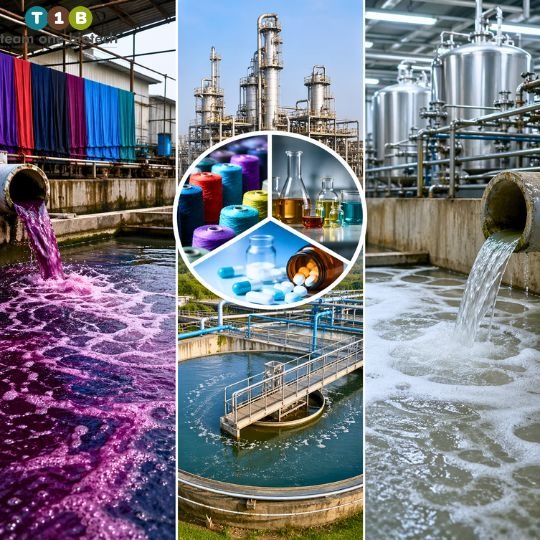
Scan the code