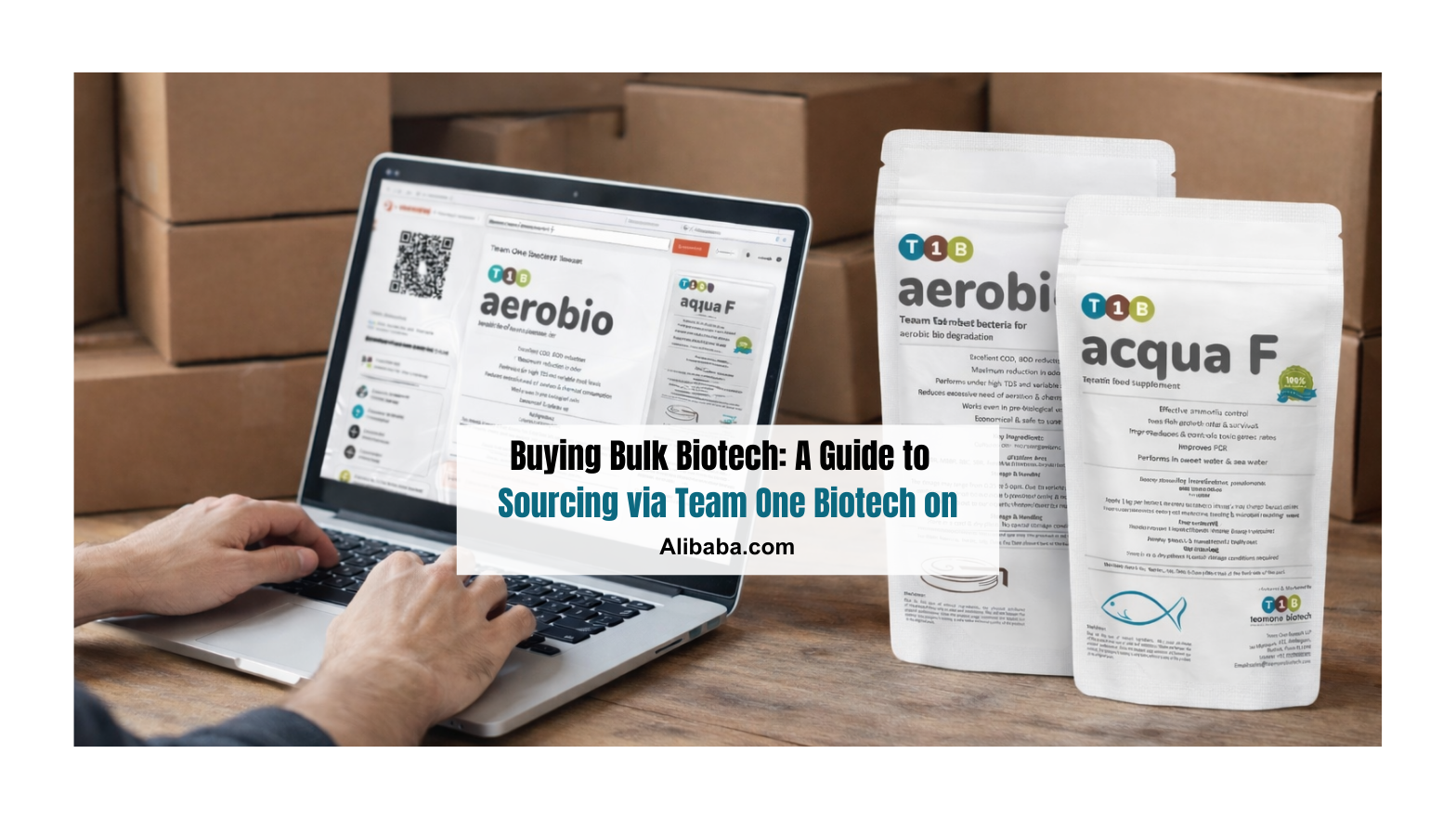
Buying Bulk Biotech: A Guide to Sourcing via Team One Biotech on Alibaba.com

The World Cannot Wait for Slow Solutions

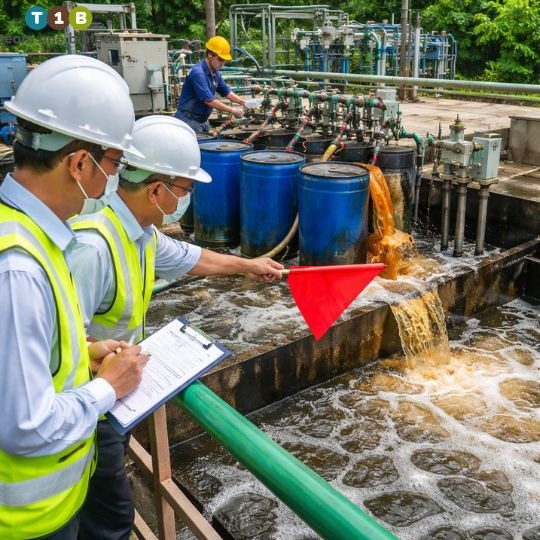
Across sub-Saharan Africa, municipal water treatment facilities are running at half capacity. In the copper belt of Peru and Chile, mining effluent is leaching into river systems that thousands of communities depend on. In Southeast Asia and coastal West Africa, fish farms are losing stock to pond toxicity that no synthetic antibiotic has managed to fully control. These are not hypothetical scenarios. They are the operational realities that procurement officers, environmental engineers, and project managers are navigating every single day.

The global shift away from harsh chemical interventions is no longer a matter of preference. It is a matter of regulatory pressure, cost efficiency, and long-term viability. Governments in over 40 countries have tightened discharge standards. Insurance underwriters are increasing premiums for facilities reliant on chemical-heavy remediation. And communities living downstream are no longer silent.

Microbial biotechnology, the science of deploying targeted bacteria, enzymes, and probiotic cultures to break down waste, restore soil health, and clean water systems, is rapidly becoming the preferred tool for large-scale environmental management. The question is no longer whether to go biological. The question is: who do you trust to supply it at scale, with certifications that hold up across borders?

That answer, for a growing number of buyers across 55 countries, is Team One Biotech.

This is a procurement guide for international distributors, environmental NGOs, and industrial buyers seeking verified, large-scale microbial solutions.

Why Team One Biotech: Depth of Expertise, Breadth of Capability
Why Team One Biotech: Depth of Expertise, Breadth of Capability

27+ Years of In-House Manufacturing and Applied Science

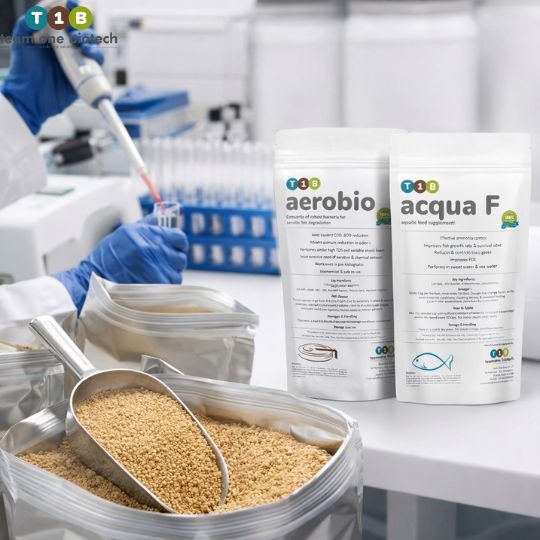
Team One Biotech is not a trading company. It is a manufacturer with its own research infrastructure, fermentation capacity, and quality control systems built over more than two and a half decades. Founded and headquartered in Mumbai, India, the company has participated in large-scale government projects across water treatment, sanitation, and agricultural rehabilitation, providing the kind of institutional track record that procurement committees and development finance institutions require before signing a purchase order.

What this means for bulk buyers is straightforward: no middlemen, no reformulation delays, no supply chain surprises. When you place an order, you are dealing directly with the laboratory that designed the product.

Certified at Every Level That Matters

International trade in biological products is closely regulated, and rightly so. Team One Biotech holds ISO, GMP, and SGS certifications, the three standards that matter most when importing microbial formulations into regulated markets. SGS certification, in particular, provides independently verified proof of product safety and consistency, which is increasingly required by port authorities and distribution partners in Africa, Latin America, and the European Union.

For NGOs working under donor-funded programs or procurement officers answerable to government contracts, this certification stack is not a nice-to-have. It is a prerequisite. Team One Biotech meets it entirely.

Strategic Industry Focus: Where Microbial Science Delivers
Aquaculture and Agriculture: Healthier Yields Without the Chemical Load

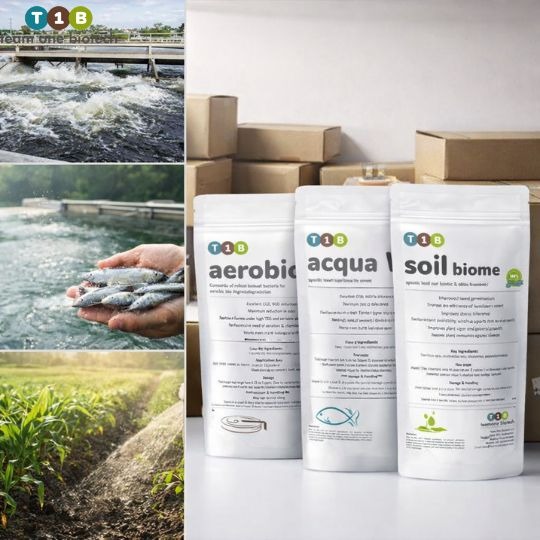
Team One Biotech’s Aqua Microbiome product line is purpose-engineered for aquaculture producers managing shrimp ponds, fish farms, and recirculating aquaculture systems. By introducing targeted probiotic cultures that compete against pathogenic bacteria, improve feed conversion ratios, and stabilize pond water chemistry, Aqua Microbiome allows producers to reduce antibiotic dependency, a critical requirement for exporters serving European and North American food retail markets.

For agricultural buyers, the Terro formulation line addresses soil microbiome depletion, a problem that is particularly acute across overfarmed regions in East Africa, West Africa, and parts of Brazil. Chemical fertilizer dependency degrades microbial diversity over time, reducing the soil’s natural capacity to fix nitrogen, suppress pathogens, and retain moisture. Terro-based microbial soil conditioners work to reverse this degradation, supporting:

  • Higher germination rates and root development in staple crops
  • Improved nutrient availability without increasing synthetic input costs
  • Faster organic matter breakdown, which restores soil structure over successive growing seasons

For agricultural distributors operating across smallholder networks in Nigeria, Kenya, Ghana, or the Cerrado region of Brazil, this product category offers a commercially viable and environmentally responsible alternative to conventional soil inputs.

Wastewater Treatment and Sanitation: Built for Scale, Designed for Compliance

Rapid urbanization in Africa and South Asia has outpaced sewage infrastructure investment by decades. In many cities across the continent, pit latrines and septic tanks remain the primary sanitation infrastructure for urban and peri-urban populations. These systems require biological maintenance to remain functional and safe.

Team One Biotech’s Flaro product range and wastewater treatment formulations are designed for exactly these environments. They are used in:

  • Municipal wastewater treatment plants looking to reduce chemical dosing costs and improve effluent quality for regulatory compliance
  • Septic systems and decentralized sanitation where low-maintenance biological dosing outperforms chemical alternatives
  • Drain and sewer maintenance in hospitality, healthcare, and institutional facilities

The cost structure for bulk buyers is compelling. A single container shipment of Flaro-based bioenzyme formulations can service a regional distribution network across multiple countries, particularly in markets where the regulatory environment is shifting toward biological treatment mandates.

The Global Export and Private Label Opportunity
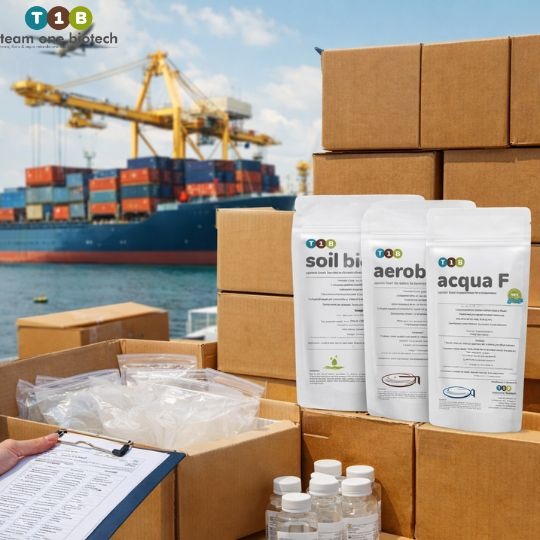
The Global Export and Private Label Opportunity

Building Your Local Brand on Proven Formulations

One of Team One Biotech’s most strategically important capabilities for international distributors is its white-label manufacturing program. Rather than investing years and significant capital into developing proprietary microbial formulations, regional distributors can partner with Team One Biotech to source proven, certified products under their own brand identity.

This model has already been adopted by distribution partners across multiple continents. A distributor in West Africa, for example, can source bulk formulations of microbial wastewater treatment products, have them packaged and labeled under their regional brand, and go to market with a product line that carries all the underlying R&D and certification credibility of Team One Biotech, without disclosing their manufacturing source.

The white-label program supports:

  • Custom formulation packaging in sizes suited to local market requirements (from 5-litre retail units to 1,000-litre IBC totes)
  • Private label artwork and branding applied to finished goods
  • Technical documentation and SDS sheets customized for your brand
  • Regulatory support for import registration in target markets

For NGOs managing agricultural or sanitation programs under development grants, this model also allows procurement of locally branded products that are better received by community stakeholders than generic imported goods.

Your Step-by-Step Buyer’s Guide on Alibaba.com
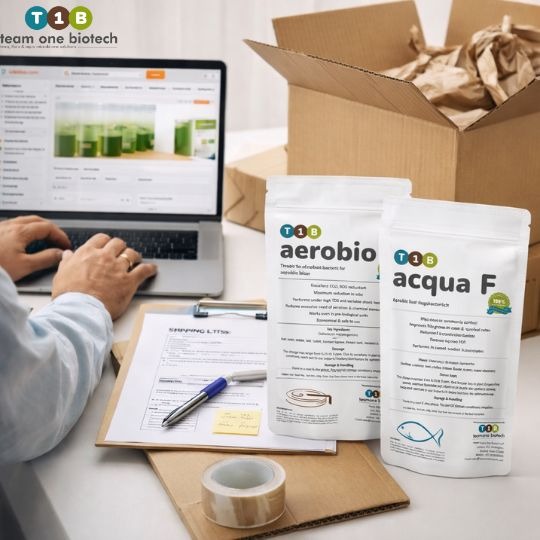
Your Step-by-Step Buyer's Guide on Alibaba.com

Team One Biotech’s verified storefront is live on Alibaba.com as a Trustpass-verified supplier, accessible at: https://teamonebiotech.trustpass.alibaba.com/

Trustpass verification is Alibaba’s highest tier of supplier authentication, requiring in-person business verification, legal documentation review, and ongoing compliance monitoring. For buyers unfamiliar with sourcing biological products internationally, this verification status is the first checkpoint that separates legitimate manufacturers from unverified resellers.

How to Proceed Efficiently

Step 1: Access the Verified Storefront Navigate to nonebiotech.trustpass.alibaba.com. Confirm the Trustpass badge is visible on the supplier profile header before proceeding.

Step 2: Browse by Application Category The store is organized by end-use application, Wastewater Treatment, Agriculture, Aquaculture, Sanitation, F.O.G., Animal Probiotics, and Bioenzyme Natural Cleaners. Identify your priority category and shortlist relevant SKUs.

Step 3: Download Product Specifications Each product listing includes technical data sheets. Download these before initiating contact. Having a clear product spec on hand allows your technical team to pre-approve a formulation before price negotiations begin.

Step 4: Request a Trade Quote (RFQ) Use Alibaba’s built-in RFQ (Request for Quotation) function to submit a structured inquiry. Specify: product category, estimated volume (monthly or per-order), packaging preference, destination country, and whether you require private label options. Team One Biotech’s export team responds to qualified trade inquiries directly.

Step 5: Verify Certifications Ask for copies of the ISO certificate, GMP compliance documentation, and relevant SGS test reports for the product categories you are sourcing. Legitimate manufacturers provide these without friction. Cross-reference the issuing bodies independently before executing any purchase order.

Step 6: Request Samples For new product categories, always request certified samples before committing to a bulk order. Team One Biotech’s standard commercial practice supports sample dispatch to qualified buyers.

Trust, Compliance, and the Certification Standard

In biological product trade, certifications are not marketing tools. They are the legal and technical foundation on which import authorities, development donors, and institutional procurement committees make their decisions.

Team One Biotech’s ISO certification confirms that its quality management systems meet internationally recognized standards. Its GMP (Good Manufacturing Practice) compliance confirms that products are manufactured under controlled, consistent, and documented conditions, a standard originally developed for pharmaceutical manufacturing and now increasingly required for agricultural and environmental biological products. SGS certification, issued by the world’s largest inspection and testing company, provides third-party verification that specific product batches meet defined safety and performance parameters.

Together, these three certifications mean that a procurement officer in Lagos, a project coordinator in Lima, or a compliance manager in Nairobi can sign off on a Team One Biotech purchase order with documented, auditable justification.

Begin Your Procurement Partnership

The environmental challenges facing industrial operators, municipal authorities, and agricultural producers across Africa and South America are not going to resolve themselves. The window for adopting scalable, compliant, cost-effective biological solutions is open now, and the distributors and operators who move first are establishing durable supply chain advantages that their competitors will spend years trying to replicate.

Team One Biotech is ready to support bulk orders, private label programs, and long-term distribution partnerships across every major product category.

To begin a procurement conversation:

  • Visit: T1B Official Alibaba Store
  • Email (Trade Inquiries): marshal@teamonebiotech.com
  • Email (Technical Queries): sales@teamonebiotech.com
  • Phone: +918855050575 / +918485801707 / +918484068864
  • Office: Office No. 9, Ground Floor, Swastik Chambers, Chembur, Mumbai, Maharashtra 400071, India

For distributors ready to discuss white-label programs or NGOs preparing procurement documentation for donor-funded projects, Team One Biotech’s export and technical teams are available to provide product specifications, certification packages, and pricing frameworks suited to your operational scale.

The science is proven. The certifications are in place. The supply chain is established in 55+ countries.

Your next step is a single inquiry away.

Team One Biotech- Terro, Flaro, and Aqua Microbiome Solutions. Your one-stop partner for clean water, healthy soil, and sustainable growth.

Looking to improve your ETP/STP efficiency with the right bioculture?
Talk to our experts at Team One Biotech for customised microbial solutions.

Contact+91 8855050575

Email:  sales@teamonebiotech.com

Visit: www.teamonebiotech.com

Discover More on YouTube – Watch our latest insights & innovations!-

Connect with Us on LinkedIn – Stay updated with expert content & trends!

From Waste to Gold: Biological Composting for UAE Urban Landscaping with T1B Compost-Aid

The UAE generates over 6.5 million tons of municipal solid waste annually. A significant portion of that, food scraps, garden trimmings, landscaping debris from sprawling urban developments, ends up compressed into landfills that were never designed to absorb the pace of a nation building at this scale. Meanwhile, Dubai’s Urban Master Plan 2040 and the national “Zero Waste to Landfill” initiative have set a clear directive: organic waste is no longer acceptable as a disposal problem. It is a resource management failure.

For Sustainability Officers in oil and gas facilities, Facility Managers overseeing large commercial campuses in Dubai and Abu Dhabi, and industrial waste management stakeholders navigating Dubai Municipality (DM) and ADSSC compliance requirements, the pressure is no longer abstract. Regulatory timelines are tightening. Penalties for non-compliance are rising. And the economics are shifting in favor of organizations that treat organic waste not as a burden, but as what it genuinely is: a precursor to high-value compost, what agronomists and sustainability professionals increasingly call “Black Gold.”

In the UAE’s desert context, where every gram of viable topsoil carries real agricultural and landscaping value, converting organic waste into stable, nutrient-rich compost is both a compliance strategy and a direct return on operational investment. The question is not whether your organization should integrate biological composting into its waste stream. The question is whether you have the right microbial bioculture to do it efficiently, odor-free, and at industrial scale.

That answer, for a growing number of facilities across Dubai and Abu Dhabi, is Eco friendly compost for bioculture by TeamOne Biotech.

What Is T1B Compost-Aid and Why Does the UAE Climate Demand It

What Is T1B Compost-Aid and Why Does the UAE Climate Demand It

T1B Compost-Aid is a scientifically formulated microbial bioculture solution engineered to accelerate and optimize the biological composting process across both industrial and household organic waste streams. It is not a chemical additive. It is a living consortium of microorganisms, selected, cultured, and stabilized to perform under the specific pressures of high-ambient-temperature environments like those found across the Gulf.

Standard composting in temperate climates operates within a relatively forgiving range of conditions. The UAE presents a fundamentally different set of variables: ambient temperatures that regularly exceed 40°C, low humidity that desiccates compost piles before microorganisms can establish themselves, and dense urban environments where even minor odor incidents become immediate compliance and reputational risks under Dubai Municipality standards.

T1B Compost-Aid addresses each of these variables directly.

Optimizing the Four Key Composting Parameters for Arid Conditions

Effective biological composting depends on maintaining balance across four core parameters. In UAE conditions, each one requires active management:

C:N Ratio (Carbon to Nitrogen Balance) The ideal C:N ratio for composting sits between 25:1 and 30:1. In urban UAE settings, organic waste streams are often nitrogen-heavy, food waste from hospitality and catering sectors, sewage sludge from ADSSC-regulated facilities, and require carbon-rich amendments to balance. T1B Compost-Aid’s microbial consortia are calibrated to function efficiently across a wider C:N range, reducing the precision burden on facility operators while maintaining decomposition rates.

Particle Size Smaller particle sizes increase surface area for microbial activity but also increase the risk of compaction and anaerobic conditions in hot, moisture-deficient environments. T1B bioculture promotes surface-level microbial colonization that compensates for suboptimal particle size, allowing industrial composting operations in Dubai to maintain throughput without requiring costly mechanical pre-shredding at maximum specification.

Aeration Oxygen availability is non-negotiable for aerobic decomposition. In high-temperature UAE conditions, moisture evaporates rapidly, and pile structure can collapse. The microbial strains within T1B Compost-Aid include aerobic-preferring species that signal operators through temperature and odor feedback when aeration intervention is needed, effectively acting as a biological monitoring layer within the compost pile.

Moisture Content The target moisture content for composting is 50-60%. In the UAE, maintaining this range outdoors requires deliberate irrigation scheduling. T1B Compost-Aid includes moisture-retention-supporting microbial activity that helps the pile retain functional humidity longer between watering cycles, a meaningful operational efficiency gain for large-scale urban composting facilities managing multiple bays simultaneously.

The Four Phases of Composting: How T1B Accelerates Each Stage

The Four Phases of Composting: How T1B Accelerates Each Stage

Understanding the science behind biological composting is not academic for compliance officers, it is the basis for calculating throughput timelines, projecting compost output quality, and demonstrating due diligence to Dubai Municipality and ADSSC inspectors.

Phase 1: Mesophilic Phase (20-45°C)

This is the activation stage. Naturally occurring mesophilic bacteria begin colonizing the organic mass, breaking down simple sugars, starches, and soluble proteins. In standard composting without inoculation, this phase can stall due to low initial microbial populations, particularly in sterilized or chemically contaminated waste streams common in industrial settings.

T1B Compost-Aid introduces a pre-established, high-density microbial population directly into the waste matrix at the point of application. This compresses the lag period, the time between pile formation and active microbial heat generation, from days to hours. For industrial composting operations in Dubai operating on tight waste removal contracts, this compression at Phase 1 directly affects weekly throughput capacity.

Phase 2: Thermophilic Phase (45-70°C)

This is the critical compliance phase. Thermophilic bacteria take over as internal pile temperatures rise, breaking down cellulose, hemicellulose, and lignin, the structural components of yard waste, agricultural residue, and woody landscaping debris. More importantly, the sustained heat generated during this phase is what kills pathogens, weed seeds, and fly larvae, transforming regulated organic waste into a biologically safe output that meets ADSSC waste processing standards.

In the UAE, the thermophilic phase presents a paradox: ambient heat can drive surface temperatures too high, creating thermal stress that kills beneficial microorganisms before the interior of the pile has completed pathogen elimination. T1B Compost-Aid’s thermophilic strains are selected for heat stability and can maintain productive metabolic activity at the upper range of 65-70°C, ensuring that pathogen kill thresholds are met without losing the microbial engine driving decomposition.

This phase typically lasts 2-4 weeks in optimized systems. With T1B bioculture active, industrial operators report consistent thermophilic phase completion within the shorter end of that window.

Phase 3: Cooling Phase

As readily available organic compounds are consumed, pile temperatures begin to decline. Mesophilic organisms re-establish dominance, continuing to break down residual complex organic matter. Fungal activity increases during this phase, contributing to the structural breakdown of fibrous plant material.

Without active bioculture management, the cooling phase can plateau, temperatures drop but decomposition slows before material is fully stabilized. T1B Compost-Aid maintains a diverse microbial population through this transition, ensuring that fungal and bacterial handoff occurs without a productivity gap. For organic waste management operations in Abu Dhabi managing continuous feed composting systems, this continuity is operationally significant.

Phase 4: Maturation Phase

The final phase transforms partially decomposed material into stable humus, dark, crumbly, earthy-smelling compost that is biologically inert, pathogen-free, and ready for agricultural or landscaping application. This phase can take several months under passive conditions.

T1B Compost-Aid’s microbial diversity supports the full cycle of humus formation, including the synthesis of humic and fulvic acids that give mature compost its soil-conditioning properties. The resulting output is not simply decomposed waste, it is a structured amendment capable of improving water retention in the sandy, low-organic-matter soils characteristic of UAE urban landscaping projects. For developers building green infrastructure aligned with Dubai’s Urban Master Plan 2040, this represents a direct cost offset against imported soil amendments and synthetic fertilizers.

Odor Control: The Non-Negotiable Standard for UAE Urban Composting

Odor Control: The Non-Negotiable Standard for UAE Urban Composting

No composting program in a dense UAE urban environment survives without rigorous odor control. Dubai Municipality enforcement around odor complaints is active, and proximity to residential zones, hospitality assets, and public spaces makes odor incidents a liability that extends well beyond regulatory fines.

Odor in composting is primarily generated by anaerobic activity, the metabolism of sulfur-containing compounds and volatile fatty acids when oxygen is absent. T1B Compost-Aid’s aerobic microbial consortia actively outcompete anaerobic populations for substrate, suppressing the metabolic pathways that produce hydrogen sulfide, ammonia, and mercaptans. When applied consistently at recommended dosing rates, facilities report measurable odor reduction within the first 48-72 hours of application, a timeline that satisfies both operational management and DM compliance requirements.

Bioremediation Solutions UAE: Connecting Compliance to Commercial Value

Bioremediation Solutions UAE: Connecting Compliance to Commercial Value

The conversation around bioremediation solutions in the UAE has matured significantly over the past five years. Regulatory frameworks are no longer aspirational, Dubai Municipality compliance requirements and ADSSC waste standards have specific technical benchmarks that procurement teams and sustainability officers must now build their vendor selection around.

T1B Compost-Aid is not a commodity product. It is a precision bioculture tool designed for organizations that need verifiable performance data, consistent batch quality, and a supplier capable of supporting industrial-scale procurement with documentation suitable for municipal tender submissions.

Organizations integrating T1B into their waste management operations gain a measurable output, high-grade organic compost, that can be valued against commercial compost prices, applied internally to reduce landscaping input costs, or supplied to third parties as a revenue stream. The ROI case is direct and auditable.

Procure T1B Compost-Aid Through TeamOne Biotech’s Official Alibaba Store

For facility managers, procurement officers, and sustainability teams operating across the UAE and the broader GCC, TeamOne Biotech maintains an official storefront on Alibaba, providing a verified, internationally recognized procurement channel with full product documentation, bulk order capacity, and export compliance support.

The Alibaba store enables organizations to access T1B Compost-Aid with the procurement transparency required for public sector tenders and corporate sustainability reporting. Product data sheets, microbial strain documentation, and application guidance are available through the store for technical due diligence.

For industrial composting operations in Dubai, organic waste management programs in Abu Dhabi, and port or oil and gas facilities seeking compliant bioremediation solutions across the UAE, the T1B Compost-Aid Alibaba store is the direct procurement pathway.

Visit TeamOne Biotech’s Official Alibaba Store to request a product quote, access technical documentation, or initiate a bulk order consultation. Teams managing active DM or ADSSC compliance timelines are encouraged to contact TeamOne Biotech directly through the store messaging system to discuss application-specific dosing recommendations and delivery scheduling.

TeamOne Biotech’s T1B Compost-Aid is formulated for professional and industrial composting applications. For technical consultation on integrating T1B bioculture into your facility’s waste management program, contact TeamOne Biotech through their official Alibaba channel.

Looking to improve your ETP/STP efficiency with the right bioculture?
Talk to our experts at Team One Biotech for customised microbial solutions.

Contact+91 8855050575

Email:  sales@teamonebiotech.com

Visit: www.teamonebiotech.com

Discover More on YouTube – Watch our latest insights & innovations!-

Connect with Us on LinkedIn – Stay updated with expert content & trends!

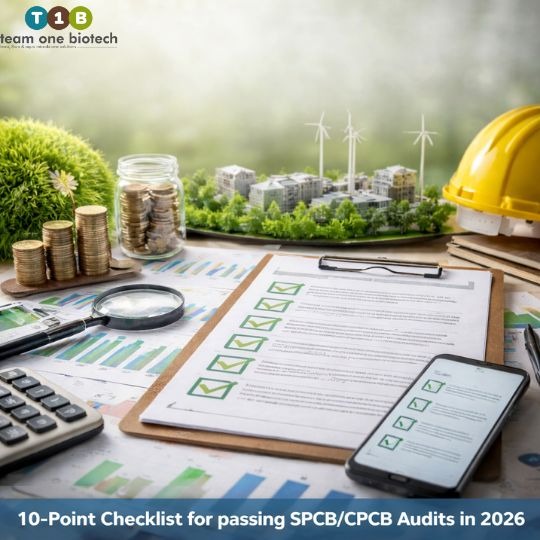
10-Point Checklist for passing SPCB/CPCB Audits in 2026

The anxiety that grips every factory manager in India isn’t about production targets anymore, it’s about compliance. The Polluter Pays principle isn’t just a headline in The Hindu or Economic Times. It’s a direct debit from your company’s bank account when the State Pollution Control Board slaps a show-cause notice on your facility.

The new Solid Waste Management Rules 2026 and stricter CPCB guidelines have fundamentally altered the industrial compliance landscape. Online Continuous Emission Monitoring Systems (OCEMS) are watching your discharge parameters 24/7. The grace period for “we’ll fix it next quarter” is over. The Central Pollution Control Board isn’t just auditing paperwork, they’re auditing your real-time data streams, your chemical procurement patterns, and even your groundwater quality.

Meanwhile, your chemical supplier just increased prices on Ferrous Sulfate and Poly Aluminium Chloride (PAC) by 18% this year. Your ETP is hemorrhaging money, producing mountains of hazardous sludge, and still barely meeting the discharge standards for COD and BOD, highlighting the urgent need for Environmental Compliance & Bioremediation Solutions for Industrial Wastewater Treatment that reduce chemical dependency and long-term operating costs.

If this sounds familiar, you’re not alone. But you are running out of time.

This is your 10-point survival guide, not from a textbook, but from the field. From factories that have passed their audits without a single rupee in fines, and from those who’ve transformed their ETPs from cost centers into strategic assets.

The 10-Point Checklist: Your SPCB/CPCB Audit Armor

The 10-Point Checklist: Your SPCB/CPCB Audit Armor

1. Valid CTE/CTO Status: The Digital Renewal Trap

Consent to Establish (CTE) and Consent to Operate (CTO) are no longer manila folders gathering dust in your compliance office. In 2026, SPCBs across Maharashtra, Tamil Nadu, Gujarat, and Karnataka have moved to digital consent management systems. Your renewal isn’t valid until it’s reflected in the online portal.

Action Item: Log into your state’s SPCB portal (e.g., Maharashtra’s MPCB OCMMS) 60 days before expiry. Upload your annual environmental statement, stack monitoring reports, and effluent analysis certificates. Don’t wait for the reminder email, it doesn’t always arrive.

Red Flag: Expired CTO means your operations are legally non-compliant from Day One of the audit. No auditor will overlook this, regardless of how pristine your ETP looks.

2. OCEMS Calibration: The “Data Tampering” Accusation You Can’t Afford

The CPCB’s 2025 directive mandates that all industries with liquid discharge above 100 KLD must have OCEMS for pH, flow, COD, and TSS. The real trap? Calibration drift.

When your OCEMS shows pH 7.2 but the auditor’s handheld meter reads 8.9, you’re not just facing a fine, you’re facing accusations of data manipulation, which can trigger criminal provisions under the Water (Prevention and Control of Pollution) Act, 1974.

Action Item: Implement monthly third-party calibration (not just the quarterly mandate). Maintain a log with calibration certificates from NABL-accredited labs. Cross-verify OCEMS readings with manual grab samples every shift.

Cost Reality: Monthly calibration costs ₹8,000-₹12,000. A single “data tampering” notice costs you ₹5-10 lakhs in legal fees and potential operational closure.

3. The New 2026 Segregation: Four-Stream Waste Management at Source

The updated Solid Waste Management Rules 2026 mandate four-stream segregation: biodegradable, recyclable, hazardous, and domestic. This isn’t just about dustbins in the canteen. It’s about segregating process wastewater streams before they enter your ETP.

Why This Matters: When you mix high-COD food processing effluent with electroplating wastewater, you force your ETP to handle incompatible chemistry. Result? Chemical overdosing, unstable biological processes, and an audit report that reads like a charge sheet.

Action Item: Conduct a wastewater characterization study for each production line. Install dedicated collection sumps. Treat hazardous streams (hexavalent chromium, cyanide) separately before co-mingling.

4. ETP Efficiency vs. Chemical Overdosing: The Red Flag Auditors Always Spot

Here’s what auditors know that factory managers often don’t: excessive chemical consumption is a confession of ETP inefficiency.

When your monthly procurement shows 15 tons of Alum and 8 tons of Ferrous Sulfate for a 200 KLD plant, the auditor doesn’t think “this plant is well-stocked.” They think “this plant is chemically shocking the system to force compliance, and it’s probably generating 3-4 tons of hazardous sludge monthly.”

The Math You Need to Know:

ParameterChemical TreatmentBioremediation
COD Reduction Cost (per kg)₹45-₹60₹12-₹18
Sludge Generation3-5% of flow0.5-1% of flow
pH StabilityRequires constant adjustmentSelf-regulating (6.5-7.5)
Operator DependencyHigh (dosing errors common)Low (biological buffer)

Action Item: If your chemical cost per KLD exceeds ₹200/day, you’re over-treating. Transition to bioremediation (more on this in Point 5) to stabilize the system biologically, not chemically.

5. Bioremediation Integration: The Chemical-Free Compliance Path

Let’s address the elephant in the ETP. You’ve been told biological treatment is “slow” or “unreliable” for high-strength industrial effluent. That was true in 2015. It’s not true in 2026.

Modern microbial consortia, like Team One Biotech’s Aerobio cultures, are engineered for Indian industrial conditions. They handle COD loads up to 8,000 mg/L, tolerate pH fluctuations, and don’t “die” when production shuts down on Sundays.

How Bioremediation Passes the Audit:

  • Stable Discharge Parameters: Biological systems buffer shocks. Your effluent quality doesn’t swing wildly day-to-day, which OCEMS loves.
  • Reduced Hazardous Sludge: Microbial cultures reduce sludge by 60-70% compared to chemical coagulation. Less Form IV/V paperwork.
  • Lower Carbon Footprint: The CPCB’s 2026 guidelines now include energy consumption audits for ETPs. Aeration is cheaper than chemical dosing pumps and sludge dewatering.

Case Study (Anonymized): A textile dyeing unit in Tiruppur switched to bioremediation in Q3 2025. Chemical costs dropped from ₹4.2 lakhs/month to ₹1.1 lakhs/month. Sludge disposal costs (₹8,500/ton) reduced by 65%. They passed their TNPCB audit with zero non-conformances.

Action Item: Start with a pilot trial. Introduce microbial cultures in your aeration tank for 21 days. Monitor BOD/COD reduction without chemicals. Scale up post-validation.

6. Hazardous Waste Logbooks: The Audit Within the Audit

Your ETP sludge is classified as hazardous waste if it contains heavy metals, toxic organics, or exceeds TCLP limits. The Hazardous and Other Wastes (Management and Transboundary Movement) Rules, 2016 require meticulous record-keeping.

What Auditors Check:

  • Form IV: Monthly hazardous waste generation data (submitted online to SPCB by 10th of next month).
  • Form V: Annual compliance report.
  • Logbook Accuracy: Cross-verification between your logbook, transporter manifests, and TSDF receipts.

Common Mistake: Factory managers treat the logbook as a “to-do after production targets.” One missing TSDF receipt can invalidate 6 months of compliance.

Action Item: Assign a dedicated compliance officer (not the ETP operator’s “extra duty”). Use digital tools like CPCB’s Centralized Hazardous Waste Portal for real-time tracking.

7. Groundwater & Soil Health: The Hidden Audit Point for 2026

This is new and critical. SPCBs are now conducting groundwater sampling within 500 meters of industrial discharge points as part of surprise inspections.

If your ETP’s percolation or “evaporation pond” has been leaking COD, ammonia, or chlorides into the water table, you’re liable under the Environment (Protection) Act, 1986 for groundwater contamination, even if your effluent discharge meets standards.

Action Item: Install piezometers (groundwater monitoring wells) at three points: upgradient, at ETP boundary, and downgradient. Test quarterly for pH, TDS, nitrates, and heavy metals. Include reports in your “Green File” (Point 10).

Cost: ₹25,000 for installation, ₹3,500 per quarterly test. Non-compliance penalty: ₹10-50 lakhs plus remediation costs.

8. Staff Training: The “Why” Behind the “How”

Your ETP operator knows how to dose Alum. Does he know why excessive Alum creates hydroxide sludge that’s harder to dewater? Does he understand that a pH spike to 9.5 kills nitrifying bacteria in the aeration tank?

Auditors interview your staff. If your operator can’t explain the logic behind his daily checklist, the auditor assumes the plant runs on autopilot, or worse, isn’t run at all.

Action Item: Conduct monthly training sessions (2 hours). Cover: principles of biological treatment, OCEMS troubleshooting, emergency response for chemical spills, and regulatory updates. Document attendance. Show the auditor you invest in competence, not just compliance.

9. Energy Consumption in Treatment: The Carbon Footprint Audit

Energy Consumption in Treatment: The Carbon Footprint Audit

The CPCB’s Perform, Achieve, Trade (PAT) scheme is expanding to include wastewater treatment energy efficiency. If your ETP consumes more than 0.8 kWh per cubic meter of treated effluent, you’re an outlier.

Why This Matters: High energy use signals inefficiency, oversized pumps, continuous aeration without dissolved oxygen control, or chemical overdosing requiring excessive mixing.

Action Item: Install VFD (Variable Frequency Drives) on blowers. Use DO meters to optimize aeration. Switch to energy-efficient submersible pumps. Target: 0.5-0.6 kWh/m³.

Bioremediation Advantage: Biological systems require 30-40% less aeration than chemical precipitation systems.

10. The “Green File” Audit: 15-Minute Readiness

When the SPCB team arrives, you need to produce:

  • Last 12 months of stack emission reports (ambient air quality if applicable)
  • Last 6 months of effluent analysis (from NABL labs)
  • Noise level monitoring (quarterly for diesel generators)
  • CTO/CTE certificates
  • Hazardous waste manifests and TSDF receipts
  • OCEMS calibration certificates
  • Groundwater test reports

If this takes you 45 minutes to compile, the auditor’s already writing “poor documentation management” in the report.

Action Item: Maintain a physical and digital Green File. Update it monthly. Keep it in the compliance office, not the ETP operator’s desk drawer.

The Financial Win: Cost-Effective Compliance

The Financial Win: Cost-Effective Compliance

Let’s return to the math, because CEOs and CFOs care about the P&L, not just the pollution index.

Typical 200 KLD ETP (Chemical-Heavy):

  • Chemical costs: ₹6 lakhs/month
  • Sludge disposal: ₹1.2 lakhs/month
  • Energy: ₹1.8 lakhs/month
  • Total: ₹9 lakhs/month

Same ETP with Bioremediation Integration:

  • Microbial cultures: ₹1.5 lakhs/month
  • Sludge disposal: ₹0.4 lakhs/month (65% reduction)
  • Energy: ₹1.3 lakhs/month (20% reduction via optimized aeration)
  • Total: ₹3.2 lakhs/month

Annual Savings: ₹69.6 lakhs. Payback period for bioremediation setup: 4-6 months.

Your ETP stops being a cost center. It becomes a strategic asset that protects your license to operate while improving your bottom line.

About Team One Biotech: India’s Industrial Compliance Partner

Team One Biotech (T1B) isn’t selling you a product. We’re offering you a compliance insurance policy.

For over a decade, T1B has partnered with textile units in Surat, pharmaceutical manufacturers in Hyderabad, food processing plants in Punjab, and automotive component suppliers in Chennai. Our Aerobic Bio Cultures, FOG Degraders, and specialized microbial consortia are formulated for the harsh realities of Indian industrial effluent, not laboratory conditions.

Why Factory Managers Trust T1B:

  • Guaranteed COD/BOD Reduction: 70-85% reduction in 21-day cycles.
  • Zero Acclimatization Downtime: Our cultures are pre-adapted to high salinity, extreme pH, and fluctuating loads.
  • Regulatory Expertise: We don’t just supply microbes. We help you interpret SPCB notices, prepare audit files, and train your ETP staff.

Products include:

  • Aerobic Bio Cultures for high-COD industrial streams
  • Anaerobic Cultures for distillery and food processing
  • FOG Degraders for kitchen and canteen wastewater
  • Septic Tank Biologicals for residential and commercial complexes

Don’t Wait for a Show-Cause Notice

The SPCB audit isn’t an “if”, it’s a “when.” And when that inspector walks through your gate, your compliance posture determines whether they leave with a handshake or a penalty order.

This 10-point checklist isn’t theoretical. It’s the distilled experience of factories that have navigated the 2026 regulatory landscape without fines, without shutdowns, and without compromising profitability.

Your move: Audit yourself before the SPCB does. Fix the OCEMS calibration. Clean up the hazardous waste logbook. And most importantly, transition your ETP from chemical dependency to biological stability.

Because in 2026, passing the audit isn’t about luck. It’s about preparation.

Ready to make your ETP audit-proof? Connect with Team One Biotech’s technical team for a free ETP efficiency assessment. Let’s turn compliance from a cost into a competitive advantage.

Team One Biotech – Engineered for India. Proven in the Field.

Looking to improve your ETP/STP efficiency with the right bioculture?
Talk to our experts at Team One Biotech for customised microbial solutions.

Contact+91 8855050575

Email:  sales@teamonebiotech.com

Visit: www.teamonebiotech.com

Discover More on YouTube – Watch our latest insights & innovations!-

Connect with Us on LinkedIn – Stay updated with expert content & trends!

FOG Management for Restaurants in India

When Grease Becomes a Nightmare

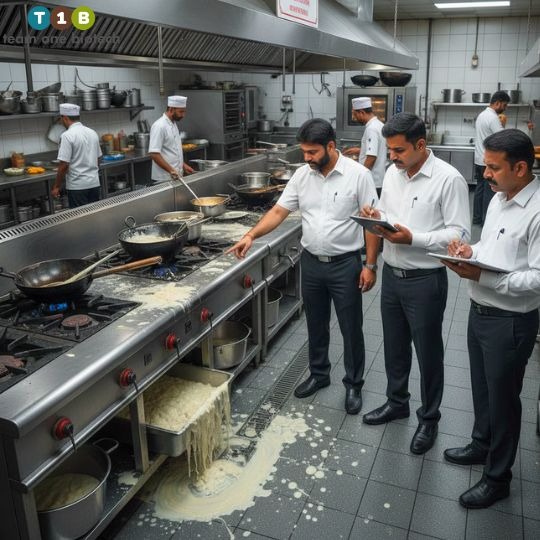
It’s the evening of a high-profile Diwali banquet. Your kitchen is running at full throttle, churning out batches of butter chicken, tandoori preparations, and rich biryanis. Then it happens, the floor drain backs up. Greasy water floods the prep area. The stench is unbearable. Your head chef is shouting. Guests are waiting. And somewhere in the back of your mind, you’re calculating the cost: emergency plumber fees, lost reservations, potential health violations, and the dreaded municipal fine that could reach ₹50,000 or more.

This isn’t a hypothetical scenario. It’s the reality facing hundreds of Indian restaurant owners who underestimate the silent killer of commercial kitchens: FOG, Fats, Oils, and Grease.

In a country where ghee flows freely, where every dal tadka is perfected with a generous pour of oil, and where rich gravies define culinary excellence, Biological FOG management isn’t optional. It’s survival.

FOG Crisis in Indian Commercial Kitchens

FOG Crisis in Indian Commercial Kitchens

Why Indian Cuisine Creates Unique FOG Challenges

Indian cooking is inherently oil-intensive. From the tempering of spices in hot ghee to the deep-frying of pakoras and samosas, our cuisine depends on fats that solidify as they cool. When these substances enter your drainage system, they don’t simply wash away. They accumulate, layer by layer, creating blockages that strangle your plumbing infrastructure.

The problem intensifies with:

  • High-volume operations: Wedding caterers and banquet halls processing 500+ meals daily
  • Temperature fluctuations: Hot oil meeting cold drainage pipes creates rapid solidification
  • Spice residues: Turmeric, chili powder, and masala particles bind with grease, forming concrete-like deposits
  • Dairy fats: Ghee, cream, and paneer preparation byproducts that are notoriously stubborn

The “Fatberg” Phenomenon: India’s Growing Urban Crisis

Mumbai’s sewage systems have witnessed fatbergs, massive congealed masses of grease and waste, weighing several tons. Delhi’s drainage department spends millions annually clearing grease blockages from commercial zones. Bangalore’s rapid urbanization has strained its sewage infrastructure, with restaurant effluent identified as a primary contributor.

Your restaurant’s grease doesn’t just disappear. It becomes part of a larger environmental catastrophe that authorities are increasingly determined to control through strict enforcement.

The Regulatory Landscape: Compliance Is Non-Negotiable

The Regulatory Landscape: Compliance Is Non-Negotiable

FSSAI and Grease Management Standards

The Food Safety and Standards Authority of India (FSSAI) mandates that all food business operators maintain hygienic premises, which explicitly includes proper waste disposal systems. License renewal can be jeopardized by evidence of poor grease management or environmental violations.

CPCB/SPCB Effluent Discharge Norms

The Central Pollution Control Board and State Pollution Control Boards have established stringent parameters for commercial kitchen effluent. Restaurants discharging wastewater with excessive FOG content face:

  • Immediate closure notices
  • Fines ranging from ₹25,000 to ₹1,00,000
  • Criminal prosecution under the Water (Prevention and Control of Pollution) Act, 1974

Municipal Regulations in Major Cities

Delhi: The Delhi Jal Board requires mandatory grease trap installation for all commercial kitchens, with quarterly maintenance certificates.

Mumbai: The BMC enforces grease trap capacity based on kitchen size, with surprise inspections and heavy penalties for non-compliance.

Bangalore: BBMP regulations specify grease trap design standards and require biological treatment systems for establishments serving more than 50 meals daily.

The Hidden Costs of FOG Neglect

The Hidden Costs of FOG Neglect

Financial Hemorrhaging You Can’t Afford

Restaurant margins are tight. Every rupee counts. Yet FOG mismanagement creates a cascade of expenses:

Emergency Plumbing Repairs: ₹15,000 to ₹50,000 per incident, often requiring pipe replacement rather than simple clearing.

Downtime Losses: A closed kitchen during lunch or dinner service can mean ₹1-3 lakhs in lost revenue for high-volume establishments.

Pest Infestations: Grease attracts cockroaches, rodents, and flies. Professional pest control contracts cost ₹20,000-40,000 annually, but the reputational damage from a customer posting photos of pests is priceless, in the worst way.

Reputation Damage: In the age of Zomato reviews and Instagram food bloggers, a single hygiene complaint can devastate your business. Studies show that 94% of diners avoid restaurants with poor cleanliness ratings.

Regulatory Fines: Beyond immediate penalties, repeated violations can result in license suspension, forcing complete operational shutdown.

The Environmental Toll

FOG contamination doesn’t just affect your bottom line. When grease enters municipal sewage systems, it:

  • Blocks treatment plant machinery, requiring expensive repairs funded by taxpayers
  • Reduces the efficiency of biological wastewater treatment
  • Contributes to water pollution in rivers and lakes
  • Increases the carbon footprint of waste management operations

As consumers become increasingly environmentally conscious, your restaurant’s ecological responsibility becomes a competitive advantage.

Traditional Methods vs. Modern Bioremediation: A Critical Comparison

The Old Guard: Manual Scraping and Chemical Warfare

For decades, restaurants relied on two approaches:

Manual Grease Trap Cleaning: Labor-intensive, messy, and expensive. Requires complete service disruption, generates hazardous waste, and provides only temporary relief.

Chemical Drain Cleaners: Caustic substances that dissolve organic matter but also corrode pipes, harm beneficial bacteria in sewage treatment plants, and create toxic fumes. These products often contain sodium hydroxide and sulfuric acid, substances that violate environmental regulations when discharged untreated.

The Biological Revolution: How Bioremediation Works

Team One Biotech’s biological FOG management represents a paradigm shift. Instead of fighting nature with harsh chemicals, bioremediation harnesses it.

The Science: Specialized bacterial consortia are introduced into grease traps and drainage systems. These microorganisms produce lipase enzymes that break down fats, oils, and grease into water and carbon dioxide, completely natural byproducts.

The Advantages:

  • Continuous Action: Unlike manual cleaning, beneficial bacteria work 24/7, preventing buildup rather than reacting to it
  • Pipe Preservation: No corrosive chemicals means your plumbing infrastructure lasts longer
  • Odor Elimination: Biological digestion neutralizes foul smells at the source
  • Environmental Safety: 100% biodegradable, CPCB-compliant solutions
  • Cost Efficiency: Reduces cleaning frequency and emergency repairs by up to 70%

Implementing a Comprehensive FOG Management Strategy

Implementing a Comprehensive FOG Management Strategy

Step 1: Assessment and Audit

Every restaurant has unique FOG challenges based on:

  • Menu composition and cooking methods
  • Kitchen size and equipment layout
  • Current grease trap capacity and condition
  • Drainage system age and configuration

A professional grease management audit identifies vulnerabilities and creates a customized treatment protocol. Team One Biotech’s audit service includes thermal imaging to detect hidden blockages, capacity calculations, and regulatory compliance verification.

Step 2: Grease Trap Optimization

Modern grease traps are not mere receptacles; they’re biological reactors when properly managed. Key optimization strategies include:

Proper Sizing: Many restaurants have undersized grease traps inherited from previous tenants. FSSAI recommends capacity calculations based on peak meal volume.

Regular Dosing: Biological treatments work best when bacterial populations are maintained through consistent application schedules.

Temperature Management: Beneficial bacteria thrive at 20-40°C. Excessively hot effluent should be tempered before entering the grease trap.

Step 3: Staff Training and Best Practices

Your kitchen team is the first line of defense. Implement these protocols:

  • Scrape plates thoroughly before washing to minimize solid food waste entering drains
  • Never pour fryer oil directly down drains; collect it for proper disposal or biodiesel conversion
  • Use sink strainers to catch food particles
  • Schedule strategic dosing of biological treatments during low-volume periods for maximum effectiveness

Step 4: Preventive Maintenance Schedule

Transition from reactive crisis management to proactive prevention:

  • Weekly: Visual inspection of grease trap levels and drain flow rates
  • Monthly: Biological treatment application and surface skimming
  • Quarterly: Professional cleaning and bacterial culture refresh
  • Annually: Complete system audit and regulatory compliance documentation

Team One Biotech: Your Partner in Sustainable Kitchen Management

While this guide provides the knowledge framework, implementation requires the right products and expertise. Team One Biotech has pioneered biological wastewater solutions specifically formulated for the Indian hospitality sector.

Key Differentiators:

  • Formulations tested in India’s harshest kitchen environments
  • CPCB-certified and FSSAI-compliant
  • Technical support from environmental engineers who understand Indian cuisine
  • Proven ROI with payback periods of 6-9 months

Real Results: Case Study Snapshot

A 200-seat fine-dining restaurant in South Mumbai was facing ₹40,000 monthly plumbing costs and had received two MPCB violation notices. After implementing Team One Biotech’s comprehensive FOG management program:

  • 90% reduction in emergency plumbing calls
  • Complete elimination of odor complaints
  • ₹4.2 lakhs annual savings on maintenance costs
  • Full regulatory compliance achieved within 60 days
  • Kitchen efficiency improved with zero drain-related downtime

The Future Is Biological: Making the Transition

The hospitality industry is at an inflection point. Regulatory pressure is intensifying. Customer expectations for environmental responsibility are rising. Operational costs demand optimization.

Biological FOG management isn’t a trend, it’s the new standard. Forward-thinking restaurant operators recognize that investing in proper grease management protects their most valuable assets: their reputation, their profitability, and their license to operate.

The question isn’t whether to adopt bioremediation, but how quickly you can implement it before the next crisis strikes.

From Crisis Management to Competitive Advantage

FOG management will never be the glamorous part of restaurant operations. But it’s the foundation that allows everything else to function. When your drains flow freely, your kitchen runs smoothly. When your grease traps are biologically optimized, you’re not just avoiding disasters, you’re building long-term resilience.

In a competitive market where margins are razor-thin and reputation is everything, can you afford to gamble with outdated FOG management approaches?

The restaurants that thrive in the next decade will be those that embraced biological solutions, achieved regulatory excellence, and turned environmental responsibility into a brand differentiator.

The choice is yours. The solution is proven. The time is now.

Looking to improve your ETP/STP efficiency with the right bioculture?
Talk to our experts at Team One Biotech for customised microbial solutions.

Contact+91 8855050575

Email:  sales@teamonebiotech.com

Visit: www.teamonebiotech.com

Discover More on YouTube – Watch our latest insights & innovations!-

Connect with Us on LinkedIn – Stay updated with expert content & trends!
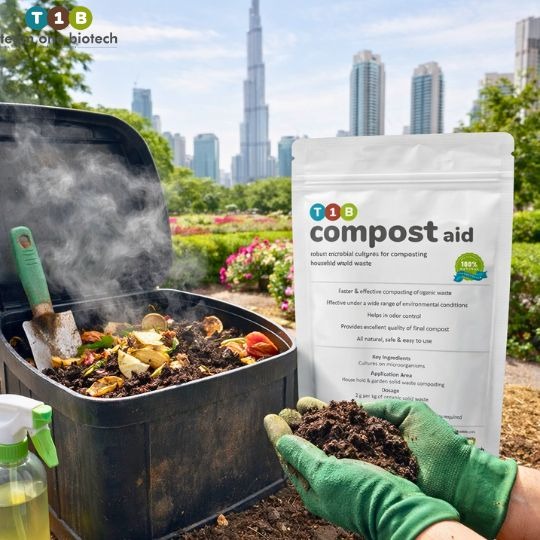
How to Use T1B Septic Tank Cleaner: Step-by-Step Guide

Why Your Septic Tank Needs More Than Just Water

Your septic tank isn’t just a concrete box buried in your backyard, it’s a living, breathing ecosystem. Every flush sends billions of bacteria to work, breaking down waste in a delicate biological dance. But here’s what most homeowners don’t realize: modern household products are quietly sabotaging this system.

That antibacterial hand soap you bought? It’s killing the good bacteria your septic tank desperately needs. The bleach you use weekly? It’s sterilizing your system’s natural digestive capacity. The cooking oil you occasionally rinse down the sink? It’s forming a thick, suffocating layer that blocks proper waste breakdown.

The result? Foul odors wafting through your compound during summer evenings. Slow drains that make morning routines stressful. And eventually, that dreaded call to the septic pumping service, along with a bill that makes you wince.

T1B Septic Tank Cleaner from Team One Biotech offers a different approach. Instead of harsh chemicals that temporarily mask problems, it introduces over 100 crore (1 billion) powerful microbes per gram that actually restore your tank’s natural ability to digest waste. But like any biological solution, effectiveness depends entirely on proper application.

This guide will walk you through exactly how to use T1B Septic Tank Cleaner, from understanding the science behind it to troubleshooting common mistakes that reduce its effectiveness.

What Makes T1B Septic Different

What Makes T1B Septic Different

Before we dive into the how-to, it’s important to understand what you’re actually adding to your septic system.

The Problem with Chemical Cleaners

Walk into any hardware store, and you’ll find shelves lined with septic cleaners promising “instant results.” Most contain sulfuric acid, sodium hydroxide, or synthetic solvents designed to dissolve blockages through brute chemical force.

The catch? These products don’t discriminate. They destroy the organic obstruction, but they also kill 70-90% of the beneficial bacteria that keep your septic system functioning. It’s like taking broad-spectrum antibiotics that wipe out your gut’s healthy microbiome along with the infection.

Worse still, these chemicals corrode concrete tank walls, weaken PVC pipes, and eventually leach into groundwater, contaminating the very water sources your community depends on.

The Biological Alternative: How T1B Actually Works

T1B Septic takes the opposite approach. Think of it as a probiotic supplement for your septic tank, a concentrated dose of beneficial microorganisms that work with nature, not against it.

Each 250g packet contains specialized bacterial strains engineered to:

1. Secrete Powerful Enzymes

  • Lipases break down fats, oils, and grease from your kitchen
  • Proteases digest proteins from human waste and food scraps
  • Cellulases decompose toilet paper and vegetable fibers
  • Amylases target starches from rice water and food waste

2. Complete the Four-Stage Digestion Process

Your septic tank relies on a complex biological pathway:

  • Hydrolysis: Large waste molecules break into smaller pieces
  • Acidogenesis: These pieces convert into fatty acids
  • Acetogenesis: Further breakdown into acetic acid
  • Methanogenesis: Final conversion into methane gas and water

T1B’s microbial consortium ensures each stage happens efficiently, preventing the bottlenecks that cause odors and backups.

3. Adapt to Indian Conditions

Unlike imported products designed for temperate climates, T1B’s “All-Weather Formula” remains active in temperatures ranging from 1°C to 48°C. Whether you’re in Shimla’s winter chill or Chennai’s summer heat, the bacteria keep working.

Step-by-Step: How to Apply T1B Septic Tank Cleaner

How to Apply T1B Septic Tank Cleaner

Step 1: Choose the Right Timing (Critical for Success)

The single biggest mistake homeowners make is applying T1B during peak water usage hours. Here’s why timing matters:

Best Application Times:

  • Late evening (10 PM – 11 PM) after dinner dishes are done
  • Before leaving for vacation when the house will be empty for days
  • Early morning (5 AM – 6 AM) before the family wakes up

Why Low-Flow Periods Matter:

Bacteria need 6-8 hours of “residence time” to transition from their dormant powder state to active vegetative form. During this critical period, they settle into the sludge layer and begin colonizing organic solids.

If you flush T1B at 8 AM and then shower, run the washing machine, and use the kitchen sink heavily, incoming wastewater will simply flush the microbes through the tank before they can establish themselves. You’ve essentially wasted the product.

Pro Tip for Working Families: Apply T1B on Friday night before a weekend trip, or Sunday night when Monday’s work schedule naturally reduces morning water usage.

Step 2: Prepare the Application

What You’ll Need:

  • T1B Septic Tank Cleaner packet (250g for routine maintenance)
  • Optional: 1-2 liters of lukewarm water in a bucket
  • Toilet access (primary application point)

Important Temperature Note: Never use hot water. Temperatures above 60°C will kill the bacteria before they reach your tank. Lukewarm water (around 30-35°C) helps activate enzymes without harming the microbes.

Step 3: Application Methods

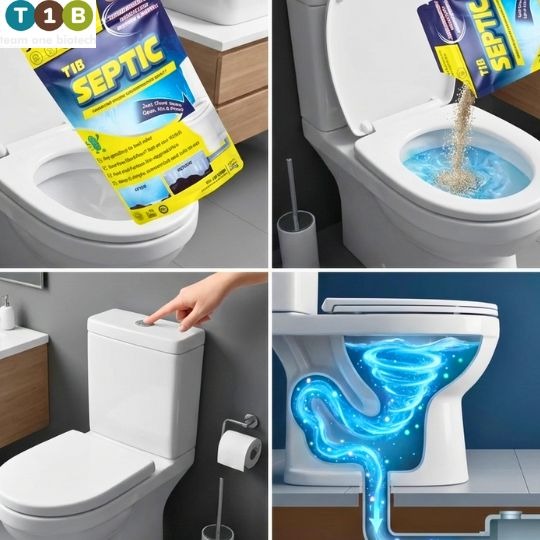
Method A: Direct Toilet Flush (Recommended for Most Users)

  1. Open the T1B packet by tearing along the perforated edge
  2. Remove the inner pouch containing the powder
  3. Pour the entire contents directly into the toilet bowl
  4. Flush twice to ensure all powder clears the P-trap and reaches the septic tank
  5. Avoid using the toilet for 6-8 hours if possible (overnight application makes this easy)

Method B: Pre-Activated Application (For Severe Issues)

If you’re dealing with strong odors or extremely slow drains:

  1. Pour the T1B powder into a bucket containing 2 liters of lukewarm water
  2. Stir gently for 30-60 seconds to dissolve the powder
  3. Let it sit for 5 minutes to activate the enzymes
  4. Pour the mixture slowly into the toilet
  5. Flush once to move it into the tank

Method C: Kitchen Drain Treatment (For Grease Issues)

If your kitchen drain is particularly problematic:

  1. Mix half a packet of T1B with 1 liter of lukewarm water
  2. Pour directly down the kitchen sink drain
  3. Do not use the sink for 6-8 hours
  4. Follow up with the remaining half packet via toilet

This targeted approach helps the lipase enzymes work directly on grease buildup in your kitchen plumbing before reaching the septic tank.

Step 4: Post-Application Protocol

The first 8 hours after applying T1B are critical. Follow these guidelines:

DO:

  • Allow the bacteria time to colonize undisturbed
  • Continue normal toilet usage after 6-8 hours
  • Note any changes in drainage speed or odor over the next 7-10 days

DON’T:

  • Use heavy bleach or disinfectants for 24 hours
  • Run multiple loads of laundry immediately after application
  • Pour chemical drain cleaners down any drains
  • Add antibacterial cleaners to toilet bowls

What to Expect:

  • Days 1-3: Bacteria are establishing colonies
  • Days 4-7: Noticeable reduction in odors as digestion ramps up
  • Days 7-14: Drainage improvement becomes evident
  • Week 3+: System reaches optimal bacterial balance

Dosage Guidelines: How Much T1B Do You Actually Need?

The correct dosage depends on your tank size and the severity of any existing problems.

For Routine Maintenance (System Functioning Normally)

Septic Tank CapacityMonthly Dosage
Up to 10,000 liters1 packet (250g)
11,000 – 20,000 liters2 packets (500g)
21,000+ liters3 packets (750g)

Application Schedule: Once every month on the same date (set a phone reminder)

For Severe Issues (Strong Odors, Slow Drains, Recent Pumping)

Month 1 (Shock Treatment):

  • 10,000L tank: 3 packets (750g) – one packet per week for 3 weeks
  • 20,000L tank: 4-5 packets spread over 3-4 weeks

Month 2 (Stabilization):

  • 10,000L tank: 2 packets (500g) – split into two applications
  • 20,000L tank: 3 packets (750g)

Month 3 Onward (Maintenance):

  • Return to routine maintenance schedule above

When to Apply Shock Treatment:

  • Immediately after professional tank pumping (to reseed beneficial bacteria)
  • After using harsh chemical cleaners
  • Following extended periods of antibacterial soap/bleach use
  • When persistent “rotten egg” smell (hydrogen sulfide) is present
  • After family gatherings or periods of unusually high water usage

Common Mistakes That Sabotage T1B Effectiveness

Common Mistakes That Sabotage T1B Effectiveness

Mistake 1: Using Hot Water

Hot water kills bacteria. Always use lukewarm or room-temperature water if pre-activating the powder.

Mistake 2: Applying During Peak Water Usage

Morning rush hours or laundry day flushes bacteria through before they can work. Always apply during low-flow periods.

Mistake 3: Expecting Overnight Miracles

T1B is biological, not chemical. Bacterial populations need 7-14 days to reach working levels. If you’re expecting instant results, you’ll be disappointed, but give it two weeks and you’ll notice the difference.

Mistake 4: Continuing to Use Antibacterial Products Heavily

If you’re using antibacterial hand soap, toilet bowl cleaners with bleach, or heavy disinfectants daily, you’re constantly killing the bacteria you just added. Switch to septic-safe alternatives.

Mistake 5: Skipping Months

Bacterial populations decline over time, especially in the presence of household cleaners. Consistent monthly applications maintain the population at optimal levels.

What You Should NEVER Flush (Even with T1B)

What You Should NEVER Flush (Even with T1B)

T1B’s microbes are powerful, but they’re not magic. Certain items will cause physical blockages no amount of bacteria can fix:

Prohibited Items:

  • Wet wipes (even “flushable” ones)
  • Sanitary pads and tampons
  • Condoms
  • Dental floss
  • Cotton swabs
  • Cigarette butts
  • Cat litter
  • Paper towels
  • Disposable diapers
  • Cooking oils in large quantities
  • Paint, solvents, or chemicals
  • Expired medications

Kitchen-Specific Rules:

  • Scrape plates into trash, don’t rinse food scraps down the drain
  • Collect cooking oil in a container for proper disposal
  • Use sink strainers to catch food particles
  • Avoid garbage disposals if connected to septic systems

Maximizing Long-Term Results: The Complete Maintenance Strategy

Monthly: T1B Application

Set a recurring reminder for the same date each month. Many users choose the 1st or 15th for easy tracking.

Quarterly: System Inspection

Every three months, check for:

  • Gurgling sounds from drains
  • Slow drainage in multiple fixtures
  • Odors near the septic tank area
  • Wet spots or unusually green grass over the drain field

Annually: Professional Assessment

Even with perfect T1B maintenance, schedule an annual inspection to check:

  • Sludge and scum layer thickness
  • Structural integrity of tank and baffles
  • Drain field health

Every 3-5 Years: Professional Pumping

With consistent T1B use, most households can extend pumping intervals from every 1-2 years to every 3-5 years. The bacteria reduce sludge volume by up to 60%, dramatically lowering maintenance costs.

Cost Savings Calculation:

  • Professional pumping: Rs. 8,000 – 15,000
  • T1B monthly treatment: Rs. 400 – 600
  • Annual T1B cost: Rs. 4,800 – 7,200

Even if T1B only extends your pumping interval by one extra year, it pays for itself several times over, while providing daily odor elimination and drainage improvement.

Troubleshooting: When T1B Isn’t Working as Expected

Problem: No improvement after 3 weeks

Possible Causes:

  • Tank is critically full and needs professional pumping first
  • Excessive use of antibacterial products is killing bacteria faster than T1B can repopulate
  • Physical blockage (non-biodegradable item) in pipes
  • Drain field failure (beyond T1B’s scope)

Solution: Schedule professional inspection to rule out mechanical issues

Problem: Initial improvement, then symptoms return

Possible Causes:

  • Inconsistent monthly applications
  • Sudden increase in household water usage
  • Introduction of chemicals that killed bacterial population

Solution: Apply shock treatment (2-3 packets over 2 weeks), then resume monthly schedule

Problem: Works great in summer, less effective in winter

Possible Causes:

  • While T1B works in cold temperatures, bacterial activity slows

Solution: Increase dosage by 50% during winter months in cold climates (above 2,000m elevation)

The Environmental and Economic Case for T1B

Protecting Groundwater

Every time you choose biological treatment over chemicals, you’re protecting your family’s water source. Chemical residues from traditional cleaners leach through soil and into aquifers, the same aquifers supplying drinking water to your community.

T1B’s microbes are naturally occurring, non-pathogenic, and completely biodegradable. They break down waste and then die off naturally, leaving no toxic residue.

Extending System Lifespan

The average septic system costs Rs. 1.5 – 3 lakhs to install. Drain field replacement alone can exceed Rs. 2 lakhs. By maintaining optimal bacterial populations with T1B, you’re protecting a significant investment in your property.

Supporting Sustainable Sanitation

India’s Swachh Bharat Mission emphasizes safe sanitation practices. Biological septic treatment aligns perfectly with these goals, ensuring waste is properly treated before entering soil and water systems.

Transform Your Septic System with Proper T1B Use

Using T1B Septic Tank Cleaner isn’t complicated, but it does require consistency and proper technique. Apply during low-flow periods, use the correct dosage for your tank size, and maintain a monthly schedule. Avoid antibacterial products that work against the bacteria, and never flush non-biodegradable items.

Within two weeks of your first application, you’ll notice odors diminishing. Within a month, drainage improves. Within three months, your septic system will be functioning as nature intended, efficiently, odor-free, and with minimal maintenance.

The choice between chemical band-aids and biological solutions isn’t just about your septic tank. It’s about protecting groundwater, reducing maintenance costs, and ensuring your sanitation system serves your family safely for decades.

Looking to improve your ETP/STP efficiency with the right bioculture?
Talk to our experts at Team One Biotech for customised microbial solutions.

Contact+91 8855050575

Email:  sales@teamonebiotech.com

Visit: www.teamonebiotech.com

Discover More on YouTube – Watch our latest insights & innovations!-

Connect with Us on LinkedIn – Stay updated with expert content & trends!

Turning Sewage into a Resource using biocultures (2) (1)
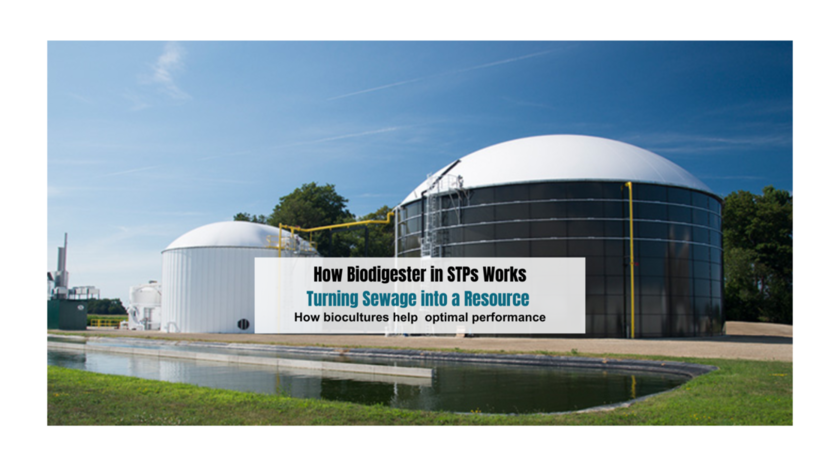
How Biodigester in STPs Works: Turning Sewage into a Resource Using Biocultures
India’s Sewage Challenge

India generates over 72,000 MLD of sewage daily, but less than half is treated effectively. This untreated wastewater flows into rivers like the Yamuna, Ganga, and Mula-Mutha, causing severe health and ecological damage. Despite multiple government initiatives like the Ganga Action Plan and National Mission for Clean Ganga, a significant sewage burden persists.

India is often termed by the world as the Spiritual capital, and people around the world flock to India to seek penance, embrace the tranquillity of nature and follow the path of GOD. But unfortunately, the past few centuries of dark chapters and post-independence blunders have made India and Indians be looked at as unfriendly to cleanliness, and we even prove it sometimes, because the very rivers that we worship and are sacred in our texts are among the most polluted rivers in the world.

By the 1970s and 80s, untreated sewage had become a national crisis. Outbreaks of cholera in Kolkata, jaundice in Surat (1994), and recurring typhoid cases in Delhi highlighted the urgent need for structured sewage management. It was clear that septic tanks and open drains could no longer cope with urban growth.

Why the Government Was Forced to Act

The first large-scale intervention came with the Ganga Action Plan (1986), which introduced Sewage Treatment Plants (STPs) in Kanpur, Varanasi, and other towns along the river. These were followed by the National River Conservation Plan (1995) and later the National Mission for Clean Ganga (2014).

The government realised that simply building drains wasn’t enough. What was needed were systems that could not only treat sewage but also manage solid waste sustainably. This is where biodigesters became a key component of STPs.

City Case Studies

Delhi ( Okhla STP, 1990s): One of the largest STPs in Asia, Okhla adopted biodigesters to process sewage sludge and generate biogas. However, poor maintenance has kept its output below potential, highlighting the gap between design and operation.

Kanpur (Ganga Action Plan, 1986): As one of the first cities to adopt STPs with biodigesters, Kanpur showed early promise.  But decades later, many plants fell into disrepair due to lack of funding and technical oversight, contributing to ongoing Ganga pollution.

Pune (Mula-Mutha River STPs, upgraded in 2018): A positive example, where biodigesters were modernised to produce electricity from biogas, helping reduce operational costs while tackling sewage loads.

Why Many Systems Struggle Today

Despite success stories, 40% of India’s STPs are either non-functional or underperforming (CPCB data). The reasons include:

  1. Poor Maintenance: Microbial cultures die out when not replenished.
  2. Finding Gaps: Municipal budgets often fail to cover operations.
  3. Skill Shortages: A lack of trained operators undermines performance.
  4. Outdated Designs: Many STPs still run on decades-old technology.
Role of Biodigesters in STPs

Biodigesters in Sewage Treatment Plants (STPs) are anaerobic chambers that use microbes to break down sludge. They:

  • Convert organic matter into biogas and nutrient-rich slurry.

  • Enable energy generation from methane.

  • Stabilise sludge and make it safe for reuse.

While cities like Delhi, Kanpur, and Pune have adopted biodigesters, around 40% of India’s STPs underperform due to poor microbial management, outdated designs, and lack of skilled operators.

How Biocultures Improve Biodigester Working

Biodigesters thrive only when the microbial population is balanced and active. Without replenishment, microbial colonies collapse, leading to foul odour, incomplete digestion, and reduced biogas yield.

Here’s how biocultures for STPs can solve these challenges:

  • Enhanced COD/BOD Reduction: Specialised microbial strains accelerate organic load breakdown.

  • Consistent Performance: Prevents biodigester failure during hydraulic shock loads.

  • Sludge Reduction: Biocultures minimise sludge accumulation, reducing disposal costs.

  • Odour & Pathogen Control: Maintains hygienic and sustainable operations.

Team One Biotech’s Expertise

As one of the leading biotech companies in India, Team One Biotech provides customised bioculture formulations to optimise biodigester working in STPs, ETPs, and decentralised sewage systems.

Our solutions include:
  • Anaerobic Biocultures tailored for methane generation.

  • Sludge-reducing microbial consortia to extend biodigester life.

  • Start-up cultures for new STPs or after shock loads.

  • On-site consultation and training for plant operators.

By integrating our biocultures, municipalities and industries can transform underperforming biodigesters into efficient, sustainable, and cost-saving systems.

Conclusion

Biodigesters are the backbone of modern sewage treatment in India, but they need consistent microbial support. Team One Biotech bridges this gap with advanced biocultures for STPs, ensuring reliable biodigester working, reduced sludge, and higher biogas yields.

With the right biotechnological support, India can move towards a circular wastewater economy, cleaner rivers, and healthier cities.

Explore More Solutions by Team One Biotech

Apart from biocultures for wastewater treatment, Team One Biotech also offers innovative and eco-friendly solutions across multiple sectors, including:

– Plant Growth Promoters – microbial formulations for improved agricultural productivity

– Aquaculture Probiotics – supporting fish and shrimp health naturally

– Bio Enzyme Floor Cleaner – eco-safe cleaning for homes and industries

– Multipurpose Cleaner – powerful natural alternative to chemical cleaners

– Septic Tank Cleaning Powder – maintaining septic efficiency and reducing odour

– Probiotic Drain Cleaner – preventing clogs and ensuring hygienic drains

Email: sales@teamonebiotech.com

Visit: www.teamonebiotech.com

Discover More on YouTube – Watch our latest insights & innovations!-

Connect with Us on LinkedIn – Stay updated with expert content & trends!

Compost Aid For Solid Waste Management, Soil Microbes & Culture, Kitchen, Canteens, Hotels, Gardens Wastes

Be it any kind of composting – open air, hot composting, cold composting, large scale machine favoured or vermicomposting – the microbial culture present in T1B Compost Aid accelerates the process, decomposes organic wastes efficiently and also helps in achieving a higher quality final compost which can then be used as a natural soil amendment, soil supplement and manure.

T1B Compost Aid also combats odour control a problem associated with garbage and composting. By introducing beneficial microorganisms to the compost pit, Team One Biotech’s Compost Aid safeguards the compost against parasitic and pathogenic bacteria and microbes.

The T1B Compost Aid can work under multiple environmental conditions such as low and high temperatures, pH levels and is based on natural and 100% ecologically safe non-genetically modified organisms.  T1B Compost Aid is ideally formulated for household composting, society composting and garden compositing.

T1B Compost Aid | Powder Bacterial Mixture To Compost Domestic Organic Waste – High Quality Final Compost & Bio-compost Manure

 Composting Microbes – Organic Compost Culture – Food Waste Composting Powder -Kitchen Waste Composting Powder – Superior Composting – Know More About Higher Life Forms In – No Odour Composting Cultures – Microbial Starter Cultures – Decomposing Culture – Composting Microbes – Effective And Safe Compost Accelerator – Effective Compost Booster – Solid Waste Management – Soil Microbes – Soil Culture – Kitchen Wastes – Wastes From Canteens – Hotels – Gardens – Superior Composting – Waste To Manure – Reduces Stench – Odour Control – Silage Culture

MSW Composting Microbes & Culture – Bioculture, Decomposting, Faster & No Odour Composting Cultures

The T1B MSW from Team One Biotech is a microbial consortium comprising microorganisms from bacteria and fungi species with the potential to degrade organic complex compounds in municipal solid waste and convert the solid waste into a compost fertilizer within the shortest time span, without generating excess odour.

T1B MSW subjects the waste to specific conditions that encourage microbial growth and activity. The main composition of the bioproduct is a combination of cellulolytic and ligninolytic microorganisms.

The Cellulolytic microorganisms break down cellulose, a complex carbohydrate found in the cell walls of plants. The organisms produce an enzyme called cellulase that breaks cellulose into smaller sugars that can be reused as an energy source for the microbes.

The Ligninolytic microorganisms are responsible for breaking down lignin, a complex polymer that provides rigidity to plant cell walls. A high concentration of lignin affects the degradation of plant biomass adversely. T1B MSW ensures a breakdown and complete utilization of plant material and other house hold organic solid waste which are  a major component of any municipal solid waste.

T1B MSW | Microbial Culture Solution For Municipal Solid Waste Degradation and biomining – Reduces Aliphatics, Proteins & Polysaccharides In Municipal Organic Wastes

 MSW Composting Microbes – MSW Composting Cultures – MSW Composting – Microbial Composting Culture – Solid Waste Management – Multiple Species Of Microorganisms – Composting Culture – Composting Bioculture – Municipal Waste Composting – Consortia Of Bacteria – Natural Composting Bacteria Powder – Faster Composting Culture – No Odour Composting Cultures – Effective And Safe Compost Accelerator – Reduces Stench – Composting Microbes – Decomposting Culture – Biomining Cultures – Microbes For Biomining – Bacteria For Biomining

Scan the code