
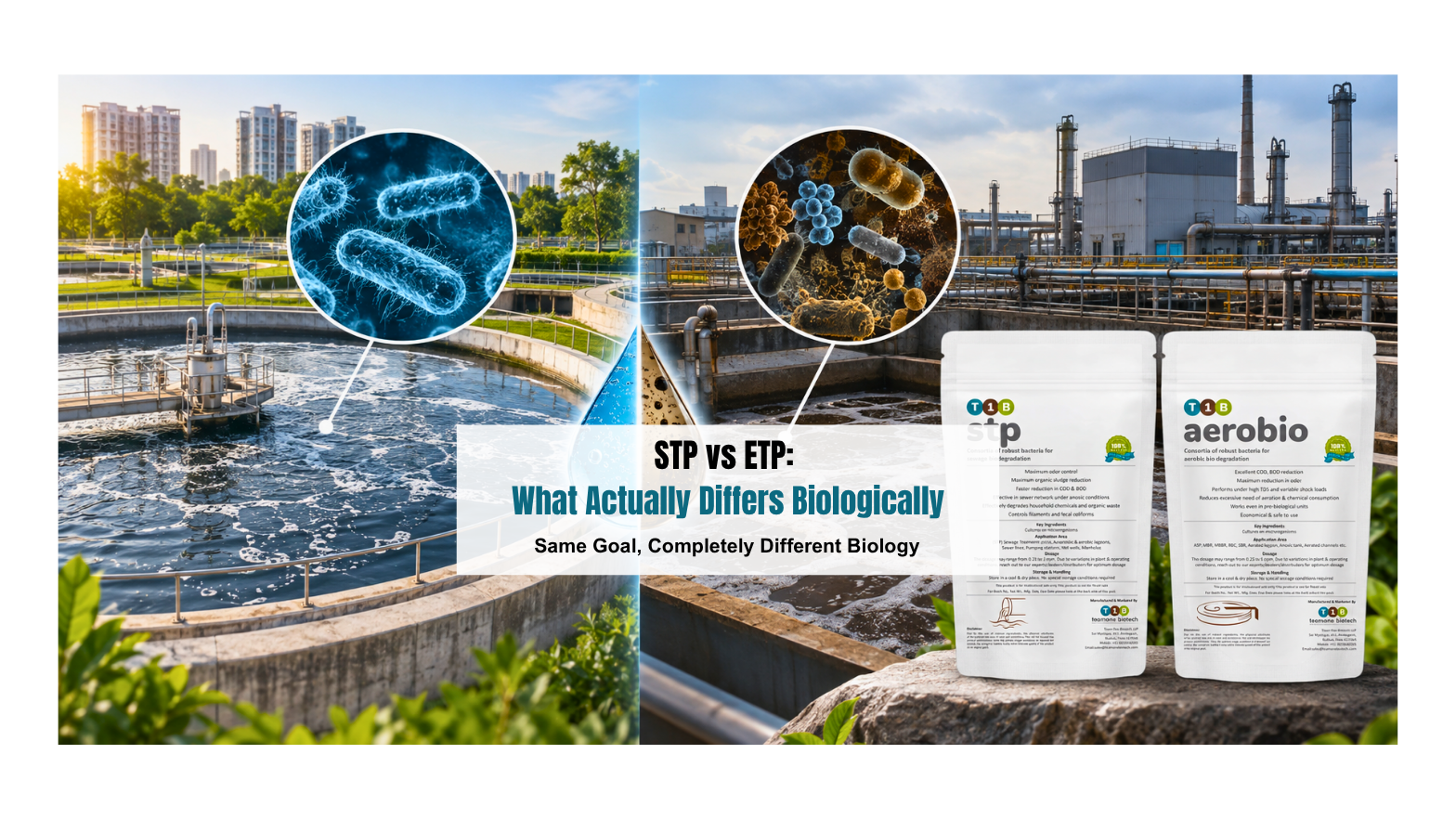
STP vs ETP: What Actually Differs Biologically
You have managed an STP for years. The biology is predictable, the bugs are fed, the BOD drops, the numbers stay compliant. Then you are handed an ETP at a new textile facility, and suddenly everything you knew seems to work against you. The pH swings. The biomass crashes. The regulators are asking questions you do not have answers for yet.
This is not a failure of engineering knowledge. It is a failure of biological expectation. The assumption that wastewater treatment is wastewater treatment, regardless of the source, is one of the most consequential mistakes operators and engineers make in this field. The STP vs ETP difference is not a matter of equipment configuration or process stages. It is, at its core, a matter of microbiology.
By the end of this article, you will understand precisely why the difference between STP and ETP cannot be resolved by swapping one system for another, why the same biological principles that keep a municipal sewage plant running smoothly can fail spectacularly in an industrial setting, and what that means for how you design, operate, and manage compliance in your specific plant.
Same Goal, Completely Different Biology
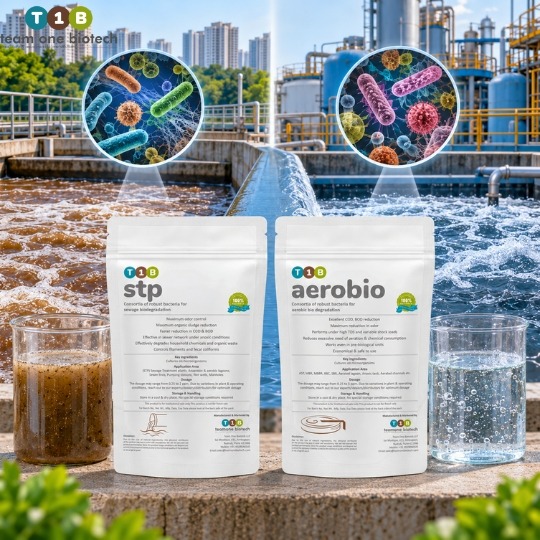
On paper, both STPs and ETPs exist to treat wastewater before it is discharged into a receiving water body or reused within a facility. That shared objective is where the similarity ends.
The biology inside any treatment system is shaped entirely by two things: the nature of the wastewater entering the system, and the microbial community capable of degrading it. In an STP, that wastewater comes from human habitation, predictable in composition, predominantly organic in character, and familiar to a wide range of naturally occurring heterotrophic bacteria. In an ETP, that wastewater comes from industrial processes, variable in composition, frequently toxic in character, and hostile to any microbial population that has not been specifically prepared to handle it.
This is not a subtle distinction. The regulatory divergence between STPs and ETPs under CPCB and SPCB frameworks is a direct consequence of this biological divergence. The standards are different because the risks are different, and the risks are different because the chemistry and microbiology are different. Understanding the STP vs ETP difference at the biological level is, therefore, not academic, it is foundational to every operational and compliance decision you will make.
What Is an STP, The Biology Behind Municipal Sewage Treatment
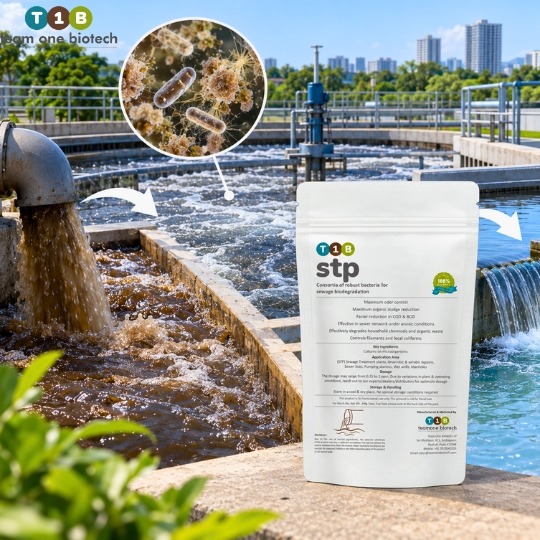
A Sewage Treatment Plant is designed to handle domestic and municipal wastewater: the combined output of residential areas, commercial establishments, and public infrastructure. The influent arriving at an STP is a relatively predictable mix of human waste, food residue, soaps, detergents, and general organic matter. This is not to say STP operations are simple, they are not, but the biological substrate is consistent enough that a broad, diverse microbial community can be established and maintained with reasonable reliability.
The microbial ecosystem inside a well-functioning STP is dominated by heterotrophic bacteria, organisms that consume organic carbon as their energy and carbon source. Because the influent is composed predominantly of carbohydrates, proteins, and simple fats, these organisms find the substrate familiar and metabolically accessible. Given stable conditions, they multiply, form healthy flocs, settle efficiently, and drive the BOD reduction that compliance requires.
The biological treatment processes used in STPs, activated sludge, sequential batch reactors, trickling filters, moving bed biofilm reactors, all rely on this premise: aerobic and anoxic zones populated by general-purpose mixed microbial communities that can consume and convert domestic organic load into stable, settleable biomass and treated effluent. Nitrifying bacteria handle ammonia conversion in more advanced systems. Denitrifying organisms manage nitrogen under anoxic conditions. The system is functionally robust because the substrate it processes is functionally consistent.
One of the key indicators of this consistency is the BOD:COD ratio. In municipal sewage, this ratio tends to be high, often in the range that indicates strong biodegradability. This means microbes can readily access and metabolize the organic compounds present. The system is, by design and by nature, aligned with the biology that drives it.
Disclaimer: Values mentioned in this article are indicative ranges based on general industry observations. Actual parameters vary significantly across plants, geographies, and influent compositions. Always conduct site-specific treatability studies before making operational decisions.
What Is an ETP, When Biology Faces a Harder Challenge
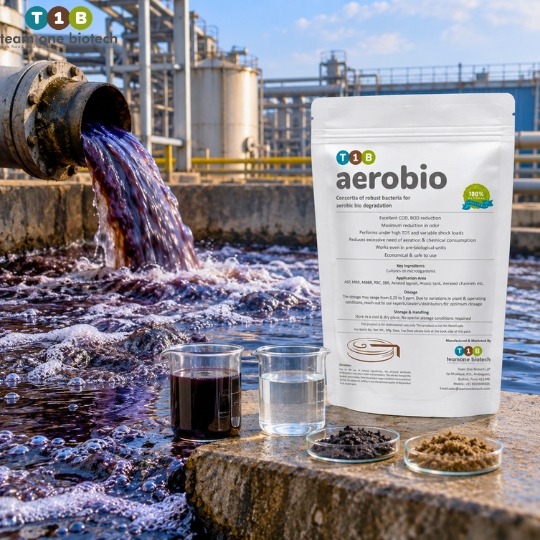
An Effluent Treatment Plant is an entirely different proposition. It is designed to handle industrial process wastewater, and the word “industrial” here carries enormous biological weight. Pharmaceutical manufacturing generates wastewater laden with residual active pharmaceutical ingredients, solvents, and complex organic intermediates. Textile processing produces effluent containing synthetic dyes, surfactants, auxiliaries, and fixatives. Tanneries discharge chromium, sulfides, and protein-rich waste streams. Chemical plants contribute acids, alkalis, and organic compounds of extraordinary diversity. Food processing facilities send high-strength organic loads mixed with fats, oils, greases, and cleaning chemicals.
Each of these sectors introduces a fundamentally different chemical fingerprint into the treatment system. And each of those fingerprints poses a specific biological challenge that no generic microbial community is equipped to handle.
The BOD:COD ratio, that reliable indicator of biodegradability in municipal systems, drops dramatically in many industrial effluents. When this ratio is low, it signals the presence of recalcitrant compounds: organic molecules that standard heterotrophic bacteria simply cannot metabolize with their existing enzymatic toolkit. The organics are present, but they are biologically inaccessible to conventional biomass. Treating such effluent with STP-standard biology is the equivalent of serving food in a form that the organisms cannot digest.
Heavy metals compound the problem significantly. Chromium, zinc, copper, lead, and nickel, common in tannery, electroplating, and metal-finishing effluents, are directly toxic to standard microbial populations above threshold concentrations. They inhibit enzymatic activity, disrupt cellular membranes, and cause biomass crashes that can take weeks to recover from. Extreme pH swings, alkaline effluent from soap and detergent production, highly acidic streams from chemical synthesis, add another layer of biological stress. Most organisms capable of degrading organic carbon in an STP operate within a relatively narrow, near-neutral pH comfort zone. Industrial effluents routinely operate well outside that zone.
Color compounds, synthetic surfactants, organic solvents, and persistent chemical contaminants round out the challenge. These are not just difficult to degrade, many of them are actively inhibitory to the microorganisms that would otherwise be responsible for doing so.
This is why the microbial community in an ETP cannot be generic. It must be specifically acclimated to the target industrial effluent or bioaugmented with specialist strains capable of tolerating and degrading the specific compounds present. This is precisely where the expertise of a qualified ETP bacteria manufacturer becomes operationally critical, not as a vendor of biological inputs, but as a partner in matching microbiology to effluent chemistry.
The Core Biological Differences, STP vs ETP Side by Side
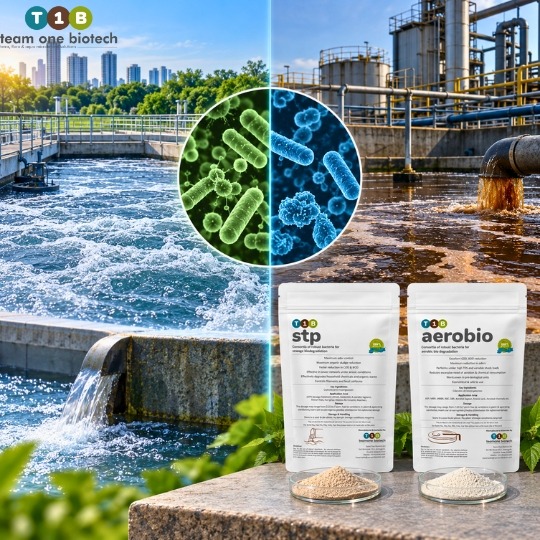
Influent Characteristics
The starting point of every biological treatment outcome is the influent. STP influent is consistent in composition across seasons and across facilities of similar type. It is predominantly biodegradable, low in toxic compounds, and well-characterized after decades of monitoring and research. ETP influent is, by contrast, variable, sometimes dramatically so, and frequently contains compounds that are toxic at concentrations that STP biomass encounters only in acute shock events.
The operational implication is fundamental: STP biomass can be seeded from general municipal sludge sources and will typically perform adequately across a broad range of domestic wastewater inputs. ETP biomass requires strain-specific inoculation matched to the chemical nature of the effluent. Seeding an ETP with municipal sludge is not a shortcut, it is a setup for biological failure.
Microbial Community Composition
In a well-run STP, the microbial community is diverse and functionally robust. This diversity is actually an asset, it provides redundancy and resilience against normal fluctuations in load and composition. The same diversity that provides resilience in a domestic system provides nothing in an industrial context, because the specific chemical compounds present require specific enzymatic pathways that general heterotrophic organisms do not carry.
ETP microbiology demands specialization. Azo dye-degrading bacteria are required in textile effluent treatment, organisms capable of cleaving the nitrogen-nitrogen bonds in synthetic colorants under specific redox conditions. Chromium-tolerant strains are essential in tannery ETPs, organisms that can operate in the presence of heavy metal concentrations that would kill standard biomass. Biosurfactant-producing bacteria assist in the breakdown of hydrophobic industrial compounds. Hydrocarbon degraders handle petroleum-derived contaminants in refinery and fuel processing effluents. Extremophilic strains tolerate the pH ranges that industrial processes impose.
In many high-performing industrial ETPs, the microbial consortia are carefully formulated, not just diverse, but deliberately composed to address the specific degradation challenges of the target effluent. This is the domain of a specialist ETP bacteria manufacturer, and it represents a fundamentally different category of biological solution than what any STP requires.
Oxygen Demand and Process Design
BOD loading in municipal sewage systems follows predictable diurnal and seasonal patterns. Aeration requirements can be designed around these patterns with reasonable confidence. In industrial ETPs, COD loading can fluctuate dramatically, not over seasons, but over hours, depending on production schedules, batch processing events, and process changeovers in the upstream industrial facility.
When a pharmaceutical plant shifts production from one product to another, the effluent chemistry can change substantially within a single shift. When a textile unit runs a high-volume dyeing batch, the color load and chemical oxygen demand can spike in ways that static aeration systems are not equipped to handle. ETP aeration must be responsive, adaptive, and sized for worst-case loading rather than average conditions. When it is not, process upsets occur, and in an ETP, process upsets translate directly to compliance failures that attract regulatory scrutiny.
Sludge Generation and Handling
Biological sludge from an STP is primarily organic in nature, the settled biomass of organisms that consumed the domestic wastewater. It can be stabilized through digestion, dewatered, and in many cases beneficially used or safely landfilled under standard municipal solid waste provisions.
ETP sludge is a different category of material. It carries industrial residues, metals, chemical precipitates, adsorbed organic compounds, that may qualify it as hazardous waste under CPCB guidelines and the Hazardous Waste Management Rules. Disposal requires compliance with specific regulatory protocols. Treating ETP sludge as equivalent to STP sludge is not just operationally incorrect, it is a regulatory liability.
The Compliance Dimension, CPCB, SPCBs, and Why the Regulatory Framework Mirrors the Biology
The separate discharge standards that CPCB and SPCBs maintain for STPs and ETPs are not bureaucratic distinctions, they are biological ones expressed in regulatory language. The compliance framework for each system reflects the actual risk profile of the effluent type it governs.
STP compliance standards govern parameters aligned with the protection of receiving water bodies from domestic organic load: BOD, COD, suspended solids, pH, and fecal coliform are the primary indicators. These standards assume an effluent that, when treated correctly, poses manageable risk to aquatic ecology and human health.
ETP compliance standards are industry-specific and include parameters that are entirely absent from domestic standards. Pharmaceutical ETPs face requirements around specific API residues. Textile ETPs must address color and heavy metal limits that reflect the dye chemistry and mordants used in the production process. Tannery ETPs face stringent chromium limits. Chemical processing ETPs may be required to demonstrate the removal of specific toxic organics that are not even measured in STP compliance programs.
Biological failure in an ETP, wrong organisms, unadapted biomass, inadequate acclimation, directly causes compliance failure. And the consequences of non-compliance in industrial ETP contexts extend well beyond penalties. Regulatory closures, legal liability under the Environment Protection Act, and reputational damage in communities where industrial facilities operate are all real outcomes of getting the biology wrong.
Operators and engineers who understand the biological basis of their compliance requirements are better positioned to anticipate failures before they become regulatory events, and to make informed decisions about biological solutions, process adjustments, and monitoring strategies.
If your ETP is struggling with consistent compliance, the problem may not be your process design, it may be your biology. Talk to a specialist who understands what your specific effluent demands microbiologically.
Common Operational Mistakes When Treating STP and ETP as Interchangeable
The list of mistakes that follow from treating these two system types as biologically equivalent is long, and every item on it has real consequences.
Seeding an ETP with general municipal sludge and expecting industrial effluent performance is perhaps the most common error, and one of the most costly. The organisms present in domestic sludge are not equipped to degrade the compounds in industrial wastewater, and exposing them to that environment typically results in biomass crash rather than treatment.
Ignoring pH pre-treatment before biological contact is a related error. Industrial effluents with extreme pH values will kill or severely inhibit even specialist microorganisms. Pre-neutralization is not optional in most ETPs, it is a precondition for biological survival.
Applying STP-standard aeration rates to industrial effluent with high COD loading and low biodegradability produces inadequate oxygen transfer for the biological oxygen demand actually present. Oxygen limitation in an ETP reduces treatment efficiency, promotes the growth of filamentous organisms, and destabilizes the sludge settling characteristics that compliance depends on.
Treating sludge from both system types with the same disposal protocol is a compliance risk that operators in multi-facility environments sometimes underestimate. If ETP sludge contains metals or classified hazardous compounds, it cannot be handled under the same regulatory framework as STP sludge, regardless of operational convenience.
Assuming that BOD reduction alone signals system health in an ETP is a dangerous oversimplification. In systems treating recalcitrant industrial organics, BOD may drop while COD remains elevated, and specific toxic parameters may remain at non-compliant levels. The organisms are consuming what they can consume, which may not be what the compliance standards require to be removed.
Failing to re-acclimate or bioaugment after a process upset or production changeover is a mistake with compounding consequences. When a facility shifts production, the biological community that was acclimated to the previous effluent profile may be poorly suited to the new one. Without deliberate reacclimation or targeted bioaugmentation, performance degrades, often without operators realizing the root cause until compliance numbers begin to slip.
Why the Right Microbial Solution Makes All the Difference
In STPs, standard biocultures function because the substrate is standard. The value a reliable STP bacteria manufacturer provides in this context is consistency, culture viability, and appropriate strain selection for the typical parameters of domestic organic load. The biology is well-understood, and reliable products exist to support it.
In ETPs, the concept of off-the-shelf does not translate. The microbial solution must be matched to the specific effluent chemistry, the industry sector, the COD and toxicity profile, and the target compliance parameters, not formulated generically and applied universally. A textile ETP and a pharmaceutical ETP are not the same biological challenge, even if they share a treatment technology platform.
What distinguishes a specialist ETP bacteria manufacturer from a generic culture supplier is precisely this capacity for specificity. It is not just about producing viable microbial cultures, it is about diagnosing the biological gap in a given system, selecting or formulating the appropriate consortia, designing an acclimatization protocol suited to the operational realities of the plant, and providing the technical support necessary to navigate system stabilization. Post-application support, monitoring biological indicators, adjusting dosing in response to effluent variability, troubleshooting process upset events, is where the real value of specialist biological expertise is delivered.
When evaluating a biological solutions partner for either an STP or ETP context, the questions worth asking are: Do they understand the specific chemistry of your industry’s effluent? Can they demonstrate proven efficacy in systems treating similar wastewater? Do they have regulatory understanding that allows them to connect biological performance to compliance outcomes? And do they provide ongoing technical support, or do they sell a product and walk away?
Team One Biotech engineers biological solutions specifically for your effluent profile, not generic products for generic problems. Get in touch with the technical team to discuss what your plant actually needs.
FAQ, Questions Engineers Ask About STP vs ETP Differences
Can the same microbial culture be used in both an STP and an ETP?
In most cases, no. While some organisms overlap at the genus or species level, effective ETP treatment requires acclimated or specialized strains capable of tolerating and degrading industry-specific compounds. Applying STP cultures to an industrial ETP typically results in biomass inhibition, sludge crash, and compliance failure. The substrate is simply not one that general domestic bacteria are enzymatically equipped to process.
Why does ETP have stricter or more complex compliance requirements than STP?
Because industrial effluent carries a wider range and higher concentration of harmful compounds, heavy metals, toxic organics, synthetic colorants, pharmaceutical residues, that pose greater risk to receiving water bodies, aquatic ecology, and human health. The regulatory framework under CPCB and SPCBs reflects this biological and chemical complexity. Different industries face different specific parameters because their effluents carry different risk profiles.
What does acclimation mean in the context of ETP biology?
Acclimation is the process of gradually exposing a microbial population to the target industrial effluent so that the organisms develop the enzymatic capability to degrade specific compounds over time. Microbial communities adapt through selection pressure, the strains best equipped to survive and function in the given chemical environment proliferate, while those that are not adapted decline. This is a critical step in ETP commissioning that is frequently underestimated or inadequately executed, and it is one of the most common root causes of early operational failure in new industrial treatment systems.
How does pH affect ETP biology differently than STP biology?
Most STP organisms operate within a stable, near-neutral pH range, typically between 6.5 and 8.5, and have limited tolerance for deviations beyond this range. Industrial effluents can swing dramatically in either direction depending on the process chemistry upstream. Conditions outside the tolerance range of standard organisms cause enzyme denaturation, membrane disruption, and ultimately cell death. ETP biology therefore requires either reliable pH pre-treatment upstream of the biological stage, or the use of acid-tolerant or alkaline-tolerant microbial strains selected for the specific pH profile of the target effluent.
What role does a bacteria manufacturer play in ETP performance?
A manufacturer who genuinely understands ETP biology does not simply supply cultures and leave the operator to figure out the rest. They contribute to diagnosing the biological gap, identifying what the effluent demands microbiologically and where the existing biomass falls short. They help select appropriate strains, design the acclimatization strategy suited to the operational conditions of the specific plant, and support the operator through the often turbulent process of system stabilization. In complex industrial systems, this level of engagement is not optional, it is the difference between a biological solution that works and one that fails within weeks of application.
Biology Is Not One-Size-Fits-All
The difference between STP and ETP is ultimately a biological difference. It is shaped by the nature of the wastewater, the microbial community required to treat it, and the regulatory standards that reflect these underlying realities. Equipment configurations, process stages, and treatment technologies matter, but they matter only insofar as the biology inside them is correctly matched to the challenge it is being asked to address.
Operators and engineers who understand the STP vs ETP difference at the microbial level make better decisions across the board, in system design, in biomass management, in troubleshooting, and in compliance strategy. They do not make the mistake of seeding an industrial ETP with domestic sludge. They do not assume that BOD reduction alone signals system health in a complex industrial effluent. They understand that biological treatment STP ETP contexts demand fundamentally different approaches, and they plan accordingly.
Whether you manage an STP serving a municipality or an ETP at a complex industrial facility, the biology inside your plant determines your outcomes. Reach out to Team One Biotech to find out how the right biological solution, designed for your specific effluent, your specific industry, and your specific compliance requirements, can transform your treatment performance and your regulatory reliability.
Disclaimer: All parameter values and ranges referenced in this article are general indicative figures based on typical industry observations. Actual values vary significantly depending on plant design, influent source, geographic location, and operational conditions. These should not be used as design criteria. Always conduct site-specific treatability studies and consult qualified engineers before making operational or design decisions.
Looking to improve your ETP/STP efficiency with the right bioculture?
Talk to our experts at Team One Biotech for customised microbial solutions.
Contact: +91 8855050575
Email: sales@teamonebiotech.com
Visit: www.teamonebiotech.com
Discover More on YouTube – Watch our latest insights & innovations!-
Connect with Us on LinkedIn – Stay updated with expert content & trends!