
Reducing BOD and COD Using Biological Cultures

When Rivers Die, Industries Follow

The Yamuna receives 3,296 million liters of untreated sewage daily. The Ganga, despite a Rs. 20,000 crore cleanup effort, still registers dissolved oxygen levels so low that fish cannot survive in stretches near Kanpur’s tannery belt. These aren’t just environmental statistics, they’re warnings written in legislative ink.

The Central Pollution Control Board (CPCB) has tightened discharge norms, and State Pollution Control Boards are conducting surprise inspections with penalties that can shut down factories overnight. For industrial plant managers across textiles, pharmaceuticals, food processing, and chemical manufacturing, the question is no longer “How Should we treat wastewater?” but “Can we afford NOT to meet BOD and COD limits?”

Reducing BOD and COD using biological cultures isn’t an emerging technology, it’s the proven solution that’s keeping India’s most successful industries operational while their competitors scramble with outdated chemical treatments. This comprehensive guide reveals why microbial bioremediation has become the cornerstone of modern ETP/STP management in India.

BOD and COD, Beyond the Laboratory Reports

BOD and COD, Beyond the Laboratory Reports

What These Numbers Actually Mean for Your Operation

Biological Oxygen Demand (BOD) measures the amount of dissolved oxygen that aerobic microorganisms need to break down organic matter in water. Think of it as nature’s appetite test, higher BOD means more organic pollution requiring more oxygen to decompose.

Chemical Oxygen Demand (COD) indicates the total quantity of oxygen required to oxidize all organic compounds in water, both biodegradable and non-biodegradable, using strong chemical oxidants. It’s the comprehensive picture of your wastewater’s pollution load.

Here’s the critical insight most operators miss: The BOD/COD ratio tells you whether biological treatment will work.

  • BOD/COD ratio > 0.5: Highly biodegradable, biological cultures will excel
  • BOD/COD ratio 0.3-0.5: Moderately biodegradable, requires optimized microbial consortia
  • BOD/COD ratio < 0.3: Low biodegradability, needs specialized enzymatic pre-treatment

The Indian Industrial Reality: Why Your Numbers Are Stuck

Visit any textile unit in Tirupur or pharmaceutical plant in Hyderabad, and you’ll hear the same frustration: “Our ETP meets BOD limits, but COD refuses to drop below 250 mg/L. SPCB wants us at 100 mg/L or we face closure.”

The reasons are uniquely Indian:

  • High-strength industrial effluent: Our manufacturing processes are water-intensive with concentrated pollutant loads
  • Temperature fluctuations: Summer temperatures above 40°C kill sensitive bacterial cultures
  • Shock loads: Batch manufacturing creates sudden surges that conventional systems can’t handle
  • Mixed waste streams: Combining domestic sewage with industrial effluent creates pH swings and toxic interference
  • Inadequate retention time: Space constraints in urban industrial areas force undersized treatment systems

Why Chemical Treatments Are Becoming Obsolete

Why Chemical Treatments Are Becoming Obsolete

The Hidden Costs of Coagulants and Oxidizers

For decades, Indian industries relied on aluminum sulfate, ferric chloride, and chemical oxidizers to reduce BOD and COD. The appeal was simple: fast results, visible floc formation, and straightforward dosing.

The problems? They’ve been mounting:

Economic Drain:

  • Chemical costs rising 15-20% annually due to import dependencies
  • Massive sludge generation (30-40% more than biological treatment)
  • Sludge disposal costs exceeding Rs. 3,500 per ton in metro cities
  • High electrical consumption for chemical mixing and sludge dewatering

Regulatory Pushback:

  • CPCB now scrutinizes chemical sludge composition for heavy metals
  • Landfills refusing to accept chemically treated sludge without additional processing
  • Groundwater contamination liability extending to sludge disposal sites

Operational Nightmares:

  • Corrosion of pipelines and treatment infrastructure
  • Safety hazards from handling concentrated chemicals
  • Inconsistent results with variable wastewater composition
  • No actual biodegradation, pollutants merely transfer from liquid to solid phase

Most damning? Chemical treatment addresses symptoms, not causes. You’re not reducing pollution; you’re relocating it.

How Biological Cultures Actually Work, The Science Simplified

How Biological Cultures Actually Work, The Science Simplified

Nature’s Solution to Industrial Problems

Biological cultures for wastewater treatment are carefully selected consortia of bacteria, fungi, and enzymes that consume organic pollutants as food. Unlike chemical oxidation, bioremediation using biological cultures converts waste into harmless end products: carbon dioxide, water, and stable biomass.

The Four-Stage Biological Attack on BOD and COD

Stage 1: Enzymatic Hydrolysis (Hours 0-6)

Specialized enzymes break down complex organic molecules, proteins, fats, carbohydrates, and cellulose, into simpler compounds. Think of this as pre-digestion, where large pollutants are cleaved into bacterial-sized portions.

Key Players: Proteases, lipases, amylases, and cellulases

Stage 2: Acidogenesis (Hours 6-24)

Acid-forming bacteria convert the hydrolyzed compounds into volatile fatty acids, alcohols, and hydrogen. This stage reduces COD rapidly but temporarily lowers pH, a critical parameter Team One Biotech’s balanced formulations manage automatically. We have a range of wastewater treatment products.

Key Players: Acidogenic bacteria (Clostridium, Lactobacillus species)

Stage 3: Acetogenesis (Hours 24-48)

Acetogenic bacteria convert the acids and alcohols from Stage 2 into acetic acid, hydrogen, and carbon dioxide, the preferred food for the final stage’s microorganisms.

Key Players: Syntrophic acetogenic bacteria

Stage 4: Methanogenesis & Mineralization (Hours 48-72)

In anaerobic zones, methanogenic bacteria convert acetate into methane and CO2. In aerobic zones, heterotrophic bacteria completely oxidize organic matter to CO2 and water. Both pathways achieve ultimate BOD and COD reduction.

Key Players: Methanogenic archaea, aerobic heterotrophs (Pseudomonas, Bacillus species)

Why Generic Cultures Fail Where Specialized Consortia Succeed

Most off-the-shelf biological products contain 4-6 bacterial strains. Team One Biotech’s industrial-grade formulations utilize 15-30 synergistic strains selected specifically for:

  • High-temperature tolerance (up to 45°C)
  • pH stability (functioning in pH range 5.5-9.5)
  • Shock load resilience (handling 200-300% sudden load increases)
  • Specific pollutant targeting (dyes, phenols, oils, pharmaceutical residues)

This isn’t biology, it’s precision engineering with living organisms.

Team One Biotech’s industrial ETP specialists have helped textile units in Surat, pharmaceutical plants in Baddi, and food processors in Pune achieve consistent CPCB compliance. Our biological cultures are formulated for Indian industrial conditions, not textbook ideal scenarios.

What Makes Our Cultures Different

Not All Bacteria Are Created Equal

The Indian bioremediation market is flooded with products claiming miraculous results. Here’s what separates effective solutions from expensive placebos:

1. Strain Selection Based on Actual Industrial Effluent

Team One Biotech doesn’t formulate in sterile labs using synthetic wastewater. Our research facility in Pune maintains live effluent samples from 40+ industrial categories. Every bacterial strain in our products has proven its performance in real-world conditions, not just in research papers.

2. Bioaugmentation + Biostimulation = Complete Solution

We don’t just add bacteria (bioaugmentation). Our formulations include:

  • Micronutrients: Nitrogen, phosphorus, trace minerals bacteria need
  • Growth factors: Vitamins and cofactors that accelerate metabolism
  • pH buffers: Maintain optimal conditions during treatment
  • Protective compounds: Shield bacteria from toxic shock loads

3. Customization for Your Specific Industry

A tannery’s effluent isn’t a textile mill’s effluent. Our technical team provides:

For Textile Industries:

  • Dye-degrading bacterial consortia (azo dye specialists)
  • Surfactant and sizing chemical removers
  • High-salt tolerance strains

For Pharmaceutical Units:

  • Antibiotic-resistant cultures (ironically necessary)
  • Complex organic compound degraders
  • Heavy metal binders

For Food Processing:

  • High-lipid waste specialists
  • Protein and carbohydrate digesters
  • Odor-control formulations

For Chemical Manufacturing:

  • Phenol and aromatic compound degraders
  • Solvent-metabolizing bacteria
  • Recalcitrant COD specialists

4. Technical Support That Actually Understands Your Plant

When you call our helpline, you speak with environmental engineers who’ve walked hundreds of factory floors, not call center operators reading scripts. We provide:

  • Monthly effluent analysis and dosing adjustments
  • Process optimization recommendations
  • Training for your ETP operators
  • Emergency response for sudden permit violations

Economic Analysis, The Numbers That Matter to CFOs

Real Cost Comparisons from Indian Industries

Let’s examine a medium-sized textile processing unit in Tirupur (daily effluent: 500 KLD, inlet COD: 2,800 mg/L, target: 250 mg/L):

Chemical Treatment (Conventional):

  • Aluminum sulfate: Rs. 45,000/month
  • Polyelectrolyte: Rs. 28,000/month
  • Power consumption (mixing, aeration): Rs. 92,000/month
  • Sludge disposal: Rs. 1,65,000/month
  • Total Monthly Cost: Rs. 3,30,000

Biological Culture Treatment (Team One Biotech):

  • Microbial consortia: Rs. 72,000/month
  • Nutrient supplements: Rs. 18,000/month
  • Power consumption (optimized aeration): Rs. 58,000/month
  • Sludge disposal (60% less volume): Rs. 68,000/month
  • Total Monthly Cost: Rs. 2,16,000

Annual Savings: Rs. 13,68,000

But the real ROI extends beyond direct costs:

  • Zero closure notices: Compliance eliminates production downtime
  • Reduced equipment maintenance: No corrosive chemical damage
  • CSR and ESG benefits: Attract eco-conscious buyers (critical for export-oriented units)
  • Potential for water reuse: Biologically treated water can be recycled for cooling, gardening, toilet flushing

Implementation Roadmap, From Current Crisis to Consistent Compliance

Phase 1: Baseline Assessment (Week 1)

Team One Biotech’s technical team conducts:

  • 72-hour influent and effluent characterization
  • BOD/COD ratio analysis
  • Existing bacterial population assessment
  • Hydraulic retention time calculation
  • Shock load vulnerability testing

Deliverable: Customized bioremediation protocol

Phase 2: System Preparation (Week 2)

Before introducing cultures:

  • Neutralize any residual chemicals from previous treatments
  • Optimize aeration (DO levels 2-4 mg/L for aerobic zones)
  • Adjust pH to 6.8-7.5
  • Ensure nutrient availability (N:P ratio check)
  • Clean and repair diffusers/aerators

Deliverable: ETP readiness certification

Phase 3: Culture Introduction & Acclimatization (Weeks 3-4)

  • Initial high-dose inoculation (10x maintenance dose)
  • Daily monitoring of BOD/COD reduction rates
  • Gradual transition from 100% bacterial digestion reliance
  • Operator training on culture maintenance

Deliverable: Visible BOD reduction (40-60%) by week 4

Phase 4: Optimization & Stabilization (Weeks 5-8)

  • Fine-tuning dosing schedules
  • Introducing maintenance protocols
  • Establishing monitoring routines
  • Documenting standard operating procedures

Deliverable: Consistent discharge within CPCB norms

Phase 5: Long-term Partnership (Month 3+)

  • Monthly culture replenishment
  • Quarterly effluent analysis
  • Annual system audits
  • Access to 24/7 technical helpline

Managing community STPs? Team One Biotech’s residential solutions eliminate odors, reduce maintenance costs by 65%, and ensure CPCB compliance for housing societies across Bangalore, Mumbai, and Gurgaon. Our automated dosing systems require minimal operator intervention.

Troubleshooting Common Challenges in Biological Treatment

Troubleshooting Common Challenges in Biological Treatment

Problem 1: Cultures Work Initially, Then Performance Drops

Root Causes:

  • Toxic shock from sudden chemical discharge
  • Nutrient depletion (bacteria starving)
  • pH drift beyond viable range
  • Temperature stress (especially in summer)

Team One Biotech Solution:

  • Toxicity-resistant backup cultures
  • Slow-release nutrient pellets
  • Automated pH control recommendations
  • Thermophilic bacterial strains for hot climates

Problem 2: BOD Reduces But COD Remains High

Root Causes:

  • Non-biodegradable COD fraction (requires advanced oxidation)
  • Insufficient retention time
  • Inactive biomass accumulation
  • Recalcitrant compounds (certain dyes, phenols)

Team One Biotech Solution:

  • COD-specific enzymatic pre-treatment
  • Extended aeration protocols
  • Bio-augmentation with specialist strains
  • Hybrid biological-advanced oxidation integration

Problem 3: Foaming and Bulking Sludge

Root Causes:

  • Filamentous bacteria overgrowth
  • High surfactant loads
  • Low dissolved oxygen
  • Nutrient imbalance

Team One Biotech Solution:

  • Anti-foam biological agents (non-chemical)
  • Filament-controlling bacterial species
  • Aeration pattern adjustment
  • Micronutrient correction

Regulatory Compliance, What CPCB Actually Checks

Recent CPCB Amendments (2023) You Cannot Ignore:

  • Continuous Effluent Monitoring Systems (CEMS) mandatory for Red category industries
  • Real-time data transmission to SPCB servers
  • Automatic penalties for exceeding limits (no warning notices)
  • Director-level criminal liability for repeat violations

How Biological Cultures Help You Sleep Better:

Unlike chemical treatments that produce results just barely within limits, bioremediation consistently achieves 20-30% below permitted levels, providing a safety buffer during inspections and monsoon dilution variations.

FAQ: Your Most Critical Questions Answered

Q1: How quickly can biological cultures reduce BOD and COD?

For typical industrial effluent, expect 40-60% BOD reduction within 3-4 weeks of proper implementation. COD reduction to CPCB norms usually requires 6-8 weeks as more stubborn compounds need specialized bacterial strains to establish. Team One Biotech’s accelerated formulations can achieve this 30% faster.

Q2: Will biological treatment work during Indian summers when temperatures exceed 40°C?

Standard mesophilic bacteria struggle above 38°C. Our thermophilic consortia remain active up to 55°C. We’ve successfully operated ETPs in Rajasthan and coastal Tamil Nadu where summer ambient temperatures make conventional biological treatment nearly impossible.

Q3: Can we use biological cultures if we’re already using chemical treatment?

Yes, but transition requires care. Residual coagulants and pH adjustment chemicals can inhibit bacterial growth. We recommend a 2-week washout period with gradual biological introduction. Many clients run hybrid systems during transition to maintain compliance.

Q4: How do we store and handle these cultures?

Team One Biotech supplies cultures in powder, liquid, or pellet form depending on your setup. Powder formulations have 18-month shelf life at room temperature. Liquid cultures require refrigeration (2-8°C) but activate faster. No special safety equipment needed, these are non-pathogenic, food-grade organisms.

Q5: What about odor control? Our neighbors complain constantly.

Biological treatment dramatically reduces odors compared to chemical methods. Anaerobic processes in undertreated effluent produce hydrogen sulfide (rotten egg smell). Proper aerobic biological digestion with Team One Biotech’s cultures consumes these odor precursors. Most clients report neighborhood complaints cease within 2-3 weeks.

Q6: Is there a difference between bioremediation and bio-augmentation?

Bioremediation is the broad term for using biological agents to clean pollution. Bio-augmentation specifically means adding specialized microorganisms to existing treatment systems. Biostimulation means optimizing conditions for native bacteria. Team One Biotech provides integrated solutions combining all three approaches.

Q7: Can biological cultures handle heavy metals in our effluent?

Bacteria don’t degrade heavy metals, but certain strains bioaccumulate and immobilize them, reducing dissolved metal concentrations. For electroplating and metal finishing industries, we recommend our heavy-metal binding consortia combined with phytoremediation protocols for final polishing.

Q8: What happens if we stop adding cultures?

Established bacterial populations can self-sustain for 4-6 weeks under stable conditions. However, Indian industrial effluent variability usually requires monthly culture replenishment. Think of it like probiotics for your gut, regular reinforcement maintains optimal performance.

The Biological Revolution Your Industry Needs

Reducing BOD and COD using biological cultures isn’t experimental technology, it’s the proven, economically superior solution that India’s most forward-thinking industries have already adopted. While competitors struggle with rising chemical costs and surprise inspections, your operation can achieve consistent compliance with lower costs, less sludge, and zero environmental guilt.

The choice is stark: continue the chemical treadmill that gets more expensive every year while environmental regulations tighten, or invest in biological solutions that align your profitability with planetary health.

Looking to improve your ETP/STP efficiency with the right bioculture?
Talk to our experts at Team One Biotech for customised microbial solutions.

Contact+91 8855050575

Email:  sales@teamonebiotech.com

Visit: www.teamonebiotech.com

Discover More on YouTube – Watch our latest insights & innovations!-

Connect with Us on LinkedIn – Stay updated with expert content & trends!

Beginner's Guide to Enzyme-Based Waste Breakdown
Beginner’s Guide to Enzyme-Based Waste Breakdown

India generates over 160,000 tonnes of municipal solid waste daily, and our industrial sectors discharge millions of litres of complex effluent that traditional treatment methods struggle to handle. From textile dyeing units in Tiruppur to food processing facilities in Punjab, the waste crisis isn’t just an environmental challenge, it’s a business continuity issue that demands smarter, more sustainable solutions.

What if the answer to breaking down stubborn organic pollutants, reducing treatment costs, and meeting increasingly stringent environmental regulations didn’t come from harsher chemicals, but from nature itself?

Welcome to the world of enzyme-based waste breakdown, a biological approach that’s transforming how Indian industries tackle their most persistent waste management challenges.

What Exactly Is Enzyme-Based Waste Breakdown?

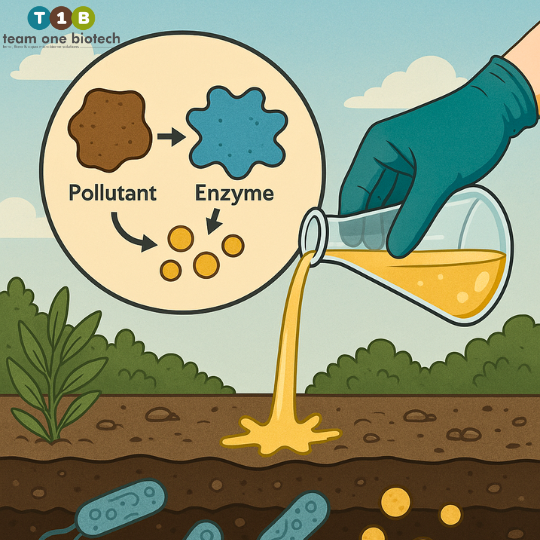
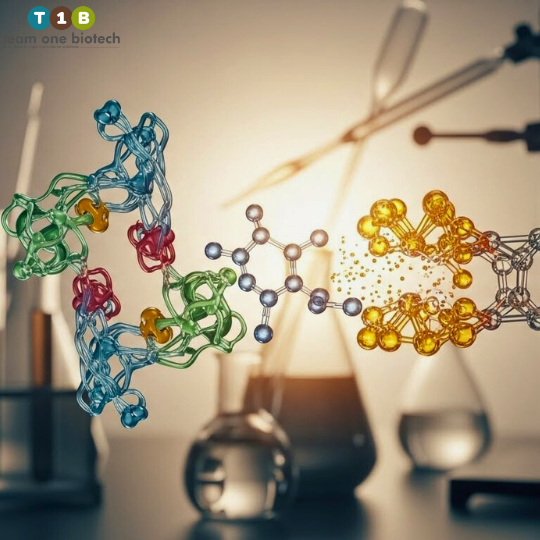
Enzyme-based waste breakdown, also known as enzymatic bioremediation, harnesses the power of naturally occurring biological catalysts to decompose organic pollutants into simpler, harmless substances. Think of enzymes as highly specialized molecular scissors that cut complex waste compounds into manageable pieces that nature can easily absorb.

Unlike conventional chemical treatments that often create secondary pollutants or require extensive pH adjustments, enzymes work at ambient temperatures and neutral pH levels. They’re incredibly specific, targeting particular waste compounds while leaving beneficial organisms untouched, making them ideal for sensitive ecosystems and mixed-waste environments common in Indian industrial zones.

The process mimics and accelerates what already happens in nature. Microorganisms in soil and water naturally produce enzymes to break down organic matter. Enzymatic bioremediation simply concentrates and optimizes these biological tools for industrial-scale waste management.

How Does Enzymatic Bioremediation Actually Work?

How Does Enzymatic Bioremediation Actually Work?

Understanding the mechanics of enzyme-based waste breakdown doesn’t require a biochemistry degree. The process follows a straightforward mechanism that environmental managers can easily grasp and implement.

The Four-Step Breakdown Process:

  1. Enzyme Introduction: Specialized enzyme formulations are introduced to wastewater, contaminated soil, or solid waste streams. These formulations are designed for specific waste types, lipases for fats and oils, proteases for protein-rich waste, cellulases for organic fibres.
  2. Molecular Recognition: Enzymes identify and bind to their target pollutant molecules through a “lock-and-key” mechanism. This specificity means the treatment targets exactly what needs breaking down without disrupting the entire waste matrix.
  3. Catalytic Breakdown: Once bound, enzymes accelerate chemical reactions that split complex organic compounds into smaller molecules. A single enzyme molecule can process thousands of pollutant molecules before becoming inactive, making the process remarkably efficient.
  4. Final Conversion: The breakdown products are simple organic compounds that naturally occurring bacteria can further metabolize into carbon dioxide, water, and biomass, completing the cycle of biological waste management.

Key Factors Influencing Efficiency:

The success of enzyme-based waste breakdown depends on maintaining optimal conditions. Temperature, pH levels, oxygen availability, and the presence of enzyme inhibitors all affect performance. However, modern enzyme formulations designed for Indian industrial conditions are remarkably robust, functioning effectively even in challenging environments like high-temperature textile effluent or variable-pH food processing waste.

The Compelling Benefits of Choosing Eco-Friendly Waste Treatment

The Compelling Benefits of Choosing Eco-Friendly Waste Treatment

For facility managers evaluating bioremediation solutions in India, enzyme-based systems deliver advantages that extend far beyond basic compliance.

Environmental Advantages:

  • Zero Toxic Residuals: Unlike chemical treatments that can leave harmful by-products, enzymatic bioremediation produces only biodegradable end products
  • Reduced Chemical Oxygen Demand (COD): Particularly crucial for industries facing strict discharge limits, enzymes can reduce COD levels by 60-85% in industrial effluent
  • Lower Sludge Generation: Biological waste management produces significantly less sludge compared to chemical precipitation methods, reducing disposal costs and landfill burden
  • Odour Control: Enzymes effectively neutralize the volatile compounds responsible for unpleasant smells in waste water treatment facilities and solid waste management sites

Operational Benefits:

  • Cost Efficiency: While initial enzyme costs may seem higher, the reduction in chemical purchases, sludge disposal, and energy consumption delivers substantial long-term savings
  • Simpler Operations: Enzyme systems require less monitoring and adjustment than chemical dosing systems, reducing labour requirements
  • Compatibility: Enzymatic bioremediation integrates seamlessly with existing treatment infrastructure, no need for complete system overhauls
  • Scalability: Solutions scale easily from small manufacturing units to large municipal solid waste treatment facilities

Regulatory Compliance:

With the Central Pollution Control Board tightening discharge standards and state pollution control boards conducting more frequent inspections, enzyme-based solutions help industries meet, and exceed, environmental parameters consistently. The natural, non-toxic nature of enzymatic treatment also positions companies favourably for green certifications and sustainable supply chain requirements from international buyers.

Ready to see how enzyme-based solutions can transform your specific waste challenges? Explore Team One Biotech’s range of specialized enzyme formulations designed for Indian industrial conditions, or request a consultation to assess your facility’s needs.

Real-World Applications: Enzymatic Bioremediation Across Indian Industries

The versatility of enzyme-based waste breakdown makes it applicable across diverse sectors facing unique waste management challenges.

Textile and Dyeing Industries

The textile hubs of Tiruppur, Surat, and Ludhiana discharge effluent laden with synthetic dyes, sizing agents, and finishing chemicals. Traditional treatment struggles with colour removal and persistent organic compounds. Enzyme formulations combining laccases and peroxidases break down complex dye molecules, achieving decolourization rates exceeding 90% while reducing BOD and COD to permissible limits.

Food and Beverage Processing

Dairy plants, fruit processing units, and breweries generate high-strength organic waste with elevated fat, protein, and carbohydrate content. Lipase and protease enzyme blends accelerate the breakdown of these compounds in pre-treatment systems, preventing clogging in downstream biological treatment and dramatically reducing the load on municipal sewage systems.

Municipal Solid Waste Management

Urban local bodies struggling with overflowing landfills and composting challenges are deploying enzyme accelerators to speed up organic waste decomposition. These formulations reduce composting time from 90-120 days to just 45-60 days, producing nutrient-rich compost while minimizing leachate problems and methane emissions.

Pharmaceutical and Chemical Manufacturing

Industries producing complex organic compounds face stringent discharge requirements for emerging contaminants. Customized enzyme cocktails targeting specific pharmaceutical residues and chemical intermediates provide an effective pre-treatment step before conventional biological treatment.

Oil and Petroleum Sector

Hydrocarbon-contaminated soil and oily wastewater from refineries and storage facilities respond well to lipase and esterase treatments. These enzymes break down petroleum compounds that would otherwise persist in the environment for decades, facilitating faster site remediation and groundwater protection.

Implementing Enzyme-Based Solutions: What You Need to Know

Implementing Enzyme-Based Solutions: What You Need to Know

Transitioning to enzymatic bioremediation doesn’t mean abandoning your existing infrastructure or expertise. The implementation process is straightforward when approached systematically.

Assessment Phase:

Begin with a comprehensive waste characterization. Understanding your waste composition, COD/BOD ratios, specific pollutants, flow rates, and temperature ranges, helps identify the most appropriate enzyme formulations. Reputable bioremediation solutions providers in India offer free initial assessments to determine suitability.

Pilot Testing:

Before full-scale deployment, conduct pilot trials to optimize dosing rates and contact times for your specific conditions. This step prevents over-application and ensures cost-effective treatment. Most enzyme manufacturers provide technical support during pilot phases.

Integration Strategies:

Enzyme-based waste breakdown works best when integrated at strategic points in your treatment train:

  • Primary Treatment Stage: Enzyme addition in equalization tanks breaks down complex compounds before biological treatment
  • Activated Sludge Enhancement: Enzyme dosing in aeration tanks boosts microbial activity and improves settling characteristics
  • Tertiary Polishing: Post-biological enzyme treatment removes residual organics for stringent discharge requirements

Monitoring and Optimization:

Track key performance indicators, COD/BOD reduction, colour removal, sludge generation, and operational costs, to demonstrate ROI and refine dosing protocols. Modern enzyme formulations show measurable improvements within 7-14 days of consistent application.

Thinking about how enzyme-based waste breakdown could work in your facility? Download our comprehensive case study showing 70% COD reduction in a textile dyeing unit, or speak with our technical team about customized solutions for your industry.

Overcoming Common Concerns About Biological Waste Management

Overcoming Common Concerns About Biological Waste Management

Despite proven effectiveness, some environmental managers hesitate to adopt enzymatic bioremediation due to misconceptions. Let’s address the most common concerns directly.

“Enzyme treatments are too expensive.”

While per-litre costs may initially appear higher than bulk chemicals, total cost of ownership tells a different story. Factor in reduced sludge disposal, lower energy consumption, minimal pH adjustment chemicals, and decreased regulatory penalties, and enzyme systems often deliver 25-40% cost savings over traditional methods.

“Enzymes are too sensitive for our harsh waste.”

Modern enzyme formulations designed for industrial applications are remarkably robust. Stabilization technologies protect enzyme activity across wide pH ranges (4-10) and elevated temperatures (up to 60°C). Pre-treatment may be necessary for extreme conditions, but most Indian industrial waste falls well within enzyme tolerance ranges.

“The results take too long.”

While complete mineralization of pollutants does take time, measurable improvements in key parameters occur rapidly. Most facilities observe 30-50% COD reduction within the first week of enzyme application, with optimal results achieved within 2-4 weeks of consistent use.

“Our team lacks the expertise to manage enzyme systems.”

One of enzymatic bioremediation’s greatest advantages is operational simplicity. Dosing systems resemble conventional chemical feed setups, and reliable suppliers provide comprehensive training and ongoing technical support. Many facilities successfully manage enzyme-based systems with their existing staff.

The Future Is Biological: Why Now Is the Time to Transition

India’s environmental landscape is evolving rapidly. Stricter regulations, growing consumer awareness, and increasing scrutiny from international partners make sustainable waste management not just ethical, it’s essential for business survival and growth.

Enzyme-based waste breakdown represents a proven, mature technology that aligns perfectly with India’s environmental goals and industrial needs. As chemical treatment costs rise and disposal options become more restricted, biological waste management offers a clear path forward.

The technology continues to advance. Researchers are developing enhanced enzyme formulations for emerging contaminants, including microplastics and pharmaceutical residues. Companies investing in eco-friendly waste treatment today position themselves as environmental leaders while building operational resilience for tomorrow’s challenges.

Your Next Steps Toward Cleaner, More Sustainable Operations

Understanding enzyme-based waste breakdown is just the beginning. The real transformation happens when you move from knowledge to action.

Team One Biotech has helped hundreds of Indian facilities across manufacturing, municipal, and industrial sectors implement effective enzymatic bioremediation solutions. Our formulations are specifically designed for Indian waste characteristics, climate conditions, and regulatory requirements.

Whether you’re facing discharge limit violations, dealing with odour complaints, struggling with high treatment costs, or simply seeking to enhance your sustainability profile, enzyme-based solutions offer a practical, proven path forward.

Contact Team One Biotech today for a complimentary waste assessment and discover how enzymatic bioremediation can solve your specific challenges. Our technical team is ready to evaluate your facility’s needs and recommend customized enzyme formulations that deliver measurable results.

The future of waste management in India is biological, sustainable, and remarkably effective. The question isn’t whether to adopt enzyme-based waste breakdown, it’s how quickly you can implement it to gain competitive advantage while protecting the environment we all depend on.

Start your enzymatic bioremediation journey today. Your facility, your bottom line, and the planet will thank you.

Looking to improve your ETP/STP efficiency with the right bioculture?
Talk to our experts at Team One Biotech for customised microbial solutions.

Contact+91 8855050575

Email:  sales@teamonebiotech.com

Visit: www.teamonebiotech.com

Discover More on YouTube – Watch our latest insights & innovations!-

Connect with Us on LinkedIn – Stay updated with expert content & trends!
Heavy Metals in Anaerobic Wastewater Treatment | Recovery Guide

Anaerobic systems are one of the most efficient and popular systems in industrial wastewater treatment. Its cost-effective and easy manoeuvring attributes make its presence prominent in Industries such as Distilleries, Ethanol manufacturing, Sugar mills. Breweries and even used in some facultative systems. In the anaerobic systems, Anaerobic granular sludge systems, such as UASB (Upflow Anaerobic Sludge Blanket) and EGSB (Expanded Granular Sludge Bed) reactors, represent one of the most efficient technologies for wastewater treatment.

Here, granules, which are compact, well-structured microbial aggregates, play the most vital part. These granules consist of layered microbial communities, viz., hydrolytic bacteria at the surface, acetogens in the middle, and methanogens at the core. These microbial communities work in synergy to degrade complex organic matter into methane and carbon dioxide.

These microbial communities include anaerobic bacteria, facultative anaerobe groups, and core obligate anaerobes—together forming stable functional granules essential for efficient anaerobic digestion. Understanding how they interact is explained in our EHS-focused guide

However, the anaerobic process is, at the same time, one of the most sensitive processes & its effectiveness lies in maintaining parameters such as pH, flow rate, temperature, and carbon source, which hold a very narrow range. Similarly, one such parameter is the presence of heavy metals, which has grown in industrial and municipal wastewater from plating, mining, tanneries, and electronics industries. 

Metals like copper (Cu), nickel (Ni), zinc (Zn), cadmium (Cd), chromium (Cr), and lead (Pb) are frequently labelled “toxic,” but this generalization oversimplifies their nuanced impacts. Beyond simply inhibiting enzymes, these metals disrupt the extracellular polymeric substances (EPS) matrix, destabilise syntrophic microbial interactions, and interfere with sulfide-mediated metal precipitation, ultimately leading to granule disintegration and performance failure.

This blog explores the lesser-explored territory of how heavy metals affect anaerobic granules at a structural and biochemical level and, more importantly, how reactors can recover through biogenic sulfide precipitation, bioaugmentation, and staged feeding strategies.

The need to understand the impact of heavy metals beyond toxicity thresholds that drop methane levels is necessary as this understanding is vital for designing resilient reactors and developing recovery protocols after metal shock loads.

To improve stability under fluctuating industrial loads, many ETP/STP plants now supplement with bioculture for wastewater treatment, which enhances shock resistance, improves organic degradation pathways, and strengthens microbial synergy.

The wastewater treatment systems are usually housed in an anaerobic tank or anaerobic chamber, where microbial structure influences overall anaerobic wastewater treatment outcomes.

This blog explores how heavy metals affect anaerobic granules at a structural and biochemical level and how reactors can recover through biogenic sulfide precipitation, bioaugmentation, and staged feeding strategies.

For operational guidance integrating microbial performance with EHS and compliance: Click here

 
Structure of Anaerobic Granules

Granules are self-immobilized microbial communities held together by EPS. Their architecture provides:

  • High biomass retention

  • Metabolic zoning

  • Resistance to shock loads

Granule formation is influenced by anaerobic culture methods, where microbial self-aggregation enables long-term anaerobic sludge digestion efficiency.


How Heavy Metals Impact Anaerobic Granules
  • Disruption of EPS and Structural Stability

The EPS structure consists of negatively charged functional groups (carboxyl, phosphate, hydroxyl) that can bind metal cations, effectively trapping them. Initially, this adsorption reduces metal toxicity, but with time, it has the following effects:

Loosening of granule cohesion: When the balance of tightly and loosely bound EPS changes, granules become porous and fragile.

Cross-linking: Metal ions bridge EPS polymers, changing their viscosity and reducing flexibility.

Oxidative stress: Metal exposure triggers free-radical formation, degrading EPS polymers.

Altered secretion: Metal stress may either stimulate overproduction of EPS (as a defense) or suppress secretion if energy is diverted for stress responses.


  • Inhibition of Syntropic Pathways

Anaerobic digestion depends on a very vulnerable relationship between methanogenic archaea and syntrophic bacteria. As methanogens are more metal-sensitive than acidogens, the balance tilts — acids accumulate, pH drops, and VFAs such as propionate and butyrate build up, further destabilizing granules. Once the methanogenic core is impaired, granule disintegration accelerates.

Metals like Cu2+  Ni²⁺, and Zn²⁺ interfere with these relationships by:

  1. Inhibiting hydrogenases and formate dehydrogenases, essential for interspecies hydrogen/formate transfer.
  2. Reducing the rate of interspecies electron transfer (IET) and direct interspecies electron transfer (DIET), 
  3. Blocking methyl-coenzyme M reductase, the key enzyme for methane formation.

This sensitivity also explains key differences in aerobic vs anaerobic bacteria, where oxygen tolerance and metabolic energy yield differ significantly.

Granule Disintegration Mechanisms

Heavy metals lead to:

  • EPS degradation

  • Methanogenic core collapse

  • Granule fragmentation

  • Biomass washout

Long-Term Recovery Strategies

Recovery involves staged feeding, sulfide control, pH stabilization, and biomass reinforcement.

During recovery, following standard anaerobic digestion steps helps prevent acidification and supports gradual metabolic restoration.


Bioaugmentation and Seeding

Introduction of bioculture that consists of EPS-producing bacteria and metal-resistant methanogens helps re-establish microbial networks and regain granule strength.

To buy High-performance microbial strains for industrial ETP/STP: Click here.


Granule Seeding

Seeding stable granules accelerates recovery.

Circulating mature anaerobic sludge from a healthy system supports faster granule restructuring.

EPS-Enhancing Additives

Polysaccharide-rich substrates (molasses/starch) promote structural cohesion.


Conclusion

Heavy metals do more than inhibit digestion — they structurally dismantle anaerobic granules.

Across industries, maintaining strong microbial granules ensures efficient anaerobic treatment, reduced sludge handling, stable biogas production, and long-term regulatory compliance.

For consultation or plant-level support: Contact Us

 
Explore More Solutions by Team One Biotech

As one of the leading biotech companies in India and trusted bioremediation companies in India, Team One Biotech continues to deliver solutions that redefine sustainability across wastewater treatment, agriculture, aquaculture, and hygiene management. Contact us here for free consultation.

Email: sales@teamonebiotech.com

Visit: www.teamonebiotech.com

Contact: +91 8855050575

Discover More on YouTube – Watch our latest insights & innovations!-

Connect with Us on LinkedIn – Stay updated with expert content & trends!
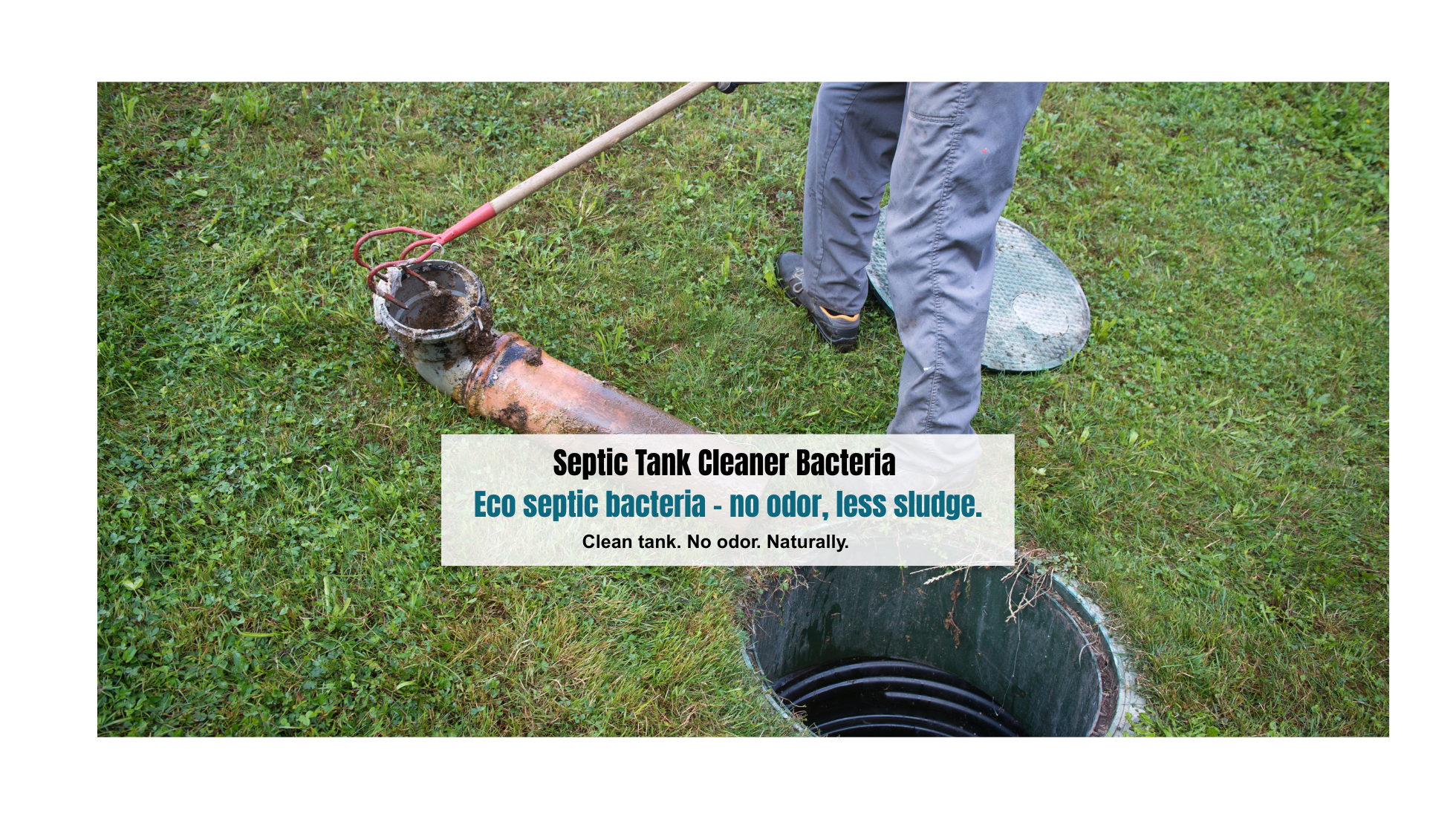
Septic Tank Cleaner Bacteria: The Smart Way to Maintain a Healthy Septic System

A well-functioning septic system is essential for maintaining hygiene and preventing foul odors, blockages, or sewage backups. The most effective way to ensure smooth septic tank performance is by using septic tank cleaner bacteria that naturally break down waste. If you are looking for a reliable biological solution for your septic system at home, commercial property, or institutional setup, Team One Biotech offers safe and effective microbial formulations.

What Makes Microbial Septic Tank Cleaners Better?

Traditional chemical cleaning solutions may reduce waste temporarily but often disturb the natural microbial balance inside the tank. Instead, using natural septic tank cleaner that contains beneficial septic tank bacteria helps maintain the biological ecosystem of the tank. These microbial cultures act as bioculture for wastewater treatment, breaking down organic matter, reducing odor, and preventing sludge accumulation.

This method supports sustainable septic system management without harming the environment.

How Septic Tank Cleaner Bacteria Work

Our microbial formulas contain specialized strains that act quickly to digest fats, oils, grease, paper, and organic waste. These septic tank bacteria powder and septic tank cleaning powder products start working immediately after application.

The bacteria release bioenzymes that:

  • Convert solid waste into simpler particles
  • Reduce sludge formation
  • Prevent blockages in pipelines
  • Maintain smooth wastewater flow

This biological action ensures continuous treatment, making it more effective than mechanical cleaning alone.

Odor Control Made Easy

Persistent foul smell is a common septic system complaint. Our microbial culture acts as a septic tank smell remover by naturally breaking down odor-causing compounds like hydrogen sulfide and ammonia. Instead of masking the smell, the bacteria eliminate its source.

Additional Application: Aquaculture Water Quality

Our microbial knowledge extends beyond domestic and commercial septic systems. We also offer probiotic for aquaculture solutions that improve pond water quality, enhance dissolved oxygen, and support healthier fish and shrimp culture. These probiotic for aqualculture blends maintain a balanced microbial environment, reducing ammonia levels and preventing harmful pathogens in aquatic systems.

This multi-application biotechnology approach shows how natural microbial solutions support both sanitation and sustainable aquaculture.

Why Choose Team One Biotech?

At Team One Biotech, our bioculture for wastewater treatment formulations are:

  • Scientifically tested
  • Highly stable and effective
  • Easy to apply (no machinery required)
  • Eco-friendly and safe
  • Suitable for homes, apartments, hotels, factories, and farms

We focus on building cleaner sanitation systems through nature-driven biotechnology.

Conclusion

Using eco-friendly septic tank cleaner bacteria is the smartest and most sustainable approach to maintaining a clean, odor-free, and efficient septic system. For residential and commercial properties, microbial bacteria-based septic cleaning is a reliable long-term solution.

As one of the leading biotech companies in India, we provide a sustainable product range across multiple verticals, including probiotics for aquaculture, biofertilizers and plant growth promoters, eco-friendly cleaning solutions, animal probiotics, and on-site consultation for biocultures for ETP and STP.

Email:  sales@teamonebiotech.com

Visit: www.teamonebiotech.com

Discover More on YouTube – Watch our latest insights & innovations!-

Connect with Us on LinkedIn – Stay updated with expert content & trends!
Probiotics for Aquaculture: A Natural Way to Improve Fish Health and Water Quality

Looking to enhance your aquaculture productivity and water quality naturally? Contact Team One Biotech today for expert guidance and high-performance microbial products.

Team One Biotech – a leading biotech company in India – explains how probiotics and bioculture for wastewater treatment are transforming aquaculture farming into a more sustainable and eco-friendly system.

Aquaculture, or fish farming, has rapidly grown into one of the world’s most important food-producing sectors. Yet, maintaining healthy aquatic environments remains a challenge for many farmers. Excess feed, poor water circulation, and disease outbreaks can severely affect production.

Earlier, antibiotics and chemical treatments were widely used to combat these problems — but they often led to antibiotic resistance, toxic residues, and long-term ecological harm. That’s why modern aquaculture is moving toward probiotic-based bioculture systems — a natural, safe, and sustainable solution.

What Are Probiotics in Aquaculture?

Probiotics are live beneficial microorganisms (mostly bacteria and yeast) that, when introduced into water or feed, help maintain a healthy microbial balance in aquaculture systems.

They:

  • Break down organic waste and excess feed
  • Reduce toxic gases like ammonia and hydrogen sulfide
  • Improve fish digestion and nutrient absorption
  • Enhance immunity and disease resistance naturally

At Team One Biotech, these probiotics are developed using naturally selected bacterial strains that are safe, highly active, and effective under Indian climatic conditions. They can be applied in fish ponds, shrimp farms, hatcheries, and biofloc systems for optimal results.

How Do Probiotics Work in Aquaculture Farming?

  1. Improving Water Quality

Probiotics degrade organic matter, uneaten feed, and sludge at the pond bottom — keeping water clear and balanced. They lower BOD (Biochemical Oxygen Demand) and COD (Chemical Oxygen Demand) while maintaining healthy oxygen levels.

  1. Enhancing Fish Immunity

Beneficial bacteria colonize the gut of fish and shrimp, outcompeting harmful pathogens. This strengthens the immune system and reduces dependence on antibiotics.

  1. Better Feed Conversion

By improving gut health, probiotics enable fish to absorb nutrients more efficiently, resulting in faster growth and better Feed Conversion Ratio (FCR).

  1. Reducing Odour and Sludge

Microbial activity helps remove foul odours and reduce sludge buildup at the pond bottom, promoting healthier pond conditions and reducing pollution impact.

Team One Biotech’s Probiotic Range for Aquaculture

Team One Biotech’s probiotic formulations are designed to improve both water quality and gut ecosystems. Each product serves a unique purpose depending on the aquaculture setup.

Product Name Use Case Key Benefits
T1B™ Acqua S Shrimp (P. vannamei, P. monodon) Reduces ammonia, nitrite, phosphate; lowers BOD/COD; controls harmful bacteria and boosts survival rates.
T1B™ Acqua F Fish farming Improves nutrient cycling, water quality, and supports healthier, faster fish growth.
T1B™ Feed Pro Feed additive Enhances digestion, immunity, and nutrient assimilation in fish and shrimp.
T1B™ Bio Floc Biofloc systems Stimulates beneficial microbial flocs, stabilizes pond microbiome, and optimizes feed conversion.
T1B™ MacMi Aqua General aquaculture Broad-spectrum probiotic that maintains microbial balance in both water and feed.

Explore full range: Probiotics for Aquaculture by Team One Biotech.

How to Use Team One Biotech Probiotics
  • Water Application: Dissolve the probiotic in clean water and spread evenly across the pond.
  • Feed Application: Mix Feed Pro or MacMi Aqua with feed to seed beneficial gut microbes.
  • Biofloc Setup: Use Bio Floc regularly to maintain active microbial communities.
  • Combined Usage: Use both water and feed probiotics for complete pond management.
Best Practices for Maximum Effectiveness
  • Begin probiotic application early — ideally before or right after stocking.
  • Avoid applying disinfectants within 24 hours of probiotic use.
  • Maintain proper aeration for optimal microbial activity.
  • Monitor water parameters (ammonia, nitrite, DO, pH).
  • Use consistently to maintain a balanced ecosystem.
Benefits of Using Probiotics for Aquaculture
  • Improved water clarity and quality
  • Reduced disease outbreaks
  • Better growth rate and survival
  • Lower feed cost and sludge management
  • Safe for fish, humans, and the environment
  • Supports bioculture for wastewater treatment and sustainable aquaculture
Why Choose Team One Biotech?

Team One Biotech is a trusted Indian biotech company specializing in bioculture for wastewater treatment, agriculture, and aquaculture.
Their products are R&D-driven, eco-safe, and deliver measurable results — ensuring farmers achieve long-term sustainability and profitability.

Frequently Asked Questions (FAQs)
  1. How often should I apply probiotics in fish ponds?
    Ideally, probiotics should be applied once every 3–5 days, depending on the water condition and stocking density.
  2. Can probiotics replace aeration systems?
    No, probiotics work best alongside aeration. Oxygen helps beneficial microbes thrive and function efficiently.
  3. Are probiotics safe for shrimp larvae and hatcheries?
    Yes, Team One Biotech probiotics are formulated for all life stages — from hatchery to harvest — and are completely non-toxic.
  4. Will probiotics reduce the need for antibiotics?
    Yes. Regular use builds a healthy microbial environment and strong fish immunity, minimizing disease outbreaks naturally.
  5. Can I use multiple probiotic products together?
    Yes, products like T1B Acqua S and T1B Feed Pro can be used together for comprehensive water and gut management.
  6. Do probiotics work in saline or brackish water?
    Team One Biotech probiotics are effective across different salinity levels, making them ideal for both freshwater and marine systems.
  7. How long do probiotics take to show results?
    Visible improvements in water clarity and odour are usually observed within 3–5 days of consistent application.

As one of the leading biotech companies in India and trusted bioremediation companies in India, Team One Biotech continues to deliver solutions that redefine sustainability across wastewater treatment, agriculture, aquaculture, and hygiene management.

Email: sales@teamonebiotech.com

Visit: www.teamonebiotech.com

Discover More on YouTube – Watch our latest insights & innovations!-

Connect with Us on LinkedIn – Stay updated with expert content & trends!
Sustainable Toilets: The Power of Septic Tank Sanitation

Safeguard your sanitation systems with eco-friendly solutions that go beyond mere construction. While most people think of sanitation as simply building toilets, the reality is that four walls and a seat don’t guarantee safety or hygiene. Toilets are a basic human right, yet many are failing—clogged, foul-smelling, and unsafe for long-term use. To ensure your sanitation system is effective, reliable, and sustainable, Contact Us today.

The Real Toilet No One Talks About 

 What most of us forget is that a toilet is only as good as the system behind it. The real heart of sustainable sanitation is the septic tank, not the walls or the structure. Unfortunately, this is the part that people ignore the most.
There are toilets, but are they even working?

There are toilets, but are they hygienic enough to visit?

There are toilets, but do they smell due to poor septic tank maintenance?

If the septic tank is neglected, the toilet becomes nothing more than a temporary solution. Without proper septic tank cleaning, whether using microbial septic tank bacteria or septic tank cleaning powder, we are not solving the problem—we are simply delaying it.

Why Septic Tank Sanitation Matters


A safe and sustainable toilet is one that manages waste effectively, prevents odor, protects groundwater, and ensures a healthy environment. Poorly maintained septic tanks lead to:

  • Unpleasant odours that discourage usage
  • Overflow and blockages
  • Contamination of soil and water sources
  • Spread of harmful pathogens

This is why regular septic tank treatment with the right solutions, including natural septic tank smell removers, is crucial for communities and industries alike.

Microbial Solutions for a Sustainable Future


This is where biological wastewater treatment offers game-changing innovation. Modern microbial solutions replace harmful chemicals with nature’s own power—beneficial septic tank bacteria that break down organic waste safely and effectively.

Introducing T1B™ Septic: A Natural Septic Tank Cleaner


T1B™ Septic is a specialized microbial septic tank cleaner designed to restore and maintain healthy sanitation systems. It works by:

  • Breaking down waste naturally with effective septic tank bacteria
  • Reducing foul odour using a safe septic tank smell remover formula
  • Improving septic tank performance
  • Extending the life of sanitation systems
  • Promoting environmental safety

Unlike chemical-based solutions, this natural septic tank cleaning powder ensures long-term sustainability without harming the environment.

A Game-Changer for Africa and Beyond


In many African countries and developing regions, access to toilets has improved thanks to sanitation drives. But the challenge remains—are these toilets sustainable? Without septic tank cleaning, toilets fail, and the cycle of poor sanitation continues.
T1B™ Septic offers a low-cost, highly effective, and eco-friendly solution to make sanitation truly sustainable. By adding effective biocultures and septic tank bacteria to septic systems, we can ensure:

  • Long-lasting toilets that people actually use
  • Healthier communities with reduced disease spread
  • Cleaner environments free from untreated waste
Conclusion: Redefining Toilets as Sustainable Sanitation


It’s time we changed our perspective. A toilet is not just four walls and a seat—it’s a system that must be safe, odour-free, and sustainable. Septic tank cleaning, using tools like microbial septic tank bacteria, septic tank cleaning powder, and septic tank smell remover, is the foundation, and microbial solutions like T1B™ Septic are the future of global wastewater management.
Because true sanitation is not just about building toilets—it’s about making them last. And the key lies in using the right septic tank cleaner backed by bioremediation technologies.
Don’t let untreated toilet waste endanger your family and community—choose safe, natural, and affordable sanitation with T1B™ Septic. For sustainable solutions tailored to your needs, Contact Team One Biotech today. 

As one of the leading biotech companies in India, we provide a sustainable product range across multiple verticals, including probiotics for aquaculture, biofertilizers and plant growth promoters, eco-friendly cleaning solutions, animal probiotics, and on-site consultation for biocultures for ETP and STP.

Email:  sales@teamonebiotech.com

Visit: www.teamonebiotech.com

Discover More on YouTube – Watch our latest insights & innovations!-

Connect with Us on LinkedIn – Stay updated with expert content & trends!

Oil Spills and Fats, Oils, and Grease: A Hidden Environmental Crisis and How Wastewater Treatment Can Help

Pollution takes many forms-plastic waste, industrial smoke, untreated sewage-but one of the most underestimated is oil contamination. From catastrophic oil spills that devastate marine ecosystems to the silent but relentless discharge of fats, oils, and grease (FOG) from industries, this problem is a ticking time bomb.

For environmentalists, scientists, and wastewater professionals, it is clear: oil and grease in our environment are not just nuisances; they are long-term threats to ecosystems, infrastructure, and human health, making oil spill cleanup indispensable.

Tackling this challenge requires advanced wastewater treatment technologies, effluent management strategies, and biocultures designed to restore balance naturally. Safeguard your business with proven wastewater treatment technologies—Contact Us to resolve oil spill management, FOG control, and effluent treatment challenges.

The Scale of the Problem

Oil Spills: Catastrophes in the Open

Oil spills are some of the most visible disasters in environmental history. When crude oil from tankers, offshore rigs, or pipelines leaks into oceans, it spreads rapidly, creating a suffocating slick. 

The Deepwater Horizon disaster in 2010, for instance, released nearly 5 million barrels of crude oil into the Gulf of Mexico. Marine Life, coral reefs, and entire fisheries were devastated.

Oil reduces oxygen transfer, blocks sunlight and coats marine animals, making survival nearly impossible. Cleanup can take decades, with oil residues lingering in sediments and groundwater long after the initial crisis is over.

Fats, Oils, and Grease: Silent Threats in Wastewater

Unlike dramatic oil spills, FOG pollution is an invisible but constant problem. Every day, effluents from food processing units, restaurants, dairies, and even households carry high loads of fats, oils, and grease.

When FOG enters sewer systems or untreated effluent flows into rivers:

  • It congeals into giant fatbergs, causing blockages and sewage overflows.
  • In water bodies, grease forms a layer that suffocates aquatic ecosystems.
  • The oily film makes wastewater treatment plants less efficient, increasing operational costs.

Municipalities and industries spend billions combating FOG blockages, proving that this is not just an ecological issue but a serious economic burden.

Why Oils are FOG are so Dangerous
  • Persistence in the environment

Hydrocarbons from oils are resistant to natural degradation. They contaminate soil and water for decades unless actively treated with bioremediation techniques.

  • Bioaccumulation

Toxic compounds from oils accumulate in fish and shellfish, eventually moving up the food chain and harming human health

  • Impact on Effluent Treatment:

Grease-laden wastewater is hard to process. It reduces oxygen transfer in treatment plants, disrupts microbial communities, and lowers efficiency.

  • Health Risks

From carcinogenic hydrocarbons to contaminated drinking water, oil pollutants pose severe risks to communities living near sites or polluted water sources.

  • Climate Connection

Oils and grease breaking down anaerobically can release methane, adding to greenhouse gas emissions and worsening climate change.

Sustainable Solutions for Oil and Fog Pollution: how can you clean up an oil spill
  • Prevention: Keeping Oil Out of Water in the First Place
  • Regulation and Enforcement: Governments must enforce wastewater discharge standards, ensuring industries pre-treat oily effluents before releasing them.
  • Grease traps and interceptors: Commercial Kitchens and food processors should install grease traps to capture FOG before it enters sewers.
  • Public Awareness: Households must be educated not to pour used cooking oil down drains but instead collect it for recycling into biodiesel.
  • Advanced Wastewater Treatment Technologies
  • Oil-water Separators: These devices physically remove oil from effluent, preventing contamination downstream.
  • Biocultures for Bioremediation: Specialized microbial formulations can degrade hydrocarbons in wastewater, breaking down oils into harmless by-products like carbon dioxide and water. Biocultures are now widely used in effluent treatment plants (ETPs) to enhance degradation.
  • Enzyme-Based Solutions: Bioenzymes liquefy grease and improve flow in pipelines, reducing fatberg formation and supporting wastewater treatment operations.

Oil Spill Emergency Response

  • Containment and Skimming: Using booms to contain oil slicks and skimmers to remove it from the water surface.
  • Dispersants: Chemicals that break oil into tiny droplets (though their toxicity is debated).
  • Marine Bioremediation: Deploying oil-degrading bacteria directly into marine ecosystems, speeding up natural cleanup without harmful side effects.
  • Turning Waste into Value
  • Biodiesel from Used Cooking Oil: A sustainable alternative fuel that reduces dependency on fossil fuels.
  • FOG Recycling Programs: Municipalities can convert grease into industrial lubricants or biofuels, aligning with circular economy principles.
Real-World Examples of Success

Singapore’s Grease Trap Law: Strict enforcement in the food industry has significantly reduced FOG-related sewer blockages.

India’s Wastewater Innovation: Several effluent treatment plants are using microbial biocultures to break down oils and organic load, reducing operational costs while improving discharge quality.

Exxon Valdez Cleanup with Bioremediation: After the 1989 oil spill in Alaska, scientists successfully applied bioremediation techniques to accelerate natural recovery.

The Role of Biocultures in Oil and FOG Management

Biocultures—formulated microbial communities—are game-changers in wastewater treatment. Their role includes:

  • Breaking down hydrocarbons into simpler, non-toxic compounds.
  • Improving effluent quality, making water safe for discharge or reuse.
  • Reducing operational costs by lowering the load on mechanical and chemical treatments.
  • Supporting sustainable wastewater management by offering eco-friendly, non-toxic solutions.

For industries, adopting biocultures is not just about compliance—it’s about reducing environmental impact while enhancing efficiency.

Conclusion

Oil spills and fats, oils, and grease discharges may differ in scale, but both pose enormous environmental and economic challenges. Left unchecked, they disrupt ecosystems, cripple infrastructure, and compromise public health.

The solution lies in integrated wastewater treatment strategies:

  • Prevention through strict regulation and awareness.
  • Advanced technologies like oil-water separators and grease traps.
  • Eco-friendly approaches using bioremediation and biocultures.
  • Circular economy practices that turn waste oil into valuable resources.

By addressing oil and grease pollution at every level—household, industry, and policy—we can not only protect our water bodies but also create a more sustainable, resilient future.

The choice is clear: treat oil and grease as waste, or transform them into opportunities for environmental and economic growth. With biocultures, sustainable effluent management, and innovative wastewater treatment, we can rise to this challenge.

Safeguard your facility and the environment with advanced wastewater treatment solutions designed to tackle oil spills, FOG pollution, and effluents. For reliable, sustainable, and expert support, Contact Us today.

As one of the leading biotech companies in India, we provide a sustainable product range across multiple verticals, including probiotics for aquaculture, biofertilizers and plant growth promoters, eco-friendly cleaning solutions, animal probiotics, and on-site consultation for biocultures for ETP and STP.

Email:  sales@teamonebiotech.com

Visit: www.teamonebiotech.com

Discover More on YouTube – Watch our latest insights & innovations!-

Connect with Us on LinkedIn – Stay updated with expert content & trends!
Bioremediation & Biocultures In Wastewater Treatment :Myths vs Truths
Bioremediation & Biocultures In Wastewater Treatment : Myths vs Truths
Introduction: Cutting Through the Noise

Bioremediation and microbial biocultures are transforming how industries manage wastewater. Yet, despite proven success in ETPs, STPs, and industrial wastewater systems, there are widespread misconceptions. To explore the right approach for your facility, Contact Us.

Too often, decision-makers expect overnight miracles or assume dosing is optional. These myths not only delay results but also undermine the effectiveness of biological solutions.

Let’s separate facts from fiction with some common myths about bioremediation.

  • Myth 1: “ Adding biocultures once will heal my system in one day.”
  • Truth: Bioremediation is a biological process, not an instant chemical reaction.

Microbes require time to acclimatize, multiply, and colonize the wastewater system.

Typically:

  • Heavy Dosing is done initially to build biomass quickly.
  • Visible results (Odour control, COD reduction) appear within days to weeks, depending on the load.
  • Stable long-term performance takes sustained dosing and monitoring.

Fact: Expecting overnight results ignores the science of microbial growth and can lead to disappointment.

  • Myth 2: “Wasting Sludge means losing valuable biomass”
  • Truth: Regular wasting is necessary to maintain healthy microbial populations.

In ETPs/STPs, biomass grows continuously. Without wasting:

  • Excess sludge accumulates, leading to poor oxygen transfer and bulking.
  • Old biomass becomes inactive, reducing treatment efficiency.
  • The system risks sludge carryover and poor settling.

Fact: Controlled wasting removes excess and unhealthy biomass, allowing fresh microbes to thrive.

  • Myth 3: “ Daily dosing isn’t needed in a continuous ETP flow.”
  • Truth: Continuous flow means continuous load-& microbes need continuous replenishment.
 
  • Wastewater inflow brings a fresh organic load every day.
  • Environmental shocks (pH, toxins, load fluctuations) can stress microbial populations.
  • Without daily dosing, microbial strength weakens, leading to consistent COD/BOD reduction.

Fact: Think of dosing like “feeding your system”— consistent inputs maintain consistent output.

  • Myth 4: “ Once microbes are added, they can survive forever.”
  • Truth: Microbes are living organisms, not permanent chemicals.
 
  • Microbes need optimal conditions (DO, pH, nutrients) to thrive.
  • Harsh conditions (shock loads, toxic chemicals, chlorine) kill microbial populations.
  • Even in healthy systems, microbial turnover requires regular replenishment.

Fact: Biocultures extend the life of your ETP/STP but cannot defy natural biological limits.

  • Myth 5: “ Higher dosing means faster results.”
  • Truth: Overdosing doesn’t accelerate bioremediation-it destabilizes it.


  • Microbial populations grow logarithmically when given the right environment.
  • Beyond a certain point, excess microbes compete for food and oxygen, leading to biomass stress.
  • Effective dosing is based on MLSS, influent load, and system design, not “more is better.”

Fact: Precision dosing ensures both performance and cost-effectiveness.

  • Myth 6: “Bioremediation only works for easy-to-degrade pollutants.”
  • Truth: Advanced bioculture consortia can also address oils, grease, and certain tough-to-degrade compounds.


  • Specialized strains degrade FOG (Fats, Oils & Grease).
  • Some formulations target ammonia, sulfides, and nitrates.
  • In combination with physical-chemical methods, microbes help reduce chemical dependency.

Fact: Bioremediation is versatile and can be customized for chemical, food & beverage, pharma, and municipal sectors.

  • Myth 6: “If my system is running fine, I don’t need biocultures.”
  • Truth: Wastewater loads and conditions are never constant.


  • Seasonal fluctuations, production cycles, or toxic shocks can disrupt treatment.
  • Biocultures act as a biological insurance policy, keeping the system resilient.
  • Even well-performing ETPs see improving sludge reduction, odor control, and compliance consistency.

Fact: Prevention is cheaper than a cure. Biocultures maintain stability in unpredictable environments.


The Real Takeaway – Bioremediation is Science, Not Magic

Bioremediation works – but only when applied with scientific understanding, consistent dosing, and proper system management.

At Team One Biotech, our solutions are designed for:

  • Gradual yet consistent performance improvement
  • Long-term compliance stability
  • Reduced operating costs and sludge volumes

By debunking myths and focusing on facts, industries can make informed choices and maximize returns from their wastewater systems.

 Explore More Solutions by Team One Biotech

Apart from biocultures for wastewater treatment, Team One Biotech also offers innovative and eco-friendly solutions across multiple sectors, including:

Plant Growth Promoters – microbial formulations for improved agricultural productivity

– Aquaculture Probiotics – supporting fish and shrimp health naturally

Bio Enzyme Floor Cleaner – eco-safe cleaning for homes and industries

Multipurpose Cleaner – powerful natural alternative to chemical cleaners

Septic Tank Cleaning Powder – maintaining septic efficiency and reducing odour

Probiotic Drain Cleaner – preventing clogs and ensuring hygienic drains

As one of the leading biotech companies in India and trusted bioremediation companies in India, Team One Biotech continues to deliver solutions that redefine sustainability across wastewater treatment, agriculture, aquaculture, and hygiene management.

Email: sales@teamonebiotech.com

Visit: www.teamonebiotech.com

Discover More on YouTube – Watch our latest insights & innovations!-

Connect with Us on LinkedIn – Stay updated with expert content & trends!
Scan the code