The Importance of Nitrogen in Wastewater Treatment and Its Environmental Impact

The importance of nitrogen goes hand in hand with its ill effects on the environment and organisms specifically humans as the heavy accumulation of the same in water bodies leads to hazardous effects such as eutrophication having direct impact on human health.

The major contributors to this nitrogen accumulation in water bodies are industries in the form of ammoniacal nitrogen. The pollution control bodies such as NGT and CPCB are very stringent about the ammoniacal nitrogen discharge through the effluent.

What is Nitrification and Denitrification in Wastewater Treatment?

Understanding Nitrification

Nitrification is a two-step aerobic process where ammonia (NH3) is converted into nitrate (NO3) through the action of specialized bacteria. This process occurs naturally in soil and water but is crucial in wastewater treatment to prevent ammonia toxicity and eutrophication in aquatic environments.

1. Ammonia Oxidation: The first step involves the conversion of ammonia to nitrite (NO2) by ammonia-oxidizing bacteria (AOB) such as Nitrosomonas.

NH3 ​+O2  ​→ NO2+ 3H+ + 2e

2. Nitrite Oxidation: The second step involves the conversion of nitrite to nitrate by nitrite-oxidizing bacteria (NOB) such as Nitrobacter.

NO2 ​ + 1/2​O2​ → NO3

Understanding Denitrification

Denitrification is an anaerobic process where nitrate is reduced to nitrogen gas (N2), which is then released into the atmosphere. This process helps in the removal of excess nitrogen from wastewater, thus preventing nutrient pollution.

  1. Nitrate Reduction: Nitrate is first reduced to nitrite.

NO3 ​→ NO2

  1. Nitrite Reduction: Nitrite is further reduced to nitric oxide (NO), nitrous oxide (N2O), and finally nitrogen gas.

NO2​ → NO → N2​O → N2

 The Role of Bioremediation in Wastewater Treatment:

Bioremediation leverages natural or engineered biological processes to degrade pollutants. In the context of nitrification and denitrification, bioremediation uses microbial communities to enhance nitrogen removal efficiently.

  1. Bioaugmentation: This involves the addition of specific strains of nitrifying and denitrifying bacteria to wastewater treatment systems. These microorganisms are selected for their efficiency in nitrogen transformation processes.
  • Nitrosomonas europaea and Nitrobacter winogradskyi are common bioaugmentation agents for nitrification.
  • Pseudomonas and Paracoccus species are effective for denitrification.
  1. Biostimulation: This approach involves optimizing the environmental conditions to favor the growth and activity of indigenous nitrifying and denitrifying bacteria. Parameters such as pH, temperature, oxygen levels, and nutrient availability are carefully controlled.
  2. Immobilization Techniques: Microorganisms can be immobilized on various carriers such as activated carbon, biochar, or synthetic polymers to enhance their stability and activity. This method can significantly improve the efficiency of nitrification and denitrification processes by providing a conducive environment for microbial growth and activity.

Ammoniacal nitrogen control highly depends on the microbes responsible for nitrification and denitrification as well as dissolved oxygen. While in the case of industries specific anoxic systems are designed to control the ammonia in the effluent.

 Anoxic Systems in Wastewater Treatment?

The anoxic system is designed to follow the nitrifying and denitrifying process.

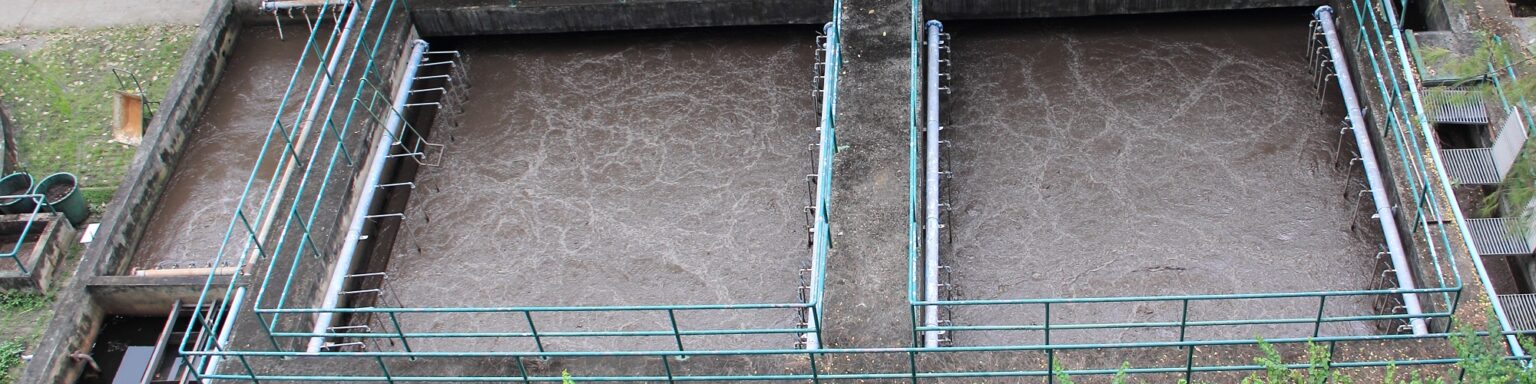
  1. Nitrifying Tank: – It consists of an oxygen source specifically aerators to induce dissolved oxygen in the effluent, which nitrifying bacteria utilize to convert ammonia to nitrite.
  2. Denitrifying Tank: – This tank is devoid of any oxygen sources to induce denitrification where nitrite turns into nitrate with the help of denitrifying bacteria.
  1. Canal or Stream: – Here the wastewater is allowed to flow through a canal or a stream uniformly which allows the nitrogen gas to escape which is ultimately the degradation of bacteria.

The anoxic system is ideally amalgamated with popular and prominent wastewater treatment types to achieve the eradication of NH3-N. By understanding and implementing these processes, industries can significantly reduce their impact on the environment and comply with stringent regulations on ammoniacal nitrogen discharge.

Curious to know more? Get a FREE sample of our bio cultures for effluent treatment or schedule a 1:1 consultation with our technical experts.

Bioremediation of Wastewater Treatment in Pharma Industries

“It’s an Illusion that the solution to pollution is dilution.”

This is India’s Century!! These words from S. Jayshankar echoed to every horizon of the planet and no single contradiction came, not from even the harshest critiques of India. This phrase is completely true in its sense and the pharmaceutical sector of India has made a tremendous contribution in making this phrase the “brahm vaakya”.

Current Scenario – Motion and Pollution

India ranks 3rd globally in pharmaceutical production, including generic drugs, OTC medicines, bulk drugs, vaccines, biosimilars, and biologics. It leads in supplying generic medicine with a 20% global share and is a major player in low-cost vaccines. India produces 60% of global vaccines, fulfilling up to 70% of WHO’s demand for Diphtheria, Tetanus, and Pertussis (DPT) and Bacillus Calmette–Guérin (BCG) vaccines, and 90% of WHO’s demand for the measles vaccine. Projections suggest the industry will reach $65 billion by 2024 and $132 billion by 2030.

Yet, this growth comes at a significant cost—pollution. India’s global achievements are marred by its 120th rank in the water quality index, with 70% of its water contaminated. Pharmaceutical industries are major contributors to this issue. Despite having wastewater treatment plants (WWTPs), many industries fail to meet compliance standards, leading to continued environmental challenges.

But then the question arises that if every pharmaceutical industry has a WWTP then why the compliances are not met?

Bioremediation – Exploring the Solutions

The challenges previously mentioned represent significant risks to the sustainability and operation of industries. However, much like a light at the end of a dark tunnel, Bioremediation emerges as a potential beacon of hope. When implemented effectively, it has the potential to revolutionize wastewater treatment. Nevertheless, there is a notable divide in opinions between industrialists and environmentalists regarding such claims. This skepticism is understandable, given that some companies present themselves as bioremediation companies without possessing the necessary expertise or foundational knowledge

So, we need to first understand the core of bioremediation which is the use of microorganisms. Now the readers will wonder that microorganisms are a vast group falling under Protista, do all of them work in ETP? So, this definition should be reframed as the use of the CORRECT microorganisms, especially selective bacteria to treat the wastewater.

Think of it like building a township: if the government hires without specifying the roles needed, it leads to chaos. But with careful selection—hiring engineers, doctors, and essential personnel—the township thrives. Similarly, bioremediation requires precise selection of microbial strains tailored to the specific needs of the treatment process for optimal results.

Challenges:

1. Tough to degrade Pollutants

Pharmaceutical effluents consist of some of the most tough to degrade compounds and pollutants such as carbamazepine and metformin. Compounds like these consist of NH and cyclic chain groups which makes them tough to degrade.

2. High COD and TDS

Due to the manufacture of drugs and medicines, few of the pharma effluent streams consist of very high COD and TDS up to 1 lakhs ppm which makes ETP operations difficult along with low sustainability of biomass, thereby leading to violation of compliances.

3. Shock Loads

Due to the manufacture of multiple products and constant changes in the constituents of effluent shock load situation is a common occurrence which leads to the sudden collapse of the ETP ecosystem even leading to serious conditions such as septic. Recovery is also very difficult in such  situations.

4. Poor MLSS:MLVSS Ratio

Due to the above-mentioned factors, natural biomass finds it difficult to develop to its optimum quantity which leads to poor MLSS:MLVSS ratio, which is one of the most important factors in the degradation of compounds in the secondary system.

5. Foul Odour 

Due to the presence of sulphides, mercaptans and other odour inducing compounds which mostly go undigested release a very foul and pungent odour which sometimes becomes dangerous for human health.

6. Hydraulic Load irregularities

Due to toxic and tough to degrade compounds, the EHS managers find it difficult to run the ETPs up to its maximum capacity which also sometimes affects the production.

7. Damage to RO/MEE membranes

Due to poor performances of ETPs and especially biological systems, the effluent carrying undigested pollutants eventually damages the membranes in the RO system.

8. Improper Plant design

With excessive pressure from pollution control boards and NGT it has become compulsory for industries having ETP, but many times low-experienced environment consultants suggest improper design thereby creating problems in waste-water treatment overall.

Solutions:

1. Tough to degrade Pollutants -Not so tough

Not so tough before bioremediation as compounds like metformin, carbamazepine and other aliphatic compounds can be easily degraded using the strain of bacteria which synthesizes enzymes like cytochrome P450s, peroxidases, etc. thereby degrading the myths of the afore-mentioned compounds being tough to degrade.

2. High efficiency in High COD and TDS

These high tides of COD and TDS can be easily sailed on the boat of bioremediation using paddles of microbes especially bacteria. Bacteria are not just the most primary, but one of the toughest organisms who possess the capacity to sustain and perform in high COD and TDS effluent, and degrading higher levels of COD closer to the permissible limits. Often a question is encountered whether bacteria membrane can sustain high amounts of salts or not. To be very specific there are a vast species of bacteria called halophiles which can easily sustain high amounts of TDS.

3. Shock Loads – The Myth Busted

Microbes with the shields of their enzymes can handle these shock waves of notorious effluents with shields of composure like rocks embracing high tides the sea shore. Efficiently working under shocking conditions and maintaining the efficiency of the biological system is one of the USPs of bioremediation. If a microbial consortium with a combination of selective bacteria is being assimilated into the system, then shock load management becomes very smooth enabling faster recoveries. This combination of strains makes sure that even if a different stream of effluent enters the system they act rapidly and maintain the degradation efficiency.

4. From Poor MLSS: MLVSS Ratio – to a Rich one

Bioremediation works towards upliftment of needy biological systems, especially those with poor MMLSS:MLVSS ratio. As explained earlier selective strain bacteria with the capacity to perform under certain conditions effectively maintain their cycle of LAG, LOG and Death phase which combined with efficient RAS (Return Activated Sludge) and WAS (Wate Activated Sludge) management improves the MLSS: MLVSS ratio.

5. Foul Odour – Pushed in past tense

Unfortunately, ETPs/STPs can’t opt for perfumes, but this distress has a savior called bioremediation. The sulphides, mercaptans and other odour-inducing compounds can be easily degraded by bioremediation thereby giving extremely high probability of odour removal.

 6. Hydraulic Load irregularities – From irregularities to punctualities.

Since the toxic and tough-to-degrade compounds easily be managed by bioremediation as explained before the EHS managers find it smooth to run the ETPs up to their maximum capacity which also sometimes can optimize the production.

7. Damage to RO/MEE membranes – Longevity ensured by bioremediation

Bioremediation do possess the tendency to tame the notoriously uncontrolled pollutants by either eliminating them or converting into simpler form like a constitution does to criminals by means of encounters or capital punishments.  Due to proper degradation of pollutants at microbial level, regulation of sludge, improved settling, improvement of MLSS:MLVSS the life span of RO membranes and MEE plant increases.

8. Improper Plant design-but a proper solution

Bioremediation is the best example for the concept- “Prosper in the Disaster”. Even if the plant design is improper, bioremediation with proper consultation on process management can manage the functionality of ETP thereby easing the pressures from CPCB/NGT.

Pharmaceutical industries do the noble work of manufacturing lifesaving drugs, products to fight diseases, ailments, traumas and epidemics. But when they need solutions to fight pollution or when they are in distressing time related to pollution agencies make them stand in court like trails and whole and sole blame them for the pollution despite of the efforts by the respective organizations to follow the norms. My message to the complete pharma diaspora is that you need not worry more when comes to pollution control. Bioremediation is there to give you a 360-degree solution that covers deliverance, compliance, sustainability, and cost-effectiveness.

To sum up, bioremediation is the Aspirin, or Nitroglycerine in wastewater treatment that relieves the ETPs from dangers of heavy pollution, plant failures. choking of membranes and non-compliances of the parameters.

Uncertain about how biocultures will handle wastewater treatment in your ETP/STP? Reach out to us today to discover more about our bioremediation technology from our wastewater specialists or schedule an on-site plant visit to assess your current processes in ETP/STP.

Explore our Wastewater Treatment Bioremediation Solutions or contact us at +91 885505075.

Pond & Lake Cleaner – Bio Product For Lake Cleaning, Control Nitrates & Phosphates, Sludge Putrefaction, Pond Water Clarity & Bacteria

To carry out the bioremediation of ponds and lakes Team One Biotech’s T1B Pond & Lake Cleaner is a handy and reliable solution.

The microbial culture in T1B Pond & Lake Cleaner dissolves the organic sludge waste and breaks it down into water, CO2 and other harmless compounds. The bio culture can reduce excess nutrients as well, clarifying and purifying the water, making it odourless and improving water quality. By improving water quality and impacting the bottom sludge T1B Pond & Lake Cleaner ensures that the lake or pond’s natural eco balance is brought back.

The excessive presence of ammonical nitrogen, complex phosphates and nitrites is a major cause of algal bloom leading to eutrophication. The T1B Pond & Lake Cleaner assist in  reducing these compounds and ensuring that the nutrient balance is maintained throughout the water column. T1B Pond & Lake Cleaner works both on water column and the bottom sludge to ensure 360 degree remediation process.

The Pond & Lake Cleaner by TOB can be put to use in freshwater bodies natural or artificial, lakes, channels, ponds, water reservoirs etc.

T1B Pond & Lake Cleaner | For Clean Ponds & Pond Sludge Control – Efficiently Reduces Algal Bloom & Eutrophication – Breaks Down Ammonia, Nitrates & Phosphates

 Bio Product For Lake Cleaning – Lake Cleaning Solution – Lake Water Treatment – Effective Lake Cleaning Product – Pond Water Clarity – Natural Solutions For Lake Cleaning And Restoration – Pond Cleaner – Lake Bioremediation Bio Culture – Improve Pond Aquatic Life – Lake Bio Product – Bacterial Cultures For Lake And Pond – Microbial Cultures For Lake And Pond – Lake Bacteria – Pond Bacteria – Bio Lake Clear – Lake & Pond Restoration – Algae Reduction In Ponds – Small And Large Ponds – Large Lake Cleaning – Eutrophication – Control Nitrates And Phosphates – Sludge Putrefaction – Bottom Sludge Degradation – Sludge Bioremediation – Improves Water Clarity – Control Algal Bloom – Algae Reduction – Improve Oxygen Levels – Reduce Formation Of Hydrogen Sulphide – Nitrogen And Phosphorus Removal

MacMi (For wastewater & enviro) For Bacteria Nutrients & Growth, MLSS Improvement & Booster, Healthy Biomass

For the microorganisms to optimally biodegrade the pollutants and effluents in the wastewater treatment process, both the macro and micronutrients are vitally required.

The macronutrients – Nitrogen (N), Phosphorous (P) and Potassium (K) – are required for sustenance, growth and reproduction of the microorganisms already present and added in wastewater during the bioremediation process.

The micronutrients – Iron (Fe), Manganese (Mn) and Zinc (Zn) – act as cofactors for enzymatic reactions related to the metabolism activity of microbes. They help maintain microbiome cellular integrity and are thus required in smaller quantities and are substantially important.

T1B MacMi is a prominent source of natural micro and macronutrients in addition to nutrients such as Calcium (Ca), Magnesium (Mg), Sulphur (S) etc. The T1B MacMi for wastewater treatment is a gel-based extract obtained from natural plant source.

The T1B MacMi is free from any form of contaminants and has no environmental impact. Essentially T1B MacMi can also be used as a food supplement for the biomass present, thereby reducing the dependence on DAP and UREA products.

T1B MacMi |Natural bio accelerator with macro & micro nutrients for Aerobic & Anaerobic Environments – Alternative To Urea & DAP Fertilizers

 Replace Urea & DAP – No Urea – No DAP – Organic Nutrients For Bacteria – High Concentrated Nutrients For MLSS – Food For Bacteria – Bacteria Nutrients – Healthy Biomass – MLSS Improvement – MLSS Booster – Nutrient Booster – Gel Nutrients – Healthy MLSS – Bacteria Growth – Nano Nutrients – Micro Nutrients – Natural Macro And Micro Nutrients – Bio Accelerator – Bio Booster

OS (Oil Spill) For Bioremediation, Crude Oil Spills, Soil Clean Up, TPH Degradation, Oil Degrading Bacteria

Microbial bioremediation of oil spills can be carried out by introducing naturally occurring microorganisms that digest the hydrocarbons in the oil. These organisms primarily bacteria and fungi use the hydrocarbons as a food source thus breaking them down into simpler products like carbon dioxide and water.

The T1B OS is a culture composed of these non-engineered naturally occurring microorganisms that assist in situ bioremediation of oil spillage for contaminated soil, underground land and contaminated water. The bacteria in the culture mixture digest the oil and grease naturally, their metabolism results in simpler water-soluble non-harmful products that are added to the affected environment as useful nutrients.

By dissolving the oil spillage and oil wastes into nutrients Team One Biotech’s T1B OS ensures no waste is generated for further disposal and is a reliant method to remove the spilt hydrocarbon from the environment, minimising its impact on land, marine and coastal ecosystems. Use of T1B OS can actually make your contaminated oil spill land to a productive land in few months.

Team One Biotech Services on OS (OT1B OS | Reduces Biohazard Due To Oil Spill On Land and Surface Water – Natural Oil Spill Cleaner Breaksdown Petroleum Hydrocarbons

Oil Spill Bioremediation – Oil Spill Clean Up – Crude Oil Spills – In Situ Bioremediation – Hydrocarbon Degradation – Soil Bioremediation – Soil Clean Up – TPH Degradation – Superior Bio-Remediation Products – Oil Degrading Bacteria – Hydrocarbon Contaminated Soil And Liquids – Degradation Of Crude Oil By Natural Oil Degrading Bacteria – Active Bioremediation – Oil Biodegradation – Remediation Of Petroleum And Petroleum Products Enzyme Breakdown – Enzyme Breakdown

D Flo – Drain Cleaning, Nalla Bioremediation Cleaning, Biofilm, Microbial Consortia, Polluted Water Channels

Biofilm formation is a paramount component for the bioremediation of open drains, flowing water systems like rivers, water channels, or man-made conduits etc. The formation of biofilms for these water bodies ascertains a mechanism for the attachment and activity of microbes which support the breakdown of organic material and industrial pollutants to clean up the water.

Team One Biotech’s D-Flo is a powerful consortium of strains of bacteria that enhance the process of formation of good biofilm in open drains. The bio solution has been designed to promote a stable and protected environment for the microorganisms. The microbes consume the organic pollutants as nutrients for sustenance and also release enzymes that degrade the pollutants and contaminants present in water to simpler less harmful substances.

Several factors influence the formation of biofilms in open drainage systems. Environmental stresses such as changes in temperature, pH, or nutrient availability immensely impact the build-up of a protective matrix (biofilm) that shields the microbes. T1B D-Flo operates tenaciously in these adverse conditions as well.

T1B D-Flo | Microbial Cultures For Open Drains, Storm Drainage System – Suppresses Foul Odours , impact of Bio Film in running wastewater

 Drain Cleaning – Nalla Bioremediation – Nalla Cleaning – Treatment Of Flowing Waste Water – Polluted Water Channels – Biofilm – Microbial Consortia – Microbial Inoculants – Microbial Enzymes – Biosurfactants – Aerobic Bacteria – Anaerobic Bacteria – Facultative Bacteria – Bio Enzyme – Enzymes – Bio Culture Bacteria Solutions – Bio Enhancer – Microbial Inoculant – Bioculture Product – Nallah Bioremediation

Aerobio – Microbial Cultures, Bio Product, Bacteria with Enzymes, Bacterial Culture, Digester Treatment

Since aerobic digestion is an integral and important step in wastewater treatment, the health status of activated sludge becomes a fundamental concern for any industrial WWTP or ETP management.

T1B Aerobio is a trustworthy aid to maintain the functionality and productiveness of any wastewater treatment process. T1B Aerobio is tenacious in breaking down organic matter and reducing the biological oxygen demand (BOD) or chemical oxygen demand (COD) levels in wastewater.

With its exceptional tendency to remain conducive even with fluctuating temperature ranges, unstable pH levels, and escalated levels of total dissolved solids or TDS, the T1B Aerobio is a quintessential addition to a wastewater treatment process.

Recalcitrant compounds are hard to degrade chemical substances. Adding T1B Aerobio in sludge waste fortifies the degradation of these harmful compounds. T1B Aerobio is also a robust bioproduct that decomposes xenobiotic compounds effectively. Use of T1B Aerobio will definitely improve the efficiency of various biological process and units like, ASP, MBR, MBBR, SBR, RBC, Trickling Filter. etc. It works under suspension mode as well as attached mode systems.

T1B Aerobio | Microbiome Solution For Aerobic Digestion – Efficient For Reduction Of BOD and COD in wastewater for reclacitrant and xenobiotic compounds

Aerobic Microbial Cultures – Aerobic Bio Product – Aerobic Bacteria With Enzymes – Aerobic Bacterial Cultures – Aerobic Digester Treatment – Wastewater Bioremediation – Bioremediation – Bioaugmentation – Bio Product – High COD/BOD – High Ammoniacal Nitrogen – High TDS – Tough To Biodegrade Efflunet – Xenobiotic Compounds – Reclacitrants – Oil & Grease – Activated Sludge Process – ASP – Microbial Process – Oxygenation – Carbon Dioxide – Nutrient Removal – Aerobic Microorganisms – Sludge Reduction – Secondary Treatment – Respiration – Oxidation – Air Supply – Energy Efficiency – Carbon Footprint – Environmental Benefits – BOD (Biochemical Oxygen Demand) – COD (Chemical Oxygen Demand) – Aeration Tank – Activated Sludge – Activated Sludge Process – SBR (Sequential Batch Reactor) Process – MBR (Membrane BioReactor) Process – MBBR (Moving Bed Biofilm Reactor) process – RBC (Rotating Biological Contactor) Process – MBR-IFAS (Integrated Fixed-film Activated Sludge) Process – ASP (Aeration Stabilization Process) – Extended Aeration Process – Oxidation Ditch Process – Trickling Filter Process – High-Rate Trickling Filter Process – Submerged Aerated Filter Process – Membrane Aerated Biofilm Reactor (MABR) – Biofilm Reactors – Effective Microbes – Effective Microorganisms – High Strength CFU Per Gram – Industrial Wastewater Treatment – ETP – Efflunet Treatment Plant – CETP – Common Effluent Treatment Plant – Improve MLSS – Reduce Aeration – Plant Stability – Enhance Nitrogen And Phosphorus Removal – Commissioning Time of ETP – Rapid Growth Of MLSS and MLVSS – Shock load Stabilization – Overall Cost Of Operation – Faster Commissioning – Reduce COD BOD Ammoniacal Nitrogen – Improved Setteling – Colour Reduction – Aromatic Compounds Cellulose Proteins lignin lipids – High TDS Tolerant – Food Industry Effluent – Beverage Industry Wastewater – Dairy Industry Effluent – Meat Processing Industry – Paper Industry Effluent – Pharmaceutical Industry Effluent – Effluent From Textile Units – Effluent From Chemical Manufacturing Units – Dyes and Colorants Effluent – Detergents Effluent – Active Bioremediation

Anaerobio Bacteria & Treatment – Microbial Culture, Bio Culture & Product, Digestion, Wastewater, Microorganisms, Baffled Reactors (ABRs), Anaerobic Filter

Team One Biotech’s Anaerobio is a unique combination of anaerobic & facultative bacteria like methanogenic bacteria, acidogenic and acetogenic and hydrolytic bacteria that break down the organic waste sludge in the wastewater treatment process in absence of oxygen.

The microbiome mixture is highly efficacious in reducing organic pollutants and industrial waste materials into methane and reducing the generation of hydrogen sulphide gas thereby increasing the productivity of wastewater treatment plants and furnishing higher output of biogas.

Biomass carryover in an anaerobic digestion process is a widely common concern. It is extremely important that the biomass is healthy with matured flocs. This helps the bacteria to maintain a good sludge blanket inside the reactor. T1B Anaerobio moderates the sludge blanket formation at the bottom of the wastewater tank or clarifier. This allows the removal of small dirt particles, metals, and simpler compounds from the wastewater.

T1B Anaerobio supports all type of anaerobic digesters to control its biomass carryover

T1B Anaerobio | Consortium Of Microbes To Process Anaerobic Digestion, Hydrolysis – Can Be Used In Upflow Anaerobic Sludge Blanket Reactor

 Anaerobic Bacteria – Anaerobic Microbial Culture – Anaerobic Bio Culture – Anaerobic Bio Product – Anaerobic Treatment – Anaerobic Digestion – Anaerobic Wastewater Treatment – Anaerobic Filter – Anaerobic Microorganisms – Anaerobic Baffled Reactors (ABRs) – Microbial Strains – Biodegradation – Bioreactor – Methane Production – Organic Matter Removal – Wastewater Treatment – Microbial Consortia – Biogas – Acidogenesis – Methanogenesis – Hydrolysis – Microbial Community – Biomethanation – Temperature – Alkalinity – Sludge Break Down – Removal Of Organic Volatile Compounds VOC’s – Biogas Production – Acetogenesis – Upflow Anaerobic Sludge Blanket Digestion – UASB – Diverse Range Of Bacteria – Advanced Biochemicals – Hydrogen Sulfide And Methane – Bio Digester – Sludge Blanket – Sludge Wasting – Biomass Carryover – Improve Methane Generation – lower Hydrogen Sulfide Production – Enzyme – Bacteria And Enzyme Production – Bio Enzyme For Biogas – Anaerobic lagoon – EGSB (Expanded Granular Sludge Bed) Reactor – Fluidized Bed Reactors – Breakdown Of Organic Matter In The Absence Of Oxygen – Consortium Of Microorganisms – Renewable Energy – Wastewater Treatment – AD Process – Microbial Digestion – Digestate – Green Energy – Energy Efficiency – AD Technology

Scan the code