Sustainable Toilets: The Power of Septic Tank Sanitation

Safeguard your sanitation systems with eco-friendly solutions that go beyond mere construction. While most people think of sanitation as simply building toilets, the reality is that four walls and a seat don’t guarantee safety or hygiene. Toilets are a basic human right, yet many are failing—clogged, foul-smelling, and unsafe for long-term use. To ensure your sanitation system is effective, reliable, and sustainable, Contact Us today.

The Real Toilet No One Talks About 

 What most of us forget is that a toilet is only as good as the system behind it. The real heart of sustainable sanitation is the septic tank, not the walls or the structure. Unfortunately, this is the part that people ignore the most.
There are toilets, but are they even working?

There are toilets, but are they hygienic enough to visit?

There are toilets, but do they smell due to poor septic tank maintenance?

If the septic tank is neglected, the toilet becomes nothing more than a temporary solution. Without proper septic tank cleaning, whether using microbial septic tank bacteria or septic tank cleaning powder, we are not solving the problem—we are simply delaying it.

Why Septic Tank Sanitation Matters


A safe and sustainable toilet is one that manages waste effectively, prevents odor, protects groundwater, and ensures a healthy environment. Poorly maintained septic tanks lead to:

  • Unpleasant odours that discourage usage
  • Overflow and blockages
  • Contamination of soil and water sources
  • Spread of harmful pathogens

This is why regular septic tank treatment with the right solutions, including natural septic tank smell removers, is crucial for communities and industries alike.

Microbial Solutions for a Sustainable Future


This is where biological wastewater treatment offers game-changing innovation. Modern microbial solutions replace harmful chemicals with nature’s own power—beneficial septic tank bacteria that break down organic waste safely and effectively.

Introducing T1B™ Septic: A Natural Septic Tank Cleaner


T1B™ Septic is a specialized microbial septic tank cleaner designed to restore and maintain healthy sanitation systems. It works by:

  • Breaking down waste naturally with effective septic tank bacteria
  • Reducing foul odour using a safe septic tank smell remover formula
  • Improving septic tank performance
  • Extending the life of sanitation systems
  • Promoting environmental safety

Unlike chemical-based solutions, this natural septic tank cleaning powder ensures long-term sustainability without harming the environment.

A Game-Changer for Africa and Beyond


In many African countries and developing regions, access to toilets has improved thanks to sanitation drives. But the challenge remains—are these toilets sustainable? Without septic tank cleaning, toilets fail, and the cycle of poor sanitation continues.
T1B™ Septic offers a low-cost, highly effective, and eco-friendly solution to make sanitation truly sustainable. By adding effective biocultures and septic tank bacteria to septic systems, we can ensure:

  • Long-lasting toilets that people actually use
  • Healthier communities with reduced disease spread
  • Cleaner environments free from untreated waste
Conclusion: Redefining Toilets as Sustainable Sanitation


It’s time we changed our perspective. A toilet is not just four walls and a seat—it’s a system that must be safe, odour-free, and sustainable. Septic tank cleaning, using tools like microbial septic tank bacteria, septic tank cleaning powder, and septic tank smell remover, is the foundation, and microbial solutions like T1B™ Septic are the future of global wastewater management.
Because true sanitation is not just about building toilets—it’s about making them last. And the key lies in using the right septic tank cleaner backed by bioremediation technologies.
Don’t let untreated toilet waste endanger your family and community—choose safe, natural, and affordable sanitation with T1B™ Septic. For sustainable solutions tailored to your needs, Contact Team One Biotech today. 

As one of the leading biotech companies in India, we provide a sustainable product range across multiple verticals, including probiotics for aquaculture, biofertilizers and plant growth promoters, eco-friendly cleaning solutions, animal probiotics, and on-site consultation for biocultures for ETP and STP.

Email:  sales@teamonebiotech.com

Visit: www.teamonebiotech.com

Discover More on YouTube – Watch our latest insights & innovations!-

Connect with Us on LinkedIn – Stay updated with expert content & trends!
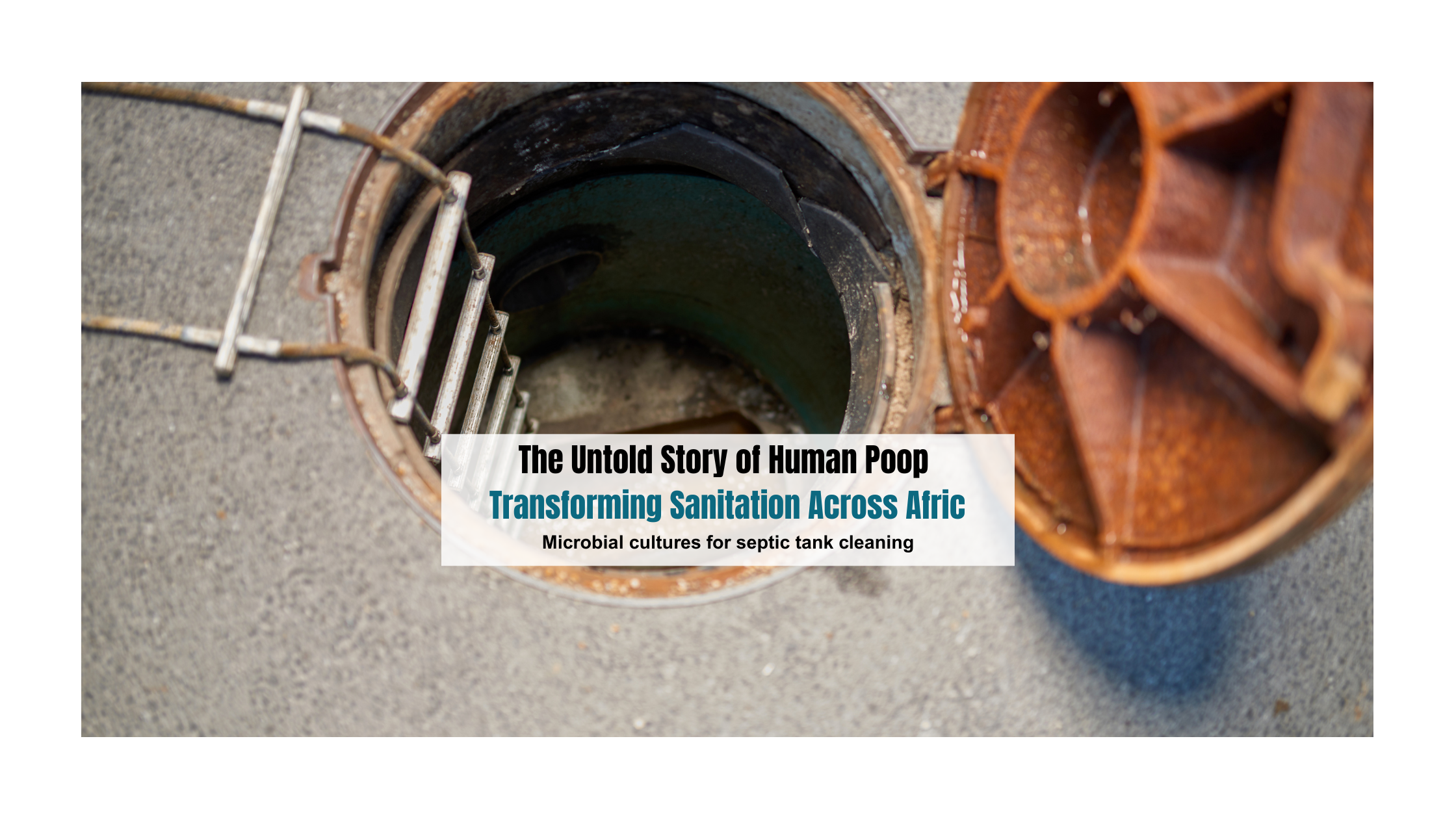
Microbial cultures for septic tank cleaning
Septic Tank Cleaning & Microbial Power: Transforming Sanitation in Africa

If you’re searching for septic tank cleaning services, you’re not alone. Whether you’re in Lagos, Nairobi, Accra, or Dar es Salaam, the demand for professional, affordable sanitation is growing fast. Overflowing systems pose serious health risks, and relying only on manual cleaning is no longer viable.

When was the last time you thought about where your poop goes?
In Nigeria, Kenya, Ghana, Tanzania, and many other African nations, toilet waste is something people often hide and avoid discussing. Yet, it is silently shaping the health, environment, and dignity of entire communities. Get in touch to discover reliable, eco-friendly septic tank cleaning solutions that protect both community health and the environment.

From Good to Dangerous: How Human Waste Has Changed

Generations ago, human poop was simply the byproduct of fresh, organic food. It decomposed naturally, enriching the soil without major harm.
But today, things have changed:

  • Adulterated and preserved food
  • Heavy use of antibiotics
  • Chemical-laden diets

This combination has made modern fecal waste harder to break down, more toxic, and more likely to contaminate water and soil.

In many African countries, the sanitation crisis is real:

  • Overflowing septic tanks
  • Backflow into homes
  • Persistent foul odours
  • Blocked community toilets
  • Deadly disease outbreaks due to fecal contamination

According to UNICEF and WHO, over 700 million people in Africa lack safe sanitation facilities.

The Problem with Quick-Fix Solutions

Need septic tank cleaning? Here’s What You Should Know

In many parts of Africa, septic tank cleaning is often delayed until there’s an emergency — like backflow or severe odour. But routine maintenance is essential for a healthy home and community.

In the face of these challenges, people often turn to:

  • Chemical toilet cleaners:
    Yes, they work fast. But they kill beneficial bacteria inside septic tanks, destroying the natural treatment process.
  • Mechanical suction trucks:
    Effective, but expensive and not sustainable for many households and communities.
  • Manual scavenging:
    A dangerous, inhumane practice that risks the lives of sanitation workers.
So, what’s the answer?

Microbes: The Hidden Heroes for a Cleaner Future

Choosing the Right Septic Tank Cleaner

Looking for the best septic tank cleaner? Chemical cleaners might promise fast results, but they damage your tank’s ecosystem. Mechanical suction? Expensive and temporary. Instead, microbial-based solutions like T1B Septic act as a biological septic tank cleaner, working from the inside to dissolve waste, control odour, and restore natural balance — safely and sustainably.

Imagine a solution that:

  • Naturally eats away at fecal sludge
  • Breaks down harmful pathogens and organic waste
  • Reduces odour, backflow, and overflow
  • Is safe for people, animals, and the environment
  • Costs a fraction of chemical or mechanical treatments

That solution exists.
Microbes.

At Team One Biotech, we have developed T1B Septic, a powerful blend of 75+ specialized microbial strains designed to transform sanitation challenges across Africa.

How T1B Septic Works?
  1. You simply add it into your septic tank or pit latrine.
  2. Our microbes multiply rapidly, feeding on fecal matter, fats, and sludge.
  3. They convert waste into harmless water and gases, reducing solids and stopping odours.
  4. The biological balance of your septic tank is restored—no chemicals, no harm.

This means:

  • No toxic discharge
  • No costly frequent pumping
  • No manual scavenging
  • A clean, safe, sustainable sanitation system

Designed for Africa’s Sanitation Needs

What About Septic Tank Cleaning Companies?

Traditional septic tank cleaning companies often use chemicals or mechanical pumping methods. While they offer immediate relief, they come with high costs and environmental trade-offs. With T1B Septic’s microbial solution, you reduce the frequency of professional pumping — and in many cases, eliminate the need altogether.

Whether you manage:

  • Rural pit toilets in Uganda
  • Septic tanks in urban Nairobi, Kenya
  • Community toilets in Lagos, Nigeria
  • School sanitation blocks in Accra, Ghana

…T1B Septic is your simple, proven solution.

Sustainable. Affordable. Powerful.

Join hundreds of communities transforming their sanitation with microbial innovation.

  • Eliminate odour and backflow
  • Reduce sludge and blockages
  • Protect groundwater and health
  • Create safe sanitation without chemicals
Ready to Transform Your Septic System?

Going Beyond Cleaning: A Smarter Approach to Sanitation

Effective sanitation is more than just emptying tanks — it’s about building a sustainable ecosystem for long-term health and hygiene.

At the core of every solution should be smart wastewater management. Improper disposal of fecal matter often leads to contaminated groundwater and unsafe living conditions. That’s why microbial technology is revolutionizing the way we handle fecal sludge treatment in both urban and rural settings.

Microbes used in products like T1B Septic are experts at organic waste breakdown, restoring your septic tank’s biological balance without chemicals. Unlike traditional methods, this approach improves household sanitation and reduces the risk of infections and odour.

By focusing on safe sanitation practices, families and communities can reduce disease transmission and environmental pollution. These practices also support better septic system maintenance, preventing costly repairs and backups.

Our approach leverages the science of microbial biodegradation, where naturally occurring bacteria digest harmful waste. The result? Cleaner tanks, fewer blockages, and superior odour control methods that don’t rely on synthetic fragrances or harsh chemicals.

This is more than a cleaning solution—it’s a commitment to eco-friendly sanitation that protects people, soil, and water resources.

Don’t let dangerous, untreated toilet waste put your family and community at risk.

???? Contact Team One Biotech today to learn how T1B Septic can solve your sanitation problems safely, naturally, and affordably.

???? Email: sales@teamonebiotech.com

???? Visit: www.teamonebiotech.com

???? Discover More on YouTube – Watch our latest insights & innovations!-

???? Connect with Us on LinkedIn – Stay updated with expert content & trends!

???? Let’s create a cleaner, healthier Africa—one septic tank at a time Conatct us here

Should You Pump Out Your Septic Tank or Use a Biological Treatment?
Best Septic Tank Treatment vs Pumping: What’s Right for Your System?

If you own or manage a property with a septic tank, whether it’s your home, a hotel, or a commercial building, you’ve probably wondered:

Do I need to schedule a septic tank pumping, or can I solve this with a biological treatment?

Many people search for the best septic tank treatment to avoid frequent issues and maintenance hassles. Making the right choice at the right time can save you money, prevent emergencies, and help your system stay healthy for years. Today, you’ll learn about the most common septic tank problems, how each solution works, and why T1B Septic, a septic tank cleaner powder, could be the easiest way to keep your septic system functional and healthy.

Proper septic tank care products and regular natural septic tank cleaner usage can significantly reduce issues related to odor and drainage.

Major Septic Tank Problems??

Sometimes, the tank becomes too full, and you notice toilet backups or slow drains. Other times, there’s a strong sewage odor in your yard or inside the house. You might see wet spots around your drain field, which usually means the system is overloaded.

This is a classic sign of drain field issues or sludge buildup in septic tank, which can lead to a complete system failure if not addressed.

Even if you don’t have any obvious issues yet, sludge buildup can happen quietly over time. If it isn’t addressed, it will eventually cause costly repairs or unexpected emergencies.

What Is a Septic Tank Pump-Out?

A septic tank pump-out is exactly what it sounds like. A professional septic service comes to your property with a vacuum truck and removes all the waste, sludge, and scum from your tank.

This process clears everything out and resets your system so it can work properly again.

Following septic tank maintenance tips and using eco-friendly septic tank treatment options can help avoid this.

What Is Biological Treatment?

Biological septic tank treatment is a natural way to keep your system running smoothly. Instead of physically removing waste, biological treatment uses beneficial bacteria and enzymes to break down solids inside the tank.

Over time, these microbes digest sludge and scum, reduce odors, and slow down how quickly solids accumulate.

This is where T1B Septic, a septic tank bacteria powder, can make a real difference. T1B Septic is specially formulated with a blend of high-performance microbes that break down sludge effectively. You simply add the powder to your tank, where it immediately starts working to reduce sludge, prevent clogs, and eliminate bad odors. It’s a sustainable and eco-friendly septic tank treatment method that many homeowners prefer today. T1B is not just another bacterial additive, it’s a complete enzyme septic treatment solution.

The best choice – Pumping v/s T1B Septic?

If your tank is already full or backing up, you need to start with a pump-out to clear everything out. This gives you a clean slate and prevents immediate damage to your septic system. You can also prevent septic tank clogging by using regular septic tank treatment like T1B.

Once your tank has been emptied, you can start using T1B Septic tank cleaning powder as a maintenance solution. Adding it regularly helps prevent septic tank problems, reduce septic odors, and extend the time between professional pump-outs. Many users rely on this microbe-based cleaner to improve overall household wastewater management.

If your system is still working properly and you haven’t noticed any serious issues, T1B Septic can be used right away as a preventive septic tank treatment.

Why Choose T1B Septic?

Unlike some biological additives that only mask odors temporarily, T1B Septic contains powerful bacteria strains that actively break down fats, oils, grease, and sewage sludge. This means your tank stays cleaner, your drains run smoothly, and you avoid the stress and cost of emergency septic services. Wondering how to clean septic tank naturally? T1B is an excellent choice for that.

People often ask, “What is the best septic tank treatment?” or “How do I keep my septic tank healthy naturally?” The answer is regular care, and T1B Septic is one of the simplest, most effective ways to do that.

Conclusion

If you’re dealing with urgent issues like septic tank backup, septic tank overflow, or strong odors around your property, a professional septic tank pump-out is the fastest way to get your system back under control, which is expensive comparatively. Wondering how to clean septic tank naturally? T1B is an excellent choice for that.

For long-term performance, using a biological septic tank treatment is ideal for both new and old systems.

If your system is still working fine and you want to prevent septic tank problems before they start, consider adding T1B Septic as part of your regular maintenance.

Choosing the right approach depends on how full your tank is, when you last had it pumped, and whether you need an emergency solution or long-term prevention.

If you’re unsure which option is right for you, it’s always a good idea to have a professional inspect your system. And if you’d like help choosing the right septic tank treatment, we’re here to guide you.

To learn more about T1B Septic or to get advice tailored to your septic tanks, feel free to reach out. We’re happy to help you find a safe, effective solution that keeps your septic system healthy for years to come.

Get 20% discount here: www.t1bseptic.com 

Still Have Questions? Let’s Talk.

If you’re unsure whether your septic system needs a pump-out or a long-term biological solution, we’re here to help.  Contact us at Team One Biotech, we specialize in eco-friendly septic tank solutions and biological treatments tailored to your needs.

???? Discover More on YouTube – Watch our latest insights & innovations!

???? Connect with Us on LinkedIn – Stay updated with expert content & trends!

Role of Bio Toilets in Sustainable Sanitation
The Role of Bio Toilets in Sustainable Sanitation

In an era where environmental conservation is a priority, bio toilets have emerged as a revolutionary solution to sustainable sanitation. Unlike conventional toilets, bio toilets utilize bio culture and bacteria for bio toilet to break down waste effectively, reducing the environmental footprint while ensuring hygiene.If you are looking for sustainable sanitation solutions, contact us to explore how bio toilets can be integrated into your environment

What is a Bio Toilet?


A bio toilet is an eco-friendly alternative to traditional sanitation systems that use biological processes to decompose human waste. These toilets eliminate the need for water-intensive sewage systems, making them ideal for areas with water scarcity. The primary function of a bio toilet is to decompose human waste efficiently without harming the environment. The system employs natural microbial action to break down waste into water and gas, which can be safely discharged or even utilized for energy production.

How Do Bio Toilets Work?


The system relies on bio toilet bacteria and septic tank bacteria to break down waste materials. The bacteria decompose organic matter into water and methane gas, which can be safely released or used for energy production. The waste enters a specially designed bio-digester tank, where microbes decompose it aerobically or anaerobically. Unlike traditional septic systems that require frequent maintenance and generate sludge, bio toilets continuously process waste with minimal intervention.

Key Components of a Bio Toilet System


  1. Bio-Digester Tank – A sealed chamber where bacteria break down organic waste.
  2. Microbial Culture – Contains specialized microbes that accelerate decomposition.
  3. Ventilation System – Reduces odor and facilitates gas exchange.
  4. Waterless or Low-Flush Mechanism – Reduces water consumption significantly.
Benefits of Bio Toilets


  1. Odor Control: Unlike traditional septic tanks, bio toilets minimize bad smells using odor eliminator and odor control system technologies.
  2. Eco-Friendly: They reduce water consumption and prevent contamination of natural water bodies.
  3. Easy Maintenance: With the use of septic tank cleaning bacteria, maintaining a bio toilet is hassle-free.
  4. Versatile Applications: Bio toilets are used in homes, public spaces, and remote areas like construction sites and railway stations.
  5. Cost-Effective: Eliminates the need for expensive sewage infrastructure.
  6. Promotes Hygiene: Reduces the risk of waterborne diseases by safely disposing of waste.
Applications of Bio Toilets


  • Homes and Apartments: Suitable for urban and rural settings.
  • Public Restrooms: Reduces maintenance costs and ensures hygiene.
  • Military and Remote Areas: Useful in places without conventional sewage systems.
  • Trains and Buses: Adopted by railways and transportation systems to minimize waste pollution.
  • Disaster Relief Camps: Provides a sanitary solution in emergency situations.
FAQs:


1. How long does a bio toilet last?

With proper maintenance, a bio toilet can last for decades. The microbial culture in the system self-regenerates, ensuring long-term functionality.

2. Do bio toilets require electricity?

Most bio toilets function without electricity, but some advanced models use minimal power to enhance waste processing.

3. Are bio toilets expensive?

While the initial installation cost may be higher than traditional toilets, long-term savings on water and sewage treatment make bio toilets cost-effective.

4. Can bio toilets handle large volumes of waste?

Yes, large-scale bio toilet systems can process significant amounts of waste efficiently, making them ideal for public restrooms and commercial establishments.

5. Do bio toilets produce bad odor?

No, bio toilets incorporate odor control systems and smell absorbers, ensuring a fresh and hygienic environment.

Conclusion


With increasing awareness about sustainable practices, adopting bio toilets can significantly contribute to environmental conservation. Whether for household use or large-scale sanitation projects, bio toilet systems offer an effective, eco-friendly alternative.

If you are looking for high-quality solutions in bio toilets, septic tank bacteria, or odor control, TeamOneBiotech has you covered

???? Email: sales@teamonebiotech.com

???? Visit: www.teamonebiotech.com

???? Discover More on YouTube – Watch our latest insights & innovations!-

???? Connect with Us on LinkedIn – Stay updated with expert content & trends!


The Ultimate Guide to Septic Tank Care: Problems, Tips & Solutions

A septic tank is an underground, watertight chamber typically constructed from concrete, fiberglass, or polyethylene. Its primary function is to retain wastewater for a sufficient period, allowing solids to settle at the bottom as sludge, while oils and grease rise to the surface, forming a layer of scum.In this blog, we will discuss common septic tank problems and effective septic tank maintenance tips to help you reduce costs.

Is your Septic Tank facing issues similar to this?

Septic tanks, while effective for managing wastewater in areas without centralized sewage systems, can encounter several issues that impact their performance and longevity. Here are some common problems faced with septic tanks:

  1. septic tank maintenance tipsClogs & Blockages: Solids can clog pipes, leading to backups and sluggish drainage.
  2. Scum & Sludge: Unpumped tanks might overflow, accumulate, or break.
  3. Drain Field Failure: Clogs lead to the surface of effluent, which produces smells and poses health dangers.
  4. Leaks and Cracks: Ground water is contaminated by leaky, cracked tanks.
  5. Non-biodegradables: Chemicals or flushing wipes degrade surfaces and require expensive repairs.
  6. Inadequate Installation: Poor drainage and frequent spills are caused by poor design.
  7. Chemical Imbalance: Chemicals reduce efficiency by killing microorganisms.
  8. Odors: Bad odors point to leaks or obstructions that require immediate repair.

 How To Resolve the Above, Here Are Some Seption Tank Maintenance Tips:

Know Your System: Familiarize yourself with the location of your septic tank and drain field to prevent accidental damage during yard work or construction.

Fix Plumbing Leaks Promptly: Address any plumbing leaks immediately to prevent excess water from entering the septic system.

Use Septic-Safe Cleaners: Choose products that are septic-friendly and avoid harsh chemicals and antibacterial soaps that can disrupt the beneficial bacteria in the tank.

Pump the Tank Regularly: Septic tanks generally need to be pumped every 3 to 5 years. The frequency depends on the tank’s size and household usage. Regular pumping helps prevent clogs and overflow.

Monitor Water Usage: Excessive water usage can overload your septic system. Install water-saving fixtures and spread-out activities like laundry and dishwashing to avoid overwhelming the system.

Schedule Regular Inspections: Have a professional inspect your septic system every 1 to 3 years, depending on its size and household usage, to catch potential issues early.

Introducing T1B Septic – The Ultimate Solution for Your Septic Tank Problems

T1B Septic Cleaning Powder is your go-to solution for maintaining a clean, odor-free, and smoothly running septic system.

Powered by natural bacteria and enzymes, T1B Septic works tirelessly to break down waste, reduce sludge, and keep your system operating at its best.

T1B Septic can deliver following results:

  1. Reduction in organic sludge & nutrients.
  2. Degrades faecal sludge quickly and effective.
  3. An economical approach to biodegrade septage.
  4. Suppresses disease-causing faecal coliform.
  5. Excellent odour & VOC control.
  6. Lowers frequent pump outs.

Summary:

Don’t wait for septic problems to escalate. With T1B Septic Cleaning Powder and solutions, you can ensure effective septic tank maintenance tips and maintain a cleaner, more efficient system while saving on maintenance costs. Whether you manage a home, society, hostel, or restaurant, this is the solution you’ve been waiting for.

Ready to resolve your Septic Tank Problems?

Shop Now At: www.t1bseptic.com and get 10% off on first purchase.

Effective odor control solution with PCT Bio Digester Product
PCT Bio Digester for Public Sanitation – Foul Odor & Choke-Up Prevention

Bioremediation is a reliable and need-of-the-hour approach to managing public community septic wastage. The eventual waste build-up in septic tanks decreases their effectiveness and potentially leads to environmental contamination in case of leaks or overflows.T1B PCT-Bio introduces specific bacteria with odor control solution capable of decomposing organic matter in the waste toxic compounds like ammonia, hydrogen sulphide and nitrates into favourable nutrients and help restore the natural balance of the microbial population of the tanks.

T1B PCT-Bio functions even in lower oxygen levels, tolerates shock loads, and suppresses the growth and build-up of faecal coliform bacteria by competing for nutrients and space in waste. The bio cultures present in T1B PCT-Bio minimise or even completely eliminates the need for chemical treatment and prevent excessive use of water for septic cleaning and pump outs.

The advantage of using T1B PCT-Bio lies in its resiliency to overcome potential fluctuations in variables such as temperature, pH and oxygen availability and is a proven method to biodegrade human wastage and has a wide range of applications. T1B PCT-Bio with odor control solution can be used in biodigesters, public and community toilets, septic tanks, housing societies, apartment complexes, commercial places like malls etc.

T1B PCT-Bio | For Treatment Of Human Feacal Waste In Public Toilets & Septic Tanks – Reduces Odours & Feacal Coliform Bacteria

 Public And Community Toilets – Bio Digester Inoculum – Bio Digester Choke Up – Bio Digester Bacteria – Bio Digester Bio Product – Bio Toilet And Bio Digester – Odour Control In Bio Digester – Feacal Sludge Degradation – Liquefaction Of Human Sludge Waste – Public Toilets – Community Toilet Septic Tank – Bio Toilet Bio Product, Bacteria – Concentrated Bio Product – Swachh Bharat Mission – SBM – Sanitation  –  Public Sanitation – FSTP – Feacal Sludge Treatment Plant – One Time Addition Bacteria, Bio Product – Septage Bioremediation – Septage Bio Degradation – Septage Treatment – Sludge Degradation – Human Poo Remediation – Human Solid Waste Bio Product – Obnoxious Odors – Foul Smell – Odour Control

Ready to resolve your Septic Tank Problems?

Know more from: www.teamonebiotech.com

???? Discover More on YouTube – Watch our latest insights & innovations!-
???? Connect with Us on LinkedIn – Stay updated with expert content & trends!

Septic Tank For Bacteria, Cleaners, System Maintenance & Repair, Pumping, Treatment, Additives, Bio Product, Cleaning

The biggest challenge with septic tank system is accumulation of human fecal sludge and the presence of fecal coliform bacteria and high amount of odour generation. These problems intreated can cause growth of bacterial mat, plumbing backups in leach fields, sewage odours and standing water issues.

T1B Septic is a microbiome culture, mixture of aerobic and anaerobic bacteria and enzymes that help break down the sewage waste collected in septic tanks. The aerobic and anaerobic bacteria compete with fecal coliform bacteria for nutrients thereby suppressing the growth of coliforms.

The enzymes and other microorganisms present in TOB Septic commence the breakdown of organic matter in septic waste swiftly.

The Team One Biotech’s T1B Septic is an infallible choice for a naturally made bio solution to lower the growth and risk of pathogenic contamination in septic systems, domestic sewage disposal systems, soak pits, biodigesters, drain leach fields etc and to eradicate generation of VOCs and odours.

T1B Septic | Bioculture – Microbial Formulation For Cleaning Septic Tanks, Biodigesters – Effective Against Faecal Coliform, odour control

 Bacteria For Septic Tank – Septic Tank Cleaners – Septic System Maintenance – Septic Tank Pumping – Septic Tank Treatment – Septic Tank Additives – Septic System Repair – Septic Tank Bio Product – Septic Tank Cleaning Bacteria – Wastewater Treatment – Sewage Treatment – Biodegradable Cleaners – Natural Cleaners – Bacteria-Based Cleaners – Enzyme-Based Cleaners – Non-Toxic Cleaners – Cesspool Treatment – Grease Trap Treatment – Drain Field Treatment – Plumbing Maintenance – Sewer line Cleaning – Hydrojetting – Emergency Septic Services. – Micro Encapsulated Organisms – Toilet Smell – Repulsive Toilet Smells – Microbial Blend For Septic Tank – Liquid Waste Management – Foul Odor Elimination – Suppress The Growth Of Pathogens – Solid Digestion – Effective Sludge Degradation – Sludge Degradation – Bio Culture For Septic Tanks – Sludge Degradation – Faecal Sludge Degradation – Fecal Sludge Degradation – Bacteria Microbial Culture – Prevents Overflow – Household Septic Tanks – Commercial Septic Tanks – Holding Tanks – Portable Toilets – Soak Pits – Bio Digester – Cess Poll – Odour Control- FOG Digestion – House Hold Chemicals – Undigested Human Waste – Bio Products For Human Poo Digestion

Importance of in-situ faecal degradation in septic tanks

Even in today’s time, septic tanks are an essential component for many because access to public sewage systems is limited. Septic tanks are basically designed to collect and treat wastewater from toilets, sinks, and other sources with the help of a natural process called “bioremediation”. In-situ faecal degradation plays a significant role in treating human waste and preventing the release of harmful pathogens into the environment.

In-situ faecal degradation is the process by which naturally present microorganisms in the septic tank break down and digest the solid waste that enters the tank. Most of the natural microorganisms responsible for this process are anaerobic in nature i.e. they do not require oxygen to function. Most of these microorganisms are naturally present in human solid waste and they play a critical role in breaking down the organic matter in the solid waste. The way this process works, it that the microbes such as bacteria break down the organic matter in the solid waste and convert it into simpler compounds like methane, carbon dioxide, and water. Due to this simple nature’s process, a large amount of solid waste in the septic tank is lowered and gets liquified which helps in better percolation and also prevents it from overflowing or clogging the system. It also helps in controlling the release of pathogens in our environment, by a principle of competitive exclusion.

With the growth in science and technology, a lot of antibiotics and other chemicals are widely used in modern society. Antibiotics are commonly used to treat bacterial infections, and chemical residue can be found in various sources such as drugs, personal care products, and household cleaning agents. After these chemicals are consumed or used, they are processed by the body and eventually excreted in urine or faeces. All of these residues eventually find their way into the septic tanks.

One of the most significant concerns associated with antibiotic and chemical residue in human waste is the development of antibiotic-resistant bacteria. When antibiotics are excreted in human waste, they can enter the environment and contribute to the growth of antibiotic-resistant bacteria. These bacteria can then spread through water and soil, potentially impacting other animals and humans. Also such chemicals can kill of the natural microbial community which was capable of the degradation of human waste. This leads to improper treatment of sewage before being released into the environment, which can lead to eutrophication in our natural water bodies. This also leads to the failure of s septic tank.

One of the most effective ways to reduce the impact of antibiotic and chemical residue in human waste is through use of natural robust microbial cultures in your septic tank. A good microbial community can effectively remove most of the antibiotics and chemicals present in human waste before it is released into the environment.

Further individuals can take steps to reduce their use of antibiotics and chemicals, which can help to reduce the amount of residue that ends up in human waste. Switch to the use of natural cleaning products, and try to reduce the use of pharmaceuticals whenever possible

Scan the code