
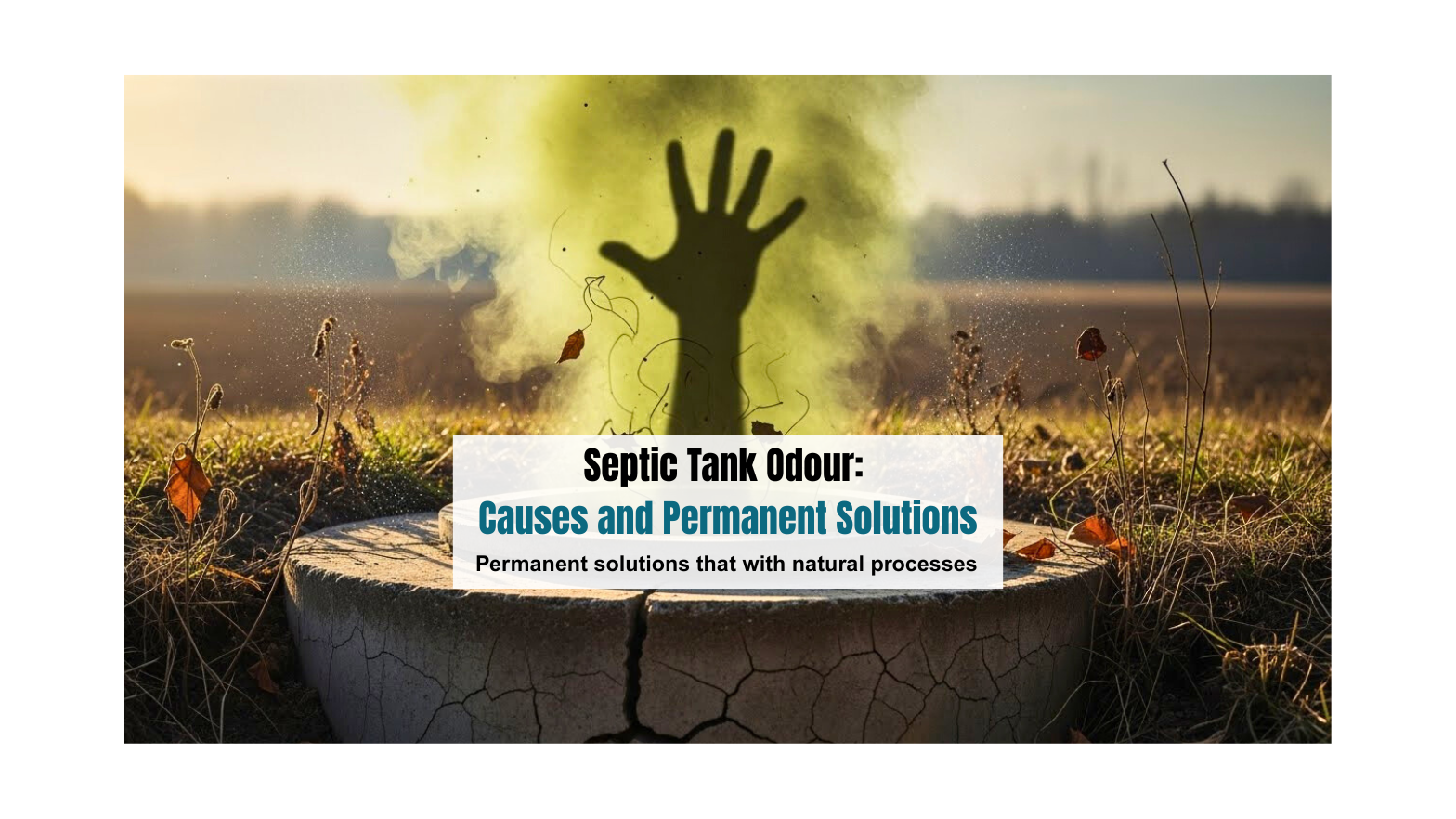
Septic Tank Odour: Causes and Permanent Solutions
Imagine you’ve invited relatives over for the weekend. The house is spotless, the food is prepared, and everything seems perfect, until that unmistakable stench wafts through the corridor. The kind of smell that makes guests exchange uncomfortable glances and has you frantically lighting incense sticks, hoping nobody mentions it. If you’ve experienced the mortification of septic tank odour invading your home or commercial space, you’re not alone. Thousands of Indian households and businesses battle this problem daily, often trying temporary fixes that barely mask the issue for a few hours.
The truth is, septic tank odour isn’t just an inconvenience, it’s a health hazard and a social nightmare that deserves a permanent solution. This comprehensive guide will help you understand why your septic system smells, what’s actually happening beneath the surface, and how modern bioremediation technology can eliminate the problem for good.
Ready to reclaim your peace of mind? Team One Biotech specializes in biological septic tank solutions that address the root cause, not just the symptoms. Let’s explore how you can permanently eliminate those embarrassing odours.
Root Cause: Why Does Your Septic Tank Smell?

Before we can fix the problem, we need to understand what’s creating that foul odour. Contrary to popular belief, a properly functioning septic tank shouldn’t produce noticeable smells. When odours escape, it’s your system’s way of crying for help.
The Science Behind Septic Tank Odours
Septic tanks rely on a delicate ecosystem of bacteria to break down organic waste. When this ecosystem is disrupted, anaerobic decomposition takes over, producing hydrogen sulfide gas, that rotten egg smell, along with methane and ammonia compounds. These gases don’t just smell terrible; they’re actively signaling that your septic system isn’t processing waste efficiently.
In Indian conditions, several factors accelerate this problem:
- Tropical climate challenges: High temperatures speed up bacterial activity but can also kill beneficial microorganisms if the tank overheats
- Water scarcity issues: Many households conserve water, leading to concentrated waste that overwhelms bacterial colonies
- High-density living: Apartment complexes and joint families generate more waste than septic systems were designed to handle
- Dietary patterns: Indian cuisine, while delicious, produces oils, spices, and organic matter that require specific bacterial strains for proper breakdown
Common Mistakes That Make Septic Tank Odour Worse
Many well-intentioned homeowners accidentally sabotage their septic systems:
Chemical cleaning agents: That phenyl or toilet cleaner you’re using? It’s killing the beneficial bacteria your septic tank desperately needs. Without these microorganisms, waste accumulates and produces increasingly foul odours.
Irregular maintenance: Out of sight, out of mind, until the smell forces you to remember. Most Indian households only think about their septic tanks when there’s a visible problem, by which point the bacterial ecosystem has already collapsed.
Improper waste disposal: Sanitary napkins, wipes, cooking oil, and medication residues don’t just clog your system, they poison the bacterial environment, creating conditions where odour-producing decomposition thrives.
The Real Culprits: 7 Major Causes of Septic Tank Odour
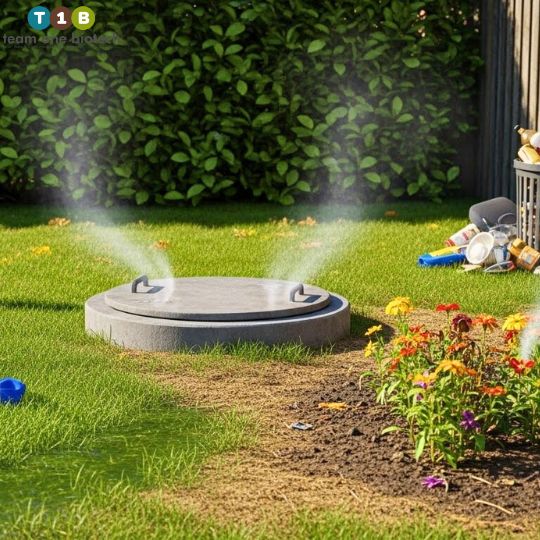
1. Bacterial Imbalance and Ecosystem Collapse
Your septic tank needs a thriving community of aerobic and anaerobic bacteria to function properly. When harsh chemicals, antibiotics flushed down toilets, or sudden temperature changes kill these beneficial microbes, odour-causing bacteria take over. This is particularly common after heavy monsoons in India, when septic tanks get flooded or diluted.
2. Inadequate Ventilation Systems
Many older Indian buildings lack proper vent pipes, or existing vents get blocked by debris, bird nests, or unauthorized construction. Without adequate ventilation, gases build up pressure and escape through toilets, sinks, and floor drains, bringing that unbearable smell directly into your living spaces.
3. Structural Failures and Leakage
Cracked tank walls, deteriorated baffles, or damaged inlet and outlet pipes allow odours to seep into surrounding soil. During summers, when groundwater levels drop, these smells become particularly noticeable. In high-density areas where multiple buildings share similar infrastructure, one leaking septic tank can affect several properties.
4. Overloading and Capacity Issues
That two-bedroom flat built in the 1980s? It wasn’t designed for the joint family of eight now living there. Overloading is one of the most common septic tank odour solutions that people overlook. When you exceed your tank’s capacity, solid waste doesn’t have time to settle and decompose properly, leading to clogging and gaseous buildup.
5. Biofilm and Sludge Accumulation
Over time, even well-maintained tanks develop layers of sludge and biofilm that reduce the effective volume and create anaerobic pockets where odour-producing bacteria flourish. In Indian conditions, where cooking oil and organic matter are prevalent, this accumulation happens faster than in Western countries.
6. Drain Field Saturation
The drain field, or leach field, is where treated effluent from your septic tank disperses into the soil. When this area becomes waterlogged due to poor soil drainage, excessive groundwater, or monsoon flooding, it can’t absorb the effluent properly. The backup forces smelly gases through your plumbing system.
7. Temperature and Seasonal Fluctuations
Indian summers can push septic tank temperatures above optimal ranges for beneficial bacteria, while monsoon dilution creates different problems. These seasonal challenges require adaptable solutions that maintain bacterial balance year-round.
Temporary Fixes vs. Permanent Solutions: What Actually Works?

Most people reach for quick fixes when septic tank odour strikes. Let’s examine what these temporary solutions actually accomplish, and why they fail.
Why Common Remedies Don’t Last
Pouring chemical deodorizers: Masks the smell for hours while killing the bacteria you need for long-term waste breakdown. You’re literally trading short-term relief for long-term disaster.
Manual scavenging and pumping: Removes accumulated waste but doesn’t address the bacterial imbalance that caused the problem. Within weeks, odours return because the underlying ecosystem is still disrupted.
Bleach and disinfectant treatments: Creates a temporarily sterile environment that prevents any decomposition, good or bad. Once the chemicals dilute, odour-producing bacteria recolonize faster than beneficial ones.
Commercial septic tank cleaning India services: Necessary for removing physical blockages, but most traditional cleaning methods don’t restore the biological balance your system needs to function odour-free.
The Bioremediation Advantage
Bioremediation for septic tanks represents a fundamental shift in how we approach septic system maintenance. Instead of fighting against nature, this approach works with biological processes to create self-sustaining, odour-free systems.
Here’s how it works:
Modern bioremediation introduces carefully selected bacterial consortia, specialized strains that can handle the specific waste composition found in Indian septic tanks. These microorganisms:
- Break down oils, fats, and organic matter that Indian cuisine produces in abundance
- Reduce sludge accumulation by up to 60%, extending the time between manual cleanings
- Produce enzymes that dissolve biofilm, preventing the anaerobic pockets where odour originates
- Maintain stable populations across seasonal temperature and moisture variations
- Compete with and suppress odour-producing bacterial strains
This isn’t just theory. Buildings that have implemented bioremediation programs report consistent odour elimination within 7-14 days and sustained improvement with regular biological treatments.
Team One Biotech’s Approach: Biological Solutions That Work
As environmental biotech specialists, Team One Biotech has developed solutions specifically engineered for Indian conditions. Our organic waste digester products address the unique challenges of tropical climate, high-density living, and the diverse waste streams characteristic of Indian households and commercial establishments.
What Makes Bioremediation Superior?
Cost-effectiveness: While the initial investment in biological treatment might seem higher than a bottle of chemical cleaner, the long-term savings are substantial. Reduced pumping frequency, elimination of repeat treatments, and extended septic system lifespan translate to thousands of rupees saved annually.
Environmental responsibility: Chemical treatments eventually leach into groundwater, contributing to soil and water pollution. Bioremediation uses naturally occurring organisms that safely integrate into the environment without toxic residues.
Sustainable performance: Unlike chemical shocks that provide temporary sterility, biological treatments create self-maintaining ecosystems. Once established, these bacterial colonies continue working 24/7, processing waste and preventing odour formation.
Adaptability: Our formulations account for seasonal variations in temperature, water availability, and waste composition that Indian systems experience throughout the year.
Implementation Strategy for Permanent Odour Elimination
Phase 1 – Initial Intervention: Comprehensive assessment of your septic system’s current condition, followed by targeted biological treatment to establish beneficial bacterial colonies.
Phase 2 – Ecosystem Stabilization: Regular monitoring and supplemental treatments during the first 90 days ensure the bacterial population reaches optimal levels and can handle your waste load.
Phase 3 – Maintenance Protocol: Quarterly or bi-annual biological boosters maintain the ecosystem, preventing odour recurrence and extending your system’s operational life.
Don’t let another day pass with that embarrassing smell. Team One Biotech offers free consultations to assess your specific situation and recommend the most effective biological treatment protocol. Contact us today to schedule your septic system evaluation.
Smelly Drain Solutions: Addressing the Complete Picture

Septic tank odour often manifests through your drains, creating localized problems in bathrooms, kitchens, and utility areas. Comprehensive solutions must address both the source (the septic tank) and the pathways (drain lines and traps).
Kitchen Drain Challenges
Indian kitchens produce substantial amounts of cooking oil, spice residues, and food particles. These materials coat drain pipes, creating sticky surfaces where odour-causing bacteria colonize. Standard drain cleaners dissolve grease temporarily but don’t prevent reaccumulation.
Biological drain treatments work differently. Enzyme-producing bacteria consume the organic buildup, preventing both odours and clogs. For kitchen applications, specialized formulations handle high oil content while remaining safe for septic systems.
Bathroom and Toilet Odours
When bathroom drains emit septic odours, people often assume there’s a plumbing issue. While structural problems should be ruled out, the most common cause is dried P-traps or compromised wax rings that allow gases to bypass the water seal.
Regular biological treatment maintains active bacterial colonies in these drain lines, consuming organic matter before it can produce odours. This approach is particularly effective in guest bathrooms or infrequently used facilities where water seals might evaporate.
Floor Drains and Utility Areas
These often-overlooked drains can become major odour sources, especially in commercial establishments or apartment buildings. Biological treatments specifically formulated for low-flow drains maintain bacterial activity even with minimal water passage.
Prevention: Maintaining an Odour-Free Septic System
The best septic tank odour solutions are proactive rather than reactive. Once you’ve eliminated existing odours through bioremediation, these practices ensure they don’t return:
Monthly biological maintenance: Regular additions of beneficial bacteria keep populations strong and prevent odour-causing strains from establishing dominance.
Water conservation with balance: While saving water is important, extremely low water usage concentrates waste and stresses bacterial colonies. Ensure adequate water flow to support biological processes.
Proper waste disposal habits: Educate household members about what belongs in toilets and drains. Implement separate disposal for cooking oils, sanitary products, and medications.
Professional monitoring: Annual or bi-annual inspections catch developing problems before they become odour emergencies. This is especially important for commercial properties where reputation is at stake.
Ventilation maintenance: Ensure vent pipes remain clear and functional. In multi-story buildings, coordinate with other residents to maintain shared ventilation systems.
Why Chemical Solutions Fail in the Long Run
The market is flooded with chemical septic tank treatments promising immediate results. Understanding why these fail helps you make informed decisions about permanent solutions.
Chemical treatments create what we call the “sterility-recolonization cycle.” Strong disinfectants kill all bacteria, beneficial and harmful. For a brief period, there’s no decomposition and therefore no odour. But nature abhors a vacuum. Within days, bacteria begin recolonizing your septic tank. Unfortunately, odour-producing strains often reestablish faster than beneficial ones, especially if conditions favor anaerobic decomposition.
Each chemical treatment cycle makes the problem worse. Beneficial bacteria become increasingly difficult to establish, while resistant odour-producing strains adapt. This is why people who rely on chemical treatments find themselves using them more frequently with diminishing effectiveness.
The Commercial Advantage: Bioremediation for Businesses
For restaurants, hotels, hospitals, and commercial buildings, septic tank odour isn’t just unpleasant, it’s a business liability. Negative reviews, health department concerns, and tenant complaints can have serious financial consequences.
Commercial bioremediation programs offer:
Scheduled maintenance plans: Predictable costs and guaranteed odour-free operation without emergency interventions.
Customized formulations: Bacterial consortia selected for specific waste streams, kitchen grease for restaurants, laundry soap for hotels, medical waste considerations for healthcare facilities.
Documentation and compliance: Detailed records of biological treatments and system performance for regulatory requirements and property management reporting.
Scalability: Solutions that grow with your business, from single-location restaurants to multi-property management companies.
Taking Action: Your Path to Permanent Odour Elimination
You’ve identified the problem. You understand the causes. You know why temporary fixes fail and what permanent solutions look like. Now it’s time to act.
Start by honestly assessing your current situation:
- How long have you been experiencing septic tank odour?
- What temporary solutions have you tried?
- When was your last professional septic system inspection?
- Are you ready to invest in a permanent biological solution?
The answers to these questions will guide your next steps. For systems with recent odour problems, biological treatment alone might suffice. For long-neglected systems, you might need initial cleaning followed by bioremediation to establish a healthy bacterial ecosystem.
Team One Biotech makes this process straightforward. Our environmental biotech specialists assess your specific situation, recommend appropriate biological treatments, and provide ongoing support to ensure long-term success. We’re not just selling products, we’re partnering with you to create sustainable, odour-free septic systems that protect both your property and the environment.
The embarrassment of septic tank odour doesn’t have to be your reality. Modern bioremediation technology offers proven, permanent solutions that work with natural processes rather than fighting against them. Whether you’re a homeowner tired of masking unpleasant smells or a property manager seeking reliable commercial solutions, biological treatment represents the most effective and sustainable path forward.
Stop settling for temporary relief. Contact Team One Biotech today for a comprehensive septic system evaluation and discover how our organic waste digester solutions can permanently eliminate septic tank odour from your property. Your nose, and your guests, will thank you.
Looking to improve your ETP/STP efficiency with the right bioculture?
Talk to our experts at Team One Biotech for customised microbial solutions.
Contact: +91 8855050575
Email: sales@teamonebiotech.com
Visit: www.teamonebiotech.com
Discover More on YouTube – Watch our latest insights & innovations!-
Connect with Us on LinkedIn – Stay updated with expert content & trends!