
Probiotics for Aquaculture: A Natural Way to Improve Fish Health and Water Quality

Looking to enhance your aquaculture productivity and water quality naturally? Contact Team One Biotech today for expert guidance and high-performance microbial products.

Team One Biotech – a leading biotech company in India – explains how probiotics and bioculture for wastewater treatment are transforming aquaculture farming into a more sustainable and eco-friendly system.

Aquaculture, or fish farming, has rapidly grown into one of the world’s most important food-producing sectors. Yet, maintaining healthy aquatic environments remains a challenge for many farmers. Excess feed, poor water circulation, and disease outbreaks can severely affect production.

Earlier, antibiotics and chemical treatments were widely used to combat these problems — but they often led to antibiotic resistance, toxic residues, and long-term ecological harm. That’s why modern aquaculture is moving toward probiotic-based bioculture systems — a natural, safe, and sustainable solution.

What Are Probiotics in Aquaculture?

Probiotics are live beneficial microorganisms (mostly bacteria and yeast) that, when introduced into water or feed, help maintain a healthy microbial balance in aquaculture systems.

They:

  • Break down organic waste and excess feed
  • Reduce toxic gases like ammonia and hydrogen sulfide
  • Improve fish digestion and nutrient absorption
  • Enhance immunity and disease resistance naturally

At Team One Biotech, these probiotics are developed using naturally selected bacterial strains that are safe, highly active, and effective under Indian climatic conditions. They can be applied in fish ponds, shrimp farms, hatcheries, and biofloc systems for optimal results.

How Do Probiotics Work in Aquaculture Farming?

  1. Improving Water Quality

Probiotics degrade organic matter, uneaten feed, and sludge at the pond bottom — keeping water clear and balanced. They lower BOD (Biochemical Oxygen Demand) and COD (Chemical Oxygen Demand) while maintaining healthy oxygen levels.

  1. Enhancing Fish Immunity

Beneficial bacteria colonize the gut of fish and shrimp, outcompeting harmful pathogens. This strengthens the immune system and reduces dependence on antibiotics.

  1. Better Feed Conversion

By improving gut health, probiotics enable fish to absorb nutrients more efficiently, resulting in faster growth and better Feed Conversion Ratio (FCR).

  1. Reducing Odour and Sludge

Microbial activity helps remove foul odours and reduce sludge buildup at the pond bottom, promoting healthier pond conditions and reducing pollution impact.

Team One Biotech’s Probiotic Range for Aquaculture

Team One Biotech’s probiotic formulations are designed to improve both water quality and gut ecosystems. Each product serves a unique purpose depending on the aquaculture setup.

Product Name Use Case Key Benefits
T1B™ Acqua S Shrimp (P. vannamei, P. monodon) Reduces ammonia, nitrite, phosphate; lowers BOD/COD; controls harmful bacteria and boosts survival rates.
T1B™ Acqua F Fish farming Improves nutrient cycling, water quality, and supports healthier, faster fish growth.
T1B™ Feed Pro Feed additive Enhances digestion, immunity, and nutrient assimilation in fish and shrimp.
T1B™ Bio Floc Biofloc systems Stimulates beneficial microbial flocs, stabilizes pond microbiome, and optimizes feed conversion.
T1B™ MacMi Aqua General aquaculture Broad-spectrum probiotic that maintains microbial balance in both water and feed.

Explore full range: Probiotics for Aquaculture by Team One Biotech.

How to Use Team One Biotech Probiotics
  • Water Application: Dissolve the probiotic in clean water and spread evenly across the pond.
  • Feed Application: Mix Feed Pro or MacMi Aqua with feed to seed beneficial gut microbes.
  • Biofloc Setup: Use Bio Floc regularly to maintain active microbial communities.
  • Combined Usage: Use both water and feed probiotics for complete pond management.
Best Practices for Maximum Effectiveness
  • Begin probiotic application early — ideally before or right after stocking.
  • Avoid applying disinfectants within 24 hours of probiotic use.
  • Maintain proper aeration for optimal microbial activity.
  • Monitor water parameters (ammonia, nitrite, DO, pH).
  • Use consistently to maintain a balanced ecosystem.
Benefits of Using Probiotics for Aquaculture
  • Improved water clarity and quality
  • Reduced disease outbreaks
  • Better growth rate and survival
  • Lower feed cost and sludge management
  • Safe for fish, humans, and the environment
  • Supports bioculture for wastewater treatment and sustainable aquaculture
Why Choose Team One Biotech?

Team One Biotech is a trusted Indian biotech company specializing in bioculture for wastewater treatment, agriculture, and aquaculture.
Their products are R&D-driven, eco-safe, and deliver measurable results — ensuring farmers achieve long-term sustainability and profitability.

Frequently Asked Questions (FAQs)
  1. How often should I apply probiotics in fish ponds?
    Ideally, probiotics should be applied once every 3–5 days, depending on the water condition and stocking density.
  2. Can probiotics replace aeration systems?
    No, probiotics work best alongside aeration. Oxygen helps beneficial microbes thrive and function efficiently.
  3. Are probiotics safe for shrimp larvae and hatcheries?
    Yes, Team One Biotech probiotics are formulated for all life stages — from hatchery to harvest — and are completely non-toxic.
  4. Will probiotics reduce the need for antibiotics?
    Yes. Regular use builds a healthy microbial environment and strong fish immunity, minimizing disease outbreaks naturally.
  5. Can I use multiple probiotic products together?
    Yes, products like T1B Acqua S and T1B Feed Pro can be used together for comprehensive water and gut management.
  6. Do probiotics work in saline or brackish water?
    Team One Biotech probiotics are effective across different salinity levels, making them ideal for both freshwater and marine systems.
  7. How long do probiotics take to show results?
    Visible improvements in water clarity and odour are usually observed within 3–5 days of consistent application.

As one of the leading biotech companies in India and trusted bioremediation companies in India, Team One Biotech continues to deliver solutions that redefine sustainability across wastewater treatment, agriculture, aquaculture, and hygiene management.

Email: sales@teamonebiotech.com

Visit: www.teamonebiotech.com

Discover More on YouTube – Watch our latest insights & innovations!-

Connect with Us on LinkedIn – Stay updated with expert content & trends!

Oil Spills and Fats, Oils, and Grease: A Hidden Environmental Crisis and How Wastewater Treatment Can Help

Pollution takes many forms-plastic waste, industrial smoke, untreated sewage-but one of the most underestimated is oil contamination. From catastrophic oil spills that devastate marine ecosystems to the silent but relentless discharge of fats, oils, and grease (FOG) from industries, this problem is a ticking time bomb.

For environmentalists, scientists, and wastewater professionals, it is clear: oil and grease in our environment are not just nuisances; they are long-term threats to ecosystems, infrastructure, and human health, making oil spill cleanup indispensable.

Tackling this challenge requires advanced wastewater treatment technologies, effluent management strategies, and biocultures designed to restore balance naturally. Safeguard your business with proven wastewater treatment technologies—Contact Us to resolve oil spill management, FOG control, and effluent treatment challenges.

The Scale of the Problem

Oil Spills: Catastrophes in the Open

Oil spills are some of the most visible disasters in environmental history. When crude oil from tankers, offshore rigs, or pipelines leaks into oceans, it spreads rapidly, creating a suffocating slick. 

The Deepwater Horizon disaster in 2010, for instance, released nearly 5 million barrels of crude oil into the Gulf of Mexico. Marine Life, coral reefs, and entire fisheries were devastated.

Oil reduces oxygen transfer, blocks sunlight and coats marine animals, making survival nearly impossible. Cleanup can take decades, with oil residues lingering in sediments and groundwater long after the initial crisis is over.

Fats, Oils, and Grease: Silent Threats in Wastewater

Unlike dramatic oil spills, FOG pollution is an invisible but constant problem. Every day, effluents from food processing units, restaurants, dairies, and even households carry high loads of fats, oils, and grease.

When FOG enters sewer systems or untreated effluent flows into rivers:

  • It congeals into giant fatbergs, causing blockages and sewage overflows.
  • In water bodies, grease forms a layer that suffocates aquatic ecosystems.
  • The oily film makes wastewater treatment plants less efficient, increasing operational costs.

Municipalities and industries spend billions combating FOG blockages, proving that this is not just an ecological issue but a serious economic burden.

Why Oils are FOG are so Dangerous
  • Persistence in the environment

Hydrocarbons from oils are resistant to natural degradation. They contaminate soil and water for decades unless actively treated with bioremediation techniques.

  • Bioaccumulation

Toxic compounds from oils accumulate in fish and shellfish, eventually moving up the food chain and harming human health

  • Impact on Effluent Treatment:

Grease-laden wastewater is hard to process. It reduces oxygen transfer in treatment plants, disrupts microbial communities, and lowers efficiency.

  • Health Risks

From carcinogenic hydrocarbons to contaminated drinking water, oil pollutants pose severe risks to communities living near sites or polluted water sources.

  • Climate Connection

Oils and grease breaking down anaerobically can release methane, adding to greenhouse gas emissions and worsening climate change.

Sustainable Solutions for Oil and Fog Pollution: how can you clean up an oil spill
  • Prevention: Keeping Oil Out of Water in the First Place
  • Regulation and Enforcement: Governments must enforce wastewater discharge standards, ensuring industries pre-treat oily effluents before releasing them.
  • Grease traps and interceptors: Commercial Kitchens and food processors should install grease traps to capture FOG before it enters sewers.
  • Public Awareness: Households must be educated not to pour used cooking oil down drains but instead collect it for recycling into biodiesel.
  • Advanced Wastewater Treatment Technologies
  • Oil-water Separators: These devices physically remove oil from effluent, preventing contamination downstream.
  • Biocultures for Bioremediation: Specialized microbial formulations can degrade hydrocarbons in wastewater, breaking down oils into harmless by-products like carbon dioxide and water. Biocultures are now widely used in effluent treatment plants (ETPs) to enhance degradation.
  • Enzyme-Based Solutions: Bioenzymes liquefy grease and improve flow in pipelines, reducing fatberg formation and supporting wastewater treatment operations.

Oil Spill Emergency Response

  • Containment and Skimming: Using booms to contain oil slicks and skimmers to remove it from the water surface.
  • Dispersants: Chemicals that break oil into tiny droplets (though their toxicity is debated).
  • Marine Bioremediation: Deploying oil-degrading bacteria directly into marine ecosystems, speeding up natural cleanup without harmful side effects.
  • Turning Waste into Value
  • Biodiesel from Used Cooking Oil: A sustainable alternative fuel that reduces dependency on fossil fuels.
  • FOG Recycling Programs: Municipalities can convert grease into industrial lubricants or biofuels, aligning with circular economy principles.
Real-World Examples of Success

Singapore’s Grease Trap Law: Strict enforcement in the food industry has significantly reduced FOG-related sewer blockages.

India’s Wastewater Innovation: Several effluent treatment plants are using microbial biocultures to break down oils and organic load, reducing operational costs while improving discharge quality.

Exxon Valdez Cleanup with Bioremediation: After the 1989 oil spill in Alaska, scientists successfully applied bioremediation techniques to accelerate natural recovery.

The Role of Biocultures in Oil and FOG Management

Biocultures—formulated microbial communities—are game-changers in wastewater treatment. Their role includes:

  • Breaking down hydrocarbons into simpler, non-toxic compounds.
  • Improving effluent quality, making water safe for discharge or reuse.
  • Reducing operational costs by lowering the load on mechanical and chemical treatments.
  • Supporting sustainable wastewater management by offering eco-friendly, non-toxic solutions.

For industries, adopting biocultures is not just about compliance—it’s about reducing environmental impact while enhancing efficiency.

Conclusion

Oil spills and fats, oils, and grease discharges may differ in scale, but both pose enormous environmental and economic challenges. Left unchecked, they disrupt ecosystems, cripple infrastructure, and compromise public health.

The solution lies in integrated wastewater treatment strategies:

  • Prevention through strict regulation and awareness.
  • Advanced technologies like oil-water separators and grease traps.
  • Eco-friendly approaches using bioremediation and biocultures.
  • Circular economy practices that turn waste oil into valuable resources.

By addressing oil and grease pollution at every level—household, industry, and policy—we can not only protect our water bodies but also create a more sustainable, resilient future.

The choice is clear: treat oil and grease as waste, or transform them into opportunities for environmental and economic growth. With biocultures, sustainable effluent management, and innovative wastewater treatment, we can rise to this challenge.

Safeguard your facility and the environment with advanced wastewater treatment solutions designed to tackle oil spills, FOG pollution, and effluents. For reliable, sustainable, and expert support, Contact Us today.

As one of the leading biotech companies in India, we provide a sustainable product range across multiple verticals, including probiotics for aquaculture, biofertilizers and plant growth promoters, eco-friendly cleaning solutions, animal probiotics, and on-site consultation for biocultures for ETP and STP.

Email:  sales@teamonebiotech.com

Visit: www.teamonebiotech.com

Discover More on YouTube – Watch our latest insights & innovations!-

Connect with Us on LinkedIn – Stay updated with expert content & trends!
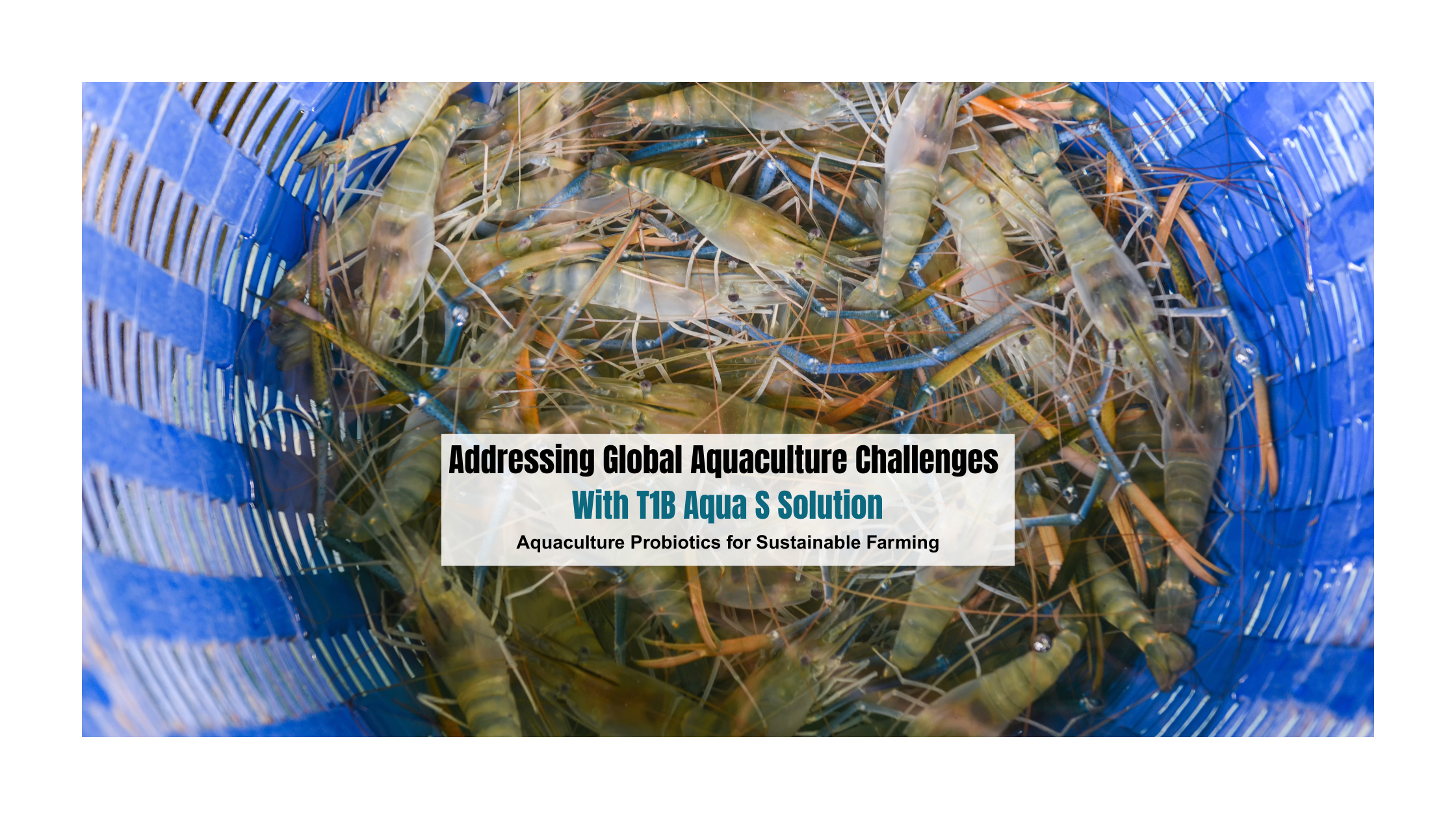
Aquaculture Probiotics for Global Challenges: T1B Aqua S Solution for Sustainable Farming

With rising demand for sustainable seafood worldwide, countries like Indonesia, Vietnam, Peru, Chile, and the United States have scaled up aquaculture, especially shrimp farming and fish farming. However, farmers across these regions face similar recurring problems: poor water quality, disease outbreaks, high mortality, and unstable growth rates. Get in touch to learn how our innovative bioculture solutions can reduce disease, enhance survival, and optimize growth in aquaculture systems.

What Are Aquaculture Probiotics and Why Are They Important?

Aquaculture probiotics are live beneficial bacteria that help balance the pond ecosystem. They improve gut health, boost immunity, and reduce the risk of disease in farmed shrimp and fish.

In species like vannamei and Penaeus monodon, probiotics help maintain water quality and reduce the risk of stress-related infections. They also help farmers avoid the overuse of antibiotics, which can damage pond ecology and reduce export quality.

Major Challenges Faced in Shrimp and Fish Farming
  1. Water Quality Deterioration

High levels of ammonia, nitrite, hydrogen sulfide, and sludge accumulation can make pond water toxic. This affects shrimp and fish health, leading to stress and slower growth.

  1. Disease Outbreaks

Diseases like white feces syndrome, EMS, and Vibrio infections are common in vannamei and Penaeus monodon culture. In fish, bacterial gill disease and fungal infections impact survival rates.

  1. Antibiotic Dependency

Many farmers still rely on antibiotics or chemical treatments. These may offer short-term relief but weaken pond ecosystems and create residue problems in export products.

  1. Poor Feed Conversion and Growth

Without gut support, feed is not utilized efficiently. This results in low FCR (Feed Conversion Ratio), inconsistent growth, and increased feed costs.

  1. High Mortality Rates

Due to all of the above, shrimp and fish are more prone to stress and death—especially during seasonal changes or high stocking.

T1B Aqua S – A Probiotic Solution for Global Aquaculture

To solve these common issues, Team One Biotech, a trusted name in aquaculture probiotics manufacturers, developed T1B Aqua S, a targeted probiotic blend designed for vannamei and Penaeus monodon farming

T1B Aqua S is used across shrimp farming (vannamei, monodon) and fish farming operations worldwide, delivering consistent performance in varied pond conditions.


How T1B Aqua S Works in Aquaculture

Key Benefits of T1B Aqua S:

  • Improves Water Quality by reducing ammonia, nitrite, and organic waste
  • Boosts Gut Health and immunity in shrimp and fish
  • Reduces Disease Risk by suppressing harmful bacteria like Vibrio
  • Enhances Growth & FCR, leading to better weight gain
  • Minimizes Sludge and improves pond bottom conditions
  • Increases Survival Rates during sensitive culture stages
Ideal for Vannamei, Penaeus Monodon, and Fish Culture

T1B Aqua S has proven effective in pond culturing vannamei, Penaeus monodon, and freshwater species like rohu, catla, pangasius, and tilapia. It helps stabilize pond ecosystems, especially during summer, monsoon, and post-feeding stress.

Trusted by Global Farmers – Export-Ready and Scalable

T1B Aqua S has shown consistent results across a variety of aquaculture environments:

  • Shrimp Hatcheries & Grow-Out Farms (Vannamei, Penaeus monodon)
  • Freshwater Fish Ponds (Tilapia, Pangasius, Catfish)
  • Biofloc and RAS-Based Systems
  • Tropical and Subtropical Climates in Asia-Pacific and the Americas

Team One Biotech is a leading aquaculture probiotics manufacturer in India, serving clients across 30+ countries. With a strong focus on R&D and quality assurance, the company ensures a consistent supply and technical support for export markets.

Whether you operate a shrimp hatchery in Vietnam, manage a tilapia farm in Peru, or distribute aquaculture inputs in the USA, T1B Aqua S offers a proven, export-grade solution for improved water quality, gut health, and farm productivity.

For bulk inquiries, distribution opportunities, or technical details, get in touch with Team One Biotech:
Or reach out at sales@teamonebiotech.com/8855050575

???? Discover More on YouTube – Watch our latest insights & innovations!

???? Connect with Us on LinkedIn – Stay updated with expert content & trends!

Scan the code