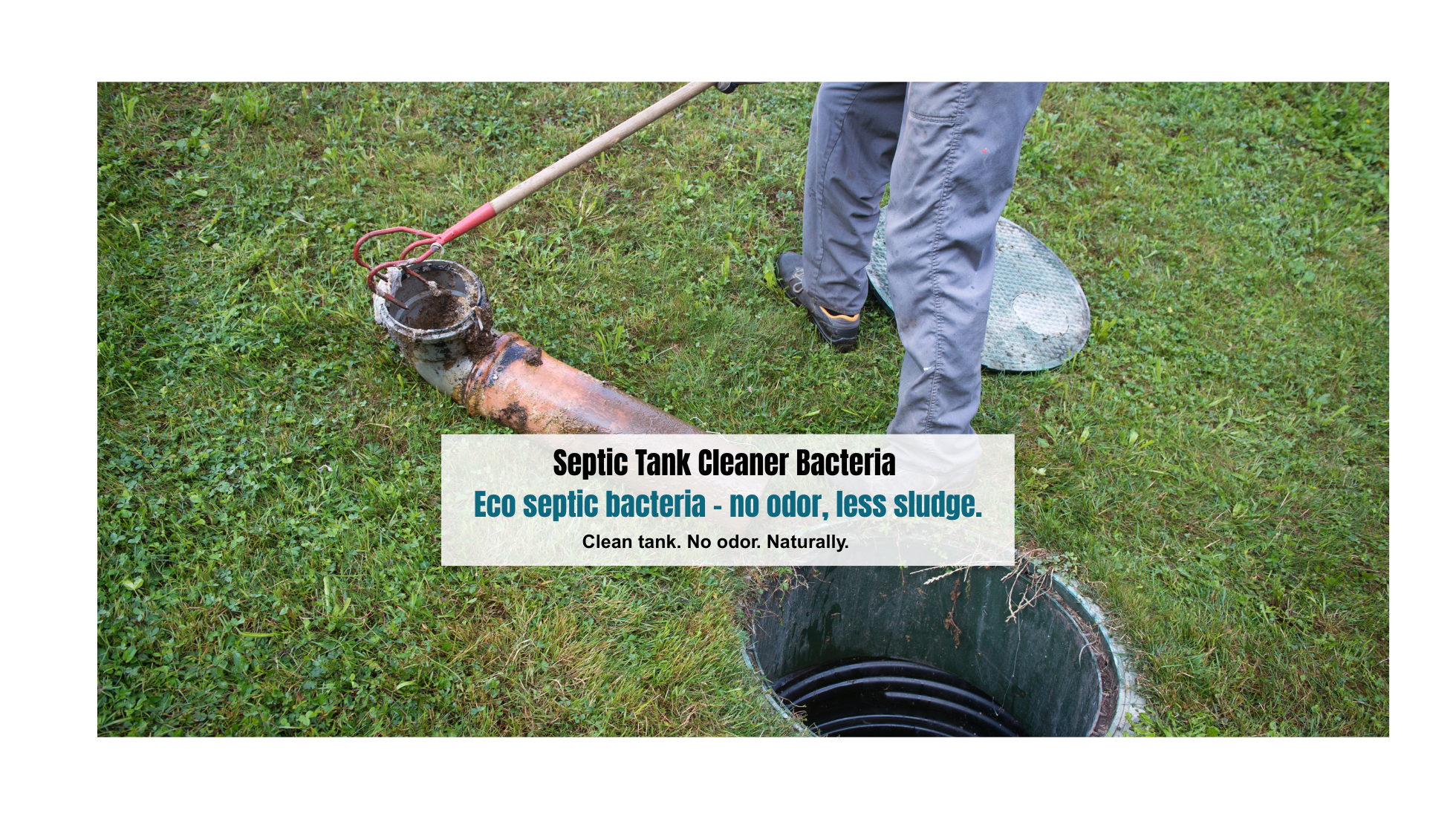
Septic Tank Cleaner Bacteria: The Smart Way to Maintain a Healthy Septic System

A well-functioning septic system is essential for maintaining hygiene and preventing foul odors, blockages, or sewage backups. The most effective way to ensure smooth septic tank performance is by using septic tank cleaner bacteria that naturally break down waste. If you are looking for a reliable biological solution for your septic system at home, commercial property, or institutional setup, Team One Biotech offers safe and effective microbial formulations.

What Makes Microbial Septic Tank Cleaners Better?

Traditional chemical cleaning solutions may reduce waste temporarily but often disturb the natural microbial balance inside the tank. Instead, using natural septic tank cleaner that contains beneficial septic tank bacteria helps maintain the biological ecosystem of the tank. These microbial cultures act as bioculture for wastewater treatment, breaking down organic matter, reducing odor, and preventing sludge accumulation.

This method supports sustainable septic system management without harming the environment.

How Septic Tank Cleaner Bacteria Work

Our microbial formulas contain specialized strains that act quickly to digest fats, oils, grease, paper, and organic waste. These septic tank bacteria powder and septic tank cleaning powder products start working immediately after application.

The bacteria release bioenzymes that:

  • Convert solid waste into simpler particles
  • Reduce sludge formation
  • Prevent blockages in pipelines
  • Maintain smooth wastewater flow

This biological action ensures continuous treatment, making it more effective than mechanical cleaning alone.

Odor Control Made Easy

Persistent foul smell is a common septic system complaint. Our microbial culture acts as a septic tank smell remover by naturally breaking down odor-causing compounds like hydrogen sulfide and ammonia. Instead of masking the smell, the bacteria eliminate its source.

Additional Application: Aquaculture Water Quality

Our microbial knowledge extends beyond domestic and commercial septic systems. We also offer probiotic for aquaculture solutions that improve pond water quality, enhance dissolved oxygen, and support healthier fish and shrimp culture. These probiotic for aqualculture blends maintain a balanced microbial environment, reducing ammonia levels and preventing harmful pathogens in aquatic systems.

This multi-application biotechnology approach shows how natural microbial solutions support both sanitation and sustainable aquaculture.

Why Choose Team One Biotech?

At Team One Biotech, our bioculture for wastewater treatment formulations are:

  • Scientifically tested
  • Highly stable and effective
  • Easy to apply (no machinery required)
  • Eco-friendly and safe
  • Suitable for homes, apartments, hotels, factories, and farms

We focus on building cleaner sanitation systems through nature-driven biotechnology.

Conclusion

Using eco-friendly septic tank cleaner bacteria is the smartest and most sustainable approach to maintaining a clean, odor-free, and efficient septic system. For residential and commercial properties, microbial bacteria-based septic cleaning is a reliable long-term solution.

As one of the leading biotech companies in India, we provide a sustainable product range across multiple verticals, including probiotics for aquaculture, biofertilizers and plant growth promoters, eco-friendly cleaning solutions, animal probiotics, and on-site consultation for biocultures for ETP and STP.

Email:  sales@teamonebiotech.com

Visit: www.teamonebiotech.com

Discover More on YouTube – Watch our latest insights & innovations!-

Connect with Us on LinkedIn – Stay updated with expert content & trends!

Sustainable Toilets: The Power of Septic Tank Sanitation

Safeguard your sanitation systems with eco-friendly solutions that go beyond mere construction. While most people think of sanitation as simply building toilets, the reality is that four walls and a seat don’t guarantee safety or hygiene. Toilets are a basic human right, yet many are failing—clogged, foul-smelling, and unsafe for long-term use. To ensure your sanitation system is effective, reliable, and sustainable, Contact Us today.

The Real Toilet No One Talks About 

 What most of us forget is that a toilet is only as good as the system behind it. The real heart of sustainable sanitation is the septic tank, not the walls or the structure. Unfortunately, this is the part that people ignore the most.
There are toilets, but are they even working?

There are toilets, but are they hygienic enough to visit?

There are toilets, but do they smell due to poor septic tank maintenance?

If the septic tank is neglected, the toilet becomes nothing more than a temporary solution. Without proper septic tank cleaning, whether using microbial septic tank bacteria or septic tank cleaning powder, we are not solving the problem—we are simply delaying it.

Why Septic Tank Sanitation Matters


A safe and sustainable toilet is one that manages waste effectively, prevents odor, protects groundwater, and ensures a healthy environment. Poorly maintained septic tanks lead to:

  • Unpleasant odours that discourage usage
  • Overflow and blockages
  • Contamination of soil and water sources
  • Spread of harmful pathogens

This is why regular septic tank treatment with the right solutions, including natural septic tank smell removers, is crucial for communities and industries alike.

Microbial Solutions for a Sustainable Future


This is where biological wastewater treatment offers game-changing innovation. Modern microbial solutions replace harmful chemicals with nature’s own power—beneficial septic tank bacteria that break down organic waste safely and effectively.

Introducing T1B™ Septic: A Natural Septic Tank Cleaner


T1B™ Septic is a specialized microbial septic tank cleaner designed to restore and maintain healthy sanitation systems. It works by:

  • Breaking down waste naturally with effective septic tank bacteria
  • Reducing foul odour using a safe septic tank smell remover formula
  • Improving septic tank performance
  • Extending the life of sanitation systems
  • Promoting environmental safety

Unlike chemical-based solutions, this natural septic tank cleaning powder ensures long-term sustainability without harming the environment.

A Game-Changer for Africa and Beyond


In many African countries and developing regions, access to toilets has improved thanks to sanitation drives. But the challenge remains—are these toilets sustainable? Without septic tank cleaning, toilets fail, and the cycle of poor sanitation continues.
T1B™ Septic offers a low-cost, highly effective, and eco-friendly solution to make sanitation truly sustainable. By adding effective biocultures and septic tank bacteria to septic systems, we can ensure:

  • Long-lasting toilets that people actually use
  • Healthier communities with reduced disease spread
  • Cleaner environments free from untreated waste
Conclusion: Redefining Toilets as Sustainable Sanitation


It’s time we changed our perspective. A toilet is not just four walls and a seat—it’s a system that must be safe, odour-free, and sustainable. Septic tank cleaning, using tools like microbial septic tank bacteria, septic tank cleaning powder, and septic tank smell remover, is the foundation, and microbial solutions like T1B™ Septic are the future of global wastewater management.
Because true sanitation is not just about building toilets—it’s about making them last. And the key lies in using the right septic tank cleaner backed by bioremediation technologies.
Don’t let untreated toilet waste endanger your family and community—choose safe, natural, and affordable sanitation with T1B™ Septic. For sustainable solutions tailored to your needs, Contact Team One Biotech today. 

As one of the leading biotech companies in India, we provide a sustainable product range across multiple verticals, including probiotics for aquaculture, biofertilizers and plant growth promoters, eco-friendly cleaning solutions, animal probiotics, and on-site consultation for biocultures for ETP and STP.

Email:  sales@teamonebiotech.com

Visit: www.teamonebiotech.com

Discover More on YouTube – Watch our latest insights & innovations!-

Connect with Us on LinkedIn – Stay updated with expert content & trends!
Aquaculture probiotics
Aquaculture Probiotics: Reducing Antibiotic Use in Aquaculture with Natural Probiotics

In today’s rapidly evolving aquaculture industry, sustainable fish farming practices and eco-friendly shrimp cultivation methods are becoming essential for commercial aquaculture operations worldwide. As the global seafood market continues to expand, aquaculture producers are seeking innovative biotechnology solutions to address the growing concerns about antibiotic resistance in marine farming and freshwater fish production.

Similar to how plant growth promoters and biofertilizers revolutionized agriculture by harnessing beneficial microbes, the aquaculture sector is experiencing a paradigm shift toward biological solutions. Just as organic farming utilizes soil conditioners and biostimulant products to enhance crop productivity, modern aquaculture systems are adopting probiotic technologies to optimize aquatic animal health and production efficiency.

Aquaculture is one of the fastest-growing food sectors worldwide, but the heavy use of antibiotics in fish farming and shrimp farming has raised serious concerns. Overuse of antibiotics leads to antibiotic resistance in aquaculture, environmental damage, and residues in seafood that can affect human health. Farmers are now turning to natural probiotics as a sustainable solution to improve aquatic animal health, enhance water quality, and reduce dependence on antibiotics. Reach out to us to learn how eco-friendly aquaculture probiotics can boost productivity while protecting aquatic health.

The Risks of Antibiotic Dependence in Aquaculture

Modern intensive aquaculture systems, including recirculating aquaculture systems (RAS) and biofloc technology applications, face significant challenges with pathogen management and water quality maintenance. The overreliance on antimicrobial agents in aquatic animal production has created a pressing need for alternative disease prevention strategies.

Much like how agricultural systems benefit from plant growth promoting bacteria and rhizobacteria for enhanced nutrient uptake, aquaculture environments require beneficial microbial populations to maintain ecological balance. The parallels between terrestrial agriculture’s adoption of biostimulant fertilizers and aquaculture’s embrace of probiotic solutions highlight the universal importance of biological approaches in food production.

In intensive shrimp and fish farming systems, high stocking density and unstable water conditions create an ideal environment for disease outbreaks. Antibiotics may provide short-term relief, but frequent use disrupts the natural microbial balance in ponds, weakens fish and shrimp immunity, and promotes resistant bacteria. This makes disease management more difficult and farming less profitable over time.

The emergence of multi-drug resistant pathogens in aquaculture environments poses a significant threat to both aquatic animal welfare and food safety standards. Regulatory bodies worldwide are implementing stricter guidelines for antibiotic usage in aquatic food production, making probiotic supplementation an increasingly attractive alternative for aquaculture sustainability.

How Probiotics Support Fish and Shrimp Health

Beneficial microorganisms play a crucial role in maintaining optimal gut microbiome balance in aquatic species. These microbial feed additives work through competitive exclusion, immunomodulation, and enzyme production to enhance overall fish performance and shrimp growth rates.

The mechanisms by which probiotics function in aquaculture share remarkable similarities with how microbes in agriculture support plant health. Just as plant growth hormones and secondary plant nutrients work synergistically to promote crop development, aquatic probiotics enhance nutrient absorption and metabolic processes in fish and shrimp. This biological approach mirrors the principles of organic farming, where natural processes are optimized rather than chemically overridden.

Probiotics in aquaculture are live beneficial microorganisms that strengthen gut health, boost immunity, and improve nutrient absorption in aquatic animals. When applied in feed or directly into pond water, probiotics suppress harmful bacteria and promote a healthier microbial balance. For shrimp farming and fish farming alike, this means faster growth, better feed conversion, and stronger disease resistance without relying on antibiotics.

Advanced probiotic formulations contain specific strains of Bacillus species, Lactobacillus cultures, and other beneficial bacteria that support digestive health optimization and natural disease resistance mechanisms. These biological water treatment solutions also contribute to nitrogen cycle management and organic waste decomposition in aquaculture systems.

The application methods for aquaculture probiotics can be compared to foliar spray application and drip irrigation systems used in agriculture. Just as farmers utilize spray power for biotic and abiotic stress management in crops, aquaculture producers can deploy targeted probiotic treatments to address specific environmental challenges and pathogen pressures in aquatic systems.

Introducing Acqua S and Acqua F

Team One Biotech’s innovative aquaculture probiotic solutions represent cutting-edge biotechnology applications in sustainable aquatic farming. These scientifically formulated products address the specific needs of different aquaculture species while promoting environmental stewardship and economic viability.

Drawing inspiration from agricultural biostimulant products that provide primary nutrients for plants and enhance stress tolerance, Acqua S and Acqua F are designed to support the fundamental physiological processes of aquatic animals while building resilience against environmental stressors.

To help farmers adopt sustainable practices, Team One Biotech has developed two powerful probiotic solutions: Acqua S and Acqua F.

  • Acqua S is specially designed for shrimp aquaculture. It improves gut health, enhances digestion, and strengthens immunity in shrimp, while also maintaining pond water quality by reducing ammonia and organic waste buildup. By supporting shrimp health naturally, Acqua S minimizes the need for antibiotics and promotes higher survival rates.

Acqua S contains specialized marine probiotics that are particularly effective in brackish water environments and saltwater shrimp ponds. This targeted probiotic blend supports molting processes, reduces stress-related mortality, and improves post-larvae survival rates in commercial shrimp hatcheries.

The formulation works similarly to how soil waste management systems in agriculture utilize beneficial microorganisms to break down organic matter and release essential nutrients. Acqua S enhances the aquatic environment’s capacity to process waste products while simultaneously providing protective benefits against both biotic and abiotic stress factors.

  • Acqua F is formulated for fish aquaculture. It boosts growth performance, increases feed efficiency, and enhances disease resistance in fish populations. Acqua F also helps maintain a healthy pond ecosystem, ensuring cleaner water and reduced stress for fish throughout the culture cycle.

Acqua F’s multi-strain probiotic complex is optimized for freshwater fish species including tilapia, catfish, carp, and trout production. The formulation supports protein utilization efficiency, reduces feed conversion ratios, and enhances immune system development in juvenile and adult fish populations.

Like agricultural applications where drip power systems deliver precise nutrient solutions directly to plant root zones, Acqua F can be administered through various delivery methods to ensure optimal distribution and efficacy throughout the aquaculture system. This targeted approach maximizes the beneficial impact while minimizing resource waste.

Moving Toward Sustainable Aquaculture

The transition to antibiotic-free aquaculture represents a paradigm shift toward precision aquaculture management and integrated multi-trophic aquaculture (IMTA) systems. This approach aligns with global sustainability certifications and responsible aquaculture standards demanded by international seafood markets.

This transformation parallels the agricultural sector’s movement toward organic farming practices and the increased adoption of biostimulant fertilizer technologies. Both industries recognize that sustainable production requires working with natural biological processes rather than against them, leading to improved product quality and reduced environmental impact.

  • Replacing antibiotics with probiotics is not just a health decision but a business strategy. Farmers who adopt probiotics report reduced mortality rates, improved growth performance, and higher profitability. With global demand for safe and sustainable seafood increasing, probiotic-based aquaculture is quickly becoming the industry standard.

Commercial aquaculture operations implementing probiotic management protocols often achieve improved return on investment (ROI) through reduced veterinary costs, enhanced feed efficiency ratios, and premium pricing for antibiotic-free seafood products. These economic benefits make probiotic supplementation an attractive proposition for aquaculture business development.

The integration of beneficial microorganisms in both aquaculture and agriculture demonstrates the universal applicability of biological solutions across food production systems. Whether supporting plant growth through rhizobacteria or enhancing fish health through aquatic probiotics, the fundamental principle remains consistent: leveraging natural microbial processes for sustainable and profitable production.

  • Natural probiotics like Acqua S and Acqua F offer a powerful, sustainable alternative to antibiotics in aquaculture. They protect fish and shrimp health, enhance pond water quality, and ensure a safer food supply for consumers. By embracing probiotics, farmers can build a more resilient and eco-friendly aquaculture industry.

The future of aquaculture lies in innovative biological solutions that support both productivity and environmental responsibility. As consumer awareness of food safety and sustainability continues to grow, probiotic-enhanced aquaculture systems will play an increasingly important role in meeting global protein demand while protecting aquatic ecosystems.

Just as the agricultural sector has embraced plant growth promoters and soil conditioners to achieve sustainable intensification, the aquaculture industry is recognizing the transformative potential of probiotic technologies. This biological approach offers a pathway to enhanced production efficiency while maintaining ecological integrity and food safety standards.

For aquaculture consultants, fish farm managers, and shrimp pond operators seeking to optimize production efficiency while maintaining environmental compliance, incorporating proven probiotic solutions like Acqua S and Acqua F represents a strategic investment in long-term operational success.

Contact Team One Biotech – Your trusted partner in agricultural biotechnology:

Phone: +91 8855050575

Email: sales@teamonebiotech.com

Visit: www.teamonebiotech.com

Discover More on YouTube – Watch our latest insights & innovations!-

Connect with Us on LinkedIn – Stay updated with expert content & trends!

The Science Behind Soil Microbes and Plant Growth
The Science Behind Soil Microbes, biofertilizers and Plant Growth

Healthy soil is alive with activity. Beneath the surface, billions of soil microbes such as bacteria, fungi, protozoa, and actinomycetes are constantly working. These tiny organisms may be invisible to the eye, but they play a vital role in soil health, plant growth, and sustainable farming. They act as nature’s hidden workforce, transforming soil into a living ecosystem that supports agriculture. Connect with us today to discover how our beneficial microbes can boost soil health and crop productivity naturally.

In the rapidly evolving landscape of agricultural biotechnology, understanding soil microbiology has become crucial for crop science professionals, agronomists, and agricultural consultants worldwide. The global biofertilizer market is projected to reach unprecedented heights, driven by increasing demand for organic farming solutions and sustainable agriculture practices.

Our Plant Growth Promoter integrates eco-friendly microbial technology to support sustainable agriculture and soil health.

Microbes as Nature’s Engineers: The Foundation of Precision Agriculture

Soil microbes are central to nutrient cycling, which directly impacts crop productivity. Nitrogen-fixing bacteria like Rhizobium form symbiotic relationships with legume roots, converting atmospheric nitrogen into forms plants can use. Phosphate-solubilizing microbes unlock phosphorus bound in the soil, making it available for plant uptake. Without these essential processes, plants would struggle to access nutrients critical for strong growth and higher yields.

Modern agro-biotechnology companies are developing innovative microbial formulations that enhance nutrient availability, improve crop yields, and reduce the use of synthetic fertilizers. By leveraging microbial inoculants, farmers are achieving precision agriculture outcomes with reduced input costs and improved soil sustainability.

Advanced Microbial Technologies in Modern Agriculture

The agricultural input industry has witnessed revolutionary developments in microbial biotechnology. Leading biofertilizer manufacturers are now producing sophisticated microbial consortium that combine multiple beneficial microorganisms for enhanced efficacy. These bio-based fertilizers represent a paradigm shift from traditional chemical fertilizers to eco-friendly agricultural inputs.

Plant growth promoting rhizobacteria (PGPR) and beneficial soil microorganisms are increasingly being used in commercial agriculture, greenhouse cultivation, and controlled environment agriculture. The integration of soil microbiome analysis with precision farming technologies is enabling farmers to make data-driven decisions about microbial inoculation strategies.

Building Stronger Roots with Mycorrhizal Fungi: The Natural Network Revolution

Fungi, especially mycorrhizal fungi, extend a plant’s root system through underground networks. This “natural internet” allows roots to access water and nutrients far beyond their reach, particularly phosphorus. In exchange, fungi receive sugars from plants. This mutual relationship improves soil fertility, strengthens root systems, and enhances overall crop performance, making it a cornerstone of modern sustainable agriculture.

Industries such as organic farming, horticulture, floriculture, and commercial agriculture are adopting mycorrhizal-based biostimulants to promote healthier crops, improve nutrient uptake, and ensure resilience against drought stress. These eco-friendly solutions are replacing chemical-intensive practices and are in demand across both domestic and international agricultural markets.

Mycorrhizal Applications Across Agricultural Sectors

The mycorrhizal fungi market is experiencing significant growth across multiple agricultural segments. Arbuscular mycorrhizal fungi (AMF) applications are particularly valuable in vegetable production, fruit cultivation, and ornamental plant growing. Agricultural biotechnology companies are developing specialized mycorrhizal inoculants for specific crops including tomatoes, peppers, strawberries, and citrus fruits.

Ectomycorrhizal fungi play crucial roles in forestry applications and tree nursery management, while endomycorrhizal associations are essential for cereal crop production and cash crop farming. The integration of mycorrhizal technology with drip irrigation systems and fertigation practices is revolutionizing water-efficient agriculture and nutrient use efficiency.

Soil Microbes and Plant Immunity: Biological Crop Protection Solutions

Soil microbes not only feed plants but also protect them. Beneficial microbes compete with harmful pathogens in the rhizosphere (the root zone), reducing the risk of disease. Some even stimulate a plant’s natural defence system, boosting immunity and resilience against stress. This biological protection reduces dependence on chemical pesticides and aligns with eco-friendly farming practices.

In today’s agri-industrial landscape, biological crop protection is gaining global attention. With the rising demand for sustainable pest management, products based on Trichoderma, Bacillus subtilis, and Pseudomonas fluorescens are widely used to minimize crop losses. Such microbial crop-care solutions play a key role in integrated pest management (IPM), reducing chemical pesticide residues in food and enhancing export compliance for agricultural producers.

Biocontrol Agents and Sustainable Pest Management

The biological pesticides market is rapidly expanding as agricultural producers seek alternatives to synthetic pesticides. Microbial biocontrol agents including Trichoderma harzianum, Bacillus thuringiensis, and Beauveria bassiana are becoming standard components of integrated pest management programs.

Biopesticide manufacturers are developing targeted solutions for specific pest problems, including soil-borne pathogens, root rot diseases, and fungal infections. These biological control products are particularly important for organic certification compliance and residue-free crop production demanded by export markets and premium food chains.

Plant immunomodulators and resistance inducers derived from beneficial microbes are emerging as powerful tools for prophylactic plant protection. The combination of beneficial bacteria and bioactive compounds is creating new categories of plant health products that enhance crop resilience and stress tolerance.

The Bigger Picture of Soil Health: Industrial Applications and Market Trends

Rich microbial diversity in soil leads to healthier, faster-growing plants with stronger resistance to stress. Depleted soils, on the other hand, result in weak crops and declining yields. To restore soil fertility, farmers are increasingly adopting practices like composting, crop rotation, and the use of biofertilizers. These approaches not only boost plant growth but also build long-term soil health for sustainable farming.

From an industrial perspective, biofertilizer manufacturing companies are playing a major role in addressing challenges faced by large-scale farming, greenhouse cultivation, and precision horticulture. By offering soil conditioners, microbial consortia, and enzymatic soil enhancers, these companies contribute to climate-smart agriculture and long-term soil regeneration.

Market Dynamics and Industrial Applications

The global agricultural biologicals market is experiencing unprecedented growth, driven by increasing awareness of sustainable farming practices and environmental stewardship. Agricultural input companies are investing heavily in research and development of next-generation biofertilizers and soil health products.

Soil rehabilitation products are gaining traction in post-harvest residue management and land reclamation projects. Carbon sequestration technologies based on soil microbiome enhancement are attracting attention from carbon credit markets and climate-smart agriculture initiatives.

Precision agriculture platforms are integrating soil microbiome data with satellite imagery and IoT sensors to provide real-time soil health monitoring. This convergence of agricultural technology and microbiology is creating new opportunities for digital agriculture solutions and farm management software.

Industrial Manufacturing and Quality Standards

Biofertilizer production facilities must adhere to strict quality control standards and regulatory compliance requirements. Good Manufacturing Practices (GMP) and ISO certification are becoming mandatory for agricultural biologicals manufacturers seeking global market access.

Supply chain management for microbial products presents unique challenges related to product stability, shelf life optimization, and cold chain logistics. Contract manufacturing and private label production services are emerging as viable business models for smaller agricultural biotechnology companies.

Research and development partnerships between universities, agricultural research institutes, and commercial entities are accelerating innovation in microbial technology and soil science applications.

Future Trends in Agricultural Microbiology

The convergence of artificial intelligence, machine learning, and soil microbiology is creating new possibilities for predictive agriculture and customized microbial solutions. Microbiome engineering and synthetic biology approaches are being explored for developing designer microbial consortium tailored to specific crop-soil combinations.

Genomic sequencing technologies and metagenomics analysis are providing deeper insights into soil microbiome functionality and microbial interaction networks. This knowledge is driving the development of precision microbiology approaches for targeted soil health interventions.

Regulatory frameworks for agricultural biologicals are evolving to accommodate novel microbial products while ensuring environmental safety and human health protection. Harmonized registration processes and international standards are facilitating global trade in biological agricultural inputs.

Conclusion: The Future of Sustainable Agriculture

Soil microbes are not just helpers; they are essential partners in agriculture. By supporting soil biology, we nurture crops, improve soil fertility, and secure a more resilient food system for the future.

The integration of microbial technologies with digital agriculture tools and sustainable farming practices represents the future of modern agriculture. As climate change challenges intensify and food security concerns grow, soil microbiome management will become increasingly critical for agricultural sustainability and global food production.

Investment opportunities in agricultural biotechnology and soil health solutions continue to attract venture capital and strategic partnerships. The sector’s growth trajectory indicates strong potential for innovation-driven companies focused on biological solutions for agricultural challenges.

Transform your agricultural operations with cutting-edge microbial solutions. Boost your soil fertility and crop productivity with advanced microbial technologies used in plant growth promoters.

Contact Team One Biotech – Your trusted partner in agricultural biotechnology:

Phone: +91 8855050575

Email: sales@teamonebiotech.com

Visit: www.teamonebiotech.com

Discover More on YouTube – Watch our latest insights & innovations!-

Connect with Us on LinkedIn – Stay updated with expert content & trends!

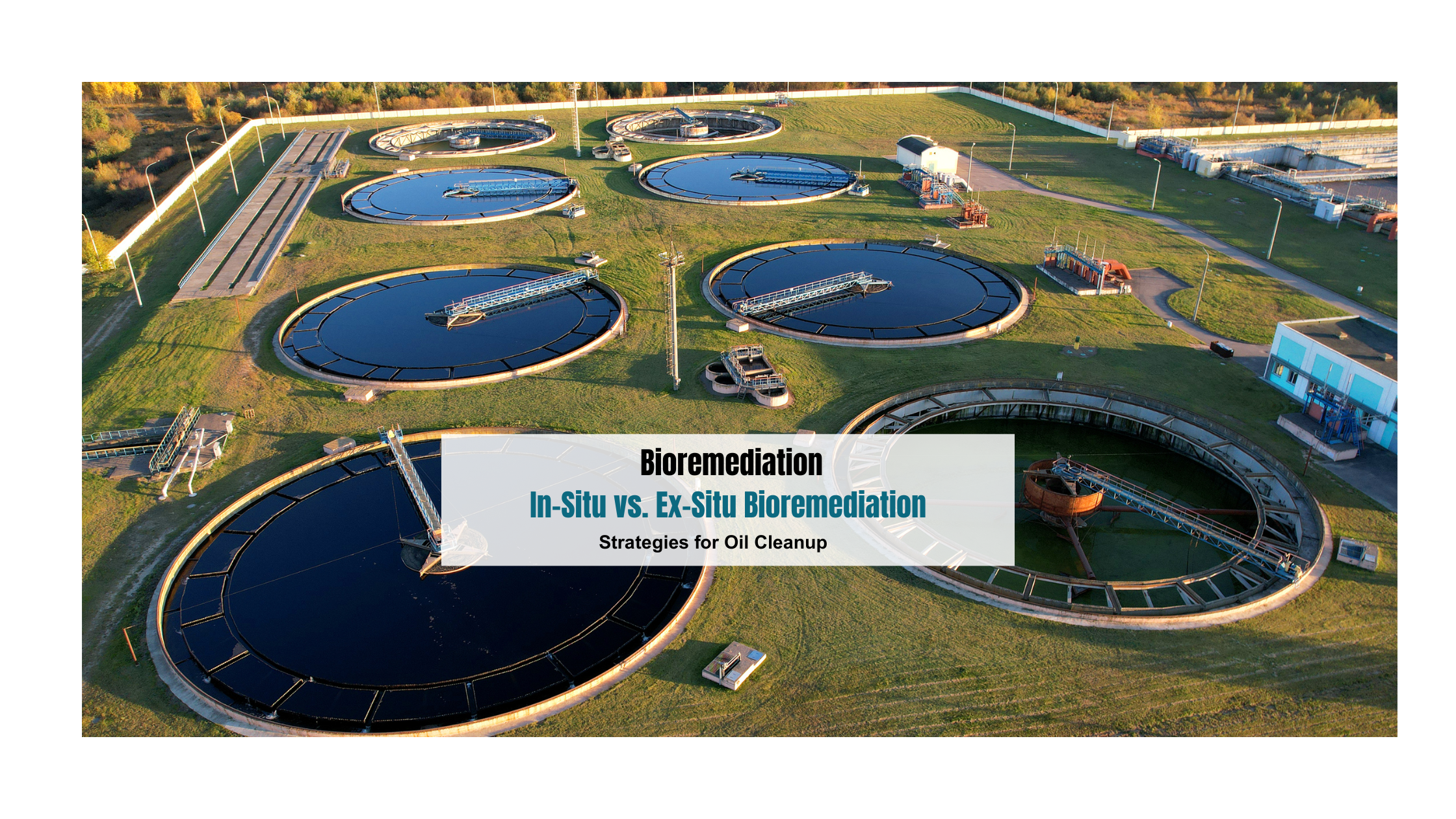
In-Situ vs. Ex-Situ Bioremediation: Strategies for Oil Cleanup

Oil spills are among the most damaging environmental incidents, contaminating soil and water while threatening marine ecosystems. Among various cleanup approaches, bioremediation for oil spills stands out as a sustainable and highly effective option. This process leverages specialized microorganisms to degrade petroleum hydrocarbons into harmless byproducts such as water and carbon dioxide.

If you’re exploring the benefits of bioremediation solutions in India, key advantages include lower toxicity, reduced secondary waste generation, and the ability to remediate large areas impacted by petroleum hydrocarbons.

At Team One Biotech, we deliver sustainable bioremediation services in India for wastewater treatment, soil remediation, and marine oil spill cleanup. Our advanced product, T1B OS, is a next-generation microbial formulation designed to accelerate hydrocarbon breakdown, making remediation faster, safer, and more cost-effective.

Among our flagship bioremediation products, T1B OS offers rapid degradation of heavy and light petroleum fractions while remaining non-toxic and eco-friendly, supporting industries in achieving compliance and sustainability goals.

In-Situ Bioremediation

In-Situ Bioremediation treats contamination directly at the site without removing affected soil or water. Microorganisms—whether naturally present or externally introduced—degrade hydrocarbons on-site.

Common Techniques: Bioventing, Biosparging, Natural Attenuation, and in-situ groundwater bioremediation.

Advantages:

  • Reduced operational expenses
  • Minimal site disturbance
  • Ideal for low to medium contamination levels
  • Well-suited for industrial wastewater treatment where excavation is not practical

Limitations:

  • Slower remediation rate
  • Site conditions such as oxygen, temperature, and nutrients are harder to control
  • May require nutrient supplementation to enhance microbial activity
Ex-Situ Bioremediation

Ex-Situ Bioremediation involves removing contaminated materials and treating them under controlled conditions.

Common Techniques: Biopiles, Landfarming, Composting, and Slurry Bioreactors.

Advantages:

  • Faster degradation due to optimized conditions
  • Easier monitoring of microbial activity and performance
  • Widely applied in soil remediation for refineries, petrochemical plants, and municipal waste sites

Limitations:

  • Higher costs due to excavation and transport
  • Site disturbance during removal

Real-World Case Studies

  • Bioremediation of aldehyde-rich wastewater from a pharmaceutical unit: Read Here
  • Saving Opex for a reputed pharma giant using bioremediation: Read Here

Where T1B OS Fits In

The right microbial solution is critical for bioremediation success, whether in-situ or ex-situ bioremediation is applied. T1B OS is specifically designed to degrade a wide spectrum of hydrocarbons, from heavy oils to light petroleum fractions.

Key Features:

Fast-acting microbes effective in soil and water

  • Non-toxic, safe for the environment
  • Applicable in marine oil spills, refinery effluent treatment, STP/ETP plants, and industrial contamination
  • Shortens cleanup time compared to natural attenuation alone

By integrating bioremediation into ETP and STP plant operations, T1B OS not only addresses oil spill remediation but also enhances COD, BOD, and hydrocarbon removal efficiency in industrial wastewater treatment.

Expertise in Bioremediation Services

With years of proven expertise in bioremediation services in India for wastewater, soil, and oil spill cleanup, Team One Biotech provides microbial formulations and technical support tailored to site-specific challenges. Our mission is to restore polluted environments with minimal ecological footprint, driving forward sustainable industrial practices.

Key Takeaway

Choosing between in-situ and ex-situ bioremediation depends on contamination level, site accessibility, and budget considerations. With the right approach and advanced microbial solutions like T1B OS, oil spill cleanup becomes faster, safer, and more sustainable.

Among specialized Bioculture companies in India, Team One Biotech focuses on robust consortia for tough industrial effluents. Contact us here.

Email: sales@teamonebiotech.com

Visit: www.teamonebiotech.com

Discover More on YouTube – Watch our latest insights & innovations!-

Connect with Us on LinkedIn – Stay updated with expert content & trends!


Monsoon Tips for Shrimp and Fish Farmers Protecting Your Aquaculture
Monsoon Tips for Shrimp and Fish Farmers: Protecting Your Aquaculture Operations During the Rainy Season

The monsoon season presents both opportunities and challenges for shrimp and fish farmers. While rainfall can help replenish ponds and reduce temperature, it also introduces unpredictable water parameters, disease risks, and stress conditions, especially in species like vannamei, Penaeus monodon, tilapia, and pangasius.

Whether you’re managing a fish farming business or an aqua fish farm, adapting your strategies during monsoon is crucial for success.

For queries or support related to monsoon farm management, contact us.

For farmers in tropical and subtropical regions such as Indonesia, Vietnam, Peru, Chile, and parts of the United States, managing monsoon-related risks is key to ensuring survival, growth, and profitability.

This applies across various models—whether you’re engaged in indoor shrimp farming, running the largest fish farm in Nigeria, or focused on sustainable fish farming practices.

Why Monsoon Management is Crucial in Aquaculture?

During the rainy season, shrimp and fish are exposed to:

  • Sudden temperature drops and pH fluctuations
  • Dilution of pond salinity and mineral imbalance
  • Increased organic load and turbidity
  • Higher pathogen loads due to stagnant water or runoff
  • Reduced feed intake and immune response

If unmanaged, these factors can lead to stress, poor growth, Vibrio outbreaks, white feces syndrome, and even mass mortality.

Additionally, challenges such as aquaculture problems, environmental impacts of aquaculture, and aquaculture issues become more severe during this season.
Proper knowledge about what is aquaculture and understanding the challenges of aquaculture empower farmers to manage risks effectively.

7 Practical Monsoon Tips for Shrimp and Fish Farmers:
  1. Monitor Water Parameters Daily
    Use a reliable test kit to track pH, salinity, ammonia, nitrite, and dissolved oxygen (DO). Rainfall often dilutes alkalinity and drops pond pH, which can stress aquatic species.
    Maintaining the importance of alkalinity in aquaculture cannot be overlooked during this time.
  2. Maintain Salinity and Alkalinity
    In regions with heavy rainfall, especially for vannamei shrimp, salinity may drop below optimal levels. Use mineral blends or salt to stabilize pond chemistry.
  3. Improve Drainage Around Ponds
    Prevent runoff from entering the pond. Surface runoff can introduce contaminants, organic debris, and pathogens that upset the pond’s microbial balance.
  4. Use Probiotics to Stabilize Water Quality
    Apply aquaculture probiotics like T1B Aqua S regularly to manage ammonia, reduce sludge, and maintain a healthy microbial ecosystem. Probiotics also help control Vibrio and other harmful bacteria during unstable conditions.
  5. Adjust Feeding Strategy
    Shrimp and fish reduce feed intake during stress. Feed smaller quantities more frequently and ensure feed is not wasted to prevent water pollution.
    For those following a shrimp farming guide, this step is vital in any monsoon-feeding protocol.
  6. Provide Aeration Support
    Install aerators or paddle wheels to maintain oxygen levels, especially during cloudy days or high biomass periods.
    This is especially necessary in fish farming tanks South Africa and other regions experiencing water stagnation due to heavy rain.
  7. Strengthen Immunity with Gut-Focused Additives
    Use gut probiotics or supplements that boost immunity and digestion. This is critical for disease prevention during weather-related stress.
How T1B Aqua S Supports Farmers During Monsoon

T1B Aqua S, manufactured by Team One Biotech, is a trusted aquaculture probiotic that works effectively during monsoon fluctuations.

  • Reduces ammonia, nitrite, and hydrogen sulphide
  • Breaks down sludge and organic matter
  • Suppresses Vibrio and other pathogens
  • Enhances gut health and survival rates
  • Supports stable growth in vannamei, Penaeus monodon, tilapia, and catfish

Its versatility makes it ideal for freshwater shrimp farming, aquaculture farms, and even larger operations using aquaculture pond liners for controlled environments.
Technicians and experts, including aquaculture technicians, have found its results promising across diverse environments.

Used in farms across Southeast Asia, Latin America, and North America, T1B Aqua S has become a go-to solution for weather-sensitive aquaculture systems.

Whether you’re involved in fish farming equipment for sale or consulting on sustainable aquaculture practices, the monsoon doesn’t have to mean losses. With proactive planning and effective tools, your aquaculture venture can thrive—even during unpredictable weather.

The monsoon season doesn’t have to mean losses. With proactive management, consistent monitoring, and the use of aquaculture probiotics, shrimp farming and fish farming operations can maintain healthy ponds and secure their harvests.

Need assistance preparing your ponds this monsoon? Contact us for expert guidance and product recommendations.

For bulk inquiries, distribution opportunities, or technical guidance on T1B Aqua S:

Or reach out at sales@teamonebiotech.com/8855050575

???? Discover More on YouTube – Watch our latest insights & innovations!

???? Connect with Us on LinkedIn – Stay updated with expert content & trends!
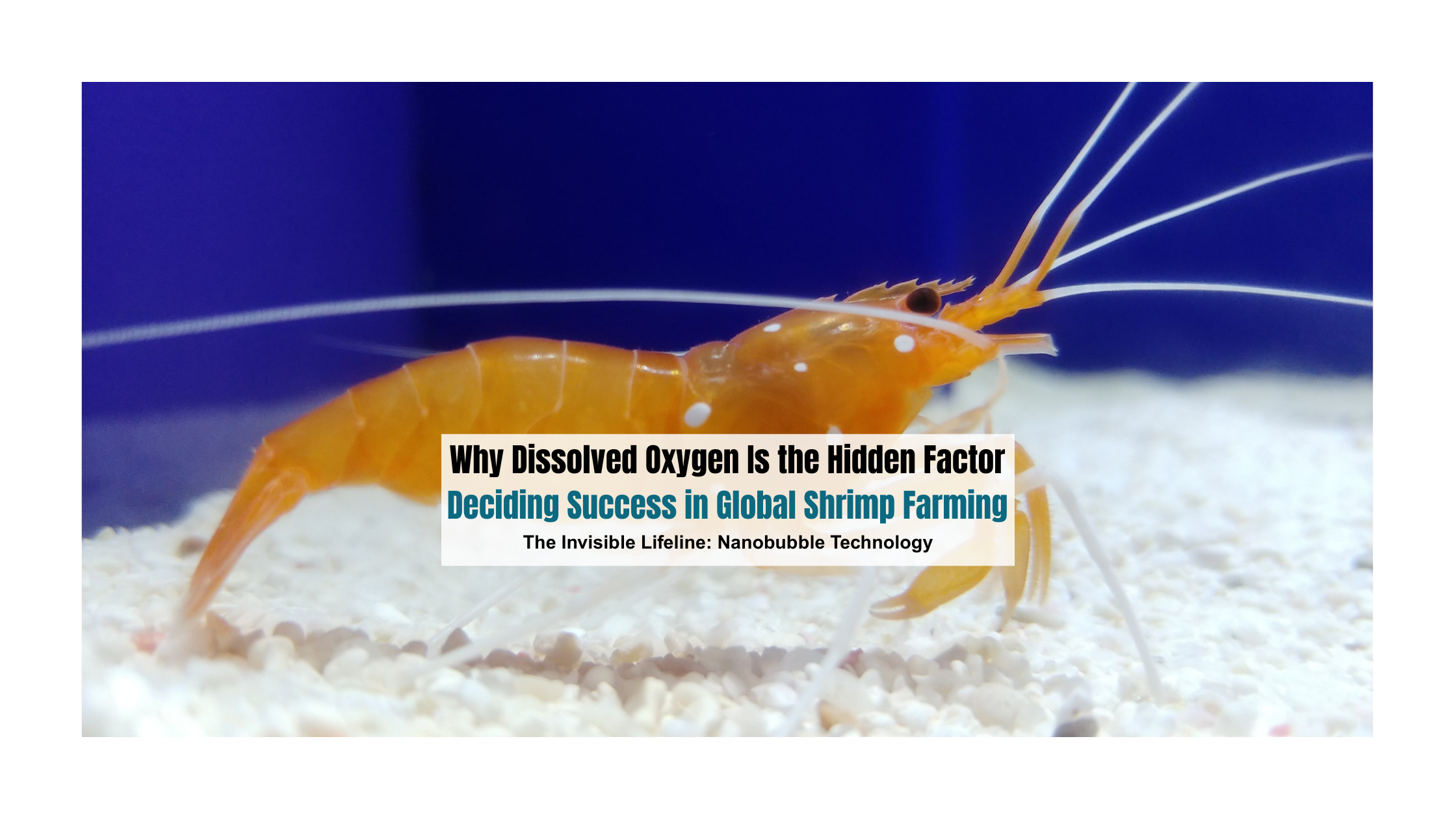
SHRIMP AQUACULTURE
Shrimp Aquaculture: How Dissolved Oxygen and Nano Bubbles Are Revolutionizing Farming Success

The Invisible Lifeline: Why Dissolved Oxygen Is the Hidden Factor Deciding Success in Global Shrimp Farming

Shrimp farming has become one of the most dynamic and rapidly growing sectors in aquaculture worldwide. From India, Vietnam, Thailand, Indonesia, Bangladesh, Ecuador, China, Mexico, Malaysia, to the Philippines, Brazil, Peru, and Nigeria, millions of farmers dedicate their lives to raising healthy shrimp.

But behind every harvest lies an untold story—a story of relentless work, sleepless nights, and the silent battle to keep water alive. As global interest in shrimp aquaculture continues to rise, farmers are exploring cutting-edge tools and probiotics for aquaculture farming to boost efficiency and long-term viability. Reach out to discover sustainable aquaculture solutions that improve dissolved oxygen and enhance shrimp productivity.

Shrimp Farming: More Than Just an Investment—A Daily Gamble

During my visits to countless farms, I have witnessed firsthand the unimaginable commitment of shrimp farmers.
They wake up before dawn to check water quality, inspect aerators, monitor feeding, and pray that today isn’t the day when disease or ammonia spikes undo months of effort.

One farmer in Andhra Pradesh told me:

“More than the shrimp itself, we must care for the water. Because if you protect the water, the shrimp will protect themselves.”

Those words stayed with me.

Many farmers are now turning to best aquaculture practices that prioritize biosecurity, water quality, and low-stress environments, aiming for sustainable aquaculture models that are both profitable and environmentally sound.

The Hidden Problem: Dissolved Oxygen Fluctuations

In a 1-acre shrimp pond, you often see four paddlewheel aerators churning the surface, spraying water in rhythmic arcs.
Yet, despite all this mechanical aeration, many farmers still face:

  • Dead zones at the pond bottom
  • Sudden drops in dissolved oxygen (DO)
  • Ammonia spikes and stress-related disease outbreaks
  • Slow growth and weak immune response in shrimp

Why?

Because most aeration systems only create macro or micro bubbles—bubbles that look impressive but escape quickly into the atmosphere.

This is where an aquaculture oxygen generator or specialized oxygen generator for aquaculture can offer continuous, deep oxygen infusion to maintain optimal DO levels.

The Game Changer: Nano Bubbles You Can’t See but Will Transform Your Pond

Let’s talk about Nano Bubbles—the invisible lifeline your shrimp pond needs.

What are Nano Bubbles?

  • Ultra-fine gas bubbles, each smaller than a red blood cell
  • They stay suspended in water for weeks
  • They don’t float up and burst like larger bubbles
  • They penetrate dead zones where traditional aerators fail

Why Do They Matter?

  • Nano bubbles continuously supply dissolved oxygen everywhere in the pond
  • They create an aerobic environment ideal for beneficial bacteria
  • They break down organic waste and ammonia faster
  • They reduce harmful pathogens naturally
  • They stabilize water quality 24/7, even when you sleep

One farmer told me, “Nano bubbles are like invisible guardians. They keep working long after the paddle wheels stop.”

These systems are becoming an essential part of aquaculture systems for sale worldwide as shrimp producers seek to maximize yield and reduce environmental risk.

 Let the Microbes Do the Heavy Lifting

When your pond has stable, high dissolved oxygen, your probiotic and beneficial microbial cultures thrive.

  • Good bacteria degrade shrimp waste and uneaten feed
  • Pathogen load is reduced naturally
  • Sludge accumulation slows down
  • Water clarity improves
  • Shrimp become more active and resilient

If you’re venturing into indoor shrimp farming, maintaining oxygen and microbial balance becomes even more critical due to space constraints and limited water exchange.

In such setups, farmers often rely on probiotics for shrimp farming and invest in the best probiotics for shrimp to ensure a resilient microbial ecosystem.

A Global Perspective: Countries Embracing Innovation in Shrimp Farming

Countries leading the way in adopting advanced dissolved oxygen management include:

  • India
  • Vietnam
  • Ecuador
  • Thailand
  • Indonesia
  • Bangladesh
  • China
  • Mexico
  • Philippines
  • Malaysia
  • Brazil
  • Peru
  • Nigeria

These nations recognize that sustainable aquaculture is built on water quality, not just stocking density and feed.

Moreover, freshwater shrimp aquaculture is gaining traction in regions where marine farming isn’t feasible, requiring specialized aeration and probiotic management strategies.

Let Your Pond Breathe—And Your Mind Rest

Imagine waking up in the morning without fear of sudden oxygen crashes.
Imagine seeing shrimp actively feeding, water clean and fresh, and no hidden dead zones threatening your crop.

With Nano Bubbles technology and targeted microbial solutions, you can finally:

  • Reduce ammonia and nitrite stress
  • Stabilize DO levels 24 hours a day
  • Enhance shrimp immunity and survival rates
  • Minimize dependence on harsh chemicals
Take the Next Step Toward a Resilient, Profitable Shrimp Farm

If you’re ready to experience the invisible power of Nano Bubbles, connect with us today.
Let us help you create a pond ecosystem where microbes do the hard work—and you can finally relax, knowing your water quality is in safe hands.

Learn more at www.teamonebiotech.com or reach out at sales@teamonebiotech.com/8855050575

???? Discover More on YouTube – Watch our latest insights & innovations!

???? Connect with Us on LinkedIn – Stay updated with expert content & trends!

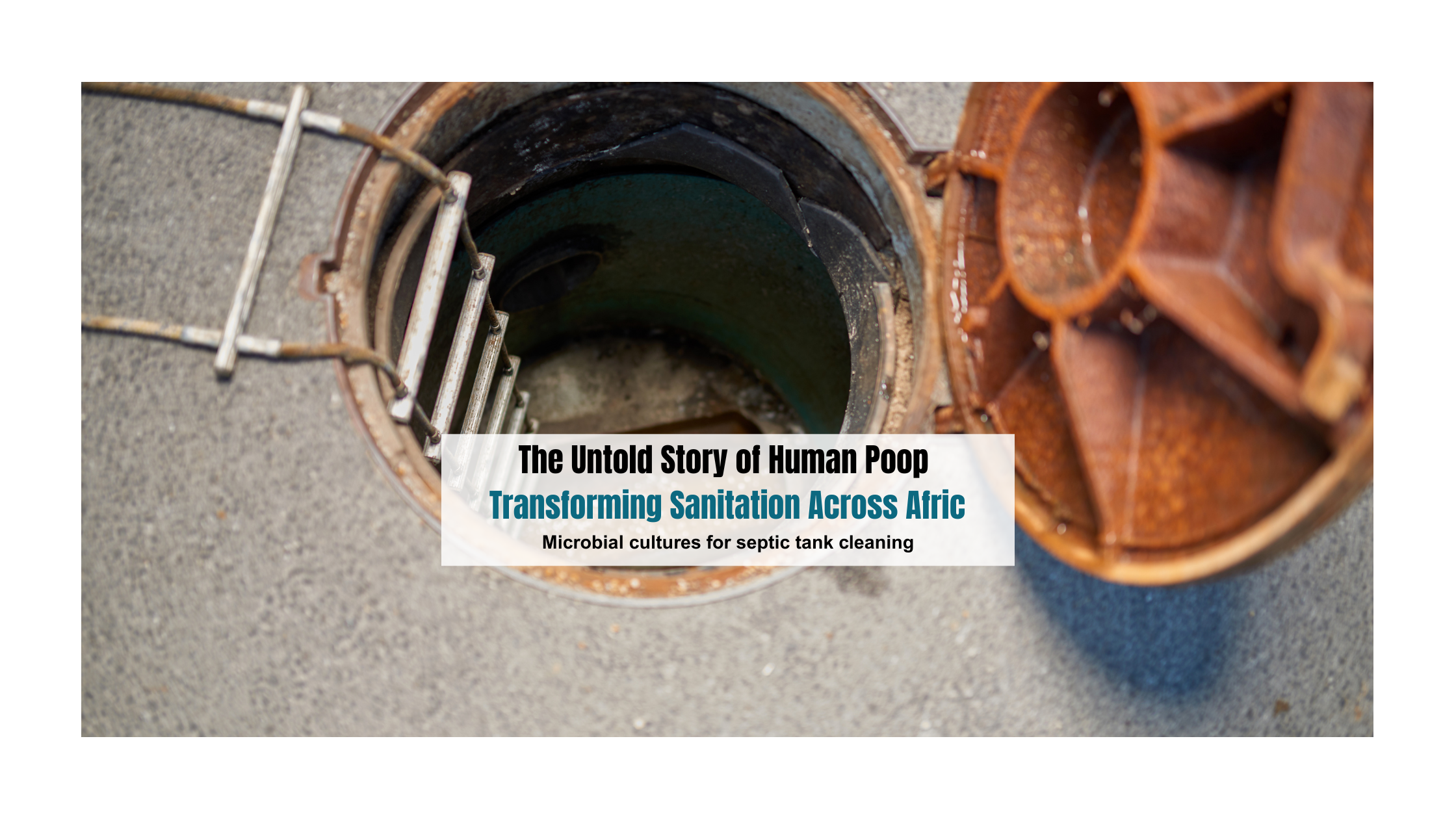
Microbial cultures for septic tank cleaning
Septic Tank Cleaning & Microbial Power: Transforming Sanitation in Africa

If you’re searching for septic tank cleaning services, you’re not alone. Whether you’re in Lagos, Nairobi, Accra, or Dar es Salaam, the demand for professional, affordable sanitation is growing fast. Overflowing systems pose serious health risks, and relying only on manual cleaning is no longer viable.

When was the last time you thought about where your poop goes?
In Nigeria, Kenya, Ghana, Tanzania, and many other African nations, toilet waste is something people often hide and avoid discussing. Yet, it is silently shaping the health, environment, and dignity of entire communities. Get in touch to discover reliable, eco-friendly septic tank cleaning solutions that protect both community health and the environment.

From Good to Dangerous: How Human Waste Has Changed

Generations ago, human poop was simply the byproduct of fresh, organic food. It decomposed naturally, enriching the soil without major harm.
But today, things have changed:

  • Adulterated and preserved food
  • Heavy use of antibiotics
  • Chemical-laden diets

This combination has made modern fecal waste harder to break down, more toxic, and more likely to contaminate water and soil.

In many African countries, the sanitation crisis is real:

  • Overflowing septic tanks
  • Backflow into homes
  • Persistent foul odours
  • Blocked community toilets
  • Deadly disease outbreaks due to fecal contamination

According to UNICEF and WHO, over 700 million people in Africa lack safe sanitation facilities.

The Problem with Quick-Fix Solutions

Need septic tank cleaning? Here’s What You Should Know

In many parts of Africa, septic tank cleaning is often delayed until there’s an emergency — like backflow or severe odour. But routine maintenance is essential for a healthy home and community.

In the face of these challenges, people often turn to:

  • Chemical toilet cleaners:
    Yes, they work fast. But they kill beneficial bacteria inside septic tanks, destroying the natural treatment process.
  • Mechanical suction trucks:
    Effective, but expensive and not sustainable for many households and communities.
  • Manual scavenging:
    A dangerous, inhumane practice that risks the lives of sanitation workers.
So, what’s the answer?

Microbes: The Hidden Heroes for a Cleaner Future

Choosing the Right Septic Tank Cleaner

Looking for the best septic tank cleaner? Chemical cleaners might promise fast results, but they damage your tank’s ecosystem. Mechanical suction? Expensive and temporary. Instead, microbial-based solutions like T1B Septic act as a biological septic tank cleaner, working from the inside to dissolve waste, control odour, and restore natural balance — safely and sustainably.

Imagine a solution that:

  • Naturally eats away at fecal sludge
  • Breaks down harmful pathogens and organic waste
  • Reduces odour, backflow, and overflow
  • Is safe for people, animals, and the environment
  • Costs a fraction of chemical or mechanical treatments

That solution exists.
Microbes.

At Team One Biotech, we have developed T1B Septic, a powerful blend of 75+ specialized microbial strains designed to transform sanitation challenges across Africa.

How T1B Septic Works?
  1. You simply add it into your septic tank or pit latrine.
  2. Our microbes multiply rapidly, feeding on fecal matter, fats, and sludge.
  3. They convert waste into harmless water and gases, reducing solids and stopping odours.
  4. The biological balance of your septic tank is restored—no chemicals, no harm.

This means:

  • No toxic discharge
  • No costly frequent pumping
  • No manual scavenging
  • A clean, safe, sustainable sanitation system

Designed for Africa’s Sanitation Needs

What About Septic Tank Cleaning Companies?

Traditional septic tank cleaning companies often use chemicals or mechanical pumping methods. While they offer immediate relief, they come with high costs and environmental trade-offs. With T1B Septic’s microbial solution, you reduce the frequency of professional pumping — and in many cases, eliminate the need altogether.

Whether you manage:

  • Rural pit toilets in Uganda
  • Septic tanks in urban Nairobi, Kenya
  • Community toilets in Lagos, Nigeria
  • School sanitation blocks in Accra, Ghana

…T1B Septic is your simple, proven solution.

Sustainable. Affordable. Powerful.

Join hundreds of communities transforming their sanitation with microbial innovation.

  • Eliminate odour and backflow
  • Reduce sludge and blockages
  • Protect groundwater and health
  • Create safe sanitation without chemicals
Ready to Transform Your Septic System?

Going Beyond Cleaning: A Smarter Approach to Sanitation

Effective sanitation is more than just emptying tanks — it’s about building a sustainable ecosystem for long-term health and hygiene.

At the core of every solution should be smart wastewater management. Improper disposal of fecal matter often leads to contaminated groundwater and unsafe living conditions. That’s why microbial technology is revolutionizing the way we handle fecal sludge treatment in both urban and rural settings.

Microbes used in products like T1B Septic are experts at organic waste breakdown, restoring your septic tank’s biological balance without chemicals. Unlike traditional methods, this approach improves household sanitation and reduces the risk of infections and odour.

By focusing on safe sanitation practices, families and communities can reduce disease transmission and environmental pollution. These practices also support better septic system maintenance, preventing costly repairs and backups.

Our approach leverages the science of microbial biodegradation, where naturally occurring bacteria digest harmful waste. The result? Cleaner tanks, fewer blockages, and superior odour control methods that don’t rely on synthetic fragrances or harsh chemicals.

This is more than a cleaning solution—it’s a commitment to eco-friendly sanitation that protects people, soil, and water resources.

Don’t let dangerous, untreated toilet waste put your family and community at risk.

???? Contact Team One Biotech today to learn how T1B Septic can solve your sanitation problems safely, naturally, and affordably.

???? Email: sales@teamonebiotech.com

???? Visit: www.teamonebiotech.com

???? Discover More on YouTube – Watch our latest insights & innovations!-

???? Connect with Us on LinkedIn – Stay updated with expert content & trends!

???? Let’s create a cleaner, healthier Africa—one septic tank at a time Conatct us here

Scan the code