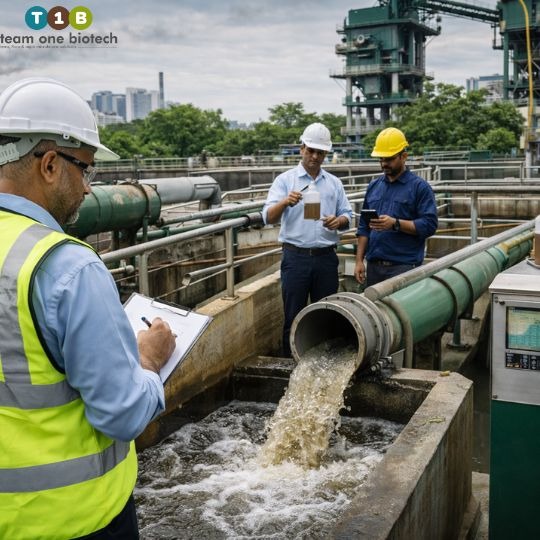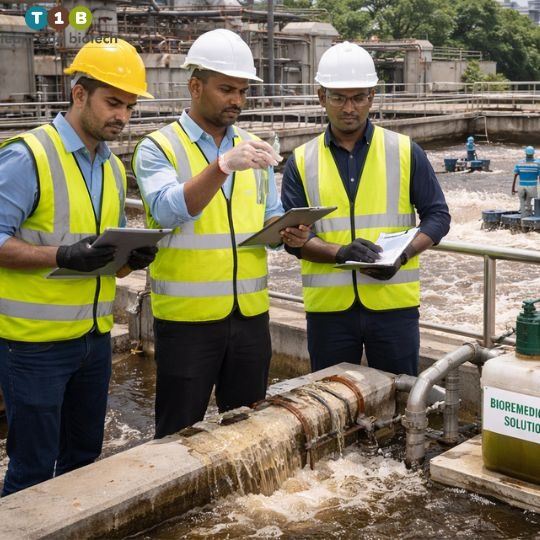
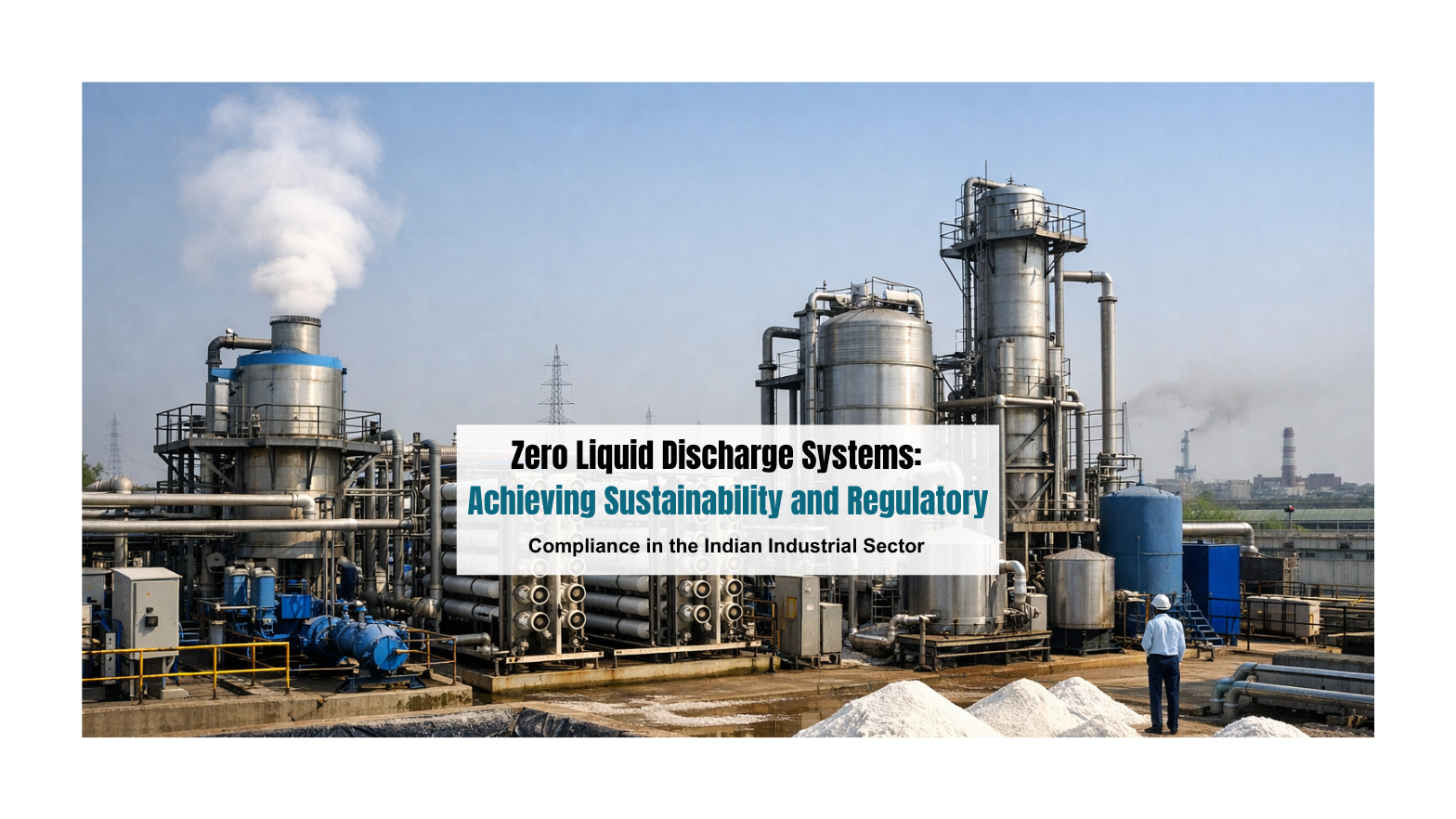
Case Study: Reducing Sludge Dewatering Costs by 40% with Microbial Bio-augmentation

The Cost No One Talks About in Your P&L

Every plant manager knows the obvious costs, power, raw materials, compliance audits. But there is one line item that quietly bleeds operational budgets dry, quarter after quarter: ETP sludge management.

In Indian textile mills, pharmaceutical units, distilleries, and chemical plants, sludge disposal is no longer just an inconvenience. It has become a significant and growing operational liability. Filter presses running at high electricity draw. Polymer and coagulant chemicals ordered in bulk every month. Third-party sludge haulers charging more with every trip. And despite all of it, the sludge keeps coming, wet, heavy, and expensive.

If your ETP sludge is consistently coming off the filter press at 85–95% moisture content, you are not just dealing with a dewatering problem. You are dealing with a biological treatment failure upstream. And the meter is running.

Why Indian ETPs Face a Uniquely Difficult Challenge

Why Indian ETPs Face a Uniquely Difficult Challenge

The problem is not simply poor equipment or undertrained operators. Indian industrial ETPs operate under a set of conditions that are genuinely difficult to manage:

  • Highly fluctuating organic loads, Batch production cycles in pharma and distilleries create feast-or-famine conditions for biological systems, often destabilizing the microbial ecosystem in the aeration tank.
  • Climatic variability, From a 12°C winter morning in Ludhiana to a 42°C summer afternoon in Surat, temperature swings stress microbial populations in ways that laboratory-designed systems rarely account for.
  • Complex and inhibitory wastewater composition, High BOD, COD, TDS, and the presence of recalcitrant compounds in textile dye effluents or solvent-heavy pharmaceutical discharge actively suppress native microbial communities.
  • CPCB and SPCB pressure, Discharge norms are tightening. Consent to Operate renewals now scrutinize sludge disposal records, TSDF utilization, and biological treatment efficiency with far greater intensity than even five years ago.
  • Rising TSDF costs, With hazardous sludge disposal at authorized facilities becoming more expensive and logistics more complex, the cost per metric tonne of wet sludge keeps climbing.

The result: ETP operators pour more chemicals into a system that is biologically weak, produce more sludge than the system should generate, and then spend more money trying to dewater sludge that simply does not want to release its water.

The Case Study: A Large-Scale Industrial ETP Struggling to Break Even on Sludge Costs

A Large-Scale Industrial ETP Struggling to Break Even on Sludge Costs

The Facility

A mid-to-large industrial unit, operating a combined biological treatment system handling both aerobic and anaerobic process streams, was experiencing chronic sludge management issues. The facility ran a conventional activated sludge process followed by a secondary clarifier and a filter press dewatering unit. On paper, the system was adequate. In practice, it was consistently underperforming.

The Problem

The plant’s ETP team flagged several compounding issues over a period of months:

  • Sludge moisture content stubbornly holding at 88–93%, despite optimal filter press cycle times and regular polymer dosing adjustments.
  • Chemical coagulant consumption rising quarter-on-quarter with diminishing returns on cake dryness.
  • Biological treatment zones showing poor VSS/TSS ratios, indicating a weak and unbalanced microbial community, too much inert biomass, not enough active degraders.
  • Effluent quality intermittently failing BOD and COD discharge standards during peak load periods, attracting regulatory scrutiny.
  • Sludge disposal volumes, and the associated TSDF costs, had increased substantially over the preceding financial year, making sludge management one of the top three operational cost centres in the ETP budget.

The root cause was clear upon detailed assessment: the biological treatment system was not breaking down complex organics efficiently. Instead of being mineralized within the system, organic matter was being carried forward into the sludge, adding to its mass and making it structurally resistant to mechanical dewatering. A filter press cannot fix what biology has failed to do.

The Solution: A Targeted Bio-augmentation Program

Rather than recommending capital expenditure on new equipment, the approach taken was fundamentally different, restore and reinforce the biological engine at the core of the ETP.

A customized microbial bio-augmentation program was designed and deployed across the facility’s biological treatment and anaerobic process zones. Here is what that involved:

Microbial Selection and Customization

Not all microbial consortia are equal. Generic, off-the-shelf products often fail in complex industrial wastewater because they are not matched to the specific substrate chemistry of the effluent. In this case, a site-specific microbial formulation was developed after wastewater characterization, targeting:

  • High-efficiency heterotrophic bacteria capable of degrading complex COD fractions under variable load conditions
  • Specialized hydrolytic organisms to break down long-chain polymeric organics in the sludge matrix itself
  • Facultative anaerobes adapted to function effectively across the temperature and pH ranges observed at this facility
  • Acid-phase and methanogenic bacteria for reinforcing the anaerobic process zone’s capacity to handle shock loads

Deployment Protocol

Bio-augmentation was not treated as a one-time addition. The protocol involved:

  • Seeding the aeration tank and anaerobic digester with the tailored microbial consortium during a controlled inoculation phase
  • Monitoring VSS activity, SVI (Sludge Volume Index), and F:M ratio on a weekly basis during the stabilization window
  • Gradual reduction in chemical coagulant dosing as biological floc quality improved and the sludge’s natural dewatering characteristics strengthened
  • Ongoing performance reviews tied to sludge cake moisture readings and monthly disposal volumes

Addressing India-Specific Challenges

Recognizing that seasonal temperature drops would periodically stress the newly augmented biomass, the program included cold-tolerant microbial strains in the formulation, organisms selected for functional stability at lower temperatures without losing hydrolytic activity. This is a critical design consideration that generic bio-augmentation products routinely ignore.

The Science Behind Better Dewaterability

Understanding why bio-augmentation reduces sludge dewatering costs requires a brief look at what makes ETP sludge difficult to dewater in the first place.

Why Sludge Holds Water

Sludge dewaterability is not just a mechanical issue. It is a biological and physicochemical issue. The key factors are:

  • Extracellular Polymeric Substances (EPS): Microbially-produced biopolymers that trap water molecules within the sludge floc structure. High EPS concentrations, common in stressed or overfed biological systems, make sludge sticky, voluminous, and resistant to pressing.
  • Colloidal and bound water: A significant fraction of moisture in poorly conditioned sludge is chemically bound to organic particles, not free water that a press can expel.
  • Poorly structured floc: Weak biological communities produce filamentous or dispersed floc with poor settling and compression characteristics, as opposed to the dense, compact floc formed by a healthy, well-balanced biomass.

What Bio-augmentation Changes

When specialized microorganisms in bioremediation are introduced and allowed to establish, several changes occur in the sludge matrix:

  • EPS hydrolysis: Certain organisms within the consortium produce extracellular enzymes, particularly proteases, lipases, and glucanases, that actively degrade the EPS matrix, releasing bound water and reducing overall sludge volume.
  • Enhanced organic mineralization: Complex organics that would otherwise persist in the sludge and contribute to its mass are broken down to carbon dioxide, water, and simple mineral compounds, reducing volatile solids content and sludge generation at the source.
  • Improved floc architecture: A diverse, healthy microbial population produces well-structured floc with better compression characteristics, allowing filter presses to achieve significantly drier cake with less polymer input.
  • Reduced endogenous decay residue: When biological treatment is highly efficient, less inorganic inert residue accumulates as waste biomass, reducing the non-compressible fraction in the sludge cake.

In simple terms: fix the biology, and the sludge takes care of itself.

The Results

Over a monitored period following full program deployment, the facility recorded the following improvements across its sludge treatment and biological treatment operations:

ParameterObserved Change
Sludge cake moisture contentReduced from 88–93% to 72–78% range
Dewatering operating costs35–45% reduction
Chemical coagulant consumption20–30% reduction
Monthly sludge disposal volumes (wet weight)30–40% reduction
Filter press cycle efficiency15–25% improvement in throughput
Effluent BOD/COD complianceConsistent pass during peak load periods

The cumulative financial impact was substantial. A reduction in wet sludge volume of 30–40% directly translates to fewer TSDF trips, lower transport costs, and significantly reduced disposal fees, recurring savings that compound on a monthly basis.

The reduction in coagulant and polymer chemical spend provided additional operating cost relief, while improved filter press throughput reduced electricity consumption per tonne of sludge processed.

Note: The figures mentioned are general industry ranges based on specific case studies; actual results may vary depending on the unique characteristics and operational parameters of each individual ETP.

What This Means for Your ETP Budget

The financial logic is straightforward. If your plant generates, for example, 500 kg of wet sludge per day at 90% moisture content, a reduction to 75% moisture content does not just make the cake drier, it fundamentally reduces the mass you are paying to dispose of. That delta, multiplied across 300 operating days and priced at current TSDF disposal rates, is a number worth calculating.

Bio-augmentation is not a product you buy once and forget. It is a managed biological intervention, an ongoing program with monitoring, dose adjustment, and performance accountability built in. The cost of the program is, in virtually every well-executed case, a fraction of the savings it generates.

Is Your ETP a Candidate for Bio-augmentation?

The following indicators suggest your facility could benefit significantly from a structured microbial program:

  • Filter press cake consistently above 78–80% moisture content
  • Monthly chemical coagulant and polymer costs trending upward with no improvement in performance
  • SVI above 150 mL/g, indicating poor sludge settling
  • Effluent BOD/COD occasionally failing during high-load periods
  • TSDF disposal costs representing more than 15–20% of your total ETP operating budget
  • Biological treatment zones showing signs of bulking, foaming, or poor clarifier performance

If three or more of these apply to your plant, the problem is almost certainly upstream in your biology, not in your mechanical dewatering equipment.

Take the Next Step: Book a Sludge Audit

Team One Biotech’s technical team works directly with ETP operators and plant managers across Indian textile, pharma, distillery, and chemical sectors. Our process begins with a no-obligation Sludge Audit, a structured technical assessment of your current biological treatment performance, sludge characteristics, and dewatering efficiency.

The audit identifies exactly where your system is losing value and provides a quantified estimate of the cost reduction achievable through targeted bio-augmentation.

To schedule your Sludge Audit or speak directly with our technical team, contact Team One Biotech today.

Your sludge disposal costs are not a fixed expense. They are a recoverable loss, and the biology to recover them already exists.

Looking to improve your ETP/STP efficiency with the right bioculture?
Talk to our experts at Team One Biotech for customised microbial solutions.

Contact+91 8855050575

Email:  sales@teamonebiotech.com

Visit: www.teamonebiotech.com

Discover More on YouTube – Watch our latest insights & innovations!-

Connect with Us on LinkedIn – Stay updated with expert content & trends!

How to Retrofit Existing ETPs to meet 2026 Discharge Standards

The Compliance Clock Is Ticking, And Old Infrastructure Is Not Your Enemy

There is a particular kind of stress that settles over a plant manager around this time of year. It is not the stress of a broken pump or a production backlog. It is quieter than that, the kind that sits in the back of your mind during site reviews and board meetings alike. If you run an effluent treatment plant at an Indian industrial facility, you already know what we are talking about.

Walk into any industrial cluster in Surat, Vapi, Ludhiana, or Hyderabad right now and you will hear the same question in different rooms: “Are we going to make it to 2026 without a notice?” Plant managers who have been doing this work for fifteen or twenty years, people who know their systems inside out, are genuinely unsettled. Not because they are careless, but because the goalposts have moved in ways that the original designers of their ETPs could not have anticipated.

The Central Pollution Control Board and State Pollution Control Boards across India are no longer sending gentle reminders. Discharge norms are tightening with a specificity and enforcement muscle that earlier regulatory cycles simply did not have. For deeper insights into navigating these requirements, you can refer to The Comprehensive Guide to ETP & STP Design, Process, and Efficiency in India. And for facilities running effluent treatment plants commissioned in the early 2000s, or even the early 2010s, the uncomfortable truth is this: your plant was built for a different India.

But here is what we want you to hear before anything else. Your old infrastructure is not a liability to be demolished. It is a foundation to be built upon. Retrofitting an existing ETP is not an admission of failure. It is, in fact, one of the smartest operational decisions a factory manager can make right now. Team One Biotech has walked this road with dozens of industrial units across the country, and what we see on the other side consistently surprises even the most sceptical plant operators, lower costs than a greenfield build, faster timelines, and a system that actually fits into how your facility already runs.

Why 2026 Is Not Just Another Regulatory Deadline

Let us be direct about something. Indian industry has seen regulatory deadlines come and go. Extensions have been granted, timelines have shifted, and many plant operators have learned, sometimes correctly, that a degree of buffer exists between announcement and enforcement.

2026 is different, and here is why that matters.

The revised discharge standards being rolled out under the CPCB compliance framework are arriving alongside something that earlier cycles did not have: real-time accountability infrastructure. Online Continuous Effluent Monitoring Systems are no longer optional for designated large industries. When your effluent data is being transmitted live to a regulatory server, the quarterly inspection becomes almost secondary. Non-compliance is no longer a periodic audit risk, it is a daily operational exposure.

Beyond the monitoring shift, the standards themselves have genuinely tightened:

  • COD and BOD discharge limits for inland surface water bodies have been revised downward, particularly for high-strength effluent sectors like pharmaceuticals, textiles, and food processing
  • Total Nitrogen and Total Phosphorus are entering mandatory compliance cycles for larger facilities, parameters that most older ETPs were never designed to address
  • SPCB norms in states like Gujarat, Maharashtra, and Tamil Nadu are, in several parameters, running ahead of national standards, creating a layered compliance reality that is genuinely complex to navigate

Facilities running conventional activated sludge process systems that have not seen meaningful upgrades since commissioning are facing the sharpest gap. BOD reduction demands in high-impact zones now frequently require performance in the range of 90% to 97%. Please note: These are general values provided for guidance; actual requirements differ for every ETP based on influent load and site conditions.

That is not a marginal adjustment. For many plants, it is a fundamental process rethink.

Honest Talk About the ETP-STP Plant Process, Where Things Are Actually Breaking Down

Honest Talk About the ETP-STP Plant Process, Where Things Are Actually Breaking Down

Most plant managers running older systems know, at some level, where their ETP struggles. They have seen it during the monsoon season when influent loads spike. They have seen it when production schedules change and the biological system gets hit with a load it was not expecting. The technical language around these failures can sound complicated, but the underlying story is usually straightforward.

The conventional etp-stp plant process built around the activated sludge process is not fundamentally flawed science. It has treated billions of litres of industrial wastewater across India and it remains the backbone of biological treatment worldwide. The problem is not the process, it is the gap between what these systems were designed for and what they are now being asked to do.

Here is where that gap tends to show up most painfully:

  • Sludge bulking during variable organic loads, a chronic headache in Indian industrial clusters where production runs are seasonal and influent quality can shift dramatically week to week
  • Hydraulic retention time deficits in ageing systems sized for lower concentrations than what is actually arriving at the inlet today
  • Biomass washout during peak load events, the biological community collapses exactly when you need it most, and recovery takes days that compliance timelines do not always allow
  • Recalcitrant compound accumulation, persistent chemicals from pharmaceutical synthesis, reactive dyes from textile processing, or complex organics from specialty chemical manufacturing that conventional biomass simply cannot degrade, no matter how well the rest of the system is running

This is the honest picture that a good process audit surfaces. And it is also the picture that tells us where the opportunity sits. Because each of these failure points has a solution, often one that does not require tearing down what already exists.

Team One Biotech’s bioremediation formulations have been developed specifically for these Indian industrial wastewater realities. Not adapted from European treatment profiles. Built from the ground up for the chemical fingerprints of Indian manufacturing, the dye loads from Tiruppur, the API residues from Hyderabad’s pharmaceutical belt, the high-COD effluents from distilleries across Maharashtra and Uttar Pradesh.

The Retrofitting Roadmap: What This Actually Looks Like in Practice

Step 1, Start With a Serious Process Audit

This is where most retrofitting efforts either gain traction or quietly fail. A proper audit is not a two-day walkthrough with a checklist. It is a forensic examination of what is actually happening inside your system versus what the design drawings say should be happening.

It means:

  • Influent characterisation across all shifts, not just during standard working hours when the plant is running cleanly. Peak-load surges during night shifts and batch processing cycles are frequently where compliance failures originate, and they are frequently the data that gets missed
  • Mass balance analysis across every unit operation to locate where efficiency is genuinely being lost versus where it only appears to be lost
  • Civil and mechanical condition assessment, concrete integrity, diffuser fouling levels, clarifier mechanism wear, and whether existing electrical infrastructure can support upgraded aeration
  • Regulatory gap mapping against your specific CPCB compliance category and applicable SPCB norms for your industry code

No two audits come back with the same picture. A textile ETP in Gujarat and a pharmaceutical facility in Himachal Pradesh may have similar BOD numbers on paper and completely different root causes behind those numbers. The audit is what tells you which problem you are actually solving.

Step 2, Address the Aeration System First

If the audit points anywhere in the first hour, it usually points here. Aeration is where the most significant performance losses occur in legacy Indian ETPs, and it is also where meaningful gains can be achieved relatively quickly.

Fine bubble diffuser systems, when properly installed and maintained, deliver oxygen transfer efficiency in the range of 20% to 35%, a substantial improvement over the coarse bubble systems that most older plants are still running. Please note: These are general values provided for guidance; actual requirements differ for every ETP based on influent load and site conditions.

The good news is that aeration upgrades rarely require new civil construction. Existing aeration tanks can typically be relined and re-diffused within four to eight weeks depending on dimensions. Pairing this with variable frequency drive-controlled blowers can reduce aeration energy costs somewhere in the range of 25% to 40%, which gives plant managers a genuinely compelling argument to make to their finance teams. 

Please note: These are general values provided for guidance; actual requirements differ for every ETP based on influent load and site conditions.

Team One Biotech consistently recommends initiating bio-augmentation dosing immediately following aeration upgrades, the improved oxygen transfer creates exactly the right environment for specialised microbial consortia to establish quickly, cutting the biological recovery window significantly.

Step 3, Bring Bioremediation Into the Process

This is the part of modern wastewater management India that is still underutilised in many industrial facilities, and it is where some of the most dramatic performance improvements are being achieved.

Bio-augmentation means introducing specialised microbial consortia, organisms selected and cultivated for the specific compounds present in your effluent, directly into your biological treatment system. It is not a chemical fix. It is a biological one, and the distinction matters both for treatment performance and for the long-term health of your system’s microbial community.

For a textile dyeing unit, this means organisms adapted to azo dye intermediates and reactive dye breakdown products. For a bulk drug manufacturer, it means consortia capable of processing antibiotic residues and solvent compounds. For a distillery, it means high-efficiency degraders of complex sugars and fermentation byproducts.

Team One Biotech’s bioremediation programmes are not off-the-shelf products applied uniformly across sites. They are developed based on your specific influent characterisation data and adjusted as the biological community establishes and matures. This is the difference between a treatment solution and a treatment strategy.

Step 4, Explore Hybrid Biological Models Where the Situation Warrants

Not every facility needs a full transition to MBBR or SBR. But where influent variability is high, where land constraints make secondary clarifier expansion impossible, or where the existing system is consistently failing under peak loads, hybrid biological treatment deserves serious consideration.

Introducing MBBR media into an existing aeration tank creates a fixed-film biological component, a biofilm community on plastic media that continues functioning even during sludge washout events in the suspended growth system. The hybrid approach combines the strengths of both suspended growth and attached growth, building in the kind of process resilience that single-mode systems struggle to achieve.

SBR retrofits are particularly relevant in older Indian industrial estates where expansion land simply does not exist. By sequencing biological treatment and settling within a single tank, the need for a dedicated secondary clarifier is eliminated, which is a meaningful advantage when working within constrained footprints.

Step 5, Build Your Monitoring Infrastructure for the Long Term

Retrofitting the biological and mechanical systems without addressing monitoring is a half-finished job. OCEMS installation, beyond being a regulatory requirement for large industries under CPCB compliance norms, is genuinely useful operationally. Integrated with SCADA, it gives your team visibility into process parameters that allows biological failures to be caught and corrected hours before they reach the outlet.

This is the shift from reactive plant management to genuinely proactive wastewater management, and it changes the daily experience of running an ETP in ways that plant operators consistently report as significant.

What Indian Industrial Clusters Are Actually Dealing With

What Indian Industrial Clusters Are Actually Dealing With

There is a tendency in technical literature to treat industrial wastewater as a generic category. Anyone who has worked across Indian industrial clusters knows that reality is considerably messier and more interesting than that.

The influent arriving at an ETP in Baddi’s pharmaceutical belt has almost nothing in common with what arrives at a tannery CETP in Kanpur. The microbial strategies, the chemical treatment protocols, the aeration requirements, and the monitoring parameters that matter most, all of these differ profoundly by sector and by location.

Some sector-specific realities worth naming directly:

  • Textiles: High colour loads, elevated dissolved solids, and seasonal production variability that can swing influent characteristics dramatically between peak and off-peak periods. Biological systems need to be robust enough to handle these swings without crashing.
  • Pharmaceuticals: API residues, solvent loads, and in some facilities, antibiotic compounds that actively suppress the biological community you are trying to cultivate. Bioremediation here requires consortia that are genuinely resilient to these compounds.
  • Food and Beverage: High BOD but strong biodegradability, these facilities are often excellent candidates for integrating biogas recovery into the retrofit, turning a compliance cost into a partial energy offset.
  • Common Effluent Treatment Plants: Mixed influent from multiple units creates dynamic, unpredictable loading conditions. Shock-load management and adaptive bio-augmentation protocols are not optional in CETP contexts, they are operational necessities.

Team One Biotech works directly with plant managers and CETP operators across all of these contexts. The solutions we develop are grounded in what is actually happening on your site, not in what a textbook says should be happening.

This Is About More Than Avoiding a Notice

Somewhere in this conversation, we want to say something that goes beyond the compliance mathematics.

The plant managers and operators who run India’s industrial ETPs are, in our experience, people who care about doing this work properly. The stress around 2026 is not coming from indifference, it is coming from the genuine difficulty of meeting evolving standards with infrastructure that was never designed for them, often with budgets that do not reflect the full scale of what is needed.

Retrofitting done well is not just about survival. It is about building a facility that your team can run with confidence, where the daily monitoring data is not a source of anxiety but a source of operational intelligence. Where the biological system is stable enough that a production surge does not send everyone into crisis mode. Where your facility’s environmental record is an asset rather than a liability.

That is what Team One Biotech is working toward with every site we engage. Not the minimum viable compliance outcome, but treatment systems that genuinely perform.

Let Us Have the Conversation Now, Not After the Notice Arrives

Your 2026 strategy should begin with a real conversation about where your plant actually stands. Team One Biotech’s senior environmental engineers are available for site-specific ETP audits, bioremediation programme design, and full retrofitting consultation across pharmaceutical, textile, food processing, distillery, chemical, and CETP operations throughout India.

We will tell you honestly what we find. Where your system is genuinely at risk, where it is stronger than you might think, and where targeted bioremediation and process upgrades can close the gap between current performance and 2026 requirements.

The time to start this conversation is not when a show-cause notice lands on your desk.

Reach out to Team One Biotech today for a confidential, no-obligation site consultation. Bring us your last three months of effluent monitoring data, your process flow diagrams, and your list of questions. We will bring the technical depth, the sector-specific bioremediation expertise, and the honest assessment your plant deserves.

Team One Biotech, Advanced Bioremediation Solutions for Indian Industry. CPCB-aligned. Sector-specific. Built for the realities of Indian industrial wastewater.

Looking to improve your ETP/STP efficiency with the right bioculture?
Talk to our experts at Team One Biotech for customised microbial solutions.

Contact+91 8855050575

Email:  sales@teamonebiotech.com

Visit: www.teamonebiotech.com

Discover More on YouTube – Watch our latest insights & innovations!-

Connect with Us on LinkedIn – Stay updated with expert content & trends!
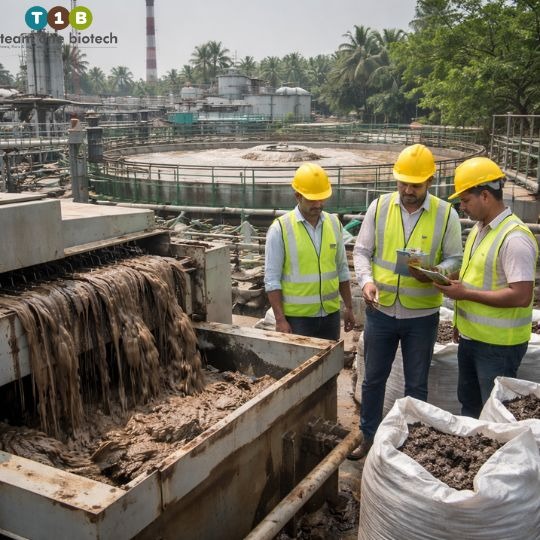
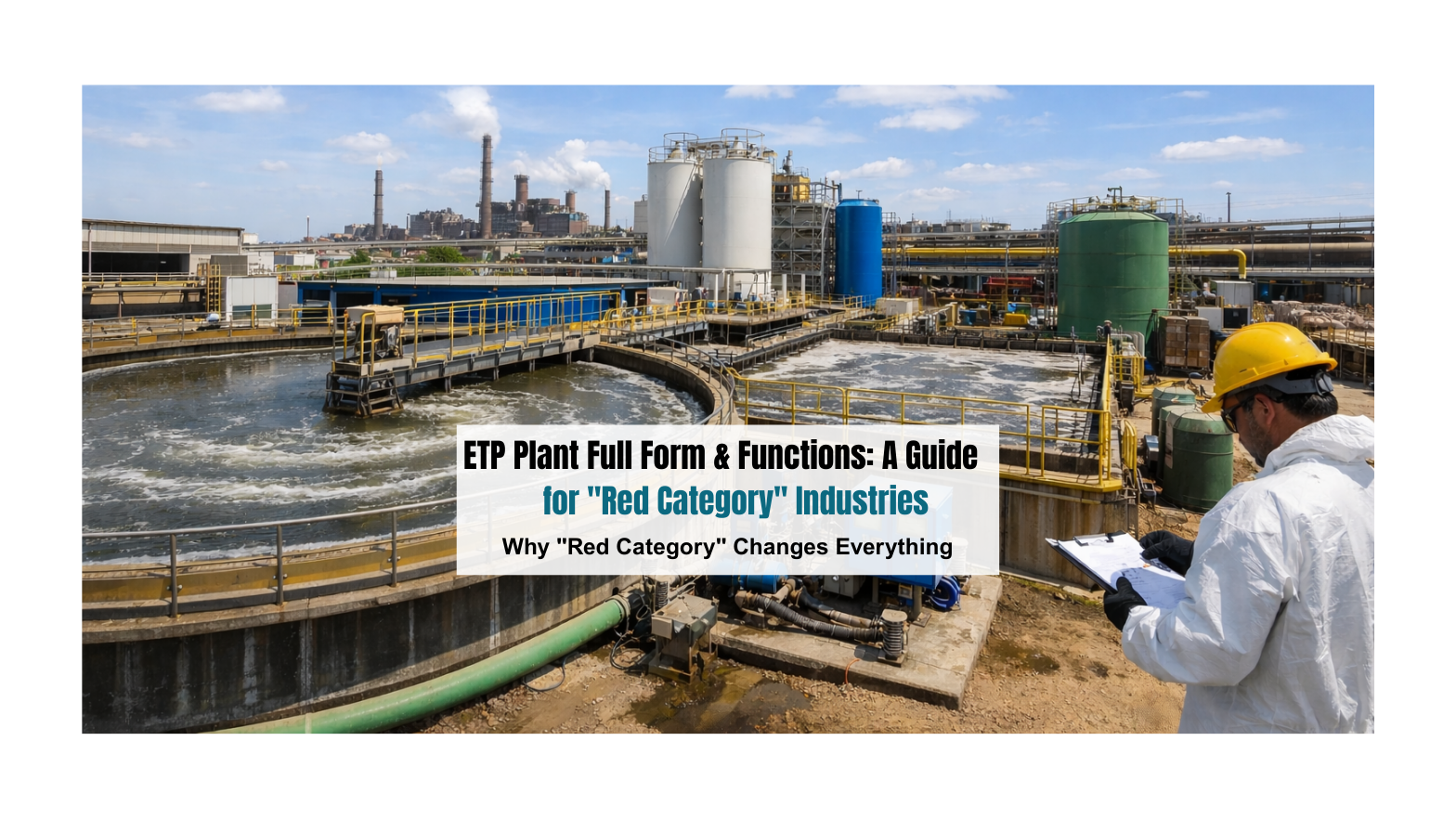
ETP Plant Full Form & Functions: A Guide for "Red Category" Industries
ETP Plant Full Form & Functions: A Guide for “Red Category” Industries

Let’s be direct about something most plant managers already know but rarely say out loud: running a Red Category industry in India right now feels like walking a tightrope over a compliance minefield. One failed effluent test. One surprise inspection from the State Pollution Control Board. One local news story about a nearby river turning colors, and suddenly you’re not just facing a fine. You’re facing a closure notice, a reputational crisis, and the kind of legal liability that follows a business for years.

This isn’t fearmongering. The Central Pollution Control Board (CPCB) has been systematically tightening discharge standards since 2016, and enforcement has become significantly more aggressive in states like Maharashtra, Gujarat, Tamil Nadu, and Uttar Pradesh. The industries feeling this pressure the hardest are exactly the ones doing the heaviest industrial lifting for India’s economy, textiles, dyes, pharmaceuticals, tanneries, paper mills, and chemical manufacturers.

Also Read: The Comprehensive Guide to ETP & STP Design, Process, and Efficiency in India

If you’re in this space, your Effluent Treatment Plant isn’t just infrastructure. It’s survival equipment.

What ETP Stands For, And Why the Full Form Doesn’t Tell the Whole Story

What ETP Stands For, And Why the Full Form Doesn't Tell the Whole Story

ETP stands for Effluent Treatment Plant. The name is simple enough. The reality it represents is anything but.

An effluent treatment plant is a system specifically engineered to treat industrial wastewater, the contaminated water produced during manufacturing processes, before it’s discharged into municipal drains, water bodies, or the ground. Unlike domestic sewage, industrial effluent carries a toxic cocktail of heavy metals, synthetic dyes, suspended solids, oils, acids, and biological oxygen demand (BOD) loads that can devastate aquatic ecosystems within hours of improper discharge.

Here’s what the full form doesn’t tell you: a well-designed ETP is the difference between a factory that runs for decades and one that gets served a closure notice in its tenth year. For Red Category industries, it’s also the single largest variable in your environmental compliance score.

Why “Red Category” Changes Everything

India’s industries are classified into four pollution potential categories by the CPCB, Red, Orange, Green, and White, based on a Pollution Index (PI) score derived from air, water, land, and hazardous waste parameters.

Red Category industries carry a Pollution Index of 60 or above. These include:

  • Textile dyeing and bleaching units
  • Pharmaceutical and bulk drug manufacturers
  • Pesticide and agrochemical plants
  • Tanneries and leather processing units
  • Paper and pulp mills
  • Chemical manufacturers and dye intermediates

What makes Red Category wastewater genuinely difficult to treat is its chemical complexity. You’re not dealing with one pollutant, you’re dealing with hundreds simultaneously. COD (Chemical Oxygen Demand) levels in textile effluent can exceed 3,000 mg/L. Pharmaceutical wastewater often carries recalcitrant organic compounds that resist conventional biological breakdown. Tannery effluent contains chromium concentrations that are acutely toxic to both microbial communities and human health.

Standard treatment approaches frequently fall short here. That’s the core problem Team One Biotech was built to solve.

The Core Functions of an Effluent Treatment Plant

The Core Functions of an Effluent Treatment Plant

A properly functioning ETP works through a staged sequence of treatment processes. Each stage targets a different category of contaminants. Skipping or underperforming at any stage compromises the entire system.

Stage 1: Collection and Equalization

Effluent from different process lines rarely flows at uniform rates or concentrations. The equalization tank buffers this variability, holding incoming wastewater and homogenizing it before treatment begins. This step protects downstream processes from hydraulic shocks and concentration spikes that would otherwise destabilize biological treatment.

Stage 2: Screening and Primary Treatment

Bar screens remove coarse solids. Primary clarifiers allow suspended particles to settle under gravity. The sludge collected here is removed for further processing. This stage significantly reduces suspended solids load before biological treatment begins.

Stage 3: Neutralization

Industrial effluents are frequently highly acidic or alkaline, pH values outside the 6–9 range are common in chemical and pharmaceutical plants. Neutralization brings pH to a range where biological treatment can function effectively. Getting this wrong doesn’t just affect compliance, it kills the microbial communities your secondary treatment depends on.

Stage 4: Coagulation and Flocculation

Chemicals like alum, ferric chloride, or polyelectrolytes are dosed to destabilize colloidal particles and cause them to aggregate into larger flocs that can be physically removed. This step is critical for reducing color, turbidity, and residual suspended solids. However, heavy reliance on synthetic coagulants increases sludge generation and chemical costs, one of the key pain points that bioremediation-based approaches address.

Stage 5: Secondary (Biological) Treatment

This is where the real heavy lifting happens, and where the quality of your approach determines whether you genuinely treat your effluent or merely appear to.

The ETP-STP Plant Process: Where Bioremediation Redefines What’s Possible

The ETP-STP Plant Process: Where Bioremediation Redefines What's Possible

The biological treatment stage of the etp-stp plant process is built around one central mechanism: using microorganisms to break down dissolved organic matter. The most widely deployed method is the activated sludge process.

Understanding the Activated Sludge Process

In the activated sludge process, wastewater enters an aeration tank where it’s mixed with a recirculated mass of microorganisms, the “activated sludge.” Air or oxygen is continuously introduced to support aerobic microbial metabolism. The microorganisms consume dissolved organics (measured as BOD and COD), converting them into carbon dioxide, water, and new cell mass.

The treated water then flows to a secondary clarifier, where the microbial biomass settles out. A portion of this settled sludge is returned to the aeration tank to maintain the active microbial population (return activated sludge). The remainder is wasted (waste activated sludge) for further processing.

In theory, it’s elegant. In practice, for Red Category industries, it frequently underperforms, because generic microbial communities aren’t equipped to handle the specific, often toxic, organic load of pharmaceutical, textile, or chemical wastewater.

Where Traditional Chemical Treatment Falls Short

Many plants default to increasing chemical dosing when biological treatment underperforms. This approach has a ceiling. More coagulants mean more sludge. More sludge means higher disposal costs and stricter hazardous waste compliance requirements. The operational cost curve bends upward fast, and you still don’t consistently hit discharge standards.

How to Retrofit Existing ETPs to meet 2026 Discharge Standards

With the 2026 regulatory shift to Retrofit Existing ETPs, the Central Pollution Control Board (CPCB) and State Boards have moved from “periodic checks” to real-time, performance-based compliance. If your existing ETP was designed for 2016 norms, it likely lacks the precision required for today’s tighter BOD, COD, and nutrient limits.

Retrofitting doesn’t always mean a total teardown. Most Red Category plants can be brought up to 2026 standards through strategic engineering upgrades:

  • Integrating Real-Time Monitoring: 2026 mandates require IoT-connected sensors (RS-485/Modbus) that transmit pH, TSS, and COD data directly to regulatory servers. Retrofitting your outlet with automated monitoring is now the first step in legal “survival.”
  • Upgrading Aeration Efficiency: Many older plants suffer from “dead zones” in aeration tanks. Replacing aging surface aerators with fine-bubble diffused aeration systems can improve oxygen transfer efficiency by up to 30-40%, crucial for handling the higher organic loads seen in pharmaceutical and textile sectors.
  • Adding Tertiary Polishing Units: To meet the new “Mandatory Treated Water Reuse” policies, adding a modular Membrane Bio-Reactor (MBR) or Ultrafiltration (UF) stage to your existing secondary clarifier output can turn discharge-grade water into process-grade water.

By focusing on process correction rather than just equipment replacement, industries can achieve 2026 compliance with minimal downtime and significantly lower capital expenditure.

How Team One Biotech’s Bioremediation Approach Changes the Equation

Team One Biotech’s bioremediation solutions are engineered around specific microbial consortia, selected and cultivated strains of bacteria, fungi, and enzyme-producing organisms that are matched to the actual contaminant profile of your effluent.

Rather than a generic activated sludge population struggling against recalcitrant dyes or pharmaceutical intermediates, you’re deploying organisms that have been specifically developed to metabolize those compounds. The results are measurable:

  • Faster COD/BOD reduction rates compared to conventional activated sludge alone
  • Significantly lower chemical consumption across coagulation and disinfection stages
  • Reduced sludge generation, which directly reduces your hazardous waste disposal burden
  • More stable biological performance during hydraulic and organic load fluctuations
  • Longer intervals between system interventions

This isn’t an additive that temporarily masks compliance numbers. It’s a fundamental upgrade to the biological core of your treatment process.

Ready to see what a bioremediation-optimized ETP looks like for your specific industrial category? Contact Team One Biotech’s technical team for a process consultation, no generic proposals, no guesswork.

STP vs. ETP: Why Industrial Facilities Need to Think About Both

STP vs. ETP: Why Industrial Facilities Need to Think About Both

A sewage treatment plant (STP) is designed to treat domestic wastewater, the water generated from toilets, canteens, washrooms, and general facility use. An effluent treatment plant handles process wastewater from manufacturing operations. They treat fundamentally different waste streams, and mixing them without proper management creates compliance complications.

Here’s why this matters for large industrial facilities:

ParameterSewage Treatment Plant (STP)Effluent Treatment Plant (ETP)
Wastewater SourceDomestic/sanitary useIndustrial process water
Primary ContaminantsBOD, pathogens, nutrientsCOD, heavy metals, dyes, chemicals
Regulatory StandardIS:2490, domestic normsCPCB category-specific norms
Treatment CoreBiological (ASP, MBR)Multi-stage chemical + biological
Sludge ClassificationGeneral wasteOften hazardous waste

Many large manufacturing campuses in India, particularly in pharmaceutical and textile clusters, now operate combined STP-ETP systems or segregated parallel systems. The etp-stp plant process integration requires careful hydraulic design to ensure that the toxicity of process effluent doesn’t overwhelm the biological system designed for domestic sewage.

Team One Biotech’s expertise spans both systems. Whether you’re managing a standalone ETP, a standalone STP, or a combined treatment facility, the bioremediation strategy must be designed around the actual influent chemistry, not generic assumptions.

The Indian Regulatory Reality You Can’t Ignore

The CPCB’s General Standards for Discharge of Environmental Pollutants (under the Environment Protection Act, 1986) set baseline discharge standards. But State Pollution Control Boards frequently impose standards that are stricter than CPCB minimums, and this varies significantly by state, industry cluster, and proximity to sensitive water bodies.

Industries in the Ganga basin face mandatory Zero Liquid Discharge (ZLD) compliance under the National Mission for Clean Ganga. Textile clusters in Surat, Ludhiana, and Tirupur operate under cluster-specific discharge protocols. Pharmaceutical units near ecologically sensitive zones are increasingly being asked to demonstrate advanced treatment capability beyond standard compliance testing.

This regulatory landscape is not getting simpler. Investment in genuinely effective treatment technology, not minimum-compliance infrastructure, is the only position that offers long-term operational certainty.

India’s water stress context adds an ethical dimension to this that goes beyond compliance. With 18% of the world’s population sharing 4% of its freshwater resources, every liter of adequately treated and recycled industrial water is a direct contribution to a problem that affects communities far beyond your fence line.

What an Underperforming ETP Actually Costs You

The compliance fine is the visible cost. The real cost structure looks like this:

  • Repeated third-party effluent testing to chase passing results
  • Increased chemical consumption without proportional treatment improvement
  • Higher sludge disposal frequency and associated hazardous waste costs
  • Downtime risk from regulatory notices requiring system upgrades
  • Reputational exposure in ESG-sensitive supply chains
  • Management bandwidth spent on regulatory responses instead of operations

A properly designed, bioremediation-enhanced ETP converts most of these costs into a single, predictable operational line. That’s the business case, separate from the environmental one.

Is your current ETP delivering consistent compliance, or are you managing the gap between test days and inspection days? Request a free process audit from Team One Biotech. We’ll map your current system against your discharge obligations and identify exactly where the gaps are.

Looking for specific bioremediation products formulated for your industry category? Explore Team One Biotech’s complete range of microbial consortia and enzyme solutions for textile, pharmaceutical, chemical, and tannery wastewater treatment.

Looking to improve your ETP/STP efficiency with the right bioculture?
Talk to our experts at Team One Biotech for customised microbial solutions.

Contact+91 8855050575

Email:  sales@teamonebiotech.com

Visit: www.teamonebiotech.com

Discover More on YouTube – Watch our latest insights & innovations!-

Connect with Us on LinkedIn – Stay updated with expert content & trends!

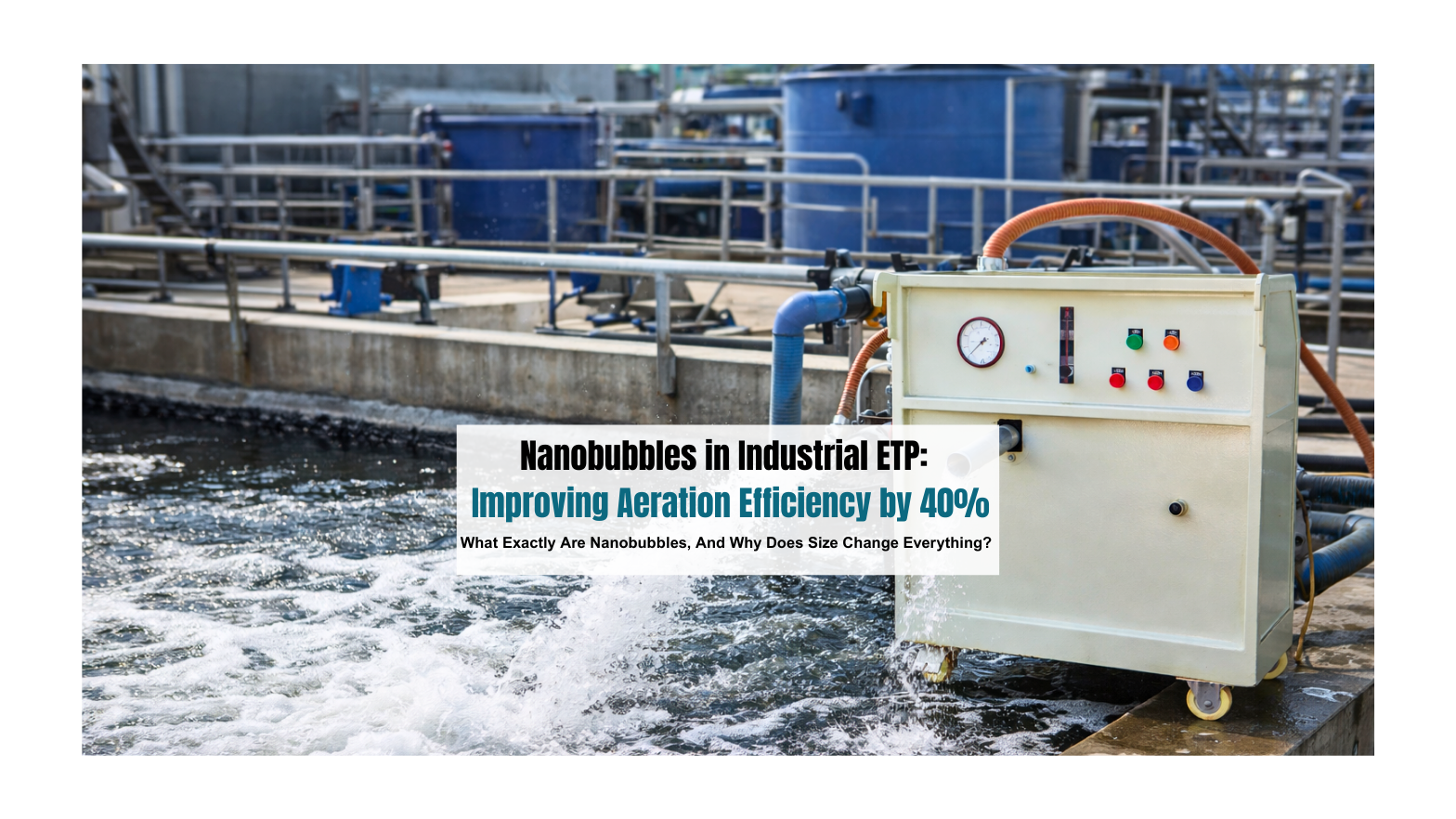
Nanobubbles in Industrial ETP: Improving Aeration Efficiency by 40% 

Water is the UAE’s most politically sensitive resource, and for industrial operators, it is rapidly becoming the most financially dangerous one. The Arabian Peninsula sits atop one of the world’s most water-stressed geographies, and industrial effluent treatment has never carried higher stakes, regulatory, reputational, and economic.

Here is the uncomfortable reality: most industrial Effluent Treatment Plants (ETPs) in Dubai and Abu Dhabi are hemorrhaging operational budgets through one largely overlooked system, aeration. Conventional diffused aeration and surface aerators consume anywhere between 50% to 70% of an ETP’s total energy load. In the UAE’s climate, where ambient temperatures routinely exceed 45°C and reduce dissolved oxygen (DO) saturation to critically low levels in biological treatment tanks, that energy expenditure buys far less oxygen transfer than operators assume.

The result? Biological treatment underperforms. BOD and COD readings breach the thresholds set by Dubai Municipality (DM) Circular 17 and Abu Dhabi Sewerage Services Company (ADSSC) Technical Standards. Penalties follow. Reputational damage follows that.

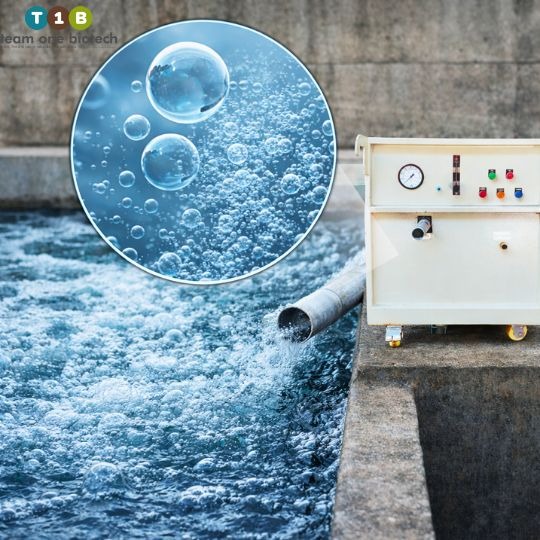
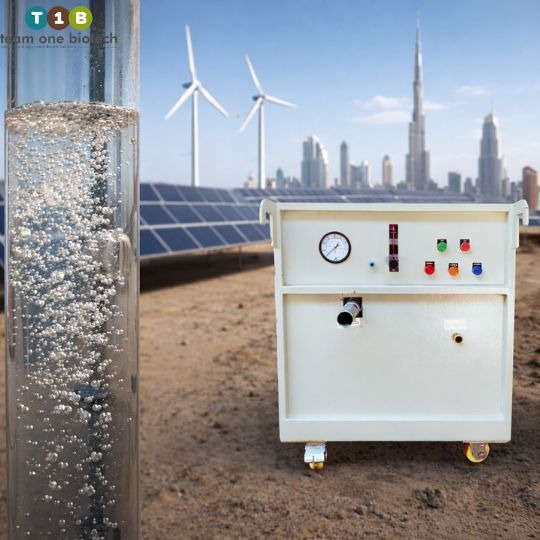
Water Treatment with Nanobubble Generator Technology is the solution every Facility Manager, Sustainability Officer, and plant operator in the Gulf should be looking for; the question is no longer whether their ETP can meet compliance, but whether their aeration strategy is fit for purpose in an environment that actively works against conventional oxygen transfer physics.

What Exactly Are Nanobubbles, And Why Does Size Change Everything?

The physics of bubble-based aeration are straightforward: smaller bubbles mean greater surface area for gas-liquid mass transfer. Conventional coarse-bubble aerators produce bubbles in the 2–5 mm range. Fine-bubble diffusers drop that to 1–3 mm. Both represent incremental improvements on the same fundamental limitation, buoyancy causes bubbles to rise and escape the liquid column rapidly, limiting contact time to fractions of a second.

Nanobubbles (NBs) operate in an entirely different regime.

Nanobubbles are defined as gaseous cavities with diameters below 100 nanometers, roughly 2,500 times smaller than a fine bubble. At this scale, three physical phenomena converge to produce treatment outcomes that conventional aeration simply cannot replicate:

1. Near-Neutral Buoyancy and Extended Residence Time

At sub-100 nm diameters, buoyancy forces are negligible relative to the drag forces exerted by the surrounding liquid. Nanobubbles do not rise and escape, they remain suspended in solution for hours, sometimes days. In a biological aeration basin, this translates directly to prolonged oxygen availability for microbial biomass, even in thermally stratified tanks where DO depletion at depth is a persistent UAE-specific challenge.

2. High Internal Pressure and Accelerated Gas Transfer

Governed by the Young-Laplace equation, the internal pressure of a bubble increases inversely with its radius. A nanobubble at 100 nm diameter carries an internal pressure orders of magnitude higher than a 1 mm fine bubble. This elevated pressure gradient drives oxygen molecules across the gas-liquid interface at significantly accelerated rates, the fundamental mechanism behind the 40% improvement in oxygen transfer efficiency documented in industrial deployments of nanobubble generator UAE systems.

3. Electrostatic Surface Charge and Colloidal Stability

Nanobubbles carry a negative surface charge (zeta potential) that provides electrostatic repulsion between bubbles, preventing coalescence and maintaining population density within the liquid phase. This property also enhances interaction with positively charged suspended solids and biological floc, supporting both biological treatment and physical separation processes.

The 40% Advantage: Breaking Down What This Means for Your ETP’s Bottom Line

When Team One Biotech (T1B) deploys its Nanobubble Generator UAE systems into an industrial ETP, the 40% efficiency improvement is not a marketing figure, it is a measurable, auditable outcome grounded in Standard Oxygen Transfer Rate (SOTR) and Standard Aeration Efficiency (SAE) testing protocols.

Consider what a 40% reduction in aeration energy demand means in practice for a mid-scale industrial ETP in Dubai’s Jebel Ali Industrial Zone processing 500 m³/day of effluent:

  • Baseline aeration energy cost at AED 0.38/kWh: approximately AED 180,000–220,000 annually
  • Post-nanobubble deployment energy savings: AED 72,000–88,000 per year, conservatively
  • Payback period on capital investment: typically 18–30 months depending on plant configuration
  • Reduction in aeration-related CO₂ emissions: directly aligned with UAE Net Zero 2050 decarbonization commitments

Beyond energy, the biological performance gains are equally significant. Elevated and sustained DO levels, maintained at 4–6 mg/L even during peak summer temperatures when conventional systems struggle to hold 2 mg/L, accelerate heterotrophic and nitrifying bacterial activity. In practice, T1B clients document BOD removal efficiencies exceeding 95% in aerobic biological treatment stages, compared to 75–85% with conventional fine-bubble aeration under UAE summer conditions.

This is not marginal optimization. This is the difference between reliable Dubai Municipality Wastewater Compliance and monthly variance reports.

If your ETP has not been benchmarked against nanobubble-enhanced aeration in the last 24 months, you are operating on assumptions that the science has already moved past. Request an efficiency audit from T1B today.

UAE-Specific Challenges That Make Nanobubbles Not Optional, But Necessary

High Salinity Wastewater and Oxygen Transfer Depression

Industrial facilities across Abu Dhabi’s industrial corridors, particularly those involved in produced water handling, brine discharge management, and coastal manufacturing, contend with elevated salinity levels that chemically suppress oxygen transfer coefficients (the alpha and beta factors in aeration design). Saline water holds less dissolved oxygen at saturation, and conventional aeration systems are rarely corrected for this in UAE deployments.

Nanobubble technology exhibits significantly lower sensitivity to salinity-driven oxygen transfer depression due to the pressure-driven transfer mechanism. Where a fine-bubble diffuser may see a 20–30% reduction in effective oxygen transfer in high-TDS produced water streams, T1B’s nanobubble generators maintain transfer rates within 8–12% of freshwater performance benchmarks.

Extreme Temperature and Thermocline Formation

Above 35°C, the oxygen saturation ceiling in water drops precipitously. At 45°C, a realistic surface temperature in an uncovered ETP in July, DO saturation is barely 6.5 mg/L, leaving almost no operational headroom for conventional aerators to maintain the minimum 2 mg/L threshold required by ADSSC Technical Standards for biological treatment performance.

Nanobubble generators integrated with T1B’s bioaugmentation programs (seeding specific microbial consortia adapted to thermophilic UAE conditions) allow biological treatment to remain effective at ambient temperatures where conventional ETPs enter compliance risk.

Sector Deep-Dive: Where Nanobubbles Are Transforming UAE Industry Right Now

Oil and Gas: Produced Water Treatment

Produced water, the largest volume byproduct of hydrocarbon extraction, arrives at treatment facilities loaded with residual hydrocarbons, suspended solids, and often significant hydrogen sulfide. ADNOC onshore facilities and offshore platform operators face escalating scrutiny on produced water discharge quality under UAE environmental frameworks.

T1B’s nanobubble generator UAE systems applied to produced water bioreactors deliver measurable TPH (Total Petroleum Hydrocarbon) degradation improvements by sustaining aerobic conditions in treatment zones that fluctuate violently in organic load. The extended bubble residence time ensures that hydrocarbon-degrading microbial communities are never oxygen-limited during shock loading events, a persistent failure point in conventional produced water ETPs.

Cooling Tower Blowdown: Reducing Chemical Dependence

Industrial cooling towers in Dubai and Abu Dhabi generate blowdown streams that are chemically complex, biologically active, and increasingly regulated under DM Industrial Wastewater Guidelines. Conventional treatment relies heavily on chemical oxidants, which carry their own disposal costs and regulatory footprint.

Nanobubble-enhanced treatment of cooling tower blowdown reduces chemical oxygen demand (COD) through accelerated aerobic biodegradation, and the elevated reactive oxygen species (ROS) generated within collapsing nanobubbles provide a natural biocidal effect that reduces Legionella risk, a growing priority for port authority and hospitality sector facilities in the region.

Aquaculture: Sustainable Water Treatment Meets Food Security

The UAE’s push toward food security under the National Food Security Strategy 2051 has accelerated investment in land-based aquaculture facilities, particularly Recirculating Aquaculture Systems (RAS). Dissolved oxygen management is the single most critical operational parameter in RAS, directly determining fish density, feed conversion ratios, and mortality rates.

T1B’s nanobubble generators installed in RAS oxygenation circuits have demonstrated the ability to maintain DO levels above 8 mg/L in recirculating seawater systems, a benchmark that conventional liquid oxygen injection struggles to achieve economically at scale in the UAE’s climate. The result is higher stocking densities, lower mortality, and a demonstrably more sustainable water treatment footprint.

Meeting Dubai Municipality and ADSSC Standards: T1B as Your Compliance Architecture

Dubai Municipality Circular 17/2016 and ADSSC’s Technical Guidelines on Industrial Effluent set clear discharge quality thresholds: BOD below 20 mg/L, COD below 150 mg/L, TSS below 30 mg/L, and pH within 6–9. For facilities discharging to the sewer network or coastal waters, the compliance burden has never been more rigorously enforced.

T1B’s integrated approach, combining nanobubble generator hardware with precision bioaugmentation using specifically formulated microbial consortia, addresses the root cause of ETP non-compliance: insufficient and inconsistent biological treatment performance. Unlike equipment-only vendors, T1B provides ongoing performance monitoring, microbial health assessments, and process optimization support to ensure that Industrial ETP Efficiency translates into sustained regulatory compliance, not just initial commissioning performance.

Do not wait for a non-compliance notice from Dubai Municipality or ADSSC to initiate your ETP modernization. T1B’s engineering team conducts rapid efficiency audits, contact them before the next inspection cycle.

Aligning with UAE Net Zero 2050: Nanobubbles as a Decarbonization Tool

Aligning with UAE Net Zero 2050: Nanobubbles as a Decarbonization Tool

The UAE’s Net Zero 2050 Strategic Initiative places direct responsibility on industrial operators to reduce Scope 1 and Scope 2 emissions across their operations. Aeration systems, given their energy intensity, are a logical and high-impact decarbonization target.

A 40% reduction in aeration energy consumption across an industrial ETP does not merely save money, it generates verifiable, auditable Scope 2 emission reductions that can be reported against corporate sustainability targets. For organizations pursuing LEED certification, ISO 14001 compliance, or ESG reporting obligations, T1B’s nanobubble deployments provide quantifiable environmental performance data that supports these frameworks directly.

Sustainable Water Treatment is no longer a corporate social responsibility aspiration in the UAE, it is a regulatory and commercial imperative.

Global Accessibility: Source T1B Technology Through the Official Alibaba Store

For procurement teams operating across the UAE and internationally, sourcing advanced nanobubble hardware and microbial formulations through verified, auditable supply chains is a non-negotiable requirement.

Team One Biotech operates a fully verified Official Alibaba Store, providing procurement officers, plant engineers, and international facility managers with direct access to T1B’s complete product range, including nanobubble generator units, replacement components, and proprietary microbial bioaugmentation formulations.

The Alibaba platform provides verified supplier credentials, trade assurance protections, and international shipping logistics support, making T1B’s technology accessible whether your ETP is located in Jebel Ali, the Ruwais Industrial Complex, or internationally across Southeast Asia, South Asia, and Africa.

For UAE-based procurement teams with existing DM or ADSSC vendor approval requirements, T1B’s regional engineering team provides full technical documentation, compliance dossiers, and on-site commissioning support in parallel with Alibaba store procurement.

The platform removes every barrier between your facility’s efficiency gap and the technology that closes it. Visit the T1B Official Alibaba Store today, request a product consultation, and let your procurement team begin the process that your engineering team has already identified as necessary.

One Final Thought for Decision-Makers in Dubai and Abu Dhabi

Every month that an industrial ETP in the UAE runs on conventional aeration is a month of energy cost, biological underperformance, and compliance risk that nanobubble technology could have eliminated. The science is settled. The deployments are documented. The regulatory alignment is direct.

The only remaining variable is whether your organization acts before a non-compliance event, an energy audit, or a competitor’s sustainability report forces the conversation.

T1B’s engineering team is available for rapid ETP efficiency assessments. The audit costs nothing. The delay costs more than you may currently be accounting for.

Looking to improve your ETP/STP efficiency with the right bioculture?
Talk to our experts at Team One Biotech for customised microbial solutions.

Contact+91 8855050575

Email:  sales@teamonebiotech.com

Visit: www.teamonebiotech.com

Discover More on YouTube – Watch our latest insights & innovations!-

Connect with Us on LinkedIn – Stay updated with expert content & trends!
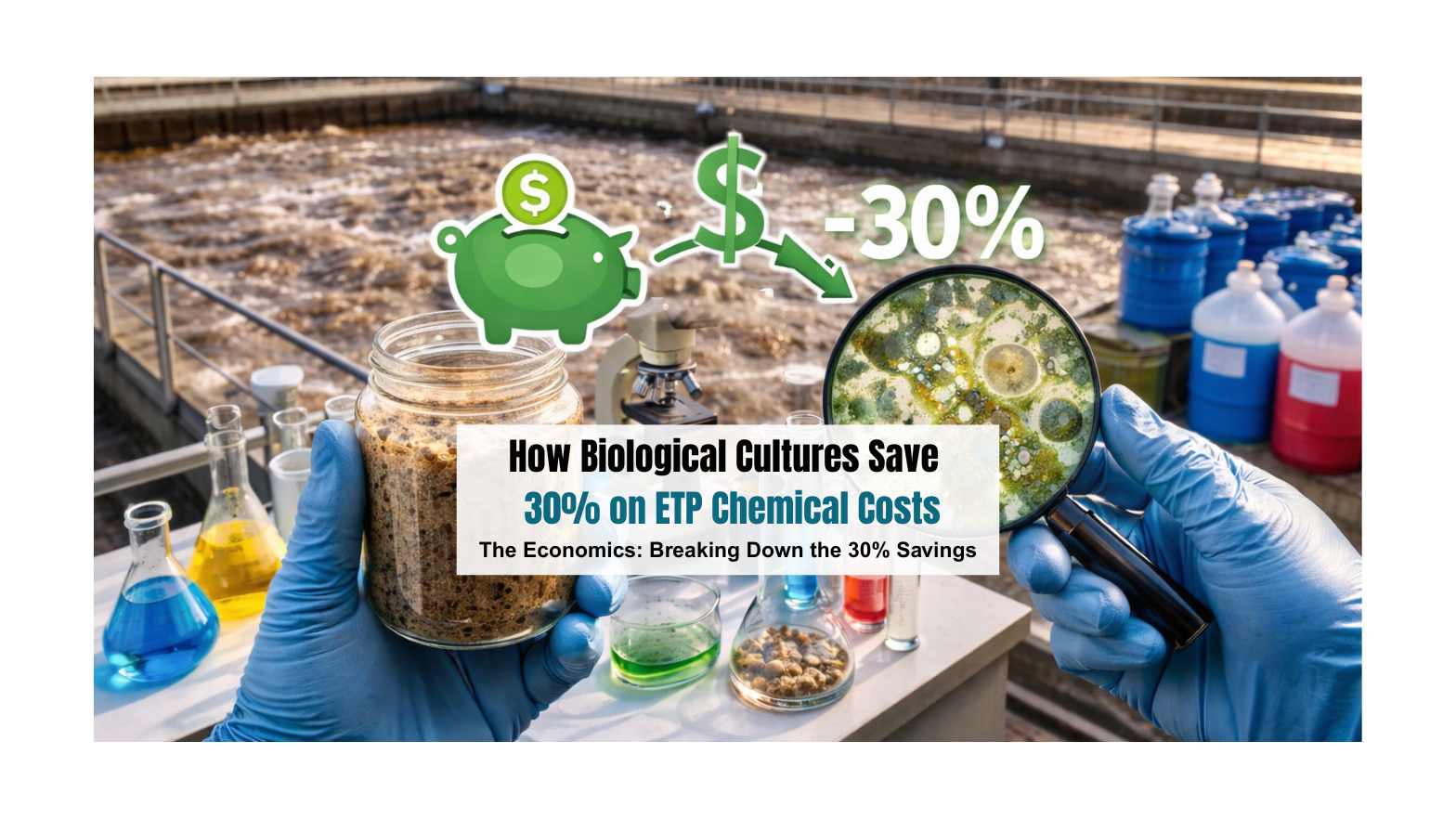
How Biological Cultures Save 30% on ETP Chemical Costs
Case Study: How Biological Cultures Save 30% on ETP Chemical Costs

The email from the State Pollution Control Board landed in Rajesh Kumar’s inbox at 9:47 AM on a Tuesday. As the Environmental Manager of a mid-sized pharmaceutical manufacturing unit in Vapi, Gujarat, he’d been expecting it, but that didn’t make it any easier to read. The SPCB’s latest inspection report flagged elevated COD levels in three consecutive samples. A show-cause notice would follow if the next quarterly audit showed similar results.

Rajesh’s dilemma wasn’t unique. Across India’s industrial clusters, from Tirupur’s textile belt to Kanpur’s tanneries, from Maharashtra’s MIDC zones to Rajasthan’s RIICO estates, ETP managers face the same impossible equation: discharge parameters are getting stricter, chemical costs are rising relentlessly, and the margin for error is shrinking to zero.

[Read: The Ultimate Guide to Industrial Wastewater Treatment and Compliance in India.]

The conventional response? Increase the dosing of Polyaluminium Chloride (PAC), add more lime for pH adjustment, pump in extra coagulants and flocculants. But this approach creates its own trap. Chemical costs spiral upward, consuming 40-60% of operational ETP budgets, while sludge generation doubles, creating secondary disposal headaches. It’s a costly treadmill that never stops.

There’s a different path, one that replaces brute-force chemistry with biological intelligence. This is the story of how one manufacturing facility broke free from chemical dependency and discovered that nature, when properly harnessed, offers a more effective and economical solution.

Is your chemical spend eating into margins while compliance remains uncertain? Let’s audit your current approach, the first step costs nothing but could save lakhs annually.

The Breaking Point: When Chemical Dosing Stops Working

The Breaking Point: When Chemical Dosing Stops Working

The pharmaceutical unit in our case study had been operational for twelve years. Their Effluent Treatment Plant was designed for 250 KLD (kiloliters per day) and had served them adequately, until it didn’t.

The problems began accumulating slowly, then suddenly:

Rising Chemical Costs: Between 2022 and 2024, their monthly chemical procurement jumped from Rs. 2.8 lakhs to Rs. 4.3 lakhs, a 54% increase driven by volatile alum and PAC prices.

Inconsistent Performance: Despite higher dosing, COD levels remained stubbornly above 100 mg/L during peak production cycles, well above the CPCB’s target of 50 mg/L for pharmaceutical effluents.

Monsoon Failures: Gujarat’s monsoon brought hydraulic shocks that overwhelmed the system. Diluted effluent meant recalibrating chemical doses daily, an expensive guessing game.

Sludge Crisis: The facility was generating 8-10 tons of chemical sludge monthly. Disposal costs through TSDF (Treatment, Storage, and Disposal Facilities) added another Rs. 80,000 to monthly expenses.

The plant manager’s frustration was palpable: “We’re pouring more chemicals in, but the numbers aren’t improving proportionally. It’s like trying to mop a floor while the tap is still running.”

This is the reality across Indian manufacturing: chemical treatment has inherent limitations. It doesn’t eliminate organic pollutants, it merely coagulates and separates them. The fundamental biological oxygen demand remains, requiring ever-higher doses as effluent complexity increases.

The Biological Alternative: Understanding Bio-Augmentation

The Biological Alternative: Understanding Bio-Augmentation

The breakthrough came after consultation with Team One Biotech’s technical team. Their assessment was straightforward: the plant’s existing activated sludge process was underperforming because the indigenous bacterial population couldn’t handle the pharmaceutical intermediates in the wastewater stream.

The solution wasn’t to abandon biological treatment, it was to enhance it with specialized microbial cultures specifically selected for pharmaceutical effluent characteristics.

How Biological Cultures Work in ETP Systems:

Bioremediation through bio-augmentation introduces concentrated, specialized bacterial consortia into the treatment system. These cultures are:

Substrate-Specific: Selected strains target specific organic compounds, phenols, aromatics, nitrogenous compounds, that conventional biomass struggles with.

High Cell Density: Delivered at concentrations of 10^9 to 10^11 CFU/gram, they rapidly establish dominance in the treatment tank.

Metabolically Versatile: Capable of breaking down complex molecules into simpler compounds (CO2, H2O, biomass) through enzymatic pathways.

Resilient: Engineered to withstand pH fluctuations, temperature variations, and toxic shock loads common in Indian industrial settings.

The science is elegantly simple: rather than using chemicals to physically separate pollutants, biological cultures metabolize them. COD and BOD reduction happens at the molecular level through oxidation, not through coagulation.

The Implementation: A Three-Phase Transformation

Phase 1: Baseline Assessment and Culture Selection (Weeks 1-2)

Team One Biotech’s field engineers conducted a comprehensive effluent characterization:

  • COD: 850-1,200 mg/L (inlet)
  • BOD: 450-600 mg/L (inlet)
  • pH: 6.2-8.9 (variable)
  • Temperature: 28-38°C
  • Presence of recalcitrant compounds from pharmaceutical synthesis

Based on this profile, a customized microbial consortium was formulated, combining:

  • Bacillus species for general organic degradation
  • Pseudomonas strains for aromatic compound breakdown
  • Specialized facultative anaerobes for pre-treatment of high-strength effluent

Phase 2: Gradual Introduction and Acclimatization (Weeks 3-6)

Rather than shocking the system, the biological cultures were introduced gradually:

  • Initial seeding at 50 ppm in the aeration tank
  • Daily monitoring of MLSS (Mixed Liquor Suspended Solids) and SVI (Sludge Volume Index)
  • Progressive reduction in chemical dosing, first coagulants, then flocculants
  • Maintenance dosing of cultures at 10-15 ppm during acclimatization

The transition wasn’t without challenges. During week four, a production batch containing higher-than-normal solvent residues temporarily disrupted the biological balance. Team One Biotech’s technical support responded with a booster dose and adjusted aeration parameters, a reminder that biological systems require active management, not just passive addition.

Phase 3: Stabilization and Optimization (Weeks 7-12)

By the third month, the transformation was measurable:

Effluent Quality: COD consistently below 45 mg/L, BOD under 8 mg/L, both well within CPCB norms.

Chemical Reduction: PAC consumption dropped from 850 kg/month to 280 kg/month. Lime usage decreased by 40%. Overall chemical spend fell from Rs. 4.3 lakhs to Rs. 2.9 lakhs monthly, a 32.5% reduction.

Sludge Management: Monthly sludge generation decreased to 4-5 tons, cutting disposal costs by nearly 50%.

Operational Stability: The system proved more resilient to hydraulic and organic shock loads. Monsoon season, previously a compliance nightmare, passed without incident.

The Economics: Breaking Down the 30% Savings

Let’s examine the financial transformation with precision:

Pre-Bioremediation Monthly Costs:

  • Alum/PAC: Rs. 1,85,000
  • Lime: Rs. 45,000
  • Coagulant aids: Rs. 38,000
  • Polymer (flocculant): Rs. 62,000
  • Sludge disposal: Rs. 80,000
  • Labour for chemical handling: Rs. 22,000
  • Total: Rs. 4,32,000

Post-Bioremediation Monthly Costs:

  • Alum/PAC (reduced): Rs. 58,000
  • Lime (reduced): Rs. 27,000
  • Biological cultures (maintenance dose): Rs. 65,000
  • Polymer (minimal): Rs. 12,000
  • Sludge disposal: Rs. 42,000
  • Labour (reduced): Rs. 15,000
  • Total: Rs. 2,19,000

Monthly Savings: Rs. 2,13,000 (49.3% reduction)

Even accounting for the conservative 30% savings claim, the annual impact is substantial: Rs. 25-30 lakhs saved, with improved compliance certainty and reduced environmental liability.

But the benefits extend beyond direct cost reduction:

Reduced Carbon Footprint: Lower chemical production and transportation emissions align with ESG commitments increasingly required by international buyers.

Improved SPCB Relations: Consistent compliance creates goodwill with regulatory authorities, reducing inspection frequency and penalty risk.

Operational Simplification: Biological systems require less manual intervention than complex chemical dosing schedules.

Navigating Indian Industrial Realities: Why Location Matters

Navigating Indian Industrial Realities: Why Location Matters

India’s industrial wastewater landscape presents unique challenges that biological solutions are particularly suited to address:

Industrial Cluster Dynamics:

In estates like Gujarat’s GIDC (Gujarat Industrial Development Corporation) or Maharashtra’s MIDC (Maharashtra Industrial Development Corporation), multiple industries share common effluent treatment infrastructure. Effluent characteristics vary wildly, today’s inlet might be textile-heavy, tomorrow’s pharmaceutical-dominant. Biological cultures with broad substrate tolerance handle this variability better than fixed chemical dosing regimes.

Monsoon Hydraulic Shocks:

India’s monsoon season brings 70-80% of annual rainfall in 3-4 months. Sudden dilution can destabilize chemical treatment processes. Robust microbial populations, however, adapt to varying organic loads without complete process failure. The pharmaceutical unit in our case study reported zero compliance failures during the 2024 monsoon, a first in their operational history.

ZLD Compliance Pressures:

States like Tamil Nadu and Karnataka increasingly mandate Zero Liquid Discharge for water-stressed regions. ZLD systems concentrate pollutants, making them harder to treat with chemicals alone. Biological pre-treatment reduces the organic load entering expensive RO (Reverse Osmosis) and evaporator systems, extending membrane life and reducing scaling, a critical advantage in Tirupur’s textile clusters where ZLD is now mandatory.

Temperature Extremes:

Indian summers push effluent temperatures to 38-42°C in unshaded treatment tanks. Many chemical reactions become less efficient at elevated temperatures. Thermotolerant bacterial strains, by contrast, can be selected specifically for high-temperature performance, critical for units in Rajasthan’s RIICO estates or Gujarat’s coastal zones.

Beyond Cost Savings: The Compliance Confidence Factor

Six months after implementation, Rajesh Kumar’s quarterly SPCB inspection results told the story better than any spreadsheet. All parameters were green, not borderline compliant, but comfortably within limits with consistent margin.

“The difference isn’t just financial,” Rajesh explained. “It’s peace of mind. I’m not constantly adjusting chemical doses, not panicking when production increases, not dreading the monsoon. The system is self-regulating within reasonable bounds.”

This confidence has strategic value. With environmental compliance assured, the management has approved a 20% production capacity expansion, growth that would have been impossible under the previous chemical-dependent regime where ETP capacity was already maxed out.

Implementation Considerations: What You Need to Know

Biological treatment isn’t a magic solution that works everywhere without thought. Success requires understanding both the potential and the prerequisites:

When Biological Cultures Work Best:

  • Organic pollutant-dominated effluent (COD/BOD ratio between 1.5:1 and 3:1)
  • Adequate retention time in treatment tanks (minimum 18-24 hours)
  • pH range of 6.5-8.5 (adjustable if needed)
  • Absence of extreme toxicity (heavy metals, biocides at inhibitory concentrations)
  • Committed operational staff willing to monitor biological parameters

When to Exercise Caution:

  • Highly variable effluent with extreme daily fluctuations
  • Dominant inorganic pollutant load (heavy metals, cyanides)
  • Very small treatment systems (below 10 KLD) where economies may not justify transition
  • Operations with frequent extended shutdowns (biological cultures need continuous feeding)

The pharmaceutical unit’s success was partly due to good baseline conditions: a functional activated sludge system, trained operators, and management support for a 90-day transition period.

The Path Forward: Making the Transition

For ETP managers, plant heads, and environmental consultants evaluating this approach, the decision framework is straightforward:

Step 1: Conduct a Chemical Cost Audit

Calculate your current annual spend on coagulants, flocculants, pH adjusters, and sludge disposal. If this exceeds Rs. 30 lakhs annually, you’re in the optimal range for cost-effective biological intervention.

Step 2: Evaluate Your Effluent Profile

High organic loads (COD above 500 mg/L) with moderate biodegradability respond best. A simple lab test, the BOD/COD ratio, tells you if biological treatment can dominate your process.

Step 3: Assess Infrastructure Readiness

Existing aeration systems, adequate retention time, and basic monitoring capability (dissolved oxygen, pH) are essential. Most Indian ETPs built post-2010 already have these.

Step 4: Partner with Specialists

Biological treatment requires technical support during transition. Team One Biotech’s approach includes initial seeding, performance monitoring, troubleshooting support, and culture optimization, not just product supply.

Step 5: Plan for a 90-Day Transition

Budget three months for full stabilization. Early improvements appear within 3-4 weeks, but robust, shock-resistant performance requires establishing a mature, diverse microbial ecosystem.

Chemistry Versus Biology in the New Compliance Era

The 2026 CPCB discharge norms represent the most stringent environmental standards Indian industry has faced. BOD limits of 10 mg/L, COD under 50 mg/L, and increasingly strict heavy metal thresholds cannot be met through chemical brute force alone, not economically, not sustainably.

Biological treatment isn’t replacing chemicals entirely; it’s optimizing their use. In the pharmaceutical unit’s case, they still use some PAC for final polishing and lime for pH adjustment. But these chemicals now play supporting roles in a biologically-driven process, not the starring role in an expensive, inefficient drama.

The 30% cost savings are real and replicable across industries, textiles in Tirupur, food processing in Punjab, chemicals in Vapi, tanneries in Tamil Nadu. But the deeper value lies in transforming wastewater treatment from a compliance burden into a manageable, predictable process.

Every month Rajesh Kumar now saves Rs. 2+ lakhs in chemical costs. Every quarter he passes SPCB inspections without anxiety. Every year his company avoids the risk of production shutdowns that have shuttered competitors in the same industrial estate.

That’s not just cost reduction. That’s competitive advantage.

Looking to improve your ETP/STP efficiency with the right bioculture?
Talk to our experts at Team One Biotech for customised microbial solutions.

Contact+91 8855050575

Email:  sales@teamonebiotech.com

Visit: www.teamonebiotech.com

Discover More on YouTube – Watch our latest insights & innovations!-

Connect with Us on LinkedIn – Stay updated with expert content & trends!
A checklist for CPCB (Central Pollution Control Board) discharge norms for 2026

The rules have changed, and this time, there’s no grace period.

If you’re managing an industrial facility in India, you’ve likely heard whispers about the stringent 2026 CPCB discharge norms. What you might not realize is that these aren’t just recommendations. They’re mandates backed by the Water (Prevention and Control of Pollution) Act, 1974 and the Environment Protection Act, 1986. Non-compliance doesn’t mean a slap on the wrist anymore. It means closure notices, criminal liability, and reputational damage that can take years to recover from.

From the textile dyeing units of Tirupur to the tanneries of Kanpur and the chemical clusters of Vapi, industries across India are facing a stark reality: comply or close. The health of our rivers, the Ganga, Yamuna, and countless others, depends on it. But more immediately, so does the survival of your business.

Navigating the complexities of regulatory standards is essential for any facility aiming for long-term operational success. For detailed insights on maintaining these standards, refer to our Comprehensive stand on Industrial Wastewater Treatment and Regulatory Compliance in India.

This guide breaks down everything you need to know about the 2026 CPCB discharge norms, provides a practical compliance checklist, and shows you how modern bioremediation solutions can help you meet these standards without breaking the bank.

Why the 2026 CPCB Discharge Norms Matter

Why the 2026 CPCB Discharge Norms Matter

The Central Pollution Control Board has tightened effluent discharge standards in response to decades of industrial pollution that has degraded India’s water bodies beyond acceptable limits. State Pollution Control Boards (SPCBs) across the country are now equipped with real-time monitoring capabilities and increased enforcement powers.

What does this mean for you? Simply put, the days of intermittent compliance are over. Your Effluent Treatment Plant (ETP) needs to deliver consistent, verifiable results every single day. And those results need to be documented, monitored online, and reported to regulators in real time.

The 2026 norms represent the most comprehensive overhaul of industrial wastewater treatment standards India has ever seen. They affect textile mills, pharmaceutical plants, tanneries, distilleries, chemical manufacturers, and virtually every water-intensive industry across the country.

Key Effluent Quality Parameters You Must Meet

Key Effluent Quality Parameters You Must Meet

The 2026 standards leave no room for interpretation. Your treated effluent must meet these parameters before discharge into water bodies or municipal sewers:

Primary Discharge Parameters

Biochemical Oxygen Demand (BOD): ≤ 10 mg/L

This is perhaps the most challenging parameter for many industries. BOD measures the amount of oxygen required by microorganisms to break down organic matter in water. The new limit is significantly lower than previous standards and requires advanced biological treatment processes to achieve consistently.

Chemical Oxygen Demand (COD): ≤ 50 mg/L

COD indicates the total amount of oxygen required to oxidize both biodegradable and non-biodegradable organic compounds. Meeting this standard requires effective primary, secondary, and often tertiary treatment stages in your ETP.

Total Suspended Solids (TSS): ≤ 10 mg/L

Suspended solids must be removed to near-drinking water standards. This demands efficient clarification, filtration, and polishing processes.

pH Level: 6.5 to 8.5

Effluent must be neutralized to fall within this narrow range. Extreme pH levels can harm aquatic ecosystems and corrode municipal infrastructure.

Fecal Coliform: ≤ 100 MPN/100 mL

This microbiological parameter is critical, particularly for industries with any domestic sewage component. It requires effective disinfection processes, typically using chlorination, UV treatment, or ozonation.

Ammoniacal Nitrogen (NH₃–N): ≤ 5 mg/L

Ammoniacal nitrogen is a critical nutrient pollutant that can cause oxygen depletion and toxicity in receiving water bodies if not properly controlled. Under the 2026 CPCB norms, achieving this limit requires robust nitrification–denitrification or advanced biological treatment processes. Poor control of ammoniacal nitrogen often indicates inadequate aeration, low microbial activity, or shock loading in the ETP. Consistent monitoring is essential, as elevated NH₃–N levels can lead to non-compliance even when BOD and COD are within limits.

Additional Parameters for Specific Industries

Depending on your sector, you may also need to monitor and control heavy metals (chromium, lead, mercury), total dissolved solids (TDS), oil and grease, phenolic compounds, and other contaminants specific to your manufacturing processes.

Infrastructure and Technology Requirements

Infrastructure and Technology Requirements

Meeting the 2026 norms isn’t just about tweaking your existing ETP. Many facilities will require infrastructure upgrades and process optimization.

Dual Plumbing Systems

Industries generating both sewage and industrial wastewater must now maintain separate collection and treatment systems. You cannot mix these streams until after appropriate treatment. This requirement has significant capital implications for older facilities that were designed with combined systems.

Advanced Treatment Technologies

Traditional primary and secondary treatment may no longer be sufficient. Consider whether your facility needs:

  • Extended Aeration Systems: For achieving ultra-low BOD levels through prolonged biological treatment.
  • Membrane Bioreactors (MBR): Combining biological treatment with membrane filtration for superior effluent quality.
  • Activated Carbon Filtration: For removing persistent organic compounds and color.
  • Reverse Osmosis (RO): Particularly for industries in Zero Liquid Discharge zones.
  • Bioremediation Systems: Leveraging specialized microbial consortia to break down complex pollutants more efficiently than conventional methods.

Zero Liquid Discharge (ZLD) Mandates

Certain industries and geographic areas now fall under ZLD requirements, meaning absolutely no liquid effluent can be discharged. All water must be treated and recycled. ZLD requires sophisticated multi-stage treatment including RO, evaporators, and crystallizers. The capital and operational costs are substantial, making efficiency optimization critical.

Online Continuous Effluent Monitoring Systems (OCEMS)

Online Continuous Effluent Monitoring Systems (OCEMS)

One of the most significant changes in 2026 is the mandatory installation of OCEMS for most medium and large-scale industries.

What OCEMS Measures

Your OCEMS must continuously monitor and transmit data for key parameters including pH, flow rate, TSS, COD, and BOD. This data is sent directly to the SPCB servers in real time, creating a permanent compliance record.

Compliance Implications

There’s no hiding behind monthly sampling anymore. Every deviation, every spike, every malfunction of your ETP is now visible to regulators. This transparency is designed to prevent the “clean up before inspection” practices that plagued enforcement in the past.

Operational Requirements

Your OCEMS must be:

  • Calibrated regularly by certified agencies
  • Maintained to prevent downtime
  • Integrated with your ETP control systems
  • Equipped with automatic alerts for parameter exceedances
  • Protected from tampering (regulatory seals and audit trails)

Sector-Specific Compliance Requirements

While the core parameters apply across industries, certain sectors face additional scrutiny and specialized requirements.

Textile and Dyeing Industries

Tirupur, Surat, and other textile hubs face strict color removal requirements. Your effluent must be free of visible dye content, and advanced oxidation processes or biological color removal systems may be necessary. Given the complex chemistry of modern dyes, bioremediation using dye-degrading microbial strains offers a cost-effective alternative to expensive chemical oxidation.

Tanneries

The leather processing industry faces particularly stringent standards for chromium removal. Total chromium must be reduced to trace levels, and hexavalent chromium must be completely eliminated. Chrome recovery systems and specialized bioremediation protocols for chromium reduction can significantly reduce treatment costs while ensuring compliance.

Distilleries

With extremely high BOD and COD in raw effluent, distilleries require robust primary treatment followed by intensive biological processing. Many distilleries are now exploring biomethanation combined with advanced bioremediation to not only meet discharge norms but also generate renewable energy from their waste.

Pharmaceutical Manufacturing

The pharmaceutical sector generates effluent with antibiotics, active pharmaceutical ingredients (APIs), and other recalcitrant compounds. Conventional ETPs often struggle with these molecules. Specialized microbial consortia capable of degrading pharmaceutical compounds represent a breakthrough in making pharmaceutical wastewater treatment both effective and economical.

Chemical Industries

The Vapi and Ankleshwar clusters are under intense regulatory pressure. Chemical effluent varies widely in composition, requiring customized treatment approaches. The key is process-specific treatment trains that address your particular chemical profile rather than generic solutions.

Old vs. New: What’s Changed in 2026

ParameterPre-2026 Standards2026 StandardsChange
BOD30 mg/L10 mg/L66% reduction
COD250 mg/L50 mg/L80% reduction
TSS100 mg/L10 mg/L90% reduction
pH5.5 to 9.06.5 to 8.5Narrower range
Fecal Coliform1000 MPN/100 mL100 MPN/100 mL90% reduction
OCEMSOptionalMandatoryNew requirement
ZLDLimited sectorsExpanded sectorsWider application
Ammoniacal Nitrogen (NH₃–N)50 mg/L (or not consistently enforced across sectors)≤ 5 mg/LUp to 90% reduction & stricter enforcement

The table tells the story: we’re not talking about minor adjustments. These are fundamental shifts requiring serious process reengineering for most facilities.

How Bioremediation Helps You Stay Compliant

Traditional chemical treatment approaches can meet the 2026 norms, but at what cost? Chemical consumption, sludge generation, energy requirements, and operational complexity all escalate dramatically when pushing for ultra-low discharge parameters.

This is where bioremediation offers a game-changing alternative.

What Is Industrial Bioremediation?

Bioremediation uses carefully selected and cultivated microbial consortia to break down pollutants in industrial wastewater. Unlike generic activated sludge processes, modern bioremediation employs specialized bacterial and fungal strains optimized for specific industrial contaminants.

Advantages for 2026 Compliance

Lower Chemical Costs: Biological treatment replaces or reduces the need for expensive coagulants, flocculants, and oxidizing agents.

Reduced Sludge Generation: Microorganisms convert pollutants into biomass more efficiently than chemical precipitation, resulting in 30-50% less sludge to dispose of.

Energy Efficiency: Advanced bioremediation systems operate at ambient temperatures and pressures, unlike energy-intensive chemical oxidation or thermal processes.

Consistent Performance: Once established, microbial consortia maintain stable treatment performance with less sensitivity to load variations than chemical systems.

Tackles Complex Pollutants: Specialized microbes can degrade compounds that resist conventional treatment, including certain dyes, phenols, and pharmaceutical residues.

Real-World Application

Consider a mid-sized textile unit in Tirupur struggling to meet the new BOD and COD limits. After augmenting their existing ETP with targeted bioremediation cultures, they achieved:

  • BOD consistently below 8 mg/L (versus 15-20 mg/L previously)
  • COD reduced from 80 mg/L to 45 mg/L
  • 40% reduction in chemical consumption
  • 35% less sludge production

The capital investment was modest compared to a complete ETP overhaul, and the payback period was under 18 months through operational savings alone.

Your Compliance Checklist

Use this practical checklist to assess your current readiness for the 2026 CPCB discharge norms:

Effluent Quality Assessment

  • Have you conducted recent comprehensive testing of your final effluent for all 2026 parameters?
  • Do you consistently meet BOD ≤ 10 mg/L?
  • Do you consistently meet COD ≤ 50 mg/L?
  • Do you consistently meet TSS ≤ 10 mg/L?
  • Is your pH consistently between 6.5 and 8.5?
  • Does your fecal coliform count stay below 100 MPN/100 mL?

Infrastructure and Systems

  • Is your ETP capacity adequate for current and projected production volumes?
  • Have you separated sewage and industrial wastewater streams as required?
  • Do you have appropriate primary, secondary, and tertiary treatment stages?
  • Is your ETP operator trained and certified?
  • Do you have a written standard operating procedure for your ETP?
  • Is there a preventive maintenance schedule being followed?

Monitoring and Compliance

  • Have you installed OCEMS as required for your industry category?
  • Is your OCEMS data being successfully transmitted to the SPCB?
  • Are you maintaining required records and laboratory test reports?
  • Do you have a mechanism to respond immediately to parameter exceedances?
  • Have you obtained or renewed your consent to operate under the new norms?

Sector-Specific Requirements

  • Have you identified any special parameters applicable to your industry?
  • Do you meet sector-specific discharge limits for your category?
  • If required, have you implemented ZLD or are you progressing toward it?

Process Optimization

  • Have you evaluated whether your current treatment process can consistently meet 2026 norms?
  • Have you considered upgrading to more efficient biological treatment technologies?
  • Have you explored bioremediation as a cost-effective compliance solution?
  • Do you have a contingency plan for treatment system failures?

Documentation and Legal Compliance

  • Is your consent to establish/operate current and valid?
  • Have you submitted revised consent applications under 2026 norms?
  • Are you maintaining all required records as per SPCB requirements?
  • Have you designated an environmental compliance officer?

Taking Action Before It’s Too Late

If you’ve gone through this checklist and found gaps, you’re not alone. Most industrial facilities in India need to make at least some adjustments to meet the 2026 standards. The question is: will you be proactive or reactive?

The industries that wait for a show-cause notice will face:

  • Forced shutdowns during critical production periods
  • Emergency equipment purchases at premium prices
  • Rushed implementations that may not deliver sustainable results
  • Legal costs and potential criminal prosecution
  • Damage to business relationships and brand reputation

The industries that act now will:

  • Implement solutions systematically with minimal disruption
  • Benefit from better pricing through planned procurement
  • Optimize their solutions for both compliance and operational efficiency
  • Build a reputation as responsible corporate citizens
  • Avoid regulatory actions entirely

Why Team One Biotech

At Team One Biotech, we understand that compliance isn’t just about meeting numbers on paper. It’s about building treatment systems that work reliably, day after day, without consuming your profits in chemicals and energy.

Our bioremediation solutions are designed specifically for Indian industrial conditions. We’ve worked with textile mills in Tamil Nadu, tanneries in Uttar Pradesh, pharmaceutical plants in Himachal Pradesh, and chemical facilities in Gujarat. We understand your operational constraints, your water chemistry, and the regulatory environment you navigate.

We don’t just sell you a product. We partner with you to:

  • Assess your current ETP performance against 2026 norms
  • Identify the most cost-effective pathway to compliance
  • Implement customized bioremediation solutions
  • Provide ongoing support and optimization
  • Help you maintain consistent compliance

The 2026 CPCB discharge norms represent a new era in environmental regulation in India. Industries that embrace this change and invest in sustainable, efficient treatment solutions won’t just survive, they’ll thrive with lower operating costs and enhanced reputation.

Don’t wait for a show-cause notice. Contact Team One Biotech today for a customized bioremediation plan that ensures your facility meets 2026 standards while reducing your treatment costs. Your compliance deadline is approaching. Let’s get started.

Looking to improve your ETP/STP efficiency with the right bioculture?
Talk to our experts at Team One Biotech for customised microbial solutions.

Contact+91 8855050575

Email:  sales@teamonebiotech.com

Visit: www.teamonebiotech.com

Discover More on YouTube – Watch our latest insights & innovations!-

Connect with Us on LinkedIn – Stay updated with expert content & trends!
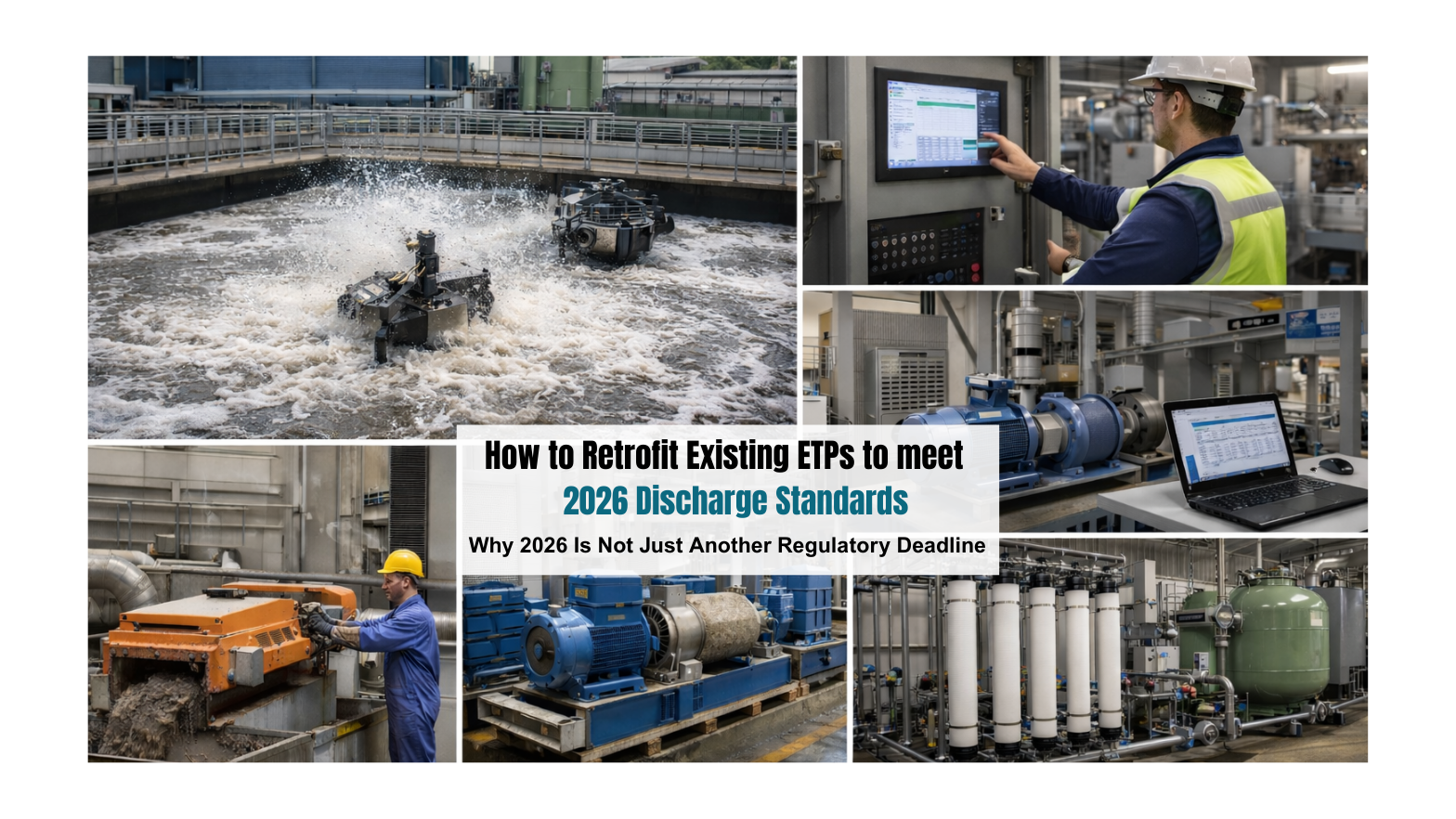
How to Reduce COD and BOD Levels in Textile Effluent Naturally

For textile manufacturers across Tirupur, Surat, Ahmedabad, Panipat, and Ludhiana, the pressure has never been greater. The Central Pollution Control Board (CPCB) and National Green Tribunal (NGT) have tightened environmental norms to unprecedented levels, with BOD limits for inland surface water discharge now fixed at 30 mg/L and COD at 250 mg/L. Non-compliance is no longer met with warnings, it results in immediate closure notices, hefty penalties, and permanent damage to brand reputation.

Beyond regulatory consequences lies a deeper responsibility. The Ganga, Yamuna, and countless other rivers that have sustained Indian civilization for millennia are choking under industrial pollution. As textile manufacturers, you are the custodians of both economic growth and environmental legacy. The question is no longer whether to comply, but how to do so sustainably and cost-effectively.

This is where natural bioremediation for industrial wastewater treatment and compliance in india emerges as the game-changer Indian textile industries have been waiting for.

What Are BOD and COD in Textile Effluent?

What Are BOD and COD in Textile Effluent?

Before addressing solutions, we must understand the problem at a molecular level.

Biological Oxygen Demand (BOD) measures the amount of dissolved oxygen required by aerobic microorganisms to break down organic matter in water. High BOD indicates substantial organic pollution that depletes oxygen levels in water bodies, suffocating aquatic life.

Chemical Oxygen Demand (COD) represents the total quantity of oxygen required to oxidize all organic compounds in water, both biodegradable and non-biodegradable. COD is always higher than BOD and includes synthetic chemicals that biological processes cannot easily break down.

In textile processing, particularly during sizing, desizing, scouring, bleaching, mercerizing, and dyeing, wastewater becomes loaded with:

  • Starch and sizing agents from yarn preparation
  • Waxes, pectins, and oils from natural fibers
  • Complex azo dyes and reactive dyes containing aromatic rings
  • Surfactants and detergents from washing processes
  • Heavy metals like chromium, copper, and zinc from certain dye fixatives
  • Alkalis and acids from pH adjustment stages

These compounds create COD levels that frequently exceed 3,000-5,000 mg/L in raw textile effluent, far beyond CPCB permissible limits. Traditional Effluent Treatment Plants (ETPs) using chemical coagulation and oxidation struggle to consistently achieve compliance, especially with the recalcitrant synthetic dyes that characterize modern textile production.

The Regulatory Landscape: CPCB Wastewater Norms 2026 and Beyond

CPCB Wastewater Norms 2026 and Beyond

The regulatory environment in India has evolved dramatically. The CPCB, under direction from the NGT, has implemented stringent standards that reflect international best practices:

For Inland Surface Water Discharge:

  • BOD: 30 mg/L (previously 100 mg/L in many states)
  • COD: 250 mg/L
  • Total Suspended Solids (TSS): 100 mg/L
  • pH: 5.5-9.0
  • Color: Must be removable to meet visual acceptance criteria

For Land Disposal:

  • Even stricter parameters apply, with BOD limits at 100 mg/L

Zero Liquid Discharge (ZLD) Mandates: Many textile clusters, particularly in water-stressed regions, now face ZLD compliance requirements, meaning every drop of wastewater must be treated and recycled.

State Pollution Control Boards (SPCBs) conduct surprise inspections with real-time monitoring equipment. Non-compliance results in:

  • Immediate production shutdowns
  • Penalties ranging from Rs. 5 lakhs to Rs. 25 lakhs
  • Prosecution under the Water (Prevention and Control of Pollution) Act, 1974
  • Blacklisting from export markets demanding environmental certifications

The harsh reality is that chemical-heavy ETPs are failing to meet these standards consistently. They generate massive sludge volumes, require continuous chemical procurement, and struggle with the color removal essential for visual compliance.

Bioremediation for Industrial Wastewater Treatment

Bioremediation for Industrial Wastewater Treatment

Bioremediation represents a paradigm shift from chemical warfare against pollutants to biological intelligence. Instead of attempting to chemically oxidize every molecule, we harness nature’s own pollution-fighting mechanisms through specialized microorganisms and enzymes.

Bioaugmentation: Engineering Microbial Consortia for Textile Effluent

Bioaugmentation involves introducing highly specialized bacterial and fungal strains specifically selected for their ability to degrade textile pollutants. At Team One Biotech, we have developed microbial consortia that include:

Bacteria:

  • Pseudomonas species for aromatic compound breakdown
  • Bacillus species for complex organic matter degradation
  • Acinetobacter for surfactant biodegradation
  • Anaerobic bacteria for initial dye decolorization

Fungi:

  • White-rot fungi producing powerful lignin-degrading enzymes
  • Aspergillus and Penicillium species for comprehensive organic matter utilization

These microorganisms work in synergy within your existing ETP infrastructure. Unlike chemical treatments that indiscriminately attack all molecules, bioaugmentation is selective, microbes metabolize pollutants as food sources, converting them into harmless CO2, water, and biomass.

The mechanism is elegant: Azo dyes, which constitute 60-70% of textile dyes, contain nitrogen-nitrogen double bonds (N=N) that are resistant to conventional treatment. Specialized bacterial azoreductase enzymes cleave these bonds under anaerobic conditions, followed by aerobic bacteria that completely mineralize the resulting aromatic amines.

This two-stage process achieves COD reduction of 60-80% and BOD reduction of 85-95%, bringing effluent parameters well within CPCB limits.

Enzymatic Treatment: Precision Catalysis for Synthetic Dye Breakdown

While microbial consortia provide comprehensive treatment, enzymatic bioremediation offers targeted precision. Enzymes are biological catalysts that accelerate specific chemical reactions without being consumed.

Key enzymes for textile effluent treatment include:

Laccase: Oxidizes phenolic compounds and aromatic amines from dye degradation Peroxidases: Break down hydrogen peroxide-resistant dyes Azoreductase: Specifically cleaves azo bonds in synthetic dyes Cellulase and Amylase: Degrade sizing agents and finishing compounds

Enzymatic treatment operates under mild conditions (neutral pH, ambient temperature) and produces minimal secondary pollution. When combined with microbial bioaugmentation, enzymes can reduce treatment time by 40-50%, crucial for industries operating at high production volumes.

Economic Benefits: The Business Case for Natural Wastewater Treatment

The Business Case for Natural Wastewater Treatment

Shifting to bioremediation is not merely an environmental compliance strategy, it represents significant operational savings:

Reduced Chemical Costs: Eliminate or drastically reduce consumption of alum, ferric chloride, lime, and expensive oxidizers like hydrogen peroxide. Annual savings typically range from Rs. 15-30 lakhs for medium-sized operations.

Lower Sludge Generation: Chemical coagulation produces 3-5 kg of sludge per cubic meter of wastewater. Biological treatment generates 60-70% less sludge, reducing disposal costs and landfill requirements.

Decreased Energy Consumption: Natural processes require less mechanical aeration. Algal oxygen production can reduce aeration energy by 20-35%.

Compliance Assurance: Consistent parameter achievement eliminates penalty risks and production shutdowns. The cost of a single closure often exceeds the investment in biological treatment systems.

Water Recycling Potential: Biologically treated water is suitable for secondary uses like cooling, gardening, and certain process applications, supporting ZLD compliance and reducing freshwater procurement.

Enhanced Brand Value: Environmental certifications (ISO 14001, GOTS, ZDHC) increasingly demand sustainable wastewater management, opening premium export markets.

Bioremediation Success in Indian Textile Clusters

Across India’s textile heartlands, forward-thinking manufacturers are already experiencing the bioremediation advantage:

Tirupur Textile Cluster: Multiple dyeing units have integrated bioaugmentation into Common Effluent Treatment Plants (CETPs), achieving consistent BOD levels below 20 mg/L and enabling water reuse for up to 40% of non-process applications.

Surat Manufacturing Units: Individual ETPs enhanced with enzymatic treatment systems have reduced color levels by 85-90%, meeting the stringent visual discharge standards that chemical treatment struggled to achieve.

Panipat Processors: Textile processors dealing with heavy sizing loads have deployed microbial consortia specifically tailored for starch and PVA degradation, reducing COD by 70% in primary treatment stages alone.

These are not laboratory experiments, they are operational realities demonstrating that natural wastewater treatment for textile effluent is both technically viable and economically superior.

India’s Transition to Green Chemistry in Textile Processing

India stands at a crossroads. We can continue with chemical-intensive treatment that produces hazardous secondary waste and barely meets compliance standards, or we can embrace biological intelligence that works with nature rather than against it.

The transition to bioremediation represents more than regulatory compliance, it is a commitment to sustainable manufacturing, to preserving the waterways that define Indian heritage, and to building textile industries that future generations will be proud of.

At Team One Biotech, we have dedicated over a decade to developing microbial solutions specifically engineered for Indian industrial conditions. Our bioremediation products are not generic imports, they are formulated from strains isolated and optimized for the exact pollutants, temperatures, and pH ranges found in Indian textile effluent.

Ready to Transform Your Wastewater Treatment System?

The question is simple: Can you afford to continue with outdated chemical treatment when natural solutions offer superior results at lower costs?

Your compliance solution is not in a chemical drum, it is in the intelligence of nature, optimized by science, and delivered by Team One Biotech.

Looking to improve your ETP/STP efficiency with the right bioculture?
Talk to our experts at Team One Biotech for customised microbial solutions.

Contact+91 8855050575

Email:  sales@teamonebiotech.com

Visit: www.teamonebiotech.com

Discover More on YouTube – Watch our latest insights & innovations!-

Connect with Us on LinkedIn – Stay updated with expert content & trends!
Case Study High COD-High TDS effluent treatment and Elimination of MEE (1)
High COD-High TDS effluent treatment and Elimination of MEE
Background

With the head office located at Ankleshwar, this prominent chemical manufacturing company was spending heavily to treat its high COD effluent with high TDS. Their current ETP also did not have any biological system. The company connected us and gave us the challenge not only to treat the High COD effluent with TDS up to, but also to eliminate the use of MEE in order to save cost.

1st Phase: Scrutiny

Our team of experts visited the factory to introspect to identify the scope of improvements.

ETP details:

Flow (current) 400 KLD
Type of process Primary + Tertiary (no Biology)
No of spare tanks 4
Capacity of neutral tank 1 130 KL
Capacity of neutral tank 2 625 KL
Capacity of neutral tank 3 130 KL
Capacity of neutral tank 4 60 KL

Parameters:

Effluent Treated by MEE:

Parameters  Avg. Inlet parameters (PPM)
COD 30000-40000
TDS 150000-180000

Effluent Treated in ETP:

Parameters  Avg. Inlet parameters (PPM)
COD 30000-40000
TDS 20000
Current Scenario

ETP Process:

  • Batch process is followed till neutral effluent storage tank 1.
  • 60 HP pumps are present with a capacity of 80 KL/hr.
  • Both the streams are equalized, while the acidic stream is neutralized at the neutralization tank with lime (400-1500 kg).
  • The supernatant passes through the belt filter while the sludge is passed to the settling tank and then to CF1 and CF2
  • The supernatant is passed to 4 neutral effluent storage tanks one by one through gravity, with capacities 130 Kl, 625 KL, 130 KL, and 60 Kl respectively.
  • No Aeration in Neutral effluent storage tanks.

Wastewater treatment of COD BOD AND MEE Image (1).png

Challenges

Treating high COD was not the actual challenge, but treating the effluent with such high TDS up to 160000 ppm was near impossible, as:

  • Conventional biological wastewater treatment struggles at high Total Dissolved Solids (TDS) levels, especially above 10,000–20,000 ppm.
  • High TDS creates osmotic stress, impairs enzyme function, and can rupture microbial cell membranes.
  • At 160,000 ppm TDS, most microbial communities collapse, making biological COD degradation nearly impossible.
  • T1B Aerobio contains specialised, scientifically selected bio cultures that naturally survive and thrive under extreme salinity and high organic loading.
2nd Phase: The Blueprint

After scrutiny and brainstorming with our R&D, we concluded and agreed to transform the existing ETP setup into a fully-functional ASP-based ETP that can treat high COD of effluent with High TDS.

ETP process optimization:

Action Plan:

  • Conversion of current tanks into biological tanks for COD reduction
  • The Neutral storage tanks of 130 KL AND  625 KL were converted into a biological tank, for which fine bubble diffusers were installed.
  • The third neutral effluent storage tank of capacity 130 KL to be used as a clarifier with the provision of recirculation back to the tank of 625 KL through pumps
  • Elimination of MEE gradually
  • We started with 125 kld flow and eventually took the daily flow to 400 kld.
3rd Phase: Technology and Execution
  1. Selecting biocultures:

T1B Aerobio

Reduces aeration processing in Wastewater treatment. Improves functioning & efficiency of biological units in WTP. Useful in activated sludge process bioreactors & biodigesters

Team One Biotech’s unique microbial preparation “T1B Aerobio” consists of blends of several strains of microorganisms, usually bacteria. These organisms are isolated from nature and are not genetically altered in any way. They are selected based on accelerated reproduction rates and their ability to perform specific functions, such as good floc-forming capabilities, ability to degrade xenobiotic compounds, ability to survive in high TDS, degrade ammonia, sodium acetate, and other nutrients, ability to perform under variable pH & temperature, ability to secrete various enzymes, etc. 

T1B SustainX

  • Our product T1B SustainX is a 100 % replacement of UREA-DAP and other conventional nutrients. It consists: 
    • Organic CarbonPrimary electron donor and carbon source for microbial growth and co-metabolic degradation.
    • Total Nitrogen → Essential for amino acids, nucleic acids, and enzyme production, driving biomass formation.
  • Phosphate Supports ATP synthesis, genetic material integrity, and membrane stability.
  • Calcium Strengthens cell walls, stabilizes enzymes, and enhances bio flocculation and sludge settling.
  • Magnesium → Key cofactor for ribosomes, ATP handling, and enzyme regulation.
  • Sulfur → Needed for sulfur-containing amino acids, coenzymes, and redox balance.

Essential Micronutrient Metal Cofactors + Organic Micronutrient Coenzyme Precursors + Nitrogenous Organic Monomers and Metabolic Precursors

2. Process optimization:

Our target was to achieve MLSS of 3500-4000 in the first 15 days. After that, the WAS was wasted at 15 KLD, and RAS was recirculated at 5 KLD.

Results:

After 60 days of implementation:

Parameters  Primary Outlet) Neutral (aeration) tank 2 Outlet Clarifier Outlet
COD (PPM) 30000 6000                   >3500
COD Reduction ~ 80 % ~ 88 %
TDS (PPM) 160000  160000 160000

Wastewater treatment of COD BOD AND MEE Image.

MEE elimination:

In 90 days, the MEE was completely eliminated, thereby reducing overall wastewater treatment cost by 62%.

Conclusion

With the combined effect of T1B Aerobio bio culture and T1B SustainX – nutrient source and process optimization, the client achieved an 85-90 % COD reduction efficiency in ETP through the biological system, which further increased after the tertiary system. This translated into:

  • Improved microbial activity and settleability.
  • Stable effluent quality, meeting compliance standards.
  • Bio cultures are effective in high TDS effluents.

This case demonstrates how biology-driven solutions, coupled with system know-how, can deliver tangible performance and cost benefits in industrial wastewater treatment.

Looking to improve your ETP/STP efficiency with the right bioculture?
Talk to our experts at Team One Biotech for customised microbial solutions.

Contact+91 8855050575

Email:  sales@teamonebiotech.com

Visit: www.teamonebiotech.com

Discover More on YouTube – Watch our latest insights & innovations!-

Connect with Us on LinkedIn – Stay updated with expert content & trends!
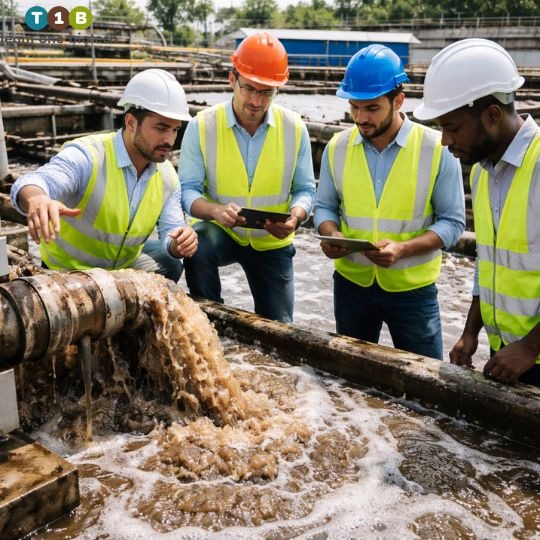
Scan the code