
Zero Liquid Discharge (ZLD): Can Bioremediation Make It Cost-Effective?
The global water crisis continues to intensify, driven by pollution and scarcity. This issue not only threatens current industries but also poses long-term environmental risks. To address these challenges, modern wastewater treatment innovations have introduced Zero Liquid Discharge (ZLD) — a comprehensive system that enables industries to recover, reuse, and recycle water with minimal environmental impact.Upgrade your wastewater management with Team One Biotech — delivering advanced biological treatment solutions that make sustainability and cost-efficiency work together contact us now.
What is Zero Liquid Discharge (ZLD)?
Zero Liquid Discharge is an effluent treatment process designed to ensure that no wastewater is released into the environment. It enables complete water recovery while isolating solid residues such as sludge and salts for disposal.
Industries such as textiles, power plants, chemicals, and pharmaceuticals frequently deal with high TDS, high COD and BOD, and ammonical nitrogen reduction challenges. In such cases, ZLD in wastewater treatment ensures efficient resource utilization while maintaining environmental compliance. The ultimate goal is zero discharge and maximum water reuse.Wastewater treatment is an essential step toward achieving Zero Liquid Discharge, ensuring that every drop of effluent is treated, recycled, and reused to minimize environmental impact.
Illustration of the process:

The Cost Factor in ZLD Implementation
While Zero Liquid Discharge systems are highly effective, they also involve significant CAPEX and OPEX. Implementation can increase wastewater treatment costs by up to 300% when dependent solely on physical and chemical processes. Incorporating biological or anaerobic treatment stages can substantially reduce these expenses and improve long-term sustainability.
How Does a ZLD System Work?
A standard ZLD process integrates physical, chemical, and biological stages to achieve complete recovery. The primary stages include:
1. Pre-Treatment
This step removes suspended solids, oils, and greases through chemical dosing, pH correction, and equalization. It ensures that the influent entering the next stages is stable and easier to process.
2. Biological Treatment
This involves microbial degradation of organic matter to lower COD and BOD levels. Commonly applied in textile, pharma, and tannery industries, it helps minimize scaling, fouling, and odour issues.
3. Reverse Osmosis (RO) / Membrane Bioreactor (MBR)
These systems separate clean water from dissolved salts and pollutants. The permeate is reused within the plant, while the reject moves to the evaporation stage for further concentration and recovery.
4. Evaporation (Multi-Effect Evaporator – MEE)
RO rejects are treated in Multi-Effect Evaporators (MEE) or Mechanical Vapour Recompression (MVR) units. These thermal processes recover clean water through vapor condensation while concentrating the remaining brine.
5. Crystallization
The final step converts concentrated brine into solid form for safe disposal or possible recovery, ensuring complete zero liquid discharge.
Challenges in Sustaining ZLD Operations
Despite its benefits, maintaining Zero Liquid Discharge operations is often difficult due to technical and operational constraints.
High Energy Consumption
Evaporators and crystallizers require large amounts of steam or electricity, accounting for 40–60% of total ZLD OPEX. High COD, TDS, and ammonical nitrogen loads further increase energy consumption.
Scaling and Fouling
Inadequate pre-treatment or high phenol content can lead to scaling and fouling in RO membranes. This reduces permeate recovery, increases cleaning frequency, and shortens membrane life.
Frequent Shutdowns
Industries handling variable effluents—such as textile, dye, and pharmaceutical units—face fluctuations in high COD and BOD loads. This can trigger growth of filamentous bacteria, excess sludge formation, and frequent system shutdowns, increasing operational costs.
Role of Bioremediation in Cost Reduction
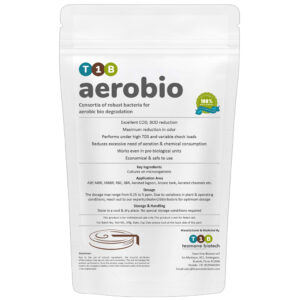
Bioremediation offers a sustainable solution for optimizing effluent treatment in ZLD systems. By utilizing specialized microbial strains bioculture, it enhances organic degradation, minimizes sludge generation, and stabilizes biological processes.
Key benefits include:
1. COD and BOD Reduction
Microbes effectively degrade organic compounds, reducing COD/BOD by up to 90%. This lowers aeration energy and chemical usage, while preventing membrane fouling.
2. Sludge Reduction
Bioremediation converts organic waste into carbon dioxide and water, resulting in minimal sludge accumulation and preventing MEE tube blockage. This reduces power and maintenance requirements.
3. Reduced Evaporator Load
Improved settling and clear supernatant reduce the volume sent to evaporators, cutting down energy demand and improving overall ZLD efficiency.
4. Enhanced Operational Stability
By controlling filamentous bacteria and supporting anaerobic treatment, bioremediation strengthens system resilience, stabilizing operations during variable or shock loads.
Compliance and Environmental Benefits
Implementing bioremediation aligns with NGT, CPCB, and PCB guidelines for zero discharge systems. It ensures reduced reliance on chemicals, improved odour control, and better compliance with national environmental regulations. The approach contributes to sustainable development goals by promoting biological wastewater treatment over purely mechanical systems.
Conclusion: Achieving Cost-Effective Zero Liquid Discharge
Zero Liquid Discharge remains critical for sustainable industrial wastewater management, but its high operational costs require strategic optimization. Incorporating bioremediation enhances biological pre-treatment, reduces sludge generation, and improves overall efficiency, making ZLD more affordable and environmentally responsible.
When properly managed, pretreated effluent acts like a well-balanced system—easier to process, more energy-efficient, and more reliable. Integrating bioremediation ensures long-term operational stability and significant cost savings for industries implementing ZLD in wastewater treatment.Achieve compliance, efficiency, and sustainability in every drop. Get in touch with Team One Biotech for expert-driven ZLD solutions.
To achieve sustainable Zero Liquid Discharge with reduced operational costs, contact Team One Biotech for tailored biological solutions.
As one of the leading biotech companies in India and trusted bioremediation companies in India, Team One Biotech continues to deliver solutions that redefine sustainability across wastewater treatment, agriculture, aquaculture, and hygiene management.
Email: sales@teamonebiotech.com
Visit: www.teamonebiotech.com
Discover More on YouTube – Watch our latest insights & innovations!-
Connect with Us on LinkedIn – Stay updated with expert content & trends!