
Aerobio – Microbial Cultures, Bio Product, Bacteria with Enzymes, Bacterial Culture, Digester Treatment

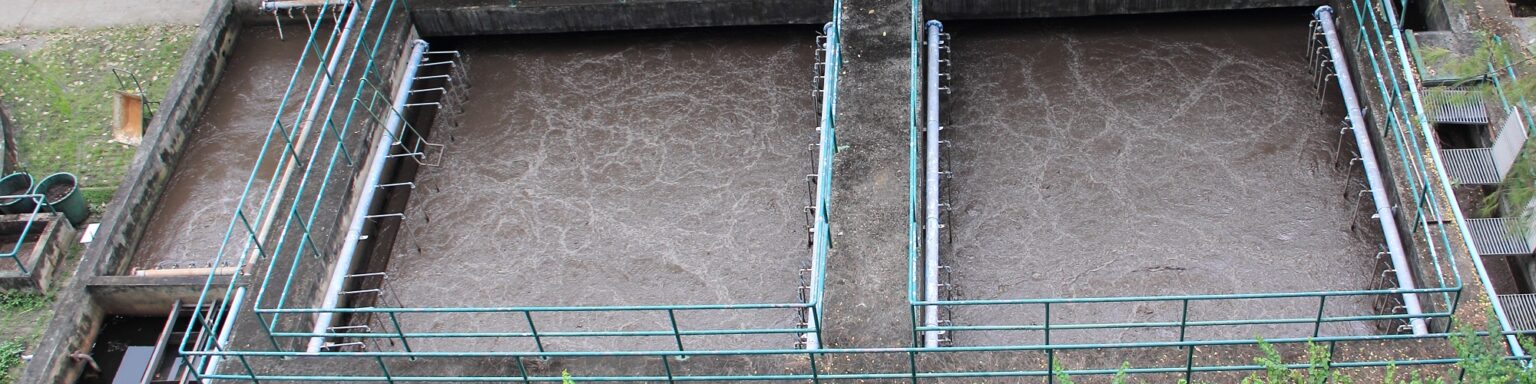
Since aerobic digestion is an integral and important step in wastewater treatment, the health status of activated sludge becomes a fundamental concern for any industrial WWTP or ETP management.

T1B Aerobio is a trustworthy aid to maintain the functionality and productiveness of any wastewater treatment process. T1B Aerobio is tenacious in breaking down organic matter and reducing the biological oxygen demand (BOD) or chemical oxygen demand (COD) levels in wastewater.

With its exceptional tendency to remain conducive even with fluctuating temperature ranges, unstable pH levels, and escalated levels of total dissolved solids or TDS, the T1B Aerobio is a quintessential addition to a wastewater treatment process.

Recalcitrant compounds are hard to degrade chemical substances. Adding T1B Aerobio in sludge waste fortifies the degradation of these harmful compounds. T1B Aerobio is also a robust bioproduct that decomposes xenobiotic compounds effectively. Use of T1B Aerobio will definitely improve the efficiency of various biological process and units like, ASP, MBR, MBBR, SBR, RBC, Trickling Filter. etc. It works under suspension mode as well as attached mode systems.

T1B Aerobio | Microbiome Solution For Aerobic Digestion – Efficient For Reduction Of BOD and COD in wastewater for reclacitrant and xenobiotic compounds

Aerobic Microbial Cultures – Aerobic Bio Product – Aerobic Bacteria With Enzymes – Aerobic Bacterial Cultures – Aerobic Digester Treatment – Wastewater Bioremediation – Bioremediation – Bioaugmentation – Bio Product – High COD/BOD – High Ammoniacal Nitrogen – High TDS – Tough To Biodegrade Efflunet – Xenobiotic Compounds – Reclacitrants – Oil & Grease – Activated Sludge Process – ASP – Microbial Process – Oxygenation – Carbon Dioxide – Nutrient Removal – Aerobic Microorganisms – Sludge Reduction – Secondary Treatment – Respiration – Oxidation – Air Supply – Energy Efficiency – Carbon Footprint – Environmental Benefits – BOD (Biochemical Oxygen Demand) – COD (Chemical Oxygen Demand) – Aeration Tank – Activated Sludge – Activated Sludge Process – SBR (Sequential Batch Reactor) Process – MBR (Membrane BioReactor) Process – MBBR (Moving Bed Biofilm Reactor) process – RBC (Rotating Biological Contactor) Process – MBR-IFAS (Integrated Fixed-film Activated Sludge) Process – ASP (Aeration Stabilization Process) – Extended Aeration Process – Oxidation Ditch Process – Trickling Filter Process – High-Rate Trickling Filter Process – Submerged Aerated Filter Process – Membrane Aerated Biofilm Reactor (MABR) – Biofilm Reactors – Effective Microbes – Effective Microorganisms – High Strength CFU Per Gram – Industrial Wastewater Treatment – ETP – Efflunet Treatment Plant – CETP – Common Effluent Treatment Plant – Improve MLSS – Reduce Aeration – Plant Stability – Enhance Nitrogen And Phosphorus Removal – Commissioning Time of ETP – Rapid Growth Of MLSS and MLVSS – Shock load Stabilization – Overall Cost Of Operation – Faster Commissioning – Reduce COD BOD Ammoniacal Nitrogen – Improved Setteling – Colour Reduction – Aromatic Compounds Cellulose Proteins lignin lipids – High TDS Tolerant – Food Industry Effluent – Beverage Industry Wastewater – Dairy Industry Effluent – Meat Processing Industry – Paper Industry Effluent – Pharmaceutical Industry Effluent – Effluent From Textile Units – Effluent From Chemical Manufacturing Units – Dyes and Colorants Effluent – Detergents Effluent – Active Bioremediation

Anaerobio Bacteria & Treatment – Microbial Culture, Bio Culture & Product, Digestion, Wastewater, Microorganisms, Baffled Reactors (ABRs), Anaerobic Filter

Team One Biotech’s T1B Anaerobio is a unique consortium of anaerobic and facultative microorganisms, including methanogenic, acidogenic, acetogenic, and hydrolytic bacteria, specifically developed to accelerate the breakdown of organic waste and sludge during anaerobic wastewater treatment processes. These specialized microbial strains function efficiently in the absence of oxygen, converting complex organic compounds into simpler molecules that can be further transformed into methane-rich biogas.

The advanced microbiome formulation is highly effective in reducing organic pollutants, industrial waste residues, and volatile organic compounds (VOCs) while enhancing methane production and minimizing the generation of hydrogen sulfide gas. This improves the overall performance and productivity of anaerobic digestion systems, resulting in higher biogas yields and more efficient wastewater treatment operations.

Biomass carryover is a common challenge in anaerobic digesters and can negatively impact reactor efficiency. Maintaining a healthy microbial population with mature granular flocs is essential for preserving a stable sludge blanket within the reactor. T1B Anaerobio supports the formation and stabilization of this sludge blanket, helping retain active biomass and improving treatment efficiency. A well-developed sludge blanket also enhances the removal of suspended solids, fine particles, metals, and dissolved organic compounds from wastewater.

T1B Anaerobio is suitable for a wide range of anaerobic treatment systems, including Upflow Anaerobic Sludge Blanket (UASB) reactors, Expanded Granular Sludge Bed (EGSB) reactors, anaerobic lagoons, anaerobic filters, fluidized bed reactors, biodigesters, and other anaerobic digestion technologies. The product promotes efficient hydrolysis, acidogenesis, acetogenesis, and methanogenesis, ensuring complete and balanced degradation of organic matter.

By strengthening the microbial community within anaerobic reactors, T1B Anaerobio helps improve methane generation, reduce sludge accumulation, lower hydrogen sulfide production, and enhance overall process stability. It also contributes to better alkalinity balance, improved energy recovery, and reduced operational costs. As industries increasingly adopt sustainable wastewater treatment practices and renewable energy solutions, T1B Anaerobio provides an effective biological approach for maximizing anaerobic digestion performance and biogas production.

Key Benefits of T1B Anaerobio:

• Enhances anaerobic digestion efficiency and organic matter degradation.
• Supports hydrolysis, acidogenesis, acetogenesis, and methanogenesis.
• Improves methane generation and renewable energy recovery.
• Reduces hydrogen sulfide formation and associated odour issues.
• Controls biomass carryover and stabilizes sludge blanket formation.
• Accelerates sludge breakdown and reduces sludge handling requirements.
• Suitable for UASB, EGSB, anaerobic lagoons, biodigesters, and ABRs.
• Promotes efficient biodegradation of industrial and municipal wastewater.
• Supports treatment of high-strength organic effluents.
• Improves overall reactor stability, productivity, and treatment performance.

T1B Anaerobio is an advanced anaerobic bio-culture solution designed to optimize wastewater treatment, improve biogas production, and support sustainable environmental management through the power of beneficial microbial consortia.

T1B Anaerobio | Consortium Of Microbes To Process Anaerobic Digestion, Hydrolysis – Can Be Used In Upflow Anaerobic Sludge Blanket Reactor

 Anaerobic Bacteria – Anaerobic Microbial Culture – Anaerobic Bio Culture – Anaerobic Bio Product – Anaerobic Treatment – Anaerobic Digestion – Anaerobic Wastewater Treatment – Anaerobic Filter – Anaerobic Microorganisms – Anaerobic Baffled Reactors (ABRs) – Microbial Strains – Biodegradation – Bioreactor – Methane Production – Organic Matter Removal – Wastewater Treatment – Microbial Consortia – Biogas – Acidogenesis – Methanogenesis – Hydrolysis – Microbial Community – Biomethanation – Temperature – Alkalinity – Sludge Break Down – Removal Of Organic Volatile Compounds VOC’s – Biogas Production – Acetogenesis – Upflow Anaerobic Sludge Blanket Digestion – UASB – Diverse Range Of Bacteria – Advanced Biochemicals – Hydrogen Sulfide And Methane – Bio Digester – Sludge Blanket – Sludge Wasting – Biomass Carryover – Improve Methane Generation – lower Hydrogen Sulfide Production – Enzyme – Bacteria And Enzyme Production – Bio Enzyme For Biogas – Anaerobic lagoon – EGSB (Expanded Granular Sludge Bed) Reactor – Fluidized Bed Reactors – Breakdown Of Organic Matter In The Absence Of Oxygen – Consortium Of Microorganisms – Renewable Energy – Wastewater Treatment – AD Process – Microbial Digestion – Digestate – Green Energy – Energy Efficiency – AD Technology

Scan the code