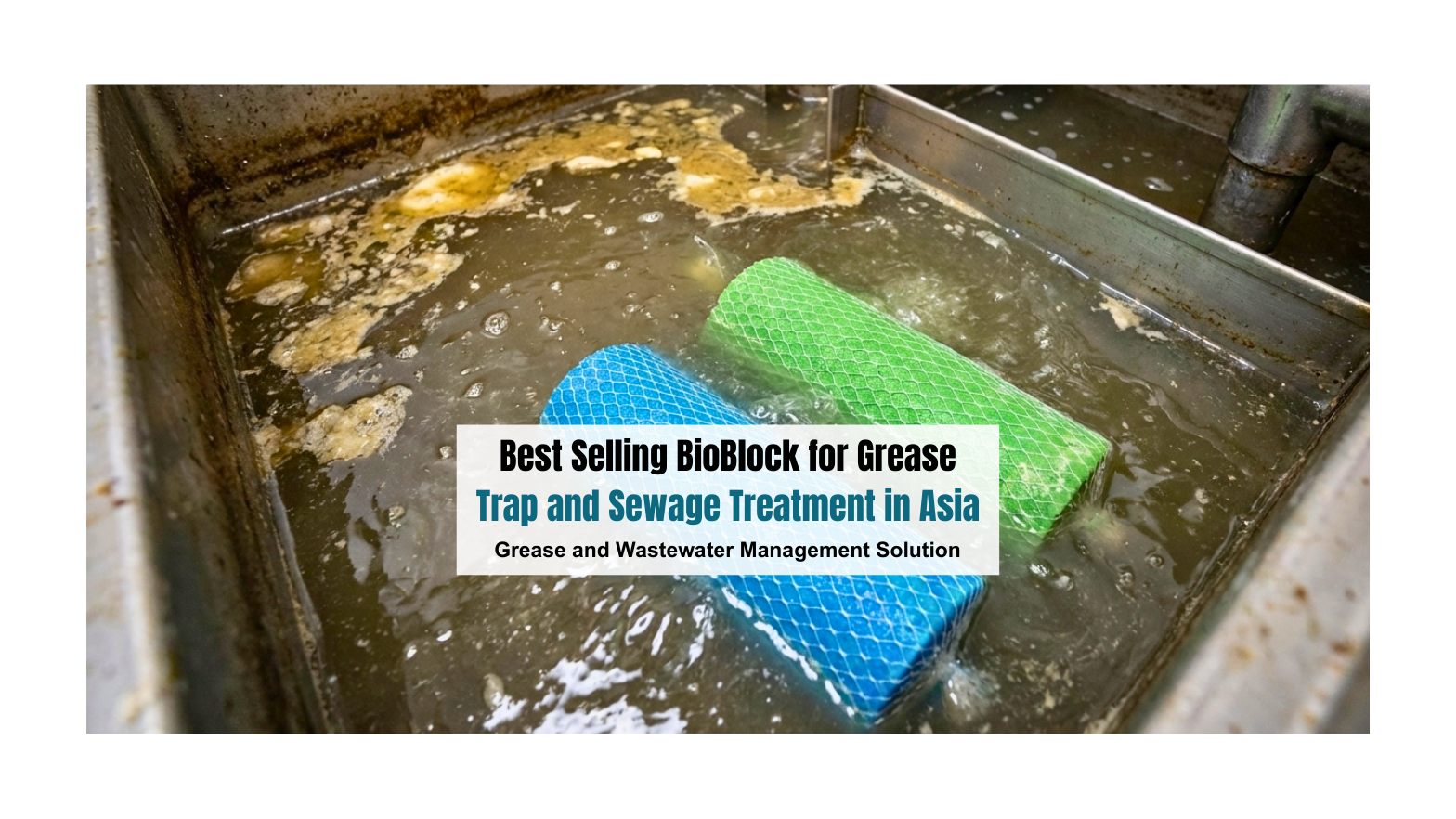
Best Selling BioBlock for Grease Trap and Sewage Treatment in Asia

Revolutionary Grease and Wastewater Management Solution Across Southeast Asia

Across Thailand, Indonesia, Philippines, Vietnam, Malaysia, Singapore, Sri Lanka, Bangladesh, Nepal, Cambodia, Laos and other Asian countries, the demand for effective grease and wastewater treatment solutions is increasing rapidly due to rapid urbanization and industrial growth.

Commercial kitchens, food processing industries, hospitality sectors, and municipal sewage networks face serious challenges related to Fats, Oils and Grease (FOG) accumulation, leading to blocked drainage systems, equipment failure, costly maintenance, and environmental compliance issues.

What is T1B BioBlock?

What is T1B BioBlock?

T1B BioBlock is Asia’s leading bioblock solution for grease trap and sewage treatment, manufactured in India using advanced enzyme and microbial biotechnology. It is the only bioblock manufactured in India that combines specialized enzymes and beneficial microbes in a single slow-release solid block.

The product provides controlled biological activity for 25 days, 45 days, and up to 60 days, making it ideal for Asian tropical climates and high organic wastewater conditions found across Southeast Asian countries.

Why T1B BioBlock Outperforms Traditional Grease Treatment Methods

Why T1B BioBlock Outperforms Traditional Grease Treatment Methods

Dual-Action Enzyme and Microbial Technology

T1B BioBlock contains specialized lipase, protease, and amylase enzymes combined with robust microbial strains including Bacillus species. This combination ensures:

  • Faster breakdown of fats, oils, and grease (FOG)
  • Continuous biological activity without shock loading
  • Superior performance in high-temperature tropical environments
  • Natural biodegradation without harsh chemicals

Slow-Release Technology (25, 45 & 60 Days)

Unlike liquid treatments requiring frequent dosing, T1B BioBlock’s controlled-release formula provides:

  • Uniform enzyme and microbial release over extended periods
  • Reduced labor costs and maintenance frequency
  • Consistent treatment performance 24/7
  • Cost-effective long-term solution

Designed for Asian Wastewater Conditions

T1B BioBlock is specifically formulated to handle:

  • High oil and grease content from Asian cuisine
  • Spicy and acidic wastewater from food processing
  • Tropical temperatures (25°C to 40°C) common in Southeast Asia
  • Variable flow conditions in commercial and municipal systems

Key Application Areas in Commercial and Municipal Sectors
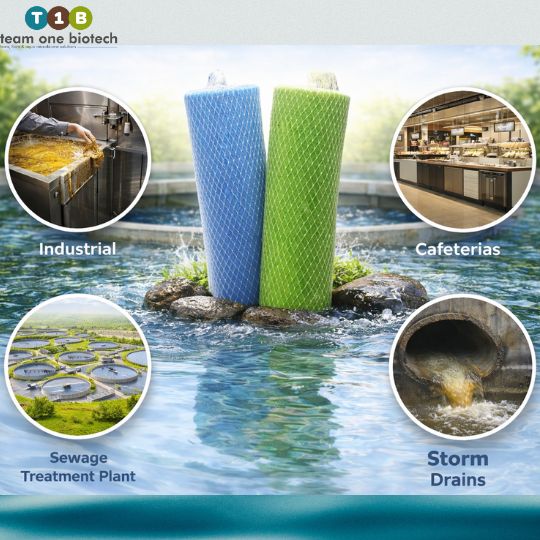
Key Application Areas in Commercial and Municipal Sectors

1. Grease Trap BioBlock for Commercial Kitchens

Ideal for: Hotels, restaurants, food courts, cloud kitchens, hospital kitchens, institutional cafeterias, QSR chains, shopping malls, airport food terminals

Benefits:

  • Reduces grease layer buildup by up to 85%
  • Controls foul odor and hydrogen sulfide emissions
  • Lowers grease trap pumping frequency by 40-60%
  • Improves compliance with local wastewater discharge regulations
  • Prevents downstream pipe blockages and backups
  • Protects against costly fines and operational shutdowns

2. Sewage Treatment Plant BioBlock (STP)

Ideal for: Municipal sewage treatment plants, residential townships, IT parks, commercial complexes, industrial estates, educational institutions

Benefits:

  • Improves Biological Oxygen Demand (BOD) reduction by 30-50%
  • Enhances Chemical Oxygen Demand (COD) removal efficiency
  • Stabilizes activated sludge processes during shock loads
  • Reduces excess sludge generation and disposal costs
  • Improves overall treatment efficiency and effluent quality
  • Supports compliance with environmental discharge standards

3. Pumping Station BioBlock

Ideal for: Wastewater pumping stations handling FOG-laden effluent, municipal pumping infrastructure, industrial wastewater collection systems

Benefits:

  • Prevents grease accumulation on pump impellers and wet wells
  • Protects mechanical equipment from FOG-related damage
  • Reduces emergency maintenance calls and downtime
  • Improves flow efficiency and energy consumption
  • Extends equipment lifespan and reduces capital replacement costs

4. Lift Station BioBlock

Ideal for: Sewer lift stations, underground wastewater collection networks, pressure sewer systems, gravity sewer connections

Benefits:

  • Controls grease and solid accumulation in confined spaces
  • Reduces hydrogen sulfide generation and corrosive odors
  • Prevents sewer overflows (SSO) caused by FOG blockages
  • Extends infrastructure service life and reduces rehabilitation costs
  • Minimizes environmental and public health risks

Geographic Reach: Countries Where T1B BioBlock is Successfully Deployed

T1B BioBlock has established market presence across Asia Pacific region including:

Southeast Asia: Thailand, Indonesia, Philippines, Vietnam, Malaysia, Singapore, Cambodia, Laos, Myanmar, Brunei

South Asia: Sri Lanka, Bangladesh, Nepal, Bhutan, Maldives

Middle East: UAE, Saudi Arabia, Oman, Qatar, Kuwait (growing presence)

Active Ingredients:

  • Lipase enzymes (for fat breakdown)
  • Protease enzymes (for protein degradation)
  • Amylase enzymes (for starch conversion)
  • Beneficial microbial consortium (1 x 10^9 CFU/g minimum)

Environmental Compliance:

  • 100% biodegradable and eco-friendly
  • Chemical-free formulation
  • Safe for operators and environment
  • Non-toxic to aquatic life

Installation and Usage Instructions

  1. Remove protective packaging from BioBlock
  2. Place in grease trap, STP inlet chamber, or wet well where continuous water flow exists
  3. Position on perforated platform or suspend in mesh cage for optimal dissolution
  4. Replace after designated period (25, 45, or 60 days based on variant)
  5. No mixing, dilution or special equipment required

ROI and Cost Benefits for Asian Businesses

  • Reduced pumping costs: 40-60% decrease in grease trap cleaning frequency
  • Lower maintenance expenses: Fewer emergency callouts and equipment repairs
  • Extended equipment life: Protection of costly pumps and treatment infrastructure
  • Compliance savings: Avoid regulatory fines and operational shutdowns
  • Labor efficiency: Minimal installation and monitoring requirements
  • Sustainable solution: Reduces environmental impact and carbon footprint

About the Manufacturer: Team One Biotech

Team One Biotech is a leading Indian manufacturer and exporter of bioremediation solutions with over a decade of expertise in enzyme and microbial biotechnology. The company supplies eco-friendly wastewater treatment products across Asia Pacific region.

T1B BioBlock is the flagship export product supporting sustainable wastewater management in commercial, municipal, and industrial sectors across multiple Asian countries.

Manufacturing Standards:

  • ISO certified production facility
  • Quality control at every production stage
  • Research-backed formulations
  • Export-ready packaging and documentation

Customer Success Stories Across Asia

Indonesia – Hotel Chain: Reduced grease trap cleaning from weekly to monthly, saving $3,000 annually per location

Thailand – Municipal STP: Improved BOD removal efficiency by 35% within 60 days of BioBlock deployment

Philippines – Restaurant Group: Eliminated persistent odor complaints and avoided regulatory penalties

Malaysia – Food Court: Extended grease interceptor service life by 3 years, deferring $15,000 replacement cost

Frequently Asked Questions (FAQs)

Q: How is BioBlock different from liquid enzyme products?

A: BioBlock provides continuous controlled release for 25-60 days, eliminating need for daily dosing and ensuring consistent treatment.

Q: Will BioBlock work in high-temperature Asian climates?

A: Yes, our microbial strains are specifically selected for tropical conditions (25-40°C) common across Southeast Asia.

Q: Is BioBlock safe for stainless steel and PVC systems?

A: Absolutely. BioBlock is non-corrosive and safe for all plumbing materials, equipment, and infrastructure.

Q: Can BioBlock replace mechanical grease removal?

A: BioBlock reduces grease accumulation but should complement, not replace, periodic mechanical cleaning and proper maintenance.

Q: How do I know which variant to choose?

A: Selection depends on system size and FOG load. Contact our technical team for customized recommendations.

How to Order T1B BioBlock for Your Country

T1B BioBlock is available through authorized distributors across Asia or directly from Team One Biotech for bulk orders.

For inquiries, technical support, or distributor partnerships:

  • Visit: [Team One Biotech]
  • Email: [sales@teamonebiotech.com]
  • Phone: [+91 8855050575]

Export Capabilities:

  • Container and LCL shipments available
  • Documentation support for customs clearance
  • Technical training for distributors and end users
  • Customized packaging for specific markets

Conclusion: Leading the Sustainable Wastewater Revolution in Asia

T1B BioBlock represents the future of grease trap management, sewage treatment, and wastewater infrastructure maintenance across Asia. With proven slow-release technology lasting up to 60 days, dual-action enzyme and microbial formulation, and specific design for Asian wastewater conditions, it is one of the most advanced and trusted bioblock solutions available in the Asian market today.

Whether you manage a commercial kitchen in Bangkok, operate a sewage treatment plant in Jakarta, maintain pumping stations in Manila, or oversee municipal infrastructure in Colombo, T1B BioBlock delivers reliable, cost-effective, and environmentally responsible FOG management.

Join hundreds of businesses and municipalities across Asia that have already made the switch to smarter, more sustainable wastewater treatment.

Looking to improve your ETP/STP efficiency with the right bioculture?
Talk to our experts at Team One Biotech for customised microbial solutions.

Contact+91 8855050575

Email:  sales@teamonebiotech.com

Visit: www.teamonebiotech.com

Discover More on YouTube – Watch our latest insights & innovations!-

Connect with Us on LinkedIn – Stay updated with expert content & trends!
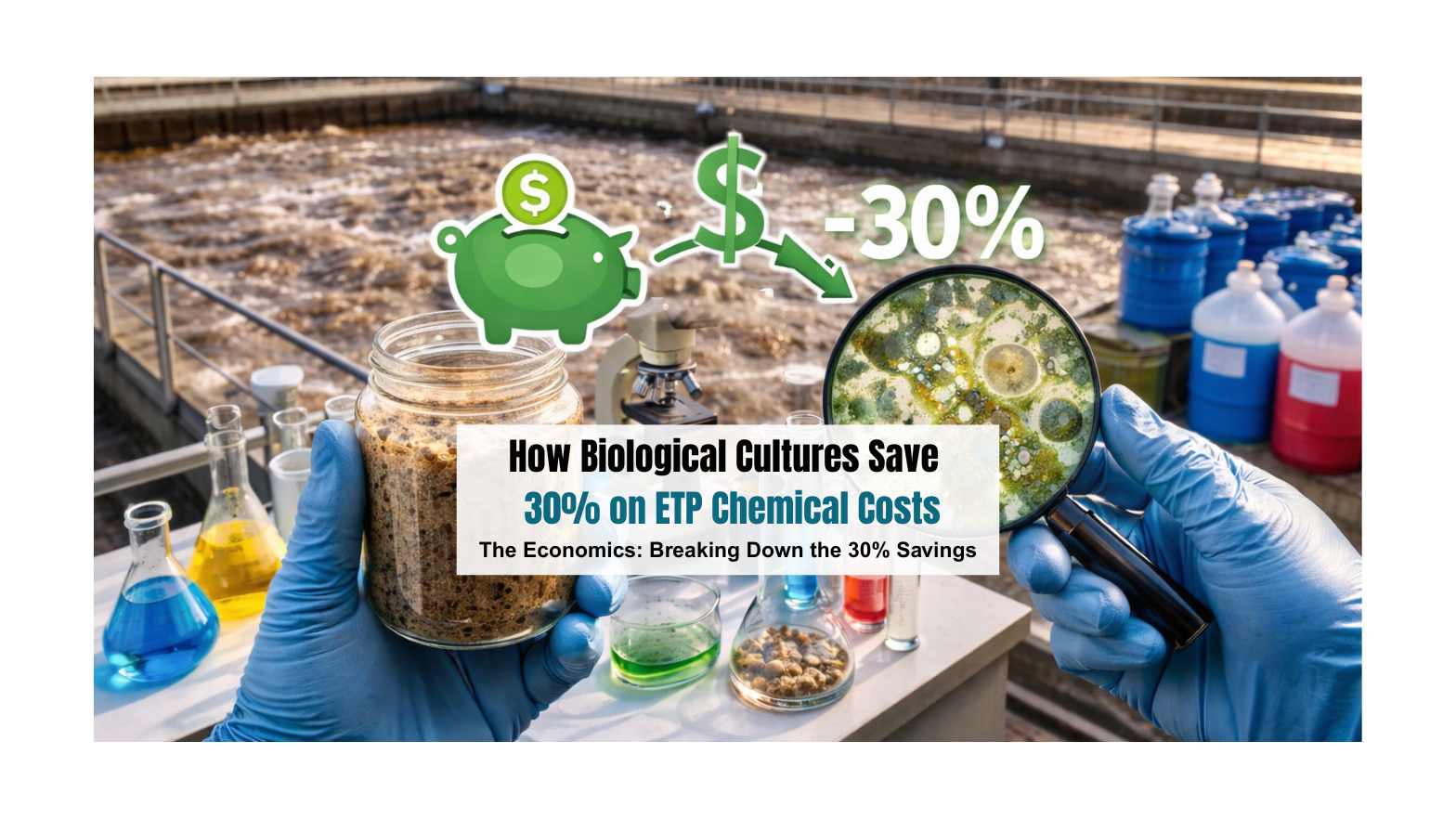
How Biological Cultures Save 30% on ETP Chemical Costs
Case Study: How Biological Cultures Save 30% on ETP Chemical Costs

The email from the State Pollution Control Board landed in Rajesh Kumar’s inbox at 9:47 AM on a Tuesday. As the Environmental Manager of a mid-sized pharmaceutical manufacturing unit in Vapi, Gujarat, he’d been expecting it, but that didn’t make it any easier to read. The SPCB’s latest inspection report flagged elevated COD levels in three consecutive samples. A show-cause notice would follow if the next quarterly audit showed similar results.

Rajesh’s dilemma wasn’t unique. Across India’s industrial clusters, from Tirupur’s textile belt to Kanpur’s tanneries, from Maharashtra’s MIDC zones to Rajasthan’s RIICO estates, ETP managers face the same impossible equation: discharge parameters are getting stricter, chemical costs are rising relentlessly, and the margin for error is shrinking to zero.

[Read: The Ultimate Guide to Industrial Wastewater Treatment and Compliance in India.]

The conventional response? Increase the dosing of Polyaluminium Chloride (PAC), add more lime for pH adjustment, pump in extra coagulants and flocculants. But this approach creates its own trap. Chemical costs spiral upward, consuming 40-60% of operational ETP budgets, while sludge generation doubles, creating secondary disposal headaches. It’s a costly treadmill that never stops.

There’s a different path, one that replaces brute-force chemistry with biological intelligence. This is the story of how one manufacturing facility broke free from chemical dependency and discovered that nature, when properly harnessed, offers a more effective and economical solution.

Is your chemical spend eating into margins while compliance remains uncertain? Let’s audit your current approach, the first step costs nothing but could save lakhs annually.

The Breaking Point: When Chemical Dosing Stops Working

The Breaking Point: When Chemical Dosing Stops Working

The pharmaceutical unit in our case study had been operational for twelve years. Their Effluent Treatment Plant was designed for 250 KLD (kiloliters per day) and had served them adequately, until it didn’t.

The problems began accumulating slowly, then suddenly:

Rising Chemical Costs: Between 2022 and 2024, their monthly chemical procurement jumped from Rs. 2.8 lakhs to Rs. 4.3 lakhs, a 54% increase driven by volatile alum and PAC prices.

Inconsistent Performance: Despite higher dosing, COD levels remained stubbornly above 100 mg/L during peak production cycles, well above the CPCB’s target of 50 mg/L for pharmaceutical effluents.

Monsoon Failures: Gujarat’s monsoon brought hydraulic shocks that overwhelmed the system. Diluted effluent meant recalibrating chemical doses daily, an expensive guessing game.

Sludge Crisis: The facility was generating 8-10 tons of chemical sludge monthly. Disposal costs through TSDF (Treatment, Storage, and Disposal Facilities) added another Rs. 80,000 to monthly expenses.

The plant manager’s frustration was palpable: “We’re pouring more chemicals in, but the numbers aren’t improving proportionally. It’s like trying to mop a floor while the tap is still running.”

This is the reality across Indian manufacturing: chemical treatment has inherent limitations. It doesn’t eliminate organic pollutants, it merely coagulates and separates them. The fundamental biological oxygen demand remains, requiring ever-higher doses as effluent complexity increases.

The Biological Alternative: Understanding Bio-Augmentation

The Biological Alternative: Understanding Bio-Augmentation

The breakthrough came after consultation with Team One Biotech’s technical team. Their assessment was straightforward: the plant’s existing activated sludge process was underperforming because the indigenous bacterial population couldn’t handle the pharmaceutical intermediates in the wastewater stream.

The solution wasn’t to abandon biological treatment, it was to enhance it with specialized microbial cultures specifically selected for pharmaceutical effluent characteristics.

How Biological Cultures Work in ETP Systems:

Bioremediation through bio-augmentation introduces concentrated, specialized bacterial consortia into the treatment system. These cultures are:

Substrate-Specific: Selected strains target specific organic compounds, phenols, aromatics, nitrogenous compounds, that conventional biomass struggles with.

High Cell Density: Delivered at concentrations of 10^9 to 10^11 CFU/gram, they rapidly establish dominance in the treatment tank.

Metabolically Versatile: Capable of breaking down complex molecules into simpler compounds (CO2, H2O, biomass) through enzymatic pathways.

Resilient: Engineered to withstand pH fluctuations, temperature variations, and toxic shock loads common in Indian industrial settings.

The science is elegantly simple: rather than using chemicals to physically separate pollutants, biological cultures metabolize them. COD and BOD reduction happens at the molecular level through oxidation, not through coagulation.

The Implementation: A Three-Phase Transformation

Phase 1: Baseline Assessment and Culture Selection (Weeks 1-2)

Team One Biotech’s field engineers conducted a comprehensive effluent characterization:

  • COD: 850-1,200 mg/L (inlet)
  • BOD: 450-600 mg/L (inlet)
  • pH: 6.2-8.9 (variable)
  • Temperature: 28-38°C
  • Presence of recalcitrant compounds from pharmaceutical synthesis

Based on this profile, a customized microbial consortium was formulated, combining:

  • Bacillus species for general organic degradation
  • Pseudomonas strains for aromatic compound breakdown
  • Specialized facultative anaerobes for pre-treatment of high-strength effluent

Phase 2: Gradual Introduction and Acclimatization (Weeks 3-6)

Rather than shocking the system, the biological cultures were introduced gradually:

  • Initial seeding at 50 ppm in the aeration tank
  • Daily monitoring of MLSS (Mixed Liquor Suspended Solids) and SVI (Sludge Volume Index)
  • Progressive reduction in chemical dosing, first coagulants, then flocculants
  • Maintenance dosing of cultures at 10-15 ppm during acclimatization

The transition wasn’t without challenges. During week four, a production batch containing higher-than-normal solvent residues temporarily disrupted the biological balance. Team One Biotech’s technical support responded with a booster dose and adjusted aeration parameters, a reminder that biological systems require active management, not just passive addition.

Phase 3: Stabilization and Optimization (Weeks 7-12)

By the third month, the transformation was measurable:

Effluent Quality: COD consistently below 45 mg/L, BOD under 8 mg/L, both well within CPCB norms.

Chemical Reduction: PAC consumption dropped from 850 kg/month to 280 kg/month. Lime usage decreased by 40%. Overall chemical spend fell from Rs. 4.3 lakhs to Rs. 2.9 lakhs monthly, a 32.5% reduction.

Sludge Management: Monthly sludge generation decreased to 4-5 tons, cutting disposal costs by nearly 50%.

Operational Stability: The system proved more resilient to hydraulic and organic shock loads. Monsoon season, previously a compliance nightmare, passed without incident.

The Economics: Breaking Down the 30% Savings

Let’s examine the financial transformation with precision:

Pre-Bioremediation Monthly Costs:

  • Alum/PAC: Rs. 1,85,000
  • Lime: Rs. 45,000
  • Coagulant aids: Rs. 38,000
  • Polymer (flocculant): Rs. 62,000
  • Sludge disposal: Rs. 80,000
  • Labour for chemical handling: Rs. 22,000
  • Total: Rs. 4,32,000

Post-Bioremediation Monthly Costs:

  • Alum/PAC (reduced): Rs. 58,000
  • Lime (reduced): Rs. 27,000
  • Biological cultures (maintenance dose): Rs. 65,000
  • Polymer (minimal): Rs. 12,000
  • Sludge disposal: Rs. 42,000
  • Labour (reduced): Rs. 15,000
  • Total: Rs. 2,19,000

Monthly Savings: Rs. 2,13,000 (49.3% reduction)

Even accounting for the conservative 30% savings claim, the annual impact is substantial: Rs. 25-30 lakhs saved, with improved compliance certainty and reduced environmental liability.

But the benefits extend beyond direct cost reduction:

Reduced Carbon Footprint: Lower chemical production and transportation emissions align with ESG commitments increasingly required by international buyers.

Improved SPCB Relations: Consistent compliance creates goodwill with regulatory authorities, reducing inspection frequency and penalty risk.

Operational Simplification: Biological systems require less manual intervention than complex chemical dosing schedules.

Navigating Indian Industrial Realities: Why Location Matters

Navigating Indian Industrial Realities: Why Location Matters

India’s industrial wastewater landscape presents unique challenges that biological solutions are particularly suited to address:

Industrial Cluster Dynamics:

In estates like Gujarat’s GIDC (Gujarat Industrial Development Corporation) or Maharashtra’s MIDC (Maharashtra Industrial Development Corporation), multiple industries share common effluent treatment infrastructure. Effluent characteristics vary wildly, today’s inlet might be textile-heavy, tomorrow’s pharmaceutical-dominant. Biological cultures with broad substrate tolerance handle this variability better than fixed chemical dosing regimes.

Monsoon Hydraulic Shocks:

India’s monsoon season brings 70-80% of annual rainfall in 3-4 months. Sudden dilution can destabilize chemical treatment processes. Robust microbial populations, however, adapt to varying organic loads without complete process failure. The pharmaceutical unit in our case study reported zero compliance failures during the 2024 monsoon, a first in their operational history.

ZLD Compliance Pressures:

States like Tamil Nadu and Karnataka increasingly mandate Zero Liquid Discharge for water-stressed regions. ZLD systems concentrate pollutants, making them harder to treat with chemicals alone. Biological pre-treatment reduces the organic load entering expensive RO (Reverse Osmosis) and evaporator systems, extending membrane life and reducing scaling, a critical advantage in Tirupur’s textile clusters where ZLD is now mandatory.

Temperature Extremes:

Indian summers push effluent temperatures to 38-42°C in unshaded treatment tanks. Many chemical reactions become less efficient at elevated temperatures. Thermotolerant bacterial strains, by contrast, can be selected specifically for high-temperature performance, critical for units in Rajasthan’s RIICO estates or Gujarat’s coastal zones.

Beyond Cost Savings: The Compliance Confidence Factor

Six months after implementation, Rajesh Kumar’s quarterly SPCB inspection results told the story better than any spreadsheet. All parameters were green, not borderline compliant, but comfortably within limits with consistent margin.

“The difference isn’t just financial,” Rajesh explained. “It’s peace of mind. I’m not constantly adjusting chemical doses, not panicking when production increases, not dreading the monsoon. The system is self-regulating within reasonable bounds.”

This confidence has strategic value. With environmental compliance assured, the management has approved a 20% production capacity expansion, growth that would have been impossible under the previous chemical-dependent regime where ETP capacity was already maxed out.

Implementation Considerations: What You Need to Know

Biological treatment isn’t a magic solution that works everywhere without thought. Success requires understanding both the potential and the prerequisites:

When Biological Cultures Work Best:

  • Organic pollutant-dominated effluent (COD/BOD ratio between 1.5:1 and 3:1)
  • Adequate retention time in treatment tanks (minimum 18-24 hours)
  • pH range of 6.5-8.5 (adjustable if needed)
  • Absence of extreme toxicity (heavy metals, biocides at inhibitory concentrations)
  • Committed operational staff willing to monitor biological parameters

When to Exercise Caution:

  • Highly variable effluent with extreme daily fluctuations
  • Dominant inorganic pollutant load (heavy metals, cyanides)
  • Very small treatment systems (below 10 KLD) where economies may not justify transition
  • Operations with frequent extended shutdowns (biological cultures need continuous feeding)

The pharmaceutical unit’s success was partly due to good baseline conditions: a functional activated sludge system, trained operators, and management support for a 90-day transition period.

The Path Forward: Making the Transition

For ETP managers, plant heads, and environmental consultants evaluating this approach, the decision framework is straightforward:

Step 1: Conduct a Chemical Cost Audit

Calculate your current annual spend on coagulants, flocculants, pH adjusters, and sludge disposal. If this exceeds Rs. 30 lakhs annually, you’re in the optimal range for cost-effective biological intervention.

Step 2: Evaluate Your Effluent Profile

High organic loads (COD above 500 mg/L) with moderate biodegradability respond best. A simple lab test, the BOD/COD ratio, tells you if biological treatment can dominate your process.

Step 3: Assess Infrastructure Readiness

Existing aeration systems, adequate retention time, and basic monitoring capability (dissolved oxygen, pH) are essential. Most Indian ETPs built post-2010 already have these.

Step 4: Partner with Specialists

Biological treatment requires technical support during transition. Team One Biotech’s approach includes initial seeding, performance monitoring, troubleshooting support, and culture optimization, not just product supply.

Step 5: Plan for a 90-Day Transition

Budget three months for full stabilization. Early improvements appear within 3-4 weeks, but robust, shock-resistant performance requires establishing a mature, diverse microbial ecosystem.

Chemistry Versus Biology in the New Compliance Era

The 2026 CPCB discharge norms represent the most stringent environmental standards Indian industry has faced. BOD limits of 10 mg/L, COD under 50 mg/L, and increasingly strict heavy metal thresholds cannot be met through chemical brute force alone, not economically, not sustainably.

Biological treatment isn’t replacing chemicals entirely; it’s optimizing their use. In the pharmaceutical unit’s case, they still use some PAC for final polishing and lime for pH adjustment. But these chemicals now play supporting roles in a biologically-driven process, not the starring role in an expensive, inefficient drama.

The 30% cost savings are real and replicable across industries, textiles in Tirupur, food processing in Punjab, chemicals in Vapi, tanneries in Tamil Nadu. But the deeper value lies in transforming wastewater treatment from a compliance burden into a manageable, predictable process.

Every month Rajesh Kumar now saves Rs. 2+ lakhs in chemical costs. Every quarter he passes SPCB inspections without anxiety. Every year his company avoids the risk of production shutdowns that have shuttered competitors in the same industrial estate.

That’s not just cost reduction. That’s competitive advantage.

Looking to improve your ETP/STP efficiency with the right bioculture?
Talk to our experts at Team One Biotech for customised microbial solutions.

Contact+91 8855050575

Email:  sales@teamonebiotech.com

Visit: www.teamonebiotech.com

Discover More on YouTube – Watch our latest insights & innovations!-

Connect with Us on LinkedIn – Stay updated with expert content & trends!
FOG Management for Restaurants in India

When Grease Becomes a Nightmare

It’s the evening of a high-profile Diwali banquet. Your kitchen is running at full throttle, churning out batches of butter chicken, tandoori preparations, and rich biryanis. Then it happens, the floor drain backs up. Greasy water floods the prep area. The stench is unbearable. Your head chef is shouting. Guests are waiting. And somewhere in the back of your mind, you’re calculating the cost: emergency plumber fees, lost reservations, potential health violations, and the dreaded municipal fine that could reach ₹50,000 or more.

This isn’t a hypothetical scenario. It’s the reality facing hundreds of Indian restaurant owners who underestimate the silent killer of commercial kitchens: FOG, Fats, Oils, and Grease.

In a country where ghee flows freely, where every dal tadka is perfected with a generous pour of oil, and where rich gravies define culinary excellence, Biological FOG management isn’t optional. It’s survival.

FOG Crisis in Indian Commercial Kitchens

FOG Crisis in Indian Commercial Kitchens

Why Indian Cuisine Creates Unique FOG Challenges

Indian cooking is inherently oil-intensive. From the tempering of spices in hot ghee to the deep-frying of pakoras and samosas, our cuisine depends on fats that solidify as they cool. When these substances enter your drainage system, they don’t simply wash away. They accumulate, layer by layer, creating blockages that strangle your plumbing infrastructure.

The problem intensifies with:

  • High-volume operations: Wedding caterers and banquet halls processing 500+ meals daily
  • Temperature fluctuations: Hot oil meeting cold drainage pipes creates rapid solidification
  • Spice residues: Turmeric, chili powder, and masala particles bind with grease, forming concrete-like deposits
  • Dairy fats: Ghee, cream, and paneer preparation byproducts that are notoriously stubborn

The “Fatberg” Phenomenon: India’s Growing Urban Crisis

Mumbai’s sewage systems have witnessed fatbergs, massive congealed masses of grease and waste, weighing several tons. Delhi’s drainage department spends millions annually clearing grease blockages from commercial zones. Bangalore’s rapid urbanization has strained its sewage infrastructure, with restaurant effluent identified as a primary contributor.

Your restaurant’s grease doesn’t just disappear. It becomes part of a larger environmental catastrophe that authorities are increasingly determined to control through strict enforcement.

The Regulatory Landscape: Compliance Is Non-Negotiable

The Regulatory Landscape: Compliance Is Non-Negotiable

FSSAI and Grease Management Standards

The Food Safety and Standards Authority of India (FSSAI) mandates that all food business operators maintain hygienic premises, which explicitly includes proper waste disposal systems. License renewal can be jeopardized by evidence of poor grease management or environmental violations.

CPCB/SPCB Effluent Discharge Norms

The Central Pollution Control Board and State Pollution Control Boards have established stringent parameters for commercial kitchen effluent. Restaurants discharging wastewater with excessive FOG content face:

  • Immediate closure notices
  • Fines ranging from ₹25,000 to ₹1,00,000
  • Criminal prosecution under the Water (Prevention and Control of Pollution) Act, 1974

Municipal Regulations in Major Cities

Delhi: The Delhi Jal Board requires mandatory grease trap installation for all commercial kitchens, with quarterly maintenance certificates.

Mumbai: The BMC enforces grease trap capacity based on kitchen size, with surprise inspections and heavy penalties for non-compliance.

Bangalore: BBMP regulations specify grease trap design standards and require biological treatment systems for establishments serving more than 50 meals daily.

The Hidden Costs of FOG Neglect

The Hidden Costs of FOG Neglect

Financial Hemorrhaging You Can’t Afford

Restaurant margins are tight. Every rupee counts. Yet FOG mismanagement creates a cascade of expenses:

Emergency Plumbing Repairs: ₹15,000 to ₹50,000 per incident, often requiring pipe replacement rather than simple clearing.

Downtime Losses: A closed kitchen during lunch or dinner service can mean ₹1-3 lakhs in lost revenue for high-volume establishments.

Pest Infestations: Grease attracts cockroaches, rodents, and flies. Professional pest control contracts cost ₹20,000-40,000 annually, but the reputational damage from a customer posting photos of pests is priceless, in the worst way.

Reputation Damage: In the age of Zomato reviews and Instagram food bloggers, a single hygiene complaint can devastate your business. Studies show that 94% of diners avoid restaurants with poor cleanliness ratings.

Regulatory Fines: Beyond immediate penalties, repeated violations can result in license suspension, forcing complete operational shutdown.

The Environmental Toll

FOG contamination doesn’t just affect your bottom line. When grease enters municipal sewage systems, it:

  • Blocks treatment plant machinery, requiring expensive repairs funded by taxpayers
  • Reduces the efficiency of biological wastewater treatment
  • Contributes to water pollution in rivers and lakes
  • Increases the carbon footprint of waste management operations

As consumers become increasingly environmentally conscious, your restaurant’s ecological responsibility becomes a competitive advantage.

Traditional Methods vs. Modern Bioremediation: A Critical Comparison

The Old Guard: Manual Scraping and Chemical Warfare

For decades, restaurants relied on two approaches:

Manual Grease Trap Cleaning: Labor-intensive, messy, and expensive. Requires complete service disruption, generates hazardous waste, and provides only temporary relief.

Chemical Drain Cleaners: Caustic substances that dissolve organic matter but also corrode pipes, harm beneficial bacteria in sewage treatment plants, and create toxic fumes. These products often contain sodium hydroxide and sulfuric acid, substances that violate environmental regulations when discharged untreated.

The Biological Revolution: How Bioremediation Works

Team One Biotech’s biological FOG management represents a paradigm shift. Instead of fighting nature with harsh chemicals, bioremediation harnesses it.

The Science: Specialized bacterial consortia are introduced into grease traps and drainage systems. These microorganisms produce lipase enzymes that break down fats, oils, and grease into water and carbon dioxide, completely natural byproducts.

The Advantages:

  • Continuous Action: Unlike manual cleaning, beneficial bacteria work 24/7, preventing buildup rather than reacting to it
  • Pipe Preservation: No corrosive chemicals means your plumbing infrastructure lasts longer
  • Odor Elimination: Biological digestion neutralizes foul smells at the source
  • Environmental Safety: 100% biodegradable, CPCB-compliant solutions
  • Cost Efficiency: Reduces cleaning frequency and emergency repairs by up to 70%

Implementing a Comprehensive FOG Management Strategy

Implementing a Comprehensive FOG Management Strategy

Step 1: Assessment and Audit

Every restaurant has unique FOG challenges based on:

  • Menu composition and cooking methods
  • Kitchen size and equipment layout
  • Current grease trap capacity and condition
  • Drainage system age and configuration

A professional grease management audit identifies vulnerabilities and creates a customized treatment protocol. Team One Biotech’s audit service includes thermal imaging to detect hidden blockages, capacity calculations, and regulatory compliance verification.

Step 2: Grease Trap Optimization

Modern grease traps are not mere receptacles; they’re biological reactors when properly managed. Key optimization strategies include:

Proper Sizing: Many restaurants have undersized grease traps inherited from previous tenants. FSSAI recommends capacity calculations based on peak meal volume.

Regular Dosing: Biological treatments work best when bacterial populations are maintained through consistent application schedules.

Temperature Management: Beneficial bacteria thrive at 20-40°C. Excessively hot effluent should be tempered before entering the grease trap.

Step 3: Staff Training and Best Practices

Your kitchen team is the first line of defense. Implement these protocols:

  • Scrape plates thoroughly before washing to minimize solid food waste entering drains
  • Never pour fryer oil directly down drains; collect it for proper disposal or biodiesel conversion
  • Use sink strainers to catch food particles
  • Schedule strategic dosing of biological treatments during low-volume periods for maximum effectiveness

Step 4: Preventive Maintenance Schedule

Transition from reactive crisis management to proactive prevention:

  • Weekly: Visual inspection of grease trap levels and drain flow rates
  • Monthly: Biological treatment application and surface skimming
  • Quarterly: Professional cleaning and bacterial culture refresh
  • Annually: Complete system audit and regulatory compliance documentation

Team One Biotech: Your Partner in Sustainable Kitchen Management

While this guide provides the knowledge framework, implementation requires the right products and expertise. Team One Biotech has pioneered biological wastewater solutions specifically formulated for the Indian hospitality sector.

Key Differentiators:

  • Formulations tested in India’s harshest kitchen environments
  • CPCB-certified and FSSAI-compliant
  • Technical support from environmental engineers who understand Indian cuisine
  • Proven ROI with payback periods of 6-9 months

Real Results: Case Study Snapshot

A 200-seat fine-dining restaurant in South Mumbai was facing ₹40,000 monthly plumbing costs and had received two MPCB violation notices. After implementing Team One Biotech’s comprehensive FOG management program:

  • 90% reduction in emergency plumbing calls
  • Complete elimination of odor complaints
  • ₹4.2 lakhs annual savings on maintenance costs
  • Full regulatory compliance achieved within 60 days
  • Kitchen efficiency improved with zero drain-related downtime

The Future Is Biological: Making the Transition

The hospitality industry is at an inflection point. Regulatory pressure is intensifying. Customer expectations for environmental responsibility are rising. Operational costs demand optimization.

Biological FOG management isn’t a trend, it’s the new standard. Forward-thinking restaurant operators recognize that investing in proper grease management protects their most valuable assets: their reputation, their profitability, and their license to operate.

The question isn’t whether to adopt bioremediation, but how quickly you can implement it before the next crisis strikes.

From Crisis Management to Competitive Advantage

FOG management will never be the glamorous part of restaurant operations. But it’s the foundation that allows everything else to function. When your drains flow freely, your kitchen runs smoothly. When your grease traps are biologically optimized, you’re not just avoiding disasters, you’re building long-term resilience.

In a competitive market where margins are razor-thin and reputation is everything, can you afford to gamble with outdated FOG management approaches?

The restaurants that thrive in the next decade will be those that embraced biological solutions, achieved regulatory excellence, and turned environmental responsibility into a brand differentiator.

The choice is yours. The solution is proven. The time is now.

Looking to improve your ETP/STP efficiency with the right bioculture?
Talk to our experts at Team One Biotech for customised microbial solutions.

Contact+91 8855050575

Email:  sales@teamonebiotech.com

Visit: www.teamonebiotech.com

Discover More on YouTube – Watch our latest insights & innovations!-

Connect with Us on LinkedIn – Stay updated with expert content & trends!
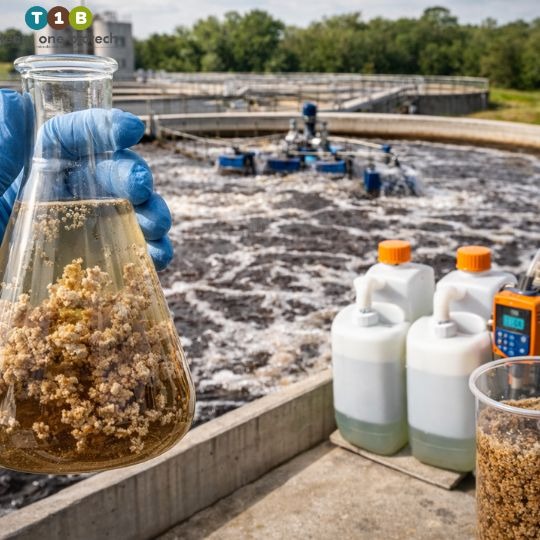
Reducing BOD and COD Using Biological Cultures

When Rivers Die, Industries Follow

The Yamuna receives 3,296 million liters of untreated sewage daily. The Ganga, despite a Rs. 20,000 crore cleanup effort, still registers dissolved oxygen levels so low that fish cannot survive in stretches near Kanpur’s tannery belt. These aren’t just environmental statistics, they’re warnings written in legislative ink.

The Central Pollution Control Board (CPCB) has tightened discharge norms, and State Pollution Control Boards are conducting surprise inspections with penalties that can shut down factories overnight. For industrial plant managers across textiles, pharmaceuticals, food processing, and chemical manufacturing, the question is no longer “How Should we treat wastewater?” but “Can we afford NOT to meet BOD and COD limits?”

Reducing BOD and COD using biological cultures isn’t an emerging technology, it’s the proven solution that’s keeping India’s most successful industries operational while their competitors scramble with outdated chemical treatments. This comprehensive guide reveals why microbial bioremediation has become the cornerstone of modern ETP/STP management in India.

BOD and COD, Beyond the Laboratory Reports

BOD and COD, Beyond the Laboratory Reports

What These Numbers Actually Mean for Your Operation

Biological Oxygen Demand (BOD) measures the amount of dissolved oxygen that aerobic microorganisms need to break down organic matter in water. Think of it as nature’s appetite test, higher BOD means more organic pollution requiring more oxygen to decompose.

Chemical Oxygen Demand (COD) indicates the total quantity of oxygen required to oxidize all organic compounds in water, both biodegradable and non-biodegradable, using strong chemical oxidants. It’s the comprehensive picture of your wastewater’s pollution load.

Here’s the critical insight most operators miss: The BOD/COD ratio tells you whether biological treatment will work.

  • BOD/COD ratio > 0.5: Highly biodegradable, biological cultures will excel
  • BOD/COD ratio 0.3-0.5: Moderately biodegradable, requires optimized microbial consortia
  • BOD/COD ratio < 0.3: Low biodegradability, needs specialized enzymatic pre-treatment

The Indian Industrial Reality: Why Your Numbers Are Stuck

Visit any textile unit in Tirupur or pharmaceutical plant in Hyderabad, and you’ll hear the same frustration: “Our ETP meets BOD limits, but COD refuses to drop below 250 mg/L. SPCB wants us at 100 mg/L or we face closure.”

The reasons are uniquely Indian:

  • High-strength industrial effluent: Our manufacturing processes are water-intensive with concentrated pollutant loads
  • Temperature fluctuations: Summer temperatures above 40°C kill sensitive bacterial cultures
  • Shock loads: Batch manufacturing creates sudden surges that conventional systems can’t handle
  • Mixed waste streams: Combining domestic sewage with industrial effluent creates pH swings and toxic interference
  • Inadequate retention time: Space constraints in urban industrial areas force undersized treatment systems

Why Chemical Treatments Are Becoming Obsolete

Why Chemical Treatments Are Becoming Obsolete

The Hidden Costs of Coagulants and Oxidizers

For decades, Indian industries relied on aluminum sulfate, ferric chloride, and chemical oxidizers to reduce BOD and COD. The appeal was simple: fast results, visible floc formation, and straightforward dosing.

The problems? They’ve been mounting:

Economic Drain:

  • Chemical costs rising 15-20% annually due to import dependencies
  • Massive sludge generation (30-40% more than biological treatment)
  • Sludge disposal costs exceeding Rs. 3,500 per ton in metro cities
  • High electrical consumption for chemical mixing and sludge dewatering

Regulatory Pushback:

  • CPCB now scrutinizes chemical sludge composition for heavy metals
  • Landfills refusing to accept chemically treated sludge without additional processing
  • Groundwater contamination liability extending to sludge disposal sites

Operational Nightmares:

  • Corrosion of pipelines and treatment infrastructure
  • Safety hazards from handling concentrated chemicals
  • Inconsistent results with variable wastewater composition
  • No actual biodegradation, pollutants merely transfer from liquid to solid phase

Most damning? Chemical treatment addresses symptoms, not causes. You’re not reducing pollution; you’re relocating it.

How Biological Cultures Actually Work, The Science Simplified

How Biological Cultures Actually Work, The Science Simplified

Nature’s Solution to Industrial Problems

Biological cultures for wastewater treatment are carefully selected consortia of bacteria, fungi, and enzymes that consume organic pollutants as food. Unlike chemical oxidation, bioremediation using biological cultures converts waste into harmless end products: carbon dioxide, water, and stable biomass.

The Four-Stage Biological Attack on BOD and COD

Stage 1: Enzymatic Hydrolysis (Hours 0-6)

Specialized enzymes break down complex organic molecules, proteins, fats, carbohydrates, and cellulose, into simpler compounds. Think of this as pre-digestion, where large pollutants are cleaved into bacterial-sized portions.

Key Players: Proteases, lipases, amylases, and cellulases

Stage 2: Acidogenesis (Hours 6-24)

Acid-forming bacteria convert the hydrolyzed compounds into volatile fatty acids, alcohols, and hydrogen. This stage reduces COD rapidly but temporarily lowers pH, a critical parameter Team One Biotech’s balanced formulations manage automatically. We have a range of wastewater treatment products.

Key Players: Acidogenic bacteria (Clostridium, Lactobacillus species)

Stage 3: Acetogenesis (Hours 24-48)

Acetogenic bacteria convert the acids and alcohols from Stage 2 into acetic acid, hydrogen, and carbon dioxide, the preferred food for the final stage’s microorganisms.

Key Players: Syntrophic acetogenic bacteria

Stage 4: Methanogenesis & Mineralization (Hours 48-72)

In anaerobic zones, methanogenic bacteria convert acetate into methane and CO2. In aerobic zones, heterotrophic bacteria completely oxidize organic matter to CO2 and water. Both pathways achieve ultimate BOD and COD reduction.

Key Players: Methanogenic archaea, aerobic heterotrophs (Pseudomonas, Bacillus species)

Why Generic Cultures Fail Where Specialized Consortia Succeed

Most off-the-shelf biological products contain 4-6 bacterial strains. Team One Biotech’s industrial-grade formulations utilize 15-30 synergistic strains selected specifically for:

  • High-temperature tolerance (up to 45°C)
  • pH stability (functioning in pH range 5.5-9.5)
  • Shock load resilience (handling 200-300% sudden load increases)
  • Specific pollutant targeting (dyes, phenols, oils, pharmaceutical residues)

This isn’t biology, it’s precision engineering with living organisms.

Team One Biotech’s industrial ETP specialists have helped textile units in Surat, pharmaceutical plants in Baddi, and food processors in Pune achieve consistent CPCB compliance. Our biological cultures are formulated for Indian industrial conditions, not textbook ideal scenarios.

What Makes Our Cultures Different

Not All Bacteria Are Created Equal

The Indian bioremediation market is flooded with products claiming miraculous results. Here’s what separates effective solutions from expensive placebos:

1. Strain Selection Based on Actual Industrial Effluent

Team One Biotech doesn’t formulate in sterile labs using synthetic wastewater. Our research facility in Pune maintains live effluent samples from 40+ industrial categories. Every bacterial strain in our products has proven its performance in real-world conditions, not just in research papers.

2. Bioaugmentation + Biostimulation = Complete Solution

We don’t just add bacteria (bioaugmentation). Our formulations include:

  • Micronutrients: Nitrogen, phosphorus, trace minerals bacteria need
  • Growth factors: Vitamins and cofactors that accelerate metabolism
  • pH buffers: Maintain optimal conditions during treatment
  • Protective compounds: Shield bacteria from toxic shock loads

3. Customization for Your Specific Industry

A tannery’s effluent isn’t a textile mill’s effluent. Our technical team provides:

For Textile Industries:

  • Dye-degrading bacterial consortia (azo dye specialists)
  • Surfactant and sizing chemical removers
  • High-salt tolerance strains

For Pharmaceutical Units:

  • Antibiotic-resistant cultures (ironically necessary)
  • Complex organic compound degraders
  • Heavy metal binders

For Food Processing:

  • High-lipid waste specialists
  • Protein and carbohydrate digesters
  • Odor-control formulations

For Chemical Manufacturing:

  • Phenol and aromatic compound degraders
  • Solvent-metabolizing bacteria
  • Recalcitrant COD specialists

4. Technical Support That Actually Understands Your Plant

When you call our helpline, you speak with environmental engineers who’ve walked hundreds of factory floors, not call center operators reading scripts. We provide:

  • Monthly effluent analysis and dosing adjustments
  • Process optimization recommendations
  • Training for your ETP operators
  • Emergency response for sudden permit violations

Economic Analysis, The Numbers That Matter to CFOs

Real Cost Comparisons from Indian Industries

Let’s examine a medium-sized textile processing unit in Tirupur (daily effluent: 500 KLD, inlet COD: 2,800 mg/L, target: 250 mg/L):

Chemical Treatment (Conventional):

  • Aluminum sulfate: Rs. 45,000/month
  • Polyelectrolyte: Rs. 28,000/month
  • Power consumption (mixing, aeration): Rs. 92,000/month
  • Sludge disposal: Rs. 1,65,000/month
  • Total Monthly Cost: Rs. 3,30,000

Biological Culture Treatment (Team One Biotech):

  • Microbial consortia: Rs. 72,000/month
  • Nutrient supplements: Rs. 18,000/month
  • Power consumption (optimized aeration): Rs. 58,000/month
  • Sludge disposal (60% less volume): Rs. 68,000/month
  • Total Monthly Cost: Rs. 2,16,000

Annual Savings: Rs. 13,68,000

But the real ROI extends beyond direct costs:

  • Zero closure notices: Compliance eliminates production downtime
  • Reduced equipment maintenance: No corrosive chemical damage
  • CSR and ESG benefits: Attract eco-conscious buyers (critical for export-oriented units)
  • Potential for water reuse: Biologically treated water can be recycled for cooling, gardening, toilet flushing

Implementation Roadmap, From Current Crisis to Consistent Compliance

Phase 1: Baseline Assessment (Week 1)

Team One Biotech’s technical team conducts:

  • 72-hour influent and effluent characterization
  • BOD/COD ratio analysis
  • Existing bacterial population assessment
  • Hydraulic retention time calculation
  • Shock load vulnerability testing

Deliverable: Customized bioremediation protocol

Phase 2: System Preparation (Week 2)

Before introducing cultures:

  • Neutralize any residual chemicals from previous treatments
  • Optimize aeration (DO levels 2-4 mg/L for aerobic zones)
  • Adjust pH to 6.8-7.5
  • Ensure nutrient availability (N:P ratio check)
  • Clean and repair diffusers/aerators

Deliverable: ETP readiness certification

Phase 3: Culture Introduction & Acclimatization (Weeks 3-4)

  • Initial high-dose inoculation (10x maintenance dose)
  • Daily monitoring of BOD/COD reduction rates
  • Gradual transition from 100% bacterial digestion reliance
  • Operator training on culture maintenance

Deliverable: Visible BOD reduction (40-60%) by week 4

Phase 4: Optimization & Stabilization (Weeks 5-8)

  • Fine-tuning dosing schedules
  • Introducing maintenance protocols
  • Establishing monitoring routines
  • Documenting standard operating procedures

Deliverable: Consistent discharge within CPCB norms

Phase 5: Long-term Partnership (Month 3+)

  • Monthly culture replenishment
  • Quarterly effluent analysis
  • Annual system audits
  • Access to 24/7 technical helpline

Managing community STPs? Team One Biotech’s residential solutions eliminate odors, reduce maintenance costs by 65%, and ensure CPCB compliance for housing societies across Bangalore, Mumbai, and Gurgaon. Our automated dosing systems require minimal operator intervention.

Troubleshooting Common Challenges in Biological Treatment

Troubleshooting Common Challenges in Biological Treatment

Problem 1: Cultures Work Initially, Then Performance Drops

Root Causes:

  • Toxic shock from sudden chemical discharge
  • Nutrient depletion (bacteria starving)
  • pH drift beyond viable range
  • Temperature stress (especially in summer)

Team One Biotech Solution:

  • Toxicity-resistant backup cultures
  • Slow-release nutrient pellets
  • Automated pH control recommendations
  • Thermophilic bacterial strains for hot climates

Problem 2: BOD Reduces But COD Remains High

Root Causes:

  • Non-biodegradable COD fraction (requires advanced oxidation)
  • Insufficient retention time
  • Inactive biomass accumulation
  • Recalcitrant compounds (certain dyes, phenols)

Team One Biotech Solution:

  • COD-specific enzymatic pre-treatment
  • Extended aeration protocols
  • Bio-augmentation with specialist strains
  • Hybrid biological-advanced oxidation integration

Problem 3: Foaming and Bulking Sludge

Root Causes:

  • Filamentous bacteria overgrowth
  • High surfactant loads
  • Low dissolved oxygen
  • Nutrient imbalance

Team One Biotech Solution:

  • Anti-foam biological agents (non-chemical)
  • Filament-controlling bacterial species
  • Aeration pattern adjustment
  • Micronutrient correction

Regulatory Compliance, What CPCB Actually Checks

Recent CPCB Amendments (2023) You Cannot Ignore:

  • Continuous Effluent Monitoring Systems (CEMS) mandatory for Red category industries
  • Real-time data transmission to SPCB servers
  • Automatic penalties for exceeding limits (no warning notices)
  • Director-level criminal liability for repeat violations

How Biological Cultures Help You Sleep Better:

Unlike chemical treatments that produce results just barely within limits, bioremediation consistently achieves 20-30% below permitted levels, providing a safety buffer during inspections and monsoon dilution variations.

FAQ: Your Most Critical Questions Answered

Q1: How quickly can biological cultures reduce BOD and COD?

For typical industrial effluent, expect 40-60% BOD reduction within 3-4 weeks of proper implementation. COD reduction to CPCB norms usually requires 6-8 weeks as more stubborn compounds need specialized bacterial strains to establish. Team One Biotech’s accelerated formulations can achieve this 30% faster.

Q2: Will biological treatment work during Indian summers when temperatures exceed 40°C?

Standard mesophilic bacteria struggle above 38°C. Our thermophilic consortia remain active up to 55°C. We’ve successfully operated ETPs in Rajasthan and coastal Tamil Nadu where summer ambient temperatures make conventional biological treatment nearly impossible.

Q3: Can we use biological cultures if we’re already using chemical treatment?

Yes, but transition requires care. Residual coagulants and pH adjustment chemicals can inhibit bacterial growth. We recommend a 2-week washout period with gradual biological introduction. Many clients run hybrid systems during transition to maintain compliance.

Q4: How do we store and handle these cultures?

Team One Biotech supplies cultures in powder, liquid, or pellet form depending on your setup. Powder formulations have 18-month shelf life at room temperature. Liquid cultures require refrigeration (2-8°C) but activate faster. No special safety equipment needed, these are non-pathogenic, food-grade organisms.

Q5: What about odor control? Our neighbors complain constantly.

Biological treatment dramatically reduces odors compared to chemical methods. Anaerobic processes in undertreated effluent produce hydrogen sulfide (rotten egg smell). Proper aerobic biological digestion with Team One Biotech’s cultures consumes these odor precursors. Most clients report neighborhood complaints cease within 2-3 weeks.

Q6: Is there a difference between bioremediation and bio-augmentation?

Bioremediation is the broad term for using biological agents to clean pollution. Bio-augmentation specifically means adding specialized microorganisms to existing treatment systems. Biostimulation means optimizing conditions for native bacteria. Team One Biotech provides integrated solutions combining all three approaches.

Q7: Can biological cultures handle heavy metals in our effluent?

Bacteria don’t degrade heavy metals, but certain strains bioaccumulate and immobilize them, reducing dissolved metal concentrations. For electroplating and metal finishing industries, we recommend our heavy-metal binding consortia combined with phytoremediation protocols for final polishing.

Q8: What happens if we stop adding cultures?

Established bacterial populations can self-sustain for 4-6 weeks under stable conditions. However, Indian industrial effluent variability usually requires monthly culture replenishment. Think of it like probiotics for your gut, regular reinforcement maintains optimal performance.

The Biological Revolution Your Industry Needs

Reducing BOD and COD using biological cultures isn’t experimental technology, it’s the proven, economically superior solution that India’s most forward-thinking industries have already adopted. While competitors struggle with rising chemical costs and surprise inspections, your operation can achieve consistent compliance with lower costs, less sludge, and zero environmental guilt.

The choice is stark: continue the chemical treadmill that gets more expensive every year while environmental regulations tighten, or invest in biological solutions that align your profitability with planetary health.

Looking to improve your ETP/STP efficiency with the right bioculture?
Talk to our experts at Team One Biotech for customised microbial solutions.

Contact+91 8855050575

Email:  sales@teamonebiotech.com

Visit: www.teamonebiotech.com

Discover More on YouTube – Watch our latest insights & innovations!-

Connect with Us on LinkedIn – Stay updated with expert content & trends!

Beginner's Guide to Enzyme-Based Waste Breakdown
Beginner’s Guide to Enzyme-Based Waste Breakdown

India generates over 160,000 tonnes of municipal solid waste daily, and our industrial sectors discharge millions of litres of complex effluent that traditional treatment methods struggle to handle. From textile dyeing units in Tiruppur to food processing facilities in Punjab, the waste crisis isn’t just an environmental challenge, it’s a business continuity issue that demands smarter, more sustainable solutions.

What if the answer to breaking down stubborn organic pollutants, reducing treatment costs, and meeting increasingly stringent environmental regulations didn’t come from harsher chemicals, but from nature itself?

Welcome to the world of enzyme-based waste breakdown, a biological approach that’s transforming how Indian industries tackle their most persistent waste management challenges.

What Exactly Is Enzyme-Based Waste Breakdown?

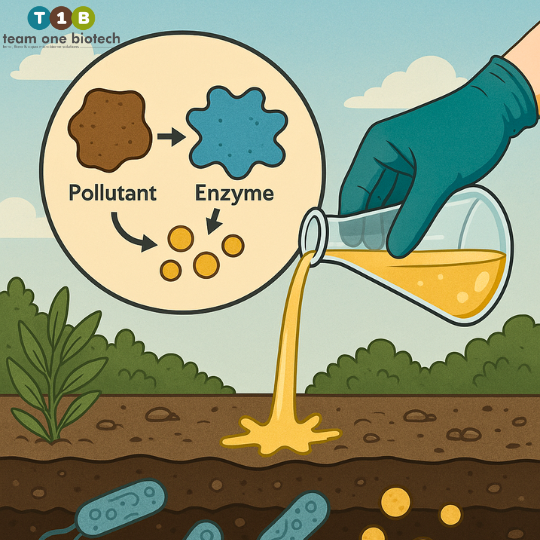
Enzyme-based waste breakdown, also known as enzymatic bioremediation, harnesses the power of naturally occurring biological catalysts to decompose organic pollutants into simpler, harmless substances. Think of enzymes as highly specialized molecular scissors that cut complex waste compounds into manageable pieces that nature can easily absorb.

Unlike conventional chemical treatments that often create secondary pollutants or require extensive pH adjustments, enzymes work at ambient temperatures and neutral pH levels. They’re incredibly specific, targeting particular waste compounds while leaving beneficial organisms untouched, making them ideal for sensitive ecosystems and mixed-waste environments common in Indian industrial zones.

The process mimics and accelerates what already happens in nature. Microorganisms in soil and water naturally produce enzymes to break down organic matter. Enzymatic bioremediation simply concentrates and optimizes these biological tools for industrial-scale waste management.

How Does Enzymatic Bioremediation Actually Work?

How Does Enzymatic Bioremediation Actually Work?

Understanding the mechanics of enzyme-based waste breakdown doesn’t require a biochemistry degree. The process follows a straightforward mechanism that environmental managers can easily grasp and implement.

The Four-Step Breakdown Process:

  1. Enzyme Introduction: Specialized enzyme formulations are introduced to wastewater, contaminated soil, or solid waste streams. These formulations are designed for specific waste types, lipases for fats and oils, proteases for protein-rich waste, cellulases for organic fibres.
  2. Molecular Recognition: Enzymes identify and bind to their target pollutant molecules through a “lock-and-key” mechanism. This specificity means the treatment targets exactly what needs breaking down without disrupting the entire waste matrix.
  3. Catalytic Breakdown: Once bound, enzymes accelerate chemical reactions that split complex organic compounds into smaller molecules. A single enzyme molecule can process thousands of pollutant molecules before becoming inactive, making the process remarkably efficient.
  4. Final Conversion: The breakdown products are simple organic compounds that naturally occurring bacteria can further metabolize into carbon dioxide, water, and biomass, completing the cycle of biological waste management.

Key Factors Influencing Efficiency:

The success of enzyme-based waste breakdown depends on maintaining optimal conditions. Temperature, pH levels, oxygen availability, and the presence of enzyme inhibitors all affect performance. However, modern enzyme formulations designed for Indian industrial conditions are remarkably robust, functioning effectively even in challenging environments like high-temperature textile effluent or variable-pH food processing waste.

The Compelling Benefits of Choosing Eco-Friendly Waste Treatment

The Compelling Benefits of Choosing Eco-Friendly Waste Treatment

For facility managers evaluating bioremediation solutions in India, enzyme-based systems deliver advantages that extend far beyond basic compliance.

Environmental Advantages:

  • Zero Toxic Residuals: Unlike chemical treatments that can leave harmful by-products, enzymatic bioremediation produces only biodegradable end products
  • Reduced Chemical Oxygen Demand (COD): Particularly crucial for industries facing strict discharge limits, enzymes can reduce COD levels by 60-85% in industrial effluent
  • Lower Sludge Generation: Biological waste management produces significantly less sludge compared to chemical precipitation methods, reducing disposal costs and landfill burden
  • Odour Control: Enzymes effectively neutralize the volatile compounds responsible for unpleasant smells in waste water treatment facilities and solid waste management sites

Operational Benefits:

  • Cost Efficiency: While initial enzyme costs may seem higher, the reduction in chemical purchases, sludge disposal, and energy consumption delivers substantial long-term savings
  • Simpler Operations: Enzyme systems require less monitoring and adjustment than chemical dosing systems, reducing labour requirements
  • Compatibility: Enzymatic bioremediation integrates seamlessly with existing treatment infrastructure, no need for complete system overhauls
  • Scalability: Solutions scale easily from small manufacturing units to large municipal solid waste treatment facilities

Regulatory Compliance:

With the Central Pollution Control Board tightening discharge standards and state pollution control boards conducting more frequent inspections, enzyme-based solutions help industries meet, and exceed, environmental parameters consistently. The natural, non-toxic nature of enzymatic treatment also positions companies favourably for green certifications and sustainable supply chain requirements from international buyers.

Ready to see how enzyme-based solutions can transform your specific waste challenges? Explore Team One Biotech’s range of specialized enzyme formulations designed for Indian industrial conditions, or request a consultation to assess your facility’s needs.

Real-World Applications: Enzymatic Bioremediation Across Indian Industries

The versatility of enzyme-based waste breakdown makes it applicable across diverse sectors facing unique waste management challenges.

Textile and Dyeing Industries

The textile hubs of Tiruppur, Surat, and Ludhiana discharge effluent laden with synthetic dyes, sizing agents, and finishing chemicals. Traditional treatment struggles with colour removal and persistent organic compounds. Enzyme formulations combining laccases and peroxidases break down complex dye molecules, achieving decolourization rates exceeding 90% while reducing BOD and COD to permissible limits.

Food and Beverage Processing

Dairy plants, fruit processing units, and breweries generate high-strength organic waste with elevated fat, protein, and carbohydrate content. Lipase and protease enzyme blends accelerate the breakdown of these compounds in pre-treatment systems, preventing clogging in downstream biological treatment and dramatically reducing the load on municipal sewage systems.

Municipal Solid Waste Management

Urban local bodies struggling with overflowing landfills and composting challenges are deploying enzyme accelerators to speed up organic waste decomposition. These formulations reduce composting time from 90-120 days to just 45-60 days, producing nutrient-rich compost while minimizing leachate problems and methane emissions.

Pharmaceutical and Chemical Manufacturing

Industries producing complex organic compounds face stringent discharge requirements for emerging contaminants. Customized enzyme cocktails targeting specific pharmaceutical residues and chemical intermediates provide an effective pre-treatment step before conventional biological treatment.

Oil and Petroleum Sector

Hydrocarbon-contaminated soil and oily wastewater from refineries and storage facilities respond well to lipase and esterase treatments. These enzymes break down petroleum compounds that would otherwise persist in the environment for decades, facilitating faster site remediation and groundwater protection.

Implementing Enzyme-Based Solutions: What You Need to Know

Implementing Enzyme-Based Solutions: What You Need to Know

Transitioning to enzymatic bioremediation doesn’t mean abandoning your existing infrastructure or expertise. The implementation process is straightforward when approached systematically.

Assessment Phase:

Begin with a comprehensive waste characterization. Understanding your waste composition, COD/BOD ratios, specific pollutants, flow rates, and temperature ranges, helps identify the most appropriate enzyme formulations. Reputable bioremediation solutions providers in India offer free initial assessments to determine suitability.

Pilot Testing:

Before full-scale deployment, conduct pilot trials to optimize dosing rates and contact times for your specific conditions. This step prevents over-application and ensures cost-effective treatment. Most enzyme manufacturers provide technical support during pilot phases.

Integration Strategies:

Enzyme-based waste breakdown works best when integrated at strategic points in your treatment train:

  • Primary Treatment Stage: Enzyme addition in equalization tanks breaks down complex compounds before biological treatment
  • Activated Sludge Enhancement: Enzyme dosing in aeration tanks boosts microbial activity and improves settling characteristics
  • Tertiary Polishing: Post-biological enzyme treatment removes residual organics for stringent discharge requirements

Monitoring and Optimization:

Track key performance indicators, COD/BOD reduction, colour removal, sludge generation, and operational costs, to demonstrate ROI and refine dosing protocols. Modern enzyme formulations show measurable improvements within 7-14 days of consistent application.

Thinking about how enzyme-based waste breakdown could work in your facility? Download our comprehensive case study showing 70% COD reduction in a textile dyeing unit, or speak with our technical team about customized solutions for your industry.

Overcoming Common Concerns About Biological Waste Management

Overcoming Common Concerns About Biological Waste Management

Despite proven effectiveness, some environmental managers hesitate to adopt enzymatic bioremediation due to misconceptions. Let’s address the most common concerns directly.

“Enzyme treatments are too expensive.”

While per-litre costs may initially appear higher than bulk chemicals, total cost of ownership tells a different story. Factor in reduced sludge disposal, lower energy consumption, minimal pH adjustment chemicals, and decreased regulatory penalties, and enzyme systems often deliver 25-40% cost savings over traditional methods.

“Enzymes are too sensitive for our harsh waste.”

Modern enzyme formulations designed for industrial applications are remarkably robust. Stabilization technologies protect enzyme activity across wide pH ranges (4-10) and elevated temperatures (up to 60°C). Pre-treatment may be necessary for extreme conditions, but most Indian industrial waste falls well within enzyme tolerance ranges.

“The results take too long.”

While complete mineralization of pollutants does take time, measurable improvements in key parameters occur rapidly. Most facilities observe 30-50% COD reduction within the first week of enzyme application, with optimal results achieved within 2-4 weeks of consistent use.

“Our team lacks the expertise to manage enzyme systems.”

One of enzymatic bioremediation’s greatest advantages is operational simplicity. Dosing systems resemble conventional chemical feed setups, and reliable suppliers provide comprehensive training and ongoing technical support. Many facilities successfully manage enzyme-based systems with their existing staff.

The Future Is Biological: Why Now Is the Time to Transition

India’s environmental landscape is evolving rapidly. Stricter regulations, growing consumer awareness, and increasing scrutiny from international partners make sustainable waste management not just ethical, it’s essential for business survival and growth.

Enzyme-based waste breakdown represents a proven, mature technology that aligns perfectly with India’s environmental goals and industrial needs. As chemical treatment costs rise and disposal options become more restricted, biological waste management offers a clear path forward.

The technology continues to advance. Researchers are developing enhanced enzyme formulations for emerging contaminants, including microplastics and pharmaceutical residues. Companies investing in eco-friendly waste treatment today position themselves as environmental leaders while building operational resilience for tomorrow’s challenges.

Your Next Steps Toward Cleaner, More Sustainable Operations

Understanding enzyme-based waste breakdown is just the beginning. The real transformation happens when you move from knowledge to action.

Team One Biotech has helped hundreds of Indian facilities across manufacturing, municipal, and industrial sectors implement effective enzymatic bioremediation solutions. Our formulations are specifically designed for Indian waste characteristics, climate conditions, and regulatory requirements.

Whether you’re facing discharge limit violations, dealing with odour complaints, struggling with high treatment costs, or simply seeking to enhance your sustainability profile, enzyme-based solutions offer a practical, proven path forward.

Contact Team One Biotech today for a complimentary waste assessment and discover how enzymatic bioremediation can solve your specific challenges. Our technical team is ready to evaluate your facility’s needs and recommend customized enzyme formulations that deliver measurable results.

The future of waste management in India is biological, sustainable, and remarkably effective. The question isn’t whether to adopt enzyme-based waste breakdown, it’s how quickly you can implement it to gain competitive advantage while protecting the environment we all depend on.

Start your enzymatic bioremediation journey today. Your facility, your bottom line, and the planet will thank you.

Looking to improve your ETP/STP efficiency with the right bioculture?
Talk to our experts at Team One Biotech for customised microbial solutions.

Contact+91 8855050575

Email:  sales@teamonebiotech.com

Visit: www.teamonebiotech.com

Discover More on YouTube – Watch our latest insights & innovations!-

Connect with Us on LinkedIn – Stay updated with expert content & trends!

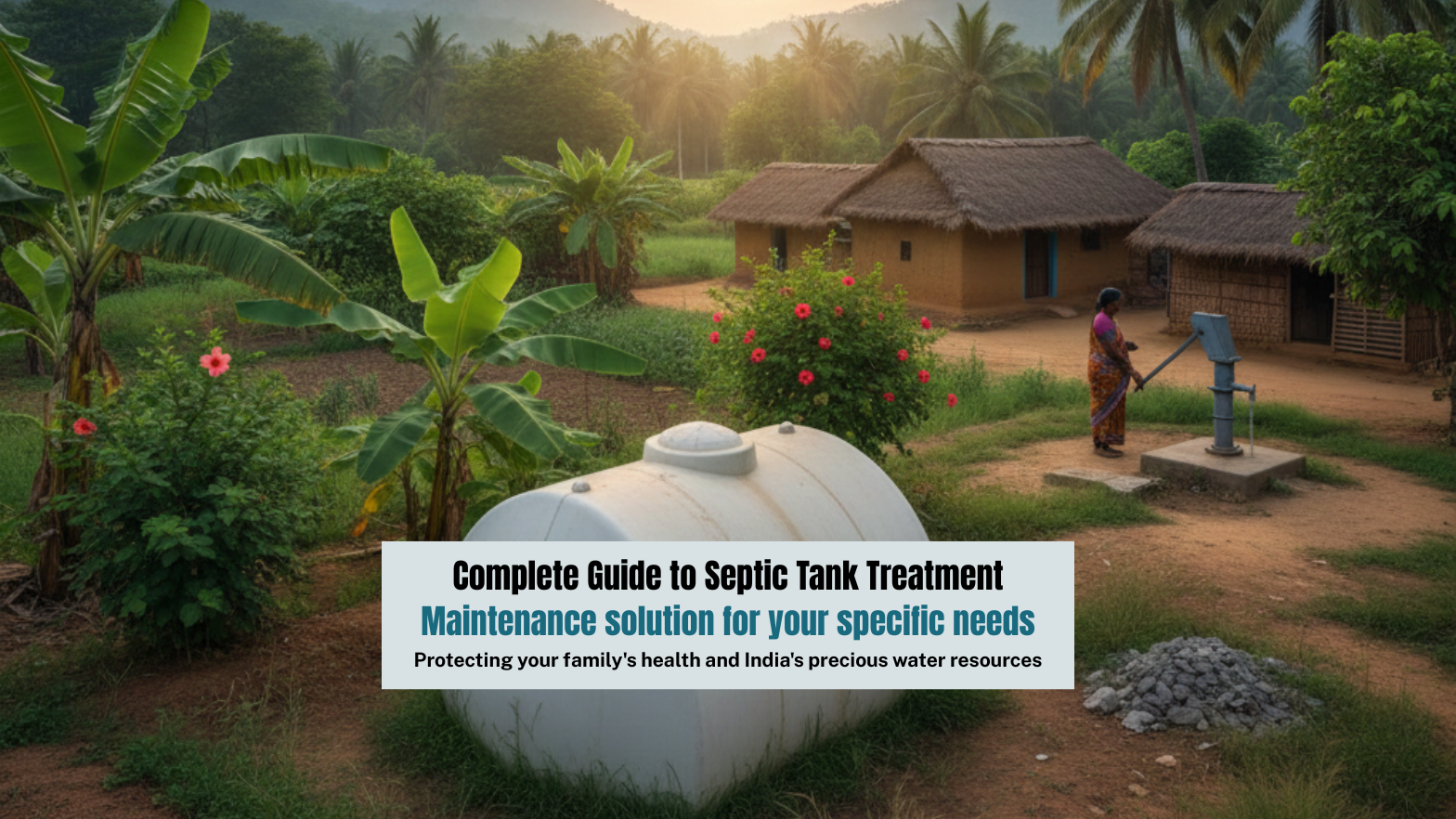
Why Biological Septic Treatment Works Better Than Chemicals
Why Biological Septic Tank Treatment Works Better Than Chemicals

It’s a Sunday morning, and you’re preparing for a family gathering. Suddenly, that unmistakable foul odor wafts through your home. Your septic tank has overflowed, again. The plumber quotes ₹15,000 for an emergency pump-out, your guests are arriving in hours, and you’re left wondering why this keeps happening despite regular chemical treatments.

If this scenario sounds painfully familiar, you’re not alone. Thousands of Indian homeowners face recurring septic tank nightmares, pouring harsh chemicals down their drains hoping for a miracle cure. But what if the very solution you’re using is actually making the problem worse?

The Hidden Crisis in India’s Septic Systems

The Hidden Crisis in India's Septic Systems

India faces a unique septic tank challenge. With over 62% of urban households and nearly 90% of rural homes relying on onsite sanitation systems, septic tank management has become a critical concern. The Central Pollution Control Board reports that improperly maintained septic systems contribute significantly to groundwater contamination and soil pollution across the country.

The problem intensifies in regions with water scarcity, high ambient temperatures, and varied waste composition typical of Indian households. Add to this the common practice of disposing cooking oil, leftover food, and non-biodegradable items into household drains, and you have a recipe for septic disaster.

How Your Septic Tank Actually Works

Before we dive into why biological treatments outperform chemicals, let’s understand the natural cleaning process your septic tank relies on.

Your septic system is essentially a living ecosystem. Inside the tank, billions of beneficial bacteria break down organic waste through a process called anaerobic digestion. These microscopic workers decompose solids, convert waste into gases and liquids, and maintain the delicate balance needed for proper functioning.

When this bacterial colony thrives, your septic tank operates efficiently with minimal odor, proper drainage, and reduced need for pump-outs. When it’s disrupted, problems cascade quickly.

Why Chemical Treatments Fail: The Uncomfortable Truth About Septic Tank Treatment

Why Chemical Treatments Fail: The Uncomfortable Truth About Septic Tank Treatment

The Immediate Gratification Trap

Chemical septic tank cleaners promise quick fixes. They fizz, they bubble, they seem powerful. Marketing claims suggest they’ll “blast away” blockages and eliminate odors instantly. For Indian consumers seeking immediate relief from septic problems, this appeal is understandable.

But here’s what manufacturers won’t tell you: chemical treatments provide temporary relief while creating long-term damage.

How Chemicals Destroy Your Septic Ecosystem

Chemical cleaners typically contain harsh compounds like:

  • Caustic soda (sodium hydroxide): Burns through organic matter but also kills beneficial bacteria
  • Sulfuric acid: Dissolves blockages but corrodes tank walls and pipelines
  • Chlorine bleach: Disinfects but eliminates the bacterial colonies essential for waste breakdown
  • Synthetic detergents: Create foam and destroy the natural separation of solids and liquids

When these chemicals enter your septic tank, they indiscriminately kill bacteria, both harmful and beneficial. This creates a sterile environment where waste decomposition stops completely. The result? Faster solid accumulation, frequent backups, and the need for more frequent (and expensive) pump-outs.

The Environmental Cost India Can’t Afford

Chemical septic treatments don’t just harm your tank, they contaminate the environment. In India, where groundwater supplies 85% of drinking water in rural areas, the stakes are particularly high.

These chemicals eventually leach into the soil, poisoning groundwater reserves. They kill beneficial soil microorganisms, disrupt local ecosystems, and contribute to the very pollution problems India is working hard to address through initiatives like Swachh Bharat Mission and National Mission for Clean Ganga.

Ready to switch to an eco-friendly solution? Explore Team One Biotech’s range of biological septic tank treatments designed specifically for Indian conditions.

The Biological Treatment Advantage: Nature’s Intelligent Solution

The Biological Treatment Advantage: Nature's Intelligent Solution

What Are Biological Septic Tank Treatments?

Biological treatments, also called bio-enzyme or microbial treatments, harness the power of naturally occurring bacteria and enzymes to break down waste. Unlike chemicals that kill bacteria, biological solutions introduce beneficial microbial strains specifically selected for their waste-digesting capabilities.

Team One Biotech’s formulations contain specially cultured bacteria strains that:

  • Rapidly multiply in septic conditions
  • Break down complex organic compounds including fats, oils, and greases (FOG)
  • Reduce solid accumulation by up to 50%
  • Eliminate odor-causing compounds at the source
  • Restore and maintain the septic tank’s natural bacterial balance

Why Biological Treatment Works Better: The Science

1. Sustainable Waste Reduction

Biological treatments don’t just mask problems, they solve them at the molecular level. Enzymes produced by beneficial bacteria break down complex proteins, starches, cellulose, and fats into simpler compounds that can be easily processed.

This means:

  • Less solid accumulation: Reducing pump-out frequency from yearly to once every 3-5 years
  • Improved drainage: Unclogged drain fields and leach pits that function properly
  • Reduced maintenance costs: Fewer emergency calls and repairs

2. Self-Sustaining Bacterial Colonies

Once established, beneficial bacteria reproduce naturally within your septic system. Each application strengthens the microbial population, creating a self-sustaining ecosystem that continues working 24/7 without constant human intervention.

This is particularly valuable for Indian households where:

  • Water supply may be intermittent
  • Septic systems handle diverse waste types (kitchen waste, bathwater, toilet waste)
  • High temperatures accelerate bacterial activity, enhancing treatment efficiency

3. Odor Elimination, Not Masking

Chemical treatments often use fragrances to cover septic odors. Biological treatments eliminate odor at the source by breaking down sulfur compounds and other odor-causing substances through natural enzymatic action.

No more embarrassing smells wafting through your compound during family functions or when guests visit.

4. Environmental Harmony

Biological treatments align with India’s environmental goals. They’re completely safe for:

  • Groundwater reserves
  • Soil health
  • Local flora and fauna
  • Human contact

These solutions actually improve soil quality in the drain field area, unlike chemicals that create dead zones where nothing grows.

Concerned about your septic tank’s environmental impact? Discover how Team One Biotech’s bio-enzyme solutions protect your home and the planet.

Chemical vs. Biological: The Definitive Comparison

Performance Metrics

Factor Chemical Treatment Biological Treatment
Odor Control Temporary masking Permanent elimination
Solid Reduction Minimal to none 40-60% reduction
Bacterial Health Destroys beneficial bacteria Enhances bacterial colonies
Drainage Efficiency Short-term improvement Long-term optimization
Pump-out Frequency Every 6-12 months Every 3-5 years
Clog Prevention Ineffective Highly effective

Cost Analysis: The 5-Year Perspective

Let’s look at the real costs for a typical Indian household with a 2,000-liter septic tank:

Chemical Treatment Approach (5 years):

  • Monthly chemical treatments: ₹500 × 60 months = ₹30,000
  • Annual pump-outs: ₹12,000 × 5 years = ₹60,000
  • Emergency plumber calls: ₹5,000 × 3 incidents = ₹15,000
  • Total: ₹1,05,000

Biological Treatment Approach (5 years):

  • Initial bioculture dose: ₹2,500
  • Monthly maintenance doses: ₹300 × 60 months = ₹18,000
  • Pump-outs (reduced frequency): ₹12,000 × 2 = ₹24,000
  • Emergency calls: ₹0 (preventive approach eliminates emergencies)
  • Total: ₹44,500

Savings with biological treatment: ₹60,500 over 5 years

This analysis doesn’t even account for the avoided costs of pipeline repairs, tank damage, or property value depreciation from recurring septic issues.

Environmental Impact Comparison

Chemical Treatments:

  • Release toxic compounds into groundwater
  • Kill beneficial soil microorganisms
  • Corrode septic infrastructure
  • Contribute to water pollution
  • May violate pollution control board guidelines

Biological Treatments:

  • 100% biodegradable and eco-friendly
  • Enhance soil microbial diversity
  • Safe for groundwater and surface water
  • Support India’s Swachh Bharat objectives
  • Compliant with environmental regulations

Addressing Common Myths and Concerns

Myth 1: “Biological treatments take too long to work”

Reality: While chemical treatments may show immediate (but temporary) results, properly formulated biological treatments like those from Team One Biotech begin working within 48-72 hours. Initial colonization happens quickly, with full system optimization occurring within 2-3 weeks of regular use.

Myth 2: “Bio-enzymes can’t handle Indian cooking waste”

Reality: Indian cuisine’s rich use of oils, spices, and complex ingredients actually makes biological treatment MORE necessary. Team One Biotech’s formulations include lipase enzymes specifically designed to break down cooking oils, ghee, and the high-fat content typical of Indian household waste.

Myth 3: “Biological treatments are expensive”

Reality: As our cost analysis shows, biological treatments cost significantly less over time. The upfront investment pays for itself within the first year through reduced pump-out frequency alone.

Myth 4: “Chemicals work faster in emergencies”

Reality: In actual emergencies (severe backups or blockages), neither chemicals nor biological treatments are the answer, you need professional pump-out services. The key is preventing emergencies through regular biological treatment, not responding to them with harsh chemicals.

Have questions about switching to biological treatment? Contact Team One Biotech’s experts for personalized septic system guidance.

The Indian Context: Why Biological Solutions Are Essential Here

India’s septic challenges differ from Western countries in several critical ways:

1. Water Scarcity and Conservation

Many Indian regions face water shortages, meaning septic systems must function efficiently with less water flow. Biological treatments enhance bacterial activity even in low-water conditions, while chemicals become more concentrated and damaging when diluted less frequently.

2. High Ambient Temperatures

India’s tropical and subtropical climate actually benefits biological treatments. Beneficial bacteria thrive in warm conditions (25-40°C), accelerating waste breakdown. This natural advantage is wasted when chemicals kill these heat-loving microorganisms.

3. Diverse Waste Composition

Indian households generate unique waste streams, think turmeric-stained water, coconut oil residues, food scraps from cooking, and ritual/pooja materials. Biological treatments with diverse enzyme profiles handle this complexity far better than one-size-fits-all chemical solutions.

4. Regulatory Compliance

State Pollution Control Boards across India increasingly scrutinize household wastewater management. Biological treatments help homeowners stay compliant with environmental regulations, while chemical treatments may violate groundwater protection standards.

5. Community Water Sources

In both rural and urban India, community wells and borewells remain common. Contamination from one household’s chemical septic treatment can affect dozens of families. Biological solutions protect these shared resources.

Making the Switch: Your Step-by-Step Transition Guide

Ready to move from chemicals to biological treatment? Here’s how to transition smoothly:

Step 1: Stop Chemical Additions

Discontinue all chemical septic tank additives immediately. Allow 2-3 weeks for residual chemicals to clear from your system.

Step 2: Initial System Assessment

Have your tank inspected or pumped if it hasn’t been serviced in over a year. Starting with a relatively clean tank optimizes biological colonization.

Step 3: Introduce Biological Treatment

Apply Team One Biotech’s initial shock dose according to your tank size. This establishes a robust bacterial colony quickly.

Step 4: Establish Maintenance Schedule

Begin monthly maintenance doses to sustain bacterial populations. Set phone reminders so you never miss a treatment.

Step 5: Monitor and Adjust

Observe improvements in drainage, odor, and system performance. Most homeowners notice significant changes within the first month.

Ready to make the switch today? Order Team One Biotech’s complete septic care starter kit with everything you need for successful transition.

Best Practices for Maximum Biological Treatment Effectiveness

Best Practices for Maximum Biological Treatment Effectiveness

To get the most from your biological septic treatment:

Do:

  • Apply treatments regularly as recommended
  • Use septic-safe toilet paper and cleaning products
  • Spread out laundry loads throughout the week
  • Fix leaky faucets that overload the system
  • Dispose of food scraps in compost, not drains

Don’t:

  • Pour cooking oil or grease down drains
  • Flush medications, feminine hygiene products, or diapers
  • Use antibacterial soaps excessively (they kill beneficial bacteria)
  • Plant trees with aggressive roots near the drain field
  • Ignore warning signs like slow drainage or gurgling sounds

Team One Biotech: Your Partner in Sustainable Septic Care

As India’s leading bioremediation solutions provider, Team One Biotech understands the unique challenges Indian homeowners face. Our biological septic tank treatments are:

  • Scientifically formulated for Indian conditions and waste profiles
  • Quality-tested in diverse climatic zones across the country
  • Eco-certified and compliant with pollution control standards
  • Proven effective in thousands of households from Kerala to Punjab
  • Backed by expert support from our team of environmental scientists

We don’t just sell products, we provide complete septic care solutions that protect your home, your wallet, and our shared environment.

The Choice Is Clear

The debate between chemical and biological septic tank treatment isn’t really a debate at all, it’s a choice between short-term thinking and long-term wisdom.

Chemical treatments offer the illusion of a quick fix while systematically destroying your septic system and harming the environment. They cost more, work less effectively, and create problems that cascade over time.

Biological treatments work with nature, not against it. They establish sustainable waste management that improves with each application, costs less over time, and protects the groundwater resources India desperately needs to preserve.

For Indian homeowners juggling the demands of modern life, biological septic treatment isn’t just the better choice, it’s the only choice that makes sense economically, practically, and environmentally.

Your septic system doesn’t need harsh chemicals to function properly. It needs what it was designed to work with all along: thriving communities of beneficial bacteria doing what they do best, breaking down waste naturally and efficiently.

Stop fighting your septic system with chemicals. Start supporting it with biology.

Protect Your Home and Environment

Don’t wait for the next septic emergency to make a change. Transition to Team One Biotech’s biological septic treatment solutions now and experience the difference that science-backed, nature-aligned care makes.

Visit Team One Biotech’s online store to explore our complete range of biological septic treatments, or contact our septic care specialists for personalized recommendations based on your tank size, household size, and regional conditions.

Join thousands of satisfied Indian homeowners who’ve discovered that working with nature, not against it, is always the smarter path forward.

Team One Biotech: Pioneering Bioremediation Solutions for a Cleaner, Greener India

Looking to improve your ETP/STP efficiency with the right bioculture?
Talk to our experts at Team One Biotech for customised microbial solutions.

Contact+91 8855050575

Email:  sales@teamonebiotech.com

Visit: www.teamonebiotech.com

Discover More on YouTube – Watch our latest insights & innovations!-

Connect with Us on LinkedIn – Stay updated with expert content & trends!

Complete Guide to Septic Tank Treatment in India: Everything You Need to Know

If you’ve ever dealt with a blocked septic tank during the monsoon season or faced the embarrassment of foul odors wafting from your property, you’re not alone. Millions of Indian households and businesses struggle with septic tank maintenance, often waiting until a crisis forces their hand. But here’s the truth: proper septic tank treatment isn’t just about avoiding unpleasant situations. It’s about protecting your family’s health, preserving groundwater quality, and being a responsible citizen in a country where water scarcity is becoming increasingly critical.

This comprehensive guide will walk you through everything you need to know about septic tank treatment in India, from understanding how your system works to choosing the right maintenance solution for your specific needs.

Understanding Your Septic Tank: The Basics

Understanding Your Septic Tank: The Basics

Before we dive into treatment options, let’s understand what’s actually happening beneath your property.

A septic tank is essentially a watertight chamber that collects and partially treats household wastewater. In India, where municipal sewage systems don’t reach every corner, approximately 60-70% of urban households and nearly all rural properties rely on septic systems.

Here’s how it works: wastewater from your toilets, bathrooms, and kitchen flows into the tank. Solid waste settles at the bottom forming sludge, oils and grease float to the top as scum, and the middle layer of relatively clear water flows out into a drain field or soakpit. Naturally occurring bacteria break down the organic matter, but this process needs help to work efficiently.

Why Septic Tank Treatment Matters in India

The Indian context makes septic tank maintenance particularly crucial. Our tropical climate, with its intense heat and heavy monsoons, accelerates the breakdown of waste but also increases the risk of overflow and contamination. The diverse soil conditions across different regions, from clay-heavy soils in the Deccan to sandy coastal areas, affect how well septic systems function.

Consider these sobering facts: improperly maintained septic tanks are one of the leading causes of groundwater contamination in India. When your septic system fails, untreated sewage can seep into the water table, affecting not just your drinking water but your entire neighborhood’s water supply. The economic cost of septic tank emergencies, including manual cleaning, repairs, and health issues, often runs into tens of thousands of rupees.

Common Septic Tank Problems in Indian Households

Common Septic Tank Problems in Indian Households

Foul Odors

That unmistakable sewage smell around your property is more than just unpleasant. It indicates that your septic tank bacteria are struggling to break down waste efficiently, or that gases aren’t venting properly.

Slow Draining and Backups

When water takes forever to drain from your sinks or toilets, or worse, sewage backs up into your home, your septic tank is crying out for attention. This often happens because the tank is full, the drain field is clogged, or excessive sludge has accumulated.

Overflow During Monsoons

The rainy season is when most septic emergencies occur. Excess rainwater can overwhelm your system, especially if it’s already struggling with poor bacterial action or accumulated sludge.

Rapid Sludge Accumulation

Indian cooking generates significant grease and oil, which can quickly build up in septic tanks. Combined with our water usage patterns, this leads to faster-than-normal sludge accumulation.

Types of Septic Tank Treatment Solutions

Chemical Treatments

Chemical septic tank treatments have been around for decades, but proceed with caution. While they might offer quick fixes, many chemical products can actually harm the beneficial bacteria in your tank. Some treatments marketed in India contain harsh acids or bases that can corrode your septic system and contaminate groundwater.

The verdict: Not recommended for regular use, especially in environmentally sensitive areas.

Biological Treatments: The Smart, Sustainable Choice

Biological or bacterial treatments represent the future of septic tank maintenance in India. These solutions introduce specialized bacteria and enzymes that supercharge your tank’s natural waste breakdown process.

Here’s why biological treatments work so well in Indian conditions:

  • They accelerate the decomposition of organic matter, reducing sludge buildup by up to 60%
  • They help break down oils, grease, and food waste common in Indian households
  • They reduce foul odors by eliminating the source, not masking it
  • They’re environmentally safe and won’t contaminate groundwater
  • They reduce the frequency of manual cleaning, saving you money and sparing workers from hazardous conditions

Team One Biotech specializes in advanced biological septic tank treatments formulated specifically for Indian wastewater conditions. Our solutions contain carefully selected bacterial strains that thrive in tropical climates and effectively handle the unique composition of Indian household waste.

Mechanical Cleaning

Manual or mechanical cleaning involves physically removing accumulated sludge. While necessary periodically, it’s expensive, unpleasant, and potentially hazardous for workers. Regular biological treatment can extend the time between cleanings from annually to once every 3-5 years.

How to Choose the Right Septic Tank Treatment

How to Choose the Right Septic Tank Treatment

When selecting a septic tank treatment for your property, consider these factors:

Tank Size and Household Size

A joint family home in Delhi with 8-10 people generates far more wastewater than a nuclear family of four in Pune. Choose products with appropriate dosage instructions for your specific situation.

Water Usage Patterns

Do you use washing machines daily? Run a home-based business? Host frequent gatherings? Higher water usage requires more robust bacterial treatment.

Climate Considerations

Coastal areas with high humidity need different treatment approaches than drier inland regions. Bacterial formulations should be suited to your local temperature and moisture conditions.

Soil and Groundwater Conditions

If you’re in an area with high water tables or poor soil drainage, protecting your drain field becomes even more critical.

Environmental Responsibility

Always choose treatments that are certified safe for the environment. In India, where water resources are under stress, this isn’t optional.

Step-by-Step Guide to Maintaining Your Septic Tank

Monthly Treatment

Add biological treatment products as directed, typically through your toilet. This maintains optimal bacterial levels and prevents problems before they start.

Quarterly Inspection

Check for signs of problems: soggy areas near your drain field, slow drains, or odors. Catching issues early saves money and headaches.

Annual Professional Assessment

Have a professional inspect your system annually, checking sludge levels and overall tank condition.

What to Avoid

Never flush these down your drains:

  • Cooking oils and grease
  • Sanitary napkins or diapers
  • Cigarette butts
  • Chemicals or paint
  • Coffee grounds
  • Medications
  • Excessive amounts of harsh cleaning chemicals

The Environmental Impact: Your Role in India’s Water Future

The Environmental Impact: Your Role in India's Water Future

Here’s something most people don’t realize: your septic tank decisions impact far more than just your property.

India faces severe water challenges. With 70% of our surface water contaminated and groundwater levels dropping alarmingly, every action counts. Properly maintained septic systems prevent pathogens and nutrients from leaching into groundwater, protecting the very source of water your family depends on.

By choosing biological septic tank treatments and maintaining your system properly, you’re not just solving a household problem. You’re contributing to a larger solution, protecting community health, and preserving water resources for future generations.

Cost Analysis: Investment vs. Emergency Expenses

Let’s talk numbers. A quality biological septic tank treatment costs between Rs. 500-1,500 per month, depending on your tank size. That’s Rs. 6,000-18,000 annually.

Compare this to:

  • Emergency manual cleaning: Rs. 5,000-15,000 per incident
  • Septic system repairs: Rs. 20,000-100,000
  • Health issues from contaminated water: Incalculable
  • Property value loss from septic problems: Significant

The math is simple: preventive maintenance through biological treatment is far more economical than dealing with emergencies.

Team One Biotech: Your Partner in Septic Tank Care

At Team One Biotech, we’ve spent years developing bioremediation solutions specifically for Indian conditions. Our septic tank treatments contain powerful bacterial consortiums that handle everything from high-grease Indian cuisine waste to the challenges of tropical climates.

We don’t just sell products. We provide complete solutions:

  • Expert consultation for your specific situation
  • Customized treatment plans based on your household needs
  • Ongoing support and guidance
  • Environmentally responsible formulations
  • Proven results across thousands of installations nationwide

Ready to solve your septic tank problems permanently?

Don’t wait for the next monsoon to flood your system or for embarrassing odors to drive away guests. Take control of your septic tank maintenance today.

Contact Team One Biotech now for a free consultation. Our experts will assess your situation and recommend the perfect solution for your property. Visit our website or call us to learn how our biological treatments can save you money, protect the environment, and give you complete peace of mind.

Final Thoughts

Septic tank maintenance might not be the most glamorous topic, but it’s one of the most important responsibilities of property ownership in India. With the right approach, proper biological treatment, and regular maintenance, your septic system can function efficiently for decades while protecting your family’s health and India’s precious water resources.

The choice is yours: reactive emergency management or proactive, intelligent maintenance. We know which one makes more sense.

Transform your septic tank from a ticking time bomb into a properly functioning waste treatment system. Choose Team One Biotech’s biological solutions today.

Looking to improve your ETP/STP efficiency with the right bioculture?
Talk to our experts at Team One Biotech for customised microbial solutions.

Contact+91 8855050575

Email:  sales@teamonebiotech.com

Visit: www.teamonebiotech.com

Discover More on YouTube – Watch our latest insights & innovations!-

Connect with Us on LinkedIn – Stay updated with expert content & trends!

Treating the most common menace of Lakes: Algal deposition by bioremediation

Lakes are one of the important and prominent water sources that serve as an integral part of the ecological richness. These natural water reservoirs, which were and are lifelines of many cities and villages, are now facing the threat of pollution and extinction. Rapid urbanisation and uncontrolled growth, especially in and around cities like Bengaluru, Hyderabad, Pune, and Delhi making the deterioration of lakes very rapid, which is triggered by sewage inflow, excessive nutrient loading and uncontrolled urban development.

The most common and visible symptom of lake ecosystem collapse is Algal Deposition. Appearing like green sheets or mattresses that cover the lake’s surface and disturb the entire ecological world.

Why do lakes turn green?

Why do lakes turn green?

Lakes turn green basically because of algal deposition and especially blue-green algae (cyanobacteria)- on the lake surface, forming a thick mass. These mats reduce light penetration, reduce oxygen levels, and produce toxins that harm aquatic life.

The general perception says that algal growth is natural; however, it is a direct consequence of eutrophication. A condition in which lakes receive more nutrients than they can naturally handle.

Phosphates are one of the major culprits. How?

Phosphates are one of the major culprits. How?

Phosphates act as fertiliser for algae even in tiny concentrations. Continuous inflow of sewage, detergents, food waste, and industrial discharge enters the lake, and phosphate levels rise sharply, surpassing the permissible limits by 40-50%.

One of the major concerns with phosphates is that they stay in the sediment for years and are then released back into the lake. This makes algal deposition prolonged and consistent. Often, people try to remove algae physically or to be precise, superficially, ignoring the root causes.

Key Sources of Phosphate Include:

  • Household detergents rich in phosphates
  • Untreated or partially treated sewage
  • Decaying organic matter and sludge
  • Fertiliser runoff from gardens & agricultural zones
  • Industrial effluents containing phosphorus

Algal deposition makes Lakes suffer:

Most of the time, algae are considered natural, but when present in large quantities, they trigger a chain of ecological damages that are sometimes hard to tackle and reverse:

  • Oxygen Depletion (Hypoxia)

DO levels drop dangerously low, as when algae die, the indigenous bacteria consume more oxygen to decompose it, hence, causing the levels of oxygen to drop.

  • Dead flora and fauna:

The cyanobacteria release toxins in low oxygen conditions. These toxins, when combined with low oxygen levels, kill fish, plankton, insects and aquatic plants. Also, Alginate in algae creates a slimy layer that blocks sunlight and disrupts aquatic life.

  • Accelerated Sedimentation:

Dead algal biomass eventually settles at the bottom of the lake, thereby increasing the sludge layer thickness. The lake slowly transitions into a dead, stagnant waterbody.

Why does conventional treatment fail?

Why does conventional treatment fail?

In order to solve any issue permanently, one needs to eliminate the source of the problem. But unfortunately, in this case, municipalities or institutions opt for temporary solutions and try shortcuts such as:

  • Adding bleaching powder
  • Increasing aeration temporarily
  • Mechanical algae removal
  • Surface-level cleaning drives
  • Chemical coagulants like alum

To get rid of the algae problem permanently, the internal nutrient cycle must be broken, or to sum up, phosphate deposition must be reduced.

What is the real solution?

The answer to this lies in the most effective mechanism nature has, i.e. bioremediation. Bioremediation is the use of specific types of microbes to restore the ecological balance of a lake. Bioremediation is the only mechanism that addresses the root causes rather than merely suppressing symptoms.

How Bioremediation Works

  1. Microbial Consortia Application
    Specialized bacteria break down organic pollutants and digest sludge.
  2. Enzymatic Breakdown of FOG & Organic Waste
    Enzymes convert complex organic molecules into simpler forms.
  3. Phosphate Reduction
    Certain bacteria immobilize phosphates by converting them into insoluble forms.
  4. Enhancing DO and Water Clarity
    Beneficial microbes improve oxygen cycling and reduce turbidity.
  5. Sludge Reduction
    Microbial treatment targets anaerobic pockets in sediment, reducing sludge height.

Tackling Phosphate: The Bioremediation Way

Tackling Phosphate: The Bioremediation Way

Internal Phosphate Control

Phosphates can’t be directly reduced or degraded by microbes. They are absorbed by microbes called as Phosphate Accumulating Organisms (PAOs), also called as phosphate-locking microbes. The PAOs convert soluble bioavailable phosphate into stable, bound forms that can’t fuel algal growth. These specialised microbes trap phosphate within the sediment matrix, effectively sealing it off and controlling nutrient recycling, ultimately preventing the recurrence of algal blooms.

Sediment Bio-augmentation:

This included the application of microbial strain directly into the sediment or the lake bed to stimulate natural biological processes that degrade organic matter and reduce nutrient accumulation. This approach enhances sediment health, lowers oxygen demand, and disrupts the nutrient reservoirs—especially phosphorus—that algae rely on for rapid proliferation.

Reducing phosphorus release from sediments:

Healthy sediments act as a buffer, but degraded ones leak phosphorus back into the water during low-oxygen events. By restoring sediment balance through microbial intervention, oxygenation strategies, and organic load reduction, phosphorus release is minimised. This stabilises the pond ecosystem and cuts off one of the most persistent nutrient sources driving algal blooms.

External Phosphate Control

  • Greywater diversion
  • Constructed wetlands before inlet
  • Avoiding phosphate-based detergents
  • Household-level awareness
  • Installing decentralized sewage treatment units upstream

Only when phosphate inflow and phosphate stored in sediments are both addressed can algal deposition be permanently stopped.

Bioremediation Strategy and Execution:

  1. Assessment:

This step involves:

  • Analysis of parameters, viz. DO, COD, BOD. Phosphates, Nitrated, ORP.
  • Lake Depth and Sludge Depth Measurement.
  • Area measurement of the lake.
  • Assessment of sewage ingress
  1. Physical Cleaning:

 It involves the removal of inorganic wastes, floating debris, algal deposition or water hyacinth physically to improve the condition of the top layer of the lake and improve oxygenation.

 Enhancing DO:

Atmospheric oxygen can’t be enough alone to make up the required volume of dissolved oxygen for the eradication of algae and enhancing the performance of microbes. The best way to do it is to install aerators rather than relying on conventional methods such as fountains.

The latest and best technology available today is nano-bubble generators. They generate bubbles in nano-meter size, which remain in the lake for about a week and can be easily absorbed by the microbes.

  1. Installation of biocultures:

Customised biocultures infused with strains for phosphate reduction, alage degradation and facultative microbes are installed in the lake via dosing. Initially, for 60-90 days, the dosing is weekly, broadcasted at multiple points in the lake which is called a loading dose.

After loading, the stabilization or maintenance dose starts which involves fortnightly or weekly dosing.

Conclusion – Bioremediation is the Future of Lake Restoration

Algal deposition, phosphate overload, and organic sludge accumulation are not signs of a dying lake—they are signs of a lake in need of intervention. Chemical treatments fail because they treat symptoms, not causes. Bioremediation, on the other hand, taps into the power of nature to restore waterbodies from within.

With rising urbanization and sewage inflow, India needs sustainable, cost-effective, and long-term lake rejuvenation models. Bioremediation offers exactly that: a solution that reduces nutrient overload, restores oxygen balance, controls algae, and returns lakes to ecological health without causing harm.

Healthy lakes mean healthier cities, groundwater recharge, biodiversity revival, and improved public health. The path forward is clear — bioremediation is not just an option; it is the only scalable solution for lake restoration in the decades to come.

Looking to improve your ETP/STP efficiency with the right bioculture?
Talk to our experts at Team One Biotech for customised microbial solutions.

Contact: +91 8855050575

Email:  sales@teamonebiotech.com

Visit: www.teamonebiotech.com

Discover More on YouTube – Watch our latest insights & innovations!-

Connect with Us on LinkedIn – Stay updated with expert content & trends!
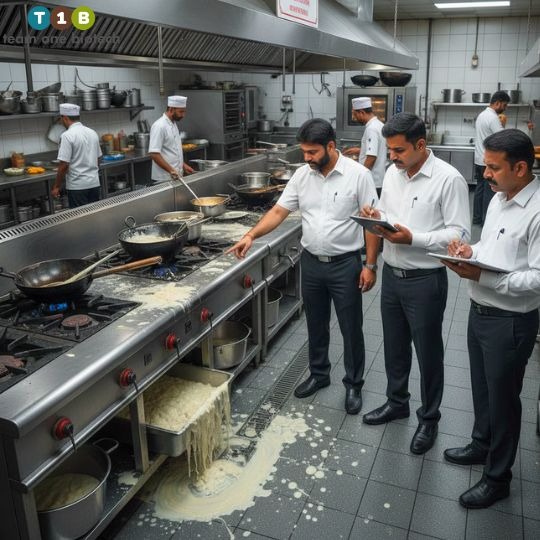
Scan the code