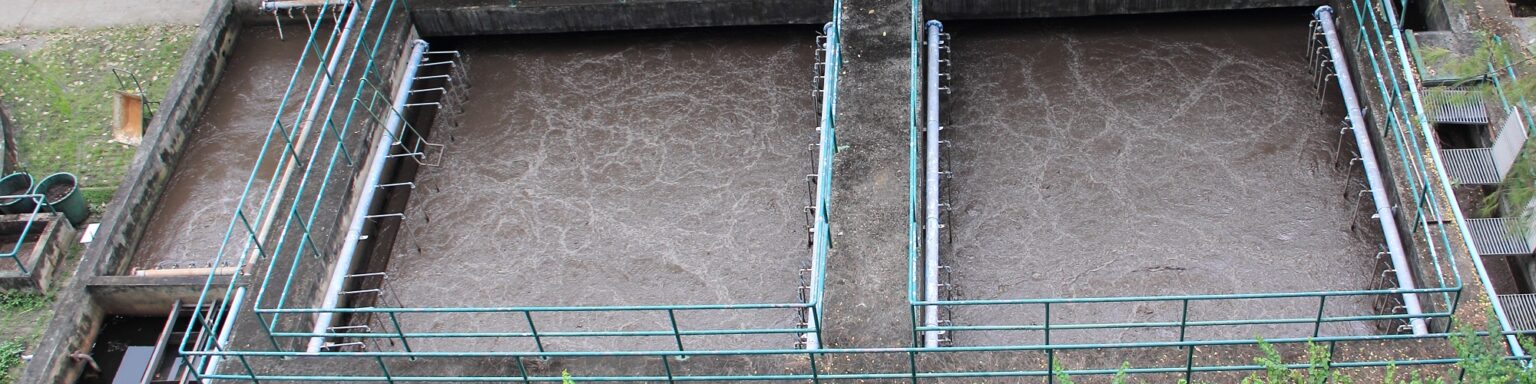
Understanding BOD & COD: Beyond the Numbers
The real meaning of BOD & COD-Treat the problems, not the numbers

In the world of wastewater treatment, BOD (Biochemical Oxygen Demand) and COD (Chemical Oxygen Demand) are the most prominent parameters that are considered as pollution indicators. Treated as villains on an EHS dashboard—targets to be brought down, values to be minimized. But what do these numbers truly represent? What kind of organics do they qualify, and more importantly, who in the microbial world is responsible for bringing them down?

Many experts associate these with bod and cod in wastewater practices and their real impact on treatment efficiency.

Effluent treatment is not just a numbers game. It’s a microbial battleground—a complex “tug of war” between different microbial groups vying for pollutants/substrates, adapting to environmental pressures, and working together (or competing) to mineralize organics. In this blog, we explore the microbiological nuances behind bod and cod removal, how substrate complexity affects microbial degradation, and why a high COD isn’t always as alarming as it appears.

Understanding BOD and COD analysis can help in refining real-time operations and system design. Reach out to us to discover how advanced microbial solutions can optimize BOD and COD reduction while improving overall treatment efficiency.

The Basics: What BOD and COD Really Measure?

Before we dive into the microbial dynamics, let’s clarify the distinction.

BOD (Biochemical Oxygen Demand) is the amount of oxygen aerobic microbes require to degrade the organic matter, while COD (Chemical Oxygen Demand) quantifies the total oxygen equivalent required to chemically oxidize all organic matter (biodegradable + non-biodegradable) using a strong oxidizing agent like potassium dichromate.

These two are the cornerstone parameters in industrial wastewater treatment systems and compliance monitoring.

BOD < COD always, because COD includes organics that microbes simply cannot digest or take longer to degrade.

The bod cod ratio offers deeper insight into treatment feasibility and system design.

From an EHS perspective: High COD indicates total organic pollution load, while high BOD reflects readily biodegradable organics. Both values are essential to understand how much pollution is treatable biologically and what might need polishing steps or advanced oxidation.

Tracking wastewater parameters like BOD and COD regularly can optimize the sewage treatment process.

Microbes on the Frontline: Who Eats What?

In biological treatment, different microbes have different dietary preferences. Let’s break down the microbial players and the type of organics they typically handle:

Microbe Type Preferred Substrates Typical Zone
Heterotrophic bacteria Simple organics: sugars, alcohols, VFAs Aerobic & Anoxic
Autotrophs (e.g., nitrifiers) Ammonia and nitrite (not BOD/COD reducers) Aerobic
Facultative bacteria Complex and simple organics Facultative zones
Anaerobic consortia Proteins, lipids, cellulose (via hydrolysis → VFAs) Anaerobic digesters
Fungi Lignin, dyes, complex non-biodegradable organics Low-pH, low-DO

These microbial consortia play a vital role in bioaugmentation and microbial treatment in wastewater.

The ability of microbes to remove BOD and COD depends heavily on the complexity of the organic compounds:

  • Simple organics (low molecular weight): Easily removed in an activated sludge or aerobic digestion process.
  • Complex organics (e.g., phenolics, surfactants, dyes, oils): Require anaerobic process and longer retention time.

Effective treatment starts by understanding the organic load in wastewater and choosing the right microbial tools.

Substrate Complexity: Why It Matters

Not all COD is equal. Consider this:

A sugar-rich food processing effluent with COD 6000 ppm may have a BOD/COD ratio of 0.8 – meaning most of it is biodegradable.

A dye-laden textile effluent with the same COD might have a BOD/COD ratio of 0.2—signifying poor biodegradability.

Such complex effluents need multi-stage biological systems or pre-treatment with specific cultures.

Key Insight:

The BOD/COD ratio is a more insightful metric than standalone COD. Ratios:

  • 0.6: Easily biodegradable
  • 0.4–0.6: Moderately biodegradable
  • <0.4: Poorly biodegradable; may need physico-chemical treatment

In wastewater management, this ratio informs engineers whether nutrient removal or advanced oxidation is required.

Why High COD Isn’t Always Bad?

Let’s bust a common myth:

“High COD = Bad effluent” is not always true.

Imagine a brewery effluent with COD 20,000 ppm. That’s high, but it’s primarily from sugars, alcohols, and yeast residues—all highly biodegradable. A well-seeded biological reactor can bring it down to <200 ppm BOD with minimal retention time.

This shows how biodegradable wastewater with high COD still allows for efficient treatment if the microbial ecosystem is well-managed.

The issue isn’t how much COD, but:

  • What kind of organics are present?
  • Are they toxic to microbes?
  • What is the system design (anaerobic first, aerobic polishing, etc.)?

This is where environmental monitoring and EHS in wastewater become indispensable.

Winning the Microbial Tug of War

If COD removal is a tug of war, here’s how to tip the balance:

  • Pre-treatment & Equalization: pH adjustment, oil & grease removal, and flow equalization prevent microbial shocks.
  • Segmented Treatment Zones: Anaerobic → Anoxic → Aerobic → Polishing ensures sequential degradation of complex substrates.
  • Use of Custom Biocultures: Tailored microbial blends (like lignin-degraders or surfactant–eaters) enhance specific removal.
  • Nutrient Balancing: C:N:P ratio is essential. Too much carbon without nitrogen/phosphorus slows down microbial growth.
  • Monitoring & Feedback: Online DO, ORP, and real-time COD analyzers help in dynamic adjustment

Each of these is critical for maintaining optimal microbial load and ensuring full biological oxygen demand reduction.

Final Thought: Treating the Problem, Not Just the Number

COD and BOD are not just compliance metrics—they are windows into the microbial and chemical world inside your ETP. A high COD is only dangerous if:

  • It overwhelms the biological system
  • It contains toxins
  • Or it is mismanaged

With the right microbial consortia, proper process staging, and continuous EHS vigilance, even high-COD effluents can be efficiently treated—transforming a ‘problematic’ effluent into a sustainable output.

This makes bod cod full form far more than a definition—it’s a philosophy for modern types of wastewater management.

After all, in the tug of war between pollution and treatment, it’s the micro-warriors who win it for us—if we give them the right battlefield.

Team One Biotech is one of the leading Biotech Companies in India, providing advanced microbial solutions like bacteria for ETP treatment and bacteria culture for wastewater treatment.
???? Reach out now to enhance your wastewater treatment efficiency.

???? Email: sales@teamonebiotech.com

???? Visit: www.teamonebiotech.com

???? Discover More on YouTube – Watch our latest insights & innovations!-

???? Connect with Us on LinkedIn – Stay updated with expert content & trends!

industrial holidays Anaerobic Wastewater Treatment in Industries
The effect of industrial holidays on ETP health

The ecosystem of industries is complex as well as consistent. However, shutdowns due to festivals, season, operational failure, or force give a halt to the whole system. Although mostly planned, these industrial holidays are intended to give relief, but deep down in the concrete basins of effluent treatment plants brews a storm of crisis, whether it may be in the primary, secondary, or tertiary systems.

Looking for expert solutions to manage ETP shutdown challenges? Contact Us today for tailored advice and services!

And if we focus on the secondary system, the microbial population gets the worst hit. This blog focuses on what happens inside the secondary system during an industrial holidays, its effects, precautions, and prevention.

The living Microbial world of ETP:

The secondary system is like a society where microbial populations i.e, bacteria, fungi, yeast, metazoans etc. thrive on:

Food: Readily biodegradable organic matter.

Shelter: Biofilms, flocs, or suspended habitats.

Environmental Comfort: pH, temperature, DO, and nutrients in a narrow optimal range.

Maintaining microbial diversity and stability is crucial for consistent ETP performance.

Microbial Starvation- A Hidden Shutdown Crisis

A 10-15 day shutdown without influent feed creates what we call a starvation phase in the bioreactor. The period can trigger several microbial stress responses:

Autolysis Begins:
  • Without food, heterotrophic bacteria begin digesting their own cellular reserves.
  • When reserves run out, cell walls rupture, releasing intracellular enzymes and ammonia into the mixed liquor.
Shift in Community Structure:
  • Fast-growing, high-COD degraders die off first.
  • Resilient microbes like filamentous bacteria and nitrifiers may survive longer, but their metabolic activity drops drastically.
Dissolved Oxygen (DO) Becomes Redundant:


  • With no substrate to oxidize, aeration continues but becomes wasteful.
  • High DO levels can paradoxically stress certain facultative anaerobes used to fluctuating oxygen levels.


MLSS/MLVSS Decline:
  • The Mixed Liquor Volatile Suspended Solids (MLVSS)- the biologically active portion of MLSS drops due to decay.
  • Settling characteristics deteriorate, and the SVI (Sludge Volume Index) can spike due to deflocculation.
Recovery is Not Instant – The Myth of “Rest and Run”

When production resumes, many assume the ETP will bounce back like a machine switched on. But biological wastewater treatment systems have no reset button.

Lag Phase in COD Reduction
  • Microbial populations take time to rebuild numbers and enzyme systems.
  • Expect 2-5 days of poor performance and higher COD/BOD in the outlet, especially in systems with no pre-seeding plan.
Sludge Age Misbalance
  • Sludge that has aged during the shutdown may have lost its settling efficiency.
  • Decayed sludge may also release toxins and nutrients, creating internal loading.
Shock Loads on Restart
  • Sudden reintroduction of full-strength effluent can lead to shock loading.
  • This exacerbates foaming, odor, and even system upset.
Preventive Measures

ETP health during shutdowns doesn’t have to be a gamble. Here are proven strategies, drawn from both research and field practices.

1.Feed Synthetic System:
  • Use glucose, molasses, milk whey, or diluted Urea/COD substitutes to mimic organic load at low levels (10-20% of actual COD).
  • Feed once or twice daily to maintain microbial respiration and floc integrity.\
2.Aerate intermittently:
  • Continuous aeration is wasteful. Instead, apply 4-6 hours/day intermittent aeration to maintain DO and prevent anoxic.
3.Monitor pH and ORP
  • During starvation, microbial metabolism can skew pH or ORP. Keep these in range to avoid unfavorable drift.
4.Bioaugmentation on Restart
  • Introduce high-count commercial biocultures tailored to your effluent type. This accelerates recovery.
  • Use starter cultures or preserved sludge from pre-holiday if available.
5.Sludge Management 
  • Remove aged or decaying sludge before shutdown. 
  • During long holidays, periodic recirculation or RAS/WAS adjustments prevent septic conditions.
Maintaining ETP Efficiency During Industrial Holidays with Bioculture Support

When industrial units pause operations during holidays, the ETP treatment process often slows down due to the absence of organic load. Microbes inside the aeration tank gradually lose activity, leading to poor degradation once the plant restarts. That’s where a bioculture for ETP operations becomes critical — it revitalizes the microbial community, improves resilience, and stabilizes performance without costly chemical interventions.

During downtime, parameters like ETP sludge volume, dissolved oxygen, and pH can fluctuate drastically. A pre-dosage of selected microbial strains helps maintain a balanced environment and prevents sludge bulking or odour generation. When operations resume, the system achieves faster recovery and reduced start-up lag.

To ensure long-term system reliability, work with trusted ETP plant manufacturers in India who understand the importance of integrating biological solutions into design. Many modern ETP and STP systems now include dedicated dosing points for microbial formulations and smart monitoring dashboards that track ETP standard parameters such as BOD, COD, TSS, and MLSS.

Whether you operate a textile, chemical, or food processing unit, maintaining your ETP treatment plant during holidays means safeguarding compliance and avoiding post-shutdown surges in effluent load. Explore how Team One Biotech’s Bioculture Solutions ensure consistent ETP water treatment efficiency even under variable operating conditions.

For more insights on biological treatment technologies, check out our detailed blog on What Are Biocultures for Wastewater Treatment — A Complete EHS Guide and a practical case study Bioculture for ETP- How a Textile Unit Stabilized ETP Performance with T1B Aerobio . Both resources complement this article by showing how bioculture for ETP transforms operational challenges into measurable efficiency gains.

Conclusion:

Industrial holidays are an unavoidable part of operations across industries such as textiles, pharmaceuticals, and chemicals and can’t be avoided but the problems related to it in an ETP can surely be avoided by taking the right steps, proper planning, and taking proactive measures.Investing in bioaugmentation, sludge handling, and strategic aeration ensures microbial resilience during shutdowns.

Team One Biotech is one of the leading Biotech Companies in India, providing advanced microbial solutions like bacteria for ETP treatment and bacteria culture for wastewater treatment.
Reach out now to enhance your wastewater treatment efficiency.

Email: sales@teamonebiotech.com

Visit: www.teamonebiotech.com

Discover More on YouTube – Watch our latest insights & innovations!-

Connect with Us on LinkedIn – Stay updated with expert content & trends!

Seasonal Microbial Shifts Wastewater Treatment
Bioculture for ETP- How a Textile Unit Stabilized ETP Performance with T1B Aerobio
 
Background

A mid-sized textile dyeing and processing unit in Gujarat struggled with recurrent seasonal drift in ETP and it’s biological performance. Contact us today to learn how T1B Aerobio can revolutionize your ETP’s performance and help you overcome seasonal challenges effectively.

Despite having a decent system design, they were plagued by:

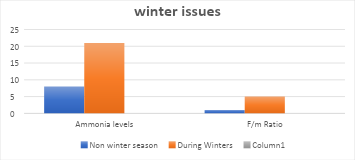
  • Winter ammonia spikes
  • Monsoon washouts
  • Summer bulking
  • Transitional season shock-loads

These issues led to frequent compliance failures and operational stress.

T1B Aerobio-One Stop solution to seasonal drift:

T1B Aerobio – a blend of robust microbes especially bacteria , is the ultimate Thor’s hammer for seasonal cahllenges in any ETP. With a bank of 76+ different strains , T1B Aerobio was customized according to the challenges face by ETP in every season. It also consist various elements and enzymes which make it more efficient and a single solution for various challenges which no ordinary bioculture/microbial culture can deliver.

ETP details:

The industry had primary treatment, biological treatment, and then a tertiary treatment.

Flow150 KLD
Type of processASP
No. of aeration tanks
Capacity of aeration tanks650 KL each
Total RT hours
Season-Wise Breakdown of Challenges & Solutions

????️ Winter Challenges (Dec–Feb)

Problems:

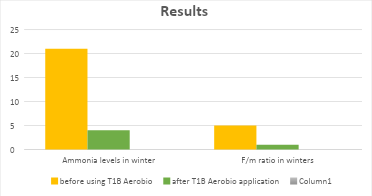
  • Nitrifier slowdown → High ammonia (>20 mg/L)
  • Low microbial activity → Increased F/M ratio
  • Reduced floc formation → Poor settling, turbid outlet
Solutions:
  • Pre-winter bioaugmentation with cold-active nitrifiers from T1B Aerobio Bioculture.
  • Increased MLVSS through controlled culture addition
  • Fine-tuned aeration to maintain DO around 3 mg/L
  • Reduced F/M by optimizing sludge wasting
Results:

Ammonia was reduced to <5 mg/L within 10 days. Sludge quality improved, and the outlet was consistently clear.

☀️ Summer Challenges (Apr–Jun)
Problems:
  • High temperatures → Oxygen depletion
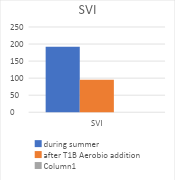
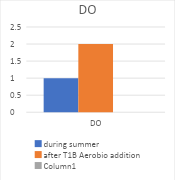
  • DO <1.5 mg/L → Filamentous bulking
  •  anti-filamentous dominant cultures through T1B Aerobio bioculture to suppress filaments
  • Boosted DO levels by adjusting blower run hours
  • Added foam control microbes to reduce surface scum and bulking
Results:

SVI normalized to 95–100 mL/g. Sludge settling and clarity improved; odor complaints dropped significantly.

????️ Monsoon Challenges (Jul–Sep)
Problems:
  • Heavy rainfall → Dilution & shock load
  • Surface runoff → Toxic load spikes
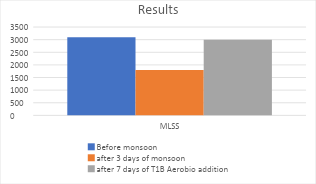
  • MLSS washed out → From 3500 to 1800 mg/L
  • Sudden pH shifts due to drainage ingress
Solutions:
  • Pre-monsoon culture buildup plan to fortify biomass using T1B Aerbio bioculture’s High-MLVSS variant
  • pH stabilization buffer introduced during heavy rains
  • Equalization tank aeration was increased to handle shock loads better
Results:

MLSS restored to 3100 mg/L within 7 days. COD removal stabilized at 90–92%. No emergency bypass required.

???? Transitional Season Challenges (Mar, Oct–Nov)
Problems:
  • Frequent influent variability due to batch changes
  • Occasional toxicity due to dyeing chemical overuse
  • Rapid shifts in temperature and pH → Microbial lag
Solutions:
  • Weekly parameter tracking and real-time microbial health checks
  • Targeted detoxifier blend dosing with Aerobio during chemical overload
  • Gradual culture build-up before full-load restart after holidays
Results:

The biological system became more resilient, absorbing fluctuations without crashing. No major deviations in any parameter

Parameter Snapshot Before vs After Aerbio Intervention
ParameterBeforeAfter T1B Aerobio
(Winter)>20 mg/L<5 mg/L
MLSS (Monsoon)~1800 mg/L~3100 mg/L
SVI (Summer)>160 mL/g90–100 mL/g
COD Removal~78%~92%
Outlet ClarityTurbid frequentlyClear, consistent
Odor ComplaintsFrequentAlmost Nil
Conclusion

Microbial performance doesn’t follow a flat line—it fluctuates with the weather. But with a season-wise microbial management plan, your ETP can remain compliant, efficient, and stress-free year-round.T1B’s Aerbio bioculture adapts where standard systems struggle—empowering your ETP to beat the seasonal drift, naturally.

Further Reading

To understand the science behind how microbial cultures enhance effluent treatment performance, explore our in-depth guide:
👉 What Are Biocultures for Wastewater Treatment — A Complete EHS Guide

This article explains the role of bioculture for ETP, the difference between aerobic and anaerobic bacteria, and how these biological solutions improve industrial wastewater treatment efficiency.

Contact us to implement a customized, season-wise microbial strategy with T1B Aerobio and keep your ETP biologically stable and compliant—year-round.

Email: sales@teamonebiotech.com

Visit: www.teamonebiotech.com

Discover More on YouTube – Watch our latest insights & innovations!-

Connect with Us on LinkedIn – Stay updated with expert content & trends!

Seasonal Microbial Shifts Wastewater Treatment
ETP Performance Drift Due to Seasonal Microbial Shifts
Why Weather Matters More Than You Think in Biological Wastewater Treatment

In the evolving field of biological wastewater treatment, the performance of an effluent treatment plant manufacturer-designed system is often expected to be consistent. Yet, seasonal changes bring unseen forces into play—namely, seasonal microbial shifts.

Yes, the weather outside does impact what’s happening inside your biological tank.

From anaerobic wastewater treatment facilities to residential wastewater treatment systems, the health and efficiency of your microbial workforce are key to sustainability. This article dives into how climate-driven microbial dynamics can cause performance drifts—and how proactive strategies can future-proof your system.

???? Contact us to know how your ETP can be adapted for every season using customized biological solutions.

The Invisible Workforce Behind ETPs

The core of any biological treatment system is its microbial community in ETP. These microorganisms are responsible for breaking down organic pollutants, converting ammonia to nitrate, and ensuring compliance with regulatory discharge norms.

But just like any workforce, they too have their comfort zones.

Seasonal Microbial Shifts: More Than Just Temperature

Microbes are sensitive to environmental parameters such as:

  • Temperature: Metabolic rates slow down in colder months, especially for nitrifiers.
  • Dissolved Oxygen (DO): Oxygen solubility increases in winter but may be limited due to reduced blower performance or sludge blanket fluctuations.
  • pH & Nutrient Uptake: Seasonal variations in industrial discharge or rainfall can alter pH and nutrient availability, affecting microbial dynamics.
  • Hydraulic Load: Monsoon seasons often increase flow, diluting influent but stressing retention time and contact efficiency.

These subtle shifts can lead to a noticeable drift in performance—sometimes gradual, sometimes sudden.

Microbial Dynamics in Action

Here’s a simplified breakdown of how microbial populations can change across seasons:

  • Winter: Slow growth of nitrifiers (Nitrosomonas/Nitrobacter) → Ammonia carryover risk. Sludge settling improves due to reduced filamentous growth.
  • Summer: Faster BOD removal but potential filamentous bulking due to low DO at higher temps.
  • Monsoon: Washout of biomass and sudden influx of organics or toxins due to surface runoff or diluted effluent—impacting both MLSS in wastewater and treatment efficiency.
What Your Parameters Are Telling You (Seasonal Indicators)
Parameter Ideal Range Seasonal Variation & What It Indicates
DO (mg/L) 2.0 – 3.5 <2.0 in summer = filamentous growth; >4.0 in winter with low activity = underperforming bugs
MLSS (mg/L) 2500 – 4000 Monsoon may dilute or wash out biomass, dropping MLSS suddenly
SVI (mL/g) 80 – 120 >150 in summer suggests bulking; <70 in winter may indicate compact sludge
F/M Ratio 0.2 – 0.4 Low in winter due to slow bug activity; high post-monsoon due to fresh organic load
Ammonia (mg/L) <5 (in outlet) Elevated in winter due to slow nitrification; low in summer if nitrifiers are active
pH 6.8 – 7.5 Rainfall or industrial shifts can push pH outside this range, affecting bug health

By tracking these parameters monthly or weekly, early warnings of microbial stress can be detected and acted upon proactively.

What Can Be Done?
  1. Seasonal Bioaugmentation
    Introducing robust microbial cultures tailored for low-temp or high-load conditions can bridge seasonal performance gaps.
  2. Data-Driven Monitoring
    Trends in DO, SVI, ammonia, and MLSS can forecast seasonal drifts before they become problematic.
  3. Adjust Operating Parameters
    Fine-tune aeration, sludge wasting, or HRT based on seasonal projections for improved biological nutrient removal.
  4. Preventive Culture Dosing
    Pre-dosing before seasonal change (e.g., winter onset or monsoon) can prepare the system for upcoming stress.
Final Thought

Weather is inevitable, but ETP failures are not. Understanding and anticipating microbial behavior shifts with seasons can be the difference between compliance and chaos.

Let’s stop blaming the bugs—and start working with them.

Have you observed microbial shift or performance drift in your ETP system? Let’s connect and explore how tailored microbial strategies can make your system season-proof.

???? Email: sales@teamonebiotech.com

???? Visit: www.teamonebiotech.com

???? Discover More on YouTube – Watch our latest insights & innovations!-

???? Connect with Us on LinkedIn – Stay updated with expert content & trends!

Implementation of SBR system in a CETP
Implementation of SBR System in a CETP with T1B Aerobio Bioculture
Introduction: 

The SBR system in a CETP situated in Rajasthan handles effluents from over 40 industries in the RIICO sector the system faces difficulty in handling the load of COD above 2000 PPM, owing to discharges from textiles and  chemicals. The SBR system with 4 biological tanks and 4 cycles a day was struggling with its efficiency in terms  of COD reduction, due to which the outlet COD was very high and the load was carried on to the RO, leading to  damage of membranes and high OPEX. Contact us today to learn how we can help optimize your industrial effluent treatment plant (ETP) with customized bioaugmentation solutions.

ETP details: 

The industry had primary treatment, biological treatment, and then a tertiary treatment. 

Flow (current)  2 MLD
Type of process  SBR
No. of aeration tanks  4
Capacity of aeration tanks  3 MLD each
Total cycles in 24 hrs  4
Duration of fill and Aeration cycle  1.5 hrs and 2.5 hrs respectively
Challenges:
Parameters  Avg. Inlet parameters(PPM)  Avg. Outlet parameters(PPM)
COD  3000  800
BOD  1800  280-300
TDS  3000  1200
Operational Challenges: 
  • The primary treatment was working at 5 % efficiency in terms of COD reduction 
  • The whole SBR system was lagging in COD degradation efficiency and sustainability of MLVSS as well. 
  • The Carryover COD and unsettled biomass was traveling to RO, damaging membranes. 
The Approach: 

The agency operating the SBR system in a CETP approached us to solve their current issues.  

We adopted a 3D approach that included : 

  1. Research/Scrutiny :  
  • Our team visited their facility during the winter season as they encountered many issues at that  

         time. Team scrutinized every aspect of the plant to analyze the efficiency of each element. 

  • The visit gave us a complete idea of their processes, current efficiency, trends, and our scope of  

         work.  

  1. Analysis : 
  • We analyzed the previous 6-month cumulative data of their ETP to see trends in the inlet-outlet  

         parameters’ variations and the permutation combinations related to it. 

  1. Innovation :  
  • After the research and analysis our team curated customized products and their dosing schedules  with formulation keeping in mind the plan of action to get the desired results. This process is            called  bioaugmentation. 
Desired Outcomes : 
  1. Reduction of COD/BOD thereby improving the efficiency of biological tanks. 
  2. Degradation of tough-to-degrade effluents and develop robust biomass to withstand shock loads. 
  3. Ensuring proper settling of Biomass to stop carryover to RO, thereby preventing damage to RO membranes.
Execution: 

Our team selected two products : 

T1B aerobio product

T1B Aerobio Bioculture: This product consisted of a blend of microbes as bioculture  

selected as per our analysis to degrade the recalcitrant COD, and ensure sustainability in  

the SBR system.  

Plan of action: 
  1. We devised a 60 days dosing plan, which was further divided into two phases: 
  • Day 1 to day 30 : Loading dose, to develop the population of bacteria and generate biomass.
  • Day 31 to Day 60: Maintenance Dose, to maintain the population of biomass generated. 
  1. Dosing pattern: We advised dosing in all 4 SBR tanks cycle wise viz. during filling and Aeration, to give  the bioculture proper mixing and necessary DO. 
Results: 
Parameters  Inlet parameters  Tank 4 outlet parameters (ppm)
COD  3000 ppm  280-300 ppm
BOD  1800 ppm  60-82 ppm

Before and after adding bioculture

The implementation of the bioaugmentation program resulted in significant improvements in the performance  of biological units in their WWTP: 

  • We were able to achieve around 90 % reduction from their current inlet parameters in COD & BOD,  which was only 70% earlier. 
  • The overall ETP OPEX was reduced by 20%. 
  • The ETP achieved full capacity operations in terms of hydraulic load. 
  • The biological process became more stable and resilient to fluctuations in the influent characteristics. 
  • The RO membrane health was restored and and their damage reduced up to 80%.

Want similar results for your ETP or STP? Contact us for more Information.

Email: sales@teamonebiotech.com

Visit: www.teamonebiotech.com

Discover More on YouTube – Watch our latest insights & innovations!-

Connect with Us on LinkedIn – Stay updated with expert content & trends!

Microbial-Ecology-of-Wastewater-Treatment-facility
Bacteria and Micro-organisms Involved in Wastewater Treatment

Wastewater treatment is a complex water treatment process that relies heavily on the activity of microorganisms, especially bacteria, to break down pollutants and organic matter. These microscopic allies are the unsung heroes in both municipal and industrial waste effluent treatment plants (ETPs), working silently to purify water and ensure environmental sustainability.Whether it’s reducing fat oil and grease (FOG) buildup or breaking down organic contaminants, micro organisms in wastewater treatment is central to successful alternative.

To learn how your facility can optimize treatment with microbial solutions, feel free to contact us.

Why Microorganisms Matter in Water Treatment

Microorganisms are at the core of biological wastewater treatment, particularly in the secondary sewage water treatment stage. Their role is to:

  • Decompose organic matter into simpler, harmless compounds.
  • Convert nitrogenous compounds through nitrification and denitrification.
  • Flocculate suspended solids by forming biofilms and flocs.
  • Reduce odors and toxic substances through biochemical oxidation, contributing to odour control in wastewater treatment.
  • Shock Loads sustainability.

Let’s dive into the key categories and types of micro organisms in wastewater treatment.

  1. Bacteria – The Backbone of Wastewater Treatment
        a) Heterotrophic Bacteria
  • Function: Degrade organic carbon compounds like proteins, carbohydrates, and fats.
  • Examples: Pseudomonas, Bacillus, Zooglea ramigera
  • Process: Aerobic decomposition (oxidation of organics into CO₂ and H₂O). These bacteria are crucial for fat oil and grease removal in both domestic and industrial effluent streams.

They are frequently supported by bio culture for wastewater treatment solutions, used to maintain consistent microbial balance in residential wastewater treatment systems and eco sewage treatment plant units.

        b) Nitrifying Bacteria
  • Function: Convert ammonia (NH₃) into nitrate (NO₃⁻) in a two-step process.
    • Ammonia to Nitrite: Nitrosomonas
    • Nitrite to Nitrate: Nitrobacter
  • Importance: Removes toxic ammonia, stabilizes nitrogen cycle, and supports wastewater recycling initiatives like sewage recycling system setups.
        c) Denitrifying Bacteria
  • Function: Convert nitrate into nitrogen gas (N₂) under anoxic conditions.
  • Examples: Paracoccus, Pseudomonas denitrificans
  • Role: Helps in total nitrogen removal and reduces eutrophication risks.This process is a key component of anaerobic wastewater treatment and anaerobic digestion wastewater treatment systems.
        d) Phosphorus-Accumulating Organisms (PAOs)
  • Function: Uptake and store excess phosphorus.
  • Examples: Acinetobacter species
  • Use: Enhanced Biological Phosphorus Removal (EBPR) systems. Also useful in managing nutrient-rich industrial waste discharge through biological sewage treatment plant strategies.
  1. Other Important Micro-organisms
        a) Protozoa
  • Role: Predators that consume free-floating bacteria and suspended solids.
  • Types:
    • Flagellates – early indicators of system startup.
    • Ciliates (e.g., Vorticella) – associated with mature, stable systems.
    • Amoebae – dominate during toxic shock or startup.

      These are particularly active in aerobic sewage treatment system setups.

        b) Rotifers
  • Role: Help polish effluent by consuming smaller microbes and particulates.
  • Indicator of: Stable and well-oxygenated systems, particularly in advanced aerobic treatment units.
        c) Fungi
  • Function: Degrade hard-to-digest substances (e.g., lignin, cellulose).
  • Usage: In low pH or low-nutrient conditions, ideal for treating FOG and supporting wastewater treatment products such as enzymes for sewage treatment.
  • Example: Trichoderma, Aspergillus

Often employed in fat oil and grease management due to their capacity to decompose complex organics.

        d) Algae
  • Use: In facultative lagoons and tertiary treatment for oxygenation and nutrient removal.
  • Example: Chlorella, Scenedesmus

They play a vital role in pond treatment and systems focused on eco friendly sewage treatment systems.

  1. Microbial Interactions in Treatment Systems
  • Floc formation: Bacteria like Zooglea ramigera excrete extracellular polymeric substances (EPS) that bind flocs a critical part of wastewater filtration.
  • Synergism: Fungi can break down complex molecules, aiding bacteria.
  • Competition: Nitrifiers and heterotrophs may compete for oxygen, especially in high organic loading conditions influencing reducing BOD in wastewater.
  1. Factors Affecting Microbial Activity
  • Temperature: Most microbes thrive between 20–35°C.
  • pH: Neutral range (6.5–8.5) is optimal.
  • Dissolved Oxygen (DO): Essential for aerobic bacteria (ideal >2 mg/L).
  • Toxicity: Heavy metals, chlorinated compounds, and sudden pH shifts can harm microbial populations.
  • F/M ratio (Food to Microorganism ratio): Critical for maintaining sludge quality and sludge management.

Proper balancing ensures cost-effective sewage treatment plant maintenance and performance optimization across domestic waste water treatment systems.

  1. Role of Bioaugmentation

In systems facing high load or startup issues, bioaugmentation with specialized microbial consortia (commercial biocultures) is used to boost treatment performance. These formulations may include:

  • Mixed heterotrophs
  • Specialized oil, grease, or phenol degraders
  • Nitrifiers and PAOs

Bioaugmentation is especially useful for managing FOG accumulation in sewage treatment plants and sludge digestion systems.It’s often deployed by sewage treatment plant manufacturer teams or effluent treatment plant manufacturer experts offering waste water treatment chemicals.

Conclusion

Understanding the micro organisms in wastewater treatment is key to optimizing performance, preventing upsets, and achieving regulatory compliance. Bacteria and other micro-organisms are nature’s solution to pollution, and when harnessed properly, they can transform even the dirtiest wastewater into reusable water.

Whether you are managing a sewage treatment plant in Mumbai, planning a sewage treatment plant in Pune, or searching for the best septic tank treatment, knowledge of microbial dynamics will guide you to the right solution — from cheap sewage treatment plants to mini sewage treatment plant cost in India.

From sustainability and waste management to treatment of industrial waste water, the microbial world offers scalable solutions for every system — large or small.As wastewater professionals, staying informed about microbial communities helps us make better decisions — from choosing the right bioculture to troubleshooting treatment inefficiencies in industrial wastewater management.

For tailored solutions to your treatment challenges, contact us.

???? Email: sales@teamonebiotech.com

???? Visit: www.teamonebiotech.com

???? Discover More on YouTube – Watch our latest insights & innovations!-

???? Connect with Us on LinkedIn – Stay updated with expert content & trends!

Implementation of SBR systems in CETP
Implementation of SBR System in a CETP with T1B Aerobio Bioculture
Introduction:

The Common Effluent Treatment Plant (CETP) situated in Rajasthan handles effluents from over 40 industries in the RIICO sector. Equipped with SBR system in CETP technology, the system faces difficulty in handling the load of Chemical Oxygen Demand (COD) above 2000 PPM, owing to discharges from textiles and chemicals. The SBR wastewater treatment system, with 4 biological tanks and 4 cycles a day, was struggling with its efficiency in terms of COD reduction, resulting in high outlet COD levels. This excess load was carried over to the Reverse Osmosis (RO) system, leading to membrane damage and increased operational expenses (OPEX).

To explore effective solutions for optimizing wastewater treatment and improving COD reduction efficiency, you can reach out to Team One Biotech

ETP details:

The industry had primary treatment, biological treatment, and then a tertiary treatment.

Flow (current)2 MLD
Type of processSBR
No. of aeration tanks4
Capacity of aeration tanks3 MLD each
Total cycles in 24 hrs4
Duration of fill and Aeration cycle1.5 hrs and 2.5 hrs respectively
Challenges: 
Parameters Avg. Inlet parameters(PPM)Avg. Outlet parameters(PPM)
COD3000800
BOD1800280-300
TDS30001200
Operational Challenges:
  • The primary treatment was working at only 5% efficiency in terms of COD reduction.
  • The entire SBR process was lagging in COD degradation efficiency and sustainability of Mixed Liquor Volatile Suspended Solids (MLVSS).
  • Carryover COD and unsettled biomass were traveling to RO membranes, causing severe damage.
The Approach:

The agency operating the CETP wastewater treatment plant approached us to solve these pressing issues.

We adopted a 3D approach:
  1. Research/Scrutiny:
    Our team visited their facility during the winter season as they faced many challenges. We scrutinized every aspect of the plant to assess the efficiency of each component.
  2. Analysis:
    We analyzed six months of historical data to identify trends in wastewater treatment parameters, including BOD removal efficiency, COD degradation, and total dissolved solids (TDS) reduction.
  3. Innovation:
    Based on our findings, we developed a bioaugmentation strategy by selecting customized products and designing a targeted dosing schedule.
Desired Outcomes:
  • Significant COD and BOD reduction, improving the efficiency of biological treatment systems.
  • Degradation of hard-to-treat industrial effluents and formation of stable biomass to handle shock loads.
  • Enhanced biomass settling, reducing carryover COD and preventing RO membrane damage.
Execution:

Our team selected two products :

T1B Aerobio Bioculture: This product consisted of a blend of microbes as bioculture selected as per our analysis to degrade the recalcitrant COD, and ensure sustainability in the SBR system in CETP. 

Plan of Action:
  1. We devised a 60-day dosing program, divided into two phases:
  • Day 1 to Day 30: Loading dose to accelerate microbial population growth and generate biomass.
  • Day 31 to Day 60: Maintenance Dose, to maintain the population of biomass generated.
2. Dosing Strategy:
  • Dosing was carried out in all 4 SBR aeration tanks during filling and aeration cycles to ensure optimum microbial activity.
Results:
ParametersInlet parametersTank 4 outlet parameters (ppm)
COD3000 ppm280-300 ppm
BOD1800 ppm60-82 ppm

diagram of before and after bioculture, SBR system in CETP
The implementation of bioaugmentation program by SBR system in CETP resulted in significant improvements in the performance of biological units in their WWTP:

✅ Achieved 90% COD and BOD reduction, compared to the previous 70% efficiency.
✅ Reduced CETP operational expenditure (OPEX) by 20%.
✅ Increased ETP capacity utilization to handle full hydraulic load.
✅ Improved biological process stability, making it more resilient to influents fluctuations.
RO membrane health restored, reducing damage by 80%.

Conclusion:

The successful implementation of bioaugmentation with T1B Aerobio Bioculture led to an efficient, cost-effective, and sustainable wastewater treatment system. By enhancing COD degradation efficiency, reducing BOD levels, and improving biomass stability, the CETP wastewater treatment achieved outstanding results. This highlights the importance of biological wastewater treatment solutions in optimizing industrial effluent treatment processes.

 Discover how T1B Aerobio Bioculture can help you today!

Struggling with high COD levels in your wastewater treatment system? Contact us today to know more about how T1B Aerobio Bioculture can help you today!

???? Email: sales@teamonebiotech.com

???? Visit: www.teamonebiotech.com

???? Discover More on YouTube – Watch our latest insights & innovations!-

???? Connect with Us on LinkedIn – Stay updated with expert content & trends!
Aerobio – Microbial Cultures, Bio Product, Bacteria with Enzymes, Bacterial Culture, Digester Treatment

Since aerobic digestion is an integral and important step in wastewater treatment, the health status of activated sludge becomes a fundamental concern for any industrial WWTP or ETP management.

T1B Aerobio is a trustworthy aid to maintain the functionality and productiveness of any wastewater treatment process. T1B Aerobio is tenacious in breaking down organic matter and reducing the biological oxygen demand (BOD) or chemical oxygen demand (COD) levels in wastewater.

With its exceptional tendency to remain conducive even with fluctuating temperature ranges, unstable pH levels, and escalated levels of total dissolved solids or TDS, the T1B Aerobio is a quintessential addition to a wastewater treatment process.

Recalcitrant compounds are hard to degrade chemical substances. Adding T1B Aerobio in sludge waste fortifies the degradation of these harmful compounds. T1B Aerobio is also a robust bioproduct that decomposes xenobiotic compounds effectively. Use of T1B Aerobio will definitely improve the efficiency of various biological process and units like, ASP, MBR, MBBR, SBR, RBC, Trickling Filter. etc. It works under suspension mode as well as attached mode systems.

T1B Aerobio | Microbiome Solution For Aerobic Digestion – Efficient For Reduction Of BOD and COD in wastewater for reclacitrant and xenobiotic compounds

Aerobic Microbial Cultures – Aerobic Bio Product – Aerobic Bacteria With Enzymes – Aerobic Bacterial Cultures – Aerobic Digester Treatment – Wastewater Bioremediation – Bioremediation – Bioaugmentation – Bio Product – High COD/BOD – High Ammoniacal Nitrogen – High TDS – Tough To Biodegrade Efflunet – Xenobiotic Compounds – Reclacitrants – Oil & Grease – Activated Sludge Process – ASP – Microbial Process – Oxygenation – Carbon Dioxide – Nutrient Removal – Aerobic Microorganisms – Sludge Reduction – Secondary Treatment – Respiration – Oxidation – Air Supply – Energy Efficiency – Carbon Footprint – Environmental Benefits – BOD (Biochemical Oxygen Demand) – COD (Chemical Oxygen Demand) – Aeration Tank – Activated Sludge – Activated Sludge Process – SBR (Sequential Batch Reactor) Process – MBR (Membrane BioReactor) Process – MBBR (Moving Bed Biofilm Reactor) process – RBC (Rotating Biological Contactor) Process – MBR-IFAS (Integrated Fixed-film Activated Sludge) Process – ASP (Aeration Stabilization Process) – Extended Aeration Process – Oxidation Ditch Process – Trickling Filter Process – High-Rate Trickling Filter Process – Submerged Aerated Filter Process – Membrane Aerated Biofilm Reactor (MABR) – Biofilm Reactors – Effective Microbes – Effective Microorganisms – High Strength CFU Per Gram – Industrial Wastewater Treatment – ETP – Efflunet Treatment Plant – CETP – Common Effluent Treatment Plant – Improve MLSS – Reduce Aeration – Plant Stability – Enhance Nitrogen And Phosphorus Removal – Commissioning Time of ETP – Rapid Growth Of MLSS and MLVSS – Shock load Stabilization – Overall Cost Of Operation – Faster Commissioning – Reduce COD BOD Ammoniacal Nitrogen – Improved Setteling – Colour Reduction – Aromatic Compounds Cellulose Proteins lignin lipids – High TDS Tolerant – Food Industry Effluent – Beverage Industry Wastewater – Dairy Industry Effluent – Meat Processing Industry – Paper Industry Effluent – Pharmaceutical Industry Effluent – Effluent From Textile Units – Effluent From Chemical Manufacturing Units – Dyes and Colorants Effluent – Detergents Effluent – Active Bioremediation

Scan the code