Among specialized Bioculture companies in India, Team One Biotech focuses on robust consortia for tough industrial effluents. Email: sales@teamonebiotech.com Visit: www.teamonebiotech.com Discover More on YouTube – Watch our latest insights & innovations!- Connect with Us on LinkedIn – Stay updated with expert content & trends!
Tannery Effluent Treatment with Aerobic System (Flow Rate: 950 KLD)

Key Problems in Handling Tannery Effluent:

High COD and BOD:
Organic matter from hides and chemicals used in tanning lead to very high COD and BOD, making biological treatment challenging and energy-intensive.

Salinity and TDS Issues:
Large quantities of salt used in hide preservation and soaking stages significantly raise the TDS, which affects microbial health and limits reuse potential, requiring high TDS wastewater solutions.

Toxicity from Sulfides and Solvents:
Effluents often carry toxic sulfides and various solvents or dyes that can inhibit biological activity, corrode equipment, and pose environmental hazards.

Reach out to us today to explore effective, sustainable solutions for managing tannery effluent and ensuring compliance with environmental standards.

Sludge Handling and Disposal:
The treatment of tannery wastewater generates hazardous sludge, especially with high chromium content, requiring safe disposal as per hazardous waste norms. This highlights the importance of chromium removal technology in modern industrial effluent treatment solutions.

A tannery ETP with a flow rate of 950 KLD had several basic issues in its aerobic treatment plant. The plant was equipped with a single aeration tank with one partition and a single clarifier. Due to multiple streams and heavy ammoniacal nitrogen, the plant was facing operational inefficiencies.

The Initial Approach

Our team conducted a comprehensive site evaluation to identify issues and areas of improvement. The following key challenges were observed:

  • High COD levels (>10,000 ppm) due to sulfides and other pollutants.
  • BOD levels exceeding discharge standards (>5,000 ppm).
  • Higher Ammoniacal Nitrogen Levels at the outlet of the aeration tank (<450 ppm).
  • Very high MLSS and poor settling.
  • High SRT.

T1B Aerobio: Enhancing Aerobic Treatment Performance

T1B Aerobio is a scientifically formulated microbial consortium designed to optimize aerobic wastewater treatment. Its robust strains have the ability to survive in high TDS wastewater solutions with halophilic strains, degrade ammoniacal nitrogen, sodium acetate, and other nutrients, and perform under variable pH & temperature. The bioculture also secretes various enzymes, regulates sludge levels, and supports sustainable ETP plant operations.

Execution

Plant Optimization:

  • Removal of excess sludge to improve oxygen transfer and microbial activity.
  • The recirculation rate was adjusted, and its stream was uniformly distributed in both sections.

Dosing Regime:
A 60-day dosing schedule was implemented:

  • Phase 1 (Days 1–30): High initial dose to establish microbial dominance.
  • Phase 2 (Days 31–60): Maintenance dose to sustain treatment efficiency.

Monitoring Parameters:

  • COD and BOD reduction.
  • Ammoniacal Nitrogen levels in both aeration tanks.
  • Sludge volume index (SVI) and microbial activity.

Observations

The addition of T1B Aerobio resulted in significant improvements in the aerobic system’s performance. Key observations are summarized below:

Parameters Day 1 Day 15 Day 30 Day 45 Day 60
COD (ppm) 8500 7469 4331 1345 423
BOD (ppm) 3770 2891 1761 760 181
AN (ppm) 652 545 291 166 82

Results

  • COD Reduction: Achieved a 95.02% reduction by Day 60, ensuring compliance with regulatory standards.
  • BOD Reduction: Achieved a 95.19% reduction, meeting safe discharge norms.
  • AN Reduction: Achieved an 87.42% reduction by Day 60, aligning with discharge compliance.
  • Improved Sludge Quality: Enhanced microbial flocculation reduced SVI and improved sludge settling.
  • MLSS Levels: Controlled effectively, improving sludge settling quality.

Conclusion

The application of T1B Aerobio significantly enhanced the performance of the tannery’s aerobic treatment system. The plant achieved regulatory compliance for COD and BOD levels, stabilized DO levels, and improved sludge quality. 

By leveraging trusted bioculture suppliers for industrial wastewater, partnering with reputed ETP and STP plant manufacturers in India, and integrating biocultures for wastewater treatment, Team One Biotech demonstrates leadership among industrial wastewater treatment companies in delivering sustainable, high-performance solutions for the industry.

industrial effluent treatment solutions ,tannery wastewater treatment ,high TDS wastewater solutions ,chromium removal technology, sustainable ETP plant operations, ETP and STP plant manufacturers in India ,bioculture suppliers for industrial wastewater ,industrial wastewater recycling and reuse leather industry ,effluent treatment biocultures for wastewater treatment, industrial wastewater treatment companies. 

Among specialized Bioculture companies in India, Team One Biotech focuses on robust consortia for tough industrial effluents.

Email: sales@teamonebiotech.com

Visit: www.teamonebiotech.com

Discover More on YouTube – Watch our latest insights & innovations!-

Connect with Us on LinkedIn – Stay updated with expert content & trends!

Treating Petroleum refinery effluent with high Sulfide concentration
Industrial Wastewater Treatment for Petroleum Refineries: High Sulfide Removal Using Biocultures

A reputed petroleum refinery approached us due to high concentration of sulfides in their effluents. They tried multiple solutions, including electroplating, RO, etc., but they were very cost-intensive. Also, they received multiple notices from the pollution control board and were paying heavy fines.

In such industries wastewater treatment methods like RO and chemical dosing prove unsustainable so we offered them biological wastewater treatment as an eco-friendly alternative.

To upgrade your facility’s efficiency with proven biological wastewater treatment methods, microbial solutions, and expert consultation, Contact Us.

 
ETP Details:
Parameter Value
Flow (current) 450 KLD
Flow (design) 450 KLD
Type of process Facultative
Capacity of UASB 1250 KL
Capacity of AT 450 KL
Retention Time 90.66 hours (combined)

Challenges:

Parameters (PPM) Avg. Inlet Avg. Outlet
COD 5500–9010 2200–4600
BOD 2500–5800 1300–3000
Sulfides 2000 2000
PAH 1250 680
 
Operational Challenges:
  • The primary treatment was working at 10% efficiency in terms of COD reduction
  • The biological treatment worked at an average of 50% efficiency in terms of COD reduction

They were struggling to control the higher Sulfide levels, and it was inducing shock loads as explained earlier. In this case, the Inadequate aeration in water treatment,   systems contributed to sulfide accumulation, highlighting the need for advanced ETP water treatment process design and management.

 
Tackling Sulfides in ETPs:

To tackle sulfides in ETP, the presence of SOBs or sulfide-oxidising bacteria is a must. The SOBs oxidize sulfides into sulfates. To prevent sulfate accumulation, SRBs or sulfur-reducing bacteria are required; however, SRBs are only effective in anaerobic systems.

Issues with Process:

The main issue with the process was that there was no provision of a separate aeration tank before UASB, where sulfides need to be oxidized into sulfates. This gap in the industrial wastewater treatment design reduced system effectiveness and highlighted the importance of using effective biocultures for wastewater treatment.

 
The Approach:

The industry partnered with us to commission their UASB and aeration tank with increased capacity and restart the plant at its full capacity in terms of hydraulic load.

We adopted a 3D approach:

  1. Research/Scrutiny:
  • Our team visited their facility to go through the process of the new ETP and to scrutinize the value-addition factors.
  1. Analysis:
  • We analyzed the 3-month cumulative data of their ETP to see trends in the inlet-outlet parameters’ variations and the permutation combinations related to it.
  1. Innovation:
  • After the research and analysis, our team curated customized products and their dosing schedules with formulation keeping in mind the plan of action to get the desired results.

This process is called bioaugmentation.
Our tailor-made microbial blends reflect Team One Biotech’s leadership among top biotech companies in India, offering scalable solutions based on site-specific microbial demand.

Desired Outcomes:

  1. Reduction in Sulfide levels in the final outlet
  2. Development of strong biology to withstand shock loads and prevent upsets
  3. Making ETP more efficient regarding COD/BOD and PAH degradation
  4. Reduction in FOG
  5. Improved microbial culture for wastewater treatment effectiveness under both aerobic and anaerobic conditions
 
Execution:

Products Used:

  • T1B Aerobio: Our aerobic bioculture for wastewater treatment consists of blends of several strains SOBs and facultative microorganisms, usually bacteria, along with key trace elements on a complex inert media. t1b-aerobio
  • T1B Anaerobio: Our anaerobic bioculture blend consists of SRBs and other anaerobic microbes that effectively reduce sulfates into H2S and enhance COD/BOD control. t1b-anaerobio

Plan of Action:

  1. A tank of 300 KL before UASB was converted into an aerobic tank, and T1B Aerobio with SOBs was dosed for sulfide oxidation.
  2. T1B Anaerobio was dosed in UASB for sulfate and COD reduction.
  3. The addition of T1B Aerobio was also done in the aeration tank after UASB every day.

This strategic integration of wastewater treatment methods significantly boosted operational stability and treatment consistency.

 
Results:
Parameters (PPM) Avg. Inlet Avg. Outlet (Secondary Clarifier)
COD 5500–9010 900–1300
BOD 2500–5800 350–750
Sulfides 2000 180
PAH 1250 220
 
Before & After Bioaugmentation:

Performance Highlights:
  • The COD/BOD degrading efficiency increased from 50% to 83%
  • Sulfide reduction was achieved up to 91%
  • PAH was also getting degraded up to 82.4%
  • MLSS: MLVSS ratio was optimized
  • Biomass in the ASP system displayed great stability even during shock load situations
  • Methane gas production increased by 12%

These results demonstrate the superior impact of our biological treatment approach when combined with engineered aeration in water treatment design.

To upgrade your facility’s efficiency with proven wastewater treatment methods, microbial solutions, and expert consultation, Contact Us.

???? Email: sales@teamonebiotech.com

???? Visit: www.teamonebiotech.com

???? Discover More on YouTube – Watch our latest insights & innovations!-

???? Connect with Us on LinkedIn – Stay updated with expert content & trends!

Replacing Urea-DAP in a Textile Industry
Introduction:

We, at Team One Biotech LLP, help industries achieve sustainability goals with our biological wastewater treatment solutions, offering natural replacements for chemicals like urea-DAP and other nutrients.

In this success story, we are going to walk through the treatment efficiency and results achieved using SustainX for a leading textile company located at Dabhasa, GIDC, Gujarat. If you want to know more, feel free to contact us

The industry happens to be one of the most compliant and efficient in terms of textile wastewater treatment, they had a very good ETP mechanism and trained staff. However, they had a huge consumption of UREA-DAP, leading to high OPEX, also they used to experience sudden spikes in Ammoniacal nitrogen values during winters.

ETP Flow chart:

Primary- Biological and Tertiary systems, with RO & MEE. The activated sludge process (ASP) has 3 aeration tanks in series and one anoxic tank before the aeration tanks. 

Flow:1500 m3/day
Inlet COD:8,000 to 12,000 ppm
Inlet Ammoniacal Nitrogen:280 to 320 ppm
COD outlet after biological treatment:  1800 to 2500 ppm
Ammoniacal Nitrogen after biological treatmeent120 to 170 ppmDuring Spike: 200-250 ppm
Urea – DAP consumption800 kgs/day – 400 kgs/day respectively
Challenges:

Why traditional nutrients are inefficient in ETPS:

The commonly used urea and DAP are often overused in industrial treatment plants and they limit bioavailability for microbes. This results in poor nutrient uptake in biomass and limitations in COD and nitrogen removal causing ammonia spikes disturbing overall textile wastewater treatment systems.

1.The F/M ratio was low due to heavy consumption of UREA-DAP, leading to higher OPEX.

2.Sudden spike in ammoniacal nitrogen levels, especially in winters, due to non-consumption of ammonia from these fertilizers.

3.Saturation in COD is degrading efficiency.

The Scrutiny:

After a complete study of the plant through our WWTP evaluation form, on-site visits, and discussions with the EHS team, we concluded:

1.The F/M ratio gets lower if we stop urea-DAP addition.

2.The spike in ammoniacal nitrogen was due to the higher concentration of non-available nitrogen in the aeration tank, which was not absorbed by the biomass.

3.The indigenous microbial population was only performing at 60% efficiency in terms of COD reduction due to lower nutrient absorption despite a heavier dosage of UREA-DAP.

The Approach:

How T1B SustainX Works Better Than Urea-DAP:

SustainX is enriched with the naturally derived formulations comprising organic carbon and essential nutrients. It accelerates microbial metabolism and enhances organic waste degradation. Its unique formula helps eliminate side effects of urea and DAP and stabilizes the ammonical nitrogen. SustainX has proven benefits of optimising F/M ratio.

1. Product Selection:
Sustainx for textile wastewater treatment

T1B SustainX—The natural replacement of UREA—DAP.

Natural powdered blend with a well-balanced 

  • C:N:P ratio, which will work in most scenarios.
  • Rich in organic carbon, bioavailable nitrogen, and phosphorus.
  • Contains natural trace elements and other nutrients essential for healthy biomass development.
  • Supports both aerobic and anaerobic microbes.

2.Dosing Schedule:

A dosing schedule was fixed for 60 days initially as follows:

DaysQuantity of T1B SustainX
Day 1 to Day 10250 kgs/day
Day 11 to Day 20200 kg/day
Day 21 to Day 30200 kg/day
Day 31 to Day 60180 kgs/day
3.The Execution:

The product was then dosed as per the efficiency of each aeration tank in series:

TanksAT-1AT-2AT-3
Capacity2500 KL1200 KL1200 KL
% of total T1B sustain quantity added60%20%20%

Results and discussions:

  • We observed a 94.5 % reduction in COD and a jump of 8% in efficiency from earlier values.
  • F/M ratio optimized to 0.234 , a rise of 64% was observed.
  • Use of MBR and the electricity to run the same was eliminated. 
  • Improved the flow rate by 12% without compromising on the outlet parameters. 

Email: sales@teamonebiotech.com

Visit: www.teamonebiotech.com

Discover More on YouTube– Watch our latest insights & innovations!

Connect with Us on LinkedIn– Stay updated with expert content & trends!

Pond & Lake cleaner for successful biremediation
Successful Pilot Trial of T1BTM Pond & Lake Cleaner for Lake Bioremediation in Riaba, Malabo
  • Client: Local Authorities, Riaba, Malabo
  • Conducted By: Team One Biotech LLP
  • Trial Period: 25th April – 5th May 2025
  • Technology Used: T1B™ Pond & Lake Cleaner – Microbial Bioremediation Solution
Background

Due to nutrient pollution (high phosphate and nitrate levels), the lake in Riaba, Malabo was experiencing notable ecological damage defined by:

  1. Algal Bloom: High phosphate and nitrate levels of nutrient contamination cause too rapid algal development.
  2. Sludge Accumulation: Two feet or more of organic sludge accumulated at the bottom of the water body.
  3. Foul Odour: Strong anaerobic decomposition odour, especially during windy conditions.
  4. Ecological Imbalance: Low dissolved oxygen (DO) levels affecting aquatic health.

Team One Biotech was engaged to pilot a microbial bioremediation approach using T1B™ Pond & Lake Cleaner, recognising the need for an environmentally sustainable solution.For more information or to collaborate on similar projects, Contact Us

Action Plan – Trial before Actual 

Before initiating full-scale bioremediation of the lake, a pilot trial was strategically designed and executed to serve as a proof of concept. This small-scale trial aimed to: 

  • Validate the effectiveness of T1B™ Pond & Lake Cleaner in a controlled environment. Understand product behaviour, microbial activity, and degradation patterns when exposed to real lake water conditions, including the presence of algae and organic sludge.
  • Simulate real-world conditions (aeration, nutrient load, microbial dose) in a manageable setting using a 200-litre drum.
  • Establish dosing protocols, response timelines, and key indicators for success (e.g., reduction in BOD, ammonia, and visible algal blooms).
  • Reduce the risk of large-scale deployment by gathering actionable data and visual proof of water improvement.
  • By conducting this pilot trial, Team One Biotech ensured a data-driven, confident, and customized approach to lake restoration. The outcomes from this trial form the foundation for scaling the treatment across the full lake body, with scientifically backed expectations for ecosystem rehabilitation and lake bioremediation aiming to restore ecological balance sustainably.
Project Objectives

1. Apply Advanced Bioremediation: Using T1B Pond & Lake Cleaner. 

2. Restore Ecosystem Health: Cleanse and revive the water body. 

3. Achieve Reductions In: Algal bloom – Nutrient levels (Nitrates, Phosphates, Ammonia) – Sludge volume – Foul odours 

4. Enhance Water Quality: Improve clarity and DO. 

5. Use Natural Microbial Technology: Target breakdown of pollutants and pathogens.

Methodology

  • Setup: A 200-litre drum filled with lake water containing visible algae and organic sludge.
  • Aeration: Continuous air supply to simulate natural mixing and oxygenation.
  • Dosing: 100g/day of T1B™ Pond & Lake Cleaner.
  • Observation Period: Daily monitoring of clarity, odour, algal reduction, and biological activity.
The Solution:

  • Natural microbial strains tailored for aquatic ecosystems. 
  • Proprietary enzyme-plant extract blend.
  • Time-release formulation for sustained bioremediation.

Targets organic sludge, odours, and excess nutrients (ammonia, nitrates, phosphates).

pond & lake cleaner for bioremediation
Before vs After (10-Day Results)

ParameterBeforeAfterChange
BOD (mg/L)5.44.9-9.26%
DO (mg/L)5.24.8-7.69%
Phosphate (mg/L)1.01.0No Change
Ammonia (mg/L)0.50.3-40.00%
pH8.28.0-2.44%

Key Observations After 10 Days

  • Algal Bloom: Noticeable reduction in algal density.
  • Water Clarity: Improved water clarity
  • Odour: significantly controlled
  • Biological Activity: Aerobic biological activity initiated
Conclusion & Recommendations

The trial successfully validated the potential of T1B Pond & Lake Cleaner in restoring lake water quality through natural and sustainable microbial bioremediation. The results showed measurable reductions in pollutants and improved clarity and ecological conditions within just 10 days. 

Recommendation: Scale up the in-situ application across the lake using T1B Pond & Lake Cleaner, supported with significant aeration and regular monitoring.

Want Cleaner Water Bodies in Your Area?

Let’s make it happen — the natural way.

For collaboration, consultancy, or to implement this solution in your water bodies, please Contact Us.

???? Email: sales@teamonebiotech.com

???? Website: www.teamonebiotech.com

Discover More on YouTube – Watch our latest insights & innovations! –

Connect with Us on LinkedIn – Stay updated with expert content & trends!

Phosphate Removal in a Chemical Manufacturing Plant in Madhya Pradesh

A prominent chemical manufacturing unit situated in MP near Ratlam is our existing client to whom we provided technology to treat high COD and TDS effluent. They again approached us due to their experience working with us. They wanted to treat an effluent stream with high phosphate content upto 1500-2000 ppm. They asked us to use their old ETP, revive it , commission and make it efficient for phosphate treatment.

Looking to optimize your ETP for phosphate treatment, COD, or BOD removal?

Contact us to explore the right biological phosphorus and removal technologies for your industry!

1st Phase: Scrutiny

Our team of experts visited the factory to introspect and identify scope of improvements.

OLD ETP details:

The ETP had primary treatment, biological treatment (Anaerobic), and then a tertiary treatment.

Flow (current)350 KLD
Type of processUASB
No. of UASBR1
Capacity of biological tank950 KL

Parameters of the stream with Phosphate:

Parameters Avg. Inlet parameters(PPM)
COD4300
Phosphate Content1500-1800
TDS3000

2nd Phase : The Blueprint

After scrutiny and brainstorming with our R&D, we concluded to transform the old ETP apparatus into an EBPR unit, i.e., Enhanced Biological Phosphorus removal unit, which involves the introduction of PAOs (polyphosphate-accumulating bacteria) into the biological system along with physico-chemical treatment in primary and tertiary systems, respectively, of the old ETP.

ETP process optimization:

An efficient EBPR unit requires anaerobic as well as aerobic system, as in anaerobic the RbCODs get transferred into VFAs, which are then absorbed by PAOs for efficient phosphate uptake, which is dispersed during the anaerobic process. The PAOs then absorb the phosphate rapidly in the aerobic system. Hence, biomass with phosphate-absorbed PAOs is allowed to settle in the clarifier, and then WAS is removed.

In this scenario, the ETP had a UASB system, but no Aeration system, hence:

  • We utilized a spare tank of capacity 300 KL located next to USABR, and transformed it into an aeration tank by installing diffusers.
  • After our recommendation, the industry installed a 50 KL FRP clarifier after the sedimentation system.

Thus, we converted the old ETP into a facultative EBPR unit with integrated biological phosphorus removal capability.

3rd Phase : Technology and Execution

1. Selecting biocultures:

For UASB:

T1B Anaerobio

T1B Anaerobio bioculture solutions for phosphate treatment

The perfect solution for an Anaerobic system consists of robust bacteria that can efficiently work in anaerobic conditions, leveraging efficiency in terms of:

  • COD reduction
  • Biomass Generation
  • Methane Generation
  • F/M ratio optimization

Here, since our goal was phosphate treatment and reduction, we amalgamated PAOs as well, which made the product extremely effective to be used in the developed EBPR system.

For Aerobic Tank:

T1B Aerobio:

T1B aerobio bioculture solutions for phosphate treatment

Equipped with highly robust and selective strains of bacteria which when combined with PAOs, made T1B Aerobio the best-suited weapons to remove phosphate levels, thereby increasing the efficiency of the EBPR unit.

2.Dosing:

Initially, we provided a dosing schedule for 60 days, in which 1st 30 days was loading dose, with a higher product quantity, and the second  30 days dose was maintenance dose, which was 1/4th of the loading dose.

ProductT1B AnaerobioT1B Aerobio
Loading Dose100 kgs60 kgs
Maintenance dose40 kgs20 kgs
Point of additionUASBAerobic Tank

3.Process optimization:

Our target was to achieve MLSS of 3500-4000 in the first 15 days. After that, the WAS was wasted at 15 KLD, and RAS was recirculated at 5 KLD.

Results:

After 60 days of implementation:

Parameters Primary OutletUASB OutletClarifier Outlet
COD39001900800
Phosphate1300-1500850-900180
COD Reduction10 %~ 55 %82 %
Phosphate reduction %8-10%~ 65 %~85-90%

Conclusion

With the combined effect of T1B Anaerobio and T1B Aerobio bioculture and process optimization, the client achieved an 85-90 % reduction through the biological system, which further increased after tertiary system. This translated into:

  • Improved microbial activity and settleability.
  • Stable effluent quality, meeting compliance standards.
  • Biocultures are effective in phosphate removal.

This case demonstrates how biology-driven solutions, coupled with system know-how, can deliver tangible performance and cost benefits in industrial wastewater treatment.

Want similar results at your facility? Let’s talk!

Contact us nowto implement sustainable, biology-based solutions.

Email: sales@teamonebiotech.com

Visit: www.teamonebiotech.com

Discover More on YouTube – Watch our latest insights & innovations!-

Connect with Us on LinkedIn – Stay updated with expert content & trends!

Improving Oxygen Transfer Efficiency in Chemical ETP
Improving Oxygen Transfer efficiency in a Chemical manufacturing plant
Background

A mid-size chemical manufacturing company situated in Madhya Pradesh was facing efficiency issues in improving oxygen transfer efficiency in its ETP, such as low efficiency, biomass suspension, and diffuser dysfunction. Despite maintaining a good overall diffused aeration system, their biomass was not developing, and MLVSS was very low.

As a result, the client incurred high CAPEXdue to unnecessary diffuser replacements and remained non-compliant with regulatory COD/BOD limits.Facing challenges in improving oxygen transfer efficiency and facing high energy costs? Let Team One Biotech help.

ETP details:

The industry had primary treatment, biological treatment, and then a tertiary treatment.

Flow (current)750 KLD
Type of processASP
No. of aeration tanks1
Capacity of aeration tanks1150 KL
Challenges: 

Parameters Avg. Inlet parameters(PPM)Avg. secondary system outlet parameters(PPM)
COD180006000
BOD85002800-3000
TDS300002500
Problem Statement:

The client observed persistently low dissolved oxygen (DO) levels in the aeration tank despite extended blower run-times and increased air supply. This resulted in:

  • Sub-optimal biological treatment
  • Elevated energy costs
  • Occasional odor issues and inconsistent COD/BOD reduction

A preliminary diagnosis indicated biofilm accumulation and diffuser fouling, affecting fine bubble formation and limiting oxygen dispersion.

Our Approach

Team One Biotech initiated a comprehensive on-site audit including:

Diffuser Health Check

  • Inspected diffuser membranes for fouling
  • Identified scaling and microbial slimes affecting pore performance

Baseline Monitoring

  • DO levels across the tank: <1.5 mg/L
  • Specific Oxygen Uptake Rate (SOUR): <15 mg O₂/g VSS/hr
  • Blower energy use: ~65 kWh/day
  • OTE Baseline: Estimated OTE was 12%

Microbial Evaluation

  • Floc structure was loose, with filamentous dominance
  • Low settleability (SVI > 200)

To implement a cost-effective, eco-friendly bioremediation strategy that:

  1. Enhances the degradation of formaldehyde and glutaraldehyde.
  2. Restores biological treatment efficiency.
  3. Achieves compliance with CPCB norms.
Solution

We proposed a 2-fold intervention:

1.Application of T1B Aerobio Bioculture

  • Dose: 10 ppm daily for 10 days, 8 ppm for next 10 days, and 5 ppm for next 10 days, then 3 ppm as maintenance every day.
  • Objective: Enrich native microbial diversity and improve biomass quality T1b Aerobio bioculture solution by improving oxygen transfer efficiency

2. Aeration System Optimization

  • Conducted sequential backflushing of diffusers
  • Realigned blower duty cycles with microbial demand using DO automation feedback

Monitored DO, pH, and ORP to ensure a stable environment.

Results:

After 60 days of implementation:

Parameters Before interventionAfter Intervention
DO in Aeration Tank1.2 mg/L2.8 mg/L
SOUR1             3.6 mg O₂/g VSS/hr22.3 mg O₂/g VSS/hr
SVI210 mL/g120 mL/g
COD Reduction72%87%
Blower Runtime24 hrs/day16 hrs/day
Energy Use65 kWh/day38 kWh/day
OTE12 %21.4 %
Application results before and after

Conclusion

With the combined effect of T1B Aerobio bioculture and technical aeration optimization, the client achieved a 78.3% increase in oxygen transfer efficiency. This translated into:

  • Significant energy savings
  • Improved microbial activity and settleability
  • Stable effluent quality, meeting compliance standards

This case demonstrates how biology-driven solutions, coupled with system know-how, can deliver tangible performance and cost benefits in industrial wastewater treatment.

Ready to optimize your ETP performance? Connect with us today

Email: sales@teamonebiotech.com

Visit: www.teamonebiotech.com

Discover More on YouTube– Watch our latest insights & innovations!-

Connect with Us on LinkedIn– Stay updated with expert content & trends!

Seasonal Microbial Shifts Wastewater Treatment
Bioculture for ETP- How a Textile Unit Stabilized ETP Performance with T1B Aerobio
 
Background

A mid-sized textile dyeing and processing unit in Gujarat struggled with recurrent seasonal drift in ETP and it’s biological performance. Contact us today to learn how T1B Aerobio can revolutionize your ETP’s performance and help you overcome seasonal challenges effectively.

Despite having a decent system design, they were plagued by:

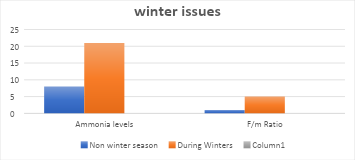
  • Winter ammonia spikes
  • Monsoon washouts
  • Summer bulking
  • Transitional season shock-loads

These issues led to frequent compliance failures and operational stress.

T1B Aerobio-One Stop solution to seasonal drift:

T1B Aerobio – a blend of robust microbes especially bacteria , is the ultimate Thor’s hammer for seasonal cahllenges in any ETP. With a bank of 76+ different strains , T1B Aerobio was customized according to the challenges face by ETP in every season. It also consist various elements and enzymes which make it more efficient and a single solution for various challenges which no ordinary bioculture/microbial culture can deliver.

ETP details:

The industry had primary treatment, biological treatment, and then a tertiary treatment.

Flow150 KLD
Type of processASP
No. of aeration tanks
Capacity of aeration tanks650 KL each
Total RT hours
Season-Wise Breakdown of Challenges & Solutions

????️ Winter Challenges (Dec–Feb)

Problems:

  • Nitrifier slowdown → High ammonia (>20 mg/L)
  • Low microbial activity → Increased F/M ratio
  • Reduced floc formation → Poor settling, turbid outlet
Solutions:
  • Pre-winter bioaugmentation with cold-active nitrifiers from T1B Aerobio Bioculture.
  • Increased MLVSS through controlled culture addition
  • Fine-tuned aeration to maintain DO around 3 mg/L
  • Reduced F/M by optimizing sludge wasting
Results:

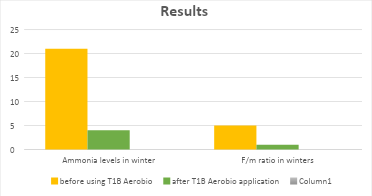
Ammonia was reduced to <5 mg/L within 10 days. Sludge quality improved, and the outlet was consistently clear.

☀️ Summer Challenges (Apr–Jun)
Problems:
  • High temperatures → Oxygen depletion
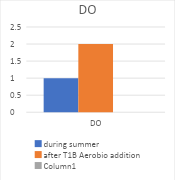
  • DO <1.5 mg/L → Filamentous bulking
  •  anti-filamentous dominant cultures through T1B Aerobio bioculture to suppress filaments
  • Boosted DO levels by adjusting blower run hours
  • Added foam control microbes to reduce surface scum and bulking
Results:

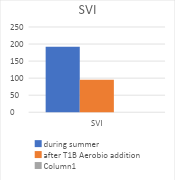
SVI normalized to 95–100 mL/g. Sludge settling and clarity improved; odor complaints dropped significantly.

????️ Monsoon Challenges (Jul–Sep)
Problems:
  • Heavy rainfall → Dilution & shock load
  • Surface runoff → Toxic load spikes
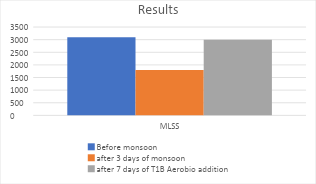
  • MLSS washed out → From 3500 to 1800 mg/L
  • Sudden pH shifts due to drainage ingress
Solutions:
  • Pre-monsoon culture buildup plan to fortify biomass using T1B Aerbio bioculture’s High-MLVSS variant
  • pH stabilization buffer introduced during heavy rains
  • Equalization tank aeration was increased to handle shock loads better
Results:

MLSS restored to 3100 mg/L within 7 days. COD removal stabilized at 90–92%. No emergency bypass required.

???? Transitional Season Challenges (Mar, Oct–Nov)
Problems:
  • Frequent influent variability due to batch changes
  • Occasional toxicity due to dyeing chemical overuse
  • Rapid shifts in temperature and pH → Microbial lag
Solutions:
  • Weekly parameter tracking and real-time microbial health checks
  • Targeted detoxifier blend dosing with Aerobio during chemical overload
  • Gradual culture build-up before full-load restart after holidays
Results:

The biological system became more resilient, absorbing fluctuations without crashing. No major deviations in any parameter

Parameter Snapshot Before vs After Aerbio Intervention
ParameterBeforeAfter T1B Aerobio
(Winter)>20 mg/L<5 mg/L
MLSS (Monsoon)~1800 mg/L~3100 mg/L
SVI (Summer)>160 mL/g90–100 mL/g
COD Removal~78%~92%
Outlet ClarityTurbid frequentlyClear, consistent
Odor ComplaintsFrequentAlmost Nil
Conclusion

Microbial performance doesn’t follow a flat line—it fluctuates with the weather. But with a season-wise microbial management plan, your ETP can remain compliant, efficient, and stress-free year-round.T1B’s Aerbio bioculture adapts where standard systems struggle—empowering your ETP to beat the seasonal drift, naturally.

Further Reading

To understand the science behind how microbial cultures enhance effluent treatment performance, explore our in-depth guide:
👉 What Are Biocultures for Wastewater Treatment — A Complete EHS Guide

This article explains the role of bioculture for ETP, the difference between aerobic and anaerobic bacteria, and how these biological solutions improve industrial wastewater treatment efficiency.

Contact us to implement a customized, season-wise microbial strategy with T1B Aerobio and keep your ETP biologically stable and compliant—year-round.

Email: sales@teamonebiotech.com

Visit: www.teamonebiotech.com

Discover More on YouTube – Watch our latest insights & innovations!-

Connect with Us on LinkedIn – Stay updated with expert content & trends!

Bioremediation of Aldehyde-Rich Wastewater from a Pharmaceutical Manufacturing Unit
Background

A leading pharmaceutical company situated in Madhya Pradesh in India was facing challenges in treating its aldehyde-laden wastewater, particularly with glutaraldehyde and formaldehyde content.Bioremediation of aldehyde-rich wastewater emerged as a sustainable and effective solution to this issue. Contact Us to learn how we can transform your wastewater challenges into sustainable solutions.

These compounds, used in drug synthesis and as disinfectants, were found to be:

  • Inhibiting microbial activity in their conventional Activated Sludge Process (ASP), a common biological wastewater treatment method.
  • Causing non-compliance with regulatory COD/BOD limits—critical benchmarks in any sewage water treatment process.
  • Producing a persistent pungent odor at the ETP outlet, calling for odour control in wastewater treatment.
ETP details:

The industry had primary treatment, biological treatment, and then a tertiary treatment.

Flow (current) 900 KLD
Type of process ASP
No. of aeration tanks 2
Capacity of aeration tanks 3180 KL and 2840 KL
Challenges: 
Parameters  Avg. Inlet parameters(PPM) Avg. Outlet parameters(PPM)
COD 12000 1500
BOD 4500 880-500
TDS 4000 1200
Formaldehyde 200 145
Gluteraldehyde 210 182
Problem Statement:

Despite having a full-fledged ETP (Equalization → Primary → ASP → Clarifier), the system could not consistently bring down aldehyde levels due to their toxicity to standard microbial consortia. The system experienced:

  • Foaming and poor settling in the aeration tank.
  • Reduced BOD removal efficiency.
  • Increased sludge bulking and filamentous growth—issues typical in inefficient wastewater filtration and sludge management systems.
Objective:

To implement a cost-effective, eco-friendly bioremediation strategy that:

  1. Enhances degradation of formaldehyde and glutaraldehyde.
  2. Restores biological treatment efficiency.
  3. Achieves compliance with CPCB norms.
Solution: Bioaugmentation-Based Bioremediation
Step 1: Selection of Microbial Culture/Bioculture

A customized bio-culture T1B Aerobio blend was developed, containing aldehyde-degrading strains of:

  • Pseudomonas putida
  • Bacillus subtilis
  • Rhodococcus sp.

These microbes had been lab-tested for their aldehyde tolerance and metabolic capabilities..aerobio from t1b

Step 2: Dosing Plan in Full-Scale ETP
  • Initial Loading dose: For 1st 30 days to develop the population of bacteria and generate biomass 
  • Maintenance dose: For the next days and on, to maintain the population of biomass generated.
  • Nutrient balancing (C:N:P = 100:5:1) to promote growth.
Step 3: Acclimatization Phase (2 Days)
  • The culture was activated for two days separately for acclimatization.

Monitored DO, pH, and ORP to ensure a stable environment.

Results:

After 60 days of Bioculture addition/Bioremediation:

Parameters  Avg. Inlet parameters(PPM) Avg. Outlet parameters(PPM)
COD 12000 500
BOD 4500 280
TDS 4000 1200
Formaldehyde 200 >15
Gluteraldehyde 210 >30

60 days of Bioculture addition/ bioremediation of aldehyde-rich wastewater

60 days of Bioculture addition/ bioremediation of aldehyde-rich wastewater

Benefits Observed

Rapid degradation of aldehydes without secondary pollutants
Stabilized biomass and improved MLSS/MLVSS ratio
Significant reduction in foaming and sludge bulking
Odor control and improved air quality near the aeration tank
Regulatory compliance achieved within 4 weeks

Conclusion

Bioremediation of aldehyde rich wastewater has proven to be a sustainable and economical solution for treating contaminated wastewater. With careful acclimatization, dosing, and nutrient balancing, the ETP was restored to optimal performance without requiring major infrastructure changes.This highlights the power of using the right wastewater treatment products and techniques to improve residential wastewater treatment systems and eco sewage treatment plants alike.

Contact Us to explore how our waste water engineering solutions can support your sewage treatment plant maintenance needs.

Email: sales@teamonebiotech.com

Visit: www.teamonebiotech.com

Discover More on YouTube – Watch our latest insights & innovations!-

Connect with Us on LinkedIn – Stay updated with expert content & trends!

Scan the code