The global water crisis continues to intensify, driven by pollution and scarcity. This issue not only threatens current industries but also poses long-term environmental risks. To address these challenges, modern wastewater treatment innovations have introduced Zero Liquid Discharge (ZLD) — a comprehensive system that enables industries to recover, reuse, and recycle water with minimal environmental impact.Upgrade your wastewater management with Team One Biotech — delivering advanced biological treatment solutions that make sustainability and cost-efficiency work together contact us now.
What is Zero Liquid Discharge (ZLD)?
Zero Liquid Discharge is an effluent treatment process designed to ensure that no wastewater is released into the environment. It enables complete water recovery while isolating solid residues such as sludge and salts for disposal.
Industries such as textiles, power plants, chemicals, and pharmaceuticals frequently deal with high TDS, high COD and BOD, and ammonical nitrogen reduction challenges. In such cases, ZLD in wastewater treatment ensures efficient resource utilization while maintaining environmental compliance. The ultimate goal is zero discharge and maximum water reuse.Wastewater treatment is an essential step toward achieving Zero Liquid Discharge, ensuring that every drop of effluent is treated, recycled, and reused to minimize environmental impact.
Illustration of the process:
The Cost Factor in ZLD Implementation
While Zero Liquid Discharge systems are highly effective, they also involve significant CAPEX and OPEX. Implementation can increase wastewater treatment costs by up to 300% when dependent solely on physical and chemical processes. Incorporating biological or anaerobic treatment stages can substantially reduce these expenses and improve long-term sustainability.
How Does a ZLD System Work?
A standard ZLD process integrates physical, chemical, and biological stages to achieve complete recovery. The primary stages include:
1. Pre-Treatment
This step removes suspended solids, oils, and greases through chemical dosing, pH correction, and equalization. It ensures that the influent entering the next stages is stable and easier to process.
2. Biological Treatment
This involves microbial degradation of organic matter to lower COD and BOD levels. Commonly applied in textile, pharma, and tannery industries, it helps minimize scaling, fouling, and odour issues.
These systems separate clean water from dissolved salts and pollutants. The permeate is reused within the plant, while the reject moves to the evaporation stage for further concentration and recovery.
4. Evaporation (Multi-Effect Evaporator – MEE)
RO rejects are treated in Multi-Effect Evaporators (MEE) or Mechanical Vapour Recompression (MVR) units. These thermal processes recover clean water through vapor condensation while concentrating the remaining brine.
5. Crystallization
The final step converts concentrated brine into solid form for safe disposal or possible recovery, ensuring complete zero liquid discharge.
Challenges in Sustaining ZLD Operations
Despite its benefits, maintaining Zero Liquid Discharge operations is often difficult due to technical and operational constraints.
High Energy Consumption
Evaporators and crystallizers require large amounts of steam or electricity, accounting for 40–60% of total ZLD OPEX. High COD, TDS, and ammonical nitrogen loads further increase energy consumption.
Scaling and Fouling
Inadequate pre-treatment or high phenol content can lead to scaling and fouling in RO membranes. This reduces permeate recovery, increases cleaning frequency, and shortens membrane life.
Frequent Shutdowns
Industries handling variable effluents—such as textile, dye, and pharmaceutical units—face fluctuations in high COD and BOD loads. This can trigger growth of filamentous bacteria, excess sludge formation, and frequent system shutdowns, increasing operational costs.
Bioremediation offers a sustainable solution for optimizing effluent treatment in ZLD systems. By utilizing specialized microbial strains bioculture, it enhances organic degradation, minimizes sludge generation, and stabilizes biological processes.
Key benefits include:
1. COD and BOD Reduction
Microbes effectively degrade organic compounds, reducing COD/BOD by up to 90%. This lowers aeration energy and chemical usage, while preventing membrane fouling.
2. Sludge Reduction
Bioremediation converts organic waste into carbon dioxide and water, resulting in minimal sludge accumulation and preventing MEE tube blockage. This reduces power and maintenance requirements.
3. Reduced Evaporator Load
Improved settling and clear supernatant reduce the volume sent to evaporators, cutting down energy demand and improving overall ZLD efficiency.
4. Enhanced Operational Stability
By controlling filamentous bacteria and supporting anaerobic treatment, bioremediation strengthens system resilience, stabilizing operations during variable or shock loads.
Compliance and Environmental Benefits
Implementing bioremediation aligns with NGT, CPCB, and PCB guidelines for zero discharge systems. It ensures reduced reliance on chemicals, improved odour control, and better compliance with national environmental regulations. The approach contributes to sustainable development goals by promoting biological wastewater treatment over purely mechanical systems.
Conclusion: Achieving Cost-Effective Zero Liquid Discharge
Zero Liquid Discharge remains critical for sustainable industrial wastewater management, but its high operational costs require strategic optimization. Incorporating bioremediation enhances biological pre-treatment, reduces sludge generation, and improves overall efficiency, making ZLD more affordable and environmentally responsible.
When properly managed, pretreated effluent acts like a well-balanced system—easier to process, more energy-efficient, and more reliable. Integrating bioremediation ensures long-term operational stability and significant cost savings for industries implementing ZLD in wastewater treatment.Achieve compliance, efficiency, and sustainability in every drop. Get in touch with Team One Biotech for expert-driven ZLD solutions.
To achieve sustainable Zero Liquid Discharge with reduced operational costs, contact Team One Biotech for tailored biological solutions.
As one of the leading biotech companies in India and trusted bioremediation companies in India, Team One Biotech continues to deliver solutions that redefine sustainability across wastewater treatment, agriculture, aquaculture, and hygiene management.
This is a detailed article on biocultures for wastewater treatment, covering their importance, working mechanism, applications, and industrial benefits. It explains how microbial consortia improve ETP and STP efficiency, enhance biological degradation of pollutants, and ensure compliance with CPCB and NGT wastewater discharge standards. Contact us if you need industry specific consultation on biocultures utility.
Table of Contents
What are Biocultures for Wastewater Treatment?
Why Do We Need Biocultures?
How Do Biocultures Work?
Types of Biocultures and Formulation
How Biocultures Are Manufactured (End-to-End)
Sector-Wise Applications of Biocultures in Wastewater Treatment
Supporting Conditions for Bioculture Effectiveness
Environmental, Safety & Compliance Considerations
FAQs
Conclusion
Introduction
The current growth of India is exponential in each sector, whether it is defence, semiconductors, industries, or exports, among others. But, there is one more thing where India has an exponential graph, which is pollution, and to be specific, water pollution. Untreated Industrial and sewage wastewater is still one of the biggest menaces that the country is facing, and despite a central body such as the NGT and CPCB in function issuing strict compliance, along with practically every industry having a wastewater treatment plant.
Now the question arises if every industry has a facility to treat wastewater or there are existing STPs to treat sewage, and new ones are being built, then why does this menace of water pollution still exist to such a large scale?
Well, the answer is simple. No hardware can work without proper software. Meaning the infrastructure of an ETP/STP is not enough to treat wastewater. As the maximum work of pollution reduction is done by biological treatment, which uses the same mechanism of nature through which a pile of garbage gets degraded automatically, a dead body is reduced to bones within days, how milk gets transformed into hung curd, or how our food gets digested easily. And the warriors of this mechanism are microbes.
Water pollution is one of the most critical environmental challenges faced by industries today. Despite the presence of advanced Effluent Treatment Plants (ETPs) and Sewage Treatment Plants (STPs), untreated effluents still contribute to high BOD, COD, and TDS levels in water bodies. This is where biocultures for wastewater treatment play a pivotal role.
Biocultures—specialized microbial consortia—are introduced into biological treatment systems to accelerate the biodegradation of organic pollutants, improve sludge reduction, and enhance nitrogen and phosphorus removal. From industrial wastewater management to municipal sewage treatment, biocultures ensure faster recovery from toxic shock loads, stabilize the microbial population, and improve compliance with environmental norms in India.
Now these microbes, when used effectively with proper research and execution, can enhance the pollution-degrading capacity of the wastewater treatment plant 3 times.
What are biocultures for Wastewater Treatment?
Biocultures are combinations of microorganisms that play a crucial role in the biological treatment of wastewater. These microbial consortia work to degrade complex pollutants such as hydrocarbons, phenols, fats, oils, and grease (FOG), ensuring COD and BOD reduction. They are widely used in:
Industrial wastewater treatment (pharmaceutical, textile, chemical, refinery, and food industries)
Municipal STPs for sewage management
Anaerobic digestion systems for biogas generation
This article will focus on the core use of biocultures, the science behind it and how prominent it is.
Why do we need Biocultures?
This is one of the most common questions asked. Let’s first understand why we need external microorganisms when we still have a biological system with a biomass in a wastewater treatment plant. The “workforce” of any waste treatment system is its biomass. In a dynamic state of flux, different microorganisms perish while others proliferate and become more prevalent.
Under extreme circumstances, such as toxic shock, some bacterial populations may be reduced or eliminated, resulting in poor effluent quality. Historically, waste treatment strategies have been slow to recover in such scenarios. In the aeration basin of a typical industrial waste treatment plant, one would expect to find a wide range of bacterial species or strains.
This bacterial diversity is essential because different types of bacteria digest different substances more effectively and efficiently. Regrettably, the vast majority of industrial waste treatment systems never achieve long-term stability. The quantity & the quality of entering wastewater normally vary on a weekly or sometimes even daily basis.
These variances might be caused by batch process production, schedules, chemical spills in the manufacturing plant, ineffective plant equipment, ETP design, process management or human errors. The reality is that biological populations in many treatment facilities never reach optimal numbers or a variety of species. Without bioaugmentation/bioremediation, the indigenous population should be made up of a diverse range of species.
Some of these organisms degrade organic substances more efficiently and effectively than others, generating a settleable biomass. Hence such organisms/microbes are selected and combined into a product called as biocultures, which are then added into the biological systems of a wastewater treatment plant.
Biocultures benefits:
Indigenous microbes often fail under extreme conditions (toxic loads, variable pH, high salinity).
Biocultures provide robust microbial strains that stabilize the biomass.
They ensure faster recovery from shock loads, maintain MLSS:MLVSS ratios, and improve settleability of sludge.
They help achieve compliance with PCB, CPCB, and NGT norms for effluent discharge.
How do Biocultures work?
Ideally, the biomass is divided into three populations: Population A (desired indigenous microbes), Population B (other indigenous microbes), and Population C (selected robust microbes). The bioaugmentation/bioremediation program’s purpose is to add bioculture with selected microbial strains to boost Population A’s development, establish the selected robust microbial strains of Population C and reduce Population B. This helps us achieve both the quality and quantity of the bacterial population in a biological system.
Understanding the mechanism of microbes
The microbes remove or degrade organic pollutants through enzymes, following a particular mechanism that is distinct for every kind of pollutant such as :
Carbon removal:
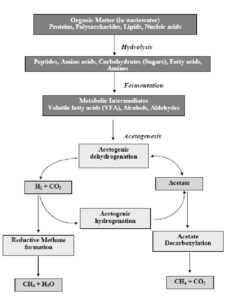
In wastewater, biodegradable organics are mostly in the form of carbon that contribute to COD/BOD, such as sugars, starches, fats/oils/grease, proteins, alcohols, etc.). Heterotrophic bacteria reduce these organics for energy and cell generation. Here, one portion of carbon is transformed into CO2 + H2O and assimilated by the rest into biomass (MLSS/MLVSS).
The above flowchart explains the general pathway of carbon removal by microorganisms through both aerobic and anaerobic mechanisms.
Biocultures with a combination of microbes that secrete hydrolytic enzymes, such as lipase, Oxygenases, and dehydrogenases, etc., are used in carbon removal
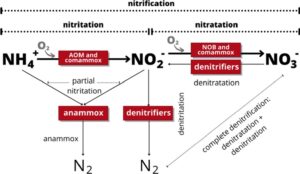
2. Nitrogen Removal: The nitrogen removal pathway consists of two steps:
Nitrification: In this step, ammonia is converted first into nitrite and then into nitrate in the presence of oxygen by nitrifying bacteria.
Denitrification: In this process, the nitrate is converted into nitrogen gas in low quantities or in the absence of oxygen.
The complete process is popularly called the anoxic process. Biocultures with a combination of microbes, such as nitrifying and denitrifying bacteria, are used for nitrogen removal.
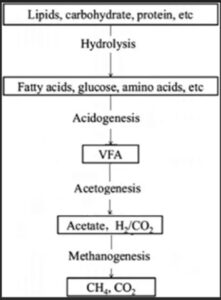
3. Anaerobic Digestion: It is a four-stage biological process.
Hydrolysis: In hydrolysis, specialised microbes release enzymes (lipases, proteases, amylases) that cleave the macromolecules into simpler compounds such as fatty acids, amino acids, and sugars.
Acidogenesis: Acidogenic bacteria convert these compounds into VFA (acids), alcohols, hydrogen, and carbon dioxide
Acetogenesis: The VFAs and alcohols are further converted by syntrophic bacteria into acetic acid, H2 and CO
Methanogenesis: Methanogenic archaea consume acetate, hydrogen, and CO₂ to produce methane-rich biogas. This is the energy-harvesting stage, yielding about 55–70% methane in the gas stream, which can be used in boilers, combined heat and power (CHP), or upgraded to biomethane.
4. Phosphorus removal:
Phosphate Removal Cycle:
Anaerobic zone: In the lack of oxygen, PAOs take up VFA (acetate/Propionate) for energy.
Aerobic Zone: these PAOs with stored energy then take up PO4-P, and then they are removed by wasting the sludge.
So, in this process, the pollutants are not degraded but absorbed by microbes, which are introduced through biocultures.
These biocultures are directly introduced into the biological tanks where they are either kept in suspended growth or with biofilm carriers or media to enhance surface area for reaction.
Slow start-up; sensitive to solvents/sulfides/salts; temperature dependency; potential odors if upset
Success KPIs
Downstream COD/BOD drop, stable DO, good SVI/settling
NOx removal across anoxic, alkalinity recovery, minimal gas bubbles
Rising biogas (CH₄ %), VFA/alkalinity in control, COD removal ↑, foam/odour under control
Biocultures Manufacturing Process
Being a leading manufacturer of biocultures, we can explain the process as below:
Strain sourcing & Safety: Performance-proven strains are selected on the basis of substrate profile and range, growth rate, pH tolerance, temperature, salinity, and surfactants. Mostly, a master working cell bank under controlled storage is maintained with records.
Bench Characterisation: Typically, benchtop reactors are in-shaken along with mapping growth curves and profiling of enzymes. Parameters or set points, such as temperature, pH, and the DO control band, are also considered, which vary with every strain.
Scale-up (production): The strain is then transferred from bench reactors or flasks to larger volume fermenters, which are already sterilised.
Harvest & stabilisation: Harvest is done by centrifugation or microfiltration, followed by stabilisation depending upon the product’s form:
Powders: carriers such as maltodextrin, mineral clay, zeolite + protectants (trehalose, skim solids) are mixed, followed by dry spraying.
Liquids: buffered media is used.
Encapsulated/blocks: entrap
Where Biocultures are Used: Sector-wise applications
1. Food and Beverage (dairy, breweries, soft drinks, bakeries):
Effluent Profile: readily degradable organic COD in high content in the form of lactose, proteins, sugars and FOG
Major issues: Sudden/burst foaming, morning/evening shock loads, ammonia carryover when nitrification lags.
Bioculture Consortia used: Mostly enzyme-rich aerobic consortia that are rich in hydrolytic enzymes ( amylase, proteases, lipase) are used to accelerate hydrolysis. Nitrifiers are used in case of ammonia.
Microbial Mechanism: Faster conversion of colloids to soluble carbons. Healthy floc formation occurs with robust and stable biomass development.
2. Pulp and Paper:
Effluent Profile: High COD effluent with colour, lignin/cellulose fractions and heavy foaming issues.
Pain Points: Lignin is one of the toughest components to degrade; hence, biodegradability is low. Colour is also a prominent factor that is very hard to reduce.
Bioculture consortia used: Consortia with microbes that secrete enzymes such as Laccases, lignin peroxidases, along with other hydrolytic enzymes are used.
Microbial mechanism: the polymers of lignin are cleaved by enzymes, and co-metabolism degrades colour concentration.
3. Textile & Dye
Effluent Profile: Consists of dyestuff, common surfactants, high temperature, reactive and non-reactive dyes components.
Issues: prominence of refractory colour, which is a visible pollution indicator, along with nitrite spikes. High temperature up to 55°C kills normal native microbes.
Bioculture consortia used: Consortia with microbes that secrete enzymes such as reductases, peroxidases, along with other hydrolytic enzymes are used, which should be thermophilic in nature to enhance stability and performance in high temperatures.
Microbial Mechanism: the thermophilic bacteria that are viable in high-temperature easily degrade dyestuffs and color.
4. Pharmaceuticals & APIs:
Effluent Profile: Consists of inhibitory intermediates, solvents, high ORP swings, high Ammonia, and refractory COD.
Issues: high toxicity, long accumulation, shock loads, ammonia spikes and low settling in clarifiers.
Bioculture consortia used: Biocultures with De-Tox tolerate blend, a few bacillus strains and nitrifiers can be used.
Microbial Mechanism: Biofilm formation, along with EPS binding buffers toxicity, while the bacillus and other strains degrade refractory COD. For Ammoniacal nitrogen nitrifiers in the presence of oxygen, perform the function of nitrification, followed by denitrification by denitrifying strains.
5. Chemical manufacturing (Paints, resins, surfactants):
Issues: high toxicity, shock loads, high TDS, low COD/BOD degrading efficiency.
Bioculture consortia used: Biocultures with De-Tox tolerate blend, a few bacillus strains and nitrifiers can be used.
Microbial Mechanism: Biofilm formation, along with EPS binding buffers toxicity, while the bacillus and other strains degrade refractory COD.
6. Petrochemical/refineries:
Effluent Profile: prominence of alkanes, Aromatics, emulsified oil and specifically PHA
Issues: surfactant interactions, emulsion that passes without degradation, inducing odour, high PHA at outlets affecting efficiency, even loss of sludge blanket in the UASB process and low methanogenesis.
Bioculture consortia used: Biocultures with hydrocarbon-degrading as well as lipase-producing strains, anaerobic strains with similar properties for UASBs.
Microbial Mechanism: The enzymes, such as mono/di oxygenases, crack hydrocarbons, lipases split triglycerides and PHAs. The Anaerobic strains form heavy flocs that can settle at the bottom to strengthen the sludge blanket.
Case Studies:
Pharmaceutical(API) company in Gujrat:
Challenges:
The COD, BOD and Ammoniacal Nitrogen were always high above the discharge limits in spite of having a high amount of MLSS & MLVSS in all their aeration tanks. The EHS department of the industry was under pressure to maintain the parameters as per the PCB norms. Some consultants had also suggested having an MBR after the ASP process, which unfortunately was not providing the desired output.
ETP Flow chart:
Primary- Biological and Tertiary systems, with RO & MEE. The activated sludge process (ASP) has 3 aeration tanks in series and one anoxic tank before the aeration tanks.
Flow:
200 m3/day
Inlet COD:
14,000 to 17,000 ppm
Inlet Ammoniacal Nitrogen:
280 to 320 ppm
COD outlet after biological treatment:
9000 to 12000 ppm
Ammoniacal Nitrogen after biological treatment
220 to 270 ppm
Bioculture Selection and Dosing
A blend of microbial strains that were capable of degrading recalcitrant compounds, aromatics, phenols and long-chain carbons was created and incorporated into bioculture, which was dosed in the aeration tanks for 8 weeks.
Results:
Results and discussions:
91 % reduction in COD and 75% reduction in TAN levels after 60 days and today the COD is in the range of 500 to 450 ppm in their biological outlet.
EBPR-Phosphate removal:
A prominent chemical manufacturing unit situated in MP near Ratlam wanted to treat an effluent stream with a high phosphate content of up to 1500-2000 ppm. They wanted to use their old ETP, revive it, commission it, and make it efficient for phosphate treatment.
1st Phase: Scrutiny
OLD ETP details:
The ETP had primary treatment, biological treatment (Anaerobic), and then a tertiary treatment.
Flow (current)
350 KLD
Type of process
UASB
No. of UASBR
1
Capacity of biological tank
950 KL
Parameters of the stream with Phosphate:
Parameters
Avg. Inlet parameters(PPM)
COD
4300
Phosphate Content
1500-1800
TDS
3000
2nd Phase: The Blueprint
After scrutiny, it was concluded to transform the old ETP apparatus into an EBPR unit, i.e., Enhanced Biological Phosphorus removal unit, which involves the introduction of PAOs (polyphosphate-accumulating bacteria) into the biological system along with physico-chemical treatment in primary and tertiary systems, respectively, of the old ETP.
ETP process optimisation:
An efficient EBPR unit requires anaerobic as well as aerobic systems, as in anaerobic, the RbCODs get transferred into VFAs, which are then absorbed by PAOs for efficient phosphate uptake, which is dispersed during the anaerobic process. The PAOs then absorb the phosphate rapidly in the aerobic system. Hence, biomass with phosphate-absorbed PAOs is allowed to settle in the clarifier, and then WAS is removed.
In this scenario, the ETP had a UASB system, but no Aeration system, hence:
We utilised a spare tank of capacity 300 KL located next to USABR, and transformed it into an aeration tank by installing diffusers.
After our recommendation, the industry installed a 50 KL FRP clarifier after the sedimentation system.
Hence, the old ETP now had a facultative EBPR system.
3rd Phase: Technology and Execution
Selecting biocultures:
For UASB:
The perfect solution for an Anaerobic system consists of robust bacteria that can efficiently work in anaerobic conditions, leveraging efficiency in terms of:
COD reduction
Biomass Generation
Methane Generation
F/M ratio optimization
Here, since the goal was phosphate reduction, we amalgamated PAOs as well, which made the product extremely effective to be used in the developed EBPR system.
For Aerobic Tank:
Highly robust and selective strains of bacteria, which, when combined with PAOs.
Results:
After 60 days of implementation:
Parameters
Primary Outlet
UASB Outlet
Clarifier Outlet
COD
3900
1900
800
Phosphate
1300-1500
850-900
180
COD Reduction
10 %
~ 55 %
82 %
Phosphate reduction %
8-10%
~ 65 %
~85-90%
Supporting Conditions for Biocultures in Wastewater Treatment:
Essential Parameters to be maintained:
DO: 1.5 to 3 is essential in an aerobic process to produce the best results from biocultures for wastewater treatment.
pH: Neutral pH is recommended, but the range between 6.5 and 8 is preferable.
Temperature: The ideal range for optimum performance should be 20-35 °C, but some thermophilic strains can thrive up to 55 °C
ORP: For anaerobic, it should be between -100 and -300 mV.
Yes, they can reduce the sludge meaningfully; however, HRT, SRT and wasting are important factors to be tracked as well.
5.Do I need to stop chemicals when using biocultures?
Chemicals for primary treatment, especially for pH control and coagulation-flocculation, are necessary; however, effective biocultures can reduce their quantity to some extent.
6.Can I use them in grease traps/septic at small facilities?
Yes, biocultures with FOG-degrading strains can be used.
7.Any red flags when buying biocultures?
A vendor/manufacturer giving fake guarantees without studying and analysing the problem of your wastewater treatment plant.
Conclusion:
Nature’s best healing mechanism, i.e microbes, is simple yet extremely effective, especially for wastewater treatment. They are very tiny in size but mighty in effect, and when the right combination of such microbes is created, 60% of wastewater treatment problems are solved. Biocultures for wastewater treatment are proven and effective technologies that have been with us forever, but we have realised their potential in the wastewater sector very late, and it is still misunderstood and unexplored.
As one of the leading biotech companies in India and trusted bioremediation companies in India, Team One Biotech continues to deliver solutions that redefine sustainability across wastewater treatment, agriculture, aquaculture, and hygiene management. Contact us here for free consultation.
India generates over 72,000 MLD of sewage daily, but less than half is treated effectively. This untreated wastewater flows into rivers like the Yamuna, Ganga, and Mula-Mutha, causing severe health and ecological damage. Despite multiple government initiatives like the Ganga Action Plan and National Mission for Clean Ganga, a significant sewage burden persists.
India is often termed by the world as the Spiritual capital, and people around the world flock to India to seek penance, embrace the tranquillity of nature and follow the path of GOD. But unfortunately, the past few centuries of dark chapters and post-independence blunders have made India and Indians be looked at as unfriendly to cleanliness, and we even prove it sometimes, because the very rivers that we worship and are sacred in our texts are among the most polluted rivers in the world.
By the 1970s and 80s, untreated sewage had become a national crisis. Outbreaks of cholera in Kolkata, jaundice in Surat (1994), and recurring typhoid cases in Delhi highlighted the urgent need for structured sewage management. It was clear that septic tanks and open drains could no longer cope with urban growth.
Why the Government Was Forced to Act
The first large-scale intervention came with the Ganga Action Plan (1986), which introduced Sewage Treatment Plants (STPs) in Kanpur, Varanasi, and other towns along the river. These were followed by the National River Conservation Plan (1995) and later the National Mission for Clean Ganga (2014).
The government realised that simply building drains wasn’t enough. What was needed were systems that could not only treat sewage but also manage solid waste sustainably. This is where biodigesters became a key component of STPs.
City Case Studies
Delhi ( Okhla STP, 1990s): One of the largest STPs in Asia, Okhla adopted biodigesters to process sewage sludge and generate biogas. However, poor maintenance has kept its output below potential, highlighting the gap between design and operation.
Kanpur (Ganga Action Plan, 1986): As one of the first cities to adopt STPs with biodigesters, Kanpur showed early promise. But decades later, many plants fell into disrepair due to lack of funding and technical oversight, contributing to ongoing Ganga pollution.
Pune (Mula-Mutha River STPs, upgraded in 2018): A positive example, where biodigesters were modernised to produce electricity from biogas, helping reduce operational costs while tackling sewage loads.
Why Many Systems Struggle Today
Despite success stories, 40% of India’s STPs are either non-functional or underperforming (CPCB data). The reasons include:
Poor Maintenance: Microbial cultures die out when not replenished.
Finding Gaps: Municipal budgets often fail to cover operations.
Skill Shortages: A lack of trained operators undermines performance.
Outdated Designs: Many STPs still run on decades-old technology.
Role of Biodigesters in STPs
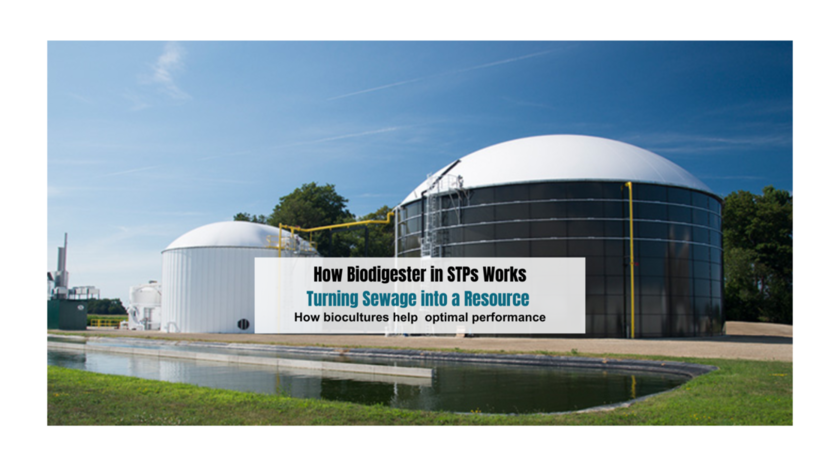
Biodigesters in Sewage Treatment Plants (STPs) are anaerobic chambers that use microbes to break down sludge. They:
Convert organic matter into biogas and nutrient-rich slurry.
Enable energy generation from methane.
Stabilise sludge and make it safe for reuse.
While cities like Delhi, Kanpur, and Pune have adopted biodigesters, around 40% of India’s STPs underperform due to poor microbial management, outdated designs, and lack of skilled operators.
How Biocultures Improve Biodigester Working
Biodigesters thrive only when the microbial population is balanced and active. Without replenishment, microbial colonies collapse, leading to foul odour, incomplete digestion, and reduced biogas yield.
Here’s how biocultures for STPs can solve these challenges:
Odour & Pathogen Control: Maintains hygienic and sustainable operations.
Team One Biotech’s Expertise
As one of the leading biotech companies in India, Team One Biotech provides customised bioculture formulations to optimise biodigester working in STPs, ETPs, and decentralised sewage systems.
Our solutions include:
Anaerobic Biocultures tailored for methane generation.
Sludge-reducing microbial consortia to extend biodigester life.
Start-up cultures for new STPs or after shock loads.
On-site consultation and training for plant operators.
By integrating our biocultures, municipalities and industries can transform underperforming biodigesters into efficient, sustainable, and cost-saving systems.
Conclusion
Biodigesters are the backbone of modern sewage treatment in India, but they need consistent microbial support. Team One Biotech bridges this gap with advanced biocultures for STPs, ensuring reliable biodigester working, reduced sludge, and higher biogas yields.
With the right biotechnological support, India can move towards a circular wastewater economy, cleaner rivers, and healthier cities.
Explore More Solutions by Team One Biotech
Apart from biocultures for wastewater treatment, Team One Biotech also offers innovative and eco-friendly solutions across multiple sectors, including:
Safeguard your sanitation systems with eco-friendly solutions that go beyond mere construction. While most people think of sanitation as simply building toilets, the reality is that four walls and a seat don’t guarantee safety or hygiene. Toilets are a basic human right, yet many are failing—clogged, foul-smelling, and unsafe for long-term use. To ensure your sanitation system is effective, reliable, and sustainable, Contact Us today.
The Real Toilet No One Talks About
What most of us forget is that a toilet is only as good as the system behind it. The real heart of sustainable sanitation is the septic tank, not the walls or the structure. Unfortunately, this is the part that people ignore the most. There are toilets, but are they even working?
There are toilets, but are they hygienic enough to visit?
There are toilets, but do they smell due to poor septic tank maintenance?
If the septic tank is neglected, the toilet becomes nothing more than a temporary solution. Without proper septic tank cleaning, whether using microbial septic tank bacteria or septic tank cleaning powder, we are not solving the problem—we are simply delaying it.
Why Septic Tank Sanitation Matters
A safe and sustainable toilet is one that manages waste effectively, prevents odor, protects groundwater, and ensures a healthy environment. Poorly maintained septic tanks lead to:
Unpleasant odours that discourage usage
Overflow and blockages
Contamination of soil and water sources
Spread of harmful pathogens
This is why regular septic tank treatment with the right solutions, including natural septic tank smell removers, is crucial for communities and industries alike.
Microbial Solutions for a Sustainable Future
This is where biological wastewater treatment offers game-changing innovation. Modern microbial solutions replace harmful chemicals with nature’s own power—beneficial septic tank bacteria that break down organic waste safely and effectively.
Introducing T1B™ Septic: A Natural Septic Tank Cleaner
T1B™ Septic is a specialized microbial septic tank cleaner designed to restore and maintain healthy sanitation systems. It works by:
Breaking down waste naturally with effective septic tank bacteria
Reducing foul odour using a safe septic tank smell remover formula
Improving septic tank performance
Extending the life of sanitation systems
Promoting environmental safety
Unlike chemical-based solutions, this natural septic tank cleaning powder ensures long-term sustainability without harming the environment.
A Game-Changer for Africa and Beyond
In many African countries and developing regions, access to toilets has improved thanks to sanitation drives. But the challenge remains—are these toilets sustainable? Without septic tank cleaning, toilets fail, and the cycle of poor sanitation continues. T1B™ Septic offers a low-cost, highly effective, and eco-friendly solution to make sanitation truly sustainable. By adding effective biocultures and septic tank bacteria to septic systems, we can ensure:
Long-lasting toilets that people actually use
Healthier communities with reduced disease spread
Cleaner environments free from untreated waste
Conclusion: Redefining Toilets as Sustainable Sanitation
It’s time we changed our perspective. A toilet is not just four walls and a seat—it’s a system that must be safe, odour-free, and sustainable. Septic tank cleaning, using tools like microbial septic tank bacteria, septic tank cleaning powder, and septic tank smell remover, is the foundation, and microbial solutions like T1B™ Septic are the future of global wastewater management. Because true sanitation is not just about building toilets—it’s about making them last. And the key lies in using the right septic tank cleaner backed by bioremediation technologies. Don’t let untreated toilet waste endanger your family and community—choose safe, natural, and affordable sanitation with T1B™ Septic. For sustainable solutions tailored to your needs, Contact Team One Biotech today.
Pollution takes many forms-plastic waste, industrial smoke, untreated sewage-but one of the most underestimated is oil contamination. From catastrophic oil spills that devastate marine ecosystems to the silent but relentless discharge of fats, oils, and grease (FOG) from industries, this problem is a ticking time bomb.
For environmentalists, scientists, and wastewater professionals, it is clear: oil and grease in our environment are not just nuisances; they are long-term threats to ecosystems, infrastructure, and human health, making oil spill cleanup indispensable.
Tackling this challenge requires advanced wastewater treatment technologies, effluent management strategies, and biocultures designed to restore balance naturally. Safeguard your business with proven wastewater treatment technologies—Contact Us to resolve oil spill management, FOG control, and effluent treatment challenges.
The Scale of the Problem
Oil Spills: Catastrophes in the Open
Oil spills are some of the most visible disasters in environmental history. When crude oil from tankers, offshore rigs, or pipelines leaks into oceans, it spreads rapidly, creating a suffocating slick.
The Deepwater Horizon disaster in 2010, for instance, released nearly 5 million barrels of crude oil into the Gulf of Mexico. Marine Life, coral reefs, and entire fisheries were devastated.
Oil reduces oxygen transfer, blocks sunlight and coats marine animals, making survival nearly impossible. Cleanup can take decades, with oil residues lingering in sediments and groundwater long after the initial crisis is over.
Fats, Oils, and Grease: Silent Threats in Wastewater
Unlike dramatic oil spills, FOG pollution is an invisible but constant problem. Every day, effluents from food processing units, restaurants, dairies, and even households carry high loads of fats, oils, and grease.
When FOG enters sewer systems or untreated effluent flows into rivers:
It congeals into giant fatbergs, causing blockages and sewage overflows.
In water bodies, grease forms a layer that suffocates aquatic ecosystems.
The oily film makes wastewater treatment plants less efficient, increasing operational costs.
Municipalities and industries spend billions combating FOG blockages, proving that this is not just an ecological issue but a serious economic burden.
Why Oils are FOG are so Dangerous
Persistence in the environment
Hydrocarbons from oils are resistant to natural degradation. They contaminate soil and water for decades unless actively treated with bioremediation techniques.
Bioaccumulation
Toxic compounds from oils accumulate in fish and shellfish, eventually moving up the food chain and harming human health
Impact on Effluent Treatment:
Grease-laden wastewater is hard to process. It reduces oxygen transfer in treatment plants, disrupts microbial communities, and lowers efficiency.
Health Risks
From carcinogenic hydrocarbons to contaminated drinking water, oil pollutants pose severe risks to communities living near sites or polluted water sources.
Climate Connection
Oils and grease breaking down anaerobically can release methane, adding to greenhouse gas emissions and worsening climate change.
Sustainable Solutions for Oil and Fog Pollution: how can you clean up an oil spill
Prevention: Keeping Oil Out of Water in the First Place
Regulation and Enforcement: Governments must enforce wastewater discharge standards, ensuring industries pre-treat oily effluents before releasing them.
Grease traps and interceptors: Commercial Kitchens and food processors should install grease traps to capture FOG before it enters sewers.
Public Awareness: Households must be educated not to pour used cooking oil down drains but instead collect it for recycling into biodiesel.
Advanced Wastewater Treatment Technologies
Oil-water Separators: These devices physically remove oil from effluent, preventing contamination downstream.
Biocultures for Bioremediation: Specialized microbial formulations can degrade hydrocarbons in wastewater, breaking down oils into harmless by-products like carbon dioxide and water. Biocultures are now widely used in effluent treatment plants (ETPs) to enhance degradation.
Enzyme-Based Solutions: Bioenzymes liquefy grease and improve flow in pipelines, reducing fatberg formation and supporting wastewater treatment operations.
Oil Spill Emergency Response
Containment and Skimming: Using booms to contain oil slicks and skimmers to remove it from the water surface.
Dispersants: Chemicals that break oil into tiny droplets (though their toxicity is debated).
Marine Bioremediation: Deploying oil-degrading bacteria directly into marine ecosystems, speeding up natural cleanup without harmful side effects.
Turning Waste into Value
Biodiesel from Used Cooking Oil: A sustainable alternative fuel that reduces dependency on fossil fuels.
FOG Recycling Programs: Municipalities can convert grease into industrial lubricants or biofuels, aligning with circular economy principles.
Real-World Examples of Success
Singapore’s Grease Trap Law: Strict enforcement in the food industry has significantly reduced FOG-related sewer blockages.
India’s Wastewater Innovation: Several effluent treatment plants are using microbial biocultures to break down oils and organic load, reducing operational costs while improving discharge quality.
Exxon Valdez Cleanup with Bioremediation: After the 1989 oil spill in Alaska, scientists successfully applied bioremediation techniques to accelerate natural recovery.
The Role of Biocultures in Oil and FOG Management
Biocultures—formulated microbial communities—are game-changers in wastewater treatment. Their role includes:
Breaking down hydrocarbons into simpler, non-toxic compounds.
Improving effluent quality, making water safe for discharge or reuse.
Reducing operational costs by lowering the load on mechanical and chemical treatments.
Supporting sustainable wastewater management by offering eco-friendly, non-toxic solutions.
For industries, adopting biocultures is not just about compliance—it’s about reducing environmental impact while enhancing efficiency.
Conclusion
Oil spills and fats, oils, and grease discharges may differ in scale, but both pose enormous environmental and economic challenges. Left unchecked, they disrupt ecosystems, cripple infrastructure, and compromise public health.
The solution lies in integrated wastewater treatment strategies:
Prevention through strict regulation and awareness.
Advanced technologies like oil-water separators and grease traps.
Eco-friendly approaches using bioremediation and biocultures.
Circular economy practices that turn waste oil into valuable resources.
By addressing oil and grease pollution at every level—household, industry, and policy—we can not only protect our water bodies but also create a more sustainable, resilient future.
The choice is clear: treat oil and grease as waste, or transform them into opportunities for environmental and economic growth. With biocultures, sustainable effluent management, and innovative wastewater treatment, we can rise to this challenge.
Safeguard your facility and the environment with advanced wastewater treatment solutions designed to tackle oil spills, FOG pollution, and effluents. For reliable, sustainable, and expert support, Contact Us today.
Bioremediation and microbial biocultures are transforming how industries manage wastewater. Yet, despite proven success in ETPs, STPs, and industrial wastewater systems, there are widespread misconceptions. To explore the right approach for your facility, Contact Us.
Too often, decision-makers expect overnight miracles or assume dosing is optional. These myths not only delay results but also undermine the effectiveness of biological solutions.
Let’s separate facts from fiction with some common myths about bioremediation.
Myth 1: “ Adding biocultures once will heal my system in one day.”
Truth: Bioremediation is a biological process, not an instant chemical reaction.
Microbes require time to acclimatize, multiply, and colonize the wastewater system.
Typically:
Heavy Dosing is done initially to build biomass quickly.
Visible results (Odour control, COD reduction) appear within days to weeks, depending on the load.
Stable long-term performance takes sustained dosing and monitoring.
Fact: Expecting overnight results ignores the science of microbial growth and can lead to disappointment.
Myth 2: “Wasting Sludge means losing valuable biomass”
Truth: Regular wasting is necessary to maintain healthy microbial populations.
In ETPs/STPs, biomass grows continuously. Without wasting:
Excess sludge accumulates, leading to poor oxygen transfer and bulking.
Old biomass becomes inactive, reducing treatment efficiency.
The system risks sludge carryover and poor settling.
Fact: Controlled wasting removes excess and unhealthy biomass, allowing fresh microbes to thrive.
Myth 3: “ Daily dosing isn’t needed in a continuous ETP flow.”
Truth: Continuous flow means continuous load-& microbes need continuous replenishment.
Wastewater inflow brings a fresh organic load every day.
Environmental shocks (pH, toxins, load fluctuations) can stress microbial populations.
Without daily dosing, microbial strength weakens, leading to consistent COD/BOD reduction.
Fact: Think of dosing like “feeding your system”— consistent inputs maintain consistent output.
Myth 4: “ Once microbes are added, they can survive forever.”
Truth: Microbes are living organisms, not permanent chemicals.
Microbes need optimal conditions (DO, pH, nutrients) to thrive.
Even in healthy systems, microbial turnover requires regular replenishment.
Fact: Biocultures extend the life of your ETP/STP but cannot defy natural biological limits.
Myth 5: “ Higher dosing means faster results.”
Truth: Overdosing doesn’t accelerate bioremediation-it destabilizes it.
Microbial populations grow logarithmically when given the right environment.
Beyond a certain point, excess microbes compete for food and oxygen, leading to biomass stress.
Effective dosing is based on MLSS, influent load, and system design, not “more is better.”
Fact: Precision dosing ensures both performance and cost-effectiveness.
Myth 6: “Bioremediation only works for easy-to-degrade pollutants.”
Truth: Advanced bioculture consortia can also address oils, grease, and certain tough-to-degrade compounds.
Specialized strains degrade FOG (Fats, Oils & Grease).
Some formulations target ammonia, sulfides, and nitrates.
In combination with physical-chemical methods, microbes help reduce chemical dependency.
Fact: Bioremediation is versatile and can be customized for chemical, food & beverage, pharma, and municipal sectors.
Myth 6: “If my system is running fine, I don’t need biocultures.”
Truth: Wastewater loads and conditions are never constant.
Seasonal fluctuations, production cycles, or toxic shocks can disrupt treatment.
Biocultures act as a biological insurance policy, keeping the system resilient.
Even well-performing ETPs see improving sludge reduction, odor control, and compliance consistency.
Fact: Prevention is cheaper than a cure. Biocultures maintain stability in unpredictable environments.
The Real Takeaway – Bioremediation is Science, Not Magic
Bioremediation works – but only when applied with scientific understanding, consistent dosing, and proper system management.
At Team One Biotech, our solutions are designed for:
Gradual yet consistent performance improvement
Long-term compliance stability
Reduced operating costs and sludge volumes
By debunking myths and focusing on facts, industries can make informed choices and maximize returns from their wastewater systems.
Explore More Solutions by Team One Biotech
Apart from biocultures for wastewater treatment, Team One Biotech also offers innovative and eco-friendly solutions across multiple sectors, including:
As one of the leading biotech companies in India and trusted bioremediation companies in India, Team One Biotech continues to deliver solutions that redefine sustainability across wastewater treatment, agriculture, aquaculture, and hygiene management.
Biocultures for wastewater treatment and microbial culture for ETPs are revolutionizing how biotech companies in India address industrial effluent challenges.
In the world of wastewater treatment, one technology often debated is the Sequencing Batch Reactor (SBR). Many engineers and decision-makers see SBRs as a go-to solution for Sewage Treatment Plants (STPs), but the question remains: Can SBRs also be used effectively for industrial effluent treatment, or are they best restricted to municipal sewage?
The answer lies in understanding how SBR wastewater treatment works, its proven performance in municipal applications, and its adaptability in industrial contexts. Get in touch with us to explore how innovative biotech-driven approaches can transform your wastewater management.
What is the SBR Process in Wastewater Treatment?
An SBR (Sequencing Batch Reactor)
is an advanced modification of the activated sludge process. Unlike continuous systems, SBRs operate in time-based cycles—filling, aeration, settling, and decanting within a single task.
This gives the SBR process several key advantages:
Compact design – saves space compared to conventional STPs.
Flexibility – can adjust to changing flow and loads.
Nutrient removal – capable of reducing nitrogen and phosphorus effectively.Because of these advantages, SBR systems are widely used in modern sewage treatment plants across India and globally. Increasingly, biocultures for ETPs are also combined with SBR systems to enhance microbial performance and improve treatment efficiency.
Why SBR is Ideal for STP Treatment?
SBR technology has a strong track record in municipal sewage treatment. Studies and performance reports highlight impressive results:
BOD removal efficiency : up to 98%
COD removal efficiency : up to 96%
TSS reduction : up to 97%
Nitrogen Removal (TKN) : up to 85%
Phosphate removal : up to 99%
These numbers show that SBR-based STP plants can consistently achieve discharge standards of BOD <20 mg/L and TSS <20 mg/L, meeting both CPCB (India) and global environmental norms.
For cities, residential complexes, and institutions, SBR STPs are a reliable, proven choice. Many wastewater treatment companies in India integrate microbial culture for wastewater treatment
into SBR setups for long-term sustainability.
Can SBR Systems Be Used for Industrial Effluent Treatment?
The answer is yes, but with conditions.
Where SBR Systems Work Well in Industry
Food & Beverage Wastewater – Brewery and dairy effluents respond well, with SBRs achieving significant COD and phosphate removal.
Textile Effluent Treatment – SBRs can cut down BOD and COD effectively. However, color removal may need additional processes like oxidation and membranes.
Pulp & Paper, Pharma, and Agro-Industries – With proper pretreatment and equalization, SBRs can be adapted to these sectors.
Challenges with Industrial Wastewater
Toxic or inhibitory loads (dyes, heavy metals, chemicals) can reduce efficiency.
Shock loads from sudden spikes in pollutants demand equalization tanks for stability.
Advanced polishing may be required for color, nutrient, or refractory COD removal.
In short, SBR for industrial effluent treatment works best for biodegradable loads and when backed by biocultures for wastewater treatment , pretreatment systems, and tertiary polishing technologies.
Operation and Maintenance Considerations
To get the best from an SBR, industries and municipalities must ensure:
Screening & Neutralization – Prevents toxic shocks to biomass.
Skilled Operators – Cycle timing, DO control, and sludge management are critical.
Hybrid Systems – SBR + tertiary treatment = compliance with stricter discharge norms.
In industrial effluents, SBRs are effective where organic loads are biodegradable, but performance depends on pretreatment, load management, and add-on polishing. Biotech companies in India
are increasingly deploying advanced microbial culture for wastewater treatment to strengthen biological efficiency and meet CPCB standards.
Conclusion:
SBR wastewater treatment systems are versatile, but they must be applied strategically. They are not one-size-fits-all, but with the right design and integration, including biocultures for ETP and microbial cultures for wastewater treatment, they can be the backbone of both municipal sewage treatment plants and industrial effluent treatment solutions in India.
In today’s rapidly evolving aquaculture industry, sustainable fish farming practices and eco-friendly shrimp cultivation methods are becoming essential for commercial aquaculture operations worldwide. As the global seafood market continues to expand, aquaculture producers are seeking innovative biotechnology solutions to address the growing concerns about antibiotic resistance in marine farming and freshwater fish production.
Similar to how plant growth promoters and biofertilizers revolutionized agriculture by harnessing beneficial microbes, the aquaculture sector is experiencing a paradigm shift toward biological solutions. Just as organic farming utilizes soil conditioners and biostimulant products to enhance crop productivity, modern aquaculture systems are adopting probiotic technologies to optimize aquatic animal health and production efficiency.
Aquaculture is one of the fastest-growing food sectors worldwide, but the heavy use of antibiotics in fish farming and shrimp farming has raised serious concerns. Overuse of antibiotics leads to antibiotic resistance in aquaculture, environmental damage, and residues in seafood that can affect human health. Farmers are now turning to natural probiotics as a sustainable solution to improve aquatic animal health, enhance water quality, and reduce dependence on antibiotics. Reach out to us to learn how eco-friendly aquaculture probiotics can boost productivity while protecting aquatic health.
The Risks of Antibiotic Dependence in Aquaculture
Modern intensive aquaculture systems, including recirculating aquaculture systems (RAS) and biofloc technology applications, face significant challenges with pathogen management and water quality maintenance. The overreliance on antimicrobial agents in aquatic animal production has created a pressing need for alternative disease prevention strategies.
Much like how agricultural systems benefit from plant growth promoting bacteria and rhizobacteria for enhanced nutrient uptake, aquaculture environments require beneficial microbial populations to maintain ecological balance. The parallels between terrestrial agriculture’s adoption of biostimulant fertilizers and aquaculture’s embrace of probiotic solutions highlight the universal importance of biological approaches in food production.
In intensive shrimp and fish farming systems, high stocking density and unstable water conditions create an ideal environment for disease outbreaks. Antibiotics may provide short-term relief, but frequent use disrupts the natural microbial balance in ponds, weakens fish and shrimp immunity, and promotes resistant bacteria. This makes disease management more difficult and farming less profitable over time.
The emergence of multi-drug resistant pathogens in aquaculture environments poses a significant threat to both aquatic animal welfare and food safety standards. Regulatory bodies worldwide are implementing stricter guidelines for antibiotic usage in aquatic food production, making probiotic supplementation an increasingly attractive alternative for aquaculture sustainability.
How Probiotics Support Fish and Shrimp Health
Beneficial microorganisms play a crucial role in maintaining optimal gut microbiome balance in aquatic species. These microbial feed additives work through competitive exclusion, immunomodulation, and enzyme production to enhance overall fish performance and shrimp growth rates.
The mechanisms by which probiotics function in aquaculture share remarkable similarities with how microbes in agriculture support plant health. Just as plant growth hormones and secondary plant nutrients work synergistically to promote crop development, aquatic probiotics enhance nutrient absorption and metabolic processes in fish and shrimp. This biological approach mirrors the principles of organic farming, where natural processes are optimized rather than chemically overridden.
Probiotics in aquaculture are live beneficial microorganisms that strengthen gut health, boost immunity, and improve nutrient absorption in aquatic animals. When applied in feed or directly into pond water, probiotics suppress harmful bacteria and promote a healthier microbial balance. For shrimp farming and fish farming alike, this means faster growth, better feed conversion, and stronger disease resistance without relying on antibiotics.
Advanced probiotic formulations contain specific strains of Bacillus species, Lactobacillus cultures, and other beneficial bacteria that support digestive health optimization and natural disease resistance mechanisms. These biological water treatment solutions also contribute to nitrogen cycle management and organic waste decomposition in aquaculture systems.
The application methods for aquaculture probiotics can be compared to foliar spray application and drip irrigation systems used in agriculture. Just as farmers utilize spray power for biotic and abiotic stress management in crops, aquaculture producers can deploy targeted probiotic treatments to address specific environmental challenges and pathogen pressures in aquatic systems.
Team One Biotech’s innovative aquaculture probiotic solutions represent cutting-edge biotechnology applications in sustainable aquatic farming. These scientifically formulated products address the specific needs of different aquaculture species while promoting environmental stewardship and economic viability.
Drawing inspiration from agricultural biostimulant products that provide primary nutrients for plants and enhance stress tolerance, Acqua S and Acqua F are designed to support the fundamental physiological processes of aquatic animals while building resilience against environmental stressors.
To help farmers adopt sustainable practices, Team One Biotech has developed two powerful probiotic solutions: Acqua S and Acqua F.
Acqua S is specially designed for shrimp aquaculture. It improves gut health, enhances digestion, and strengthens immunity in shrimp, while also maintaining pond water quality by reducing ammonia and organic waste buildup. By supporting shrimp health naturally, Acqua S minimizes the need for antibiotics and promotes higher survival rates.
Acqua S contains specialized marine probiotics that are particularly effective in brackish water environments and saltwater shrimp ponds. This targeted probiotic blend supports molting processes, reduces stress-related mortality, and improves post-larvae survival rates in commercial shrimp hatcheries.
The formulation works similarly to how soil waste management systems in agriculture utilize beneficial microorganisms to break down organic matter and release essential nutrients. Acqua S enhances the aquatic environment’s capacity to process waste products while simultaneously providing protective benefits against both biotic and abiotic stress factors.
Acqua F is formulated for fish aquaculture. It boosts growth performance, increases feed efficiency, and enhances disease resistance in fish populations. Acqua F also helps maintain a healthy pond ecosystem, ensuring cleaner water and reduced stress for fish throughout the culture cycle.
Acqua F’s multi-strain probiotic complex is optimized for freshwater fish species including tilapia, catfish, carp, and trout production. The formulation supports protein utilization efficiency, reduces feed conversion ratios, and enhances immune system development in juvenile and adult fish populations.
Like agricultural applications where drip power systems deliver precise nutrient solutions directly to plant root zones, Acqua F can be administered through various delivery methods to ensure optimal distribution and efficacy throughout the aquaculture system. This targeted approach maximizes the beneficial impact while minimizing resource waste.
Moving Toward Sustainable Aquaculture
The transition to antibiotic-free aquaculture represents a paradigm shift toward precision aquaculture management and integrated multi-trophic aquaculture (IMTA) systems. This approach aligns with global sustainability certifications and responsible aquaculture standards demanded by international seafood markets.
This transformation parallels the agricultural sector’s movement toward organic farming practices and the increased adoption of biostimulant fertilizer technologies. Both industries recognize that sustainable production requires working with natural biological processes rather than against them, leading to improved product quality and reduced environmental impact.
Replacing antibiotics with probiotics is not just a health decision but a business strategy. Farmers who adopt probiotics report reduced mortality rates, improved growth performance, and higher profitability. With global demand for safe and sustainable seafood increasing, probiotic-based aquaculture is quickly becoming the industry standard.
Commercial aquaculture operations implementing probiotic management protocols often achieve improved return on investment (ROI) through reduced veterinary costs, enhanced feed efficiency ratios, and premium pricing for antibiotic-free seafood products. These economic benefits make probiotic supplementation an attractive proposition for aquaculture business development.
The integration of beneficial microorganisms in both aquaculture and agriculture demonstrates the universal applicability of biological solutions across food production systems. Whether supporting plant growth through rhizobacteria or enhancing fish health through aquatic probiotics, the fundamental principle remains consistent: leveraging natural microbial processes for sustainable and profitable production.
Natural probiotics like Acqua S and Acqua F offer a powerful, sustainable alternative to antibiotics in aquaculture. They protect fish and shrimp health, enhance pond water quality, and ensure a safer food supply for consumers. By embracing probiotics, farmers can build a more resilient and eco-friendly aquaculture industry.
The future of aquaculture lies in innovative biological solutions that support both productivity and environmental responsibility. As consumer awareness of food safety and sustainability continues to grow, probiotic-enhanced aquaculture systems will play an increasingly important role in meeting global protein demand while protecting aquatic ecosystems.
Just as the agricultural sector has embraced plant growth promoters and soil conditioners to achieve sustainable intensification, the aquaculture industry is recognizing the transformative potential of probiotic technologies. This biological approach offers a pathway to enhanced production efficiency while maintaining ecological integrity and food safety standards.
For aquaculture consultants, fish farm managers, and shrimp pond operators seeking to optimize production efficiency while maintaining environmental compliance, incorporating proven probiotic solutions like Acqua S and Acqua F represents a strategic investment in long-term operational success.
Contact Team One Biotech – Your trusted partner in agricultural biotechnology: