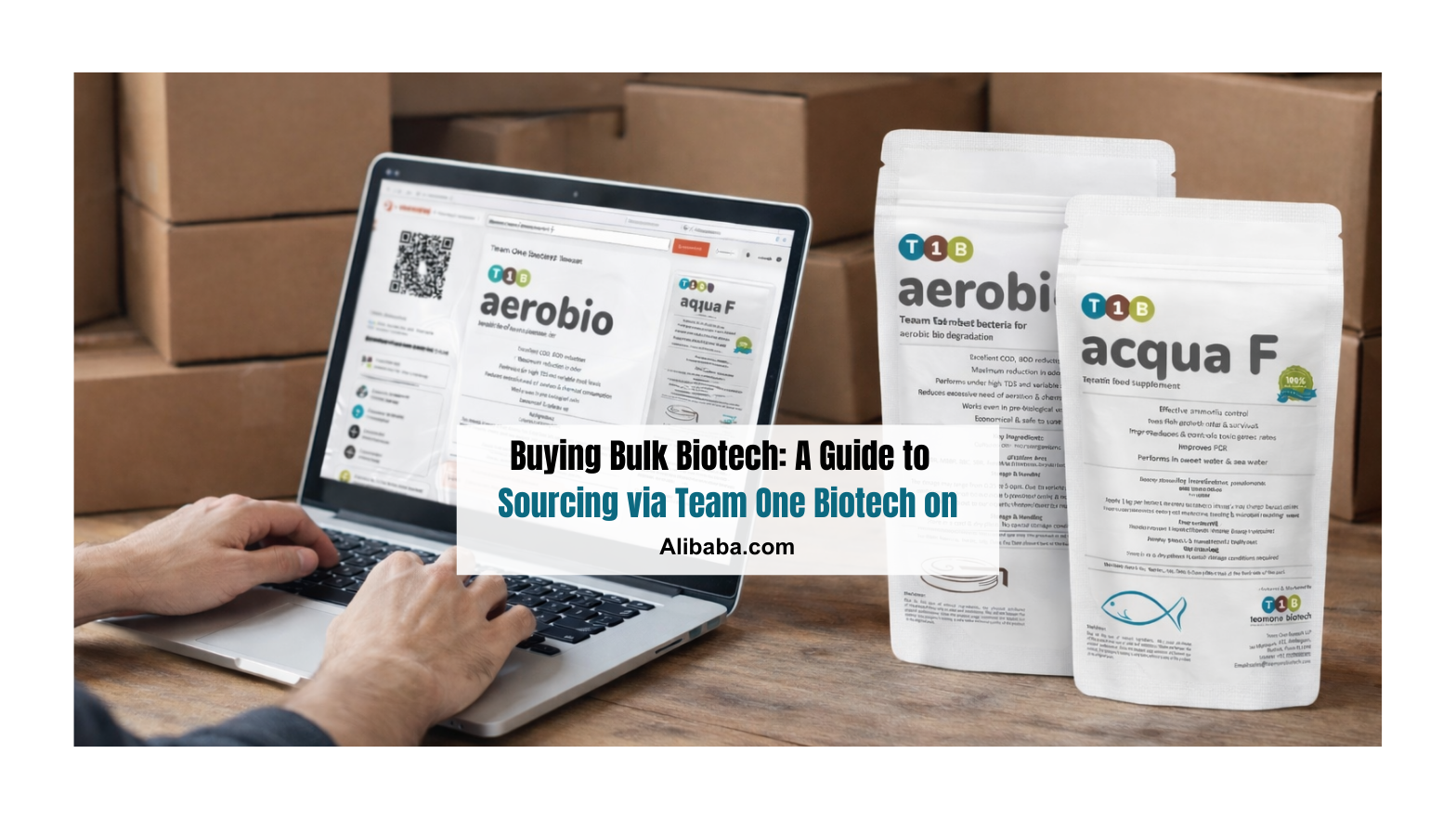
Buying Bulk Biotech: A Guide to Sourcing via Team One Biotech on Alibaba.com

The World Cannot Wait for Slow Solutions

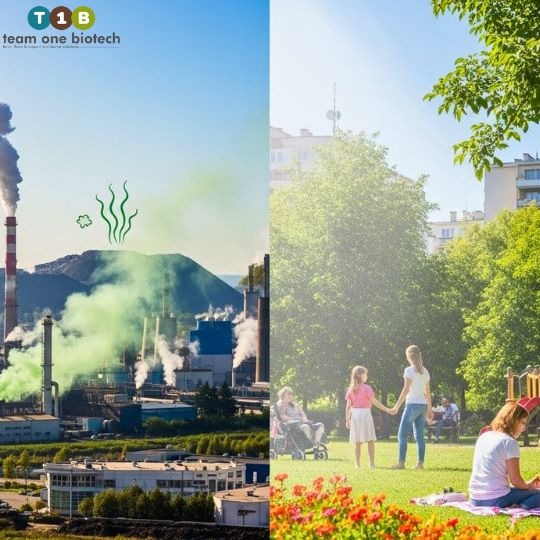
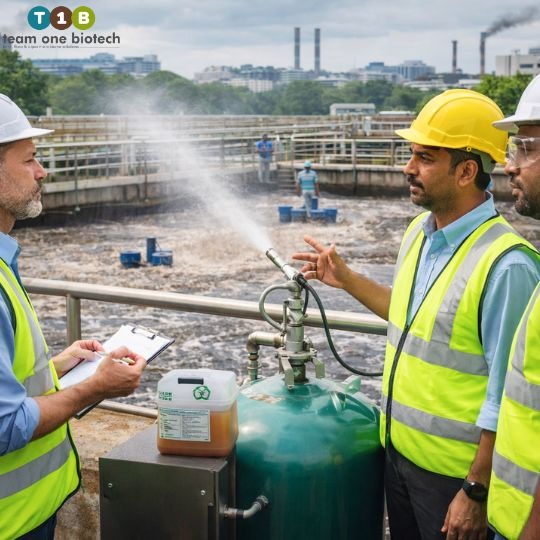
Across sub-Saharan Africa, municipal water treatment facilities are running at half capacity. In the copper belt of Peru and Chile, mining effluent is leaching into river systems that thousands of communities depend on. In Southeast Asia and coastal West Africa, fish farms are losing stock to pond toxicity that no synthetic antibiotic has managed to fully control. These are not hypothetical scenarios. They are the operational realities that procurement officers, environmental engineers, and project managers are navigating every single day.

The global shift away from harsh chemical interventions is no longer a matter of preference. It is a matter of regulatory pressure, cost efficiency, and long-term viability. Governments in over 40 countries have tightened discharge standards. Insurance underwriters are increasing premiums for facilities reliant on chemical-heavy remediation. And communities living downstream are no longer silent.

Microbial biotechnology, the science of deploying targeted bacteria, enzymes, and probiotic cultures to break down waste, restore soil health, and clean water systems, is rapidly becoming the preferred tool for large-scale environmental management. The question is no longer whether to go biological. The question is: who do you trust to supply it at scale, with certifications that hold up across borders?

That answer, for a growing number of buyers across 55 countries, is Team One Biotech.

This is a procurement guide for international distributors, environmental NGOs, and industrial buyers seeking verified, large-scale microbial solutions.

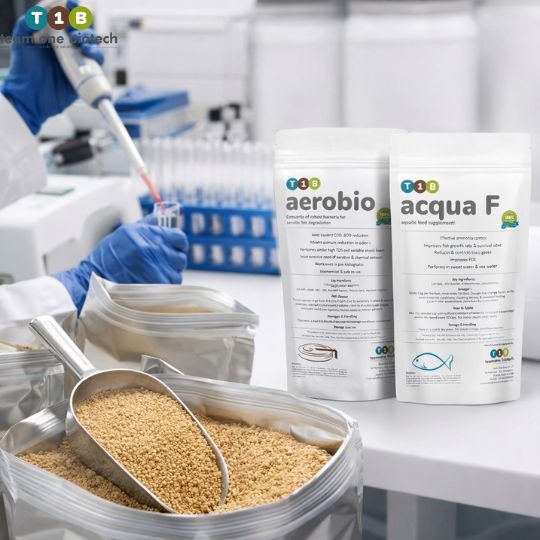
Why Team One Biotech: Depth of Expertise, Breadth of Capability
Why Team One Biotech: Depth of Expertise, Breadth of Capability

27+ Years of In-House Manufacturing and Applied Science

Team One Biotech is not a trading company. It is a manufacturer with its own research infrastructure, fermentation capacity, and quality control systems built over more than two and a half decades. Founded and headquartered in Mumbai, India, the company has participated in large-scale government projects across water treatment, sanitation, and agricultural rehabilitation, providing the kind of institutional track record that procurement committees and development finance institutions require before signing a purchase order.

What this means for bulk buyers is straightforward: no middlemen, no reformulation delays, no supply chain surprises. When you place an order, you are dealing directly with the laboratory that designed the product.

Certified at Every Level That Matters

International trade in biological products is closely regulated, and rightly so. Team One Biotech holds ISO, GMP, and SGS certifications, the three standards that matter most when importing microbial formulations into regulated markets. SGS certification, in particular, provides independently verified proof of product safety and consistency, which is increasingly required by port authorities and distribution partners in Africa, Latin America, and the European Union.

For NGOs working under donor-funded programs or procurement officers answerable to government contracts, this certification stack is not a nice-to-have. It is a prerequisite. Team One Biotech meets it entirely.

Strategic Industry Focus: Where Microbial Science Delivers
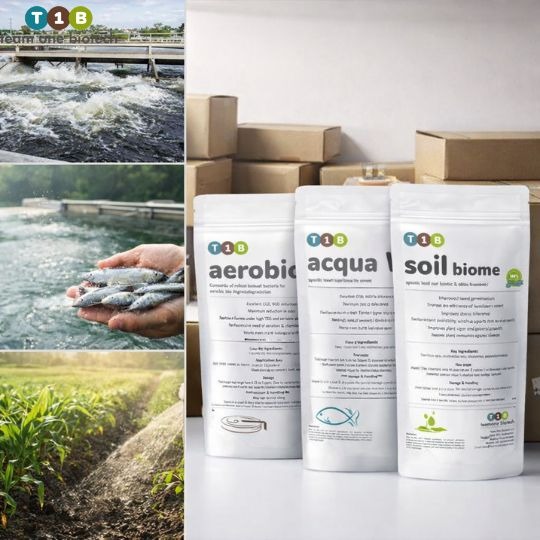
Aquaculture and Agriculture: Healthier Yields Without the Chemical Load

Team One Biotech’s Aqua Microbiome product line is purpose-engineered for aquaculture producers managing shrimp ponds, fish farms, and recirculating aquaculture systems. By introducing targeted probiotic cultures that compete against pathogenic bacteria, improve feed conversion ratios, and stabilize pond water chemistry, Aqua Microbiome allows producers to reduce antibiotic dependency, a critical requirement for exporters serving European and North American food retail markets.

For agricultural buyers, the Terro formulation line addresses soil microbiome depletion, a problem that is particularly acute across overfarmed regions in East Africa, West Africa, and parts of Brazil. Chemical fertilizer dependency degrades microbial diversity over time, reducing the soil’s natural capacity to fix nitrogen, suppress pathogens, and retain moisture. Terro-based microbial soil conditioners work to reverse this degradation, supporting:

  • Higher germination rates and root development in staple crops
  • Improved nutrient availability without increasing synthetic input costs
  • Faster organic matter breakdown, which restores soil structure over successive growing seasons

For agricultural distributors operating across smallholder networks in Nigeria, Kenya, Ghana, or the Cerrado region of Brazil, this product category offers a commercially viable and environmentally responsible alternative to conventional soil inputs.

Wastewater Treatment and Sanitation: Built for Scale, Designed for Compliance

Rapid urbanization in Africa and South Asia has outpaced sewage infrastructure investment by decades. In many cities across the continent, pit latrines and septic tanks remain the primary sanitation infrastructure for urban and peri-urban populations. These systems require biological maintenance to remain functional and safe.

Team One Biotech’s Flaro product range and wastewater treatment formulations are designed for exactly these environments. They are used in:

  • Municipal wastewater treatment plants looking to reduce chemical dosing costs and improve effluent quality for regulatory compliance
  • Septic systems and decentralized sanitation where low-maintenance biological dosing outperforms chemical alternatives
  • Drain and sewer maintenance in hospitality, healthcare, and institutional facilities

The cost structure for bulk buyers is compelling. A single container shipment of Flaro-based bioenzyme formulations can service a regional distribution network across multiple countries, particularly in markets where the regulatory environment is shifting toward biological treatment mandates.

The Global Export and Private Label Opportunity
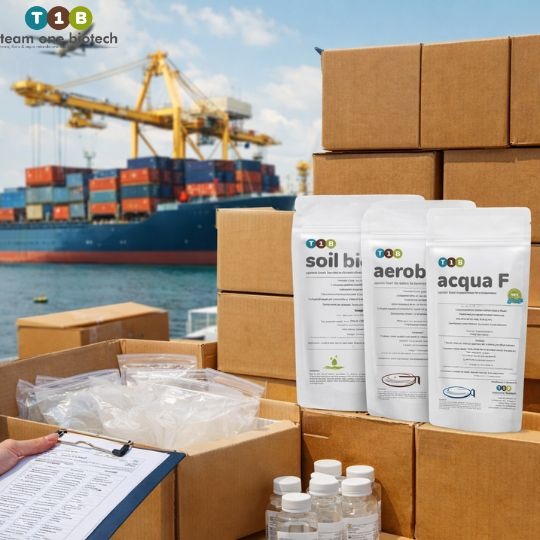
The Global Export and Private Label Opportunity

Building Your Local Brand on Proven Formulations

One of Team One Biotech’s most strategically important capabilities for international distributors is its white-label manufacturing program. Rather than investing years and significant capital into developing proprietary microbial formulations, regional distributors can partner with Team One Biotech to source proven, certified products under their own brand identity.

This model has already been adopted by distribution partners across multiple continents. A distributor in West Africa, for example, can source bulk formulations of microbial wastewater treatment products, have them packaged and labeled under their regional brand, and go to market with a product line that carries all the underlying R&D and certification credibility of Team One Biotech, without disclosing their manufacturing source.

The white-label program supports:

  • Custom formulation packaging in sizes suited to local market requirements (from 5-litre retail units to 1,000-litre IBC totes)
  • Private label artwork and branding applied to finished goods
  • Technical documentation and SDS sheets customized for your brand
  • Regulatory support for import registration in target markets

For NGOs managing agricultural or sanitation programs under development grants, this model also allows procurement of locally branded products that are better received by community stakeholders than generic imported goods.

Your Step-by-Step Buyer’s Guide on Alibaba.com
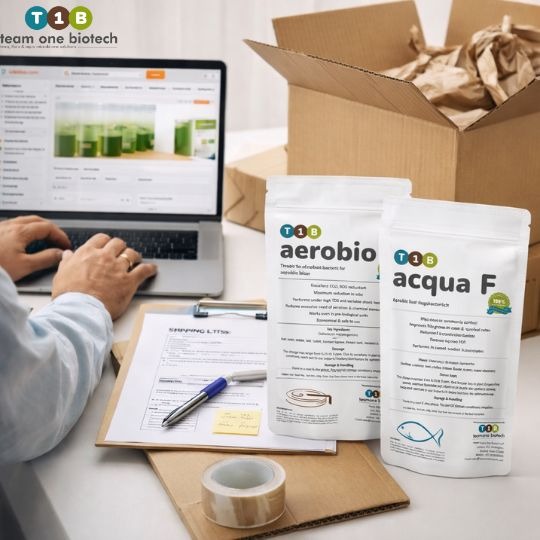
Your Step-by-Step Buyer's Guide on Alibaba.com

Team One Biotech’s verified storefront is live on Alibaba.com as a Trustpass-verified supplier, accessible at: https://teamonebiotech.trustpass.alibaba.com/

Trustpass verification is Alibaba’s highest tier of supplier authentication, requiring in-person business verification, legal documentation review, and ongoing compliance monitoring. For buyers unfamiliar with sourcing biological products internationally, this verification status is the first checkpoint that separates legitimate manufacturers from unverified resellers.

How to Proceed Efficiently

Step 1: Access the Verified Storefront Navigate to nonebiotech.trustpass.alibaba.com. Confirm the Trustpass badge is visible on the supplier profile header before proceeding.

Step 2: Browse by Application Category The store is organized by end-use application, Wastewater Treatment, Agriculture, Aquaculture, Sanitation, F.O.G., Animal Probiotics, and Bioenzyme Natural Cleaners. Identify your priority category and shortlist relevant SKUs.

Step 3: Download Product Specifications Each product listing includes technical data sheets. Download these before initiating contact. Having a clear product spec on hand allows your technical team to pre-approve a formulation before price negotiations begin.

Step 4: Request a Trade Quote (RFQ) Use Alibaba’s built-in RFQ (Request for Quotation) function to submit a structured inquiry. Specify: product category, estimated volume (monthly or per-order), packaging preference, destination country, and whether you require private label options. Team One Biotech’s export team responds to qualified trade inquiries directly.

Step 5: Verify Certifications Ask for copies of the ISO certificate, GMP compliance documentation, and relevant SGS test reports for the product categories you are sourcing. Legitimate manufacturers provide these without friction. Cross-reference the issuing bodies independently before executing any purchase order.

Step 6: Request Samples For new product categories, always request certified samples before committing to a bulk order. Team One Biotech’s standard commercial practice supports sample dispatch to qualified buyers.

Trust, Compliance, and the Certification Standard

In biological product trade, certifications are not marketing tools. They are the legal and technical foundation on which import authorities, development donors, and institutional procurement committees make their decisions.

Team One Biotech’s ISO certification confirms that its quality management systems meet internationally recognized standards. Its GMP (Good Manufacturing Practice) compliance confirms that products are manufactured under controlled, consistent, and documented conditions, a standard originally developed for pharmaceutical manufacturing and now increasingly required for agricultural and environmental biological products. SGS certification, issued by the world’s largest inspection and testing company, provides third-party verification that specific product batches meet defined safety and performance parameters.

Together, these three certifications mean that a procurement officer in Lagos, a project coordinator in Lima, or a compliance manager in Nairobi can sign off on a Team One Biotech purchase order with documented, auditable justification.

Begin Your Procurement Partnership

The environmental challenges facing industrial operators, municipal authorities, and agricultural producers across Africa and South America are not going to resolve themselves. The window for adopting scalable, compliant, cost-effective biological solutions is open now, and the distributors and operators who move first are establishing durable supply chain advantages that their competitors will spend years trying to replicate.

Team One Biotech is ready to support bulk orders, private label programs, and long-term distribution partnerships across every major product category.

To begin a procurement conversation:

  • Visit: T1B Official Alibaba Store
  • Email (Trade Inquiries): marshal@teamonebiotech.com
  • Email (Technical Queries): sales@teamonebiotech.com
  • Phone: +918855050575 / +918485801707 / +918484068864
  • Office: Office No. 9, Ground Floor, Swastik Chambers, Chembur, Mumbai, Maharashtra 400071, India

For distributors ready to discuss white-label programs or NGOs preparing procurement documentation for donor-funded projects, Team One Biotech’s export and technical teams are available to provide product specifications, certification packages, and pricing frameworks suited to your operational scale.

The science is proven. The certifications are in place. The supply chain is established in 55+ countries.

Your next step is a single inquiry away.

Team One Biotech- Terro, Flaro, and Aqua Microbiome Solutions. Your one-stop partner for clean water, healthy soil, and sustainable growth.

Looking to improve your ETP/STP efficiency with the right bioculture?
Talk to our experts at Team One Biotech for customised microbial solutions.

Contact+91 8855050575

Email:  sales@teamonebiotech.com

Visit: www.teamonebiotech.com

Discover More on YouTube – Watch our latest insights & innovations!-

Connect with Us on LinkedIn – Stay updated with expert content & trends!

Solving STP Odor and Sludge Management in Housing Society STPs

Mukund’s phone rings. He’s the facility manager of a 450-unit housing society in Pune, and the voice on the other end belongs to Mrs. Kapoor from Tower B, angry, sleep-deprived, and threatening to escalate complaints to the municipal corporation.

“The smell from the STP is unbearable. My children can’t sleep with the windows open. If this isn’t fixed by tomorrow, I’m calling the pollution control board myself.”

Mukund knows what this means. A resident complaint to the State Pollution Control Board (SPCB) triggers an inspection. An inspection reveals what he’s been dreading: sludge accumulation that hasn’t been properly managed in months, inconsistent effluent quality, and maintenance records that won’t hold up to scrutiny, issues that could have been controlled early with better process management and the right bio cultures for wastewater treatment.

The next morning, he receives the other call he’s been fearing, not from an angry resident this time, but from the managing committee chairman: “The SPCB has issued a show-cause notice. We have 15 days to respond or face penalties and potential shutdown of the STP.”

This scenario plays out across hundreds of Indian housing societies every month. The question isn’t whether your STP will face this crisis, it’s when, and whether you’ll be prepared.

Cost of “Traditional” STP Maintenance: Why Chemicals Aren’t the Solution

Cost of "Traditional" STP Maintenance: Why Chemicals Aren't the Solution

Most housing society STPs in India follow what operators call the “band-aid approach”, dosing increasing amounts of chemicals to mask problems rather than solving them at the source.

Here’s what this typically looks like:

Monthly Chemical Spend:

  • Chlorine for odor suppression: ₹8,000–₹15,000
  • Coagulants and flocculants: ₹12,000–₹20,000
  • pH adjusters and neutralizers: ₹5,000–₹8,000
  • Emergency deodorizers during complaint spikes: ₹10,000–₹25,000

Total monthly chemical costs: ₹35,000–₹68,000 for a mid-sized society

But here’s the problem: these chemicals don’t reduce sludge volume. They don’t address the root cause of odor (anaerobic decomposition of organic matter). They simply suppress symptoms while the underlying biological imbalance in your STP worsens.

The Biology You’re Fighting Against

Indian residential wastewater carries unique challenges:

  • High organic load variability: Festival seasons, weekend gatherings, and monsoon dilution create wild fluctuations in BOD (Biological Oxygen Demand) levels, from 150 mg/L to 600 mg/L within the same week.
  • Grease and oil from kitchens: Indian cooking introduces significantly higher fat content compared to Western wastewater profiles, leading to scum formation and reduced oxygen transfer efficiency.
  • Temperature extremes: Summer temperatures above 40°C accelerate decomposition and odor generation, while winter slowdowns reduce microbial activity.
  • Power fluctuations: Frequent power cuts disrupt aeration cycles, creating anaerobic pockets where hydrogen sulfide (that characteristic “rotten egg” smell) thrives.

Traditional chemical treatment cannot adapt to these variables. Biological systems can, if they’re properly designed and maintained with the right microbial communities.

How Poor Sludge Management Destroys Your Consent to Operate

The legal framework governing STPs in India is unforgiving, and it’s getting stricter:

Current Regulatory Landscape:

  • The Environment (Protection) Act, 1986 mandates specific discharge standards
  • CPCB’s revised 2023 guidelines tighten BOD limits to 10 mg/L for discharge into water bodies
  • State-level SPCBs conduct surprise inspections with increasing frequency
  • New regulations require quarterly sludge characterization reports for STPs above certain capacities

What Triggers an SPCB Inspection?

  1. Resident complaints (the most common trigger in urban areas)
  2. Routine area surveillance during monsoon season
  3. Downstream water quality violations that trace back to your discharge point
  4. Failure to submit annual returns or Consent to Operate renewal documents

The Penalty Structure That Can Cripple Your Society:

  • First offense: ₹10,000–₹50,000 fine + show-cause notice
  • Repeated violations: ₹1 lakh–₹5 lakh + potential criminal proceedings against managing committee members
  • Consent to Operate suspension: Complete STP shutdown until compliance is demonstrated
  • Legal costs and consultant fees: ₹2 lakh–₹8 lakh to remediate and document compliance

But here’s what most facility managers don’t realize until it’s too late: the biggest compliance risk isn’t the effluent quality, it’s the sludge.

The Sludge Management Crisis

Indian housing societies generate approximately 40–60 grams of sludge per person per day. For a 500-unit society (assuming 2,000 residents), that’s 80–120 kg of wet sludge daily, or 2.4–3.6 tons per month.

Traditional disposal costs:

  • Sludge dewatering and transport: ₹3,000–₹5,000 per ton
  • Licensed disposal facility fees: ₹2,500–₹4,000 per ton
  • Total monthly sludge management: ₹13,200–₹34,560

These costs are climbing yearly as environmental regulations tighten and disposal facilities become more selective. Several societies have faced situations where disposal facilities refuse sludge that doesn’t meet characterization requirements, leaving them with literally tons of waste and nowhere to put it.

The compliance trap emerges when:

  1. Sludge accumulates faster than it can be economically removed
  2. Operators reduce aeration to slow sludge production (creating odor problems)
  3. Sludge overflow or improper disposal triggers SPCB violations
  4. The society enters a crisis cycle of fines, emergency clean-ups, and escalating costs

The Bioremediation Alternative: Solving the Problem at Its Biological Source

The Bioremediation Alternative: Solving the Problem at Its Biological Source

Here’s what changes when you shift from chemical suppression to biological optimization:

Instead of fighting your STP’s natural processes, bioremediation works with them, introducing specialized microbial consortia that:

1. Accelerate Organic Waste Degradation

High-efficiency bacterial strains (including Bacillus species, Pseudomonas, and specialized cellulolytic bacteria) break down complex organic compounds 3–5 times faster than native microbial populations. This means organic waste that would normally ferment anaerobically (producing odor) is converted aerobically into CO₂ and water.

2. Reduce Sludge Volume at the Source

The right microbial mix doesn’t just process waste faster, it processes it more completely. Instead of creating excess biomass (sludge), optimized bacterial populations achieve higher metabolic efficiency:

  • Reduction in sludge generation: 35–45% compared to conventional treatment
  • Improved sludge settleability: Better compaction means less volume to transport
  • Enhanced nutrient removal: Lower nitrogen and phosphorus levels in both effluent and sludge

Real numbers: A society generating 3 tons of sludge monthly can reduce this to 1.6–1.9 tons, saving ₹7,000–₹15,000 monthly in disposal costs alone.

3. Eliminate Odor-Causing Compounds

Hydrogen sulfide, mercaptans, and volatile organic acids are the primary odor compounds in STP environments. Bioremediation addresses these by:

  • Maintaining aerobic conditions that prevent sulfate-reducing bacteria (the H₂S producers)
  • Rapidly metabolizing volatile fatty acids before they accumulate
  • Creating a balanced microbial ecosystem that outcompetes odor-causing anaerobic species

The India-Specific Advantage of Bioremediation

Our formulations are specifically designed for Indian conditions:

Monsoon resilience: Microbial blends that maintain activity during dilution events and temperature drops

High-temperature tolerance: Strains selected for optimal performance in 35–45°C ranges common in Indian summers

Grease degradation specialists: Lipase-producing bacteria that specifically target the cooking oil content in Indian residential wastewater

Power-cut adaptation: Formulations that include facultative bacteria capable of surviving temporary anaerobic conditions during aeration interruptions

The Team One Biotech Solution: Engineering Biology for Compliance and Cost Reduction

Our bioremediation approach isn’t a one-time “magic dose”, it’s a systematic biological upgrade to your STP:

Phase 1: Baseline Assessment and Microbial Analysis (Week 1)

  • Complete water quality testing: BOD, COD, TSS, TDS, nitrogen compounds, phosphates
  • Sludge volume index (SVI) measurement and settling characteristics
  • Microscopic examination of existing microbial population
  • Hydraulic retention time verification and aeration efficiency testing

Phase 2: Targeted Bioaugmentation (Weeks 2–4)

  • Introduction of customized microbial consortia based on your specific waste profile
  • Gradual reduction of chemical dosing as biological processes stabilize
  • Daily monitoring of key parameters to track biological establishment

Phase 3: Optimization and Maintenance Protocol (Ongoing)

  • Monthly microbial replenishment dosing (significantly lower than initial treatment)
  • Quarterly performance reviews and sludge characterization
  • Operator training on biological indicators and simple maintenance procedures

The financial transformation:

Cost CategoryBefore BioremediationAfter Bioremediation (6 months)Annual Savings
Chemicals₹50,000/month₹8,000/month₹5,04,000
Sludge disposal₹25,000/month₹14,000/month₹1,32,000
Emergency interventions₹40,000/year₹0₹40,000
Total₹6,76,000

Initial bioremediation setup investment: ₹1,80,000–₹2,50,000 Payback period: 4–5 months

Real-World Transformation: The Kharadi Society Case

The Kharadi Society Case

A 380-unit housing complex in Pune’s Kharadi area faced exactly the crisis described at the beginning of this article: resident complaints, SPCB show-cause notice, and ₹35,000 monthly chemical costs that weren’t solving the odor problem.

Their situation in March 2024:

  • Visible sludge floating in the final clarifier
  • H₂S odor detectable 50 meters from STP
  • Effluent BOD consistently above 30 mg/L (limit: 10 mg/L for their discharge permit)
  • 4.2 tons of sludge monthly requiring disposal

Post-bioremediation results (September 2024):

  • Odor complaints: Zero for five consecutive months
  • Effluent BOD: Stable at 6–8 mg/L
  • Sludge generation: 2.3 tons monthly (45% reduction)
  • Chemical costs: Reduced from ₹35,000 to ₹6,500 monthly
  • SPCB compliance status: Consent to Operate renewed without conditions

The facility manager reported: “We went from dreading SPCB inspections to actually inviting them to document our improvement. That psychological shift alone was worth the investment.”

Why This Matters Beyond Your Balance Sheet

Effective STP management through bioremediation isn’t just about cost savings or avoiding fines, it’s about:

Community health: Eliminating hydrogen sulfide exposure that causes respiratory irritation and headaches among residents living near the STP

Environmental responsibility: Reducing the chemical load you discharge into municipal drains or water bodies

Property values: Well-maintained STPs with zero odor complaints become a selling point rather than a liability

Legal protection: Documented compliance creates a protective record if disputes arise with regulatory authorities

Operational peace of mind: Facility managers can focus on other society maintenance instead of firefighting STP crises

The Strategic Decision: Chemical Dependency vs. Biological Intelligence

The traditional approach to STP management, increasing chemical dosing when problems arise, creates a dependency cycle:

More chemicals → Temporary symptom suppression → Underlying biology deteriorates → More severe problems emerge → Even higher chemical doses required

Bioremediation breaks this cycle by addressing the root cause: establishing and maintaining a healthy, efficient microbial ecosystem that naturally prevents the conditions that lead to odor, excessive sludge, and compliance violations.

The question isn’t whether bioremediation works, decades of industrial and municipal applications prove its effectiveness. The question is whether you’ll implement it proactively or reactively.

Proactive implementation (before the crisis): Lower costs, smooth transition, no regulatory pressure

Reactive implementation (after SPCB notice): Higher urgency fees, pressure to show immediate results, legal documentation requirements

Next Steps: Your Compliance and Cost-Reduction Roadmap

If your housing society STP experiences any of these warning signs, a bioremediation assessment should be scheduled immediately:

  • Odor complaints from residents more than once quarterly
  • Monthly chemical costs exceeding ₹25,000
  • Sludge disposal costs above ₹15,000 monthly
  • Effluent parameters approaching (within 20% of) your discharge limits
  • Visible floating sludge or foam in clarifiers
  • Consent to Operate renewal approaching within 6 months

Team One Biotech offers complimentary STP assessments for housing societies in metro areas to:

  1. Evaluate your current biological performance and chemical dependency
  2. Quantify potential cost savings specific to your facility
  3. Develop a customized bioremediation protocol for your waste characteristics
  4. Create a compliance documentation package that satisfies SPCB requirements

The site audit takes approximately 3–4 hours and includes water sampling, sludge analysis, and operator interviews. Within 48 hours, you receive a detailed report outlining:

  • Current biological performance gaps
  • Projected cost reduction timeline
  • Regulatory risk assessment
  • Customized microbial formulation recommendations

The 2 AM Call You’ll Never Receive Again

When you solve STP problems at their biological source rather than masking symptoms with chemicals, everything changes.

No more midnight complaint calls about odor.

No more anxiety when the SPCB inspection vehicle pulls up.

No more escalating chemical costs eating into your maintenance budget.

Just a reliably functioning STP that meets compliance standards, protects community health, and operates at a fraction of traditional costs.

The question isn’t whether bioremediation works for housing society STPs in India, it’s whether you’ll implement it before or after the next crisis.

About Team One Biotech: We specialize in customized bioremediation solutions for industrial and residential wastewater treatment across India. Our microbial formulations are specifically engineered for Indian waste characteristics and environmental conditions, backed by 15+ years of field-proven results and complete regulatory compliance support.

Looking to improve your ETP/STP efficiency with the right bioculture?
Talk to our experts at Team One Biotech for customised microbial solutions.

Contact+91 8855050575

Email:  sales@teamonebiotech.com

Visit: www.teamonebiotech.com

Discover More on YouTube – Watch our latest insights & innovations!-

Connect with Us on LinkedIn – Stay updated with expert content & trends!
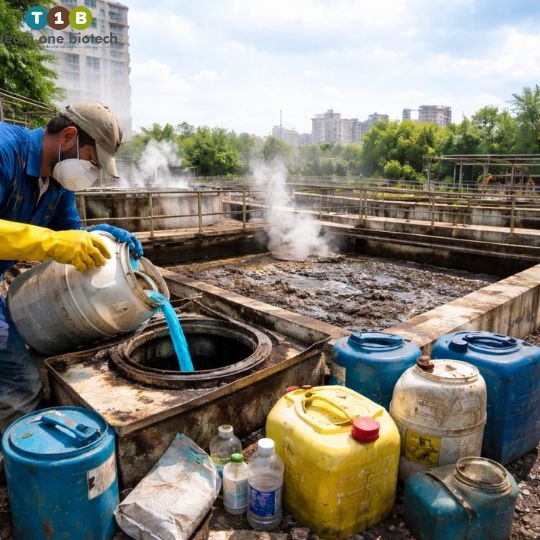
How Biological Deodorizers Work to Neutralize Odors

A young family moves into a new apartment in East Delhi, drawn by modern amenities and reasonable rent. Within weeks, they realized why the price was so attractive. Every evening, as the temperature drops, a suffocating stench rolls in from the nearby sewage treatment plant. Windows stay shut even in summer. Children complain of headaches. The grandmother’s asthma worsens. Property values in the colony have dropped 20% in two years.

This isn’t an isolated incident. From the 65-meter-high Ghazipur landfill that dominates East Delhi’s skyline to the countless residential STPs struggling with overload, odor pollution has become India’s silent environmental crisis. It’s not just unpleasant, it’s a public health emergency that erodes community dignity, triggers respiratory distress, and turns neighborhoods into zones people escape rather than call home.

The conventional response? Spray industrial perfumes that create a nauseating chemical cocktail, or deploy harsh oxidizers that damage equipment and pose health risks. These are temporary masks over a festering wound.

But what if the solution wasn’t about covering up the problem, but eliminating it at the molecular level?

Understanding the Enemy: What Makes Odors So Persistent?

What Makes Odors So Persistent?

Before we explore the solution, we need to understand what we’re fighting against.

Industrial and municipal odors aren’t single entities. They’re complex mixtures of volatile organic compounds (VOCs) released during biological decomposition and chemical processes. The primary culprits include:

  • Hydrogen sulfide (H₂S): That characteristic “rotten egg” smell from protein decomposition in STPs and landfills
  • Ammonia (NH₃): Sharp, pungent gas from nitrogen-rich waste breakdown
  • Mercaptans (thiols): Sulfur compounds that smell like garlic or sewage even at parts-per-billion concentrations
  • Volatile fatty acids: Butyric and valeric acids producing rancid, cheesy odors
  • Indole and skatole: Fecal-smelling compounds from tryptophan degradation

These molecules are remarkably stable. They don’t just disappear because you wish them away. Under India’s high ambient temperatures (often exceeding 40°C in summer), anaerobic decomposition accelerates, releasing these compounds faster than traditional control methods can manage.

The challenge intensifies with the Swachh Bharat Mission 2.0 pushing for improved waste management infrastructure. As more housing societies install decentralized STPs and municipalities grapple with legacy waste mountains, the demand for effective, sustainable odor control has never been more urgent.

The Biological Solution: Nature’s Own Molecular Dismantlers

The Biological Solution: Nature's Own Molecular Dismantlers

Here’s where biological deodorizers fundamentally change the game.

Unlike chemical masking agents that simply overlay one smell with another, biological solutions employ specially selected microbial consortia, communities of bacteria and fungi, that literally consume odor-causing molecules as food. Think of them as microscopic recycling factories that convert pollutants into harmless byproducts.

The Science of Bio-Oxidation: How It Actually Works

The process centers on enzymatic catalysis and microbial metabolism. Let me break this down without drowning you in biochemistry jargon:

Step 1: Enzymatic Recognition Microorganisms produce specific enzymes (biological catalysts) that recognize and bind to odor molecules. For instance, sulfide-oxidizing bacteria produce enzymes that specifically target H₂S.

Step 2: Molecular Breakdown Once bound, these enzymes break chemical bonds. A mercaptan molecule (R-SH) gets oxidized through several intermediate steps. The sulfur atom gets stripped away and converted into sulfate (SO₄²⁻), while the organic portion gets metabolized.

Step 3: Complete Mineralization The final products? Carbon dioxide, water, and biomass, all completely odorless and environmentally benign. This isn’t temporary suppression; it’s permanent molecular transformation.

The elegance of this approach becomes clear when you examine specific microbial strains:

  • Thiobacillus species: Excel at oxidizing hydrogen sulfide and other reduced sulfur compounds
  • Nitrosomonas and Nitrobacter: Convert ammonia into nitrites and then nitrates through nitrification
  • Pseudomonas strains: Metabolize complex aromatic compounds and volatile fatty acids
  • Bacillus species: Produce powerful proteolytic enzymes that break down protein-based odor sources

Team One Biotech’s formulations leverage synergistic microbial consortia, combinations of strains that work together more effectively than any single species could alone. One strain’s waste product becomes another’s preferred nutrient, creating a self-sustaining cycle of odor elimination.

Why This Works Better in Indian Conditions

India presents unique challenges that actually favor biological approaches:

High temperatures: While chemical deodorants degrade rapidly above 35°C, thermophilic bacterial strains in biological formulations remain active even at 50°C. This is crucial for summer operations at open landfills and outdoor STPs.

Variable pH conditions: Municipal waste in India often has highly variable pH due to mixed waste streams. Microbial consortia naturally buffer themselves and adapt to pH ranges from 5.5 to 9.0.

Cost sensitivity: Once established, microbial populations self-replicate. You’re essentially inoculating a system with a self-sustaining odor control workforce, dramatically reducing per-use costs compared to continuous chemical dosing.

Chemical Masking vs. Biological Neutralization: A Critical Comparison

Chemical Masking vs. Biological Neutralization: A Critical Comparison

Let’s address the elephant in the room. Many facility managers still rely on traditional chemical deodorants because “that’s how we’ve always done it.” But the rebound effect, where odors return stronger once chemicals dissipate, isn’t just inconvenient. It’s expensive and potentially hazardous.

The chemical approach also fails to address source reduction. You’re not stopping the formation of odor molecules; you’re just temporarily masking their presence. With biological deodorizers, the microbial populations establish themselves at the odor source, in sludge, on waste surfaces, within water columns, continuously processing new odor compounds as they form.

Real-World Applications: Where Biological Deodorizers Excel

Municipal Solid Waste Management

Landfills like Ghazipur, Bhalswa, and Deonar generate thousands of cubic meters of landfill gas daily. Traditional approaches, covering waste with soil, installing gas collection systems, help but don’t eliminate surface emissions. Biological deodorizers applied as surface sprays or misting systems establish microbial films that metabolize odors before they disperse into surrounding communities.

At a municipal transfer station in Pune, Team One Biotech’s implementation reduced ambient H₂S levels from 850 ppb (well above the 8-hour exposure limit) to under 50 ppb within three weeks, sustained reduction, not temporary suppression.

Sewage Treatment Plants (STPs)

Residential complexes across metros are mandated to install STPs, but most struggle with odor complaints. The primary clarifiers, aeration tanks, and sludge dewatering areas are odor hotspots.

Microbial odor control India applications at STPs involve:

  • Direct dosing into aeration tanks: Enhances biological oxygen demand (BOD) reduction while controlling odors
  • Biofilter inoculation: Trickle filters treating off-gases can be inoculated with specialized strains
  • Sludge treatment: Adding consortia during dewatering dramatically reduces mercaptan and indole formation

A 500-household complex in Bangalore saw resident complaints drop from 15-20 per month to zero after switching from chemical sprays to enzymatic deodorization integrated with their STP operations.

Industrial Applications

Food processing units, tanneries, pharmaceutical facilities, these generate process-specific odors that chemical generalists can’t effectively target. Industrial odor neutralizer formulations can be customized with strain selections matched to specific waste streams.

A dairy processing plant in Gujarat dealing with protein-rich wastewater used Team One Biotech’s specialized proteolytic consortium, achieving 94% odor reduction while simultaneously improving their effluent treatment plant (ETP) performance, a dual benefit that traditional deodorants never offer.

The Regulatory Tailwind: Why Now Is the Time to Switch

The Central Pollution Control Board (CPCB) has progressively tightened environmental compliance standards. Recent guidelines emphasize:

  • Emission limits: Stricter thresholds for H₂S and ammonia near residential areas
  • Green chemistry adoption: Preference for biodegradable, non-toxic solutions in environmental remediation
  • Zero liquid discharge (ZLD) norms: Biological treatments align with water recycling mandates

State pollution control boards are increasingly scrutinizing chemical usage in waste management. Maharashtra and Delhi have already issued notices to facilities using high-VOC chemical deodorants near residential zones.

Bioremediation removes smell while supporting broader sustainability goals, carbon footprint reduction, circular economy principles, and environmental justice for affected communities.

What Facility Managers Need to Know to Neutralize Odors

What Facility Managers Need to Know to Neutralize Odors

Switching to biological deodorizers isn’t complicated, but it does require understanding a few key principles:

Site Assessment: Not all microbial formulations work everywhere. Temperature, pH, waste composition, and water availability matter. Team One Biotech conducts detailed site evaluations to match the right consortium to your specific conditions.

Application Methods:

  • Fogging/misting for large surface areas
  • Direct injection for liquid waste streams
  • Bioaugmentation of existing treatment systems
  • Surface application on solid waste

Monitoring and Optimization: Initial weeks involve microbial establishment. Odor reduction typically becomes evident within 7-14 days, with full effectiveness by week three. Ongoing monitoring ensures populations remain robust.

Cost Considerations: While per-unit costs may appear higher initially, the reduced application frequency (often 50-70% less than chemical sprays) and elimination of rebound treatments create substantial savings within the first quarter.

The Path Forward: Embracing Biological Intelligence

India stands at an environmental crossroads. We’re building world-class urban infrastructure, yet struggling with waste management legacies. The gap between aspiration and reality often smells, literally.

STP odor treatment solutions and municipal waste deodorization don’t have to rely on toxic chemicals developed decades ago. We now possess the biotechnological sophistication to harness nature’s own purification systems, refined through millions of years of evolution and optimized through modern microbiology.

Team One Biotech represents the vanguard of this transition, bridging laboratory innovation with field-tested reliability. Our formulations aren’t theoretical; they’re deployed across hundreds of Indian sites, from Tier-1 metros to Tier-3 towns, delivering consistent, measurable results.

The question isn’t whether biological deodorizers work. The empirical evidence, from academic research to operational data, is overwhelming. The question is: When will you stop masking your facility’s problems and start solving them?

Looking to improve your ETP/STP efficiency with the right bioculture?
Talk to our experts at Team One Biotech for customised microbial solutions.

Contact+91 8855050575

Email:  sales@teamonebiotech.com

Visit: www.teamonebiotech.com

Discover More on YouTube – Watch our latest insights & innovations!-

Connect with Us on LinkedIn – Stay updated with expert content & trends!
Scan the code