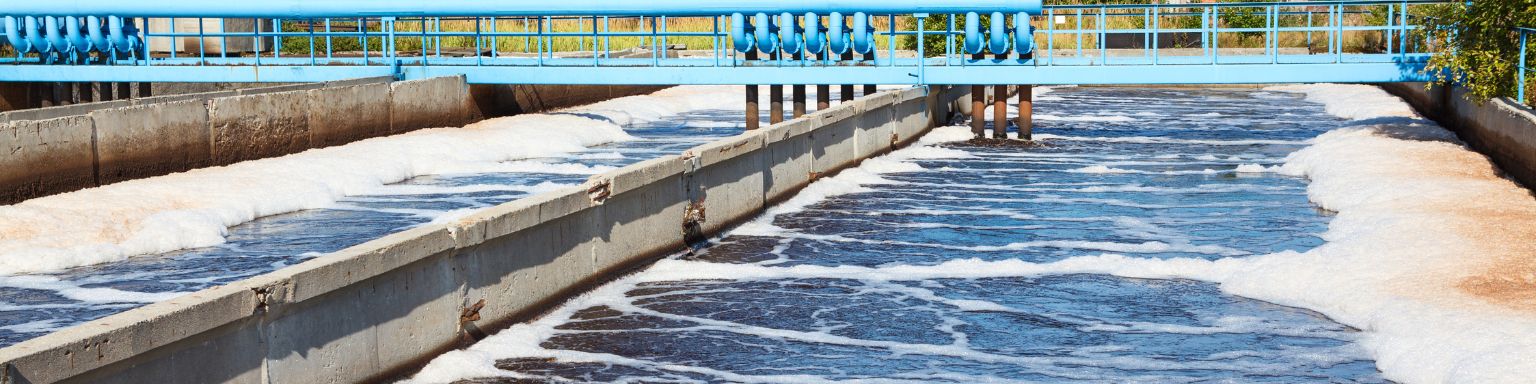
Transforming Dairy Wastewater Treatment: Innovative Treatment Solutions for a Sustainable Future

Wastewater treatment is a process which removes and eliminates contaminants from wastewater. It thus converts it into an effluent that can be returned to the water cycle. Once back in the water cycle, the effluent creates an acceptable impact on the environment. It is also possible to reuse it.

History Of Waste Water Treatment Plant:

Robert Thom, a Scottish engineer, constructed the first wastewater treatment facility at the beginning of the 18th century. The factory used slow sand filters to purify the water before distributing it to everyone, inside the Paisley city limits via an early sewer system.

A sedimentation basin was receiving water from the plant through a bed of dirt and stones. With the aid of coagulants and flocculants, particle settling within the sedimentation basin was hastened by the formation of larger particle flocs. Before the water was kept in a transparent well basin, finer particles were removed in a gravel filter and slow sand filter.

The concept quickly expanded throughout the entire UK and then to Europe, after Thom’s initial construction of a wastewater treatment plant.

Slow Sand Filtration Waste Water Treatment:

Slow sand filtration is a simple and reliable process. They are relatively inexpensive to build, but do require highly skilled operators. The process percolates untreated water slowly through a bed of porous sand, with the influent water introduced over the surface of the filter, and then drained from the bottom. Properly constructed, the filter consists of a tank, a bed of fine sand, a layer of gravel to support the sand, a system of underdrains to collect the filtered water, and a flow regulator to control the filtration rate. No chemicals are added to aid the filtration process.

Wastewater Treatment in Dairy Effluent Treatment:

The dairy industry faces significant challenges in managing wastewater due to the large amounts of organic matter, nutrients, and other pollutants present in the wastewater. Finding sustainable ways to handle dairy wastewater has become more crucial than ever due to mounting regulatory pressure and environmental obligations. To lessen the environmental effect of dairy processing while maintaining compliance and encouraging water conservation, we examine cutting-edge treatment techniques, difficulties, and new technology.

Challenges in the Dairy Wastewater Industry:

The dairy industry faces several challenges related to wastewater management. These challenges stem from the large volumes of water used in dairy production, processing, and cleaning operations, as well as the composition of the wastewater.

Some key issues include:

1.BOD/COD Levels: Rich in fats, proteins, and lactose, leading to high biochemical and chemical oxygen demand (BOD/COD).

  1. 2. Nutrient Overload: Excess nitrogen and phosphorus can cause water eutrophication.
  2. pH Fluctuations: Varying pH levels affect treatment processes,
  3. 4. Suspended Solids: Solids can clog systems and reduce treatment efficiency.
  4. 5. Oil and Grease: Fats and oils can block systems and damage equipment.
  5. 6. Odor: Decomposing organic matter produces unpleasant smells.
  6. 7. Pathogens: Can pose health risks if untreated.
  7. Regulatory Compliance: Strict limits on discharge parameters.
  8. Sludge Management: Handling and disposal of treatment sludge is challenging.
  9. 10. Energy Costs: Wastewater treatment can be energy-intensive.
  10. 11. Chemical Contaminants: Dairy production and cleaning processes include chemical contaminants which is hard to remove.

Introducing T1B Aerobio: Dairy Wastewater Treatment with Advanced Bioremediation Solutions: Reduces aeration processing in Wastewater treatment. Improves functioning & efficiency of biological units in WTP. Useful in activated sludge process bioreactors & biodigestersWith T1B Aerobio, a state-of-the-art bioremediation technology created especially to meet the particular difficulties faced by the dairy industry, Team One Biotech is setting the standard for sustainable wastewater treatment. We provide focused, efficient solutions for your wastewater management needs by providing customized microbial solutions that degrade the high amounts of organic matter—such as lipids, proteins, and sugars—found in dairy effluent.

T1B Aerobio can deliver following results:

  1. Reduces BOD and COD: Our microbes lower BOD and COD, making wastewater less harmful to the environment.
  2. Provides Nutrient Control: Target excess nitrogen and phosphorus, preventing eutrophication and ensuring regulatory compliance.
  3. pH Stabilization: Microorganisms adapt to different pH levels, stabilizing the treatment process.
  4. Suspended Solids Reduction: Break down solids, improving filtration and preventing clogs.
  5. FOG Degradation: Degrade fats, oils, and greases, preventing blockages and reducing equipment damage.
  6. Odor Reduction: Minimize foul-smelling gases, reducing Odors.
  7. Pathogen Control: Outcompete harmful pathogens, lowering health risks.
  8. Regulatory Compliance: Address organic load, nutrient levels, and pathogens to meet regulations.
  9. Sludge Management: Regulate sludge volume, reducing disposal costs and optimizing biogas production.
  10. Cost Efficiency: Reduce energy and treatment costs through optimized biological processes.
  11. Chemical Breakdown: Break down or capture chemical contaminants for safer wastewater.

Summary:

To sum up, Team One Biotech is essential in helping the dairy industry meet the complex issues associated with wastewater treatment. Team One Biotech provides solutions that not only manage the high organic load, nutrient overload, and suspended solids prevalent in dairy effluents, but also limit environmental consequences through the use of cutting-edge bioremediation technology. Their specialized methodology guarantees that every solution is made to fit the unique requirements of the dairy business, taking into account elements like volume, composition, and legal restrictions.

Team One Biotech helps cut operational expenses by improving wastewater treatment process efficiency and lowering energy requirements through sustainable practices. Additionally, by encouraging the harmful contaminants to break down naturally, their bioremediation methods help to protect the ecosystem over the long run.

Are you struggling to manage costs for your industrial wastewater treatment? Take the Next Step Towards Sustainable and Cost-Effective Dairy Wastewater Management Solutions and Technologies.

Connect with our wastewater experts now – +91 8855050575 or sales@teamonebiotech.com

Understanding Shock Loads in Wastewater Treatment: Types, Challenges, and Solutions

In the complex world of wastewater treatment, shock loads pose significant challenges. These sudden spikes in pollutant concentration can overwhelm treatment processes, affecting efficiency and resilience. Originating from sources such as industrial discharges, stormwater runoff, and accidental spills, shock loads vary in type and impact. Understanding these different types, the industries they affect, and the challenges they bring is crucial for effective wastewater management.

Types of Shock Loads:

  1. Organic Shock Loads: High concentrations of organic compounds, often from food processing plants, breweries, and agricultural facilities, can overwhelm microbial populations, leading to decreased treatment efficiency and issues like odors and sludge bulking.
  2. Toxic Shock Loads: Industrial pollutants such as heavy metals, solvents, and pesticides can inhibit microbial activity, disrupting biological processes and posing risks to both human health and the environment.
  3. Hydraulic Shock Loads: Sudden changes in flow rate or hydraulic loading due to heavy rainfall or industrial production shifts can strain treatment systems, leading to operational challenges and potential overflows.

Industries and Effluent Characteristics:

The nature and impact of shock loads depend heavily on the industry generating the wastewater:

  • Food Processing: This sector often produces wastewater rich in organic matter, fats, oils, and grease (FOG), contributing to organic shock loads and challenging the biological stability of treatment systems.
  • Chemical Manufacturing: Wastewater from chemical production can contain acids, alkalis, heavy metals, and complex organic compounds, requiring specialized treatment to mitigate their impact on aquatic ecosystems and public health.
  • Textile and Tannery: These industries produce wastewater with dyes, solvents, and heavy metals, which can disrupt microbial communities and compromise effluent quality.

Challenges in Wastewater Treatment Systems

Shock loads present a range of operational, environmental, and regulatory challenges:

  1. Process Upsets: Shock loads can destabilize treatment processes, leading to fluctuations in dissolved oxygen levels, pH, and nutrient concentrations, which in turn disrupt microbial populations and decrease treatment efficiency.
  2. Sludge Management: Excessive organic or toxic loading increases sludge production, complicating dewatering, handling, and disposal.
  3. Compliance Issues: Failure to meet regulatory standards during shock events can result in fines and reputational damage.
  4. Environmental Impacts: Untreated or inadequately treated wastewater can contaminate surface waters, harm aquatic ecosystems, and pose health risks.

The Role of Bioremediation in Managing Shock Loads

Bioremediation is a sustainable, cost-effective approach to managing shock loads in wastewater treatment. By leveraging the metabolic capabilities of microorganisms, bioremediation enhances the resilience of treatment systems and improves their capacity to withstand shock events.

Strategies for Bioremediation:

  • Bioaugmentation: Introducing specific microbial strains to degrade target contaminants can enhance the treatment performance of activated sludge systems, restoring functionality after shock loads.
  • Biostimulation: Optimizing environmental conditions and providing essential nutrients promotes the growth of indigenous microorganisms, improving natural biodegradation processes.
  • Biofiltration: Biofilm-based technologies, like trickling filters and rotating biological contactors, can improve the resilience of treatment plants to varying hydraulic and organic loads.

Benefits of Bioremediation:

  • Resilience and Stability: Bioremediation enhances the adaptive capacity of wastewater systems, maintaining consistent performance during shock events.
  • Cost-effectiveness: Compared to conventional methods, bioremediation offers a more economical solution for managing fluctuating pollutant concentrations.
  • Effective Sludge Management: Robust microbial consortia help control excessive sludge production and improve sludge handling.

Conclusion

Shock loads in wastewater treatment, though challenging, can be effectively managed with bioremediation and other proactive measures. By understanding the types and impacts of shock loads, industries can adopt strategies that ensure compliance, environmental protection, and operational efficiency.

Curious to know more? Get a FREE sample of our Bioremediation Solutions for your effluent treatment or schedule a 1:1 consultation with our technical experts.

Effective Wastewater Treatment for Distillery in Amravati, Maharashtra

Introduction:
The Integrated Distillery, a prominent food processing unit, specializes in producing whiskey and rum. Dedicated to environmental sustainability, they operate a wastewater treatment plant (WWTP) to manage the industrial effluent generated during production. However, the distillery faced challenges in consistently meeting discharge limits for specific pollutants, particularly due to the seasonal operation of their effluent treatment plant (ETP). To overcome these issues, they implemented a bioaugmentation program, resulting in substantial improvements in treatment efficiency and regulatory compliance.

 ETP details:

The industry had primary treatment, biological treatment, and then a tertiary treatment.

Flow (current) 1200 KLD
Flow (design) 1500 KLD
Type of process ASP
No. of aeration tanks 2 (in series)
Capacity of aeration tanks 2000 KL each
RT 37-39 hours(each)


 Challenges:

The primary and biological treatments were significantly underperforming, leading to inefficiencies:

Parameters Inlet parameters Outlet parameters
COD 4,000 to 6,000 3500 to 5780
BOD 2000 to 3100 1500 to 2600
  • The primary treatment was working at 5 % efficiency in terms of COD reduction
  • The Biological treatment was working at an average 8 to 10% efficiency in terms of COD reduction.

They were struggling to effectively treat pollutants which compelled them to run the ETP at 40% less hydraulic load. The FOG in the effluent was uncontrolled as there was a high accumulation in pipes and equipment also which was the reason for higher CAPEX and OPEX. The conventional ASP treatment process was not efficient enough to consistently meet the stringent discharge limits for these pollutants set by local regulatory agencies. As a result, the industry faced the risk of non-compliance, which could lead to fines, reputational damage, and environmental impact.

Another main reason of the inefficiency was the seasonal operation of the ETP due to which the biomass which would have developed in course of its operation died completely due to lack of activity.

Our Approach:
The industry partnered with us to improve the efficiency of their biological units. They had a total of 2 aeration tanks, which were in series. With a total daily flow of around 1200 KLD. Our team conducted a visit to understand the process of the ETP and the timing of 3 months during its operation was selected.

After analysis, it was decided that the commissioning procedure would be followed where the flow rate will be gradually increased starting from 500 KL/day to achieving a full capacity of 1500 kl/day in order to generate healthy biomass via Bioaugmentation. Bioaugmentation is a process that involves adding specifically selected microorganisms, such as bacteria or enzymes, to enhance the biological treatment process in a WWTP. The team conducted a thorough assessment of the effluent characteristics and the WWTP’s operational parameters to identify the most suitable bioaugmentation approach.

Based on the assessment, a customized bioaugmentation program was designed and implemented at the industry. The selected microorganisms were carefully selected to target the organic pollutants The bioaugmentation program was integrated into the existing treatment process, and the performance of the WWTP was closely monitored for the next 3 months.

The program aimed to:

  1. Enhance COD/BOD degradation
  2. Optimize hydraulic load
  3. Develop resilient biomass to handle shock loads

Execution:
Following the analysis, we introduced T1B Aerobio, a formulation of facultative microbes that secrete enzymes to break down COD, BOD, and FOG. A three-month dosing schedule was established.

Reduces aeration processing in Wastewater treatment. Improves functioning & efficiency of biological units in WTP. Useful in activated sludge process bioreactors & biodigesters

Results:


The implementation of the bioaugmentation program resulted in significant improvements in the performance of biological units in their WWTP:

  • We were able to achieve around 80 to 89 % reduction from their current outlet parameters in COD & BOD
  • Biomass was developed with MLVSS values between 2800-3200.
  • The bioaugmentation program also resulted in other operational benefits for the industry.
  • The ETP achieved full capacity operations in terms of hydraulic load.
  • The biological process became more stable and resilient to fluctuations in the influent characteristics.
  • Increased plant reliability and reduced operational costs.

Are you facing similar challenges in industrial wastewater treatment? Explore the potential of bioremediation, and connect with our technical experts today:

+91 8855050575 / sales@teamonebiotech.com

Wastewater Treatment in the Food Processing Industries

The food processing industry in India is crucial to the nation’s economy, meeting the dietary needs of its vast population. However, production processes often generate organic contaminants, posing challenges for wastewater management and environmental sustainability. This blog explores the application of bioremediation techniques as a safe and efficient solution for addressing these contaminants, highlighting its benefits and successful case studies.

Understanding Organic Contaminants in the Food Processing Industry

Organic contaminants in the Indian food processing industry come from various sources, including organic residues, food production byproducts, and cleaning agents. These contaminants, such as fats, oils, sugars, proteins, and other organic compounds, can pose environmental risks if not properly managed.

Common Challenges in Wastewater Treatment

  1. Diverse Organic Contaminants: Wastewater contains a wide range of organic compounds, making it challenging to develop effective treatment strategies.
  2. High Organic Load: High levels of organic matter increase biochemical oxygen demand (BOD) and chemical oxygen demand (COD), posing challenges for conventional treatment methods.
  3. Nutrient Imbalance: High organic loads can lead to nutrient imbalances in treatment systems, affecting microbial activity and biological treatment efficiency.
  4. Variability in Wastewater Composition: The composition of wastewater varies depending on the type of food processed, production volumes, and cleaning practices.
  5. Presence of Nutrients and Additives: Residual nutrients and additives can interfere with biological treatment processes.
  6. Seasonal Variation: Seasonal changes in food production leads to fluctuations in wastewater volume and composition.

Bioremediation in the Food Processing Industry:

Biological Degradation: Bioremediation relies on microorganisms to degrade organic contaminants in wastewater. These microorganisms metabolize organic compounds into harmless byproducts like water, carbon dioxide, and biomass.

Types of Bioremediation Processes:

  1. Aerobic Bioremediation: Microorganisms use oxygen to break down organic contaminants, suitable for wastewater with high levels of easily degradable compounds.
  2. Anaerobic Bioremediation: In the absence of oxygen, microorganisms degrade contaminants through fermentation and anaerobic respiration, effective for high organic loads and producing valuable byproducts like methane.

Benefits of Bioremediation:

  1. Environmentally Sustainable: Utilizes natural processes without harsh chemicals or energy-intensive treatments.
  2. Cost-Effective: Requires minimal infrastructure and operational costs, with microorganisms as biocatalysts eliminating the need for expensive chemicals.
  3. Reduced Chemical Usage: Minimizes chemical sludge generation and overall environmental impact.
  4. Removal of Complex Contaminants: Effective in degrading a wide range of organic contaminants.
  5. Compliance with Regulations: Helps industries meet regulatory requirements for wastewater discharge.

Summary:

Bioremediation offers a sustainable and cost-effective solution for treating organic contaminants in food processing wastewater. Its benefits include environmental sustainability, cost savings, reduced chemical usage, and regulatory compliance, making it a valuable approach for the food processing industry to manage wastewater effectively while minimizing its environmental footprint.


Optimize your wastewater treatment with bioremediation techniques. Learn more about how your food processing facility can benefit from our wastewater treatment solutions.

For more insights and case studies on wastewater treatment in the food processing industry, subscribe to our blog or contact us today.

Schedule a FREE Consultation with our wastewater technical experts:

+91 8855050575

sales@teamonebiotech.com

The Importance of Nitrogen in Wastewater Treatment and Its Environmental Impact

The importance of nitrogen goes hand in hand with its ill effects on the environment and organisms specifically humans as the heavy accumulation of the same in water bodies leads to hazardous effects such as eutrophication having direct impact on human health.

The major contributors to this nitrogen accumulation in water bodies are industries in the form of ammoniacal nitrogen. The pollution control bodies such as NGT and CPCB are very stringent about the ammoniacal nitrogen discharge through the effluent.

What is Nitrification and Denitrification in Wastewater Treatment?

Understanding Nitrification

Nitrification is a two-step aerobic process where ammonia (NH3) is converted into nitrate (NO3) through the action of specialized bacteria. This process occurs naturally in soil and water but is crucial in wastewater treatment to prevent ammonia toxicity and eutrophication in aquatic environments.

1. Ammonia Oxidation: The first step involves the conversion of ammonia to nitrite (NO2) by ammonia-oxidizing bacteria (AOB) such as Nitrosomonas.

NH3 ​+O2  ​→ NO2+ 3H+ + 2e

2. Nitrite Oxidation: The second step involves the conversion of nitrite to nitrate by nitrite-oxidizing bacteria (NOB) such as Nitrobacter.

NO2 ​ + 1/2​O2​ → NO3

Understanding Denitrification

Denitrification is an anaerobic process where nitrate is reduced to nitrogen gas (N2), which is then released into the atmosphere. This process helps in the removal of excess nitrogen from wastewater, thus preventing nutrient pollution.

  1. Nitrate Reduction: Nitrate is first reduced to nitrite.

NO3 ​→ NO2

  1. Nitrite Reduction: Nitrite is further reduced to nitric oxide (NO), nitrous oxide (N2O), and finally nitrogen gas.

NO2​ → NO → N2​O → N2

 The Role of Bioremediation in Wastewater Treatment:

Bioremediation leverages natural or engineered biological processes to degrade pollutants. In the context of nitrification and denitrification, bioremediation uses microbial communities to enhance nitrogen removal efficiently.

Bioaugmentation: This involves the addition of specific strains of nitrifying and denitrifying bacteria to wastewater treatment systems. These microorganisms are selected for their efficiency in nitrogen transformation processes.

  • Nitrosomonas europaea and Nitrobacter winogradskyi are common bioaugmentation agents for nitrification.
  • Pseudomonas and Paracoccus species are effective for denitrification.

Biostimulation: This approach involves optimizing the environmental conditions to favor the growth and activity of indigenous nitrifying and denitrifying bacteria. Parameters such as pH, temperature, oxygen levels, and nutrient availability are carefully controlled.

Immobilization Techniques: Microorganisms can be immobilized on various carriers such as activated carbon, biochar, or synthetic polymers to enhance their stability and activity. This method can significantly improve the efficiency of nitrification and denitrification processes by providing a conducive environment for microbial growth and activity.

Ammoniacal nitrogen control highly depends on the microbes responsible for nitrification and denitrification as well as dissolved oxygen. While in the case of industries, specific anoxic systems are designed to control ammonia in the effluent.

In modern wastewater treatment facilities, biological nitrogen removal has become an essential component for meeting increasingly stringent discharge standards. Effective management of ammoniacal nitrogen helps prevent eutrophication in receiving water bodies and protects aquatic ecosystems. Advanced bioremediation programs can also improve process stability during fluctuations in wastewater load and composition. Regular monitoring of dissolved oxygen, oxidation-reduction potential (ORP), and microbial health is critical for maintaining optimal treatment performance. The integration of specialized microbial cultures can accelerate system recovery after shock loads or operational disturbances. Furthermore, biological treatment approaches often reduce chemical consumption and sludge generation, leading to lower operational costs. When properly implemented, bioremediation provides a sustainable and environmentally friendly solution for long-term nitrogen management in municipal and industrial wastewater treatment plants.

Anoxic Systems in Wastewater Treatment?

The anoxic system is designed to follow the nitrifying and denitrifying process.

  1. Nitrifying Tank: – It consists of an oxygen source specifically aerators to induce dissolved oxygen in the effluent, which nitrifying bacteria utilize to convert ammonia to nitrite.
  2. Denitrifying Tank: – This tank is devoid of any oxygen sources to induce denitrification where nitrite turns into nitrate with the help of denitrifying bacteria.
  1. Canal or Stream: – Here the wastewater is allowed to flow through a canal or a stream uniformly which allows the nitrogen gas to escape which is ultimately the degradation of bacteria.

The anoxic system is ideally amalgamated with popular and prominent wastewater treatment types to achieve the eradication of NH3-N. By understanding and implementing these processes, industries can significantly reduce their impact on the environment and comply with stringent regulations on ammoniacal nitrogen discharge.

Curious to know more? Get a FREE sample of our bio cultures for effluent treatment or schedule a 1:1 consultation with our technical experts.

Transforming wastewater treatment in paper manufacturing industries: Replacing Ammonium Phosphate and Phosphoric Acid with T1B MacMi

Introduction:  

The Integrated Paper and Pulp Industry is a leading paper manufacturing company involved in pulping of raw materials and paper manufacturing. The company is currently located in Dahej, Gujarat. With a strong commitment to environmental sustainability, The Integrated paper and pulp industry operates an industrial wastewater treatment plant (WWTP) to treat the effluent generated during its production processes.

They were using very high amounts of Ammonium Sulphate and Phosphoric Acid to meet their nutritional requirements and maintain MLVSS. To address these challenges, the industry implemented a bioaugmentation program at its WWTP, which resulted in significant improvements in the treatment process and compliance with regulatory standards.

Details provided for Effluent Treatment Plant (ETP):

The industry had primary treatment, biological treatment, and then a tertiary treatment.

Flow    4500-6000 KLD
Type of process ASP
No. of aeration tanks 7 (in series)
Capacity of aeration tanks 100 KL (1 and 2 ), 400 KL(3), 1800 KL(4,5,6,7)
Total RT 31.2 hours

Findings and Challenges:

Parameters Inlet parameters Outlet parameters
COD 3,000 to 5,000 800 to 500
BOD 1000 to 1800 400 to 150
MLVSS (avg.) 6500 5679

To maintain the performance of the ETP, especially the biological tank the MLVSS levels are necessary to be maintained. However, it required a very high amount of ammonium sulphate and phosphoric acid viz. 700 kgs and 300 kgs per day respectively. Such a huge amount imposed a very high cost as well as the chemical consumption had high chance of going on with unwanted reactions in ETP, especially with lignin streams.

The Approach:

The industry partnered with us looking for a common solution that can serve as a replacement for Ammonium Sulphate and Phosphoric acid that can reduce the cost and should be Organic. Our team of experts went through the complete past 3 months’ data of ETP to analyze the trends. After conducting the visit, Team One Biotech suggested implementing T1B MacMi for wastewater treatment.

 The Solution: T1B MacMi

  • Organic, plant-based bio cultures replace conventional nitrogen and phosphorus sources.
  • Eliminate the need for urea, DAP, ammonium sulphate, phosphoric acid, and other chemicals.
  • Single source of Nitrogen, Phosphorous, Potash, Calcium, Magnesium, Copper, and other micro and macronutrients.
  • Promote biological wastewater treatment through specialized microorganisms.

Results:

The implementation of the bioaugmentation program resulted in significant improvements in the performance of biological units in their WWTP:

  • 98% reduction in ammonium sulphate and phosphoric acid consumption
  • Maintained MLVSS levels within desired ranges
  • 60% reduction in nutrient costs and 30% reduction in overall operating expenses (OPEX)

Are you facing similar challenges in industrial wastewater treatment? Explore the potential of T1B MacMi and connect with our technical experts today:

+91 8855050575 / sales@teamonebiotech.com

Bioremediation in a Lake- a Tourist Hotspot

Introduction:

The lake is present in one of the popular cities of India and is itself a tourist hotspot. Hundreds of tourists visit the lake which is know for its scenic beauty and being one of the centres of attractions, the lake is surrounded by food parks, amusements, restaurants etc. However, during past few months the lake water suddenly started stinking and developed a lot of algae. Since, the lake was under the management of local municipal corporation. They employed physical cleaning along with installation of fountains of aeration but it was of no use. The odour was getting worst day by day thereby causing drop in the number of tourists and impacting the local tourism in terms of economy.

The municipal corporation then approached Team One Biotech to get the proper solution for the deteriorating conditions of the lake. We took a sample of the lake water and analysed it at our R&D lab.

Lake Details:

  • Capacity: 300 Million Litres
  • Area: 47 acres
  • Diameter: 30 sq meters
  • COD: 168 ppm
  • BOD: 87 ppm
  • Ammoniacal Nitrogen: 52 ppm
  • Algae: High Concentration


Findings and Challenges:

The COD, BOD and Ammoniacal Nitrogen were found to be high in concentration than the discharge limits. Also due to higher amount of AN, the algae growth was increasing rapidly made the water look greenish. Septic like odour was also present, though its source wasn’t initially clear, so we tried to find out any ingresses in the lake. We found that there was an ingress through an overflowing line of sewage nearby causing the lake water to smell and further deteriorating its quality.

The Approach:

After complete study of the lake through on-site visits, water sample analysis and  discussions with lake management and municipal corporation, we concluded that the sewage ingress and lack of management in terms of cleaning especially control on waste disposal.A Wastewater Microbiome Analysis (WMA) was carried out before providing a detailed techno-commercial offer. WMA reports of the sample revealed satisfactory growth and development of the microbes in the lake as well as gave us a complete analysis on the exact product and strategy to be employed for effective bioremediation.

Performance Evaluation:

The performance of our solution in lake was evaluated based on various parameters such as chemical oxygen demand (COD), biological oxygen demand (BOD), ammoniacal nitrogen, algae reduction, odor removal and color improvement . The results showed that the ETP was able to achieve the desired effluent quality as per regulatory standards.

The Entire bioremediation program ran for 6 months.

We designed a bioaugmentation and bioremediation programmme which was divided into three parts.

  1. T1B Lake Cleaner:  We planned a 180-day dosing schedule. It included strategic incorporation of T1B lake cleaner. Initially the first 4 weeks were crucial and therefore dosing was kept high to naturally increase the population of healthy microbes. Next 4 weeks and on the amount decreased & the primary agenda for dosing was to maintain a constant population of microbes in the system.
  2. Physical Cleaning and restrictions on waste disposal: Regular cleaning on lake water from non-biodegradable waste was setup. Strict restriction on waste disposal were also implemented with cooperation from Municipal corporation.
  3. Monthly monitoring of data and site inspection: Reports of the parameters were sent to us and was scrutinized by T1B to analyse the performance of the product and explore the areas of troubleshooting. On-site inspection was also initiated every fortnite to monitor odor and algae reduction.

Results and discussions:

  • We observed 75% reduction in COD and 76% reduction in  BOD and and 78.84 % reduction in TAN levels after 180 days.
  • Odour was completely eliminate.
  • Algae concentration became NIL.
  • Tourist footfall increased.

Connect with our experts:

+91 8855050575/sales@teamonebiotech.com

API CASE STUDY – Wastewater Treatment in multinational API pharmaceutical company

Introduction:

API and bulk drug manufacturers generate a considerable amount of wastewater through their manufacturing, washing, and cleaning processes. One Indian multinational pharmaceutical company encountered significant challenges in managing the high organic load produced from their manufacturing processes, specifically at a factory located in Gujarat GIDC, where they manufacture multiple APIs.

Details provided for Effluent Treatment Plant (ETP):

  • Primary, Biological and Tertiary systems, with RO & MEE.
  • The activated sludge process (ASP) has one anoxic tank and 3 aeration tanks in series.
  • Flow: Around 125 m3/day
  • Inlet COD: 18,000 to 22,000 ppm
  • COD outlet after biological treatment: 9000 to 17000 ppm

Findings and Challenges:

  • Despite the high amount of MLSS & MLVSS in all aeration tanks, COD, BOD, and Ammoniacal Nitrogen levels consistently exceeded discharge limits.
  • The EHS department of the industry faced pressure to maintain parameters according to PCB norms.
  • The implementation of an MBR after the ASP process, as recommended by some consultants, failed to produce satisfactory results.

The Approach:

The solution offered by Team One Biotech is a comprehensive strategy for improving the biological treatment of wastewater generated by API and bulk drug manufacturers. This strategy includes the use of robust microbial consortia and the implementation of various processes and technologies to optimize the performance of the Effluent Treatment Plant (ETP). Some specific solutions offered by Team One Biotech include:

1. Introduction of T1B Aerobio: Team One Biotech devised a 60-day dosing schedule that incorporated T1B Aerobio strategically. This microbial product was used to raise the population of healthy microbes naturally and sustain a consistent population within the system.

2. Increase in Flow rate: Team One Biotech aimed to achieve a flow rate of 225 m3/day by the 60th day. They gradually increased the flow rate on a weekly basis, starting from an initial flow rate of 120 m3/day. This increase in flow rate was achieved without compromising on the outlet parameters.

3. Wastewater Microbiome Analysis (WMA): Team One Biotech conducted a WMA to understand the current biological health of the plant. This analysis helped identify deficiencies in the appropriate biomass in the biological units and provided insights for developing effective solutions.

4. Implementation of MangEfficient microbes: Team One Biotech incorporated their MangEfficient microbes into the strategy for the API bulk drug Pharma unit. These microbes were used to enhance the treatment process and improve wastewater quality.

5. Elimination of shock loads: Team One Biotech eliminated shock loads by transitioning to a continuous flow rate, avoiding any abrupt or sudden changes in the biological process. This helped maintain consistent performance of the ETP.

6. Reduction in COD, ammonical nitrogen, and electricity usage: The solution provided by Team One Biotech resulted in more than 80% reduction in COD values, more than 70% reduction in ammonical nitrogen, and savings in terms of electricity usage.

Results:

  • We observed 85.8% reduction in COD and 75% reduction in TAN levels after 60 days and today the COD is in the range of 500 to 450 ppm in their biological outlet.
  • MLSS lowered from earlier 18000 ppm to around 8000 to 10,000 ppm in all the 3 tanks.
  • Use of MBR and the electricity to run the same, was eliminated.
  • Improved the flow rate by 12% without compromising on the outlet parameters.

Six Months Progress:

  • Eliminated shock loads by continuous feed
  • Carries out WMA to understand their current biological health
  • Introduced T1B Aerobic considering the plant conditions and their current process

After six months of monitoring, it’s evident that the outlet from the biological units consistently decreased despite fluctuating incoming loads. This consistent outcome suggests that our resilient microbial consortia effectively controlled all biological units.

Client Testimonial:

 “When we partnered with this T1B team, we were not really sure about the output, though we were confident that they would make some positive impact, but we didn’t anticipate the extent of the success we would achieve. We were struggling with low ETP performance & high cost in terms of electricity and solid handling not realizing the full potential of our Effluent Treatment Plant. Their team came in with a clear, well-thought-out strategy covering all aspects of the ETP in terms of performance, process and savings.

The results speak for themselves — more than 80% reduction in COD values, more than 70% reduction in ammonical nitrogen and saving in terms of electricity & solid handling. I wholeheartedly recommend their services to any business looking to revamp their digital marketing strategy and see real, quantifiable results.”

Are you facing similar challenges in industrial wastewater treatment? Explore the potential of bioremediation, connect with our technical experts today:

+91 8855050575 / sales@teamonebiotech.com

Scan the code