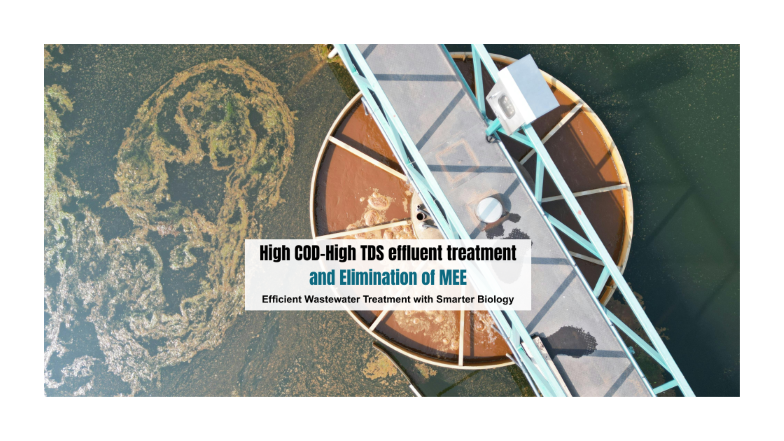
Case Study High COD-High TDS effluent treatment and Elimination of MEE (1)
High COD-High TDS effluent treatment and Elimination of MEE
Background

With the head office located at Ankleshwar, this prominent chemical manufacturing company was spending heavily to treat its high COD effluent with high TDS. Their current ETP also did not have any biological system. The company connected us and gave us the challenge not only to treat the High COD effluent with TDS up to, but also to eliminate the use of MEE in order to save cost.

1st Phase: Scrutiny

Our team of experts visited the factory to introspect to identify the scope of improvements.

ETP details:

Flow (current) 400 KLD
Type of process Primary + Tertiary (no Biology)
No of spare tanks 4
Capacity of neutral tank 1 130 KL
Capacity of neutral tank 2 625 KL
Capacity of neutral tank 3 130 KL
Capacity of neutral tank 4 60 KL

Parameters:

Effluent Treated by MEE:

Parameters  Avg. Inlet parameters (PPM)
COD 30000-40000
TDS 150000-180000

Effluent Treated in ETP:

Parameters  Avg. Inlet parameters (PPM)
COD 30000-40000
TDS 20000
Current Scenario

ETP Process:

  • Batch process is followed till neutral effluent storage tank 1.
  • 60 HP pumps are present with a capacity of 80 KL/hr.
  • Both the streams are equalized, while the acidic stream is neutralized at the neutralization tank with lime (400-1500 kg).
  • The supernatant passes through the belt filter while the sludge is passed to the settling tank and then to CF1 and CF2
  • The supernatant is passed to 4 neutral effluent storage tanks one by one through gravity, with capacities 130 Kl, 625 KL, 130 KL, and 60 Kl respectively.
  • No Aeration in Neutral effluent storage tanks.
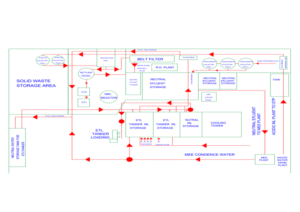
Wastewater treatment of COD BOD AND MEE Image (1).png

Challenges

Treating high COD was not the actual challenge, but treating the effluent with such high TDS up to 160000 ppm was near impossible, as:

  • Conventional biological wastewater treatment struggles at high Total Dissolved Solids (TDS) levels, especially above 10,000–20,000 ppm.
  • High TDS creates osmotic stress, impairs enzyme function, and can rupture microbial cell membranes.
  • At 160,000 ppm TDS, most microbial communities collapse, making biological COD degradation nearly impossible.
  • T1B Aerobio contains specialised, scientifically selected bio cultures that naturally survive and thrive under extreme salinity and high organic loading.
2nd Phase: The Blueprint

After scrutiny and brainstorming with our R&D, we concluded and agreed to transform the existing ETP setup into a fully-functional ASP-based ETP that can treat high COD of effluent with High TDS.

ETP process optimization:

Action Plan:

  • Conversion of current tanks into biological tanks for COD reduction
  • The Neutral storage tanks of 130 KL AND  625 KL were converted into a biological tank, for which fine bubble diffusers were installed.
  • The third neutral effluent storage tank of capacity 130 KL to be used as a clarifier with the provision of recirculation back to the tank of 625 KL through pumps
  • Elimination of MEE gradually
  • We started with 125 kld flow and eventually took the daily flow to 400 kld.
3rd Phase: Technology and Execution
  1. Selecting biocultures:

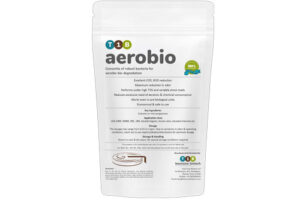
T1B Aerobio

Reduces aeration processing in Wastewater treatment. Improves functioning & efficiency of biological units in WTP. Useful in activated sludge process bioreactors & biodigesters

Team One Biotech’s unique microbial preparation “T1B Aerobio” consists of blends of several strains of microorganisms, usually bacteria. These organisms are isolated from nature and are not genetically altered in any way. They are selected based on accelerated reproduction rates and their ability to perform specific functions, such as good floc-forming capabilities, ability to degrade xenobiotic compounds, ability to survive in high TDS, degrade ammonia, sodium acetate, and other nutrients, ability to perform under variable pH & temperature, ability to secrete various enzymes, etc. 

T1B SustainX
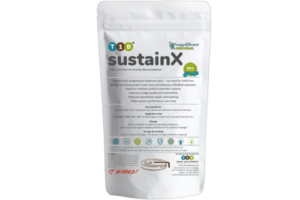
  • Our product T1B SustainX is a 100 % replacement of UREA-DAP and other conventional nutrients. It consists: 
    • Organic CarbonPrimary electron donor and carbon source for microbial growth and co-metabolic degradation.
    • Total Nitrogen → Essential for amino acids, nucleic acids, and enzyme production, driving biomass formation.
  • Phosphate Supports ATP synthesis, genetic material integrity, and membrane stability.
  • Calcium Strengthens cell walls, stabilizes enzymes, and enhances bio flocculation and sludge settling.
  • Magnesium → Key cofactor for ribosomes, ATP handling, and enzyme regulation.
  • Sulfur → Needed for sulfur-containing amino acids, coenzymes, and redox balance.

Essential Micronutrient Metal Cofactors + Organic Micronutrient Coenzyme Precursors + Nitrogenous Organic Monomers and Metabolic Precursors

2. Process optimization:

Our target was to achieve MLSS of 3500-4000 in the first 15 days. After that, the WAS was wasted at 15 KLD, and RAS was recirculated at 5 KLD.

Results:

After 60 days of implementation:

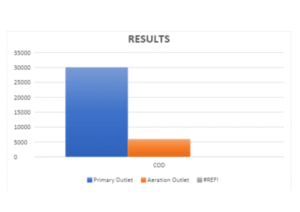
Parameters  Primary Outlet) Neutral (aeration) tank 2 Outlet Clarifier Outlet
COD (PPM) 30000 6000                   >3500
COD Reduction ~ 80 % ~ 88 %
TDS (PPM) 160000  160000 160000

Wastewater treatment of COD BOD AND MEE Image.

MEE elimination:

In 90 days, the MEE was completely eliminated, thereby reducing overall wastewater treatment cost by 62%.

Conclusion

With the combined effect of T1B Aerobio bio culture and T1B SustainX – nutrient source and process optimization, the client achieved an 85-90 % COD reduction efficiency in ETP through the biological system, which further increased after the tertiary system. This translated into:

  • Improved microbial activity and settleability.
  • Stable effluent quality, meeting compliance standards.
  • Bio cultures are effective in high TDS effluents.

This case demonstrates how biology-driven solutions, coupled with system know-how, can deliver tangible performance and cost benefits in industrial wastewater treatment.

Looking to improve your ETP/STP efficiency with the right bioculture?
Talk to our experts at Team One Biotech for customised microbial solutions.

Contact+91 8855050575

Email:  sales@teamonebiotech.com

Visit: www.teamonebiotech.com

Discover More on YouTube – Watch our latest insights & innovations!-

Connect with Us on LinkedIn – Stay updated with expert content & trends!
Bioculture for ETP and STP – Smarter Biology for Better Wastewater Treatment

If you’ve already explored our earlier blog, Benefits of Bioculture in Wastewater Treatment Explained, you’ve taken the first step toward understanding how Bioculture for ETP and STP is transforming modern wastewater treatment systems. But knowing why microbes matter is only the beginning—now let’s move toward what’s next.

Across sectors like textile, pharmaceutical, food & beverage, chemicals, and municipal  wastewater, one thing is becoming clear: traditional treatment methods alone can’t keep up  with today’s challenges. Rising organic loads, fluctuating influents, sludge handling issues,  and strict regulations demand a smarter, more adaptive approach. And that’s exactly where smarter biological solutions- Bioculture for ETP and STP step in. 

Whether you manage an industrial ETP or municipal STP, our specialists can guide you with the right bioculture program—simply visit our Contact Us page.

From Understanding Bioculture to Applying It in ETP & STP Operations

Microbial bio cultures aren’t simply “add-ons” to your treatment process—they’re the  foundation of a stable, efficient, cost-saving plant. In our earlier article, we explained how bioculture for sewage treatment break down pollutants, enhance system stability, and reduce dependency on  chemicals. 

Now, let’s take the conversation forward. 

How Bioculture for ETP and STP Transform Real-World Treatment Challenges

Here’s how industries can turn microbial theory into practical, measurable results:

  1. Targeting the Right Problems First 

Every ETP and STP has a unique challenge.

It could be:

  • High COD/BOD

  • Excess foam

  • Sludge bulking

  • Poor anaerobic digestion

  • Unstable aeration tank

  • Frequent compliance failures

Identifying the root cause helps select the right microbial strains/ bioculture for effluent treatment for a targeted solution—ensuring faster recovery and consistent performance.

2. Choosing the Right Microbial Blend for Your ETP/STP

Different wastewater → different microbial culture for wastewater treatment

For example: 

  • Food processing plants benefit from fast-acting COD reducers 
  • Pharma units require strains resistant to toxicity 
  • Textile plants need microbes that can handle surfactants and dyes
  • Municipal STPs need stable, long-term biomass builders 

This is where choosing the right formulation creates performance you can actually see.

3. Monitoring + Optimization = Long-Term Success 

Biology is dynamic. As influent changes, your system needs microbes that adapt. A well-designed bioculture program for ETP and STP ensures:

  • Consistent effluent quality 
  • Faster recovery after shock loads 
  • Reduction in chemical consumption 
  • Lower sludge handling costs 

This is not just microbial activity—it’s operational efficiency. 

4.Turning Wastewater Challenges into Sustainability Wins 

When microbes do their job right, plants experience: 

  • Lower aeration cost 
  • Better MLSS control 
  • Reduced sludge 
  • Improved process stability 
  • Easier regulatory compliance 

These benefits translate directly into long-term sustainability and operational savings. 

If this sparked your interest, now is the perfect time to revisit the foundation of all this—the  detailed explanation of why bio culture works. 

Read the full article: 

Benefits of Bio culture in Wastewater Treatment Explained” 

Also Read, Bioculture for ETP Operations – Cost Saving Solution

Wastewater treatment is evolving rapidly. Plants that adopt bioculture for ETP and STP today will become the operational leaders of tomorrow. Whether your goal is:

  • Better compliance

  • Lower operational costs

  • Improved sustainability

  • Enhanced process stability

—microbial solutions are not the future; they are the present.

As one of the leading biotech companies in India, we provide a sustainable product range across multiple verticals, including probiotics for aquaculture, biofertilizers and plant growth promoterseco-friendly cleaning solutionsanimal probiotics, and on-site consultation for biocultures for ETP and STP.

Looking to improve your ETP/STP efficiency with the right bioculture?
Talk to our experts at Team One Biotech for customised microbial solutions.

Contact: +91 8855050575

Email:  sales@teamonebiotech.com

Visit: www.teamonebiotech.com

Discover More on YouTube – Watch our latest insights & innovations!-

Connect with Us on LinkedIn – Stay updated with expert content & trends!
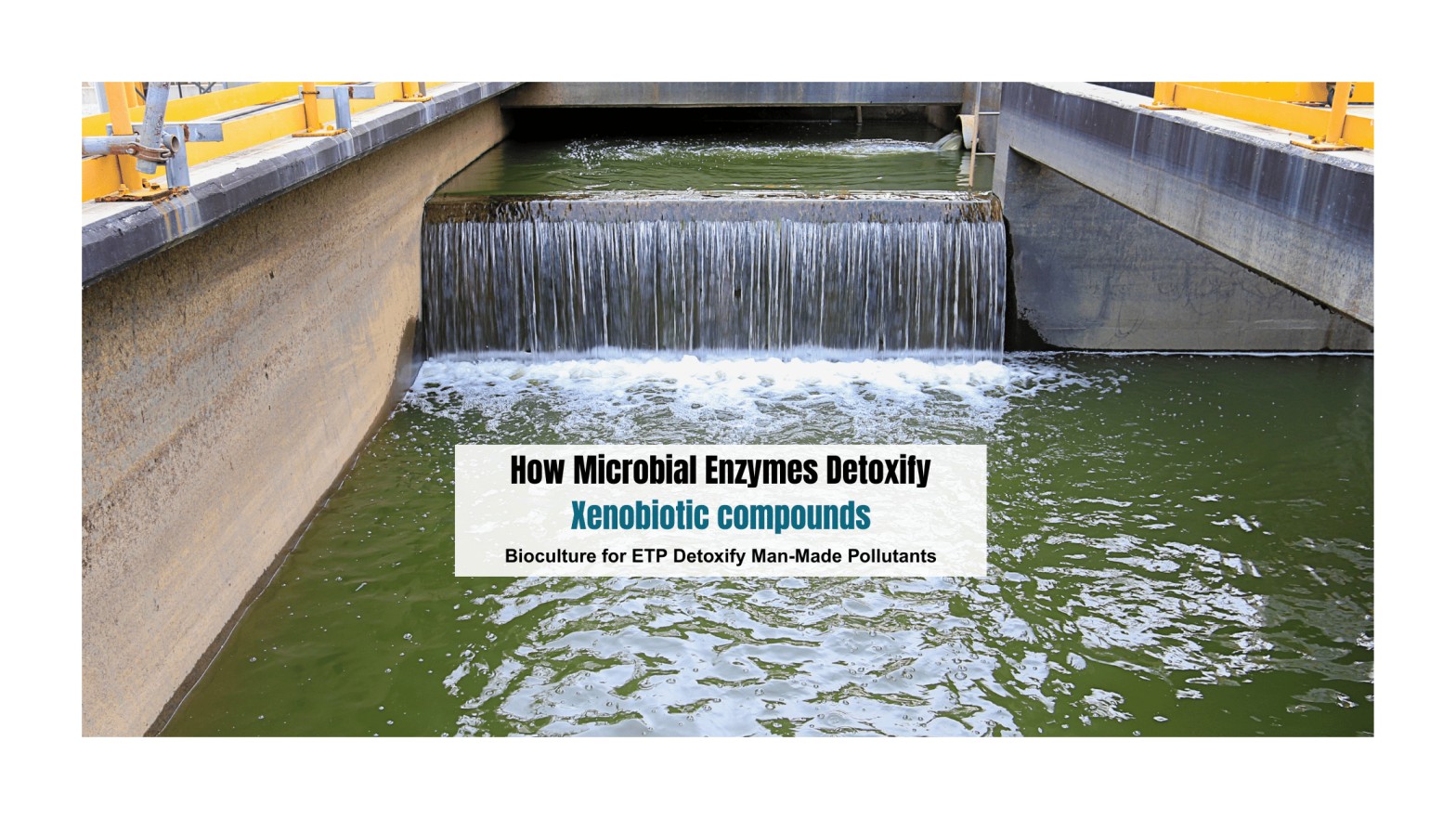
How Microbial Enzymes Detoxify Man-Made Pollutants
Biocultures for ETP- How Microbial Enzymes Detoxify Xenobiotic Compounds

Modern life depends on thousands of synthetic chemicals — plastics, pesticides, dyes, pharmaceuticals, fuels, and surfactants — that make living convenient but leave behind an uncomfortable legacy: xenobiotic compounds. These are man-made molecules that do not occur naturally and often resist degradation by normal biological pathways. They persist for decades, accumulate in ecosystems, and sometimes transform into even more toxic intermediates.

While conventional chemical and physical treatments can remove or immobilize some pollutants, they are energy-intensive and generate secondary waste. The sustainable alternative comes from nature itself — enzymes, the microscopic catalysts that drive every reaction inside living cells.

What Makes Xenobiotics So Stubborn

Xenobiotic molecules often contain:
• Halogenated groups (–Cl, –F, –Br) that make them chemically stable.
• Aromatic rings such as benzene that resist oxidation.
• Complex branching or polymeric chains that ordinary microbes can’t easily access.

Because of this structural complexity, the natural metabolic machinery of most microbes struggles to recognize these molecules as food.
Here’s where specialized microbial enzymes come into play — capable of attacking the unbreakable.

In industrial settings, especially in effluent treatment plants (ETPs), the accumulation of such persistent chemicals creates operational challenges. This is why many industries are now adopting biocultures for ETP systems to introduce pollutant-degrading microbes that can adapt to complex effluent loads.

How Enzymes Break the Unbreakable

Microbial enzymes act as molecular scalpels that cut and modify xenobiotic compounds into less toxic, more biodegradable forms. Key classes include:
Oxygenases and Monooxygenases – Insert oxygen into aromatic rings of hydrocarbons, initiating their breakdown (e.g., Pseudomonas oxygenases degrade benzene and toluene).
Peroxidases – Use hydrogen peroxide to oxidize phenols, dyes, and chlorinated pesticides.
Laccases – Multi-copper oxidases that transform phenolic and non-phenolic xenobiotics using atmospheric oxygen, with no harmful by-products.
Hydrolases and Esterases – Cleave ester and amide bonds in organophosphate pesticides, phthalates, and plastics.
Dehalogenases – Remove halogen atoms, converting recalcitrant chlorinated compounds like PCBs or trichloroethylene into simpler molecules.
Nitroreductases and Dehydrogenases – Detoxify nitroaromatics and explosives such as TNT by reduction and further mineralization.

These enzymatic steps either mineralize the contaminant completely into CO₂ and H₂O or transform it into intermediates that native microbes can assimilate.

When industries use biocultures for ETP, they are essentially introducing microbial communities capable of producing these enzymes naturally inside the aeration tank, equalization tank, or bioreactor. This ensures continuous in-situ enzyme production without requiring costly direct enzyme dosing.

Why Direct Enzyme Application Is Not Recommended

Although enzymes are highly efficient and environmentally friendly catalysts, they should not be administered directly into wastewater systems or soil environments. Free enzymes are unstable in real-world industrial conditions — they degrade quickly, get denatured by temperature, pH, or chemicals in the effluent, and lose activity within hours. They also lack the self-regenerating ability of microbes, meaning continuous dosing becomes impractical and extremely expensive. For sustainable bioremediation, enzymes must be produced in situ by living microbial communities that can multiply, adapt, and secrete fresh enzymes as required.

Why Enzyme-Based Bioremediation Matters
  1. Eco-friendly and specific – Enzymes target particular chemical bonds without producing toxic residues.
  2. Operate under mild conditions – They work at ambient temperature and pH, saving energy.
  3. Applicable to diverse pollutants – From pharmaceuticals and dyes to polyaromatic hydrocarbons and endocrine-disrupting compounds.
  4. Compatible with immobilization and reactors – Laccases, peroxidases, and hydrolases can be immobilized on carriers, enabling continuous treatment of wastewater streams.
  5. Synergy with microbes – Enzyme production in situ through microbial consortia sustains long-term remediation in soils, sediments, and bioreactors.

This is why biocultures for ETP are preferred — because living microbes multiply, adapt to effluent changes, and continuously secrete the required enzymes.

Biocultures for ETP: The Most Effective Way to Deliver Enzymes

In modern effluent treatment plants (ETPs), biocultures — specialized microbial consortia — are the safest and most effective way to introduce enzymes into the system. These microbes naturally produce a broad spectrum of enzymes such as oxygenases, hydrolases, laccases, and dehalogenases based on the pollutants present.

Biocultures:

• Maintain stable microbial populations
• Continuously regenerate and secrete fresh enzymes
• Break down complex industrial pollutants
• Reduce sludge generation
• Enhance COD/BOD removal
• Improve overall ETP stability and efficiency
• Reduce chemical dependency in biological treatment stages

For industries handling pharmaceuticals, chemicals, food processing waste, textiles, and dyes, biocultures for ETP have become an essential part of sustainable operations.

The Bigger Picture

Enzymes remind us that sustainability lies in mimicking nature’s chemistry rather than fighting it. They allow us to convert hazardous xenobiotics into harmless end-products without toxic by-products or energy-intensive treatment steps.

With the rising emphasis on zero-liquid-discharge (ZLD), operational efficiency, and cost control, adopting biocultures for ETP is no longer optional — it is a strategic environmental requirement for industries.

Looking for High-Performance Biocultures for Your ETP?

Team One Biotech provides premium microbial formulations designed for:

  • COD/BOD reduction

  • Sludge minimization

  • Colour & odour removal

  • Faster biological stabilisation

  • Enhanced ETP compliance

Our specialized enzyme-rich biocultures for ETP work across industries including pharmaceuticals, chemicals, textiles, food processing, dyes, FMCG, and more.

Industries today are also increasingly adopting biocultures for ETP not only for better pollutant degradation but also for their economic benefits. By improving microbial efficiency, reducing chemical usage, stabilizing biological reactions, and minimizing sludge handling expenses, biocultures significantly reduce overall treatment costs. To understand this in depth, you can explore how biocultures directly contribute to lowering operational and maintenance expenses in industrial wastewater systems here: How Biocultures Save Costs in Industrial Wastewater Treatment.

As one of the leading biotech companies in India and trusted bioremediation companies in India, Team One Biotech continues to deliver solutions that redefine sustainability across wastewater treatment, agriculture, aquaculture, and hygiene management.

Contact us at- +91 8855050575

Email: sales@teamonebiotech.com

Visit: www.teamonebiotech.com

Discover More on YouTube – Watch our latest insights & innovations!-

Connect with Us on LinkedIn – Stay updated with expert content & trends!

Heavy Metals in Anaerobic Wastewater Treatment | Recovery Guide

Anaerobic systems are one of the most efficient and popular systems in industrial wastewater treatment. Its cost-effective and easy manoeuvring attributes make its presence prominent in Industries such as Distilleries, Ethanol manufacturing, Sugar mills. Breweries and even used in some facultative systems. In the anaerobic systems, Anaerobic granular sludge systems, such as UASB (Upflow Anaerobic Sludge Blanket) and EGSB (Expanded Granular Sludge Bed) reactors, represent one of the most efficient technologies for wastewater treatment.

Here, granules, which are compact, well-structured microbial aggregates, play the most vital part. These granules consist of layered microbial communities, viz., hydrolytic bacteria at the surface, acetogens in the middle, and methanogens at the core. These microbial communities work in synergy to degrade complex organic matter into methane and carbon dioxide.

These microbial communities include anaerobic bacteria, facultative anaerobe groups, and core obligate anaerobes—together forming stable functional granules essential for efficient anaerobic digestion. Understanding how they interact is explained in our EHS-focused guide

However, the anaerobic process is, at the same time, one of the most sensitive processes & its effectiveness lies in maintaining parameters such as pH, flow rate, temperature, and carbon source, which hold a very narrow range. Similarly, one such parameter is the presence of heavy metals, which has grown in industrial and municipal wastewater from plating, mining, tanneries, and electronics industries. 

Metals like copper (Cu), nickel (Ni), zinc (Zn), cadmium (Cd), chromium (Cr), and lead (Pb) are frequently labelled “toxic,” but this generalization oversimplifies their nuanced impacts. Beyond simply inhibiting enzymes, these metals disrupt the extracellular polymeric substances (EPS) matrix, destabilise syntrophic microbial interactions, and interfere with sulfide-mediated metal precipitation, ultimately leading to granule disintegration and performance failure.

This blog explores the lesser-explored territory of how heavy metals affect anaerobic granules at a structural and biochemical level and, more importantly, how reactors can recover through biogenic sulfide precipitation, bioaugmentation, and staged feeding strategies.

The need to understand the impact of heavy metals beyond toxicity thresholds that drop methane levels is necessary as this understanding is vital for designing resilient reactors and developing recovery protocols after metal shock loads.

To improve stability under fluctuating industrial loads, many ETP/STP plants now supplement with bioculture for wastewater treatment, which enhances shock resistance, improves organic degradation pathways, and strengthens microbial synergy.

The wastewater treatment systems are usually housed in an anaerobic tank or anaerobic chamber, where microbial structure influences overall anaerobic wastewater treatment outcomes.

This blog explores how heavy metals affect anaerobic granules at a structural and biochemical level and how reactors can recover through biogenic sulfide precipitation, bioaugmentation, and staged feeding strategies.

For operational guidance integrating microbial performance with EHS and compliance: Click here

 
Structure of Anaerobic Granules

Granules are self-immobilized microbial communities held together by EPS. Their architecture provides:

  • High biomass retention

  • Metabolic zoning

  • Resistance to shock loads

Granule formation is influenced by anaerobic culture methods, where microbial self-aggregation enables long-term anaerobic sludge digestion efficiency.


How Heavy Metals Impact Anaerobic Granules
  • Disruption of EPS and Structural Stability

The EPS structure consists of negatively charged functional groups (carboxyl, phosphate, hydroxyl) that can bind metal cations, effectively trapping them. Initially, this adsorption reduces metal toxicity, but with time, it has the following effects:

Loosening of granule cohesion: When the balance of tightly and loosely bound EPS changes, granules become porous and fragile.

Cross-linking: Metal ions bridge EPS polymers, changing their viscosity and reducing flexibility.

Oxidative stress: Metal exposure triggers free-radical formation, degrading EPS polymers.

Altered secretion: Metal stress may either stimulate overproduction of EPS (as a defense) or suppress secretion if energy is diverted for stress responses.


  • Inhibition of Syntropic Pathways

Anaerobic digestion depends on a very vulnerable relationship between methanogenic archaea and syntrophic bacteria. As methanogens are more metal-sensitive than acidogens, the balance tilts — acids accumulate, pH drops, and VFAs such as propionate and butyrate build up, further destabilizing granules. Once the methanogenic core is impaired, granule disintegration accelerates.

Metals like Cu2+  Ni²⁺, and Zn²⁺ interfere with these relationships by:

  1. Inhibiting hydrogenases and formate dehydrogenases, essential for interspecies hydrogen/formate transfer.
  2. Reducing the rate of interspecies electron transfer (IET) and direct interspecies electron transfer (DIET), 
  3. Blocking methyl-coenzyme M reductase, the key enzyme for methane formation.

This sensitivity also explains key differences in aerobic vs anaerobic bacteria, where oxygen tolerance and metabolic energy yield differ significantly.

Granule Disintegration Mechanisms

Heavy metals lead to:

  • EPS degradation

  • Methanogenic core collapse

  • Granule fragmentation

  • Biomass washout

Long-Term Recovery Strategies

Recovery involves staged feeding, sulfide control, pH stabilization, and biomass reinforcement.

During recovery, following standard anaerobic digestion steps helps prevent acidification and supports gradual metabolic restoration.


Bioaugmentation and Seeding

Introduction of bioculture that consists of EPS-producing bacteria and metal-resistant methanogens helps re-establish microbial networks and regain granule strength.

To buy High-performance microbial strains for industrial ETP/STP: Click here.


Granule Seeding

Seeding stable granules accelerates recovery.

Circulating mature anaerobic sludge from a healthy system supports faster granule restructuring.

EPS-Enhancing Additives

Polysaccharide-rich substrates (molasses/starch) promote structural cohesion.


Conclusion

Heavy metals do more than inhibit digestion — they structurally dismantle anaerobic granules.

Across industries, maintaining strong microbial granules ensures efficient anaerobic treatment, reduced sludge handling, stable biogas production, and long-term regulatory compliance.

For consultation or plant-level support: Contact Us

 
Explore More Solutions by Team One Biotech

As one of the leading biotech companies in India and trusted bioremediation companies in India, Team One Biotech continues to deliver solutions that redefine sustainability across wastewater treatment, agriculture, aquaculture, and hygiene management. Contact us here for free consultation.

Email: sales@teamonebiotech.com

Visit: www.teamonebiotech.com

Contact: +91 8855050575

Discover More on YouTube – Watch our latest insights & innovations!-

Connect with Us on LinkedIn – Stay updated with expert content & trends!
OCTOBER 2025 NEWSLETTER
Together For a Greener Tomorrow: Innovation, Collaboration, Restoration

This month, we celebrate a powerful milestone, a meaningful collaboration, and our continued commitment to bioremediation-driven innovation.

In This Issue
  • Angry Pink Reaches a Milestone – Trusted by 1 Lakh+ Families

  • PCMC Partnership: Transforming Sludge Management

  • Pro Tip from the Field

  • Let’s Connect

Angry Pink Reaches a Milestone — Trusted by 1 Lakh+ Families!

A clean home shouldn’t come with harsh chemicals or hidden toxins — and over 1 Lakh families across India agree.

They’ve made the switch to T1B Angry Pink, the enzyme-powered, non-toxic multipurpose cleaner that delivers a deep clean while staying gentle on your loved ones.

Unlike chemical cleaners that only wipe the surface, Angry Pink’s Advanced Enzyme Technology penetrates deep to remove grease, grime, and hidden biofilms — leaving every corner truly clean, fresh, and residue-free.

Why Families Love Angry Pink
  • Safe for Kids & Pets – 100% non-toxic, biodegradable, and skin-friendly

  • Deep Cleaning Enzyme Power – Breaks down organic dirt at the root

  • Fresh Zesty Blossom Fragrance – Natural freshness without harsh fumes

  • Eco-Conscious Choice – Safe for your home, family, and the planet

With Angry Pink, cleaning isn’t just a chore — it’s a conscious step toward a healthier, happier home.
Join the movement redefining what it means to clean responsibly.

Collaboration Spotlight: PCMC Partnership Success Story

The Pimpri-Chinchwad Municipal Corporation (PCMC), recognized as the Cleanest Corporation in Maharashtra at Swacchathon 2025, observed Team One Biotech’s bioremediation work at Techwari 2025.

Impressed by our innovations, Commissioner Mr. Shekhar invited our team to present our microbial solutions to the Chief Engineer of PCMC.

PCMC was facing critical sludge management challenges.
Our microbial approach delivered measurable, impactful results:

Outcome Achieved
  • Complete sludge liquefaction

  • Sludge level reduced from 18 ft to 10 ft within the first month


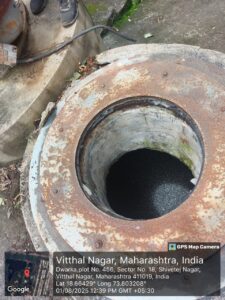
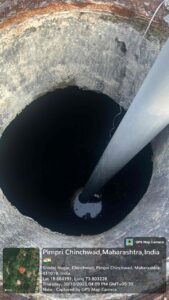
Before Product Addition After Product Addition

This milestone reflects our commitment to science-led sustainability in municipal wastewater management.

Pro Tip From the Field

Not all microbes are the same.

In wastewater treatment, choosing the correct microbial strain is crucial for system efficiency.

  • Aerobic systems need oxygen-loving microbes

  • Anaerobic systems thrive in oxygen-free environments

Using the wrong microbes can increase sludge load and reduce treatment performance.

Let’s Connect

Have questions or need site-specific assistance?

Email: sales@teamonebiotech.com
Call: +91 7769862121
Website: https://www.teamonebiotech.com/

Follow Us: LinkedIn | YouTube | Facebook

Why Your Septic Tank Needs Beneficial Bacteria A Complete Guide (1)
Beneficial Bacteria for Septic Tanks: A Complete Guide

Why Your Septic Tank Needs Beneficial Bacteria: A Complete Guide to Microbial Balance, Maintenance Practices, and Modern Biological Treatment Solutions

Maintaining a septic tank is not just about periodic cleaning or pumping; it is about preserving the biological ecosystem inside it. A septic tank works effectively only when beneficial bacteria are present in healthy populations and actively breaking down organic waste. When these microbial communities are disturbed, septic systems begin to fail — resulting in foul odors, sludge accumulation, frequent blockages, and higher operational costs.

This detailed guide explains how beneficial bacteria function inside septic systems, what disrupts them, the difference between chemical and biological treatments, and how biological septic tank cleaner bacteria powders such as T1B Septic Tank Cleaner Bacteria Powder can restore microbial balance for sustainable, low-maintenance septic performance.


Understanding the Biological Foundation of Septic Tank Functioning

A septic tank is essentially a biological wastewater treatment chamber. When wastewater enters, it separates into layers:

Layer Description Role
Scum Floating oils, fats, and grease Needs bacterial digestion for reduction
Sludge Heavier solids settling at the bottom Digested by anaerobic bacteria
Effluent Partially treated water that flows to the soak pit Quality depends on microbial activity


The core function of the system relies on anaerobic bacteria that break down organic waste into simpler compounds. These microbes convert complex organic molecules into:

  • Water
  • Methane
  • Carbon dioxide
  • Organic acids
  • Biomass

This biodegradation process prevents rapid sludge accumulation and keeps the soak pit or drain field unclogged.

Without sufficient beneficial bacteria:

  • Waste does not decompose fully
  • Solid sludge accumulates rapidly
  • Odors intensify due to undigested organics
  • Drainage fields become blocked
  • Septic tank requires frequent manual cleaning

To understand the sanitation context further, refer to:
https://www.teamonebiotech.com/blog/sustainable-toilets-the-power-of-septic-tank-sanitation/


What Disrupts Beneficial Bacterial Populations?

Although bacteria occur naturally in septic systems, they are highly sensitive to chemicals and lifestyle habits.

Common household practices that destroy septic tank microbes include:

Disruptive Practice Why It’s Harmful
Use of bleach, phenyl, toilet disinfectants These chemicals kill microbial colonies entirely
Acid descalers used frequently Corrode tank surfaces and sterilize bacterial activity
Detergents with antibacterial additives Designed to inhibit microbial growth
Pouring of used cooking oil and fats Forms a layer that prevents oxygen and bacteria access
Flushing sanitary items, wipes, tissues These do not biodegrade and physically block the system

When beneficial microbes are destroyed, the septic tank shifts from biological processing to physical waste accumulation, leading to overload and failure.

Practical maintenance guidelines are discussed in:
https://www.teamonebiotech.com/blog/tips-for-maintaining-septic-tank/


Do Septic Tank Treatments Work? Biological vs Chemical Solutions

There is significant confusion in the market regarding septic tank cleaning solutions. Treatments can be categorized into:

Type of Treatment Function Impact
Chemical cleaners Break down or dissolve waste using acids or disinfectants Kill beneficial bacteria; short-term relief, long-term damage
Biological treatments (bacteria-based) Introduce beneficial microorganisms that digest waste Restore and strengthen natural waste breakdown

Chemical solutions harm septic tanks over time by sterilizing microbial communities.

Biological bacterial cultures, on the other hand, replenish and enhance natural decomposition, reducing sludge buildup sustainably.

For a comparative understanding, refer to:
https://www.teamonebiotech.com/blog/best-septic-tank-treatment-vs-pumping-whats-right-for-your-system/


How Beneficial Bacteria Improve Septic Tank Efficiency

When introduced correctly, septic tank bacteria can:

  • Accelerate waste breakdown
  • Reduce sludge volume
  • Eliminate foul odors
  • Improve soak pit and drain field performance
  • Extend the interval between cleanings and pumping
  • Lower maintenance costs significantly

A bacterial treatment works silently and continuously, unlike manual cleaning which only removes accumulated sludge temporarily.


Recommended Biological Treatment: T1B Septic Tank Cleaner Bacteria Powder

To restore lost or weakened microbial activity, T1B Septic Tank Cleaner Bacteria Powder introduces high-density, enzyme-producing bacterial strains specifically selected for septic waste digestion.

Key Advantages:

  • Breaks down sludge, fats, proteins, starches & cellulose
  • Reduces foul odor formation
  • Improves percolation in soak pits
  • Decreases cleaning frequency and costs
  • Safe, non-corrosive, and environmentally responsible


For a practical approach explanation, refer to:
https://www.teamonebiotech.com/blog/sanitation/septic-tank-cleaner-bacteria-the-smart-way-to-maintain-a-healthy-septic-system/


Recommended Treatment Application 

Tank Size Dosage per Application Frequency
500–1,000 Litres 50–100 g Every 15–30 days
1,500–3,000 Litres 100–200 g Every 15–30 days
Above 3,000 Litres / Institutions Customized dosing program Monthly or monitored

Application Tip:
Apply during evening hours and avoid using strong chemical cleaners for 12 hours after dosing to protect microbial activation.


How to Maintain a Healthy Bacterial Ecosystem in Your Septic Tank

Avoid Flushing:

  • Wet wipes, tissues, cotton balls
  • Sanitary napkins, condoms
  • Food waste, grains, fats, oils

Reduce or Replace:

  • Phenyl → Use non-chlorine cleaners
  • Bleach-based toilet cleaners → Use enzymatic or mild cleaners
  • Heavy detergent loads → Use paraben-free detergents

Regular Microbial Conditioning Helps:

  • Stabilize odor
  • Maintain drainage efficiency
  • extend septic system lifespan significantly


Growing Trend Toward Biological Septic System Management

Across residential projects, farmhouses, resorts, hotels, hospitals, schools, and urban-rural sanitation programs, there is rising adoption of bio-culture based solutions because they help:

  • Reduce manual cleaning dependency
  • Lower waste transport and dumping risks
  • Support sustainable groundwater protection
  • Enable safer sanitation systems

This aligns with India’s evolving environmental compliance and hygiene priorities.


Conclusion

A septic tank is not just a storage chamber-it is a living biological system.
Maintaining its beneficial bacterial environment is a key to long-lasting, efficient, and odour-free functioning.

By reducing harmful cleaning chemicals, avoiding non-biodegradable waste, and introducing bacterial biocultures regularly, households and institutions can achieve:

  • Cleaner sanitation outcomes
  • Lower operational expenses
  • Longer-lasting septic infrastructure
  • Reduced environmental burden

To restore microbial health and ensure sustainable septic system performance, consider leveraging bacterial-based septic treatment solutions such as:

👉 T1B Septic Tank Cleaner Bacteria Powder
 

As one of the leading biotech companies in India, we provide a sustainable product range across multiple verticals, including probiotics for aquaculture, biofertilizers and plant growth promoters, eco-friendly cleaning solutions, animal probiotics, and on-site consultation for biocultures for ETP and STP.

Email:  sales@teamonebiotech.com

Visit: www.teamonebiotech.com

Discover More on YouTube – Watch our latest insights & innovations!-

Connect with Us on LinkedIn – Stay updated with expert content & trends!
Scan the code