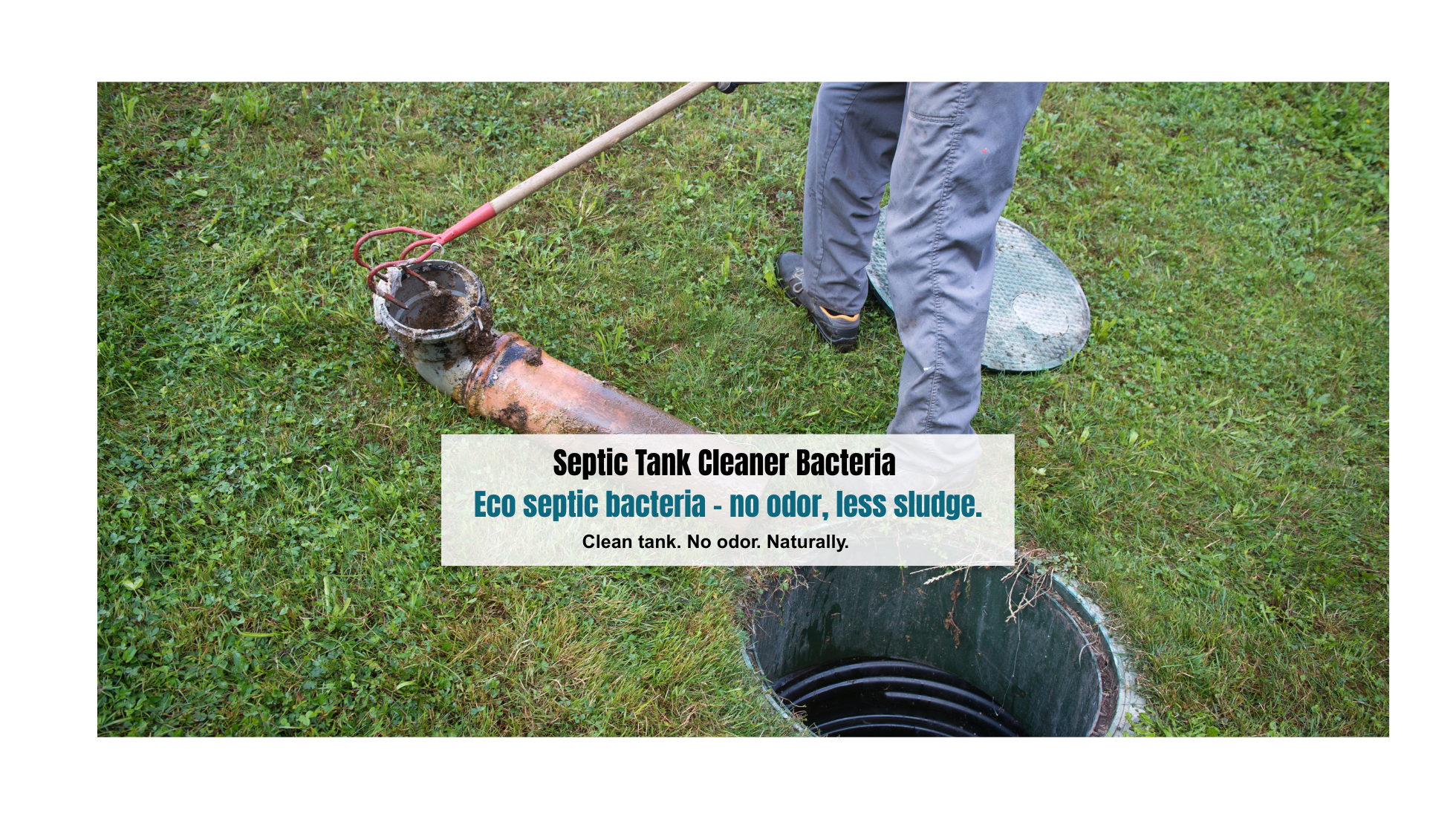
Septic Tank Cleaner Bacteria: The Smart Way to Maintain a Healthy Septic System

A well-functioning septic system is essential for maintaining hygiene and preventing foul odors, blockages, or sewage backups. The most effective way to ensure smooth septic tank performance is by using septic tank cleaner bacteria that naturally break down waste. If you are looking for a reliable biological solution for your septic system at home, commercial property, or institutional setup, Team One Biotech offers safe and effective microbial formulations.

What Makes Microbial Septic Tank Cleaners Better?

Traditional chemical cleaning solutions may reduce waste temporarily but often disturb the natural microbial balance inside the tank. Instead, using natural septic tank cleaner that contains beneficial septic tank bacteria helps maintain the biological ecosystem of the tank. These microbial cultures act as bioculture for wastewater treatment, breaking down organic matter, reducing odor, and preventing sludge accumulation.

This method supports sustainable septic system management without harming the environment.

How Septic Tank Cleaner Bacteria Work

Our microbial formulas contain specialized strains that act quickly to digest fats, oils, grease, paper, and organic waste. These septic tank bacteria powder and septic tank cleaning powder products start working immediately after application.

The bacteria release bioenzymes that:

  • Convert solid waste into simpler particles
  • Reduce sludge formation
  • Prevent blockages in pipelines
  • Maintain smooth wastewater flow

This biological action ensures continuous treatment, making it more effective than mechanical cleaning alone.

Odor Control Made Easy

Persistent foul smell is a common septic system complaint. Our microbial culture acts as a septic tank smell remover by naturally breaking down odor-causing compounds like hydrogen sulfide and ammonia. Instead of masking the smell, the bacteria eliminate its source.

Additional Application: Aquaculture Water Quality

Our microbial knowledge extends beyond domestic and commercial septic systems. We also offer probiotic for aquaculture solutions that improve pond water quality, enhance dissolved oxygen, and support healthier fish and shrimp culture. These probiotic for aqualculture blends maintain a balanced microbial environment, reducing ammonia levels and preventing harmful pathogens in aquatic systems.

This multi-application biotechnology approach shows how natural microbial solutions support both sanitation and sustainable aquaculture.

Why Choose Team One Biotech?

At Team One Biotech, our bioculture for wastewater treatment formulations are:

  • Scientifically tested
  • Highly stable and effective
  • Easy to apply (no machinery required)
  • Eco-friendly and safe
  • Suitable for homes, apartments, hotels, factories, and farms

We focus on building cleaner sanitation systems through nature-driven biotechnology.

Conclusion

Using eco-friendly septic tank cleaner bacteria is the smartest and most sustainable approach to maintaining a clean, odor-free, and efficient septic system. For residential and commercial properties, microbial bacteria-based septic cleaning is a reliable long-term solution.

As one of the leading biotech companies in India, we provide a sustainable product range across multiple verticals, including probiotics for aquaculture, biofertilizers and plant growth promoters, eco-friendly cleaning solutions, animal probiotics, and on-site consultation for biocultures for ETP and STP.

Email:  sales@teamonebiotech.com

Visit: www.teamonebiotech.com

Discover More on YouTube – Watch our latest insights & innovations!-

Connect with Us on LinkedIn – Stay updated with expert content & trends!

Probiotics in Shrimp Aquaculture: Meeting Global Demand Through Sustainable Farming and Modern Innovation

The global shrimp aquaculture industry is experiencing unprecedented growth, driven by rising consumer demand for sustainable seafood and protein-rich diets. As traditional fishing methods struggle to keep pace with population expansion, intensive shrimp farming has emerged as the solution to feed billions worldwide. Contact us to discover how we can transform your aquaculture operation with cutting-edge biotechnology solutions including advanced aquaculture probiotics.

The Rising Demand for Shrimp Production 

Shrimp farming has become one of the fastest-growing sectors in global food production. With worldwide seafood consumption increasing by 3.1% annually, aquaculture production now accounts for over 55% of all shrimp consumed globally. Countries across Asia, Latin America, and increasingly Africa are expanding their shrimp cultivation operations to meet this surging demand.

The shift from wild-caught to farm-raised shrimp represents a fundamental transformation in how we approach sustainable seafood production. Modern shrimp farms can produce consistent, high-quality harvests year-round, independent of seasonal variations that affect traditional fisheries. This reliability makes commercial shrimp farming an attractive investment for entrepreneurs and established agricultural businesses alike.

Technological Innovations Revolutionizing Shrimp Aquaculture 

Modern aquaculture technology is revolutionizing production through advanced systems and methodologies. Biofloc technology systems have emerged as game-changers, creating microbial communities that improve water quality while providing supplemental nutrition for shrimp. These systems reduce water usage by up to 90% compared to traditional methods, addressing critical environmental concerns.

Recirculating aquaculture systems (RAS) represent another breakthrough in intensive aquaculture. By continuously filtering and reusing water, RAS facilities can operate in land-locked areas far from coastal regions, opening new geographical markets for shrimp production. These controlled environments enable precise management of temperature, salinity, and oxygen levels—critical factors for optimal shrimp growth rates.

Precision water quality management systems equipped with IoT sensors and artificial intelligence provide real-time monitoring of ammonia, nitrite, pH, and dissolved oxygen levels. Early detection of parameter fluctuations allows farmers to take corrective action before stress impacts shrimp health and survival rates. This technological integration has increased production efficiency by 30-40% in advanced operations.

Disease Prevention and Biosecurity Excellence 

Disease management remains the most critical challenge in shrimp aquaculture. Pathogens like White Spot Syndrome Virus (WSSV), Early Mortality Syndrome (EMS), and Vibrio infections can devastate entire farms within days, causing millions in losses. Progressive farmers are implementing comprehensive biosecurity protocols that include quarantine procedures, water treatment, and restricted farm access.

The Revolutionary Role of Probiotics in Shrimp Farming 

Advanced shrimp probiotics have revolutionized disease prevention strategies and become indispensable tools for modern aquaculture operations. Probiotics for aquaculture are beneficial microorganisms—primarily Bacillus species, Lactobacillus, and beneficial yeasts—that colonize the shrimp gut and pond environment, creating a protective barrier against pathogenic bacteria.

Aquaculture probiotics work through multiple mechanisms: competitive exclusion of harmful bacteria, production of antimicrobial compounds, enhancement of digestive enzyme activity, and stimulation of the shrimp immune system. Studies show that probiotic supplementation can reduce mortality rates by 15-25% while improving feed conversion ratios by up to 20%.

Water probiotics applied directly to ponds accelerate the breakdown of organic waste, reducing toxic ammonia and nitrite levels that stress shrimp and make them susceptible to disease. These beneficial bacteria also outcompete Vibrio species and other opportunistic pathogens for nutrients and attachment sites, significantly reducing disease incidence.

Team One Biotech’s Advanced Probiotic Solutions 

At Team One Biotech, we’ve developed a comprehensive range of specialized probiotic products designed to address every aspect of shrimp aquaculture:

T1B Aqua S is our premium water treatment probiotic formulated specifically for pond environment management. This multi-strain formulation rapidly establishes beneficial microbial communities that maintain optimal water quality parameters, reduce pathogenic loads, and create a stable aquatic ecosystem. Regular application of T1B Aqua S significantly improves survival rates during critical growth phases.

T1B™ Acqua F is engineered for feed supplementation, delivering targeted beneficial bacteria directly to the shrimp digestive system. This feed-grade probiotic enhances nutrient absorption, improves gut health, and strengthens immune response. Farmers using T1B™ Acqua F consistently report improved feed conversion ratios and faster growth rates.

T1B™ Feed Pro represents our advanced nutritional enhancement solution, combining probiotics with essential enzymes and growth promoters. This comprehensive feed additive optimizes digestive efficiency, maximizes nutrient utilization, and supports robust shrimp development throughout the production cycle.

T1B™ Bio Floc is specifically formulated for biofloc technology systems, providing the precise bacterial strains needed to establish and maintain healthy floc communities. This specialized product accelerates organic matter conversion, maintains stable C:N ratios, and ensures consistent floc quality—critical factors for successful biofloc-based shrimp farming.

Multi-strain probiotic formulations like those in our T1B product line provide synergistic benefits, with different bacterial species targeting specific challenges. For example, Bacillus subtilis excels at organic matter decomposition and enzyme production, while Bacillus licheniformis produces powerful antimicrobial peptides. Lactobacillus plantarum enhances gut health and nutrient absorption, directly improving growth performance.

Regular application of probiotics throughout the culture cycle—in hatcheries, nurseries, and grow-out ponds—creates a stable microbial ecosystem that maintains water quality and protects shrimp health. Progressive farms have reduced antibiotic usage by over 80% through comprehensive probiotic programs using products like T1B Aqua S and T1B™ Acqua F, addressing growing consumer concerns about antimicrobial resistance.

Shrimp hatchery management has also evolved significantly with probiotic integration. SPF (Specific Pathogen Free) and SPR (Specific Pathogen Resistant) post-larvae supplemented with probiotics from day one show improved survival rates during the critical early stages. Genetic selection programs are developing shrimp lines with enhanced disease resistance, faster growth, and better adaptability to varying salinity conditions.

Optimizing Nutrition and Feed Management 

Shrimp feed optimization directly impacts profitability in aquaculture operations. Feed typically represents 50-60% of total production costs, making efficiency improvements highly valuable. Modern formulations incorporate highly digestible proteins, essential amino acids, immunostimulants, and omega-3 fatty acids that support rapid growth and disease resistance.

Incorporating probiotics like T1B™ Feed Pro and T1B™ Acqua F into feed formulations has become standard practice in advanced operations. Feed-based probiotics ensure consistent daily dosing and guarantee that every shrimp receives beneficial bacteria. This approach improves nutrient digestibility, enhances immune function, and reduces feed waste through better conversion efficiency.

Precision feeding strategies using automated feeders and appetite monitoring systems reduce waste while ensuring shrimp receive optimal nutrition throughout their growth cycle. Some operations have reduced feed conversion ratios from 1.8:1 to as low as 1.2:1 through careful feed management combined with probiotic supplementation, significantly improving profit margins.

Alternative protein sources including insect meal, single-cell proteins, and plant-based ingredients are reducing dependency on fishmeal while maintaining nutritional quality. These sustainable feed ingredients align with growing consumer demand for environmentally responsible aquaculture practices.

Vannamei: The Global Leader in Shrimp Production 

Vannamei shrimp production (Litopenaeus vannamei) dominates commercial farming due to its exceptional adaptability, rapid growth rates, and strong market demand. This species thrives in various salinity levels, from freshwater to full-strength seawater, enabling production across diverse geographical locations.

Vannamei can reach marketable sizes of 15-20 grams in just 90-120 days under optimal conditions, allowing multiple crop cycles annually. Their tolerance to high stocking densities makes them ideal for intensive shrimp farming systems, where farmers can achieve yields exceeding 20 tons per hectare per crop.

The global market strongly favors Vannamei due to its mild flavor, firm texture, and versatility in culinary applications. This species accounts for approximately 80% of all farmed shrimp globally, establishing it as the industry standard. When combined with proper probiotic management using solutions like T1B Aqua S and T1B™ Feed Pro, Vannamei demonstrates exceptional performance and disease resistance.

Embracing Sustainable and Organic Practices 

Sustainable shrimp farming practices have become essential for market access and regulatory compliance. Progressive farmers are adopting zero-water exchange systems, constructed wetlands for effluent treatment, and integrated multi-trophic aquaculture that combines shrimp with seaweed and other species to create balanced ecosystems. Probiotics like T1B Aqua S play a crucial role in these systems by maintaining water quality without chemical interventions.

Organic shrimp farming represents a premium market segment commanding 20-30% higher prices. Organic certification requires adherence to strict standards including chemical-free pond preparation, certified organic feed, prohibition of antibiotics, and minimum stocking density requirements. Organic probiotics derived from naturally occurring strains are essential tools for organic farmers, providing disease protection without compromising certification.

Mangrove-friendly farming practices and certification programs ensure that shrimp cultivation doesn’t contribute to coastal ecosystem degradation. Responsible farms maintain buffer zones, restore degraded areas, and implement waste management systems enhanced by probiotic treatments that protect surrounding environments.

Biofloc Systems: The Future of Intensive Production 

Biofloc technology represents one of the most promising innovations in modern shrimp aquaculture. These systems create self-sustaining microbial communities that convert waste into protein-rich biomass, providing supplemental nutrition while maintaining excellent water quality.

Successful biofloc systems require precise bacterial management, which is where T1B™ Bio Floc delivers exceptional value. This specialized formulation contains carefully selected strains that establish robust floc communities, maintain optimal carbon-to-nitrogen ratios, and prevent the dominance of undesirable microorganisms. Farmers using T1B™ Bio Floc achieve faster system stabilization, more consistent production, and superior shrimp health outcomes.

The Future of Shrimp Aquaculture 

The future lies in integration—combining biotechnology, automation, and data analytics to create smart farms. Artificial intelligence algorithms analyze historical data to predict optimal harvest times, disease outbreaks, and market conditions. Automated systems handle feeding, water quality adjustments, probiotic dosing, and health monitoring with minimal human intervention.

Genetic improvement programs are developing “super shrimp” with 30-40% faster growth rates and enhanced disease resistance. CRISPR and selective breeding technologies promise to accelerate improvements that traditionally required decades of conventional breeding. When combined with advanced probiotic regimens using products like T1B™ Feed Pro and T1B™ Acqua F, these improved strains achieve unprecedented performance levels.

Indoor vertical shrimp farming facilities are emerging in urban areas, bringing production closer to consumers while eliminating transportation costs and environmental impacts. These high-tech operations achieve production densities previously thought impossible, with some facilities producing over 100 tons per hectare annually through intensive probiotic-based biofloc systems utilizing T1B™ Bio Floc.

Partner with Team One Biotech 

At Team One Biotech, we empower farmers with cutting-edge solutions that bridge the gap between traditional practices and industrial-scale shrimp aquaculture production. Our comprehensive portfolio includes advanced probiotics (T1B Aqua S, T1B™ Acqua F, T1B™ Feed Pro, T1B™ Bio Floc), water quality management systems, nutritional supplements, and technical consultation services designed to maximize your farm’s productivity and profitability.

Our specialized aquaculture probiotic formulations are developed through rigorous research and field testing, ensuring optimal strain selection, viability, and performance under diverse farming conditions. Whether you need water treatment probiotics like T1B Aqua S, feed-grade formulations such as T1B™ Feed Pro and T1B™ Acqua F, or biofloc-specific products like T1B™ Bio Floc, we provide solutions backed by scientific evidence and proven results.

Whether you’re establishing a new operation or optimizing existing infrastructure, our experienced team provides customized solutions tailored to your specific environmental conditions, target markets, and production goals. We understand that successful aquaculture farming requires more than just products—it demands partnership, knowledge transfer, and ongoing support.

Contact us today to start your journey toward more productive, sustainable, and profitable shrimp farming. Let us help you meet global demand while building a resilient, future-ready aquaculture operation powered by cutting-edge probiotic technology. 

As one of the leading biotech companies in India and trusted bioremediation companies in India, Team One Biotech continues to deliver solutions that redefine sustainability across wastewater treatment, agriculture, aquaculture, and hygiene management.

Email: sales@teamonebiotech.com

Visit: www.teamonebiotech.com

Discover More on YouTube – Watch our latest insights & innovations!-

Connect with Us on LinkedIn – Stay updated with expert content & trends!
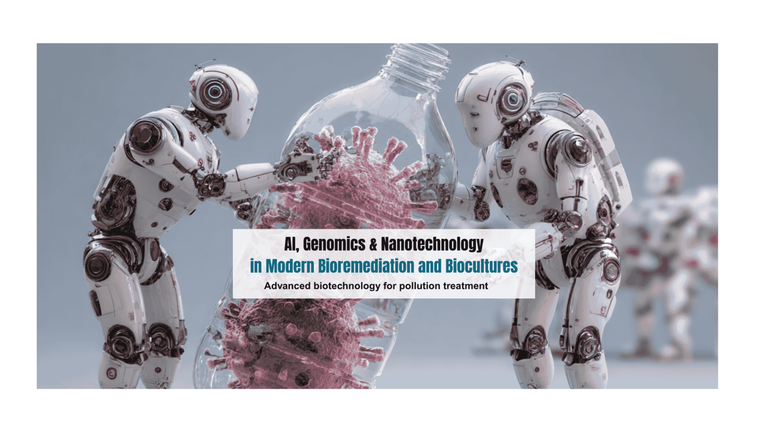
AI, Genomics & Nanotechnology in Modern Bioremediation and Biocultures

Bioremediation has long relied on naturally occurring or selectively cultured microorganisms to break down pollutants in soil, water, and effluents. However, today’s contamination challenges are more complex — industries discharge multi-component effluents containing dyes, hydrocarbons, solvents, surfactants, microplastics and emerging contaminants like PFAS and pharmaceuticals. Traditional biological treatments and single-strain microbial approaches often struggle to deliver consistent, predictable and fast remediation under these conditions.

To overcome these limitations, modern environmental biotechnology is undergoing a transformation. The integration of Artificial Intelligence (AI), Genomics, and Nanotechnology is enabling “Smart Bioremediation” — a data-driven and precision-engineered approach that enhances the performance of biocultures, engineered microbial consortia, and wastewater treatment systems.

These three technologies — AI, Genomics, and Nano — are not separate silos. Together, they create a powerful synergy:

Technology Primary Advantage in Bioremediation
AI / ML / IoT Predict, monitor, optimize and automate remediation
Genomics / Metagenomics Identify, engineer and enhance biodegradation pathways
Nanotechnology Increase bioavailability, speed up catalysis, and support microbial action

With research from 2023–2025 accelerating in all three domains, industries now have tools to achieve faster pollutant breakdown, higher COD/BOD removal, lower toxicity, and stronger microbial resilience, even in harsh Indian effluents. [1] [2]


  1. The Need for Advanced Bioremediation

Industrial ETPs and STPs face challenges such as:

  • Fluctuating influent loads and shock conditions
  • Recalcitrant pollutants resistant to biological degradation
  • High TDS, temperature, or toxic spikes inhibiting microbe growth
  • Slow response time and trial–error optimization
  • Dependence on chemicals, high sludge generation, and high OPEX

Modern pollution needs modern biotechnology, not just microbes in isolation. This is where AI/Genomics/Nano-enabled biocultures offer a game-changing advantage.


  1. Role of AI in Smart Bioremediation

AI makes biological treatment predictable and controllable through:

  1. a) Pollutant Prediction & Microbe Selection

Machine learning models can now recommend:

  • Best strain combinations
  • Ideal environmental conditions (pH, DO, ORP, temp)
  • Probability of COD/BOD reduction outcomes
  1. b) Digital Twins, IoT & Real-Time Optimization

AI-driven “digital twin” models simulate entire ETP/STP systems to:

  • Prevent failure before it happens
  • Optimize aeration, dosing, and energy use
  • Reduce chemical dependency and OPEX [3]

IoT sensors feed live data (DO, TSS, COD estimates), allowing adaptive microbial dosing and early detection of toxic shocks.

  1. c) AI + Engineered Consortia

AI models can also map syntrophic relationships between microbes — improving the design of Engineered Microbial Consortia, which Team One Biotech deploys for textile, refinery, and municipal treatment.


  1. Genomics: Designing Better Biocultures

Genomics and metagenomics enable scientists to:

  • Identify pollutant-degrading genes and enzymes
  • Discover native microbial species at contaminated sites
  • Engineer or enrich strains for specific pollutants
  • Enhance biosurfactant, biofilm, and enzyme production capacity

Techniques such as CRISPR, pathway engineering and whole-genome sequencing have accelerated discovery of microbes that can break dyes, hydrocarbons, pesticides, and pharma residues. [4]

This enables:

Genomics Capability Result in Field
Pathway engineering Faster mineralization, fewer toxic intermediates
Metagenome-driven consortia Superior stability and shock resistance
Indigenous strain discovery High performance in Indian environmental conditions


  1. Nanotechnology for Faster Bioremediation

Nanotechnology boosts bioremediation by increasing pollutant accessibility and catalytic speed through:

Nano Tool Function
Nano-sorbents (iron, carbon, clay nano) Adsorb dyes, metals, PFAS precursors
Nanozymes Mimic enzymes, accelerating breakdown
Nano-carriers Deliver microbes/enzymes more effectively
Conductive nanoparticles Support DIET and biofilm electron transfer

Studies from 2024–2025 show that nano-assisted systems can cut remediation time by 25–60% depending on pollutant type. [5]


  1. The Tri-Tech Synergy: AI + Genomics + Nano

When combined, these three technologies deliver:

  • Predictive system + engineered microbe + accelerated breakdown
  • Repeatable, scalable outcomes
  • Faster commissioning of ETP/STP bioculture programs
  • Lower chemical consumption, sludge volume, and OPEX

This is the direction Team One Biotech is building toward, starting with engineered microbial consortia and expanding into data-supported and hybrid nanobioremediation models.


  1. Team One Biotech Approach

Team One Biotech integrates these advancements with its core strengths:

  • Engineered Microbial Consortia
  • Indigenous Strain Enrichment
  • AI-supported monitoring (DO/ORP/COD trends)
  • Nano-assisted carriers (R&D stage)
  • CPCB-aligned pilot-to-scale methodology


T1B also supplies GRAS-certified strains through:
👉 https://www.teamonebiotech.com/buy-microbial-and-fungus-strains/

For treatment or project inquiries:
👉 https://www.teamonebiotech.com/contact-us/


  1. Applications for Indian Industry
  • Textile & dyes (azo, reactive dyes)
  • Refineries & petrochemical wastewater
  • Landfill leachate & municipal drains
  • Metals + organics (electroplating, tannery)
  • Pharma & emerging contaminants


  1. Regulatory and Compliance Fitment

Aligned with:

  • CPCB guidelines
  • Environment (Protection) Act
  • MoEFCC remediation objectives
  • ESG & sustainability frameworks


  1. KPIs to Measure Smart Bioremediation
  • COD/BOD reduction curve
  • Color/ADMI removal
  • Toxicity reduction
  • Biofilm stability
  • Energy savings
  • Seasonal resilience
  • AI-based monitoring trend match


  1. FAQs

Q: Is nano-biotech safe?
When used responsibly with approved materials, yes. Regulatory transparency is essential.

Q: Can AI replace engineers?
No — it supports decision-making and optimization.

Q: Can genomics be used in open environments?
Metagenomic insights are field-friendly; genetically engineered organisms require approvals.


Conclusion

Bioremediation is evolving—from microbe-dependent systems to intelligent, engineered, data-driven ecosystems. With AI optimizing conditions, genomics designing stronger biocultures, and nanotechnology accelerating reactions, industries can finally achieve stable, predictable, and sustainable pollutant removal, even for India’s toughest effluents.

Team One Biotech is committed to advancing this frontier with scientific rigor, compliance alignment, and practical field execution.

Engineered Microbial Consortia The Future of Smart Bioremediation
Engineered Microbial Consortia: The Future of Smart Bioremediation
How Team One Biotech is transforming wastewater, soil, and effluent treatment with next-generation microbial solutions- Engineered Microbial Consortia (EMC)

Industrial wastewater, landfill leachate, petrochemical discharge, and textile dye effluents often contain complex mixtures of pollutants—hydrocarbons, dyes, metals, ammonia, solvents, and toxic organic compounds. These aren’t easily treated by single-strain microbes or traditional ETP/STP methods alone. As environmental compliance becomes stricter and industries move toward sustainable operations, Engineered Microbial Consortia (EMC) have emerged as one of the most effective solutions for fast, stable, and holistic bioremediation.

Engineered microbial consortia are purpose-designed combinations of bacteria and fungi that work cooperatively to degrade, transform, and neutralize multiple pollutants simultaneously. Research between 2023–2025 has consistently shown that multi-microbe systems outperform single strains in degrading recalcitrant pollutants, especially in real-world conditions with fluctuating loads, mixed contaminants, or high TDS environments. [1], [2]

This is where Team One Biotech brings an edge—by designing, optimizing, and deploying customized consortia and ready-to–use biocultures, specifically formulated for Indian effluents, Indian climate, and CPCB-compliant treatment goals.

Why Engineered  microbial Consortia Work Better Than Single Microbes

Engineered consortia succeed because they offer:

Advantage Why It Matters
Division of Labour Each strain handles different metabolic steps of pollutant breakdown
Functional Redundancy Ensures stability even under shock loads, pH swings, or temperature changes
Higher Pollutant Range Hydrocarbons, dyes, metals, nitrates, phenols, surfactants — treated in parallel
Biofilm Strength Mixed biofilms + DIET (Direct Interspecies Electron Transfer) boost speed [3]
Reduced Toxic Intermediates One microbe’s by-products become another’s food source

In simpler words — consortia “share the workload,” making remediation faster, deeper, and more resilient, especially in non-sterile real-world ETP/STP and drain environments.

Scientific Mechanisms Behind Engineered Microbial Consortia
Mechanism Outcome
Synergistic Metabolism Complex pollutants broken down in multiple linked steps
Biosurfactant Production (e.g., Bacillus) Emulsifies oils & fuels, increasing bioavailability
Biofilm-Based DIET Faster electron transfer → faster anaerobic breakdown
Co-metabolism for Hard Pollutants Helps degrade dyes, PAHs, pesticides, pharma molecules

Recent studies (2024–2025) show consortia reduce COD, color, and toxicity 30–70% faster than single microbes in textile and refinery effluents. [4], [5]

Team One Biotech’s 6-Step Engineered Consortia Workflow
Step What We Do
1. Site Profiling Pollutant fingerprint, seasonal variation, toxicity, COD/BOD, metals
2. Strain Shortlisting Indigenous isolates + lab strains from our microbial library
3. Bench-Scale Optimization 2–6 member consortia selection, stability testing, biosurfactant screening
4. Biofilm & Carrier Engineering Ceramic/carbon carriers for high biomass retention
5. Pilot Deployment (On-Site) 1–10% flow pilots to simulate full-scale performance
6. Full-Scale Implementation Dosing plans, monitoring, remote support, re-seeding protocols

This method ensures predictable and regulator-friendly outcomes, especially under CPCB/SPCB consent conditions.

Where These Consortia Deliver Best Results (Use-Cases in India)
Industry Pollutants Result
Textile & Dyeing Azo dyes, anthraquinone dyes 80–95% color + COD reduction [[4]]
Petrochemical/Refinery Oils, greases, PAHs Faster emulsification & biodegradation
Municipal Drains Ammonia, surfactants, sewage mix Stable biofilm even at fluctuating loads
Metals + Organics Mix Electroplating wastewater Lower toxicity; safer polishing stage
Strain Catalog Integration 

Team One Biotech also supplies lab-tested, purity-verified, GRAS microbial and fungal strains for industries, agriculture, and aquaculture.

👉 Link: Buy Strains Page 

Example Strain Function Application
Bacillus subtilis Biosurfactant + hydrocarbon breakdown Oil & refinery wastewater
Pseudomonas putida Aromatic compound degradation Textile effluent
Nitrosomonas spp. Ammonia oxidation Municipal STPs
Trichoderma harzianum (fungus) Organic residue breakdown Soil & leachate sites

Additional benefits from the T1B strain program:

  • GRAS certified
  • Custom concentration/formulation 
  • 3–7 day delivery
  • Technical guidance on application
India Regulatory Fitment

Engineered biocultures align with:

  • CPCB guidelines for in-situ bioremediation
  • Environment (Protection) Act
  • Municipal & SPCB monitoring frameworks

Because consortia reduce chemical load, sludge, and toxicity, they support India’s push toward ESG, ZLD, and sustainable remediation.

KPIs We Deliver and Measure
  • COD/BOD reduction curve
  • Color/ADMI removal
  • Oil & grease elimination
  • Toxicity reduction (bioassay-based)
  • Shock-load resilience
  • Seasonal stability
FAQs

Q: Can these microbes survive high TDS/temperature?
Yes—consortia provide redundancy and shock resistance superior to single strains.

Q: Can this replace ETPs?
No. It enhances and stabilizes ETP/STP performance and lowers OPEX.

Q: Do regulators accept bioremediation?
Yes—CPCB already publishes SOPs for microbial drain treatment.

Conclusion

Engineered Microbial Consortia are the next leap in bioremediation—smarter, faster, and more adaptable than conventional biological treatment. For Indian industries facing compliance pressure, variable influent loads, and sustainability goals, Team One Biotech’s engineered consortia and microbial strain program provide a science-backed, field-tested, CPCB-aligned solution.

Call to Action

If you want a pilot, audit, or strain recommendation, connect with our team:

📌 Contact us here 

Probiotics for Aquaculture: A Natural Way to Improve Fish Health and Water Quality

Looking to enhance your aquaculture productivity and water quality naturally? Contact Team One Biotech today for expert guidance and high-performance microbial products.

Team One Biotech – a leading biotech company in India – explains how probiotics and bioculture for wastewater treatment are transforming aquaculture farming into a more sustainable and eco-friendly system.

Aquaculture, or fish farming, has rapidly grown into one of the world’s most important food-producing sectors. Yet, maintaining healthy aquatic environments remains a challenge for many farmers. Excess feed, poor water circulation, and disease outbreaks can severely affect production.

Earlier, antibiotics and chemical treatments were widely used to combat these problems — but they often led to antibiotic resistance, toxic residues, and long-term ecological harm. That’s why modern aquaculture is moving toward probiotic-based bioculture systems — a natural, safe, and sustainable solution.

What Are Probiotics in Aquaculture?

Probiotics are live beneficial microorganisms (mostly bacteria and yeast) that, when introduced into water or feed, help maintain a healthy microbial balance in aquaculture systems.

They:

  • Break down organic waste and excess feed
  • Reduce toxic gases like ammonia and hydrogen sulfide
  • Improve fish digestion and nutrient absorption
  • Enhance immunity and disease resistance naturally

At Team One Biotech, these probiotics are developed using naturally selected bacterial strains that are safe, highly active, and effective under Indian climatic conditions. They can be applied in fish ponds, shrimp farms, hatcheries, and biofloc systems for optimal results.

How Do Probiotics Work in Aquaculture Farming?

  1. Improving Water Quality

Probiotics degrade organic matter, uneaten feed, and sludge at the pond bottom — keeping water clear and balanced. They lower BOD (Biochemical Oxygen Demand) and COD (Chemical Oxygen Demand) while maintaining healthy oxygen levels.

  1. Enhancing Fish Immunity

Beneficial bacteria colonize the gut of fish and shrimp, outcompeting harmful pathogens. This strengthens the immune system and reduces dependence on antibiotics.

  1. Better Feed Conversion

By improving gut health, probiotics enable fish to absorb nutrients more efficiently, resulting in faster growth and better Feed Conversion Ratio (FCR).

  1. Reducing Odour and Sludge

Microbial activity helps remove foul odours and reduce sludge buildup at the pond bottom, promoting healthier pond conditions and reducing pollution impact.

Team One Biotech’s Probiotic Range for Aquaculture

Team One Biotech’s probiotic formulations are designed to improve both water quality and gut ecosystems. Each product serves a unique purpose depending on the aquaculture setup.

Product Name Use Case Key Benefits
T1B™ Acqua S Shrimp (P. vannamei, P. monodon) Reduces ammonia, nitrite, phosphate; lowers BOD/COD; controls harmful bacteria and boosts survival rates.
T1B™ Acqua F Fish farming Improves nutrient cycling, water quality, and supports healthier, faster fish growth.
T1B™ Feed Pro Feed additive Enhances digestion, immunity, and nutrient assimilation in fish and shrimp.
T1B™ Bio Floc Biofloc systems Stimulates beneficial microbial flocs, stabilizes pond microbiome, and optimizes feed conversion.
T1B™ MacMi Aqua General aquaculture Broad-spectrum probiotic that maintains microbial balance in both water and feed.

Explore full range: Probiotics for Aquaculture by Team One Biotech.

How to Use Team One Biotech Probiotics
  • Water Application: Dissolve the probiotic in clean water and spread evenly across the pond.
  • Feed Application: Mix Feed Pro or MacMi Aqua with feed to seed beneficial gut microbes.
  • Biofloc Setup: Use Bio Floc regularly to maintain active microbial communities.
  • Combined Usage: Use both water and feed probiotics for complete pond management.
Best Practices for Maximum Effectiveness
  • Begin probiotic application early — ideally before or right after stocking.
  • Avoid applying disinfectants within 24 hours of probiotic use.
  • Maintain proper aeration for optimal microbial activity.
  • Monitor water parameters (ammonia, nitrite, DO, pH).
  • Use consistently to maintain a balanced ecosystem.
Benefits of Using Probiotics for Aquaculture
  • Improved water clarity and quality
  • Reduced disease outbreaks
  • Better growth rate and survival
  • Lower feed cost and sludge management
  • Safe for fish, humans, and the environment
  • Supports bioculture for wastewater treatment and sustainable aquaculture
Why Choose Team One Biotech?

Team One Biotech is a trusted Indian biotech company specializing in bioculture for wastewater treatment, agriculture, and aquaculture.
Their products are R&D-driven, eco-safe, and deliver measurable results — ensuring farmers achieve long-term sustainability and profitability.

Frequently Asked Questions (FAQs)
  1. How often should I apply probiotics in fish ponds?
    Ideally, probiotics should be applied once every 3–5 days, depending on the water condition and stocking density.
  2. Can probiotics replace aeration systems?
    No, probiotics work best alongside aeration. Oxygen helps beneficial microbes thrive and function efficiently.
  3. Are probiotics safe for shrimp larvae and hatcheries?
    Yes, Team One Biotech probiotics are formulated for all life stages — from hatchery to harvest — and are completely non-toxic.
  4. Will probiotics reduce the need for antibiotics?
    Yes. Regular use builds a healthy microbial environment and strong fish immunity, minimizing disease outbreaks naturally.
  5. Can I use multiple probiotic products together?
    Yes, products like T1B Acqua S and T1B Feed Pro can be used together for comprehensive water and gut management.
  6. Do probiotics work in saline or brackish water?
    Team One Biotech probiotics are effective across different salinity levels, making them ideal for both freshwater and marine systems.
  7. How long do probiotics take to show results?
    Visible improvements in water clarity and odour are usually observed within 3–5 days of consistent application.

As one of the leading biotech companies in India and trusted bioremediation companies in India, Team One Biotech continues to deliver solutions that redefine sustainability across wastewater treatment, agriculture, aquaculture, and hygiene management.

Email: sales@teamonebiotech.com

Visit: www.teamonebiotech.com

Discover More on YouTube – Watch our latest insights & innovations!-

Connect with Us on LinkedIn – Stay updated with expert content & trends!

Eco-Friendly Cleaning Products for Diwali: Celebrate a Cleaner, Greener Festive Season with Team One Biotech

📞 Contact Us for bulk orders, product details, or dealership inquiries.

Diwali — the festival of lights — is not just about diyas, sweets, and gifts. It’s also about renewal, clarity, and a fresh start. Every year, before we light the first lamp, we roll up our sleeves and begin the great Diwali cleaning. From dusting corners to polishing silver, cleaning has always symbolized removing negativity and welcoming new energy.

But while our homes may shine, the same cannot always be said for our air, water, and health. The chemical-heavy cleaners that promise instant shine often release harmful toxins that affect our environment and even our families.

This Diwali, let’s bring back the spirit of purity and sustainability. Let’s clean not just our homes — but also our conscience. With Team One Biotech’s eco-friendly cleaning products, you can make your home sparkle naturally and safely using the best eco-friendly cleaning products trusted by sustainable households.

The Hidden Side Effects of Chemical Cleaners

Most household cleaners contain bleach, ammonia, and synthetic fragrances. They might make surfaces shine instantly, but they leave behind harmful residues that affect your health and environment.

  1. Health risks:
    Continuous exposure to strong chemical fumes can cause headaches, allergies, and respiratory irritation. Children, elderly people, and pets are especially sensitive.

  2. Indoor air pollution:
    Many commercial products release VOCs (volatile organic compounds), which lower indoor air quality — a hidden cause of fatigue and breathing problems.

  3. Environmental damage:
    When these products go down the drain, they contaminate water sources and harm aquatic life.

  4. Surface damage:
    Acidic or alkaline cleaners can erode tiles, marble, and wood polish, dulling your home’s natural shine.

Choosing eco-friendly products for cleaning protects your family and supports a healthier planet.

From Traditional Cleaning to Modern Awareness

Our grandparents used organic cleaning methods — like tamarind for brass, lemon for stains, and baking soda for deodorizing. These were nature’s own organic all-purpose cleaners — safe, effective, and gentle.

Modern lifestyles brought convenience, but also chemical dependency. Now, thanks to biotechnology, we have the best organic cleaning products that combine old wisdom with scientific innovation.

Team One Biotech bridges that gap with its bioenzyme-based eco-friendly house cleaning solutions, designed for both homes and industries.

The Science Behind Bioenzyme Cleaning

Bioenzymes are natural proteins that accelerate the breakdown of dirt, grease, and odor molecules. They work on stains at a microscopic level, ensuring surfaces are deeply cleaned without harsh side effects.

  • Lipase removes fats and oils.

  • Protease breaks down protein-based stains.

  • Amylase targets starches and sticky residue.

  • Cellulase gently cleans fibrous materials like wood or fabrics.

Team One Biotech’s cleaners combine these enzymes for powerful, non-toxic cleaning — making them among the best eco-friendly cleaning products for Diwali preparation.

Why Choose Eco-Friendly Cleaners This Diwali?

Switching to eco-friendly house cleaning products isn’t just good for the planet — it’s better for your home and health too.

  • Safe for kids, pets, and sensitive skin

  • Biodegradable and non-toxic ingredients

  • Gentle yet powerful cleaning on multiple surfaces

  • Mild natural fragrance — no harsh chemical smell

  • Supports a sustainable, eco-conscious Diwali

This year, embrace nature’s way of cleaning — with the best organic cleaning products that keep your home fresh and toxin-free.

Team One Biotech’s Eco-Friendly Cleaning Range

Team One Biotech offers a complete range of eco-friendly products for cleaning, made with natural enzymes and probiotics that protect both your family and the environment.

Product Use Case Why It’s Perfect for Diwali
T1B™ Eco Clean Multi-surface cleaner for floors, tiles, wood, and counters A natural organic all-purpose cleaner that removes oil, grease, and dust while keeping surfaces glossy and safe.
T1B™ O-Spray Odor neutralizer spray Eliminates bathroom and kitchen odors with biodegradable ingredients.
T1B™ D-Cleaner Drain and pipe cleaner Uses enzyme action to break down organic waste, preventing blockages naturally.
T1B™ U-Spray Odor control for waterless urinals Ideal for homes, offices, and event washrooms. Keeps air fresh without chemicals.
T1B™ Repel Natural mosquito and fly repellent Keeps insects away during outdoor celebrations — a safe alternative to chemical sprays.
T1B™ Angry Pink Multipurpose enzyme cleaner A top-selling, best organic cleaning product for tough grease and grime in kitchens, chimneys, and tiles.

T1B Angry Pink stands out as a natural yet effective cleaner — perfect for festival-ready kitchens and stainless steel surfaces.

How to Use These Products for Diwali Cleaning

1. Declutter and Dust

Remove unwanted items and wipe surfaces clean.

2. Deep Clean Floors & Furniture

Use T1B Eco Clean diluted with water for mopping and dusting.

3. Degrease Kitchens

Spray T1B Angry Pink directly on chimneys, tiles, and stoves for spotless cleaning.

4. Freshen Bathrooms

Apply T1B O-Spray and pour T1B D-Cleaner in drains weekly.

5. Protect Outdoor Spaces

Clean entryways with Eco Clean and spray T1B Repel to keep insects away.

These eco-friendly products for cleaning keep your home fresh, healthy, and ready for festive guests.

A Cleaner Home Means a Healthier You

Using natural, organic all-purpose cleaners reduces allergies and respiratory problems while improving indoor air quality. Eco-cleaners help create a balanced environment that promotes peace and positivity — the true spirit of Diwali.

Green Diwali Tips

  1. Use eco-friendly cleaning products instead of chemical ones.

  2. Light clay diyas instead of plastic lamps.

  3. Choose cloth or paper décor.

  4. Avoid noise-heavy crackers.

  5. Reuse gift boxes and wrapping paper.

Small steps can lead to a big, positive impact.

 Team One Biotech’s Commitment

At Team One Biotech, we are dedicated to sustainable innovation. Our cleaners are developed with biotechnology that reduces chemical waste and safeguards water quality.

Each formula in our eco-friendly house cleaning range is:

  • Safe for humans and pets

  • 100% biodegradable

  • Scientifically tested for performance

We believe true cleanliness respects both your home and the planet.

FAQs

Q1: Are eco-friendly cleaning products as effective as chemical ones?
Yes! Enzyme-based cleaners break down dirt at a molecular level, offering powerful cleaning without toxins.

Q2: What is the best organic cleaning product for Diwali cleaning?
T1B Eco Clean and T1B Angry Pink are among the best organic cleaning products for festive deep cleaning.

Q3: Can these products be used daily?
Yes — they’re safe for regular household use and gentle on all surfaces.

Q4: Where can I buy Team One Biotech’s cleaning range?
Visit teamonebiotech.com to explore our full range.


Final Thought

Diwali is about light, love, and purity — and your cleaning choices should reflect that.
Switch to eco-friendly cleaning products from Team One Biotech and make this festival truly green.

Because a bright home should never come at the cost of a clean planet. 🌏✨

Shop Now →

Team One Biotech Moved Forward 2025
WEATHER TESTED US,CLIENTS TRUSTED US

Everything was early this September, especially the festival, like Ganpati Utsav and Navratri, which he whole nation celebrates with great enthusiasm. But only one thing was late that is the offset of monsoon, as the festivities were drenched but not the spirit of the people. Team One Biotech also had similar experiences, but in the end, our enthusiasm and support from our clients kept us going FORWAD!

Stay updated with the latest news, insights, and solutions from the world of wastewater treatment.
In This Issue:
1.  Colombia Opened its doors
2. T1B Septic-Breaking Barriers
3. Pro-tip from the field
4. Get in touch

COLOMBIA OPENED IT’S DOORS! COLOMBIA OPENED IT’S DOORS!


The wonderful country of Colombia opened its doors for us and allowed us to deliver our solutions for aquaculture and facial sludge management. The optimistic and friendly approach of the government. Even its people serve as a motivating factor for us to deliver effective solutions .

The biggest leap has come from Tamil Nadu, Karnataka, and Kerala, where customers have wholeheartedly adopted T1B Septic as their go-to septic maintenance solution. The product’s performance has led to a sharp rise in repeat purchase percentage, signaling growing confidence and satisfaction.

At the same time, T1B Septic is gaining traction in the North-East region, where new customers are experiencing the same level of performance and reliability , proving that the product works efficiently in diverse environmental and climatic conditions, from humid coastal areas to cold terrains.Rapid Adoption Across India.

The key to T1B Septic’s rapid success lies in its scientifically crafted formulation, powered by MagEfficient™ — a proprietary blend of powerful microbes and enzymes. This cutting-edge combination breaks down organic waste faster, restores tank balance naturally, and prevents odour and overflow. Its performance has set a new benchmark in the septic treatment industry, making it one-of-its-kind in India. Powered by MagEfficient™ Microbes and Enzymes.

T1B SEPTIC-BREAKING BARRIERS T1B SEPTIC-BREAKING BARRIERS

T1B SEPTIC REACHES 60,000+ SATISFIED CUSTOMERS PAN-INDIA

Revolutionizing Septic Care with Science, Performance & Trust In just 10 months, T1B Septic has achieved a remarkable milestone ,solving over 60,000 septic problems and preventing thousands of system breakdowns across India. This growth is not just about numbers, but about the trust and transformation it has created in the sanitation ecosystem nationwide. Rapidly solves septic problems and prevents system failures Works efficiently across all environmental and climatic conditions Eco-friendly and safe for long-term septic health Reduces odour, sludge build-up, and manual cleaning .Scientifically designed for consistent, visible results , A Step Closer to a Cleaner, Greener India ,Why India Trusts T1B Septic?

T1B Septic is not just cleaning septic tanks , it’s helping India move toward sustainable sanitation. From cities to small towns, from homes to hostels, it’s proving that science-driven bioremediation can be both effective and affordable. From 60,000 tanks to a cleaner tomorrow , T1B Septic is redefining sanitation, one success story at a time.

PRO TIP FROM THE FIELD PRO TIP FROM THE FIELD

www.teamonebiotech.comWhat does cow dung act as a double-edged sword for Aerobic Treatment?

1. Presence of Anaerobic bacteria in the GUT!
–  The digestion activity in the gut if a cow is carried out by Anaerobic bacteria, which are then eventually present in the cow dung, decreasing its viability for Aerobic systems.

2.  Quantity but not quality
– Sometimes it increases the MLSS levels, but the biomass might not be suitable enough to degrade pollutants. This eventually leads to sludge overload and extreme odour.

3. Handling is tough 
– Storage and handling of cow dung is tough, as it requires a separate space to odour and slurry-like nature. Also, it starts losing its effectiveness after a few days 

Let’s Talk 
Questions? Need site-specific help?
📧  Write to us: [sales@teamonebiotech.com]
📞  Call us: +91-7769862121
🌐Visit: www.teamonebiotech.com

✅Follow Us on LinkedIn | YouTube | Facebook

Effective Wastewater Treatment in Speciality Agrochemical Industry
Introduction:

The agrochemical industry generates a significant volume of industrial wastewater due to continuous cleaning, washing, and multiple manufacturing processes. An Indian multinational agrochemical company faced a major challenge in handling a high organic load generated from its production operations. One of its plants, located in Gujarat GIDC, manufactures multiple agrochemical products and was struggling to maintain wastewater parameters within Pollution Control Board (PCB) discharge norms. For expert solutions on managing industrial wastewater effectively, contact Team One Biotech today.

ETP Flow Chart:

The Effluent Treatment Plant (ETP) consists of Primary, Biological, and Tertiary systems, integrated with Reverse Osmosis (RO) and Multiple Effect Evaporator (MEE). The activated sludge process (ASP) includes three aeration tanks in series and one anoxic tank positioned before the aeration units to enhance biological treatment efficiency.

Flow Parameters:

Flow: 200 m3/day
Inlet COD: 14,000 to 17,000 ppm
Inlet Ammoniacal nitrogen: 280 to 320 ppm
COD outlet after biological treatment:   9000 to 12000 ppm
Ammoniacal Nitrogen after biological treatment 220 to 270 ppm

Challenges:
Despite maintaining high MLSS and MLVSS levels in all aeration tanks, the plant continued to record elevated COD, BOD, and Ammoniacal Nitrogen values, exceeding PCB discharge standards. The EHS department faced pressure to stabilize the biological process and meet environmental regulations. Some consultants even suggested incorporating a Membrane Bioreactor (MBR) after the ASP process, but it failed to deliver the expected COD and BOD reduction.

The Approach:
After a detailed evaluation using Team One Biotech LLP’s WWTP evaluation form, on-site 

inspection, and extensive discussion with the EHS team, it was concluded that the main issue was the absence of an effective microbial consortium in the biological treatment system. Additionally, multiple waste streams entering the ETP from various production campaigns further disturbed microbial stability. To address this, Team One Biotech performed a Wastewater Microbiome Analysis (WMA) and Effluent Treatability Study. These scientific evaluations helped determine the adaptability and growth of microbial cultures in the effluent, confirming that bioremediation could significantly reduce COD, BOD, and TAN levels.

Performance Evaluation:
The ETP performance was analyzed based on key parameters — Chemical Oxygen Demand (COD), Biological Oxygen Demand (BOD), Total Suspended Solids (TSS), pH, and Dissolved Oxygen (DO). Results revealed that with proper bioremediation and ETP optimization, the plant could achieve effluent quality within regulatory discharge limits.

Implementation Strategy:
The bioremediation program spanned over 60 days, where Team One Biotech bioaugmented all biological tanks, excluding the MBR. Interestingly, the MBR was later removed from the process, as the required output was achieved without it. The implementation was structured into three focused stages:

  • Plant Optimization: The influent flow rate was stabilized to prevent biological shock. Earlier, the flow fluctuated with production, which hampered microbial activity. It was converted to a continuous flow pattern for steady biological treatment performance.
  • T1B Aerobio Dosing: A 60-day dosing plan was executed with T1B Aerobio, a proprietary microbial formulation. The first four weeks included high dosing to increase microbial population density, followed by maintenance dosing for biomass stability.
  • Flow Rate Enhancement: The treatment capacity was gradually increased from 120 m³/day to 225 m³/day by the 60th day, maintaining consistent outlet quality.
Results and Discussions:


After 60 days, the plant achieved remarkable success: a 91% reduction in COD and 75% reduction in Total Ammoniacal Nitrogen (TAN). The COD levels decreased from ~15,000 ppm to ~500–450 ppm at the biological outlet. MLSS levels dropped from 18,000 ppm to 8,000–10,000 ppm, indicating improved biomass efficiency. The removal of the MBR system and its associated power consumption resulted in significant cost savings. Furthermore, the plant’s flow rate improved by 12%, and the RO membrane life increased due to reduced organic load. After a 3-month optimization phase, the use of RO was discontinued entirely, reflecting stable and sustainable ETP performance.

These outcomes demonstrate how Team One Biotech’s microbial bioremediation solutions effectively enhance industrial wastewater treatment efficiency and ensure compliance with PCB discharge norms. The project highlights how advanced biological treatment systems and ETP optimization strategies can reduce costs, improve environmental sustainability, and extend system life.

If you wish to improve your industrial wastewater treatment, achieve high COD and BOD reduction, and ensure sustainable ETP operations, connect with Team One Biotech LLP today. As one of the leading biotech companies in India, we provide a sustainable product range across multiple verticals, including probiotics for aquaculture, biofertilizers and plant growth promoters, eco-friendly cleaning solutions, animal probiotics, and on-site consultation for biocultures for ETP and STP.

Email:  sales@teamonebiotech.com

Visit: www.teamonebiotech.com

Discover More on YouTube – Watch our latest insights & innovations!-

Connect with Us on LinkedIn – Stay updated with expert content & trends!
Scan the code