
Why Your Septic Tank Needs Beneficial Bacteria A Complete Guide (1)
Beneficial Bacteria for Septic Tanks: A Complete Guide

Why Your Septic Tank Needs Beneficial Bacteria: A Complete Guide to Microbial Balance, Maintenance Practices, and Modern Biological Treatment Solutions

Maintaining a septic tank is not just about periodic cleaning or pumping; it is about preserving the biological ecosystem inside it. A septic tank works effectively only when beneficial bacteria are present in healthy populations and actively breaking down organic waste. When these microbial communities are disturbed, septic systems begin to fail — resulting in foul odors, sludge accumulation, frequent blockages, and higher operational costs.

This detailed guide explains how beneficial bacteria function inside septic systems, what disrupts them, the difference between chemical and biological treatments, and how biological septic tank cleaner bacteria powders such as T1B Septic Tank Cleaner Bacteria Powder can restore microbial balance for sustainable, low-maintenance septic performance.


Understanding the Biological Foundation of Septic Tank Functioning

A septic tank is essentially a biological wastewater treatment chamber. When wastewater enters, it separates into layers:

Layer Description Role
Scum Floating oils, fats, and grease Needs bacterial digestion for reduction
Sludge Heavier solids settling at the bottom Digested by anaerobic bacteria
Effluent Partially treated water that flows to the soak pit Quality depends on microbial activity


The core function of the system relies on anaerobic bacteria that break down organic waste into simpler compounds. These microbes convert complex organic molecules into:

  • Water
  • Methane
  • Carbon dioxide
  • Organic acids
  • Biomass

This biodegradation process prevents rapid sludge accumulation and keeps the soak pit or drain field unclogged.

Without sufficient beneficial bacteria:

  • Waste does not decompose fully
  • Solid sludge accumulates rapidly
  • Odors intensify due to undigested organics
  • Drainage fields become blocked
  • Septic tank requires frequent manual cleaning

To understand the sanitation context further, refer to:
https://www.teamonebiotech.com/blog/sustainable-toilets-the-power-of-septic-tank-sanitation/


What Disrupts Beneficial Bacterial Populations?

Although bacteria occur naturally in septic systems, they are highly sensitive to chemicals and lifestyle habits.

Common household practices that destroy septic tank microbes include:

Disruptive Practice Why It’s Harmful
Use of bleach, phenyl, toilet disinfectants These chemicals kill microbial colonies entirely
Acid descalers used frequently Corrode tank surfaces and sterilize bacterial activity
Detergents with antibacterial additives Designed to inhibit microbial growth
Pouring of used cooking oil and fats Forms a layer that prevents oxygen and bacteria access
Flushing sanitary items, wipes, tissues These do not biodegrade and physically block the system

When beneficial microbes are destroyed, the septic tank shifts from biological processing to physical waste accumulation, leading to overload and failure.

Practical maintenance guidelines are discussed in:
https://www.teamonebiotech.com/blog/tips-for-maintaining-septic-tank/


Do Septic Tank Treatments Work? Biological vs Chemical Solutions

There is significant confusion in the market regarding septic tank cleaning solutions. Treatments can be categorized into:

Type of Treatment Function Impact
Chemical cleaners Break down or dissolve waste using acids or disinfectants Kill beneficial bacteria; short-term relief, long-term damage
Biological treatments (bacteria-based) Introduce beneficial microorganisms that digest waste Restore and strengthen natural waste breakdown

Chemical solutions harm septic tanks over time by sterilizing microbial communities.

Biological bacterial cultures, on the other hand, replenish and enhance natural decomposition, reducing sludge buildup sustainably.

For a comparative understanding, refer to:
https://www.teamonebiotech.com/blog/best-septic-tank-treatment-vs-pumping-whats-right-for-your-system/


How Beneficial Bacteria Improve Septic Tank Efficiency

When introduced correctly, septic tank bacteria can:

  • Accelerate waste breakdown
  • Reduce sludge volume
  • Eliminate foul odors
  • Improve soak pit and drain field performance
  • Extend the interval between cleanings and pumping
  • Lower maintenance costs significantly

A bacterial treatment works silently and continuously, unlike manual cleaning which only removes accumulated sludge temporarily.


Recommended Biological Treatment: T1B Septic Tank Cleaner Bacteria Powder

To restore lost or weakened microbial activity, T1B Septic Tank Cleaner Bacteria Powder introduces high-density, enzyme-producing bacterial strains specifically selected for septic waste digestion.

Key Advantages:

  • Breaks down sludge, fats, proteins, starches & cellulose
  • Reduces foul odor formation
  • Improves percolation in soak pits
  • Decreases cleaning frequency and costs
  • Safe, non-corrosive, and environmentally responsible


For a practical approach explanation, refer to:
https://www.teamonebiotech.com/blog/sanitation/septic-tank-cleaner-bacteria-the-smart-way-to-maintain-a-healthy-septic-system/


Recommended Treatment Application 

Tank Size Dosage per Application Frequency
500–1,000 Litres 50–100 g Every 15–30 days
1,500–3,000 Litres 100–200 g Every 15–30 days
Above 3,000 Litres / Institutions Customized dosing program Monthly or monitored

Application Tip:
Apply during evening hours and avoid using strong chemical cleaners for 12 hours after dosing to protect microbial activation.


How to Maintain a Healthy Bacterial Ecosystem in Your Septic Tank

Avoid Flushing:

  • Wet wipes, tissues, cotton balls
  • Sanitary napkins, condoms
  • Food waste, grains, fats, oils

Reduce or Replace:

  • Phenyl → Use non-chlorine cleaners
  • Bleach-based toilet cleaners → Use enzymatic or mild cleaners
  • Heavy detergent loads → Use paraben-free detergents

Regular Microbial Conditioning Helps:

  • Stabilize odor
  • Maintain drainage efficiency
  • extend septic system lifespan significantly


Growing Trend Toward Biological Septic System Management

Across residential projects, farmhouses, resorts, hotels, hospitals, schools, and urban-rural sanitation programs, there is rising adoption of bio-culture based solutions because they help:

  • Reduce manual cleaning dependency
  • Lower waste transport and dumping risks
  • Support sustainable groundwater protection
  • Enable safer sanitation systems

This aligns with India’s evolving environmental compliance and hygiene priorities.


Conclusion

A septic tank is not just a storage chamber-it is a living biological system.
Maintaining its beneficial bacterial environment is a key to long-lasting, efficient, and odour-free functioning.

By reducing harmful cleaning chemicals, avoiding non-biodegradable waste, and introducing bacterial biocultures regularly, households and institutions can achieve:

  • Cleaner sanitation outcomes
  • Lower operational expenses
  • Longer-lasting septic infrastructure
  • Reduced environmental burden

To restore microbial health and ensure sustainable septic system performance, consider leveraging bacterial-based septic treatment solutions such as:

👉 T1B Septic Tank Cleaner Bacteria Powder
 

As one of the leading biotech companies in India, we provide a sustainable product range across multiple verticals, including probiotics for aquaculture, biofertilizers and plant growth promoters, eco-friendly cleaning solutions, animal probiotics, and on-site consultation for biocultures for ETP and STP.

Email:  sales@teamonebiotech.com

Visit: www.teamonebiotech.com

Discover More on YouTube – Watch our latest insights & innovations!-

Connect with Us on LinkedIn – Stay updated with expert content & trends!
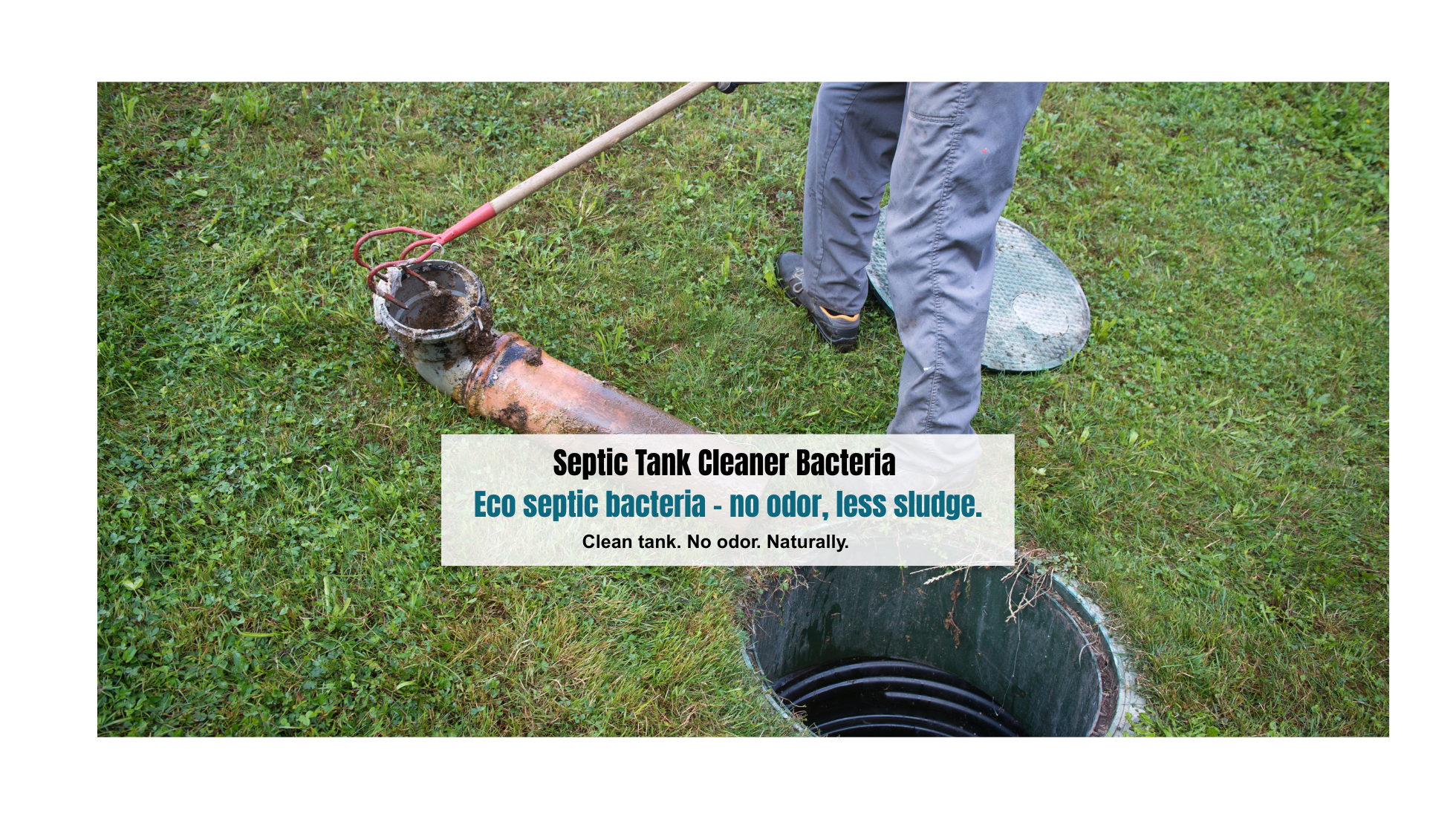
Septic Tank Cleaner Bacteria: The Smart Way to Maintain a Healthy Septic System

A well-functioning septic system is essential for maintaining hygiene and preventing foul odors, blockages, or sewage backups. The most effective way to ensure smooth septic tank performance is by using septic tank cleaner bacteria that naturally break down waste. If you are looking for a reliable biological solution for your septic system at home, commercial property, or institutional setup, Team One Biotech offers safe and effective microbial formulations.

What Makes Microbial Septic Tank Cleaners Better?

Traditional chemical cleaning solutions may reduce waste temporarily but often disturb the natural microbial balance inside the tank. Instead, using natural septic tank cleaner that contains beneficial septic tank bacteria helps maintain the biological ecosystem of the tank. These microbial cultures act as bioculture for wastewater treatment, breaking down organic matter, reducing odor, and preventing sludge accumulation.

This method supports sustainable septic system management without harming the environment.

How Septic Tank Cleaner Bacteria Work

Our microbial formulas contain specialized strains that act quickly to digest fats, oils, grease, paper, and organic waste. These septic tank bacteria powder and septic tank cleaning powder products start working immediately after application.

The bacteria release bioenzymes that:

  • Convert solid waste into simpler particles
  • Reduce sludge formation
  • Prevent blockages in pipelines
  • Maintain smooth wastewater flow

This biological action ensures continuous treatment, making it more effective than mechanical cleaning alone.

Odor Control Made Easy

Persistent foul smell is a common septic system complaint. Our microbial culture acts as a septic tank smell remover by naturally breaking down odor-causing compounds like hydrogen sulfide and ammonia. Instead of masking the smell, the bacteria eliminate its source.

Additional Application: Aquaculture Water Quality

Our microbial knowledge extends beyond domestic and commercial septic systems. We also offer probiotic for aquaculture solutions that improve pond water quality, enhance dissolved oxygen, and support healthier fish and shrimp culture. These probiotic for aqualculture blends maintain a balanced microbial environment, reducing ammonia levels and preventing harmful pathogens in aquatic systems.

This multi-application biotechnology approach shows how natural microbial solutions support both sanitation and sustainable aquaculture.

Why Choose Team One Biotech?

At Team One Biotech, our bioculture for wastewater treatment formulations are:

  • Scientifically tested
  • Highly stable and effective
  • Easy to apply (no machinery required)
  • Eco-friendly and safe
  • Suitable for homes, apartments, hotels, factories, and farms

We focus on building cleaner sanitation systems through nature-driven biotechnology.

Conclusion

Using eco-friendly septic tank cleaner bacteria is the smartest and most sustainable approach to maintaining a clean, odor-free, and efficient septic system. For residential and commercial properties, microbial bacteria-based septic cleaning is a reliable long-term solution.

As one of the leading biotech companies in India, we provide a sustainable product range across multiple verticals, including probiotics for aquaculture, biofertilizers and plant growth promoters, eco-friendly cleaning solutions, animal probiotics, and on-site consultation for biocultures for ETP and STP.

Email:  sales@teamonebiotech.com

Visit: www.teamonebiotech.com

Discover More on YouTube – Watch our latest insights & innovations!-

Connect with Us on LinkedIn – Stay updated with expert content & trends!

Sustainable Toilets: The Power of Septic Tank Sanitation

Safeguard your sanitation systems with eco-friendly solutions that go beyond mere construction. While most people think of sanitation as simply building toilets, the reality is that four walls and a seat don’t guarantee safety or hygiene. Toilets are a basic human right, yet many are failing—clogged, foul-smelling, and unsafe for long-term use. To ensure your sanitation system is effective, reliable, and sustainable, Contact Us today.

The Real Toilet No One Talks About 

 What most of us forget is that a toilet is only as good as the system behind it. The real heart of sustainable sanitation is the septic tank, not the walls or the structure. Unfortunately, this is the part that people ignore the most.
There are toilets, but are they even working?

There are toilets, but are they hygienic enough to visit?

There are toilets, but do they smell due to poor septic tank maintenance?

If the septic tank is neglected, the toilet becomes nothing more than a temporary solution. Without proper septic tank cleaning, whether using microbial septic tank bacteria or septic tank cleaning powder, we are not solving the problem—we are simply delaying it.

Why Septic Tank Sanitation Matters


A safe and sustainable toilet is one that manages waste effectively, prevents odor, protects groundwater, and ensures a healthy environment. Poorly maintained septic tanks lead to:

  • Unpleasant odours that discourage usage
  • Overflow and blockages
  • Contamination of soil and water sources
  • Spread of harmful pathogens

This is why regular septic tank treatment with the right solutions, including natural septic tank smell removers, is crucial for communities and industries alike.

Microbial Solutions for a Sustainable Future


This is where biological wastewater treatment offers game-changing innovation. Modern microbial solutions replace harmful chemicals with nature’s own power—beneficial septic tank bacteria that break down organic waste safely and effectively.

Introducing T1B™ Septic: A Natural Septic Tank Cleaner


T1B™ Septic is a specialized microbial septic tank cleaner designed to restore and maintain healthy sanitation systems. It works by:

  • Breaking down waste naturally with effective septic tank bacteria
  • Reducing foul odour using a safe septic tank smell remover formula
  • Improving septic tank performance
  • Extending the life of sanitation systems
  • Promoting environmental safety

Unlike chemical-based solutions, this natural septic tank cleaning powder ensures long-term sustainability without harming the environment.

A Game-Changer for Africa and Beyond


In many African countries and developing regions, access to toilets has improved thanks to sanitation drives. But the challenge remains—are these toilets sustainable? Without septic tank cleaning, toilets fail, and the cycle of poor sanitation continues.
T1B™ Septic offers a low-cost, highly effective, and eco-friendly solution to make sanitation truly sustainable. By adding effective biocultures and septic tank bacteria to septic systems, we can ensure:

  • Long-lasting toilets that people actually use
  • Healthier communities with reduced disease spread
  • Cleaner environments free from untreated waste
Conclusion: Redefining Toilets as Sustainable Sanitation


It’s time we changed our perspective. A toilet is not just four walls and a seat—it’s a system that must be safe, odour-free, and sustainable. Septic tank cleaning, using tools like microbial septic tank bacteria, septic tank cleaning powder, and septic tank smell remover, is the foundation, and microbial solutions like T1B™ Septic are the future of global wastewater management.
Because true sanitation is not just about building toilets—it’s about making them last. And the key lies in using the right septic tank cleaner backed by bioremediation technologies.
Don’t let untreated toilet waste endanger your family and community—choose safe, natural, and affordable sanitation with T1B™ Septic. For sustainable solutions tailored to your needs, Contact Team One Biotech today. 

As one of the leading biotech companies in India, we provide a sustainable product range across multiple verticals, including probiotics for aquaculture, biofertilizers and plant growth promoters, eco-friendly cleaning solutions, animal probiotics, and on-site consultation for biocultures for ETP and STP.

Email:  sales@teamonebiotech.com

Visit: www.teamonebiotech.com

Discover More on YouTube – Watch our latest insights & innovations!-

Connect with Us on LinkedIn – Stay updated with expert content & trends!

Role of Bio Toilets in Sustainable Sanitation
The Role of Bio Toilets in Sustainable Sanitation

In an era where environmental conservation is a priority, bio toilets have emerged as a revolutionary solution to sustainable sanitation. Unlike conventional toilets, bio toilets utilize bio culture and bacteria for bio toilet to break down waste effectively, reducing the environmental footprint while ensuring hygiene.If you are looking for sustainable sanitation solutions, contact us to explore how bio toilets can be integrated into your environment

What is a Bio Toilet?


A bio toilet is an eco-friendly alternative to traditional sanitation systems that use biological processes to decompose human waste. These toilets eliminate the need for water-intensive sewage systems, making them ideal for areas with water scarcity. The primary function of a bio toilet is to decompose human waste efficiently without harming the environment. The system employs natural microbial action to break down waste into water and gas, which can be safely discharged or even utilized for energy production.

How Do Bio Toilets Work?


The system relies on bio toilet bacteria and septic tank bacteria to break down waste materials. The bacteria decompose organic matter into water and methane gas, which can be safely released or used for energy production. The waste enters a specially designed bio-digester tank, where microbes decompose it aerobically or anaerobically. Unlike traditional septic systems that require frequent maintenance and generate sludge, bio toilets continuously process waste with minimal intervention.

Key Components of a Bio Toilet System


  1. Bio-Digester Tank – A sealed chamber where bacteria break down organic waste.
  2. Microbial Culture – Contains specialized microbes that accelerate decomposition.
  3. Ventilation System – Reduces odor and facilitates gas exchange.
  4. Waterless or Low-Flush Mechanism – Reduces water consumption significantly.
Benefits of Bio Toilets


  1. Odor Control: Unlike traditional septic tanks, bio toilets minimize bad smells using odor eliminator and odor control system technologies.
  2. Eco-Friendly: They reduce water consumption and prevent contamination of natural water bodies.
  3. Easy Maintenance: With the use of septic tank cleaning bacteria, maintaining a bio toilet is hassle-free.
  4. Versatile Applications: Bio toilets are used in homes, public spaces, and remote areas like construction sites and railway stations.
  5. Cost-Effective: Eliminates the need for expensive sewage infrastructure.
  6. Promotes Hygiene: Reduces the risk of waterborne diseases by safely disposing of waste.
Applications of Bio Toilets


  • Homes and Apartments: Suitable for urban and rural settings.
  • Public Restrooms: Reduces maintenance costs and ensures hygiene.
  • Military and Remote Areas: Useful in places without conventional sewage systems.
  • Trains and Buses: Adopted by railways and transportation systems to minimize waste pollution.
  • Disaster Relief Camps: Provides a sanitary solution in emergency situations.
FAQs:


1. How long does a bio toilet last?

With proper maintenance, a bio toilet can last for decades. The microbial culture in the system self-regenerates, ensuring long-term functionality.

2. Do bio toilets require electricity?

Most bio toilets function without electricity, but some advanced models use minimal power to enhance waste processing.

3. Are bio toilets expensive?

While the initial installation cost may be higher than traditional toilets, long-term savings on water and sewage treatment make bio toilets cost-effective.

4. Can bio toilets handle large volumes of waste?

Yes, large-scale bio toilet systems can process significant amounts of waste efficiently, making them ideal for public restrooms and commercial establishments.

5. Do bio toilets produce bad odor?

No, bio toilets incorporate odor control systems and smell absorbers, ensuring a fresh and hygienic environment.

Conclusion


With increasing awareness about sustainable practices, adopting bio toilets can significantly contribute to environmental conservation. Whether for household use or large-scale sanitation projects, bio toilet systems offer an effective, eco-friendly alternative.

If you are looking for high-quality solutions in bio toilets, septic tank bacteria, or odor control, TeamOneBiotech has you covered

???? Email: sales@teamonebiotech.com

???? Visit: www.teamonebiotech.com

???? Discover More on YouTube – Watch our latest insights & innovations!-

???? Connect with Us on LinkedIn – Stay updated with expert content & trends!


Scan the code