

Builder Handed Over a Non-Functional STP to Your Housing Society — What to Do Next
It’s 11 AM on a Tuesday. The OPD waiting area is full, the mall’s food court is at peak footfall, or the school cafeteria is mid-lunch service, and somewhere below the tiles, a grease-choked line decides this is the moment to back up. Within minutes, you’re not managing a maintenance ticket anymore. You’re managing a compliance exposure, an odor complaint, possibly an HVAC alarm triggered by chemical fumes from last week’s “quick fix,” and a line of stakeholders asking why this keeps happening.
This is the quiet, recurring reality for facility managers, operations directors, and infrastructure heads across hospitals, schools, corporate campuses, and malls. Drain failures rarely announce themselves on a convenient schedule. And the way you respond to them, chemically or biologically, shapes far more than just whether the water flows again. It shapes your pipe lifespan, your ETP load, your CPCB compliance standing, and your long-term operating costs.
The debate of bio drain cleaner vs chemical isn’t a minor procurement detail. It’s a strategic decision that touches structural integrity, safety, and sustainability reporting all at once.
The Chemical Illusion: Fast Relief, Slow Damage
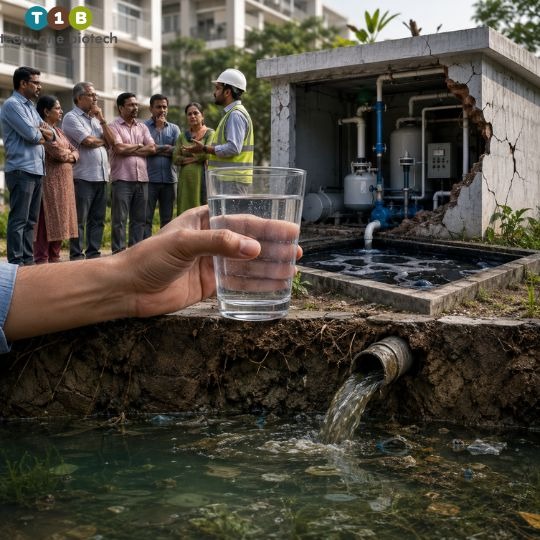
Chemical drain cleaners, typically caustic or acidic formulations, are seductive because they work fast. Pour, wait, flush, done. For a facility manager fighting the clock, that speed feels like control.
But the relief is largely cosmetic. These formulations dissolve the visible clog through aggressive chemical reactions that generate significant heat, and that same reactivity doesn’t discriminate between organic buildup and the pipe material itself. Over repeated use, this erodes gaskets, weakens pipe joints, and corrodes metal piping, particularly in older institutional buildings where plumbing infrastructure may already be decades old.
There’s also the human factor. Strong fumes from acidic or alkaline cleaners can trigger air quality sensors, irritate respiratory systems, and in healthcare or school settings, create genuine safety incidents rather than solving maintenance ones. Many facility teams report that fume-related complaints or false HVAC alarms cluster shortly after chemical dosing, an operational headache layered on top of the original problem.
And critically, chemical cleaners do nothing for the underlying biofilm and organic accumulation lining your pipe walls. They clear the immediate blockage and leave the structural cause untouched, which is why the same drain tends to fail again within a short window.
The Bioenzyme Paradigm: Maintenance That Works With Your Infrastructure, Not Against It
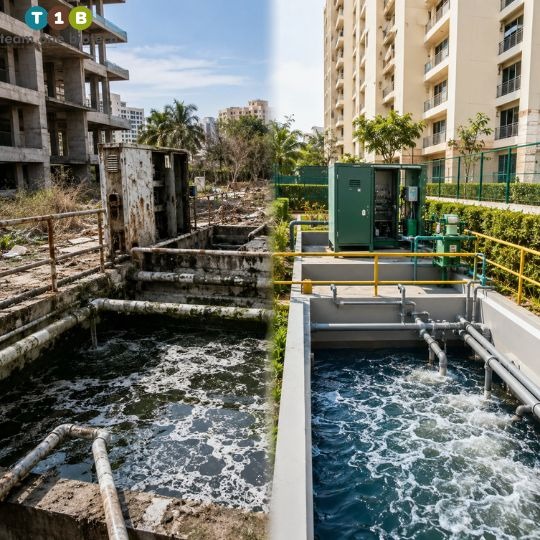
Bioenzyme-based cleaners take a fundamentally different approach. Instead of chemically blasting through a blockage, they introduce specific microbial strains and enzymes that actively digest fats, oils, grease (FOG), and organic matter at the molecular level. This is enzymatic pipe cleaner technology functioning as it’s designed to, biological, not destructive.
Rather than a one-time reaction, bioremediation works progressively. Microbial colonies establish themselves along pipe walls and continue breaking down organic residue over time, reducing the buildup that causes recurring blockages in the first place. Many facilities see meaningful improvement in flow consistency within roughly 3 to 5 weeks of consistent application, with full normalization of problem lines often extending further depending on the severity of prior buildup.
Note: These are general values and operational outcomes will vary based on the specific design, microbial load, and unique parameters of individual Effluent Treatment Plants (ETPs).
Because there’s no corrosive reaction, there’s no fume risk, no HVAC trigger events, and no progressive damage to gaskets or joints. It’s a maintenance philosophy built around prevention rather than emergency response, which matters enormously once you look at how drain failures play out differently across facility types.
Vertical-Specific Impact: Why One-Size-Fits-All Drain Care Doesn’t Work
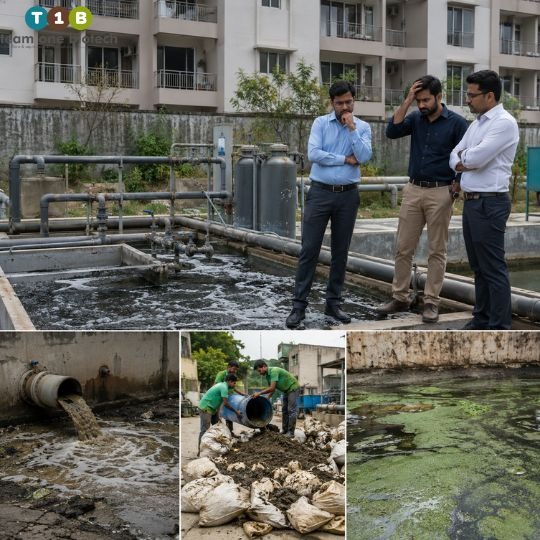
Hospitals and Healthcare Facilities
In clinical environments, drain maintenance intersects directly with infection control. Chemical fumes near patient areas, labs, or ICUs are a documented safety liability, and even brief exposure events can trigger compliance reviews. Beyond fumes, healthcare facilities also depend on a stable hygienic microbial balance in plumbing systems, chemical cleaners can disrupt this, occasionally creating conditions where harmful pathogens face less competition. Bioenzyme solutions, by contrast, populate drains with beneficial microbial activity that competitively suppresses pathogenic growth while supporting the facility’s broader institutional wastewater treatment protocols.
Schools and Educational Institutions
Student safety considerations make chemical-free environments a near non-negotiable priority for many school administrators today. Beyond the immediate fume risk in tightly packed corridors and washrooms, schools also face asset longevity pressures, campuses are often built to last generations, and corrosive chemical cycles shorten the usable life of plumbing infrastructure that’s expensive and disruptive to replace. Bioenzyme maintenance protects both the immediate safety profile and the long-term asset value of the building.
Malls and Corporate Hubs
High-footfall commercial environments generate unpredictable, often massive volumetric loads, food courts, multiple kitchen tenants, and dense washroom usage all feeding into a shared plumbing and Effluent Treatment Plant network. During India’s monsoon months, this strain compounds further: storm water infiltration, fluctuating municipal water quality, and surface runoff can all interact with grease-laden lines to accelerate backups. Bioenzyme treatment helps keep ETPs functioning within optimal biological parameters even as the surrounding load swings seasonally, rather than introducing chemical residues that can throw off the treatment plant’s microbial balance.
Head-to-Head: Bio Drain Cleaner vs Chemical Cleaner
| Factor | Chemical Drain Cleaners | Bioenzyme Drain Cleaners |
| Structural Safety | Corrodes pipes, gaskets, and joints over repeated use | Non-corrosive; supports long-term pipe integrity |
| Speed of Action | Immediate, reactive clearing | Progressive improvement, typically within 3 to 5 weeks of consistent use |
| Long-Term Cost | Lower upfront cost, higher repair and replacement frequency | Higher initial investment, generally lower lifecycle costs over 1 to 2 years |
| Environmental Impact | Can disrupt ETP microbial balance and violate discharge norms | Supports eco-friendly bioremediation and ETP stability |
| Maintenance Frequency | Frequent reapplication often needed within weeks | Reduced frequency as microbial colonies establish, generally extending maintenance intervals |
| Health & Safety | Fume risk, potential HVAC/alarm triggers | No fume risk, suitable for sensitive environments |
Note: These are general values and operational outcomes will vary based on the specific design, microbial load, and unique parameters of individual Effluent Treatment Plants (ETPs).
The pattern across nearly every row is the same: chemical solutions optimize for the next hour, while bioenzyme solutions optimize for the next several years. If your facility is evaluating commercial drain maintenance budgets on an annual basis rather than a per-incident basis, that distinction compounds quickly.
If your facility is still budgeting for drain emergencies rather than preventing them, it may be time to talk to a team that builds maintenance programs around your actual infrastructure, not just your latest clog.
The ETP Connection and Indian Compliance Realities
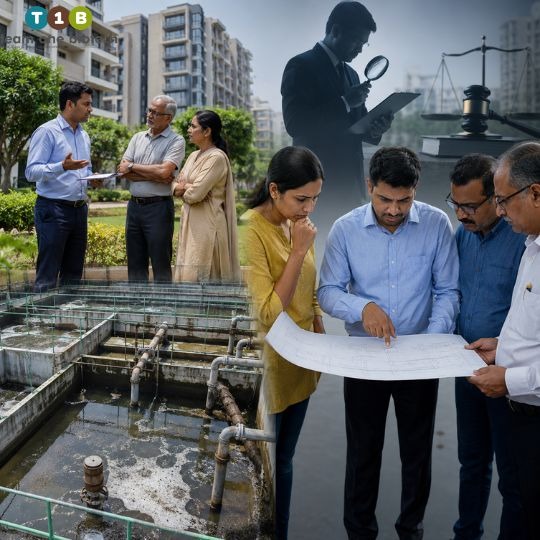
For Indian facilities, the bio drain cleaner vs chemical decision doesn’t stop at the pipe, it extends directly into wastewater treatment and regulatory exposure. Corporate and institutional Effluent Treatment Plants depend on stable microbial ecosystems to break down organic waste before discharge. Chemical drain cleaner residue entering this system can disrupt that microbial balance, occasionally pushing treated effluent outside acceptable parameters set by the Central Pollution Control Board (CPCB).
This becomes especially relevant during monsoon season, when fluctuating municipal water quality and increased surface runoff already place additional strain on ETP capacity. Introducing chemical residues into an already-stressed treatment system raises the risk of non-compliance at precisely the time when regulatory scrutiny on discharge quality tends to increase.
Bioenzyme-based drain maintenance, by contrast, works in concert with ETP biology rather than against it. The same microbial principles cleaning your pipes are compatible with, and in many cases supportive of, the treatment processes your ETP relies on, helping facilities maintain consistent CPCB compliance even as seasonal and operational loads shift.
From Reactive Crisis Management to Proactive Microbial Strategy
The facilities that struggle least with drain failures aren’t the ones with the fastest emergency response, they’re the ones that’ve removed the recurring conditions that cause emergencies in the first place. That shift, from reactive firefighting to proactive microbial maintenance, is less a product swap and more a change in how plumbing infrastructure is managed across a facility’s lifecycle.
For hospitals, that means fewer compliance flags. For schools, it means a safer daily environment for students and staff. For malls and corporate campuses, it means infrastructure that holds up under unpredictable, monsoon-amplified loads without putting ETP compliance at risk.
Ready to Move Beyond the Next Emergency Call?
Every facility’s plumbing network, microbial load, and ETP design is different — which means the right bioremediation strategy isn’t a generic one. Team One Biotech works directly with facility managers across healthcare, education, retail, and corporate sectors to assess current drain and wastewater conditions and build a maintenance program suited to your specific infrastructure.
Reach out to Team One Biotech for a custom facility audit, and start replacing reactive drain crises with a proactive bioenzyme strategy built around the way your facility actually operates.
Talk to Our Bioremediation Experts — Schedule Your Facility Audit Today.
Looking to improve your ETP/STP efficiency with the right bioculture?
Talk to our experts at Team One Biotech for customised microbial solutions.
Contact: +91 8855050575
Email: sales@teamonebiotech.com
Visit: www.teamonebiotech.com
Discover More on YouTube – Watch our latest insights & innovations!-
Connect with Us on LinkedIn – Stay updated with expert content & trends!