
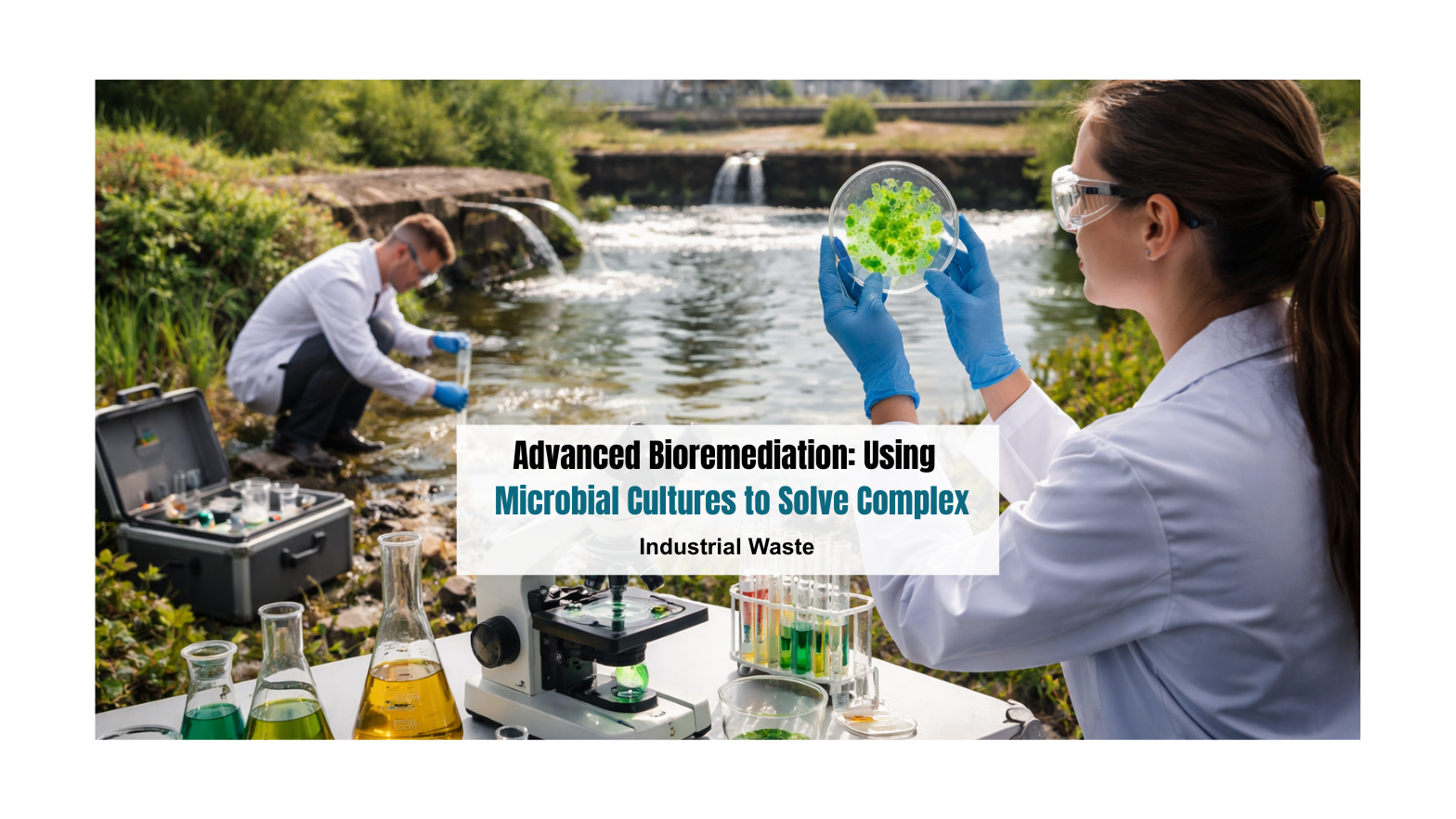
Advanced Bioremediation: Using Microbial Cultures to Solve Complex Industrial Waste

The Pressure Is Real, And It Is Getting Worse

It is 11 PM on a Tuesday, and the plant manager of a textile dyeing unit in Tirupur is staring at a compliance notice from the Tamil Nadu Pollution Control Board. The ETP is struggling. Sludge disposal costs have doubled in the past eighteen months. The tanker contractors are demanding more money. The landfill sites that used to accept industrial sludge without much paperwork are now suddenly asking for detailed hazardous waste manifests.

And somewhere in the back of his mind, he is wondering, is there a better way?

If you are reading this, you probably know that feeling. Whether you are running a pharma manufacturing plant in Hyderabad’s Genome Valley, managing a tannery operation in Kanpur’s Jajmau industrial belt, or overseeing a chemicals unit in Ankleshwar, the story is disturbingly familiar. Industrial effluent management in India is no longer a background operational task. It has become a front-line business risk.

The Central Pollution Control Board and State Pollution Control Boards across the country have significantly tightened discharge norms over the past several years. The zero liquid discharge mandate, the push for real-time online monitoring of ETPs, and the rising cost of sludge transportation and disposal have collectively made the old approach, pump it through a conventional ETP, pay someone to haul away the sludge, and hope for the best, both economically unsustainable and legally dangerous.

At Team One Biotech, we have been working directly inside these industrial environments for years. What we consistently observe is that most plants are treating their biological treatment systems as an afterthought, a box to tick, rather than as an engineered solution that can actively reduce costs, reduce risk, and transform waste into a manageable output. One such engineered approach involves using Microbial Cultures to Solve Complex Industrial Waste, which targets the root cause of treatment inefficiency. The problem is not just the effluent. It is the thinking around it.

This post is our attempt to change that thinking.

The Science of Microbial Bioremediation: What Is Actually Happening in Your ETP
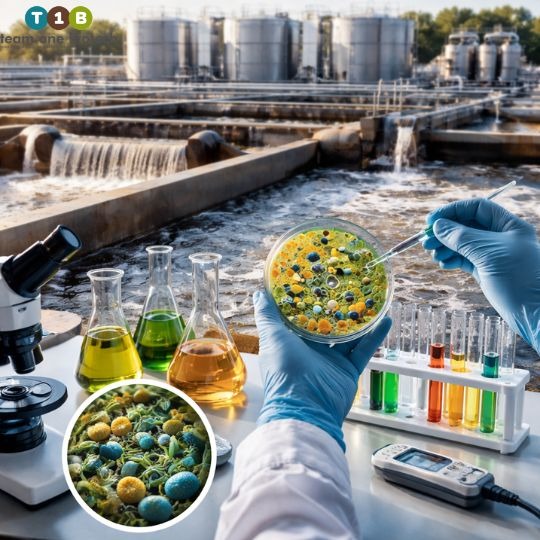
Most plant managers and even many ETP operators think of their biological treatment stage in simple terms: bacteria eat the waste, the BOD drops, the water looks cleaner. That is not wrong, exactly, but it misses the extraordinary complexity, and the extraordinary opportunity, that exists within a properly engineered microbial system.

How Microorganisms in Bioremediation Break Down Complex Compounds

Microorganisms in bioremediation are not a homogenous group. They are a carefully assembled consortium of bacterial species, fungi, and in some advanced applications, archaea, each performing a specific biochemical function in a metabolic relay race.

Consider what happens when a textile effluent from a reactive dyeing process enters a biological treatment stage. The effluent contains not just colour, it contains long-chain azo compounds, surfactants, sizing agents, and residual fixatives. These are complex organic polymers, and no single microbial species can break all of them down.

Here is how a well-engineered consortium handles it:

  • Hydrolytic bacteria attack the large polymer chains first, producing smaller, soluble organic molecules through enzymatic hydrolysis. Think of them as the initial demolition crew.
  • Acidogenic bacteria then convert those smaller molecules into volatile fatty acids, alcohols, and gases. The effluent’s chemistry is shifting at this stage.
  • Acetogenic bacteria further convert these intermediates into acetic acid, hydrogen, and carbon dioxide, the primary feedstocks for the final stage.
  • Methanogenic archaea (in anaerobic systems) or aerobic heterotrophs (in aerobic systems) then complete the mineralisation, converting organic carbon into carbon dioxide, water, and, in anaerobic systems, biogas.

What makes this process remarkable is its adaptability. A properly cultured and acclimated microbial consortium can be trained, over time, to handle the specific chemical fingerprint of your effluent. This is not a generic commodity product, it is a living, adaptive system.

The Role of Enzymatic Activity in Complex Polymer Breakdown

One of the most underappreciated aspects of microbial bioremediation is the enzymatic component. Microorganisms secrete extracellular enzymes, laccases, peroxidases, azoreductases, that can degrade specific molecular structures before the organisms even ingest them. In textile effluents, laccase-producing organisms have been shown to achieve colour degradation that no chemical coagulant can match, and at a fraction of the cost.

In pharmaceutical effluents, particularly the antibiotic and API manufacturing clusters around Hyderabad, enzymatic breakdown is critical because many active pharmaceutical ingredients are specifically designed to resist biological degradation. Specialised microbial cultures with enhanced hydrolase and oxygenase activity are required, and standard wastewater treatment bacteria simply do not have these enzymatic pathways.

This is the difference between deploying a generic biological treatment product and deploying a targeted microbial solution engineered for your specific effluent matrix.

Anaerobic Process vs. Aerobic Process: Choosing the Right Biological Treatment
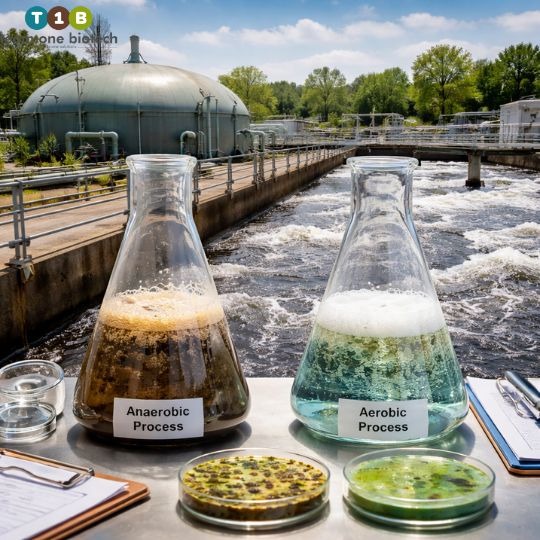
This is perhaps the most consequential technical decision in industrial ETP design, and it is one that is frequently made incorrectly, either at the design stage or in the ongoing operation of an existing plant.

The short answer: for high-strength industrial effluents, a staged combination of anaerobic followed by aerobic treatment is almost always the most effective and cost-efficient approach. But the details matter enormously.

Understanding the Anaerobic Process for High-Load Industrial Effluents

The anaerobic process excels when the incoming effluent has a very high organic load, typically expressed as Chemical Oxygen Demand (COD). For industries like distilleries (where spent wash COD can be extraordinarily high), paper and pulp mills, food processing units, and certain pharmaceutical effluents, a standalone aerobic system would require enormous aeration energy to handle the load. This is both technically inefficient and operationally expensive.

An anaerobic reactor, whether an Upflow Anaerobic Sludge Blanket (UASB) reactor, an anaerobic baffled reactor, or a covered anaerobic lagoon, works in the absence of oxygen. The microbial consortium in these systems, dominated by methanogens and other strict anaerobes, can achieve COD reductions in the range of 60% to 85% on high-strength effluents before the stream even reaches the aerobic stage. (Note: These are general performance ranges; actual values vary based on specific ETP configurations and effluent characteristics.)

The strategic advantage of the anaerobic process goes beyond COD reduction:

  • Energy recovery: Biogas produced during anaerobic digestion, primarily methane, can be captured and used for thermal energy generation within the plant. For a mid-sized distillery or food processing unit, this can meaningfully offset fuel costs.
  • Lower sludge yield: Anaerobic systems generate significantly less biological sludge per unit of COD removed compared to aerobic systems. For a plant struggling with ETP sludge volumes, this is a major operational relief.
  • Lower energy input: No aeration is required, making the operating cost per kg of COD removed considerably lower than aerobic alternatives.

The challenge with anaerobic systems, particularly in the Indian context, is stability. Methanogenic organisms are sensitive to temperature fluctuations, pH swings, and shock loads from process upsets. During the winter months in North India, in industrial belts like Ludhiana, Panipat, or Kanpur, falling ambient temperatures can significantly suppress methanogenic activity, leading to incomplete treatment and effluent quality failures.

This is where microbial augmentation becomes critical. By regularly dosing with cold-adapted, pre-acclimatised anaerobic consortia, plant operators can maintain treatment efficiency even during seasonal temperature drops without costly reactor heating investments.

The Aerobic Stage: Polishing, Nitrification, and Final BOD Removal

The aerobic biological treatment stage that follows anaerobic pre-treatment is responsible for polishing the effluent to discharge standards. Here, aerobic heterotrophs consume the residual dissolved organics, while nitrifying bacteria convert ammonia nitrogen, a critical parameter for many pharma and fertilizer industry effluents, into nitrate.

Aerobic systems, particularly Activated Sludge Process (ASP) and Sequential Batch Reactors (SBR), are well established in Indian industrial ETPs. The challenge is that they are frequently under-performing not because of design flaws but because of microbial ecosystem collapse, caused by toxic shock loads, antibiotic carry-through in pharmaceutical effluents, excessive chemical dosing upstream, or simply ageing sludge that has lost microbial diversity.

A bioaugmentation approach, introducing targeted aerobic consortia with specific metabolic capabilities, can restore a struggling aerobic stage within days rather than weeks. We have worked with plants in Surat’s textile cluster where aerobic SBR systems had essentially stopped functioning after a production change introduced a new dye chemistry. Conventional approaches would have required weeks of re-seeding and gradual re-acclimation. Targeted microbial cultures, matched to the new dye matrix, restored performance in a fraction of that time.

ETP Sludge Management: The Transition from Disposal Mindset to Digestion Strategy
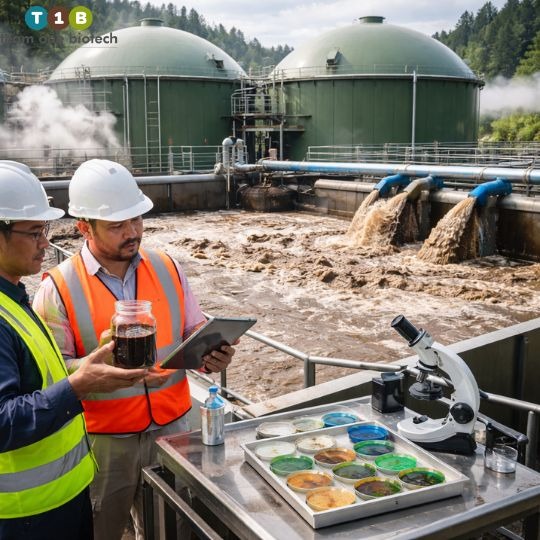
ETP Sludge Management: The Transition from Disposal Mindset to Digestion Strategy

Let us talk about sludge, the topic that makes most plant managers quietly uncomfortable.

ETP sludge is the concentrated residue of everything your wastewater treatment system has removed from your effluent. In a conventional chemical-physical ETP, this sludge is chemical in nature: it contains metal hydroxides from coagulation, precipitated salts, and whatever organic matter was not biologically treated. This sludge is expensive to dewater, expensive to transport, and increasingly expensive to dispose of, since many traditional disposal routes are being restricted or eliminated by regulatory action.

Why Conventional Sludge Disposal Is Becoming Untenable

Consider the cost structure of sludge disposal for a mid-sized industrial plant in India today:

  • Filter press or centrifuge operation (electricity, maintenance, consumables)
  • Transportation to a Common Hazardous Waste Treatment, Storage, and Disposal Facility (TSDF)
  • TSDF tipping fees, which have risen sharply
  • Internal manpower for handling, documentation, and manifesting
  • Compliance and record-keeping under the Hazardous and Other Wastes Rules

For plants generating several tonnes of wet sludge per day, these combined costs can represent a significant proportion of total wastewater treatment OPEX, often in the range of 30% to 50% of total ETP operating expenditure. (Note: These are general performance ranges; actual values vary based on specific ETP configurations and effluent characteristics.)

And here is the regulatory reality: the CPCB is actively tightening oversight of TSDF facilities, and the days of inexpensive, undocumented sludge disposal are definitively over. For industries that have been implicitly relying on low-cost sludge dump arrangements, the risk exposure is now substantial.

Microbial Digestion: A Fundamental Rethink of ETP Sludge

The biological alternative to mechanical-chemical sludge management is microbial digestion, the use of specialised sludge-digesting microbial consortia to actively break down and reduce sludge volume within the ETP itself.

Here is the mechanism: sludge, both primary and secondary (biological), is largely composed of organic matter, bacterial cell mass, adsorbed organics, and residual food substrates. Targeted sludge-digesting microorganisms, primarily hydrolytic and fermentative bacteria capable of consuming bacterial cell walls and complex organics, can be dosed directly into sludge holding tanks, sludge digesters, or even back into the aeration tank of an ASP to achieve what is called “sludge bulking reduction” or “in-situ sludge digestion.”

The results, when properly implemented:

  • Wet sludge volume reduction in the range of 25% to 50%, reducing dewatering load and transportation frequency. 
  • Improved sludge settleability, which can directly improve the performance of secondary clarifiers and reduce the incidence of sludge bulking, a chronic problem in many Indian ASP-based ETPs.
  • Reduction in the Sludge Volume Index (SVI), improving effluent quality from clarifiers.
  • In systems with dedicated sludge digesters, potential for biogas capture and energy recovery.

(Note: These are general performance ranges; actual values vary based on specific ETP configurations and effluent characteristics.)

For a tannery in Kanpur’s Jajmau area, one of India’s most environmentally scrutinised industrial clusters, a significant reduction in sludge output is not just an OPEX issue. It is an existential compliance issue. The same applies to the pharmaceutical formulation and API clusters around Hyderabad, where effluent treatment performance is directly tied to export certifications and global regulatory audits.

Sludge Treatment ROI: The Business Case for Biological Intervention

Let us move from science to economics, because ultimately, every decision in an industrial plant comes back to the balance sheet.

Comparing OPEX: Biological Treatment vs. Chemical-Dominated Treatment

A conventional chemical treatment approach to industrial effluent, relying primarily on coagulants, flocculants, pH adjustment chemicals, and oxidising agents, works. It can produce compliant effluent. But it is expensive, it is chemical-input dependent, and it generates large volumes of chemical sludge that require disposal.

Biological treatment, particularly when it incorporates targeted microbial augmentation, fundamentally changes the cost structure:

Chemical inputs: Properly functioning biological treatment systems require less coagulant and flocculant, because a significant proportion of the dissolved organics have already been consumed by microorganisms rather than precipitated as chemical floc. Plants that have transitioned from chemical-dominant to biology-first treatment approaches have typically seen chemical input costs reduce in the range of 20% to 45% over a 12-month operating period. (Note: These are general performance ranges; actual values vary based on specific ETP configurations and effluent characteristics.)

Energy costs: This is nuanced. Aerobic biological treatment requires aeration energy. However, when paired with an upstream anaerobic process that reduces COD load before the aerobic stage, the net aeration energy required is substantially lower than an aerobic-only system treating the full load. Additionally, biogas recovery from anaerobic digesters can offset significant energy costs.

Sludge disposal costs: This is often where the most dramatic OPEX reduction occurs. A well-managed biological ETP, with active sludge digestion, can reduce sludge output volumes sufficiently to meaningfully reduce TSDF disposal trips, transportation costs, and tipping fees. When sludge disposal was costing a plant a significant monthly sum, even a 30% reduction in sludge volume translates directly to substantial savings.

Compliance risk costs: This is the cost that does not appear on most OPEX spreadsheets but is arguably the most significant. A non-compliant ETP means the risk of closure notices, production shutdowns, penalty orders, and reputational damage that affects customer and banking relationships. A reliable, biologically stable ETP reduces this risk substantially.

The Microbial Augmentation Investment: Putting It in Perspective

Plant managers sometimes hesitate at the cost of specialised microbial cultures. This is understandable, they are not a commodity like lime or polyelectrolyte, and their mode of action is less immediately visible.

Here is the framing we offer to every CXO we speak with: microbial augmentation is not a cost. It is an insurance premium with a positive return. When the alternative is a shutdown notice, an emergency chemical dosing spike, or a sludge disposal crisis, the cost of a monthly microbial culture programme is, in most cases, a fraction of the risk it is mitigating.

The Indian Climate Challenge: Managing Microbial Performance in Variable Conditions

This is a dimension of bioremediation that does not receive enough attention in standard technical literature, most of which is written in temperate climates.

India’s industrial geography spans dramatically different climatic conditions. A paper mill in Bhadrachalam operates in humid, tropical conditions. A textile unit in Ludhiana faces freezing winter temperatures. A chemicals plant in Rajasthan manages extreme dry heat. Each of these conditions affects microbial activity in different ways.

High temperatures (above 40 degrees Celsius, common in Indian summers) can actually accelerate biological treatment rates, but they can also push mesophilic organisms past their optimal range and cause oxygen depletion in aerobic tanks, particularly when dissolved oxygen control systems are inadequate.

Low temperatures (common in North Indian winters) suppress microbial enzyme activity, slow metabolic rates, and can cause an apparent “crash” in biological treatment performance, COD removal drops, sludge settleability worsens, and plant managers see deteriorating effluent quality that does not respond to the usual operational adjustments.

Monsoon season brings dilution effects, hydraulic surges that wash biomass out of reactors, and sudden changes in effluent composition as production patterns shift.

At Team One Biotech, we formulate and supply microbial cultures that are specifically adapted to Indian climatic conditions, including thermotolerant strains for high-temperature applications and cold-adapted consortia for winter resilience. This local adaptation is not a marketing claim. It is an engineering requirement.

Sector-Specific Insights: What Works Where

Textile Industry (Tirupur, Surat, Panipat)

Textile effluents are among the most challenging for biological treatment, high colour, high TDS, variable COD, and frequently toxic dye intermediates. The key is a consortium approach: azoreductase-producing anaerobes for colour removal in the first stage, followed by aerobic polishing for residual COD and BOD.

Common industry pain point: Colour pass-through in the final effluent, even when COD is compliant. A targeted microbial approach specifically addresses the colour-bearing molecular fraction that conventional treatment misses.

Pharmaceutical Industry (Hyderabad, Baddi, Ahmednagar)

API and formulation effluents often contain trace antibiotics and active compounds that are acutely toxic to standard wastewater organisms. Bioaugmentation with resistant, specially adapted consortia that can tolerate and degrade these compounds is essential. Standard activated sludge systems in pharma ETPs are chronically underperforming because their microbial populations have been repeatedly stressed by toxic slug loads.

Tanneries (Kanpur, Vellore, Jalandhar)

High chromium, high sulphide, and high protein loads make tannery effluent one of the most complex treatment challenges in Indian industry. Sulphide-oxidising bacteria, chromium-tolerant heterotrophs, and collagen-degrading enzymes are all part of a tannery-specific biological treatment protocol. ETP sludge from tanneries also carries specific regulatory burdens, making sludge volume reduction particularly valuable.

What a Transition to Advanced Bioremediation Looks Like in Practice
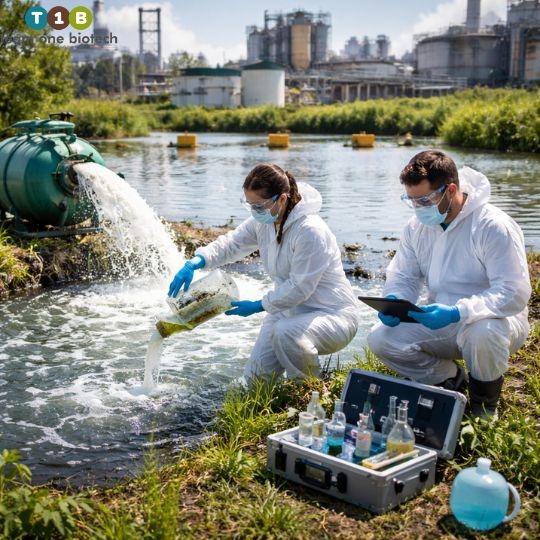
We want to be realistic about this. Transitioning from a chemical-heavy ETP operation to a biology-first approach does not happen overnight, and it requires genuine operational commitment. Here is a realistic outline of how we approach it with clients:

  • Baseline ETP audit: Detailed characterisation of the existing system, reactor volumes, hydraulic retention times, existing microbial health (if any), effluent variability, and current OPEX breakdown.
  • Effluent characterisation: Comprehensive lab analysis of the specific effluent matrix, not just standard parameters but molecular-level characterisation of the organic load.
  • Culture selection and formulation: Based on the audit and effluent analysis, selection or custom formulation of the appropriate microbial consortium, anaerobic, aerobic, or combined, with specific strain selection for the industry type and climate zone.
  • Staged implementation: Introduction of microbial cultures in a controlled, phased manner, with continuous monitoring of key performance indicators, COD, BOD, SVI, DO levels, and effluent quality.
  • Performance optimisation: Ongoing monitoring, culture top-up, and protocol adjustment over a 90-day to 180-day optimisation period.
  • Sustainable maintenance programme: A long-term culture maintenance and monitoring protocol that keeps the biological system in peak condition across seasonal changes and production variations.

The Compliance Dimension: CPCB and SPCB in a Tightening Regulatory Environment

We would be doing a disservice to our readers if we did not address the regulatory context directly.

The CPCB’s recent emphasis on real-time ETP monitoring for large industries, combined with state-level enforcement actions that have resulted in plant closures in sectors from textiles to pharma, means that ETP performance is no longer just an operational metric. It is a boardroom issue.

The industries most exposed are those with large ETP footprints that have historically relied on dilution, chemical treatment shortcuts, or irregular monitoring rather than genuine treatment performance. As online monitoring becomes mandatory for more categories of industries, the margin for underperformance shrinks to zero.

A biologically stable, properly augmented ETP is inherently more resilient, it self-corrects to some degree, it does not have the batch-to-batch variability of chemical dosing, and it generates a continuous biological data record of treatment performance that can support compliance documentation.

Three Ways to Start Working With Team One Biotech

You have read this far, which tells us something: you are taking your ETP’s biological performance seriously. That is the right instinct. Here is how we can help you move from reading to action.

Our team of environmental engineers and microbiologists will visit your facility, assess your existing ETP configuration, review your current effluent data and compliance status, and provide a detailed assessment of where biological treatment optimisation can deliver the greatest operational and financial benefit. There is no obligation, and the insights alone are worth the conversation.

Contact Team One Biotech today to schedule your site audit. Mention this article and we will prioritise your slot.

We have compiled a detailed technical reference document covering microbial consortia selection, anaerobic and aerobic system design principles, ETP sludge reduction strategies, and sector-specific case study data from Indian industrial applications. It is the document we wish had existed when we started doing this work.

Request the whitepaper from our team at Team One Biotech, it is available to ETP operators and industrial decision-makers at no cost.

Book a Technical Consultation With Our Engineers

If you have a specific, urgent challenge, a struggling ETP, a compliance notice, a sludge disposal crisis, or a production change that has thrown your biological treatment system out of balance, book a direct consultation with one of our senior engineers. We will review your data, ask the right questions, and give you a frank assessment of what is happening and what can be done about it.

Reach out to Team One Biotech directly. Our engineers are on the ground across India and can engage with your team quickly.

The Organisms Are Already on Your Side

Here is something worth sitting with: the microbial world is not your adversary in waste management. Billions of years of evolution have produced organisms capable of breaking down nearly every organic compound that industrial processes generate. The question is not whether biology can handle your effluent. The question is whether you have the right organisms, in the right configuration, in the right conditions, doing the right work.

That is what advanced bioremediation is. It is not magic. It is not a shortcut. It is applied microbiology, rigorous, measurable, and when done right, transformative for both your operations and your environmental legacy.

We are ready to help you get there.

Looking to improve your ETP/STP efficiency with the right bioculture?
Talk to our experts at Team One Biotech for customised microbial solutions.

Contact+91 8855050575

Email:  sales@teamonebiotech.com

Visit: www.teamonebiotech.com

Discover More on YouTube – Watch our latest insights & innovations!-

Connect with Us on LinkedIn – Stay updated with expert content & trends!

Thermophilic vs Mesophilic Anaerobic Wastewater Treatment in Industries

The anaerobic treatment of wastewater heavily relies on trends, and unfortunately, adaptation and innovation are very slow in progression compared to rising pollution. 

Although we are all talking about the use of AIs, sensors, IOTs, and efficient hardware, unfortunately, when we consider the industrial wastewater treatment,and broader industrial effluent treatment, we are still stuck at the same processes we were 30 years ago. If you would like to know how we are optimising wastewater treatment methods in diverse environments, feel free to connect with us today.

There needs to be a continuous update at the process level, because 99 % anaerobic plants are mesophilic, i.e, work at a temperature of 30-38 *c. In regards to biocultures for wastewater treatment, the mesophilic treatment is prominent; however, the thermophilic treatment is much more effective and compatible. 

Although it is an uncommon type of ETP water treatment, when it comes to tough-to-degrade effluents such as those with recalcitrant COD, or those with phenols, Aldehydes, etc., the thermophilic microbes treatment can be a game changer in anaerobic digestion.

This blog explores when it makes sense to shift from mesophilic to thermophilic wastewater systems, the practical advantages and challenges, and what it means for plant operators and environmental engineers.

Let us start with the basics:

Parameter Mesophilic (30–38°C) Thermophilic (50–60°C)
Microbial growth rate Moderate High
Biogas yield Moderate Higher (10–25% increase)
Pathogen kill Limited Excellent (>99%)
Energy input required Lower Higher
Process stability High Sensitive to changes
Start-up time Shorter Longer

The core of the thermophilic system lies in its high-energy fast result mechanism. The hydrolysis process is much faster, resulting in increased metabolic rate and superior pathogen control in biological wastewater treatment.

Issues where thermophilic treatment can be effective:
  1. High-Strength Industrial Wastewaters:

Effluents from industries such as dairies, food processing, slaughterhouses, distilleries and starch industries have higher levels of protiens, lipids, and polysaccharides. Thermophilic systems hydrolyze and degrade these faster, leading to:

  • Higher COD, BOD degrading efficiency.
  • Higher biogas production
  • Shorter HRT (hydraulic retention time)
  • Enhanced treatment of high-strength wastewater

2. Excess Sludge and Biomass Handling Issues:

  • While most mesophilic anaerobic systems produce higher sludge, the thermophilic system produces lower quantities of excess sludge and reduces volatile solids.

3. Strict Pathogen and Odor Control

  • The thermophilic systems give 99% pathogen elimination in STP/Centralized ETPs that handle fecal sludge or pathogen prone waste, which is crucial if:
  • Sludge is reused in agriculture
  • Water is recycled for non-potable uses
  • Especially relevant for optimized wastewater microbiome management

4. Waste Heat:

  • In case of high waste steam, condensate, or cogeneration (CHP) units, the thermal energy can be internally sourced.
  • This supports efficient energy recovery within the plant
Microbial Diversification: Fragility Meets Efficiency

In case of the microbial cultures for wastewater treatment, the thermophilic microbes are completely different from mesophilic ones. Although thermophiles are fewer but are formidable with higher metabolic abilities in the organic waste degradation.

Key Observations:

  • Thermophilic methanogens are more sensitive to pH, VFA spikes, and loading rates.
  • Shock loads (especially of fats, solvents, or salts) can cause faster crashes.
  • Granular sludge formation is more difficult at thermophilic temperatures; biofilms or hybrid systems are better suited.
Biogas enhancement: Quantitative and Qualitative

Thermophilic systems offer 10-25 % higher biogas yield per unit COD removed. More importantly, the methane content is often higher (up to 70-75%) compared to 60-65% in mesophilic digestion.

This makes the Thermophilic process enticing where:

  • On-site biogas is used for power/steam
  • Fossil fuel replacement is a business or ESG goal
  • Carbon credit mechanisms or green energy policies apply
  • Also aligns with zero liquid discharge (ZLD) and carbon neutrality efforts
Operational & Engineering Challenges in sewage treatment process

1. Temperature maintenance:

Temperature maintenance is the key of thermophilic processes, which is altogether challenging both technically and economically, especially in large tanks and in colder environments. 

2. Narrower process Window

Thermophiles work in a smaller range.  Any variation in:

  • pH (ideal: 7.2-7.6)
  • Alkalinity ratio (IA/TA < 0.3 )
  • VFA accumulation

Can lead to performance drops

3. Start-Up Lag

Thermophilic start-up can take 30-60 days, requiring:

  • Seeding with adapted sludge
  • Step-wise temperature ramping
  • High monitoring effort

4. Foaming & Scum

Due to high gas production and surfactant sensitivity, thermophilic systems foam more easily, especially during acidification.

Know the Process, Not just the Temperature:

To be precise, a thermophilic system is not for every ETP (Eluent treatment plant), however, it is effective for any ETP where it is applied. It no doubt is high energy, difficult in operations, and with fragile microbial populations, but it always outpaces mesophilic treatment in COD/BOD control, methane gas production, and cleaner sludge.

et, it’s not a plug-and-play upgrade. You must rethink your sludge management, monitoring protocols, nutrient balancing, and energy integration.

The question isn’t whether thermophilic digestion works—it’s whether your plant is ready to manage the precision and potential that comes with it.”

If you’re designing or upgrading an anaerobic system and want to make it future-proof—especially for energy recovery or zero-liquid discharge (ZLD) ambitions—don’t ignore the thermophilic path. Just walk it carefully.

Partner with Team One Biotech for expert guidance in optimizing your ETP’s aeration and biological treatment processes. Our tailored bioculture solutions and technical expertise ensure enhanced treatment efficiency in anaerobic digestion and wastewater microbiome optimization.

Learn more at www.teamonebiotech.com or reach out at sales@teamonebiotech.com/8855050575

???? Discover More on YouTube – Watch our latest insights & innovations!

???? Connect with Us on LinkedIn – Stay updated with expert content & trends!

Implementation of SBR systems in CETP
Implementation of SBR System in a CETP with T1B Aerobio Bioculture
Introduction:

The Common Effluent Treatment Plant (CETP) situated in Rajasthan handles effluents from over 40 industries in the RIICO sector. Equipped with SBR system in CETP technology, the system faces difficulty in handling the load of Chemical Oxygen Demand (COD) above 2000 PPM, owing to discharges from textiles and chemicals. The SBR wastewater treatment system, with 4 biological tanks and 4 cycles a day, was struggling with its efficiency in terms of COD reduction, resulting in high outlet COD levels. This excess load was carried over to the Reverse Osmosis (RO) system, leading to membrane damage and increased operational expenses (OPEX).

To explore effective solutions for optimizing wastewater treatment and improving COD reduction efficiency, you can reach out to Team One Biotech

ETP details:

The industry had primary treatment, biological treatment, and then a tertiary treatment.

Flow (current)2 MLD
Type of processSBR
No. of aeration tanks4
Capacity of aeration tanks3 MLD each
Total cycles in 24 hrs4
Duration of fill and Aeration cycle1.5 hrs and 2.5 hrs respectively
Challenges: 
Parameters Avg. Inlet parameters(PPM)Avg. Outlet parameters(PPM)
COD3000800
BOD1800280-300
TDS30001200
Operational Challenges:
  • The primary treatment was working at only 5% efficiency in terms of COD reduction.
  • The entire SBR process was lagging in COD degradation efficiency and sustainability of Mixed Liquor Volatile Suspended Solids (MLVSS).
  • Carryover COD and unsettled biomass were traveling to RO membranes, causing severe damage.
The Approach:

The agency operating the CETP wastewater treatment plant approached us to solve these pressing issues.

We adopted a 3D approach:
  1. Research/Scrutiny:
    Our team visited their facility during the winter season as they faced many challenges. We scrutinized every aspect of the plant to assess the efficiency of each component.
  2. Analysis:
    We analyzed six months of historical data to identify trends in wastewater treatment parameters, including BOD removal efficiency, COD degradation, and total dissolved solids (TDS) reduction.
  3. Innovation:
    Based on our findings, we developed a bioaugmentation strategy by selecting customized products and designing a targeted dosing schedule.
Desired Outcomes:
  • Significant COD and BOD reduction, improving the efficiency of biological treatment systems.
  • Degradation of hard-to-treat industrial effluents and formation of stable biomass to handle shock loads.
  • Enhanced biomass settling, reducing carryover COD and preventing RO membrane damage.
Execution:

Our team selected two products :

T1B Aerobio Bioculture: This product consisted of a blend of microbes as bioculture selected as per our analysis to degrade the recalcitrant COD, and ensure sustainability in the SBR system in CETP. 

Plan of Action:
  1. We devised a 60-day dosing program, divided into two phases:
  • Day 1 to Day 30: Loading dose to accelerate microbial population growth and generate biomass.
  • Day 31 to Day 60: Maintenance Dose, to maintain the population of biomass generated.
2. Dosing Strategy:
  • Dosing was carried out in all 4 SBR aeration tanks during filling and aeration cycles to ensure optimum microbial activity.
Results:
ParametersInlet parametersTank 4 outlet parameters (ppm)
COD3000 ppm280-300 ppm
BOD1800 ppm60-82 ppm

diagram of before and after bioculture, SBR system in CETP
The implementation of bioaugmentation program by SBR system in CETP resulted in significant improvements in the performance of biological units in their WWTP:

✅ Achieved 90% COD and BOD reduction, compared to the previous 70% efficiency.
✅ Reduced CETP operational expenditure (OPEX) by 20%.
✅ Increased ETP capacity utilization to handle full hydraulic load.
✅ Improved biological process stability, making it more resilient to influents fluctuations.
RO membrane health restored, reducing damage by 80%.

Conclusion:

The successful implementation of bioaugmentation with T1B Aerobio Bioculture led to an efficient, cost-effective, and sustainable wastewater treatment system. By enhancing COD degradation efficiency, reducing BOD levels, and improving biomass stability, the CETP wastewater treatment achieved outstanding results. This highlights the importance of biological wastewater treatment solutions in optimizing industrial effluent treatment processes.

 Discover how T1B Aerobio Bioculture can help you today!

Struggling with high COD levels in your wastewater treatment system? Contact us today to know more about how T1B Aerobio Bioculture can help you today!

???? Email: sales@teamonebiotech.com

???? Visit: www.teamonebiotech.com

???? Discover More on YouTube – Watch our latest insights & innovations!-

???? Connect with Us on LinkedIn – Stay updated with expert content & trends!

Ammoniacal Nitrogen Removal from Wastewater_ Effective Treatment Methods
Ammoniacal Nitrogen Removal from Wastewater: Effective Treatment Methods

Ammoniacal nitrogen (NH₄⁺-N) in wastewater treatment must be removed to prevent environmental damage, comply with discharge regulations, and ensure smooth wastewater treatment plant operations. Various biological treatment methods, physico-chemical, and advanced bioculture wastewater treatment technologies are used for its effective removal.

???? Visit: www.teamonebiotech.com/contact-us

nitrogen removal from wastewater

1. Biological Treatment Methods

Biological processes are widely used due to their cost-effectiveness, eco-friendliness, and sustainability.

a) Nitrification-Denitrification

This is the most common biological process for ammonia removal.

Nitrification (Aerobic Process):
  • Ammonia (NH₄⁺) is converted into nitrite (NO₂⁻) and nitrate (NO₃⁻) by nitrifying bacteria (Nitrosomonas and Nitrobacter).
  • Requires oxygen and an optimum pH of 7.5–8.5.
Denitrification (Anoxic Process):
  • Nitrate (NO₃⁻) is converted into nitrogen gas (N₂) by denitrifying bacteria.
  • Occurs in oxygen-depleted conditions, requiring a carbon source like methanol or acetate.
b) Anammox (Anaerobic Ammonium Oxidation)
  • Converts ammonium (NH₄⁺) and nitrite (NO₂⁻) directly into nitrogen gas (N₂).
  • Reduces aeration costs, energy consumption, and sludge production.
  • Used in high-strength ammonia wastewater treatment for industrial effluents and landfill leachate.
c) Use of Specialized Biocultures
  • Tailored microbial consortia in the form of bioculture for wastewater treatment enhance nitrification and denitrification efficiency.
  • Used in Effluent Treatment Plants (ETPs) to accelerate ammonia breakdown and improve process stability.
2. Physico-Chemical Treatment Methods

Used when biological treatments are insufficient or for high-ammonia industrial wastewater.

a) Air Stripping
  • Increases pH (>11) to convert ammonium (NH₄⁺) into ammonia gas (NH₃), which is stripped out using forced aeration.
  • Effective for high-strength wastewater but requires pH neutralization before discharge.
b) Chemical Precipitation
  • Uses magnesium and phosphate to form struvite (MgNH₄PO₄), which can be removed as a solid and even used as a slow-release fertilizer.
c) Breakpoint Chlorination
  • Chlorine oxidizes ammonia into nitrogen gas.
  • Effective but costly, with risks of toxic chlorinated byproducts.
d) Ion Exchange & Adsorption
  • Zeolites or synthetic resins selectively remove ammonium ions.
  • Suitable for low-ammonia wastewater but requires periodic regeneration.

3. Advanced Treatment Technologies
  • Membrane Bioreactors (MBRs) – Combine biological treatment with ultrafiltration for enhanced ammonia removal.
  • Electrochemical Oxidation – Uses electrolysis to convert ammonia into nitrogen gas.
  • Constructed Wetlands – Natural treatment using plants and microbes to remove ammonia.
  • Reverse Osmosis (RO) – A high-pressure filtration system that removes ammonium, nitrates, and other contaminants from wastewater.
  • Advanced Oxidation Processes (AOPs) – Uses ozone (O₃), UV-H₂O₂, or Fenton’s reagent for chemical oxidation of ammonia in wastewater.
Conclusion

The selection of an  ammoniacal nitrogen removal method depends on wastewater characteristics, treatment goals, cost considerations, and environmental regulations. Biological processes like bioculture for wastewater treatment and nitrification-denitrification are preferred for municipal wastewater, while physico-chemical and advanced methods are used for industrial effluents with high ammonia loads.

Are you looking for a reliable Microbial Culture Company In India?

???? Discover More on YouTube – Watch our latest insights & innovations!-
???? Connect with Us on LinkedIn – Stay updated with expert content & trends!

???? Contact us today to explore customized bioremediation strategies for your industry!
???? Email: sales@teamonebiotech.com
???? Visit: www.teamonebiotech.com/contact-us

Ammoniacal Nitrogen In Wastewater Wastewater Treatment Methods
Ammoniacal Nitrogen in Wastewater: Challenges & Treatment Solutions
What is Ammoniacal Nitrogen?

Ammoniacal nitrogen (NH₄⁺-N) is a crucial parameter in wastewater treatment, representing ammonia (NH₃) and ammonium ions (NH₄⁺). It primarily originates from industrial effluents, municipal sewage, and agricultural runoff. High concentrations of ammoniacal nitrogen can be toxic to aquatic life, cause oxygen depletion in water bodies, and contribute to eutrophication and nitrate contamination. The need for efficient biocultures for ETP (Effluent Treatment Plants) is growing as industries seek sustainable wastewater solutions.

???? Visit: www.teamonebiotech.com/contact-us

nitrogen removal from wastewater

Sources of Ammoniacal Nitrogen in Wastewater
  • Industrial Wastewater – Fertilizer, textile processing, and chemical manufacturing industries discharge high levels of ammoniacal nitrogen.
  • Municipal Sewage – Organic matter decomposition, septic systems, and sludge digestion contribute to ammonia buildup.
  • Agricultural Runoff – Leaching of synthetic fertilizers, livestock waste, and manure management result in nitrogen contamination.
Environmental & Regulatory Concerns

Excess ammoniacal nitrogen leads to surface water pollution, affecting aquatic ecosystems and drinking water quality. Regulatory bodies such as the CPCB (India), USEPA (USA), and the EU Water Framework Directive have established strict discharge limits for ammonia levels to prevent aquatic toxicity. To comply with these regulations, industries are increasingly adopting biocultures for ETP to enhance wastewater treatment efficiency.

Ammoniacal Nitrogen Treatment Technologies
Biological Treatment
  • Nitrification & Denitrification – Utilizing specialized microbial cultures/biocultures, including bio cultures for wastewater treatment and bacteria cultures for effluent treatment plants, to convert ammonia into nitrogen gas.
  • Bioremediation Techniques – Custom bioculture for wastewater solutions improve ammonia removal efficiency in wastewater treatment plants.
  • Advanced Solutions – Customized bioculture formulations, enzymatic treatment, and membrane bioreactors (MBR) for efficient ammonia removal
Physico-Chemical Treatment
  • Air Stripping – Removes volatile ammonia by increasing pH and aeration.
  • Chemical Oxidation – Uses oxidizing agents like chlorine or ozone to convert ammonia to nitrogen gas.
  • Coagulation-Flocculation & Ion Exchange – Enhances ammonia removal through chemical precipitation and exchange processes.

wastewater treatment solutions

Advanced Solutions
  • Customized Bioculture Formulations – Tailored microbial solutions for effective ammoniacal nitrogen breakdown.
  • Enzymatic Treatment – Biotechnological advancements aid in ammonia degradation.
  • Membrane Bioreactors (MBR) – Advanced filtration systems for wastewater treatment plant optimization.
  • Aquaculture Probiotics – Beneficial bacterial strains improve water quality in aquaculture applications.
Conclusion

Controlling ammoniacal nitrogen in wastewater treatment plants is essential for environmental sustainability. Industries must adopt efficient treatment strategies such as biocultures for ETP, bio cultures for wastewater treatment, and eco-friendly alternatives to ensure regulatory compliance and reduce ecological impact. By leveraging innovative solutions, including bio cultures for ETP, industries can significantly improve wastewater treatment efficiency.

Are you looking for a reliable wastewater treatment solution?

???? Discover More on YouTube – Watch our latest insights & innovations!-
???? Connect with Us on LinkedIn – Stay updated with expert content & trends!

???? Contact us today to explore customized bioremediation strategies for your industry!
???? Email: sales@teamonebiotech.com
???? Visit: www.teamonebiotech.com/contact-us

Ammoniacal Nitrogen In Industrial Challenges & Treatment Solutions
Ammoniacal Nitrogen in Industrial Wastewater: Pollution Scenario, Challenges, and Treatment Solutions
Introduction 

Ammoniacal nitrogen (NH₄⁺-N) in industrial wastewater treatment is a major environmental concern, as excessive levels contribute to water pollution, aquatic toxicity, and ecosystem degradation. Industries such as fertilizers, pharmaceuticals, food processing, and textiles discharge wastewater containing high ammoniacal nitrogen concentrations, leading to regulatory challenges and treatment complexities. This blog explores the sources, current pollution scenario, treatment challenges, and possible remedies for bio cultures for wastewater treatment removal.

???? Visit: www.teamonebiotech.com/contact-us/

What is Ammoniacal Nitrogen in Wastewater?

Ammoniacal nitrogen refers to the presence of ammonia (NH₃) and ammonium ions (NH₄⁺) in wastewater. It primarily originates from the breakdown of organic matter, industrial effluents, and agricultural runoff. Ammoniacal nitrogen can exist in two forms:

  • Free Ammonia (NH₃): Highly toxic to aquatic life and more prevalent at higher pH levels.
  • Ionized Ammonium (NH₄⁺): Less toxic and dominant in lower pH conditions.
Industries Contributing to Ammoniacal Nitrogen Pollution

Several industries discharge wastewater with high ammoniacal nitrogen content, significantly impacting water bodies. The primary contributors include:

  • Fertilizer and Chemical Manufacturing
    • Produces high-nitrogen wastewater due to the use of ammonia-based compounds.
    • Uncontrolled discharges can lead to groundwater contamination and river pollution.
  • Pharmaceutical Industry
    • Wastewater contains nitrogen-rich residues from drug manufacturing.
    • Antibiotic residues can disrupt microbial treatment processes in ETPs.
  • Textile and Dyeing Industry
    • Uses ammonia-based chemicals for dye fixation and fabric processing.
    • Effluents with high ammoniacal nitrogen impact river ecosystems.
  • Food and Beverage Processing
    • Meat processing, dairy, and breweries generate wastewater with organic nitrogen.
    • Anaerobic degradation releases ammoniacal nitrogen, affecting treatment efficiency.
Current Pollution Scenario of Ammoniacal Nitrogen
Global Perspective
  • India: The Yamuna and Ganga rivers have recorded rising ammoniacal nitrogen levels due to untreated industrial effluents and municipal sewage.
  • China: The Yellow River has suffered severe pollution incidents linked to ammoniacal nitrogen from chemical plants and livestock waste.
  • USA & Europe: Regulatory bodies such as the USEPA and EEA have identified industrial nitrogen discharge as a major contributor to water pollution, affecting ecosystems and drinking water quality.
Recent Incidents
  • 2018: CPCB (India) flagged ammoniacal nitrogen as a major pollutant in the Yamuna River due to industrial discharge.
  • 2023: European rivers witnessed a 15% increase in nitrogen pollution, with fertilizers and industrial waste being the primary sources.
Challenges in Treating Ammoniacal Nitrogen in Wastewater
  1. Biological Treatment Limitations
    • High ammonia levels can inhibit microbial activity in conventional biological treatment systems.
    • Nitrification and denitrification processes require strict operational control and optimal pH, temperature, and oxygen levels.
  2. High Treatment Costs
    • Advanced bio cultures for wastewater treatment technologies such as ammonia stripping, ion exchange, and membrane filtration are expensive to implement and maintain.
    • Energy-intensive processes increase operational costs for industries.
  3. Regulatory Compliance
    • Stringent discharge norms require industries to consistently monitor and control ammoniacal nitrogen levels.
    • Non-compliance can lead to legal penalties and environmental liabilities.
Effective Remedies for Ammoniacal Nitrogen Removal
  1. Biological Treatment Methods

    • Nitrification-Denitrification
      • Nitrification: Ammonia is oxidized to nitrite (NO₂⁻) and then nitrate (NO₃⁻) using nitrifying bacteria (Nitrosomonas and Nitrobacter).
      • Denitrification: Nitrate is converted to nitrogen gas (N₂) under anoxic conditions using denitrifying bacteria.
    • Anammox Process
      • Anaerobic Ammonium Oxidation (Anammox) directly converts ammonium and nitrite into nitrogen gas.
      • Reduces aeration costs and sludge generation compared to conventional methods.
  2. Physico-Chemical Treatment Methods

    • Ammonia Stripping
      • Wastewater is treated at high pH (>11) to convert ammonium ions into free ammonia gas, which is then removed by air stripping.
      • Effective for high-strength industrial wastewater but requires pH adjustment before discharge.
    • Ion Exchange & Adsorption
      • Uses zeolites or synthetic resins to remove ammonium ions from wastewater.
      • Suitable for industries with low ammoniacal nitrogen loads but requires frequent regeneration.
    • Breakpoint Chlorination
      • Chlorine is added to wastewater to oxidize ammonia into nitrogen gas.
      • Costly and generates harmful chlorinated byproducts if not controlled properly.
  3. Advanced and Sustainable Solutions

    • Membrane Bioreactors (MBRs): Integrates biological treatment with ultrafiltration for efficient ammonia removal.
    • Constructed Wetlands: Uses plants and microbes to naturally remove ammoniacal nitrogen.
    • Customized Biocultures: Specialized microbial formulations enhance nitrification efficiency and improve ETP performance.
Conclusion

Ammoniacal nitrogen pollution from industrial wastewater remains a critical environmental issue. While treatment challenges exist, adopting a combination of biological, physico-chemical, and advanced treatment methods can ensure effective ammonia removal. Industries must invest in sustainable solutions and comply with stringent regulations to prevent water pollution and protect aquatic ecosystems. Implementing bio cultures for wastewater treatment and optimizing treatment processes can significantly improve industrial wastewater management.

Are you looking for a reliable wastewater treatment solution?

???? Discover More on YouTube – Watch our latest insights & innovations!-
???? Connect with Us on LinkedIn – Stay updated with expert content & trends!

???? Contact us today to explore customized bioremediation strategies for your industry!
???? Email: 
sales@teamonebiotech.com
???? Visit: www.teamonebiotech.com/contact-us/

Impacts of Ammoniacal Nitrogen in Water and Wastewater

Ammoniacal nitrogen (NH₄⁺-N) is a crucial water quality parameter that influences aquatic ecosystems, wastewater treatment processes, and industrial effluent management. High concentrations can pose severe environmental risks and operational challenges for municipal wastewater treatment plants, industrial wastewater systems, and agricultural runoff management. Effective bioculture for wastewater treatment is essential to mitigate these impacts.

???? Visit: www.teamonebiotech.com/contact-us

1. Environmental Impacts

Toxicity to Aquatic Life – Free ammonia (NH₃) is toxic to fish and other aquatic organisms, affecting respiration, and metabolism. Even low levels (≥0.1 mg/L NH₃-N) can be harmful.

Oxygen Depletion – Ammonia oxidation (nitrification) consumes dissolved oxygen (DO), leading to hypoxia and potential fish kills.

Eutrophication – Excess nitrogen compounds, including ammonium ions, contribute to algal blooms, reducing oxygen levels and degrading surface water quality.

pH Alteration – Ammonia can raise water pH, making it unsuitable for sensitive aquatic ecosystems, including freshwater lakes, wetlands, and coastal waters.

2. Wastewater Treatment Challenges

Inhibited Biological Treatment – High ammonia concentrations can inhibit nitrifying bacteria, disrupting biological nitrogen removal (BNR) and anaerobic digestion processes. Bioculture for wastewater plays a vital role in restoring microbial balance.

Increased Operational Costs – Advanced ammonia removal technologies, such as nitrification-denitrification, ion exchange, and chemical precipitation, require aeration energy, monitoring systems, and chemical dosing, increasing wastewater treatment costs.

Sludge Bulking & Foaming – Ammonia fluctuations can disturb the microbial community balance, leading to poor sludge settling, filamentous bulking, and foam formation in activated sludge systems.

3. Regulatory & Public Health Concerns

Drinking Water Contamination – Excess ammonia can lead to nitrite formation, posing a risk of methemoglobinemia (“blue baby syndrome”), particularly in infants and pregnant women.

Stringent Discharge LimitsEnvironmental regulations, such as those set by the EPA, CPCB, and EU Water Framework Directive, impose strict ammonia discharge limits to prevent groundwater pollution, surface water degradation, and ecological imbalances. Industries must implement efficient wastewater treatment solutions, including biological treatment, physico-chemical processes, and customized bio cultures for wastewater treatment.

Conclusion

Managing ammoniacal nitrogen in wastewater effluents is essential to protect natural water bodies, ensure regulatory compliance, and maintain efficient treatment plant operations. Implementing advanced ammonia removal methods, such as bioculture for wastewater, bioaugmentation, membrane bioreactors (MBR), and electrochemical oxidation, can help achieve sustainable nitrogen management in municipal and industrial wastewater treatment plants.

Are you looking for a reliable bioculture company in india?

???? Discover More on YouTube – Watch our latest insights & innovations!
???? Connect with Us on LinkedIn – Stay updated with expert content & trends!

???? Contact us today to explore customized bioremediation strategies for your industry!
???? Email: sales@teamonebiotech.com
???? Visit: www.teamonebiotech.com/contact-us

Ammoniacal Nitrogen Pollution – Through Industries
Ammoniacal Nitrogen Pollution – Through Industries and Through Years

Ammoniacal nitrogen (NH₄⁺-N) pollution in water bodies is an escalating environmental challenge, particularly due to industrial wastewater discharges. Industries such as fertilizer manufacturing, pharmaceuticals, and food processing release significant amounts of ammonia-rich effluents into wastewater, leading to oxygen depletion, aquatic toxicity, and regulatory violations. Bio cultures for ETP play a vital role in mitigating this pollution by breaking down harmful nitrogen compounds efficiently.

???? Visit: www.teamonebiotech.com/contact-us

bio cultures for etp

Industries Contributing to Ammoniacal Nitrogen Water Pollution
Fertilizer and Chemical Manufacturing

Fertilizer plants discharge high levels of ammoniacal nitrogen due to nitrogen-based compounds used in production. Example: The European Environment Agency (EEA) reports that nitrogen pollution from fertilizer industries is one of the leading causes of groundwater contamination. Biocultures for wastewater treatment help in reducing these nitrogen levels effectively.

Pharmaceutical Industry

Antibiotic and drug manufacturing plants contribute to ammonia contamination through effluent rich in nitrogen-based compounds. Improper treatment can disrupt aquatic microbial ecosystems and increase chemical oxygen demand (COD) in water bodies. Using bio cultures for wastewater treatment aids in breaking down these contaminants efficiently.

Effective Wastewater Treatment Plant for an Integrated Textile Industry

Textile & Dyeing Industry

Ammonia-based chemicals used in dye fixation and fabric processing result in high ammoniacal nitrogen loads in industrial wastewater. Many dyeing units struggle to meet regulatory discharge limits, leading to river contamination and water quality deterioration. Bio cultures for etp can be a sustainable solution for mitigating this issue.

Food & Beverage Processing

Meat processing, dairy, and brewery industries generate wastewater with high nitrogen content due to organic matter decomposition. Without proper treatment, this wastewater discharge can cause eutrophication in nearby water bodies leading to harmful algal blooms (HABs). Bioculture for wastewater provides an eco-friendly treatment option for these industries.

Chronology of Notable Ammoniacal Nitrogen Water Pollution Incidents
  • 1996: The Mississippi River faced significant ammoniacal nitrogen pollution due to runoff from fertilizer industries, contributing to the Gulf of Mexico’s “dead zone.”
  • 2007: The Yellow River in China experienced a major ammonia spill from chemical plants, resulting in massive fish kills and severe water contamination.
  • 2018: India’s Central Pollution Control Board (CPCB) identified ammoniacal nitrogen as a critical pollutant in the Yamuna River due to industrial discharges.
  • 2023: The European Environment Agency reported a significant increase in nitrate and ammoniacal nitrogen levels in European rivers, primarily from agricultural and industrial sources.
Environmental & Regulatory Impacts
Oxygen Depletion

Ammonia oxidation consumes dissolved oxygen (DO), leading to hypoxia and harming aquatic life.

Toxicity to Aquatic Organisms

Free ammonia (NH₃) is highly toxic to fish and aquatic species, even at low concentrations.

Eutrophication

Excess nitrogen accelerates algal blooms, reducing water quality and causing ecosystem imbalance. Aquaculture probiotics can help improve water quality in affected ecosystems.

Regulatory Crackdown

Governments worldwide are enforcing stricter effluent discharge limits, leading to increased compliance costs for industries. Implementing bio cultures for ETP ensures industries meet these regulatory standards effectively.

Conclusion

Industrial ammoniacal nitrogen pollution in water is a pressing issue that demands urgent action. Advanced wastewater treatment methods, including biological nitrification, chemical oxidation, membrane bioreactors (MBRs), and customized microbial solutions, are crucial for sustainable water management. Biocultures for ETP are among the most effective solutions for ammonia removal in industrial wastewater treatment. Industries must adopt efficient treatment strategies to prevent environmental degradation and meet stringent regulatory requirements.

Are you looking for bio cultures wastewater treatment solution?

???? Discover More on YouTube – Watch our latest insights & innovations!-
???? Connect with Us on LinkedIn – Stay updated with expert content & trends!

???? Contact us today to explore customized bioremediation strategies for your industry!
???? Email: sales@teamonebiotech.com
???? Visit: www.teamonebiotech.com/contact-us

Scan the code