
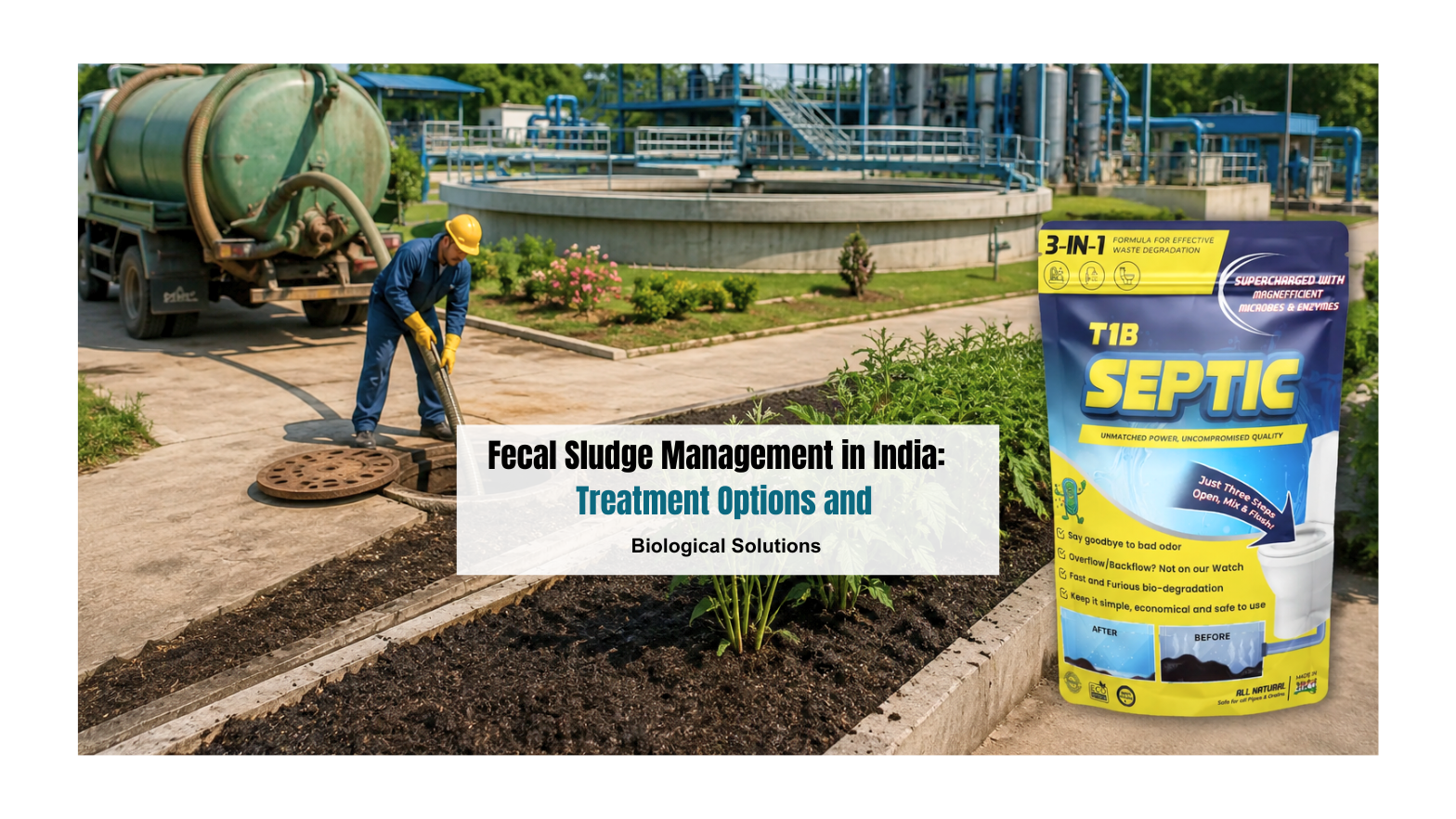
Fecal Sludge Management in India: Treatment Options and Biological Solutions
Every time a septic tank is desludged in an Indian city, the real question is not where the truck goes, it is what happens next. In too many municipalities, the answer remains the same: the sludge disappears into the nearest drain, open land, or water body. The public health consequences are invisible until they are not. A contaminated borewell. A cholera cluster. A river stretch that no longer supports aquatic life. These are not hypothetical outcomes. They are the documented cost of treating fecal sludge as a disposal problem rather than a management challenge.
India has made extraordinary strides in toilet construction and open defecation elimination under the Swachh Bharat Mission. But the infrastructure story does not end at the toilet. It extends all the way to what happens with the waste after it leaves the household, and for a vast proportion of India’s urban population, that waste is sitting in a septic tank, waiting to be emptied, transported, and treated. Fecal sludge management is the missing link in India’s sanitation chain, and the cities that get it right will lead the next phase of urban health outcomes.
What Is Faecal Sludge and Why Does It Demand Attention Right Now?
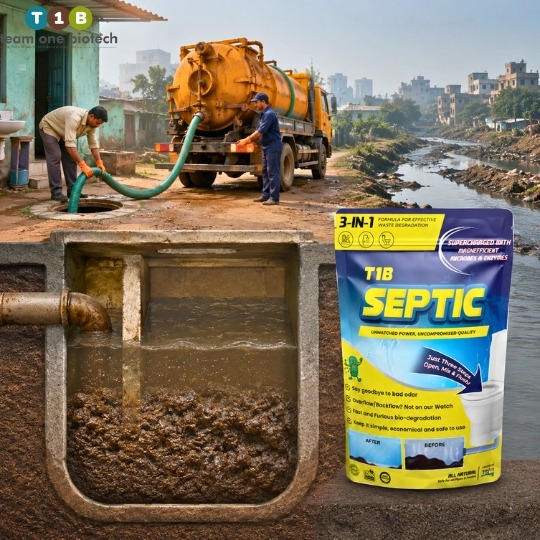
Faecal sludge is the semi-solid material that accumulates in on-site sanitation systems, septic tanks, pit latrines, and containment chambers. It is not the same as sewage. Sewage is wastewater transported through a networked sewer system to a sewage treatment plant. Faecal sludge, by contrast, comes from non-sewered systems where waste sits, partially decomposes, and builds up over months and years until the containment system reaches capacity.
The distinction matters enormously in the Indian context. Despite significant investment in sewered sanitation infrastructure, a substantial portion of India’s urban and peri-urban households still rely on septic tanks or pit latrines. In many secondary cities, census towns, and rapidly growing urban agglomerations, sewage networks simply do not exist or reach only a fraction of households. This means that for millions of residents, the septic tank is the sanitation system, and fecal sludge management is not a peripheral concern, it is the central one.
The faecal sludge meaning, in policy terms, encompasses the entire service chain: what comes out of the tank, how it is emptied, where it goes, how it is treated, and how the end product is safely disposed of or reused. Swachh Bharat Mission Phase II and the National FSSM Policy have explicitly placed faecal sludge on the municipal agenda, recognizing that toilet access without downstream treatment is an incomplete sanitation solution. The urgency is real and the regulatory clock is running.
The Regulatory Landscape, FSSM Policy India and CPCB Standards
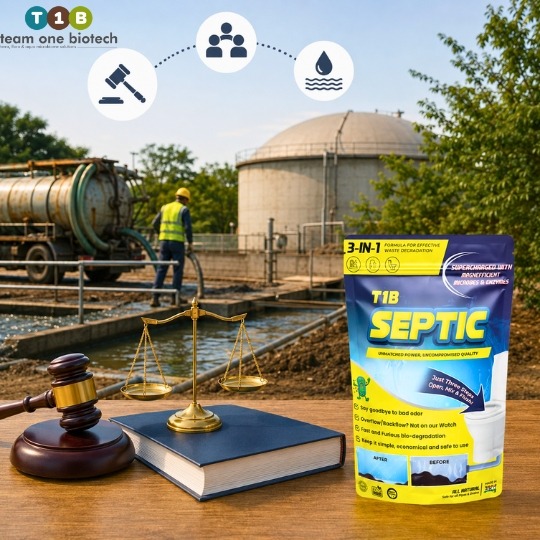
The National Faecal Sludge and Septage Management Policy, issued by the Ministry of Housing and Urban Affairs, established a comprehensive framework that shifts faecal sludge management from an informal, reactive practice to a regulated, planned municipal function. Under this framework, Urban Local Bodies (ULBs) carry clear responsibilities: they are expected to establish periodic desludging schedules for on-site sanitation systems in their jurisdiction, ensure that desludging operators are authorized and trained, mandate safe transport of septage to approved facilities, and either develop Faecal Sludge Treatment Plants (FSTPs) or enter into co-treatment arrangements with existing Sewage Treatment Plants.
The Central Pollution Control Board and State Pollution Control Boards have established discharge standards for treated effluents from faecal sludge treatment systems. These standards govern parameters such as biochemical oxygen demand, suspended solids, pathogen levels, and other indicators of treatment quality. It is important to note that compliance values differ by state and specific treatment infrastructure, municipalities must verify applicable standards with their respective SPCB or CPCB guidelines rather than relying on generalized national figures.
Non-compliance carries real consequences. Unauthorized dumping of septage into drains, water bodies, or open land is a CPCB/SPCB violation that can attract penalties and legal liability. More critically, it contributes to groundwater contamination, surface water pollution, and disease burden in surrounding communities. ULBs that have not yet formalized their septage management india systems are increasingly exposed to both regulatory risk and public health risk simultaneously.
If your municipality is working toward FSSM compliance, understanding your treatment options is the first step, and the sections that follow are designed to give you exactly that grounding.
The Core Challenge, Why Septage Management in India Remains Difficult
Understanding why faecal sludge management remains a challenge across so many Indian cities requires acknowledging the operational realities that ULB officials and sanitation planners live with every day. The barriers are not primarily technical, they are systemic, financial, and institutional.
- Irregular and unregulated desludging: Most septic tanks in Indian cities are emptied reactively, when they overflow or block, rather than on a planned schedule. This means sludge builds up beyond safe capacity, increasing pathogen load and the risk of seepage into surrounding soil and groundwater.
- Limited FSTP infrastructure: Dedicated faecal sludge treatment plants remain concentrated in larger cities. Smaller municipalities, census towns, and peri-urban areas frequently have no authorized treatment facility within practical reach, leaving desludging operators with no legal disposal option.
- High pathogen load in raw fecal sludge: Untreated fecal sludge carries a range of pathogens, bacteria, helminths, protozoa, capable of contaminating groundwater and surface water if improperly managed. This creates acute public health risk wherever sludge is informally disposed.
- Operator awareness and training gaps: Private desludging operators, who handle the bulk of septic tank emptying in most Indian cities, often lack formal training on safe containment, transport, and disposal protocols. The informal nature of the sector makes quality control difficult.
- Co-treatment limitations at existing STPs: Sewage treatment plants were designed for sewage, not high-strength septage. Introducing large volumes of fecal sludge without proper pre-treatment or controlled blending can overload biological treatment units, compromise effluent quality, and risk plant performance.
- Financial and institutional barriers: Cost recovery models for FSTP operation, tipping fees, service charges, or bundled municipal levies, remain underdeveloped in most cities. Without sustainable financing, treatment infrastructure cannot be maintained even where it exists.
These are the real-world constraints that any credible discussion of fecal sludge management must acknowledge. Solutions that ignore these friction points will not be implemented. Solutions that work within them might be.
Treatment Options for Fecal Sludge, A Practical Comparison
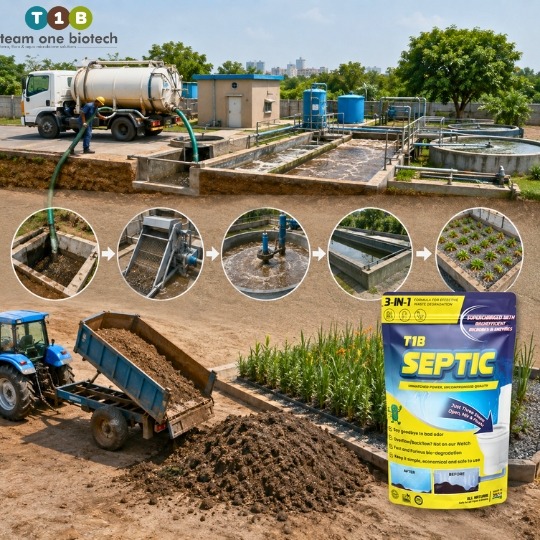
There is no single treatment pathway that works for every city. The right approach depends on the scale of the on-site sanitation population, available land and capital, proximity to existing sewerage infrastructure, and the institutional capacity of the ULB. Three primary treatment pathways are available under the current policy and technical framework.
Faecal Sludge Treatment Plants (FSTPs)
An FSTP is a dedicated facility designed specifically to receive, treat, and safely manage septage from on-site sanitation systems. The treatment process typically combines settling and thickening of solids, dewatering, and drying, often through planted drying beds or mechanical presses, before the treated solids and liquid effluent can be safely disposed of or reused.
FSTPs are best suited for medium to large municipalities with dedicated land, capital investment capacity, and the institutional bandwidth to operate and maintain a treatment facility. Their key strength is that they are purpose-built for the high-strength, variable-composition nature of septage, unlike STPs, they are not easily destabilized by load fluctuations. Modular FSTP configurations are increasingly available, making it possible for smaller cities to start with a smaller footprint and scale up.
The limitations are also real: capital cost, land acquisition, and ongoing operation and maintenance capacity remain barriers for many ULBs. SBM-U funding mechanisms have been made available to support FSTP construction, and municipalities should actively explore these mechanisms before treating the capital barrier as insurmountable.
The values and ranges referenced in this section are general indicators based on industry practice and policy guidelines. Actual parameters vary significantly depending on specific treatment plant design, incoming sludge characteristics, state-level SPCB norms, and operational conditions. Always consult your respective regulatory authority and qualified environmental engineer before designing or modifying treatment systems.
Co-Treatment at Sewage Treatment Plants
For cities that already have functional STPs, co-treatment, the controlled blending of septage with municipal sewage for treatment at the STP, offers a cost-effective interim pathway. It avoids the capital cost of a new dedicated facility and makes use of existing biological treatment infrastructure.
Co-treatment works best when septage volumes are carefully managed, inlet characteristics are consistently monitored, and blending protocols are established to prevent shock loading of the STP’s biological units. When these conditions are met, co-treatment can serve as a practical bridge while dedicated FSTP infrastructure is developed.
The risk lies in under-controlled implementation. Introducing unregulated volumes of high-strength fecal sludge into an STP without adequate pre-treatment or blending controls can overwhelm the plant’s biological capacity, leading to treatment failures and non-compliant effluent discharge.
Acceptable co-treatment ratios vary significantly by STP design and current hydraulic and organic load. General ranges cited in technical literature are indicative only. Consult your plant operator and SPCB before initiating or scaling a co-treatment arrangement.
Decentralized and Community-Level Treatment
For small towns, peri-urban areas, and transitional zones where neither an FSTP nor a functional STP is within reach, decentralized treatment options offer a practical alternative. Biodigesters, planted drying beds, baffled reactors, and constructed wetland systems can be configured at community or neighbourhood scale, requiring lower capital outlay and simpler operation and maintenance.
These systems are not a permanent substitute for centralized treatment infrastructure, but they represent a viable operational solution for the significant portion of India’s urban population that sits outside the coverage of current FSTP or STP networks. Their success depends heavily on community engagement, operator training, and local institutional ownership.
Biological Solutions, The Role of Microbial Treatment in FSM
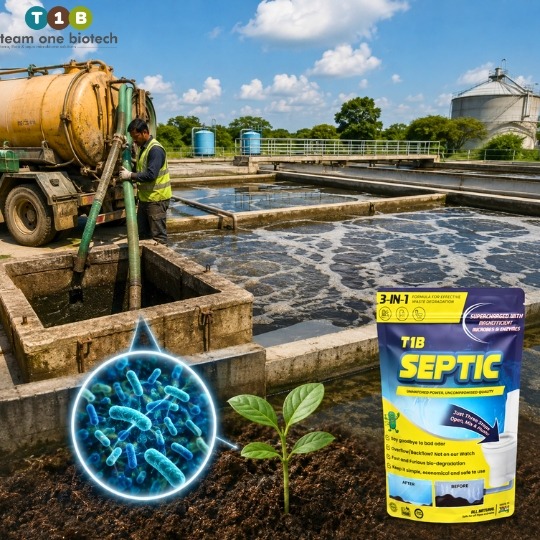
Alongside the infrastructure pathways above, biological treatment has emerged as a practical, scalable complement to formal faecal sludge management systems. Understanding how it works, and where it fits, is increasingly important for any municipality or operator working to improve FSM outcomes.
Biological treatment works by introducing targeted microbial cultures into the sludge matrix to accelerate the breakdown of organic matter. These microbial communities consume the organic load within the tank or sludge, reducing biochemical oxygen demand, suppressing pathogen populations, and converting solid organic material into less harmful, more stable forms.
Biological septic tank treatment can serve two distinct functions in the FSM chain. The first is in-tank stabilization, applying microbial products directly into septic tanks to reduce the rate of sludge accumulation, control odor, and lower pathogen load before the tank is desludged. This extends the effective service life of the tank between emptying cycles and reduces the burden placed on treatment infrastructure when desludging does occur. The second function is post-collection support, using biological conditioning to pre-treat sludge before it enters an FSTP or co-treatment system, improving the quality and manageability of the incoming load.
T1B Septic, Team One Biotech’s dedicated biological solution for septic tank and faecal sludge management, is formulated specifically for Indian field conditions. T1B Septic contains a carefully selected consortium of microbial strains proven to perform in the high-organic-load, variable-temperature, and high-salinity conditions typical of Indian septic systems. Its benefits across the FSM service chain include:
- Reduction in sludge accumulation rate within the tank, decreasing desludging frequency requirements over time
- Significant odor suppression during in-tank treatment, transport, and interim storage
- Lowered pathogen load in sludge reaching treatment facilities, supporting better treatment outcomes at FSTPs and co-treatment STPs
- Reduced organic load, lower BOD and COD, in sludge delivered to treatment plants, easing the burden on downstream treatment units
- Improved effluent quality from septic systems during the intervals between desludging cycles
It is important to be clear about what biological solutions are and what they are not. T1B Septic and products like it are a complement to regulated treatment infrastructure, not a replacement for it. A municipality still needs a functional desludging programme, authorized operators, and treatment capacity. What biological treatment does is make the entire chain work better: cleaner sludge entering transport, lower load reaching treatment plants, and reduced operational stress on FSTPs and STPs.
For municipalities working toward FSSM compliance, introducing biological treatment protocols across community and institutional septic tanks can meaningfully reduce the organic and pathogen load that their treatment infrastructure must handle, buying time, reducing cost, and improving outcomes simultaneously.
Looking for a proven biological solution for septic tank treatment and faecal sludge stabilization? T1B Septic is designed to meet Indian field conditions across the full FSM service chain. Connect with the Team One Biotech team to discuss the right application protocol for your municipality or operation.
How Urban Local Bodies Can Strengthen Their FSM Systems, A Checklist
For ULB officials and municipal planners looking to move their FSM systems from reactive to regulated, the following action framework offers a practical starting point:
- Conduct a baseline sanitation survey to map on-site sanitation assets across your jurisdiction, the number, type, age, and condition of septic tanks and pit latrines in each ward.
- Establish or contract desludging services with authorized, trained operators. Informal desludging that ends in unauthorized disposal cannot be regulated without first formalizing the service.
- Develop a co-treatment arrangement with the nearest functional STP as an interim measure while dedicated FSTP infrastructure is planned and funded.
- Introduce biological treatment protocols using T1B Septic for community and institutional septic tanks to reduce the organic and pathogen load entering your transport and treatment system.
- Train operators on safe fecal sludge handling and transport, including personal protective equipment, vehicle hygiene, and authorized disposal procedures.
- Establish a cost recovery model, whether through tipping fees, desludging service charges, or integration with property tax billing, to ensure that FSM services are financially sustainable beyond initial project funding.
- Report quarterly to your SPCB on FSM compliance status, desludging volumes, treatment facility performance, and operator authorizations.
Need support mapping biological treatment solutions for your municipality’s FSM system? Reach out to Team One Biotech, we work with ULBs and private operators across India to design and implement solutions that meet local conditions and regulatory requirements.
Frequently Asked Questions About Fecal Sludge Management in India
What is the difference between fecal sludge and sewage?
Fecal sludge originates from on-site sanitation systems such as septic tanks and pit latrines, where waste is contained and partially treated in place. Sewage is wastewater transported through a networked sewer system to a treatment plant. Faecal sludge management addresses the non-sewered population, a substantial and often underserved portion of India’s urban residents who rely entirely on on-site containment.
What does faecal sludge management mean in the Indian context?
In the Indian context, FSM refers to the full service chain covering the containment, emptying, transport, treatment, and safe end-use or disposal of fecal sludge from on-site sanitation systems. It is governed by the National FSSM Policy and operationalized through ULBs under the SBM-U framework.
Is desludging a septic tank in India regulated?
Yes. Under the FSSM Policy and SBM-U guidelines, ULBs are responsible for regulating desludging operators, mandating safe sludge transport, and ensuring that septage reaches authorized treatment or disposal facilities. Unregulated dumping into drains, land, or water bodies is a CPCB/SPCB violation with associated penalties.
How do biological treatments help in septic tank and FSM management?
Microbial-based products such as T1B Septic introduce targeted bacterial cultures into the sludge environment, accelerating organic matter breakdown, suppressing odor, reducing pathogen load, and lowering the BOD and COD of sludge entering the treatment system. This reduces operational burden across the FSM chain, from the tank to the treatment plant.
What is an FSTP and when does a city need one?
A Faecal Sludge Treatment Plant is a dedicated infrastructure facility designed to receive and treat septage from on-site sanitation systems. Any city with a significant on-site sanitation population and insufficient STP co-treatment capacity should prioritize FSTP development. SBM-U funding mechanisms are available to support both planning and construction.
Moving from Crisis Management to Systemic FSM
Fecal sludge management in India is no longer a niche technical subject. It is a public health imperative, a regulatory obligation, and, increasingly, a measure by which the quality of municipal governance will be assessed. The cities that act now will not be those with the largest infrastructure budgets. They will be the ones that understand the full service chain, engage their treatment options practically, and deploy every available tool, including biological solutions, to make the system work.
FSTPs, co-treatment arrangements, and decentralized systems form the structural backbone of effective FSM. Biological treatment, through solutions like T1B Septic, provides the operational layer that makes that backbone more efficient: reducing the load entering treatment systems, extending desludging intervals, controlling odor and pathogens in transit, and improving effluent quality at every stage of the chain.
The cities that lead on faecal sludge management will be the ones that start treating sludge as a resource management challenge, not just a disposal problem. Biological solutions are one important piece of that puzzle, and Team One Biotech is here to help you find the right fit for your infrastructure, your scale, and your regulatory context.
Explore Team One Biotech’s range of bioremediation and biological septic tank treatment solutions, including T1B Septic. Contact us today to discuss your FSM requirements.
Looking to improve your ETP/STP efficiency with the right bioculture?
Talk to our experts at Team One Biotech for customised microbial solutions.
Contact: +91 8855050575
Email: sales@teamonebiotech.com
Visit: www.teamonebiotech.com
Discover More on YouTube – Watch our latest insights & innovations!-
Connect with Us on LinkedIn – Stay updated with expert content & trends!