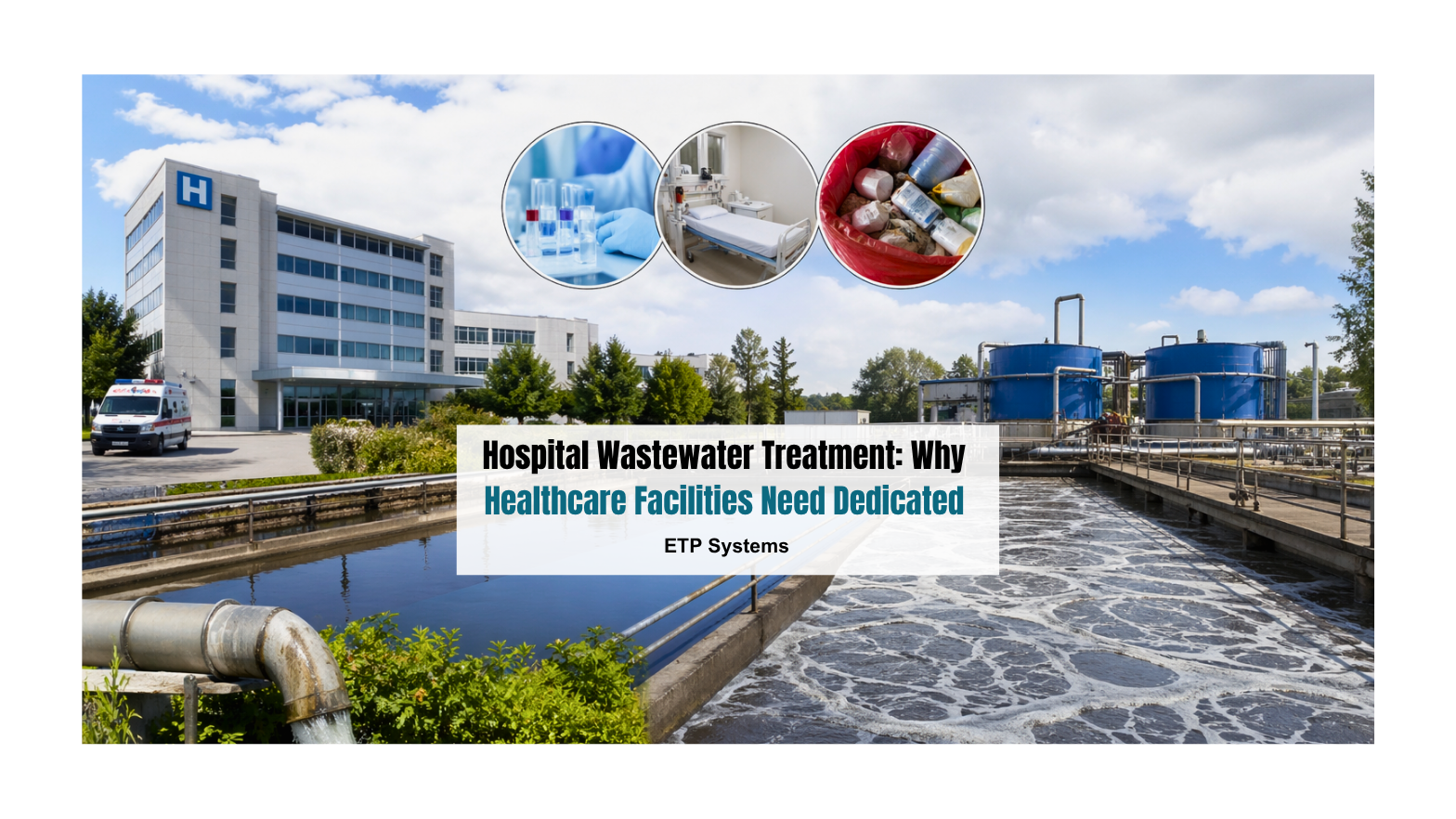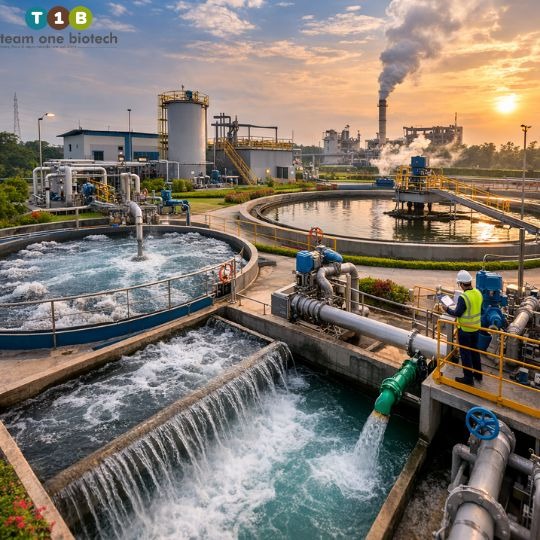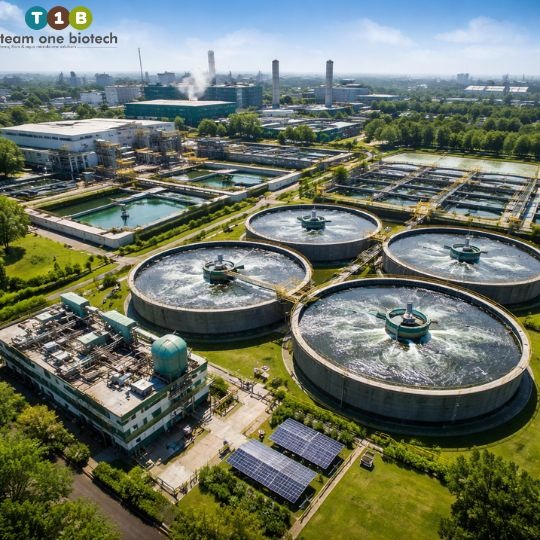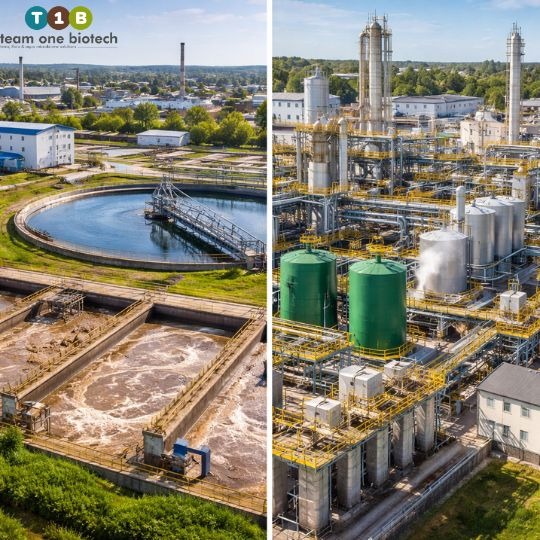
Hospital Wastewater Treatment: Why Healthcare Facilities Need Dedicated ETP Systems

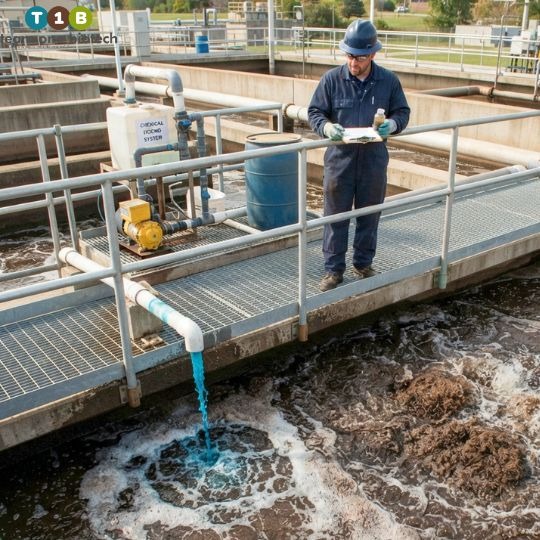
A busy government hospital in Lucknow or a sprawling private medical complex in Hyderabad. Thousands of patients pass through every week. Surgeries happen around the clock. Dialysis units run in shifts. Oncology wards administer chemotherapy. And from every one of these activities, water flows out, carrying with it a chemical and biological burden that most people never think about.

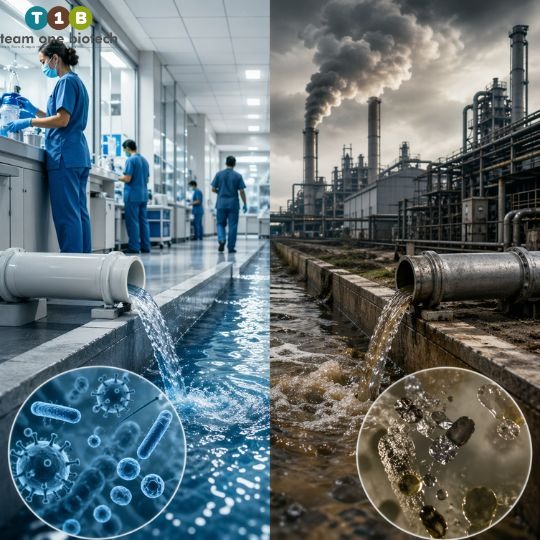
This is not ordinary wastewater. What leaves a hospital through its drainage network is a complex mixture of blood, body fluids, residual pharmaceuticals, heavy metals from imaging chemicals, disinfectants, antibiotic compounds, and, critically, drug-resistant microbial organisms. This “toxic cocktail,” as environmental engineers who work in this space often call it, finds its way into municipal sewage lines, open drains, and, in far too many cases, directly into local water bodies without meaningful treatment.

For communities living near these facilities, especially in India’s densely populated urban corridors, this is not an abstract environmental concern. It is a daily, silent public health crisis.

Why Hospital Wastewater Is Not Like Industrial Wastewater

Why Hospital Wastewater Is Not Like Industrial Wastewater

Most EHS managers working in pharma, dairy, food processing, or paper manufacturing already understand effluent treatment. You manage BOD, COD, TSS, pH. You run your ETPs, maintain compliance records, and file reports with your State Pollution Control Board (SPCB). That experience is valuable, but it does not fully prepare you for the unique complexity of healthcare effluent.

Here is what makes Hospital Wastewater Treatment fundamentally different:

  • Pharmaceutical Residues: Patients excrete a significant fraction of the drugs they consume. Antibiotics, hormones, cytotoxic agents, and analgesics enter the wastewater stream in concentrations ranging between 0.01–100 micrograms per litre depending on the drug and ward type. Conventional biological treatment units are not designed to break these down.
  • Antimicrobial Resistance (AMR) Genes: This is the sleeper issue that’s now getting serious attention from the World Health Organization. Hospital wastewater is a known hotspot for AMR gene transfer. When resistant organisms and genetic material pass into water bodies, they seed environmental reservoirs for superbugs. The Yamuna, Ganga, and Musi rivers have all shown alarming AMR profiles in research conducted over the last decade.
  • Pathogenic Load: Unlike industrial effluent, hospital wastewater carries active pathogens, bacterial, viral, and fungal. Without proper disinfection stages, these organisms survive into receiving water bodies. The BOD of hospital wastewater typically ranges between 150–350 mg/L, and COD can run anywhere from 250–600 mg/L depending on facility type and case mix.
  • Variable Flow and Composition: A textile mill produces a fairly predictable effluent stream. A hospital does not. Morning OPD hours, ICU operations, dialysis sessions, and laundry peaks create wide variation in both volume and pollutant load, sometimes within the same 24-hour period.

This variability is one reason generic ETPs routinely underperform in healthcare settings.

The Regulatory Picture in India: CPCB and NGT Are Watching

The Regulatory Picture in India: CPCB and NGT Are Watching

The Central Pollution Control Board (CPCB) has issued specific discharge standards for hospitals under the Environment Protection Act, and the Bio-Medical Waste Management Rules, 2016 (amended 2018) govern liquid waste disposal. Many states have gone further, Maharashtra, Karnataka, Tamil Nadu, and Delhi have SPCB-level directives that impose tighter standards on larger healthcare establishments.

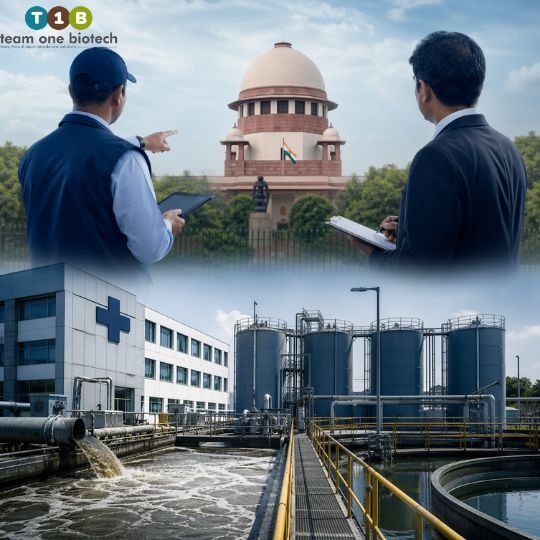
The National Green Tribunal (NGT) has become increasingly assertive. In multiple landmark orders, the NGT has penalized healthcare institutions, including government hospitals, for discharging untreated or inadequately treated effluent into municipal drains and water bodies. Fines have ranged from lakhs to crores, and in some cases, facility operations have been restricted.

And yet, a 2023 audit by environmental researchers across Tier-1 and Tier-2 Indian cities found that a substantial proportion of hospitals, particularly nursing homes, smaller private facilities, and district hospitals, either lack functional ETPs or operate systems that were designed for domestic sewage rather than clinical-grade effluent. This is a compliance gap waiting to become a liability.

If you are an administrator or EHS manager responsible for a healthcare facility, the question is not whether your facility will face scrutiny. It is whether you will be ready when it does.

If your current ETP setup was not specifically designed for hospital wastewater, this is the right time to request a professional Wastewater Audit from Team One Biotech. Our team will evaluate your current system, identify gaps in CPCB compliance, and give you a clear action plan, no obligations.

What a Dedicated ETP for Hospitals Actually Looks Like

What a Dedicated ETP for Hospitals Actually Looks Like

A properly engineered hospital ETP is a multi-stage system that addresses the specific threat vectors of healthcare effluent. Here is a simplified breakdown of what that looks like in practice:

Primary Treatment

Screening, grit removal, and equalization. The equalization tank is particularly important in healthcare applications, it buffers the wide flow variations mentioned earlier and ensures that downstream biological stages receive a consistent load.

Secondary Biological Treatment

This is where the heavy lifting happens. Activated sludge processes, Moving Bed Biofilm Reactors (MBBR), or Sequencing Batch Reactors (SBR) are common choices. BOD and COD reduction at this stage can bring levels down to 30–100 mg/L and 100–250 mg/L respectively, when properly sized and operated.

Tertiary and Advanced Treatment

Given the pharmaceutical and AMR concerns unique to hospitals, tertiary treatment is non-negotiable. This typically includes:

  • Coagulation and flocculation for suspended solids
  • Activated carbon adsorption for pharmaceutical residue removal
  • Chlorination or UV disinfection for pathogen kill
  • Ozonation in high-specification systems

Sludge Management

Hospital ETP sludge is classified as hazardous. It requires proper dewatering, containment, and disposal in line with Bio-Medical Waste Rules, a step that many facilities overlook when setting up basic treatment units.

Technical Deep Dive: Why Bioremediation Outperforms Traditional Chemical Dosing

This is where things get genuinely interesting, and where the gap between legacy practice and modern science becomes very clear.

Traditional hospital ETPs lean heavily on chemical treatment: coagulants like alum or ferric chloride, hypochlorite for disinfection, and acid/alkali for pH adjustment. These approaches work in narrow parameters. But they have well-documented limitations in healthcare applications:

  • They do not biodegrade pharmaceuticals. Chemical coagulation removes suspended matter. It does not break down dissolved drug molecules, hormones, or AMR genetic material.
  • They generate high volumes of chemical sludge, which itself becomes a disposal burden.
  • Operating costs are persistent and high. Chemical procurement, handling, and dosing add recurring expenditure running into lakhs per year for medium-to-large facilities.
  • System sensitivity to load variation means that during peak hours, chemical dosing systems can underperform, leading to compliance breaches.

Bioremediation, Team One Biotech’s core area of expertise, takes a fundamentally different approach. Rather than adding synthetic chemicals to suppress or precipitate pollutants, bioremediation introduces specialized microbial consortia that actively metabolize contaminants.

In hospital wastewater applications, this means:

  • Pharmaceutical degradation at the molecular level. Carefully selected microbial strains can break down antibiotic residues, hormonal compounds, and certain cytotoxic metabolites, converting them into water, carbon dioxide, and biomass rather than leaving them in altered chemical form.
  • AMR risk reduction. Research increasingly supports that robust biological treatment with diverse microbial communities can suppress the proliferation of resistant organisms. A healthy microbial ecosystem outcompetes pathogens and ARB (antibiotic-resistant bacteria) for resources.
  • Lower sludge generation. Biological processes typically produce 30–50% less sludge than comparable chemical treatment systems, a significant operational and disposal cost advantage.
  • Greater operational stability. Well-established biofilm and suspended growth systems can tolerate load fluctuations better than chemical dosing when properly maintained.
  • CPCB-compatible output. With the right system design, bioremediation-based ETPs can consistently achieve treated effluent quality within CPCB General Standards for discharge.

Team One Biotech’s proprietary microbial formulations have been deployed across healthcare, pharmaceutical, and industrial facilities across India. Our approach is site-specific: we do not sell a generic solution because hospital wastewater in Mumbai does not look the same as hospital wastewater in Bhopal.

Want to understand whether a bioremediation-based ETP could replace or supplement your existing system? Talk to our technical team for a Custom Bioremediation Plan tailored to your facility’s effluent profile.

Common Mistakes Healthcare Facilities Make With Their ETPs

Common Mistakes Healthcare Facilities Make With Their ETPs

A few patterns come up repeatedly when our team evaluates existing hospital wastewater systems:

  • Undersizing the equalization tank. This single error leads to more ETP performance failures than almost any other design flaw.
  • Treating the ETP as a one-time capital project rather than a living system that requires monitoring, microbial replenishment, and periodic process adjustment.
  • Ignoring the pharmacy and laundry streams. These two sources often carry disproportionately high pharmaceutical and surfactant loads and need targeted pre-treatment before they reach the main ETP.
  • Relying on third-party lab reports without in-house monitoring. By the time an external lab flags a problem, a compliance breach has already occurred.
  • Not planning for the NGT audit cycle. Regulatory bodies are increasingly coordinating surprise inspections, and facilities that rely on compliance-by-paperwork rather than compliance-by-performance are the most exposed.

Liquid Medical Waste Management: The Overlooked Last Mile

Even facilities with reasonably functional ETPs often have a blind spot around liquid medical waste management at the source. Properly segregating and pre-treating high-risk liquid streams, from pathology labs, operation theatres, dialysis units, and isolation wards, before they enter the main drainage network is both a regulatory requirement and a practical necessity.

Without source-level segregation protocols, a single high-load event (say, a dialysis session’s concentrated effluent or a pathology lab’s chemical waste) can overwhelm downstream biological treatment stages. Our recommendation: treat liquid medical waste management as a facility-wide discipline, not just an ETP engineering problem.

The Business Case for Getting This Right

Beyond compliance, there is a straightforward business case. Hospitals that invest in properly designed, professionally maintained dedicated ETP systems typically see:

  • Reduced risk of NGT/SPCB penalties, which can range from Rs. 5 lakh to Rs. 5 crore depending on severity and jurisdiction
  • Lower long-term operating costs compared to chemical-heavy legacy systems
  • Stronger positioning for NABH accreditation and green hospital certifications
  • Reputational protection in an era when environmental accountability is increasingly a factor in institutional trust

This is not a regulatory checkbox exercise. It is an investment in the long-term operational resilience of your facility.

Ready to move from compliance risk to compliance confidence? Team One Biotech offers end-to-end support, from initial Wastewater Audit to system design, microbial supply, and ongoing monitoring. Contact our EHS advisory team today and take the first step toward a fully compliant, bioremediation-powered hospital ETP.

Disclaimer: The values mentioned in this article, including BOD, COD, flow rates, cost ranges, and treatment performance benchmarks, are general estimates and industry benchmarks. Actual requirements and performance metrics vary based on individual ETP design, specific facility loads, local regulatory conditions, and operational parameters. Always consult a qualified EHS engineer or licensed ETP designer before making facility-specific decisions.

Looking to improve your ETP/STP efficiency with the right bioculture?
Talk to our experts at Team One Biotech for customised microbial solutions.

Contact+91 8855050575

Email:  sales@teamonebiotech.com

Visit: www.teamonebiotech.com

Discover More on YouTube – Watch our latest insights & innovations!-

Connect with Us on LinkedIn – Stay updated with expert content & trends!
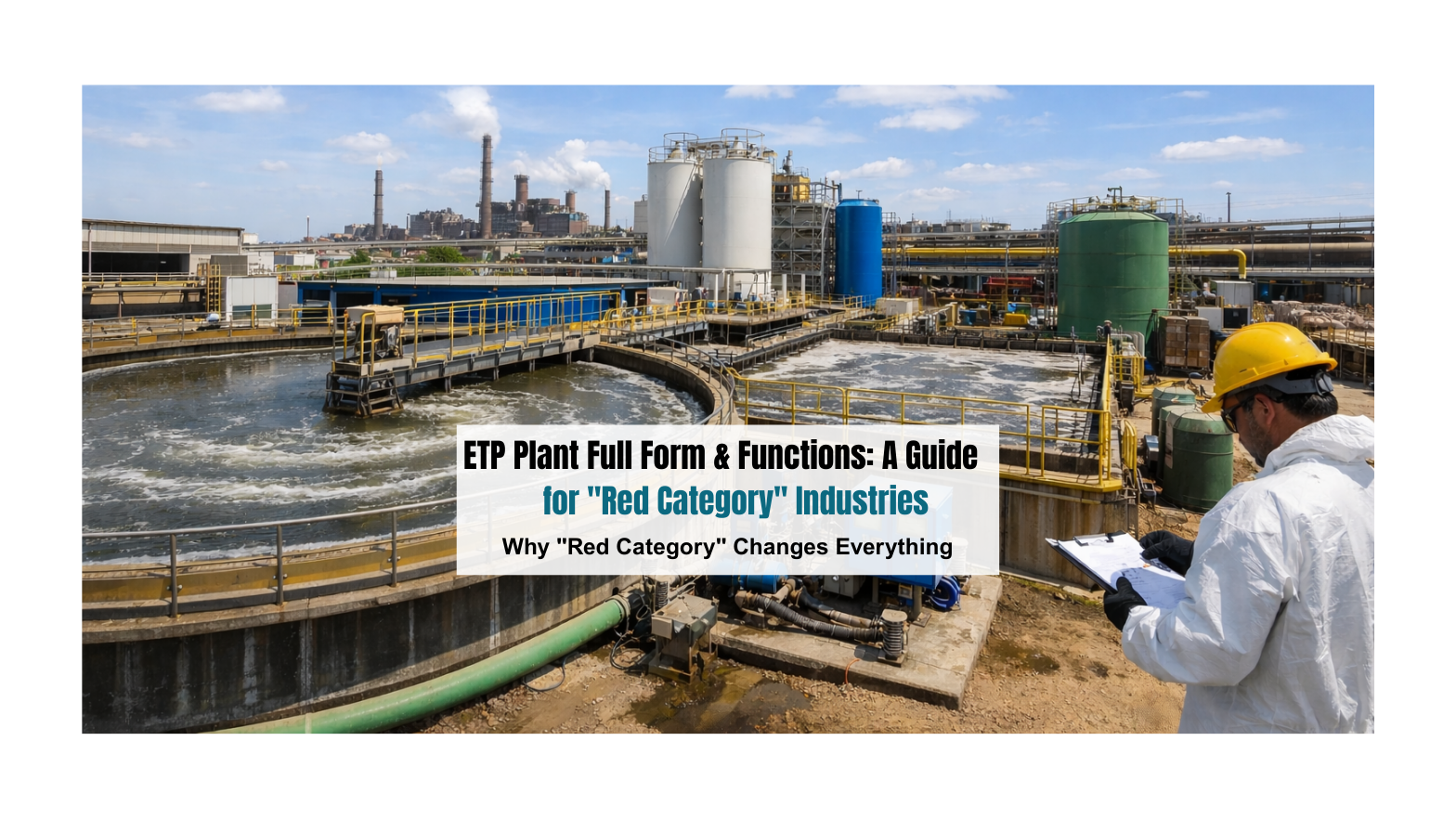
ETP Plant Full Form & Functions: A Guide for "Red Category" Industries
ETP Plant Full Form & Functions: A Guide for “Red Category” Industries

Let’s be direct about something most plant managers already know but rarely say out loud: running a Red Category industry in India right now feels like walking a tightrope over a compliance minefield. One failed effluent test. One surprise inspection from the State Pollution Control Board. One local news story about a nearby river turning colors, and suddenly you’re not just facing a fine. You’re facing a closure notice, a reputational crisis, and the kind of legal liability that follows a business for years.

This isn’t fearmongering. The Central Pollution Control Board (CPCB) has been systematically tightening discharge standards since 2016, and enforcement has become significantly more aggressive in states like Maharashtra, Gujarat, Tamil Nadu, and Uttar Pradesh. The industries feeling this pressure the hardest are exactly the ones doing the heaviest industrial lifting for India’s economy, textiles, dyes, pharmaceuticals, tanneries, paper mills, and chemical manufacturers.

Also Read: The Comprehensive Guide to ETP & STP Design, Process, and Efficiency in India

If you’re in this space, your Effluent Treatment Plant isn’t just infrastructure. It’s survival equipment.

What ETP Stands For, And Why the Full Form Doesn’t Tell the Whole Story

What ETP Stands For, And Why the Full Form Doesn't Tell the Whole Story

ETP stands for Effluent Treatment Plant. The name is simple enough. The reality it represents is anything but.

An effluent treatment plant is a system specifically engineered to treat industrial wastewater, the contaminated water produced during manufacturing processes, before it’s discharged into municipal drains, water bodies, or the ground. Unlike domestic sewage, industrial effluent carries a toxic cocktail of heavy metals, synthetic dyes, suspended solids, oils, acids, and biological oxygen demand (BOD) loads that can devastate aquatic ecosystems within hours of improper discharge.

Here’s what the full form doesn’t tell you: a well-designed ETP is the difference between a factory that runs for decades and one that gets served a closure notice in its tenth year. For Red Category industries, it’s also the single largest variable in your environmental compliance score.

Why “Red Category” Changes Everything

India’s industries are classified into four pollution potential categories by the CPCB, Red, Orange, Green, and White, based on a Pollution Index (PI) score derived from air, water, land, and hazardous waste parameters.

Red Category industries carry a Pollution Index of 60 or above. These include:

  • Textile dyeing and bleaching units
  • Pharmaceutical and bulk drug manufacturers
  • Pesticide and agrochemical plants
  • Tanneries and leather processing units
  • Paper and pulp mills
  • Chemical manufacturers and dye intermediates

What makes Red Category wastewater genuinely difficult to treat is its chemical complexity. You’re not dealing with one pollutant, you’re dealing with hundreds simultaneously. COD (Chemical Oxygen Demand) levels in textile effluent can exceed 3,000 mg/L. Pharmaceutical wastewater often carries recalcitrant organic compounds that resist conventional biological breakdown. Tannery effluent contains chromium concentrations that are acutely toxic to both microbial communities and human health.

Standard treatment approaches frequently fall short here. That’s the core problem Team One Biotech was built to solve.

The Core Functions of an Effluent Treatment Plant

The Core Functions of an Effluent Treatment Plant

A properly functioning ETP works through a staged sequence of treatment processes. Each stage targets a different category of contaminants. Skipping or underperforming at any stage compromises the entire system.

Stage 1: Collection and Equalization

Effluent from different process lines rarely flows at uniform rates or concentrations. The equalization tank buffers this variability, holding incoming wastewater and homogenizing it before treatment begins. This step protects downstream processes from hydraulic shocks and concentration spikes that would otherwise destabilize biological treatment.

Stage 2: Screening and Primary Treatment

Bar screens remove coarse solids. Primary clarifiers allow suspended particles to settle under gravity. The sludge collected here is removed for further processing. This stage significantly reduces suspended solids load before biological treatment begins.

Stage 3: Neutralization

Industrial effluents are frequently highly acidic or alkaline, pH values outside the 6–9 range are common in chemical and pharmaceutical plants. Neutralization brings pH to a range where biological treatment can function effectively. Getting this wrong doesn’t just affect compliance, it kills the microbial communities your secondary treatment depends on.

Stage 4: Coagulation and Flocculation

Chemicals like alum, ferric chloride, or polyelectrolytes are dosed to destabilize colloidal particles and cause them to aggregate into larger flocs that can be physically removed. This step is critical for reducing color, turbidity, and residual suspended solids. However, heavy reliance on synthetic coagulants increases sludge generation and chemical costs, one of the key pain points that bioremediation-based approaches address.

Stage 5: Secondary (Biological) Treatment

This is where the real heavy lifting happens, and where the quality of your approach determines whether you genuinely treat your effluent or merely appear to.

The ETP-STP Plant Process: Where Bioremediation Redefines What’s Possible

The ETP-STP Plant Process: Where Bioremediation Redefines What's Possible

The biological treatment stage of the etp-stp plant process is built around one central mechanism: using microorganisms to break down dissolved organic matter. The most widely deployed method is the activated sludge process.

Understanding the Activated Sludge Process

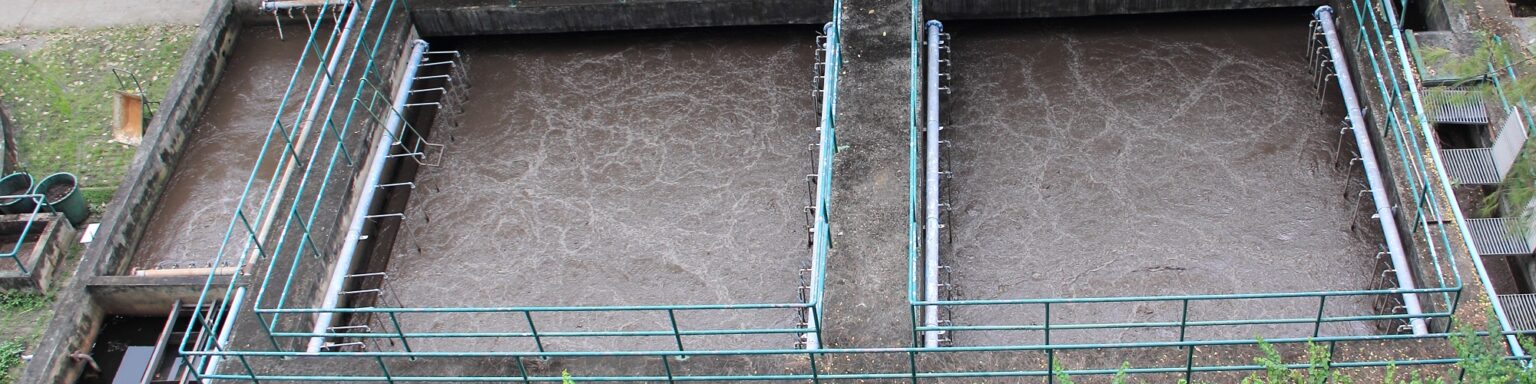
In the activated sludge process, wastewater enters an aeration tank where it’s mixed with a recirculated mass of microorganisms, the “activated sludge.” Air or oxygen is continuously introduced to support aerobic microbial metabolism. The microorganisms consume dissolved organics (measured as BOD and COD), converting them into carbon dioxide, water, and new cell mass.

The treated water then flows to a secondary clarifier, where the microbial biomass settles out. A portion of this settled sludge is returned to the aeration tank to maintain the active microbial population (return activated sludge). The remainder is wasted (waste activated sludge) for further processing.

In theory, it’s elegant. In practice, for Red Category industries, it frequently underperforms, because generic microbial communities aren’t equipped to handle the specific, often toxic, organic load of pharmaceutical, textile, or chemical wastewater.

Where Traditional Chemical Treatment Falls Short

Many plants default to increasing chemical dosing when biological treatment underperforms. This approach has a ceiling. More coagulants mean more sludge. More sludge means higher disposal costs and stricter hazardous waste compliance requirements. The operational cost curve bends upward fast, and you still don’t consistently hit discharge standards.

How to Retrofit Existing ETPs to meet 2026 Discharge Standards

With the 2026 regulatory shift to Retrofit Existing ETPs, the Central Pollution Control Board (CPCB) and State Boards have moved from “periodic checks” to real-time, performance-based compliance. If your existing ETP was designed for 2016 norms, it likely lacks the precision required for today’s tighter BOD, COD, and nutrient limits.

Retrofitting doesn’t always mean a total teardown. Most Red Category plants can be brought up to 2026 standards through strategic engineering upgrades:

  • Integrating Real-Time Monitoring: 2026 mandates require IoT-connected sensors (RS-485/Modbus) that transmit pH, TSS, and COD data directly to regulatory servers. Retrofitting your outlet with automated monitoring is now the first step in legal “survival.”
  • Upgrading Aeration Efficiency: Many older plants suffer from “dead zones” in aeration tanks. Replacing aging surface aerators with fine-bubble diffused aeration systems can improve oxygen transfer efficiency by up to 30-40%, crucial for handling the higher organic loads seen in pharmaceutical and textile sectors.
  • Adding Tertiary Polishing Units: To meet the new “Mandatory Treated Water Reuse” policies, adding a modular Membrane Bio-Reactor (MBR) or Ultrafiltration (UF) stage to your existing secondary clarifier output can turn discharge-grade water into process-grade water.

By focusing on process correction rather than just equipment replacement, industries can achieve 2026 compliance with minimal downtime and significantly lower capital expenditure.

How Team One Biotech’s Bioremediation Approach Changes the Equation

Team One Biotech’s bioremediation solutions are engineered around specific microbial consortia, selected and cultivated strains of bacteria, fungi, and enzyme-producing organisms that are matched to the actual contaminant profile of your effluent.

Rather than a generic activated sludge population struggling against recalcitrant dyes or pharmaceutical intermediates, you’re deploying organisms that have been specifically developed to metabolize those compounds. The results are measurable:

  • Faster COD/BOD reduction rates compared to conventional activated sludge alone
  • Significantly lower chemical consumption across coagulation and disinfection stages
  • Reduced sludge generation, which directly reduces your hazardous waste disposal burden
  • More stable biological performance during hydraulic and organic load fluctuations
  • Longer intervals between system interventions

This isn’t an additive that temporarily masks compliance numbers. It’s a fundamental upgrade to the biological core of your treatment process.

Ready to see what a bioremediation-optimized ETP looks like for your specific industrial category? Contact Team One Biotech’s technical team for a process consultation, no generic proposals, no guesswork.

STP vs. ETP: Why Industrial Facilities Need to Think About Both

STP vs. ETP: Why Industrial Facilities Need to Think About Both

A sewage treatment plant (STP) is designed to treat domestic wastewater, the water generated from toilets, canteens, washrooms, and general facility use. An effluent treatment plant handles process wastewater from manufacturing operations. They treat fundamentally different waste streams, and mixing them without proper management creates compliance complications.

Here’s why this matters for large industrial facilities:

ParameterSewage Treatment Plant (STP)Effluent Treatment Plant (ETP)
Wastewater SourceDomestic/sanitary useIndustrial process water
Primary ContaminantsBOD, pathogens, nutrientsCOD, heavy metals, dyes, chemicals
Regulatory StandardIS:2490, domestic normsCPCB category-specific norms
Treatment CoreBiological (ASP, MBR)Multi-stage chemical + biological
Sludge ClassificationGeneral wasteOften hazardous waste

Many large manufacturing campuses in India, particularly in pharmaceutical and textile clusters, now operate combined STP-ETP systems or segregated parallel systems. The etp-stp plant process integration requires careful hydraulic design to ensure that the toxicity of process effluent doesn’t overwhelm the biological system designed for domestic sewage.

Team One Biotech’s expertise spans both systems. Whether you’re managing a standalone ETP, a standalone STP, or a combined treatment facility, the bioremediation strategy must be designed around the actual influent chemistry, not generic assumptions.

The Indian Regulatory Reality You Can’t Ignore

The CPCB’s General Standards for Discharge of Environmental Pollutants (under the Environment Protection Act, 1986) set baseline discharge standards. But State Pollution Control Boards frequently impose standards that are stricter than CPCB minimums, and this varies significantly by state, industry cluster, and proximity to sensitive water bodies.

Industries in the Ganga basin face mandatory Zero Liquid Discharge (ZLD) compliance under the National Mission for Clean Ganga. Textile clusters in Surat, Ludhiana, and Tirupur operate under cluster-specific discharge protocols. Pharmaceutical units near ecologically sensitive zones are increasingly being asked to demonstrate advanced treatment capability beyond standard compliance testing.

This regulatory landscape is not getting simpler. Investment in genuinely effective treatment technology, not minimum-compliance infrastructure, is the only position that offers long-term operational certainty.

India’s water stress context adds an ethical dimension to this that goes beyond compliance. With 18% of the world’s population sharing 4% of its freshwater resources, every liter of adequately treated and recycled industrial water is a direct contribution to a problem that affects communities far beyond your fence line.

What an Underperforming ETP Actually Costs You

The compliance fine is the visible cost. The real cost structure looks like this:

  • Repeated third-party effluent testing to chase passing results
  • Increased chemical consumption without proportional treatment improvement
  • Higher sludge disposal frequency and associated hazardous waste costs
  • Downtime risk from regulatory notices requiring system upgrades
  • Reputational exposure in ESG-sensitive supply chains
  • Management bandwidth spent on regulatory responses instead of operations

A properly designed, bioremediation-enhanced ETP converts most of these costs into a single, predictable operational line. That’s the business case, separate from the environmental one.

Is your current ETP delivering consistent compliance, or are you managing the gap between test days and inspection days? Request a free process audit from Team One Biotech. We’ll map your current system against your discharge obligations and identify exactly where the gaps are.

Looking for specific bioremediation products formulated for your industry category? Explore Team One Biotech’s complete range of microbial consortia and enzyme solutions for textile, pharmaceutical, chemical, and tannery wastewater treatment.

Looking to improve your ETP/STP efficiency with the right bioculture?
Talk to our experts at Team One Biotech for customised microbial solutions.

Contact+91 8855050575

Email:  sales@teamonebiotech.com

Visit: www.teamonebiotech.com

Discover More on YouTube – Watch our latest insights & innovations!-

Connect with Us on LinkedIn – Stay updated with expert content & trends!
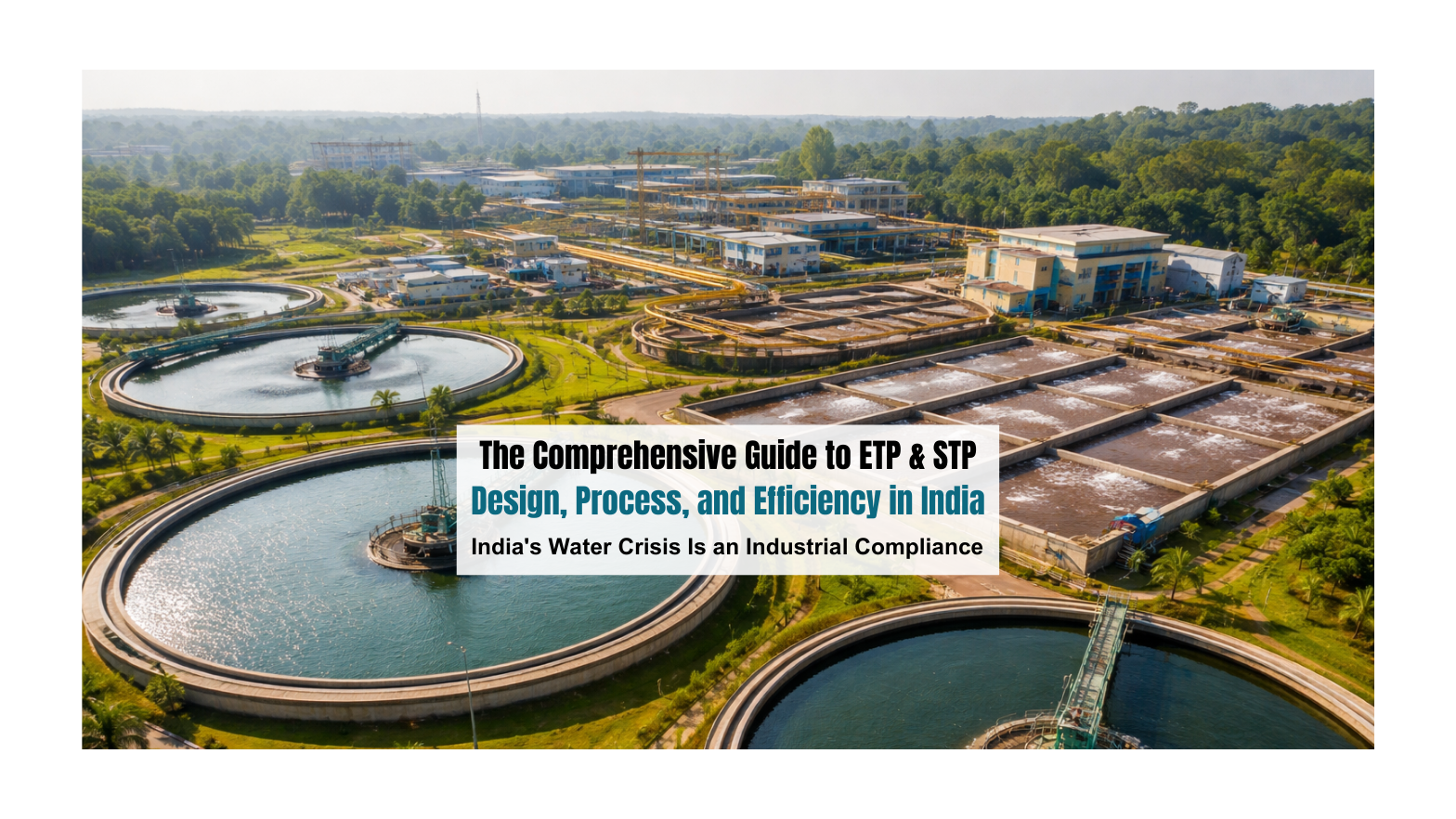
The Comprehensive Guide to ETP & STP Design, Process, and Efficiency in India

India’s Water Crisis Is an Industrial Compliance Crisis in Disguise

Walk into any industrial cluster in Pune, Surat, Ludhiana, or Vapi, and you will find the same uncomfortable reality: factories running at full throttle, production targets being met, and somewhere downstream, a water body paying the price. India generates an estimated 62,000 million litres per day (MLD) of sewage, and industrial effluent adds a separate, far more toxic layer to that burden. The Central Pollution Control Board (CPCB) estimates that less than 30 percent of this wastewater is actually treated before it re-enters the environment.

The tension is real. India’s manufacturing sector, emboldened by PLI schemes, Make in India commitments, and surging export demand, is expanding faster than its environmental infrastructure. The National Green Tribunal (NGT) is not waiting. Penalty orders, plant shutdowns, and consent-to-operate rejections have become routine for industries that treat wastewater compliance as an afterthought. In 2023 alone, the NGT issued closure notices to over 1,400 industrial units across multiple states for non-compliance with discharge norms.

Here is the paradox: the same industrial growth that positions India as a global manufacturing powerhouse is also accelerating the depletion of its freshwater reserves. Per capita water availability has dropped from over 5,000 cubic meters in 1951 to under 1,500 cubic meters today, dangerously close to the “water stress” threshold defined by international standards.

The solution is not to slow down industrial growth. The solution is to build the infrastructure that makes that growth sustainable. That is where Effluent Treatment Plants (ETPs), Sewage Treatment Plants (STPs), and the implementation of Biocultures for Wastewater Treatment become not just regulatory requirements, but strategic industrial assets. And that is exactly where Team One Biotech’s bioremediation expertise changes the equation for Indian facility operators.

ETP Plant Full Form, STP Plant Full Form, and Why the Distinction Matters

ETP Plant Full Form, STP Plant Full Form, and Why the Distinction Matters

Before diving into process design and optimization, let us establish the fundamentals clearly, because in practice, these two systems are frequently conflated, and that confusion leads to costly design errors.

ETP plant full form: Effluent Treatment Plant. An ETP is designed specifically to treat industrial wastewater, the liquid waste generated by manufacturing, chemical processing, food production, textile dyeing, pharmaceuticals, and other industrial operations. This wastewater typically contains high concentrations of toxic chemicals, heavy metals, synthetic dyes, oils, and organic compounds. The pollutant profile is highly variable depending on the industry.

STP plant full form: Sewage Treatment Plant. An STP is designed to treat domestic sewage, the wastewater generated by human habitation, including residential complexes, commercial buildings, hospitals, and mixed-use townships. This wastewater contains organic waste, pathogens, nutrients (nitrogen and phosphorus), and suspended solids, but is generally free from industrial chemicals and heavy metals.

Think of it this way: if a factory’s production floor generates the waste, it goes to an ETP. If the employees’ toilets and canteen generate the waste, it goes to an STP. Many large industrial campuses operate both systems in parallel, sometimes combining treated streams before final discharge.

The analogy that resonates best with plant operators is this, an ETP and STP are the kidneys of an industrial facility. Just as kidneys filter toxins from blood and return clean fluid to the body, these plants filter contaminants from wastewater and return compliant, often reusable, water to the environment or back into the production cycle. When the kidneys fail, the entire system suffers. When an ETP or STP underperforms, the consequences range from regulatory penalties to irreversible environmental damage and, increasingly, criminal liability for plant managers.

STP vs. ETP: A Comparison at a Glance

ParameterSTPETP
Wastewater SourceDomestic/municipal sewageIndustrial process wastewater
Primary PollutantsBOD, pathogens, nutrientsCOD, heavy metals, toxic compounds, dyes
Treatment ComplexityModerateHigh to Very High
Regulatory AuthorityCPCB / State PCBs / RERACPCB / State PCBs / NGT
Typical BOD Inlet200–350 mg/L500–10,000+ mg/L
Reuse PotentialHigh (landscaping, flushing)Conditional (after tertiary treatment)
Sludge HazardNon-hazardous (generally)Often hazardous

The STP & ETP Plant Process: A Stage-by-Stage Technical Breakdown

The STP & ETP Plant Process: A Stage-by-Stage Technical Breakdown

Whether you are designing a new system or auditing an existing one, understanding the treatment train is non-negotiable. Both ETPs and STPs follow a broadly similar multi-stage process architecture, though the specific technologies, chemical dosing, and retention times vary significantly based on the influent characteristics.

Stage 1: Preliminary Treatment

This is the first line of defense, the stage that protects downstream equipment from damage and clogging.

Key unit operations include:

  • Screening: Bar screens and fine screens remove large solids, rags, plastics, debris, from the incoming wastewater stream. For industrial ETPs handling textile or paper mill effluent, this stage is critical to preventing pump damage.
  • Grit Removal: Grit chambers allow sand, gravel, and inorganic particles to settle by reducing flow velocity. Unremoved grit accelerates wear on pumps, pipes, and aeration equipment.
  • Equalization: Industrial effluent flow rates and pollutant concentrations fluctuate dramatically across production shifts. An equalization tank buffers these variations, ensuring a consistent, manageable feed to downstream treatment units. In Indian industrial contexts, where plants often run 8-hour shifts with significantly varying discharge volumes, equalization is not optional; it is essential.
  • Oil and Grease Traps: Critical for food processing, edible oil, and petrochemical industries, where free-floating oils must be skimmed before biological treatment.

Preliminary treatment is where most cost-saving mistakes are made. Undersizing the equalization tank or skipping adequate screening leads to cascading failures across all downstream stages.

Stage 2: Primary Treatment

Primary treatment relies on physical and chemical processes to remove settleable and floatable matter before biological treatment begins.

  • Primary Clarifiers (Sedimentation Tanks): Wastewater is held in large tanks where gravity causes suspended solids to settle as primary sludge. This stage typically removes 50–70 percent of TSS (Total Suspended Solids) and 25–40 percent of BOD.
  • Chemical Coagulation and Flocculation: For high-turbidity industrial effluent, coagulants (alum, ferric chloride, PAC) and flocculants (polyelectrolytes) are dosed to aggregate fine colloidal particles into larger, settleable flocs. This is particularly important for textile dye effluents and pharmaceutical wastewater where colloidal solids resist natural settling.
  • Dissolved Air Flotation (DAF): In applications where solids and oils are too light to settle, DAF units use micro-bubbles to float contaminants to the surface for skimming. Widely used in dairy, food processing, and paper industries.

At this stage, your ETP or STP has removed the bulk of the physical load. What remains is the dissolved organic and chemical contamination, and that is where biological treatment becomes the heart of the process.

Stage 3: Secondary (Biological) Treatment, The Core of the System

Secondary treatment is where the chemistry becomes biology. Microorganisms, bacteria, protozoa, and fungi, are harnessed to consume dissolved organic matter, dramatically reducing BOD and COD to levels approaching discharge standards.

This stage is where the design expertise of your engineering partner matters most, because biological systems are living ecosystems. They respond to temperature, pH, toxic shock loads, and nutrient availability. Getting this stage wrong means the entire plant underperforms, regardless of how well preliminary and primary treatment are designed.

The Activated Sludge Process: India’s Gold Standard in Biological Treatment

Of all the biological treatment technologies available, Moving Bed Biofilm Reactor (MBBR), Sequencing Batch Reactor (SBR), Trickling Filters, Anaerobic Digesters, the Activated Sludge Process (ASP) remains the most widely implemented in Indian ETPs and STPs. Understanding why requires understanding how it works.

How the Activated Sludge Process Works

The ASP is a suspended-growth biological treatment system built around a continuous loop of microbial activity and separation.

The core components are:

  • Aeration Tank: Pre-settled wastewater enters a large aeration tank where it is mixed with a high concentration of active microorganisms, the “activated sludge.” Mechanical aerators or diffused air systems continuously pump oxygen into the tank, sustaining aerobic conditions that allow bacteria to break down organic matter at high rates.
  • Mixed Liquor Suspended Solids (MLSS): The concentration of microorganisms maintained in the aeration tank is measured as MLSS, typically maintained between 2,000–4,000 mg/L for municipal STPs and up to 6,000 mg/L for high-strength industrial ETPs. MLSS is the single most important operational parameter in ASP management.
  • Secondary Clarifier: The mixed liquor (aeration tank effluent) flows to a secondary clarifier where the activated sludge settles by gravity. Clear, treated effluent overflows from the top.
  • Return Activated Sludge (RAS): A critical portion of the settled sludge, typically 25–100 percent of influent flow, is returned to the aeration tank to maintain the microbial population. Without adequate RAS, the microbial concentration collapses and treatment efficiency crashes.
  • Waste Activated Sludge (WAS): Excess sludge, representing the net growth of microorganisms, is continuously removed and directed to sludge handling systems. Managing WAS disposal correctly is a major compliance requirement under CPCB guidelines.

Why ASP Remains the Preferred Choice in India

  • Proven reliability at scale: ASP can handle flows ranging from 10 KLD (kilolitres per day) for a small industrial unit to thousands of MLD for municipal applications.
  • Adaptability: Process variants, Extended Aeration ASP, Step Aeration ASP, Tapered Aeration ASP, allow engineers to optimize for specific influent characteristics and space constraints.
  • Operator familiarity: India’s pool of trained STP/ETP operators has decades of hands-on experience with ASP systems, reducing operational risk.
  • Cost-effectiveness: For BOD removal from moderate-strength wastewater, ASP delivers the best cost-per-kg-BOD-removed ratio of any aerobic technology.

The activated sludge process is not a legacy technology, it is a mature, continuously refined platform. The difference between a well-run ASP and a failing one is not the civil structure; it is the biological management expertise behind the aeration tank.

This is precisely where Team One Biotech’s bioremediation solutions create a measurable operational advantage. By engineering custom microbial consortia, specialized bacterial communities adapted to specific industrial wastewater profiles, Team One Biotech accelerates biological treatment efficiency, reduces aeration energy consumption, and provides resilience against toxic shock loads that would otherwise crash a conventional ASP system.

Ready to optimize your existing biological treatment system? Request a process audit from Team One Biotech’s engineers today and get a baseline assessment of your current MLSS health, sludge age, and BOD removal efficiency.

Stage 4: Tertiary Treatment, Achieving Zero Liquid Discharge and Reuse Standards

Tertiary treatment is the polishing stage, it takes secondary-treated effluent and refines it to the level required for either stringent discharge standards or direct water reuse.

Common tertiary treatment technologies include:

  • Sand Filtration and Activated Carbon Filtration (ACF): Removes residual TSS and traces of organic compounds. ACF is particularly effective for color removal in textile ETP applications.
  • Membrane Bioreactor (MBR): Combines biological treatment with ultrafiltration membranes in a single unit, producing extremely high-quality effluent suitable for reuse applications. Capital-intensive but highly efficient for space-constrained sites.
  • Reverse Osmosis (RO): The final barrier for achieving near-pure water quality. Mandatory in Zero Liquid Discharge (ZLD) systems, which are now required for highly polluting industries under CPCB guidelines, including sugar, pulp and paper, textile (wet processing), distilleries, and tanneries.
  • UV Disinfection and Chlorination: The final step in STP treatment trains, eliminating pathogens before treated water is discharged to water bodies or reused for non-potable applications.
  • Nutrient Removal: Advanced STP designs incorporate biological nutrient removal (BNR) for nitrogen and phosphorus, preventing eutrophication in receiving water bodies.

Challenges That Standard Textbooks Don’t Address

Challenges That Standard Textbooks Don't Address

Designing an ETP or STP for a factory in Germany is a fundamentally different engineering exercise from designing one for a plant in Tamil Nadu, Gujarat, or Uttar Pradesh. The Indian industrial environment presents a distinct set of challenges that demand localized expertise.

Monsoon Load Management

India’s monsoon season creates a hydraulic load problem that no other region in the world faces at the same intensity. During the southwest monsoon, stormwater infiltration into sewer networks can cause STP inflows to surge 3–5 times their design capacity within hours. An STP designed for average dry-weather flow without monsoon surge management provisions will either bypass untreated sewage or suffer catastrophic biological washout, destroying years of microbial culture development.

Design responses include:

  • Oversized equalization tanks with high-level alarms and automated bypass controls
  • Stormwater segregation at source wherever infrastructure permits
  • Robust return sludge systems capable of rapid biomass recovery post-dilution events

High-BOD Industrial Discharge

Indian industries, particularly distilleries, sugar mills, and food processing units, generate some of the highest-BOD effluents globally. Distillery spent wash can carry BOD values exceeding 50,000 mg/L. Standard aerobic ASP systems cannot handle such concentrations economically or efficiently without upstream anaerobic pre-treatment.

A correctly engineered treatment train for high-BOD Indian industrial effluent typically looks like this:

  • Anaerobic digestion (biogas generation as a bonus)
  • Aerobic polishing via ASP or MBBR
  • Tertiary treatment / ZLD as required

Bioremediation Solutions for Indian Soil and Water Conditions

India’s tropical climate, high ambient temperatures, variable monsoon humidity, actually creates favorable conditions for certain bioremediation applications. Thermophilic and mesophilic microbial populations thrive in Indian industrial settings, but generic microbial products imported from temperate climates frequently underperform because the microbial strains are not adapted to local conditions.

Team One Biotech’s approach is fundamentally different. Their bioremediation solutions are developed and validated against actual Indian industrial effluent samples, textile dye effluents from Tirupur, pharmaceutical wastewater from Baddi, and food processing discharge from Pune’s agro-industrial belt. The microbial consortia are acclimatized to Indian temperature ranges, pH variability, and the specific organic loading profiles of Indian industries. This localization produces measurably superior outcomes compared to off-the-shelf biological products.

Specific applications include:

  • Accelerated start-up of new ETP/STP biological systems (reducing commissioning time from months to weeks)
  • Bioremediation of contaminated industrial soil and groundwater around legacy manufacturing sites
  • Emergency bioaugmentation for plants suffering from toxic shock events or sludge bulking
  • Odor control through targeted biological suppression of hydrogen sulfide and mercaptan-producing bacteria

Is your industrial site carrying the burden of legacy contamination? Contact Team One Biotech’s bioremediation specialists for a confidential site assessment and soil/groundwater characterization study.

CPCB Guidelines India: What Compliance Actually Requires

Compliance is not a single threshold, it is a dynamic, multi-layered regulatory framework that varies by industry type, scale of operation, discharge destination, and state-level environmental standards.

Core Discharge Standards Under CPCB Guidelines

The CPCB’s General Standards for Discharge of Environmental Pollutants (under the Environment Protection Rules, 1986) specify the following limits for discharge into inland surface water:

  • BOD (Biochemical Oxygen Demand): ≤ 30 mg/L
  • COD (Chemical Oxygen Demand): ≤ 250 mg/L
  • TSS (Total Suspended Solids): ≤ 100 mg/L
  • pH: 6.5 – 8.5
  • Oil and Grease: ≤ 10 mg/L
  • Total Dissolved Solids (TDS): ≤ 2,100 mg/L

For discharge to a sewage treatment facility, standards are slightly relaxed. For disposal on land for irrigation, separate standards apply. Industry-specific standards, for distilleries, tanneries, pulp and paper, sugar, textiles, carry additional parameters and stricter limits.

Critical Compliance Checkpoints

Consent to Establish (CTE) and Consent to Operate (CTO): Before constructing or operating an ETP/STP, industries must obtain consent from their respective State Pollution Control Board. The design documents, treatment capacity, and expected effluent quality must be submitted and approved.

Online Continuous Effluent Monitoring (OCEM): Highly polluting industries (Red category under CPCB classification) are now required to install real-time online monitoring systems connected to the CPCB’s central server. This means compliance is no longer a quarterly lab report, it is a continuous digital audit.

ZLD Mandate: Red-category industries in water-stressed areas, and all units in critically polluted areas (as designated by CPCB), are required to achieve Zero Liquid Discharge. This is non-negotiable and enforced through surprise inspections by both CPCB and NGT-appointed monitoring committees.

Sludge Management: Hazardous sludge from ETPs must be disposed of at authorized Treatment, Storage, and Disposal Facilities (TSDFs). Improper sludge disposal is increasingly the primary basis for NGT penalty orders.

Efficiency & Optimization: Reducing OpEx Without Compromising Compliance

Efficiency & Optimization: Reducing OpEx Without Compromising Compliance

A well-designed ETP or STP is not just a compliance asset, it can be a significant cost center if operated inefficiently. For most mid-sized industrial facilities, ETP/STP operational expenditure runs between Rs. 15 and Rs. 60 per kilolitre of treated water, depending on effluent complexity. Energy, chemicals, and sludge disposal typically account for 70–80 percent of that cost. Here is where optimization delivers real financial returns.

Energy Optimization

Aeration is the single largest energy consumer in any aerobic treatment system, accounting for 50–70 percent of total ETP/STP electrical consumption. Optimization strategies include:

  • Fine Bubble Diffuser Upgrades: Replacing coarse bubble aerators with fine bubble membrane diffusers can reduce aeration energy consumption by 30–40 percent with no compromise in treatment efficiency.
  • Dissolved Oxygen (DO) Control: Installing DO sensors with automated aeration control prevents over-aeration, one of the most common and costly operational errors in Indian ETPs.
  • Variable Frequency Drives (VFDs): Installing VFDs on blowers and pumps allows energy draw to track actual load, rather than running at constant full capacity regardless of influent flow.

Chemical Optimization Through Bioremediation

Coagulants, flocculants, and pH correction chemicals represent a significant recurring cost. Team One Biotech’s bioaugmentation programs reduce chemical dependency by:

  • Enhancing biological phosphorus removal, reducing chemical phosphorus precipitation requirements
  • Improving settleability of activated sludge (reducing or eliminating polyelectrolyte requirements in secondary clarifiers)
  • Accelerating organic degradation in the aeration tank, allowing operators to reduce HRT (Hydraulic Retention Time) and thereby increase effective plant capacity

Sludge Reduction

Excess sludge disposal is an operational headache and a growing cost. Biological sludge reduction technologies, including targeted microbial products that enhance endogenous respiration, can reduce sludge production by 20–35 percent in well-managed systems. This translates directly to reduced sludge hauling frequency, lower TSDF disposal costs, and reduced dewatering chemical consumption.

Water Reuse and Revenue Recovery

Tertiary-treated STP effluent, when properly polished, can replace fresh water for:

  • Cooling tower makeup water
  • Garden irrigation and dust suppression
  • Toilet flushing in industrial campuses
  • Process water for low-sensitivity manufacturing steps

At current freshwater purchase rates in water-stressed Indian industrial zones (Rs. 40–120 per KL for tanker water in some regions), every kilolitre of treated water reused internally represents a direct cost saving.

How Team One Biotech Delivers End-to-End ETP and STP Excellence

Team One Biotech operates at the intersection of environmental engineering, applied microbiology, and industrial compliance management. The company’s approach to ETP and STP projects is built on four integrated capabilities that most conventional engineering firms cannot replicate.

Process Design and Engineering: From concept to commissioning, Team One Biotech’s engineers design treatment systems that are right-sized for actual Indian industrial conditions, not theoretical textbook parameters. This means proper equalization capacity for monsoon surges, biological systems designed for high-BOD tropical industrial effluents, and ZLD trains engineered for long-term operational reliability, not just initial compliance demonstration.

Proprietary Bioremediation Solutions: The company’s in-house bioremediation product line comprises microbial consortia specifically adapted to the pollutant profiles and environmental conditions of Indian industry. These are not generic imported biologicals repackaged for the Indian market, they are formulations developed from microorganisms isolated and cultivated in Indian industrial environments.

Operational Support and Performance Contracts: Designing a compliant ETP is step one. Keeping it compliant through shift changes, monsoon surges, production expansions, and aging equipment is the harder, longer challenge. Team One Biotech offers structured operational support programs, including remote monitoring, monthly biological health assessments, and on-call emergency response for treatment upsets.

Regulatory Navigation: The Indian environmental regulatory landscape, CPCB, State PCBs, NGT orders, ZLD notifications, changes continuously. Team One Biotech’s team tracks regulatory developments and helps clients proactively adapt their systems and documentation before inspections, not after penalty orders.

Take the first step toward a fully compliant, operationally optimized industrial water management system. Schedule a site consultation with Team One Biotech’s senior engineers and receive a customized treatment performance roadmap within 10 working days.

Building India’s Industrial Future on a Foundation of Clean Water

India’s industrial ambition is not in question. The country will continue to grow, manufacture, and export at scale. The question, and the opportunity, is whether that growth will be built on a foundation of sustainable water management or on the fragile assumption that environmental compliance can be deferred.

The regulatory environment has made the answer clear. The NGT, CPCB, and an increasingly active judiciary have demonstrated that non-compliance is not a calculated risk, it is an operational liability with real financial, legal, and reputational consequences.

But the more compelling case for investing in high-performance ETP and STP infrastructure is not regulatory, it is economic. Water-efficient industries are more resilient, more competitive, and increasingly more attractive to global buyers and institutional investors who apply ESG criteria to their supply chain decisions.

The factory that treats its wastewater as a resource to be recovered, rather than a problem to be discharged, is the factory that will operate profitably through the water constraints of the next decade.

Team One Biotech exists to make that factory yours.

Team One Biotech is a leading provider of bioremediation solutions, ETP and STP design, and industrial wastewater management services across India. To speak with an engineer about your facility’s specific compliance and operational challenges, visit the Team One Biotech contact page or call our industrial helpline.

Looking to improve your ETP/STP efficiency with the right bioculture?
Talk to our experts at Team One Biotech for customised microbial solutions.

Contact+91 8855050575

Email:  sales@teamonebiotech.com

Visit: www.teamonebiotech.com

Discover More on YouTube – Watch our latest insights & innovations!-

Connect with Us on LinkedIn – Stay updated with expert content & trends!
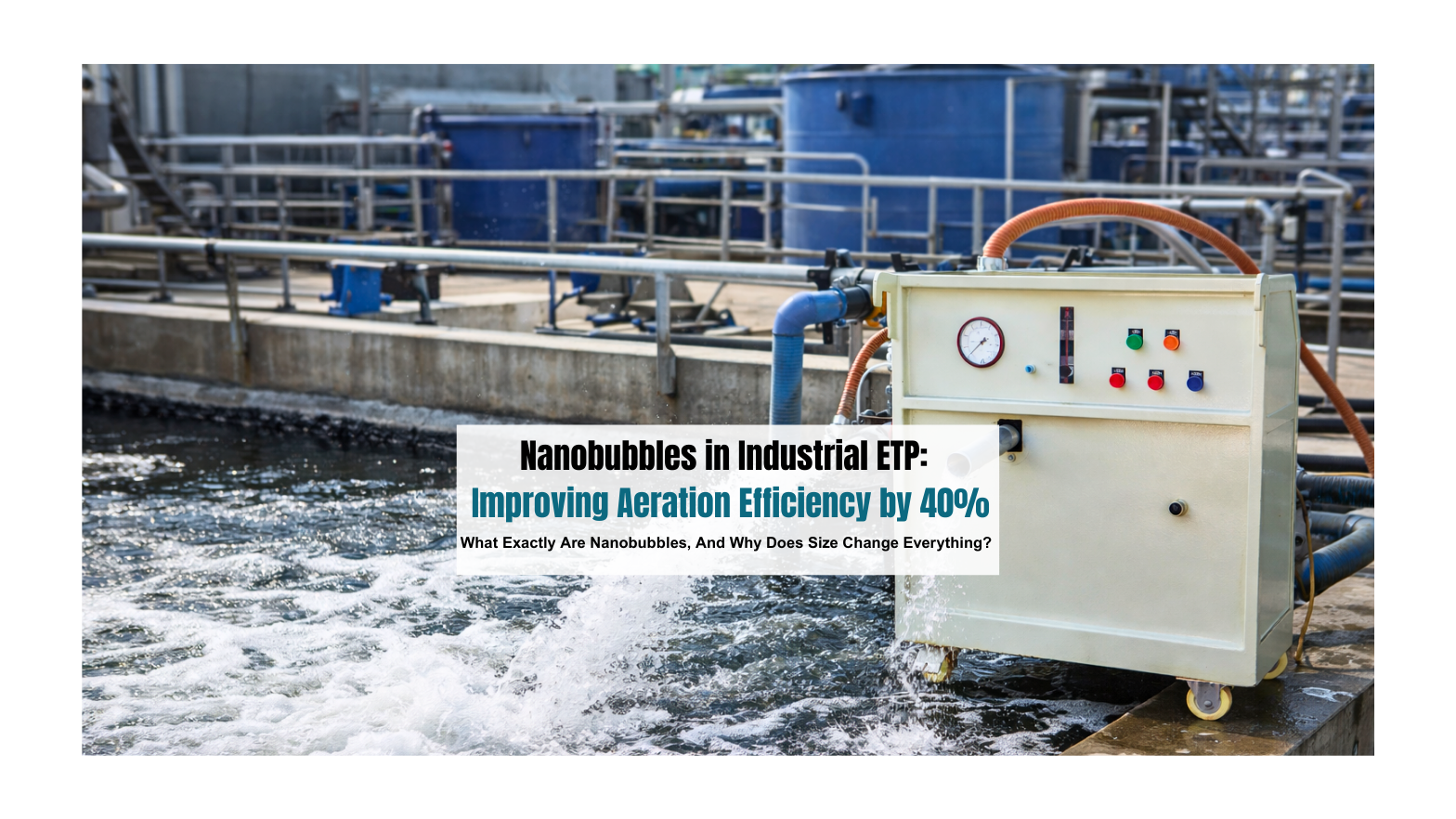
Nanobubbles in Industrial ETP: Improving Aeration Efficiency by 40% 

Water is the UAE’s most politically sensitive resource, and for industrial operators, it is rapidly becoming the most financially dangerous one. The Arabian Peninsula sits atop one of the world’s most water-stressed geographies, and industrial effluent treatment has never carried higher stakes, regulatory, reputational, and economic.

Here is the uncomfortable reality: most industrial Effluent Treatment Plants (ETPs) in Dubai and Abu Dhabi are hemorrhaging operational budgets through one largely overlooked system, aeration. Conventional diffused aeration and surface aerators consume anywhere between 50% to 70% of an ETP’s total energy load. In the UAE’s climate, where ambient temperatures routinely exceed 45°C and reduce dissolved oxygen (DO) saturation to critically low levels in biological treatment tanks, that energy expenditure buys far less oxygen transfer than operators assume.

The result? Biological treatment underperforms. BOD and COD readings breach the thresholds set by Dubai Municipality (DM) Circular 17 and Abu Dhabi Sewerage Services Company (ADSSC) Technical Standards. Penalties follow. Reputational damage follows that.

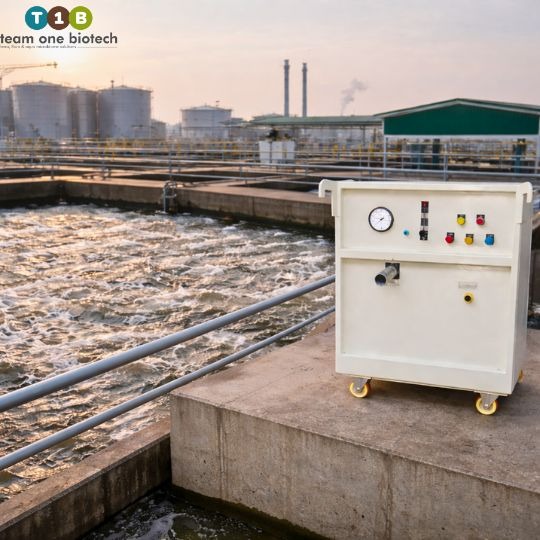
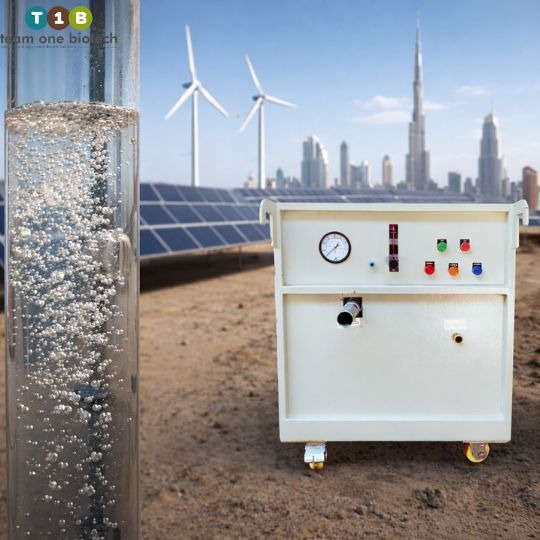
Water Treatment with Nanobubble Generator Technology is the solution every Facility Manager, Sustainability Officer, and plant operator in the Gulf should be looking for; the question is no longer whether their ETP can meet compliance, but whether their aeration strategy is fit for purpose in an environment that actively works against conventional oxygen transfer physics.

What Exactly Are Nanobubbles, And Why Does Size Change Everything?

The physics of bubble-based aeration are straightforward: smaller bubbles mean greater surface area for gas-liquid mass transfer. Conventional coarse-bubble aerators produce bubbles in the 2–5 mm range. Fine-bubble diffusers drop that to 1–3 mm. Both represent incremental improvements on the same fundamental limitation, buoyancy causes bubbles to rise and escape the liquid column rapidly, limiting contact time to fractions of a second.

Nanobubbles (NBs) operate in an entirely different regime.

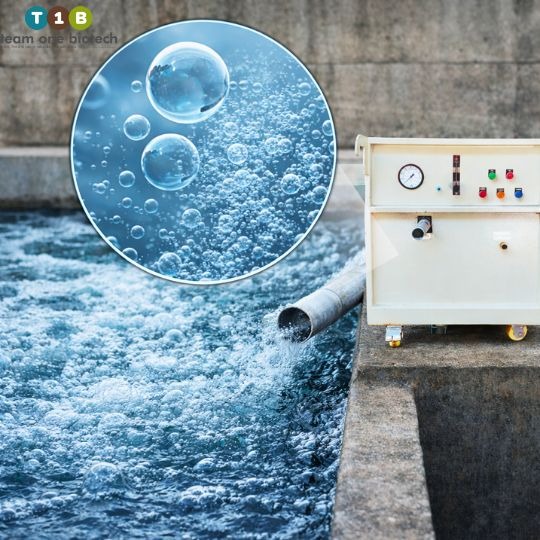
Nanobubbles are defined as gaseous cavities with diameters below 100 nanometers, roughly 2,500 times smaller than a fine bubble. At this scale, three physical phenomena converge to produce treatment outcomes that conventional aeration simply cannot replicate:

1. Near-Neutral Buoyancy and Extended Residence Time

At sub-100 nm diameters, buoyancy forces are negligible relative to the drag forces exerted by the surrounding liquid. Nanobubbles do not rise and escape, they remain suspended in solution for hours, sometimes days. In a biological aeration basin, this translates directly to prolonged oxygen availability for microbial biomass, even in thermally stratified tanks where DO depletion at depth is a persistent UAE-specific challenge.

2. High Internal Pressure and Accelerated Gas Transfer

Governed by the Young-Laplace equation, the internal pressure of a bubble increases inversely with its radius. A nanobubble at 100 nm diameter carries an internal pressure orders of magnitude higher than a 1 mm fine bubble. This elevated pressure gradient drives oxygen molecules across the gas-liquid interface at significantly accelerated rates, the fundamental mechanism behind the 40% improvement in oxygen transfer efficiency documented in industrial deployments of nanobubble generator UAE systems.

3. Electrostatic Surface Charge and Colloidal Stability

Nanobubbles carry a negative surface charge (zeta potential) that provides electrostatic repulsion between bubbles, preventing coalescence and maintaining population density within the liquid phase. This property also enhances interaction with positively charged suspended solids and biological floc, supporting both biological treatment and physical separation processes.

The 40% Advantage: Breaking Down What This Means for Your ETP’s Bottom Line

When Team One Biotech (T1B) deploys its Nanobubble Generator UAE systems into an industrial ETP, the 40% efficiency improvement is not a marketing figure, it is a measurable, auditable outcome grounded in Standard Oxygen Transfer Rate (SOTR) and Standard Aeration Efficiency (SAE) testing protocols.

Consider what a 40% reduction in aeration energy demand means in practice for a mid-scale industrial ETP in Dubai’s Jebel Ali Industrial Zone processing 500 m³/day of effluent:

  • Baseline aeration energy cost at AED 0.38/kWh: approximately AED 180,000–220,000 annually
  • Post-nanobubble deployment energy savings: AED 72,000–88,000 per year, conservatively
  • Payback period on capital investment: typically 18–30 months depending on plant configuration
  • Reduction in aeration-related CO₂ emissions: directly aligned with UAE Net Zero 2050 decarbonization commitments

Beyond energy, the biological performance gains are equally significant. Elevated and sustained DO levels, maintained at 4–6 mg/L even during peak summer temperatures when conventional systems struggle to hold 2 mg/L, accelerate heterotrophic and nitrifying bacterial activity. In practice, T1B clients document BOD removal efficiencies exceeding 95% in aerobic biological treatment stages, compared to 75–85% with conventional fine-bubble aeration under UAE summer conditions.

This is not marginal optimization. This is the difference between reliable Dubai Municipality Wastewater Compliance and monthly variance reports.

If your ETP has not been benchmarked against nanobubble-enhanced aeration in the last 24 months, you are operating on assumptions that the science has already moved past. Request an efficiency audit from T1B today.

UAE-Specific Challenges That Make Nanobubbles Not Optional, But Necessary

High Salinity Wastewater and Oxygen Transfer Depression

Industrial facilities across Abu Dhabi’s industrial corridors, particularly those involved in produced water handling, brine discharge management, and coastal manufacturing, contend with elevated salinity levels that chemically suppress oxygen transfer coefficients (the alpha and beta factors in aeration design). Saline water holds less dissolved oxygen at saturation, and conventional aeration systems are rarely corrected for this in UAE deployments.

Nanobubble technology exhibits significantly lower sensitivity to salinity-driven oxygen transfer depression due to the pressure-driven transfer mechanism. Where a fine-bubble diffuser may see a 20–30% reduction in effective oxygen transfer in high-TDS produced water streams, T1B’s nanobubble generators maintain transfer rates within 8–12% of freshwater performance benchmarks.

Extreme Temperature and Thermocline Formation

Above 35°C, the oxygen saturation ceiling in water drops precipitously. At 45°C, a realistic surface temperature in an uncovered ETP in July, DO saturation is barely 6.5 mg/L, leaving almost no operational headroom for conventional aerators to maintain the minimum 2 mg/L threshold required by ADSSC Technical Standards for biological treatment performance.

Nanobubble generators integrated with T1B’s bioaugmentation programs (seeding specific microbial consortia adapted to thermophilic UAE conditions) allow biological treatment to remain effective at ambient temperatures where conventional ETPs enter compliance risk.

Sector Deep-Dive: Where Nanobubbles Are Transforming UAE Industry Right Now

Oil and Gas: Produced Water Treatment

Produced water, the largest volume byproduct of hydrocarbon extraction, arrives at treatment facilities loaded with residual hydrocarbons, suspended solids, and often significant hydrogen sulfide. ADNOC onshore facilities and offshore platform operators face escalating scrutiny on produced water discharge quality under UAE environmental frameworks.

T1B’s nanobubble generator UAE systems applied to produced water bioreactors deliver measurable TPH (Total Petroleum Hydrocarbon) degradation improvements by sustaining aerobic conditions in treatment zones that fluctuate violently in organic load. The extended bubble residence time ensures that hydrocarbon-degrading microbial communities are never oxygen-limited during shock loading events, a persistent failure point in conventional produced water ETPs.

Cooling Tower Blowdown: Reducing Chemical Dependence

Industrial cooling towers in Dubai and Abu Dhabi generate blowdown streams that are chemically complex, biologically active, and increasingly regulated under DM Industrial Wastewater Guidelines. Conventional treatment relies heavily on chemical oxidants, which carry their own disposal costs and regulatory footprint.

Nanobubble-enhanced treatment of cooling tower blowdown reduces chemical oxygen demand (COD) through accelerated aerobic biodegradation, and the elevated reactive oxygen species (ROS) generated within collapsing nanobubbles provide a natural biocidal effect that reduces Legionella risk, a growing priority for port authority and hospitality sector facilities in the region.

Aquaculture: Sustainable Water Treatment Meets Food Security

The UAE’s push toward food security under the National Food Security Strategy 2051 has accelerated investment in land-based aquaculture facilities, particularly Recirculating Aquaculture Systems (RAS). Dissolved oxygen management is the single most critical operational parameter in RAS, directly determining fish density, feed conversion ratios, and mortality rates.

T1B’s nanobubble generators installed in RAS oxygenation circuits have demonstrated the ability to maintain DO levels above 8 mg/L in recirculating seawater systems, a benchmark that conventional liquid oxygen injection struggles to achieve economically at scale in the UAE’s climate. The result is higher stocking densities, lower mortality, and a demonstrably more sustainable water treatment footprint.

Meeting Dubai Municipality and ADSSC Standards: T1B as Your Compliance Architecture

Dubai Municipality Circular 17/2016 and ADSSC’s Technical Guidelines on Industrial Effluent set clear discharge quality thresholds: BOD below 20 mg/L, COD below 150 mg/L, TSS below 30 mg/L, and pH within 6–9. For facilities discharging to the sewer network or coastal waters, the compliance burden has never been more rigorously enforced.

T1B’s integrated approach, combining nanobubble generator hardware with precision bioaugmentation using specifically formulated microbial consortia, addresses the root cause of ETP non-compliance: insufficient and inconsistent biological treatment performance. Unlike equipment-only vendors, T1B provides ongoing performance monitoring, microbial health assessments, and process optimization support to ensure that Industrial ETP Efficiency translates into sustained regulatory compliance, not just initial commissioning performance.

Do not wait for a non-compliance notice from Dubai Municipality or ADSSC to initiate your ETP modernization. T1B’s engineering team conducts rapid efficiency audits, contact them before the next inspection cycle.

Aligning with UAE Net Zero 2050: Nanobubbles as a Decarbonization Tool

Aligning with UAE Net Zero 2050: Nanobubbles as a Decarbonization Tool

The UAE’s Net Zero 2050 Strategic Initiative places direct responsibility on industrial operators to reduce Scope 1 and Scope 2 emissions across their operations. Aeration systems, given their energy intensity, are a logical and high-impact decarbonization target.

A 40% reduction in aeration energy consumption across an industrial ETP does not merely save money, it generates verifiable, auditable Scope 2 emission reductions that can be reported against corporate sustainability targets. For organizations pursuing LEED certification, ISO 14001 compliance, or ESG reporting obligations, T1B’s nanobubble deployments provide quantifiable environmental performance data that supports these frameworks directly.

Sustainable Water Treatment is no longer a corporate social responsibility aspiration in the UAE, it is a regulatory and commercial imperative.

Global Accessibility: Source T1B Technology Through the Official Alibaba Store

For procurement teams operating across the UAE and internationally, sourcing advanced nanobubble hardware and microbial formulations through verified, auditable supply chains is a non-negotiable requirement.

Team One Biotech operates a fully verified Official Alibaba Store, providing procurement officers, plant engineers, and international facility managers with direct access to T1B’s complete product range, including nanobubble generator units, replacement components, and proprietary microbial bioaugmentation formulations.

The Alibaba platform provides verified supplier credentials, trade assurance protections, and international shipping logistics support, making T1B’s technology accessible whether your ETP is located in Jebel Ali, the Ruwais Industrial Complex, or internationally across Southeast Asia, South Asia, and Africa.

For UAE-based procurement teams with existing DM or ADSSC vendor approval requirements, T1B’s regional engineering team provides full technical documentation, compliance dossiers, and on-site commissioning support in parallel with Alibaba store procurement.

The platform removes every barrier between your facility’s efficiency gap and the technology that closes it. Visit the T1B Official Alibaba Store today, request a product consultation, and let your procurement team begin the process that your engineering team has already identified as necessary.

One Final Thought for Decision-Makers in Dubai and Abu Dhabi

Every month that an industrial ETP in the UAE runs on conventional aeration is a month of energy cost, biological underperformance, and compliance risk that nanobubble technology could have eliminated. The science is settled. The deployments are documented. The regulatory alignment is direct.

The only remaining variable is whether your organization acts before a non-compliance event, an energy audit, or a competitor’s sustainability report forces the conversation.

T1B’s engineering team is available for rapid ETP efficiency assessments. The audit costs nothing. The delay costs more than you may currently be accounting for.

Looking to improve your ETP/STP efficiency with the right bioculture?
Talk to our experts at Team One Biotech for customised microbial solutions.

Contact+91 8855050575

Email:  sales@teamonebiotech.com

Visit: www.teamonebiotech.com

Discover More on YouTube – Watch our latest insights & innovations!-

Connect with Us on LinkedIn – Stay updated with expert content & trends!
Aerobio – Microbial Cultures, Bio Product, Bacteria with Enzymes, Bacterial Culture, Digester Treatment

Since aerobic digestion is an integral and important step in wastewater treatment, the health status of activated sludge becomes a fundamental concern for any industrial WWTP or ETP management.

T1B Aerobio is a trustworthy aid to maintain the functionality and productiveness of any wastewater treatment process. T1B Aerobio is tenacious in breaking down organic matter and reducing the biological oxygen demand (BOD) or chemical oxygen demand (COD) levels in wastewater.

With its exceptional tendency to remain conducive even with fluctuating temperature ranges, unstable pH levels, and escalated levels of total dissolved solids or TDS, the T1B Aerobio is a quintessential addition to a wastewater treatment process.

Recalcitrant compounds are hard to degrade chemical substances. Adding T1B Aerobio in sludge waste fortifies the degradation of these harmful compounds. T1B Aerobio is also a robust bioproduct that decomposes xenobiotic compounds effectively. Use of T1B Aerobio will definitely improve the efficiency of various biological process and units like, ASP, MBR, MBBR, SBR, RBC, Trickling Filter. etc. It works under suspension mode as well as attached mode systems.

T1B Aerobio | Microbiome Solution For Aerobic Digestion – Efficient For Reduction Of BOD and COD in wastewater for reclacitrant and xenobiotic compounds

Aerobic Microbial Cultures – Aerobic Bio Product – Aerobic Bacteria With Enzymes – Aerobic Bacterial Cultures – Aerobic Digester Treatment – Wastewater Bioremediation – Bioremediation – Bioaugmentation – Bio Product – High COD/BOD – High Ammoniacal Nitrogen – High TDS – Tough To Biodegrade Efflunet – Xenobiotic Compounds – Reclacitrants – Oil & Grease – Activated Sludge Process – ASP – Microbial Process – Oxygenation – Carbon Dioxide – Nutrient Removal – Aerobic Microorganisms – Sludge Reduction – Secondary Treatment – Respiration – Oxidation – Air Supply – Energy Efficiency – Carbon Footprint – Environmental Benefits – BOD (Biochemical Oxygen Demand) – COD (Chemical Oxygen Demand) – Aeration Tank – Activated Sludge – Activated Sludge Process – SBR (Sequential Batch Reactor) Process – MBR (Membrane BioReactor) Process – MBBR (Moving Bed Biofilm Reactor) process – RBC (Rotating Biological Contactor) Process – MBR-IFAS (Integrated Fixed-film Activated Sludge) Process – ASP (Aeration Stabilization Process) – Extended Aeration Process – Oxidation Ditch Process – Trickling Filter Process – High-Rate Trickling Filter Process – Submerged Aerated Filter Process – Membrane Aerated Biofilm Reactor (MABR) – Biofilm Reactors – Effective Microbes – Effective Microorganisms – High Strength CFU Per Gram – Industrial Wastewater Treatment – ETP – Efflunet Treatment Plant – CETP – Common Effluent Treatment Plant – Improve MLSS – Reduce Aeration – Plant Stability – Enhance Nitrogen And Phosphorus Removal – Commissioning Time of ETP – Rapid Growth Of MLSS and MLVSS – Shock load Stabilization – Overall Cost Of Operation – Faster Commissioning – Reduce COD BOD Ammoniacal Nitrogen – Improved Setteling – Colour Reduction – Aromatic Compounds Cellulose Proteins lignin lipids – High TDS Tolerant – Food Industry Effluent – Beverage Industry Wastewater – Dairy Industry Effluent – Meat Processing Industry – Paper Industry Effluent – Pharmaceutical Industry Effluent – Effluent From Textile Units – Effluent From Chemical Manufacturing Units – Dyes and Colorants Effluent – Detergents Effluent – Active Bioremediation

Scan the code