
Zero Liquid Discharge (ZLD): Can Bioremediation Make It Cost-Effective?

The global water crisis continues to intensify, driven by pollution and scarcity. This issue not only threatens current industries but also poses long-term environmental risks. To address these challenges, modern wastewater treatment innovations have introduced Zero Liquid Discharge (ZLD) — a comprehensive system that enables industries to recover, reuse, and recycle water with minimal environmental impact.Upgrade your wastewater management with Team One Biotech — delivering advanced biological treatment solutions that make sustainability and cost-efficiency work together contact us now.

What is Zero Liquid Discharge (ZLD)?

Zero Liquid Discharge is an effluent treatment process designed to ensure that no wastewater is released into the environment. It enables complete water recovery while isolating solid residues such as sludge and salts for disposal.

Industries such as textiles, power plants, chemicals, and pharmaceuticals frequently deal with high TDS, high COD and BOD, and ammonical nitrogen reduction challenges. In such cases, ZLD in wastewater treatment ensures efficient resource utilization while maintaining environmental compliance. The ultimate goal is zero discharge and maximum water reuse.Wastewater treatment is an essential step toward achieving Zero Liquid Discharge, ensuring that every drop of effluent is treated, recycled, and reused to minimize environmental impact.

Illustration of the process:

The Cost Factor in ZLD Implementation

While Zero Liquid Discharge systems are highly effective, they also involve significant CAPEX and OPEX. Implementation can increase wastewater treatment costs by up to 300% when dependent solely on physical and chemical processes. Incorporating biological or anaerobic treatment stages can substantially reduce these expenses and improve long-term sustainability.

How Does a ZLD System Work?

A standard ZLD process integrates physical, chemical, and biological stages to achieve complete recovery. The primary stages include:

1. Pre-Treatment

This step removes suspended solids, oils, and greases through chemical dosing, pH correction, and equalization. It ensures that the influent entering the next stages is stable and easier to process.

2. Biological Treatment

This involves microbial degradation of organic matter to lower COD and BOD levels. Commonly applied in textile, pharma, and tannery industries, it helps minimize scaling, fouling, and odour issues.

3. Reverse Osmosis (RO) / Membrane Bioreactor (MBR)

These systems separate clean water from dissolved salts and pollutants. The permeate is reused within the plant, while the reject moves to the evaporation stage for further concentration and recovery.

4. Evaporation (Multi-Effect Evaporator – MEE)

RO rejects are treated in Multi-Effect Evaporators (MEE) or Mechanical Vapour Recompression (MVR) units. These thermal processes recover clean water through vapor condensation while concentrating the remaining brine.

5. Crystallization

The final step converts concentrated brine into solid form for safe disposal or possible recovery, ensuring complete zero liquid discharge.

Challenges in Sustaining ZLD Operations

Despite its benefits, maintaining Zero Liquid Discharge operations is often difficult due to technical and operational constraints.

High Energy Consumption

Evaporators and crystallizers require large amounts of steam or electricity, accounting for 40–60% of total ZLD OPEX. High COD, TDS, and ammonical nitrogen loads further increase energy consumption.

Scaling and Fouling

Inadequate pre-treatment or high phenol content can lead to scaling and fouling in RO membranes. This reduces permeate recovery, increases cleaning frequency, and shortens membrane life.

Frequent Shutdowns

Industries handling variable effluents—such as textile, dye, and pharmaceutical units—face fluctuations in high COD and BOD loads. This can trigger growth of filamentous bacteria, excess sludge formation, and frequent system shutdowns, increasing operational costs.

Role of Bioremediation in Cost Reduction

Bioremediation offers a sustainable solution for optimizing effluent treatment in ZLD systems. By utilizing specialized microbial strains bioculture, it enhances organic degradation, minimizes sludge generation, and stabilizes biological processes.

Key benefits include:

1. COD and BOD Reduction

Microbes effectively degrade organic compounds, reducing COD/BOD by up to 90%. This lowers aeration energy and chemical usage, while preventing membrane fouling.

2. Sludge Reduction

Bioremediation converts organic waste into carbon dioxide and water, resulting in minimal sludge accumulation and preventing MEE tube blockage. This reduces power and maintenance requirements.

3. Reduced Evaporator Load

Improved settling and clear supernatant reduce the volume sent to evaporators, cutting down energy demand and improving overall ZLD efficiency.

4. Enhanced Operational Stability

By controlling filamentous bacteria and supporting anaerobic treatment, bioremediation strengthens system resilience, stabilizing operations during variable or shock loads.

Compliance and Environmental Benefits

Implementing bioremediation aligns with NGT, CPCB, and PCB guidelines for zero discharge systems. It ensures reduced reliance on chemicals, improved odour control, and better compliance with national environmental regulations. The approach contributes to sustainable development goals by promoting biological wastewater treatment over purely mechanical systems.

Conclusion: Achieving Cost-Effective Zero Liquid Discharge

Zero Liquid Discharge remains critical for sustainable industrial wastewater management, but its high operational costs require strategic optimization. Incorporating bioremediation enhances biological pre-treatment, reduces sludge generation, and improves overall efficiency, making ZLD more affordable and environmentally responsible.

When properly managed, pretreated effluent acts like a well-balanced system—easier to process, more energy-efficient, and more reliable. Integrating bioremediation ensures long-term operational stability and significant cost savings for industries implementing ZLD in wastewater treatment.Achieve compliance, efficiency, and sustainability in every drop. Get in touch with Team One Biotech for expert-driven ZLD solutions.

To achieve sustainable Zero Liquid Discharge with reduced operational costs, contact Team One Biotech for tailored biological solutions. 

As one of the leading biotech companies in India and trusted bioremediation companies in India, Team One Biotech continues to deliver solutions that redefine sustainability across wastewater treatment, agriculture, aquaculture, and hygiene management.

Email: sales@teamonebiotech.com

Visit: www.teamonebiotech.com

Discover More on YouTube – Watch our latest insights & innovations!-

Connect with Us on LinkedIn – Stay updated with expert content & trends!
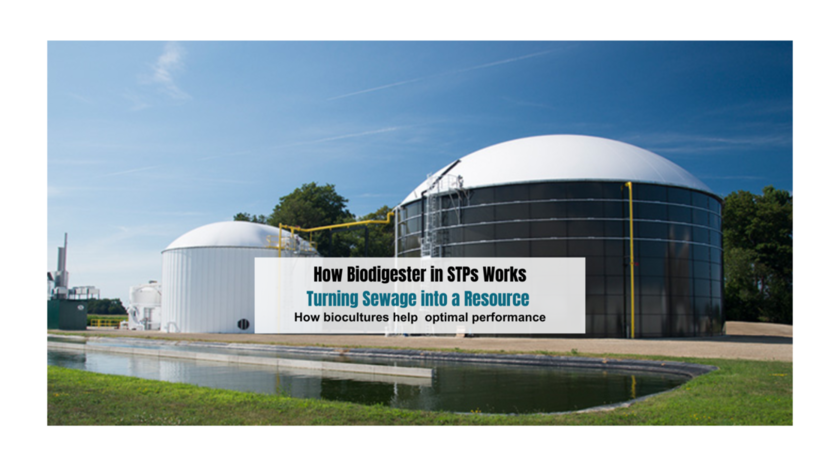
Turning Sewage into a Resource using biocultures (2) (1)
How Biodigester in STPs Works: Turning Sewage into a Resource Using Biocultures
India’s Sewage Challenge

India generates over 72,000 MLD of sewage daily, but less than half is treated effectively. This untreated wastewater flows into rivers like the Yamuna, Ganga, and Mula-Mutha, causing severe health and ecological damage. Despite multiple government initiatives like the Ganga Action Plan and National Mission for Clean Ganga, a significant sewage burden persists.

India is often termed by the world as the Spiritual capital, and people around the world flock to India to seek penance, embrace the tranquillity of nature and follow the path of GOD. But unfortunately, the past few centuries of dark chapters and post-independence blunders have made India and Indians be looked at as unfriendly to cleanliness, and we even prove it sometimes, because the very rivers that we worship and are sacred in our texts are among the most polluted rivers in the world.

By the 1970s and 80s, untreated sewage had become a national crisis. Outbreaks of cholera in Kolkata, jaundice in Surat (1994), and recurring typhoid cases in Delhi highlighted the urgent need for structured sewage management. It was clear that septic tanks and open drains could no longer cope with urban growth.

Why the Government Was Forced to Act

The first large-scale intervention came with the Ganga Action Plan (1986), which introduced Sewage Treatment Plants (STPs) in Kanpur, Varanasi, and other towns along the river. These were followed by the National River Conservation Plan (1995) and later the National Mission for Clean Ganga (2014).

The government realised that simply building drains wasn’t enough. What was needed were systems that could not only treat sewage but also manage solid waste sustainably. This is where biodigesters became a key component of STPs.

City Case Studies

Delhi ( Okhla STP, 1990s): One of the largest STPs in Asia, Okhla adopted biodigesters to process sewage sludge and generate biogas. However, poor maintenance has kept its output below potential, highlighting the gap between design and operation.

Kanpur (Ganga Action Plan, 1986): As one of the first cities to adopt STPs with biodigesters, Kanpur showed early promise.  But decades later, many plants fell into disrepair due to lack of funding and technical oversight, contributing to ongoing Ganga pollution.

Pune (Mula-Mutha River STPs, upgraded in 2018): A positive example, where biodigesters were modernised to produce electricity from biogas, helping reduce operational costs while tackling sewage loads.

Why Many Systems Struggle Today

Despite success stories, 40% of India’s STPs are either non-functional or underperforming (CPCB data). The reasons include:

  1. Poor Maintenance: Microbial cultures die out when not replenished.
  2. Finding Gaps: Municipal budgets often fail to cover operations.
  3. Skill Shortages: A lack of trained operators undermines performance.
  4. Outdated Designs: Many STPs still run on decades-old technology.
Role of Biodigesters in STPs

Biodigesters in Sewage Treatment Plants (STPs) are anaerobic chambers that use microbes to break down sludge. They:

  • Convert organic matter into biogas and nutrient-rich slurry.

  • Enable energy generation from methane.

  • Stabilise sludge and make it safe for reuse.

While cities like Delhi, Kanpur, and Pune have adopted biodigesters, around 40% of India’s STPs underperform due to poor microbial management, outdated designs, and lack of skilled operators.

How Biocultures Improve Biodigester Working

Biodigesters thrive only when the microbial population is balanced and active. Without replenishment, microbial colonies collapse, leading to foul odour, incomplete digestion, and reduced biogas yield.

Here’s how biocultures for STPs can solve these challenges:

  • Enhanced COD/BOD Reduction: Specialised microbial strains accelerate organic load breakdown.

  • Consistent Performance: Prevents biodigester failure during hydraulic shock loads.

  • Sludge Reduction: Biocultures minimise sludge accumulation, reducing disposal costs.

  • Odour & Pathogen Control: Maintains hygienic and sustainable operations.

Team One Biotech’s Expertise

As one of the leading biotech companies in India, Team One Biotech provides customised bioculture formulations to optimise biodigester working in STPs, ETPs, and decentralised sewage systems.

Our solutions include:
  • Anaerobic Biocultures tailored for methane generation.

  • Sludge-reducing microbial consortia to extend biodigester life.

  • Start-up cultures for new STPs or after shock loads.

  • On-site consultation and training for plant operators.

By integrating our biocultures, municipalities and industries can transform underperforming biodigesters into efficient, sustainable, and cost-saving systems.

Conclusion

Biodigesters are the backbone of modern sewage treatment in India, but they need consistent microbial support. Team One Biotech bridges this gap with advanced biocultures for STPs, ensuring reliable biodigester working, reduced sludge, and higher biogas yields.

With the right biotechnological support, India can move towards a circular wastewater economy, cleaner rivers, and healthier cities.

Explore More Solutions by Team One Biotech

Apart from biocultures for wastewater treatment, Team One Biotech also offers innovative and eco-friendly solutions across multiple sectors, including:

– Plant Growth Promoters – microbial formulations for improved agricultural productivity

– Aquaculture Probiotics – supporting fish and shrimp health naturally

– Bio Enzyme Floor Cleaner – eco-safe cleaning for homes and industries

– Multipurpose Cleaner – powerful natural alternative to chemical cleaners

– Septic Tank Cleaning Powder – maintaining septic efficiency and reducing odour

– Probiotic Drain Cleaner – preventing clogs and ensuring hygienic drains

Email: sales@teamonebiotech.com

Visit: www.teamonebiotech.com

Discover More on YouTube – Watch our latest insights & innovations!-

Connect with Us on LinkedIn – Stay updated with expert content & trends!

aerobic, anaerobic, and anoxic treatment
Anoxic vs. Anaerobic vs. Aerobic Wastewater Treatment
Introduction

Wastewater treatment relies on biological processes to remove contaminants before the treated water is discharged or reused. The three primary treatment conditions—anoxic, anaerobic, and aerobic—each utilize different microbial mechanisms to break down pollutants. Understanding these processes is essential for selecting the most efficient stp water treatment process based on wastewater characteristics and treatment goals.

This blog explores the origins, efficiency, and prominence of each treatment type.For expert solutions in wastewater treatment, visit Team One Biotech.

1. Aerobic Wastewater Treatment
Origins and Development

Aerobic wastewater treatment has its roots in the late 19th and early 20th centuries with the development of the activated sludge process (1913, UK). It gained prominence with the increasing need for effective wastewater management in industrial and municipal applications.

Process Mechanism
  • Requires oxygen to support aerobic microbial activity.
  • Bacteria break down organic matter into carbon dioxide, water, and biomass.
  • Common systems include biological sewage treatment plant, trickling filters, and aerated lagoons.

Biological Oxygen Demand (BOD) + O2 + Biomass + nutrients(N/P) → 

CO2 + H2O + new biomass + energy

Efficiency and Prominence
  • Efficiency: High organic matter removal (90-98% BOD and COD reduction).
  • Energy Demand: High energy consumption due to aeration.
  • Sludge Generation: Produces more sludge compared to anaerobic processes.
  • Prominence: Widely used for municipal wastewater treatment and industrial wastewater treatment due to its ability to handle high organic loads efficiently.
2. Anaerobic Wastewater Treatment
Origins and Development

Anaerobic treatment dates back to ancient times when natural decomposition processes were observed in wetlands. The modern anaerobic process was developed in the late 19th century, with advancements in anaerobic digestion of biomass occurring in the 20th century.

Process Mechanism
  • Operates in the absence of oxygen.
  • Microorganisms break down organic matter into methane, carbon dioxide, and biomass through hydrolysis, acidogenesis, acetogenesis, and methanogenesis.
  • Common systems include Upflow Anaerobic Sludge Blanket (UASB) reactors, gases produced in anaerobic sludge digesters, and expanded granular sludge bed (EGSB) reactors.
Efficiency and Prominence
  • Efficiency: Moderate to high COD removal (70-90%) but requires post-treatment.
  • Energy Demand: Low energy requirement; produces biogas as a byproduct.
  • Sludge Generation: Minimal sludge production.
  • Prominence: Used for high-strength industrial wastewater (e.g., food processing, dairy, breweries) and working of sewage treatment plant in developing regions.
3.Anoxic Wastewater Treatment
Origins and Development

Anoxic treatment became prominent with the increasing need for nitrogen removal in wastewater treatment plants. It gained traction in the late 20th century with the development of biological nutrient removal (BNR) systems.

Process Mechanism
  • Operates with no free oxygen but uses chemically bound oxygen (e.g., nitrates).
  • Facilitates denitrification, where bacteria convert nitrates (NO3-) to nitrogen gas (N2), reducing nitrogen pollution.
  • Common systems include anoxic zones in activated sludge plants and sequencing batch reactors (SBRs).
Efficiency and Prominence
  • Efficiency: Essential for nitrogen removal (80-95% nitrate reduction).
  • Energy Demand: Lower than aerobic treatment but requires a carbon source.
  • Sludge Generation: Moderate sludge production.
  • Prominence: Critical for wastewater treatment plants with strict nitrogen discharge regulations.
Removal of nitrogen:

Nitrification: NH4+ +1½O2→NO2 +2H+ + H2O aerobic conditions

NO2 + ½O2→NO3

Denitrification:NO3 + BOD→N2+H2O+COanoxic conditions

Comparison Table
Parameter Aerobic Treatment Anaerobic Treatment Anoxic Treatment
Oxygen Requirement High None No free oxygen (uses nitrates)
Energy Demand High Low (energy-positive) Low
Organic Removal Efficiency High (90-98%) Moderate-High (70-90%) Specific to nitrogen removal
Sludge Production High Low Moderate
Prominence Municipal and industrial wastewater Industrial, high-strength wastewater Used in biological nutrient removal
Conclusion:

Selecting between aerobic, anaerobic, and anoxic treatment depends on the specific wastewater characteristics and treatment objectives.

  • Aerobic treatment is highly efficient but energy-intensive.
  • Anaerobic treatment is energy-efficient and generates biogas but may require post-treatment.
  • Anoxic treatment is crucial for nitrogen removal and is often used in combination with aerobic systems.

By integrating these wastewater treatment processes effectively, wastewater treatment plants can optimize efficiency, odor removal, and meet regulatory standards.

If you are looking for expert wastewater management solutions from trusted sanitation companies, including specialized services such as sanitization, and waste removal, we’ve got you covered

For more details on wastewater management solutions, contact us at Team One Biotech.

???? Email: sales@teamonebiotech.com
???? Visit: www.teamonebiotech.com

???? Discover More on YouTube – Watch our latest insights & innovations!-

???? Connect with Us on LinkedIn – Stay updated with expert content & trends!

Sequencing Batch Reactors (SBR) for Wastewater Treatment: A Comprehensive Guide
Introduction

With the growing concerns over sewage treatment plant efficiency and environmental pollution, Sequencing Batch Reactors (SBR) for wastewater treatment have emerged as a vital technology. SBRs are a type of activated sludge process designed for the biological treatment of wastewater through a time-controlled sequence of operations in a single reactor.

This blog delves into the history, working mechanism, current applications, advantages, disadvantages, and methods to enhance the efficiency of SBR systems. If you’re looking for expert guidance on optimizing SBR technology for your wastewater treatment needs, feel free to Contact Us for more information

Origin and History of SBR

The concept of batch reactors in wastewater treatment dates back to the early 1900s when activated sludge processes were first developed. However, the modern SBR system gained prominence in the 1950s and 1960s, when technological advancements enabled automated sequencing controls.

In the 1970s, the Environmental Protection Agency (EPA) in the United States supported research into SBRs, leading to their wider implementation in municipal wastewater treatment plants and industrial wastewater treatment facilities.

What is a Sequencing Batch Reactor (SBR)?

A Sequencing Batch Reactor (SBR) is a fill-and-draw activated sludge system where wastewater is treated in batches. Unlike conventional continuous-flow systems, SBRs operate in time-sequenced cycles within the same tank, eliminating the need for multiple tanks for different stages of treatment.

Key Components of an SBR System
  • Influent tank – Stores incoming wastewater before treatment.
  • SBR reactor tank – Where biological treatment occurs.
  • Decanter – Separates treated water from sludge.
  • Aeration system – Supplies oxygen for microbial activity.
  • Control system – Automates the sequencing of operations.
How SBR Works: The Five Phases

SBR systems operate in distinct cycles, typically consisting of five phases:

Fill
  • Raw wastewater is introduced into the reactor.
  • Mixing begins to distribute the organic load evenly.
  • Aeration may or may not occur, depending on treatment objectives.
React
  • Aeration is provided to promote microbial degradation of organic pollutants.
  • Microorganisms break down biochemical oxygen demand (BOD), nitrogen, and phosphorus.
Settle
  • Aeration stops, allowing solids (sludge) to settle at the bottom.
  • A clear liquid (treated effluent) forms above the settled sludge.
Decant
  • The treated effluent is removed using a decanter, leaving behind the sludge.
Idle
  • The system is temporarily inactive before the next batch starts.
  • Excess sludge may be removed for disposal or further treatment.
Ideal Time Period for Each SBR Cycle

The total cycle time for a Sequencing Batch Reactor (SBR) varies depending on the wastewater characteristics, treatment objectives, and operational conditions. However, a typical SBR cycle lasts 4 to 8 hours, with each phase allocated time as follows:

  • Fill: 0.5 – 2 hours
  • React (Aeration): 1.5 – 4 hours
  • Settle: 0.5 – 1.5 hours
  • Decant: 0.25 – 1 hour
  • Idle: 0.25 – 1 hour

The number of cycles per day typically ranges from 3 to 6 cycles, depending on influent flow rate and treatment requirements.

Sequencing Batch Reactors (SBR) for Wastewater Treatment  tank diagram

Key Parameters to Analyze Before Deciding SBR Cycle Times

Before finalizing the cycle duration, several parameters must be analyzed to ensure efficient treatment and compliance with discharge standards:

  1. Influent Characteristics
  • Biochemical Oxygen Demand (BOD5) – Determines organic load.
  • Chemical Oxygen Demand (COD) – Indicates the total oxidizable pollutants.
  • Total Suspended Solids (TSS) – Affects settling time and sludge formation.
  • Ammonia (NH₃) and Total Nitrogen (TN) – Important for nitrification and denitrification.
  • Phosphorus (P) – Influences biological phosphorus removal processes.
  • pH & Alkalinity – Affects microbial activity and process stability.
  1. Effluent Quality Standards
  • Regulatory discharge limits for BOD, COD, TSS, nitrogen, and phosphorus influence cycle duration.
  • More stringent regulations may require longer aeration and settling times.
  1. Microbial Kinetics and Sludge Characteristics
  • Sludge Volume Index (SVI) – Determines sludge settling efficiency.
  • Mixed Liquor Suspended Solids (MLSS) – Helps optimize aeration duration.
  • F/M Ratio (Food-to-Microorganism ratio) – Ensures balanced microbial growth.
  1. Treatment Objectives
  • If nitrification and denitrification are required, additional aeration and anoxic phases may be needed.
  • For biological phosphorus removal, proper anaerobic-aerobic cycling is essential.
  1. Hydraulic and Organic Load Variability
  • If the influent flow rate or pollutant load varies significantly, a dynamic control strategy should be used.
  • Peak flow conditions may require shorter idle times or multiple cycles per day.
  1. Aeration and Energy Consumption
  • Optimizing aeration time can reduce energy costs while maintaining treatment efficiency.
  • Dissolved Oxygen (DO) control is essential to prevent excess aeration.
Current Usage of SBR Systems

SBR technology is widely used in municipal wastewater treatment and industrial wastewater treatment plants, particularly in scenarios where space constraints or fluctuating flow rates make conventional systems impractical. Common applications include:

  • Small to medium-sized municipal wastewater treatment plants
  • Industrial wastewater treatment (e.g., food processing, pharmaceuticals, textiles)
  • Remote or decentralized wastewater treatment facilities
  • Retrofit solutions for existing plants requiring process upgrades
Advantages of SBR Systems
  • Space Efficiency – Eliminates the need for separate tanks for aeration, settling, and decanting.
  • Flexibility – Easily adjustable to handle varying influent flow rates and loads.
  • Superior Nitrogen & Phosphorus Removal – Optimized for nutrient removal due to controlled aeration and anoxic cycles.
  • Cost-Effective – Lower infrastructure costs as fewer tanks are required.
  • Automated Operation – Modern SBRs are highly automated, reducing manual intervention.
Disadvantages of SBR Systems
  • Requires Skilled Operation – Effective management depends on proper sequencing and automation.
  • Higher Energy ConsumptionAeration and mixing require continuous energy input.
  • Sludge Bulking Issues – Poor settling characteristics can reduce efficiency.
  • Time-Dependent Process – Treatment occurs in cycles, making it less suitable for high, continuous-flow systems.
How to Improve the Efficiency of SBR Systems

To maximize the efficiency of SBR systems, consider the following strategies:

1. Optimizing Cycle Times
  • Adjust the duration of each phase based on influent characteristics and organic load variations.
2. Implementing Real-Time Monitoring
  • Use sensors and SCADA (Supervisory Control and Data Acquisition) systems to monitor dissolved oxygen (DO), pH, and nutrient levels.
3. Improving Aeration Efficiency
  • Employ energy-efficient blowers and fine-bubble diffusers to enhance oxygen transfer.
4. Regular Sludge Management
  • Remove excess sludge at appropriate intervals to prevent bulking and maintain process stability.
5. Utilizing Advanced Bioculture Additives
  • Introducing specialized microbial consortia can enhance biological degradation and improve nutrient removal.
6. Enhancing Decanting Mechanisms
  • Using automated and controlled decanting systems reduces the risk of sludge carryover.
Conclusion

Sequencing Batch Reactors (SBR) represent a highly effective and flexible solution for wastewater treatment. Their ability to treat a wide range of effluents while maintaining a compact footprint makes them a preferred choice for municipal and industrial applications.

However, careful attention must be given to cycle optimization, aeration efficiency, sludge management, and real-time monitoring to achieve optimal performance. By integrating modern automation and biotechnological advancements, SBR systems can continue to evolve as a sustainable wastewater treatment technology.

Are you looking for advanced wastewater treatment solutions, including Sequencing Batch Reactor (SBR) systems?Contact us today to discuss your wastewater treatment needs and find the best solution for your facility!

???? Email: sales@teamonebiotech.com

???? Visit:www.teamonebiotech.com

???? Discover More on YouTube – Watch our latest insights & innovations!

???? Connect with Us on LinkedIn – Stay updated with expert content & trends!

effluent treatment plant
Enhancing effluent treatment efficiency at a Nylon tyre cord company

Industry Overview

A leading manufacturer of Nylon Tyre Cord Fabric (NTCF) and Nylon Filament Yarn (NFY) in India. The manufacturing process generates waste water containing high BOD COD and complex organic pollutants, requiring an advanced effluent treatment system or compliance with environmental norms. 

To learn how our solutions can help optimize wastewater management and ensure regulatory adherence, contact us today.

ETP Overview

 The company operates a 650 KLD effluent treatment plant (ETP) with the following aeration tank capacities:

  • Aeration Tank 1: 450 KL
  • Aeration Tank 2: 800 KL
  • Aeration Tank 3: 400 KL

The wastewater treatment system includes equalization, primary treatment, biological treatment (aeration tanks), secondary clarification, and waste management through sludge treatment.

Challenges Faced by the ETP

  1. Frequent Upsets Due to Multiple Waste Water Streams 

The industry has multiple waste water streams, including:

  • ✅ Process wastewater treatment from Nylon production – Contains high COD, phenols, and recalcitrant organics.
  • Dye and finishing waste water – High in sulfates, surfactants, and residual dyes.
  • Boiler & cooling tower blowdowns – High in TDS and scaling compounds.

These varied streams led to fluctuations in pH, organic load, and microbial inhibition, making biological treatment inconsistent.

  1. Filamentous Bacteria Growth Leading to Bulking & Poor Settling 

The aeration tanks experienced frequent filamentous bacterial overgrowth, leading to:

  • Sludge bulking – Poor settleability in the secondary clarifier.
  • ❌ Reduced oxygen transferFilamentous microbes formed a mat, lowering aeration efficiency.
  • ❌ High MLSS but poor COD removal – Inefficient microbial metabolism caused high effluent COD.
  1. High COD and BOD in Final Discharge
    • COD levels >1200 mg/L after biological treatment (well above discharge limits).
    • BOD levels exceeded 250 mg/L, indicating poor organic degradation.
    • Fluctuations in ammonia and nitrate levels due to microbial stress.

Solution: Implementation of Our Customized Bioculture for Effluent Treatment System

To address these challenges, a customized culture solution was implemented in three stages:

  1. Bioaugmentation with Specialized Microbial Strains We introduced a high-performance microbial culture consortia designed to degrade recalcitrant organics and control filamentous growth.
Pollutant / Issue Targeted Bioculture Strains Mode of Action
High COD from dyes & finishing Pseudomonas putida, Bacillus subtilis Produces oxidative enzymes to break down complex organics.
Phenolic compounds & nylon by-products Acinetobacter sp., Comamonas testosteroni Uses phenol hydroxylase to degrade toxic aromatics.
Surfactants & residual oil Sphingomonas sp., Rhodococcus sp. Breaks down surfactants & hydrocarbons.
Filamentous bacterial overgrowth Bacillus licheniformis, Nitrosomonas sp. Competes with filamentous microbes & improves sludge settling.
Ammonia & nitrate fluctuations Nitrobacter sp., Paracoccus denitrificans Enhances nitrification & denitrification for ammonia removal.

Dosage Strategy:

  • First 10 days: Shock dosing of bioculture for STP wastewater treatment (10 ppm/day) to quickly establish microbial dominance.
  • Post-10 days: Maintenance dosing (2–3 ppm/day) for stable microbial activity.
  1. Process Optimization in Aeration Tanks
    • Dissolved Oxygen (DO) Optimization: Increased DO from 1.5 mg/L to 2.5 mg/L by fine-tuning aeration rates.
    • MLSS & SRT Adjustments: Maintained MLSS at 3500–4000 mg/L for optimum microbial growth.
    • Sludge Recycle Ratio: Adjusted to 60% return rate to prevent sludge bulking.
  1. Enhanced Settling & Clarifier Performance
    • The addition of floc-forming microbes (Bacillus sp.) improved sludge compactness, reducing SV30 from 200 ml/L to 80 ml/L.
    • Sludge volume index (SVI) improved from >250 mL/g to <120 mL/g, indicating better sludge settleability.

Results Achieved

Parameter Before Treatment After Bioculture Implementation Reduction %
COD in Effluent 1200 mg/L 180 mg/L 85%
BOD in Effluent 250 mg/L 35 mg/L 86%
Phenol Concentration 45 mg/L 5 mg/L 88%
Filamentous Bacteria Issue Frequent sludge bulking Fully controlled
Dissolved Oxygen (DO) 1.5 mg/L 2.5 mg/L
Sludge Settling (SVI) >250 mL/g <120 mL/g 52% Improvement

Key Benefits for the Industry 

Consistent Compliance with Environmental Norms

  • Effluent quality now meets CPCB discharge limits (COD < 250 mg/L, BOD < 30 mg/L).

Reduced Operating Costs

  • Lower aeration energy costs due to improved oxygen transfer efficiency.
  • Reduced chemical usage (e.g., less need for coagulants & antifoam).

Stable ETP Operation with No More Upsets

  • Bioculture created a robust microbial ecosystem that handled stream variations effectively.

Improved Sludge Management

  • Better settling resulted in less sludge disposal & reduced maintenance costs.

Conclusion 

The implementation of our customized bioculture solution successfully transformed the effluent treatment system at Century Enka Ltd., Bharuch. By addressing COD BOD problems, filamentous bacterial issues, and inefficient aeration, the plant achieved stable treatment performance, reduced operational costs, and regulatory compliance

Are you looking for expert solutions in effluent treatment and sustainable wastewater management?

Contact us to know more about how our customized bioculture solutions can help!

Email: sales@teamonebiotech.com

Visit: www.teamonebiotech.com

Discover More on YouTube – Watch our latest insights & innovations!-

Connect with Us on LinkedIn – Stay updated with expert content & trends!

Understanding Shock Loads in Wastewater Treatment: Types, Challenges, and Solutions

In the complex world of wastewater treatment, shock loads pose significant challenges. These sudden spikes in pollutant concentration can overwhelm treatment processes, affecting efficiency and resilience. Originating from sources such as industrial discharges, stormwater runoff, and accidental spills, shock loads vary in type and impact. Understanding these different types, the industries they affect, and the challenges they bring is crucial for effective wastewater management.

Types of Shock Loads:

  1. Organic Shock Loads: High concentrations of organic compounds, often from food processing plants, breweries, and agricultural facilities, can overwhelm microbial populations, leading to decreased treatment efficiency and issues like odors and sludge bulking.
  2. Toxic Shock Loads: Industrial pollutants such as heavy metals, solvents, and pesticides can inhibit microbial activity, disrupting biological processes and posing risks to both human health and the environment.
  3. Hydraulic Shock Loads: Sudden changes in flow rate or hydraulic loading due to heavy rainfall or industrial production shifts can strain treatment systems, leading to operational challenges and potential overflows.

Industries and Effluent Characteristics:

The nature and impact of shock loads depend heavily on the industry generating the wastewater:

  • Food Processing: This sector often produces wastewater rich in organic matter, fats, oils, and grease (FOG), contributing to organic shock loads and challenging the biological stability of treatment systems.
  • Chemical Manufacturing: Wastewater from chemical production can contain acids, alkalis, heavy metals, and complex organic compounds, requiring specialized treatment to mitigate their impact on aquatic ecosystems and public health.
  • Textile and Tannery: These industries produce wastewater with dyes, solvents, and heavy metals, which can disrupt microbial communities and compromise effluent quality.

Challenges in Wastewater Treatment Systems

Shock loads present a range of operational, environmental, and regulatory challenges:

  1. Process Upsets: Shock loads can destabilize treatment processes, leading to fluctuations in dissolved oxygen levels, pH, and nutrient concentrations, which in turn disrupt microbial populations and decrease treatment efficiency.
  2. Sludge Management: Excessive organic or toxic loading increases sludge production, complicating dewatering, handling, and disposal.
  3. Compliance Issues: Failure to meet regulatory standards during shock events can result in fines and reputational damage.
  4. Environmental Impacts: Untreated or inadequately treated wastewater can contaminate surface waters, harm aquatic ecosystems, and pose health risks.

The Role of Bioremediation in Managing Shock Loads

Bioremediation is a sustainable, cost-effective approach to managing shock loads in wastewater treatment. By leveraging the metabolic capabilities of microorganisms, bioremediation enhances the resilience of treatment systems and improves their capacity to withstand shock events.

Strategies for Bioremediation:

  • Bioaugmentation: Introducing specific microbial strains to degrade target contaminants can enhance the treatment performance of activated sludge systems, restoring functionality after shock loads.
  • Biostimulation: Optimizing environmental conditions and providing essential nutrients promotes the growth of indigenous microorganisms, improving natural biodegradation processes.
  • Biofiltration: Biofilm-based technologies, like trickling filters and rotating biological contactors, can improve the resilience of treatment plants to varying hydraulic and organic loads.

Benefits of Bioremediation:

  • Resilience and Stability: Bioremediation enhances the adaptive capacity of wastewater systems, maintaining consistent performance during shock events.
  • Cost-effectiveness: Compared to conventional methods, bioremediation offers a more economical solution for managing fluctuating pollutant concentrations.
  • Effective Sludge Management: Robust microbial consortia help control excessive sludge production and improve sludge handling.

Conclusion

Shock loads in wastewater treatment, though challenging, can be effectively managed with bioremediation and other proactive measures. By understanding the types and impacts of shock loads, industries can adopt strategies that ensure compliance, environmental protection, and operational efficiency.

Curious to know more? Get a FREE sample of our Bioremediation Solutions for your effluent treatment or schedule a 1:1 consultation with our technical experts.

The Importance of Nitrogen in Wastewater Treatment and Its Environmental Impact

The importance of nitrogen goes hand in hand with its ill effects on the environment and organisms specifically humans as the heavy accumulation of the same in water bodies leads to hazardous effects such as eutrophication having direct impact on human health.

The major contributors to this nitrogen accumulation in water bodies are industries in the form of ammoniacal nitrogen. The pollution control bodies such as NGT and CPCB are very stringent about the ammoniacal nitrogen discharge through the effluent.

What is Nitrification and Denitrification in Wastewater Treatment?

Understanding Nitrification

Nitrification is a two-step aerobic process where ammonia (NH3) is converted into nitrate (NO3) through the action of specialized bacteria. This process occurs naturally in soil and water but is crucial in wastewater treatment to prevent ammonia toxicity and eutrophication in aquatic environments.

1. Ammonia Oxidation: The first step involves the conversion of ammonia to nitrite (NO2) by ammonia-oxidizing bacteria (AOB) such as Nitrosomonas.

NH3 ​+O2  ​→ NO2+ 3H+ + 2e

2. Nitrite Oxidation: The second step involves the conversion of nitrite to nitrate by nitrite-oxidizing bacteria (NOB) such as Nitrobacter.

NO2 ​ + 1/2​O2​ → NO3

Understanding Denitrification

Denitrification is an anaerobic process where nitrate is reduced to nitrogen gas (N2), which is then released into the atmosphere. This process helps in the removal of excess nitrogen from wastewater, thus preventing nutrient pollution.

  1. Nitrate Reduction: Nitrate is first reduced to nitrite.

NO3 ​→ NO2

  1. Nitrite Reduction: Nitrite is further reduced to nitric oxide (NO), nitrous oxide (N2O), and finally nitrogen gas.

NO2​ → NO → N2​O → N2

 The Role of Bioremediation in Wastewater Treatment:

Bioremediation leverages natural or engineered biological processes to degrade pollutants. In the context of nitrification and denitrification, bioremediation uses microbial communities to enhance nitrogen removal efficiently.

  1. Bioaugmentation: This involves the addition of specific strains of nitrifying and denitrifying bacteria to wastewater treatment systems. These microorganisms are selected for their efficiency in nitrogen transformation processes.
  • Nitrosomonas europaea and Nitrobacter winogradskyi are common bioaugmentation agents for nitrification.
  • Pseudomonas and Paracoccus species are effective for denitrification.
  1. Biostimulation: This approach involves optimizing the environmental conditions to favor the growth and activity of indigenous nitrifying and denitrifying bacteria. Parameters such as pH, temperature, oxygen levels, and nutrient availability are carefully controlled.
  2. Immobilization Techniques: Microorganisms can be immobilized on various carriers such as activated carbon, biochar, or synthetic polymers to enhance their stability and activity. This method can significantly improve the efficiency of nitrification and denitrification processes by providing a conducive environment for microbial growth and activity.

Ammoniacal nitrogen control highly depends on the microbes responsible for nitrification and denitrification as well as dissolved oxygen. While in the case of industries specific anoxic systems are designed to control the ammonia in the effluent.

 Anoxic Systems in Wastewater Treatment?

The anoxic system is designed to follow the nitrifying and denitrifying process.

  1. Nitrifying Tank: – It consists of an oxygen source specifically aerators to induce dissolved oxygen in the effluent, which nitrifying bacteria utilize to convert ammonia to nitrite.
  2. Denitrifying Tank: – This tank is devoid of any oxygen sources to induce denitrification where nitrite turns into nitrate with the help of denitrifying bacteria.
  1. Canal or Stream: – Here the wastewater is allowed to flow through a canal or a stream uniformly which allows the nitrogen gas to escape which is ultimately the degradation of bacteria.

The anoxic system is ideally amalgamated with popular and prominent wastewater treatment types to achieve the eradication of NH3-N. By understanding and implementing these processes, industries can significantly reduce their impact on the environment and comply with stringent regulations on ammoniacal nitrogen discharge.

Curious to know more? Get a FREE sample of our bio cultures for effluent treatment or schedule a 1:1 consultation with our technical experts.

Scan the code