Why Biological Septic Treatment Works Better Than Chemicals
Why Biological Septic Tank Treatment Works Better Than Chemicals

It’s a Sunday morning, and you’re preparing for a family gathering. Suddenly, that unmistakable foul odor wafts through your home. Your septic tank has overflowed, again. The plumber quotes ₹15,000 for an emergency pump-out, your guests are arriving in hours, and you’re left wondering why this keeps happening despite regular chemical treatments.

If this scenario sounds painfully familiar, you’re not alone. Thousands of Indian homeowners face recurring septic tank nightmares, pouring harsh chemicals down their drains hoping for a miracle cure. But what if the very solution you’re using is actually making the problem worse?

The Hidden Crisis in India’s Septic Systems

The Hidden Crisis in India's Septic Systems

India faces a unique septic tank challenge. With over 62% of urban households and nearly 90% of rural homes relying on onsite sanitation systems, septic tank management has become a critical concern. The Central Pollution Control Board reports that improperly maintained septic systems contribute significantly to groundwater contamination and soil pollution across the country.

The problem intensifies in regions with water scarcity, high ambient temperatures, and varied waste composition typical of Indian households. Add to this the common practice of disposing cooking oil, leftover food, and non-biodegradable items into household drains, and you have a recipe for septic disaster.

How Your Septic Tank Actually Works

Before we dive into why biological treatments outperform chemicals, let’s understand the natural cleaning process your septic tank relies on.

Your septic system is essentially a living ecosystem. Inside the tank, billions of beneficial bacteria break down organic waste through a process called anaerobic digestion. These microscopic workers decompose solids, convert waste into gases and liquids, and maintain the delicate balance needed for proper functioning.

When this bacterial colony thrives, your septic tank operates efficiently with minimal odor, proper drainage, and reduced need for pump-outs. When it’s disrupted, problems cascade quickly.

Why Chemical Treatments Fail: The Uncomfortable Truth About Septic Tank Treatment

Why Chemical Treatments Fail: The Uncomfortable Truth About Septic Tank Treatment

The Immediate Gratification Trap

Chemical septic tank cleaners promise quick fixes. They fizz, they bubble, they seem powerful. Marketing claims suggest they’ll “blast away” blockages and eliminate odors instantly. For Indian consumers seeking immediate relief from septic problems, this appeal is understandable.

But here’s what manufacturers won’t tell you: chemical treatments provide temporary relief while creating long-term damage.

How Chemicals Destroy Your Septic Ecosystem

Chemical cleaners typically contain harsh compounds like:

  • Caustic soda (sodium hydroxide): Burns through organic matter but also kills beneficial bacteria
  • Sulfuric acid: Dissolves blockages but corrodes tank walls and pipelines
  • Chlorine bleach: Disinfects but eliminates the bacterial colonies essential for waste breakdown
  • Synthetic detergents: Create foam and destroy the natural separation of solids and liquids

When these chemicals enter your septic tank, they indiscriminately kill bacteria, both harmful and beneficial. This creates a sterile environment where waste decomposition stops completely. The result? Faster solid accumulation, frequent backups, and the need for more frequent (and expensive) pump-outs.

The Environmental Cost India Can’t Afford

Chemical septic treatments don’t just harm your tank, they contaminate the environment. In India, where groundwater supplies 85% of drinking water in rural areas, the stakes are particularly high.

These chemicals eventually leach into the soil, poisoning groundwater reserves. They kill beneficial soil microorganisms, disrupt local ecosystems, and contribute to the very pollution problems India is working hard to address through initiatives like Swachh Bharat Mission and National Mission for Clean Ganga.

Ready to switch to an eco-friendly solution? Explore Team One Biotech’s range of biological septic tank treatments designed specifically for Indian conditions.

The Biological Treatment Advantage: Nature’s Intelligent Solution

The Biological Treatment Advantage: Nature's Intelligent Solution

What Are Biological Septic Tank Treatments?

Biological treatments, also called bio-enzyme or microbial treatments, harness the power of naturally occurring bacteria and enzymes to break down waste. Unlike chemicals that kill bacteria, biological solutions introduce beneficial microbial strains specifically selected for their waste-digesting capabilities.

Team One Biotech’s formulations contain specially cultured bacteria strains that:

  • Rapidly multiply in septic conditions
  • Break down complex organic compounds including fats, oils, and greases (FOG)
  • Reduce solid accumulation by up to 50%
  • Eliminate odor-causing compounds at the source
  • Restore and maintain the septic tank’s natural bacterial balance

Why Biological Treatment Works Better: The Science

1. Sustainable Waste Reduction

Biological treatments don’t just mask problems, they solve them at the molecular level. Enzymes produced by beneficial bacteria break down complex proteins, starches, cellulose, and fats into simpler compounds that can be easily processed.

This means:

  • Less solid accumulation: Reducing pump-out frequency from yearly to once every 3-5 years
  • Improved drainage: Unclogged drain fields and leach pits that function properly
  • Reduced maintenance costs: Fewer emergency calls and repairs

2. Self-Sustaining Bacterial Colonies

Once established, beneficial bacteria reproduce naturally within your septic system. Each application strengthens the microbial population, creating a self-sustaining ecosystem that continues working 24/7 without constant human intervention.

This is particularly valuable for Indian households where:

  • Water supply may be intermittent
  • Septic systems handle diverse waste types (kitchen waste, bathwater, toilet waste)
  • High temperatures accelerate bacterial activity, enhancing treatment efficiency

3. Odor Elimination, Not Masking

Chemical treatments often use fragrances to cover septic odors. Biological treatments eliminate odor at the source by breaking down sulfur compounds and other odor-causing substances through natural enzymatic action.

No more embarrassing smells wafting through your compound during family functions or when guests visit.

4. Environmental Harmony

Biological treatments align with India’s environmental goals. They’re completely safe for:

  • Groundwater reserves
  • Soil health
  • Local flora and fauna
  • Human contact

These solutions actually improve soil quality in the drain field area, unlike chemicals that create dead zones where nothing grows.

Concerned about your septic tank’s environmental impact? Discover how Team One Biotech’s bio-enzyme solutions protect your home and the planet.

Chemical vs. Biological: The Definitive Comparison

Performance Metrics

Factor Chemical Treatment Biological Treatment
Odor Control Temporary masking Permanent elimination
Solid Reduction Minimal to none 40-60% reduction
Bacterial Health Destroys beneficial bacteria Enhances bacterial colonies
Drainage Efficiency Short-term improvement Long-term optimization
Pump-out Frequency Every 6-12 months Every 3-5 years
Clog Prevention Ineffective Highly effective

Cost Analysis: The 5-Year Perspective

Let’s look at the real costs for a typical Indian household with a 2,000-liter septic tank:

Chemical Treatment Approach (5 years):

  • Monthly chemical treatments: ₹500 × 60 months = ₹30,000
  • Annual pump-outs: ₹12,000 × 5 years = ₹60,000
  • Emergency plumber calls: ₹5,000 × 3 incidents = ₹15,000
  • Total: ₹1,05,000

Biological Treatment Approach (5 years):

  • Initial bioculture dose: ₹2,500
  • Monthly maintenance doses: ₹300 × 60 months = ₹18,000
  • Pump-outs (reduced frequency): ₹12,000 × 2 = ₹24,000
  • Emergency calls: ₹0 (preventive approach eliminates emergencies)
  • Total: ₹44,500

Savings with biological treatment: ₹60,500 over 5 years

This analysis doesn’t even account for the avoided costs of pipeline repairs, tank damage, or property value depreciation from recurring septic issues.

Environmental Impact Comparison

Chemical Treatments:

  • Release toxic compounds into groundwater
  • Kill beneficial soil microorganisms
  • Corrode septic infrastructure
  • Contribute to water pollution
  • May violate pollution control board guidelines

Biological Treatments:

  • 100% biodegradable and eco-friendly
  • Enhance soil microbial diversity
  • Safe for groundwater and surface water
  • Support India’s Swachh Bharat objectives
  • Compliant with environmental regulations

Addressing Common Myths and Concerns

Myth 1: “Biological treatments take too long to work”

Reality: While chemical treatments may show immediate (but temporary) results, properly formulated biological treatments like those from Team One Biotech begin working within 48-72 hours. Initial colonization happens quickly, with full system optimization occurring within 2-3 weeks of regular use.

Myth 2: “Bio-enzymes can’t handle Indian cooking waste”

Reality: Indian cuisine’s rich use of oils, spices, and complex ingredients actually makes biological treatment MORE necessary. Team One Biotech’s formulations include lipase enzymes specifically designed to break down cooking oils, ghee, and the high-fat content typical of Indian household waste.

Myth 3: “Biological treatments are expensive”

Reality: As our cost analysis shows, biological treatments cost significantly less over time. The upfront investment pays for itself within the first year through reduced pump-out frequency alone.

Myth 4: “Chemicals work faster in emergencies”

Reality: In actual emergencies (severe backups or blockages), neither chemicals nor biological treatments are the answer, you need professional pump-out services. The key is preventing emergencies through regular biological treatment, not responding to them with harsh chemicals.

Have questions about switching to biological treatment? Contact Team One Biotech’s experts for personalized septic system guidance.

The Indian Context: Why Biological Solutions Are Essential Here

India’s septic challenges differ from Western countries in several critical ways:

1. Water Scarcity and Conservation

Many Indian regions face water shortages, meaning septic systems must function efficiently with less water flow. Biological treatments enhance bacterial activity even in low-water conditions, while chemicals become more concentrated and damaging when diluted less frequently.

2. High Ambient Temperatures

India’s tropical and subtropical climate actually benefits biological treatments. Beneficial bacteria thrive in warm conditions (25-40°C), accelerating waste breakdown. This natural advantage is wasted when chemicals kill these heat-loving microorganisms.

3. Diverse Waste Composition

Indian households generate unique waste streams, think turmeric-stained water, coconut oil residues, food scraps from cooking, and ritual/pooja materials. Biological treatments with diverse enzyme profiles handle this complexity far better than one-size-fits-all chemical solutions.

4. Regulatory Compliance

State Pollution Control Boards across India increasingly scrutinize household wastewater management. Biological treatments help homeowners stay compliant with environmental regulations, while chemical treatments may violate groundwater protection standards.

5. Community Water Sources

In both rural and urban India, community wells and borewells remain common. Contamination from one household’s chemical septic treatment can affect dozens of families. Biological solutions protect these shared resources.

Making the Switch: Your Step-by-Step Transition Guide

Ready to move from chemicals to biological treatment? Here’s how to transition smoothly:

Step 1: Stop Chemical Additions

Discontinue all chemical septic tank additives immediately. Allow 2-3 weeks for residual chemicals to clear from your system.

Step 2: Initial System Assessment

Have your tank inspected or pumped if it hasn’t been serviced in over a year. Starting with a relatively clean tank optimizes biological colonization.

Step 3: Introduce Biological Treatment

Apply Team One Biotech’s initial shock dose according to your tank size. This establishes a robust bacterial colony quickly.

Step 4: Establish Maintenance Schedule

Begin monthly maintenance doses to sustain bacterial populations. Set phone reminders so you never miss a treatment.

Step 5: Monitor and Adjust

Observe improvements in drainage, odor, and system performance. Most homeowners notice significant changes within the first month.

Ready to make the switch today? Order Team One Biotech’s complete septic care starter kit with everything you need for successful transition.

Best Practices for Maximum Biological Treatment Effectiveness

Best Practices for Maximum Biological Treatment Effectiveness

To get the most from your biological septic treatment:

Do:

  • Apply treatments regularly as recommended
  • Use septic-safe toilet paper and cleaning products
  • Spread out laundry loads throughout the week
  • Fix leaky faucets that overload the system
  • Dispose of food scraps in compost, not drains

Don’t:

  • Pour cooking oil or grease down drains
  • Flush medications, feminine hygiene products, or diapers
  • Use antibacterial soaps excessively (they kill beneficial bacteria)
  • Plant trees with aggressive roots near the drain field
  • Ignore warning signs like slow drainage or gurgling sounds

Team One Biotech: Your Partner in Sustainable Septic Care

As India’s leading bioremediation solutions provider, Team One Biotech understands the unique challenges Indian homeowners face. Our biological septic tank treatments are:

  • Scientifically formulated for Indian conditions and waste profiles
  • Quality-tested in diverse climatic zones across the country
  • Eco-certified and compliant with pollution control standards
  • Proven effective in thousands of households from Kerala to Punjab
  • Backed by expert support from our team of environmental scientists

We don’t just sell products, we provide complete septic care solutions that protect your home, your wallet, and our shared environment.

The Choice Is Clear

The debate between chemical and biological septic tank treatment isn’t really a debate at all, it’s a choice between short-term thinking and long-term wisdom.

Chemical treatments offer the illusion of a quick fix while systematically destroying your septic system and harming the environment. They cost more, work less effectively, and create problems that cascade over time.

Biological treatments work with nature, not against it. They establish sustainable waste management that improves with each application, costs less over time, and protects the groundwater resources India desperately needs to preserve.

For Indian homeowners juggling the demands of modern life, biological septic treatment isn’t just the better choice, it’s the only choice that makes sense economically, practically, and environmentally.

Your septic system doesn’t need harsh chemicals to function properly. It needs what it was designed to work with all along: thriving communities of beneficial bacteria doing what they do best, breaking down waste naturally and efficiently.

Stop fighting your septic system with chemicals. Start supporting it with biology.

Protect Your Home and Environment

Don’t wait for the next septic emergency to make a change. Transition to Team One Biotech’s biological septic treatment solutions now and experience the difference that science-backed, nature-aligned care makes.

Visit Team One Biotech’s online store to explore our complete range of biological septic treatments, or contact our septic care specialists for personalized recommendations based on your tank size, household size, and regional conditions.

Join thousands of satisfied Indian homeowners who’ve discovered that working with nature, not against it, is always the smarter path forward.

Team One Biotech: Pioneering Bioremediation Solutions for a Cleaner, Greener India

Looking to improve your ETP/STP efficiency with the right bioculture?
Talk to our experts at Team One Biotech for customised microbial solutions.

Contact+91 8855050575

Email:  sales@teamonebiotech.com

Visit: www.teamonebiotech.com

Discover More on YouTube – Watch our latest insights & innovations!-

Connect with Us on LinkedIn – Stay updated with expert content & trends!
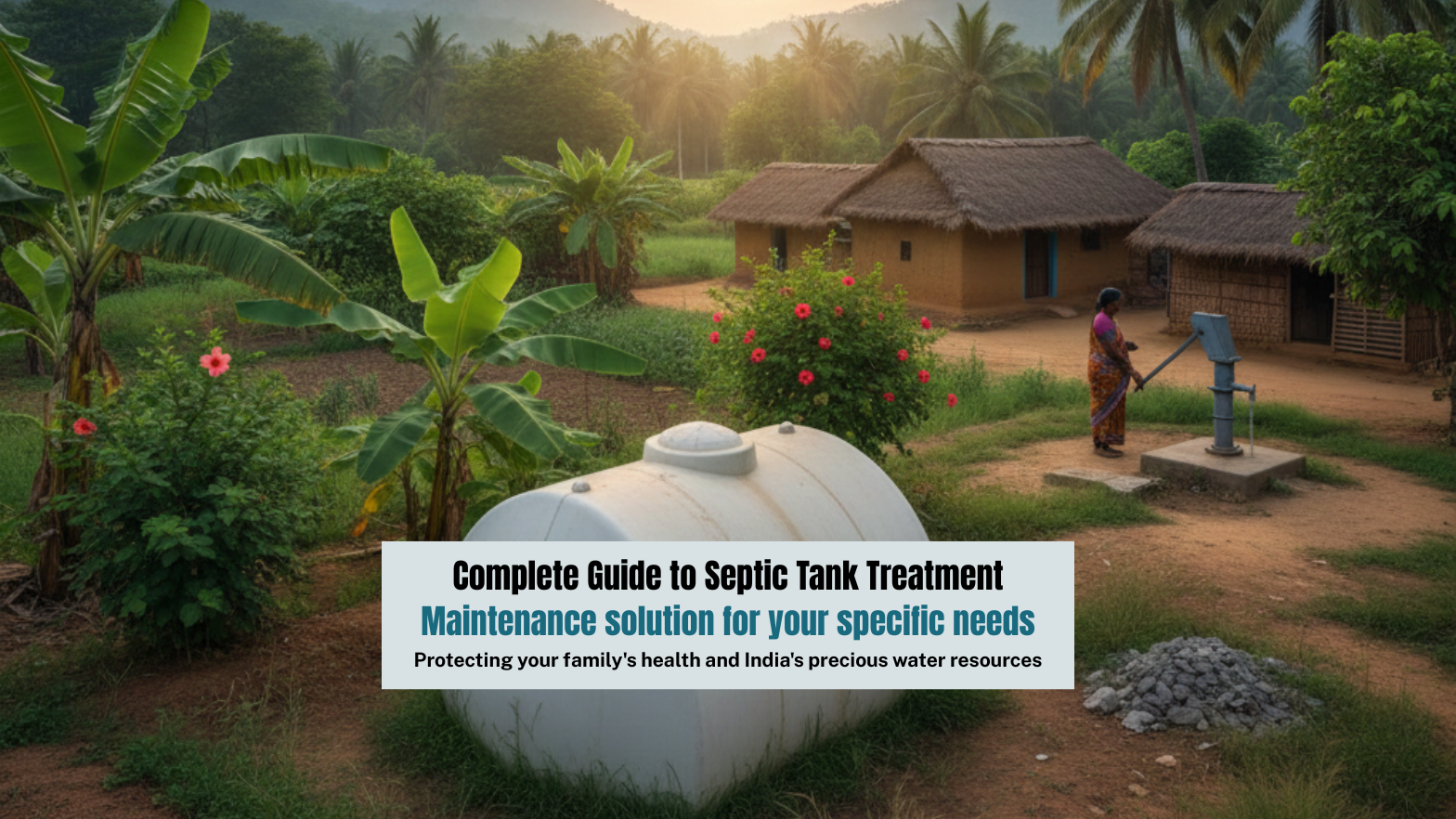
Complete Guide to Septic Tank Treatment in India: Everything You Need to Know

If you’ve ever dealt with a blocked septic tank during the monsoon season or faced the embarrassment of foul odors wafting from your property, you’re not alone. Millions of Indian households and businesses struggle with septic tank maintenance, often waiting until a crisis forces their hand. But here’s the truth: proper septic tank treatment isn’t just about avoiding unpleasant situations. It’s about protecting your family’s health, preserving groundwater quality, and being a responsible citizen in a country where water scarcity is becoming increasingly critical.

This comprehensive guide will walk you through everything you need to know about septic tank treatment in India, from understanding how your system works to choosing the right maintenance solution for your specific needs.

Understanding Your Septic Tank: The Basics

Understanding Your Septic Tank: The Basics

Before we dive into treatment options, let’s understand what’s actually happening beneath your property.

A septic tank is essentially a watertight chamber that collects and partially treats household wastewater. In India, where municipal sewage systems don’t reach every corner, approximately 60-70% of urban households and nearly all rural properties rely on septic systems.

Here’s how it works: wastewater from your toilets, bathrooms, and kitchen flows into the tank. Solid waste settles at the bottom forming sludge, oils and grease float to the top as scum, and the middle layer of relatively clear water flows out into a drain field or soakpit. Naturally occurring bacteria break down the organic matter, but this process needs help to work efficiently.

Why Septic Tank Treatment Matters in India

The Indian context makes septic tank maintenance particularly crucial. Our tropical climate, with its intense heat and heavy monsoons, accelerates the breakdown of waste but also increases the risk of overflow and contamination. The diverse soil conditions across different regions, from clay-heavy soils in the Deccan to sandy coastal areas, affect how well septic systems function.

Consider these sobering facts: improperly maintained septic tanks are one of the leading causes of groundwater contamination in India. When your septic system fails, untreated sewage can seep into the water table, affecting not just your drinking water but your entire neighborhood’s water supply. The economic cost of septic tank emergencies, including manual cleaning, repairs, and health issues, often runs into tens of thousands of rupees.

Common Septic Tank Problems in Indian Households

Common Septic Tank Problems in Indian Households

Foul Odors

That unmistakable sewage smell around your property is more than just unpleasant. It indicates that your septic tank bacteria are struggling to break down waste efficiently, or that gases aren’t venting properly.

Slow Draining and Backups

When water takes forever to drain from your sinks or toilets, or worse, sewage backs up into your home, your septic tank is crying out for attention. This often happens because the tank is full, the drain field is clogged, or excessive sludge has accumulated.

Overflow During Monsoons

The rainy season is when most septic emergencies occur. Excess rainwater can overwhelm your system, especially if it’s already struggling with poor bacterial action or accumulated sludge.

Rapid Sludge Accumulation

Indian cooking generates significant grease and oil, which can quickly build up in septic tanks. Combined with our water usage patterns, this leads to faster-than-normal sludge accumulation.

Types of Septic Tank Treatment Solutions

Chemical Treatments

Chemical septic tank treatments have been around for decades, but proceed with caution. While they might offer quick fixes, many chemical products can actually harm the beneficial bacteria in your tank. Some treatments marketed in India contain harsh acids or bases that can corrode your septic system and contaminate groundwater.

The verdict: Not recommended for regular use, especially in environmentally sensitive areas.

Biological Treatments: The Smart, Sustainable Choice

Biological or bacterial treatments represent the future of septic tank maintenance in India. These solutions introduce specialized bacteria and enzymes that supercharge your tank’s natural waste breakdown process.

Here’s why biological treatments work so well in Indian conditions:

  • They accelerate the decomposition of organic matter, reducing sludge buildup by up to 60%
  • They help break down oils, grease, and food waste common in Indian households
  • They reduce foul odors by eliminating the source, not masking it
  • They’re environmentally safe and won’t contaminate groundwater
  • They reduce the frequency of manual cleaning, saving you money and sparing workers from hazardous conditions

Team One Biotech specializes in advanced biological septic tank treatments formulated specifically for Indian wastewater conditions. Our solutions contain carefully selected bacterial strains that thrive in tropical climates and effectively handle the unique composition of Indian household waste.

Mechanical Cleaning

Manual or mechanical cleaning involves physically removing accumulated sludge. While necessary periodically, it’s expensive, unpleasant, and potentially hazardous for workers. Regular biological treatment can extend the time between cleanings from annually to once every 3-5 years.

How to Choose the Right Septic Tank Treatment

How to Choose the Right Septic Tank Treatment

When selecting a septic tank treatment for your property, consider these factors:

Tank Size and Household Size

A joint family home in Delhi with 8-10 people generates far more wastewater than a nuclear family of four in Pune. Choose products with appropriate dosage instructions for your specific situation.

Water Usage Patterns

Do you use washing machines daily? Run a home-based business? Host frequent gatherings? Higher water usage requires more robust bacterial treatment.

Climate Considerations

Coastal areas with high humidity need different treatment approaches than drier inland regions. Bacterial formulations should be suited to your local temperature and moisture conditions.

Soil and Groundwater Conditions

If you’re in an area with high water tables or poor soil drainage, protecting your drain field becomes even more critical.

Environmental Responsibility

Always choose treatments that are certified safe for the environment. In India, where water resources are under stress, this isn’t optional.

Step-by-Step Guide to Maintaining Your Septic Tank

Monthly Treatment

Add biological treatment products as directed, typically through your toilet. This maintains optimal bacterial levels and prevents problems before they start.

Quarterly Inspection

Check for signs of problems: soggy areas near your drain field, slow drains, or odors. Catching issues early saves money and headaches.

Annual Professional Assessment

Have a professional inspect your system annually, checking sludge levels and overall tank condition.

What to Avoid

Never flush these down your drains:

  • Cooking oils and grease
  • Sanitary napkins or diapers
  • Cigarette butts
  • Chemicals or paint
  • Coffee grounds
  • Medications
  • Excessive amounts of harsh cleaning chemicals

The Environmental Impact: Your Role in India’s Water Future

The Environmental Impact: Your Role in India's Water Future

Here’s something most people don’t realize: your septic tank decisions impact far more than just your property.

India faces severe water challenges. With 70% of our surface water contaminated and groundwater levels dropping alarmingly, every action counts. Properly maintained septic systems prevent pathogens and nutrients from leaching into groundwater, protecting the very source of water your family depends on.

By choosing biological septic tank treatments and maintaining your system properly, you’re not just solving a household problem. You’re contributing to a larger solution, protecting community health, and preserving water resources for future generations.

Cost Analysis: Investment vs. Emergency Expenses

Let’s talk numbers. A quality biological septic tank treatment costs between Rs. 500-1,500 per month, depending on your tank size. That’s Rs. 6,000-18,000 annually.

Compare this to:

  • Emergency manual cleaning: Rs. 5,000-15,000 per incident
  • Septic system repairs: Rs. 20,000-100,000
  • Health issues from contaminated water: Incalculable
  • Property value loss from septic problems: Significant

The math is simple: preventive maintenance through biological treatment is far more economical than dealing with emergencies.

Team One Biotech: Your Partner in Septic Tank Care

At Team One Biotech, we’ve spent years developing bioremediation solutions specifically for Indian conditions. Our septic tank treatments contain powerful bacterial consortiums that handle everything from high-grease Indian cuisine waste to the challenges of tropical climates.

We don’t just sell products. We provide complete solutions:

  • Expert consultation for your specific situation
  • Customized treatment plans based on your household needs
  • Ongoing support and guidance
  • Environmentally responsible formulations
  • Proven results across thousands of installations nationwide

Ready to solve your septic tank problems permanently?

Don’t wait for the next monsoon to flood your system or for embarrassing odors to drive away guests. Take control of your septic tank maintenance today.

Contact Team One Biotech now for a free consultation. Our experts will assess your situation and recommend the perfect solution for your property. Visit our website or call us to learn how our biological treatments can save you money, protect the environment, and give you complete peace of mind.

Final Thoughts

Septic tank maintenance might not be the most glamorous topic, but it’s one of the most important responsibilities of property ownership in India. With the right approach, proper biological treatment, and regular maintenance, your septic system can function efficiently for decades while protecting your family’s health and India’s precious water resources.

The choice is yours: reactive emergency management or proactive, intelligent maintenance. We know which one makes more sense.

Transform your septic tank from a ticking time bomb into a properly functioning waste treatment system. Choose Team One Biotech’s biological solutions today.

Looking to improve your ETP/STP efficiency with the right bioculture?
Talk to our experts at Team One Biotech for customised microbial solutions.

Contact+91 8855050575

Email:  sales@teamonebiotech.com

Visit: www.teamonebiotech.com

Discover More on YouTube – Watch our latest insights & innovations!-

Connect with Us on LinkedIn – Stay updated with expert content & trends!

Treating the most common menace of Lakes: Algal deposition by bioremediation

Lakes are one of the important and prominent water sources that serve as an integral part of the ecological richness. These natural water reservoirs, which were and are lifelines of many cities and villages, are now facing the threat of pollution and extinction. Rapid urbanisation and uncontrolled growth, especially in and around cities like Bengaluru, Hyderabad, Pune, and Delhi making the deterioration of lakes very rapid, which is triggered by sewage inflow, excessive nutrient loading and uncontrolled urban development.

The most common and visible symptom of lake ecosystem collapse is Algal Deposition. Appearing like green sheets or mattresses that cover the lake’s surface and disturb the entire ecological world.

Why do lakes turn green?

Why do lakes turn green?

Lakes turn green basically because of algal deposition and especially blue-green algae (cyanobacteria)- on the lake surface, forming a thick mass. These mats reduce light penetration, reduce oxygen levels, and produce toxins that harm aquatic life.

The general perception says that algal growth is natural; however, it is a direct consequence of eutrophication. A condition in which lakes receive more nutrients than they can naturally handle.

Phosphates are one of the major culprits. How?

Phosphates are one of the major culprits. How?

Phosphates act as fertiliser for algae even in tiny concentrations. Continuous inflow of sewage, detergents, food waste, and industrial discharge enters the lake, and phosphate levels rise sharply, surpassing the permissible limits by 40-50%.

One of the major concerns with phosphates is that they stay in the sediment for years and are then released back into the lake. This makes algal deposition prolonged and consistent. Often, people try to remove algae physically or to be precise, superficially, ignoring the root causes.

Key Sources of Phosphate Include:

  • Household detergents rich in phosphates
  • Untreated or partially treated sewage
  • Decaying organic matter and sludge
  • Fertiliser runoff from gardens & agricultural zones
  • Industrial effluents containing phosphorus

Algal deposition makes Lakes suffer:

Most of the time, algae are considered natural, but when present in large quantities, they trigger a chain of ecological damages that are sometimes hard to tackle and reverse:

  • Oxygen Depletion (Hypoxia)

DO levels drop dangerously low, as when algae die, the indigenous bacteria consume more oxygen to decompose it, hence, causing the levels of oxygen to drop.

  • Dead flora and fauna:

The cyanobacteria release toxins in low oxygen conditions. These toxins, when combined with low oxygen levels, kill fish, plankton, insects and aquatic plants. Also, Alginate in algae creates a slimy layer that blocks sunlight and disrupts aquatic life.

  • Accelerated Sedimentation:

Dead algal biomass eventually settles at the bottom of the lake, thereby increasing the sludge layer thickness. The lake slowly transitions into a dead, stagnant waterbody.

Why does conventional treatment fail?

Why does conventional treatment fail?

In order to solve any issue permanently, one needs to eliminate the source of the problem. But unfortunately, in this case, municipalities or institutions opt for temporary solutions and try shortcuts such as:

  • Adding bleaching powder
  • Increasing aeration temporarily
  • Mechanical algae removal
  • Surface-level cleaning drives
  • Chemical coagulants like alum

To get rid of the algae problem permanently, the internal nutrient cycle must be broken, or to sum up, phosphate deposition must be reduced.

What is the real solution?

The answer to this lies in the most effective mechanism nature has, i.e. bioremediation. Bioremediation is the use of specific types of microbes to restore the ecological balance of a lake. Bioremediation is the only mechanism that addresses the root causes rather than merely suppressing symptoms.

How Bioremediation Works

  1. Microbial Consortia Application
    Specialized bacteria break down organic pollutants and digest sludge.
  2. Enzymatic Breakdown of FOG & Organic Waste
    Enzymes convert complex organic molecules into simpler forms.
  3. Phosphate Reduction
    Certain bacteria immobilize phosphates by converting them into insoluble forms.
  4. Enhancing DO and Water Clarity
    Beneficial microbes improve oxygen cycling and reduce turbidity.
  5. Sludge Reduction
    Microbial treatment targets anaerobic pockets in sediment, reducing sludge height.

Tackling Phosphate: The Bioremediation Way

Tackling Phosphate: The Bioremediation Way

Internal Phosphate Control

Phosphates can’t be directly reduced or degraded by microbes. They are absorbed by microbes called as Phosphate Accumulating Organisms (PAOs), also called as phosphate-locking microbes. The PAOs convert soluble bioavailable phosphate into stable, bound forms that can’t fuel algal growth. These specialised microbes trap phosphate within the sediment matrix, effectively sealing it off and controlling nutrient recycling, ultimately preventing the recurrence of algal blooms.

Sediment Bio-augmentation:

This included the application of microbial strain directly into the sediment or the lake bed to stimulate natural biological processes that degrade organic matter and reduce nutrient accumulation. This approach enhances sediment health, lowers oxygen demand, and disrupts the nutrient reservoirs—especially phosphorus—that algae rely on for rapid proliferation.

Reducing phosphorus release from sediments:

Healthy sediments act as a buffer, but degraded ones leak phosphorus back into the water during low-oxygen events. By restoring sediment balance through microbial intervention, oxygenation strategies, and organic load reduction, phosphorus release is minimised. This stabilises the pond ecosystem and cuts off one of the most persistent nutrient sources driving algal blooms.

External Phosphate Control

  • Greywater diversion
  • Constructed wetlands before inlet
  • Avoiding phosphate-based detergents
  • Household-level awareness
  • Installing decentralized sewage treatment units upstream

Only when phosphate inflow and phosphate stored in sediments are both addressed can algal deposition be permanently stopped.

Bioremediation Strategy and Execution:

  1. Assessment:

This step involves:

  • Analysis of parameters, viz. DO, COD, BOD. Phosphates, Nitrated, ORP.
  • Lake Depth and Sludge Depth Measurement.
  • Area measurement of the lake.
  • Assessment of sewage ingress
  1. Physical Cleaning:

 It involves the removal of inorganic wastes, floating debris, algal deposition or water hyacinth physically to improve the condition of the top layer of the lake and improve oxygenation.

 Enhancing DO:

Atmospheric oxygen can’t be enough alone to make up the required volume of dissolved oxygen for the eradication of algae and enhancing the performance of microbes. The best way to do it is to install aerators rather than relying on conventional methods such as fountains.

The latest and best technology available today is nano-bubble generators. They generate bubbles in nano-meter size, which remain in the lake for about a week and can be easily absorbed by the microbes.

  1. Installation of biocultures:

Customised biocultures infused with strains for phosphate reduction, alage degradation and facultative microbes are installed in the lake via dosing. Initially, for 60-90 days, the dosing is weekly, broadcasted at multiple points in the lake which is called a loading dose.

After loading, the stabilization or maintenance dose starts which involves fortnightly or weekly dosing.

Conclusion – Bioremediation is the Future of Lake Restoration

Algal deposition, phosphate overload, and organic sludge accumulation are not signs of a dying lake—they are signs of a lake in need of intervention. Chemical treatments fail because they treat symptoms, not causes. Bioremediation, on the other hand, taps into the power of nature to restore waterbodies from within.

With rising urbanization and sewage inflow, India needs sustainable, cost-effective, and long-term lake rejuvenation models. Bioremediation offers exactly that: a solution that reduces nutrient overload, restores oxygen balance, controls algae, and returns lakes to ecological health without causing harm.

Healthy lakes mean healthier cities, groundwater recharge, biodiversity revival, and improved public health. The path forward is clear — bioremediation is not just an option; it is the only scalable solution for lake restoration in the decades to come.

Looking to improve your ETP/STP efficiency with the right bioculture?
Talk to our experts at Team One Biotech for customised microbial solutions.

Contact: +91 8855050575

Email:  sales@teamonebiotech.com

Visit: www.teamonebiotech.com

Discover More on YouTube – Watch our latest insights & innovations!-

Connect with Us on LinkedIn – Stay updated with expert content & trends!

blog dead zones in Aeration tank
Biological Wastewater Treatment: Uncovering Dead Zones in Aeration Tanks and Their Impact

Aeration tanks are the heart of biological wastewater treatment. Yet, even in well-run plants, unseen trouble often brews in the quiet corners- dead zones. There are under-mixed, under-related regions where sludge accumulates, oxygen struggles to penetrate, and undesirable microbial growth silently takes over. 

In this blog, we explore the causes, consequences, and countermeasures for dead zones—an issue too often overlooked until it begins to cripple performance. Contact us to get a comprehensive strategy to tackle various wastewater treatment issues arising due  to dead zones.

What Are Dead Zones?

Dead zones are localized pockets within aeration tanks where:

  • Mixing is insufficient
  • Dissolved oxygen (DO) levels drop abnormally low
  • Sludge settles or accumulates
  • Biological activity becomes suboptimal or undesirable.

Think of them as “black holes” in your biological reactor zones where the intended plug-flow or completely mixed flow behaviour is interrupted. Instead of aiding treatment, these zones become hotspots for filamentous bacteria, sludge bulking, septic conditions, or even toxic compound buildup.

The Hidden Causes: Poor Hydraulic and Tank Design

Dead zones are often not caused by process failure, but rather by physical design flaws or hydraulic inefficiencies. Here’s a closer look:

  1. Suboptimal Tank Geometry
  • Corners, Blind spots, or irregular shapes (e.g., square tanks without proper baffle orientation) create areas where flow velocity drops significantly.
  • Depth variations can lead to low-velocity pockets at tank bottoms, encouraging sludge accumulation.

2. Improper Diffuser Layout

  • Aeration systems that don’t cover the entire tank floor uniformly may leave some regions without adequate oxygen or turbulence.
  • Inadequate back pressure balancing between diffusers can create unequal air distributions, especially in older or retrofitted systems.

3. Overloaded Inlets or Wrong Entry Points

  • High-velocity influent entering from a single point without directional control can short-circuit across the tank, leaving side areas untouched.
  • Multiple inlets without a mixing plan can cause flow imbalances.

4. Mixer Failures or Poor Mixing Strategy

  • Absence of mechanical mixers in tanks where air mixing alone isn’t enough can allow MLSS to settle.
  • Mixing energy per unit volume (measured in W/m3 ) may fall below the minimum needed for homogeneity.
Why Dead Zones Matter: The Domino Effect 

Ignoring dead zones can result in a cascade of problems across your ETP

  1. Localized Sludge Accumulation
  • In these regions, MLSS settles and compacts, especially during low load periods or during blower shutdowns.
  • Accumulated sludge may go anaerobic, producing foul odors, sulfides, or toxic intermediates that disturb the biology when re-entrained.

2. Low DO Conditions

  • Lack of oxygen allows facultative or anaerobic organisms to dominate. This compromises nitrification, COD removal, and pathogen reduction.
  • Ammonia and organic acids can spike downstream.

3. Filamentous Growth

  • Type o21N, Thiothrix, and other filamentous bacteria thrive in low DO, Low shear environments.
  • This causes sludge bulking, poor settling in the secondary clarifier, and high TSS in treated water.

4. Short-circuiting of Hydraulic Retention Time (HRT)

  • The presence of dead zones leads to non-ideal mixing, reducing actual HRT, which directly affects COD/BOD reduction and biomass contact time.
Real-World Red Flags That Indicate Dead Zones
  • Uneven MLSS distribution across tank sections during grab sampling
  • Sudden drop in DO in specific parts of the tank despite adequate blower output.
  • Filamentous bulking despite controlled F/M and good nutrient levels
  • Odor generation from aeration zones (not just from sludge handling units)
  • Frequent need for desludging or unexpected sludge layer observations
How to Diagnose and Map Dead Zones
  1. DO profiling

Perform multi-point dissolved oxygen monitoring using portable probes across the tank length, width, and depth. Dead zones typically register <0.5 mg/L even when others are above 2 mg/L.

2. Tracer Tests

Use salt or dye tracer studies to evaluate hydraulic flow paths and identify stagnant pockets.

3. MLSS Distribution Sampling

Draw sludge samples from different depths and locations. Higher settled solids in specific zones indicate poor mixing.

4. CFD Modelling

Use Computational Fluid Dynamics to simulate flow patterns in tank designs- extremely useful during retrofit planning or new design validation.

Engineering Solutions: Eliminate the Trouble at Its Source

A. Improve Diffuser Coverage

  • Ensure uniform grid layout of fine or coarse bubble diffusers.
  • For retrofit, use drop-tube aeration or supplemental spot aerators for trouble zones.

B. Add or Reposition Mixers

  • Mechanical mixers (submersible or side-entry) can prevent MLSS settlement where airflow alone is inadequate.
  • Install in corners or far ends of tanks where air-induced mixing doesn’t reach.

C. Re-evaluate Inlet & Outlet Design

  • Use directional baffles or flow splitters to achieve even distribution across tank cross-sectional velocities.
  • Consider multi-point inlets instead of single-point discharge, especially in large tanks.

D. Tank Shape Optimization

  • In new designs, favor circular or plug-flow channels with controlled cross-sectional velocities.
  • Avoid dead-end zones or large side bays that aren’t actively aerated.

Microbial Recovery After Corrective Action

Once Dead Zones are eliminated or minimized:

  • Expect a reduction in filamentous load within 7-10 days.
  • DO profile across the tank becomes more uniform, improving nitrification and COD removal.
  • Clarifier performance improves due to better sludge settling and compaction.
  • Bioculture effectiveness increases as MLSS is more uniformly exposed to substrate and oxygen.
Final Thoughts: Dead Zones Are Silent Killers

Dead zones in aeration tanks are not just hydraulic nuisances — they can stealthily derail your entire biological treatment process. Whether you operate a 100 KLD plant or a 10 MLD facility, regular physical inspections, DO mapping, and hydraulic reviews should be part of your preventive operations strategy.

By addressing these silent trouble spots proactively, you not only stabilize ETP performance but also prolong equipment life, reduce energy wastage, and ensure consistent compliance.

Team One bIotech is one of the top biotech companies in India, addressing multiple issues related to industrial wastewater treatment with its innovative microbial culture solutions. Reach out now to enhance your wastewater treatment efficiency.

Email: sales@teamonebiotech.com

Visit: www.teamonebiotech.com

Discover More on YouTube – Watch our latest insights & innovations!-

Connect with Us on LinkedIn – Stay updated with expert content & trends!

Sludge Bulking vs. Sludge Settling Ways to improve wastewater treatment in India
Sludge Bulking vs Settling: Biotech Companies in India

Our MLSS is quite high, but we are not getting enough settling. “ or “Our biomass development is very good as our MLSS is high, but we have very little BOD/COD reduction”. these statements are often given by EHS managers. However, the concept of MLSS is completely misunderstood; it’s never the quantity of MLSS, it’s always the quality of MLSS. The settling of sludge and BOD reduction always correspond with how good the MLSS is, and not how much it is.

This blog intricately explains the difference between sludge bulking and sludge settling, and which factors are necessary to look out for.

Sludge Settling vs Sludge Bulking:

With the growing awareness of operational efficiency, several biotech companies in India are now addressing sludge bulking challenges through microbial innovation and advanced diagnostics.

Healthy Sludge Settling:

In a well-operating secondary clarifier, biomass flocs are compact, dense, and settle rapidly. The supernatant above appears clear, and the sludge blanket remains stable.

Sludge Bulking:

Here, the sludge appears fluffy, loose, and struggles to compact at the bottom. The supernatant turns turbid, and sludge blankets may rise or disperse.

Parameter Healthy Settling Sludge Bulking
SVI (Sludge Volume Index) 80–120 mL/g >150 mL/g
Sludge appearance Dense, compact flocs Loose, filamentous flocs
Supernatant Clear Turbid
Settling time 20–30 mins >45 mins
Cause Balanced system Filamentous overgrowth, F/M imbalance
Why Good MLSS ≠ Good Settling

Operators often celebrate high MLSS as a sign of strong microbial population. But MLSS is a mass reading-It doesn’t distinguish between healthy floc-formers and problem-causing filamentous organisms.

“ Think of it like body weight: Two individuals weigh the same, but one may be with lean muscle, the other with excessive fat.

In bulking scenarios, the bulk of MLSS is held together by filamentous bacteria-these long, thread-like organisms stretch out of flocs, creating open, web-like structures that trap water and resist compaction.

Reliable biocultures companies have been instrumental in developing floc-forming microbial strains specifically tailored for bulking control.

What Causes Sludge Bulking?
  1. Filamentous Bacteria Overgrowth

Common species: Type 021N, Sphaerotilus, Microthrix parvicella, Thiothrix

These bacteria thrive under specific conditions such as:

Low DO (<1.0 mg/l) – especially at floc centers.

High F/M ratios – excess food leads to dominance of fast-growing filaments

Nutrient Imbalance– N and P deficiency affect floc formation

Surfactants and FOG – common in food, dairy, and textile industries

Hydraulic surges – shock loading from upstream process

Leading microbial companies in India are providing industry-specific solutions for complex ETP issues, helping clients achieve consistent results in variable conditions.


  1. F/M Ratio Imbalance

Too much organic load relative to MLSS results in excessive microbial growth, and filamentous bacteria often outcompete floc-formers.

Ideal F/M ratio: 0.2-0.5 kg BOD/kg MLSS/day

Bulking is more likely when F/M > 0.6 or < 0.1, especially during inconsistent feed conditions.

  1. pH and Toxic Shocks

Sudden changes in pH (below 6.5 or above 8.5) , or toxic loads (solvents, phenols, metals) can kill floc-formers and allow filaments to dominate during regrowth. However, Solutions like those from Team One Biotech, a known player among bioculture for ETP STP plant manufacturers, are reshaping how industries manage MLSS health and sludge behavior.


Decoding SVI and other key Indicators

Sludge Volume Index (SVI) is the gold standard for assessing settleability.

  • SVI = ( Settled sludge volume in 30 mins, mL/L) / MLSS (g/L)
  • SVI < 100 = Good settling
  • SVI 120–150 → Early warning of bulking
  • SVI > 200 → Severe bulking

Other red flags:

  • Rising sludge in the clarifier
  • Scum layer formation
  • Poor TSS in final discharge
  • Varying DO and pH patterns in aeration tanks
Countermeasures- How to fix Bulking?

In addition to microbial solutions, industrial odor control systems  also play a pivotal role in overall ETP performance and workplace hygiene.

Short-Term Fixes:

  • Chlorination or Peracetic Acid Dosing: Targets filamentous bacteria selectively. Start with 0.5–1 ppm, monitor response.
  • Increase DO Levels: Maintain >2.0 mg/L throughout the aeration tank, especially in large tanks or tanks with dead zones.
  • Sludge Wasting: Reduce SRT (sludge retention time) to control filament growth. Remove excess MLSS.
  • Polymers in Clarifier: For emergency clarity issues, short-term use of cationic polymers can compact sludge.

Long-Term Solutions:

  • Nutrient Balancing: Maintain COD:N:P at approx. 100:5:1. Add urea or DAP if needed.
  • Equalization Tank: Smooth out hydraulic/organic loading rates to the aeration tank.
  • Bioculture Regeneration: Consider seeding with robust floc-forming consortia after bulking episodes.
  • Upgrade Aeration: Switch to fine-bubble diffused aeration systems to improve oxygen transfer.
  • Micronutrient Support: Trace metals like iron, cobalt, and molybdenum support healthy floc formers.

If you’re exploring biocultures for ETP plant manufacturers in India or need effective bacteria solutions for wastewater treatment, Team One Biotech offers proven blends tested across sectors.

Conclusion:

Remember one quote: What settles well, treats well. MLSS and BOD tell only one part of the story – settleability, floc health, and microbial balance complete the picture.

As experts and EHS leaders, we must look beyond the dashboard. A 3500 mg/L MLSS might impress, but if your sludge floats and supernatant clouds, your ETP is already sending you a warning.

Looking for a trusted waste water treatment company to resolve sludge settling problems? Contact Team One Biotech today for tailored solutions and microbial consultation.

???? Email: sales@teamonebiotech.com

???? Visit: www.teamonebiotech.com

???? Discover More on YouTube – Watch our latest insights & innovations!-

???? Connect with Us on LinkedIn – Stay updated with expert content & trends!

Anaerobic Wastewater Treatment: Demystifying Methanogenesis

The wastewater treatment world is an unending sea of types of processes and variations. One such process, the anaerobic treatment, holds a prominent and popular reputation due to its low CAPEX-OPEX and generation of byproducts such as methane, which is valuable as well as a clean energy source.

The process that leads to methane production is known as methanogenesis-which is the final and slowest step in the anaerobic digestion chain, where intermediate acids and hydrogen are converted into methane.

However, the process is mostly underperforming in the industries due to its bottlenecks and variable mechanism. This blog helps readers understand the intricacies of methanogenesis and helps understand the concept and mechanism.

In the rapidly evolving landscape of anaerobic wastewater treatment, industries are recognizing the limitations of traditional systems and turning toward advanced, high-efficiency strategies. With increasing load from industrial effluent treatment, especially containing high COD and toxic compounds, the need for anaerobic bioreactor optimization is more critical than ever.

With the increasing demand for bacteria solutions for wastewater treatment, industries are actively seeking partners who understand both biology and process engineering.

Companies like Team One Biotech lead the way among bioculture companies and microbial companies in India, delivering high-performance strains suited for industrial ETPs.

We provide expert consulting and microbial formulations tailored for anaerobic systems. Contact us today to learn more about our solutions and transform your treatment process.

What is Methanogenesis?

Methanogenesis is the last step in anaerobic digestion, where the end products from acetogenesis and acedogenesis process are converted into methane gas and CO2 by methanogenic archaea.

Modern facilities strive for not just compliance but profitability through biogas production efficiency, transforming waste streams into energy assets. The use of engineered microbial consortia, such as T1B Anaerobio, ensures higher methane recovery from wastewater even under challenging conditions like salinity and shock loads.

Core stages of Anaerobic Digestion:

  1. Hydrolysis: Breakdown of complex organics (proteins, carbs, Fats)
  2. Acidogenesis: Fermentation into VFAs (volatile fatty acids), alcohol, H2.
  3. Acetogenesis: Conversion of VFAs into acetate, H2, and CO2.
  4. Methanogenesis: Final step producing CH4 and CO2.

Types of methanogens:

Pathway Microbial Group Substrate
Acetoclastic Methanosaeta, Methanosarcina Acetate → CH₄ + CO₂
Hydrogenotrophic Methanobacterium, Methanococcus H₂ + CO₂ → CH₄


These microbes are obligate anaerobes, extremely sensitive to environmental shifts-and incredibly slow-growing.

Why does methanogenesis often fail?

As evident, it is important to have success in all three processes i.e. Hydrolysis, Acidogenesis, and Acetogeneis, before Methanogenesis  to succeed. This requires proper management of pH, temperature, HRT and induction of right biomass. However, in most cases all the three preceding processes are comparatively easier to get executed, it is this methanogenetic process only where most plants struggle due to:

  1. Acid accumulation/VFA Buildup
  • Acidogenesis is rapid, while methanogenesis is slow.
  • Result: VFA overload, which causes pH to drop below 6.8—a toxic zone for methanogens.


  1. Toxic Inhibitors

Common industrial effluents contain:

  • Heavy metals (Zn, Cu, Cr)
  • Sulfides
  • Phenols
  • Ammonia >2000 mg/L

These compounds directly inhibit methanogenic enzyme systems.

  1. Salinity and TDS stress

TDS above 15000-20000 ppm imposes osmotic stress, especially on Methanosaeta, which is already slow-growing.


  1. Lack of Granular Structure in Reactors

Granules in the sludge allow the methanogens to thrive in micro-environments.

  • Poor granulation = less protection = washout
How to Improve Methanogenesis- Practical Strategies

Improving methanogenesis requires a holistic approach involving operational tuning, microbial reinforcement, and environmental stability.

  1. Maintain Optimal pH: 6.8 – 7.4

Methanogens are extremely pH sensitive; any fluctuation can halt the methanogenic process that leads to unwanted reverses.

  1. Control Organic Loading Rate (OLR)

Gradually ramp up OLR during commissioning, ideal OLR: 1.5-3.5 kg COD/m3/day for stable systems. Overfeeding typically leads to acid overload and ultimately methanogen collapse.

  1. Ensure Adequate Retention Time

The ideal HRT should be between 8-15 days (depending on the substrate). The SRT should be even longer in high-loading systems.

  1. Use advanced Biocultures enriched in Methanogens

Key Traits of Effective Methanogenic Biocultures:

  • Contains both acetoclastic and hydrogenotrophic strains
  • High cell viability in anaerobic, low-oxygen environments
  • Pre-adapted to shock loads, high COD, and salinity

At Team One Biotech, our T1B Anaerobio blend includes halotolerant Methanobacterium and facultative syntrophic partners that stabilize early acid-phase products and prevent VFA accumulation.

  1. Add Conductive Materials (Bio-Stimulation)
  • Use activated carbon, biochar, or magnetite in digesters.
  • These promote direct interspecies electron transfer (DIET), bypassing slower H2 pathways
  • Result: Faster methanogenesis and increased CH4 yield
  1. Control Sulfates and Heavy Metals

 Sulfate-reducing bacteria (SRB) compete with methanogens for substrate.

  • High sulfide also directly poisons methanogens
Key Indicators of Methanogenesis Health
Parameter Healthy Range
pH 6.8 – 7.4
VFA/Alkalinity ratio <0.3
ORP -300 to -400 mV
Biogas CH₄ content >60%
Foaming Minimal (indicates balance)
Gas production rate Steady increase or plateau
Methanogenesis is Fragile, but Fixable

Methanogenesis is the most sensitive yet rewarding step in anaerobic treatment. It’s where the “waste” becomes “resource,” and the environmental liability transforms into a clean, combustible asset.

But to get there, industries must move beyond legacy systems and general-purpose biology.

They must:

  • Understand the microbial bottlenecks
  • Deploy engineered or acclimated methanogens
  • Support them with pH buffering, controlled feeding, and granular retention

Only then can your anaerobic system realize its full potential — both in COD removal efficiency and renewable methane production.

Conclusion:

Achieving high COD removal technology performance depends heavily on maintaining organic loading rate control, optimal pH, and reducing VFA accumulation. Furthermore, granular sludge formation enhances microbial retention and process stability, which is vital in high-strength wastewater treatment systems.

Through targeted bioaugmentation for anaerobic digestion, enriched with salinity resistant methanogens, it’s now possible to manage volatile environments and optimize yield. These microbial consortium for ETP solutions include both acetoclastic and hydrogenotrophic archaea, enabling efficient conversion pathways and reduced inhibition.

One promising method includes introducing conductive material in digesters, which boosts DIET and facilitates faster VFA to methane conversion. This, combined with proper HRT/SRT balance and T1B Anaerobio application, unlocks new levels of process performance.

As we progress towards zero-waste water solutions and advanced ETP solutions, methanogenesis is no longer just a biological reaction—it’s a cornerstone of sustainable industrial practice.

In recent years, several biotech companies in India have made significant strides in anaerobic treatment technologies, offering customized microbial formulations.

Team One Biotech is one of the leading Biotech Companies in India, providing advanced microbial solutions like bacteria for ETP treatment and bacteria culture for wastewater treatment.
???? Reach out now to enhance your wastewater treatment efficiency.

???? Email: sales@teamonebiotech.com

???? Visit: www.teamonebiotech.com

???? Discover More on YouTube – Watch our latest insights & innovations!-

???? Connect with Us on LinkedIn – Stay updated with expert content & trends!

Thermophilic vs Mesophilic Anaerobic Wastewater Treatment in Industries

The anaerobic treatment of wastewater heavily relies on trends, and unfortunately, adaptation and innovation are very slow in progression compared to rising pollution. 

Although we are all talking about the use of AIs, sensors, IOTs, and efficient hardware, unfortunately, when we consider the industrial wastewater treatment,and broader industrial effluent treatment, we are still stuck at the same processes we were 30 years ago. If you would like to know how we are optimising wastewater treatment methods in diverse environments, feel free to connect with us today.

There needs to be a continuous update at the process level, because 99 % anaerobic plants are mesophilic, i.e, work at a temperature of 30-38 *c. In regards to biocultures for wastewater treatment, the mesophilic treatment is prominent; however, the thermophilic treatment is much more effective and compatible. 

Although it is an uncommon type of ETP water treatment, when it comes to tough-to-degrade effluents such as those with recalcitrant COD, or those with phenols, Aldehydes, etc., the thermophilic microbes treatment can be a game changer in anaerobic digestion.

This blog explores when it makes sense to shift from mesophilic to thermophilic wastewater systems, the practical advantages and challenges, and what it means for plant operators and environmental engineers.

Let us start with the basics:

Parameter Mesophilic (30–38°C) Thermophilic (50–60°C)
Microbial growth rate Moderate High
Biogas yield Moderate Higher (10–25% increase)
Pathogen kill Limited Excellent (>99%)
Energy input required Lower Higher
Process stability High Sensitive to changes
Start-up time Shorter Longer

The core of the thermophilic system lies in its high-energy fast result mechanism. The hydrolysis process is much faster, resulting in increased metabolic rate and superior pathogen control in biological wastewater treatment.

Issues where thermophilic treatment can be effective:
  1. High-Strength Industrial Wastewaters:

Effluents from industries such as dairies, food processing, slaughterhouses, distilleries and starch industries have higher levels of protiens, lipids, and polysaccharides. Thermophilic systems hydrolyze and degrade these faster, leading to:

  • Higher COD, BOD degrading efficiency.
  • Higher biogas production
  • Shorter HRT (hydraulic retention time)
  • Enhanced treatment of high-strength wastewater

2. Excess Sludge and Biomass Handling Issues:

  • While most mesophilic anaerobic systems produce higher sludge, the thermophilic system produces lower quantities of excess sludge and reduces volatile solids.

3. Strict Pathogen and Odor Control

  • The thermophilic systems give 99% pathogen elimination in STP/Centralized ETPs that handle fecal sludge or pathogen prone waste, which is crucial if:
  • Sludge is reused in agriculture
  • Water is recycled for non-potable uses
  • Especially relevant for optimized wastewater microbiome management

4. Waste Heat:

  • In case of high waste steam, condensate, or cogeneration (CHP) units, the thermal energy can be internally sourced.
  • This supports efficient energy recovery within the plant
Microbial Diversification: Fragility Meets Efficiency

In case of the microbial cultures for wastewater treatment, the thermophilic microbes are completely different from mesophilic ones. Although thermophiles are fewer but are formidable with higher metabolic abilities in the organic waste degradation.

Key Observations:

  • Thermophilic methanogens are more sensitive to pH, VFA spikes, and loading rates.
  • Shock loads (especially of fats, solvents, or salts) can cause faster crashes.
  • Granular sludge formation is more difficult at thermophilic temperatures; biofilms or hybrid systems are better suited.
Biogas enhancement: Quantitative and Qualitative

Thermophilic systems offer 10-25 % higher biogas yield per unit COD removed. More importantly, the methane content is often higher (up to 70-75%) compared to 60-65% in mesophilic digestion.

This makes the Thermophilic process enticing where:

  • On-site biogas is used for power/steam
  • Fossil fuel replacement is a business or ESG goal
  • Carbon credit mechanisms or green energy policies apply
  • Also aligns with zero liquid discharge (ZLD) and carbon neutrality efforts
Operational & Engineering Challenges in sewage treatment process

1. Temperature maintenance:

Temperature maintenance is the key of thermophilic processes, which is altogether challenging both technically and economically, especially in large tanks and in colder environments. 

2. Narrower process Window

Thermophiles work in a smaller range.  Any variation in:

  • pH (ideal: 7.2-7.6)
  • Alkalinity ratio (IA/TA < 0.3 )
  • VFA accumulation

Can lead to performance drops

3. Start-Up Lag

Thermophilic start-up can take 30-60 days, requiring:

  • Seeding with adapted sludge
  • Step-wise temperature ramping
  • High monitoring effort

4. Foaming & Scum

Due to high gas production and surfactant sensitivity, thermophilic systems foam more easily, especially during acidification.

Know the Process, Not just the Temperature:

To be precise, a thermophilic system is not for every ETP (Eluent treatment plant), however, it is effective for any ETP where it is applied. It no doubt is high energy, difficult in operations, and with fragile microbial populations, but it always outpaces mesophilic treatment in COD/BOD control, methane gas production, and cleaner sludge.

et, it’s not a plug-and-play upgrade. You must rethink your sludge management, monitoring protocols, nutrient balancing, and energy integration.

The question isn’t whether thermophilic digestion works—it’s whether your plant is ready to manage the precision and potential that comes with it.”

If you’re designing or upgrading an anaerobic system and want to make it future-proof—especially for energy recovery or zero-liquid discharge (ZLD) ambitions—don’t ignore the thermophilic path. Just walk it carefully.

Partner with Team One Biotech for expert guidance in optimizing your ETP’s aeration and biological treatment processes. Our tailored bioculture solutions and technical expertise ensure enhanced treatment efficiency in anaerobic digestion and wastewater microbiome optimization.

Learn more at www.teamonebiotech.com or reach out at sales@teamonebiotech.com/8855050575

???? Discover More on YouTube – Watch our latest insights & innovations!

???? Connect with Us on LinkedIn – Stay updated with expert content & trends!
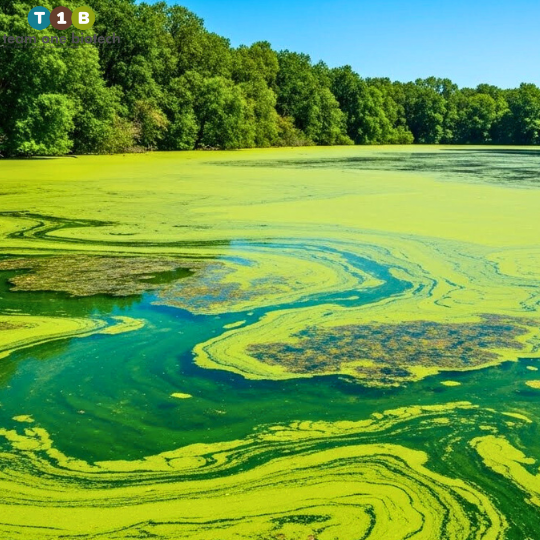
The Menace of High TDS in Chemical Intermediates- Halophiles at rescue

Salts are one of the most omnipotent components present on Earth. Their presence and absence are significant in almost every chemical, physical, or biological process. Their concentration either depletes or enhances biological growth, preservation, and destruction. However, in effluent treatment plants, salts always have a destructive effect. High TDS in chemical intermediates is never welcomed by any ETP operator as it comes with operational ineffectiveness, damage to infrastructure, extreme difficulty in handling the effluent, non-compliance and high OPEX/CAPEX. Elevated TDS not only jeopardizes downstream operations, leading to scaling, corrosion, and product contamination, but also complicates effluent management, often forcing plants to deploy energy-intensive physicochemical treatments such as Multi-Effect Evaporators (MEE) and Reverse Osmosis (RO).

Although MEE/RO is effective, but is cost-intensive! so, what might be the alternative?  Well, here is the answer, HALOPHILES! Also known as halophilic bacteria, these salt-loving microbes offer a promising solution. This blog will help readers explore how halophiles in the form of microbial culture can help industries achieve operational excellence and reduce the effects and cost.

For more information or to discuss how our solutions can assist your operations, please contact us

The Impacts of High TDS :

High TDS streams in chemical intermediates plants often arise from:

  • Salt‐based reactants and catalysts: e.g., chlorides, sulfates, nitrates
  • Neutralization and pH control: addition of acid/base produces salts
  • Process by-products: dissolved organics, chelating agents, metal complexes
Operational Challenges
Effects of high TDS in chemical intermediates include:
  1. Scaling & Fouling
    • Precipitation of sparingly soluble salts (e.g., CaSO₄, BaSO₄) on heat‐exchange surfaces leads to reduced heat transfer and frequent downtime.
  2. Corrosion
    • Chloride‐rich brines attack stainless steels and other alloys, raising maintenance costs.
  3. Product Quality Risks
    • Carryover of salts compromises the purity of intermediates, requiring additional downstream purification.
Hampers Biological treatment: 
  • Due to high TDS, most of the biological wastewater treatment processes fail to generate effective biomass, hence hampering the efficiency.
Regulatory and Discharge Constraints
  • Effluent quality limits: Most jurisdictions cap TDS in discharge at 2,000–5,000 mg/L.
  • Brine disposal: Concentrated RO or evaporator brines often exceed tolerable disposal limits, leading to high disposal fees or zero-liquid discharge (ZLD) mandates.
  • Membrane/Equipment Damages:  Due to hampered biological wastewater treatment efficiency, most of the COD and dead biomass is carried into RO membranes results into their scaling or fouling in MEE.
Physicochemical Solutions: MEE & RO
Reverse Osmosis (RO)

Principle: Semi-permeable membranes allow water to pass under pressure while retaining salts.

  • Recovery ratio (R):
  • Typical performance: Recovery up to 75–85% for moderate TDS (<10,000 mg/L).
Pros:
  • Modular and relatively compact
  • High salt rejection (>99%)
Cons:
  • Membrane fouling/scaling requiring frequent cleaning
  • High‐pressure energy costs (2–6 kWh/m³)
  • Brine at 15–30% of feed volume
Multi‐Effect Evaporator (MEE)

Principle: A Series of evaporators reuses steam from one stage as the heating medium for the next, concentrating brine.

  • Steam economy: up to 8–10 kg steam/kg water evaporated.
Pros:
  • Handles very high TDS (>100,000 mg/L) and organics
  • Robust to feed variability
Cons:
  • Large footprint and capex
  • High thermal energy demand (often >500 kWh thermal/m³)
  • Generates a highly concentrated sludge

Halophilic Biocultures: A Biological Alternative

What Are Halophiles?
  • Definition: Microorganisms—including bacteria, archaea, and some fungi—that not only tolerate but require high salt concentrations (≥3% w/v NaCl) for optimal growth.
  • Types:
    • Moderate halophiles: 3–15% w/v NaCl
    • Extreme halophiles: 15–30% w/v NaCl
Mechanisms of Pollutant Removal
  1. Organic Degradation
    • Many halophiles express salt-stable enzymes (e.g., dehydrogenases, esterases) that mineralize refractory organics, aiding in biological TDS reduction.
  2. Biosorption of Inorganics
    • Cell walls and extracellular polymeric substances (EPS) bind heavy metals and ammonium ions, reducing dissolved load.
  3. Biomineralization
    • Certain strains precipitate metal sulfides or carbonates, facilitating solids separation.
Case Study: Halomonas spp. in High-Salinity Effluent:
ParameterUntreated EffluentAfter Halophilic TreatmentRemoval Efficiency
TDS (mg/L)45,00028,00038%
COD (mg/L)5,2001,10079%
NH₄⁺-N (mg/L)3104585%

In a pilot study, a consortium dominated by Halomonas elongata achieved near‐complete organic removal and 30–40% TDS reduction within 48 hours, showcasing the potential of TDS reduction using microorganisms.

Integration Strategies:
4.1 Hybrid Biological‐Physicochemical Systems
  1. Pre‐treatment with Halophiles + RO
    • Step 1: Use halophilic bioreactor to ingest organics and bind metals, lowering fouling precursors.
    • Step 2: Send biologically pre-treated stream to RO, extending membrane life and improving recovery.
  2. Post‐MEE Biological Polishing
    • Concentrate via MEE to moderate brine TDS (e.g., 80,000 mg/L → 120,000 mg/L).
    • Dilute and treat with halophiles to remove residual COD and ammonia, enabling partial recycling.
4.2 Reactor Configurations
  • Sequencing Batch Reactors (SBR): Ideal for flexible loading and high-salt adaptation cycles.
  • Membrane Bioreactors (MBR): Combine biomass retention with ultrafiltration, ensuring high mixed liquor suspended solids (MLSS).
  • Fixed-Film Reactors (e.g., Biofilm Carriers): EPS‐rich biofilms on carriers that thrive in saline feed.
Design & Operational Best Practices:
AspectRecommendation
Salinity GradientsGradual acclimation: start at 3% NaCl, ramp to process levels over 2–3 weeks.
pH ControlMaintain 7.5–8.5; extremes impair enzymatic activity.
Nutrient SupplementationC:N:P ratio of ~100:5:1 for robust growth.
Temperature30–37 °C to optimize halophilic metabolism.
Hydraulic Retention Time24–72 hours, depending on target removal efficiencies.
Mixing & OxygenationEnsure DO ≥2 mg/L for aerobic halophiles; N₂ sparging for anaerobic strains.
Economic & Environmental Benefits:
MetricConventional MEE/RO OnlyHybrid with Halophiles
Energy Consumption (kWh/m³)6–10 (electrical) + 500 (thermal)3–5 (electrical) + 300 (thermal)
Membrane Cleaning FrequencyEvery 2–4 weeksEvery 8–12 weeks
Brine Volume for Disposal (%)20–3010–15
Chemical Usage (antiscalants)HighModerate
Carbon Footprint (kg CO₂e/m³)15–208–12

By biologically reducing foulants and salinity, plants can halve brine volumes, extend membrane life, and cut overall energy and chemical costs by up to 30%. Moreover, the biodegraded organics lessen the environmental hazards of any unavoidable discharges, promoting eco-friendly chemical processing.

Conclusion:

High TDS in chemical intermediates has traditionally been corralled by MEE and RO—solutions that are effective but capital- and energy-intensive, and that generate challenging brines. Halophilic biocultures, however, offer a compelling biological route to alleviate TDS and organic loads, enhancing and de-risking conventional treatment trains. By integrating salt-adapted microbes—either as a pretreatment before RO or as a polishing step after evaporation—plants can achieve lower energy footprints, reduced chemical consumption, and more manageable brine streams.

As the industry seeks sustainability and cost-efficiency, harnessing the power of halophiles represents a strategic pivot: one that turns the very menace of high salinity into an opportunity for greener, sharper operations.

Are high TDS levels threatening your effluent compliance? Discover how a customized biological approach can turn the tide. Contact us to discuss a no-obligation site assessment and see how TeamOne’s expertise can optimize your industrial wastewater treatment.

???? Email: sales@teamonebiotech.com

???? Visit: www.teamonebiotech.com

???? Discover More on YouTube – Watch our latest insights & innovations!-

???? Connect with Us on LinkedIn – Stay updated with expert content & trends!

Scan the code