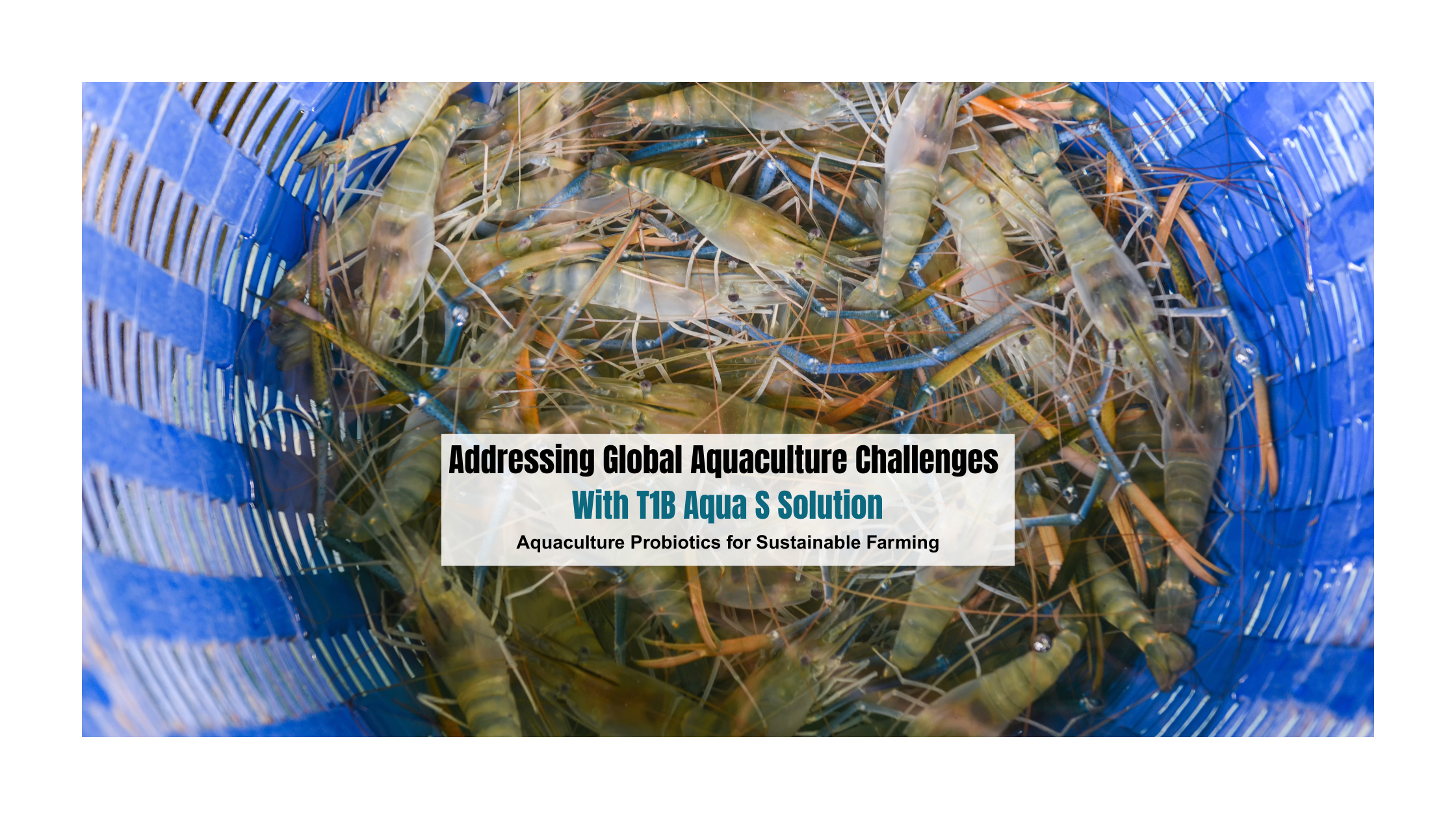
Aquaculture probiotics
Aquaculture Probiotics: Reducing Antibiotic Use in Aquaculture with Natural Probiotics

In today’s rapidly evolving aquaculture industry, sustainable fish farming practices and eco-friendly shrimp cultivation methods are becoming essential for commercial aquaculture operations worldwide. As the global seafood market continues to expand, aquaculture producers are seeking innovative biotechnology solutions to address the growing concerns about antibiotic resistance in marine farming and freshwater fish production.

Similar to how plant growth promoters and biofertilizers revolutionized agriculture by harnessing beneficial microbes, the aquaculture sector is experiencing a paradigm shift toward biological solutions. Just as organic farming utilizes soil conditioners and biostimulant products to enhance crop productivity, modern aquaculture systems are adopting probiotic technologies to optimize aquatic animal health and production efficiency.

Aquaculture is one of the fastest-growing food sectors worldwide, but the heavy use of antibiotics in fish farming and shrimp farming has raised serious concerns. Overuse of antibiotics leads to antibiotic resistance in aquaculture, environmental damage, and residues in seafood that can affect human health. Farmers are now turning to natural probiotics as a sustainable solution to improve aquatic animal health, enhance water quality, and reduce dependence on antibiotics. Reach out to us to learn how eco-friendly aquaculture probiotics can boost productivity while protecting aquatic health.

The Risks of Antibiotic Dependence in Aquaculture

Modern intensive aquaculture systems, including recirculating aquaculture systems (RAS) and biofloc technology applications, face significant challenges with pathogen management and water quality maintenance. The overreliance on antimicrobial agents in aquatic animal production has created a pressing need for alternative disease prevention strategies.

Much like how agricultural systems benefit from plant growth promoting bacteria and rhizobacteria for enhanced nutrient uptake, aquaculture environments require beneficial microbial populations to maintain ecological balance. The parallels between terrestrial agriculture’s adoption of biostimulant fertilizers and aquaculture’s embrace of probiotic solutions highlight the universal importance of biological approaches in food production.

In intensive shrimp and fish farming systems, high stocking density and unstable water conditions create an ideal environment for disease outbreaks. Antibiotics may provide short-term relief, but frequent use disrupts the natural microbial balance in ponds, weakens fish and shrimp immunity, and promotes resistant bacteria. This makes disease management more difficult and farming less profitable over time.

The emergence of multi-drug resistant pathogens in aquaculture environments poses a significant threat to both aquatic animal welfare and food safety standards. Regulatory bodies worldwide are implementing stricter guidelines for antibiotic usage in aquatic food production, making probiotic supplementation an increasingly attractive alternative for aquaculture sustainability.

How Probiotics Support Fish and Shrimp Health

Beneficial microorganisms play a crucial role in maintaining optimal gut microbiome balance in aquatic species. These microbial feed additives work through competitive exclusion, immunomodulation, and enzyme production to enhance overall fish performance and shrimp growth rates.

The mechanisms by which probiotics function in aquaculture share remarkable similarities with how microbes in agriculture support plant health. Just as plant growth hormones and secondary plant nutrients work synergistically to promote crop development, aquatic probiotics enhance nutrient absorption and metabolic processes in fish and shrimp. This biological approach mirrors the principles of organic farming, where natural processes are optimized rather than chemically overridden.

Probiotics in aquaculture are live beneficial microorganisms that strengthen gut health, boost immunity, and improve nutrient absorption in aquatic animals. When applied in feed or directly into pond water, probiotics suppress harmful bacteria and promote a healthier microbial balance. For shrimp farming and fish farming alike, this means faster growth, better feed conversion, and stronger disease resistance without relying on antibiotics.

Advanced probiotic formulations contain specific strains of Bacillus species, Lactobacillus cultures, and other beneficial bacteria that support digestive health optimization and natural disease resistance mechanisms. These biological water treatment solutions also contribute to nitrogen cycle management and organic waste decomposition in aquaculture systems.

The application methods for aquaculture probiotics can be compared to foliar spray application and drip irrigation systems used in agriculture. Just as farmers utilize spray power for biotic and abiotic stress management in crops, aquaculture producers can deploy targeted probiotic treatments to address specific environmental challenges and pathogen pressures in aquatic systems.

Introducing Acqua S and Acqua F

Team One Biotech’s innovative aquaculture probiotic solutions represent cutting-edge biotechnology applications in sustainable aquatic farming. These scientifically formulated products address the specific needs of different aquaculture species while promoting environmental stewardship and economic viability.

Drawing inspiration from agricultural biostimulant products that provide primary nutrients for plants and enhance stress tolerance, Acqua S and Acqua F are designed to support the fundamental physiological processes of aquatic animals while building resilience against environmental stressors.

To help farmers adopt sustainable practices, Team One Biotech has developed two powerful probiotic solutions: Acqua S and Acqua F.

  • Acqua S is specially designed for shrimp aquaculture. It improves gut health, enhances digestion, and strengthens immunity in shrimp, while also maintaining pond water quality by reducing ammonia and organic waste buildup. By supporting shrimp health naturally, Acqua S minimizes the need for antibiotics and promotes higher survival rates.

Acqua S contains specialized marine probiotics that are particularly effective in brackish water environments and saltwater shrimp ponds. This targeted probiotic blend supports molting processes, reduces stress-related mortality, and improves post-larvae survival rates in commercial shrimp hatcheries.

The formulation works similarly to how soil waste management systems in agriculture utilize beneficial microorganisms to break down organic matter and release essential nutrients. Acqua S enhances the aquatic environment’s capacity to process waste products while simultaneously providing protective benefits against both biotic and abiotic stress factors.

  • Acqua F is formulated for fish aquaculture. It boosts growth performance, increases feed efficiency, and enhances disease resistance in fish populations. Acqua F also helps maintain a healthy pond ecosystem, ensuring cleaner water and reduced stress for fish throughout the culture cycle.

Acqua F’s multi-strain probiotic complex is optimized for freshwater fish species including tilapia, catfish, carp, and trout production. The formulation supports protein utilization efficiency, reduces feed conversion ratios, and enhances immune system development in juvenile and adult fish populations.

Like agricultural applications where drip power systems deliver precise nutrient solutions directly to plant root zones, Acqua F can be administered through various delivery methods to ensure optimal distribution and efficacy throughout the aquaculture system. This targeted approach maximizes the beneficial impact while minimizing resource waste.

Moving Toward Sustainable Aquaculture

The transition to antibiotic-free aquaculture represents a paradigm shift toward precision aquaculture management and integrated multi-trophic aquaculture (IMTA) systems. This approach aligns with global sustainability certifications and responsible aquaculture standards demanded by international seafood markets.

This transformation parallels the agricultural sector’s movement toward organic farming practices and the increased adoption of biostimulant fertilizer technologies. Both industries recognize that sustainable production requires working with natural biological processes rather than against them, leading to improved product quality and reduced environmental impact.

  • Replacing antibiotics with probiotics is not just a health decision but a business strategy. Farmers who adopt probiotics report reduced mortality rates, improved growth performance, and higher profitability. With global demand for safe and sustainable seafood increasing, probiotic-based aquaculture is quickly becoming the industry standard.

Commercial aquaculture operations implementing probiotic management protocols often achieve improved return on investment (ROI) through reduced veterinary costs, enhanced feed efficiency ratios, and premium pricing for antibiotic-free seafood products. These economic benefits make probiotic supplementation an attractive proposition for aquaculture business development.

The integration of beneficial microorganisms in both aquaculture and agriculture demonstrates the universal applicability of biological solutions across food production systems. Whether supporting plant growth through rhizobacteria or enhancing fish health through aquatic probiotics, the fundamental principle remains consistent: leveraging natural microbial processes for sustainable and profitable production.

  • Natural probiotics like Acqua S and Acqua F offer a powerful, sustainable alternative to antibiotics in aquaculture. They protect fish and shrimp health, enhance pond water quality, and ensure a safer food supply for consumers. By embracing probiotics, farmers can build a more resilient and eco-friendly aquaculture industry.

The future of aquaculture lies in innovative biological solutions that support both productivity and environmental responsibility. As consumer awareness of food safety and sustainability continues to grow, probiotic-enhanced aquaculture systems will play an increasingly important role in meeting global protein demand while protecting aquatic ecosystems.

Just as the agricultural sector has embraced plant growth promoters and soil conditioners to achieve sustainable intensification, the aquaculture industry is recognizing the transformative potential of probiotic technologies. This biological approach offers a pathway to enhanced production efficiency while maintaining ecological integrity and food safety standards.

For aquaculture consultants, fish farm managers, and shrimp pond operators seeking to optimize production efficiency while maintaining environmental compliance, incorporating proven probiotic solutions like Acqua S and Acqua F represents a strategic investment in long-term operational success.

Contact Team One Biotech – Your trusted partner in agricultural biotechnology:

Phone: +91 8855050575

Email: sales@teamonebiotech.com

Visit: www.teamonebiotech.com

Discover More on YouTube – Watch our latest insights & innovations!-

Connect with Us on LinkedIn – Stay updated with expert content & trends!
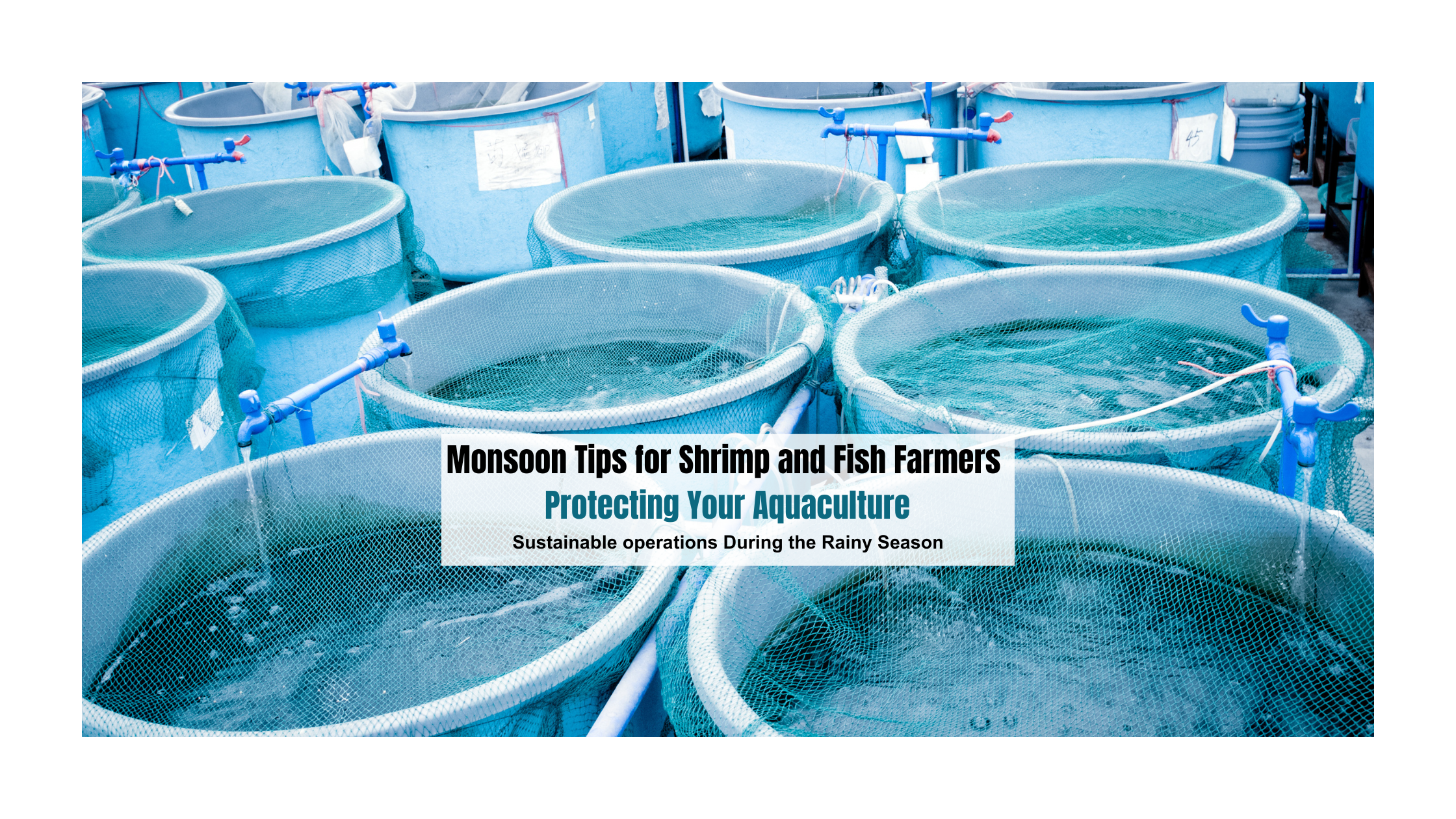
Monsoon Tips for Shrimp and Fish Farmers Protecting Your Aquaculture
Monsoon Tips for Shrimp and Fish Farmers: Protecting Your Aquaculture Operations During the Rainy Season

The monsoon season presents both opportunities and challenges for shrimp and fish farmers. While rainfall can help replenish ponds and reduce temperature, it also introduces unpredictable water parameters, disease risks, and stress conditions, especially in species like vannamei, Penaeus monodon, tilapia, and pangasius.

Whether you’re managing a fish farming business or an aqua fish farm, adapting your strategies during monsoon is crucial for success.

For queries or support related to monsoon farm management, contact us.

For farmers in tropical and subtropical regions such as Indonesia, Vietnam, Peru, Chile, and parts of the United States, managing monsoon-related risks is key to ensuring survival, growth, and profitability.

This applies across various models—whether you’re engaged in indoor shrimp farming, running the largest fish farm in Nigeria, or focused on sustainable fish farming practices.

Why Monsoon Management is Crucial in Aquaculture?

During the rainy season, shrimp and fish are exposed to:

  • Sudden temperature drops and pH fluctuations
  • Dilution of pond salinity and mineral imbalance
  • Increased organic load and turbidity
  • Higher pathogen loads due to stagnant water or runoff
  • Reduced feed intake and immune response

If unmanaged, these factors can lead to stress, poor growth, Vibrio outbreaks, white feces syndrome, and even mass mortality.

Additionally, challenges such as aquaculture problems, environmental impacts of aquaculture, and aquaculture issues become more severe during this season.
Proper knowledge about what is aquaculture and understanding the challenges of aquaculture empower farmers to manage risks effectively.

7 Practical Monsoon Tips for Shrimp and Fish Farmers:
  1. Monitor Water Parameters Daily
    Use a reliable test kit to track pH, salinity, ammonia, nitrite, and dissolved oxygen (DO). Rainfall often dilutes alkalinity and drops pond pH, which can stress aquatic species.
    Maintaining the importance of alkalinity in aquaculture cannot be overlooked during this time.
  2. Maintain Salinity and Alkalinity
    In regions with heavy rainfall, especially for vannamei shrimp, salinity may drop below optimal levels. Use mineral blends or salt to stabilize pond chemistry.
  3. Improve Drainage Around Ponds
    Prevent runoff from entering the pond. Surface runoff can introduce contaminants, organic debris, and pathogens that upset the pond’s microbial balance.
  4. Use Probiotics to Stabilize Water Quality
    Apply aquaculture probiotics like T1B Aqua S regularly to manage ammonia, reduce sludge, and maintain a healthy microbial ecosystem. Probiotics also help control Vibrio and other harmful bacteria during unstable conditions.
  5. Adjust Feeding Strategy
    Shrimp and fish reduce feed intake during stress. Feed smaller quantities more frequently and ensure feed is not wasted to prevent water pollution.
    For those following a shrimp farming guide, this step is vital in any monsoon-feeding protocol.
  6. Provide Aeration Support
    Install aerators or paddle wheels to maintain oxygen levels, especially during cloudy days or high biomass periods.
    This is especially necessary in fish farming tanks South Africa and other regions experiencing water stagnation due to heavy rain.
  7. Strengthen Immunity with Gut-Focused Additives
    Use gut probiotics or supplements that boost immunity and digestion. This is critical for disease prevention during weather-related stress.
How T1B Aqua S Supports Farmers During Monsoon

T1B Aqua S, manufactured by Team One Biotech, is a trusted aquaculture probiotic that works effectively during monsoon fluctuations.

  • Reduces ammonia, nitrite, and hydrogen sulphide
  • Breaks down sludge and organic matter
  • Suppresses Vibrio and other pathogens
  • Enhances gut health and survival rates
  • Supports stable growth in vannamei, Penaeus monodon, tilapia, and catfish

Its versatility makes it ideal for freshwater shrimp farming, aquaculture farms, and even larger operations using aquaculture pond liners for controlled environments.
Technicians and experts, including aquaculture technicians, have found its results promising across diverse environments.

Used in farms across Southeast Asia, Latin America, and North America, T1B Aqua S has become a go-to solution for weather-sensitive aquaculture systems.

Whether you’re involved in fish farming equipment for sale or consulting on sustainable aquaculture practices, the monsoon doesn’t have to mean losses. With proactive planning and effective tools, your aquaculture venture can thrive—even during unpredictable weather.

The monsoon season doesn’t have to mean losses. With proactive management, consistent monitoring, and the use of aquaculture probiotics, shrimp farming and fish farming operations can maintain healthy ponds and secure their harvests.

Need assistance preparing your ponds this monsoon? Contact us for expert guidance and product recommendations.

For bulk inquiries, distribution opportunities, or technical guidance on T1B Aqua S:

Or reach out at sales@teamonebiotech.com/8855050575

???? Discover More on YouTube – Watch our latest insights & innovations!

???? Connect with Us on LinkedIn – Stay updated with expert content & trends!

Aquaculture Probiotics for Global Challenges: T1B Aqua S Solution for Sustainable Farming

With rising demand for sustainable seafood worldwide, countries like Indonesia, Vietnam, Peru, Chile, and the United States have scaled up aquaculture, especially shrimp farming and fish farming. However, farmers across these regions face similar recurring problems: poor water quality, disease outbreaks, high mortality, and unstable growth rates. Get in touch to learn how our innovative bioculture solutions can reduce disease, enhance survival, and optimize growth in aquaculture systems.

What Are Aquaculture Probiotics and Why Are They Important?

Aquaculture probiotics are live beneficial bacteria that help balance the pond ecosystem. They improve gut health, boost immunity, and reduce the risk of disease in farmed shrimp and fish.

In species like vannamei and Penaeus monodon, probiotics help maintain water quality and reduce the risk of stress-related infections. They also help farmers avoid the overuse of antibiotics, which can damage pond ecology and reduce export quality.

Major Challenges Faced in Shrimp and Fish Farming
  1. Water Quality Deterioration

High levels of ammonia, nitrite, hydrogen sulfide, and sludge accumulation can make pond water toxic. This affects shrimp and fish health, leading to stress and slower growth.

  1. Disease Outbreaks

Diseases like white feces syndrome, EMS, and Vibrio infections are common in vannamei and Penaeus monodon culture. In fish, bacterial gill disease and fungal infections impact survival rates.

  1. Antibiotic Dependency

Many farmers still rely on antibiotics or chemical treatments. These may offer short-term relief but weaken pond ecosystems and create residue problems in export products.

  1. Poor Feed Conversion and Growth

Without gut support, feed is not utilized efficiently. This results in low FCR (Feed Conversion Ratio), inconsistent growth, and increased feed costs.

  1. High Mortality Rates

Due to all of the above, shrimp and fish are more prone to stress and death—especially during seasonal changes or high stocking.

T1B Aqua S – A Probiotic Solution for Global Aquaculture

To solve these common issues, Team One Biotech, a trusted name in aquaculture probiotics manufacturers, developed T1B Aqua S, a targeted probiotic blend designed for vannamei and Penaeus monodon farming

T1B Aqua S is used across shrimp farming (vannamei, monodon) and fish farming operations worldwide, delivering consistent performance in varied pond conditions.


How T1B Aqua S Works in Aquaculture

Key Benefits of T1B Aqua S:

  • Improves Water Quality by reducing ammonia, nitrite, and organic waste
  • Boosts Gut Health and immunity in shrimp and fish
  • Reduces Disease Risk by suppressing harmful bacteria like Vibrio
  • Enhances Growth & FCR, leading to better weight gain
  • Minimizes Sludge and improves pond bottom conditions
  • Increases Survival Rates during sensitive culture stages
Ideal for Vannamei, Penaeus Monodon, and Fish Culture

T1B Aqua S has proven effective in pond culturing vannamei, Penaeus monodon, and freshwater species like rohu, catla, pangasius, and tilapia. It helps stabilize pond ecosystems, especially during summer, monsoon, and post-feeding stress.

Trusted by Global Farmers – Export-Ready and Scalable

T1B Aqua S has shown consistent results across a variety of aquaculture environments:

  • Shrimp Hatcheries & Grow-Out Farms (Vannamei, Penaeus monodon)
  • Freshwater Fish Ponds (Tilapia, Pangasius, Catfish)
  • Biofloc and RAS-Based Systems
  • Tropical and Subtropical Climates in Asia-Pacific and the Americas

Team One Biotech is a leading aquaculture probiotics manufacturer in India, serving clients across 30+ countries. With a strong focus on R&D and quality assurance, the company ensures a consistent supply and technical support for export markets.

Whether you operate a shrimp hatchery in Vietnam, manage a tilapia farm in Peru, or distribute aquaculture inputs in the USA, T1B Aqua S offers a proven, export-grade solution for improved water quality, gut health, and farm productivity.

For bulk inquiries, distribution opportunities, or technical details, get in touch with Team One Biotech:
Or reach out at sales@teamonebiotech.com/8855050575

???? Discover More on YouTube – Watch our latest insights & innovations!

???? Connect with Us on LinkedIn – Stay updated with expert content & trends!

Aquaculture Challenges with Smart Solutions
Solving Aquaculture Challenges with Smart Solutions by Team One Biotech

Indian aquaculture is booming — but not without challenges. From contamination and disease invasion to low yields and expensive operations, today’s aquaculture farmers need more than traditional know-how. They need science-based, aquaculture biotechnology solutions.


That is where Team One Biotech comes in.


Need to improve your aquaculture farm efficiency or solve current aquaculture challenges in fish farming issues? Contact us. We are here to help.


The Modern Challenges Confronting Indian Aquaculture


India is the world’s second-largest producer of aquaculture and fisheries commodities — but producers are beset by endemic problems including:


  • Periodic fish mortality due to waterborne disease


  • Low-quality water and minimal use of aquaculture biofilters


  • Low cost of feed with high conversion efficiency


  • Antibiotic misuse, influencing aquaculture fish product quality


  • Denial of access to biotech-led & sustainable tools


These issues have direct consequences on yield, revenue, and long-term aquaculture development and sustainability.


How Team One Biotech is Tackling Aquaculture Issues: 


Team One Biotech is a manufacturer of aquaculture probiotics – based water treatment, farm efficiency specialists. This is how we’re making aquaculture systems smarter, better, and more sustainable:


  1. Microbial Consortia for Water Quality Management


  • Bad water quality = stressed fish = lower growth + increased mortality.


Solution: Our unique probiotic and microbial products restore aquaculture ponds health by:


  • Reducing ammonia, nitrites, and organic wastes


  • Maintaining pH and dissolved oxygen concentrations


  • Maintenance of the natural biofloc system


This helps to maintain the aquatic ecosystem healthy for better aquaculture fish performance.


For optimal pond health, many farmers use Acqua S and Acqua F, which are designed to target water quality issues specific to Indian conditions.


  1. Shrimp & Fish Immunity Enhancers & Growth Enhancers


  • Disease outbreaks are an expensive, daily issue.


Solution: TeamOne Biotech offers probiotics, enzymes, and feed additives that boost immunity:


  • Support digestive and gut health


  • Enhance aquaculture nutrition and feed conversion ratios (FCR)


  • Reduce dependence on antibiotics


  • Improve resistance against bacterial and viral infections


  • Your stock remains healthy, and your earnings grow

Our advanced T1B Feed Pro is a key solution for farmers aiming to boost feed efficiency and fish immunity naturally.


  1. Biofloc System Support & Special Solutions


India’s farmers are resorting to aquaculture like biofloc — but to do it effectively takes expertise.


Solution: We provide biofloc support solutions like:


  • Microbial consortia for efficient floc formation


  • Carbon source optimization


  • On-site support for zero water exchange aquaculture systems


The T1B Biofloc is specifically formulated to support floc development and microbial balance in intensive biofloc aquaculture setups.


Why Team One Biotech Is the Best Company to Partner With:


✅ 100% Made in India


✅ Decade-long experience in aquaculture biotechnology and R&D


✅ Pond culture, RAS, and shrimp aquaculture field-tested products


✅ Strongly preferred by aquaculture farm owners as well as organic aquaculture farmers in India and globally like Argentina, Nigeria, Brazil, Spain etc.


Listen to Farmers:


“Since I used Team One Biotech’s pond management products, my fish mortality has decreased considerably. Water remains cleaner longer and fish are more active.” — Rajesh M., Andhra Pradesh Tilapia Farmer


Ready to Optimize Your Aquaculture System? 


If you are looking to reduce losses, improve water quality, and enhance healthier, quicker-growing fish or shrimp, Team One Biotech is your solution. Discover the advantages of aquaculture probiotics with Team One Biotech — adopting best aquaculture practices for optimal yield and sustainability. Call us today and let us help you farm smarter.


???? Email: sales@teamonebiotech.com

???? Visit: www.teamonebiotech.com


???? Discover More on YouTube – Watch our latest insights & innovations!-


???? Connect with Us on LinkedIn – Stay updated with expert content & trends!

Ammoniacal Nitrogen Removal from Wastewater_ Effective Treatment Methods
Ammoniacal Nitrogen Removal from Wastewater: Effective Treatment Methods

Ammoniacal nitrogen (NH₄⁺-N) in wastewater treatment must be removed to prevent environmental damage, comply with discharge regulations, and ensure smooth wastewater treatment plant operations. Various biological treatment methods, physico-chemical, and advanced bioculture wastewater treatment technologies are used for its effective removal.

???? Visit: www.teamonebiotech.com/contact-us

nitrogen removal from wastewater

1. Biological Treatment Methods

Biological processes are widely used due to their cost-effectiveness, eco-friendliness, and sustainability.

a) Nitrification-Denitrification

This is the most common biological process for ammonia removal.

Nitrification (Aerobic Process):
  • Ammonia (NH₄⁺) is converted into nitrite (NO₂⁻) and nitrate (NO₃⁻) by nitrifying bacteria (Nitrosomonas and Nitrobacter).
  • Requires oxygen and an optimum pH of 7.5–8.5.
Denitrification (Anoxic Process):
  • Nitrate (NO₃⁻) is converted into nitrogen gas (N₂) by denitrifying bacteria.
  • Occurs in oxygen-depleted conditions, requiring a carbon source like methanol or acetate.
b) Anammox (Anaerobic Ammonium Oxidation)
  • Converts ammonium (NH₄⁺) and nitrite (NO₂⁻) directly into nitrogen gas (N₂).
  • Reduces aeration costs, energy consumption, and sludge production.
  • Used in high-strength ammonia wastewater treatment for industrial effluents and landfill leachate.
c) Use of Specialized Biocultures
  • Tailored microbial consortia in the form of bioculture for wastewater treatment enhance nitrification and denitrification efficiency.
  • Used in Effluent Treatment Plants (ETPs) to accelerate ammonia breakdown and improve process stability.
2. Physico-Chemical Treatment Methods

Used when biological treatments are insufficient or for high-ammonia industrial wastewater.

a) Air Stripping
  • Increases pH (>11) to convert ammonium (NH₄⁺) into ammonia gas (NH₃), which is stripped out using forced aeration.
  • Effective for high-strength wastewater but requires pH neutralization before discharge.
b) Chemical Precipitation
  • Uses magnesium and phosphate to form struvite (MgNH₄PO₄), which can be removed as a solid and even used as a slow-release fertilizer.
c) Breakpoint Chlorination
  • Chlorine oxidizes ammonia into nitrogen gas.
  • Effective but costly, with risks of toxic chlorinated byproducts.
d) Ion Exchange & Adsorption
  • Zeolites or synthetic resins selectively remove ammonium ions.
  • Suitable for low-ammonia wastewater but requires periodic regeneration.

3. Advanced Treatment Technologies
  • Membrane Bioreactors (MBRs) – Combine biological treatment with ultrafiltration for enhanced ammonia removal.
  • Electrochemical Oxidation – Uses electrolysis to convert ammonia into nitrogen gas.
  • Constructed Wetlands – Natural treatment using plants and microbes to remove ammonia.
  • Reverse Osmosis (RO) – A high-pressure filtration system that removes ammonium, nitrates, and other contaminants from wastewater.
  • Advanced Oxidation Processes (AOPs) – Uses ozone (O₃), UV-H₂O₂, or Fenton’s reagent for chemical oxidation of ammonia in wastewater.
Conclusion

The selection of an  ammoniacal nitrogen removal method depends on wastewater characteristics, treatment goals, cost considerations, and environmental regulations. Biological processes like bioculture for wastewater treatment and nitrification-denitrification are preferred for municipal wastewater, while physico-chemical and advanced methods are used for industrial effluents with high ammonia loads.

Are you looking for a reliable Microbial Culture Company In India?

???? Discover More on YouTube – Watch our latest insights & innovations!-
???? Connect with Us on LinkedIn – Stay updated with expert content & trends!

???? Contact us today to explore customized bioremediation strategies for your industry!
???? Email: sales@teamonebiotech.com
???? Visit: www.teamonebiotech.com/contact-us

Ammoniacal Nitrogen In Wastewater Wastewater Treatment Methods
Ammoniacal Nitrogen in Wastewater: Challenges & Treatment Solutions
What is Ammoniacal Nitrogen?

Ammoniacal nitrogen (NH₄⁺-N) is a crucial parameter in wastewater treatment, representing ammonia (NH₃) and ammonium ions (NH₄⁺). It primarily originates from industrial effluents, municipal sewage, and agricultural runoff. High concentrations of ammoniacal nitrogen can be toxic to aquatic life, cause oxygen depletion in water bodies, and contribute to eutrophication and nitrate contamination. The need for efficient biocultures for ETP (Effluent Treatment Plants) is growing as industries seek sustainable wastewater solutions.

???? Visit: www.teamonebiotech.com/contact-us

nitrogen removal from wastewater

Sources of Ammoniacal Nitrogen in Wastewater
  • Industrial Wastewater – Fertilizer, textile processing, and chemical manufacturing industries discharge high levels of ammoniacal nitrogen.
  • Municipal Sewage – Organic matter decomposition, septic systems, and sludge digestion contribute to ammonia buildup.
  • Agricultural Runoff – Leaching of synthetic fertilizers, livestock waste, and manure management result in nitrogen contamination.
Environmental & Regulatory Concerns

Excess ammoniacal nitrogen leads to surface water pollution, affecting aquatic ecosystems and drinking water quality. Regulatory bodies such as the CPCB (India), USEPA (USA), and the EU Water Framework Directive have established strict discharge limits for ammonia levels to prevent aquatic toxicity. To comply with these regulations, industries are increasingly adopting biocultures for ETP to enhance wastewater treatment efficiency.

Ammoniacal Nitrogen Treatment Technologies
Biological Treatment
  • Nitrification & Denitrification – Utilizing specialized microbial cultures/biocultures, including bio cultures for wastewater treatment and bacteria cultures for effluent treatment plants, to convert ammonia into nitrogen gas.
  • Bioremediation Techniques – Custom bioculture for wastewater solutions improve ammonia removal efficiency in wastewater treatment plants.
  • Advanced Solutions – Customized bioculture formulations, enzymatic treatment, and membrane bioreactors (MBR) for efficient ammonia removal
Physico-Chemical Treatment
  • Air Stripping – Removes volatile ammonia by increasing pH and aeration.
  • Chemical Oxidation – Uses oxidizing agents like chlorine or ozone to convert ammonia to nitrogen gas.
  • Coagulation-Flocculation & Ion Exchange – Enhances ammonia removal through chemical precipitation and exchange processes.

wastewater treatment solutions

Advanced Solutions
  • Customized Bioculture Formulations – Tailored microbial solutions for effective ammoniacal nitrogen breakdown.
  • Enzymatic Treatment – Biotechnological advancements aid in ammonia degradation.
  • Membrane Bioreactors (MBR) – Advanced filtration systems for wastewater treatment plant optimization.
  • Aquaculture Probiotics – Beneficial bacterial strains improve water quality in aquaculture applications.
Conclusion

Controlling ammoniacal nitrogen in wastewater treatment plants is essential for environmental sustainability. Industries must adopt efficient treatment strategies such as biocultures for ETP, bio cultures for wastewater treatment, and eco-friendly alternatives to ensure regulatory compliance and reduce ecological impact. By leveraging innovative solutions, including bio cultures for ETP, industries can significantly improve wastewater treatment efficiency.

Are you looking for a reliable wastewater treatment solution?

???? Discover More on YouTube – Watch our latest insights & innovations!-
???? Connect with Us on LinkedIn – Stay updated with expert content & trends!

???? Contact us today to explore customized bioremediation strategies for your industry!
???? Email: sales@teamonebiotech.com
???? Visit: www.teamonebiotech.com/contact-us

Ammoniacal Nitrogen In Industrial Challenges & Treatment Solutions
Ammoniacal Nitrogen in Industrial Wastewater: Pollution Scenario, Challenges, and Treatment Solutions
Introduction 

Ammoniacal nitrogen (NH₄⁺-N) in industrial wastewater treatment is a major environmental concern, as excessive levels contribute to water pollution, aquatic toxicity, and ecosystem degradation. Industries such as fertilizers, pharmaceuticals, food processing, and textiles discharge wastewater containing high ammoniacal nitrogen concentrations, leading to regulatory challenges and treatment complexities. This blog explores the sources, current pollution scenario, treatment challenges, and possible remedies for bio cultures for wastewater treatment removal.

???? Visit: www.teamonebiotech.com/contact-us/

What is Ammoniacal Nitrogen in Wastewater?

Ammoniacal nitrogen refers to the presence of ammonia (NH₃) and ammonium ions (NH₄⁺) in wastewater. It primarily originates from the breakdown of organic matter, industrial effluents, and agricultural runoff. Ammoniacal nitrogen can exist in two forms:

  • Free Ammonia (NH₃): Highly toxic to aquatic life and more prevalent at higher pH levels.
  • Ionized Ammonium (NH₄⁺): Less toxic and dominant in lower pH conditions.
Industries Contributing to Ammoniacal Nitrogen Pollution

Several industries discharge wastewater with high ammoniacal nitrogen content, significantly impacting water bodies. The primary contributors include:

  • Fertilizer and Chemical Manufacturing
    • Produces high-nitrogen wastewater due to the use of ammonia-based compounds.
    • Uncontrolled discharges can lead to groundwater contamination and river pollution.
  • Pharmaceutical Industry
    • Wastewater contains nitrogen-rich residues from drug manufacturing.
    • Antibiotic residues can disrupt microbial treatment processes in ETPs.
  • Textile and Dyeing Industry
    • Uses ammonia-based chemicals for dye fixation and fabric processing.
    • Effluents with high ammoniacal nitrogen impact river ecosystems.
  • Food and Beverage Processing
    • Meat processing, dairy, and breweries generate wastewater with organic nitrogen.
    • Anaerobic degradation releases ammoniacal nitrogen, affecting treatment efficiency.
Current Pollution Scenario of Ammoniacal Nitrogen
Global Perspective
  • India: The Yamuna and Ganga rivers have recorded rising ammoniacal nitrogen levels due to untreated industrial effluents and municipal sewage.
  • China: The Yellow River has suffered severe pollution incidents linked to ammoniacal nitrogen from chemical plants and livestock waste.
  • USA & Europe: Regulatory bodies such as the USEPA and EEA have identified industrial nitrogen discharge as a major contributor to water pollution, affecting ecosystems and drinking water quality.
Recent Incidents
  • 2018: CPCB (India) flagged ammoniacal nitrogen as a major pollutant in the Yamuna River due to industrial discharge.
  • 2023: European rivers witnessed a 15% increase in nitrogen pollution, with fertilizers and industrial waste being the primary sources.
Challenges in Treating Ammoniacal Nitrogen in Wastewater
  1. Biological Treatment Limitations
    • High ammonia levels can inhibit microbial activity in conventional biological treatment systems.
    • Nitrification and denitrification processes require strict operational control and optimal pH, temperature, and oxygen levels.
  2. High Treatment Costs
    • Advanced bio cultures for wastewater treatment technologies such as ammonia stripping, ion exchange, and membrane filtration are expensive to implement and maintain.
    • Energy-intensive processes increase operational costs for industries.
  3. Regulatory Compliance
    • Stringent discharge norms require industries to consistently monitor and control ammoniacal nitrogen levels.
    • Non-compliance can lead to legal penalties and environmental liabilities.
Effective Remedies for Ammoniacal Nitrogen Removal
  1. Biological Treatment Methods

    • Nitrification-Denitrification
      • Nitrification: Ammonia is oxidized to nitrite (NO₂⁻) and then nitrate (NO₃⁻) using nitrifying bacteria (Nitrosomonas and Nitrobacter).
      • Denitrification: Nitrate is converted to nitrogen gas (N₂) under anoxic conditions using denitrifying bacteria.
    • Anammox Process
      • Anaerobic Ammonium Oxidation (Anammox) directly converts ammonium and nitrite into nitrogen gas.
      • Reduces aeration costs and sludge generation compared to conventional methods.
  2. Physico-Chemical Treatment Methods

    • Ammonia Stripping
      • Wastewater is treated at high pH (>11) to convert ammonium ions into free ammonia gas, which is then removed by air stripping.
      • Effective for high-strength industrial wastewater but requires pH adjustment before discharge.
    • Ion Exchange & Adsorption
      • Uses zeolites or synthetic resins to remove ammonium ions from wastewater.
      • Suitable for industries with low ammoniacal nitrogen loads but requires frequent regeneration.
    • Breakpoint Chlorination
      • Chlorine is added to wastewater to oxidize ammonia into nitrogen gas.
      • Costly and generates harmful chlorinated byproducts if not controlled properly.
  3. Advanced and Sustainable Solutions

    • Membrane Bioreactors (MBRs): Integrates biological treatment with ultrafiltration for efficient ammonia removal.
    • Constructed Wetlands: Uses plants and microbes to naturally remove ammoniacal nitrogen.
    • Customized Biocultures: Specialized microbial formulations enhance nitrification efficiency and improve ETP performance.
Conclusion

Ammoniacal nitrogen pollution from industrial wastewater remains a critical environmental issue. While treatment challenges exist, adopting a combination of biological, physico-chemical, and advanced treatment methods can ensure effective ammonia removal. Industries must invest in sustainable solutions and comply with stringent regulations to prevent water pollution and protect aquatic ecosystems. Implementing bio cultures for wastewater treatment and optimizing treatment processes can significantly improve industrial wastewater management.

Are you looking for a reliable wastewater treatment solution?

???? Discover More on YouTube – Watch our latest insights & innovations!-
???? Connect with Us on LinkedIn – Stay updated with expert content & trends!

???? Contact us today to explore customized bioremediation strategies for your industry!
???? Email: 
sales@teamonebiotech.com
???? Visit: www.teamonebiotech.com/contact-us/

Impacts of Ammoniacal Nitrogen in Water and Wastewater

Ammoniacal nitrogen (NH₄⁺-N) is a crucial water quality parameter that influences aquatic ecosystems, wastewater treatment processes, and industrial effluent management. High concentrations can pose severe environmental risks and operational challenges for municipal wastewater treatment plants, industrial wastewater systems, and agricultural runoff management. Effective bioculture for wastewater treatment is essential to mitigate these impacts.

???? Visit: www.teamonebiotech.com/contact-us

1. Environmental Impacts

Toxicity to Aquatic Life – Free ammonia (NH₃) is toxic to fish and other aquatic organisms, affecting respiration, and metabolism. Even low levels (≥0.1 mg/L NH₃-N) can be harmful.

Oxygen Depletion – Ammonia oxidation (nitrification) consumes dissolved oxygen (DO), leading to hypoxia and potential fish kills.

Eutrophication – Excess nitrogen compounds, including ammonium ions, contribute to algal blooms, reducing oxygen levels and degrading surface water quality.

pH Alteration – Ammonia can raise water pH, making it unsuitable for sensitive aquatic ecosystems, including freshwater lakes, wetlands, and coastal waters.

2. Wastewater Treatment Challenges

Inhibited Biological Treatment – High ammonia concentrations can inhibit nitrifying bacteria, disrupting biological nitrogen removal (BNR) and anaerobic digestion processes. Bioculture for wastewater plays a vital role in restoring microbial balance.

Increased Operational Costs – Advanced ammonia removal technologies, such as nitrification-denitrification, ion exchange, and chemical precipitation, require aeration energy, monitoring systems, and chemical dosing, increasing wastewater treatment costs.

Sludge Bulking & Foaming – Ammonia fluctuations can disturb the microbial community balance, leading to poor sludge settling, filamentous bulking, and foam formation in activated sludge systems.

3. Regulatory & Public Health Concerns

Drinking Water Contamination – Excess ammonia can lead to nitrite formation, posing a risk of methemoglobinemia (“blue baby syndrome”), particularly in infants and pregnant women.

Stringent Discharge LimitsEnvironmental regulations, such as those set by the EPA, CPCB, and EU Water Framework Directive, impose strict ammonia discharge limits to prevent groundwater pollution, surface water degradation, and ecological imbalances. Industries must implement efficient wastewater treatment solutions, including biological treatment, physico-chemical processes, and customized bio cultures for wastewater treatment.

Conclusion

Managing ammoniacal nitrogen in wastewater effluents is essential to protect natural water bodies, ensure regulatory compliance, and maintain efficient treatment plant operations. Implementing advanced ammonia removal methods, such as bioculture for wastewater, bioaugmentation, membrane bioreactors (MBR), and electrochemical oxidation, can help achieve sustainable nitrogen management in municipal and industrial wastewater treatment plants.

Are you looking for a reliable bioculture company in india?

???? Discover More on YouTube – Watch our latest insights & innovations!
???? Connect with Us on LinkedIn – Stay updated with expert content & trends!

???? Contact us today to explore customized bioremediation strategies for your industry!
???? Email: sales@teamonebiotech.com
???? Visit: www.teamonebiotech.com/contact-us

Scan the code