Complete Guide to Septic Tank Treatment in India: Everything You Need to Know
If you’ve ever dealt with a blocked septic tank during the monsoon season or faced the embarrassment of foul odors wafting from your property, you’re not alone. Millions of Indian households and businesses struggle with septic tank maintenance, often waiting until a crisis forces their hand. But here’s the truth: proper septic tank treatment isn’t just about avoiding unpleasant situations. It’s about protecting your family’s health, preserving groundwater quality, and being a responsible citizen in a country where water scarcity is becoming increasingly critical.
This comprehensive guide will walk you through everything you need to know about septic tank treatment in India, from understanding how your system works to choosing the right maintenance solution for your specific needs.
Understanding Your Septic Tank: The Basics

Before we dive into treatment options, let’s understand what’s actually happening beneath your property.
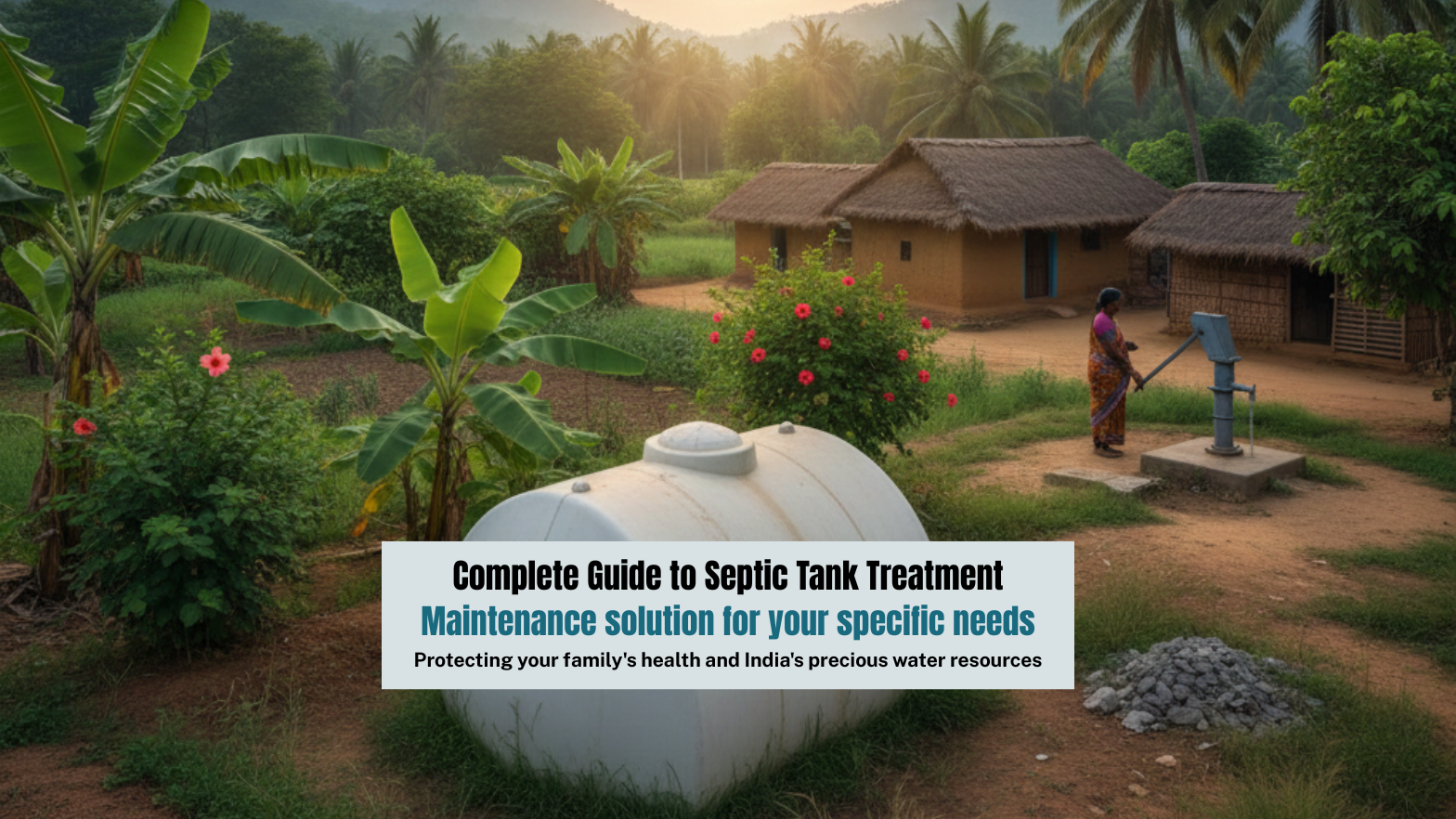
A septic tank is essentially a watertight chamber that collects and partially treats household wastewater. In India, where municipal sewage systems don’t reach every corner, approximately 60-70% of urban households and nearly all rural properties rely on septic systems.
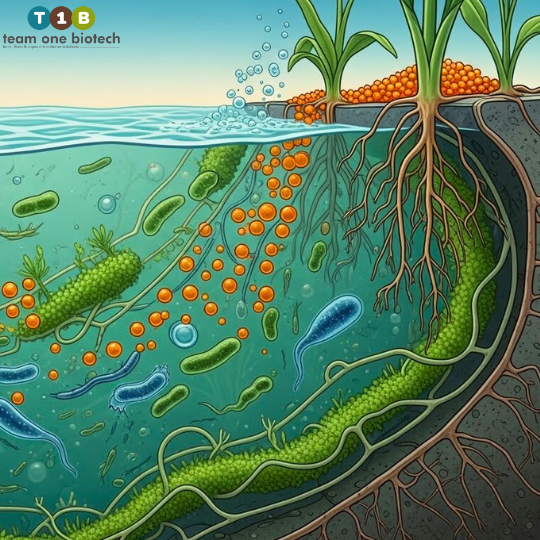
Here’s how it works: wastewater from your toilets, bathrooms, and kitchen flows into the tank. Solid waste settles at the bottom forming sludge, oils and grease float to the top as scum, and the middle layer of relatively clear water flows out into a drain field or soakpit. Naturally occurring bacteria break down the organic matter, but this process needs help to work efficiently.
Why Septic Tank Treatment Matters in India
The Indian context makes septic tank maintenance particularly crucial. Our tropical climate, with its intense heat and heavy monsoons, accelerates the breakdown of waste but also increases the risk of overflow and contamination. The diverse soil conditions across different regions, from clay-heavy soils in the Deccan to sandy coastal areas, affect how well septic systems function.
Consider these sobering facts: improperly maintained septic tanks are one of the leading causes of groundwater contamination in India. When your septic system fails, untreated sewage can seep into the water table, affecting not just your drinking water but your entire neighborhood’s water supply. The economic cost of septic tank emergencies, including manual cleaning, repairs, and health issues, often runs into tens of thousands of rupees.
Common Septic Tank Problems in Indian Households

Foul Odors
That unmistakable sewage smell around your property is more than just unpleasant. It indicates that your septic tank bacteria are struggling to break down waste efficiently, or that gases aren’t venting properly.
Slow Draining and Backups
When water takes forever to drain from your sinks or toilets, or worse, sewage backs up into your home, your septic tank is crying out for attention. This often happens because the tank is full, the drain field is clogged, or excessive sludge has accumulated.
Overflow During Monsoons
The rainy season is when most septic emergencies occur. Excess rainwater can overwhelm your system, especially if it’s already struggling with poor bacterial action or accumulated sludge.
Rapid Sludge Accumulation
Indian cooking generates significant grease and oil, which can quickly build up in septic tanks. Combined with our water usage patterns, this leads to faster-than-normal sludge accumulation.
Types of Septic Tank Treatment Solutions
Chemical Treatments
Chemical septic tank treatments have been around for decades, but proceed with caution. While they might offer quick fixes, many chemical products can actually harm the beneficial bacteria in your tank. Some treatments marketed in India contain harsh acids or bases that can corrode your septic system and contaminate groundwater.
The verdict: Not recommended for regular use, especially in environmentally sensitive areas.
Biological Treatments: The Smart, Sustainable Choice
Biological or bacterial treatments represent the future of septic tank maintenance in India. These solutions introduce specialized bacteria and enzymes that supercharge your tank’s natural waste breakdown process.
Here’s why biological treatments work so well in Indian conditions:
- They accelerate the decomposition of organic matter, reducing sludge buildup by up to 60%
- They help break down oils, grease, and food waste common in Indian households
- They reduce foul odors by eliminating the source, not masking it
- They’re environmentally safe and won’t contaminate groundwater
- They reduce the frequency of manual cleaning, saving you money and sparing workers from hazardous conditions
Team One Biotech specializes in advanced biological septic tank treatments formulated specifically for Indian wastewater conditions. Our solutions contain carefully selected bacterial strains that thrive in tropical climates and effectively handle the unique composition of Indian household waste.
Mechanical Cleaning
Manual or mechanical cleaning involves physically removing accumulated sludge. While necessary periodically, it’s expensive, unpleasant, and potentially hazardous for workers. Regular biological treatment can extend the time between cleanings from annually to once every 3-5 years.
How to Choose the Right Septic Tank Treatment

When selecting a septic tank treatment for your property, consider these factors:
Tank Size and Household Size
A joint family home in Delhi with 8-10 people generates far more wastewater than a nuclear family of four in Pune. Choose products with appropriate dosage instructions for your specific situation.
Water Usage Patterns
Do you use washing machines daily? Run a home-based business? Host frequent gatherings? Higher water usage requires more robust bacterial treatment.
Climate Considerations
Coastal areas with high humidity need different treatment approaches than drier inland regions. Bacterial formulations should be suited to your local temperature and moisture conditions.
Soil and Groundwater Conditions
If you’re in an area with high water tables or poor soil drainage, protecting your drain field becomes even more critical.
Environmental Responsibility
Always choose treatments that are certified safe for the environment. In India, where water resources are under stress, this isn’t optional.
Step-by-Step Guide to Maintaining Your Septic Tank
Monthly Treatment
Add biological treatment products as directed, typically through your toilet. This maintains optimal bacterial levels and prevents problems before they start.
Quarterly Inspection
Check for signs of problems: soggy areas near your drain field, slow drains, or odors. Catching issues early saves money and headaches.
Annual Professional Assessment
Have a professional inspect your system annually, checking sludge levels and overall tank condition.
What to Avoid
Never flush these down your drains:
- Cooking oils and grease
- Sanitary napkins or diapers
- Cigarette butts
- Chemicals or paint
- Coffee grounds
- Medications
- Excessive amounts of harsh cleaning chemicals
The Environmental Impact: Your Role in India’s Water Future

Here’s something most people don’t realize: your septic tank decisions impact far more than just your property.
India faces severe water challenges. With 70% of our surface water contaminated and groundwater levels dropping alarmingly, every action counts. Properly maintained septic systems prevent pathogens and nutrients from leaching into groundwater, protecting the very source of water your family depends on.
By choosing biological septic tank treatments and maintaining your system properly, you’re not just solving a household problem. You’re contributing to a larger solution, protecting community health, and preserving water resources for future generations.
Cost Analysis: Investment vs. Emergency Expenses
Let’s talk numbers. A quality biological septic tank treatment costs between Rs. 500-1,500 per month, depending on your tank size. That’s Rs. 6,000-18,000 annually.
Compare this to:
- Emergency manual cleaning: Rs. 5,000-15,000 per incident
- Septic system repairs: Rs. 20,000-100,000
- Health issues from contaminated water: Incalculable
- Property value loss from septic problems: Significant
The math is simple: preventive maintenance through biological treatment is far more economical than dealing with emergencies.
Team One Biotech: Your Partner in Septic Tank Care
At Team One Biotech, we’ve spent years developing bioremediation solutions specifically for Indian conditions. Our septic tank treatments contain powerful bacterial consortiums that handle everything from high-grease Indian cuisine waste to the challenges of tropical climates.
We don’t just sell products. We provide complete solutions:
- Expert consultation for your specific situation
- Customized treatment plans based on your household needs
- Ongoing support and guidance
- Environmentally responsible formulations
- Proven results across thousands of installations nationwide
Ready to solve your septic tank problems permanently?
Don’t wait for the next monsoon to flood your system or for embarrassing odors to drive away guests. Take control of your septic tank maintenance today.
Contact Team One Biotech now for a free consultation. Our experts will assess your situation and recommend the perfect solution for your property. Visit our website or call us to learn how our biological treatments can save you money, protect the environment, and give you complete peace of mind.
Final Thoughts
Septic tank maintenance might not be the most glamorous topic, but it’s one of the most important responsibilities of property ownership in India. With the right approach, proper biological treatment, and regular maintenance, your septic system can function efficiently for decades while protecting your family’s health and India’s precious water resources.
The choice is yours: reactive emergency management or proactive, intelligent maintenance. We know which one makes more sense.
Transform your septic tank from a ticking time bomb into a properly functioning waste treatment system. Choose Team One Biotech’s biological solutions today.
Looking to improve your ETP/STP efficiency with the right bioculture?
Talk to our experts at Team One Biotech for customised microbial solutions.
Contact: +91 8855050575
Email: sales@teamonebiotech.com
Visit: www.teamonebiotech.com
Discover More on YouTube – Watch our latest insights & innovations!-
Connect with Us on LinkedIn – Stay updated with expert content & trends!