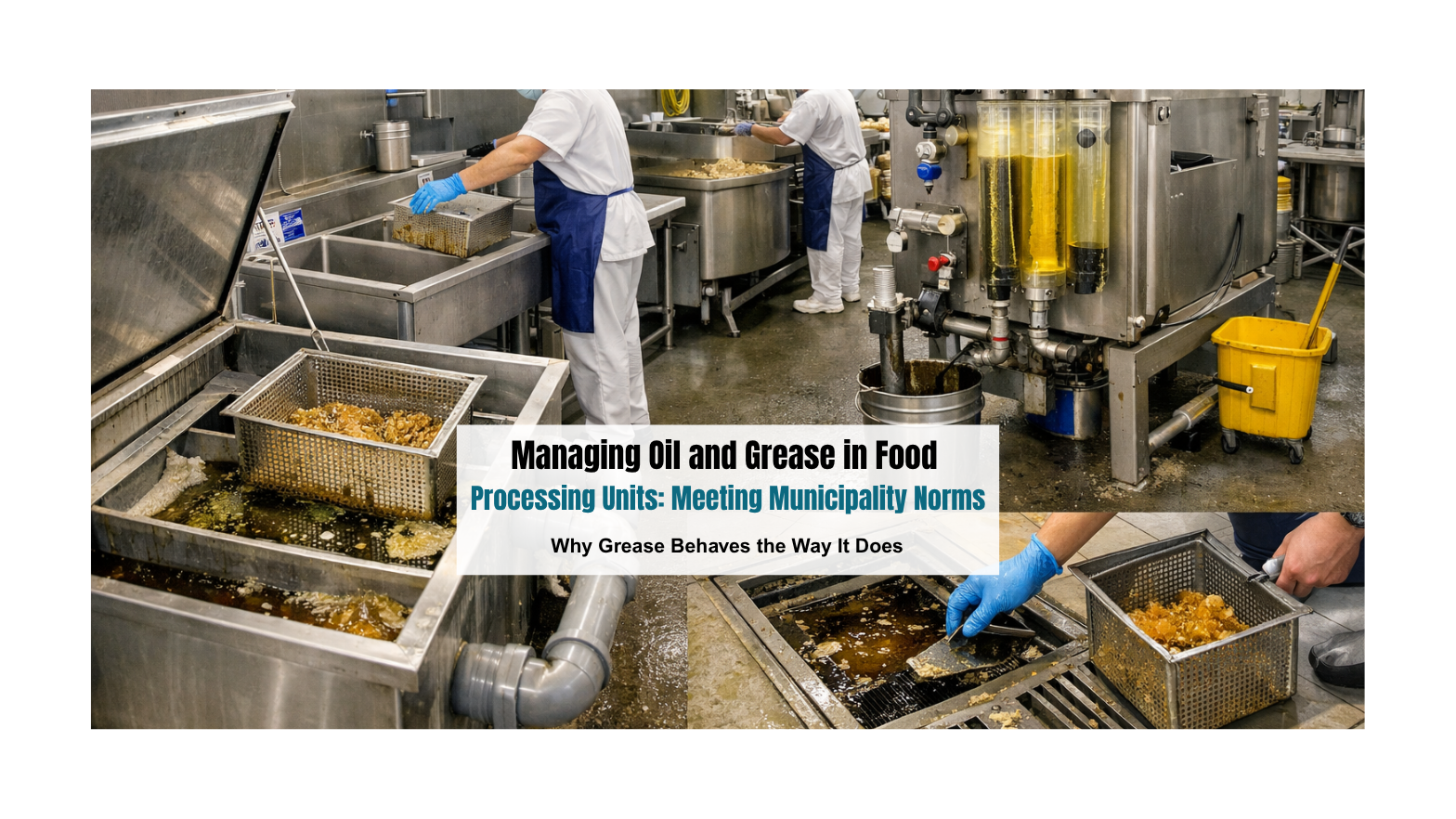
When Your Drainage System Becomes Your Biggest Business Liability
It is a Saturday evening. Every table is taken. The kitchen has been running hard since noon, biryanis finishing in the dum, a fresh batch of paneer going into the gravy, the fryer cycling through order after order. The kind of service your team has been working towards all week.
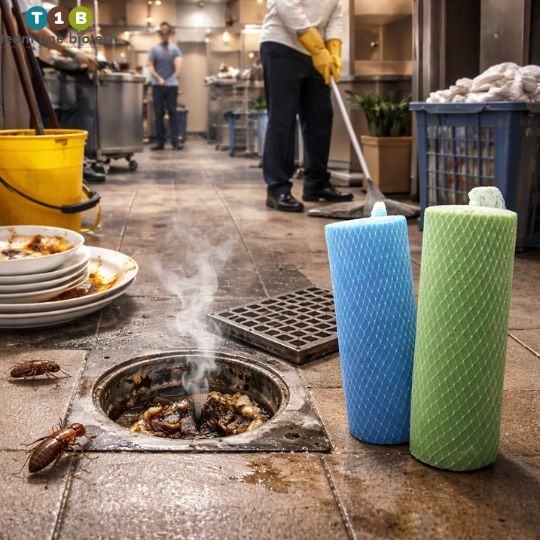
And then one of your kitchen staff calls out from the floor. The drain near the pot-wash station is not clearing. You walk over. The water is sitting. And within the next ten minutes, it is not just sitting, it is rising.
You know what happens next, because you have either lived it or heard it from someone who has. The smell reaches the pass before it reaches the dining floor, but not by much. A guest near the service entrance wrinkles her nose. Your manager is on the phone with a plumber who will not arrive for two hours. The kitchen slows down not because of orders but because half your team is working around standing water.
By the time service ends, you have lost covers, burned goodwill, and paid an emergency callout rate that would have funded three months of proper maintenance.
This is the reality that nobody puts in a facility management manual, but every hotel operator, restaurant owner, and commercial complex manager in India eventually confronts. A drainage system pushed past its limits during the worst possible moment. And almost without exception, it traces back to one thing: FOG, Fats, Oils, and Grease, that was never properly managed.
Implementing a Microbial Solution for FOG Treatment can be the turning point in preventing these disasters before they begin.
This guide is written for the people who cannot afford for that evening to happen again. Whether you run a mid-scale hotel in Pune, a banquet facility outside Delhi, or a high-volume food court in a Tier-2 city, what follows is a practical, technically honest walkthrough of how FOG accumulates, why it becomes dangerous, and what a real management programme actually looks like.
FOG: Why Indian Commercial Kitchens Face a Unique Challenge
What FOG Is and Why It Does Not Stay Where You Think It Does
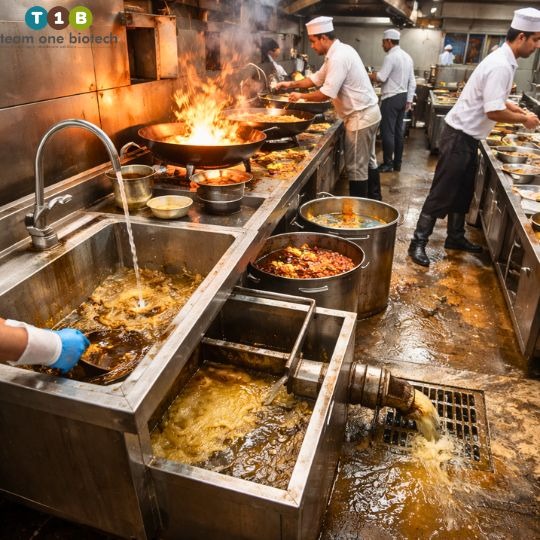
Every commercial kitchen produces FOG. It comes off the tawa with the ghee, it rinses out of the karahi with the masala, it drains away from the fryer station with the hot water your staff uses to clean down at the end of service. In the moment, it looks like it is simply going away. It is not.
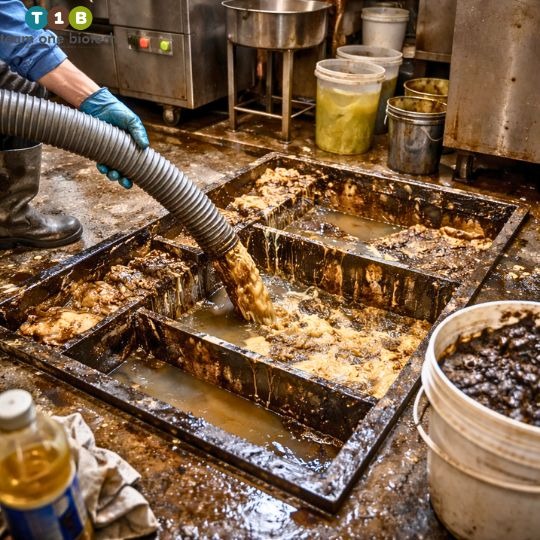
What is actually happening is that fats and oils are traveling through your drainage lines in a temporarily liquid state, carried along by heat and water pressure. As that water cools inside your pipes, the fats begin to solidify. They do not travel further. They stick. They layer. And over weeks and months, what started as a film on the inner wall of a drainage pipe becomes something closer to a plug.
This is not a plumbing problem in the conventional sense. It is a chemistry problem with a plumbing outcome.
Why Indian Cuisine Makes This Harder Than Most
The global benchmarks used to design grease traps and set cleaning schedules were largely developed for Western commercial kitchens. Lower ghee use, less deep-frying per cover, lighter oil profiles. Those benchmarks do not transfer cleanly to Indian operations, and applying them without adjustment is one of the most common mistakes facility managers make.
Consider what a typical high-volume Indian commercial kitchen actually puts through its drainage system on a busy day:
- Ghee and clarified butter used in dal, biryanis, rotis, and finishing gravies. Saturated animal fat that congeals quickly and adheres aggressively to cold pipe surfaces.
- Spent frying oil from pakoda, puri, samosa, bhatura, and fried snack stations. High-volume, high-frequency, difficult to fully capture before it reaches the drain.
- Coconut oil and palm oil from South Indian and coastal menus, lighter but still significant in accumulated volume across a full service day.
- Masala residues and spice pastes that bind with fats to form a dense, semi-solid matrix inside your traps and pipes that mechanical cleaning alone struggles to fully address.
- Pre-prep wash water carrying suspended solids from vegetables, pulses, and marinated proteins, all of which combine with FOG to create layered, compacted blockages.
A facility serving 400 covers a day in an Indian format is generating a FOG load that is substantially higher than a comparable Western-style restaurant at the same volume. (These are general estimated values; actual requirements differ based on specific ETP/STP design, load, and environmental factors.) If your maintenance schedule does not account for that difference, you are already running behind.
The Climate Factor Nobody Talks About
India’s heat does something to drainage systems that most facility managers only understand once they have had to deal with the consequences.
In cooler climates, organic waste inside a septic tank or grease trap decomposes slowly. The gases produced accumulate gradually. In India, ambient temperatures between 25°C to 40°C across most of the year mean that biological decomposition, both the wanted and unwanted kinds, runs faster. (These are general estimated values; actual requirements differ based on specific ETP/STP design, load, and environmental factors.)
The unwanted kind produces hydrogen sulfide. That is the gas responsible for the rotten egg smell that drifts up from floor drains in summer, that seeps into basement service corridors, that occasionally makes its way to a hotel lobby and prompts a guest complaint that ends up in a review.
The wanted kind, the microbial activity that breaks down organic waste, is exactly what a well-designed bioremediation programme exploits. India’s heat is not just a problem. Managed correctly, it is an advantage. Warm temperatures accelerate the activity of introduced bacterial cultures, meaning a biological treatment programme deployed in Mumbai or Chennai will typically establish and perform faster than the same product used in a temperate climate.
Understanding this dynamic shifts how you think about your maintenance strategy entirely.
The Oil and Grease Trap: Your First Line of Defence
How It Actually Works
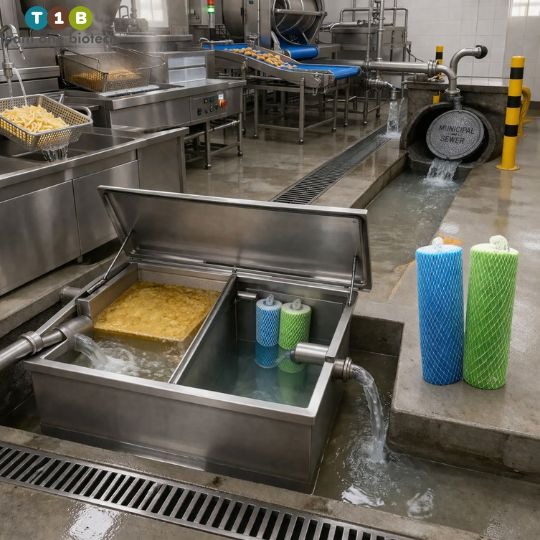
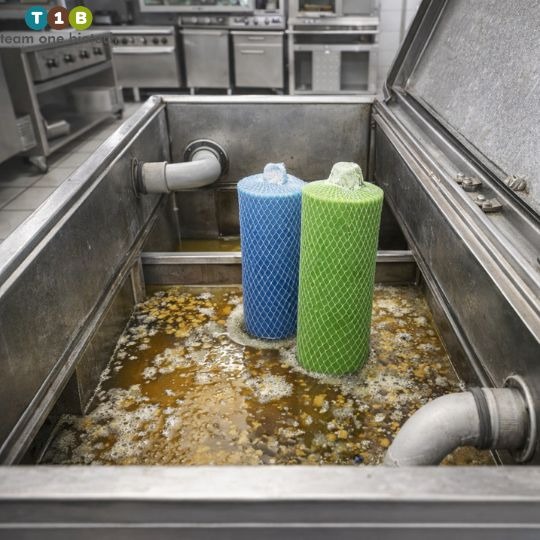
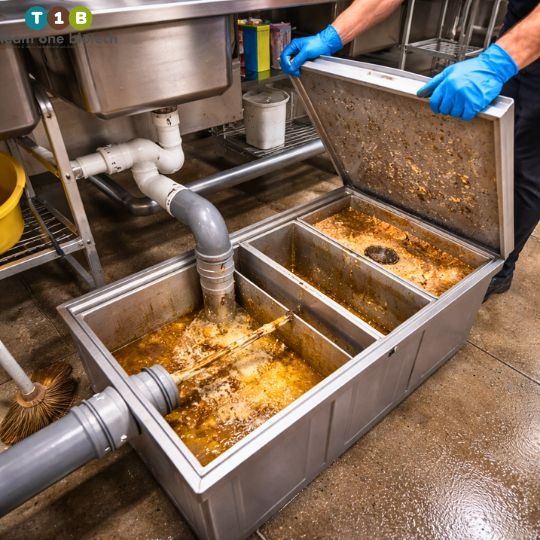
The principle behind an oil and grease trap is straightforward, even if the engineering details vary. Wastewater from your kitchen enters the trap and slows down. Because fats and oils are lighter than water, they rise to the surface and form a scum layer. Heavier solids sink and form a sludge layer at the bottom. The relatively cleaner water in the middle, the effluent, exits through the outlet pipe toward your main drainage or treatment system.
That is the design. It works well when the trap is correctly sized, regularly cleaned, and biologically active. When any of those three conditions breaks down, the trap becomes the problem rather than the solution.
Sizing: Where Most Indian Facilities Are Already Behind
A common pattern across Indian commercial properties, particularly those that have expanded operations since original construction, is a grease trap that was sized for a lower service volume than the facility now runs at.
Original kitchen capacity on paper, actual peak covers served today, added banqueting or catering operations, new food stations in a hotel’s all-day dining, any of these increases the hydraulic load on a trap that was designed for something smaller. The trap does not fail dramatically. It just becomes progressively less effective. FOG bypass rates increase. Downstream blockages become more frequent. The system appears to be working until it suddenly is not.
If your facility has grown since your oil and grease trap was last assessed, that assessment is overdue. Team One Biotech offers site audits that evaluate whether your existing trap infrastructure is matched to your current operational reality, contact us to arrange one.
What Delayed Grease Trap Cleaning Actually Costs You
There is a common pattern in how facility managers think about grease trap cleaning: it is deferred because it is unpleasant, mildly disruptive, and the cost appears as a line item with no obvious immediate return. The logic holds right up until it does not.
Here is what the full cost picture actually looks like when cleaning is deferred too long:
- Emergency plumbing rates on a weekend evening are not comparable to scheduled service rates. They are multiples of them, and that is before accounting for the disruption cost to your operations.
- Lost revenue from service disruption during a blocked-drain event. Not theoretical revenue. Actual tables that did not complete their meal, actual bookings that were turned away.
- Pipe corrosion driven by prolonged hydrogen sulfide exposure degrades your drainage infrastructure over time in ways that are expensive to diagnose and even more expensive to repair.
- Regulatory exposure from exceeding permissible FOG discharge limits, a risk that increases significantly as trap maintenance is deferred and bypass volumes rise.
Grease trap cleaning is not a cost. It is risk mitigation with a clear return on investment. The question is whether that investment is made on a schedule you control or in an emergency at a rate you do not.
Septic Tank Treatment: Understanding What Is Happening Below Ground
The Biology Your Maintenance Schedule Depends On
For a significant proportion of hotels, resorts, standalone restaurants, and commercial complexes in India, particularly those outside dense urban sewer networks, the septic tank is the terminal point for all wastewater. What happens inside it determines whether your drainage system functions reliably or fails progressively.
A healthy septic tank is a biological system, not simply a storage vessel. Three things need to happen continuously for it to function:
Physical separation, solids settle to the bottom as sludge, fats and lighter materials rise as scum, and the clarified middle layer flows toward secondary treatment or dispersal.
Anaerobic digestion, naturally occurring bacterial populations break down organic solids in the sludge layer. This is the process that prevents the tank from filling up faster than it is being emptied. When it functions well, you get reliable long intervals between desludging. When it collapses, your tank fills rapidly and your drainage system pays the price.
Effluent dispersal, the clarified effluent exits to a leach field, soak pit, or secondary ETP/STP. If the incoming effluent is not adequately clarified, because physical separation or digestion has broken down, solids carry over and begin to compact the dispersal system. This is the failure mode that is most expensive to remediate.
FOG is the most common disruptor of all three processes. When large volumes of grease bypass an undersized or poorly maintained oil and grease trap and enter the septic system, they suppress the anaerobic bacterial populations responsible for digestion, accelerate scum layer formation, and carry over into dispersal infrastructure. The system does not fail immediately. It fails incrementally, in ways that are easy to miss until the problem is advanced.
Reading the Early Warning Signs
Most septic system failures give you notice before they give you a crisis. Facility managers who know what to look for can intervene at a fraction of the cost of emergency remediation.
Watch for these indicators:
- Multiple slow drains across the facility, not one blocked fixture but a pattern, suggesting the problem is downstream of the individual drain points
- Persistent sulphur or sewage odour near inspection chambers, in basement plant rooms, or in low-lying outdoor areas adjacent to the leach field
- Unusually wet or lush patches above the dispersal area, effluent surfacing because the soil can no longer absorb it
- Pump-out intervals shrinking, if you are desludging more frequently than your historical schedule, biological activity inside the tank has likely degraded significantly
- Drainage gurgling sounds across multiple fixtures after heavy service, indicating the system is under hydraulic stress
None of these are simply cosmetic nuisances. Each one is a data point telling you that the biological balance inside your septic system needs attention.
How Often Should You Actually Be Treating Your Septic Tank?
This is a question Team One Biotech gets asked constantly, and the honest answer is that it depends on variables specific to your facility. That said, a practical framework for high-load commercial operations looks like this:
Biological dosing of microbial cultures should typically occur every 15 to 30 days for facilities running at significant daily load. (These are general estimated values; actual requirements differ based on specific ETP/STP design, load, and environmental factors.) Mechanical desludging, the physical removal of accumulated sludge that cannot be biologically degraded, should be planned at intervals of 6 to 18 months, calibrated to your tank volume and daily input load. (These are general estimated values; actual requirements differ based on specific ETP/STP design, load, and environmental factors.)
After every desludging, a concentrated microbial reinoculation is critical. A freshly emptied tank has had its entire biological population removed along with the sludge. Returning it to full operational load without reestablishing those populations means weeks of degraded treatment performance at the point when your system is most vulnerable.
Team One Biotech designs septic tank treatment programmes around your facility’s specific configuration, load profile, and seasonal conditions. If you have not reviewed your current treatment approach recently, now is the right time to do it, reach out to our team for a consultation.
Why Mechanical Cleaning Alone Is Never Enough
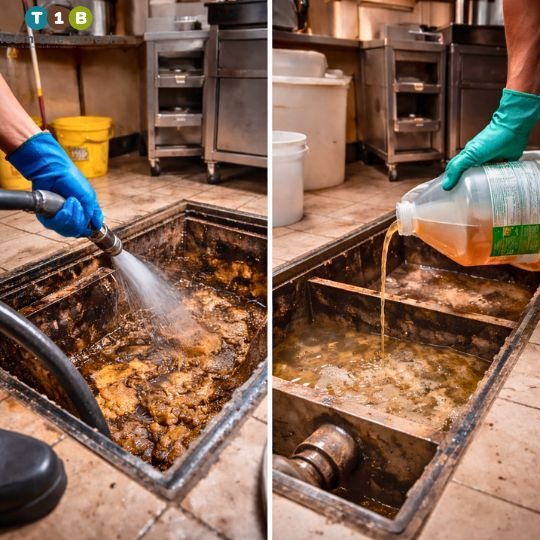
Mechanical grease trap cleaning, vacuum extraction of accumulated FOG and sludge, is necessary. It cannot be skipped, and no responsible bioremediation provider will suggest otherwise. But here is what it does not do.
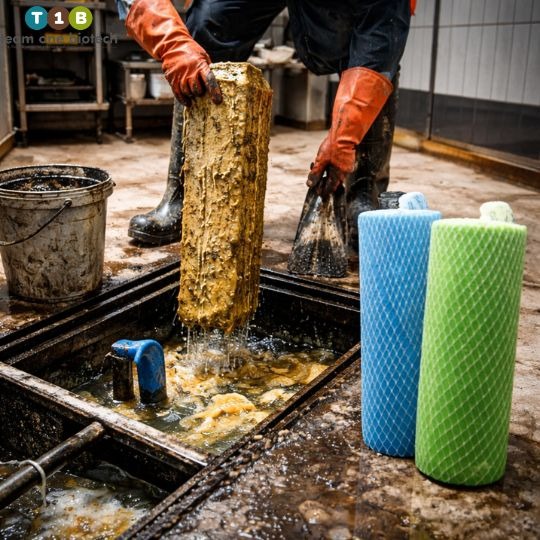
It clears the accumulated material at the trap itself, at that point in time. It does nothing to the biofilm of grease adhering to the pipe walls between your kitchen and the trap. It does not restore microbial populations in your septic system. It does not slow the rate at which FOG will accumulate again.
The day after a mechanical clean, your system starts accumulating FOG at exactly the same rate as the day before the clean. The conditions that caused the buildup have not changed. The maintenance cycle repeats. The costs repeat. The risk repeats.
This is not a criticism of mechanical cleaning. It is simply an accurate description of what it is and is not designed to do. The problem arises when it is treated as a complete solution rather than one component of one.
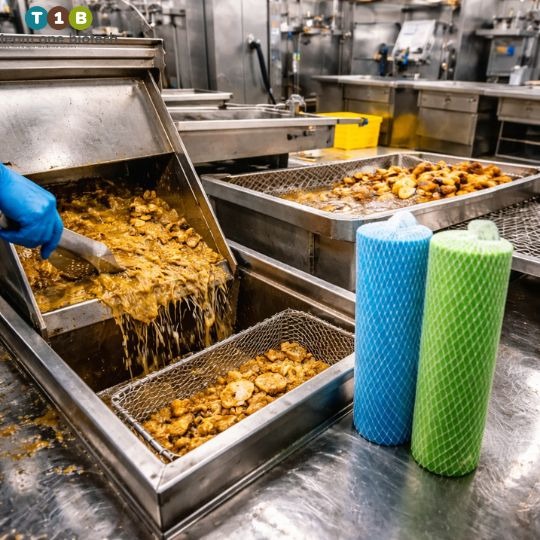
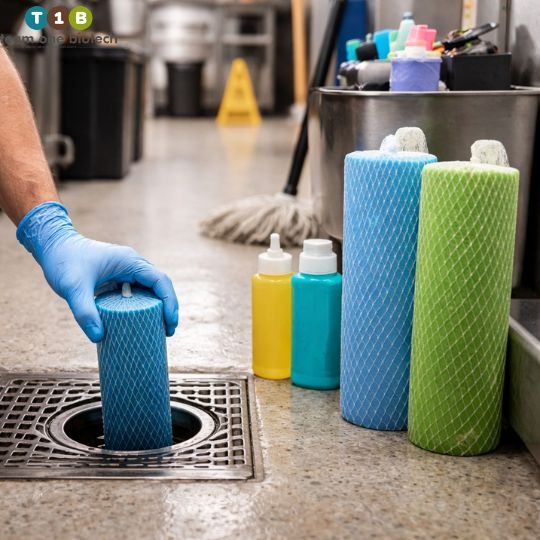
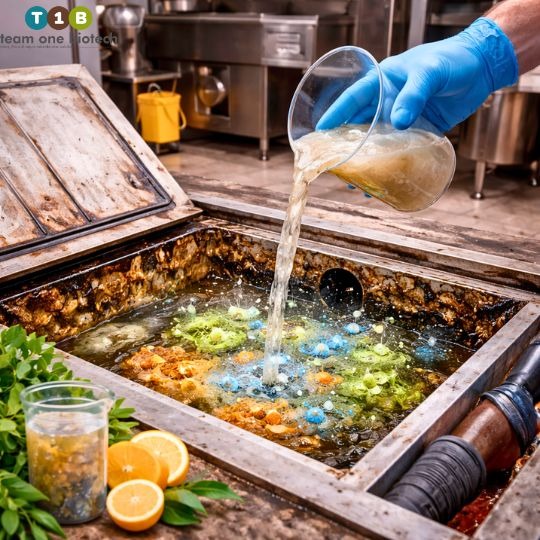
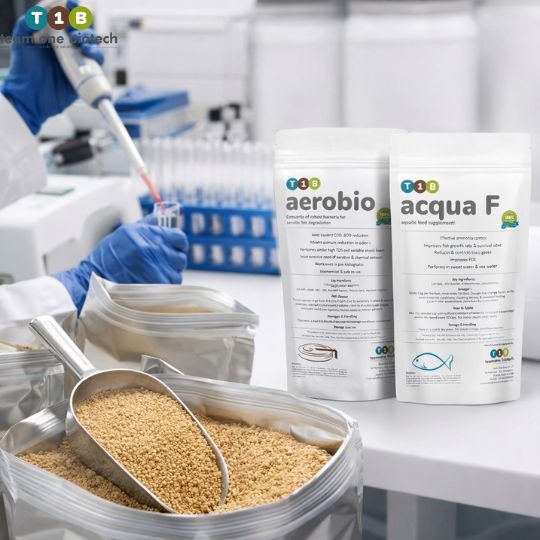
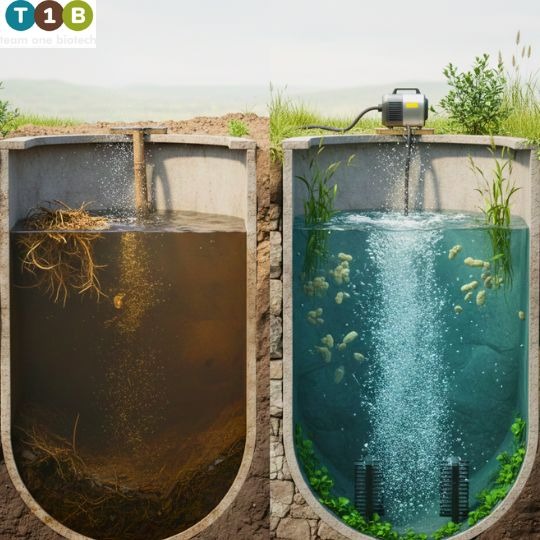
Bioremediation for FOG management is the introduction of selected, non-pathogenic bacterial strains, in concentrated, stable formulations, into your drainage lines, grease trap, and septic system. These are naturally occurring organisms, not engineered chemicals. They produce specific enzymes targeted at the organic compounds your kitchen generates:
- Lipases break down fats and oils at the molecular level
- Proteases address protein residues from food prep and wash-down
- Amylases break down starch and carbohydrate matter from prep and dishwashing
The bacteria then consume the breakdown products as their carbon and energy source, converting complex organic waste into carbon dioxide, water, and inert biomass. The process does not simply move the FOG, it eliminates it biologically.
Over a sustained programme, the practical outcomes are measurable:
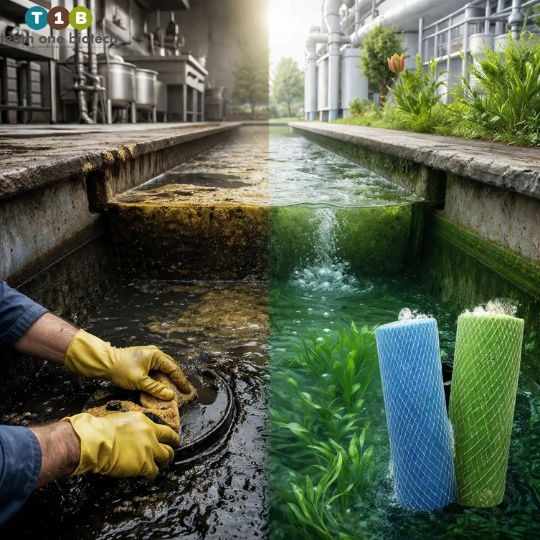
- FOG accumulation rate inside the grease trap slows, extending intervals between mechanical cleanouts
- Biofilm inside drainage pipework between the kitchen and the trap begins to degrade, reducing pipe-wall buildup
- Hydrogen sulfide-producing anaerobic conditions in the septic system are displaced, reducing odour
- Biological digestion within the septic tank is restored and maintained, slowing sludge accumulation
- Long-term maintenance costs decrease as mechanical intervention frequency reduces
Facilities on a structured bioremediation programme alongside scheduled mechanical cleaning typically see a reduction in cleanout frequency of between 25% to 45% over a sustained period. (These are general estimated values; actual requirements differ based on specific ETP/STP design, load, and environmental factors.)
Why This Approach Works Particularly Well in India
The same warm ambient temperatures that accelerate FOG-related problems also create near-ideal conditions for introduced microbial cultures to establish and perform.
At the temperature ranges typical of Indian commercial environments across most of the year, bacterial populations in a well-dosed bioremediation programme reproduce and become active faster than they would in temperate climates. The system reaches biological equilibrium more quickly. The results manifest earlier.
Team One Biotech’s product formulations are selected and validated specifically for Indian tropical and subtropical conditions. That is not a marketing distinction, it is a technical one that directly affects how quickly and consistently a programme delivers results in your specific environment.
Building a FOG Management Programme That Actually Holds
The Four Pillars That Make It Work
No single intervention solves FOG management. What works is a structured programme built on four interdependent elements:
Infrastructure that fits your actual load, Not your theoretical kitchen capacity from the original build plans. Your actual peak-hour output today. If there is a mismatch, maintenance alone will not compensate for it.
A mechanical cleaning schedule you keep, Fixed intervals, logged properly, non-negotiable. Your grease trap cleaning schedule belongs on your facility maintenance calendar alongside your HVAC and fire system services.
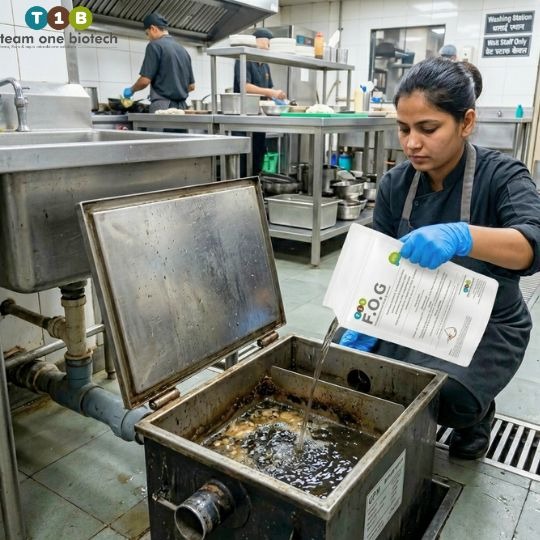
Consistent biological treatment, Dosed on a regular schedule into your grease trap, drainage lines, and septic system. Consistency matters here more than concentration. An inconsistent programme is substantially less effective than a lower-dose programme applied reliably.
Kitchen protocols that do not undermine everything else, The most sophisticated treatment programme is weakened by poor kitchen-floor habits. Pre-scraping before washing, spent oil collected in designated containers and not poured down drains, hot water disposal directly into grease trap inlets prohibited. These are not complicated protocols. They are discipline, and they make a material difference.
What Compliance Actually Requires
Municipal bodies across Indian cities operate under discharge standards aligned with Central Pollution Control Board frameworks that specify maximum permissible concentrations of oil and grease in effluent released to the sewer network. These are not suggestions. Exceeding them creates legal exposure.
For hotels and restaurants under FSSAI licensing, drainage failures that generate health or hygiene risk can trigger licence review proceedings. The regulatory risk is compounding, a municipal fine is one thing, but a licence complication during peak season is another category of business impact.
A documented FOG management programme, service logs, biological treatment records, grease trap cleaning certificates, effluent test results, is your primary evidence of compliance in any inspection scenario. It is also, frankly, evidence of professionalism that reflects well on your operation regardless of whether an inspector ever asks to see it.
Team One Biotech provides complete documentation support as part of its managed maintenance programmes. If you want a programme that holds up under regulatory scrutiny, contact our team to discuss what that looks like for your facility.
Frequently Asked Questions
How often should grease trap cleaning happen in a high-volume Indian restaurant?
For a restaurant serving a primarily Indian cuisine menu at significant daily covers, the practical trigger is the 25% rule: clean the trap when the combined scum and sludge depth reaches between 25% to 33% of the trap’s total liquid depth. In operational terms, this typically means cleaning every 2 to 6 weeks for high-load kitchens. (
These are general estimated values; actual requirements differ based on specific ETP/STP design, load, and environmental factors.)
Facilities on an active biological treatment programme may legitimately extend those intervals, but only within guidance from their service provider based on actual trap inspection data, not as an assumption.
Can biological treatment replace mechanical desludging?
No, and any provider who suggests otherwise is not giving you accurate information. Biological septic tank treatment reduces sludge accumulation rate and maintains biological health between desludging cycles. It cannot eliminate the accumulation of inert solids that no bacteria will break down. All septic systems require periodic physical desludging. Bioremediation makes that necessary interval longer and the system more stable between interventions, it does not make the intervention unnecessary.
Properly formulated commercial bioremediation products use non-pathogenic bacterial strains found naturally in soil and organic environments. They are safe for drainage infrastructure, safe for staff handling them according to product guidelines, and safe for receiving water bodies. They do not corrode pipes, damage fittings, or disrupt the biological processes in your downstream treatment system. Team One Biotech’s formulations comply with applicable Indian regulatory standards for commercial application.
Our property has a combined ETP/STP. Is FOG management still relevant?
It is more relevant, not less. Excess FOG entering a combined treatment system will coat aeration membranes, suppress the biological activity in activated sludge chambers, and compromise your treated effluent quality, potentially causing you to exceed discharge standards even when the treatment system itself is functioning correctly. A properly maintained oil and grease trap upstream of your ETP/STP inlet protects your treatment investment and is a prerequisite for consistent compliance performance.
The first indicators, odour reduction and a visible slowing of FOG accumulation inside the trap, are typically noticeable within 2 to 6 weeks of a properly dosed programme. Measurable changes in cleanout frequency and drainage flow performance generally become clear over 3 to 6 months of sustained application.
(These are general estimated values; actual requirements differ based on specific ETP/STP design, load, and environmental factors.)
The rate of improvement depends on system size, starting biological load, dosing consistency, and how well kitchen operational protocols are being followed alongside the treatment programme.
We already have a blocked drain right now. What should we do?
In an active blockage, mechanical intervention is the immediate priority, biological treatment will not clear a blocked pipe. Once the blockage is resolved and the system has flow, commence a biological reinoculation protocol to restore microbial populations and begin addressing the underlying conditions that created the blockage. Going from emergency mechanical clear to a structured ongoing programme is exactly the transition that prevents the same emergency from recurring. Team One Biotech supports facilities through exactly this transition, contact us if you are dealing with an active issue and need guidance on next steps.
The Conversation Worth Having Before the Next Emergency
There is a version of this that plays out as a crisis, the Saturday evening backflow, the guest complaint, the municipal notice, the emergency plumber at midnight. And there is a version where none of that happens, because someone made a decision to treat drainage infrastructure as the operational asset it actually is rather than the back-of-house problem to be deferred until it cannot be anymore.
Both versions are available to every facility manager reading this. The difference is a structured programme, applied consistently, designed for the specific conditions of Indian commercial operations.
Team One Biotech works with hotels, restaurants, and commercial facilities across India to design FOG management and biological treatment programmes that fit the actual operational reality of each facility, the cuisine profile, the kitchen volume, the infrastructure configuration, the regulatory environment, and the seasonal conditions that affect how all of it performs.
If you are ready to move from managing crises to preventing them, the starting point is straightforward.
Contact Team One Biotech today to request a site audit or a customised FOG management and bioremediation plan. The conversation costs nothing. The alternative, as you may already know, costs considerably more.
Looking to improve your ETP/STP efficiency with the right bioculture?
Talk to our experts at Team One Biotech for customised microbial solutions.
Contact: +91 8855050575
Email: sales@teamonebiotech.com
Visit: www.teamonebiotech.com
Discover More on YouTube – Watch our latest insights & innovations!-
Connect with Us on LinkedIn – Stay updated with expert content & trends!