
Buying Bulk Biotech: A Guide to Sourcing via Team One Biotech on Alibaba.com

The World Cannot Wait for Slow Solutions

Across sub-Saharan Africa, municipal water treatment facilities are running at half capacity. In the copper belt of Peru and Chile, mining effluent is leaching into river systems that thousands of communities depend on. In Southeast Asia and coastal West Africa, fish farms are losing stock to pond toxicity that no synthetic antibiotic has managed to fully control. These are not hypothetical scenarios. They are the operational realities that procurement officers, environmental engineers, and project managers are navigating every single day.

The global shift away from harsh chemical interventions is no longer a matter of preference. It is a matter of regulatory pressure, cost efficiency, and long-term viability. Governments in over 40 countries have tightened discharge standards. Insurance underwriters are increasing premiums for facilities reliant on chemical-heavy remediation. And communities living downstream are no longer silent.

Microbial biotechnology, the science of deploying targeted bacteria, enzymes, and probiotic cultures to break down waste, restore soil health, and clean water systems, is rapidly becoming the preferred tool for large-scale environmental management. The question is no longer whether to go biological. The question is: who do you trust to supply it at scale, with certifications that hold up across borders?

That answer, for a growing number of buyers across 55 countries, is Team One Biotech.

This is a procurement guide for international distributors, environmental NGOs, and industrial buyers seeking verified, large-scale microbial solutions.

Why Team One Biotech: Depth of Expertise, Breadth of Capability
Why Team One Biotech: Depth of Expertise, Breadth of Capability

27+ Years of In-House Manufacturing and Applied Science

Team One Biotech is not a trading company. It is a manufacturer with its own research infrastructure, fermentation capacity, and quality control systems built over more than two and a half decades. Founded and headquartered in Mumbai, India, the company has participated in large-scale government projects across water treatment, sanitation, and agricultural rehabilitation, providing the kind of institutional track record that procurement committees and development finance institutions require before signing a purchase order.

What this means for bulk buyers is straightforward: no middlemen, no reformulation delays, no supply chain surprises. When you place an order, you are dealing directly with the laboratory that designed the product.

Certified at Every Level That Matters

International trade in biological products is closely regulated, and rightly so. Team One Biotech holds ISO, GMP, and SGS certifications, the three standards that matter most when importing microbial formulations into regulated markets. SGS certification, in particular, provides independently verified proof of product safety and consistency, which is increasingly required by port authorities and distribution partners in Africa, Latin America, and the European Union.

For NGOs working under donor-funded programs or procurement officers answerable to government contracts, this certification stack is not a nice-to-have. It is a prerequisite. Team One Biotech meets it entirely.

Strategic Industry Focus: Where Microbial Science Delivers
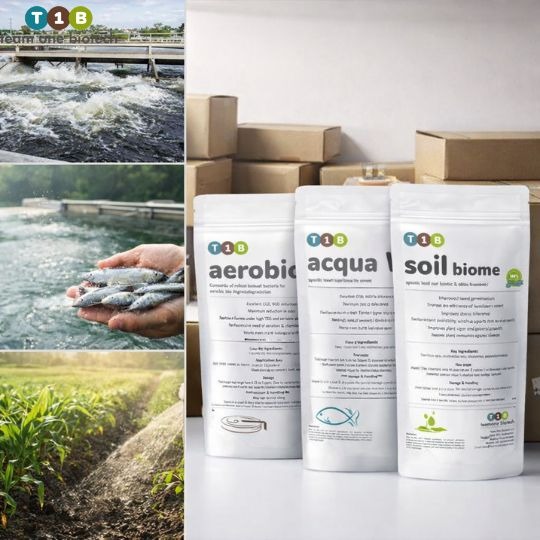
Aquaculture and Agriculture: Healthier Yields Without the Chemical Load

Team One Biotech’s Aqua Microbiome product line is purpose-engineered for aquaculture producers managing shrimp ponds, fish farms, and recirculating aquaculture systems. By introducing targeted probiotic cultures that compete against pathogenic bacteria, improve feed conversion ratios, and stabilize pond water chemistry, Aqua Microbiome allows producers to reduce antibiotic dependency, a critical requirement for exporters serving European and North American food retail markets.

For agricultural buyers, the Terro formulation line addresses soil microbiome depletion, a problem that is particularly acute across overfarmed regions in East Africa, West Africa, and parts of Brazil. Chemical fertilizer dependency degrades microbial diversity over time, reducing the soil’s natural capacity to fix nitrogen, suppress pathogens, and retain moisture. Terro-based microbial soil conditioners work to reverse this degradation, supporting:

  • Higher germination rates and root development in staple crops
  • Improved nutrient availability without increasing synthetic input costs
  • Faster organic matter breakdown, which restores soil structure over successive growing seasons

For agricultural distributors operating across smallholder networks in Nigeria, Kenya, Ghana, or the Cerrado region of Brazil, this product category offers a commercially viable and environmentally responsible alternative to conventional soil inputs.

Wastewater Treatment and Sanitation: Built for Scale, Designed for Compliance

Rapid urbanization in Africa and South Asia has outpaced sewage infrastructure investment by decades. In many cities across the continent, pit latrines and septic tanks remain the primary sanitation infrastructure for urban and peri-urban populations. These systems require biological maintenance to remain functional and safe.

Team One Biotech’s Flaro product range and wastewater treatment formulations are designed for exactly these environments. They are used in:

  • Municipal wastewater treatment plants looking to reduce chemical dosing costs and improve effluent quality for regulatory compliance
  • Septic systems and decentralized sanitation where low-maintenance biological dosing outperforms chemical alternatives
  • Drain and sewer maintenance in hospitality, healthcare, and institutional facilities

The cost structure for bulk buyers is compelling. A single container shipment of Flaro-based bioenzyme formulations can service a regional distribution network across multiple countries, particularly in markets where the regulatory environment is shifting toward biological treatment mandates.

The Global Export and Private Label Opportunity
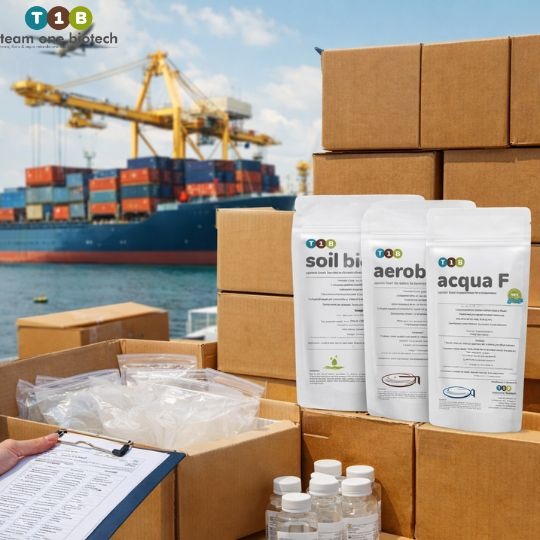
The Global Export and Private Label Opportunity

Building Your Local Brand on Proven Formulations

One of Team One Biotech’s most strategically important capabilities for international distributors is its white-label manufacturing program. Rather than investing years and significant capital into developing proprietary microbial formulations, regional distributors can partner with Team One Biotech to source proven, certified products under their own brand identity.

This model has already been adopted by distribution partners across multiple continents. A distributor in West Africa, for example, can source bulk formulations of microbial wastewater treatment products, have them packaged and labeled under their regional brand, and go to market with a product line that carries all the underlying R&D and certification credibility of Team One Biotech, without disclosing their manufacturing source.

The white-label program supports:

  • Custom formulation packaging in sizes suited to local market requirements (from 5-litre retail units to 1,000-litre IBC totes)
  • Private label artwork and branding applied to finished goods
  • Technical documentation and SDS sheets customized for your brand
  • Regulatory support for import registration in target markets

For NGOs managing agricultural or sanitation programs under development grants, this model also allows procurement of locally branded products that are better received by community stakeholders than generic imported goods.

Your Step-by-Step Buyer’s Guide on Alibaba.com

Your Step-by-Step Buyer's Guide on Alibaba.com

Team One Biotech’s verified storefront is live on Alibaba.com as a Trustpass-verified supplier, accessible at: https://teamonebiotech.trustpass.alibaba.com/

Trustpass verification is Alibaba’s highest tier of supplier authentication, requiring in-person business verification, legal documentation review, and ongoing compliance monitoring. For buyers unfamiliar with sourcing biological products internationally, this verification status is the first checkpoint that separates legitimate manufacturers from unverified resellers.

How to Proceed Efficiently

Step 1: Access the Verified Storefront Navigate to nonebiotech.trustpass.alibaba.com. Confirm the Trustpass badge is visible on the supplier profile header before proceeding.

Step 2: Browse by Application Category The store is organized by end-use application, Wastewater Treatment, Agriculture, Aquaculture, Sanitation, F.O.G., Animal Probiotics, and Bioenzyme Natural Cleaners. Identify your priority category and shortlist relevant SKUs.

Step 3: Download Product Specifications Each product listing includes technical data sheets. Download these before initiating contact. Having a clear product spec on hand allows your technical team to pre-approve a formulation before price negotiations begin.

Step 4: Request a Trade Quote (RFQ) Use Alibaba’s built-in RFQ (Request for Quotation) function to submit a structured inquiry. Specify: product category, estimated volume (monthly or per-order), packaging preference, destination country, and whether you require private label options. Team One Biotech’s export team responds to qualified trade inquiries directly.

Step 5: Verify Certifications Ask for copies of the ISO certificate, GMP compliance documentation, and relevant SGS test reports for the product categories you are sourcing. Legitimate manufacturers provide these without friction. Cross-reference the issuing bodies independently before executing any purchase order.

Step 6: Request Samples For new product categories, always request certified samples before committing to a bulk order. Team One Biotech’s standard commercial practice supports sample dispatch to qualified buyers.

Trust, Compliance, and the Certification Standard

In biological product trade, certifications are not marketing tools. They are the legal and technical foundation on which import authorities, development donors, and institutional procurement committees make their decisions.

Team One Biotech’s ISO certification confirms that its quality management systems meet internationally recognized standards. Its GMP (Good Manufacturing Practice) compliance confirms that products are manufactured under controlled, consistent, and documented conditions, a standard originally developed for pharmaceutical manufacturing and now increasingly required for agricultural and environmental biological products. SGS certification, issued by the world’s largest inspection and testing company, provides third-party verification that specific product batches meet defined safety and performance parameters.

Together, these three certifications mean that a procurement officer in Lagos, a project coordinator in Lima, or a compliance manager in Nairobi can sign off on a Team One Biotech purchase order with documented, auditable justification.

Begin Your Procurement Partnership

The environmental challenges facing industrial operators, municipal authorities, and agricultural producers across Africa and South America are not going to resolve themselves. The window for adopting scalable, compliant, cost-effective biological solutions is open now, and the distributors and operators who move first are establishing durable supply chain advantages that their competitors will spend years trying to replicate.

Team One Biotech is ready to support bulk orders, private label programs, and long-term distribution partnerships across every major product category.

To begin a procurement conversation:

  • Visit: T1B Official Alibaba Store
  • Email (Trade Inquiries): marshal@teamonebiotech.com
  • Email (Technical Queries): sales@teamonebiotech.com
  • Phone: +918855050575 / +918485801707 / +918484068864
  • Office: Office No. 9, Ground Floor, Swastik Chambers, Chembur, Mumbai, Maharashtra 400071, India

For distributors ready to discuss white-label programs or NGOs preparing procurement documentation for donor-funded projects, Team One Biotech’s export and technical teams are available to provide product specifications, certification packages, and pricing frameworks suited to your operational scale.

The science is proven. The certifications are in place. The supply chain is established in 55+ countries.

Your next step is a single inquiry away.

Team One Biotech- Terro, Flaro, and Aqua Microbiome Solutions. Your one-stop partner for clean water, healthy soil, and sustainable growth.

Looking to improve your ETP/STP efficiency with the right bioculture?
Talk to our experts at Team One Biotech for customised microbial solutions.

Contact+91 8855050575

Email:  sales@teamonebiotech.com

Visit: www.teamonebiotech.com

Discover More on YouTube – Watch our latest insights & innovations!-

Connect with Us on LinkedIn – Stay updated with expert content & trends!

Global Biotech Partnerships: The Ultimate Guide to White Labeling & International Distribution

The Global Environmental Crisis Is a Distribution Opportunity

Across continents, the pressure on soil, water, and industrial ecosystems has reached a breaking point.

  • Mining tailings in South America continue to release heavy metals into groundwater.
  • Soil salinity and desertification challenge food security across the Middle East.
  • Large-scale agricultural zones in Africa struggle with nutrient depletion and water contamination.
  • Governments are tightening environmental compliance standards across ports, industrial zones, and municipalities.

At the same time, regulators and ESG-driven investors are injecting billions into remediation, reclamation, and sustainable development projects.

This is not just a sustainability shift.
It is a supply chain shift.

The distributors, NGOs, and industrial firms that secure reliable sources of high-capacity Industrial Microbial Solutions today will define environmental recovery markets for the next decade.

Team One Biotech exists at the center of this shift.

We are not just a manufacturer.


We are a global production and distribution hub for scalable, scientifically proven bioremediation technologies, engineered for bulk movement, private labeling, and cross-border deployment at 10+ ton scale.

This guide outlines how to partner with us strategically, profitably, and sustainably.

The Market Demand: Why Bioremediation Is Moving From Niche to Necessity

Why Bioremediation Is Moving From Niche to Necessity

Regulatory Momentum

Environmental compliance is no longer optional. Governments are mandating measurable improvements in:

  • Effluent discharge quality
  • Soil rehabilitation metrics
  • Sludge reduction targets
  • Odor control standards
  • Tailings stabilization benchmarks

In the UAE, the national sustainability push under initiatives like the UAE Green Agenda emphasizes carbon reduction, wastewater optimization, and soil restoration. Similar regulatory tightening is visible in South America’s mining sector and Africa’s agricultural reform programs.

Industrial Microbial Solutions are now part of compliance infrastructure.

ESG & Financing Pressure

Mining and industrial operators now face:

  • ESG-linked financing conditions
  • Carbon reporting obligations
  • Third-party environmental audits
  • Community engagement requirements

Bioremediation reduces operational cost while improving ESG metrics, a rare dual advantage.

The Distribution Opportunity

The global demand curve is clear:

SectorPrimary NeedBiotech SolutionDistribution Opportunity
Agriculture (Africa)Soil regenerationMicrobial soil enhancersRegional distribution networks
Municipalities (Middle East)Wastewater optimizationSludge reduction culturesGovernment procurement partnerships
Industrial ParksOdor & effluent controlTargeted microbial blendsRecurring bulk supply

The question is not whether demand exists.

The question is who controls supply at scale.

The White Label Advantage: Build Your Brand on Proven Science

The White Label Advantage: Build Your Brand on Proven Science

What Is Bioremediation White Labeling?

Bioremediation White Labeling allows international distributors to market and sell high-performance microbial products under their own brand name, while leveraging Team One Biotech’s manufacturing strength, R&D validation, and export capabilities.

You control the market presence.
We power the science and supply chain.

This model accelerates:

  • Market entry speed
  • Brand equity development
  • Regional trust
  • Margin optimization
  • Contract scalability

Why Private Label Bioremediation Makes Strategic Sense

1. Brand Ownership Without R&D Risk

Developing microbial consortia in-house requires:

  • Lab infrastructure
  • Microbiological testing capacity
  • Stability trials
  • Regulatory documentation
  • Years of formulation refinement

White labeling eliminates this barrier.

You gain access to validated Industrial Microbial Solutions without capital-intensive R&D.

2. Faster Market Penetration

With ready-to-deploy formulations:

  • You bypass formulation timelines.
  • You shorten product registration processes.
  • You reduce testing cycles.

In markets like Africa or South America where environmental damage is urgent, speed is competitive advantage.

3. Margin Control at Scale

Private Label Bioremediation allows distributors to:

  • Position products at premium pricing.
  • Customize packaging and labeling.
  • Align branding with regional sustainability narratives.
  • Negotiate long-term institutional contracts.

For high-volume partners moving 10+ tons annually, margin stability becomes predictable and scalable.

White Label Partnership Model with Team One Biotech

ComponentWhat We ProvideWhat You Control
Microbial FormulationTested, stable, export-readyProduct branding
Production Capacity10+ ton scalable outputRegional sales
Regulatory DocumentsMSDS, compliance documentsLocal registration
Bulk PackagingDrums, sacks, customized formatsMarket positioning
Technical SupportApplication guidanceCustomer relationships

This structure enables International Bio-distribution without operational friction.

Logistics & Scale: Bulk Biotech Export Without Bottlenecks

Logistics & Scale: Bulk Biotech Export Without Bottlenecks

Scaling from pilot orders to 10+ ton shipments is where most biotech suppliers fail.

We are built for scale from day one.

Production Capacity

Team One Biotech operates high-volume fermentation and blending systems capable of:

  • Multi-ton batch production
  • Stable microbial count assurance
  • Controlled packaging under export-grade conditions

Our infrastructure supports:

  • Containerized sea shipments
  • Palletized air cargo (for urgent deployment)
  • Climate-managed storage prior to dispatch

Export Readiness & Documentation

For Bulk Biotech Export, compliance and paperwork determine success.

We support:

  • Export invoices and packing lists
  • Certificate of Origin
  • MSDS documentation
  • Product specifications
  • Stability and shelf-life data
  • Customs HS code classification guidance

Our export workflow minimizes delays at destination ports.

Shipping 10+ Tons: What It Actually Looks Like

For industrial buyers and distributors moving at scale:

  • 10 metric tons typically ship via 20-foot or 40-foot containers.
  • Lead times are structured for batch production plus transit.
  • Moisture-controlled packaging protects microbial viability.
  • Temperature stability is validated for extreme climates.

We do not operate as a boutique lab supplier.

We operate as a global production node.

Localized Focus: UAE & Middle East Deployment

Localized Focus: UAE & Middle East Deployment

The Middle East presents unique environmental challenges.

Soil Salinity

High salinity reduces microbial survival and plant productivity. Our microbial consortia are selected and stabilized for:

  • Salt-tolerant strains
  • Rhizosphere reinforcement
  • Organic matter breakdown in saline conditions

Extreme Heat Stability

Summer temperatures across the UAE and Gulf can exceed 45°C.

Microbial viability in such climates requires:

  • Controlled drying processes
  • Stable carrier materials
  • Protective formulation techniques

Our products are engineered for heat resilience during transit and storage.

Regulatory Alignment & Sustainability Goals

The UAE’s environmental direction emphasizes:

  • Waste diversion
  • Carbon footprint reduction
  • Water reuse
  • Soil rehabilitation

Distributors operating in this region must align with government-backed sustainability programs and procurement standards.

Private Label Bioremediation under your brand, powered by Team One Biotech,  allows regional players to position themselves as solution providers aligned with national environmental mandates.

Industry Application Deep Dive

Mining Reclamation in South America

Mining firms face ongoing scrutiny for:

  • Tailings pond contamination
  • Acid mine drainage
  • Community water safety concerns

How Industrial Microbial Solutions Intervene

Microbial consortia can:

  • Reduce toxic runoff
  • Improve soil structure post-extraction
  • Enhance reclamation timelines

Distributors in South America who control supply of bulk microbial solutions become embedded in reclamation contracts.

Africa: Agricultural & Water Remediation at Scale

NGOs and agricultural ministries across Africa are focused on:

  • Soil fertility restoration
  • Wastewater management
  • Lake and river remediation
  • Sludge reduction in municipal plants

Application Areas

  • Large-scale compost acceleration
  • Irrigation canal remediation
  • Livestock waste treatment
  • Rural wastewater stabilization

Bulk Bio-distribution in Africa requires:

  • Robust packaging
  • Shelf-stable microbial counts
  • Simplified application protocols
  • Cost-effective tonnage pricing

We support NGO and distributor partnerships moving multiple tons into agricultural corridors and restoration zones.

Access the Global Hub: The T1B Official Alibaba Store

Global procurement requires transparency and speed.

To streamline International Bio-distribution and bulk sourcing, Team One Biotech maintains a verified presence on Alibaba.

Through T1B Official Alibaba Store, international buyers can:

  • Review product catalogs
  • Verify company credentials
  • Access compliance documentation
  • Initiate bulk inquiries
  • Structure container-level negotiations
  • Begin 10-ton+ discussions directly

For distributors in Africa, mining operators in South America, and environmental contractors in the Middle East, Alibaba offers:

  • Payment assurance frameworks
  • Global logistics coordination
  • Verified supplier transparency

Our Alibaba channel acts as a procurement accelerator, especially for first-time international buyers evaluating Bulk Biotech Export options.

For long-term partners, direct contracts and structured supply agreements follow initial verification.

Partnership Pathways: How to Engage at Scale

We structure partnerships around capacity, not trial quantities.

Step 1: Strategic Fit Assessment

We evaluate:

  • Target geography
  • Distribution capacity
  • Regulatory environment
  • Project scale (10+ tons preferred)
  • Sector focus (mining, agriculture, municipal)

Step 2: Product Alignment

We match formulations to:

  • Soil salinity profiles
  • Wastewater load metrics
  • Climate stability requirements

Step 3: White Label Customization (If Applicable)

For Private Label Bioremediation:

  • Brand name integration
  • Packaging customization
  • Market-specific positioning strategy

Step 4: Volume Planning & Export Scheduling

We structure:

  • Production batches
  • Container loading schedules
  • Transit timelines
  • Recurring supply cycles

This ensures consistent inventory flow without stockouts.

Why Team One Biotech Is the Premier Global Hub

Capacity-First Manufacturing

We are built to move tonnage, not samples.

Export-Optimized Systems

Documentation, packaging, and compliance are embedded in our process.

Application-Specific Engineering

We understand:

  • Mining tailings chemistry
  • Agricultural soil stress
  • Wastewater load balancing
  • Climate constraints in the Gulf

White Label Scalability

We empower distributors to own their markets while leveraging our R&D and production backbone.

Long-Term Vision

We seek partners capable of:

  • Moving 10+ tons
  • Establishing national or regional exclusivity
  • Building structured environmental supply chains

The Green Revolution Will Be Distributed, Not Manufactured

Environmental recovery will not be led solely by laboratories.

It will be led by:

  • Regional distributors
  • Mining supply contractors
  • NGOs managing restoration corridors
  • Government-backed sustainability agencies

Manufacturers that cannot scale will be sidelined.

Distributors that cannot secure reliable Bulk Biotech Export channels will lose ground.

Team One Biotech stands at the intersection of production, compliance, and international scale.

Call to Action: Secure Your 10+ Ton Partnership

If you are:

  • An international distributor seeking Bioremediation White Labeling opportunities
  • An NGO deploying large-scale agricultural or water restoration projects in Africa
  • A mining firm in South America seeking tailings stabilization solutions
  • A Middle East environmental contractor aligning with national sustainability mandates

We are ready to structure a high-capacity partnership.

Next Steps

  • Initiate a bulk inquiry through our official Alibaba store.
  • Contact our export team directly for container-level pricing.
  • Request technical documentation for compliance review.
  • Schedule a strategic consultation for 10+ ton deployment planning.

The global environmental crisis is not slowing down.

The partners who control Industrial Microbial Solutions supply chains will shape the next decade of sustainable development.

Team One Biotech is ready to be your global production backbone.

For bulk inquiries and international distribution discussions, connect with our export division today.

Looking to improve your ETP/STP efficiency with the right bioculture?
Talk to our experts at Team One Biotech for customised microbial solutions.

Contact+91 8855050575

Email:  sales@teamonebiotech.com

Visit: www.teamonebiotech.com

Discover More on YouTube – Watch our latest insights & innovations!-

Connect with Us on LinkedIn – Stay updated with expert content & trends!

White Labeling for the GCC: Launching Your Own Agri-Biotech Brand in the UAE

The United Arab Emirates is rewriting the rulebook on food production. In a nation where less than 1% of land is arable, vertical farms rise from desert sand, aquaculture facilities operate in former oil infrastructure, and government mandates are driving billions into agricultural innovation. This is not incremental progress, this is a fundamental reimagining of food security in one of the world’s most resource-constrained environments.

For investors and farm operators across the GCC, the moment has arrived. UAE Vision 2031 and the National Food Security Strategy 2051 have created a policy environment where sustainable Agri-Tech is not just encouraged, it’s essential. The question is no longer whether to invest in biological solutions for farming and aquaculture, but how to capture market share before the opportunity window closes.

The answer lies in Agri-Biotech white labeling UAE, a strategic pathway that allows you to launch your own branded bioremediation and probiotic solutions without the decade-long R&D cycle, regulatory navigation, or manufacturing infrastructure typically required.

The GCC Agri-Biotech Gold Rush: Why This Moment Matters

The GCC Agri-Biotech Gold Rush: Why This Moment Matters

The convergence of three powerful forces has created an unprecedented opportunity for Agri-Tech entrepreneurs in the Emirates:

Policy-Driven Demand
The UAE government has committed to increasing local food production from 30% to 50% by 2031. Dubai’s Food Security Strategy specifically prioritizes sustainable farming technologies that reduce water consumption and chemical dependence. These are not aspirational goals, they are backed by sovereign wealth fund investment and regulatory incentives.

Environmental Necessity
Traditional agriculture faces insurmountable challenges in the GCC climate. Summer temperatures routinely exceed 45°C, groundwater salinity levels can reach 15,000 ppm, and water scarcity makes conventional chemical-intensive farming economically unsustainable. Bioremediation for aquaculture and probiotic soil amendments are not premium add-ons, they are survival requirements.

Market Vacuum
While demand for biological solutions is exploding, most international biotech brands treat the Middle East as an afterthought. Distribution is fragmented, products are often poorly adapted to extreme salinity and heat conditions, and technical support is minimal. The entrepreneur who establishes a credible “Made in UAE” biotech brand with localized formulations will dominate this emerging market.

What Is White Labeling? Your Fast Track to Market Leadership

What Is White Labeling? Your Fast Track to Market Leadership

White labeling allows you to sell proven, scientifically validated products under your own brand name. Rather than spending years developing formulations, navigating biosafety approvals, and building manufacturing capacity, you partner with an established biotech producer who handles the complex backend while you focus on brand building and customer relationships.

Here is what Agri-Biotech white labeling UAE specifically means for your business:

Skip the Lab Phase
Team One Biotech (T1B) has already invested in the R&D infrastructure, microbial strain selection, fermentation protocols, and stability testing required for commercial-grade bioremediation products. Your partnership grants immediate access to formulations proven in field trials across Asia, Africa, and the Middle East.

Regulatory Shortcut
Product registrations with UAE Ministry of Climate Change and Environment (MOCCAE) and similar GCC regulatory bodies can take 18-24 months. T1B’s existing compliance frameworks and documentation accelerate this timeline significantly, getting your branded products into customers’ hands faster.

Customization Without Complexity
Need specific bacterial strain combinations for high-salinity shrimp ponds? Want packaging sizes optimized for UAE vertical farms? White label partnerships allow formulation customization and regional adaptation without building your own lab team.

Capital Efficiency
Manufacturing biotechnology products requires bioreactor facilities, quality control laboratories, cold chain logistics, and specialized personnel. White labeling converts these massive capital expenditures into manageable operational costs, preserving your investment capital for marketing and customer acquisition.

The Aquaculture Opportunity: Where Biotech Delivers Immediate ROI

The Aquaculture Opportunity: Where Biotech Delivers Immediate ROI

The GCC’s sustainable farming GCC revolution is particularly pronounced in aquaculture. The UAE alone has committed to tripling domestic seafood production by 2030, with major expansions in shrimp farming, seabass cultivation, and recirculating aquaculture systems (RAS).

This creates massive demand for probiotic water treatment UAE solutions that address the sector’s most pressing operational challenges:

Water Quality Management
In intensive aquaculture systems operating in the Arabian Gulf’s high-salinity conditions, ammonia and nitrite accumulation can reach toxic levels within 48 hours. Probiotic bioremediation products containing Bacillus and Lactobacillus strains rapidly convert these toxic compounds into harmless nitrates, maintaining stable water parameters even at stocking densities that would crash conventional systems.

Feed Conversion Ratio Improvement
Feed costs represent 60-70% of aquaculture operating expenses. Probiotic supplements added to feed or water improve gut health in shrimp and fish, enhancing nutrient absorption and reducing feed requirements by 12-18%. For a mid-scale operation producing 500 tons annually, this translates to AED 400,000+ in annual savings.

Disease Suppression
Vibrio outbreaks, Early Mortality Syndrome (EMS), and white spot syndrome virus (WSSV) can destroy entire harvest cycles. Probiotic water treatment establishes beneficial bacterial populations that outcompete pathogenic species through competitive exclusion, dramatically reducing disease incidence without antibiotics.

Sludge Reduction
Organic waste accumulation in pond bottoms creates anaerobic conditions that produce hydrogen sulfide and methane, toxic gases that stress aquatic animals and reduce yields. Specialized bioremediation products accelerate sludge decomposition, maintaining healthy pond environments and extending operational cycles before cleanout becomes necessary.

For an Agri-Tech investment Dubai portfolio, aquaculture biotech offers something rare: measurable, immediate returns. Farm operators can quantify improvements in water quality, survival rates, and feed efficiency within a single production cycle, making the value proposition undeniable.

Beyond Aquaculture: Terrestrial Agriculture Applications

Beyond Aquaculture: Terrestrial Agriculture Applications

While aquaculture represents the fastest ROI opportunity, the broader agricultural sector in the GCC is equally hungry for biological solutions:

Desert Soil Rehabilitation
Emirate soils are predominantly sandy, low in organic matter, and high in salt content. Microbial soil amendments containing nitrogen-fixing bacteria, phosphate-solubilizing organisms, and organic matter decomposers transform marginal soils into productive growing media for greenhouse operations and controlled-environment agriculture.

Vertical Farm Optimization
The UAE leads the Middle East in indoor farming infrastructure. However, closed-loop hydroponic and aeroponic systems face unique challenges with biofilm formation and root disease pressure. Probiotic inoculants designed for soilless systems prevent Pythium and Fusarium outbreaks while maintaining optimal nutrient availability.

Date Palm Plantation Management
As the UAE’s agricultural heritage crop, date cultivation faces increasing pressure from red palm weevil infestations and declining soil fertility. Biological control agents and soil probiotics offer sustainable solutions that preserve the cultural and economic value of this critical sector.

The White Label Launch Roadmap: Your 6-Month Path to Market

Establishing your branded Agri-Biotech presence in the UAE requires strategic execution across six critical phases:

Phase 1: Market Positioning and Brand Development (Month 1)

Define your target customer segment: Are you serving commercial shrimp farms, greenhouse operators, or government agricultural initiatives? Your brand identity, messaging, and product portfolio must align with specific customer pain points.

Develop brand assets: company name, logo, packaging design that communicates both scientific credibility and regional relevance. The most successful UAE biotech brands balance modern biotechnology imagery with cultural authenticity.

Phase 2: Product Selection and Customization (Month 1-2)

Partner with T1B to identify which formulations best match your market segment and environmental conditions. For GCC aquaculture, prioritize products proven in high-salinity, high-temperature conditions.

Specify any regional customizations: packaging sizes, application instructions in Arabic, concentration adjustments for local water chemistry. This is where white labeling’s flexibility delivers competitive advantage.

Phase 3: Regulatory Navigation (Month 2-4)

Initiate product registration processes with UAE MOCCAE and equivalent bodies in target GCC markets (Saudi Food and Drug Authority, Kuwait EPA). Your white label partner should provide technical documentation, safety data sheets, and efficacy studies to support applications.

For aquaculture products specifically, engage with local fish health authorities early. Demonstrating antibiotic-free disease management aligns perfectly with GCC food safety priorities.

Phase 4: Manufacturing and Quality Verification (Month 3-4)

Place your initial production order with specifications for branded packaging. For UAE market entry, most entrepreneurs start with container-load quantities (20-foot refrigerated container) to balance inventory investment with per-unit costs.

Before committing to large-scale orders, leverage the Team One Biotech Official Alibaba Store to sample products and verify quality. This strategic gateway allows you to test formulations in your specific environmental conditions, conduct small-scale trials with target customers, and validate efficacy claims before investing in branded bulk orders.

Phase 5: Market Entry and Customer Acquisition (Month 4-6)

Launch with a focused pilot program: identify 3-5 early adopter customers willing to conduct side-by-side trials comparing your products against current solutions. Document improvements in water quality parameters, survival rates, or crop yields with data and testimonials.

Invest in technical sales support. GCC farm operators are sophisticated buyers who demand proof. Your ability to provide application guidance, troubleshoot challenges, and quantify ROI will differentiate your brand from generic import competitors.

Phase 6: Scale and Geographic Expansion (Month 6+)

Once you have established case studies and customer references in the UAE, geographic expansion into Saudi Arabia, Oman, Qatar, and Kuwait becomes substantially easier. GCC countries share similar environmental challenges, creating natural product-market fit across the region.

Consider vertical integration into complementary services: water quality testing, farm management consulting, or integrated pest management programs that position your branded products within comprehensive solutions.

Why Team One Biotech Is Your Ideal White Label Partner

The success of your Agri-Biotech white labeling UAE strategy depends entirely on your manufacturing partner’s capabilities. Team One Biotech offers several critical advantages:

Proven Middle Eastern Experience
Unlike biotech manufacturers focused exclusively on Asian or Western markets, T1B has extensive operational history in high-salinity, high-temperature environments similar to the GCC. Products are proven in conditions that mirror UAE aquaculture and agricultural realities.

Flexible Minimum Order Quantities
Many international biotech companies require prohibitively large initial orders. T1B’s white label program accommodates emerging brands with realistic MOQs that allow market validation before massive capital commitment.

Technical Support Infrastructure
Your brand’s reputation depends on effective customer support. T1B provides technical training, application protocols, and troubleshooting guidance that enables your team to deliver professional service even without extensive microbiology backgrounds.

Formulation Customization
The ability to adjust strain combinations, concentration levels, and carrier formulations for specific GCC applications creates genuine differentiation. Your competitors selling off-the-shelf imports cannot match products optimized for local conditions.

The Gateway: T1B Official Alibaba Store

Before committing to full white label partnership, prudent entrepreneurs validate product quality and market fit. The Team One Biotech Official Alibaba Store serves as your strategic entry point:

Sample and Test
Order commercial samples of T1B’s core aquaculture and agriculture products. Conduct trials in your target customers’ actual operations to generate preliminary efficacy data before branding investment.

Build Confidence
Alibaba’s transaction security, product ratings, and verified supplier status reduce risk for international partners. Review existing customer feedback and product performance data from global buyers.

Establish Relationship
Use initial sample orders to evaluate T1B’s responsiveness, technical knowledge, and willingness to customize solutions. The best white label partnerships are built on trust and communication, start small and scale strategically.

The Vision: Building a Regional Biotech Powerhouse

The UAE’s transformation from resource importer to agricultural innovator represents more than food security policy, it is a fundamental economic diversification strategy. The entrepreneurs who establish credible, locally-relevant Agri-Biotech brands in this environment are positioning themselves at the center of a multi-billion dirham market expansion.

Agri-Tech investment Dubai is no longer about betting on uncertain technologies. The science is proven. The regulatory environment is supportive. The customer demand is urgent and growing.

What remains is execution: partnering with the right biotech manufacturer, building a brand that resonates with GCC values and priorities, and delivering measurable value to farm operators facing unprecedented environmental challenges.

White labeling eliminates the traditional barriers, time, capital, expertise, that have kept regional entrepreneurs out of the biotech sector. The pathway is clear. The opportunity window is open.

The question is simple: Will you watch the GCC Agri-Biotech revolution unfold, or will you build a brand that defines it?

Ready to Launch Your Agri-Biotech Brand?

Team One Biotech partners with visionary entrepreneurs and farm operators across the GCC who are ready to establish market-leading biological solutions for agriculture and aquaculture.

Contact us today to discuss white label opportunities, request product samples through our Official Alibaba Store, or schedule a consultation about customized formulations for UAE environmental conditions.

The future of sustainable farming in the Emirates is biological. Your branded presence in this market starts now.

Looking to improve your ETP/STP efficiency with the right bioculture?
Talk to our experts at Team One Biotech for customised microbial solutions.

Contact+91 8855050575

Email:  sales@teamonebiotech.com

Visit: www.teamonebiotech.com

Discover More on YouTube – Watch our latest insights & innovations!-

Connect with Us on LinkedIn – Stay updated with expert content & trends!

Increasing Crop Resilience Against Drought and Heat Stress Using Microbes

The loo winds swept across the wheat fields of Bathinda in April 2024, carrying with them temperatures that touched 47°C. Harjit Singh watched his crop wilt despite having applied the recommended doses of urea and DAP. His tubewell ran dry by mid-May. That season, he lost 40% of his expected yield.

Harjit’s story is not isolated. Across Punjab, Haryana, Madhya Pradesh, and Maharashtra, farmers are confronting a harsh new reality: the fertilizers that once promised abundance are now powerless against the twin crises of erratic rainfall and relentless heat. The 2025 monsoon arrived three weeks late in parts of Vidarbha. When it did come, it brought flooding, not relief. Between these extremes, the soil, exhausted from decades of chemical dependency, has lost its ability to buffer crops against stress.

Restoring microbial life starts with a shift in management. Learn how to rebuild your soil’s resilience in our comprehensive guide: The Future of Indian Farming: A Guide to Bio-fertilizers and Soil Health.

This is not a problem that can be solved with another bag of NPK. The solution lies beneath our feet, in the billions of microorganisms that once made Indian soils among the most fertile on earth. Restoring that microbial life is not just about yields. It is about survival.

The Hidden Crisis Beneath Indian Farms

Walk into any agricultural supply store in rural India, and the shelves tell a story: stacks of urea, DAP, potash, and an ever-growing array of pesticides. For fifty years, this chemical-intensive model delivered results. But the soil has a memory, and it is now demanding payment.

Consider the numbers. Groundwater tables in Punjab have dropped by over 20 meters in the past two decades. Coastal regions in Gujarat and Andhra Pradesh battle increasing soil salinity as seawater intrusion worsens. In the black cotton soils of Maharashtra, organic carbon content has fallen below 0.5%, a threshold below which soil is considered biologically dead.

The problem is structural. Chemical fertilizers provide nutrients, but they do nothing to build soil structure or water-holding capacity. Repeated applications have disrupted the soil’s natural pH balance, killed beneficial microbes, and left behind residues that actually inhibit plant growth under stress conditions. When a heatwave strikes or rains fail, these soils have no resilience. They crack, harden, and release whatever moisture they held within hours.

This is where the conversation must shift. The question is no longer “how much fertilizer should I apply?” but rather “how do I rebuild my soil’s ability to protect my crops when nature turns hostile?”

The Invisible Shield: How Microbes Build Crop Resilience

How Microbes Build Crop Resilience

Soil is not merely a growing medium. It is a living ecosystem, home to bacteria, fungi, protozoa, and countless other organisms that form symbiotic relationships with plant roots. When these relationships are intact, crops can withstand stress that would otherwise be catastrophic.

At the heart of this system are Plant Growth-Promoting Rhizobacteria (PGPR) and mycorrhizal fungi. These microbes do not just feed the plant, they fundamentally alter how the plant responds to environmental stress.

What PGPR do during drought:

  • Produce ACC-deaminase enzymes that break down ethylene, the plant’s stress hormone
  • Synthesize osmolytes (compounds like proline and glycine betaine) that help plant cells maintain water balance
  • Secrete exopolysaccharides (EPS) that bind soil particles together, improving water retention
  • Enhance root branching and depth, allowing plants to access moisture from deeper soil layers

What mycorrhizal fungi contribute:

  • Extend root systems through fungal networks that can reach water sources up to 100 times farther than roots alone
  • Increase phosphorus uptake even in water-stressed conditions
  • Form protective sheaths around roots that reduce water loss
  • Break down organic matter, releasing nutrients slowly over time

The difference is measurable. Studies conducted on wheat in water-stressed conditions in Haryana showed that crops treated with PGPR maintained 65% higher relative water content in leaves compared to chemical-only treatments. In tomato crops subjected to 42°C heat stress in Karnataka, mycorrhizal inoculation reduced leaf wilting by 50% and maintained photosynthetic efficiency.

This is not theoretical. This is biology doing what chemistry cannot, preparing plants for uncertainty.

The Mechanics of Microbial Resilience

The Mechanics of Microbial Resilience

Understanding how microbes confer stress tolerance requires looking at what happens at the cellular level when a plant faces extreme heat or water scarcity.

When temperatures exceed 40°C, plants produce ethylene, a hormone that triggers premature aging, leaf abscission, and flower drop. PGPR bacteria containing ACC-deaminase cleave the ethylene precursor (ACC) before it can be converted into the stress hormone. The result: plants stay greener longer, retain flowers, and continue photosynthesis even under thermal stress.

During drought, plant cells lose turgor pressure and collapse. Microbes counter this by inducing the production of compatible solutes, organic compounds that stabilize proteins and cell membranes. Proline, for instance, acts like an internal antifreeze, protecting cellular machinery even as external water becomes scarce. Crops inoculated with proline-producing bacteria show significantly lower membrane damage and maintain higher stomatal conductivity.

Perhaps most importantly, microbial activity rebuilds soil architecture. Exopolysaccharides secreted by beneficial bacteria act as a biological glue, binding clay, silt, and organic matter into stable aggregates. These aggregates create pore spaces that hold water like a sponge while still allowing excess moisture to drain. In field trials across drought-prone regions of Rajasthan, soils treated with microbial consortia retained 30% more water at field capacity compared to untreated controls.

The heat tolerance mechanism is equally elegant. Certain thermotolerant bacteria produce heat shock proteins (HSPs) that transfer to plant roots. These proteins help stabilize enzymes and cell membranes, essentially teaching the plant to function at temperatures that would otherwise denature its critical proteins.

Bioremediation: Healing Soil Before Rebuilding It

Bioremediation: Healing Soil Before Rebuilding It

Here is where Team One Biotech’s expertise becomes essential. Introducing beneficial microbes into chemically saturated soil is like planting seeds in concrete. The soil must first be detoxified.

Bioremediation addresses the legacy of chemical agriculture by using specialized microorganisms to break down pesticide residues, heavy metals, and excess salts that have accumulated over decades. This is not a cosmetic fix. It is a restoration of the soil’s biological capacity.

In coastal Andhra Pradesh, where soil salinity has made large tracts unviable for traditional crops, bioremediation protocols using halotolerant bacteria have reduced electrical conductivity (EC) levels by up to 40% within two cropping seasons. In Punjab fields contaminated with lindane and chlorpyrifos residues from decades of pesticide use, targeted microbial consortia degraded these compounds, allowing subsequent bio-fertilizer applications to establish successfully.

The principle is simple: you cannot expect beneficial microbes to colonize hostile environments. Bioremediation creates the conditions for biological regeneration. It is the foundation upon which microbial crop resilience is built.

Team One Biotech approaches this systematically. Soil testing identifies specific contaminants and deficiencies. Custom microbial formulations target those issues. Over time, the native microbial population rebounds, creating a self-sustaining system where beneficial organisms proliferate naturally.

This is not a one-season intervention. It is a multi-year commitment to soil health that pays dividends in drought resistance, heat tolerance, and ultimately, stable yields regardless of weather extremes.

Practical Steps for Indian Farmers: Transitioning to Bio-Integrated Systems

Practical Steps for Indian Farmers: Transitioning to Bio-Integrated Systems

The shift from chemical dependency to biological resilience does not happen overnight, nor does it require abandoning conventional inputs entirely, at least not initially. The goal is integration, not replacement.

Year One: Assessment and Foundation

  • Conduct comprehensive soil testing including microbial biomass, organic carbon, and contaminant screening
  • Apply bioremediation formulations to address chemical residues and pH imbalances
  • Reduce chemical fertilizer input by 25%, replacing with microbial seed treatments and soil inoculants
  • Focus on PGPR formulations that contain ACC-deaminase producing strains

Year Two: Expansion

  • Introduce mycorrhizal fungi alongside bacterial inoculants
  • Incorporate organic amendments (vermicompost, farm yard manure) to feed the growing microbial population
  • Reduce chemical inputs by another 25%
  • Monitor water retention capacity and crop stress indicators

Year Three: Optimization

  • Aim for 50% reduction in chemical fertilizers while maintaining or exceeding previous yield levels
  • Implement cover cropping during off-seasons to maintain microbial activity
  • Use bio-fertilizers as the primary nutrient source with chemicals only as targeted supplements

Critical practices throughout:

  • Avoid broad-spectrum fungicides that kill beneficial microbes along with pathogens
  • Maintain soil moisture during establishment phase through drip irrigation or mulching
  • Test soil microbial counts annually to track biological recovery

Farmers in Jalgaon, Maharashtra, following this protocol reported 35% lower irrigation requirements by the third year while maintaining comparable cotton yields despite two consecutive low-rainfall seasons. The soil’s improved structure and active microbial community created a buffer against climatic variability that chemicals alone could never provide.

A Living Future for Indian Agriculture

The Second Green Revolution will not be written in fertilizer bags. It will be measured in the invisible life beneath our feet, the bacteria that teach plants to conserve water, the fungi that extend roots into untapped reserves, the enzymes that neutralize stress before it can damage yields.

Team One Biotech’s work in bioremediation and bio-solutions represents more than products. It is a recognition that Indian agriculture needs healing before it can become resilient. The degraded soils of Punjab, the saline fields of Gujarat, the heat-stressed farms of Vidarbha, these are not lost causes. They are ecosystems waiting to be reawakened.

Microbial crop resilience is not about returning to pre-modern farming. It is about applying cutting-edge biological science to restore the natural mechanisms that made Indian soils legendary. When PGPR reduces ethylene stress, when mycorrhizae extend water access, when bioremediation clears decades of chemical burden, we are not romanticizing tradition. We are deploying precision biology to solve modern problems.

The farmers who adopt these systems will not do so because of sentiment. They will do so because when the loo winds blow at 47°C, when the monsoon fails for the third year running, their crops will still stand. Their soil will still hold water. Their families will still eat.

Ready to transform your farm’s resilience against climate extremes? Connect with Team One Biotech’s agronomy team for a customized soil health assessment and microbial solution plan tailored to your region’s specific challenges. Because sustainable yields begin with living soil.

Looking to improve your ETP/STP efficiency with the right bioculture?
Talk to our experts at Team One Biotech for customised microbial solutions.

Contact+91 8855050575

Email:  sales@teamonebiotech.com

Visit: www.teamonebiotech.com

Discover More on YouTube – Watch our latest insights & innovations!-

Connect with Us on LinkedIn – Stay updated with expert content & trends!

Bio-fertilizers for Drip Irrigation: Benefits and Best Practices

Ramesh Patil had done everything right. Or so he thought.

The 48-year-old sugarcane farmer from Sangli district had invested heavily in drip irrigation five years ago, convinced it would solve his water problems and boost yields. He’d followed the advice of every fertilizer dealer in the market, pumping his fields with potassium nitrate, phosphoric acid, and urea through those precision emitters. His soil test reports showed adequate NPK levels. Yet, season after season, his yields plateaued and then began to decline.

The earth had become hard. Unresponsive. Dead.

What Ramesh didn’t know, what thousands of Indian farmers are only now discovering, is that he’d been feeding the plant while starving the soil. His drip system, that marvel of modern agriculture, had become a delivery mechanism for a slow poisoning. The chemical salts had built up. The soil pH had crashed. And most critically, the billions of microorganisms that once made his soil alive had simply disappeared.

This is the hard earth reality facing Indian agriculture today. But it’s also the doorway to a profound transformation, one that begins not with more chemicals, but with restoring the biological intelligence of our soils through bio-fertilizers in drip irrigation.

To understand how to implement these biological solutions in your own fields, read our full report: The Future of Indian Farming: A Guide to Bio-fertilizers and Soil Health.

The Silent Crisis in Indian Soils

Let’s speak plainly about what’s happening beneath our feet.

The Punjab breadbasket, which fed the Green Revolution, now suffers from such severe micronutrient deficiency and organic carbon depletion that wheat yields have stagnated for over a decade. In Maharashtra’s grape belt, soil salinity has rendered thousands of hectares marginal. Cotton farmers in Vidarbha pump more DAP every year while watching their input costs devour their profits and their soil structure collapse into powder.

The government’s Soil Health Card scheme has confirmed what traditional farmers always knew: healthy soil is living soil. Current data shows that over 60% of Indian agricultural soils are deficient in organic carbon, with levels below the critical 0.5% threshold. When organic matter dies, so does the soil’s capacity to hold water, cycle nutrients, or support plant immunity.

Chemical fertilizers deliver nutrients, yes, but they’re hardware without software. They don’t build soil structure. They don’t create nutrient banks. They don’t protect roots from pathogens or help crops withstand drought stress. They’re a transaction, not a relationship.

Bio-fertilizers, by contrast, are the soil’s software engineers.

Understanding the Science of Bio-Fertigation

Understanding the Science of Bio-Fertigation

Fertigation, the practice of delivering fertilizers through irrigation systems, revolutionized precision agriculture. When you combine this precision with biological inputs rather than chemical ones, you create something entirely new: a living delivery system that rebuilds soil health while feeding crops.

Here’s how the science works:

Nitrogen Fixation Through the Drip Line

Liquid bio-fertilizers containing Azotobacter and Rhizobium species don’t just supply nitrogen, they colonize the root zone and manufacture it from atmospheric sources. When delivered through drip irrigation, these bacteria establish themselves in the exact zone where root activity is highest. In a properly managed system, these microbes can fix 20-30 kg of nitrogen per hectare per season, reducing chemical nitrogen dependence by up to 25%.

Phosphorus Solubilization at the Emitter Point

Phosphate-solubilizing bacteria (PSB) like Bacillus megaterium and Pseudomonas species work differently than DAP. They don’t add phosphorus, they unlock what’s already there. Indian soils often contain 300-500 kg of bound phosphorus per hectare that plants cannot access. PSB produce organic acids that release this locked phosphate, making it bioavailable exactly where the drip emitter creates that moist, active root zone.

The Potassium Connection

Potash-mobilizing bacteria work on the same principle, transforming insoluble potassium minerals in the soil into plant-available forms. This is particularly crucial for crops like pomegranate and grapes, which are heavy potassium feeders.

The beauty of bio-fertigation is precision meets biology. You’re not broadcasting microbes across a field and hoping they survive. You’re placing them, with water, directly into the active root zone where they can immediately begin their work.

The Technical Challenge: Making Biology Work in Drip Systems

The Technical Challenge: Making Biology Work in Drip Systems

Here’s where many farmers stumble, and understandably so. Drip irrigation systems are engineered for liquid chemicals, inert, stable, predictable. Living organisms are none of these things. They need oxygen. They can clump. They can potentially clog those tiny emitter holes that cost thousands of rupees per acre to install.

But these challenges are entirely solvable with proper technique.

Filtration is Non-Negotiable

Your drip system should already have screen or disc filters for preventing sediment clogging. For bio-fertilizers, these same filters work, but you need to be more vigilant. Use filters in the 120-200 mesh range. After applying bio-fertilizers, flush the system with clean water for 10-15 minutes. This prevents any bacterial biomass from settling in the laterals overnight.

Quality liquid bio-fertilizers formulated for fertigation should have minimal suspended solids. If you’re seeing thick sludge or sediment in the bottle, that’s a red flag about manufacturing quality.

Timing Matters More Than You Think

Apply bio-fertilizers during the cooler parts of the day, early morning before 9 AM or late evening after 5 PM. This isn’t just folklore. UV radiation kills beneficial bacteria. High temperatures stress them. Applying during midday in the Indian summer is essentially sterilizing your product in the field.

Moreover, cooler temperatures mean the irrigation water itself is cooler, and these microorganisms are sensitive to thermal shock. Water temperature above 35°C significantly reduces bacterial survival.

The Farmer’s Manual: Best Practices for Bio-Fertigation

The Farmer's Manual: Best Practices for Bio-Fertigation

Let me give you a protocol that works, tested across thousands of acres from Nashik’s grape farms to Davangere’s cotton fields.

Pre-Application: The Jar Test

Before you inject any bio-fertilizer into your system, do this simple compatibility test. Take a clean glass jar. Add 100 ml of your irrigation water. Add the recommended dose of bio-fertilizer. If you’re using any other inputs, add them in sequence. Wait 30 minutes.

What you’re looking for: the solution should remain uniformly mixed without precipitation, flocculation, or phase separation. If you see particles settling or layers forming, you have a chemical incompatibility. Bio-fertilizers are generally incompatible with strongly acidic fertilizers (pH below 4) or heavy metal-containing compounds.

Application Protocol

Step 1: Irrigate First Run your drip system with plain water for 15-20 minutes. This primes the soil, creates uniform moisture, and ensures your emitters are functioning properly.

Step 2: Prepare the Bio-Fertilizer Solution In a clean container, mix the liquid bio-fertilizer with water at the manufacturer’s recommended dilution. For most products, this is 2-5 liters per acre diluted in 50-100 liters of water. Never mix concentrated bio-fertilizer directly into your fertilizer tank.

Step 3: Inject and Monitor Using your venturi system or fertilizer tank, inject the bio-fertilizer solution over 30-45 minutes. This slow injection ensures even distribution. Walk your field and check that all emitters are flowing uniformly.

Step 4: Flush the System This is the step farmers skip, and it’s costly. After bio-fertilizer injection, continue irrigation with clean water for another 15-20 minutes. This pushes the solution out of the laterals and into the root zone, preventing microbial buildup in the lines.

Storage Discipline

Liquid bio-fertilizers are living products with shelf lives. Store them in a cool, shaded location, never in direct sunlight or in a tin shed where summer temperatures exceed 40°C. Most products remain viable for 12-18 months if stored properly, but check expiration dates. A dead bio-fertilizer is just expensive water.

Frequency and Dosage

For crops like sugarcane and cotton with 5-6 month growth cycles, apply bio-fertilizers through drip every 20-30 days during active growth phases. For perennials like pomegranate and grapes, monthly applications during the growing season yield best results. The key is consistency, you’re building a microbial community, not delivering a one-time nutrient hit.

Chemical Fertigation vs. Bio-Fertigation: The Real Comparison

ParameterChemical FertigationBio-Fertigation
Nutrient DeliveryImmediate, directGradual, continuous through microbial activity
Soil ImpactIncreases salinity, reduces pH, depletes organic matterImproves structure, increases organic carbon, balances pH
Cost Over TimeEscalating (resistance, degradation)Decreasing (builds soil fertility)
Water RequirementHigh (leaching needed)Lower (improved moisture retention)
Crop ImmunityNoneEnhanced through root colonization
Compatibility IssuesAcidic products can corrodeMinimal if pH managed
Residual EffectNoneMicrobial populations persist season-to-season
Environmental ImpactGroundwater contamination, emissionsRegenerative, carbon-sequestering

This table tells a story. Chemical fertigation is a sprint that exhausts the runner. Bio-fertigation is training that builds endurance.

The Bioremediation Dimension: Healing Damaged Soils

The Bioremediation Dimension: Healing Damaged Soils

Here’s where we need to talk about soils that are already compromised, and there are millions of hectares in this category across India.

Bioremediation is the use of living organisms to restore degraded environments. In agriculture, it means using specific microbial consortia to reverse chemical damage, break down pesticide residues, and rebuild soil organic matter.

Consider a cotton field in Yavatmal that’s received heavy applications of chemical fertilizers and pesticides for 20 years. The soil is compacted, acidic, and biologically depleted. You can’t fix this overnight with compost or organic matter alone, you need microbial intervention to restart the biological processes that make soil healthy.

This is where specialized bio-fertilizers go beyond simple nutrient provision. Products containing diverse microbial communities, nitrogen fixers, phosphate solubilizers, potash mobilizers, and cellulolytic bacteria, work together to:

  • Break down accumulated chemical residues
  • Restore soil pH through organic acid production
  • Rebuild soil structure through bacterial exopolysaccharides
  • Restart nutrient cycling that has been dormant

Think of it as rebooting the soil’s operating system. You’re not just adding inputs, you’re restoring function.

The beauty of delivering these bioremediation agents through drip irrigation is precision. You can target specific problem areas. You can monitor recovery through root zone sampling. And because you’re delivering regularly with irrigation, you maintain consistent microbial populations rather than relying on a single broadcast application that degrades over time.

Why This Matters Now: The Economic and Ecological Imperative

Let’s return to Ramesh Patil, our sugarcane farmer. After learning about bio-fertigation, he made a simple calculation.

His annual chemical fertilizer bill through drip: ₹45,000 per acre. His yield: 85 tons per acre, declining. His soil: degraded, requiring increasing inputs each year.

He switched to an integrated approach, 60% of his previous chemical fertilizers plus regular bio-fertilizer applications. First season cost: ₹38,000 per acre. Yield: 87 tons. Soil organic carbon: increased from 0.42% to 0.51% (measured via Soil Health Card).

Second season: ₹35,000 per acre. Yield: 92 tons. Water requirement: reduced by 12% due to improved soil moisture retention.

Third season: ₹32,000 per acre. Yield: 95 tons. Disease pressure: noticeably reduced.

The economics work because biology compounds. Chemical inputs deplete and require more. Biological inputs build and require less.

Moving Forward: Your Soil’s Future Starts Today

The transition to bio-fertigation isn’t about abandoning modern agriculture, it’s about upgrading it. Your drip system isn’t the problem; it’s the solution delivery mechanism. The question is: what are you delivering?

Indian farming stands at an inflection point. We can continue down the path of increasing chemical dependence, declining soil health, and marginal economics. Or we can recognize that the most sophisticated agricultural technology isn’t in a factory, it’s in the soil, waiting to be awakened.

Bio-fertilizers through drip irrigation represent the convergence of precision agriculture and biological intelligence. They’re not a return to the past, but a step into a more sophisticated future where we work with nature’s systems rather than against them.

Your soil is not dead. It’s dormant. And every time you run that drip line, you have a choice: suppress or support, deplete or restore, extract or regenerate.

Ready to transform your soil from hard earth to living ecosystem? Team One Biotech specializes in bioremediation and soil health solutions designed specifically for Indian farming conditions. Our liquid bio-fertilizer range is engineered for drip irrigation systems, combining nitrogen fixers, phosphate solubilizers, and potassium mobilizers in formulations that won’t clog your emitters or compromise your investment. Visit our website or contact our agronomy team for a customized soil restoration plan. Because healthy soil isn’t just about this season’s yield, it’s about the next generation’s inheritance.

Looking to improve your ETP/STP efficiency with the right bioculture?
Talk to our experts at Team One Biotech for customised microbial solutions.

Contact+91 8855050575

Email:  sales@teamonebiotech.com

Visit: www.teamonebiotech.com

Discover More on YouTube – Watch our latest insights & innovations!-

Connect with Us on LinkedIn – Stay updated with expert content & trends!

What is PGPR (Plant Growth Promoting Rhizobacteria) and Why Your Crops Need It? 

There is a conversation happening in farmhouses across Punjab, Haryana, and the Deccan plateau that rarely reaches urban India. It is not about market prices or monsoon delays. It is about exhaustion, the exhaustion of soil that has been asked to produce without pause for over five decades.

An elderly farmer in Bathinda told me last monsoon season that his grandfather’s fields once required only farmyard manure and the wisdom of crop rotation. Today, even with three bags of DAP per acre, his wheat yield plateaus at 45 quintals, the same output his father achieved in 1995 with half the chemical inputs. The land, he said, has become “addicted but never satisfied.”

This is not poetic exaggeration. This is the documented reality of Indian soil health in 2026. The Green Revolution, which saved millions from hunger, came with a hidden invoice. Continuous cropping of rice-wheat systems, reliance on high-analysis NPK fertilizers, and the abandonment of organic amendments have created what soil scientists call “biological desertification.” Soil Organic Carbon levels in the Indo-Gangetic plains have crashed from approximately 1% in the 1960s to a dangerously low 0.3% in many intensive cropping zones. The microbiome, the invisible workforce of billions of bacteria, fungi, and actinomycetes, has been decimated.

The NPK ratio tells the story in numbers. The ideal fertilizer application ratio is 4:2:1 (Nitrogen:Phosphorus:Potassium). In 2026, India’s average application ratio has distorted to 7.7:3.1:1. We are force-feeding nitrogen while creating phosphorus and potassium imbalances. Worse, over 60% of applied phosphorus becomes “locked” in soil through chemical fixation, unavailable to plants despite its presence.

To learn how to implement these biological corrections on your own land, explore our comprehensive resource: The Future of Indian Farming: A Guide to Bio-fertilizers and Soil Health.

This is where Plant Growth Promoting Rhizobacteria emerges not as a trendy agricultural fad, but as a biological correction to a systemic crisis.

For the Time-Pressed Farmer:

  • PGPR biofertilizers India are beneficial bacteria that colonize plant roots, fixing nitrogen and solubilizing phosphates naturally
  • Indian soils have degraded from 1% to 0.3% Soil Organic Carbon in major grain belts, creating a biological crisis
  • PGPR microbial consortiums offer nitrogen fixation, phosphate solubilization, heavy metal detoxification, and stress resistance
  • Traditional chemical NPK ratios have shifted from the ideal 4:2:1 to an alarming 7.7:3.1:1, causing nutrient imbalances
  • Bioremediation in agriculture using PGPR can restore soil health while reducing input costs by 30-40% over three seasons
  • Team One Biotech solutions combine decades of bioremediation expertise with India-specific microbial formulations

Defining the Hero: What Exactly is PGPR?

Defining the Hero: What Exactly is PGPR?

Plant Growth Promoting Rhizobacteria are naturally occurring soil bacteria that establish symbiotic or associative relationships with plant roots. They colonize the rhizosphere, the narrow zone of soil directly influenced by root secretions and associated soil microorganisms. Think of the rhizosphere as the plant’s gut. Just as your digestive system relies on beneficial bacteria to break down food and synthesize vitamins, plants depend on rhizosphere microbes to mobilize nutrients, defend against pathogens, and regulate stress responses.

PGPR species include genera such as Azotobacter, Azospirillum, Bacillus, Pseudomonas, Rhizobium, and Paenibacillus. These are not genetically modified organisms. They are indigenous soil inhabitants that modern agriculture has inadvertently suppressed through chemical intensity. Sustainable farming solutions now focus on reintroducing these microbial allies through carefully formulated bio-fertilizers.

The difference between chemical fertilizers and PGPR biofertilizers is fundamental. Chemical fertilizers supply nutrients directly, often in excess, creating dependency and environmental runoff. PGPR biofertilizers restore the soil’s biological capacity to mobilize, cycle, and protect nutrients. They teach the soil to feed itself again.

The 4 Pillars of PGPR Power

The 4 Pillars of PGPR Power

1. Nitrogen Fixation: The Atmospheric Harvest

Certain PGPR strains possess the enzymatic machinery to convert atmospheric nitrogen into ammonia through biological nitrogen fixation. Bacteria like Azotobacter and Azospirillum can provide 20-40 kg of nitrogen per hectare per season. For leguminous crops, Rhizobium species form root nodules, fixing up to 100-200 kg N per hectare.

This is nitrogen that costs nothing, produces no greenhouse gases, and requires no fossil fuel synthesis. In a country where urea subsidies strain government budgets and farmer purchasing power alike, biological nitrogen fixation represents economic and ecological liberation.

2. Phosphate Solubilization: Unlocking the Frozen Bank

Indian soils contain vast reserves of phosphorus, but 95% of it is locked in insoluble mineral forms that plant roots cannot access. PGPR species like Bacillus megaterium and Pseudomonas fluorescens secrete organic acids (gluconic acid, citric acid) and phosphatase enzymes that dissolve these mineral phosphates, converting them into plant-available forms.

This is not hypothetical. Field trials across Maharashtra and Andhra Pradesh have demonstrated that phosphate-solubilizing bacteria can reduce the need for DAP by 25-30% while maintaining or improving yields. The phosphorus was always there. It simply needed the right biological mediator.

3. Siderophore Production: The Iron Cavalry

Iron is the fourth most abundant element in soil, yet plants frequently suffer iron deficiency because available iron oxidizes into insoluble ferric forms. PGPR produce siderophores, organic compounds that chelate (grab) iron and transport it to plant roots. This mechanism also competitively starves pathogenic fungi and bacteria of iron, acting as a biological defense system.

4. Phytohormone Regulation: The Stress Resistance Shield

PGPR synthesize plant hormones including indole-3-acetic acid (IAA), cytokinins, and gibberellins. These hormones enhance root architecture, improve water uptake efficiency, and activate stress tolerance pathways. During drought, salinity, or temperature stress, conditions increasingly common in India’s changing climate, PGPR-inoculated crops show measurably higher resilience.

Research from Tamil Nadu Agricultural University documented that cotton plants treated with PGPR microbial consortiums maintained 22% higher relative water content during drought stress compared to untreated controls.

Why Chemical-Only Farming is Failing: The Nutrient Lock-In Trap

Why Chemical-Only Farming is Failing: The Nutrient Lock-In Trap

The paradox of modern Indian agriculture is this: we apply more fertilizer than ever, yet nutrient use efficiency declines yearly. The average nitrogen use efficiency in Indian agriculture is barely 30-35%. That means for every 100 kg of urea applied, the crop utilizes only 30-35 kg. The remainder volatilizes into the atmosphere, leaches into groundwater, or remains locked in soil complexes.

Continuous chemical application also disrupts soil pH. Overuse of urea acidifies soil, while excess DAP increases soil alkalinity in certain conditions. Both extremes reduce microbial activity and nutrient availability. Soil salinity, already affecting 6.73 million hectares of Indian land, worsens under high-intensity chemical regimes, particularly in canal-irrigated regions.

Chemical fertilizers deliver nutrients but destroy the biological infrastructure needed to cycle them. PGPR biofertilizers rebuild that infrastructure. They are not a replacement for all chemical inputs immediately, but they are the bridge back to biological competence.

Bioremediation: PGPR as Soil Detoxification Agents

Bioremediation: PGPR as Soil Detoxification Agents

One of the least discussed yet most critical functions of PGPR is bioremediation in agriculture. Decades of pesticide application, industrial pollution, and irrigation with contaminated water have left many Indian soils laden with heavy metals (lead, cadmium, chromium) and persistent organic pollutants.

Specific PGPR strains possess remarkable bioremediation capabilities. They can:

  • Immobilize heavy metals: Bacteria secrete exopolysaccharides that bind heavy metals, preventing plant uptake and groundwater contamination
  • Degrade pesticide residues: Strains of Pseudomonas and Bacillus enzymatically break down organophosphates and chlorinated pesticides
  • Reduce soil toxicity: By restoring microbial diversity, PGPR create competitive environments that suppress toxin-producing organisms

Team One Biotech’s expertise in bioremediation positions us uniquely in this space. We do not simply sell bio-fertilizers. We engineer microbial consortiums tested for efficacy in contaminated soils, validated through third-party field trials across diverse Indian agro-climatic zones.

Application Guide: Practical Deployment for Indian Farmers

Seed Treatment Method

For crops like wheat, rice, pulses, and millets:

  • Mix 10 ml of liquid PGPR formulation per kg of seed
  • Add a sticking agent (jaggery solution or gum arabica)
  • Dry seeds in shade for 30 minutes
  • Sow within 24 hours for maximum bacterial viability

Soil Drenching Method

For transplanted crops (tomato, chili, brinjal, paddy):

  • Dilute 2-3 liters of PGPR liquid formulation in 200 liters of water
  • Drench soil near root zone immediately after transplanting
  • Repeat application at 30-day intervals during vegetative growth

Application Timing

  • Apply during cooler parts of the day (early morning or late evening)
  • Ensure adequate soil moisture for bacterial establishment
  • Avoid application immediately after chemical pesticide use (wait 7-10 days)

Storage Protocols

PGPR formulations are living products. Store in cool, shaded conditions. Do not expose to direct sunlight or temperatures above 35°C. Check expiry dates and viable bacterial counts before purchase.

Traditional Chemical Fertilizers vs. PGPR-Enhanced Bio-fertilizers

ParameterTraditional Chemical FertilizersPGPR-Enhanced Bio-fertilizers
Yield StabilityHigh initial yield spike followed by plateau or decline over 3-5 yearsGradual yield improvement with sustained stability over long term
Soil Health ImpactDepletes Soil Organic Carbon, reduces microbial diversity, increases salinity riskRebuilds soil microbiome, improves soil structure, enhances organic carbon sequestration
Long-term CostEscalating input costs due to nutrient lock-in and increasing application ratesReduced input dependency, 30-40% cost savings after 3 seasons, improved nutrient use efficiency
Environmental FootprintHigh greenhouse gas emissions, groundwater nitrate contamination, eutrophication of water bodiesMinimal environmental impact, carbon negative, promotes ecosystem services
Drought/Stress ResilienceNo inherent stress mitigationEnhanced drought, salinity, and temperature stress tolerance through phytohormone regulation

The Team One Biotech Edge: Scaling Soil Health Restoration for the Modern Indian Farm

Team One Biotech does not approach bioremediation and bio-fertilizer development as a laboratory curiosity. We bring decades of environmental remediation experience, from treating industrial effluents to restoring mining-affected lands, into agricultural applications.

Our PGPR formulations are:

  • Region-specific: Isolated from Indian soils, adapted to Indian climatic stresses
  • Multi-strain consortiums: Not single-strain products, but synergistic combinations that address nitrogen fixation, phosphate solubilization, and stress resistance simultaneously
  • Quality-assured: Minimum viable bacterial counts of 10^8 CFU/ml, validated shelf life, contamination-free production
  • Field-tested: Demonstrated efficacy across rice, wheat, cotton, pulses, and horticultural crops in over 15 states

We understand that Indian farmers need solutions that work within their economic realities and cropping calendars. Our technical support extends beyond product sales to soil testing, application training, and season-long agronomic guidance.

Restoration, Not Just Production

The future of Indian farming will not be written by those who extract maximum yield from minimum biology. It will be authored by farmers who understand that soil is not a substrate, but a living system. PGPR biofertilizers India represent more than a product category. They are a recognition that the biology we removed in the pursuit of yield must be consciously restored if agriculture is to remain viable.

The transition to sustainable farming solutions is not romantic idealism. It is survival economics. As input costs rise, groundwater depletes, and climate volatility intensifies, the farms that endure will be those that rebuild biological resilience.

Your soil is not dead. It is waiting to be reawakened.

Is your soil ready for the future?

Contact Team One Biotech for a comprehensive soil health assessment and customized PGPR application plan tailored to your crops, region, and soil conditions.

Let us partner in restoring not just your yields, but the biological legacy of your land. The soil remembers. It is time we helped it heal.

Looking to improve your ETP/STP efficiency with the right bioculture?
Talk to our experts at Team One Biotech for customised microbial solutions.

Contact+91 8855050575

Email:  sales@teamonebiotech.com

Visit: www.teamonebiotech.com

Discover More on YouTube – Watch our latest insights & innovations!-

Connect with Us on LinkedIn – Stay updated with expert content & trends!

How to Restore Soil Fertility After Years of Chemical Pesticide Use

Amit Kumar stood at the edge of his fifteen-acre wheat field in Bathinda, Punjab, watching the morning sun illuminate what should have been a promising crop. His grandfather had worked this same land, pulling abundant harvests from soil so rich it crumbled like dark chocolate between your fingers. Now, despite applying more urea, more pesticides, and more money than ever before, Amit’s yields had dropped thirty percent in just five years. The earth beneath his feet had become compacted, lifeless, a pale shadow of what it once was.

This isn’t just Amit’s story. Across India, from the waterlogged fields of the Indo-Gangetic plains to the red laterite soils of Karnataka, commercial farmers are confronting an uncomfortable truth: decades of chemical-intensive agriculture have fundamentally altered the biological foundation of their land. The Green Revolution, which saved millions from hunger and transformed India into a food-surplus nation, came with a hidden cost that’s now coming due.

One of the most effective ways to reverse this trend is by transitioning toward biological soil management. For a step-by-step roadmap, read: The Future of Indian Farming: A Guide to Bio-fertilizers and Soil Health.

The question isn’t whether soil degradation is happening, it’s whether we can reverse it before it’s too late.

The Damage: What Pesticides Actually Do to Soil

The Damage: What Pesticides Actually Do to Soil

Before we can restore soil fertility, we need to understand precisely what’s been lost. Chemical pesticides don’t simply kill target pests and disappear. They fundamentally disrupt the underground ecosystem that makes agriculture possible.

The Soil Microbiome Collapse

Healthy soil contains approximately one billion bacteria in a single teaspoon, more living organisms than there are people on Earth. This microscopic world includes nitrogen-fixing bacteria, mycorrhizal fungi that extend root systems by hundreds of meters, and decomposers that convert organic matter into plant-available nutrients. Chemical pesticides, particularly organophosphates and synthetic pyrethroids, don’t discriminate between harmful pests and beneficial soil organisms.

Research from the Indian Agricultural Research Institute demonstrates that continuous pesticide application over fifteen years can reduce bacterial diversity by up to seventy-five percent. When these microbes disappear, so does the soil’s ability to cycle nutrients, retain water, and maintain structure.

The Indian Reality: Region-Specific Degradation

Punjab and Haryana: The Salinity Trap

The intensive wheat-rice rotation system in northwestern India, combined with heavy pesticide use, has created a perfect storm. Excessive irrigation coupled with chemical residues has pushed soil pH levels above 8.5 in many districts. Sodium accumulation creates a cement-like hardpan that prevents root penetration and water infiltration. Farmers apply more water to compensate, which worsens the salinity, a vicious cycle that’s rendering thousands of hectares unproductive.

Deccan Plateau: The Organic Carbon Crisis

Maharashtra, Telangana, and Karnataka face a different challenge. The black cotton soils that once held two to three percent organic carbon now register below 0.5 percent in intensively farmed areas. Without organic matter, these soils lose their water-holding capacity, critical in rain-fed agriculture. Pesticide residues have eliminated the earthworm populations that once turned this organic matter into humus.

Indo-Gangetic Plains: Chemical Accumulation

The alluvial soils of Uttar Pradesh and Bihar show alarming levels of persistent organic pollutants. Studies reveal that DDT metabolites, despite being banned for decades, still contaminate agricultural land. Newer pesticides like neonicotinoids accumulate in soil aggregates, remaining bioactive for years and continuing to suppress beneficial microbial populations long after application.

The Science of Bioremediation: Nature’s Reset Button

The Science of Bioremediation: Nature's Reset Button

Bioremediation represents our most powerful tool for reversing pesticide-induced soil degradation. Rather than adding more chemicals to solve problems created by chemicals, bioremediation harnesses living organisms to detoxify soil and restore biological function.

How Bioremediation Works

Certain bacteria and fungi possess enzymatic pathways capable of breaking down pesticide molecules into harmless compounds. Pseudomonas species can metabolise organophosphates. Bacillus strains degrade carbamate pesticides. These microorganisms literally consume toxic residues as food, converting them into carbon dioxide, water, and mineral salts.

The process operates on three levels:

Degradation: Microbes break down pesticide molecules through enzymatic action, transforming complex synthetic compounds into simpler, non-toxic substances.

Immobilization: Certain organisms bind pesticide residues, preventing them from entering groundwater or being taken up by crops, effectively quarantining the contamination.

Transformation: Beneficial microbes convert toxic metabolites into nutrients that plants can use, turning a liability into an asset.

The Bio-Fertilizer Advantage

Modern bio-fertilizers do more than replace chemical fertilizers, they actively remediate damaged soil whilst providing nutrition. Products containing consortiums of nitrogen-fixers, phosphate solubilizers, and potassium-mobilizing bacteria serve multiple functions simultaneously.

When applied to chemically exhausted soil, these microbial inoculants:

  • Re-establish beneficial bacterial populations that synthesise plant growth hormones
  • Produce organic acids that chelate nutrients, making them available to roots
  • Create soil aggregates that improve water retention and aeration
  • Outcompete pathogenic organisms, reducing disease pressure
  • Accelerate the decomposition of pesticide residues through co-metabolism

The Restoration Roadmap: From Chemical Dependency to Soil Health

The Restoration Roadmap: From Chemical Dependency to Soil Health

Transitioning from chemical-intensive to biologically-based agriculture isn’t an overnight switch. It requires a strategic, phased approach that acknowledges both the biological realities of soil recovery and the economic pressures farmers face.

Phase One: Assessment and Stabilization (Months 1-3)

Soil Health Testing

Begin with comprehensive analysis beyond standard NPK values. Test for organic carbon content, microbial biomass, enzyme activity, and pesticide residue levels. Several government soil testing laboratories now offer biological assay services. Understanding your baseline determines which interventions will prove most effective.

Chemical Input Reduction

Implement integrated pest management protocols that reduce, but don’t immediately eliminate, chemical pesticides. This gradual reduction prevents yield crashes whilst allowing microbial populations to begin recovering. Replace broad-spectrum pesticides with targeted biopesticides derived from Bacillus thuringiensis, neem extracts, or Trichoderma fungi.

Organic Matter Addition

Apply composted farm yard manure or vermicompost at five tonnes per hectare. This provides food for recovering microbial populations and introduces beneficial organisms. Green manuring with Sesbania or Crotalaria species adds both biomass and nitrogen whilst their deep roots break up compacted layers.

Phase Two: Active Bioremediation (Months 4-12)

Microbial Inoculation

Apply consortium-based bio-fertilizers that combine multiple functional groups. Team One Biotech’s formulations, for instance, integrate nitrogen fixers, phosphate solubilizers, and pesticide-degrading strains specifically isolated from Indian soils. Application rates typically range from five to ten kilograms per hectare, mixed with organic carriers.

Crop Selection for Recovery

Plant species that support bioremediation. Legumes like pigeon pea or chickpea host nitrogen-fixing rhizobia whilst their root exudates stimulate beneficial microbes. Brassica species actively absorb certain pesticide residues through their roots. Rotation patterns should break pest cycles naturally, reducing the need for chemical intervention.

Biological Augmentation

Introduce earthworms, nature’s soil engineers. A population of two hundred earthworms per square meter can process tons of organic matter annually, creating water-stable aggregates and distributing microbes throughout the soil profile. In trials across Maharashtra, earthworm-amended fields showed forty percent faster recovery of biological activity.

Phase Three: Biological Maintenance (Year Two Onwards)

Sustained Microbial Support

Continue annual applications of bio-fertilizers, though amounts may decrease as soil populations establish. Monitor microbial activity through simple field tests, healthy soil should smell earthy, form aggregates when moistened, and show visible earthworm activity.

Minimal Chemical Intervention

Reserve synthetic pesticides only for severe outbreaks, using bio-pesticides as first-line defence. This maintains the microbial communities you’ve worked to rebuild. Research from Tamil Nadu Agricultural University shows that once soil biological activity reaches seventy percent of pre-degradation levels, pest pressure naturally decreases due to enhanced plant vigour and predator populations.

Continuous Organic Inputs

Treat organic matter addition as non-negotiable. Whether through compost, crop residues, or cover crops, maintaining organic carbon above 1.5 percent ensures sustained microbial activity. This also improves water use efficiency, critical as climate variability increases.

Measuring Success: What Recovery Looks Like

Measuring Success: What Recovery Looks Like

Soil restoration isn’t abstract. Within eighteen months of implementing bioremediation protocols, farmers typically observe:

  • Improved soil structure, reduced compaction and better water infiltration
  • Darker soil colour indicating increased organic matter
  • Return of earthworm and beneficial insect populations
  • Reduced irrigation requirements by fifteen to twenty-five percent
  • Stabilized, then increasing, crop yields despite reduced chemical inputs
  • Lower input costs as biological processes replace purchased chemicals

Laboratory analysis should show rising microbial biomass carbon, increased enzyme activities (particularly dehydrogenase and phosphatase), and declining pesticide residue levels.

The Economic Reality: Investing in Long-Term Productivity

Transitioning to bioremediation-based agriculture requires upfront investment. Bio-fertilizers, organic amendments, and technical guidance cost money. However, the economics shift dramatically when viewed over three to five years rather than a single season.

A comparative study from Andhra Pradesh tracked fifty farmers transitioning from conventional to biological farming. Initial costs increased by twelve percent in year one. By year three, input costs had dropped twenty-eight percent below conventional levels whilst yields matched or exceeded previous production. Crucially, soil organic carbon had increased from 0.42 percent to 0.91 percent, a transformation that continues delivering returns for decades.

The calculation changes further when considering environmental costs. Pesticide runoff contaminates water sources that entire communities depend upon. Soil degradation reduces land values and limits options for future generations. Biological restoration addresses these hidden expenses that never appear in traditional farm accounting.

Beyond Individual Farms: The Collective Approach

Soil health operates at landscape scales. When your neighbour’s field serves as a reservoir for pests and chemical runoff, individual efforts face limitations. Progressive farming clusters in Karnataka and Punjab are adopting community-level bioremediation programmes, creating buffer zones of biological agriculture that benefit entire watersheds.

Government schemes like Paramparagat Krishi Vikas Yojana provide financial support for groups of farmers transitioning together. This collective approach reduces risk, shares knowledge, and creates economies of scale for purchasing bio-inputs.

Taking the First Step: Your Soil’s Second Chance

The exhausted soil beneath Amit Kumar’s feet, and perhaps beneath yours, isn’t permanently damaged. The microbiome that once made agriculture possible remains dormant, waiting for conditions that allow its return. Chemical pesticides created the problem, but biological solutions offer the remedy.

Restoration requires patience, knowledge, and commitment. It demands we think beyond the next harvest to consider the land we’ll leave our children. The science is proven. The products exist. The question is whether we’ll act before degradation becomes irreversible.

Your soil spent decades getting into this condition. Giving it two years to recover isn’t asking too much, it’s investing in the next century of productivity.

Restore Your Soil, Reclaim Your Future

Team One Biotech offers scientifically-formulated bioremediation solutions specifically designed for Indian soil conditions. Our consortium-based bio-fertilizers combine pesticide-degrading bacteria with nitrogen-fixers and phosphate solubilizers, addressing multiple restoration needs simultaneously.

Contact our agricultural specialists today for a customized soil restoration plan. We provide comprehensive soil testing, transition protocols, and ongoing technical support to ensure your bioremediation programme succeeds.

Don’t let another season pass watching your yields decline. The recovery starts now, with proven biological science and partners who understand Indian agriculture.

Looking to improve your ETP/STP efficiency with the right bioculture?
Talk to our experts at Team One Biotech for customised microbial solutions.

Contact+91 8855050575

Email:  sales@teamonebiotech.com

Visit: www.teamonebiotech.com

Discover More on YouTube – Watch our latest insights & innovations!-

Connect with Us on LinkedIn – Stay updated with expert content & trends!

The Future of Indian Farming: A Guide to Bio-fertilizers and Soil Health

The monsoon clouds gathered over Punjab in 1970, bringing with them not just water, but the promise of transformation. The Green Revolution was sweeping across India’s farmlands, turning a nation that once pleaded for grain shipments into a self-sufficient agricultural powerhouse. Farmers watched in awe as their yields doubled, then tripled. Chemical fertilizers became synonymous with progress, and every season, the appetite for nitrogen, phosphorus, and potassium grew stronger.

Yet today, Ramesh Singh, a third-generation farmer from Ludhiana, stands in his wheat field with furrowed brows. His grandfather’s stories of effortless harvests feel like folklore. Despite applying more urea than ever before, his yields have plateaued. His input costs have skyrocketed by forty-seven percent in just five years, while his profit margins continue their relentless decline. The soil beneath his feet, once dark and crumbly, now feels compacted and lifeless.

Ramesh’s story is not unique. It echoes across the Deccan plateau, where black cotton soil has lost much of its organic carbon. It resonates in the North-Eastern states, where acidic soils struggle to sustain traditional crop cycles. It reverberates through the salt-encrusted fields of Haryana, where decades of intensive irrigation and chemical inputs have left the land exhausted, almost hostile.

This is the silent crisis facing Indian agriculture, a crisis not of production alone, but of sustainability. The very revolution that fed millions has inadvertently created “tired” soil, and with it, the slow erosion of rural livelihoods. But within this challenge lies an extraordinary opportunity: the biological renaissance of Indian farming through bio-fertilizers and soil health restoration.

Chemical Saturation Crisis in Indian Soil

Chemical Saturation Crisis in Indian Soil

The statistics paint a sobering picture. India’s fertilizer consumption has increased from approximately 2.8 million tonnes in 1970 to over 60 million tonnes today. Yet, our average crop yields remain significantly below global standards. What went wrong?

The answer lies in what agronomists call the “NPK imbalance”, an over-dependence on nitrogen, phosphorus, and potassium at the expense of micronutrients, organic matter, and beneficial soil biology.

The Three Pillars of Soil Degradation

Chemical Overload: Continuous application of synthetic fertilizers has altered the fundamental chemistry of our soils. In Punjab and Haryana, the epicenters of the Green Revolution, soil testing reveals alarming trends. Zinc deficiency affects nearly seventy percent of sampled fields. Sulphur and boron levels have dropped precipitously. Meanwhile, the soil’s natural pH balance has shifted, creating conditions where nutrients become “locked” in the soil, unavailable to plant roots despite their physical presence.

Biological Collapse: Healthy soil is not merely dirt, it is a living ecosystem. Each gram of vibrant agricultural soil contains millions of bacteria, thousands of fungi, and countless other microorganisms. These organisms form symbiotic relationships with crops, enhancing nutrient uptake, protecting against pathogens, and improving soil structure. Chemical saturation has decimated these microbial communities. The earthworms that once aerated the soil have vanished from many fields. The mycorrhizal fungi that extended root systems through microscopic networks have been poisoned into near-extinction.

Physical Deterioration: Organic carbon content, the foundation of soil health, has plummeted. Surveys indicate that soils across the Deccan plateau contain less than 0.3 percent organic carbon, far below the minimum threshold of 0.5 percent required for sustainable agriculture. Without organic matter, soil loses its structure. It cannot retain moisture during dry spells or drain effectively during heavy monsoons. Compaction becomes inevitable, creating hard pans that roots cannot penetrate and water cannot infiltrate.

Regional Manifestations of Soil Distress

Punjab and Haryana: The breadbaskets of India face acute salinity and alkalinity challenges. Decades of flood irrigation combined with inadequate drainage have pushed salts to the surface. Fields that once produced twenty-five quintals of wheat per hectare now struggle to reach fifteen. Farmers spend lakhs on remediation, often with limited success.

North-Eastern States: Natural soil acidity, exacerbated by high rainfall and leaching, creates unique challenges. Aluminium toxicity becomes a genuine threat to crops. Traditional shifting cultivation patterns, disrupted by population pressure and land consolidation, no longer allow soils the recovery time they require.

Deccan Plateau: Black cotton soils, rich in clay content but depleted in organic carbon, exhibit severe cracking during summer months and waterlogging during the monsoon. The loss of organic matter means these soils cannot buffer against climatic extremes. Crop failures during both Kharif and Rabi seasons have become increasingly common.

Bio-fertilizers: Nature’s Answer to Soil Exhaustion

Bio-fertilizers represent a fundamental reimagining of agricultural inputs. Rather than forcing nutrients into depleted soil through chemical intervention, bio-fertilizers work with nature’s own mechanisms to restore soil vitality and enhance nutrient availability.

At their essence, bio-fertilizers are living microbial inoculants containing beneficial bacteria, fungi, and other microorganisms. These microscopic allies perform functions that chemical fertilizers simply cannot replicate.

The Science Behind Microbial Soil Inoculants

Nitrogen Fixation: Certain bacteria, most notably Rhizobium, Azotobacter, and Azospirillum, possess the remarkable ability to convert atmospheric nitrogen into plant-available forms. A well-inoculated legume crop can fix up to eighty kilograms of nitrogen per hectare naturally, reducing or even eliminating the need for urea applications.

Phosphate Solubilization: Phosphorus, despite being abundantly present in most Indian soils, remains largely unavailable to plants. It forms insoluble compounds with calcium, iron, and aluminium. Phosphate-solubilizing bacteria and fungi secrete organic acids that break these bonds, liberating phosphorus for plant uptake. This biological mechanism can unlock existing soil reserves, making expensive phosphatic fertilizers partially redundant.

Potassium Mobilization: Similarly, potassium-mobilizing bacteria can release locked potassium from mineral structures in the soil. They produce acids and chelating substances that weatherize potassium-bearing minerals, making this essential macronutrient accessible to growing crops.

Growth Hormone Production: Many beneficial microorganisms synthesize plant growth hormones, auxins, gibberellins, and cytokinins, that stimulate root development, enhance flowering, and improve stress tolerance. These natural regulators create more robust plants without synthetic interventions.

Team One Biotech’s Bioremediation Expertise

Team One Biotech has positioned itself at the forefront of India’s bioremediation revolution. Understanding that each region’s soil challenges require tailored solutions, the company develops microbial consortia specifically adapted to Indian conditions.

Their approach goes beyond simple inoculant production. Team One Biotech employs rigorous soil testing protocols to identify deficiencies, then formulates custom bio-fertilizer blends that address specific nutritional gaps and biological deficits. Their Innovative Bio-Products for Sustainable Agriculture incorporate indigenous microbial strains, naturally adapted to India’s diverse climatic zones and soil types.

What distinguishes Team One Biotech is their commitment to soil health restoration as a holistic practice. They recognize that bio-fertilizers work optimally not in isolation, but as part of an integrated soil management strategy that includes organic amendments, crop rotation, and judicious use of chemical inputs when necessary.

The Multidimensional Benefits of Bio-fertilizers for Indian Agriculture

Transitioning to bio-fertilizers is not merely an environmental choice, it represents sound economic strategy and agronomic wisdom.

Long-term Yield Stability

Chemical fertilizers provide immediate nutrient availability, creating impressive short-term results. However, this approach is fundamentally extractive. It mines the soil’s existing biological and physical capital without replenishing it.

Bio-fertilizers operate differently. They build soil health incrementally, creating conditions for sustained productivity. Research conducted across multiple Indian agricultural universities demonstrates that farms incorporating bio-fertilizers show consistent yield improvements over five to seven year periods. More significantly, these yields prove resilient during stress conditions, droughts, pest outbreaks, or disease pressure, that devastate conventionally managed fields.

The mechanism is straightforward: healthier soil produces healthier plants. Plants with robust root systems, access to balanced nutrition, and natural disease resistance simply perform better across varied conditions. They require fewer rescue interventions, less supplementary irrigation, and reduced pesticide applications.

Cost Reduction and Economic Viability

The economics of bio-fertilizers become compelling when examined over complete crop cycles rather than single seasons.

Consider a typical wheat farmer in Uttar Pradesh. Traditional chemical inputs, urea, DAP, potash, micronutrients, might cost eighteen to twenty thousand rupees per hectare. Bio-fertilizers, combined with reduced chemical applications, can decrease these costs by thirty to forty percent within three growing seasons.

The savings compound. As soil health improves, the efficiency of all inputs increases. Plants extract more nutrition from existing soil reserves. Water retention improves, reducing irrigation requirements and associated electricity costs. Pest and disease incidence often decreases, lowering pesticide expenditure.

For small and marginal farmers, those operating on holdings of less than two hectares, these savings represent the difference between subsistence and prosperity. They free up capital for family needs, education, and farm improvements.

Climate Resilience and Environmental Sustainability

Indian agriculture faces unprecedented climatic uncertainty. Erratic monsoons, extended dry spells, unseasonal temperature fluctuations, these phenomena demand adaptive farming systems.

Bio-fertilizers contribute to climate resilience through multiple pathways. Improved soil organic carbon enhances water retention, helping crops survive dry periods. Better soil structure facilitates drainage during heavy rainfall, preventing waterlogging and root diseases. Enhanced microbial activity creates more stable soil aggregates that resist erosion.

From an environmental perspective, bio-fertilizers address several critical concerns. They reduce nitrous oxide emissions associated with excessive nitrogen fertilization. They minimize phosphorus runoff that causes eutrophication of water bodies. They restore biodiversity to agricultural landscapes, supporting beneficial insects, birds, and soil fauna.

This environmental stewardship is not abstract altruism, it is practical self-interest. Healthy ecosystems provide free services: pollination, natural pest control, nutrient cycling, and water filtration. Degraded ecosystems demand costly external inputs to maintain even minimal productivity.

Enhanced Nutritional Quality of Produce

An often-overlooked benefit of bio-fertilizer-based agriculture is the superior nutritional quality of harvested produce. Crops grown in biologically active, balanced soils accumulate higher levels of essential minerals, vitamins, and beneficial phytochemicals.

This quality premium is increasingly recognized in urban markets. Consumers actively seek produce grown with minimal chemical inputs. For farmers positioned to access these markets, bio-fertilizers create opportunities for value addition and premium pricing.

Practical Implementation: Your Transition Roadmap from Chemical Dependence to Integrated Soil Management

Shifting from conventional to bio-fertilizer-based farming requires methodical planning. This is not an overnight transformation, but a strategic evolution spanning multiple growing seasons.

Phase One: Assessment and Foundation (Months 1-3)

Comprehensive Soil Testing: Begin with professional soil analysis that measures not just NPK levels, but organic carbon content, microbial activity, pH, electrical conductivity, and micronutrient status. Team One Biotech offers diagnostic services specifically designed for Indian soil conditions.

Baseline Documentation: Record current input costs, yield levels, and crop quality parameters. This baseline data will demonstrate the impact of your transition objectively.

Education and Training: Engage with bio-fertilizer manufacturers, agricultural universities, and progressive farmer groups. Understanding the science behind biological inputs builds confidence and prevents costly mistakes.

Phase Two: Gradual Integration (Season 1-2)

Partial Substitution Strategy: Do not eliminate chemical fertilizers entirely in your first season. Instead, reduce chemical NPK applications by twenty-five to thirty percent while introducing bio-fertilizers. This conservative approach minimizes risk while allowing soil microbiomes to establish.

Targeted Bio-fertilizer Application: Select appropriate microbial inoculants for your specific crops:

  • For Legumes (pulses, groundnut): Rhizobium inoculants for nitrogen fixation
  • For Cereals (wheat, rice, maize): Azospirillum and Azotobacter for nitrogen support, plus phosphate-solubilizing bacteria
  • For Vegetables and Cash Crops: Comprehensive microbial consortia including mycorrhizal fungi for enhanced nutrient uptake

Organic Matter Addition: Incorporate composted farmyard manure, green manures, or crop residues. Bio-fertilizers work optimally when adequate organic substrate is available for microbial colonization.

Phase Three: Optimization and Expansion (Season 3-5)

Progressive Chemical Reduction: As soil health indicators improve, increased earthworm populations, better soil structure, enhanced organic carbon, reduce chemical inputs further. Many farmers achieve fifty to sixty percent reduction by the third season.

Diversification of Microbial Inputs: Expand beyond basic NPK-focused inoculants. Incorporate bio-pesticides and bio-fungicides that provide crop protection through microbial antagonism rather than chemical toxicity.

Crop Rotation and Intercropping: Biological soil management synergizes beautifully with traditional wisdom about crop diversity. Rotating between cereals, legumes, and oilseeds maintains balanced nutrient extraction and supports diverse microbial communities.

Phase Four: Mastery and Advocacy (Season 6+)

Fine-tuning Protocols: By this stage, you understand your soil’s specific responses. Customize bio-fertilizer applications based on crop growth stages, seasonal variations, and observed deficiencies.

Economic Analysis: Calculate your total savings, yield improvements, and quality premiums. Most farmers report that bio-fertilizer systems become economically superior to conventional approaches by the fifth or sixth season.

Community Leadership: Share your experiences with neighboring farmers. The transformation of Indian agriculture will occur farm by farm, village by village, through demonstration and peer influence.

Practical Application Techniques

Seed Treatment: Mix bio-fertilizer powder with water to create a slurry. Coat seeds thoroughly and air-dry in shade before sowing. This ensures microbial colonization from the moment of germination.

Soil Application: Mix bio-fertilizers with compost or well-decomposed farmyard manure. Broadcast before final land preparation, ensuring incorporation into the root zone.

Seedling Root Dip: For transplanted crops like rice, tomato, or chili, dip seedling roots in bio-fertilizer solution before transplanting. This gives plants a microbial boost during the vulnerable establishment phase.

Drip Irrigation Integration: Many liquid bio-fertilizers can be delivered through drip systems, ensuring even distribution and efficient utilization.

Addressing Common Concerns and Misconceptions

“Bio-fertilizers Cannot Match Chemical Yields”

This concern stems from comparing immediate, single-season responses. Chemical fertilizers do provide faster nutrient availability. However, bio-fertilizers build yield potential over time. Multi-season studies consistently show equivalent or superior yields once soil biology is fully established. Additionally, bio-fertilizer systems demonstrate greater stability, their yields remain consistent across varying climatic conditions.

“Bio-fertilizers Are Too Expensive”

Quality bio-fertilizers require modest investment, typically two to four thousand rupees per hectare for comprehensive microbial inoculants. When factored against reduced chemical fertilizer costs, improved resource efficiency, and better produce quality, the economics favor biological approaches within two to three crop cycles.

“The Technology Is Complicated”

Bio-fertilizer application is actually simpler than managing complex chemical fertilization schedules. Manufacturers like Team One Biotech provide clear protocols tailored to specific crops and regions. The learning curve is gentle, and results build confidence quickly.

“My Soil Is Too Degraded”

Severely degraded soils do require patient restoration, but they respond dramatically to biological interventions. The worse your starting point, the more impressive your improvements will be. Degraded soils are not dead, they are dormant ecosystems waiting for revival.

The Broader Context: Bio-fertilizers in India’s Agricultural Policy Landscape

The Government of India has recognized the critical importance of soil health restoration. The Soil Health Card scheme, Paramparagat Krishi Vikas Yojana, and various state-level programs provide subsidies and support for organic and biological inputs.

National Biofertilizer Development Centers work continuously to develop improved microbial strains and delivery systems. Agricultural universities conduct extensive field trials demonstrating bio-fertilizer efficacy under diverse conditions. This institutional support creates an enabling environment for farmers willing to embrace sustainable farming practices.

Furthermore, certification programs for organic produce, India Organic, PGS-India, open premium market opportunities for farmers using bio-fertilizers as part of certified organic production systems. Urban consumers increasingly demand produce grown with minimal chemical inputs, creating economic incentives beyond environmental considerations.

Looking Forward: The Bio-Revolution Is Here

The transformation of Indian agriculture through bio-fertilizers and bioremediation is not a distant aspiration, it is happening now, on thousands of progressive farms across the country. From the rice paddies of West Bengal to the cotton fields of Gujarat, from the sugarcane belts of Maharashtra to the spice gardens of Kerala, farmers are rediscovering the power of working with nature rather than against it.

This biological renaissance does not require abandoning scientific progress. It represents the maturation of agricultural science, moving beyond crude chemical interventions toward sophisticated management of living systems. It combines traditional wisdom about soil fertility with cutting-edge microbiology. It honors the Green Revolution’s achievements while correcting its excesses.

For companies like Team One Biotech, the mission is clear: democratize access to world-class bioremediation technologies, making them available and affordable to farmers across India’s vast agricultural landscape. Through rigorous research, quality production, and genuine farmer partnerships, they are building the infrastructure for sustainable agricultural prosperity.

The tired soils of Punjab can be revitalized. The acidic fields of Assam can regain productivity. The degraded black cotton soils of the Deccan can rebuild their organic carbon reserves. This restoration will not happen through government mandates or corporate diktat, it will emerge from individual farmers making informed choices, season after season, gradually rebuilding the biological wealth beneath their feet.

Join the Bio-Revolution: Your Soil, Your Legacy

Ramesh Singh, the Ludhiana farmer we met at the beginning of this journey, made a decision three years ago. Faced with declining yields and escalating costs, he attended a farmer training program on bio-fertilizers. Skeptical but desperate, he implemented bio-fertilizer applications on just two acres, a trial plot while continuing conventional management on his remaining land.

The first season showed modest improvements. The second season revealed striking differences, his bio-fertilizer plots withstood a mid-season dry spell that severely stressed his conventional fields. By the third season, the transformation was undeniable. His trial plots yielded eighteen percent more wheat, his input costs had dropped by thirty-two percent, and the soil, the very soil he had thought was permanently exhausted, showed visible revival. Earthworms reappeared. The soil held moisture better. It smelled different, alive, rich, fertile.

Today, Ramesh has transitioned his entire farm to integrated biological management. He serves as a resource person for his village, demonstrating techniques and sharing his economic results with curious neighbors. More importantly, he speaks with renewed hope about his children’s future in farming, something he could not imagine just five years ago.

Your soil tells a story. It remembers the care or neglect of previous seasons. It responds to every intervention, chemical or biological, with consequences that ripple forward through time. The question facing Indian agriculture is simple yet profound: what story will your soil tell five years from now? Will it speak of continued degradation and declining fertility, or will it testify to renewal and restoration?

The tools for transformation are available. The science is proven. The economics are compelling. The support systems are in place. What remains is the will to begin, not tomorrow, not next season, but now.

The future of Indian farming is not about returning to pre-industrial techniques. It is about moving forward to post-industrial wisdom, integrating the best of traditional knowledge with contemporary scientific understanding. Bio-fertilizers and soil health restoration represent this synthesis. They offer a pathway toward agricultural systems that nourish both people and planet, that generate prosperity while rebuilding natural capital, that feed current generations without compromising the inheritance of those yet to come.

The bio-revolution awaits. Your soil awaits. The choice, ultimately, is yours.

Transform your soil. Transform your farm. Transform your future.

Looking to improve your ETP/STP efficiency with the right bioculture?
Talk to our experts at Team One Biotech for customised microbial solutions.

Contact+91 8855050575

Email:  sales@teamonebiotech.com

Visit: www.teamonebiotech.com

Discover More on YouTube – Watch our latest insights & innovations!-

Connect with Us on LinkedIn – Stay updated with expert content & trends!

Scan the code