The Future of Indian Farming: A Guide to Bio-fertilizers and Soil Health

The monsoon clouds gathered over Punjab in 1970, bringing with them not just water, but the promise of transformation. The Green Revolution was sweeping across India’s farmlands, turning a nation that once pleaded for grain shipments into a self-sufficient agricultural powerhouse. Farmers watched in awe as their yields doubled, then tripled. Chemical fertilizers became synonymous with progress, and every season, the appetite for nitrogen, phosphorus, and potassium grew stronger.

Yet today, Ramesh Singh, a third-generation farmer from Ludhiana, stands in his wheat field with furrowed brows. His grandfather’s stories of effortless harvests feel like folklore. Despite applying more urea than ever before, his yields have plateaued. His input costs have skyrocketed by forty-seven percent in just five years, while his profit margins continue their relentless decline. The soil beneath his feet, once dark and crumbly, now feels compacted and lifeless.

Ramesh’s story is not unique. It echoes across the Deccan plateau, where black cotton soil has lost much of its organic carbon. It resonates in the North-Eastern states, where acidic soils struggle to sustain traditional crop cycles. It reverberates through the salt-encrusted fields of Haryana, where decades of intensive irrigation and chemical inputs have left the land exhausted, almost hostile.

This is the silent crisis facing Indian agriculture, a crisis not of production alone, but of sustainability. The very revolution that fed millions has inadvertently created “tired” soil, and with it, the slow erosion of rural livelihoods. But within this challenge lies an extraordinary opportunity: the biological renaissance of Indian farming through bio-fertilizers and soil health restoration.

Chemical Saturation Crisis in Indian Soil

Chemical Saturation Crisis in Indian Soil

The statistics paint a sobering picture. India’s fertilizer consumption has increased from approximately 2.8 million tonnes in 1970 to over 60 million tonnes today. Yet, our average crop yields remain significantly below global standards. What went wrong?

The answer lies in what agronomists call the “NPK imbalance”, an over-dependence on nitrogen, phosphorus, and potassium at the expense of micronutrients, organic matter, and beneficial soil biology.

The Three Pillars of Soil Degradation

Chemical Overload: Continuous application of synthetic fertilizers has altered the fundamental chemistry of our soils. In Punjab and Haryana, the epicenters of the Green Revolution, soil testing reveals alarming trends. Zinc deficiency affects nearly seventy percent of sampled fields. Sulphur and boron levels have dropped precipitously. Meanwhile, the soil’s natural pH balance has shifted, creating conditions where nutrients become “locked” in the soil, unavailable to plant roots despite their physical presence.

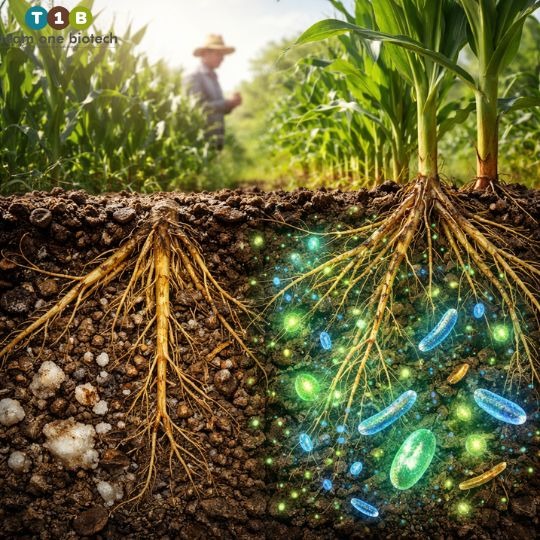
Biological Collapse: Healthy soil is not merely dirt, it is a living ecosystem. Each gram of vibrant agricultural soil contains millions of bacteria, thousands of fungi, and countless other microorganisms. These organisms form symbiotic relationships with crops, enhancing nutrient uptake, protecting against pathogens, and improving soil structure. Chemical saturation has decimated these microbial communities. The earthworms that once aerated the soil have vanished from many fields. The mycorrhizal fungi that extended root systems through microscopic networks have been poisoned into near-extinction.

Physical Deterioration: Organic carbon content, the foundation of soil health, has plummeted. Surveys indicate that soils across the Deccan plateau contain less than 0.3 percent organic carbon, far below the minimum threshold of 0.5 percent required for sustainable agriculture. Without organic matter, soil loses its structure. It cannot retain moisture during dry spells or drain effectively during heavy monsoons. Compaction becomes inevitable, creating hard pans that roots cannot penetrate and water cannot infiltrate.

Regional Manifestations of Soil Distress

Punjab and Haryana: The breadbaskets of India face acute salinity and alkalinity challenges. Decades of flood irrigation combined with inadequate drainage have pushed salts to the surface. Fields that once produced twenty-five quintals of wheat per hectare now struggle to reach fifteen. Farmers spend lakhs on remediation, often with limited success.

North-Eastern States: Natural soil acidity, exacerbated by high rainfall and leaching, creates unique challenges. Aluminium toxicity becomes a genuine threat to crops. Traditional shifting cultivation patterns, disrupted by population pressure and land consolidation, no longer allow soils the recovery time they require.

Deccan Plateau: Black cotton soils, rich in clay content but depleted in organic carbon, exhibit severe cracking during summer months and waterlogging during the monsoon. The loss of organic matter means these soils cannot buffer against climatic extremes. Crop failures during both Kharif and Rabi seasons have become increasingly common.

Bio-fertilizers: Nature’s Answer to Soil Exhaustion

Bio-fertilizers represent a fundamental reimagining of agricultural inputs. Rather than forcing nutrients into depleted soil through chemical intervention, bio-fertilizers work with nature’s own mechanisms to restore soil vitality and enhance nutrient availability.

At their essence, bio-fertilizers are living microbial inoculants containing beneficial bacteria, fungi, and other microorganisms. These microscopic allies perform functions that chemical fertilizers simply cannot replicate.

The Science Behind Microbial Soil Inoculants

Nitrogen Fixation: Certain bacteria, most notably Rhizobium, Azotobacter, and Azospirillum, possess the remarkable ability to convert atmospheric nitrogen into plant-available forms. A well-inoculated legume crop can fix up to eighty kilograms of nitrogen per hectare naturally, reducing or even eliminating the need for urea applications.

Phosphate Solubilization: Phosphorus, despite being abundantly present in most Indian soils, remains largely unavailable to plants. It forms insoluble compounds with calcium, iron, and aluminium. Phosphate-solubilizing bacteria and fungi secrete organic acids that break these bonds, liberating phosphorus for plant uptake. This biological mechanism can unlock existing soil reserves, making expensive phosphatic fertilizers partially redundant.

Potassium Mobilization: Similarly, potassium-mobilizing bacteria can release locked potassium from mineral structures in the soil. They produce acids and chelating substances that weatherize potassium-bearing minerals, making this essential macronutrient accessible to growing crops.

Growth Hormone Production: Many beneficial microorganisms synthesize plant growth hormones, auxins, gibberellins, and cytokinins, that stimulate root development, enhance flowering, and improve stress tolerance. These natural regulators create more robust plants without synthetic interventions.

Team One Biotech’s Bioremediation Expertise

Team One Biotech has positioned itself at the forefront of India’s bioremediation revolution. Understanding that each region’s soil challenges require tailored solutions, the company develops microbial consortia specifically adapted to Indian conditions.

Their approach goes beyond simple inoculant production. Team One Biotech employs rigorous soil testing protocols to identify deficiencies, then formulates custom bio-fertilizer blends that address specific nutritional gaps and biological deficits. Their Innovative Bio-Products for Sustainable Agriculture incorporate indigenous microbial strains, naturally adapted to India’s diverse climatic zones and soil types.

What distinguishes Team One Biotech is their commitment to soil health restoration as a holistic practice. They recognize that bio-fertilizers work optimally not in isolation, but as part of an integrated soil management strategy that includes organic amendments, crop rotation, and judicious use of chemical inputs when necessary.

The Multidimensional Benefits of Bio-fertilizers for Indian Agriculture

Transitioning to bio-fertilizers is not merely an environmental choice, it represents sound economic strategy and agronomic wisdom.

Long-term Yield Stability

Chemical fertilizers provide immediate nutrient availability, creating impressive short-term results. However, this approach is fundamentally extractive. It mines the soil’s existing biological and physical capital without replenishing it.

Bio-fertilizers operate differently. They build soil health incrementally, creating conditions for sustained productivity. Research conducted across multiple Indian agricultural universities demonstrates that farms incorporating bio-fertilizers show consistent yield improvements over five to seven year periods. More significantly, these yields prove resilient during stress conditions, droughts, pest outbreaks, or disease pressure, that devastate conventionally managed fields.

The mechanism is straightforward: healthier soil produces healthier plants. Plants with robust root systems, access to balanced nutrition, and natural disease resistance simply perform better across varied conditions. They require fewer rescue interventions, less supplementary irrigation, and reduced pesticide applications.

Cost Reduction and Economic Viability

The economics of bio-fertilizers become compelling when examined over complete crop cycles rather than single seasons.

Consider a typical wheat farmer in Uttar Pradesh. Traditional chemical inputs, urea, DAP, potash, micronutrients, might cost eighteen to twenty thousand rupees per hectare. Bio-fertilizers, combined with reduced chemical applications, can decrease these costs by thirty to forty percent within three growing seasons.

The savings compound. As soil health improves, the efficiency of all inputs increases. Plants extract more nutrition from existing soil reserves. Water retention improves, reducing irrigation requirements and associated electricity costs. Pest and disease incidence often decreases, lowering pesticide expenditure.

For small and marginal farmers, those operating on holdings of less than two hectares, these savings represent the difference between subsistence and prosperity. They free up capital for family needs, education, and farm improvements.

Climate Resilience and Environmental Sustainability

Indian agriculture faces unprecedented climatic uncertainty. Erratic monsoons, extended dry spells, unseasonal temperature fluctuations, these phenomena demand adaptive farming systems.

Bio-fertilizers contribute to climate resilience through multiple pathways. Improved soil organic carbon enhances water retention, helping crops survive dry periods. Better soil structure facilitates drainage during heavy rainfall, preventing waterlogging and root diseases. Enhanced microbial activity creates more stable soil aggregates that resist erosion.

From an environmental perspective, bio-fertilizers address several critical concerns. They reduce nitrous oxide emissions associated with excessive nitrogen fertilization. They minimize phosphorus runoff that causes eutrophication of water bodies. They restore biodiversity to agricultural landscapes, supporting beneficial insects, birds, and soil fauna.

This environmental stewardship is not abstract altruism, it is practical self-interest. Healthy ecosystems provide free services: pollination, natural pest control, nutrient cycling, and water filtration. Degraded ecosystems demand costly external inputs to maintain even minimal productivity.

Enhanced Nutritional Quality of Produce

An often-overlooked benefit of bio-fertilizer-based agriculture is the superior nutritional quality of harvested produce. Crops grown in biologically active, balanced soils accumulate higher levels of essential minerals, vitamins, and beneficial phytochemicals.

This quality premium is increasingly recognized in urban markets. Consumers actively seek produce grown with minimal chemical inputs. For farmers positioned to access these markets, bio-fertilizers create opportunities for value addition and premium pricing.

Practical Implementation: Your Transition Roadmap from Chemical Dependence to Integrated Soil Management

Shifting from conventional to bio-fertilizer-based farming requires methodical planning. This is not an overnight transformation, but a strategic evolution spanning multiple growing seasons.

Phase One: Assessment and Foundation (Months 1-3)

Comprehensive Soil Testing: Begin with professional soil analysis that measures not just NPK levels, but organic carbon content, microbial activity, pH, electrical conductivity, and micronutrient status. Team One Biotech offers diagnostic services specifically designed for Indian soil conditions.

Baseline Documentation: Record current input costs, yield levels, and crop quality parameters. This baseline data will demonstrate the impact of your transition objectively.

Education and Training: Engage with bio-fertilizer manufacturers, agricultural universities, and progressive farmer groups. Understanding the science behind biological inputs builds confidence and prevents costly mistakes.

Phase Two: Gradual Integration (Season 1-2)

Partial Substitution Strategy: Do not eliminate chemical fertilizers entirely in your first season. Instead, reduce chemical NPK applications by twenty-five to thirty percent while introducing bio-fertilizers. This conservative approach minimizes risk while allowing soil microbiomes to establish.

Targeted Bio-fertilizer Application: Select appropriate microbial inoculants for your specific crops:

  • For Legumes (pulses, groundnut): Rhizobium inoculants for nitrogen fixation
  • For Cereals (wheat, rice, maize): Azospirillum and Azotobacter for nitrogen support, plus phosphate-solubilizing bacteria
  • For Vegetables and Cash Crops: Comprehensive microbial consortia including mycorrhizal fungi for enhanced nutrient uptake

Organic Matter Addition: Incorporate composted farmyard manure, green manures, or crop residues. Bio-fertilizers work optimally when adequate organic substrate is available for microbial colonization.

Phase Three: Optimization and Expansion (Season 3-5)

Progressive Chemical Reduction: As soil health indicators improve, increased earthworm populations, better soil structure, enhanced organic carbon, reduce chemical inputs further. Many farmers achieve fifty to sixty percent reduction by the third season.

Diversification of Microbial Inputs: Expand beyond basic NPK-focused inoculants. Incorporate bio-pesticides and bio-fungicides that provide crop protection through microbial antagonism rather than chemical toxicity.

Crop Rotation and Intercropping: Biological soil management synergizes beautifully with traditional wisdom about crop diversity. Rotating between cereals, legumes, and oilseeds maintains balanced nutrient extraction and supports diverse microbial communities.

Phase Four: Mastery and Advocacy (Season 6+)

Fine-tuning Protocols: By this stage, you understand your soil’s specific responses. Customize bio-fertilizer applications based on crop growth stages, seasonal variations, and observed deficiencies.

Economic Analysis: Calculate your total savings, yield improvements, and quality premiums. Most farmers report that bio-fertilizer systems become economically superior to conventional approaches by the fifth or sixth season.

Community Leadership: Share your experiences with neighboring farmers. The transformation of Indian agriculture will occur farm by farm, village by village, through demonstration and peer influence.

Practical Application Techniques

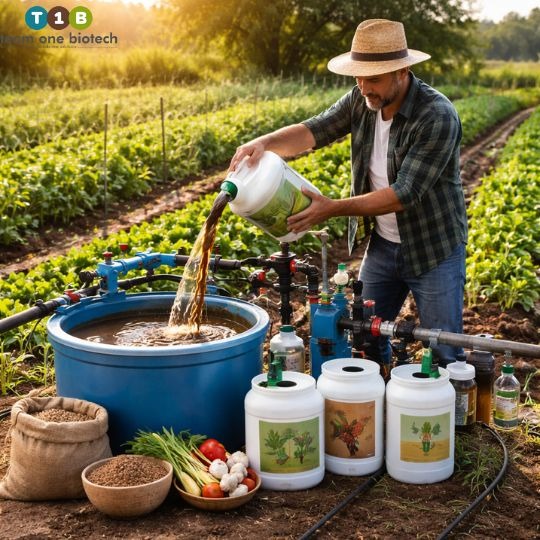
Seed Treatment: Mix bio-fertilizer powder with water to create a slurry. Coat seeds thoroughly and air-dry in shade before sowing. This ensures microbial colonization from the moment of germination.

Soil Application: Mix bio-fertilizers with compost or well-decomposed farmyard manure. Broadcast before final land preparation, ensuring incorporation into the root zone.

Seedling Root Dip: For transplanted crops like rice, tomato, or chili, dip seedling roots in bio-fertilizer solution before transplanting. This gives plants a microbial boost during the vulnerable establishment phase.

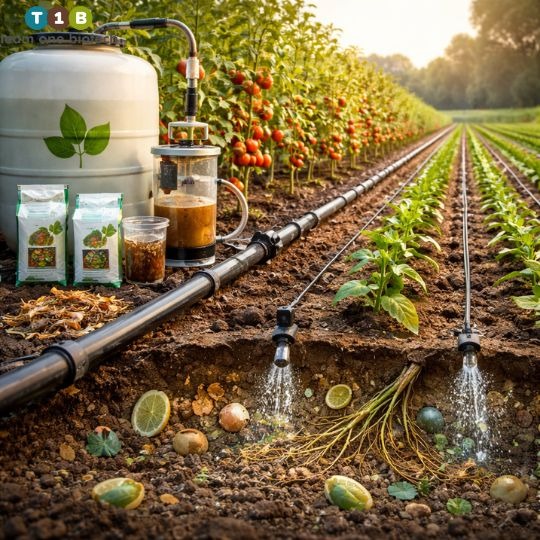
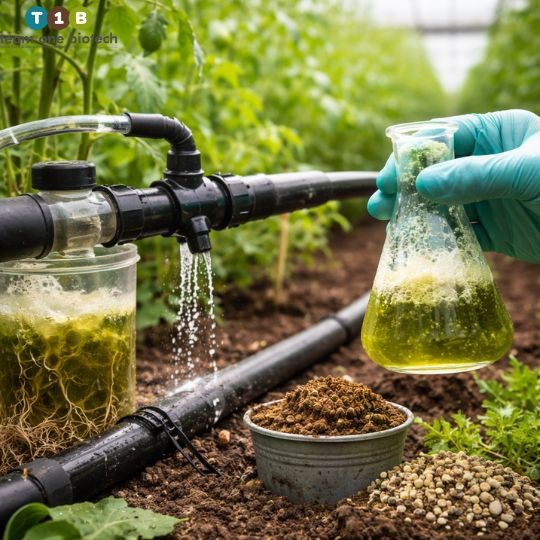
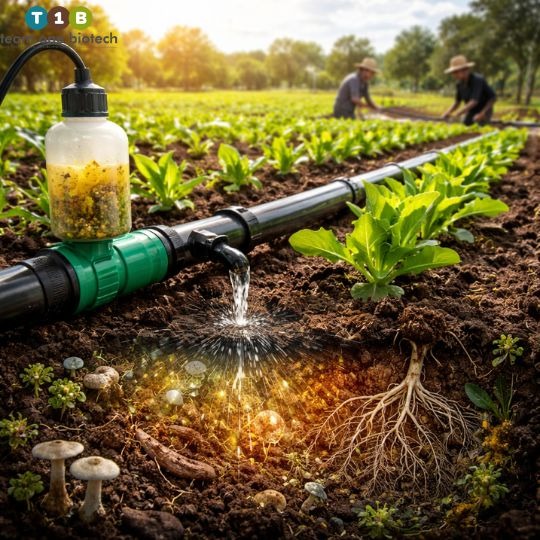
Drip Irrigation Integration: Many liquid bio-fertilizers can be delivered through drip systems, ensuring even distribution and efficient utilization.

Addressing Common Concerns and Misconceptions

“Bio-fertilizers Cannot Match Chemical Yields”

This concern stems from comparing immediate, single-season responses. Chemical fertilizers do provide faster nutrient availability. However, bio-fertilizers build yield potential over time. Multi-season studies consistently show equivalent or superior yields once soil biology is fully established. Additionally, bio-fertilizer systems demonstrate greater stability, their yields remain consistent across varying climatic conditions.

“Bio-fertilizers Are Too Expensive”

Quality bio-fertilizers require modest investment, typically two to four thousand rupees per hectare for comprehensive microbial inoculants. When factored against reduced chemical fertilizer costs, improved resource efficiency, and better produce quality, the economics favor biological approaches within two to three crop cycles.

“The Technology Is Complicated”

Bio-fertilizer application is actually simpler than managing complex chemical fertilization schedules. Manufacturers like Team One Biotech provide clear protocols tailored to specific crops and regions. The learning curve is gentle, and results build confidence quickly.

“My Soil Is Too Degraded”

Severely degraded soils do require patient restoration, but they respond dramatically to biological interventions. The worse your starting point, the more impressive your improvements will be. Degraded soils are not dead, they are dormant ecosystems waiting for revival.

The Broader Context: Bio-fertilizers in India’s Agricultural Policy Landscape

The Government of India has recognized the critical importance of soil health restoration. The Soil Health Card scheme, Paramparagat Krishi Vikas Yojana, and various state-level programs provide subsidies and support for organic and biological inputs.

National Biofertilizer Development Centers work continuously to develop improved microbial strains and delivery systems. Agricultural universities conduct extensive field trials demonstrating bio-fertilizer efficacy under diverse conditions. This institutional support creates an enabling environment for farmers willing to embrace sustainable farming practices.

Furthermore, certification programs for organic produce, India Organic, PGS-India, open premium market opportunities for farmers using bio-fertilizers as part of certified organic production systems. Urban consumers increasingly demand produce grown with minimal chemical inputs, creating economic incentives beyond environmental considerations.

Looking Forward: The Bio-Revolution Is Here

The transformation of Indian agriculture through bio-fertilizers and bioremediation is not a distant aspiration, it is happening now, on thousands of progressive farms across the country. From the rice paddies of West Bengal to the cotton fields of Gujarat, from the sugarcane belts of Maharashtra to the spice gardens of Kerala, farmers are rediscovering the power of working with nature rather than against it.

This biological renaissance does not require abandoning scientific progress. It represents the maturation of agricultural science, moving beyond crude chemical interventions toward sophisticated management of living systems. It combines traditional wisdom about soil fertility with cutting-edge microbiology. It honors the Green Revolution’s achievements while correcting its excesses.

For companies like Team One Biotech, the mission is clear: democratize access to world-class bioremediation technologies, making them available and affordable to farmers across India’s vast agricultural landscape. Through rigorous research, quality production, and genuine farmer partnerships, they are building the infrastructure for sustainable agricultural prosperity.

The tired soils of Punjab can be revitalized. The acidic fields of Assam can regain productivity. The degraded black cotton soils of the Deccan can rebuild their organic carbon reserves. This restoration will not happen through government mandates or corporate diktat, it will emerge from individual farmers making informed choices, season after season, gradually rebuilding the biological wealth beneath their feet.

Join the Bio-Revolution: Your Soil, Your Legacy

Ramesh Singh, the Ludhiana farmer we met at the beginning of this journey, made a decision three years ago. Faced with declining yields and escalating costs, he attended a farmer training program on bio-fertilizers. Skeptical but desperate, he implemented bio-fertilizer applications on just two acres, a trial plot while continuing conventional management on his remaining land.

The first season showed modest improvements. The second season revealed striking differences, his bio-fertilizer plots withstood a mid-season dry spell that severely stressed his conventional fields. By the third season, the transformation was undeniable. His trial plots yielded eighteen percent more wheat, his input costs had dropped by thirty-two percent, and the soil, the very soil he had thought was permanently exhausted, showed visible revival. Earthworms reappeared. The soil held moisture better. It smelled different, alive, rich, fertile.

Today, Ramesh has transitioned his entire farm to integrated biological management. He serves as a resource person for his village, demonstrating techniques and sharing his economic results with curious neighbors. More importantly, he speaks with renewed hope about his children’s future in farming, something he could not imagine just five years ago.

Your soil tells a story. It remembers the care or neglect of previous seasons. It responds to every intervention, chemical or biological, with consequences that ripple forward through time. The question facing Indian agriculture is simple yet profound: what story will your soil tell five years from now? Will it speak of continued degradation and declining fertility, or will it testify to renewal and restoration?

The tools for transformation are available. The science is proven. The economics are compelling. The support systems are in place. What remains is the will to begin, not tomorrow, not next season, but now.

The future of Indian farming is not about returning to pre-industrial techniques. It is about moving forward to post-industrial wisdom, integrating the best of traditional knowledge with contemporary scientific understanding. Bio-fertilizers and soil health restoration represent this synthesis. They offer a pathway toward agricultural systems that nourish both people and planet, that generate prosperity while rebuilding natural capital, that feed current generations without compromising the inheritance of those yet to come.

The bio-revolution awaits. Your soil awaits. The choice, ultimately, is yours.

Transform your soil. Transform your farm. Transform your future.

Looking to improve your ETP/STP efficiency with the right bioculture?
Talk to our experts at Team One Biotech for customised microbial solutions.

Contact+91 8855050575

Email:  sales@teamonebiotech.com

Visit: www.teamonebiotech.com

Discover More on YouTube – Watch our latest insights & innovations!-

Connect with Us on LinkedIn – Stay updated with expert content & trends!
Probiotics in Shrimp Aquaculture: Meeting Global Demand Through Sustainable Farming and Modern Innovation

The global shrimp aquaculture industry is experiencing unprecedented growth, driven by rising consumer demand for sustainable seafood and protein-rich diets. As traditional fishing methods struggle to keep pace with population expansion, intensive shrimp farming has emerged as the solution to feed billions worldwide. Contact us to discover how we can transform your aquaculture operation with cutting-edge biotechnology solutions including advanced aquaculture probiotics.

The Rising Demand for Shrimp Production 

Shrimp farming has become one of the fastest-growing sectors in global food production. With worldwide seafood consumption increasing by 3.1% annually, aquaculture production now accounts for over 55% of all shrimp consumed globally. Countries across Asia, Latin America, and increasingly Africa are expanding their shrimp cultivation operations to meet this surging demand.

The shift from wild-caught to farm-raised shrimp represents a fundamental transformation in how we approach sustainable seafood production. Modern shrimp farms can produce consistent, high-quality harvests year-round, independent of seasonal variations that affect traditional fisheries. This reliability makes commercial shrimp farming an attractive investment for entrepreneurs and established agricultural businesses alike.

Technological Innovations Revolutionizing Shrimp Aquaculture 

Modern aquaculture technology is revolutionizing production through advanced systems and methodologies. Biofloc technology systems have emerged as game-changers, creating microbial communities that improve water quality while providing supplemental nutrition for shrimp. These systems reduce water usage by up to 90% compared to traditional methods, addressing critical environmental concerns.

Recirculating aquaculture systems (RAS) represent another breakthrough in intensive aquaculture. By continuously filtering and reusing water, RAS facilities can operate in land-locked areas far from coastal regions, opening new geographical markets for shrimp production. These controlled environments enable precise management of temperature, salinity, and oxygen levels—critical factors for optimal shrimp growth rates.

Precision water quality management systems equipped with IoT sensors and artificial intelligence provide real-time monitoring of ammonia, nitrite, pH, and dissolved oxygen levels. Early detection of parameter fluctuations allows farmers to take corrective action before stress impacts shrimp health and survival rates. This technological integration has increased production efficiency by 30-40% in advanced operations.

Disease Prevention and Biosecurity Excellence 

Disease management remains the most critical challenge in shrimp aquaculture. Pathogens like White Spot Syndrome Virus (WSSV), Early Mortality Syndrome (EMS), and Vibrio infections can devastate entire farms within days, causing millions in losses. Progressive farmers are implementing comprehensive biosecurity protocols that include quarantine procedures, water treatment, and restricted farm access.

The Revolutionary Role of Probiotics in Shrimp Farming 

Advanced shrimp probiotics have revolutionized disease prevention strategies and become indispensable tools for modern aquaculture operations. Probiotics for aquaculture are beneficial microorganisms—primarily Bacillus species, Lactobacillus, and beneficial yeasts—that colonize the shrimp gut and pond environment, creating a protective barrier against pathogenic bacteria.

Aquaculture probiotics work through multiple mechanisms: competitive exclusion of harmful bacteria, production of antimicrobial compounds, enhancement of digestive enzyme activity, and stimulation of the shrimp immune system. Studies show that probiotic supplementation can reduce mortality rates by 15-25% while improving feed conversion ratios by up to 20%.

Water probiotics applied directly to ponds accelerate the breakdown of organic waste, reducing toxic ammonia and nitrite levels that stress shrimp and make them susceptible to disease. These beneficial bacteria also outcompete Vibrio species and other opportunistic pathogens for nutrients and attachment sites, significantly reducing disease incidence.

Team One Biotech’s Advanced Probiotic Solutions 

At Team One Biotech, we’ve developed a comprehensive range of specialized probiotic products designed to address every aspect of shrimp aquaculture:

T1B Aqua S is our premium water treatment probiotic formulated specifically for pond environment management. This multi-strain formulation rapidly establishes beneficial microbial communities that maintain optimal water quality parameters, reduce pathogenic loads, and create a stable aquatic ecosystem. Regular application of T1B Aqua S significantly improves survival rates during critical growth phases.

T1B™ Acqua F is engineered for feed supplementation, delivering targeted beneficial bacteria directly to the shrimp digestive system. This feed-grade probiotic enhances nutrient absorption, improves gut health, and strengthens immune response. Farmers using T1B™ Acqua F consistently report improved feed conversion ratios and faster growth rates.

T1B™ Feed Pro represents our advanced nutritional enhancement solution, combining probiotics with essential enzymes and growth promoters. This comprehensive feed additive optimizes digestive efficiency, maximizes nutrient utilization, and supports robust shrimp development throughout the production cycle.

T1B™ Bio Floc is specifically formulated for biofloc technology systems, providing the precise bacterial strains needed to establish and maintain healthy floc communities. This specialized product accelerates organic matter conversion, maintains stable C:N ratios, and ensures consistent floc quality—critical factors for successful biofloc-based shrimp farming.

Multi-strain probiotic formulations like those in our T1B product line provide synergistic benefits, with different bacterial species targeting specific challenges. For example, Bacillus subtilis excels at organic matter decomposition and enzyme production, while Bacillus licheniformis produces powerful antimicrobial peptides. Lactobacillus plantarum enhances gut health and nutrient absorption, directly improving growth performance.

Regular application of probiotics throughout the culture cycle—in hatcheries, nurseries, and grow-out ponds—creates a stable microbial ecosystem that maintains water quality and protects shrimp health. Progressive farms have reduced antibiotic usage by over 80% through comprehensive probiotic programs using products like T1B Aqua S and T1B™ Acqua F, addressing growing consumer concerns about antimicrobial resistance.

Shrimp hatchery management has also evolved significantly with probiotic integration. SPF (Specific Pathogen Free) and SPR (Specific Pathogen Resistant) post-larvae supplemented with probiotics from day one show improved survival rates during the critical early stages. Genetic selection programs are developing shrimp lines with enhanced disease resistance, faster growth, and better adaptability to varying salinity conditions.

Optimizing Nutrition and Feed Management 

Shrimp feed optimization directly impacts profitability in aquaculture operations. Feed typically represents 50-60% of total production costs, making efficiency improvements highly valuable. Modern formulations incorporate highly digestible proteins, essential amino acids, immunostimulants, and omega-3 fatty acids that support rapid growth and disease resistance.

Incorporating probiotics like T1B™ Feed Pro and T1B™ Acqua F into feed formulations has become standard practice in advanced operations. Feed-based probiotics ensure consistent daily dosing and guarantee that every shrimp receives beneficial bacteria. This approach improves nutrient digestibility, enhances immune function, and reduces feed waste through better conversion efficiency.

Precision feeding strategies using automated feeders and appetite monitoring systems reduce waste while ensuring shrimp receive optimal nutrition throughout their growth cycle. Some operations have reduced feed conversion ratios from 1.8:1 to as low as 1.2:1 through careful feed management combined with probiotic supplementation, significantly improving profit margins.

Alternative protein sources including insect meal, single-cell proteins, and plant-based ingredients are reducing dependency on fishmeal while maintaining nutritional quality. These sustainable feed ingredients align with growing consumer demand for environmentally responsible aquaculture practices.

Vannamei: The Global Leader in Shrimp Production 

Vannamei shrimp production (Litopenaeus vannamei) dominates commercial farming due to its exceptional adaptability, rapid growth rates, and strong market demand. This species thrives in various salinity levels, from freshwater to full-strength seawater, enabling production across diverse geographical locations.

Vannamei can reach marketable sizes of 15-20 grams in just 90-120 days under optimal conditions, allowing multiple crop cycles annually. Their tolerance to high stocking densities makes them ideal for intensive shrimp farming systems, where farmers can achieve yields exceeding 20 tons per hectare per crop.

The global market strongly favors Vannamei due to its mild flavor, firm texture, and versatility in culinary applications. This species accounts for approximately 80% of all farmed shrimp globally, establishing it as the industry standard. When combined with proper probiotic management using solutions like T1B Aqua S and T1B™ Feed Pro, Vannamei demonstrates exceptional performance and disease resistance.

Embracing Sustainable and Organic Practices 

Sustainable shrimp farming practices have become essential for market access and regulatory compliance. Progressive farmers are adopting zero-water exchange systems, constructed wetlands for effluent treatment, and integrated multi-trophic aquaculture that combines shrimp with seaweed and other species to create balanced ecosystems. Probiotics like T1B Aqua S play a crucial role in these systems by maintaining water quality without chemical interventions.

Organic shrimp farming represents a premium market segment commanding 20-30% higher prices. Organic certification requires adherence to strict standards including chemical-free pond preparation, certified organic feed, prohibition of antibiotics, and minimum stocking density requirements. Organic probiotics derived from naturally occurring strains are essential tools for organic farmers, providing disease protection without compromising certification.

Mangrove-friendly farming practices and certification programs ensure that shrimp cultivation doesn’t contribute to coastal ecosystem degradation. Responsible farms maintain buffer zones, restore degraded areas, and implement waste management systems enhanced by probiotic treatments that protect surrounding environments.

Biofloc Systems: The Future of Intensive Production 

Biofloc technology represents one of the most promising innovations in modern shrimp aquaculture. These systems create self-sustaining microbial communities that convert waste into protein-rich biomass, providing supplemental nutrition while maintaining excellent water quality.

Successful biofloc systems require precise bacterial management, which is where T1B™ Bio Floc delivers exceptional value. This specialized formulation contains carefully selected strains that establish robust floc communities, maintain optimal carbon-to-nitrogen ratios, and prevent the dominance of undesirable microorganisms. Farmers using T1B™ Bio Floc achieve faster system stabilization, more consistent production, and superior shrimp health outcomes.

The Future of Shrimp Aquaculture 

The future lies in integration—combining biotechnology, automation, and data analytics to create smart farms. Artificial intelligence algorithms analyze historical data to predict optimal harvest times, disease outbreaks, and market conditions. Automated systems handle feeding, water quality adjustments, probiotic dosing, and health monitoring with minimal human intervention.

Genetic improvement programs are developing “super shrimp” with 30-40% faster growth rates and enhanced disease resistance. CRISPR and selective breeding technologies promise to accelerate improvements that traditionally required decades of conventional breeding. When combined with advanced probiotic regimens using products like T1B™ Feed Pro and T1B™ Acqua F, these improved strains achieve unprecedented performance levels.

Indoor vertical shrimp farming facilities are emerging in urban areas, bringing production closer to consumers while eliminating transportation costs and environmental impacts. These high-tech operations achieve production densities previously thought impossible, with some facilities producing over 100 tons per hectare annually through intensive probiotic-based biofloc systems utilizing T1B™ Bio Floc.

Partner with Team One Biotech 

At Team One Biotech, we empower farmers with cutting-edge solutions that bridge the gap between traditional practices and industrial-scale shrimp aquaculture production. Our comprehensive portfolio includes advanced probiotics (T1B Aqua S, T1B™ Acqua F, T1B™ Feed Pro, T1B™ Bio Floc), water quality management systems, nutritional supplements, and technical consultation services designed to maximize your farm’s productivity and profitability.

Our specialized aquaculture probiotic formulations are developed through rigorous research and field testing, ensuring optimal strain selection, viability, and performance under diverse farming conditions. Whether you need water treatment probiotics like T1B Aqua S, feed-grade formulations such as T1B™ Feed Pro and T1B™ Acqua F, or biofloc-specific products like T1B™ Bio Floc, we provide solutions backed by scientific evidence and proven results.

Whether you’re establishing a new operation or optimizing existing infrastructure, our experienced team provides customized solutions tailored to your specific environmental conditions, target markets, and production goals. We understand that successful aquaculture farming requires more than just products—it demands partnership, knowledge transfer, and ongoing support.

Contact us today to start your journey toward more productive, sustainable, and profitable shrimp farming. Let us help you meet global demand while building a resilient, future-ready aquaculture operation powered by cutting-edge probiotic technology. 

As one of the leading biotech companies in India and trusted bioremediation companies in India, Team One Biotech continues to deliver solutions that redefine sustainability across wastewater treatment, agriculture, aquaculture, and hygiene management.

Email: sales@teamonebiotech.com

Visit: www.teamonebiotech.com

Discover More on YouTube – Watch our latest insights & innovations!-

Connect with Us on LinkedIn – Stay updated with expert content & trends!
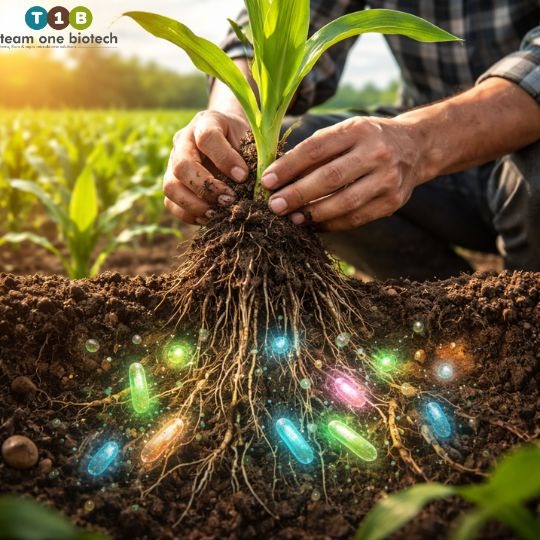
The Science Behind Soil Microbes and Plant Growth
The Science Behind Soil Microbes, biofertilizers and Plant Growth

Healthy soil is alive with activity. Beneath the surface, billions of soil microbes such as bacteria, fungi, protozoa, and actinomycetes are constantly working. These tiny organisms may be invisible to the eye, but they play a vital role in soil health, plant growth, and sustainable farming. They act as nature’s hidden workforce, transforming soil into a living ecosystem that supports agriculture. Connect with us today to discover how our beneficial microbes can boost soil health and crop productivity naturally.

In the rapidly evolving landscape of agricultural biotechnology, understanding soil microbiology has become crucial for crop science professionals, agronomists, and agricultural consultants worldwide. The global biofertilizer market is projected to reach unprecedented heights, driven by increasing demand for organic farming solutions and sustainable agriculture practices.

Our Plant Growth Promoter integrates eco-friendly microbial technology to support sustainable agriculture and soil health.

Microbes as Nature’s Engineers: The Foundation of Precision Agriculture

Soil microbes are central to nutrient cycling, which directly impacts crop productivity. Nitrogen-fixing bacteria like Rhizobium form symbiotic relationships with legume roots, converting atmospheric nitrogen into forms plants can use. Phosphate-solubilizing microbes unlock phosphorus bound in the soil, making it available for plant uptake. Without these essential processes, plants would struggle to access nutrients critical for strong growth and higher yields.

Modern agro-biotechnology companies are developing innovative microbial formulations that enhance nutrient availability, improve crop yields, and reduce the use of synthetic fertilizers. By leveraging microbial inoculants, farmers are achieving precision agriculture outcomes with reduced input costs and improved soil sustainability.

Advanced Microbial Technologies in Modern Agriculture

The agricultural input industry has witnessed revolutionary developments in microbial biotechnology. Leading biofertilizer manufacturers are now producing sophisticated microbial consortium that combine multiple beneficial microorganisms for enhanced efficacy. These bio-based fertilizers represent a paradigm shift from traditional chemical fertilizers to eco-friendly agricultural inputs.

Plant growth promoting rhizobacteria (PGPR) and beneficial soil microorganisms are increasingly being used in commercial agriculture, greenhouse cultivation, and controlled environment agriculture. The integration of soil microbiome analysis with precision farming technologies is enabling farmers to make data-driven decisions about microbial inoculation strategies.

Building Stronger Roots with Mycorrhizal Fungi: The Natural Network Revolution

Fungi, especially mycorrhizal fungi, extend a plant’s root system through underground networks. This “natural internet” allows roots to access water and nutrients far beyond their reach, particularly phosphorus. In exchange, fungi receive sugars from plants. This mutual relationship improves soil fertility, strengthens root systems, and enhances overall crop performance, making it a cornerstone of modern sustainable agriculture.

Industries such as organic farming, horticulture, floriculture, and commercial agriculture are adopting mycorrhizal-based biostimulants to promote healthier crops, improve nutrient uptake, and ensure resilience against drought stress. These eco-friendly solutions are replacing chemical-intensive practices and are in demand across both domestic and international agricultural markets.

Mycorrhizal Applications Across Agricultural Sectors

The mycorrhizal fungi market is experiencing significant growth across multiple agricultural segments. Arbuscular mycorrhizal fungi (AMF) applications are particularly valuable in vegetable production, fruit cultivation, and ornamental plant growing. Agricultural biotechnology companies are developing specialized mycorrhizal inoculants for specific crops including tomatoes, peppers, strawberries, and citrus fruits.

Ectomycorrhizal fungi play crucial roles in forestry applications and tree nursery management, while endomycorrhizal associations are essential for cereal crop production and cash crop farming. The integration of mycorrhizal technology with drip irrigation systems and fertigation practices is revolutionizing water-efficient agriculture and nutrient use efficiency.

Soil Microbes and Plant Immunity: Biological Crop Protection Solutions

Soil microbes not only feed plants but also protect them. Beneficial microbes compete with harmful pathogens in the rhizosphere (the root zone), reducing the risk of disease. Some even stimulate a plant’s natural defence system, boosting immunity and resilience against stress. This biological protection reduces dependence on chemical pesticides and aligns with eco-friendly farming practices.

In today’s agri-industrial landscape, biological crop protection is gaining global attention. With the rising demand for sustainable pest management, products based on Trichoderma, Bacillus subtilis, and Pseudomonas fluorescens are widely used to minimize crop losses. Such microbial crop-care solutions play a key role in integrated pest management (IPM), reducing chemical pesticide residues in food and enhancing export compliance for agricultural producers.

Biocontrol Agents and Sustainable Pest Management

The biological pesticides market is rapidly expanding as agricultural producers seek alternatives to synthetic pesticides. Microbial biocontrol agents including Trichoderma harzianum, Bacillus thuringiensis, and Beauveria bassiana are becoming standard components of integrated pest management programs.

Biopesticide manufacturers are developing targeted solutions for specific pest problems, including soil-borne pathogens, root rot diseases, and fungal infections. These biological control products are particularly important for organic certification compliance and residue-free crop production demanded by export markets and premium food chains.

Plant immunomodulators and resistance inducers derived from beneficial microbes are emerging as powerful tools for prophylactic plant protection. The combination of beneficial bacteria and bioactive compounds is creating new categories of plant health products that enhance crop resilience and stress tolerance.

The Bigger Picture of Soil Health: Industrial Applications and Market Trends

Rich microbial diversity in soil leads to healthier, faster-growing plants with stronger resistance to stress. Depleted soils, on the other hand, result in weak crops and declining yields. To restore soil fertility, farmers are increasingly adopting practices like composting, crop rotation, and the use of biofertilizers. These approaches not only boost plant growth but also build long-term soil health for sustainable farming.

From an industrial perspective, biofertilizer manufacturing companies are playing a major role in addressing challenges faced by large-scale farming, greenhouse cultivation, and precision horticulture. By offering soil conditioners, microbial consortia, and enzymatic soil enhancers, these companies contribute to climate-smart agriculture and long-term soil regeneration.

Market Dynamics and Industrial Applications

The global agricultural biologicals market is experiencing unprecedented growth, driven by increasing awareness of sustainable farming practices and environmental stewardship. Agricultural input companies are investing heavily in research and development of next-generation biofertilizers and soil health products.

Soil rehabilitation products are gaining traction in post-harvest residue management and land reclamation projects. Carbon sequestration technologies based on soil microbiome enhancement are attracting attention from carbon credit markets and climate-smart agriculture initiatives.

Precision agriculture platforms are integrating soil microbiome data with satellite imagery and IoT sensors to provide real-time soil health monitoring. This convergence of agricultural technology and microbiology is creating new opportunities for digital agriculture solutions and farm management software.

Industrial Manufacturing and Quality Standards

Biofertilizer production facilities must adhere to strict quality control standards and regulatory compliance requirements. Good Manufacturing Practices (GMP) and ISO certification are becoming mandatory for agricultural biologicals manufacturers seeking global market access.

Supply chain management for microbial products presents unique challenges related to product stability, shelf life optimization, and cold chain logistics. Contract manufacturing and private label production services are emerging as viable business models for smaller agricultural biotechnology companies.

Research and development partnerships between universities, agricultural research institutes, and commercial entities are accelerating innovation in microbial technology and soil science applications.

Future Trends in Agricultural Microbiology

The convergence of artificial intelligence, machine learning, and soil microbiology is creating new possibilities for predictive agriculture and customized microbial solutions. Microbiome engineering and synthetic biology approaches are being explored for developing designer microbial consortium tailored to specific crop-soil combinations.

Genomic sequencing technologies and metagenomics analysis are providing deeper insights into soil microbiome functionality and microbial interaction networks. This knowledge is driving the development of precision microbiology approaches for targeted soil health interventions.

Regulatory frameworks for agricultural biologicals are evolving to accommodate novel microbial products while ensuring environmental safety and human health protection. Harmonized registration processes and international standards are facilitating global trade in biological agricultural inputs.

Conclusion: The Future of Sustainable Agriculture

Soil microbes are not just helpers; they are essential partners in agriculture. By supporting soil biology, we nurture crops, improve soil fertility, and secure a more resilient food system for the future.

The integration of microbial technologies with digital agriculture tools and sustainable farming practices represents the future of modern agriculture. As climate change challenges intensify and food security concerns grow, soil microbiome management will become increasingly critical for agricultural sustainability and global food production.

Investment opportunities in agricultural biotechnology and soil health solutions continue to attract venture capital and strategic partnerships. The sector’s growth trajectory indicates strong potential for innovation-driven companies focused on biological solutions for agricultural challenges.

Transform your agricultural operations with cutting-edge microbial solutions. Boost your soil fertility and crop productivity with advanced microbial technologies used in plant growth promoters.

Contact Team One Biotech – Your trusted partner in agricultural biotechnology:

Phone: +91 8855050575

Email: sales@teamonebiotech.com

Visit: www.teamonebiotech.com

Discover More on YouTube – Watch our latest insights & innovations!-

Connect with Us on LinkedIn – Stay updated with expert content & trends!

Soil Biome – Bacteria For Soil Improvement, Application, Drip Irrigation, Health, Microbes & High Root Density

Each of the bacterial strains that constitute the composition of the TOB Soil Biome has unique characteristics and performs distinct roles in various ecosystems. Team One Biotech with its innovative and scientific research has combined the best of these microorganisms.

The bacteria strains – Nitrobacter and Nitrosomonas – are responsible for nitrogen cycling in soil and water. Nitrosomonas converts ammonia present in the soil to nitrite, which is then oxidized by Nitrobacter to nitrates. The T1B Soil Biome also facilitates atmospheric nitrogen fixation that enables plants to flourish and enhance their nutritional value and surge the farm produce output.

The unique microbial formulation in T1B Soil Biome helps the plant produce its natural antimicrobial compounds. These compounds are effective against various pathogens and pests and are thus natural alternatives to chemical pesticides. The bacteria are also responsible for making phosphorous soluble in the soil thus enriching the soil and making more of the nutrients available for plants to utilize.

T1B microbes can aid plants in disease resistance and contribute to the structure and fertility of the soil. Furthermore, our specific soil microorganisms can enhance soil quality by decomposing organic debris and liberating nutrients for plants to absorb. T1B Soil Biome uses the concept of competitive exclusion. It encourages the growth of good microbes in the soil while limiting the growth of undesirable microorganisms. This could enhance the sustainability of the agricultural system overall and enhance crop yields and soil health.

T1B Soil Biome | Drip Solution With Microorganisms Culture Mix To Improve Seed Germination Boost Immunity In Crops Promote Plant Growth

 Soil Conditioner – Soil Health – Soil Microbes – Bacteria For Soil Improvement – Bio Product For Agriculture – Bacteria For Soil Application – Bacteria For Drip Irrigation -Bio Products For Improved Yeild – Bacteria For High Root Density – Improved Root Growth – Carbon Improvement In Soil – Increase Humus Content In Soil –  Microbial Cultures – PSB – Nitrosomanas – Nitrobacter – Nitrogen Fixing Bacteria – Root Bacteria – Soil Quality – Agriculture Bio Organic Products – Plant Growth Promoters – Plant Growth Stimulants – Abiotic Stress – Biotic Stress – Microbial Bio Products For Agriculture – Microorganisms Controlling Diseases – Active Metabolites – Promote Plant Growth – Soil Biological Fertility – Soil Health And Productivity – Sustainable Agriculture – Nutrient Assimilation – Improves Top Soil Quality – Increases Seed Germination And Viability – Soil Conditioner – Root Formation – Stem Formation – Azospirillum Bacteria – Soil Water Holding Capacity – Specially Made For Drip Irrigation – Applicable At All Stages And All Crops – Makes Soil More Fertile

Spray Biome – Microbial Bio Products For Agriculture, Biostimulants, Abiotic & Biotic Stress, Photosynthesis & Photosynthetic Activity

Photosynthetic bacteria and yeast species Saccharomyces spp are some of the microorganisms that constitute the formulation of T1B Spray Biome a foliar spray solution for sustainable agriculture.

Application of T1B Spray Biome ascertains higher shelf life of the produce, better pigmentation and improves the genetic potential of the produce naturally. Many bacteria present in T1B Spray Biome can also produce compounds that can help to increase the efficiency of photosynthesis, such as pigments and enzymes. These compounds can act as electron carriers, and help to increase the rate at which plants convert light energy into chemical energy.

The Spray Biome by TOB helps plants reduce their stress levels, improves the plant immune system against pests and pathogens, and improves the stamina and overall growth of plants.

The crop plants treated with T1B Spray Biome have a higher leaf index, deeper leaf structures and elevated harvest output.

Team One Biotech ServicT1B Spray Biome | Spray Solution With Bacterial Culture Mix To Improve leaf index and better photosynthesis – Minimize Biotic and Abiotic Stress In Crops

Power plant bloom – Agriculture Bio Products – Biostimulants – Abiotic Stress – Biotic Stress – Photosynthetic Activity – High Leaf Index – Photosynthesis – Improved Shelf Life – Improved Yield– Improved Final Product – Microbial Bio Products For Agriculture – Promote Plant Growth – Organic Plant Growth Promoter – Sustainable Agriculture – Microbial Foliar Spray – Boost Overall Crop Productivity – Promotes Branching – Improves Flower And Fruit Setting – Improves Plant Metabolism – Increase The Chlorophyll Formation – Flower Formation – Enlarged Leaf Structure – Foliar Spray – Better Nutrient Circulation In Plants – Applicable At All Stages And All Crops

MacMi – Water Soluble Pure Organic Gel & Natural Proteins Amino Acids

Team One Biotech’s T1B MacMi is a blend of natural extracts obtained from various plant species. The natural plant base utilized to make the solution is free from any chemical or non-organic treatment, are harvested from natural and sustainable sources.

T1B MacMi contains essential macro and micronutrients that are necessary for plant growth and development. Iron, Zinc, Manganese, and Copper, among others, are some of the nutrients that are often deficient in the soil. Application of T1B MacMi to the soil improves soil structure by breaking down organic pollutants and adding nutrients acquired from them directly to the soil, adding up to the water-retention capacity of the soil and enabling less dependency on additional fertilizers.

In addition to macro and micronutrient fulfilment of the soil, T1B MacMi stimulates the production of plant growth hormones that promote vitality, vigour and overall health of plants. A key advantage of T1B MacMi is its ability to improve the plant immune system which helps the plants counter stress induced by drought, pests, pathogens and diseases.

In comparison to synthetic fertilisers, pesticides and insecticides which harm soil health and the environment, T1B MacMi is a natural, environmentally friendly and economical bio solutions for sustainable agriculture practices.

T1B MacMi | Natural bio accelerator with macro & micro nutrients to Imporve Soil Fertility, Soil Moisture Content & Enrich Soil Nutrients

 Water Soluble Pure Organic Gel – Micro Nutrients – Macro Nutrients – Secondary Nutrients – Plant Growth Hormones – Soil Conditioner – Flower Formation – Root Formation – Stem Formation – Soil Water Holding Capacity – Drip Irrigation – Natural Proteins Amino Acids

Agriculture Inputs – Innovative Bio-Products for Sustainable Agriculture

There are several issues concerning sustainable agriculture today across the world. The rampant use and spread of chemically treated fertilizers, pesticides, insecticides and farming additives, dependence on monoculture, non-methodical irrigation & farming techniques with the added disadvantage of poor water quality have even rendered certain farmlands useless. Additionally man-made and natural calamities and climate change have worsened the situation.

Microbes have proven potential to remedy this situation. Microbial Communities present in soil play a critical role in restoring and maintaining soil health, balancing nutrient cycling in soil and promoting plant growth. The use of microbial-based soil supplements and soil amendments has been recognized as an essential and cost-effective method to restore and improve soil fertility, soil structure and overall soil health.

Microbial inoculants, seed germination facilitators, soil inoculants, foliar sprays, biochar, composts and plant growth hormone promoters are prominent examples of soil amendments.

Soil is a living ecosystem that contains many microorganisms that can benefit plants and the environment. Some of these microbes can be added to the soil to enhance its functions and properties. These friendly microbes can act as biostimulants, bio-accelerators, bio fertilisers, bio-augmenters, assets to control pathogens and pests. They can also create optimal conditions for bioreactors, which are devices that use biological processes to treat waste or produce energy. By using these friendly microbes, we can improve the soil’s vitality and fertility, its water-holding capacity, its nutrient content, its plant natural immunity against pests, insects and weeds, and its carbon capture capabilities. These improvements can lead to better crop yields, higher quality food, lower environmental impact, and more sustainable agriculture.

Team One Biotech’s microbial consortium leverages these properties of beneficial microbes supported with bio-enzymes. The benefits of our agriculture microbiome are countless and the microbiome solutions present a promising approach to regenerate soil, degrade contaminants, degrade pesticide residues and enrich the soil with nutrients.

Soil bioremediation is the need of the hour and by investing in Team One Biotech’s solutions you are opting for the best bioproducts available.

Trust Our Magnefficient Microbes For Your Soil Health Improvement Needs, maximum yeilds, quality produce, improved plant resistance and longer shelf life of your produce

Agriculture Bio Organic Products – Innovative Bio-Products For Agriculture – Agri Cultural Bio-Products – Microbial Bio Products for Agriculture – Sustainable Agriculture – Plant Growth Promoters – Plant Growth Stimulants

low carbon content in todays agricultural soil
Low carbon content in todays agricultural soil

Agriculture provides us with the food we need to survive. Unfortunately, human greed and excessive use of chemicals along with climate changes have led to the lowering of our natural carbon content in today’s agricultural soil. Having a low carbon content in soil can have negative impacts on soil health, crop productivity, and the environment.

Soil carbon is basically the amount of organic matter present in the soil. This includes both soil organic matter and inorganic carbon as carbonate minerals. It is mainly found in the topsoil. It plays a very important role as it dictates soil health and impacts many of the soil’s essential functions. Having a good carbon content in the soil helps in providing nutrients to plants, stores water and also supports the growth of beneficial microbes. Adequate carbon content also helps to sequester carbon from the atmosphere, which can help to mitigate climate change.

Reduction in soil carbon leads to a reduction in soil health and productivity. One of the major reasons for lower carbon content in the topsoil is the extensive use of chemical and synthetic fertilizers and pesticides. Most of these chemicals are effective in improving crop yields, but they also destroy natural beneficial microbes in the soil that play a crucial role in soil carbon sequestration. This further leads to soil erosion, which also contributes to the loss of topsoil carbon. Tilling practices have increased in the last 2 decades. Tilling disrupts the soil structure which further leads to the loss of organic matter. In the tilling process, the organic matter is exposed to the atmosphere by which it gets exposed to more oxygen which leads to carbon breakdown more quickly.

Low topsoil carbon content can lead to reduced crop yields, lower soil fertility, and increased soil erosion. If we look at the bigger picture then low soil carbon content also contributes to climate change. The topsoil carbon can help to remove carbon from the atmosphere and store it in the soil thus reducing the number of greenhouse gases in the atmosphere.

Regenerative agriculture practices is one of the most effective ways to increase soil carbon content Regenerative agriculture works on the principle of sustainability where it prioritizes soil health first. This can include reducing tillage, rotating crops, using cover crops, and incorporating livestock into the farming system. Reduction in the use of chemical fertilizers and pesticides can help to increase soil carbon content. The use of natural beneficial microorganisms for agriculture also helps to retain and also increase the carbon content in the topsoil. All practices which can help us to preserve the beneficial microbes in the soil are welcome.

Scan the code