
White Labeling for the GCC: Launching Your Own Agri-Biotech Brand in the UAE

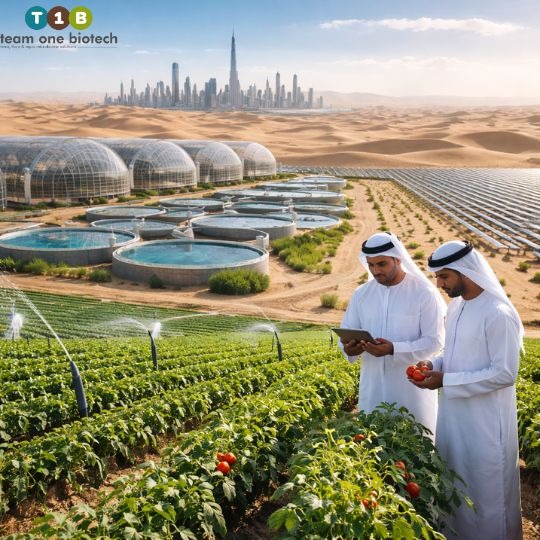
The United Arab Emirates is rewriting the rulebook on food production. In a nation where less than 1% of land is arable, vertical farms rise from desert sand, aquaculture facilities operate in former oil infrastructure, and government mandates are driving billions into agricultural innovation. This is not incremental progress, this is a fundamental reimagining of food security in one of the world’s most resource-constrained environments.

For investors and farm operators across the GCC, the moment has arrived. UAE Vision 2031 and the National Food Security Strategy 2051 have created a policy environment where sustainable Agri-Tech is not just encouraged, it’s essential. The question is no longer whether to invest in biological solutions for farming and aquaculture, but how to capture market share before the opportunity window closes.

The answer lies in Agri-Biotech white labeling UAE, a strategic pathway that allows you to launch your own branded bioremediation and probiotic solutions without the decade-long R&D cycle, regulatory navigation, or manufacturing infrastructure typically required.

The GCC Agri-Biotech Gold Rush: Why This Moment Matters

The GCC Agri-Biotech Gold Rush: Why This Moment Matters

The convergence of three powerful forces has created an unprecedented opportunity for Agri-Tech entrepreneurs in the Emirates:

Policy-Driven Demand
The UAE government has committed to increasing local food production from 30% to 50% by 2031. Dubai’s Food Security Strategy specifically prioritizes sustainable farming technologies that reduce water consumption and chemical dependence. These are not aspirational goals, they are backed by sovereign wealth fund investment and regulatory incentives.

Environmental Necessity
Traditional agriculture faces insurmountable challenges in the GCC climate. Summer temperatures routinely exceed 45°C, groundwater salinity levels can reach 15,000 ppm, and water scarcity makes conventional chemical-intensive farming economically unsustainable. Bioremediation for aquaculture and probiotic soil amendments are not premium add-ons, they are survival requirements.

Market Vacuum
While demand for biological solutions is exploding, most international biotech brands treat the Middle East as an afterthought. Distribution is fragmented, products are often poorly adapted to extreme salinity and heat conditions, and technical support is minimal. The entrepreneur who establishes a credible “Made in UAE” biotech brand with localized formulations will dominate this emerging market.

What Is White Labeling? Your Fast Track to Market Leadership

What Is White Labeling? Your Fast Track to Market Leadership

White labeling allows you to sell proven, scientifically validated products under your own brand name. Rather than spending years developing formulations, navigating biosafety approvals, and building manufacturing capacity, you partner with an established biotech producer who handles the complex backend while you focus on brand building and customer relationships.

Here is what Agri-Biotech white labeling UAE specifically means for your business:

Skip the Lab Phase
Team One Biotech (T1B) has already invested in the R&D infrastructure, microbial strain selection, fermentation protocols, and stability testing required for commercial-grade bioremediation products. Your partnership grants immediate access to formulations proven in field trials across Asia, Africa, and the Middle East.

Regulatory Shortcut
Product registrations with UAE Ministry of Climate Change and Environment (MOCCAE) and similar GCC regulatory bodies can take 18-24 months. T1B’s existing compliance frameworks and documentation accelerate this timeline significantly, getting your branded products into customers’ hands faster.

Customization Without Complexity
Need specific bacterial strain combinations for high-salinity shrimp ponds? Want packaging sizes optimized for UAE vertical farms? White label partnerships allow formulation customization and regional adaptation without building your own lab team.

Capital Efficiency
Manufacturing biotechnology products requires bioreactor facilities, quality control laboratories, cold chain logistics, and specialized personnel. White labeling converts these massive capital expenditures into manageable operational costs, preserving your investment capital for marketing and customer acquisition.

The Aquaculture Opportunity: Where Biotech Delivers Immediate ROI

The Aquaculture Opportunity: Where Biotech Delivers Immediate ROI

The GCC’s sustainable farming GCC revolution is particularly pronounced in aquaculture. The UAE alone has committed to tripling domestic seafood production by 2030, with major expansions in shrimp farming, seabass cultivation, and recirculating aquaculture systems (RAS).

This creates massive demand for probiotic water treatment UAE solutions that address the sector’s most pressing operational challenges:

Water Quality Management
In intensive aquaculture systems operating in the Arabian Gulf’s high-salinity conditions, ammonia and nitrite accumulation can reach toxic levels within 48 hours. Probiotic bioremediation products containing Bacillus and Lactobacillus strains rapidly convert these toxic compounds into harmless nitrates, maintaining stable water parameters even at stocking densities that would crash conventional systems.

Feed Conversion Ratio Improvement
Feed costs represent 60-70% of aquaculture operating expenses. Probiotic supplements added to feed or water improve gut health in shrimp and fish, enhancing nutrient absorption and reducing feed requirements by 12-18%. For a mid-scale operation producing 500 tons annually, this translates to AED 400,000+ in annual savings.

Disease Suppression
Vibrio outbreaks, Early Mortality Syndrome (EMS), and white spot syndrome virus (WSSV) can destroy entire harvest cycles. Probiotic water treatment establishes beneficial bacterial populations that outcompete pathogenic species through competitive exclusion, dramatically reducing disease incidence without antibiotics.

Sludge Reduction
Organic waste accumulation in pond bottoms creates anaerobic conditions that produce hydrogen sulfide and methane, toxic gases that stress aquatic animals and reduce yields. Specialized bioremediation products accelerate sludge decomposition, maintaining healthy pond environments and extending operational cycles before cleanout becomes necessary.

For an Agri-Tech investment Dubai portfolio, aquaculture biotech offers something rare: measurable, immediate returns. Farm operators can quantify improvements in water quality, survival rates, and feed efficiency within a single production cycle, making the value proposition undeniable.

Beyond Aquaculture: Terrestrial Agriculture Applications

Beyond Aquaculture: Terrestrial Agriculture Applications

While aquaculture represents the fastest ROI opportunity, the broader agricultural sector in the GCC is equally hungry for biological solutions:

Desert Soil Rehabilitation
Emirate soils are predominantly sandy, low in organic matter, and high in salt content. Microbial soil amendments containing nitrogen-fixing bacteria, phosphate-solubilizing organisms, and organic matter decomposers transform marginal soils into productive growing media for greenhouse operations and controlled-environment agriculture.

Vertical Farm Optimization
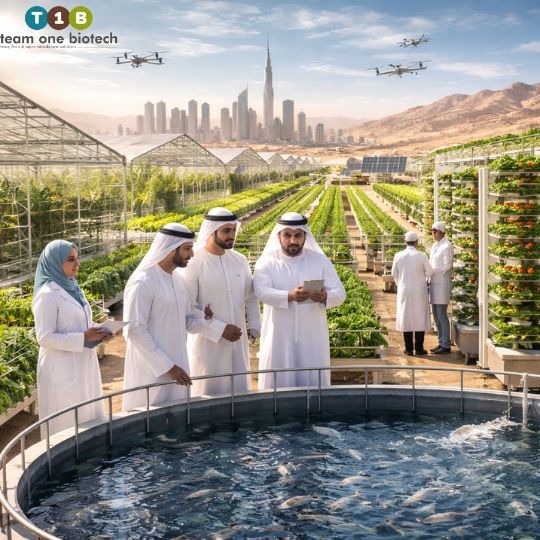
The UAE leads the Middle East in indoor farming infrastructure. However, closed-loop hydroponic and aeroponic systems face unique challenges with biofilm formation and root disease pressure. Probiotic inoculants designed for soilless systems prevent Pythium and Fusarium outbreaks while maintaining optimal nutrient availability.

Date Palm Plantation Management
As the UAE’s agricultural heritage crop, date cultivation faces increasing pressure from red palm weevil infestations and declining soil fertility. Biological control agents and soil probiotics offer sustainable solutions that preserve the cultural and economic value of this critical sector.

The White Label Launch Roadmap: Your 6-Month Path to Market

Establishing your branded Agri-Biotech presence in the UAE requires strategic execution across six critical phases:

Phase 1: Market Positioning and Brand Development (Month 1)

Define your target customer segment: Are you serving commercial shrimp farms, greenhouse operators, or government agricultural initiatives? Your brand identity, messaging, and product portfolio must align with specific customer pain points.

Develop brand assets: company name, logo, packaging design that communicates both scientific credibility and regional relevance. The most successful UAE biotech brands balance modern biotechnology imagery with cultural authenticity.

Phase 2: Product Selection and Customization (Month 1-2)

Partner with T1B to identify which formulations best match your market segment and environmental conditions. For GCC aquaculture, prioritize products proven in high-salinity, high-temperature conditions.

Specify any regional customizations: packaging sizes, application instructions in Arabic, concentration adjustments for local water chemistry. This is where white labeling’s flexibility delivers competitive advantage.

Phase 3: Regulatory Navigation (Month 2-4)

Initiate product registration processes with UAE MOCCAE and equivalent bodies in target GCC markets (Saudi Food and Drug Authority, Kuwait EPA). Your white label partner should provide technical documentation, safety data sheets, and efficacy studies to support applications.

For aquaculture products specifically, engage with local fish health authorities early. Demonstrating antibiotic-free disease management aligns perfectly with GCC food safety priorities.

Phase 4: Manufacturing and Quality Verification (Month 3-4)

Place your initial production order with specifications for branded packaging. For UAE market entry, most entrepreneurs start with container-load quantities (20-foot refrigerated container) to balance inventory investment with per-unit costs.

Before committing to large-scale orders, leverage the Team One Biotech Official Alibaba Store to sample products and verify quality. This strategic gateway allows you to test formulations in your specific environmental conditions, conduct small-scale trials with target customers, and validate efficacy claims before investing in branded bulk orders.

Phase 5: Market Entry and Customer Acquisition (Month 4-6)

Launch with a focused pilot program: identify 3-5 early adopter customers willing to conduct side-by-side trials comparing your products against current solutions. Document improvements in water quality parameters, survival rates, or crop yields with data and testimonials.

Invest in technical sales support. GCC farm operators are sophisticated buyers who demand proof. Your ability to provide application guidance, troubleshoot challenges, and quantify ROI will differentiate your brand from generic import competitors.

Phase 6: Scale and Geographic Expansion (Month 6+)

Once you have established case studies and customer references in the UAE, geographic expansion into Saudi Arabia, Oman, Qatar, and Kuwait becomes substantially easier. GCC countries share similar environmental challenges, creating natural product-market fit across the region.

Consider vertical integration into complementary services: water quality testing, farm management consulting, or integrated pest management programs that position your branded products within comprehensive solutions.

Why Team One Biotech Is Your Ideal White Label Partner

The success of your Agri-Biotech white labeling UAE strategy depends entirely on your manufacturing partner’s capabilities. Team One Biotech offers several critical advantages:

Proven Middle Eastern Experience
Unlike biotech manufacturers focused exclusively on Asian or Western markets, T1B has extensive operational history in high-salinity, high-temperature environments similar to the GCC. Products are proven in conditions that mirror UAE aquaculture and agricultural realities.

Flexible Minimum Order Quantities
Many international biotech companies require prohibitively large initial orders. T1B’s white label program accommodates emerging brands with realistic MOQs that allow market validation before massive capital commitment.

Technical Support Infrastructure
Your brand’s reputation depends on effective customer support. T1B provides technical training, application protocols, and troubleshooting guidance that enables your team to deliver professional service even without extensive microbiology backgrounds.

Formulation Customization
The ability to adjust strain combinations, concentration levels, and carrier formulations for specific GCC applications creates genuine differentiation. Your competitors selling off-the-shelf imports cannot match products optimized for local conditions.

The Gateway: T1B Official Alibaba Store

Before committing to full white label partnership, prudent entrepreneurs validate product quality and market fit. The Team One Biotech Official Alibaba Store serves as your strategic entry point:

Sample and Test
Order commercial samples of T1B’s core aquaculture and agriculture products. Conduct trials in your target customers’ actual operations to generate preliminary efficacy data before branding investment.

Build Confidence
Alibaba’s transaction security, product ratings, and verified supplier status reduce risk for international partners. Review existing customer feedback and product performance data from global buyers.

Establish Relationship
Use initial sample orders to evaluate T1B’s responsiveness, technical knowledge, and willingness to customize solutions. The best white label partnerships are built on trust and communication, start small and scale strategically.

The Vision: Building a Regional Biotech Powerhouse

The UAE’s transformation from resource importer to agricultural innovator represents more than food security policy, it is a fundamental economic diversification strategy. The entrepreneurs who establish credible, locally-relevant Agri-Biotech brands in this environment are positioning themselves at the center of a multi-billion dirham market expansion.

Agri-Tech investment Dubai is no longer about betting on uncertain technologies. The science is proven. The regulatory environment is supportive. The customer demand is urgent and growing.

What remains is execution: partnering with the right biotech manufacturer, building a brand that resonates with GCC values and priorities, and delivering measurable value to farm operators facing unprecedented environmental challenges.

White labeling eliminates the traditional barriers, time, capital, expertise, that have kept regional entrepreneurs out of the biotech sector. The pathway is clear. The opportunity window is open.

The question is simple: Will you watch the GCC Agri-Biotech revolution unfold, or will you build a brand that defines it?

Ready to Launch Your Agri-Biotech Brand?

Team One Biotech partners with visionary entrepreneurs and farm operators across the GCC who are ready to establish market-leading biological solutions for agriculture and aquaculture.

Contact us today to discuss white label opportunities, request product samples through our Official Alibaba Store, or schedule a consultation about customized formulations for UAE environmental conditions.

The future of sustainable farming in the Emirates is biological. Your branded presence in this market starts now.

Looking to improve your ETP/STP efficiency with the right bioculture?
Talk to our experts at Team One Biotech for customised microbial solutions.

Contact+91 8855050575

Email:  sales@teamonebiotech.com

Visit: www.teamonebiotech.com

Discover More on YouTube – Watch our latest insights & innovations!-

Connect with Us on LinkedIn – Stay updated with expert content & trends!
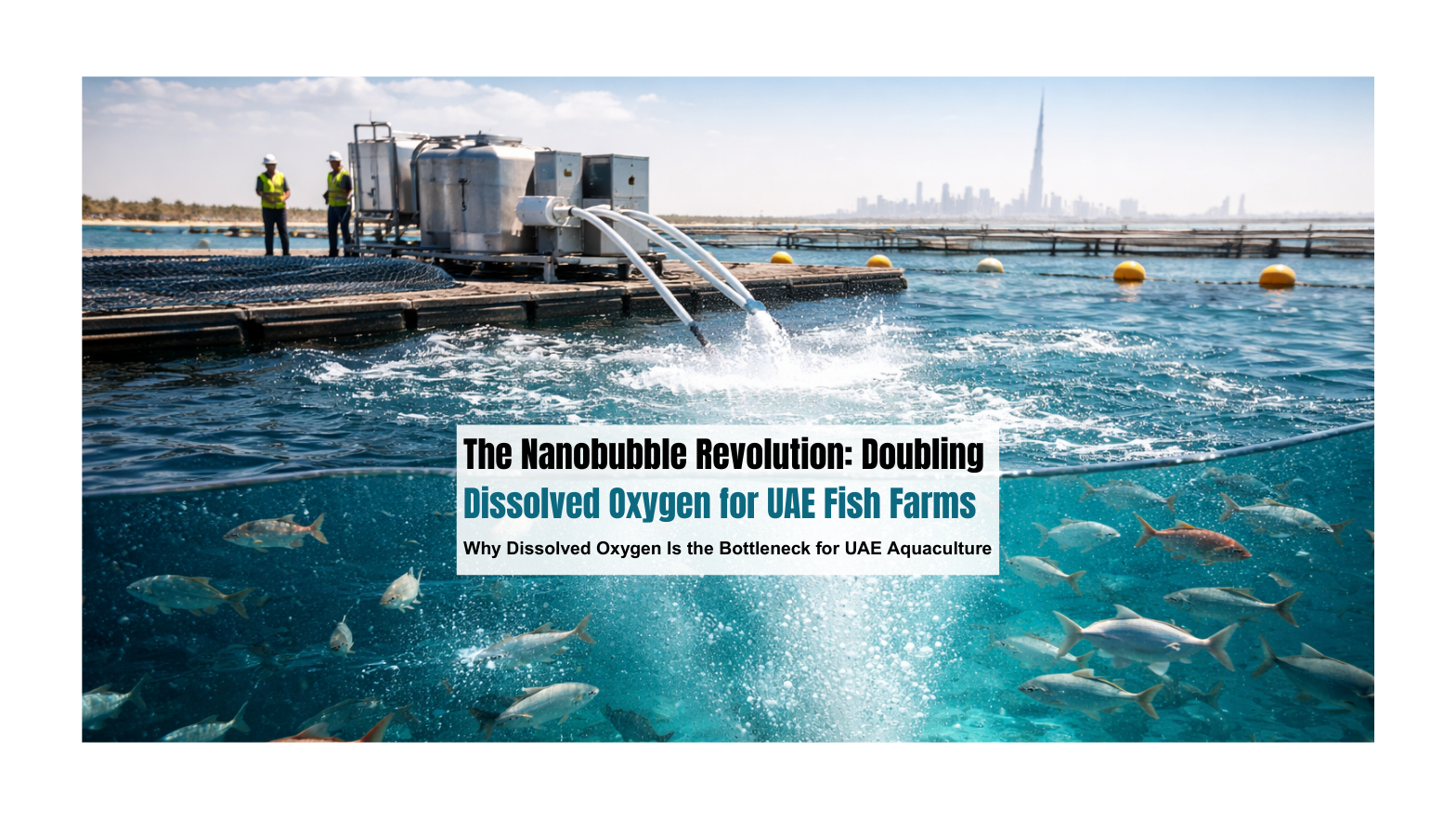
The Nanobubble Revolution: Doubling Dissolved Oxygen for UAE Fish Farms

The United Arab Emirates is racing against time. With over 90% of food currently imported and summer water temperatures routinely exceeding 32°C in recirculating aquaculture systems, the nation’s ambitious Vision 2031 and National Food Security Strategy 2051 face a fundamental biological constraint: oxygen.

In the hyperarid Gulf climate, where evaporation rates soar and salinity concentrations climb, maintaining adequate dissolved oxygen (DO) levels in fish and shrimp farms isn’t just a technical challenge, it’s the difference between commercial viability and catastrophic stock losses. Traditional aeration methods struggle in these extreme conditions, achieving oxygen transfer efficiencies below 15% while consuming enormous amounts of energy.

Enter nanobubble technology: a precision oxygenation solution delivering over 90% transfer efficiency, fundamentally reshaping what’s possible for aquaculture operations from Jebel Ali to the Northern Emirates.

Why Dissolved Oxygen Is the Bottleneck for UAE Aquaculture

Why Dissolved Oxygen Is the Bottleneck for UAE Aquaculture

Dissolved oxygen drives every biological process in aquaculture systems. Fish and shrimp require consistent DO levels above 5 mg/L for optimal growth, feed conversion, and disease resistance. Drop below this threshold, and you’re looking at stress-induced mortality, suppressed immune function, and feed waste that compounds water quality problems.

The UAE’s environmental conditions create a perfect storm for oxygen depletion:

  • Elevated water temperatures reduce oxygen solubility, water at 32°C holds 40% less dissolved oxygen than water at 20°C
  • High salinity from desalination sources further decreases oxygen-holding capacity by approximately 20% compared to freshwater
  • Intensive stocking densities required for commercial profitability create massive biological oxygen demand
  • Limited water exchange in recirculating systems means oxygen must be actively injected rather than naturally replenished

A 2023 study of UAE aquaculture facilities found that conventional aeration systems consumed up to 35% of total operational energy while still experiencing critical DO crashes during peak afternoon temperatures. This represents both an economic drain and a fundamental limitation on production capacity.

The result? UAE fish farms are forced to operate at 40-60% of their theoretical stocking capacity simply to avoid oxygen-related die-offs.

The Science Behind Nanobubble Technology

The Science Behind Nanobubble Technology

Nanobubbles are not simply smaller versions of the bubbles generated by conventional aerators. They represent a fundamentally different physical phenomenon with unique properties that make them ideal for aquaculture oxygenation.

What Makes Nanobubbles Different

Standard aeration bubbles measure 2,000-5,000 microns in diameter. They rise rapidly to the surface, bursting within seconds and transferring only 10-15% of their oxygen content to the water. This is why traditional aerators create surface turbulence, most of the oxygen escapes to the atmosphere unused.

Nanobubbles, by contrast, measure less than 200 nanometers (0.2 microns), approximately 10,000 times smaller than conventional bubbles. At this scale, surface tension and Brownian motion fundamentally alter bubble behavior:

  • Near-neutral buoyancy: Nanobubbles rise at less than 0.1 mm per second, remaining suspended in the water column for weeks or months rather than seconds
  • Massive surface area: One cubic centimeter of nanobubbles provides over 60 square meters of gas-liquid interface for oxygen transfer
  • Internal pressurization: The high internal pressure (over 20 atmospheres in a 100-nanometer bubble) drives oxygen into solution even in already-saturated water
  • Extended contact time: With residence times measured in days rather than seconds, oxygen transfer approaches 90-95% efficiency

Practical Implications for UAE Operations

For a commercial fish farm in Abu Dhabi operating a 1,000-cubic-meter raceway system, the mathematics are compelling:

Traditional fine-bubble aeration:

  • Oxygen transfer efficiency: 12-15%
  • Required airflow: 2,500 L/min to maintain 6 mg/L DO
  • Energy consumption: 18-22 kW continuous
  • Monthly energy cost (AED 0.30/kWh): AED 3,960-4,752

Nanobubble technology for aquaculture UAE:

  • Oxygen transfer efficiency: 90-95%
  • Required oxygen injection: 350 L/min equivalent
  • Energy consumption: 3-4 kW continuous
  • Monthly energy cost: AED 648-864
  • Energy savings: 82-84%

Beyond energy economics, nanobubble systems enable consistent DO levels above 7 mg/L even during thermal peaks, eliminating the afternoon DO crashes that plague conventional systems. This translates directly to improved feed conversion ratios (FCR), faster growth rates, and dramatically reduced mortality during critical production phases.

Addressing UAE-Specific Aquaculture Challenges

Addressing UAE-Specific Aquaculture Challenges

The UAE’s unique position, combining desert climate extremes with aggressive food security targets, creates challenges that demand precision-engineered solutions.

Challenge 1: Water Scarcity and Desalination Dependency

The UAE has no natural freshwater resources adequate for large-scale aquaculture. Nearly all operations rely on desalinated seawater or brackish groundwater, both of which come with inherent oxygen limitations and costs approaching AED 4-7 per cubic meter.

Nanobubble technology enables ultra-intensive recirculating systems with water exchange rates below 3% daily, less than one-tenth of conventional flow-through requirements. For a 500-ton annual production shrimp farm, this represents water savings of over 45,000 cubic meters annually, equivalent to AED 180,000-315,000 in avoided desalination costs.

Challenge 2: Salinity Variation and Hypersaline Conditions

Shrimp farms in the Northern Emirates frequently operate at salinities of 40-45 ppt due to evaporative concentration. At these salinity levels, oxygen solubility drops to just 6.5 mg/L at 28°C, barely above the threshold for healthy shrimp.

Conventional aeration cannot overcome this physical limitation. Nanobubble systems, however, can achieve supersaturation levels of 120-150%, maintaining DO above 8 mg/L even in hypersaline conditions. This capability is particularly valuable for high-value species like white leg shrimp (Litopenaeus vannamei) where consistent oxygenation directly impacts final harvest size and marketability.

Challenge 3: Summer Temperature Extremes

June through September brings catastrophic risk to UAE aquaculture. Water temperatures in outdoor systems regularly exceed 34°C in Jebel Ali and industrial zones, while indoor RAS facilities struggle with cooling costs.

Dissolved oxygen optimization through nanobubbles provides a critical buffer. By maintaining DO at 8-9 mg/L rather than the bare minimum 5 mg/L, fish experience substantially reduced thermal stress. Research from UAE University’s Marine Science Department documented 35% lower cortisol levels and 28% improved survival rates in barramundi (Lates calcarifer) held at 33°C when DO was maintained above 8 mg/L via nanobubble supplementation.

Real-World Performance: UAE Case Applications

Case Study: Dubai Shrimp Farm Yield Improvement

A 12-hectare intensive shrimp operation near Jebel Ali implemented nanobubble technology across six production ponds in 2023. The facility previously struggled with afternoon DO drops to 3.5-4.0 mg/L during peak season, forcing harvest weights below 16 grams despite 120-day production cycles.

Following nanobubble installation:

  • Minimum daily DO increased from 3.8 mg/L to 7.2 mg/L
  • Average harvest weight improved from 15.3g to 21.7g (+42%)
  • Feed conversion ratio improved from 1.68 to 1.42 (-15%)
  • Survival rate increased from 68% to 81% (+19%)
  • Overall yield per hectare increased by 73%

The operation achieved ROI on the nanobubble system within 1.3 production cycles.

Case Study: Abu Dhabi Tilapia RAS Efficiency

A 200-ton capacity indoor recirculating system producing Nile tilapia for the local market replaced its aging blower-based aeration with a staged nanobubble injection system. The primary objective was reducing electrical consumption while improving biosecurity through water conservation.

Results after six months:

  • Daily water makeup reduced from 8% to 2.5% of system volume
  • Aeration energy consumption decreased 79%
  • Consistent DO levels eliminated need for emergency oxygen supplementation
  • Reduced water exchange improved biofilter stability and reduced nitrate accumulation
  • Total operating cost per kilogram decreased by AED 1.85

Integration with UAE Food Security Objectives

Integration with UAE Food Security Objectives

The UAE National Food Security Strategy 2051 explicitly targets domestic production of 60% of consumed food by mid-century. Aquaculture represents one of the most space-efficient and water-efficient protein production pathways available in a desert environment.

However, achieving the strategy’s targets requires production intensification, growing more fish in the same water volume. Traditional aquaculture operates at roughly 20-40 kg/m³ in flow-through systems. With optimized DO management via nanobubble technology, intensive RAS operations in the UAE are achieving sustained production densities of 80-120 kg/m³.

This intensity multiplication is precisely what Vision 2031 demands: leveraging advanced technology to overcome natural resource constraints. Nanobubble systems also align with the “Made in the UAE” initiative by reducing dependence on imported frozen seafood while providing fresh, traceable protein to hotels, restaurants, and consumers.

Supporting Local and Global Sustainability Goals

Beyond national strategy alignment, nanobubble technology contributes to broader environmental objectives:

  • Reduced carbon footprint: 80%+ energy savings directly translate to lower emissions per kilogram of fish produced
  • Minimized water extraction: Critical in a region where groundwater depletion is accelerating
  • Improved biosecurity: Reduced water exchange limits disease vector introduction
  • Enhanced product quality: Fish grown in optimal oxygen conditions demonstrate superior flesh quality, color, and shelf life

Implementation Considerations for UAE Operators

System Sizing and Design

Proper nanobubble system specification requires understanding your facility’s oxygen demand profile. Key factors include:

  • Species-specific requirements: Shrimp demand different DO profiles than finfish; larval stages require higher and more stable DO than adults
  • Stocking density targets: Higher biomass per cubic meter requires proportionally greater oxygenation capacity
  • Temperature management: Summer peak temperatures require 40-50% additional capacity for thermal safety margins
  • Water source salinity: Hypersaline systems need higher injection rates to achieve equivalent DO concentrations

Professional system design typically involves computational fluid dynamics (CFD) modeling to optimize injection point placement and circulation patterns within your specific tank or pond geometry.

Maintenance and Operational Requirements

One advantage of nanobubble technology is minimal ongoing maintenance. Unlike mechanical aerators with motors, bearings, and impellers operating in corrosive saltwater, nanobubble generators function through controlled cavitation or pressure dissolution, no moving parts in contact with production water.

Typical maintenance consists of:

  • Quarterly inspection of gas injection ports for mineral scaling (minor in desalinated water systems)
  • Annual service of oxygen concentrator units if using atmospheric oxygen extraction
  • Routine monitoring of DO sensors and control system calibration

Most UAE installations operate continuously for 18-24 months between service intervals.

Integration with Existing Infrastructure

Nanobubble systems retrofit easily into existing facilities. Whether you’re operating traditional earthen ponds, concrete raceways, or sophisticated RAS, nanobubble injection can supplement or replace conventional aeration without major structural modifications.

For new facilities, designing around nanobubble technology from the outset enables even greater optimization, including:

  • Reduced emergency backup aeration requirements
  • Smaller biofilter sizing (due to lower water exchange and improved nitrification efficiency)
  • Simplified tank geometry (elimination of dead zones since nanobubbles distribute uniformly)

Planning a new facility or expansion? Our engineering team provides complimentary preliminary design review for projects above 50-ton annual capacity. Schedule your consultation.

Economic Analysis: Investment and Returns

The business case for nanobubble technology rests on three value pillars:

1. Direct Energy Savings With electricity representing 15-25% of operating costs in intensive aquaculture, an 80% reduction in aeration energy delivers immediate bottom-line impact. For a 100-ton annual production facility, this typically translates to AED 45,000-75,000 in annual savings.

2. Production Intensification The ability to safely stock at higher densities without oxygen limitation means greater output from the same physical infrastructure. This is particularly valuable in the UAE where land costs are high and suitable locations are scarce.

3. Quality and Survival Improvements Reduced stress, improved FCR, and higher survival rates compound across production cycles. Industry data suggests that optimized DO management contributes 12-18% improvement in overall profitability even before considering energy savings.

Typical UAE installations see full payback within 18-28 months, with system lifespans exceeding 10 years.

Global Quality, Local Support

Team One Biotech stands at the intersection of global innovation and regional expertise. As a certified solutions provider specializing in Middle Eastern aquaculture technology, we deliver proven nanobubble systems backed by comprehensive local support across the Emirates.

Our approach combines:

  • World-class technology: Partnerships with leading nanobubble equipment manufacturers ensuring access to the most advanced systems available
  • Regional customization: Solutions engineered specifically for Gulf climate conditions, water chemistry, and species profiles
  • Full-spectrum support: From initial feasibility studies through installation, commissioning, training, and ongoing optimization
  • Bilingual technical team: Arabic and English-speaking engineers based in the UAE for rapid response and consultation

For international clients and partners seeking detailed product specifications, technical documentation, and procurement options, we invite you to explore our official T1B Alibaba Store, your primary portal for accessing our complete product catalog, verified certifications, and streamlined international ordering.

Whether you’re operating a small-scale demonstration facility or planning a multi-hectare commercial installation, Team One Biotech provides the expertise and technology to transform your dissolved oxygen management from a limitation into a competitive advantage.

Looking to improve your ETP/STP efficiency with the right bioculture?
Talk to our experts at Team One Biotech for customised microbial solutions.

Contact+91 8855050575

Email:  sales@teamonebiotech.com

Visit: www.teamonebiotech.com

Discover More on YouTube – Watch our latest insights & innovations!-

Connect with Us on LinkedIn – Stay updated with expert content & trends!
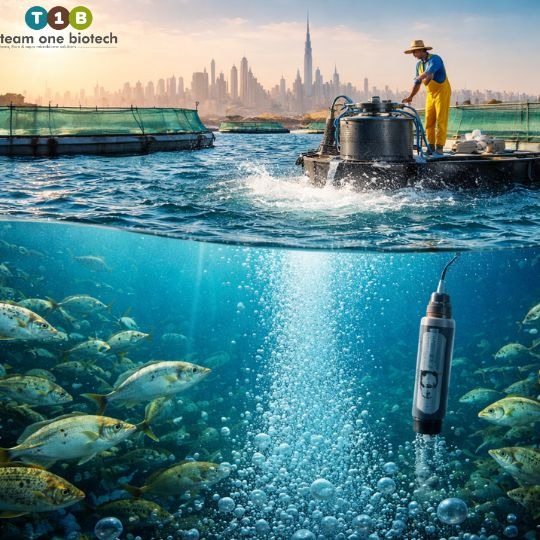
UAE Food Security 2031: Modernizing Aquaculture & High-Yield Farming in Arid Climates

The Desert Imperative: Why the UAE Cannot Wait

The United Arab Emirates imports nearly 90% of its food. In a nation where summer temperatures exceed 50°C and annual rainfall barely reaches 100mm, this dependency represents more than an economic vulnerability, it is a strategic liability. The National Food Security Strategy 2031 sets an audible target: transform the UAE into a global hub for food innovation while building resilient, sovereign production capacity.

The challenge is monumental. Desert soils contain elevated salinity levels that poison conventional crops. Groundwater reserves face depletion and increasing salinization. Traditional chemical-intensive agriculture fails spectacularly in these conditions, leaching toxins into already scarce water supplies and degrading what little arable land exists. The old playbook, fertilizers, pesticides, antibiotics in aquaculture, cannot deliver the yields or sustainability the UAE demands.

This is where biotechnology enters as the essential catalyst. Not as a futuristic experiment, but as the pragmatic foundation for achieving food sovereignty in one of the world’s harshest climates.

The Fundamental Shift: From Chemical Dependence to Biological Intelligence

The Fundamental Shift: From Chemical Dependence to Biological Intelligence

For decades, agriculture worldwide has operated on a simple premise: apply chemicals to force production. Fertilizers to feed plants. Pesticides to kill threats. Antibiotics to suppress disease in fish. This linear, extractive model has devastated ecosystems globally. In the UAE’s fragile desert environment, it accelerates collapse.

Biotech solutions represent a paradigm shift. Instead of overwhelming natural systems with synthetic compounds, bioremediation harnesses living organisms, specific bacterial strains, enzymes, and microbial consortia, to create regenerative cycles. These biological agents don’t just treat symptoms; they fundamentally restore ecological balance.

The Circular Water Economy

Water scarcity defines the UAE’s agricultural reality. The nation has one of the world’s highest per-capita water footprints, yet ranks among the most water-stressed countries globally. In this context, every liter must work harder, cycle longer, and contaminate less.

Probiotic treatments and enzyme-based biotech create closed-loop water systems where beneficial microorganisms continuously purify and regenerate resources. Unlike chemical treatments that leave residues requiring disposal, biological agents break down organic waste, neutralize toxins, and convert pollutants into nutrients. The water improves with each cycle rather than degrading.

This matters acutely in the UAE, where desalination provides much of the fresh water at enormous energy cost. Recirculating aquaculture systems (RAS) and controlled-environment agriculture can reduce water consumption by up to 90% compared to traditional methods, but only if water quality remains stable without constant chemical intervention. Biotech makes this possible.

Soil as Living Infrastructure

Desert soils present a cruel paradox. They often contain mineral nutrients but lack the biological activity to make those nutrients available to plants. High salinity creates osmotic stress that prevents root water uptake. Compaction and lack of organic matter mean water either evaporates instantly or drains away unused.

Chemical fertilizers provide a temporary nutrient surge but acidify soil, kill beneficial organisms, and increase salinity through salt accumulation. Each application leaves soil less productive than before, a downward spiral that has rendered vast agricultural regions worldwide essentially sterile.

Bioremediation rebuilds soil as functional ecosystem. Specific bacterial strains chelate nutrients, making them bioavailable. Mycorrhizal fungi extend root networks, dramatically improving water and nutrient uptake. Enzyme complexes break down salt compounds and organic matter, gradually reducing salinity while building soil structure.

Recent trials in Al Ain demonstrated that biotech-treated soils increased water retention by 40% and reduced irrigation needs by 35% while simultaneously improving crop yields. The soil wasn’t just supporting plants, it was actively becoming more productive with each growing cycle.

Aquaculture Revolution: Building the Protein Pillar

Aquaculture Revolution: Building the Protein Pillar

The UAE’s National Food Security Strategy identifies aquaculture as central to achieving protein self-sufficiency. Fish and shrimp farming offer higher feed conversion efficiency and lower carbon footprints than terrestrial livestock. Barramundi, tilapia, and white-leg shrimp (Litopenaeus vannamei) are particularly suited to UAE conditions when raised in properly managed systems.

Yet conventional aquaculture carries substantial risks. Intensive fish farming concentrates waste, depletes oxygen, and creates ideal conditions for pathogenic bacteria. The standard response, antibiotics, creates resistant bacterial strains, leaves residues in seafood, and fails to address underlying water quality issues.

Recirculating Aquaculture Systems: Technology Meets Biology

RAS technology represents the mechanical foundation of modern aquaculture: sophisticated filtration, climate control, and water recycling infrastructure. These systems allow farmers in Abu Dhabi or Sharjah to maintain optimal conditions regardless of external desert extremes.

But mechanical filtration alone cannot manage the complex biochemistry of intensive fish production. Ammonia from fish waste must be converted to less toxic forms. Dissolved organic compounds must be broken down. Pathogenic bacteria must be suppressed without eliminating beneficial microorganisms. The water must remain a living, balanced medium.

This is precisely where biotech applications deliver outsized value.

Probiotic Water Treatment: The Competitive Microbial Advantage

Introducing specific probiotic bacterial strains into RAS creates what microbiologists call “competitive exclusion.” Beneficial bacteria rapidly colonize all available ecological niches, tank surfaces, biofilters, the fish gut microbiome itself. Pathogenic organisms, arriving later and in smaller numbers, find no foothold.

This biological defense operates continuously, 24 hours daily, without creating resistance issues. The probiotics also produce enzymes that break down waste compounds, clarify water, and reduce the organic load on mechanical filtration systems.

Field data from commercial shrimp farms using probiotic protocols show:

  • Reduction in disease outbreaks by 60-75%
  • Elimination of antibiotic use while maintaining or improving survival rates
  • Water quality stabilization with 30-40% less mechanical intervention
  • Improved Feed Conversion Ratios (FCR) from 1.8 to 1.4 or better

That FCR improvement is economically transformative. It means producing the same biomass of shrimp with 22% less feed, directly reducing the single largest operating cost while lowering environmental impact.

Enzymatic Solutions: Precision Biochemistry

While probiotics provide broad-spectrum biological management, specific enzymes deliver targeted interventions. Protease enzymes accelerate protein breakdown, preventing toxic ammonia spikes. Amylase enzymes process carbohydrates that would otherwise cloud water and promote harmful bacterial growth. Cellulase enzymes break down plant-based feed components, improving digestibility and reducing waste.

These enzymes don’t persist in the environment or accumulate in fish tissue. They perform their catalytic function and degrade naturally, leaving no residue. This aligns perfectly with export market demands, particularly European and Asian markets where antibiotic residues trigger automatic rejections.

The Business Case: Numbers That Matter

A 500-ton annual production shrimp farm in the UAE using conventional methods faces:

  • Feed costs: AED 4.5 million (assuming FCR 1.8, feed price AED 5,000/ton)
  • Disease losses: 15-25% biomass
  • Antibiotic/chemical treatments: AED 180,000-250,000
  • Water/energy for quality management: AED 400,000

The same farm using integrated biotech solutions:

  • Feed costs: AED 3.5 million (FCR improvement to 1.4)
  • Disease losses: 5-8% biomass
  • Biotech treatments: AED 120,000
  • Water/energy: AED 280,000 (more stable systems require less intervention)

The operating cost reduction exceeds AED 1.4 million annually while producing higher-quality, export-ready product. Payback on biotech investment occurs within the first production cycle.

For investors evaluating aquaculture opportunities in the UAE, these metrics are decisive. The Ministry of Climate Change and Environment (MOCCAE) increasingly requires sustainable practices for licensing and subsidies. Farms unable to demonstrate chemical reduction and environmental compliance will face regulatory headwinds. Those built on biotech foundations position themselves as preferred partners for government initiatives.

Your aquaculture investment deserves technology that scales with production while reducing risk. Modern biotech solutions eliminate the antibiotic dependency that threatens market access and profitability.

Desert Agriculture: Growing Food Where Nothing Should Grow

Desert Agriculture: Growing Food Where Nothing Should Grow

The UAE has committed to increasing local produce availability to meet 30% of domestic demand by 2031. This requires producing vegetables, fruits, and fodder crops in conditions that defy conventional horticultural wisdom.

High-tech controlled environment agriculture (CEA), greenhouses with climate control, hydroponics, vertical farming, provides the physical infrastructure. These facilities dot the landscapes around Al Ain, Fujairah, and Ras Al Khaimah, representing billions in investment. Yet infrastructure alone cannot guarantee success. The growing media, water quality, and plant health management ultimately determine whether these facilities profit or fail.

Saline Soil Rehabilitation: The Foundation Layer

Even in controlled environments, substrate quality matters enormously. Many UAE farms use imported coconut coir or peat, expensive, ecologically questionable materials that must be replaced regularly. Others attempt to use local soils, which typically contain 2,000-8,000 ppm salinity (crops generally tolerate maximum 1,500 ppm).

Biotech soil conditioning offers an alternative pathway. Specific halotolerant bacteria (salt-tolerant microorganisms) colonize the root zone and produce exopolysaccharides that bind sodium ions, effectively sequestering salt away from plant roots. These bacteria also produce growth-promoting hormones (auxins, cytokinins) that help plants resist osmotic stress.

Enzyme treatments complement bacterial action. Cellulase and hemicellulase enzymes break down crop residues and organic amendments, rapidly building soil organic matter. This organic content improves water retention and creates physical structure that reduces compaction and salt concentration around roots.

A farm in the Al Dhafra region applied this combined approach to historically unproductive sandy-saline soil. Within three growing seasons:

  • Soil electrical conductivity (EC) dropped from 7.2 dS/m to 3.1 dS/m
  • Organic matter increased from 0.4% to 2.8%
  • Crop yields (tomatoes, cucumbers, leafy greens) increased 180%
  • Irrigation water requirements decreased 40%

The farm transitioned from barely viable to consistently profitable while building an asset, improved soil, that increases in value each season.

Water Efficiency: More Crop Per Drop

The UAE’s water strategy centers on radical efficiency. The phrase “more crop per drop” isn’t marketing language, it’s national policy backed by specific consumption targets and pricing mechanisms that penalize waste.

Biotech enables precision water management in several ways:

Root Zone Optimization: Mycorrhizal fungi form symbiotic relationships with plant roots, extending the effective root system by 100-1000 times through microscopic hyphal networks. These fungi access water and nutrients far beyond the plant’s natural reach, dramatically improving uptake efficiency.

Drought Stress Resistance: Certain bacterial strains produce ACC deaminase, an enzyme that modulates ethylene production in plants. Ethylene triggers stress responses that close stomata and reduce growth. By managing ethylene levels, these bacteria help plants maintain productivity under water stress.

Hydrogel Enhancement: Biotech-derived hydrogels absorb and retain water in root zones, releasing it slowly as plants need it. Unlike synthetic polymers, these biological hydrogels break down into soil nutrients rather than accumulating as microplastic pollution.

Hydroponic and aeroponic systems, common in UAE CEA facilities, benefit dramatically from biotech water treatment. Probiotic additions to nutrient solutions suppress pythium and other root pathogens that thrive in water-based systems. This eliminates the need for fungicides that can accumulate in edible crops and contaminate recycled water.

Pest and Disease Management Without Poisons

Desert agriculture faces unique pest pressures. Whiteflies, aphids, and spider mites thrive in the warm, protected greenhouse environments. Traditional pesticide applications create multiple problems: resistance development, worker exposure risks, residues on produce that fail export testing, and destruction of beneficial insects.

Biological control agents, predatory insects, parasitoid wasps, entomopathogenic fungi, offer an alternative, but these require careful ecosystem management to remain effective. Biotech enhances this approach through:

Induced Systemic Resistance: Certain beneficial bacteria, when colonizing plant roots, trigger the plant’s own immune responses. The plant produces defensive compounds that deter pests and resist disease without external chemical application.

Quorum Sensing Disruption: Pathogenic bacteria coordinate attacks using chemical signaling molecules. Biotech products containing quorum-quenching enzymes interfere with these signals, preventing the synchronized bacterial infections that cause crop losses.

Microbial Biofungicides: Fungal diseases devastate greenhouse crops. Trichoderma and Bacillus species produce antibiotics and compete directly with pathogenic fungi, providing protection without toxic residues.

A major tomato producer in Sharjah implemented fully biological pest and disease management using these biotech tools. Results over two years:

  • Pesticide costs decreased from AED 85,000 to AED 12,000 annually
  • Crop rejection due to residue testing dropped from 8% to zero
  • Overall yields increased 15% due to healthier, unstressed plants
  • Export certification to EU markets achieved (previously impossible)

The export access alone transformed the business model, allowing premium pricing that more than justified the biological management investment.

Commercial farms positioned for export markets cannot afford pesticide residue failures. Biotech-based crop protection delivers both food safety compliance and superior yields.

The Investment Landscape: Where Biology Meets ROI

The UAE government actively supports agricultural innovation through multiple channels. MOCCAE coordinates food security initiatives, providing technical guidance and regulatory frameworks. The Abu Dhabi Agriculture and Food Safety Authority (ADAFSA) offers subsidies and support for technology adoption. Dubai’s Food Tech Valley initiative attracts agricultural technology companies and offers infrastructure for pilot projects.

This institutional support creates unusual opportunities for investors willing to deploy capital into biotech-enhanced agriculture. Unlike speculative agtech ventures, biotech solutions for UAE conditions address immediate, proven needs with measurable returns.

Risk Mitigation Through Biology

Traditional agricultural investment carries climate risk (drought, extreme weather), market risk (price volatility), and production risk (disease, pest outbreaks). The UAE’s desert environment amplifies all three.

Biotech substantially reduces production risk. Systems designed around biological stability rather than chemical intervention show markedly lower variance in outcomes. A RAS facility using comprehensive biotech management experiences fewer disease crashes, more consistent growth rates, and more predictable harvest timing.

This production consistency transforms financial modeling. Lenders and equity investors can underwrite projects with greater confidence when biological safeguards replace chemical dependencies that often fail under stress.

Scalability and Technology Transfer

Biotech solutions scale elegantly from demonstration projects to commercial operations. A probiotic protocol proven on a 10-ton shrimp pilot can deploy across a 500-ton facility with minimal modification. Soil conditioning approaches tested on two hectares extend to 200 hectares using the same biological inputs and protocols.

This scalability matters enormously in the UAE context, where government strategy calls for rapid expansion of domestic production capacity. Projects that demonstrate proof-of-concept can attract follow-on investment for geographic expansion, knowing the core technology remains constant.

The knowledge transfer is equally straightforward. Training farm operators to apply biotech solutions typically requires days rather than months. The products themselves, liquid probiotics, enzyme concentrates, microbial inoculants, require no special handling beyond basic temperature protection. This contrasts sharply with chemical management, which demands extensive safety training, specialized storage, and disposal protocols.

Market Access and Premium Positioning

UAE-produced food faces skepticism in some export markets, fairly or not, based on perceptions about desert agriculture viability. Products certified as organic, antibiotic-free, or pesticide-free command immediate credibility and premium pricing.

Biotech enables these certifications. Shrimp raised without antibiotics, vegetables grown without synthetic pesticides, dates and specialty crops cultivated in biologically enhanced soils, these products access premium market tiers globally.

The UAE’s strategic location provides air freight access to high-value markets in Europe, East Asia, and the Indian subcontinent within 8 hours. Fresh, certification-rich produce from biotech-enhanced farms can compete successfully despite higher production costs because product quality and food safety guarantee premium prices.

If your agricultural project requires investor confidence and export market access, biotech certification provides the competitive differentiation that justifies premium positioning.

Regulatory Environment and National Strategy Alignment

Regulatory Environment and National Strategy Alignment

The UAE regulatory framework for agriculture continues evolving rapidly, driven by food security imperatives and environmental commitments. Understanding this landscape is essential for project planning and investment structuring.

MOCCAE Guidelines and Water Conservation Mandates

The Ministry of Climate Change and Environment sets national policy and coordinates implementation across emirates. Recent guidelines emphasize:

  • Water use efficiency targets requiring 30% reduction in agricultural water consumption by 2030
  • Prohibition of specific chemical pesticides and antibiotics aligned with international standards
  • Mandatory environmental impact assessments for new agricultural facilities
  • Incentives for adoption of water recycling and biological treatment systems

Biotech solutions directly address these requirements. Projects incorporating biological water treatment, soil conditioning, and chemical reduction receive preferential treatment in licensing, subsidy allocation, and access to government-supported infrastructure.

ADAFSA and Food Safety Standards

The Abu Dhabi Agriculture and Food Safety Authority maintains rigorous standards for food production, particularly for products sold locally or exported under UAE certification. These standards increasingly prohibit antibiotic residues in fish and shrimp, restrict pesticide residues below EU maximum residue limits (MRLs), and require traceability throughout production chains.

Facilities built on biotech foundations can achieve compliance more readily than those retrofitting chemical-dependent operations. Regulatory inspections favor operations demonstrating preventive biological management over reactive chemical treatments.

Dubai and Northern Emirates Initiatives

Dubai’s Food Security Council coordinates private sector engagement, offering partnerships for technology demonstration and market access support. The Northern Emirates, Sharjah, Ajman, Umm Al Quwain, Ras Al Khaimah, and Fujairah, have developed specialized agricultural zones with infrastructure support and streamlined permitting for innovative projects.

These zones actively recruit biotech-forward operations, recognizing that sustainable practices enhance regional reputation and create export opportunities that benefit all stakeholders.

Looking Forward: 2031 and Beyond

The National Food Security Strategy 2031 sets ambitious targets that seemed nearly impossible when announced. Achieving 30% food self-sufficiency in one of the world’s most inhospitable agricultural environments demands technologies that simply didn’t exist a generation ago.

Biotech makes the impossible achievable. Not through dramatic, singular breakthroughs, but through systematic application of biological intelligence to every aspect of desert food production. Water that regenerates rather than degrades. Soil that builds fertility instead of accumulating toxins. Fish and crops that thrive without chemical crutches.

The transition from chemical dependence to biological management isn’t merely environmentally virtuous, it’s economically superior and strategically essential. Every farm that adopts biotech principles reduces import dependency, creates jobs, builds technical expertise, and demonstrates that the UAE can indeed feed itself.

For commercial operators, the choice is increasingly clear. Biotech-enhanced systems cost less to operate, produce higher quality output, meet regulatory requirements more easily, and access premium markets that reject chemical-intensive production. The investment returns are measurable and repeatable.

For the nation, each biotech adoption moves closer to food sovereignty, the ability to feed the population from domestic resources even under global disruption. In an era of climate instability and geopolitical volatility, this sovereignty carries value beyond any financial calculation.

The desert is no longer a barrier to agricultural success. With biotech, it becomes an advantage, an environment so challenging that solutions developed here can deploy successfully anywhere on Earth. The UAE isn’t just securing its own food future; it’s creating exportable technology and expertise that will feed the world’s most stressed regions.

Your operation can lead this transformation or follow it. The economic and strategic advantages of early adoption compound with every growing cycle.

Streamlining Your Supply Chain: Direct Access to Proven Solutions

Implementing biotech solutions at commercial scale requires reliable access to proven products, technical support, and consistent supply logistics. Team One Biotech addresses this requirement through its Official Alibaba Store, a global procurement platform designed specifically for commercial agricultural operations, aquaculture facilities, and institutional buyers.

Why Direct B2B Procurement Matters

Agricultural biotech differs fundamentally from consumer products. Effective implementation requires:

  • Product specifications matched precisely to application (water salinity, temperature ranges, target species)
  • Batch consistency ensuring reliable performance across production cycles
  • Technical documentation including protocols, dosing guidelines, and compatibility data
  • Access to application support for troubleshooting and optimization

Product Categories Available

The store organizes solutions by application:

Aquaculture Systems: Probiotics for RAS and biofloc systems, enzymatic water conditioners, organic waste decomposers, pathogen control agents formulated for shrimp, barramundi, tilapia, and marine species.

Soil Health and Conditioning: Halotolerant bacterial consortia for saline soil remediation, mycorrhizal inoculants, enzyme complexes for organic matter development, biostimulants for drought stress tolerance.

Water Treatment and Efficiency: Biological water purification systems, nutrient recycling enhancers, biofilm control agents, irrigation system maintainers.

Crop Protection: Biofungicides, beneficial insect support products, induced resistance elicitors, organic certification-compatible solutions.

Each product listing includes application rates, compatibility information, storage requirements, and expected results under UAE conditions. Technical support teams assist with system design and integration planning.

Procurement Advantages for UAE Operators

Direct manufacturer access eliminates distributor markups while ensuring authentic products. Alibaba’s trade assurance protects commercial purchases with payment security and delivery guarantees. Bulk ordering options reduce per-unit costs and ensure uninterrupted supply for ongoing operations.

The platform facilitates long-term supply agreements essential for operational planning. Facilities can establish reliable procurement relationships that support expansion, replication, and franchising of successful biotech protocols.

For investors conducting due diligence on agricultural projects, direct supplier relationships via established platforms demonstrate operational sophistication and supply chain security. Projects with verified procurement sources and technical support agreements present lower risk profiles than those dependent on gray market or unverifiable product sources.

The T1B Official Alibaba Store provides these elements through a purpose-built commercial platform. Verified supplier status ensures product authenticity. Detailed technical datasheets allow informed selection. Quantity pricing supports operational scaling. Logistics support handles customs, freight, and delivery to UAE facilities.

Visit the T1B Official Alibaba Store to access commercial-grade biotech solutions with the procurement security your operation requires. Transform supply chain risk into competitive advantage through direct manufacturer relationships.

The path to UAE food sovereignty runs directly through biological innovation. Every farm that trades chemical dependence for biotech resilience strengthens national security while building profitable, sustainable enterprise. The technology exists. The regulatory environment supports adoption. The economic case is proven.

The question is no longer whether biotech can deliver desert food production at scale, operations across the UAE demonstrate this daily. The question is how rapidly commercial operators will recognize the strategic and financial advantages of leading this transformation rather than following it.

Your move determines whether your operation becomes a case study in successful innovation or a cautionary tale of competitive disadvantage. Choose biology. Choose sovereignty. Choose the future that’s already working.

Looking to improve your ETP/STP efficiency with the right bioculture?
Talk to our experts at Team One Biotech for customised microbial solutions.

Contact+91 8855050575

Email:  sales@teamonebiotech.com

Visit: www.teamonebiotech.com

Discover More on YouTube – Watch our latest insights & innovations!-

Connect with Us on LinkedIn – Stay updated with expert content & trends!
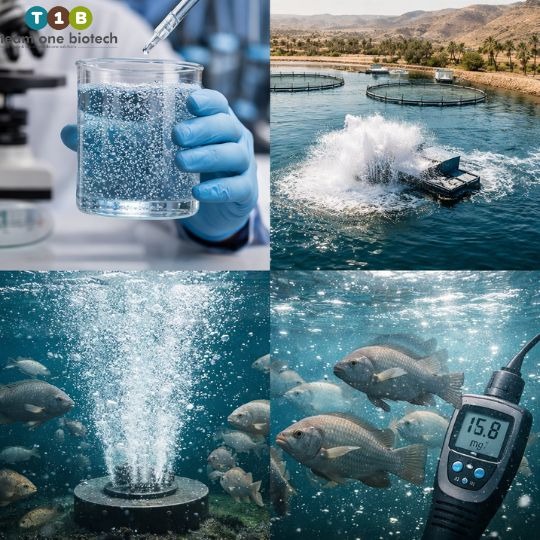
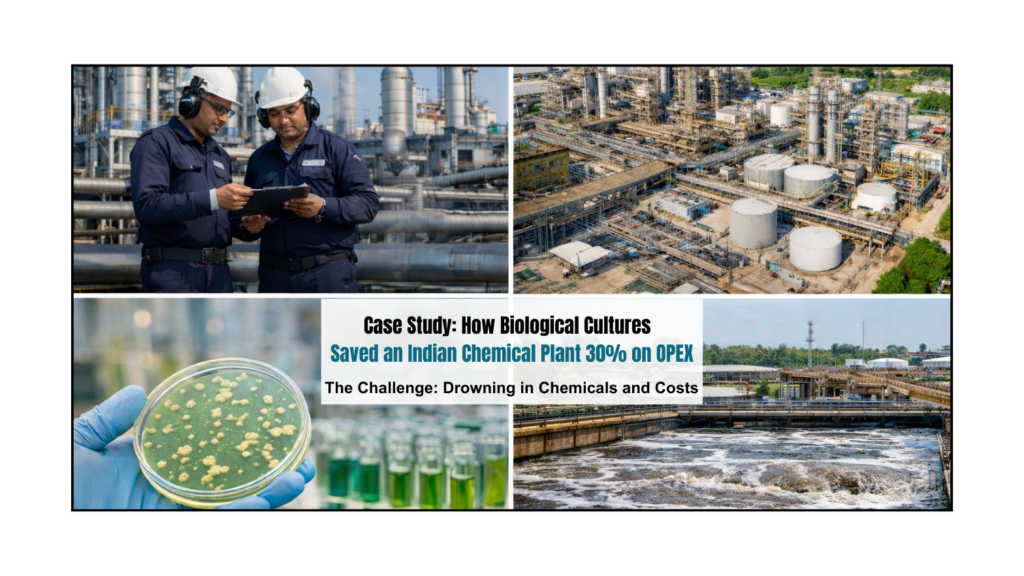
Case Study: How Biological Cultures Saved an Indian Chemical Plant 30% on OPEX

On a Tuesday when Rohan Mehta’s phone lit up. The caller ID showed “ETP Control Room.” His heart sank.

As the Operations Head of a mid-sized specialty chemicals plant in Vapi, Gujarat, Rohan knew that late-night calls meant only one thing: the effluent treatment plant was failing again. This time, the COD levels had spiked to 980 mg/L, nearly double the GPCB’s consent-to-operate limit of 500 mg/L.

The next morning would bring the routine SPCB inspection. A violation of this magnitude could trigger a show-cause notice, potential production shutdown, or worse, an Environmental Compensation penalty running into lakhs of rupees under the Water (Prevention and Control of Pollution) Act, 1974.

Rohan wasn’t alone in this nightmare. Across industrial clusters from Ankleshwar to Patancheru, from Ludhiana to Coimbatore, factory managers face this relentless pressure: maintain production targets while keeping discharge parameters within increasingly stringent regulatory limits, all without inflating operational costs that erode already thin margins.

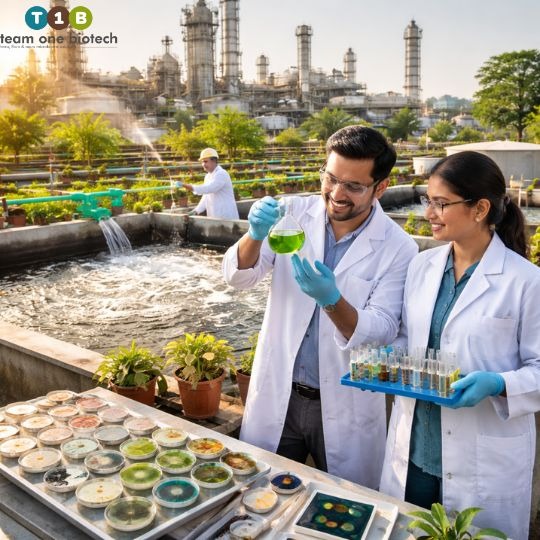
This is the story of how one Indian chemical plant broke free from this vicious cycle, slashed their ETP operating costs by 30%, and achieved consistent CPCB compliance, by replacing chemical-heavy wastewater treatment with a biological approach powered by Team One Biotech’s specialized microbial cultures and Bio Cultures for Wastewater Treatment.

The Challenge: Drowning in Chemicals and Costs

Drowning in Chemicals and Costs

Plant Profile

The facility:

  • Medium-scale specialty chemical manufacturer
  • Multi-stream solvent and intermediate production
  • Complex wastewater with high organic load
  • Large daily effluent volume
  • Significant pH fluctuations due to batch operations

Key wastewater challenges:

  • COD peaks reaching nearly 6–7x biological stability levels
  • Wide pH variation within the same week
  • Recalcitrant organic compounds
  • Seasonal biological performance instability

The Operational Reality

Like many Indian chemical plants, the facility relied primarily on:

  • Heavy physico-chemical treatment
  • High coagulant and polymer dosing
  • Strong pH correction dependency
  • Underperforming activated sludge

Monthly OPEX Breakdown (Before Intervention)

  • Chemical consumption accounted for over 55–60% of total ETP cost
  • Sludge disposal contributed nearly 15% of OPEX
  • Power for aeration represented about 10–12%
  • Emergency handling and corrective actions created hidden labor burdens

The Bigger Issue

Beyond cost:

  • Sludge generation was excessively high
  • Frequent emergency chemical corrections
  • Operators manually overriding automation
  • Constant compliance anxiety

The management faced a major decision:

Invest heavily in expanding physico-chemical infrastructure
OR
Find a smarter biological solution within existing infrastructure.

The Solution: Bio-Augmentation, Not Just Bio-Treatment

The Solution: Bio-Augmentation, Not Just Bio-Treatment

Understanding the Biological Advantage

After consulting with Team One Biotech’s technical team, the plant’s management learned a crucial distinction that most Indian industrial facilities overlook:

Traditional approach: Generic activated sludge with minimal microbial diversity, supported by massive chemical intervention.

Bio-augmentation approach: Targeted introduction of specialized, high-performance bacterial consortia designed specifically for chemical industry wastewater.

Team One Biotech proposed a phased implementation of their industrial-grade biological cultures, specifically formulated microbial consortia capable of:

  • Degrading complex aromatic compounds and solvents
  • Withstanding pH fluctuations and toxic shock loads
  • Rapid acclimatization to varying COD loads
  • Producing minimal sludge compared to physico-chemical treatment

The Implementation Strategy

Phase 1 (Weeks 1–2): System Preparation

  • Baseline water quality audit
  • Adjustment of aeration capacity
  • Nutrient balancing (N:P ratio optimization)

Phase 2 (Weeks 3–4): Culture Introduction

  • Initial bio-augmentation with T1B’s Chemical Industry Wastewater Treatment Culture
  • Daily monitoring of MLSS, SVI, and microbial activity
  • Gradual reduction of chemical coagulant dosing

Phase 3 (Weeks 5–8): Performance Stabilization

  • Fortnightly booster doses of specialized cultures
  • Fine-tuning of aeration schedules
  • Establishment of new operational protocols

Phase 4 (Ongoing): Maintenance Protocol

  • Monthly culture replenishment as per loading variations
  • Quarterly performance audits
  • Continuous operator training

The ROI Breakdown: Numbers That Matter to the Balance Sheet

The transformation was dramatic. Within 90 days of full implementation, the plant achieved stable operations with the following comparative performance:

Management conservatively reports the outcome as: 30% Sustained OPEX Reduction

ParameterBefore T1B (Baseline %)After T1B (%)Net Impact
T1B Biological Cultures0%16% of total OPEX+16% controlled biological investment
Sludge Disposal15% of total OPEX12% of total OPEX60% reduction in sludge disposal cost
Power (Aeration Optimization)11% of total OPEX20% reduction in aeration cost18–20% power savings
Total Monthly OPEX100% (Baseline)54% of baseline46% overall reduction

This accounts for:

  • Maintenance cycles
  • Seasonal variation
  • Contingency margins

Annualized Impact

  • Operating savings exceeded 50% of previous annual ETP spend
  • Bio-augmentation payback achieved in under one quarter
  • Three-year projection indicates cumulative savings exceeding multiple times the original intervention cost

The Hidden ROI: Risk Mitigation and Compliance Stability

Beyond direct cost savings, the plant experienced transformational benefits that don’t always appear in P&L statements:

Regulatory Confidence:

  • Consistent discharge parameters: COD maintained between 180–280 mg/L (well below 500 mg/L limit)
  • Zero SPCB violations in 14 months post-implementation
  • Avoided potential Environmental Compensation penalties (estimated risk mitigation value)

Operational Stability:

  • 87% reduction in emergency chemical procurement
  • ETP operator stress levels dropped significantly
  • No production interruptions due to effluent non-compliance
  • Improved sleep for the plant management team (priceless)

Environmental Performance:

  • 64% reduction in chemical sludge generation
  • Lower carbon footprint from reduced chemical manufacturing and transport
  • Positive audit findings during ISO 14001 surveillance

The Science Behind the Success: Why Biological Cultures Work for Indian Chemical Plants

Why Biological Cultures Work for Indian Chemical Plants

Bio-Augmentation vs. Traditional Treatment

Many Indian factories misunderstand biological wastewater treatment. They assume that simply having an aeration tank with “some bacteria” constitutes biological treatment. The reality is far more nuanced.

Generic Activated Sludge Limitations:

  • Slow acclimatization to industrial toxins
  • Poor performance during load fluctuations
  • Vulnerable to process upsets
  • Limited degradation capability for complex molecules

T1B’s Specialized Cultures Advantage:

  • Pre-selected bacterial strains with proven tolerance to industrial chemicals
  • Rapid enzymatic degradation of recalcitrant organics
  • Synergistic consortia designed for Indian wastewater characteristics
  • Shock-load resistance and quick recovery

The key difference? Specificity and robustness. Team One Biotech’s cultures are not generic “pond scum”, they’re precision-engineered microbial tools designed for the harsh realities of Indian chemical manufacturing effluent.

The Localization Factor

T1B’s formulations account for India-specific challenges:

  • High ambient temperatures affecting microbial metabolism
  • Seasonal monsoon dilution effects
  • Power fluctuations impacting aeration consistency
  • Operator skill level variations
  • Cost constraints requiring maximum efficacy per rupee spent

Compliance Safety: The Shield Against Regulatory Penalties

Compliance Safety: The Shield Against Regulatory Penalties

In the post-2016 National Green Tribunal (NGT) era, environmental violations carry devastating consequences. The amendment to the Water Act and introduction of Environmental Compensation mechanisms mean:

  • First-time COD violations: ₹5–25 lakh penalties (depending on quantum and duration)
  • Repeat violations: Production shutdown, consent revocation, criminal prosecution under Section 43 of the Water Act
  • Toxic substance discharge: Penalties extending to ₹50 lakh–₹5 crore plus imprisonment

For the chemical plant in this case study, achieving biological stability through T1B’s cultures created a regulatory safety buffer worth far more than the direct cost savings. The plant manager described it as “insurance that actually prevents the accident rather than just paying for it afterward.”

About Team One Biotech: Partners in Sustainable Industrial Performance

Team One Biotech (T1B) has emerged as India’s leading provider of bioremediation solutions for industrial wastewater management. With a foundation built on microbial science and deep understanding of Indian manufacturing challenges, T1B serves over 300 facilities across chemicals, textiles, pharmaceuticals, food processing, and common effluent treatment plants.

Core Expertise:

  • Custom microbial consortia development
  • On-site technical support and troubleshooting
  • NABL-accredited laboratory analysis
  • Operator training programs
  • Compliance documentation support

Industry Recognition:

  • MSME-certified manufacturer
  • ISO 9001:2015 certified operations
  • Partnerships with leading industrial clusters across Gujarat, Maharashtra, Tamil Nadu, and Punjab

Key Takeaways for Indian Industrial Decision-Makers

If you’re an Operations Head, ETP Manager, or CEO facing the relentless pressure of compliance costs and regulatory scrutiny, this case study offers actionable insights:

Biological treatment isn’t just “eco-friendly”, it’s economically superior. The 30% OPEX reduction achieved here is replicable across most chemical, pharmaceutical, and process industries.

Specialized cultures outperform generic approaches. Investing in scientifically formulated microbial consortia delivers ROI that generic activated sludge never can.

Compliance stability has tangible value. The hidden savings from avoiding penalties, production shutdowns, and management stress multiply the financial benefits.

Implementation is simpler than expansion. Rather than investing crores in new treatment infrastructure, bio-augmentation works within existing systems.

Take Control of Your ETP Economics Today

The chemical plant featured in this case study went from midnight panic calls to predictable, cost-effective wastewater management. Their 30% OPEX reduction and zero violations track record isn’t exceptional, it’s achievable for your facility too.

Team One Biotech invites you.

Because your effluent treatment plant shouldn’t be the bottleneck to your business growth.

Looking to improve your ETP/STP efficiency with the right bioculture?
Talk to our experts at Team One Biotech for customised microbial solutions.

Contact+91 8855050575

Email:  sales@teamonebiotech.com

Visit: www.teamonebiotech.com

Discover More on YouTube – Watch our latest insights & innovations!-

Connect with Us on LinkedIn – Stay updated with expert content & trends!

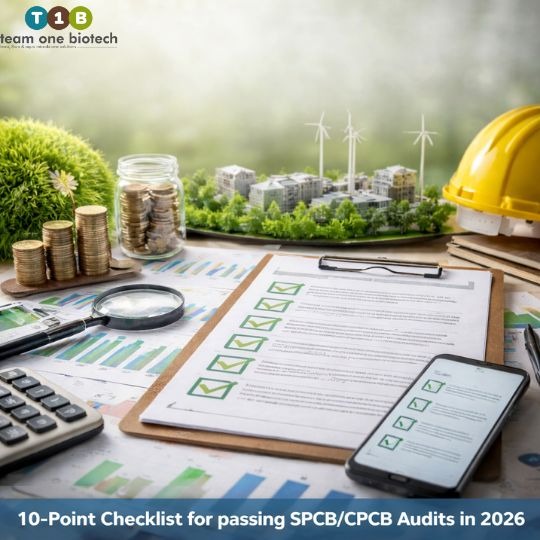
10-Point Checklist for passing SPCB/CPCB Audits in 2026

The anxiety that grips every factory manager in India isn’t about production targets anymore, it’s about compliance. The Polluter Pays principle isn’t just a headline in The Hindu or Economic Times. It’s a direct debit from your company’s bank account when the State Pollution Control Board slaps a show-cause notice on your facility.

The new Solid Waste Management Rules 2026 and stricter CPCB guidelines have fundamentally altered the industrial compliance landscape. Online Continuous Emission Monitoring Systems (OCEMS) are watching your discharge parameters 24/7. The grace period for “we’ll fix it next quarter” is over. The Central Pollution Control Board isn’t just auditing paperwork, they’re auditing your real-time data streams, your chemical procurement patterns, and even your groundwater quality.

Meanwhile, your chemical supplier just increased prices on Ferrous Sulfate and Poly Aluminium Chloride (PAC) by 18% this year. Your ETP is hemorrhaging money, producing mountains of hazardous sludge, and still barely meeting the discharge standards for COD and BOD, highlighting the urgent need for Environmental Compliance & Bioremediation Solutions for Industrial Wastewater Treatment that reduce chemical dependency and long-term operating costs.

If this sounds familiar, you’re not alone. But you are running out of time.

This is your 10-point survival guide, not from a textbook, but from the field. From factories that have passed their audits without a single rupee in fines, and from those who’ve transformed their ETPs from cost centers into strategic assets.

The 10-Point Checklist: Your SPCB/CPCB Audit Armor

The 10-Point Checklist: Your SPCB/CPCB Audit Armor

1. Valid CTE/CTO Status: The Digital Renewal Trap

Consent to Establish (CTE) and Consent to Operate (CTO) are no longer manila folders gathering dust in your compliance office. In 2026, SPCBs across Maharashtra, Tamil Nadu, Gujarat, and Karnataka have moved to digital consent management systems. Your renewal isn’t valid until it’s reflected in the online portal.

Action Item: Log into your state’s SPCB portal (e.g., Maharashtra’s MPCB OCMMS) 60 days before expiry. Upload your annual environmental statement, stack monitoring reports, and effluent analysis certificates. Don’t wait for the reminder email, it doesn’t always arrive.

Red Flag: Expired CTO means your operations are legally non-compliant from Day One of the audit. No auditor will overlook this, regardless of how pristine your ETP looks.

2. OCEMS Calibration: The “Data Tampering” Accusation You Can’t Afford

The CPCB’s 2025 directive mandates that all industries with liquid discharge above 100 KLD must have OCEMS for pH, flow, COD, and TSS. The real trap? Calibration drift.

When your OCEMS shows pH 7.2 but the auditor’s handheld meter reads 8.9, you’re not just facing a fine, you’re facing accusations of data manipulation, which can trigger criminal provisions under the Water (Prevention and Control of Pollution) Act, 1974.

Action Item: Implement monthly third-party calibration (not just the quarterly mandate). Maintain a log with calibration certificates from NABL-accredited labs. Cross-verify OCEMS readings with manual grab samples every shift.

Cost Reality: Monthly calibration costs ₹8,000-₹12,000. A single “data tampering” notice costs you ₹5-10 lakhs in legal fees and potential operational closure.

3. The New 2026 Segregation: Four-Stream Waste Management at Source

The updated Solid Waste Management Rules 2026 mandate four-stream segregation: biodegradable, recyclable, hazardous, and domestic. This isn’t just about dustbins in the canteen. It’s about segregating process wastewater streams before they enter your ETP.

Why This Matters: When you mix high-COD food processing effluent with electroplating wastewater, you force your ETP to handle incompatible chemistry. Result? Chemical overdosing, unstable biological processes, and an audit report that reads like a charge sheet.

Action Item: Conduct a wastewater characterization study for each production line. Install dedicated collection sumps. Treat hazardous streams (hexavalent chromium, cyanide) separately before co-mingling.

4. ETP Efficiency vs. Chemical Overdosing: The Red Flag Auditors Always Spot

Here’s what auditors know that factory managers often don’t: excessive chemical consumption is a confession of ETP inefficiency.

When your monthly procurement shows 15 tons of Alum and 8 tons of Ferrous Sulfate for a 200 KLD plant, the auditor doesn’t think “this plant is well-stocked.” They think “this plant is chemically shocking the system to force compliance, and it’s probably generating 3-4 tons of hazardous sludge monthly.”

The Math You Need to Know:

ParameterChemical TreatmentBioremediation
COD Reduction Cost (per kg)₹45-₹60₹12-₹18
Sludge Generation3-5% of flow0.5-1% of flow
pH StabilityRequires constant adjustmentSelf-regulating (6.5-7.5)
Operator DependencyHigh (dosing errors common)Low (biological buffer)

Action Item: If your chemical cost per KLD exceeds ₹200/day, you’re over-treating. Transition to bioremediation (more on this in Point 5) to stabilize the system biologically, not chemically.

5. Bioremediation Integration: The Chemical-Free Compliance Path

Let’s address the elephant in the ETP. You’ve been told biological treatment is “slow” or “unreliable” for high-strength industrial effluent. That was true in 2015. It’s not true in 2026.

Modern microbial consortia, like Team One Biotech’s Aerobio cultures, are engineered for Indian industrial conditions. They handle COD loads up to 8,000 mg/L, tolerate pH fluctuations, and don’t “die” when production shuts down on Sundays.

How Bioremediation Passes the Audit:

  • Stable Discharge Parameters: Biological systems buffer shocks. Your effluent quality doesn’t swing wildly day-to-day, which OCEMS loves.
  • Reduced Hazardous Sludge: Microbial cultures reduce sludge by 60-70% compared to chemical coagulation. Less Form IV/V paperwork.
  • Lower Carbon Footprint: The CPCB’s 2026 guidelines now include energy consumption audits for ETPs. Aeration is cheaper than chemical dosing pumps and sludge dewatering.

Case Study (Anonymized): A textile dyeing unit in Tiruppur switched to bioremediation in Q3 2025. Chemical costs dropped from ₹4.2 lakhs/month to ₹1.1 lakhs/month. Sludge disposal costs (₹8,500/ton) reduced by 65%. They passed their TNPCB audit with zero non-conformances.

Action Item: Start with a pilot trial. Introduce microbial cultures in your aeration tank for 21 days. Monitor BOD/COD reduction without chemicals. Scale up post-validation.

6. Hazardous Waste Logbooks: The Audit Within the Audit

Your ETP sludge is classified as hazardous waste if it contains heavy metals, toxic organics, or exceeds TCLP limits. The Hazardous and Other Wastes (Management and Transboundary Movement) Rules, 2016 require meticulous record-keeping.

What Auditors Check:

  • Form IV: Monthly hazardous waste generation data (submitted online to SPCB by 10th of next month).
  • Form V: Annual compliance report.
  • Logbook Accuracy: Cross-verification between your logbook, transporter manifests, and TSDF receipts.

Common Mistake: Factory managers treat the logbook as a “to-do after production targets.” One missing TSDF receipt can invalidate 6 months of compliance.

Action Item: Assign a dedicated compliance officer (not the ETP operator’s “extra duty”). Use digital tools like CPCB’s Centralized Hazardous Waste Portal for real-time tracking.

7. Groundwater & Soil Health: The Hidden Audit Point for 2026

This is new and critical. SPCBs are now conducting groundwater sampling within 500 meters of industrial discharge points as part of surprise inspections.

If your ETP’s percolation or “evaporation pond” has been leaking COD, ammonia, or chlorides into the water table, you’re liable under the Environment (Protection) Act, 1986 for groundwater contamination, even if your effluent discharge meets standards.

Action Item: Install piezometers (groundwater monitoring wells) at three points: upgradient, at ETP boundary, and downgradient. Test quarterly for pH, TDS, nitrates, and heavy metals. Include reports in your “Green File” (Point 10).

Cost: ₹25,000 for installation, ₹3,500 per quarterly test. Non-compliance penalty: ₹10-50 lakhs plus remediation costs.

8. Staff Training: The “Why” Behind the “How”

Your ETP operator knows how to dose Alum. Does he know why excessive Alum creates hydroxide sludge that’s harder to dewater? Does he understand that a pH spike to 9.5 kills nitrifying bacteria in the aeration tank?

Auditors interview your staff. If your operator can’t explain the logic behind his daily checklist, the auditor assumes the plant runs on autopilot, or worse, isn’t run at all.

Action Item: Conduct monthly training sessions (2 hours). Cover: principles of biological treatment, OCEMS troubleshooting, emergency response for chemical spills, and regulatory updates. Document attendance. Show the auditor you invest in competence, not just compliance.

9. Energy Consumption in Treatment: The Carbon Footprint Audit

Energy Consumption in Treatment: The Carbon Footprint Audit

The CPCB’s Perform, Achieve, Trade (PAT) scheme is expanding to include wastewater treatment energy efficiency. If your ETP consumes more than 0.8 kWh per cubic meter of treated effluent, you’re an outlier.

Why This Matters: High energy use signals inefficiency, oversized pumps, continuous aeration without dissolved oxygen control, or chemical overdosing requiring excessive mixing.

Action Item: Install VFD (Variable Frequency Drives) on blowers. Use DO meters to optimize aeration. Switch to energy-efficient submersible pumps. Target: 0.5-0.6 kWh/m³.

Bioremediation Advantage: Biological systems require 30-40% less aeration than chemical precipitation systems.

10. The “Green File” Audit: 15-Minute Readiness

When the SPCB team arrives, you need to produce:

  • Last 12 months of stack emission reports (ambient air quality if applicable)
  • Last 6 months of effluent analysis (from NABL labs)
  • Noise level monitoring (quarterly for diesel generators)
  • CTO/CTE certificates
  • Hazardous waste manifests and TSDF receipts
  • OCEMS calibration certificates
  • Groundwater test reports

If this takes you 45 minutes to compile, the auditor’s already writing “poor documentation management” in the report.

Action Item: Maintain a physical and digital Green File. Update it monthly. Keep it in the compliance office, not the ETP operator’s desk drawer.

The Financial Win: Cost-Effective Compliance

The Financial Win: Cost-Effective Compliance

Let’s return to the math, because CEOs and CFOs care about the P&L, not just the pollution index.

Typical 200 KLD ETP (Chemical-Heavy):

  • Chemical costs: ₹6 lakhs/month
  • Sludge disposal: ₹1.2 lakhs/month
  • Energy: ₹1.8 lakhs/month
  • Total: ₹9 lakhs/month

Same ETP with Bioremediation Integration:

  • Microbial cultures: ₹1.5 lakhs/month
  • Sludge disposal: ₹0.4 lakhs/month (65% reduction)
  • Energy: ₹1.3 lakhs/month (20% reduction via optimized aeration)
  • Total: ₹3.2 lakhs/month

Annual Savings: ₹69.6 lakhs. Payback period for bioremediation setup: 4-6 months.

Your ETP stops being a cost center. It becomes a strategic asset that protects your license to operate while improving your bottom line.

About Team One Biotech: India’s Industrial Compliance Partner

Team One Biotech (T1B) isn’t selling you a product. We’re offering you a compliance insurance policy.

For over a decade, T1B has partnered with textile units in Surat, pharmaceutical manufacturers in Hyderabad, food processing plants in Punjab, and automotive component suppliers in Chennai. Our Aerobic Bio Cultures, FOG Degraders, and specialized microbial consortia are formulated for the harsh realities of Indian industrial effluent, not laboratory conditions.

Why Factory Managers Trust T1B:

  • Guaranteed COD/BOD Reduction: 70-85% reduction in 21-day cycles.
  • Zero Acclimatization Downtime: Our cultures are pre-adapted to high salinity, extreme pH, and fluctuating loads.
  • Regulatory Expertise: We don’t just supply microbes. We help you interpret SPCB notices, prepare audit files, and train your ETP staff.

Products include:

  • Aerobic Bio Cultures for high-COD industrial streams
  • Anaerobic Cultures for distillery and food processing
  • FOG Degraders for kitchen and canteen wastewater
  • Septic Tank Biologicals for residential and commercial complexes

Don’t Wait for a Show-Cause Notice

The SPCB audit isn’t an “if”, it’s a “when.” And when that inspector walks through your gate, your compliance posture determines whether they leave with a handshake or a penalty order.

This 10-point checklist isn’t theoretical. It’s the distilled experience of factories that have navigated the 2026 regulatory landscape without fines, without shutdowns, and without compromising profitability.

Your move: Audit yourself before the SPCB does. Fix the OCEMS calibration. Clean up the hazardous waste logbook. And most importantly, transition your ETP from chemical dependency to biological stability.

Because in 2026, passing the audit isn’t about luck. It’s about preparation.

Ready to make your ETP audit-proof? Connect with Team One Biotech’s technical team for a free ETP efficiency assessment. Let’s turn compliance from a cost into a competitive advantage.

Team One Biotech – Engineered for India. Proven in the Field.

Looking to improve your ETP/STP efficiency with the right bioculture?
Talk to our experts at Team One Biotech for customised microbial solutions.

Contact+91 8855050575

Email:  sales@teamonebiotech.com

Visit: www.teamonebiotech.com

Discover More on YouTube – Watch our latest insights & innovations!-

Connect with Us on LinkedIn – Stay updated with expert content & trends!

Solving STP Odor and Sludge Management in Housing Society STPs

Mukund’s phone rings. He’s the facility manager of a 450-unit housing society in Pune, and the voice on the other end belongs to Mrs. Kapoor from Tower B, angry, sleep-deprived, and threatening to escalate complaints to the municipal corporation.

“The smell from the STP is unbearable. My children can’t sleep with the windows open. If this isn’t fixed by tomorrow, I’m calling the pollution control board myself.”

Mukund knows what this means. A resident complaint to the State Pollution Control Board (SPCB) triggers an inspection. An inspection reveals what he’s been dreading: sludge accumulation that hasn’t been properly managed in months, inconsistent effluent quality, and maintenance records that won’t hold up to scrutiny, issues that could have been controlled early with better process management and the right bio cultures for wastewater treatment.

The next morning, he receives the other call he’s been fearing, not from an angry resident this time, but from the managing committee chairman: “The SPCB has issued a show-cause notice. We have 15 days to respond or face penalties and potential shutdown of the STP.”

This scenario plays out across hundreds of Indian housing societies every month. The question isn’t whether your STP will face this crisis, it’s when, and whether you’ll be prepared.

Cost of “Traditional” STP Maintenance: Why Chemicals Aren’t the Solution

Cost of "Traditional" STP Maintenance: Why Chemicals Aren't the Solution

Most housing society STPs in India follow what operators call the “band-aid approach”, dosing increasing amounts of chemicals to mask problems rather than solving them at the source.

Here’s what this typically looks like:

Monthly Chemical Spend:

  • Chlorine for odor suppression: ₹8,000–₹15,000
  • Coagulants and flocculants: ₹12,000–₹20,000
  • pH adjusters and neutralizers: ₹5,000–₹8,000
  • Emergency deodorizers during complaint spikes: ₹10,000–₹25,000

Total monthly chemical costs: ₹35,000–₹68,000 for a mid-sized society

But here’s the problem: these chemicals don’t reduce sludge volume. They don’t address the root cause of odor (anaerobic decomposition of organic matter). They simply suppress symptoms while the underlying biological imbalance in your STP worsens.

The Biology You’re Fighting Against

Indian residential wastewater carries unique challenges:

  • High organic load variability: Festival seasons, weekend gatherings, and monsoon dilution create wild fluctuations in BOD (Biological Oxygen Demand) levels, from 150 mg/L to 600 mg/L within the same week.
  • Grease and oil from kitchens: Indian cooking introduces significantly higher fat content compared to Western wastewater profiles, leading to scum formation and reduced oxygen transfer efficiency.
  • Temperature extremes: Summer temperatures above 40°C accelerate decomposition and odor generation, while winter slowdowns reduce microbial activity.
  • Power fluctuations: Frequent power cuts disrupt aeration cycles, creating anaerobic pockets where hydrogen sulfide (that characteristic “rotten egg” smell) thrives.

Traditional chemical treatment cannot adapt to these variables. Biological systems can, if they’re properly designed and maintained with the right microbial communities.

How Poor Sludge Management Destroys Your Consent to Operate

The legal framework governing STPs in India is unforgiving, and it’s getting stricter:

Current Regulatory Landscape:

  • The Environment (Protection) Act, 1986 mandates specific discharge standards
  • CPCB’s revised 2023 guidelines tighten BOD limits to 10 mg/L for discharge into water bodies
  • State-level SPCBs conduct surprise inspections with increasing frequency
  • New regulations require quarterly sludge characterization reports for STPs above certain capacities

What Triggers an SPCB Inspection?

  1. Resident complaints (the most common trigger in urban areas)
  2. Routine area surveillance during monsoon season
  3. Downstream water quality violations that trace back to your discharge point
  4. Failure to submit annual returns or Consent to Operate renewal documents

The Penalty Structure That Can Cripple Your Society:

  • First offense: ₹10,000–₹50,000 fine + show-cause notice
  • Repeated violations: ₹1 lakh–₹5 lakh + potential criminal proceedings against managing committee members
  • Consent to Operate suspension: Complete STP shutdown until compliance is demonstrated
  • Legal costs and consultant fees: ₹2 lakh–₹8 lakh to remediate and document compliance

But here’s what most facility managers don’t realize until it’s too late: the biggest compliance risk isn’t the effluent quality, it’s the sludge.

The Sludge Management Crisis

Indian housing societies generate approximately 40–60 grams of sludge per person per day. For a 500-unit society (assuming 2,000 residents), that’s 80–120 kg of wet sludge daily, or 2.4–3.6 tons per month.

Traditional disposal costs:

  • Sludge dewatering and transport: ₹3,000–₹5,000 per ton
  • Licensed disposal facility fees: ₹2,500–₹4,000 per ton
  • Total monthly sludge management: ₹13,200–₹34,560

These costs are climbing yearly as environmental regulations tighten and disposal facilities become more selective. Several societies have faced situations where disposal facilities refuse sludge that doesn’t meet characterization requirements, leaving them with literally tons of waste and nowhere to put it.

The compliance trap emerges when:

  1. Sludge accumulates faster than it can be economically removed
  2. Operators reduce aeration to slow sludge production (creating odor problems)
  3. Sludge overflow or improper disposal triggers SPCB violations
  4. The society enters a crisis cycle of fines, emergency clean-ups, and escalating costs

The Bioremediation Alternative: Solving the Problem at Its Biological Source

The Bioremediation Alternative: Solving the Problem at Its Biological Source

Here’s what changes when you shift from chemical suppression to biological optimization:

Instead of fighting your STP’s natural processes, bioremediation works with them, introducing specialized microbial consortia that:

1. Accelerate Organic Waste Degradation

High-efficiency bacterial strains (including Bacillus species, Pseudomonas, and specialized cellulolytic bacteria) break down complex organic compounds 3–5 times faster than native microbial populations. This means organic waste that would normally ferment anaerobically (producing odor) is converted aerobically into CO₂ and water.

2. Reduce Sludge Volume at the Source

The right microbial mix doesn’t just process waste faster, it processes it more completely. Instead of creating excess biomass (sludge), optimized bacterial populations achieve higher metabolic efficiency:

  • Reduction in sludge generation: 35–45% compared to conventional treatment
  • Improved sludge settleability: Better compaction means less volume to transport
  • Enhanced nutrient removal: Lower nitrogen and phosphorus levels in both effluent and sludge

Real numbers: A society generating 3 tons of sludge monthly can reduce this to 1.6–1.9 tons, saving ₹7,000–₹15,000 monthly in disposal costs alone.

3. Eliminate Odor-Causing Compounds

Hydrogen sulfide, mercaptans, and volatile organic acids are the primary odor compounds in STP environments. Bioremediation addresses these by:

  • Maintaining aerobic conditions that prevent sulfate-reducing bacteria (the H₂S producers)
  • Rapidly metabolizing volatile fatty acids before they accumulate
  • Creating a balanced microbial ecosystem that outcompetes odor-causing anaerobic species

The India-Specific Advantage of Bioremediation

Our formulations are specifically designed for Indian conditions:

Monsoon resilience: Microbial blends that maintain activity during dilution events and temperature drops

High-temperature tolerance: Strains selected for optimal performance in 35–45°C ranges common in Indian summers

Grease degradation specialists: Lipase-producing bacteria that specifically target the cooking oil content in Indian residential wastewater

Power-cut adaptation: Formulations that include facultative bacteria capable of surviving temporary anaerobic conditions during aeration interruptions

The Team One Biotech Solution: Engineering Biology for Compliance and Cost Reduction

Our bioremediation approach isn’t a one-time “magic dose”, it’s a systematic biological upgrade to your STP:

Phase 1: Baseline Assessment and Microbial Analysis (Week 1)

  • Complete water quality testing: BOD, COD, TSS, TDS, nitrogen compounds, phosphates
  • Sludge volume index (SVI) measurement and settling characteristics
  • Microscopic examination of existing microbial population
  • Hydraulic retention time verification and aeration efficiency testing

Phase 2: Targeted Bioaugmentation (Weeks 2–4)

  • Introduction of customized microbial consortia based on your specific waste profile
  • Gradual reduction of chemical dosing as biological processes stabilize
  • Daily monitoring of key parameters to track biological establishment

Phase 3: Optimization and Maintenance Protocol (Ongoing)

  • Monthly microbial replenishment dosing (significantly lower than initial treatment)
  • Quarterly performance reviews and sludge characterization
  • Operator training on biological indicators and simple maintenance procedures

The financial transformation:

Cost CategoryBefore BioremediationAfter Bioremediation (6 months)Annual Savings
Chemicals₹50,000/month₹8,000/month₹5,04,000
Sludge disposal₹25,000/month₹14,000/month₹1,32,000
Emergency interventions₹40,000/year₹0₹40,000
Total₹6,76,000

Initial bioremediation setup investment: ₹1,80,000–₹2,50,000 Payback period: 4–5 months

Real-World Transformation: The Kharadi Society Case

The Kharadi Society Case

A 380-unit housing complex in Pune’s Kharadi area faced exactly the crisis described at the beginning of this article: resident complaints, SPCB show-cause notice, and ₹35,000 monthly chemical costs that weren’t solving the odor problem.

Their situation in March 2024:

  • Visible sludge floating in the final clarifier
  • H₂S odor detectable 50 meters from STP
  • Effluent BOD consistently above 30 mg/L (limit: 10 mg/L for their discharge permit)
  • 4.2 tons of sludge monthly requiring disposal

Post-bioremediation results (September 2024):

  • Odor complaints: Zero for five consecutive months
  • Effluent BOD: Stable at 6–8 mg/L
  • Sludge generation: 2.3 tons monthly (45% reduction)
  • Chemical costs: Reduced from ₹35,000 to ₹6,500 monthly
  • SPCB compliance status: Consent to Operate renewed without conditions

The facility manager reported: “We went from dreading SPCB inspections to actually inviting them to document our improvement. That psychological shift alone was worth the investment.”

Why This Matters Beyond Your Balance Sheet

Effective STP management through bioremediation isn’t just about cost savings or avoiding fines, it’s about:

Community health: Eliminating hydrogen sulfide exposure that causes respiratory irritation and headaches among residents living near the STP

Environmental responsibility: Reducing the chemical load you discharge into municipal drains or water bodies

Property values: Well-maintained STPs with zero odor complaints become a selling point rather than a liability

Legal protection: Documented compliance creates a protective record if disputes arise with regulatory authorities

Operational peace of mind: Facility managers can focus on other society maintenance instead of firefighting STP crises

The Strategic Decision: Chemical Dependency vs. Biological Intelligence

The traditional approach to STP management, increasing chemical dosing when problems arise, creates a dependency cycle:

More chemicals → Temporary symptom suppression → Underlying biology deteriorates → More severe problems emerge → Even higher chemical doses required

Bioremediation breaks this cycle by addressing the root cause: establishing and maintaining a healthy, efficient microbial ecosystem that naturally prevents the conditions that lead to odor, excessive sludge, and compliance violations.

The question isn’t whether bioremediation works, decades of industrial and municipal applications prove its effectiveness. The question is whether you’ll implement it proactively or reactively.

Proactive implementation (before the crisis): Lower costs, smooth transition, no regulatory pressure

Reactive implementation (after SPCB notice): Higher urgency fees, pressure to show immediate results, legal documentation requirements

Next Steps: Your Compliance and Cost-Reduction Roadmap

If your housing society STP experiences any of these warning signs, a bioremediation assessment should be scheduled immediately:

  • Odor complaints from residents more than once quarterly
  • Monthly chemical costs exceeding ₹25,000
  • Sludge disposal costs above ₹15,000 monthly
  • Effluent parameters approaching (within 20% of) your discharge limits
  • Visible floating sludge or foam in clarifiers
  • Consent to Operate renewal approaching within 6 months

Team One Biotech offers complimentary STP assessments for housing societies in metro areas to:

  1. Evaluate your current biological performance and chemical dependency
  2. Quantify potential cost savings specific to your facility
  3. Develop a customized bioremediation protocol for your waste characteristics
  4. Create a compliance documentation package that satisfies SPCB requirements

The site audit takes approximately 3–4 hours and includes water sampling, sludge analysis, and operator interviews. Within 48 hours, you receive a detailed report outlining:

  • Current biological performance gaps
  • Projected cost reduction timeline
  • Regulatory risk assessment
  • Customized microbial formulation recommendations

The 2 AM Call You’ll Never Receive Again

When you solve STP problems at their biological source rather than masking symptoms with chemicals, everything changes.

No more midnight complaint calls about odor.

No more anxiety when the SPCB inspection vehicle pulls up.

No more escalating chemical costs eating into your maintenance budget.

Just a reliably functioning STP that meets compliance standards, protects community health, and operates at a fraction of traditional costs.

The question isn’t whether bioremediation works for housing society STPs in India, it’s whether you’ll implement it before or after the next crisis.

About Team One Biotech: We specialize in customized bioremediation solutions for industrial and residential wastewater treatment across India. Our microbial formulations are specifically engineered for Indian waste characteristics and environmental conditions, backed by 15+ years of field-proven results and complete regulatory compliance support.

Looking to improve your ETP/STP efficiency with the right bioculture?
Talk to our experts at Team One Biotech for customised microbial solutions.

Contact+91 8855050575

Email:  sales@teamonebiotech.com

Visit: www.teamonebiotech.com

Discover More on YouTube – Watch our latest insights & innovations!-

Connect with Us on LinkedIn – Stay updated with expert content & trends!

Reducing COD/BOD in Textile Effluent Naturally (Aerobio, Anaerobio)

The phone call every textile mill owner dreads typically arrives on a Friday afternoon. It’s the SPCB officer informing you that your latest effluent sample has failed compliance testing. Your COD levels are 850 mg/L when the permissible limit is 250 mg/L. The penalty? A show-cause notice, potential production halt, and fines that could run into lakhs. For factory managers in Tirupur, Surat, or Ludhiana, this scenario isn’t hypothetical, it’s a recurring nightmare that disrupts operations and erodes profitability.

The traditional response has been to throw more chemicals at the problem. More alum. More ferrous sulfate. More polymer. Yet each month, the chemical bills climb higher while discharge quality remains unpredictable. The effluent treatment plant becomes a black hole for operational expenses, and the threat of regulatory action never truly disappears.

To understand how to optimize your plant and achieve consistent compliance, explore here:

There is another path forward, one that addresses the root cause rather than masking symptoms. Biological treatment, specifically optimized aerobic and anaerobic systems enhanced with targeted microbial solutions, offers Indian textile manufacturers a sustainable route to consistent CPCB compliance while dramatically reducing chemical dependency.

Why Textile Effluent Remains India’s Most Challenging Industrial Wastewater

Why Textile Effluent Remains India's Most Challenging Industrial Wastewater

Textile wastewater is chemically aggressive in ways that few other industrial effluents match. The combination of synthetic dyes, sizing agents, heavy metals from mordants, high salt concentrations, and extreme pH variations creates a hostile environment that resists conventional treatment.

The specific challenges include:

  • Recalcitrant organic compounds: Azo dyes and complex aromatic structures that standard bacterial consortia cannot degrade effectively
  • Color persistence: Even after COD reduction, the chromophores remain, making the treated water visually unacceptable for discharge
  • Toxicity to biological systems: Many textile chemicals actively inhibit the microorganisms you’re relying on for treatment
  • Variable loading: Batch-wise production means your ETP receives shock loads that destabilize biological processes

This complexity explains why so many Indian textile ETPs default to chemical-heavy approaches. Coagulation and flocculation with alum or ferrous salts produce visible results quickly. The water clarifies. Suspended solids drop. But the fundamental problem persists, you’re not degrading the pollutants, merely concentrating them into sludge that itself becomes a disposal challenge. Meanwhile, your monthly chemical expenditure continues to drain resources that could be invested in production capacity or market expansion.

Biological COD/BOD Reduction: Aerobic vs Anaerobic Processes

Biological COD/BOD Reduction: Aerobic vs Anaerobic Processes

The key to sustainable effluent treatment lies in harnessing natural microbial metabolism to break down organic pollutants into harmless end products. This is bioremediation at its core, using living organisms to remediate contamination. However, not all biological processes are created equal, and the distinction between aerobic and anaerobic treatment is crucial for textile applications.

Aerobic Treatment: Oxygen-Driven Degradation

Aerobic biological treatment relies on oxygen-respiring bacteria to metabolize organic matter. In an aeration tank, mechanical aerators or diffusers introduce dissolved oxygen, creating conditions where aerobic microorganisms thrive and rapidly consume biodegradable COD.

Key advantages for textile effluent:

  • High BOD removal efficiency: Typically 85-95% reduction when properly designed and operated
  • Faster reaction rates: Aerobic metabolism proceeds more quickly than anaerobic alternatives
  • Better handling of variable loads: Aerobic systems recover more rapidly from shock loading events
  • Nitrification capability: Can simultaneously remove nitrogen compounds common in textile processing

Limitations to consider:

  • High energy consumption: Running blowers or mechanical aerators 24/7 significantly impacts electricity bills, a major concern given India’s industrial power tariffs
  • Less effective for high-strength effluent: When COD exceeds 3,000-4,000 mg/L, aerobic treatment alone becomes economically impractical
  • Limited dye degradation: Many synthetic dyes require anaerobic conditions for the initial breaking of azo bonds

T1B Aerobio: Specialized Solution for Aerobic Treatment Excellence

For textile mills seeking to maximize the performance of their aerobic treatment systems, T1B Aerobio represents a scientifically formulated answer to the challenges of industrial wastewater. Originally developed for complex sewage systems and now adapted for industrial applications, this specialized microbial consortium addresses the specific metabolic requirements of aerobic COD/BOD reduction.

T1B Aerobio is engineered with:

  • Multi-strain bacterial cultures: A carefully balanced consortium of aerobic heterotrophs, nitrifiers, and facultative anaerobes that work synergistically to degrade complex organic compounds
  • Shock load resistance: Strains selected for their ability to maintain metabolic activity even during sudden changes in effluent composition or loading rates
  • Rapid acclimatization: Proprietary formulation that establishes active biomass 40-50% faster than naturally occurring populations
  • Enhanced dye degradation: Specific strains capable of aerobic decolorization of azo and anthraquinone dyes under high dissolved oxygen conditions

When applied to textile effluent aerobic treatment tanks, T1B Aerobio typically delivers COD reduction from 800-1,200 mg/L down to 180-220 mg/L within the standard hydraulic retention time of 24-36 hours. This consistent performance eliminates the uncertainty that plagues conventional activated sludge systems in textile applications.

The product’s versatility extends beyond textile mills, its proven effectiveness in sewage treatment systems demonstrates the robust nature of these bacterial strains across diverse wastewater compositions. For Indian textile manufacturers, this translates to reliability you can depend on, regardless of seasonal production variations or process changes.

Anaerobic Treatment: Energy-Efficient Pre-Treatment

Anaerobic digestion occurs in the absence of oxygen, with specialized bacteria breaking down complex organic molecules through a multi-stage process involving hydrolysis, acidogenesis, acetogenesis, and methanogenesis.

Why anaerobic treatment makes financial sense:

  • Zero aeration costs: No energy expenditure on oxygenation saves lakhs annually on electricity bills
  • Handles high COD loads: Effectively treats effluent with COD levels of 2,000-15,000 mg/L
  • Biogas generation: Methane produced can offset fuel costs for boiler operations
  • Better color removal: The reducing environment helps cleave azo bonds in synthetic dyes
  • Lower sludge production: Anaerobic bacteria have lower growth yields, reducing sludge handling costs

Critical success factors:

  • Temperature sensitivity: Mesophilic anaerobic bacteria perform optimally at 35-37°C, requiring temperature management in winter months
  • Longer startup periods: Establishing a healthy anaerobic consortium takes 2-3 months compared to 2-3 weeks for aerobic systems
  • pH stability requirements: Methanogenic bacteria are sensitive to pH fluctuations; maintaining 6.8-7.2 pH is essential
  • Cannot achieve discharge standards alone: Anaerobic treatment typically reduces COD by 60-75% but requires aerobic polishing to meet CPCB limits

T1B Anaerobio: Maximizing Methane Production and COD Reduction

The success of anaerobic treatment depends entirely on maintaining a healthy population of methanogens, the fastidious microorganisms responsible for converting organic acids and hydrogen into methane. In textile effluent, the presence of toxic compounds, pH fluctuations, and hydraulic shocks frequently disrupts this delicate microbial ecosystem, resulting in system souring, reduced biogas production, and incomplete COD reduction.

T1B Anaerobio addresses these challenges through a specialized bioculture designed specifically for optimizing anaerobic digestion performance in industrial applications.

The formulation delivers:

  • Complete methanogenic consortium: Balanced population of hydrogenotrophic and acetoclastic methanogens that work in tandem to efficiently convert organic matter to biogas
  • Resilient acid-formers: Robust acidogenic and acetogenic bacteria that maintain stable volatile fatty acid profiles even under variable loading conditions
  • Toxicity tolerance: Strains adapted to function in the presence of sulfates, heavy metals, and residual dye molecules common in textile wastewater
  • Enhanced biogas yield: Optimization of the entire four-stage anaerobic process results in 30-40% higher methane production compared to unamended systems

For textile mills operating anaerobic reactors, whether UASB, EGSB, or fixed-film configurations, T1B Anaerobio transforms the reactor from a simple pre-treatment step into an energy-generating asset. A 500 KLD textile unit treating effluent with 4,000 mg/L COD can potentially generate 600-800 cubic meters of biogas daily when the anaerobic system operates at peak efficiency. At 55-65% methane content, this biogas has significant calorific value that can offset boiler fuel consumption.

The financial implications are substantial:

Improved methane yield alone can reduce monthly fuel costs by Rs. 40,000-60,000 for a mid-sized mill. Simultaneously, the enhanced COD reduction in the anaerobic stage reduces the organic load on downstream aerobic treatment, lowering aeration energy costs by another Rs. 25,000-35,000 monthly. This dual benefit, energy generation plus energy savings, makes T1B Anaerobio one of the most economically impactful interventions in textile wastewater treatment.

Beyond economics, the improved stability of methanogenic populations prevents the system souring incidents that can take weeks to rectify. Operators report more consistent pH levels, lower volatile fatty acid accumulation, and elimination of the hydrogen sulfide odor problems that plague poorly performing anaerobic systems.

The Hybrid Approach: Maximizing Both Worlds with T1B Solutions

The most cost-effective configuration for textile mills combines anaerobic pre-treatment with aerobic polishing, and Team One Biotech’s product suite is specifically designed to optimize this sequential treatment approach.

The ideal implementation strategy:

Stage 1 – Anaerobic Pre-Treatment with T1B Anaerobio: High-strength textile effluent enters the anaerobic reactor where T1B Anaerobio’s methanogenic consortium breaks down complex dyes and reduces COD from 3,000-4,500 mg/L down to 1,000-1,500 mg/L. Simultaneously, the system generates methane-rich biogas for energy recovery.

Stage 2 – Aerobic Polishing with T1B Aerobio: The anaerobically pre-treated effluent, now significantly lower in organic load and with partially degraded dye molecules, enters the aerobic treatment system. T1B Aerobio’s specialized bacteria complete the degradation process, achieving final discharge quality of COD below 250 mg/L and BOD below 30 mg/L.

This sequential treatment aligns perfectly with the metabolic capabilities of different bacterial groups while optimizing operational costs. The anaerobic stage handles the energy-intensive breakdown of recalcitrant compounds without electricity consumption, while the aerobic stage provides rapid, reliable polishing to meet stringent discharge standards.

The Bio-Augmentation Advantage: Specialized Cultures vs Natural Consortia

The Bio-Augmentation Advantage: Specialized Cultures vs Natural Consortia

Here’s where the conventional wisdom often fails Indian textile mills. Many ETP operators assume that if they maintain the right pH, temperature, and nutrient levels, a suitable bacterial consortium will naturally develop. In theory, this is correct. In practice, textile effluent’s chemical complexity and toxicity prevent the establishment of a robust, diverse microbial community.

Bio-augmentation, the strategic introduction of specialized bacterial strains and enzyme systems, addresses this limitation directly.

The difference between relying on naturally occurring bacteria and employing scientifically selected consortia is analogous to the difference between hoping qualified employees walk through your factory gate versus actively recruiting specialists with the exact skills your production line requires.

Specialized microbial cultures offer:

  • Targeted degradation pathways: Strains selected specifically for their ability to metabolize textile-specific compounds like reactive dyes, vat dyes, and sulfonated aromatics
  • Toxicity resistance: Bacteria adapted to function in the presence of high salt concentrations and heavy metal residues
  • Consistent performance: Reduced vulnerability to shock loads and pH swings that would decimate natural populations
  • Accelerated treatment rates: Enzymes that catalyze rate-limiting steps in dye degradation, achieving compliance-level treatment in shorter hydraulic retention times

The financial implications are substantial. A textile mill in Tirupur processing 500 KLD of effluent might spend Rs. 8-12 lakhs monthly on coagulants and flocculants in a chemical-dominated treatment scheme. By transitioning to an optimized biological system with targeted bio-augmentation using products like T1B Aerobio and T1B Anaerobio, chemical costs can be reduced by 60-70% while simultaneously improving effluent quality and consistency.

Achieving SPCB Compliance: The Numbers That Matter

The Central Pollution Control Board’s standards for textile industry effluent discharge are explicit and non-negotiable. The key parameters for textile mills include:

  • COD: Maximum 250 mg/L
  • BOD: Maximum 30 mg/L
  • pH: 5.5-9.0
  • Total Suspended Solids: Maximum 100 mg/L
  • Color: Should not be recognizable in a dilution of 1:20

State Pollution Control Boards enforce these limits rigorously, with penalties escalating from monetary fines to production suspensions for repeat violations. The legal framework under the Water (Prevention and Control of Pollution) Act, 1974, grants SPCBs significant authority to impose closure notices on non-compliant facilities.

Beyond avoiding penalties, there’s a positive business case for reliable compliance. Many international buyers now mandate environmental certifications as a condition of orders. Brands sourcing from India increasingly require proof of sustainable water management. An ETP that consistently meets or exceeds discharge standards becomes a competitive advantage in securing premium contracts.

Biological treatment systems enhanced with T1B Aerobio and T1B Anaerobio routinely achieve:

  • COD levels of 150-200 mg/L, providing a comfortable compliance buffer
  • BOD levels of 15-25 mg/L, well below regulatory limits
  • Near-complete color removal through the combination of anaerobic reductive decolorization and aerobic oxidation
  • Stable pH in the 7-8 range without continuous chemical adjustment

The Team One Biotech Approach: Science-Backed Solutions for Real-World Challenges

The Team One Biotech Approach: Science-Backed Solutions for Real-World Challenges

At Team One Biotech, we recognize that Indian textile manufacturers need more than theoretical treatment schemes. You need solutions that function reliably under the specific constraints of your operations, limited space, variable effluent characteristics, tight cost controls, and the absolute requirement of continuous compliance.

Our biological treatment solutions are built on three core pillars:

1. Application-Specific Bacterial Consortia

We don’t offer generic microbial products. Our flagship products, T1B Aerobio and T1B Anaerobio, are formulated for the specific metabolic requirements of aerobic and anaerobic treatment processes. Whether you’re processing reactive dyes in cotton dyeing, disperse dyes in polyester operations, or complex combinations in blended fabric processing, our bacterial strains are matched to your treatment requirements.

T1B Aerobio brings proven performance from sewage treatment applications, adapted and optimized for the unique challenges of textile industrial effluent. T1B Anaerobio represents years of research into maximizing methanogenic activity under inhibitory conditions, ensuring your anaerobic reactor operates as both a treatment system and an energy generation asset.

2. Enzyme Enhancement Technology

Beyond living bacteria, our formulations include industrial enzymes that target the most recalcitrant components of textile wastewater. Azoreductases for azo dye cleavage. Laccases for phenolic compound oxidation. Peroxidases for lignin-like structures. These catalysts dramatically accelerate degradation reactions that would otherwise proceed at impractical rates.

3. Technical Support for Operational Excellence

Biological systems are living ecosystems that require informed management. We provide training for your ETP operators on system monitoring, troubleshooting common issues, and optimizing performance with T1B Aerobio and T1B Anaerobio. Regular technical audits ensure your system continues operating at peak efficiency as production patterns evolve.

The typical implementation process involves:

  • Effluent characterization: Detailed analysis of your wastewater composition, including COD/BOD ratio, dye classes, heavy metals, and toxicity assessment
  • System design review: Evaluation of your existing ETP infrastructure and recommendations for optimization, including appropriate dosing protocols for T1B products
  • Phased microbial introduction: Gradual bioaugmentation with T1B Anaerobio in anaerobic reactors followed by T1B Aerobio in aerobic treatment tanks to avoid shocking existing biological communities
  • Performance monitoring: Weekly sampling and analysis during the initial 60-90 days to track improvement and refine dosing schedules
  • Transition to maintenance mode: Once stable performance is achieved, moving to a routine supplementation schedule

The results speak clearly. Mills working with Team One Biotech and implementing T1B Aerobio and T1B Anaerobio typically see 40-60% reduction in chemical consumption within the first quarter, with full compliance achieved within 90-120 days of program initiation.

Financial Analysis: The True Cost of Chemical vs Biological Treatment

For a mid-sized textile unit processing around 250–350 KLD of effluent with an average COD in the range of 2,000–3,000 mg/L, consider the comparative economics:

Traditional Chemical Treatment Monthly Costs: Alum (180–220 kg/day at Rs. 12–18/kg): Rs. 75,000–1,05,000 Ferrous sulfate (120–180 kg/day at Rs. 6–10/kg): Rs. 28,000–45,000 Polymer (12–18 kg/day at Rs. 150–210/kg): Rs. 65,000–1,00,000 Lime for pH adjustment (80–120 kg/day at Rs. 4–7/kg): Rs. 10,000–20,000 Sludge disposal (4,000–6,500 kg/month at Rs. 2–3/kg): Rs. 8,000–18,000 Indicative total monthly chemical costs: Rs. 1,90,000–2,80,000

Optimized Biological Treatment with T1B Aerobio and T1B Anaerobio: T1B Anaerobio for anaerobic reactor (maintenance dose): Rs. 24,000–38,000 T1B Aerobio for aerobic treatment (maintenance dose): Rs. 20,000–32,000 Enzyme supplement: Rs. 15,000–26,000 Nutrient supplementation (N, P source): Rs. 14,000–24,000 Residual coagulant for TSS polishing: Rs. 18,000–32,000 Reduced sludge disposal (1,500–2,500 kg/month): Rs. 3,000–7,500 Indicative total monthly costs: Rs. 95,000–1,55,000

Additional benefit – Biogas revenue offset: Rs. 25,000–45,000 (indicative fuel cost savings from methane generation with T1B Anaerobio)

Indicative net monthly savings: Rs. 1,10,000–1,75,000 Indicative annual savings: Rs. 13,00,000–21,00,000

This analysis excludes the value of improved reliability and the avoidance of compliance penalties, which can easily exceed Rs. 5–10 lakhs in a single serious violation incident.

The payback period for transitioning to biological treatment with T1B products, including any necessary modifications to existing infrastructure, typically ranges from 6–14 months. Given that ETP systems operate for 10–15 years, the long-term economic advantage is substantial.

Implementation Roadmap: Your Path to Sustainable Compliance

Transitioning from chemical-dominated to biologically-optimized treatment with T1B Aerobio and T1B Anaerobio doesn’t require shutting down your ETP or halting production. The process can be managed incrementally:

Month 1: Baseline assessment and system preparation. Conduct comprehensive effluent characterization, review existing ETP design, identify any structural modifications needed, and begin operator training on T1B product application protocols.

Month 2-3: Pilot-phase bio-augmentation. Introduce T1B Anaerobio in the anaerobic reactor at conservative doses while monitoring biogas production and COD reduction. Begin T1B Aerobio application in aerobic tanks while maintaining existing chemical treatment as backup. Monitor performance closely and gradually reduce chemical dosing as biological activity establishes.

Month 4-5: Optimization and scale-up. Refine dosing protocols for both T1B products based on pilot results, expand bio-augmentation across all treatment stages, and achieve target performance on biological treatment with minimal chemical supplementation. Quantify biogas yield improvements and calculate fuel cost offset.

Month 6 onwards: Maintenance and continuous improvement. Establish routine monitoring schedules, implement T1B product replenishment protocols, conduct quarterly performance reviews, and fine-tune dosing based on seasonal production variations.

This phased approach minimizes risk while ensuring your mill maintains compliance throughout the transition period.

Your Next Steps Toward Sustainable Compliance

The choice facing Indian textile manufacturers is increasingly clear. You can continue managing effluent treatment as an unavoidable cost center, perpetually wrestling with chemical bills and compliance anxiety. Or you can embrace biological treatment as a strategic advantage, reducing costs, ensuring regulatory compliance, and positioning your mill as an environmentally responsible partner for quality-conscious buyers.

The science is proven. The economics are compelling. The regulatory imperative is non-negotiable.

Team One Biotech invites you to start the conversation. Contact our technical team for a no-obligation assessment of your current ETP performance and a customized proposal for implementing T1B Aerobio and T1B Anaerobio. We’ll analyze your specific effluent characteristics, evaluate your existing infrastructure, and provide a detailed roadmap showing projected performance improvements, biogas generation potential, and cost savings.

The path to sustainable compliance begins with a single decision. Make it today.

Contact Team One Biotech:

Transform your effluent treatment from operational burden to competitive advantage. Reach out to discuss your specific requirements and discover how T1B Aerobio and T1B Anaerobio can deliver both compliance certainty and financial benefits.

Your textile business deserves an ETP that works as efficiently as your production floor. Let’s make that happen together.

Looking to improve your ETP/STP efficiency with the right bioculture?
Talk to our experts at Team One Biotech for customised microbial solutions.

Contact+91 8855050575

Email:  sales@teamonebiotech.com

Visit: www.teamonebiotech.com

Discover More on YouTube – Watch our latest insights & innovations!-

Connect with Us on LinkedIn – Stay updated with expert content & trends!
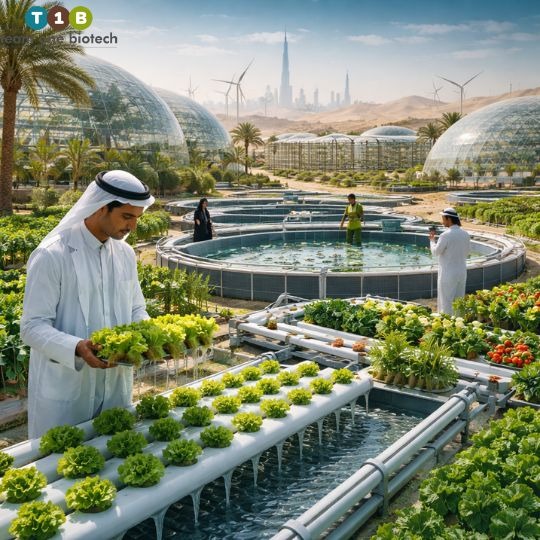
The 2026 Industrial Wastewater & CPCB Compliance Handbook

On a Tuesday. Your phone vibrates with a message from your night shift supervisor: “SPCB team at gate. Surprise inspection. ETP discharge sample taken.”

Your heart sinks. You know the effluent quality has been inconsistent lately. The chemical dosing hasn’t been optimized. Your COD readings have been hovering dangerously close to the consent limits. Tomorrow morning, you might be explaining to your MD why production could halt, why legal notices are arriving, or worse, why the factory faces a closure order.

This scenario plays out across hundreds of Indian manufacturing facilities every month. The difference between factories that survive regulatory scrutiny and those that face crippling penalties often comes down to one thing: understanding and implementing proper wastewater compliance strategies before the inspection happens.

If your ETP is struggling with COD limits or chemical optimization, explore our proven Wastewater Treatment Solutions. Don’t wait for the next surprise inspection to secure your production’s future.

This handbook exists because India’s environmental enforcement landscape has fundamentally changed. The days of lenient inspections and negotiable standards are over. Real-time monitoring mandates, stricter discharge limits, public interest litigations, and National Green Tribunal interventions have created an environment where compliance is not optional, it’s existential.

Whether you manage a textile dyeing unit in Tiruppur, a pharmaceutical facility in Hyderabad, or a food processing plant in Punjab, this guide will walk you through everything you need to know about industrial wastewater compliance in 2026, the hidden costs draining your profitability, and the proven solutions that are helping Indian manufacturers stay ahead of regulations while cutting operational expenses.

The 2026 Regulatory Landscape, What Has Changed and Why It Matters

The 2026 Regulatory Landscape, What Has Changed and Why It Matters

The New Normal: Stricter Standards Across the Board

The Central Pollution Control Board (CPCB) and State Pollution Control Boards have implemented the most stringent industrial effluent discharge standards in India’s regulatory history. These changes reflect both environmental necessity and legal pressure from courts and tribunals.

Latest Key Parameters for 2026

ParameterPrevious Limit (General)Impact
BOD (Biochemical Oxygen Demand)30 mg/L67% reduction required
COD (Chemical Oxygen Demand)250 mg/LUp to 80% reduction
Total Suspended Solids (TSS)100 mg/L80% reduction required
pH Range5.5–9.0Tighter control needed
Heavy Metals (varies)Sector-specificAdvanced treatment essential

These numbers represent more than regulatory targets. They represent the difference between receiving your annual Consent to Operate (CTO) renewal and facing immediate shutdown orders.

Real-Time Monitoring: The Game Changer

Perhaps the most transformative change is the mandatory installation of Continuous Effluent Monitoring Systems (CEMS) for Red and Orange category industries. This requirement has eliminated the buffer that many facilities previously relied upon.

Under the new regime:

  • Your effluent parameters are transmitted to SPCB servers every 15 minutes
  • Deviations trigger automatic alerts to regulatory authorities
  • Historical data is permanently stored and can be audited retroactively
  • Manual tampering or data manipulation carries severe criminal penalties

For factory managers, this means your ETP performance is under constant surveillance. A single upset condition that previously might have gone unnoticed can now generate an automatic violation notice.

State-Level Variations: Know Your SPCB

While CPCB sets national standards, implementation varies significantly across states. Understanding your specific SPCB’s enforcement style is critical:

Maharashtra Pollution Control Board (MPCB): Known for aggressive enforcement in industrial clusters like Pune and Thane-Belapur. Frequent unannounced inspections, strict interpretation of discharge standards, and quick escalation to closure orders for repeat violations.

Gujarat Pollution Control Board (GPCB): Focus on industrial estates and SEZs. Mandatory quarterly self-monitoring reports. Strong emphasis on zero liquid discharge (ZLD) for water-stressed regions like Saurashtra.

Tamil Nadu Pollution Control Board (TNPCB): Particularly stringent in textile hubs like Tiruppur and dyeing clusters near Erode. History of court-mandated closures. Emphasis on groundwater protection.

Karnataka State Pollution Control Board (KSPCB): Bangalore industrial area faces special scrutiny. Lake pollution concerns drive stricter enforcement. Technology adoption encouraged with faster clearances.

Delhi Pollution Control Committee (DPCC): Yamuna pollution is a political flashpoint. Industries near the river face maximum scrutiny. Frequent PIL-driven interventions.

The NGT Factor: Environmental Justice Moves Faster

The National Green Tribunal has become the most feared entity in Indian environmental compliance. Unlike traditional courts, NGT operates with:

  • Expedited hearing schedules (often within weeks, not years)
  • Authority to order immediate closures without lengthy appeals
  • Power to impose environmental compensation running into crores
  • Suo moto cognizance of pollution incidents based on media reports or complaints

Recent NGT interventions have resulted in:

  • Closure of entire industrial clusters in UP and Haryana
  • Personal liability imposed on directors and CEOs
  • Environmental compensation orders exceeding original penalties by 10-20x
  • Criminal prosecution referrals for willful non-compliance

The lesson is clear: by the time your case reaches NGT, you have already lost. Prevention is the only viable strategy.

The Hidden Drain on Profits, Why Your ETP is Bleeding Money

Why Your ETP is Bleeding Money

The Chemical Dependency Trap

Most Indian ETPs operate on a chemical-intensive treatment model inherited from Western engineering practices developed in the 1970s and 80s. While these systems can achieve compliance, they do so at an extraordinary hidden cost that most factory managers have never properly calculated.

The True Cost of Chemical-Dependent Treatment:

A typical 500 KLD (kiloliters per day) ETP in a medium-scale textile or pharmaceutical facility spends approximately:

  • Coagulants (Alum, Ferric Chloride): ₹1.2-1.8 lakhs per month
  • Flocculants (Polyelectrolytes): ₹80,000-1.2 lakhs per month
  • pH Adjusters (Caustic Soda, Sulfuric Acid): ₹60,000-90,000 per month
  • Disinfectants (Chlorine, Hypochlorite): ₹40,000-60,000 per month
  • Specialty Chemicals (Defoamers, etc.): ₹30,000-50,000 per month

Annual Chemical Expenditure: ₹36-50 lakhs

But the actual cost extends far beyond chemical procurement:

Hidden Cost #1: Sludge Generation and Disposal
Chemical coagulation generates 3-5 times more sludge than biological treatment. For every ton of chemicals added, you create approximately 1.2-1.8 tons of additional sludge that must be:

  • Dewatered (energy cost)
  • Transported to authorized disposal facilities (₹2,500-4,500 per ton)
  • Disposed with proper manifests (regulatory burden)

Annual sludge disposal cost for the same 500 KLD facility: ₹18-28 lakhs

Hidden Cost #2: Energy Consumption
Chemical treatment requires:

  • Continuous mixing for coagulation and flocculation
  • High-pressure pumping for clarifiers and filter presses
  • Extended aeration to compensate for reduced biological activity

The energy footprint of a chemical-dependent ETP is typically 40-60% higher than an optimized biological system. At industrial power tariffs (₹6-8 per unit in most states), this translates to an additional ₹8-15 lakhs annually.

Hidden Cost #3: Equipment Degradation
Harsh chemicals accelerate corrosion and wear on:

  • Pumps and piping (requiring replacement every 3-5 years instead of 7-10)
  • Sensors and monitoring equipment (calibration drift, sensor poisoning)
  • Concrete structures (acid/alkali attack on clarifier tanks)

Replacement and maintenance costs: ₹5-8 lakhs annually

Hidden Cost #4: Inconsistent Performance
Perhaps the most expensive hidden cost is variability. Chemical treatment is highly sensitive to:

  • Influent flow rate fluctuations (shift changes, batch production)
  • Temperature variations (monsoon vs summer, day vs night)
  • Influent composition changes (different raw materials, product lines)

This variability leads to:

  • Over-dosing (wasting chemicals to ensure compliance)
  • Under-dosing (risking violations)
  • Constant operator intervention (labor inefficiency)
  • Unpredictable discharge quality (regulatory risk)

The Compliance Anxiety Premium

There’s another cost that never appears on balance sheets but affects every factory manager dealing with a chemically-dependent ETP: stress and uncertainty.

When your compliance depends on precise chemical dosing that must be manually adjusted throughout the day, you carry constant anxiety about:

  • Will the morning shift operator remember to increase polymer dose when the cooling water blowdown increases?
  • Did the night shift properly account for the pH spike from the cleaning chemicals in the wastewater?
  • Is the recent increase in COD due to a process change or chemical underdosing?

This operational uncertainty translates into:

  • Over-conservative chemical dosing (wasting money to buy peace of mind)
  • Excessive monitoring and testing (labor and lab costs)
  • Deferred production decisions (waiting to confirm ETP can handle load changes)

The Bottom Line:
The same 500 KLD facility spending ₹50 lakhs on chemicals is actually spending ₹80-100 lakhs annually on total ETP operations when all hidden costs are included. For many SMEs, this represents 2-4% of total revenue, a material impact on profitability that compounds year after year.

The Bioremediation Solution, Why Microbes Outperform Chemicals in Indian Conditions

Why Microbes Outperform Chemicals in Indian Conditions

Understanding Bioremediation: Nature’s Treatment Engineers

Bioremediation is the process of using naturally occurring or specially cultivated microorganisms to break down pollutants in wastewater. Unlike chemical treatment that physically separates contaminants, bioremediation actually consumes and converts organic pollutants into harmless byproducts: primarily carbon dioxide, water, and biomass.

The concept is simple, but the execution requires sophisticated understanding of microbial ecology, wastewater characteristics, and operational parameters.

How Bioremediation Works in an Industrial ETP:

Specialized bacterial consortia are introduced into the biological treatment stages of your ETP. These microbes include:

  • Heterotrophic bacteria: Rapidly consume simple organic compounds (sugars, starches, proteins)
  • Nitrifying bacteria: Convert ammonia to nitrites and nitrates (critical for nitrogen removal)
  • Denitrifying bacteria: Convert nitrates back to nitrogen gas (completing nitrogen cycle)
  • Phosphate-accumulating organisms: Remove phosphorus through cellular uptake
  • Specialty degraders: Target specific industrial contaminants (phenols, surfactants, dyes, heavy metals)

When properly established, these microbial communities create a self-sustaining ecosystem that:

  • Adapts to influent variations automatically
  • Increases in population when organic load increases (self-regulating capacity)
  • Produces minimal excess sludge (only microbial growth)
  • Operates across a wide range of temperatures and pH levels

Why Bioremediation Excels in Indian Industrial Conditions

India’s industrial wastewater presents unique challenges that make bioremediation particularly effective:

Challenge #1: High Organic Load Variability
Indian manufacturing often involves batch production with significant load variations. A dyeing unit might process heavy cotton batches in the morning and light synthetics in the afternoon. A food processing unit experiences seasonal variations with different crops.

Chemical treatment struggles with variability because dosing must be constantly adjusted. Bioremediation naturally adapts because microbial populations increase when food (pollutants) is abundant and decrease when it’s scarce. This biological buffering creates stable discharge quality despite influent fluctuations.

Challenge #2: Tropical Climate Advantages
India’s warm climate (except in winter months in northern regions) is ideal for biological treatment. Microbial metabolic rates approximately double for every 10°C temperature increase up to optimal ranges.

While European and North American facilities struggle to maintain biological treatment efficiency during cold winters, Indian facilities operate in the optimal temperature range (25-40°C) for most of the year. This natural advantage is wasted in chemical-dependent systems but fully leveraged in bioremediation.

Challenge #3: Complex Industrial Pollutant Mixtures
Indian industrial effluent often contains complex mixtures that are difficult to treat chemically:

  • Textile effluent: Azo dyes, surfactants, sizing agents, mercerizing chemicals
  • Pharmaceutical effluent: Active pharmaceutical ingredients, solvents, high-salt content
  • Food processing: High BOD from sugars, proteins, fats, seasonal composition changes

Specialized microbial consortia can be tailored to target these specific pollutant profiles. Certain bacteria strains excel at breaking down azo dyes. Others specialize in degrading pharmaceutical residues. A properly designed bioremediation program assembles the right team of microbes for your specific wastewater signature.

Challenge #4: Water Scarcity and Reuse Requirements
Many Indian industrial regions face acute water stress. Groundwater depletion in areas like Tiruppur, Ludhiana, and Surat has made water recycling a business necessity, not just an environmental preference.

Bioremediation produces treated water of significantly higher quality than chemical treatment, making it more suitable for recycling in cooling towers, gardening, or even certain process applications. The lower dissolved solids and minimal chemical contamination mean less scaling, corrosion, and fouling in recycled water systems.

The Economics of Bioremediation: Real Numbers from Indian Facilities

Let’s return to our 500 KLD facility example and compare actual operational costs:

Annual Operating Costs Comparison:

Cost ComponentChemical TreatmentBioremediationSavings
Primary treatment chemicals₹48 lakhs₹12 lakhs₹36 lakhs
Microbial cultures₹8 lakhs
Sludge disposal₹25 lakhs₹8 lakhs₹17 lakhs
Energy consumption₹18 lakhs₹12 lakhs₹6 lakhs
Maintenance & equipment₹8 lakhs₹4 lakhs₹4 lakhs
Total Annual Cost₹99 lakhs₹44 lakhs₹55 lakhs

Payback Period: Most bioremediation implementations in Indian facilities achieve full payback within 8-14 months, even accounting for any necessary equipment modifications or initial consulting costs.

Case Study: Textile Dyeing Unit in Tamil Nadu
A 750 KLD facility treating complex dye effluent was struggling with:

  • Monthly chemical costs of ₹6.8 lakhs
  • Inconsistent COD removal (discharge frequently 180-220 mg/L against limit of 160 mg/L)
  • Two TNPCB violation notices in 18 months
  • Considering ZLD installation (estimated cost ₹4.2 crores)

After implementing a tailored bioremediation program:

  • Month 3: Chemical costs reduced to ₹2.1 lakhs (70% reduction)
  • Month 6: Consistent discharge COD of 45-65 mg/L (well below limits)
  • Month 9: Sludge generation reduced from 15 tons/month to 6 tons/month
  • Month 12: ZLD project shelved as water recycling from ETP became viable
  • Total first-year savings: ₹68 lakhs (against implementation cost of ₹12 lakhs)

Implementation Considerations: Getting Bioremediation Right

Successful bioremediation requires more than just adding bacteria to your ETP. Critical success factors include:

Factor #1: Baseline Assessment
Understanding your current wastewater characteristics, flow patterns, and ETP configuration. This involves:

  • 7-day influent characterization (not just grab samples)
  • ETP process audit (hydraulic retention times, aeration capacity, settling efficiency)
  • Identifying shock load sources and frequency

Factor #2: Right Microbial Selection
Not all bacterial products are created equal. Industrial-grade consortia should be:

  • Viable (living cells, not dormant spores that take weeks to activate)
  • Proven in similar industrial applications (lab results don’t always translate to field performance)
  • Adapted to Indian conditions (temperature ranges, typical pollutant profiles)
  • Shelf-stable (proper packaging and storage requirements)

Factor #3: Proper Acclimatization Protocol
Introducing microbes into an ETP that has been chemically shocked for years requires a phased approach:

  • Gradual reduction of chemical dosing while simultaneously building microbial population
  • Monitoring of key indicators (MLSS, SVI, microscopic examination)
  • Patience during the 4-6 week establishment period

Factor #4: Operational Support
The transition from chemical to biological treatment requires operator training:

  • Understanding biological indicators (foam characteristics, sludge settling, odor)
  • Adjusting aeration and nutrient supplementation
  • Recognizing and responding to toxic shock events

Avoiding the Red Category Trap, Actionable Steps to Stay Compliant and Operational

Understanding Industry Categorization: Red, Orange, Green, White

The CPCB classifies industries based on Pollution Index scores that consider:

  • Type and volume of pollutants generated
  • Environmental impact potential
  • Resource consumption intensity

Red Category (Pollution Index ≥60):
Highest scrutiny industries including pharmaceuticals, dye intermediates, pesticides, petroleum refining, tanneries, cement. These facilities face:

  • Mandatory CEMS installation
  • Quarterly SPCB inspections (minimum)
  • Stringent consent conditions
  • First targets for closure during pollution emergencies

Orange Category (Pollution Index 41-59):
Moderate polluters including many textile operations, food processing, chemicals manufacturing. Requirements include:

  • Annual consent renewals
  • Regular self-monitoring with certified labs
  • Growing pressure to install real-time monitoring

Green Category (Pollution Index ≤40):
Lower-impact industries with less stringent requirements but still subject to inspections and enforcement.

If your industry falls in Red or Orange categories, the compliance burden is substantial and growing. Here’s how to stay ahead of enforcement.

The Compliance Checklist: Ten Non-Negotiable Requirements

Requirement #1: Consent to Establish (CTE) and Consent to Operate (CTO)
These are your license to operate. Operating without valid consent carries:

  • Immediate closure orders
  • Fines up to ₹1 lakh per day
  • Criminal prosecution under Environmental Protection Act

Action Items:

  • Set calendar reminders 90 days before CTO expiry
  • Maintain organized files with all previous consents, amendments, and correspondence
  • Never operate even one day without valid consent

Requirement #2: Functional ETP with Design Capacity
Your ETP must be:

  • Designed by a qualified environmental engineer
  • Sized for actual wastewater generation (not underestimated)
  • Properly maintained with documented service records

Common Pitfall: Many facilities report lower wastewater volumes in their CTO applications to reduce compliance burden, then struggle when actual discharge exceeds consented capacity during inspections.

Requirement #3: Certified Laboratory Testing
Self-monitoring reports must come from NABL-accredited or CPCB-recognized labs. Using in-house testing or non-certified labs invalidates compliance documentation.

Best Practice: Establish relationships with 2-3 certified labs to ensure capacity during busy inspection seasons.

Requirement #4: Proper Record Maintenance
SPCBs require meticulous documentation:

  • Daily ETP operation logs (operator signatures, chemical consumption, flow rates)
  • Monthly discharge monitoring reports
  • Sludge disposal manifests (tracking from generation to authorized disposal)
  • Equipment maintenance records
  • Chemical purchase invoices (to cross-verify consumption claims)

These records must be maintained for a minimum of three years and produced during inspections.

Requirement #5: Trained Operators
Red category industries must have operators with formal ETP training certification. Even for other categories, demonstrated competence is expected.

Recommendation: Send operators for CPCB-recognized training programs. Document all training with certificates on file.

Requirement #6: Emergency Response Preparedness
You must have documented procedures for:

  • ETP breakdown scenarios (backup plans, emergency storage)
  • Chemical spill response (containment, cleanup, reporting)
  • Toxic shock recovery (rapid response protocols)

SPCB inspectors increasingly verify these procedures during audits.

Requirement #7: Groundwater Monitoring
Facilities in water-stressed regions or those using groundwater must install monitoring wells and conduct quarterly analysis for:

  • Water table levels
  • Groundwater quality parameters
  • Evidence of contamination migration

Requirement #8: Air Emission Compliance (if applicable) Many industrial facilities have air emissions from ETP operations:

  • Odor from biological treatment
  • VOCs from aeration tanks
  • Scrubber emissions

These require separate consents and monitoring.

Requirement #9: Hazardous Waste Management
ETP sludge is often classified as hazardous waste requiring:

  • Storage in designated areas with proper signage
  • Disposal through CPCB-authorized facilities only
  • Annual returns filing on CPCB portal
  • Maintenance of waste disposal manifests

Requirement #10: Online Compliance Portals
Most SPCBs now require electronic filing through state portals:

  • Annual Environmental Statements
  • Consent applications and renewals
  • Self-monitoring data uploads
  • Hazardous waste annual returns

Failure to file electronically on time results in automatic delays in consent processing.

The Inspection Survival Guide: What Happens and How to Respond

Despite best efforts, surprise inspections will occur. Here’s how to navigate them professionally:

During the Inspection:

Do’s:

  • Immediately inform senior management
  • Assign a knowledgeable escort (preferably ETP in-charge or compliance officer)
  • Provide requested documents promptly
  • Allow sampling but request duplicate samples for your own testing
  • Note down sample collection time, location, and inspector details
  • Remain professional and cooperative

Don’ts:

  • Never deny entry to inspectors with valid authorization
  • Don’t volunteer information beyond what’s asked
  • Avoid making admissions of non-compliance
  • Never offer or suggest anything that could be construed as bribery
  • Don’t obstruct sampling or photography

Post-Inspection Protocol:

  • Immediately test your own samples at a certified lab (use the duplicate samples)
  • Document everything: who was present, what was inspected, what was sampled, what was discussed
  • If a show cause notice is issued, respond within the specified timeframe (typically 7-15 days)
  • Engage an environmental consultant or lawyer if violations are serious
  • Implement immediate corrective actions and document them

When Things Go Wrong: Responding to Notices and Violations

Show Cause Notice (SCN):
This is your opportunity to explain. Your response should:

  • Acknowledge receipt immediately
  • Provide a detailed technical explanation (not excuses)
  • Document corrective actions already taken
  • Propose a timeline for additional improvements
  • Include supporting evidence (lab reports, photographs, purchase orders)

Direction for Improvement:
Typically gives 30-90 days to rectify issues. Your response should:

  • Submit a detailed action plan with milestones
  • Provide weekly progress updates
  • Engage qualified consultants to oversee improvements
  • Request extension if needed (with justification) before deadline expires

Closure Notice:
This is the most serious. Immediate actions:

  • Engage legal counsel experienced in environmental law
  • Apply for interim stay if grounds exist
  • Implement maximum corrective measures immediately
  • Consider approaching NGT for appeal if closure is unjustified

Financial Penalties:
Pay promptly. Delayed payment increases amounts and makes future appeals difficult.

The Path Forward, Building a Sustainable Compliance Framework

The Path Forward, Building a Sustainable Compliance Framework

Beyond Compliance: The Business Case for Environmental Excellence

The factories that thrive in India’s evolving regulatory landscape don’t view compliance as a burden, they recognize it as a competitive advantage.

Advantage #1: Operational Resilience
Facilities with robust ETPs and consistent compliance records experience:

  • Uninterrupted production (no shutdown risks)
  • Predictable operating costs (no emergency chemical purchases or expedited sludge disposal)
  • Better employee morale (operators aren’t constantly stressed about violations)

Advantage #2: Market Access
International buyers increasingly require environmental compliance documentation. ISO 14001 certification, sustainability reports, and clean compliance records are becoming prerequisites for export contracts. Textile exporters to EU and US markets find that strong environmental credentials can command 3-5% price premiums.

Advantage #3: Financial Benefits
Banks and financial institutions consider environmental compliance in lending decisions. Facilities with clean records access:

  • Lower interest rates on working capital
  • Faster approvals for expansion financing
  • Eligibility for green financing schemes with subsidized rates

Advantage #4: Community Relations
Facilities in industrial clusters with poor overall environmental records face community opposition to expansions. Being the “clean factory” in a polluted area provides social license to operate and grow.

Technology Roadmap: Where Indian ETP Technology is Heading

The next five years will see rapid adoption of:

Advanced Biological Treatment:

  • MBBR (Moving Bed Biofilm Reactor) systems becoming standard for space-constrained facilities
  • MBR (Membrane Bioreactor) for facilities requiring high-quality treated water for reuse
  • Anaerobic treatment for high-COD waste streams (recovering biogas as energy source)

Automation and Control:

  • AI-driven dosing optimization systems
  • Predictive maintenance using IoT sensors
  • Mobile apps for remote ETP monitoring

Resource Recovery:

  • Phosphorus recovery from sludge (as fertilizer)
  • Metal recovery from specific industrial waste streams
  • Energy generation from biogas and waste heat

Facilities planning major ETP upgrades should consider these technologies now to future-proof investments.

Building Internal Capacity: The Human Element

Technology alone doesn’t ensure compliance. Successful facilities invest in:

Operator Development:

  • Regular training programs (minimum quarterly)
  • Exposure visits to best-practice facilities
  • Certification programs for career advancement
  • Performance incentives tied to compliance metrics

Cross-Functional Integration:

  • Production teams understanding how process changes impact ETP
  • Purchase teams sourcing raw materials with lower environmental impact
  • Maintenance teams prioritizing ETP equipment
  • Top management reviewing environmental performance monthly

Documentation Culture:

  • Standard operating procedures for all ETP operations
  • Digital record-keeping systems
  • Regular internal audits
  • Continuous improvement mindset

The Compliance Calendar: Monthly Action Items

A systematic approach prevents last-minute scrambles:

Monthly:

  • Review ETP operation logs
  • Analyze discharge monitoring data for trends
  • Verify chemical inventory and consumption rates
  • Inspect critical equipment (pumps, aerators, sensors)
  • Update compliance dashboard

Quarterly:

  • Certified lab testing of discharge
  • SPCB portal uploads (where required)
  • Operator training refresher
  • Sludge disposal verification
  • External consultant review (recommended)

Annually:

  • CTO renewal application (start 90 days before expiry)
  • Environmental statement filing
  • Hazardous waste annual returns
  • Comprehensive ETP audit
  • Budget planning for next year’s compliance costs

Scaling Your Compliance, Team One Biotech as Your Partner

Why Specialized Bioremediation Expertise Matters

Transitioning from chemical-dependent treatment to bioremediation isn’t a simple product purchase, it’s a transformation that requires:

  • Deep understanding of microbial ecology in industrial wastewater
  • Experience with Indian industrial conditions and regulatory requirements
  • Ability to troubleshoot and optimize during the critical acclimatization period
  • Long-term support as your operations evolve

This is where Team One Biotech (T1B) has established itself as India’s leading bioremediation partner for industrial facilities.

The T1B Difference: Proven Results Across Indian Industries

Team One Biotech brings over a decade of specialized experience in industrial wastewater bioremediation across India’s most challenging sectors:

Textile and Dyeing: Successful implementations in Tiruppur, Surat, and Ludhiana treating complex dye chemistry with consistent COD reductions exceeding 85%.

Pharmaceutical and Chemical: Expertise handling high-salt effluent, antibiotic residues, and solvent-laden waste streams in Hyderabad, Vadodara, and Bangalore facilities.

Food Processing: Seasonal load management for sugar mills, dairy facilities, and beverage plants across Maharashtra, Punjab, and Tamil Nadu.

Pulp and Paper: Lignin and color removal in paper mills with significant reduction in chemical consumption and sludge generation.

Our Approach: Customized Solutions, Not Off-the-Shelf Products

T1B doesn’t believe in one-size-fits-all solutions. Our process includes:

Phase 1: Comprehensive Assessment (Week 1-2)

  • Site visit and ETP audit by qualified microbiologist
  • Wastewater characterization and load profiling
  • Operator interviews to understand operational challenges
  • Preliminary feasibility report with cost-benefit analysis

Phase 2: Customized Program Design (Week 3-4)

  • Selection of microbial consortia specific to your waste profile
  • Dosing protocol development
  • Operational parameter optimization (aeration, retention time, nutrient supplementation)
  • Training program design for your operators

Phase 3: Implementation and Acclimatization (Month 2-3)

  • Phased introduction of bioremediation cultures
  • Weekly monitoring of biological indicators
  • Progressive reduction of chemical dependency
  • Real-time troubleshooting support

Phase 4: Performance Validation (Month 4-6)

  • Discharge quality verification through certified labs
  • Cost savings documentation
  • Operational stability confirmation
  • Handover to routine maintenance mode

Phase 5: Ongoing Support

  • Monthly supply of microbial cultures
  • Quarterly performance reviews
  • Annual refresher training for operators
  • Emergency support for shock load events or upsets

Quality Assurance: What Sets T1B Products Apart

High Viable Cell Counts: Minimum 10^9 CFU/gram (most competitors provide 10^6-10^7)

Rapid Activation: Proprietary packaging maintains cell viability; cultures activate within 48 hours (not 2-3 weeks like spore-based products)

Proven Strains: All organisms isolated from Indian industrial environments, not imported strains that may not adapt to local conditions

Shelf Stability: Guaranteed 12-month shelf life with proper storage; no refrigeration required

Technical Documentation: Complete characterization data, safety data sheets, and application guidelines with every order

Third-Party Validation: Performance verified by NABL-accredited laboratories in customer facilities

Accessing T1B Products: Introducing Our Alibaba Store

Understanding that modern procurement requires flexibility and transparency, Team One Biotech has launched our official presence on Alibaba.com, the world’s largest B2B marketplace.

Why T1B on Alibaba Benefits You:

Global Standard Pricing: Transparent pricing accessible to facilities of all sizes, from small SMEs to large industrial groups.

Bulk Procurement Convenience: Order anything from trial quantities (5 kg) to bulk shipments (500+ kg) through a single, streamlined platform.

Secure Transactions: Alibaba’s Trade Assurance protects your payment until delivery confirmation.

Verified Supplier Status: T1B maintains Alibaba’s Gold Supplier certification with verified business credentials and quality assessments.

International Reach: For corporate groups with manufacturing facilities across South Asia, Middle East, or Africa, unified procurement through one trusted partner.

Documentation and Support: Every order includes complete technical documentation, application guidelines, and access to our technical support team.

Beyond Products: T1B’s Commitment to Your Success

Our relationship doesn’t end with product delivery. T1B provides:

24/7 Technical Helpline: WhatsApp support group connecting you directly to our microbiologists for urgent troubleshooting.

Knowledge Resources: Regular webinars on ETP optimization, compliance updates, and emerging technologies. Access to our technical library with application notes and case studies.

Compliance Assistance: While we’re not legal consultants, our team has extensive experience navigating SPCB requirements and can guide documentation for bioaugmentation programs.

Performance Guarantees: We stand behind our products. If discharge parameters don’t improve within the guaranteed timeframe under proper implementation, we’ll reformulate your consortium at no additional charge.

Compliance as Competitive Advantage in 2026

The industrial landscape in India has irrevocably changed. The regulatory environment that once allowed flexibility and negotiation has been replaced by automated monitoring, strict enforcement, and severe consequences for non-compliance.

But this transformation, while challenging, also presents unprecedented opportunities for forward-thinking manufacturers. The gap between compliant and non-compliant facilities has never been wider, and that gap represents competitive advantage for those who embrace environmental excellence.

The facilities that will lead Indian manufacturing in the next decade are those that:

  • View compliance as investment, not expense: Every rupee spent on proper ETP operations returns multiples in avoided fines, uninterrupted production, and market access.
  • Adopt proven, efficient technologies: Bioremediation isn’t experimental, it’s the established standard in advanced economies and increasingly in India’s best-performing facilities.
  • Build institutional knowledge: Training operators, documenting processes, and creating organizational memory around environmental management.
  • Partner with specialists: Just as you wouldn’t handle complex taxation without a qualified CA or legal matters without counsel, environmental compliance deserves specialized expertise.

The choice before every factory manager, ETP operator, and CEO is clear: manage compliance reactively with chemical band-aids and constant anxiety about the next inspection, or invest in sustainable systems that deliver both regulatory certainty and operational savings.

Team One Biotech exists to make that second path accessible, affordable, and achievable for Indian manufacturers of all sizes. Whether you’re a small-scale unit taking the first steps toward reliable compliance or a large industrial group optimizing multiple facilities, our expertise in bioremediation combined with our commitment to your operational success makes us the partner of choice.

Secure Your CTO Status Today. Reduce Your ETP Costs Tomorrow. Build Sustainable Operations for the Future.

Looking to improve your ETP/STP efficiency with the right bioculture?
Talk to our experts at Team One Biotech for customised microbial solutions.

Contact+91 8855050575

Email:  sales@teamonebiotech.com

Visit: www.teamonebiotech.com

Discover More on YouTube – Watch our latest insights & innovations!-

Connect with Us on LinkedIn – Stay updated with expert content & trends!
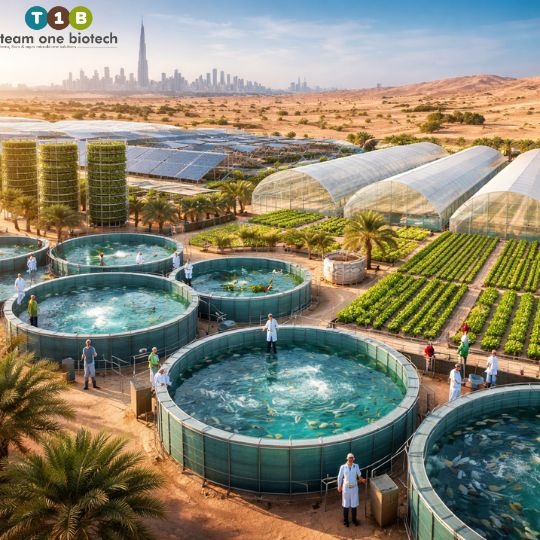
Scan the code