Why Your Restaurant's Oil and Grease Trap Fails: A Biological Solution to FOG
Why Your Restaurant’s Oil and Grease Trap Fails: A Biological Solution to FOG

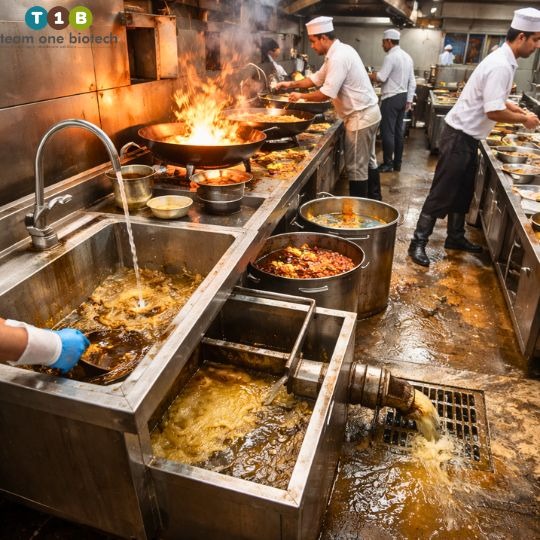
A Friday night, every table is full, the kitchen is in full swing, dal makhani bubbling on the burner, tawa rotis coming off hot, biryani portions flying out to service. Then someone shouts from the back. The floor drain by the dishwash station is gurgling. And before you can even react, greasy, foul-smelling water is spreading across your kitchen floor.

You’re standing there with exactly two options: call off service and eat the loss, or keep the kitchen running and hope a health inspector doesn’t walk through that door tonight. This isn’t a worst-case scenario cooked up to sell you something. It’s Tuesday for hundreds of hotel kitchens, restaurant chains, and canteen operations across India. It gets worse every monsoon. It peaks every Diwali banquet season. It follows the catering calendar like clockwork.

To prevent these costly disruptions, many operators rely on The Ultimate FOG Management & Septic Health Guide for Commercial Facilities to maintain their infrastructure. And almost every time, it traces back to the same two things, a grease trap that’s given up, and drain lines packed solid with FOG: Fats, Oils, and Grease.

What FOG Actually Does to Your Drainage Infrastructure

What FOG Actually Does to Your Drainage Infrastructure

FOG doesn’t announce itself. It doesn’t cause a problem the first day, or the tenth. It accumulates quietly, service by service, shift by shift, until one day your drain simply stops draining.

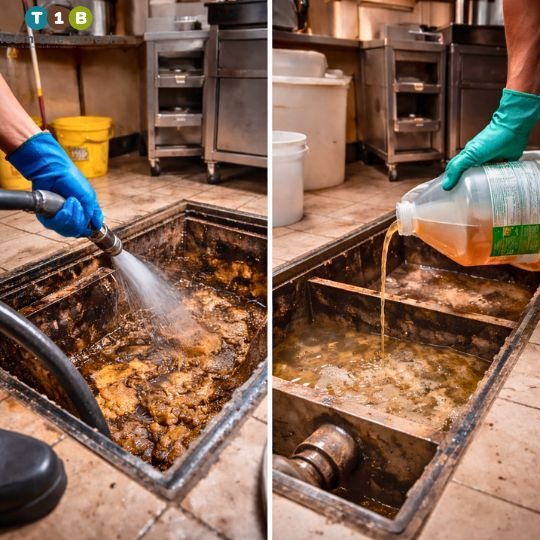
Here’s what’s actually happening inside your pipes. Hot oil, ghee, coconut cream, meat fat, all of it flows down the drain as liquid. The moment it hits the cooler temperatures inside underground drain lines, it solidifies. It sticks to the pipe walls. The next batch sticks on top of that. Food particles, debris, and grime get trapped in the layers. Over weeks and months, the pipe’s internal diameter shrinks, and eventually water can’t move through at all.

Implementing a Microbial Solution for FOG Treatment can help break down these stubborn accumulations before they lead to total blockages.

Now factor in what Indian commercial kitchens are actually cooking. The FOG load here is considerably heavier than what most Western F&B operations deal with:

  • Refined oils, mustard oil, and ghee used in large volumes across multiple cooking stations
  • Coconut milk and cream gravies that are standard in South Indian and coastal menus
  • Cream-heavy dishes like butter chicken and korma that generate emulsified fat in quantity
  • Tandoor cleaning that pushes dripped fat directly into the drainage system

Your grease trap exists to catch this FOG before it reaches the main drain line. The problem isn’t that the trap can’t do the job, it’s that most operators are maintaining it in a way that makes failure almost inevitable.

Why Conventional Grease Trap Cleaning Falls Short
Why Conventional Grease Trap Cleaning Falls Short

The Pump-and-Dump Problem

Ask most kitchen managers how they handle grease trap maintenance and you’ll get a version of the same answer: wait for a problem, call a tanker, pump it out, move on. It’s treated like a janitorial emergency rather than an engineered process that actually requires some thought.

The issue is what that tanker leaves behind.

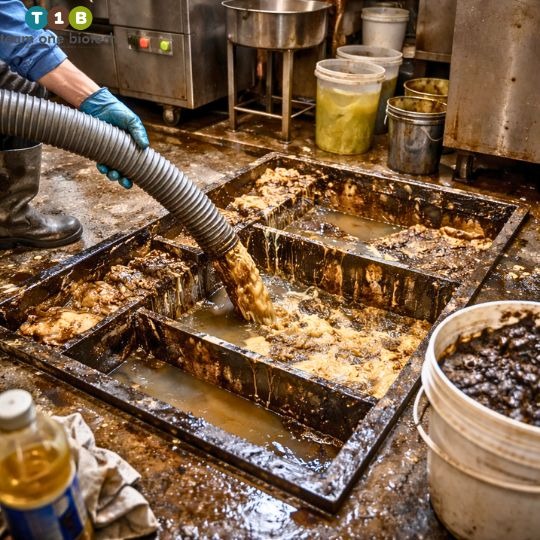
Mechanical pumping removes the bulk of what’s sitting in the trap, but it doesn’t touch the thick biofilm of degraded FOG coating the internal walls, the inlet baffle, and the outlet pipe. That residual layer is what seeds the next buildup cycle. It’s also what produces hydrogen sulphide gas, the rotten egg smell that has a way of drifting out of the kitchen and into your dining room or hotel lobby at the worst possible moment.

Infrequent Servicing Schedules

Most operators time their grease trap cleanouts around budget cycles or visible failures, not around what the trap is actually accumulating. In a high-volume hotel kitchen or a restaurant running multiple stations, a trap that genuinely needs attention every two to three weeks is routinely left for six to eight. By that point, it’s not intercepting much of anything. FOG is passing straight through into the main drain line, and the problem you’re managing has quietly tripled in scale.

The Monsoon Amplifier

There’s a seasonal dimension to this that operators in cooler climates simply don’t have to think about. During the Indian monsoon, ground-level drains are absorbing heavy stormwater, which significantly raises the hydraulic pressure in underground drain lines. That pressure surge physically pushes accumulated FOG blockages further into the system. Hotels with large banquet kitchens and restaurants in low-lying areas can see simultaneous drain failures at multiple points across the property, all triggered by a single rain event on top of months of accumulated buildup.

The Biological Evolution: Biobloc and FOG Powder

Microbial degreasing introduces non-pathogenic bacteria and enzymes—specifically lipase—to eat the grease. Unlike caustic chemicals that provide a temporary (and corrosive) fix, biological solutions establish a living colony that works 24/7.

To manage a high-volume Indian kitchen effectively, a dual-pronged biological approach is required:

Biobloc: The Constant Guardian for Grease Traps

For grease traps, wet wells, and lift stations, the Biobloc is the primary line of defense.

  • What it is: A slow-release block composed of highly concentrated bacteria and enzymes.
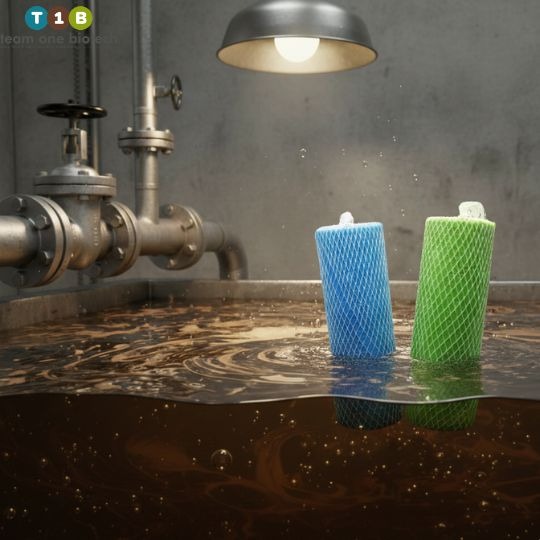
  • How it works: Placed directly inside the grease trap, it dissolves slowly over time, releasing a steady stream of microorganisms into the wastewater.
  • The Benefit: It ensures consistent treatment without manual dosing. It breaks down the heavy FOG “cap” in the trap, reducing the frequency of expensive tanker pump-outs and keeping odors under control.

FOG Powder: The Deep-Clean for Drain Lines

While the Biobloc guards the trap, FOG Powder is designed to keep the “arteries” of your kitchen clear.

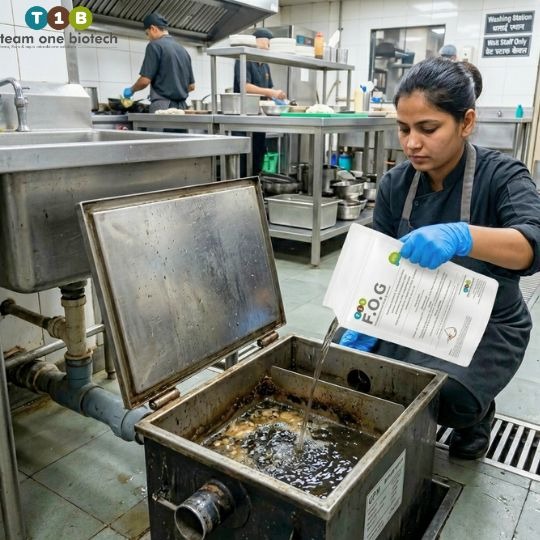
  • What it is: A concentrated powder formulation designed for manual dosing into floor drains and sinks.
  • How it works: When flushed into the drains at the end of a shift, the powder colonizes the pipe walls, eating away at the solidified grease and food particles that cause backups.
  • The Benefit: It prevents the slow drains and unsanitary overflows that lead to kitchen shutdowns. Regular use of FOG powder ensures that the pipes leading to the trap remain as clear as the trap itself.

The Biological Alternative: Microbial Degreasing
The Biological Alternative: Microbial Degreasing

How It Works

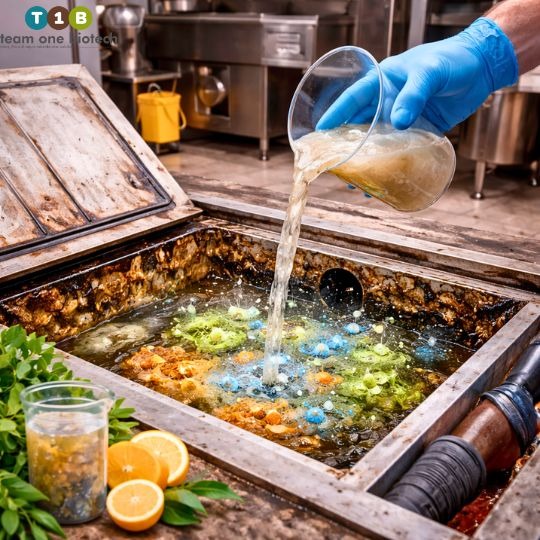
Microbial degreasing means introducing carefully selected, non-pathogenic bacteria and enzyme consortia directly into your drain lines, grease traps, and connected drainage infrastructure. These aren’t generic microbes, they’re specifically chosen for their ability to produce lipase enzymes in large quantities. Lipase is the same class of enzyme your own digestive system uses to break down fat. Applied industrially, it’s remarkably effective.

Once these bacterial cultures get into a FOG-heavy environment, here’s what they do:

  • They secrete lipase enzymes that break the ester bonds in fat molecules, converting solid grease into water-soluble fatty acids and glycerol that can actually be flushed away
  • They consume the resulting organic compounds as their carbon and energy source, the grease is literally their food
  • They colonise the biofilm layer on pipe walls and progressively degrade accumulated FOG from the inside out
  • They compete with and displace the anaerobic bacteria responsible for hydrogen sulphide production, which means the smell reduces as a natural consequence

The key difference from chemical degreasers is that biological treatment isn’t a one-time fix. A caustic chemical might dissolve a blockage on the day, but it also destroys the microbial environment in the drain and leaves the pipe wide open for rapid FOG re-accumulation. A biological treatment establishes a living, self-sustaining microbial population that keeps breaking down incoming FOG as part of its ongoing metabolic cycle. The protection is continuous, not episodic.

Application in the Indian Commercial Kitchen Context

Bioremediation products for drain line maintenance are delivered in two main ways, depending on your setup:

Dosing Units are automated dispensers fitted at the drain line or grease trap inlet. They release a measured volume of bacterial suspension during low-traffic hours, typically overnight, so biological activity happens consistently without needing anyone to do anything. For high-volume properties, this is the most reliable option.

Manual Dosing uses concentrated bacterial powder or liquid formulations that kitchen staff add to floor drains or directly into the grease trap at the end of each service. This is perfectly workable for smaller standalone restaurants where a daily end-of-shift routine is feasible and staff are properly trained.

For a mid-scale hotel kitchen running two or three meal services a day, consistent biological dosing typically shows measurable results, reduced grease trap solids accumulation, noticeably lower drain odour, within three to six weeks. Once the microbial population is properly established, the interval between mechanical pump-outs can extend considerably. That said, biological treatment doesn’t replace periodic physical inspection and servicing. It makes those intervals longer and those visits less dramatic.

FOG Management and Your Regulatory Exposure

FSSAI Compliance and Kitchen Sanitation

FSSAI is clear on this: food business operators are required to maintain drainage and sanitation infrastructure in a state that prevents waste accumulation, contamination risk, and pest attraction. A grease trap that’s chronically failing, or a drain line that backs up into food preparation areas, is a direct compliance violation. Depending on how an inspector finds it, you’re looking at licence suspension or cancellation.

It’s worth saying plainly: FSSAI compliance isn’t just about your cold storage temperatures or your prep surface hygiene. Waste management infrastructure, including your drainage, is squarely within scope. A kitchen that smells like a backed-up drain during an inspection is going to have a bad time regardless of how clean everything else looks.

State Pollution Control Board Norms and ETP Obligations

For hotels and larger restaurants that discharge to municipal sewers or operate their own Effluent Treatment Plants, there’s a second layer of regulatory exposure. State Pollution Control Boards, working under the Water (Prevention and Control of Pollution) Act, set discharge limits for BOD, COD, and total suspended solids in final treated effluent.

When a kitchen is pushing high-FOG wastewater downstream without proper pre-treatment, it dramatically elevates the organic load hitting your ETP. That makes the plant harder to run, drives up your chemical dosing costs, and puts your discharge compliance at risk.

Addressing FOG at the grease trap and drain line stage, before it reaches the ETP, directly reduces that organic load. It makes the plant more efficient and keeps your numbers in range without having to compensate downstream for what wasn’t handled upstream.

Building a FOG Management Protocol That Actually Works
The Three-Layer Approach

There’s no single fix for FOG management in a working Indian commercial kitchen. What works is a three-layer approach running concurrently.

Layer 1, Source Control is the simplest and most overlooked. Train your kitchen staff on not pouring oil down the drain. Build dry wiping of pans and cooking vessels into the standard wash-up process before anything goes near the sink. Set up a segregation system for used frying oil so it goes to authorised disposal or repurposing rather than disappearing down a drain.

Layer 2, Mechanical Interception means having a correctly sized grease trap installed in the right position in your drainage system, and then actually servicing it on a schedule tied to real FOG accumulation rates, not to whatever quarter the budget falls in. Every service visit should include inspection of inlet and outlet baffles, not just pumping and leaving.

Layer 3, Biological Maintenance is where consistent microbial dosing fits in. Use a product formulated for the FOG profile of Indian commercial kitchens specifically, the oil types and cooking volumes here differ enough from global averages that generic products often underperform. If you have an on-site septic tank treatment system, dose that too. Run a monthly review of odour levels, trap accumulation rate, and drain flow, these three indicators tell you whether the programme is working before something fails.

What to Look for in a Bioremediation Partner

Not all microbial products are equal, and not all suppliers know Indian kitchen conditions. When you’re evaluating options, look for:

  • Documentation of bacterial strains and a viability guarantee, the product must contain live, active cultures at the point of use, not dead material that sat in a warehouse
  • Confirmed compatibility with your existing ETP and STP chemistry, certain bacterial consortia underperform in high-chlorine or high-disinfectant drain environments
  • Site-specific dosing recommendations rather than a generic dosing chart that assumes conditions nothing like yours
  • A demonstrated track record with Indian F&B and hospitality clients, where the grease profile, cooking volumes, and infrastructure realities are genuinely different

The Long-Term Cost Case

A single emergency drain clearance in a mid-scale restaurant or hotel kitchen, tanker hire, plumber callout, and whatever service revenue you lost during the shutdown, routinely lands somewhere in the five figures. Run that scenario three or four times in a year and you’ve comfortably spent more than a structured biological maintenance programme would have cost over the same period.

The financial math is fairly straightforward. The reputational math is harder to quantify but more expensive to ignore. One social media post about a sewage smell in your dining room. One hygiene review mentioning a kitchen closure. One regulatory action that ends up in a public record. These don’t recover cleanly, and no maintenance budget can undo them after the fact.

Biological FOG management isn’t a premium service for large hotel chains with dedicated facilities teams. It’s a baseline operational control that any food service business running a serious kitchen in India should have built into its maintenance framework.

Final Assessment

Your oil and grease trap isn’t failing because you bought the wrong equipment. It’s failing because reactive, pump-only maintenance can’t keep up with what a working Indian commercial kitchen generates across every single service.

Switching from pump-and-dump to biological drain line maintenance isn’t a complicated transition. It takes consistency, the right dosing protocol, and a microbial product matched to your specific kitchen’s profile. What you get in return, fewer shutdowns, lower compliance risk, a more manageable ETP, and a kitchen that doesn’t carry the smell of last week’s service into this week, is concrete and measurable.

Team One Biotech provides scientifically validated bioremediation solutions designed specifically for the Indian hospitality and food service sector. Reach out to discuss a FOG management protocol built around your property.

Looking to improve your ETP/STP efficiency with the right bioculture?
Talk to our experts at Team One Biotech for customised microbial solutions.

Contact+91 8855050575

Email:  sales@teamonebiotech.com

Visit: www.teamonebiotech.com

Discover More on YouTube – Watch our latest insights & innovations!-

Connect with Us on LinkedIn – Stay updated with expert content & trends!

The Ultimate FOG Management & Septic Health Guide for Commercial Facilities

When Your Drainage System Becomes Your Biggest Business Liability

It is a Saturday evening. Every table is taken. The kitchen has been running hard since noon, biryanis finishing in the dum, a fresh batch of paneer going into the gravy, the fryer cycling through order after order. The kind of service your team has been working towards all week.

And then one of your kitchen staff calls out from the floor. The drain near the pot-wash station is not clearing. You walk over. The water is sitting. And within the next ten minutes, it is not just sitting, it is rising.

You know what happens next, because you have either lived it or heard it from someone who has. The smell reaches the pass before it reaches the dining floor, but not by much. A guest near the service entrance wrinkles her nose. Your manager is on the phone with a plumber who will not arrive for two hours. The kitchen slows down not because of orders but because half your team is working around standing water.

By the time service ends, you have lost covers, burned goodwill, and paid an emergency callout rate that would have funded three months of proper maintenance.

This is the reality that nobody puts in a facility management manual, but every hotel operator, restaurant owner, and commercial complex manager in India eventually confronts. A drainage system pushed past its limits during the worst possible moment. And almost without exception, it traces back to one thing: FOG, Fats, Oils, and Grease, that was never properly managed.

Implementing a Microbial Solution for FOG Treatment can be the turning point in preventing these disasters before they begin.

This guide is written for the people who cannot afford for that evening to happen again. Whether you run a mid-scale hotel in Pune, a banquet facility outside Delhi, or a high-volume food court in a Tier-2 city, what follows is a practical, technically honest walkthrough of how FOG accumulates, why it becomes dangerous, and what a real management programme actually looks like.

FOG: Why Indian Commercial Kitchens Face a Unique Challenge

FOG: Why Indian Commercial Kitchens Face a Unique Challenge

What FOG Is and Why It Does Not Stay Where You Think It Does

Every commercial kitchen produces FOG. It comes off the tawa with the ghee, it rinses out of the karahi with the masala, it drains away from the fryer station with the hot water your staff uses to clean down at the end of service. In the moment, it looks like it is simply going away. It is not.

What is actually happening is that fats and oils are traveling through your drainage lines in a temporarily liquid state, carried along by heat and water pressure. As that water cools inside your pipes, the fats begin to solidify. They do not travel further. They stick. They layer. And over weeks and months, what started as a film on the inner wall of a drainage pipe becomes something closer to a plug.

This is not a plumbing problem in the conventional sense. It is a chemistry problem with a plumbing outcome.

Why Indian Cuisine Makes This Harder Than Most

The global benchmarks used to design grease traps and set cleaning schedules were largely developed for Western commercial kitchens. Lower ghee use, less deep-frying per cover, lighter oil profiles. Those benchmarks do not transfer cleanly to Indian operations, and applying them without adjustment is one of the most common mistakes facility managers make.

Consider what a typical high-volume Indian commercial kitchen actually puts through its drainage system on a busy day:

  • Ghee and clarified butter used in dal, biryanis, rotis, and finishing gravies. Saturated animal fat that congeals quickly and adheres aggressively to cold pipe surfaces.
  • Spent frying oil from pakoda, puri, samosa, bhatura, and fried snack stations. High-volume, high-frequency, difficult to fully capture before it reaches the drain.
  • Coconut oil and palm oil from South Indian and coastal menus, lighter but still significant in accumulated volume across a full service day.
  • Masala residues and spice pastes that bind with fats to form a dense, semi-solid matrix inside your traps and pipes that mechanical cleaning alone struggles to fully address.
  • Pre-prep wash water carrying suspended solids from vegetables, pulses, and marinated proteins, all of which combine with FOG to create layered, compacted blockages.

A facility serving 400 covers a day in an Indian format is generating a FOG load that is substantially higher than a comparable Western-style restaurant at the same volume. (These are general estimated values; actual requirements differ based on specific ETP/STP design, load, and environmental factors.) If your maintenance schedule does not account for that difference, you are already running behind.

The Climate Factor Nobody Talks About

India’s heat does something to drainage systems that most facility managers only understand once they have had to deal with the consequences.

In cooler climates, organic waste inside a septic tank or grease trap decomposes slowly. The gases produced accumulate gradually. In India, ambient temperatures between 25°C to 40°C across most of the year mean that biological decomposition, both the wanted and unwanted kinds, runs faster. (These are general estimated values; actual requirements differ based on specific ETP/STP design, load, and environmental factors.)

The unwanted kind produces hydrogen sulfide. That is the gas responsible for the rotten egg smell that drifts up from floor drains in summer, that seeps into basement service corridors, that occasionally makes its way to a hotel lobby and prompts a guest complaint that ends up in a review.

The wanted kind, the microbial activity that breaks down organic waste, is exactly what a well-designed bioremediation programme exploits. India’s heat is not just a problem. Managed correctly, it is an advantage. Warm temperatures accelerate the activity of introduced bacterial cultures, meaning a biological treatment programme deployed in Mumbai or Chennai will typically establish and perform faster than the same product used in a temperate climate.

Understanding this dynamic shifts how you think about your maintenance strategy entirely.

The Oil and Grease Trap: Your First Line of Defence

The Oil and Grease Trap: Your First Line of Defence

How It Actually Works

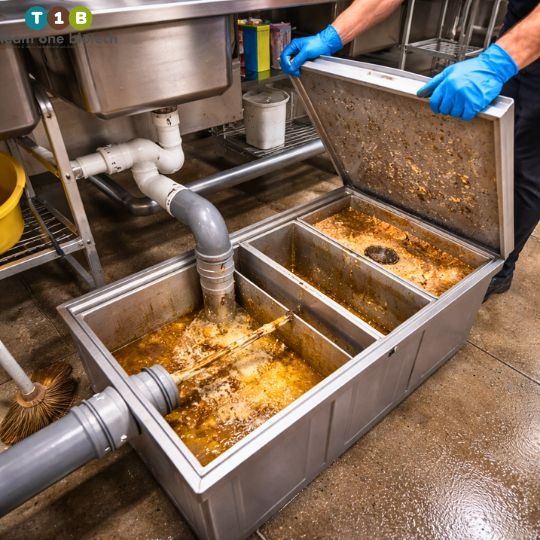
The principle behind an oil and grease trap is straightforward, even if the engineering details vary. Wastewater from your kitchen enters the trap and slows down. Because fats and oils are lighter than water, they rise to the surface and form a scum layer. Heavier solids sink and form a sludge layer at the bottom. The relatively cleaner water in the middle, the effluent, exits through the outlet pipe toward your main drainage or treatment system.

That is the design. It works well when the trap is correctly sized, regularly cleaned, and biologically active. When any of those three conditions breaks down, the trap becomes the problem rather than the solution.

Sizing: Where Most Indian Facilities Are Already Behind

A common pattern across Indian commercial properties, particularly those that have expanded operations since original construction, is a grease trap that was sized for a lower service volume than the facility now runs at.

Original kitchen capacity on paper, actual peak covers served today, added banqueting or catering operations, new food stations in a hotel’s all-day dining, any of these increases the hydraulic load on a trap that was designed for something smaller. The trap does not fail dramatically. It just becomes progressively less effective. FOG bypass rates increase. Downstream blockages become more frequent. The system appears to be working until it suddenly is not.

If your facility has grown since your oil and grease trap was last assessed, that assessment is overdue. Team One Biotech offers site audits that evaluate whether your existing trap infrastructure is matched to your current operational reality, contact us to arrange one.

What Delayed Grease Trap Cleaning Actually Costs You

There is a common pattern in how facility managers think about grease trap cleaning: it is deferred because it is unpleasant, mildly disruptive, and the cost appears as a line item with no obvious immediate return. The logic holds right up until it does not.

Here is what the full cost picture actually looks like when cleaning is deferred too long:

  • Emergency plumbing rates on a weekend evening are not comparable to scheduled service rates. They are multiples of them, and that is before accounting for the disruption cost to your operations.
  • Lost revenue from service disruption during a blocked-drain event. Not theoretical revenue. Actual tables that did not complete their meal, actual bookings that were turned away.
  • Pipe corrosion driven by prolonged hydrogen sulfide exposure degrades your drainage infrastructure over time in ways that are expensive to diagnose and even more expensive to repair.
  • Regulatory exposure from exceeding permissible FOG discharge limits, a risk that increases significantly as trap maintenance is deferred and bypass volumes rise.

Grease trap cleaning is not a cost. It is risk mitigation with a clear return on investment. The question is whether that investment is made on a schedule you control or in an emergency at a rate you do not.

Septic Tank Treatment: Understanding What Is Happening Below Ground

The Biology Your Maintenance Schedule Depends On

For a significant proportion of hotels, resorts, standalone restaurants, and commercial complexes in India, particularly those outside dense urban sewer networks, the septic tank is the terminal point for all wastewater. What happens inside it determines whether your drainage system functions reliably or fails progressively.

A healthy septic tank is a biological system, not simply a storage vessel. Three things need to happen continuously for it to function:

Physical separation, solids settle to the bottom as sludge, fats and lighter materials rise as scum, and the clarified middle layer flows toward secondary treatment or dispersal.

Anaerobic digestion, naturally occurring bacterial populations break down organic solids in the sludge layer. This is the process that prevents the tank from filling up faster than it is being emptied. When it functions well, you get reliable long intervals between desludging. When it collapses, your tank fills rapidly and your drainage system pays the price.

Effluent dispersal, the clarified effluent exits to a leach field, soak pit, or secondary ETP/STP. If the incoming effluent is not adequately clarified, because physical separation or digestion has broken down, solids carry over and begin to compact the dispersal system. This is the failure mode that is most expensive to remediate.

FOG is the most common disruptor of all three processes. When large volumes of grease bypass an undersized or poorly maintained oil and grease trap and enter the septic system, they suppress the anaerobic bacterial populations responsible for digestion, accelerate scum layer formation, and carry over into dispersal infrastructure. The system does not fail immediately. It fails incrementally, in ways that are easy to miss until the problem is advanced.

Reading the Early Warning Signs

Most septic system failures give you notice before they give you a crisis. Facility managers who know what to look for can intervene at a fraction of the cost of emergency remediation.

Watch for these indicators:

  • Multiple slow drains across the facility, not one blocked fixture but a pattern, suggesting the problem is downstream of the individual drain points
  • Persistent sulphur or sewage odour near inspection chambers, in basement plant rooms, or in low-lying outdoor areas adjacent to the leach field
  • Unusually wet or lush patches above the dispersal area, effluent surfacing because the soil can no longer absorb it
  • Pump-out intervals shrinking, if you are desludging more frequently than your historical schedule, biological activity inside the tank has likely degraded significantly
  • Drainage gurgling sounds across multiple fixtures after heavy service, indicating the system is under hydraulic stress

None of these are simply cosmetic nuisances. Each one is a data point telling you that the biological balance inside your septic system needs attention.

How Often Should You Actually Be Treating Your Septic Tank?

This is a question Team One Biotech gets asked constantly, and the honest answer is that it depends on variables specific to your facility. That said, a practical framework for high-load commercial operations looks like this:

Biological dosing of microbial cultures should typically occur every 15 to 30 days for facilities running at significant daily load. (These are general estimated values; actual requirements differ based on specific ETP/STP design, load, and environmental factors.) Mechanical desludging, the physical removal of accumulated sludge that cannot be biologically degraded, should be planned at intervals of 6 to 18 months, calibrated to your tank volume and daily input load. (These are general estimated values; actual requirements differ based on specific ETP/STP design, load, and environmental factors.)

After every desludging, a concentrated microbial reinoculation is critical. A freshly emptied tank has had its entire biological population removed along with the sludge. Returning it to full operational load without reestablishing those populations means weeks of degraded treatment performance at the point when your system is most vulnerable.

Team One Biotech designs septic tank treatment programmes around your facility’s specific configuration, load profile, and seasonal conditions. If you have not reviewed your current treatment approach recently, now is the right time to do it, reach out to our team for a consultation.

Mechanical Cleaning vs. Bioremediation: What Each One Actually Does

Why Mechanical Cleaning Alone Is Never Enough

Mechanical grease trap cleaning, vacuum extraction of accumulated FOG and sludge, is necessary. It cannot be skipped, and no responsible bioremediation provider will suggest otherwise. But here is what it does not do.

It clears the accumulated material at the trap itself, at that point in time. It does nothing to the biofilm of grease adhering to the pipe walls between your kitchen and the trap. It does not restore microbial populations in your septic system. It does not slow the rate at which FOG will accumulate again.

The day after a mechanical clean, your system starts accumulating FOG at exactly the same rate as the day before the clean. The conditions that caused the buildup have not changed. The maintenance cycle repeats. The costs repeat. The risk repeats.

This is not a criticism of mechanical cleaning. It is simply an accurate description of what it is and is not designed to do. The problem arises when it is treated as a complete solution rather than one component of one.

What Bioremediation Actually Does to Your System

Bioremediation for FOG management is the introduction of selected, non-pathogenic bacterial strains, in concentrated, stable formulations, into your drainage lines, grease trap, and septic system. These are naturally occurring organisms, not engineered chemicals. They produce specific enzymes targeted at the organic compounds your kitchen generates:

  • Lipases break down fats and oils at the molecular level
  • Proteases address protein residues from food prep and wash-down
  • Amylases break down starch and carbohydrate matter from prep and dishwashing

The bacteria then consume the breakdown products as their carbon and energy source, converting complex organic waste into carbon dioxide, water, and inert biomass. The process does not simply move the FOG, it eliminates it biologically.

Over a sustained programme, the practical outcomes are measurable:

  • FOG accumulation rate inside the grease trap slows, extending intervals between mechanical cleanouts
  • Biofilm inside drainage pipework between the kitchen and the trap begins to degrade, reducing pipe-wall buildup
  • Hydrogen sulfide-producing anaerobic conditions in the septic system are displaced, reducing odour
  • Biological digestion within the septic tank is restored and maintained, slowing sludge accumulation
  • Long-term maintenance costs decrease as mechanical intervention frequency reduces

Facilities on a structured bioremediation programme alongside scheduled mechanical cleaning typically see a reduction in cleanout frequency of between 25% to 45% over a sustained period. (These are general estimated values; actual requirements differ based on specific ETP/STP design, load, and environmental factors.)

Why This Approach Works Particularly Well in India

The same warm ambient temperatures that accelerate FOG-related problems also create near-ideal conditions for introduced microbial cultures to establish and perform.

At the temperature ranges typical of Indian commercial environments across most of the year, bacterial populations in a well-dosed bioremediation programme reproduce and become active faster than they would in temperate climates. The system reaches biological equilibrium more quickly. The results manifest earlier.

Team One Biotech’s product formulations are selected and validated specifically for Indian tropical and subtropical conditions. That is not a marketing distinction, it is a technical one that directly affects how quickly and consistently a programme delivers results in your specific environment.

Building a FOG Management Programme That Actually Holds

Building a FOG Management Programme That Actually Holds

The Four Pillars That Make It Work

No single intervention solves FOG management. What works is a structured programme built on four interdependent elements:

Infrastructure that fits your actual load, Not your theoretical kitchen capacity from the original build plans. Your actual peak-hour output today. If there is a mismatch, maintenance alone will not compensate for it.

A mechanical cleaning schedule you keep, Fixed intervals, logged properly, non-negotiable. Your grease trap cleaning schedule belongs on your facility maintenance calendar alongside your HVAC and fire system services.

Consistent biological treatment, Dosed on a regular schedule into your grease trap, drainage lines, and septic system. Consistency matters here more than concentration. An inconsistent programme is substantially less effective than a lower-dose programme applied reliably.

Kitchen protocols that do not undermine everything else, The most sophisticated treatment programme is weakened by poor kitchen-floor habits. Pre-scraping before washing, spent oil collected in designated containers and not poured down drains, hot water disposal directly into grease trap inlets prohibited. These are not complicated protocols. They are discipline, and they make a material difference.

What Compliance Actually Requires

Municipal bodies across Indian cities operate under discharge standards aligned with Central Pollution Control Board frameworks that specify maximum permissible concentrations of oil and grease in effluent released to the sewer network. These are not suggestions. Exceeding them creates legal exposure.

For hotels and restaurants under FSSAI licensing, drainage failures that generate health or hygiene risk can trigger licence review proceedings. The regulatory risk is compounding, a municipal fine is one thing, but a licence complication during peak season is another category of business impact.

A documented FOG management programme, service logs, biological treatment records, grease trap cleaning certificates, effluent test results, is your primary evidence of compliance in any inspection scenario. It is also, frankly, evidence of professionalism that reflects well on your operation regardless of whether an inspector ever asks to see it.

Team One Biotech provides complete documentation support as part of its managed maintenance programmes. If you want a programme that holds up under regulatory scrutiny, contact our team to discuss what that looks like for your facility.

Frequently Asked Questions

How often should grease trap cleaning happen in a high-volume Indian restaurant?

For a restaurant serving a primarily Indian cuisine menu at significant daily covers, the practical trigger is the 25% rule: clean the trap when the combined scum and sludge depth reaches between 25% to 33% of the trap’s total liquid depth. In operational terms, this typically means cleaning every 2 to 6 weeks for high-load kitchens. (

These are general estimated values; actual requirements differ based on specific ETP/STP design, load, and environmental factors.) 

Facilities on an active biological treatment programme may legitimately extend those intervals, but only within guidance from their service provider based on actual trap inspection data, not as an assumption.

Can biological treatment replace mechanical desludging?

No, and any provider who suggests otherwise is not giving you accurate information. Biological septic tank treatment reduces sludge accumulation rate and maintains biological health between desludging cycles. It cannot eliminate the accumulation of inert solids that no bacteria will break down. All septic systems require periodic physical desludging. Bioremediation makes that necessary interval longer and the system more stable between interventions, it does not make the intervention unnecessary.

Is bioremediation safe to use in commercial food service environments?

Properly formulated commercial bioremediation products use non-pathogenic bacterial strains found naturally in soil and organic environments. They are safe for drainage infrastructure, safe for staff handling them according to product guidelines, and safe for receiving water bodies. They do not corrode pipes, damage fittings, or disrupt the biological processes in your downstream treatment system. Team One Biotech’s formulations comply with applicable Indian regulatory standards for commercial application.

Our property has a combined ETP/STP. Is FOG management still relevant?

It is more relevant, not less. Excess FOG entering a combined treatment system will coat aeration membranes, suppress the biological activity in activated sludge chambers, and compromise your treated effluent quality, potentially causing you to exceed discharge standards even when the treatment system itself is functioning correctly. A properly maintained oil and grease trap upstream of your ETP/STP inlet protects your treatment investment and is a prerequisite for consistent compliance performance.

How long before we see results from a bioremediation programme?

The first indicators, odour reduction and a visible slowing of FOG accumulation inside the trap, are typically noticeable within 2 to 6 weeks of a properly dosed programme. Measurable changes in cleanout frequency and drainage flow performance generally become clear over 3 to 6 months of sustained application. 

(These are general estimated values; actual requirements differ based on specific ETP/STP design, load, and environmental factors.) 

The rate of improvement depends on system size, starting biological load, dosing consistency, and how well kitchen operational protocols are being followed alongside the treatment programme.

We already have a blocked drain right now. What should we do?

In an active blockage, mechanical intervention is the immediate priority, biological treatment will not clear a blocked pipe. Once the blockage is resolved and the system has flow, commence a biological reinoculation protocol to restore microbial populations and begin addressing the underlying conditions that created the blockage. Going from emergency mechanical clear to a structured ongoing programme is exactly the transition that prevents the same emergency from recurring. Team One Biotech supports facilities through exactly this transition, contact us if you are dealing with an active issue and need guidance on next steps.

The Conversation Worth Having Before the Next Emergency

There is a version of this that plays out as a crisis, the Saturday evening backflow, the guest complaint, the municipal notice, the emergency plumber at midnight. And there is a version where none of that happens, because someone made a decision to treat drainage infrastructure as the operational asset it actually is rather than the back-of-house problem to be deferred until it cannot be anymore.

Both versions are available to every facility manager reading this. The difference is a structured programme, applied consistently, designed for the specific conditions of Indian commercial operations.

Team One Biotech works with hotels, restaurants, and commercial facilities across India to design FOG management and biological treatment programmes that fit the actual operational reality of each facility, the cuisine profile, the kitchen volume, the infrastructure configuration, the regulatory environment, and the seasonal conditions that affect how all of it performs.

If you are ready to move from managing crises to preventing them, the starting point is straightforward.

Contact Team One Biotech today to request a site audit or a customised FOG management and bioremediation plan. The conversation costs nothing. The alternative, as you may already know, costs considerably more.

Looking to improve your ETP/STP efficiency with the right bioculture?
Talk to our experts at Team One Biotech for customised microbial solutions.

Contact+91 8855050575

Email:  sales@teamonebiotech.com

Visit: www.teamonebiotech.com

Discover More on YouTube – Watch our latest insights & innovations!-

Connect with Us on LinkedIn – Stay updated with expert content & trends!
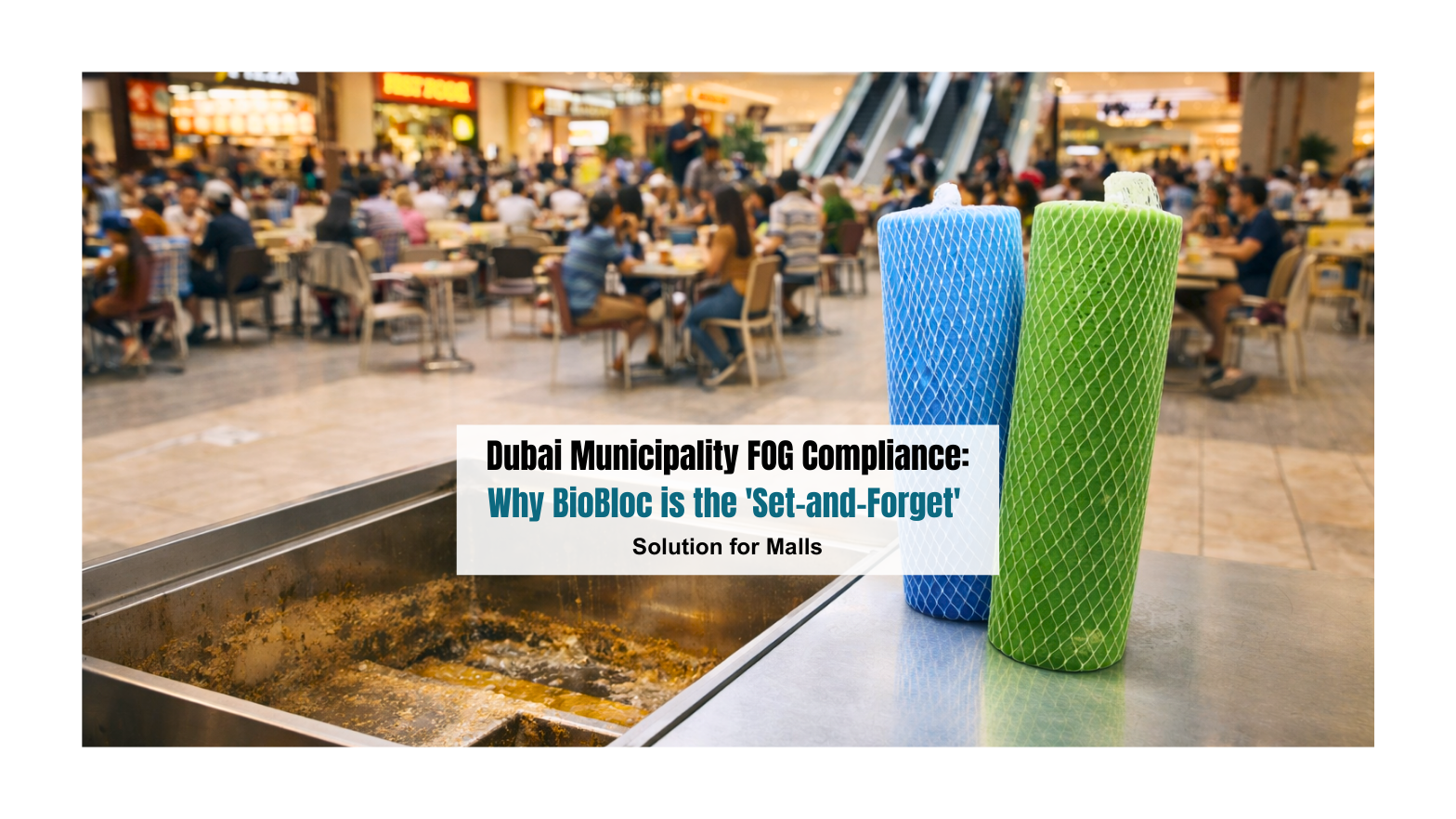
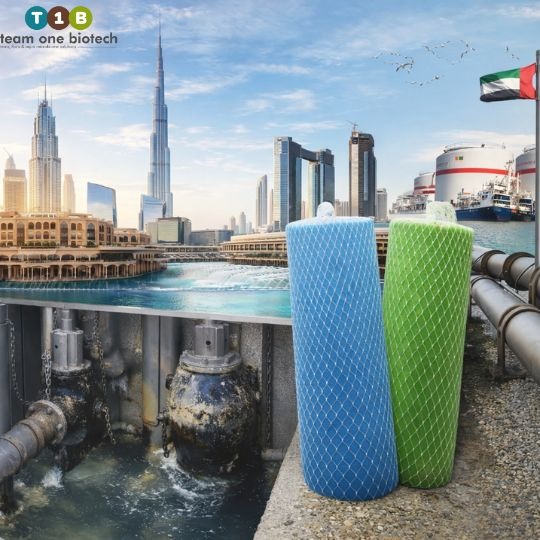
Dubai Municipality FOG Compliance: Why BioBloc is the 'Set-and-Forget' Solution for Malls
Dubai Municipality FOG Compliance: Why BioBloc is the ‘Set-and-Forget’ Solution for Malls

The Fine You Never Saw Coming

A routine Dubai Municipality inspection at your shopping mall, The inspector walks the food court, checks the grease trap, and what he finds stops the conversation cold, a blockage, a foul odor rising from the drainage system, and a grease trap that hasn’t been properly maintained in weeks. Within days, you’re looking at a compliance notice, a heavy fine, and the very real possibility of a temporary operational shutdown.

For facility managers overseeing large-scale commercial properties across the UAE, this is not a hypothetical. It happens. And it happens more often than the industry likes to admit, not because of negligence, but because traditional FOG (Fats, Oils, and Grease) management methods are fundamentally reactive, labor-intensive, and poorly suited to the demands of high-traffic environments.

Dubai Municipality (DM) and the Abu Dhabi Sewerage Services Company (ADSSC) enforce some of the most stringent wastewater discharge regulations in the region. Non-compliance isn’t just a reputational risk, it carries real financial teeth. The question isn’t whether your facility needs a robust FOG management strategy. The question is whether your current approach is actually working.

Team One Biotech’s BioBloc was engineered to answer that question definitively.

The FOG Menace in the UAE: A Problem the Heat Makes Worse

Why FOG Is a Unique Threat in High-Temperature Climates

FOG is a universal challenge in commercial foodservice. But in the UAE, the problem operates on a different level, one that most facility managers underestimate until they’re dealing with a blocked drain during peak trading hours.

Here’s the science behind it: Fats, oils, and grease discharged from commercial kitchens enter drainage systems in a warm, liquid state. In many cooler climates, FOG cools gradually and solidifies slowly. In the UAE, the dynamic is more volatile. Ambient temperatures inside mall infrastructure fluctuate dramatically, grease that flows freely from a kitchen at 40°C hits cooler pipe walls, solidifies rapidly, and begins accumulating in layers.

Over time, this accumulation creates:

  • Severe pipe blockages that restrict or completely halt wastewater flow
  • Hydrogen sulfide gas buildup, the primary source of the foul “rotten egg” odor that migrates into food courts, restrooms, and service corridors
  • Grease trap overflows, which push untreated wastewater back into the facility or directly into municipal sewer lines
  • Regulatory violations that trigger DM inspections, compliance notices, and fines under UAE Federal Law No. 24 of 1999 and local municipal bylaws

For a shopping mall with 30, 50, or 100 food and beverage outlets, the FOG load entering the drainage system daily is enormous. A single quick-service restaurant can discharge several kilograms of grease per shift. Multiply that across an entire food court operating 14 hours a day, seven days a week, and the scale of the challenge becomes immediately apparent.

Manual grease trap pumping, the traditional response, addresses the symptom, not the source. It removes accumulated grease at intervals, but does nothing to break down FOG before it solidifies, nothing to eliminate odor-causing bacteria, and nothing to maintain the biological health of the drainage system between service visits.

BioBloc: The Science of Slow-Release Biological Treatment

BioBloc: The Science of Slow-Release Biological Treatment

How the Technology Works

BioBloc, developed and distributed by Team One Biotech (T1B), takes a fundamentally different approach to FOG management. Rather than waiting for grease to accumulate and then physically removing it, BioBloc introduces a continuous biological intervention at the point of entry, before FOG has the chance to solidify, block, or create compliance risk.

The technology is built around a slow-release block formulation that delivers a precisely calibrated blend of bacterial cultures and enzymatic compounds directly into the wastewater stream. Here’s what makes this approach technically superior:

Bacterial Action: BioBloc contains specially selected aerobic and facultative anaerobic bacteria, strains specifically adapted to survive and thrive in high-temperature, high-grease environments like those found in UAE commercial infrastructure. These bacteria colonize the pipe walls and grease trap surfaces, establishing a biological ecosystem that continuously digests FOG before it can accumulate.

Enzymatic Breakdown: The enzyme complex within BioBloc, primarily lipases, works by breaking the molecular bonds within fat and oil molecules. This process, called hydrolysis, converts complex lipid structures into simpler fatty acids and glycerol, which the bacterial cultures then metabolize further. The end result is a dramatic reduction in FOG load reaching the grease trap and downstream sewer infrastructure.

Slow-Release Architecture: Unlike liquid biological dosing systems that require calibrated pumps, regular refills, and ongoing technical oversight, BioBloc’s solid block format dissolves gradually with each flush cycle. This means consistent, uninterrupted biological treatment 24 hours a day without daily operator intervention.

The practical outcome: grease traps stay cleaner for longer, odor is suppressed at the biological source rather than masked with chemicals, and the entire drainage system operates with significantly reduced maintenance overhead.

BioBloc vs. Chemical Dosing vs. Manual Cleaning

MethodFOG BreakdownOdor ControlLabor RequiredCompliance Risk Reduction
Manual PumpingNoneNoneHighLow
Chemical DosingPartialTemporaryModerateModerate
BioBlocCompleteSustainedMinimalHigh

Chemical degreasers and surfactants are still widely used across the UAE commercial sector. They work, briefly. Surfactants emulsify grease, pushing it further into the sewer system where it re-solidifies downstream, often in municipal lines. This shifts the problem rather than solving it, and DM inspectors are increasingly aware of this practice. Some chemical compounds also conflict with the biological populations in wastewater treatment plants, reducing treatment efficiency at the municipal level, a compliance consideration that facility managers rarely factor in until it becomes a formal issue.

Dubai Municipality Compliance: What Facility Managers Need to Know

Dubai Municipality Compliance: What Facility Managers Need to Know

The Regulatory Framework

DM’s Technical Guidelines for Grease Traps and ADSSC’s Code of Practice set clear standards for FOG concentrations in discharged wastewater. Permitted FOG levels in effluent are tightly capped, typically below 100 mg/L for commercial discharges, and grease traps must be maintained in a manner that consistently meets these thresholds.

Compliance isn’t periodic. It’s continuous. A grease trap that passes inspection one month can fail the next if the maintenance regime isn’t sustained. This is where most facilities that rely solely on scheduled manual pumping run into trouble, the compliance window between pump-outs is a vulnerability period.

BioBloc eliminates that vulnerability window. Because biological treatment is ongoing rather than episodic, FOG concentrations in discharged wastewater remain consistently low throughout the month, not just in the days following a pump-out.

For facility managers operating under DM and ADSSC oversight, this has a direct implication: BioBloc doesn’t just help you pass inspections, it keeps you in a state of continuous compliance readiness.

The “Set-and-Forget” Advantage for Facility Managers

Labor, Cost, and Operational Reality

Managing a large shopping mall means managing hundreds of competing priorities simultaneously. Grease trap maintenance is non-negotiable from a compliance standpoint, but it shouldn’t require disproportionate operational attention. With BioBloc, it doesn’t.

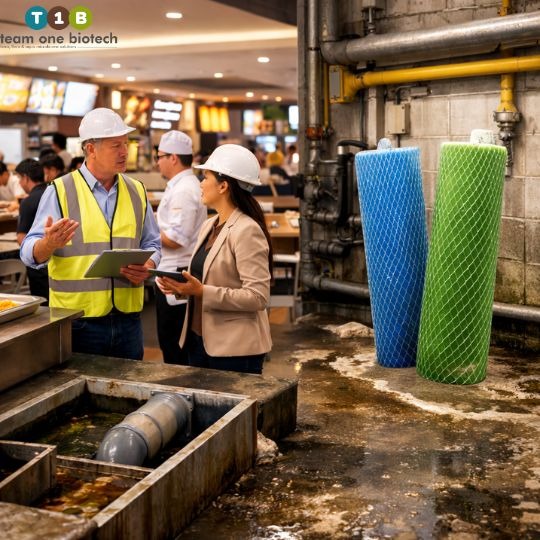
Installation is straightforward: blocks are placed in the grease trap or drain inlet, and the slow-release mechanism does the rest. Replacement intervals depend on usage volume but are measured in weeks rather than days. For a facility management team already stretched across security, HVAC, cleaning, and tenant relations, this matters enormously.

The cost-benefit case is equally compelling:

  • Reduced pump-out frequency: Facilities using BioBloc consistently report extended intervals between required grease trap pump-outs, in some cases by 40 to 60 percent. At UAE commercial pump-out rates, this translates directly to significant annual savings.
  • Reduced emergency call-outs: Blocked drains during operational hours are among the most disruptive and costly maintenance events a mall can experience. BioBloc’s continuous FOG prevention dramatically reduces blockage incidents.
  • Reduced compliance risk: A single DM fine for wastewater non-compliance can far exceed an entire year’s investment in a biological treatment program. The economics are not subtle.
  • Reduced chemical procurement and storage: Replacing chemical dosing programs with BioBloc eliminates the procurement, storage, handling, and disposal overhead associated with commercial degreasers.

Regional Application: Malls, Lift Stations, and the UAE Industrial & Marine Sustainability Context

Regional Application: Malls, Lift Stations, and the UAE Industrial & Marine Sustainability Context

Scaling BioBloc Across Complex Infrastructure

Shopping malls are among the most demanding environments for FOG management, but they’re not the only context where BioBloc delivers measurable results. Across the UAE’s broader industrial and commercial landscape, T1B deploys BioBloc in:

  • Lift stations and pump stations, where FOG accumulation on pump components causes mechanical failure and requires costly emergency maintenance
  • Hotel and hospitality kitchens, where high-volume food preparation generates continuous FOG loads throughout the day and night
  • Port and marine facilities, where the UAE Industrial & Marine Sustainability Hub’s environmental standards demand wastewater treatment solutions that align with international sustainability benchmarks
  • Industrial food processing sites, where regulatory oversight from both DM and federal environmental authorities requires documented, consistent FOG management protocols

The UAE’s Port Authorities, particularly across the Jebel Ali and Khalifa Port corridors, operate under increasingly stringent environmental discharge standards that mirror international maritime environmental protocols. BioBloc’s biological approach aligns with these standards in a way that chemical alternatives cannot, it reduces total organic load rather than redistributing it.

Environmental Impact: Compliance With a Conscience

Beyond regulatory compliance, there is a broader environmental dimension to FOG management that the UAE’s sustainability agenda makes increasingly relevant. The UAE Net Zero 2050 Strategic Initiative and Dubai’s Clean Energy Strategy both place environmental stewardship at the center of commercial operations.

FOG entering municipal wastewater systems doesn’t disappear, it consumes oxygen in treatment processes, disrupts biological treatment in municipal plants, and in overflow events, contributes to waterway contamination. BioBloc’s approach reduces the organic burden reaching municipal infrastructure, meaning every installation contributes, in a small but real way, to a healthier urban wastewater ecosystem.

For sustainability-focused facility managers and corporate real estate teams with ESG reporting obligations, this is a genuine differentiator worth documenting.

Stop Managing the Symptom. Eliminate the Source.

The FOG problem in UAE commercial environments is not going away, if anything, the continued growth of the UAE’s food and beverage sector, combined with increasingly rigorous DM and ADSSC enforcement, means the compliance pressure on facility managers will only increase.

Manual pump-outs deal with what’s already accumulated. Chemical dosing masks the problem temporarily. BioBloc addresses FOG at the biological level, continuously, consistently, and with minimal operational overhead.

For facility managers responsible for shopping malls, hotel complexes, food processing facilities, or any high-volume commercial kitchen environment, the case for BioBloc is straightforward: it reduces compliance risk, reduces maintenance costs, reduces operational disruption, and positions your facility for the kind of sustained wastewater compliance that DM and ADSSC inspections demand.

This is not a product that requires faith. It is a product that requires a conversation.

Contact Team One Biotech today to speak with a specialist about your facility’s specific FOG load, grease trap configuration, and compliance requirements. T1B’s team works directly with facility managers across the UAE to design biological treatment programs that are sized, scoped, and priced for your operational reality.

Ready to Procure? Visit the T1B Official Alibaba Store

For procurement teams, purchasing managers, and international buyers looking to source BioBloc and the full range of T1B biological treatment solutions, the Team One Biotech Official Alibaba Store offers direct access to the complete product catalog with verified supplier status, transparent pricing, and global shipping capability.

Whether you are managing a single facility in Dubai or sourcing for a regional portfolio across the GCC, T1B’s Alibaba storefront provides a secure, streamlined procurement pathway with the product documentation, safety data sheets, and compliance certifications your procurement team requires.

Visit the T1B Official Alibaba Store to explore BioBloc specifications, request bulk pricing, and connect directly with T1B’s international sales team. Global shipping is available, and T1B’s logistics team has established freight and customs experience across the Middle East, South Asia, and Southeast Asian markets.

Team One Biotech is a specialist provider of biological wastewater treatment solutions serving the UAE, GCC, and international markets. T1B’s product portfolio includes biological FOG management, odor control, and industrial wastewater treatment solutions designed for compliance-critical commercial and industrial environments.

Looking to improve your ETP/STP efficiency with the right bioculture?
Talk to our experts at Team One Biotech for customised microbial solutions.

Contact+91 8855050575

Email:  sales@teamonebiotech.com

Visit: www.teamonebiotech.com

Discover More on YouTube – Watch our latest insights & innovations!-

Connect with Us on LinkedIn – Stay updated with expert content & trends!
FOG(Fats, Oils, and Grease)- Remediation, Bio Degrdation, Buildup, Cemical, Biological, Bio Culture, Related Blockages Treatment

To prevent the solidification and accumulation of fats oils & grease in sewer pipelines and wastewater treatment plants, bio reduction is a viable, productive & cost-effective method in comparison to traditional methods such as the addition of chemicals to wastewater or landfill disposals.

The T1B FOG is a microbial formulation that helps reduce the FOG into simpler compounds such as carbon dioxide and water. The bacterial consortia in TOB FOG perform in any condition – anaerobic, aerobic and anoxic. Untreated fat oil & grease pollutants are also a cause of odours in wastewater treatment. T1B FOG is an excellent solution which controls odours by breaking down ammonia, hydrogen sulphide, proteins, starch, fats, and oils with its rapid action.

The microorganisms responsible for biodegradation are dependent on the temperature and pH conditions of the waste they are subjected to. The microbes in the T1B FOG mixture are resilient to a wide range of temperature fluctuations and pH levels.

Using Team One Biotech’s T1B FOG microbiome solution, the problem of FOG in wastewater management, the sewer drainage systems of commercial and household kitchens, restaurants etc. can be addressed quickly and efficiently without impacting the environment adversely and without the need for expensive infrastructure.

T1B F.O.G | Bacterial Culture For Break Down Of Fat, Oil & Grease – Effective Drain Pipe Cleaner, Works On Drain Pipe Blockage, Clogged Pipelines

 FOG Remediation – FOG Bio Degrdation – FOG (Fats, Oils, and Grease) Treatment – FOG Buildup – FOG Chemical Treatment – FOG Biological Treatment – FOG Bio Culture – FOG Related Blockages – Clearing FOG Block – Fats Oil and Grease Degrading Microbial Bacteria Culture – Grease Trap Cleaning – Safe Microbes – Cleaning Pipe Drains – Grease Trapped Drains – Grease Trapped Pipes – Hydrolytic Enzymes – Maintenance Of Your Grease Separator – Prevent Odour Nuisance And Blockages – Live Bacteria – Lipase Enzymes – Kitchen Drain Cleaner – Hydrocarbon Degradation – Kitchen Sink Choke Up


Scan the code