ETP Plant Full Form & Functions: A Guide for "Red Category" Industries
ETP Plant Full Form & Functions: A Guide for “Red Category” Industries

Let’s be direct about something most plant managers already know but rarely say out loud: running a Red Category industry in India right now feels like walking a tightrope over a compliance minefield. One failed effluent test. One surprise inspection from the State Pollution Control Board. One local news story about a nearby river turning colors, and suddenly you’re not just facing a fine. You’re facing a closure notice, a reputational crisis, and the kind of legal liability that follows a business for years.

This isn’t fearmongering. The Central Pollution Control Board (CPCB) has been systematically tightening discharge standards since 2016, and enforcement has become significantly more aggressive in states like Maharashtra, Gujarat, Tamil Nadu, and Uttar Pradesh. The industries feeling this pressure the hardest are exactly the ones doing the heaviest industrial lifting for India’s economy, textiles, dyes, pharmaceuticals, tanneries, paper mills, and chemical manufacturers.

Also Read: The Comprehensive Guide to ETP & STP Design, Process, and Efficiency in India

If you’re in this space, your Effluent Treatment Plant isn’t just infrastructure. It’s survival equipment.

What ETP Stands For, And Why the Full Form Doesn’t Tell the Whole Story
What ETP Stands For, And Why the Full Form Doesn't Tell the Whole Story

ETP stands for Effluent Treatment Plant. The name is simple enough. The reality it represents is anything but.

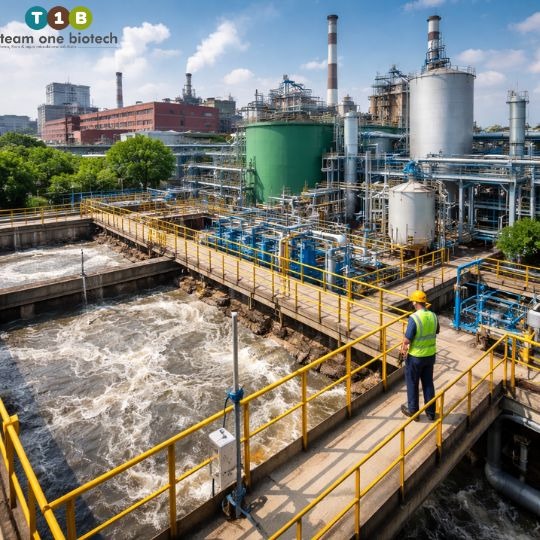
An effluent treatment plant is a system specifically engineered to treat industrial wastewater, the contaminated water produced during manufacturing processes, before it’s discharged into municipal drains, water bodies, or the ground. Unlike domestic sewage, industrial effluent carries a toxic cocktail of heavy metals, synthetic dyes, suspended solids, oils, acids, and biological oxygen demand (BOD) loads that can devastate aquatic ecosystems within hours of improper discharge.

Here’s what the full form doesn’t tell you: a well-designed ETP is the difference between a factory that runs for decades and one that gets served a closure notice in its tenth year. For Red Category industries, it’s also the single largest variable in your environmental compliance score.

Why “Red Category” Changes Everything

India’s industries are classified into four pollution potential categories by the CPCB, Red, Orange, Green, and White, based on a Pollution Index (PI) score derived from air, water, land, and hazardous waste parameters.

Red Category industries carry a Pollution Index of 60 or above. These include:

  • Textile dyeing and bleaching units
  • Pharmaceutical and bulk drug manufacturers
  • Pesticide and agrochemical plants
  • Tanneries and leather processing units
  • Paper and pulp mills
  • Chemical manufacturers and dye intermediates

What makes Red Category wastewater genuinely difficult to treat is its chemical complexity. You’re not dealing with one pollutant, you’re dealing with hundreds simultaneously. COD (Chemical Oxygen Demand) levels in textile effluent can exceed 3,000 mg/L. Pharmaceutical wastewater often carries recalcitrant organic compounds that resist conventional biological breakdown. Tannery effluent contains chromium concentrations that are acutely toxic to both microbial communities and human health.

Standard treatment approaches frequently fall short here. That’s the core problem Team One Biotech was built to solve.

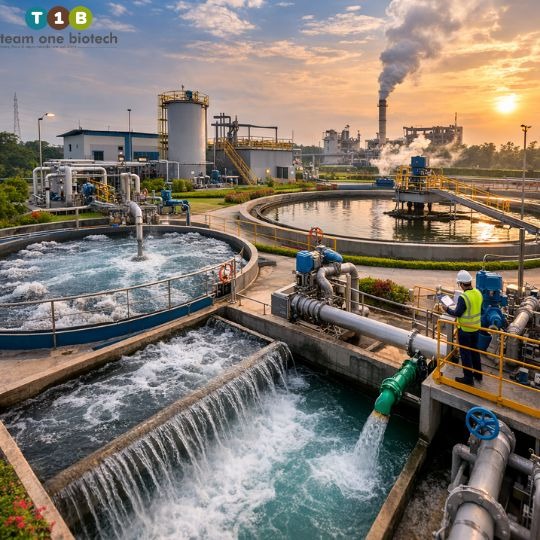
The Core Functions of an Effluent Treatment Plant
The Core Functions of an Effluent Treatment Plant

A properly functioning ETP works through a staged sequence of treatment processes. Each stage targets a different category of contaminants. Skipping or underperforming at any stage compromises the entire system.

Stage 1: Collection and Equalization

Effluent from different process lines rarely flows at uniform rates or concentrations. The equalization tank buffers this variability, holding incoming wastewater and homogenizing it before treatment begins. This step protects downstream processes from hydraulic shocks and concentration spikes that would otherwise destabilize biological treatment.

Stage 2: Screening and Primary Treatment

Bar screens remove coarse solids. Primary clarifiers allow suspended particles to settle under gravity. The sludge collected here is removed for further processing. This stage significantly reduces suspended solids load before biological treatment begins.

Stage 3: Neutralization

Industrial effluents are frequently highly acidic or alkaline, pH values outside the 6–9 range are common in chemical and pharmaceutical plants. Neutralization brings pH to a range where biological treatment can function effectively. Getting this wrong doesn’t just affect compliance, it kills the microbial communities your secondary treatment depends on.

Stage 4: Coagulation and Flocculation

Chemicals like alum, ferric chloride, or polyelectrolytes are dosed to destabilize colloidal particles and cause them to aggregate into larger flocs that can be physically removed. This step is critical for reducing color, turbidity, and residual suspended solids. However, heavy reliance on synthetic coagulants increases sludge generation and chemical costs, one of the key pain points that bioremediation-based approaches address.

Stage 5: Secondary (Biological) Treatment

This is where the real heavy lifting happens, and where the quality of your approach determines whether you genuinely treat your effluent or merely appear to.

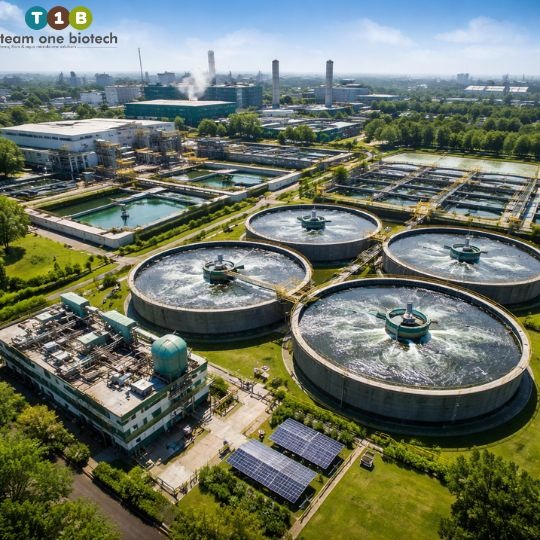
The ETP-STP Plant Process: Where Bioremediation Redefines What’s Possible
The ETP-STP Plant Process: Where Bioremediation Redefines What's Possible

The biological treatment stage of the etp-stp plant process is built around one central mechanism: using microorganisms to break down dissolved organic matter. The most widely deployed method is the activated sludge process.

Understanding the Activated Sludge Process

In the activated sludge process, wastewater enters an aeration tank where it’s mixed with a recirculated mass of microorganisms, the “activated sludge.” Air or oxygen is continuously introduced to support aerobic microbial metabolism. The microorganisms consume dissolved organics (measured as BOD and COD), converting them into carbon dioxide, water, and new cell mass.

The treated water then flows to a secondary clarifier, where the microbial biomass settles out. A portion of this settled sludge is returned to the aeration tank to maintain the active microbial population (return activated sludge). The remainder is wasted (waste activated sludge) for further processing.

In theory, it’s elegant. In practice, for Red Category industries, it frequently underperforms, because generic microbial communities aren’t equipped to handle the specific, often toxic, organic load of pharmaceutical, textile, or chemical wastewater.

Where Traditional Chemical Treatment Falls Short

Many plants default to increasing chemical dosing when biological treatment underperforms. This approach has a ceiling. More coagulants mean more sludge. More sludge means higher disposal costs and stricter hazardous waste compliance requirements. The operational cost curve bends upward fast, and you still don’t consistently hit discharge standards.

How to Retrofit Existing ETPs to meet 2026 Discharge Standards

With the 2026 regulatory shift to Retrofit Existing ETPs, the Central Pollution Control Board (CPCB) and State Boards have moved from “periodic checks” to real-time, performance-based compliance. If your existing ETP was designed for 2016 norms, it likely lacks the precision required for today’s tighter BOD, COD, and nutrient limits.

Retrofitting doesn’t always mean a total teardown. Most Red Category plants can be brought up to 2026 standards through strategic engineering upgrades:

  • Integrating Real-Time Monitoring: 2026 mandates require IoT-connected sensors (RS-485/Modbus) that transmit pH, TSS, and COD data directly to regulatory servers. Retrofitting your outlet with automated monitoring is now the first step in legal “survival.”
  • Upgrading Aeration Efficiency: Many older plants suffer from “dead zones” in aeration tanks. Replacing aging surface aerators with fine-bubble diffused aeration systems can improve oxygen transfer efficiency by up to 30-40%, crucial for handling the higher organic loads seen in pharmaceutical and textile sectors.
  • Adding Tertiary Polishing Units: To meet the new “Mandatory Treated Water Reuse” policies, adding a modular Membrane Bio-Reactor (MBR) or Ultrafiltration (UF) stage to your existing secondary clarifier output can turn discharge-grade water into process-grade water.

By focusing on process correction rather than just equipment replacement, industries can achieve 2026 compliance with minimal downtime and significantly lower capital expenditure.

How Team One Biotech’s Bioremediation Approach Changes the Equation

Team One Biotech’s bioremediation solutions are engineered around specific microbial consortia, selected and cultivated strains of bacteria, fungi, and enzyme-producing organisms that are matched to the actual contaminant profile of your effluent.

Rather than a generic activated sludge population struggling against recalcitrant dyes or pharmaceutical intermediates, you’re deploying organisms that have been specifically developed to metabolize those compounds. The results are measurable:

  • Faster COD/BOD reduction rates compared to conventional activated sludge alone
  • Significantly lower chemical consumption across coagulation and disinfection stages
  • Reduced sludge generation, which directly reduces your hazardous waste disposal burden
  • More stable biological performance during hydraulic and organic load fluctuations
  • Longer intervals between system interventions

This isn’t an additive that temporarily masks compliance numbers. It’s a fundamental upgrade to the biological core of your treatment process.

Ready to see what a bioremediation-optimized ETP looks like for your specific industrial category? Contact Team One Biotech’s technical team for a process consultation, no generic proposals, no guesswork.

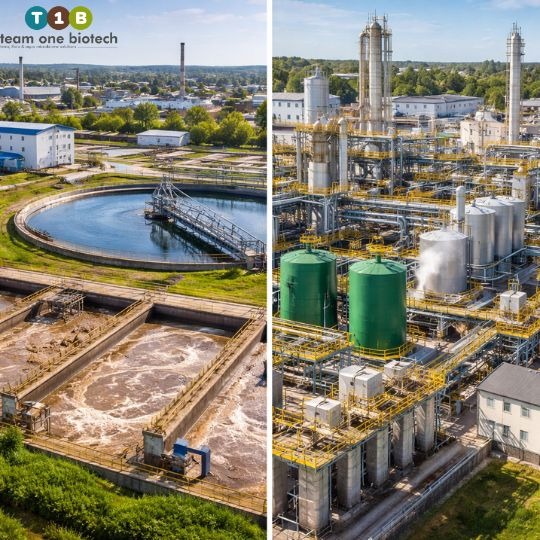
STP vs. ETP: Why Industrial Facilities Need to Think About Both
STP vs. ETP: Why Industrial Facilities Need to Think About Both

A sewage treatment plant (STP) is designed to treat domestic wastewater, the water generated from toilets, canteens, washrooms, and general facility use. An effluent treatment plant handles process wastewater from manufacturing operations. They treat fundamentally different waste streams, and mixing them without proper management creates compliance complications.

Here’s why this matters for large industrial facilities:

ParameterSewage Treatment Plant (STP)Effluent Treatment Plant (ETP)
Wastewater SourceDomestic/sanitary useIndustrial process water
Primary ContaminantsBOD, pathogens, nutrientsCOD, heavy metals, dyes, chemicals
Regulatory StandardIS:2490, domestic normsCPCB category-specific norms
Treatment CoreBiological (ASP, MBR)Multi-stage chemical + biological
Sludge ClassificationGeneral wasteOften hazardous waste

Many large manufacturing campuses in India, particularly in pharmaceutical and textile clusters, now operate combined STP-ETP systems or segregated parallel systems. The etp-stp plant process integration requires careful hydraulic design to ensure that the toxicity of process effluent doesn’t overwhelm the biological system designed for domestic sewage.

Team One Biotech’s expertise spans both systems. Whether you’re managing a standalone ETP, a standalone STP, or a combined treatment facility, the bioremediation strategy must be designed around the actual influent chemistry, not generic assumptions.

The Indian Regulatory Reality You Can’t Ignore

The CPCB’s General Standards for Discharge of Environmental Pollutants (under the Environment Protection Act, 1986) set baseline discharge standards. But State Pollution Control Boards frequently impose standards that are stricter than CPCB minimums, and this varies significantly by state, industry cluster, and proximity to sensitive water bodies.

Industries in the Ganga basin face mandatory Zero Liquid Discharge (ZLD) compliance under the National Mission for Clean Ganga. Textile clusters in Surat, Ludhiana, and Tirupur operate under cluster-specific discharge protocols. Pharmaceutical units near ecologically sensitive zones are increasingly being asked to demonstrate advanced treatment capability beyond standard compliance testing.

This regulatory landscape is not getting simpler. Investment in genuinely effective treatment technology, not minimum-compliance infrastructure, is the only position that offers long-term operational certainty.

India’s water stress context adds an ethical dimension to this that goes beyond compliance. With 18% of the world’s population sharing 4% of its freshwater resources, every liter of adequately treated and recycled industrial water is a direct contribution to a problem that affects communities far beyond your fence line.

What an Underperforming ETP Actually Costs You

The compliance fine is the visible cost. The real cost structure looks like this:

  • Repeated third-party effluent testing to chase passing results
  • Increased chemical consumption without proportional treatment improvement
  • Higher sludge disposal frequency and associated hazardous waste costs
  • Downtime risk from regulatory notices requiring system upgrades
  • Reputational exposure in ESG-sensitive supply chains
  • Management bandwidth spent on regulatory responses instead of operations

A properly designed, bioremediation-enhanced ETP converts most of these costs into a single, predictable operational line. That’s the business case, separate from the environmental one.

Is your current ETP delivering consistent compliance, or are you managing the gap between test days and inspection days? Request a free process audit from Team One Biotech. We’ll map your current system against your discharge obligations and identify exactly where the gaps are.

Looking for specific bioremediation products formulated for your industry category? Explore Team One Biotech’s complete range of microbial consortia and enzyme solutions for textile, pharmaceutical, chemical, and tannery wastewater treatment.

Looking to improve your ETP/STP efficiency with the right bioculture?
Talk to our experts at Team One Biotech for customised microbial solutions.

Contact+91 8855050575

Email:  sales@teamonebiotech.com

Visit: www.teamonebiotech.com

Discover More on YouTube – Watch our latest insights & innovations!-

Connect with Us on LinkedIn – Stay updated with expert content & trends!
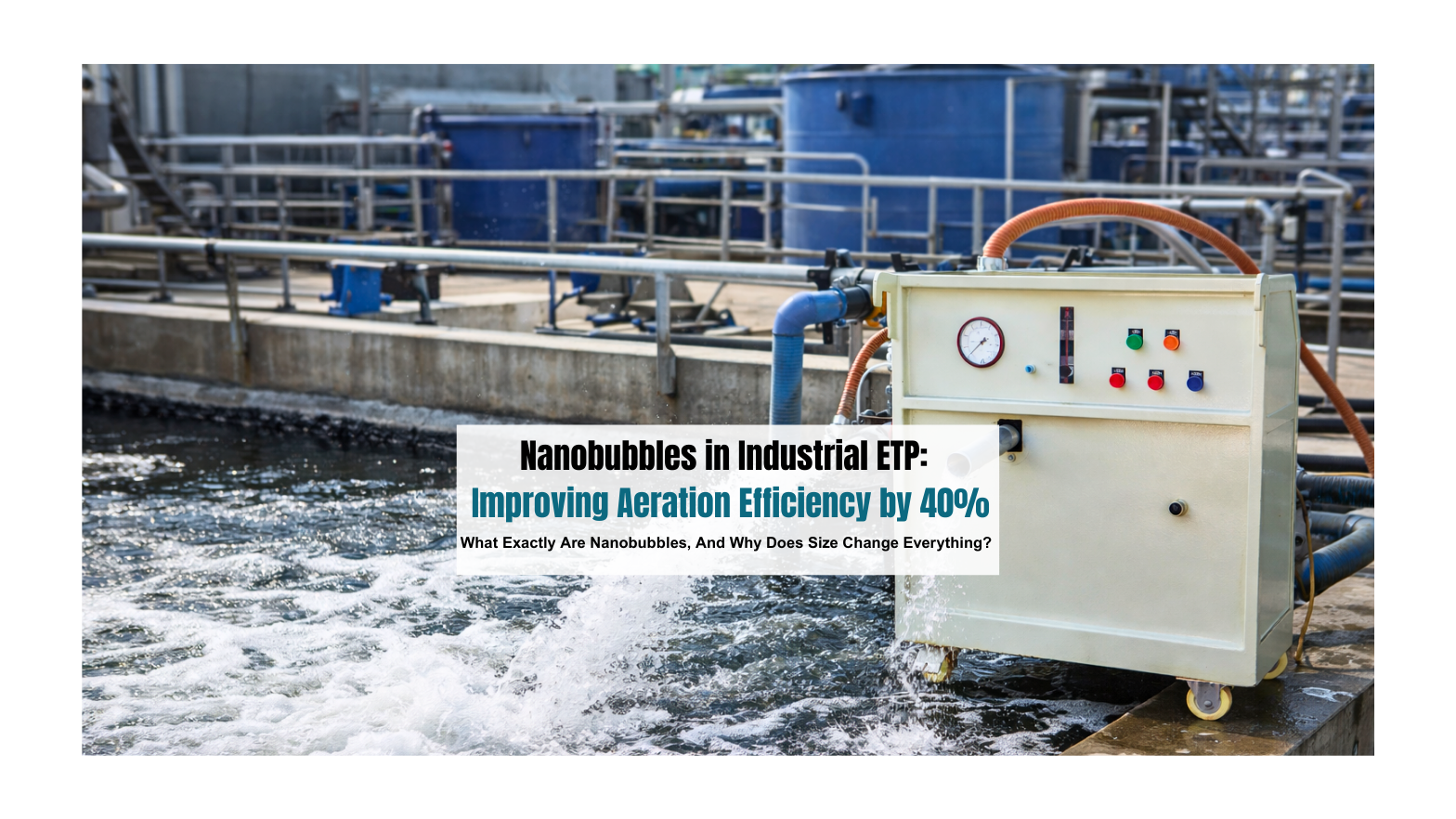
Nanobubbles in Industrial ETP: Improving Aeration Efficiency by 40% 

Water is the UAE’s most politically sensitive resource, and for industrial operators, it is rapidly becoming the most financially dangerous one. The Arabian Peninsula sits atop one of the world’s most water-stressed geographies, and industrial effluent treatment has never carried higher stakes, regulatory, reputational, and economic.

Here is the uncomfortable reality: most industrial Effluent Treatment Plants (ETPs) in Dubai and Abu Dhabi are hemorrhaging operational budgets through one largely overlooked system, aeration. Conventional diffused aeration and surface aerators consume anywhere between 50% to 70% of an ETP’s total energy load. In the UAE’s climate, where ambient temperatures routinely exceed 45°C and reduce dissolved oxygen (DO) saturation to critically low levels in biological treatment tanks, that energy expenditure buys far less oxygen transfer than operators assume.

The result? Biological treatment underperforms. BOD and COD readings breach the thresholds set by Dubai Municipality (DM) Circular 17 and Abu Dhabi Sewerage Services Company (ADSSC) Technical Standards. Penalties follow. Reputational damage follows that.

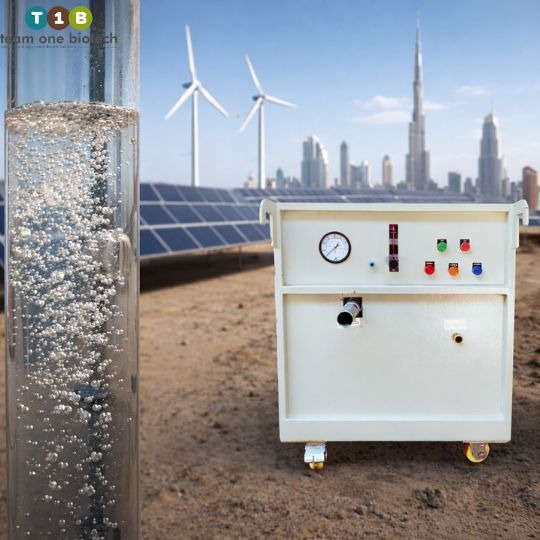
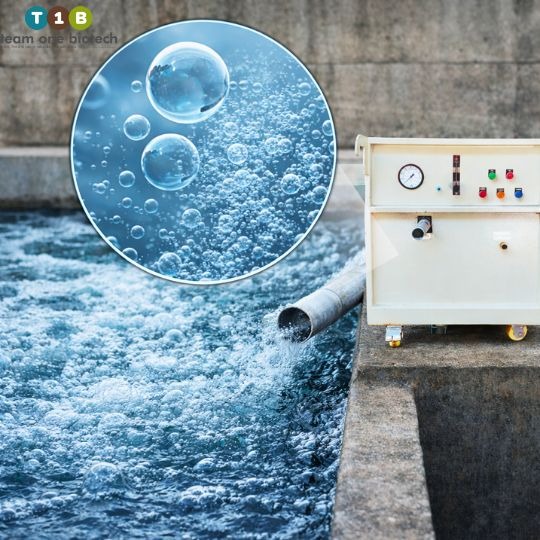
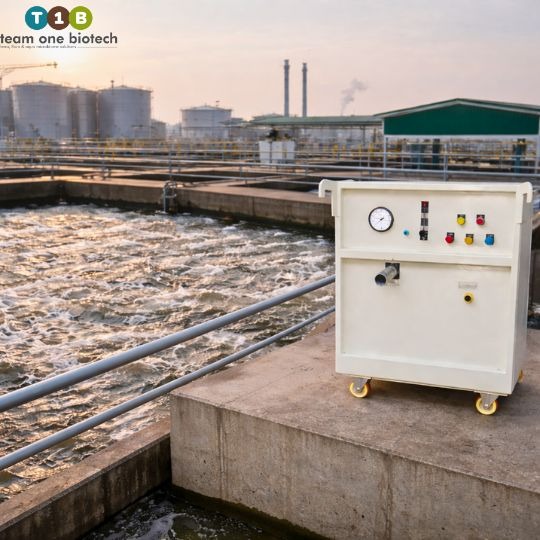
Water Treatment with Nanobubble Generator Technology is the solution every Facility Manager, Sustainability Officer, and plant operator in the Gulf should be looking for; the question is no longer whether their ETP can meet compliance, but whether their aeration strategy is fit for purpose in an environment that actively works against conventional oxygen transfer physics.

What Exactly Are Nanobubbles, And Why Does Size Change Everything?

The physics of bubble-based aeration are straightforward: smaller bubbles mean greater surface area for gas-liquid mass transfer. Conventional coarse-bubble aerators produce bubbles in the 2–5 mm range. Fine-bubble diffusers drop that to 1–3 mm. Both represent incremental improvements on the same fundamental limitation, buoyancy causes bubbles to rise and escape the liquid column rapidly, limiting contact time to fractions of a second.

Nanobubbles (NBs) operate in an entirely different regime.

Nanobubbles are defined as gaseous cavities with diameters below 100 nanometers, roughly 2,500 times smaller than a fine bubble. At this scale, three physical phenomena converge to produce treatment outcomes that conventional aeration simply cannot replicate:

1. Near-Neutral Buoyancy and Extended Residence Time

At sub-100 nm diameters, buoyancy forces are negligible relative to the drag forces exerted by the surrounding liquid. Nanobubbles do not rise and escape, they remain suspended in solution for hours, sometimes days. In a biological aeration basin, this translates directly to prolonged oxygen availability for microbial biomass, even in thermally stratified tanks where DO depletion at depth is a persistent UAE-specific challenge.

2. High Internal Pressure and Accelerated Gas Transfer

Governed by the Young-Laplace equation, the internal pressure of a bubble increases inversely with its radius. A nanobubble at 100 nm diameter carries an internal pressure orders of magnitude higher than a 1 mm fine bubble. This elevated pressure gradient drives oxygen molecules across the gas-liquid interface at significantly accelerated rates, the fundamental mechanism behind the 40% improvement in oxygen transfer efficiency documented in industrial deployments of nanobubble generator UAE systems.

3. Electrostatic Surface Charge and Colloidal Stability

Nanobubbles carry a negative surface charge (zeta potential) that provides electrostatic repulsion between bubbles, preventing coalescence and maintaining population density within the liquid phase. This property also enhances interaction with positively charged suspended solids and biological floc, supporting both biological treatment and physical separation processes.

The 40% Advantage: Breaking Down What This Means for Your ETP’s Bottom Line

When Team One Biotech (T1B) deploys its Nanobubble Generator UAE systems into an industrial ETP, the 40% efficiency improvement is not a marketing figure, it is a measurable, auditable outcome grounded in Standard Oxygen Transfer Rate (SOTR) and Standard Aeration Efficiency (SAE) testing protocols.

Consider what a 40% reduction in aeration energy demand means in practice for a mid-scale industrial ETP in Dubai’s Jebel Ali Industrial Zone processing 500 m³/day of effluent:

  • Baseline aeration energy cost at AED 0.38/kWh: approximately AED 180,000–220,000 annually
  • Post-nanobubble deployment energy savings: AED 72,000–88,000 per year, conservatively
  • Payback period on capital investment: typically 18–30 months depending on plant configuration
  • Reduction in aeration-related CO₂ emissions: directly aligned with UAE Net Zero 2050 decarbonization commitments

Beyond energy, the biological performance gains are equally significant. Elevated and sustained DO levels, maintained at 4–6 mg/L even during peak summer temperatures when conventional systems struggle to hold 2 mg/L, accelerate heterotrophic and nitrifying bacterial activity. In practice, T1B clients document BOD removal efficiencies exceeding 95% in aerobic biological treatment stages, compared to 75–85% with conventional fine-bubble aeration under UAE summer conditions.

This is not marginal optimization. This is the difference between reliable Dubai Municipality Wastewater Compliance and monthly variance reports.

If your ETP has not been benchmarked against nanobubble-enhanced aeration in the last 24 months, you are operating on assumptions that the science has already moved past. Request an efficiency audit from T1B today.

UAE-Specific Challenges That Make Nanobubbles Not Optional, But Necessary

High Salinity Wastewater and Oxygen Transfer Depression

Industrial facilities across Abu Dhabi’s industrial corridors, particularly those involved in produced water handling, brine discharge management, and coastal manufacturing, contend with elevated salinity levels that chemically suppress oxygen transfer coefficients (the alpha and beta factors in aeration design). Saline water holds less dissolved oxygen at saturation, and conventional aeration systems are rarely corrected for this in UAE deployments.

Nanobubble technology exhibits significantly lower sensitivity to salinity-driven oxygen transfer depression due to the pressure-driven transfer mechanism. Where a fine-bubble diffuser may see a 20–30% reduction in effective oxygen transfer in high-TDS produced water streams, T1B’s nanobubble generators maintain transfer rates within 8–12% of freshwater performance benchmarks.

Extreme Temperature and Thermocline Formation

Above 35°C, the oxygen saturation ceiling in water drops precipitously. At 45°C, a realistic surface temperature in an uncovered ETP in July, DO saturation is barely 6.5 mg/L, leaving almost no operational headroom for conventional aerators to maintain the minimum 2 mg/L threshold required by ADSSC Technical Standards for biological treatment performance.

Nanobubble generators integrated with T1B’s bioaugmentation programs (seeding specific microbial consortia adapted to thermophilic UAE conditions) allow biological treatment to remain effective at ambient temperatures where conventional ETPs enter compliance risk.

Sector Deep-Dive: Where Nanobubbles Are Transforming UAE Industry Right Now

Oil and Gas: Produced Water Treatment

Produced water, the largest volume byproduct of hydrocarbon extraction, arrives at treatment facilities loaded with residual hydrocarbons, suspended solids, and often significant hydrogen sulfide. ADNOC onshore facilities and offshore platform operators face escalating scrutiny on produced water discharge quality under UAE environmental frameworks.

T1B’s nanobubble generator UAE systems applied to produced water bioreactors deliver measurable TPH (Total Petroleum Hydrocarbon) degradation improvements by sustaining aerobic conditions in treatment zones that fluctuate violently in organic load. The extended bubble residence time ensures that hydrocarbon-degrading microbial communities are never oxygen-limited during shock loading events, a persistent failure point in conventional produced water ETPs.

Cooling Tower Blowdown: Reducing Chemical Dependence

Industrial cooling towers in Dubai and Abu Dhabi generate blowdown streams that are chemically complex, biologically active, and increasingly regulated under DM Industrial Wastewater Guidelines. Conventional treatment relies heavily on chemical oxidants, which carry their own disposal costs and regulatory footprint.

Nanobubble-enhanced treatment of cooling tower blowdown reduces chemical oxygen demand (COD) through accelerated aerobic biodegradation, and the elevated reactive oxygen species (ROS) generated within collapsing nanobubbles provide a natural biocidal effect that reduces Legionella risk, a growing priority for port authority and hospitality sector facilities in the region.

Aquaculture: Sustainable Water Treatment Meets Food Security

The UAE’s push toward food security under the National Food Security Strategy 2051 has accelerated investment in land-based aquaculture facilities, particularly Recirculating Aquaculture Systems (RAS). Dissolved oxygen management is the single most critical operational parameter in RAS, directly determining fish density, feed conversion ratios, and mortality rates.

T1B’s nanobubble generators installed in RAS oxygenation circuits have demonstrated the ability to maintain DO levels above 8 mg/L in recirculating seawater systems, a benchmark that conventional liquid oxygen injection struggles to achieve economically at scale in the UAE’s climate. The result is higher stocking densities, lower mortality, and a demonstrably more sustainable water treatment footprint.

Meeting Dubai Municipality and ADSSC Standards: T1B as Your Compliance Architecture

Dubai Municipality Circular 17/2016 and ADSSC’s Technical Guidelines on Industrial Effluent set clear discharge quality thresholds: BOD below 20 mg/L, COD below 150 mg/L, TSS below 30 mg/L, and pH within 6–9. For facilities discharging to the sewer network or coastal waters, the compliance burden has never been more rigorously enforced.

T1B’s integrated approach, combining nanobubble generator hardware with precision bioaugmentation using specifically formulated microbial consortia, addresses the root cause of ETP non-compliance: insufficient and inconsistent biological treatment performance. Unlike equipment-only vendors, T1B provides ongoing performance monitoring, microbial health assessments, and process optimization support to ensure that Industrial ETP Efficiency translates into sustained regulatory compliance, not just initial commissioning performance.

Do not wait for a non-compliance notice from Dubai Municipality or ADSSC to initiate your ETP modernization. T1B’s engineering team conducts rapid efficiency audits, contact them before the next inspection cycle.

Aligning with UAE Net Zero 2050: Nanobubbles as a Decarbonization Tool

Aligning with UAE Net Zero 2050: Nanobubbles as a Decarbonization Tool

The UAE’s Net Zero 2050 Strategic Initiative places direct responsibility on industrial operators to reduce Scope 1 and Scope 2 emissions across their operations. Aeration systems, given their energy intensity, are a logical and high-impact decarbonization target.

A 40% reduction in aeration energy consumption across an industrial ETP does not merely save money, it generates verifiable, auditable Scope 2 emission reductions that can be reported against corporate sustainability targets. For organizations pursuing LEED certification, ISO 14001 compliance, or ESG reporting obligations, T1B’s nanobubble deployments provide quantifiable environmental performance data that supports these frameworks directly.

Sustainable Water Treatment is no longer a corporate social responsibility aspiration in the UAE, it is a regulatory and commercial imperative.

Global Accessibility: Source T1B Technology Through the Official Alibaba Store

For procurement teams operating across the UAE and internationally, sourcing advanced nanobubble hardware and microbial formulations through verified, auditable supply chains is a non-negotiable requirement.

Team One Biotech operates a fully verified Official Alibaba Store, providing procurement officers, plant engineers, and international facility managers with direct access to T1B’s complete product range, including nanobubble generator units, replacement components, and proprietary microbial bioaugmentation formulations.

The Alibaba platform provides verified supplier credentials, trade assurance protections, and international shipping logistics support, making T1B’s technology accessible whether your ETP is located in Jebel Ali, the Ruwais Industrial Complex, or internationally across Southeast Asia, South Asia, and Africa.

For UAE-based procurement teams with existing DM or ADSSC vendor approval requirements, T1B’s regional engineering team provides full technical documentation, compliance dossiers, and on-site commissioning support in parallel with Alibaba store procurement.

The platform removes every barrier between your facility’s efficiency gap and the technology that closes it. Visit the T1B Official Alibaba Store today, request a product consultation, and let your procurement team begin the process that your engineering team has already identified as necessary.

One Final Thought for Decision-Makers in Dubai and Abu Dhabi

Every month that an industrial ETP in the UAE runs on conventional aeration is a month of energy cost, biological underperformance, and compliance risk that nanobubble technology could have eliminated. The science is settled. The deployments are documented. The regulatory alignment is direct.

The only remaining variable is whether your organization acts before a non-compliance event, an energy audit, or a competitor’s sustainability report forces the conversation.

T1B’s engineering team is available for rapid ETP efficiency assessments. The audit costs nothing. The delay costs more than you may currently be accounting for.

Looking to improve your ETP/STP efficiency with the right bioculture?
Talk to our experts at Team One Biotech for customised microbial solutions.

Contact+91 8855050575

Email:  sales@teamonebiotech.com

Visit: www.teamonebiotech.com

Discover More on YouTube – Watch our latest insights & innovations!-

Connect with Us on LinkedIn – Stay updated with expert content & trends!
industrial holidays Anaerobic Wastewater Treatment in Industries
The effect of industrial holidays on ETP health

The ecosystem of industries is complex as well as consistent. However, shutdowns due to festivals, season, operational failure, or force give a halt to the whole system. Although mostly planned, these industrial holidays are intended to give relief, but deep down in the concrete basins of effluent treatment plants brews a storm of crisis, whether it may be in the primary, secondary, or tertiary systems.

Looking for expert solutions to manage ETP shutdown challenges? Contact Us today for tailored advice and services!

And if we focus on the secondary system, the microbial population gets the worst hit. This blog focuses on what happens inside the secondary system during an industrial holidays, its effects, precautions, and prevention.

The living Microbial world of ETP:

The secondary system is like a society where microbial populations i.e, bacteria, fungi, yeast, metazoans etc. thrive on:

Food: Readily biodegradable organic matter.

Shelter: Biofilms, flocs, or suspended habitats.

Environmental Comfort: pH, temperature, DO, and nutrients in a narrow optimal range.

Maintaining microbial diversity and stability is crucial for consistent ETP performance.

Microbial Starvation- A Hidden Shutdown Crisis

A 10-15 day shutdown without influent feed creates what we call a starvation phase in the bioreactor. The period can trigger several microbial stress responses:

Autolysis Begins:
  • Without food, heterotrophic bacteria begin digesting their own cellular reserves.
  • When reserves run out, cell walls rupture, releasing intracellular enzymes and ammonia into the mixed liquor.
Shift in Community Structure:
  • Fast-growing, high-COD degraders die off first.
  • Resilient microbes like filamentous bacteria and nitrifiers may survive longer, but their metabolic activity drops drastically.
Dissolved Oxygen (DO) Becomes Redundant:


  • With no substrate to oxidize, aeration continues but becomes wasteful.
  • High DO levels can paradoxically stress certain facultative anaerobes used to fluctuating oxygen levels.


MLSS/MLVSS Decline:
  • The Mixed Liquor Volatile Suspended Solids (MLVSS)- the biologically active portion of MLSS drops due to decay.
  • Settling characteristics deteriorate, and the SVI (Sludge Volume Index) can spike due to deflocculation.
Recovery is Not Instant – The Myth of “Rest and Run”

When production resumes, many assume the ETP will bounce back like a machine switched on. But biological wastewater treatment systems have no reset button.

Lag Phase in COD Reduction
  • Microbial populations take time to rebuild numbers and enzyme systems.
  • Expect 2-5 days of poor performance and higher COD/BOD in the outlet, especially in systems with no pre-seeding plan.
Sludge Age Misbalance
  • Sludge that has aged during the shutdown may have lost its settling efficiency.
  • Decayed sludge may also release toxins and nutrients, creating internal loading.
Shock Loads on Restart
  • Sudden reintroduction of full-strength effluent can lead to shock loading.
  • This exacerbates foaming, odor, and even system upset.
Preventive Measures

ETP health during shutdowns doesn’t have to be a gamble. Here are proven strategies, drawn from both research and field practices.

1.Feed Synthetic System:
  • Use glucose, molasses, milk whey, or diluted Urea/COD substitutes to mimic organic load at low levels (10-20% of actual COD).
  • Feed once or twice daily to maintain microbial respiration and floc integrity.\
2.Aerate intermittently:
  • Continuous aeration is wasteful. Instead, apply 4-6 hours/day intermittent aeration to maintain DO and prevent anoxic.
3.Monitor pH and ORP
  • During starvation, microbial metabolism can skew pH or ORP. Keep these in range to avoid unfavorable drift.
4.Bioaugmentation on Restart
  • Introduce high-count commercial biocultures tailored to your effluent type. This accelerates recovery.
  • Use starter cultures or preserved sludge from pre-holiday if available.
5.Sludge Management 
  • Remove aged or decaying sludge before shutdown. 
  • During long holidays, periodic recirculation or RAS/WAS adjustments prevent septic conditions.
Maintaining ETP Efficiency During Industrial Holidays with Bioculture Support

When industrial units pause operations during holidays, the ETP treatment process often slows down due to the absence of organic load. Microbes inside the aeration tank gradually lose activity, leading to poor degradation once the plant restarts. That’s where a bioculture for ETP operations becomes critical — it revitalizes the microbial community, improves resilience, and stabilizes performance without costly chemical interventions.

During downtime, parameters like ETP sludge volume, dissolved oxygen, and pH can fluctuate drastically. A pre-dosage of selected microbial strains helps maintain a balanced environment and prevents sludge bulking or odour generation. When operations resume, the system achieves faster recovery and reduced start-up lag.

To ensure long-term system reliability, work with trusted ETP plant manufacturers in India who understand the importance of integrating biological solutions into design. Many modern ETP and STP systems now include dedicated dosing points for microbial formulations and smart monitoring dashboards that track ETP standard parameters such as BOD, COD, TSS, and MLSS.

Whether you operate a textile, chemical, or food processing unit, maintaining your ETP treatment plant during holidays means safeguarding compliance and avoiding post-shutdown surges in effluent load. Explore how Team One Biotech’s Bioculture Solutions ensure consistent ETP water treatment efficiency even under variable operating conditions.

For more insights on biological treatment technologies, check out our detailed blog on What Are Biocultures for Wastewater Treatment — A Complete EHS Guide and a practical case study Bioculture for ETP- How a Textile Unit Stabilized ETP Performance with T1B Aerobio . Both resources complement this article by showing how bioculture for ETP transforms operational challenges into measurable efficiency gains.

Conclusion:

Industrial holidays are an unavoidable part of operations across industries such as textiles, pharmaceuticals, and chemicals and can’t be avoided but the problems related to it in an ETP can surely be avoided by taking the right steps, proper planning, and taking proactive measures.Investing in bioaugmentation, sludge handling, and strategic aeration ensures microbial resilience during shutdowns.

Team One Biotech is one of the leading Biotech Companies in India, providing advanced microbial solutions like bacteria for ETP treatment and bacteria culture for wastewater treatment.
Reach out now to enhance your wastewater treatment efficiency.

Email: sales@teamonebiotech.com

Visit: www.teamonebiotech.com

Discover More on YouTube – Watch our latest insights & innovations!-

Connect with Us on LinkedIn – Stay updated with expert content & trends!
Scan the code