


Monthly Septic Tank Maintenance Checklist
It was a Saturday evening in Mumbai’s monsoon season when the Sharma family’s worst nightmare unfolded. Guests were arriving for their daughter’s engagement ceremony, and suddenly, a foul odor began permeating the garden. Within minutes, sewage water started backing up through the outdoor drain. The celebration turned into chaos, the embarrassment was overwhelming, and the cleanup cost them over Rs. 45,000 in emergency services.
This scenario plays out in thousands of Indian homes every year, yet it’s entirely preventable.
Your septic tank is the silent guardian of your home’s hygiene and comfort. When functioning properly, it remains invisible, quietly processing hundreds of liters of wastewater daily. But neglect this underground ecosystem for even a few months, and you’ll face consequences that go beyond mere inconvenience: health hazards, property damage, groundwater contamination, and social mortification.
The good news? A systematic monthly maintenance routine, enhanced with modern bioremediation technology, can keep your septic system functioning flawlessly for decades. This comprehensive guide provides Indian homeowners with a practical, scientifically-backed maintenance checklist that accounts for our unique climate challenges, dietary habits, and water usage patterns.
The Indian Septic System Challenge: Why Standard Maintenance Falls Short
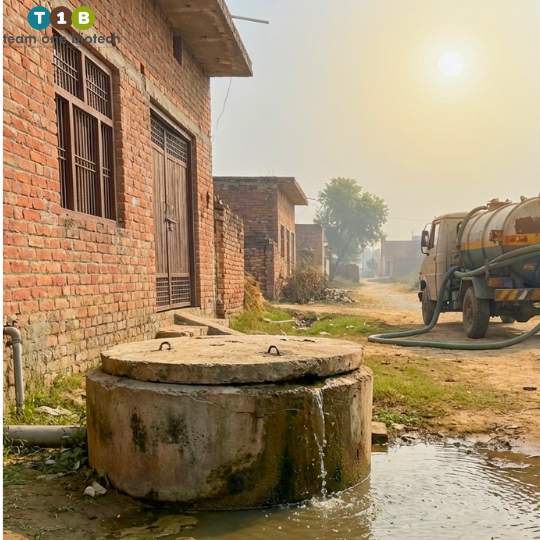
India’s diverse geography and lifestyle patterns create unique stress factors for septic systems. Unlike Western countries where septic maintenance protocols were developed, Indian households contend with:
Monsoon Intensity: The dramatic shift from scorching summers to torrential monsoons affects groundwater tables, potentially flooding drain fields and disrupting the anaerobic digestion process inside tanks.
Dietary Impact: Indian cuisine, rich in oils, ghee, spices, and complex carbohydrates, creates different waste profiles compared to Western diets. These substances can solidify in pipes, create thick scum layers, and disrupt the bacterial balance necessary for waste breakdown.
Chemical Overuse: There’s a widespread belief in Indian households that harsh chemical cleaners, bleaches, and toilet disinfectants ensure better hygiene. In reality, these products annihilate the beneficial bacteria that your septic tank depends on, leading to system failure.
Water Usage Patterns: From daily bucket baths to washing machine discharge, Indian water usage follows different patterns that affect hydraulic loading on septic systems.
Understanding these factors is the first step toward developing a maintenance approach that actually works in Indian conditions.
Section 1: The Monthly Visual and Functional Inspection Checklist

A proactive homeowner catches problems before they escalate into emergencies. Set aside the first Sunday of every month for this systematic inspection routine.
Exterior Inspection Points:
- Access Cover Check: Locate your septic tank’s access lid. Ensure it’s properly sealed and hasn’t been damaged by weather or vegetation. A compromised lid allows rainwater infiltration, which overloads your system.
- Ground Surface Evaluation: Walk over the drain field area. Look for soggy patches, unusually lush grass growth, or surface pooling. These indicate that effluent is surfacing rather than percolating properly, a sign of drain field saturation or failure.
- Vegetation Management: Tree roots are opportunistic and will penetrate septic tanks and pipes seeking moisture. Keep large trees at least 10 meters away from your tank and drain field. Monthly, check for new saplings in the vicinity.
- Structural Integrity: Examine the ground around the tank for settling, cracks, or depressions. These could indicate tank deterioration or soil erosion that compromises structural stability.
Functional Performance Tests:
- Drain Speed Assessment: Once monthly, time how long your kitchen sink, bathroom basin, and shower drains take to empty completely. Progressively slower drainage is an early warning sign of partial blockage or tank fullness.
- Toilet Flush Test: Flush each toilet in your home and observe. Weak flushes, gurgling sounds, or water backing up into other fixtures suggests ventilation issues or developing blockages.
- Odor Detection: A properly functioning septic system is odor-free. Any sewage smell near drains, in your yard, or inside your home indicates either venting problems or that anaerobic digestion isn’t occurring properly due to bacterial imbalance.
Section 2: Understanding What Happens Inside the Tank

Your septic tank isn’t just a holding container, it’s a living ecosystem. Understanding this transforms you from a passive homeowner into an informed custodian.
The Three-Layer System:
When wastewater enters your septic tank, natural separation occurs. Solids settle to the bottom forming sludge, oils and grease float to the top creating scum, and relatively clear liquid (effluent) remains in the middle layer. This effluent flows to the drain field where soil bacteria complete the purification process.
The critical factor? Beneficial anaerobic bacteria that colonize your tank and digest organic matter. These microscopic workers break down solid waste, reduce sludge accumulation, and prevent system overload.
The Bacterial Balance Crisis:
Modern Indian households unknowingly wage war against these beneficial bacteria. Every time you use:
- Antibacterial toilet cleaners
- Chlorine bleach for bathroom cleaning
- Strong chemical drain openers
- Concentrated detergents with harsh surfactants
You’re essentially sterilizing your septic tank, killing the bacteria that keep it functioning. This is why households with meticulous cleaning habits often experience the worst septic problems.
Monthly Bacterial Replenishment:
This is where bioremediation for septic tanks becomes indispensable. Rather than relying on naturally occurring bacteria, which take time to re-establish after chemical assault, monthly addition of specialized bacterial cultures ensures consistent waste digestion.
Team One Biotech’s bacterial additives for sewage contain scientifically selected strains that:
- Thrive in Indian climatic conditions
- Digest complex oils and fats from Indian cooking
- Rapidly multiply even after chemical exposure
- Produce enzymes that break down paper, proteins, and carbohydrates
- Reduce sludge volume by up to 60 percent
Application Protocol: On the last day of each month, flush the recommended quantity of bacterial culture down your toilet before bed. Nighttime application ensures the bacteria aren’t immediately flushed out, giving them time to colonize the tank.
Section 3: Water Management and Conservation Strategies

Excessive water usage is the silent killer of septic systems, particularly in Indian apartments and housing societies where 24-hour water supply encourages wasteful habits.
Why Water Management Matters:
Your septic tank is designed for a specific daily volume. Exceeding this causes:
- Insufficient retention time for solid separation
- Flushing of undigested solids into the drain field
- Hydraulic overload preventing proper percolation
- Premature drain field failure
Monthly Water Audit Checklist:
- Fixture Inspection: Check all taps, showerheads, and toilets for leaks. A running toilet can waste 200 liters daily, overwhelming your septic system with clean water that dilutes bacterial activity.
- Appliance Scheduling: Spread laundry and dishwasher loads throughout the week rather than concentrating them on weekends. This prevents hydraulic shock to your system.
- Greywater Diversion: Consider routing washing machine discharge away from the septic tank during heavy usage periods. This reduces the fat, oil, and grease (FOG) load entering your system.
- Rainwater Management: Ensure roof gutters and surface drainage don’t discharge into or near your septic tank and drain field. Monsoon flooding can cause complete system failure.
Section 4: The Bioremediation Advantage, How Team One Biotech Simplifies Maintenance
Traditional septic tank maintenance in India relies on periodic mechanical de-sludging, an expensive, unpleasant process that requires tanker trucks and manual labor. In many cases, homes require pumping every 1-2 years at costs ranging from Rs. 8,000 to Rs. 15,000 per service.
Bioremediation technology fundamentally changes this equation.
The Science Behind Team One Biotech Solutions:
Team One Biotech has developed specialized bacterial consortia specifically for Indian septic conditions. These aren’t generic products imported from other countries, they’re formulated for our unique waste profiles.
The bacterial strains work through enzymatic digestion, breaking down complex organic molecules into simpler compounds. This process:
- Reduces solid waste volume continuously
- Prevents scum layer buildup that causes overflows
- Keeps drain fields permeable by reducing biological mat formation
- Eliminates foul odors by ensuring complete anaerobic digestion
- Extends the interval between mechanical pumpings to 4-5 years or more
The Complete Monthly Protocol:
Incorporating Team One Biotech solutions into your routine is straightforward:
- Week 1: Conduct visual and functional inspections
- Week 2: Perform water audit and address leaks
- Week 3: Review household chemical usage; replace harsh cleaners with septic-safe alternatives
- Week 4: Add bioremediation bacterial culture as directed
This systematic approach creates a predictable maintenance rhythm, preventing septic backups and eliminating the anxiety of potential system failure.
Section 5: Warning Signs That Require Immediate Professional Attention
Even with diligent monthly maintenance, certain symptoms demand immediate expert evaluation:
- Sewage backing up into fixtures despite no visible blockages
- Standing water over drain field that persists for more than 24 hours after rain
- Strong sewage odors that worsen rather than improve after bacterial treatment
- Unusually high water table rise in inspection wells
- Visible cracks in concrete tank structures
When you notice these signs, consult with a Team One Biotech expert immediately. Early professional intervention can prevent complete system failure and the catastrophic costs associated with drain field replacement.
Long-Term Savings and Environmental Responsibility
The monthly septic tank maintenance checklist outlined in this guide represents more than just system preservation, it’s an investment in your family’s health, your property value, and environmental stewardship.
Consider the mathematics: A well-maintained septic system lasts 25-30 years. Neglected systems fail within 10-15 years, requiring complete replacement costing Rs. 2-4 lakhs. Monthly bioremediation treatment costs approximately Rs. 300-500, meaning your annual investment of Rs. 3,600-6,000 protects a system worth lakhs.
Beyond economics, proper septic maintenance prevents groundwater contamination, a growing crisis in Indian urban and suburban areas. Failing septic systems leach untreated sewage into aquifers, contaminating drinking water sources and spreading waterborne diseases.
Team One Biotech’s bioremediation solutions offer Indian homeowners a scientifically advanced, environmentally responsible path forward. By harnessing nature’s own waste-digesting capabilities and enhancing them through bacterial science, you eliminate the need for harsh chemicals, reduce dependence on mechanical pumping, and ensure your septic system operates as the invisible, efficient waste processor it was designed to be.
Take Action Today:
Don’t wait for a septic emergency to disrupt your life and drain your finances. Implement this monthly maintenance checklist starting today. For personalized guidance based on your specific system configuration, household size, and local soil conditions, consult with a Team One Biotech expert.
Looking to improve your ETP/STP efficiency with the right bioculture?
Talk to our experts at Team One Biotech for customised microbial solutions.
Contact: +91 8855050575
Email: sales@teamonebiotech.com
Visit: www.teamonebiotech.com
Discover More on YouTube – Watch our latest insights & innovations!-
Connect with Us on LinkedIn – Stay updated with expert content & trends!