
Aerobio – Microbial Cultures, Bio Product, Bacteria with Enzymes, Bacterial Culture, Digester Treatment

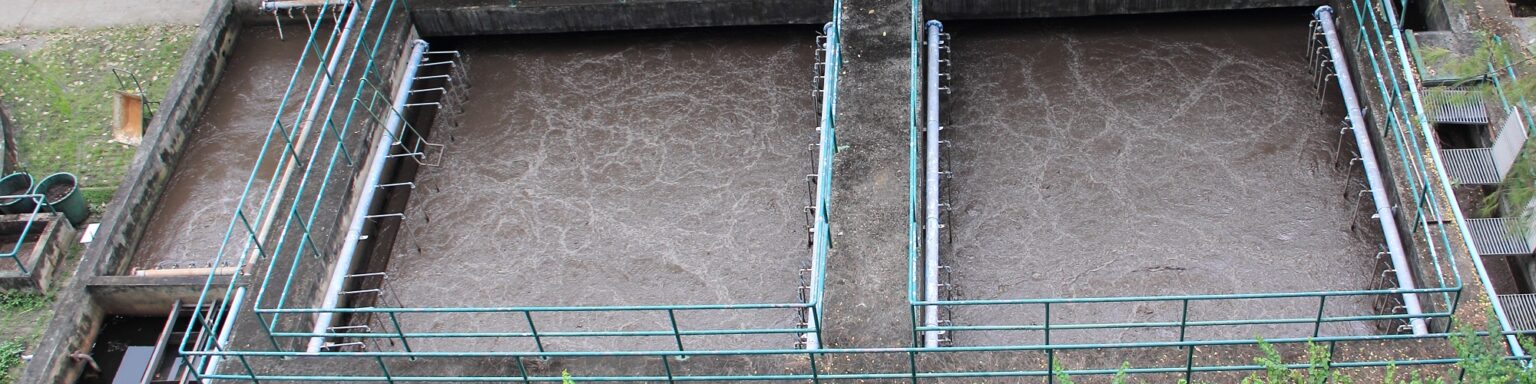
Since aerobic digestion is an integral and important step in wastewater treatment, the health status of activated sludge becomes a fundamental concern for any industrial WWTP or ETP management.

T1B Aerobio is a trustworthy aid to maintain the functionality and productiveness of any wastewater treatment process. T1B Aerobio is tenacious in breaking down organic matter and reducing the biological oxygen demand (BOD) or chemical oxygen demand (COD) levels in wastewater.

With its exceptional tendency to remain conducive even with fluctuating temperature ranges, unstable pH levels, and escalated levels of total dissolved solids or TDS, the T1B Aerobio is a quintessential addition to a wastewater treatment process.

Recalcitrant compounds are hard to degrade chemical substances. Adding T1B Aerobio in sludge waste fortifies the degradation of these harmful compounds. T1B Aerobio is also a robust bioproduct that decomposes xenobiotic compounds effectively. Use of T1B Aerobio will definitely improve the efficiency of various biological process and units like, ASP, MBR, MBBR, SBR, RBC, Trickling Filter. etc. It works under suspension mode as well as attached mode systems.

T1B Aerobio | Microbiome Solution For Aerobic Digestion – Efficient For Reduction Of BOD and COD in wastewater for reclacitrant and xenobiotic compounds

Aerobic Microbial Cultures – Aerobic Bio Product – Aerobic Bacteria With Enzymes – Aerobic Bacterial Cultures – Aerobic Digester Treatment – Wastewater Bioremediation – Bioremediation – Bioaugmentation – Bio Product – High COD/BOD – High Ammoniacal Nitrogen – High TDS – Tough To Biodegrade Efflunet – Xenobiotic Compounds – Reclacitrants – Oil & Grease – Activated Sludge Process – ASP – Microbial Process – Oxygenation – Carbon Dioxide – Nutrient Removal – Aerobic Microorganisms – Sludge Reduction – Secondary Treatment – Respiration – Oxidation – Air Supply – Energy Efficiency – Carbon Footprint – Environmental Benefits – BOD (Biochemical Oxygen Demand) – COD (Chemical Oxygen Demand) – Aeration Tank – Activated Sludge – Activated Sludge Process – SBR (Sequential Batch Reactor) Process – MBR (Membrane BioReactor) Process – MBBR (Moving Bed Biofilm Reactor) process – RBC (Rotating Biological Contactor) Process – MBR-IFAS (Integrated Fixed-film Activated Sludge) Process – ASP (Aeration Stabilization Process) – Extended Aeration Process – Oxidation Ditch Process – Trickling Filter Process – High-Rate Trickling Filter Process – Submerged Aerated Filter Process – Membrane Aerated Biofilm Reactor (MABR) – Biofilm Reactors – Effective Microbes – Effective Microorganisms – High Strength CFU Per Gram – Industrial Wastewater Treatment – ETP – Efflunet Treatment Plant – CETP – Common Effluent Treatment Plant – Improve MLSS – Reduce Aeration – Plant Stability – Enhance Nitrogen And Phosphorus Removal – Commissioning Time of ETP – Rapid Growth Of MLSS and MLVSS – Shock load Stabilization – Overall Cost Of Operation – Faster Commissioning – Reduce COD BOD Ammoniacal Nitrogen – Improved Setteling – Colour Reduction – Aromatic Compounds Cellulose Proteins lignin lipids – High TDS Tolerant – Food Industry Effluent – Beverage Industry Wastewater – Dairy Industry Effluent – Meat Processing Industry – Paper Industry Effluent – Pharmaceutical Industry Effluent – Effluent From Textile Units – Effluent From Chemical Manufacturing Units – Dyes and Colorants Effluent – Detergents Effluent – Active Bioremediation

Anaerobio Bacteria & Treatment – Microbial Culture, Bio Culture & Product, Digestion, Wastewater, Microorganisms, Baffled Reactors (ABRs), Anaerobic Filter

Team One Biotech’s T1B Anaerobio is a unique consortium of anaerobic and facultative microorganisms, including methanogenic, acidogenic, acetogenic, and hydrolytic bacteria, specifically developed to accelerate the breakdown of organic waste and sludge during anaerobic wastewater treatment processes. These specialized microbial strains function efficiently in the absence of oxygen, converting complex organic compounds into simpler molecules that can be further transformed into methane-rich biogas.

The advanced microbiome formulation is highly effective in reducing organic pollutants, industrial waste residues, and volatile organic compounds (VOCs) while enhancing methane production and minimizing the generation of hydrogen sulfide gas. This improves the overall performance and productivity of anaerobic digestion systems, resulting in higher biogas yields and more efficient wastewater treatment operations.

Biomass carryover is a common challenge in anaerobic digesters and can negatively impact reactor efficiency. Maintaining a healthy microbial population with mature granular flocs is essential for preserving a stable sludge blanket within the reactor. T1B Anaerobio supports the formation and stabilization of this sludge blanket, helping retain active biomass and improving treatment efficiency. A well-developed sludge blanket also enhances the removal of suspended solids, fine particles, metals, and dissolved organic compounds from wastewater.

T1B Anaerobio is suitable for a wide range of anaerobic treatment systems, including Upflow Anaerobic Sludge Blanket (UASB) reactors, Expanded Granular Sludge Bed (EGSB) reactors, anaerobic lagoons, anaerobic filters, fluidized bed reactors, biodigesters, and other anaerobic digestion technologies. The product promotes efficient hydrolysis, acidogenesis, acetogenesis, and methanogenesis, ensuring complete and balanced degradation of organic matter.

By strengthening the microbial community within anaerobic reactors, T1B Anaerobio helps improve methane generation, reduce sludge accumulation, lower hydrogen sulfide production, and enhance overall process stability. It also contributes to better alkalinity balance, improved energy recovery, and reduced operational costs. As industries increasingly adopt sustainable wastewater treatment practices and renewable energy solutions, T1B Anaerobio provides an effective biological approach for maximizing anaerobic digestion performance and biogas production.

Key Benefits of T1B Anaerobio:

• Enhances anaerobic digestion efficiency and organic matter degradation.
• Supports hydrolysis, acidogenesis, acetogenesis, and methanogenesis.
• Improves methane generation and renewable energy recovery.
• Reduces hydrogen sulfide formation and associated odour issues.
• Controls biomass carryover and stabilizes sludge blanket formation.
• Accelerates sludge breakdown and reduces sludge handling requirements.
• Suitable for UASB, EGSB, anaerobic lagoons, biodigesters, and ABRs.
• Promotes efficient biodegradation of industrial and municipal wastewater.
• Supports treatment of high-strength organic effluents.
• Improves overall reactor stability, productivity, and treatment performance.

T1B Anaerobio is an advanced anaerobic bio-culture solution designed to optimize wastewater treatment, improve biogas production, and support sustainable environmental management through the power of beneficial microbial consortia.

T1B Anaerobio | Consortium Of Microbes To Process Anaerobic Digestion, Hydrolysis – Can Be Used In Upflow Anaerobic Sludge Blanket Reactor

 Anaerobic Bacteria – Anaerobic Microbial Culture – Anaerobic Bio Culture – Anaerobic Bio Product – Anaerobic Treatment – Anaerobic Digestion – Anaerobic Wastewater Treatment – Anaerobic Filter – Anaerobic Microorganisms – Anaerobic Baffled Reactors (ABRs) – Microbial Strains – Biodegradation – Bioreactor – Methane Production – Organic Matter Removal – Wastewater Treatment – Microbial Consortia – Biogas – Acidogenesis – Methanogenesis – Hydrolysis – Microbial Community – Biomethanation – Temperature – Alkalinity – Sludge Break Down – Removal Of Organic Volatile Compounds VOC’s – Biogas Production – Acetogenesis – Upflow Anaerobic Sludge Blanket Digestion – UASB – Diverse Range Of Bacteria – Advanced Biochemicals – Hydrogen Sulfide And Methane – Bio Digester – Sludge Blanket – Sludge Wasting – Biomass Carryover – Improve Methane Generation – lower Hydrogen Sulfide Production – Enzyme – Bacteria And Enzyme Production – Bio Enzyme For Biogas – Anaerobic lagoon – EGSB (Expanded Granular Sludge Bed) Reactor – Fluidized Bed Reactors – Breakdown Of Organic Matter In The Absence Of Oxygen – Consortium Of Microorganisms – Renewable Energy – Wastewater Treatment – AD Process – Microbial Digestion – Digestate – Green Energy – Energy Efficiency – AD Technology

FOG(Fats, Oils, and Grease)- Remediation, Bio Degrdation, Buildup, Cemical, Biological, Bio Culture, Related Blockages Treatment

To prevent the solidification and accumulation of fats oils & grease in sewer pipelines and wastewater treatment plants, bio reduction is a viable, productive & cost-effective method in comparison to traditional methods such as the addition of chemicals to wastewater or landfill disposals.

The T1B FOG is a microbial formulation that helps reduce the FOG into simpler compounds such as carbon dioxide and water. The bacterial consortia in TOB FOG perform in any condition – anaerobic, aerobic and anoxic. Untreated fat oil & grease pollutants are also a cause of odours in wastewater treatment. T1B FOG is an excellent solution which controls odours by breaking down ammonia, hydrogen sulphide, proteins, starch, fats, and oils with its rapid action.

The microorganisms responsible for biodegradation are dependent on the temperature and pH conditions of the waste they are subjected to. The microbes in the T1B FOG mixture are resilient to a wide range of temperature fluctuations and pH levels.

Using Team One Biotech’s T1B FOG microbiome solution, the problem of FOG in wastewater management, the sewer drainage systems of commercial and household kitchens, restaurants etc. can be addressed quickly and efficiently without impacting the environment adversely and without the need for expensive infrastructure.

T1B F.O.G | Bacterial Culture For Break Down Of Fat, Oil & Grease – Effective Drain Pipe Cleaner, Works On Drain Pipe Blockage, Clogged Pipelines

 FOG Remediation – FOG Bio Degrdation – FOG (Fats, Oils, and Grease) Treatment – FOG Buildup – FOG Chemical Treatment – FOG Biological Treatment – FOG Bio Culture – FOG Related Blockages – Clearing FOG Block – Fats Oil and Grease Degrading Microbial Bacteria Culture – Grease Trap Cleaning – Safe Microbes – Cleaning Pipe Drains – Grease Trapped Drains – Grease Trapped Pipes – Hydrolytic Enzymes – Maintenance Of Your Grease Separator – Prevent Odour Nuisance And Blockages – Live Bacteria – Lipase Enzymes – Kitchen Drain Cleaner – Hydrocarbon Degradation – Kitchen Sink Choke Up


STP – Odour Control, Odour Reduction, Cheap BIoproducts, Powder Bioproduct, Liquid Bioproduct, Bio Culture For Sewage Treatment Plant

Several factors can undermine the effectiveness and efficiency of a sewage treatment plant. Factors such as composition (high levels of organic matter, nutrients or toxicity) of sewage wastes, higher temperatures that can reinforce microbial activity that breaks down organic sludge, hydraulic retention time, adequate oxygen supply to support microbial growth, and appropriate alkalinity of wastewater are among the most common ones.

It naturally becomes vital that any microbial formulation added to any STP can work through these variables. Team One Biotech’s “T1B STP” is a consortium of resilient & robust bacteria that facilitate the biodegradation of sewage wastes & organic pollutants by converting them into carbon dioxide, water and smaller biodegradable compounds.

T1B STP controls the formation of excessive organic sludge by rapidly degrading it. It also improves the settling rate of activated sludge for filtration and settling processes.

Longer retention time although allows for a more thorough treatment, it also increases the risk of odours and the growth of harmful organisms. T1B STP specializes in controlling filamentous bacterial growth in sewage management and also eliminates odours.

With its many beneficial properties like the high potency of reducing BOD, COD and ammonia, improving conditions for better floc formations, and controlling sludge bulking and excess foaming T1B STP applications are many. T1B STP microbial formulation can be used in any sewage treatment plant, sewer lines, STP pumping stations, municipal waste disposals and even for compact plants in housing complexes, hospitals etc.

T1B STP | Bacteria Consortia For Sewage Treatment Plant (STP) – For Sewage Odor Control, Organic Sludge Reduction, Sludge Bioremediation

STP Odour Control – Odour Reduction In STP – Cheap Bioproducts For STP – Powder Bioproduct For STP – liquid Bioproduct For STP – Bio Culture For Sewage Treatment Plant (STP) – Powder Stp Sewage Treatment Plant Bio Culture – Bio STP – STP Culture – STP Bio Culture – Sewage Treatment Plant Chemicals – Biological Culture For Sewage Treatment Plant – Sewage Treatment Plant – Sewage Treatment – Biocultures For Sewage – Sewage Biocultures – Sewage Bacteria – Microbial Product For Sewage Treatment – Sewage Bioremediation – Odour Control In Sewage – STP Odour Control – Sludge Reduction – Reuse Of Sewage – Grey Water Treatment – Black Water Treatment – Sludge Reduction – Electricity Savings – Chemical For Sewage Treatment – Urine Treatment – FOG In Sewage – Bio Treatment Of Sewage – Sewage Sludge – Activated Sludge – Microbial Consortia – Microbial Inoculants – Bioreactor – Anaerobic Digestion – Nutrient Removal – Ammonia Oxidation – Denitrification – Phosphorus Removal – Microbial Enzymes – Biosurfactants – Aerobic Bacteria – Anaerobic Bacteria – Facultative Bacteria – Bio Enzyme – Enzymes – COD Removal – BOD Removal – Ammoniacal Nitrogen Removal – Sludge Degradation – Removing Oils, Fats And Grease – Reduces Aeration Requirement – Enzyme Producing Microbes – Enzyme Producing bacteria – Naturally Occurring Microbes – Bio Culture Bacteria Solutions – Enzyme Solutions – Bio Enhancer – Microbial Inoculum – Probiotic Bacteria – Municipal Waste Water Treatment – Bioculture Product – MLSS Development – Eco-Friendly Method Of Sewage Treatment

U Spray – No Phosphates, No Chlorine, No Ammonia, Water Less Urinals, Urine Degrader, Toilet Enzyme Cleaner, Bio Enzyme

To enhance the utility of waterless urinals and toilets, to conserve flush water usage, Team One Biotech has developed T1B U-Spray, a potent and robust concoction of microbes and enzymes with the capability to breakdown organic wastes and restrict the generation of odours and toxic fumes.

T1B U-Spray is an easy-to-apply solution that helps in reducing dependency on chemical additives and cleaners, conserves freshwater usage, and plumbing requirements and also controls foul odours emanating from the source.

The T1B U-Spray is an effective, ecologically safe, non-toxic, completely biodegradable and highly recommended microbial solution for odour control for commercial, domestic and community spaces.

Team One T1B U-Spray | Highly Effective Natural Odor Control For Waterless Urinals . Helps water conservation in mens urinals

 No Phosphates No Chlorine No Ammonia – Water Less Urinals – Save Water – Urine Degrader – Clean Urinal – Toilet Enzyme Cleaner – Non Toxic And Biodegradable – Urine Odour Removing Product – Powerful Bio Actives – Bio Enzyme


Feed Pro – Probiotic For Disease Resistance, Growth Promoter, Fish Gut, Shrimp Gut, Hatchery Water, White Gut

The T1B Feed Pro is a probiotic mixture of beneficial bacteria, yeasts, and other microorganisms that work in tandem to improve the digestion and absorption of nutrients, enhance immune function, and prevent the growth of harmful pathogens in the gut or digestive systems of aquatics like fish, shrimp and prawns.

The T1B Feed Pro formulations include the commonly used bacteria species in aquaculture such as Bacillus spp., Lactobacillus spp., and Saccharomyces spp. and many more These microorganisms benefit the host organism by improving their gut health, gut microbiome system, overall health and growth, and their output nutritional value. T1B Feed Pro is ideally mixed with the feed along with a natural organic binder to the aquaculture tanks or ponds.

T1B Feed Pro improves the digestion, absorption and assimilation of nutrients which helps in better growth rates and production efficiency. The aquatic animals develop enhanced immunity against disease-causing pathogens. T1B Feed Pro has a positive impact on the environment as it promotes nutrient utilisation and minimum waste output in aquaculture operations.

T1B Feed Pro can be used for all types of fish and shrimp aquaculture, be it tank-, pond- or lagoon-based environments. It can also be used for hydroponics and aquaponics and biofloc farming.

T1B Feed Pro | Probiotics Improves Resistance To Diseases In Aquatic Animals – Improves Nutrition & Digestion Potential – Excellent Feed Supplement For Fish & Shrimp Farming

Feed Probiotic – Concentrated Feed Probiotic – Disease Resistance – Probiotics Digestion Enhancer – Growth Promoter – Fish Gut Probiotic – Shrimp Gut Probiotic – Hatchery Water – Suppresses The Growth Of Harmful Bacteria – Eco-Friendly Bacteria – Probiotic Bacteria – Cost Effective Probiotic – White Gut Probiotic – Probiotic Enzymes – Good Probiotics – Mass Mortality – Special Probiotic – Gut Colonization – Controlling Pathogens – Healthy Gut – Controlling White Gut And White Feces – Provides Digestive Enzymes – Best Gut Probiotic – Gut Probiotic

Natural Cleaners – Enriched with Good Microbes, Bio-Based Ingredients, Non-Toxic and Biodegradable, Plant Based Surfactants

Bio-enzymatic cleaners are a popular choice for eco-friendly cleaning in various settings such as homes, restaurants, offices, malls, public toilets, bio-toilets, and waterless urinals. Enzymes are natural proteins that can break down organic compounds or organic waste into smaller, more manageable molecules. This ability makes them effective in cleaning a wide range of surfaces, including floors, carpets, fabrics, kitchen equipment, toilet bowls and urinals, and drains.

The microbes and enzymes break down fats, oils, grease commonly called FOG and other organic materials. They are also effective in preventing VOCs to generate toxic fumes and provide potent odour control alternatives.

Enzymatic drain cleaners can be used to unclog drains without the use of harsh chemicals. These chemicals are not just harmful to the ecosystems as it is but are also responsible for a multitude of problems for drainage systems. The chemicals can burn and damage the material of pipes and sewer structures, PVC-built drainage pipelines, and sewage channels,  causing leakage and seepage in the surrounding areas. They can also combine and react with other chemicals, organic matter or inorganic wastes to form more toxic products, gases and fumes.

The bio-cleaners assist in neutralizing these risky and hazardous reactions without hurting the ecosystem and they easily get rid of organic wastes produced by humans.

We also provide bio-based insect repellents for houseflies and mosquito control. These products are made from natural extracts and essential oils such as lemon eucalyptus oil, citronella oil, lavender oil, peppermint oil, and soybean oil which are natural insect-repellent.

Extracted From Nature – With Bio-Enzymatic Power – Commercial Space Cleaning Solutions – Safe & Robust

 Enriched With Good Microbes – No Phosphates No Chlorine No Ammonia – Bio-Based Ingredients – Non-Toxic And Biodegradable – Pet Safe Product – Plant Based Surfactants – Powerful Bio-Actives – Bio Enzyme – Friendly Bacteria – Enzyme Solution – Powerful Enzymes – Non-Toxic Ingredients – Acid-Free – Bleach-Free – Caustic-Free – Ammonia-Free – Best Bio Enzyme Cleaners – Liquid Bio Enzyme Cleaner – Enzyme Cleaners

Aquaculture Inputs – Best Probiotics For Aquatic Animal Growth, Rhodococcus, Rhodobacter, Bifidobacterium Bifidum & Lactobacillus Casei

Microbial activity and microbial cultures play a crucial role in sustainable aquaculture from hatchery to the harvest of aquatic animals. Fish, Shrimp and Prawn farming industries demand that their water resources are of high quality and purity, rich and optimized nutritional value, feed efficiency and should be ideal for saline and freshwater conditions.

Microbial activity and action are a necessity for the health and growth of cultured aquatic animals. In fish or shrimp aquaculture systems, microbes can be utilized to manage water quality as they are capable of breaking down ammonical nitrogen into simpler compounds. The activity and metabolism of activated microbes can also be harnessed to improve the nutritional value of aquaculture feed by introducing prebiotics, probiotics and enzymes.

Biofloc aquatic farming is a method of raising fish or shrimp in high-density tanks or ponds with minimal water exchange. The biofloc system uses microorganisms to recycle nutrients from fish waste and feed, creating a natural food source for the fish and improving water quality. Biofloc farming has several advantages, such as reducing environmental impact, increasing productivity, enhancing disease resistance, and lowering feed costs.

Measures like BOD and COD indicate poor water quality, a problem leading to oxygen depletion, fish stress and increased risk of diseases for aquatic species. Bioremediation, phytoremediation and mycoremediation are the most viable and efficient options available to make aquaculture for food production and/or other purposes, healthier, safer, eco-friendly, economical and sustainable.

The microorganisms-based bio solutions from our aquaculture input range have a varied range of applications. These products can be used in saline water, RAS and freshwater systems. They aid in getting rid of aquatic wastes from fish, shrimps, aquaponic farming etc. The products are especially useful for koi fish farming, tilapia fish farming, Penaeus monodon shrimp farming and Penaeus vannamei shrimp farming.

Probiotics For Fish Farming & Shrimp Farming – Microbiome Bio Solutions for Feed Efficiency In Aquaculture

 Best Probiotics For Aquaculture – Aquatic Animal Growth – Biological Water Conditioner – Probiotic Bacteria – Cost Effective Probiotic – Rhodococcus – Rhodobacter – Lactobacillus Casei Probiotics – Bifidobacterium Bifidum Probiotics – Nitrosomonas Nitrobacter – Probiotic Enzymes – Consortium of Bacillus species – Bacillus Megaterium Aqua Probiotics – Sludge Eliminator – Reduces COD and BOD Levels – Unique Blend of Beneficial Bacteria – Good Probiotics – Naturally Occurring Microorganisms – Enzyme Producing Bacteria – Biofloc and Pond Culture – Special Probiotic – Bacilllus Subtilis – Bacillus Licheniformis – Bacillus Megaterium – Bacillus Pumilis – Best Probiotic – Multi Strain Microbial Product – Fresh Water Probiotics – Saline Water Probiotics – Controlling Pathogens

Scan the code