Bioremediation & Biocultures In Wastewater Treatment :Myths vs Truths
Bioremediation & Biocultures In Wastewater Treatment : Myths vs Truths
Introduction: Cutting Through the Noise

Bioremediation and microbial biocultures are transforming how industries manage wastewater. Yet, despite proven success in ETPs, STPs, and industrial wastewater systems, there are widespread misconceptions. To explore the right approach for your facility, Contact Us.

Too often, decision-makers expect overnight miracles or assume dosing is optional. These myths not only delay results but also undermine the effectiveness of biological solutions.

Let’s separate facts from fiction with some common myths about bioremediation.

  • Myth 1: “ Adding biocultures once will heal my system in one day.”
  • Truth: Bioremediation is a biological process, not an instant chemical reaction.

Microbes require time to acclimatize, multiply, and colonize the wastewater system.

Typically:

  • Heavy Dosing is done initially to build biomass quickly.
  • Visible results (Odour control, COD reduction) appear within days to weeks, depending on the load.
  • Stable long-term performance takes sustained dosing and monitoring.

Fact: Expecting overnight results ignores the science of microbial growth and can lead to disappointment.

  • Myth 2: “Wasting Sludge means losing valuable biomass”
  • Truth: Regular wasting is necessary to maintain healthy microbial populations.

In ETPs/STPs, biomass grows continuously. Without wasting:

  • Excess sludge accumulates, leading to poor oxygen transfer and bulking.
  • Old biomass becomes inactive, reducing treatment efficiency.
  • The system risks sludge carryover and poor settling.

Fact: Controlled wasting removes excess and unhealthy biomass, allowing fresh microbes to thrive.

  • Myth 3: “ Daily dosing isn’t needed in a continuous ETP flow.”
  • Truth: Continuous flow means continuous load-& microbes need continuous replenishment.
 
  • Wastewater inflow brings a fresh organic load every day.
  • Environmental shocks (pH, toxins, load fluctuations) can stress microbial populations.
  • Without daily dosing, microbial strength weakens, leading to consistent COD/BOD reduction.

Fact: Think of dosing like “feeding your system”— consistent inputs maintain consistent output.

  • Myth 4: “ Once microbes are added, they can survive forever.”
  • Truth: Microbes are living organisms, not permanent chemicals.
 
  • Microbes need optimal conditions (DO, pH, nutrients) to thrive.
  • Harsh conditions (shock loads, toxic chemicals, chlorine) kill microbial populations.
  • Even in healthy systems, microbial turnover requires regular replenishment.

Fact: Biocultures extend the life of your ETP/STP but cannot defy natural biological limits.

  • Myth 5: “ Higher dosing means faster results.”
  • Truth: Overdosing doesn’t accelerate bioremediation-it destabilizes it.


  • Microbial populations grow logarithmically when given the right environment.
  • Beyond a certain point, excess microbes compete for food and oxygen, leading to biomass stress.
  • Effective dosing is based on MLSS, influent load, and system design, not “more is better.”

Fact: Precision dosing ensures both performance and cost-effectiveness.

  • Myth 6: “Bioremediation only works for easy-to-degrade pollutants.”
  • Truth: Advanced bioculture consortia can also address oils, grease, and certain tough-to-degrade compounds.


  • Specialized strains degrade FOG (Fats, Oils & Grease).
  • Some formulations target ammonia, sulfides, and nitrates.
  • In combination with physical-chemical methods, microbes help reduce chemical dependency.

Fact: Bioremediation is versatile and can be customized for chemical, food & beverage, pharma, and municipal sectors.

  • Myth 6: “If my system is running fine, I don’t need biocultures.”
  • Truth: Wastewater loads and conditions are never constant.


  • Seasonal fluctuations, production cycles, or toxic shocks can disrupt treatment.
  • Biocultures act as a biological insurance policy, keeping the system resilient.
  • Even well-performing ETPs see improving sludge reduction, odor control, and compliance consistency.

Fact: Prevention is cheaper than a cure. Biocultures maintain stability in unpredictable environments.


The Real Takeaway – Bioremediation is Science, Not Magic

Bioremediation works – but only when applied with scientific understanding, consistent dosing, and proper system management.

At Team One Biotech, our solutions are designed for:

  • Gradual yet consistent performance improvement
  • Long-term compliance stability
  • Reduced operating costs and sludge volumes

By debunking myths and focusing on facts, industries can make informed choices and maximize returns from their wastewater systems.

 Explore More Solutions by Team One Biotech

Apart from biocultures for wastewater treatment, Team One Biotech also offers innovative and eco-friendly solutions across multiple sectors, including:

Plant Growth Promoters – microbial formulations for improved agricultural productivity

– Aquaculture Probiotics – supporting fish and shrimp health naturally

Bio Enzyme Floor Cleaner – eco-safe cleaning for homes and industries

Multipurpose Cleaner – powerful natural alternative to chemical cleaners

Septic Tank Cleaning Powder – maintaining septic efficiency and reducing odour

Probiotic Drain Cleaner – preventing clogs and ensuring hygienic drains

As one of the leading biotech companies in India and trusted bioremediation companies in India, Team One Biotech continues to deliver solutions that redefine sustainability across wastewater treatment, agriculture, aquaculture, and hygiene management.

Email: sales@teamonebiotech.com

Visit: www.teamonebiotech.com

Discover More on YouTube – Watch our latest insights & innovations!-

Connect with Us on LinkedIn – Stay updated with expert content & trends!

SBR & Biocultures for ETP | Microbial Wastewater Treatment
SBR Systems: Ideal for STPs or Industrial Effluent Treatment Too?

Biocultures for wastewater treatment and microbial culture for ETPs are revolutionizing how biotech companies in India address industrial effluent challenges.

In the world of wastewater treatment, one technology often debated is the Sequencing Batch Reactor (SBR). Many engineers and decision-makers see SBRs as a go-to solution for Sewage Treatment Plants (STPs), but the question remains: Can SBRs also be used effectively for industrial effluent treatment, or are they best restricted to municipal sewage?

The answer lies in understanding how SBR wastewater treatment works, its proven performance in municipal applications, and its adaptability in industrial contexts. Get in touch with us to explore how innovative biotech-driven approaches can transform your wastewater management.

What is the SBR Process in Wastewater Treatment?

An SBR (Sequencing Batch Reactor)

is an advanced modification of the activated sludge process. Unlike continuous systems, SBRs operate in time-based cycles—filling, aeration, settling, and decanting within a single task.

This gives the SBR process several key advantages:

  • Compact design  – saves space compared to conventional STPs.
  • Flexibility – can adjust to changing flow and loads.
  • Nutrient removal – capable of reducing nitrogen and phosphorus effectively.Because of these advantages, SBR systems are widely used in modern sewage treatment plants across India and globally. Increasingly, biocultures for ETPs  are also combined with SBR systems to enhance microbial performance and improve treatment efficiency.

Why SBR is Ideal for STP Treatment?

SBR technology has a strong track record in municipal sewage treatment. Studies and performance reports highlight impressive results:

  • BOD removal efficiency : up to 98%
  • COD removal efficiency : up to 96%
  • TSS reduction : up to 97%
  • Nitrogen Removal (TKN) : up to 85%
  • Phosphate removal : up to 99%

These numbers show that SBR-based STP plants can consistently achieve discharge standards of BOD <20 mg/L and TSS <20 mg/L, meeting both CPCB (India) and global environmental norms.

For cities, residential complexes, and institutions, SBR STPs are a reliable, proven choice. Many wastewater treatment companies in India  integrate microbial culture for wastewater treatment

into SBR setups for long-term sustainability.

Can SBR Systems Be Used for Industrial Effluent Treatment?

The answer is yes, but with conditions.

Where SBR Systems Work Well in Industry

  • Food & Beverage Wastewater  – Brewery and dairy effluents respond well, with SBRs achieving significant COD and phosphate removal.
  • Textile Effluent Treatment  – SBRs can cut down BOD and COD effectively. However, color removal may need additional processes like oxidation and membranes.
  • Pulp & Paper, Pharma, and Agro-Industries  – With proper pretreatment and equalization, SBRs can be adapted to these sectors.

Challenges with Industrial Wastewater

  • Toxic or inhibitory loads (dyes, heavy metals, chemicals) can reduce efficiency.
  • Shock loads from sudden spikes in pollutants demand equalization tanks for stability.
  • Advanced polishing may be required for color, nutrient, or refractory COD removal.

In short, SBR for industrial effluent treatment works best for biodegradable loads and when backed by biocultures for wastewater treatment , pretreatment systems, and tertiary polishing technologies.

Operation and Maintenance Considerations

To get the best from an SBR, industries and municipalities must ensure:

  • Screening & Neutralization – Prevents toxic shocks to biomass.
  • Proper Equalization – Stabilizes pollutant spikes.
  • Skilled Operators – Cycle timing, DO control, and sludge management are critical.
  • Hybrid Systems – SBR + tertiary treatment = compliance with stricter discharge norms.

In industrial effluents, SBRs are effective where organic loads are biodegradable, but performance depends on pretreatment, load management, and add-on polishing. Biotech companies in India

are increasingly deploying advanced microbial culture for wastewater treatment  to strengthen biological efficiency and meet CPCB standards.

Conclusion:
SBR wastewater treatment systems are versatile, but they must be applied strategically. They are not one-size-fits-all, but with the right design and integration, including biocultures for ETP  and microbial cultures for wastewater treatment, they can be the backbone of both municipal sewage treatment plants and industrial effluent treatment solutions in India.
Aquaculture probiotics
Aquaculture Probiotics: Reducing Antibiotic Use in Aquaculture with Natural Probiotics

In today’s rapidly evolving aquaculture industry, sustainable fish farming practices and eco-friendly shrimp cultivation methods are becoming essential for commercial aquaculture operations worldwide. As the global seafood market continues to expand, aquaculture producers are seeking innovative biotechnology solutions to address the growing concerns about antibiotic resistance in marine farming and freshwater fish production.

Similar to how plant growth promoters and biofertilizers revolutionized agriculture by harnessing beneficial microbes, the aquaculture sector is experiencing a paradigm shift toward biological solutions. Just as organic farming utilizes soil conditioners and biostimulant products to enhance crop productivity, modern aquaculture systems are adopting probiotic technologies to optimize aquatic animal health and production efficiency.

Aquaculture is one of the fastest-growing food sectors worldwide, but the heavy use of antibiotics in fish farming and shrimp farming has raised serious concerns. Overuse of antibiotics leads to antibiotic resistance in aquaculture, environmental damage, and residues in seafood that can affect human health. Farmers are now turning to natural probiotics as a sustainable solution to improve aquatic animal health, enhance water quality, and reduce dependence on antibiotics. Reach out to us to learn how eco-friendly aquaculture probiotics can boost productivity while protecting aquatic health.

The Risks of Antibiotic Dependence in Aquaculture

Modern intensive aquaculture systems, including recirculating aquaculture systems (RAS) and biofloc technology applications, face significant challenges with pathogen management and water quality maintenance. The overreliance on antimicrobial agents in aquatic animal production has created a pressing need for alternative disease prevention strategies.

Much like how agricultural systems benefit from plant growth promoting bacteria and rhizobacteria for enhanced nutrient uptake, aquaculture environments require beneficial microbial populations to maintain ecological balance. The parallels between terrestrial agriculture’s adoption of biostimulant fertilizers and aquaculture’s embrace of probiotic solutions highlight the universal importance of biological approaches in food production.

In intensive shrimp and fish farming systems, high stocking density and unstable water conditions create an ideal environment for disease outbreaks. Antibiotics may provide short-term relief, but frequent use disrupts the natural microbial balance in ponds, weakens fish and shrimp immunity, and promotes resistant bacteria. This makes disease management more difficult and farming less profitable over time.

The emergence of multi-drug resistant pathogens in aquaculture environments poses a significant threat to both aquatic animal welfare and food safety standards. Regulatory bodies worldwide are implementing stricter guidelines for antibiotic usage in aquatic food production, making probiotic supplementation an increasingly attractive alternative for aquaculture sustainability.

How Probiotics Support Fish and Shrimp Health

Beneficial microorganisms play a crucial role in maintaining optimal gut microbiome balance in aquatic species. These microbial feed additives work through competitive exclusion, immunomodulation, and enzyme production to enhance overall fish performance and shrimp growth rates.

The mechanisms by which probiotics function in aquaculture share remarkable similarities with how microbes in agriculture support plant health. Just as plant growth hormones and secondary plant nutrients work synergistically to promote crop development, aquatic probiotics enhance nutrient absorption and metabolic processes in fish and shrimp. This biological approach mirrors the principles of organic farming, where natural processes are optimized rather than chemically overridden.

Probiotics in aquaculture are live beneficial microorganisms that strengthen gut health, boost immunity, and improve nutrient absorption in aquatic animals. When applied in feed or directly into pond water, probiotics suppress harmful bacteria and promote a healthier microbial balance. For shrimp farming and fish farming alike, this means faster growth, better feed conversion, and stronger disease resistance without relying on antibiotics.

Advanced probiotic formulations contain specific strains of Bacillus species, Lactobacillus cultures, and other beneficial bacteria that support digestive health optimization and natural disease resistance mechanisms. These biological water treatment solutions also contribute to nitrogen cycle management and organic waste decomposition in aquaculture systems.

The application methods for aquaculture probiotics can be compared to foliar spray application and drip irrigation systems used in agriculture. Just as farmers utilize spray power for biotic and abiotic stress management in crops, aquaculture producers can deploy targeted probiotic treatments to address specific environmental challenges and pathogen pressures in aquatic systems.

Introducing Acqua S and Acqua F

Team One Biotech’s innovative aquaculture probiotic solutions represent cutting-edge biotechnology applications in sustainable aquatic farming. These scientifically formulated products address the specific needs of different aquaculture species while promoting environmental stewardship and economic viability.

Drawing inspiration from agricultural biostimulant products that provide primary nutrients for plants and enhance stress tolerance, Acqua S and Acqua F are designed to support the fundamental physiological processes of aquatic animals while building resilience against environmental stressors.

To help farmers adopt sustainable practices, Team One Biotech has developed two powerful probiotic solutions: Acqua S and Acqua F.

  • Acqua S is specially designed for shrimp aquaculture. It improves gut health, enhances digestion, and strengthens immunity in shrimp, while also maintaining pond water quality by reducing ammonia and organic waste buildup. By supporting shrimp health naturally, Acqua S minimizes the need for antibiotics and promotes higher survival rates.

Acqua S contains specialized marine probiotics that are particularly effective in brackish water environments and saltwater shrimp ponds. This targeted probiotic blend supports molting processes, reduces stress-related mortality, and improves post-larvae survival rates in commercial shrimp hatcheries.

The formulation works similarly to how soil waste management systems in agriculture utilize beneficial microorganisms to break down organic matter and release essential nutrients. Acqua S enhances the aquatic environment’s capacity to process waste products while simultaneously providing protective benefits against both biotic and abiotic stress factors.

  • Acqua F is formulated for fish aquaculture. It boosts growth performance, increases feed efficiency, and enhances disease resistance in fish populations. Acqua F also helps maintain a healthy pond ecosystem, ensuring cleaner water and reduced stress for fish throughout the culture cycle.

Acqua F’s multi-strain probiotic complex is optimized for freshwater fish species including tilapia, catfish, carp, and trout production. The formulation supports protein utilization efficiency, reduces feed conversion ratios, and enhances immune system development in juvenile and adult fish populations.

Like agricultural applications where drip power systems deliver precise nutrient solutions directly to plant root zones, Acqua F can be administered through various delivery methods to ensure optimal distribution and efficacy throughout the aquaculture system. This targeted approach maximizes the beneficial impact while minimizing resource waste.

Moving Toward Sustainable Aquaculture

The transition to antibiotic-free aquaculture represents a paradigm shift toward precision aquaculture management and integrated multi-trophic aquaculture (IMTA) systems. This approach aligns with global sustainability certifications and responsible aquaculture standards demanded by international seafood markets.

This transformation parallels the agricultural sector’s movement toward organic farming practices and the increased adoption of biostimulant fertilizer technologies. Both industries recognize that sustainable production requires working with natural biological processes rather than against them, leading to improved product quality and reduced environmental impact.

  • Replacing antibiotics with probiotics is not just a health decision but a business strategy. Farmers who adopt probiotics report reduced mortality rates, improved growth performance, and higher profitability. With global demand for safe and sustainable seafood increasing, probiotic-based aquaculture is quickly becoming the industry standard.

Commercial aquaculture operations implementing probiotic management protocols often achieve improved return on investment (ROI) through reduced veterinary costs, enhanced feed efficiency ratios, and premium pricing for antibiotic-free seafood products. These economic benefits make probiotic supplementation an attractive proposition for aquaculture business development.

The integration of beneficial microorganisms in both aquaculture and agriculture demonstrates the universal applicability of biological solutions across food production systems. Whether supporting plant growth through rhizobacteria or enhancing fish health through aquatic probiotics, the fundamental principle remains consistent: leveraging natural microbial processes for sustainable and profitable production.

  • Natural probiotics like Acqua S and Acqua F offer a powerful, sustainable alternative to antibiotics in aquaculture. They protect fish and shrimp health, enhance pond water quality, and ensure a safer food supply for consumers. By embracing probiotics, farmers can build a more resilient and eco-friendly aquaculture industry.

The future of aquaculture lies in innovative biological solutions that support both productivity and environmental responsibility. As consumer awareness of food safety and sustainability continues to grow, probiotic-enhanced aquaculture systems will play an increasingly important role in meeting global protein demand while protecting aquatic ecosystems.

Just as the agricultural sector has embraced plant growth promoters and soil conditioners to achieve sustainable intensification, the aquaculture industry is recognizing the transformative potential of probiotic technologies. This biological approach offers a pathway to enhanced production efficiency while maintaining ecological integrity and food safety standards.

For aquaculture consultants, fish farm managers, and shrimp pond operators seeking to optimize production efficiency while maintaining environmental compliance, incorporating proven probiotic solutions like Acqua S and Acqua F represents a strategic investment in long-term operational success.

Contact Team One Biotech – Your trusted partner in agricultural biotechnology:

Phone: +91 8855050575

Email: sales@teamonebiotech.com

Visit: www.teamonebiotech.com

Discover More on YouTube – Watch our latest insights & innovations!-

Connect with Us on LinkedIn – Stay updated with expert content & trends!

The Science Behind Soil Microbes and Plant Growth
The Science Behind Soil Microbes, biofertilizers and Plant Growth

Healthy soil is alive with activity. Beneath the surface, billions of soil microbes such as bacteria, fungi, protozoa, and actinomycetes are constantly working. These tiny organisms may be invisible to the eye, but they play a vital role in soil health, plant growth, and sustainable farming. They act as nature’s hidden workforce, transforming soil into a living ecosystem that supports agriculture. Connect with us today to discover how our beneficial microbes can boost soil health and crop productivity naturally.

In the rapidly evolving landscape of agricultural biotechnology, understanding soil microbiology has become crucial for crop science professionals, agronomists, and agricultural consultants worldwide. The global biofertilizer market is projected to reach unprecedented heights, driven by increasing demand for organic farming solutions and sustainable agriculture practices.

Our Plant Growth Promoter integrates eco-friendly microbial technology to support sustainable agriculture and soil health.

Microbes as Nature’s Engineers: The Foundation of Precision Agriculture

Soil microbes are central to nutrient cycling, which directly impacts crop productivity. Nitrogen-fixing bacteria like Rhizobium form symbiotic relationships with legume roots, converting atmospheric nitrogen into forms plants can use. Phosphate-solubilizing microbes unlock phosphorus bound in the soil, making it available for plant uptake. Without these essential processes, plants would struggle to access nutrients critical for strong growth and higher yields.

Modern agro-biotechnology companies are developing innovative microbial formulations that enhance nutrient availability, improve crop yields, and reduce the use of synthetic fertilizers. By leveraging microbial inoculants, farmers are achieving precision agriculture outcomes with reduced input costs and improved soil sustainability.

Advanced Microbial Technologies in Modern Agriculture

The agricultural input industry has witnessed revolutionary developments in microbial biotechnology. Leading biofertilizer manufacturers are now producing sophisticated microbial consortium that combine multiple beneficial microorganisms for enhanced efficacy. These bio-based fertilizers represent a paradigm shift from traditional chemical fertilizers to eco-friendly agricultural inputs.

Plant growth promoting rhizobacteria (PGPR) and beneficial soil microorganisms are increasingly being used in commercial agriculture, greenhouse cultivation, and controlled environment agriculture. The integration of soil microbiome analysis with precision farming technologies is enabling farmers to make data-driven decisions about microbial inoculation strategies.

Building Stronger Roots with Mycorrhizal Fungi: The Natural Network Revolution

Fungi, especially mycorrhizal fungi, extend a plant’s root system through underground networks. This “natural internet” allows roots to access water and nutrients far beyond their reach, particularly phosphorus. In exchange, fungi receive sugars from plants. This mutual relationship improves soil fertility, strengthens root systems, and enhances overall crop performance, making it a cornerstone of modern sustainable agriculture.

Industries such as organic farming, horticulture, floriculture, and commercial agriculture are adopting mycorrhizal-based biostimulants to promote healthier crops, improve nutrient uptake, and ensure resilience against drought stress. These eco-friendly solutions are replacing chemical-intensive practices and are in demand across both domestic and international agricultural markets.

Mycorrhizal Applications Across Agricultural Sectors

The mycorrhizal fungi market is experiencing significant growth across multiple agricultural segments. Arbuscular mycorrhizal fungi (AMF) applications are particularly valuable in vegetable production, fruit cultivation, and ornamental plant growing. Agricultural biotechnology companies are developing specialized mycorrhizal inoculants for specific crops including tomatoes, peppers, strawberries, and citrus fruits.

Ectomycorrhizal fungi play crucial roles in forestry applications and tree nursery management, while endomycorrhizal associations are essential for cereal crop production and cash crop farming. The integration of mycorrhizal technology with drip irrigation systems and fertigation practices is revolutionizing water-efficient agriculture and nutrient use efficiency.

Soil Microbes and Plant Immunity: Biological Crop Protection Solutions

Soil microbes not only feed plants but also protect them. Beneficial microbes compete with harmful pathogens in the rhizosphere (the root zone), reducing the risk of disease. Some even stimulate a plant’s natural defence system, boosting immunity and resilience against stress. This biological protection reduces dependence on chemical pesticides and aligns with eco-friendly farming practices.

In today’s agri-industrial landscape, biological crop protection is gaining global attention. With the rising demand for sustainable pest management, products based on Trichoderma, Bacillus subtilis, and Pseudomonas fluorescens are widely used to minimize crop losses. Such microbial crop-care solutions play a key role in integrated pest management (IPM), reducing chemical pesticide residues in food and enhancing export compliance for agricultural producers.

Biocontrol Agents and Sustainable Pest Management

The biological pesticides market is rapidly expanding as agricultural producers seek alternatives to synthetic pesticides. Microbial biocontrol agents including Trichoderma harzianum, Bacillus thuringiensis, and Beauveria bassiana are becoming standard components of integrated pest management programs.

Biopesticide manufacturers are developing targeted solutions for specific pest problems, including soil-borne pathogens, root rot diseases, and fungal infections. These biological control products are particularly important for organic certification compliance and residue-free crop production demanded by export markets and premium food chains.

Plant immunomodulators and resistance inducers derived from beneficial microbes are emerging as powerful tools for prophylactic plant protection. The combination of beneficial bacteria and bioactive compounds is creating new categories of plant health products that enhance crop resilience and stress tolerance.

The Bigger Picture of Soil Health: Industrial Applications and Market Trends

Rich microbial diversity in soil leads to healthier, faster-growing plants with stronger resistance to stress. Depleted soils, on the other hand, result in weak crops and declining yields. To restore soil fertility, farmers are increasingly adopting practices like composting, crop rotation, and the use of biofertilizers. These approaches not only boost plant growth but also build long-term soil health for sustainable farming.

From an industrial perspective, biofertilizer manufacturing companies are playing a major role in addressing challenges faced by large-scale farming, greenhouse cultivation, and precision horticulture. By offering soil conditioners, microbial consortia, and enzymatic soil enhancers, these companies contribute to climate-smart agriculture and long-term soil regeneration.

Market Dynamics and Industrial Applications

The global agricultural biologicals market is experiencing unprecedented growth, driven by increasing awareness of sustainable farming practices and environmental stewardship. Agricultural input companies are investing heavily in research and development of next-generation biofertilizers and soil health products.

Soil rehabilitation products are gaining traction in post-harvest residue management and land reclamation projects. Carbon sequestration technologies based on soil microbiome enhancement are attracting attention from carbon credit markets and climate-smart agriculture initiatives.

Precision agriculture platforms are integrating soil microbiome data with satellite imagery and IoT sensors to provide real-time soil health monitoring. This convergence of agricultural technology and microbiology is creating new opportunities for digital agriculture solutions and farm management software.

Industrial Manufacturing and Quality Standards

Biofertilizer production facilities must adhere to strict quality control standards and regulatory compliance requirements. Good Manufacturing Practices (GMP) and ISO certification are becoming mandatory for agricultural biologicals manufacturers seeking global market access.

Supply chain management for microbial products presents unique challenges related to product stability, shelf life optimization, and cold chain logistics. Contract manufacturing and private label production services are emerging as viable business models for smaller agricultural biotechnology companies.

Research and development partnerships between universities, agricultural research institutes, and commercial entities are accelerating innovation in microbial technology and soil science applications.

Future Trends in Agricultural Microbiology

The convergence of artificial intelligence, machine learning, and soil microbiology is creating new possibilities for predictive agriculture and customized microbial solutions. Microbiome engineering and synthetic biology approaches are being explored for developing designer microbial consortium tailored to specific crop-soil combinations.

Genomic sequencing technologies and metagenomics analysis are providing deeper insights into soil microbiome functionality and microbial interaction networks. This knowledge is driving the development of precision microbiology approaches for targeted soil health interventions.

Regulatory frameworks for agricultural biologicals are evolving to accommodate novel microbial products while ensuring environmental safety and human health protection. Harmonized registration processes and international standards are facilitating global trade in biological agricultural inputs.

Conclusion: The Future of Sustainable Agriculture

Soil microbes are not just helpers; they are essential partners in agriculture. By supporting soil biology, we nurture crops, improve soil fertility, and secure a more resilient food system for the future.

The integration of microbial technologies with digital agriculture tools and sustainable farming practices represents the future of modern agriculture. As climate change challenges intensify and food security concerns grow, soil microbiome management will become increasingly critical for agricultural sustainability and global food production.

Investment opportunities in agricultural biotechnology and soil health solutions continue to attract venture capital and strategic partnerships. The sector’s growth trajectory indicates strong potential for innovation-driven companies focused on biological solutions for agricultural challenges.

Transform your agricultural operations with cutting-edge microbial solutions. Boost your soil fertility and crop productivity with advanced microbial technologies used in plant growth promoters.

Contact Team One Biotech – Your trusted partner in agricultural biotechnology:

Phone: +91 8855050575

Email: sales@teamonebiotech.com

Visit: www.teamonebiotech.com

Discover More on YouTube – Watch our latest insights & innovations!-

Connect with Us on LinkedIn – Stay updated with expert content & trends!

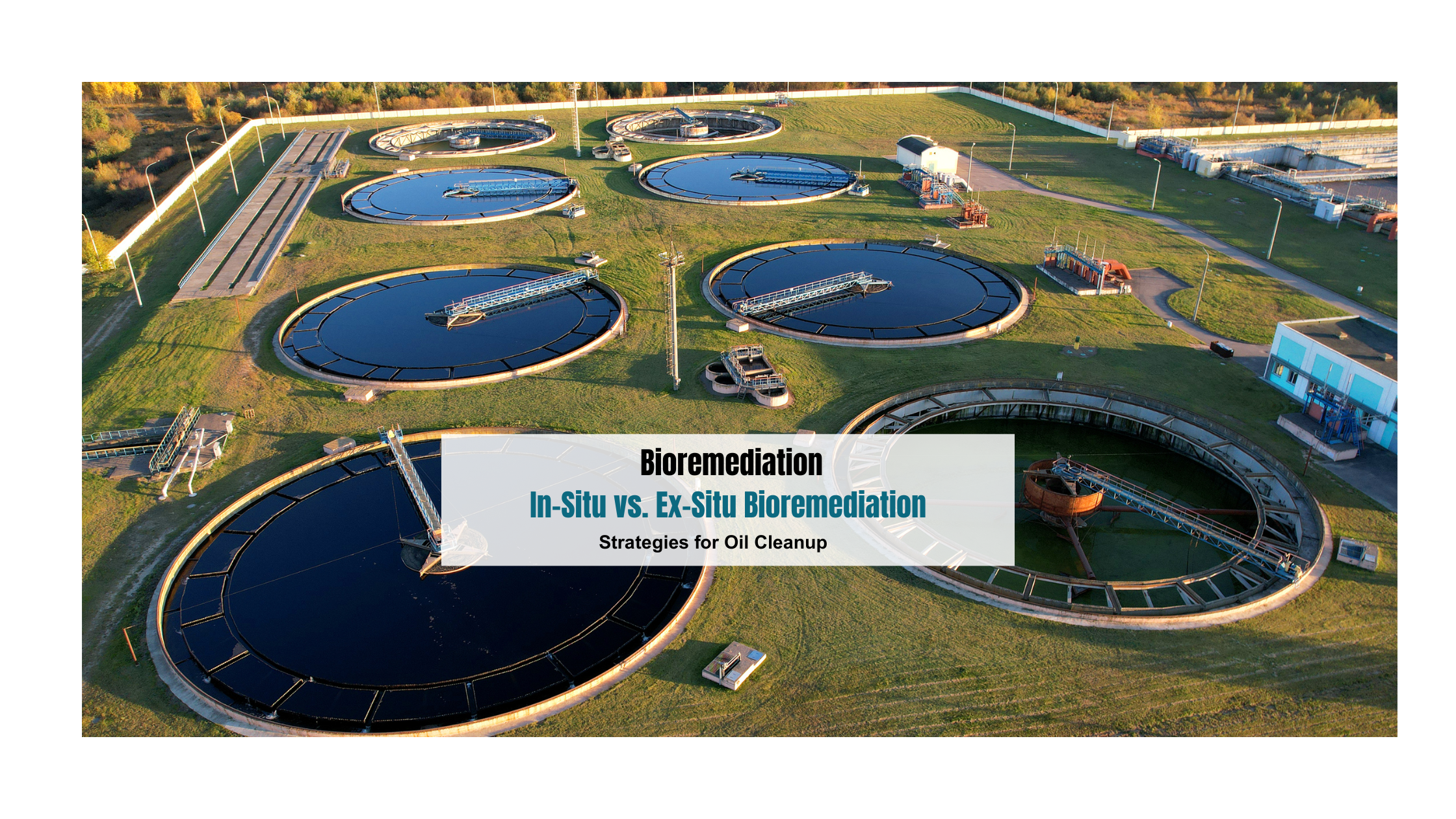
In-Situ vs. Ex-Situ Bioremediation: Strategies for Oil Cleanup

Oil spills are among the most damaging environmental incidents, contaminating soil and water while threatening marine ecosystems. Among various cleanup approaches, bioremediation for oil spills stands out as a sustainable and highly effective option. This process leverages specialized microorganisms to degrade petroleum hydrocarbons into harmless byproducts such as water and carbon dioxide.

If you’re exploring the benefits of bioremediation solutions in India, key advantages include lower toxicity, reduced secondary waste generation, and the ability to remediate large areas impacted by petroleum hydrocarbons.

At Team One Biotech, we deliver sustainable bioremediation services in India for wastewater treatment, soil remediation, and marine oil spill cleanup. Our advanced product, T1B OS, is a next-generation microbial formulation designed to accelerate hydrocarbon breakdown, making remediation faster, safer, and more cost-effective.

Among our flagship bioremediation products, T1B OS offers rapid degradation of heavy and light petroleum fractions while remaining non-toxic and eco-friendly, supporting industries in achieving compliance and sustainability goals.

In-Situ Bioremediation

In-Situ Bioremediation treats contamination directly at the site without removing affected soil or water. Microorganisms—whether naturally present or externally introduced—degrade hydrocarbons on-site.

Common Techniques: Bioventing, Biosparging, Natural Attenuation, and in-situ groundwater bioremediation.

Advantages:

  • Reduced operational expenses
  • Minimal site disturbance
  • Ideal for low to medium contamination levels
  • Well-suited for industrial wastewater treatment where excavation is not practical

Limitations:

  • Slower remediation rate
  • Site conditions such as oxygen, temperature, and nutrients are harder to control
  • May require nutrient supplementation to enhance microbial activity
Ex-Situ Bioremediation

Ex-Situ Bioremediation involves removing contaminated materials and treating them under controlled conditions.

Common Techniques: Biopiles, Landfarming, Composting, and Slurry Bioreactors.

Advantages:

  • Faster degradation due to optimized conditions
  • Easier monitoring of microbial activity and performance
  • Widely applied in soil remediation for refineries, petrochemical plants, and municipal waste sites

Limitations:

  • Higher costs due to excavation and transport
  • Site disturbance during removal

Real-World Case Studies

  • Bioremediation of aldehyde-rich wastewater from a pharmaceutical unit: Read Here
  • Saving Opex for a reputed pharma giant using bioremediation: Read Here

Where T1B OS Fits In

The right microbial solution is critical for bioremediation success, whether in-situ or ex-situ bioremediation is applied. T1B OS is specifically designed to degrade a wide spectrum of hydrocarbons, from heavy oils to light petroleum fractions.

Key Features:

Fast-acting microbes effective in soil and water

  • Non-toxic, safe for the environment
  • Applicable in marine oil spills, refinery effluent treatment, STP/ETP plants, and industrial contamination
  • Shortens cleanup time compared to natural attenuation alone

By integrating bioremediation into ETP and STP plant operations, T1B OS not only addresses oil spill remediation but also enhances COD, BOD, and hydrocarbon removal efficiency in industrial wastewater treatment.

Expertise in Bioremediation Services

With years of proven expertise in bioremediation services in India for wastewater, soil, and oil spill cleanup, Team One Biotech provides microbial formulations and technical support tailored to site-specific challenges. Our mission is to restore polluted environments with minimal ecological footprint, driving forward sustainable industrial practices.

Key Takeaway

Choosing between in-situ and ex-situ bioremediation depends on contamination level, site accessibility, and budget considerations. With the right approach and advanced microbial solutions like T1B OS, oil spill cleanup becomes faster, safer, and more sustainable.

Among specialized Bioculture companies in India, Team One Biotech focuses on robust consortia for tough industrial effluents. Contact us here.

Email: sales@teamonebiotech.com

Visit: www.teamonebiotech.com

Discover More on YouTube – Watch our latest insights & innovations!-

Connect with Us on LinkedIn – Stay updated with expert content & trends!


GREEN-ENERGY-FROM-WASTEWATER-Biogas-and-Beyond.
Green Energy from Wastewater: How Anaerobic Biocultures Drive Biogas Production in India

The best word that can be an example of a paradox would be ‘Wastewater’. The word itself suggests it’s a waste, and one needs to get rid of it for the sake of saving the environment. But what if I say that this very wastewater can be “useful” too? in chemical energy (think COD/BOD). With the right biology and engineering, you can convert that into biogas, electricity, heat, biomethane (RNG), even hydrogen-and push your plant towards energy neutrality or better.

As one of the agile biotech companies in India, we blend R&D with field deployment for measurable outcomes. We supply targeted biocultures for wastewater treatment to accelerate digestion and reduce operating costs. Our Bioculture programs are designed for both etp and stp facilities, covering shock‑load resilience and sludge reduction. Contact us here.

Why wastewater = energy

Conventional aerobic treatment spends energy on aeration. Anaerobic digestion (AD) flips the script: microbes break down organics in the absence of oxygen and produce biogas (≈55–65% methane) you can burn in CHP engines of oxygen for electricity + heat, or upgrade to biomethane for grid/CNG use. Numerous facilities have demonstrated energy-neutral to energy-positive operation using AD, process efficiency, and on-site generation like the Strass in Austria or Sheboygan in US.

Why going the nature’s way is a game changer?

While anaerobic digestion (AD) is the technology, biocultures are the heart of the process. In AD, specialized microbes break down organics in the absence of oxygen to produce biogas (55-65% methane). The quality and productivity of this gas depend on the microbial community’s health and efficiency. Optimized inoculation and co‑digestion increase biogas production while improving digester stability and dewatering.

Team One Biotech’s anaerobic biocultures are designed to:

  • Rapidly adapt to different waste loads and compositions
  • Boost methane yield and volatile solids reduction
  • Stabilize digestion during shock loads pr toxic events
  • Minimize foaming and scum formation
  • Improve sludge dewaterability, reducing disposal costs

Without strong microbial activity, digestion slows, gas yields drop, and energy recovery becomes uneconomical. We partner with etp stp plant manufacturers to integrate anaerobic digesters, gas handling, and CHP in new builds.

Turning wastewater into Energy: How it works
  1. Anaerobic Digestion + Biocultures

Our Anaerobio biocultures accelerate the breakdown of organics in wastewater and sludge, converting them into methane-rich biogas efficiently and consistently. For plants evaluating anaerobic bioculture price, we provide transparent quotations based on COD load, flow, dosing plan, and target methane yield. We are among reliable anaerobic bioculture suppliers offering consistent strains, QA/QC documentation, and startup support.

  1. Co-Digestion for More Gas

Feeding digesters with FOG (fats, oils, grease), food waste, or dairy residues alongside sludge boosts biogas yields significantly. Our targeted microbial blends handle these high-strength wastes without process instability, giving you more gas from the same infrastructure. Optimized inoculation and co‑digestion increase biogas production while improving digester stability and dewatering.

  1. Biogas Utilize Pathways
  • CHP (Combined Heat & Power) – Run engines on biogas to power blowers, pumps, and heat digesters, cutting energy bills.
  • Biomethane (RNG)-Upgrade biogas for grid injection or CNG vehicles, accessing renewable energy credits and new revenue streams.
  1. Beyond Biogas

Advanced microbial and electrochemical processes are enabling hydrogen production, while wastewater heat recovery systems are capturing thermal energy for building use.

The Business Case

Energy Savings: Reduce grid electricity dependence by up to 80-100% in optimized systems.

Revenue Generation: Sell excess power, biomethane, or renewable energy certificates.

Lower OPEX:  Minimize Sludge disposal costs through higher volatile solids destruction

Sustainability Goals: Lower greenhouse gas emissions and improve ESG scores.

A Practical Roadmap for ETP/STP Owners
  1. Assess your biogas potential — measure COD load and sludge availability.
  2. Strengthen your microbial engine — dose Anaerobio biocultures for faster, more stable digestion.
  3. Explore co-digestion — partner with food industries for high-energy wastes.
  4. Decide your offtake model — CHP for self-powering, or biomethane for revenue.
  5. Plan for future add-ons — hydrogen, nutrient recovery, and heat reuse.
Bottom Line

Wastewater isn’t waste — it’s renewable energy in disguise.
If you operate a biogas generator, gas cleaning (H2S/moisture) and steady feed improve uptime and efficiency. We collaborate with leading green energy companies in india to deliver waste‑to‑energy and biomethane projects. Our portfolio includes end‑to‑end green energy solutions from feasibility to commissioning and operator training.

With the right biocultures, you can turn your plant from an energy consumer into an energy producer, cut operating costs, and generate new revenue streams — all while meeting sustainability goals. Beyond energy recovery, our Bioremediation services address phenols, PAHs, sulfides, FOG, and color bodies.

Among specialized Bioculture companies in India, Team One Biotech focuses on robust consortia for tough industrial effluents.

Email: sales@teamonebiotech.com

Visit: www.teamonebiotech.com

Discover More on YouTube – Watch our latest insights & innovations!-

Connect with Us on LinkedIn – Stay updated with expert content & trends!

ReducingReplacing RELIANCE ON MEE in HIGH TDS Effluents
Reducing/Replacing RELIANCE ON MEE in HIGH TDS Effluents

Multi-effect evaporators (MEEs) are widely used in industries dealing with high TDS effluent COD testing. They are highly effective—reducing COD by up to 90–95% even when the TDS of effluent water is extremely high. However, the shine of MEE’s efficiency often masks the significant operational costs that come with it. This blog explores whether MEEs can be replaced or minimized and the role of biological systems in reducing reliance.

This blog explores all sides of this technology and how its usage can be reduced or replaced. Get in touch to learn how innovative bioculture-based treatments can optimize COD reduction and lower operational costs in your effluent systems.

What is an MEE- How it works?

A Multi-effect evaporator (MEE) is an energy–efficient system used to concentrate high-TDS effluents by evaporating water in multiple stages or “effects”. It utilizes steam in the first stage to heat the effluent, causing water to evaporate. The vapor generated is then reused as a heating source for the next stage, progressively reducing energy consumption. This cascading use of steam maximizes thermal efficiency and minimizes operational cost. MEEs are widely used in zero liquid discharge (ZLD) systems, especially in industries with high salinity wastewater. The result is a concentrated brine and distilled water, both of which can be handled or reused appropriately.

Why is MEE in trends?

MEE is one of the most trending technologies in wastewater treatment, owing to its high efficiency in reducing higher levels of COD and tackling tough and toxic effluents with compounds like Cyanide, Toluene, Phenols, and aldehydes. Also, the condensate quality is top-notch. MEE is very popular in industries located near the sea, as it has excellent efficiency up to 98% in effluents with COD up to 150000 PPM and above, and delivers in TDS above 100000 PPM as the sea discharge with higher TDS is permissible.

Technology comes at a Cost

Multiple Effect Evaporator (MEE) systems, while highly efficient in reducing wastewater volume and achieving zero liquid discharge (ZLD), are often cost-prohibitive for many industries. The initial capital investment for an MEE plant typically ranges from Rs 50 lakh to Rs 2 crore, depending on capacity and design complexity.

Operational costs are also steep—electricity and fuel expenses can exceed Rs. 3-5 per liter of treated effluent, especially when steam boilers or thermic fluid heaters are involved. Despite incorporating energy recovery through multiple effects, MEEs still consume 1.2-1.5 kg of steam per liter of evaporated water.

Maintenance adds another layer of expense; anti-scalant chemicals, descaling routines, and part replacements can cost Rs. 5-10 lakh annually for a mid-sized plant. Skilled manpower and automation support further raise the cost.

Additionally, industries must manage the disposal of high-TDS concentrate or salts, which may cost Rs. 2-3 per kg in transport and treatment. Pre-treatment requirements—like neutralization, oil removal, or biological treatment-can add another Rs. 0.5-1 per litre.

While MEE ensures regulatory compliance and high performance, the total cost of ownership makes it unviable for many small and medium enterprises. Hence, despite its technical merits, MEE remains financially challenging, pushing industries to explore cost-effective biological or hybrid solutions.


What are the alternatives?

MEEs are known to reduce high COD values in effluents with high TDS values. Hence, it may sound ridiculous, but the best alternatives are BIOCULTURES. Now, the first question coming into the readers’ minds will be Why & How?

Well, let’s first answer Why? There is a certain class of bacteria that survives and thrives in extremely high saline conditions called Halophilic bacteria. These bacteria, when combined with other strains, as biocultures, can effectively work in high TDS effluents and reduce COD with great efficiency.

Now, let’s find out how?

The best way is to gradually divert the primary treated influent stream/inlet stream to MEE to the aeration tank.

Suppose A MEE has a capacity of 30 KLD that treats a stream with COD 75000 and TDS 50000, and the ETP is of 200 KLD that handles an inlet COD of 10000 PPM. In this case, initially, a stream of 5 KLD inlet to MEE can be diverted to the 200 KLD ETP. Then the average COD can be calculated by the below formula:

formula

Hence, the average inlet of 200 KLD ETP after diverting 5 KLD ETP will be approximately 12000 PPM, which can be treated by effective biocultures with strains of halophilic bacteria.

The 5 KLD stream can be increased to 10 KLD and 15 KLD, depending on the performance of the ETP.

How can this strategy be a game-changer?

Well, it is self-explanatory from the above information that diverting the MEE stream can reduce OPEX up to 30-35% straightaway, along with increasing the efficiency of the ETP. However, this strategy is more applicable in industries where sea discharge with High TDS effluent is permitted. But, it is not restricted also; options can be analysed too in other cases.

Technical efficiency and product viability is a must

While, the strategy looks very easy on paper but it is very tough to execute. It requires technical know-how of the whole plant, analysis of trends, and effective identification of strains and its amalgamation into an effective bioculture, its dosing and most important acumen of troubleshooting in real-time as we will be handling a stream which is very toxic , filled with tough-to degrade and shock load inducing compounds.

Team One Biotech is one of the leading Biotech Companies in India, providing advanced microbial solutions like bacteria for ETP treatment and bacteria culture for wastewater treatment.
???? Reach out now to enhance your wastewater treatment efficiency.

???? Email: sales@teamonebiotech.com

???? Visit: www.teamonebiotech.com

???? Discover More on YouTube – Watch our latest insights & innovations!-

???? Connect with Us on LinkedIn – Stay updated with expert content & trends!
Monsoon Tips for Shrimp and Fish Farmers Protecting Your Aquaculture
Monsoon Tips for Shrimp and Fish Farmers: Protecting Your Aquaculture Operations During the Rainy Season

The monsoon season presents both opportunities and challenges for shrimp and fish farmers. While rainfall can help replenish ponds and reduce temperature, it also introduces unpredictable water parameters, disease risks, and stress conditions, especially in species like vannamei, Penaeus monodon, tilapia, and pangasius.

Whether you’re managing a fish farming business or an aqua fish farm, adapting your strategies during monsoon is crucial for success.

For queries or support related to monsoon farm management, contact us.

For farmers in tropical and subtropical regions such as Indonesia, Vietnam, Peru, Chile, and parts of the United States, managing monsoon-related risks is key to ensuring survival, growth, and profitability.

This applies across various models—whether you’re engaged in indoor shrimp farming, running the largest fish farm in Nigeria, or focused on sustainable fish farming practices.

Why Monsoon Management is Crucial in Aquaculture?

During the rainy season, shrimp and fish are exposed to:

  • Sudden temperature drops and pH fluctuations
  • Dilution of pond salinity and mineral imbalance
  • Increased organic load and turbidity
  • Higher pathogen loads due to stagnant water or runoff
  • Reduced feed intake and immune response

If unmanaged, these factors can lead to stress, poor growth, Vibrio outbreaks, white feces syndrome, and even mass mortality.

Additionally, challenges such as aquaculture problems, environmental impacts of aquaculture, and aquaculture issues become more severe during this season.
Proper knowledge about what is aquaculture and understanding the challenges of aquaculture empower farmers to manage risks effectively.

7 Practical Monsoon Tips for Shrimp and Fish Farmers:
  1. Monitor Water Parameters Daily
    Use a reliable test kit to track pH, salinity, ammonia, nitrite, and dissolved oxygen (DO). Rainfall often dilutes alkalinity and drops pond pH, which can stress aquatic species.
    Maintaining the importance of alkalinity in aquaculture cannot be overlooked during this time.
  2. Maintain Salinity and Alkalinity
    In regions with heavy rainfall, especially for vannamei shrimp, salinity may drop below optimal levels. Use mineral blends or salt to stabilize pond chemistry.
  3. Improve Drainage Around Ponds
    Prevent runoff from entering the pond. Surface runoff can introduce contaminants, organic debris, and pathogens that upset the pond’s microbial balance.
  4. Use Probiotics to Stabilize Water Quality
    Apply aquaculture probiotics like T1B Aqua S regularly to manage ammonia, reduce sludge, and maintain a healthy microbial ecosystem. Probiotics also help control Vibrio and other harmful bacteria during unstable conditions.
  5. Adjust Feeding Strategy
    Shrimp and fish reduce feed intake during stress. Feed smaller quantities more frequently and ensure feed is not wasted to prevent water pollution.
    For those following a shrimp farming guide, this step is vital in any monsoon-feeding protocol.
  6. Provide Aeration Support
    Install aerators or paddle wheels to maintain oxygen levels, especially during cloudy days or high biomass periods.
    This is especially necessary in fish farming tanks South Africa and other regions experiencing water stagnation due to heavy rain.
  7. Strengthen Immunity with Gut-Focused Additives
    Use gut probiotics or supplements that boost immunity and digestion. This is critical for disease prevention during weather-related stress.
How T1B Aqua S Supports Farmers During Monsoon

T1B Aqua S, manufactured by Team One Biotech, is a trusted aquaculture probiotic that works effectively during monsoon fluctuations.

  • Reduces ammonia, nitrite, and hydrogen sulphide
  • Breaks down sludge and organic matter
  • Suppresses Vibrio and other pathogens
  • Enhances gut health and survival rates
  • Supports stable growth in vannamei, Penaeus monodon, tilapia, and catfish

Its versatility makes it ideal for freshwater shrimp farming, aquaculture farms, and even larger operations using aquaculture pond liners for controlled environments.
Technicians and experts, including aquaculture technicians, have found its results promising across diverse environments.

Used in farms across Southeast Asia, Latin America, and North America, T1B Aqua S has become a go-to solution for weather-sensitive aquaculture systems.

Whether you’re involved in fish farming equipment for sale or consulting on sustainable aquaculture practices, the monsoon doesn’t have to mean losses. With proactive planning and effective tools, your aquaculture venture can thrive—even during unpredictable weather.

The monsoon season doesn’t have to mean losses. With proactive management, consistent monitoring, and the use of aquaculture probiotics, shrimp farming and fish farming operations can maintain healthy ponds and secure their harvests.

Need assistance preparing your ponds this monsoon? Contact us for expert guidance and product recommendations.

For bulk inquiries, distribution opportunities, or technical guidance on T1B Aqua S:

Or reach out at sales@teamonebiotech.com/8855050575

???? Discover More on YouTube – Watch our latest insights & innovations!

???? Connect with Us on LinkedIn – Stay updated with expert content & trends!

Scan the code