
Treating the most common menace of Lakes: Algal deposition by bioremediation

Lakes are one of the important and prominent water sources that serve as an integral part of the ecological richness. These natural water reservoirs, which were and are lifelines of many cities and villages, are now facing the threat of pollution and extinction. Rapid urbanisation and uncontrolled growth, especially in and around cities like Bengaluru, Hyderabad, Pune, and Delhi making the deterioration of lakes very rapid, which is triggered by sewage inflow, excessive nutrient loading and uncontrolled urban development.

The most common and visible symptom of lake ecosystem collapse is Algal Deposition. Appearing like green sheets or mattresses that cover the lake’s surface and disturb the entire ecological world.

Why do lakes turn green?
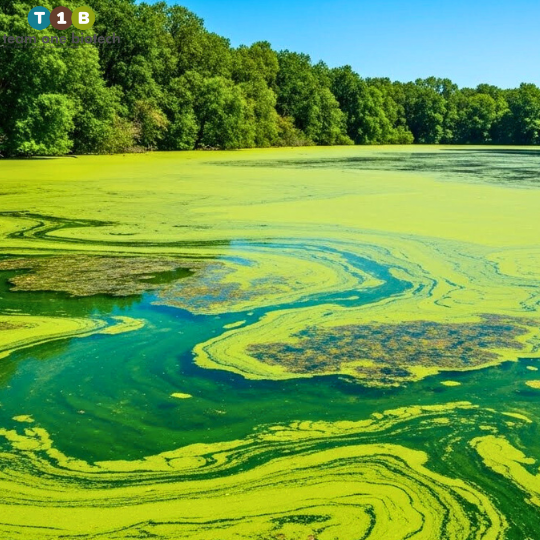
Why do lakes turn green?

Lakes turn green basically because of algal deposition and especially blue-green algae (cyanobacteria)- on the lake surface, forming a thick mass. These mats reduce light penetration, reduce oxygen levels, and produce toxins that harm aquatic life.

The general perception says that algal growth is natural; however, it is a direct consequence of eutrophication. A condition in which lakes receive more nutrients than they can naturally handle.

Phosphates are one of the major culprits. How?

Phosphates are one of the major culprits. How?

Phosphates act as fertiliser for algae even in tiny concentrations. Continuous inflow of sewage, detergents, food waste, and industrial discharge enters the lake, and phosphate levels rise sharply, surpassing the permissible limits by 40-50%.

One of the major concerns with phosphates is that they stay in the sediment for years and are then released back into the lake. This makes algal deposition prolonged and consistent. Often, people try to remove algae physically or to be precise, superficially, ignoring the root causes.

Key Sources of Phosphate Include:

  • Household detergents rich in phosphates
  • Untreated or partially treated sewage
  • Decaying organic matter and sludge
  • Fertiliser runoff from gardens & agricultural zones
  • Industrial effluents containing phosphorus

Algal deposition makes Lakes suffer:

Most of the time, algae are considered natural, but when present in large quantities, they trigger a chain of ecological damages that are sometimes hard to tackle and reverse:

  • Oxygen Depletion (Hypoxia)

DO levels drop dangerously low, as when algae die, the indigenous bacteria consume more oxygen to decompose it, hence, causing the levels of oxygen to drop.

  • Dead flora and fauna:

The cyanobacteria release toxins in low oxygen conditions. These toxins, when combined with low oxygen levels, kill fish, plankton, insects and aquatic plants. Also, Alginate in algae creates a slimy layer that blocks sunlight and disrupts aquatic life.

  • Accelerated Sedimentation:

Dead algal biomass eventually settles at the bottom of the lake, thereby increasing the sludge layer thickness. The lake slowly transitions into a dead, stagnant waterbody.

Why does conventional treatment fail?
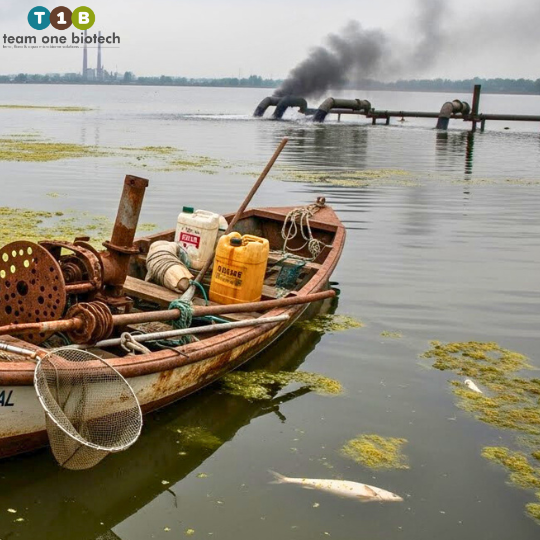
Why does conventional treatment fail?

In order to solve any issue permanently, one needs to eliminate the source of the problem. But unfortunately, in this case, municipalities or institutions opt for temporary solutions and try shortcuts such as:

  • Adding bleaching powder
  • Increasing aeration temporarily
  • Mechanical algae removal
  • Surface-level cleaning drives
  • Chemical coagulants like alum

To get rid of the algae problem permanently, the internal nutrient cycle must be broken, or to sum up, phosphate deposition must be reduced.

What is the real solution?

The answer to this lies in the most effective mechanism nature has, i.e. bioremediation. Bioremediation is the use of specific types of microbes to restore the ecological balance of a lake. Bioremediation is the only mechanism that addresses the root causes rather than merely suppressing symptoms.

How Bioremediation Works

  1. Microbial Consortia Application
    Specialized bacteria break down organic pollutants and digest sludge.
  2. Enzymatic Breakdown of FOG & Organic Waste
    Enzymes convert complex organic molecules into simpler forms.
  3. Phosphate Reduction
    Certain bacteria immobilize phosphates by converting them into insoluble forms.
  4. Enhancing DO and Water Clarity
    Beneficial microbes improve oxygen cycling and reduce turbidity.
  5. Sludge Reduction
    Microbial treatment targets anaerobic pockets in sediment, reducing sludge height.

Tackling Phosphate: The Bioremediation Way
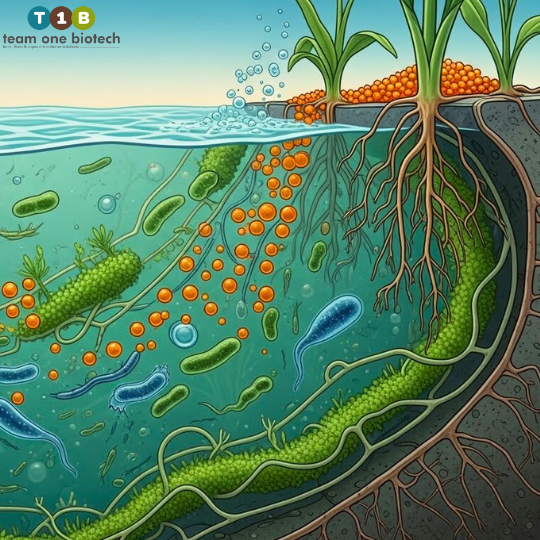
Tackling Phosphate: The Bioremediation Way

Internal Phosphate Control

Phosphates can’t be directly reduced or degraded by microbes. They are absorbed by microbes called as Phosphate Accumulating Organisms (PAOs), also called as phosphate-locking microbes. The PAOs convert soluble bioavailable phosphate into stable, bound forms that can’t fuel algal growth. These specialised microbes trap phosphate within the sediment matrix, effectively sealing it off and controlling nutrient recycling, ultimately preventing the recurrence of algal blooms.

Sediment Bio-augmentation:

This included the application of microbial strain directly into the sediment or the lake bed to stimulate natural biological processes that degrade organic matter and reduce nutrient accumulation. This approach enhances sediment health, lowers oxygen demand, and disrupts the nutrient reservoirs—especially phosphorus—that algae rely on for rapid proliferation.

Reducing phosphorus release from sediments:

Healthy sediments act as a buffer, but degraded ones leak phosphorus back into the water during low-oxygen events. By restoring sediment balance through microbial intervention, oxygenation strategies, and organic load reduction, phosphorus release is minimised. This stabilises the pond ecosystem and cuts off one of the most persistent nutrient sources driving algal blooms.

External Phosphate Control

  • Greywater diversion
  • Constructed wetlands before inlet
  • Avoiding phosphate-based detergents
  • Household-level awareness
  • Installing decentralized sewage treatment units upstream

Only when phosphate inflow and phosphate stored in sediments are both addressed can algal deposition be permanently stopped.

Bioremediation Strategy and Execution:

  1. Assessment:

This step involves:

  • Analysis of parameters, viz. DO, COD, BOD. Phosphates, Nitrated, ORP.
  • Lake Depth and Sludge Depth Measurement.
  • Area measurement of the lake.
  • Assessment of sewage ingress
  1. Physical Cleaning:

 It involves the removal of inorganic wastes, floating debris, algal deposition or water hyacinth physically to improve the condition of the top layer of the lake and improve oxygenation.

 Enhancing DO:

Atmospheric oxygen can’t be enough alone to make up the required volume of dissolved oxygen for the eradication of algae and enhancing the performance of microbes. The best way to do it is to install aerators rather than relying on conventional methods such as fountains.

The latest and best technology available today is nano-bubble generators. They generate bubbles in nano-meter size, which remain in the lake for about a week and can be easily absorbed by the microbes.

  1. Installation of biocultures:

Customised biocultures infused with strains for phosphate reduction, alage degradation and facultative microbes are installed in the lake via dosing. Initially, for 60-90 days, the dosing is weekly, broadcasted at multiple points in the lake which is called a loading dose.

After loading, the stabilization or maintenance dose starts which involves fortnightly or weekly dosing.

Conclusion – Bioremediation is the Future of Lake Restoration

Algal deposition, phosphate overload, and organic sludge accumulation are not signs of a dying lake—they are signs of a lake in need of intervention. Chemical treatments fail because they treat symptoms, not causes. Bioremediation, on the other hand, taps into the power of nature to restore waterbodies from within.

With rising urbanization and sewage inflow, India needs sustainable, cost-effective, and long-term lake rejuvenation models. Bioremediation offers exactly that: a solution that reduces nutrient overload, restores oxygen balance, controls algae, and returns lakes to ecological health without causing harm.

Healthy lakes mean healthier cities, groundwater recharge, biodiversity revival, and improved public health. The path forward is clear — bioremediation is not just an option; it is the only scalable solution for lake restoration in the decades to come.

Looking to improve your ETP/STP efficiency with the right bioculture?
Talk to our experts at Team One Biotech for customised microbial solutions.

Contact: +91 8855050575

Email:  sales@teamonebiotech.com

Visit: www.teamonebiotech.com

Discover More on YouTube – Watch our latest insights & innovations!-

Connect with Us on LinkedIn – Stay updated with expert content & trends!
Bioculture for ETP and STP – Smarter Biology for Better Wastewater Treatment

If you’ve already explored our earlier blog, Benefits of Bioculture in Wastewater Treatment Explained, you’ve taken the first step toward understanding how Bioculture for ETP and STP is transforming modern wastewater treatment systems. But knowing why microbes matter is only the beginning—now let’s move toward what’s next.

Across sectors like textile, pharmaceutical, food & beverage, chemicals, and municipal  wastewater, one thing is becoming clear: traditional treatment methods alone can’t keep up  with today’s challenges. Rising organic loads, fluctuating influents, sludge handling issues,  and strict regulations demand a smarter, more adaptive approach. And that’s exactly where smarter biological solutions- Bioculture for ETP and STP step in. 

Whether you manage an industrial ETP or municipal STP, our specialists can guide you with the right bioculture program—simply visit our Contact Us page.

From Understanding Bioculture to Applying It in ETP & STP Operations

Microbial bio cultures aren’t simply “add-ons” to your treatment process—they’re the  foundation of a stable, efficient, cost-saving plant. In our earlier article, we explained how bioculture for sewage treatment break down pollutants, enhance system stability, and reduce dependency on  chemicals. 

Now, let’s take the conversation forward. 

How Bioculture for ETP and STP Transform Real-World Treatment Challenges

Here’s how industries can turn microbial theory into practical, measurable results:

  1. Targeting the Right Problems First 

Every ETP and STP has a unique challenge.

It could be:

  • High COD/BOD

  • Excess foam

  • Sludge bulking

  • Poor anaerobic digestion

  • Unstable aeration tank

  • Frequent compliance failures

Identifying the root cause helps select the right microbial strains/ bioculture for effluent treatment for a targeted solution—ensuring faster recovery and consistent performance.

2. Choosing the Right Microbial Blend for Your ETP/STP

Different wastewater → different microbial culture for wastewater treatment

For example: 

  • Food processing plants benefit from fast-acting COD reducers 
  • Pharma units require strains resistant to toxicity 
  • Textile plants need microbes that can handle surfactants and dyes
  • Municipal STPs need stable, long-term biomass builders 

This is where choosing the right formulation creates performance you can actually see.

3. Monitoring + Optimization = Long-Term Success 

Biology is dynamic. As influent changes, your system needs microbes that adapt. A well-designed bioculture program for ETP and STP ensures:

  • Consistent effluent quality 
  • Faster recovery after shock loads 
  • Reduction in chemical consumption 
  • Lower sludge handling costs 

This is not just microbial activity—it’s operational efficiency. 

4.Turning Wastewater Challenges into Sustainability Wins 

When microbes do their job right, plants experience: 

  • Lower aeration cost 
  • Better MLSS control 
  • Reduced sludge 
  • Improved process stability 
  • Easier regulatory compliance 

These benefits translate directly into long-term sustainability and operational savings. 

If this sparked your interest, now is the perfect time to revisit the foundation of all this—the  detailed explanation of why bio culture works. 

Read the full article: 

Benefits of Bio culture in Wastewater Treatment Explained” 

Also Read, Bioculture for ETP Operations – Cost Saving Solution

Wastewater treatment is evolving rapidly. Plants that adopt bioculture for ETP and STP today will become the operational leaders of tomorrow. Whether your goal is:

  • Better compliance

  • Lower operational costs

  • Improved sustainability

  • Enhanced process stability

—microbial solutions are not the future; they are the present.

As one of the leading biotech companies in India, we provide a sustainable product range across multiple verticals, including probiotics for aquaculture, biofertilizers and plant growth promoterseco-friendly cleaning solutionsanimal probiotics, and on-site consultation for biocultures for ETP and STP.

Looking to improve your ETP/STP efficiency with the right bioculture?
Talk to our experts at Team One Biotech for customised microbial solutions.

Contact: +91 8855050575

Email:  sales@teamonebiotech.com

Visit: www.teamonebiotech.com

Discover More on YouTube – Watch our latest insights & innovations!-

Connect with Us on LinkedIn – Stay updated with expert content & trends!
How Microbial Enzymes Detoxify Man-Made Pollutants
Biocultures for ETP- How Microbial Enzymes Detoxify Xenobiotic Compounds

Modern life depends on thousands of synthetic chemicals — plastics, pesticides, dyes, pharmaceuticals, fuels, and surfactants — that make living convenient but leave behind an uncomfortable legacy: xenobiotic compounds. These are man-made molecules that do not occur naturally and often resist degradation by normal biological pathways. They persist for decades, accumulate in ecosystems, and sometimes transform into even more toxic intermediates.

While conventional chemical and physical treatments can remove or immobilize some pollutants, they are energy-intensive and generate secondary waste. The sustainable alternative comes from nature itself — enzymes, the microscopic catalysts that drive every reaction inside living cells.

What Makes Xenobiotics So Stubborn

Xenobiotic molecules often contain:
• Halogenated groups (–Cl, –F, –Br) that make them chemically stable.
• Aromatic rings such as benzene that resist oxidation.
• Complex branching or polymeric chains that ordinary microbes can’t easily access.

Because of this structural complexity, the natural metabolic machinery of most microbes struggles to recognize these molecules as food.
Here’s where specialized microbial enzymes come into play — capable of attacking the unbreakable.

In industrial settings, especially in effluent treatment plants (ETPs), the accumulation of such persistent chemicals creates operational challenges. This is why many industries are now adopting biocultures for ETP systems to introduce pollutant-degrading microbes that can adapt to complex effluent loads.

How Enzymes Break the Unbreakable

Microbial enzymes act as molecular scalpels that cut and modify xenobiotic compounds into less toxic, more biodegradable forms. Key classes include:
Oxygenases and Monooxygenases – Insert oxygen into aromatic rings of hydrocarbons, initiating their breakdown (e.g., Pseudomonas oxygenases degrade benzene and toluene).
Peroxidases – Use hydrogen peroxide to oxidize phenols, dyes, and chlorinated pesticides.
Laccases – Multi-copper oxidases that transform phenolic and non-phenolic xenobiotics using atmospheric oxygen, with no harmful by-products.
Hydrolases and Esterases – Cleave ester and amide bonds in organophosphate pesticides, phthalates, and plastics.
Dehalogenases – Remove halogen atoms, converting recalcitrant chlorinated compounds like PCBs or trichloroethylene into simpler molecules.
Nitroreductases and Dehydrogenases – Detoxify nitroaromatics and explosives such as TNT by reduction and further mineralization.

These enzymatic steps either mineralize the contaminant completely into CO₂ and H₂O or transform it into intermediates that native microbes can assimilate.

When industries use biocultures for ETP, they are essentially introducing microbial communities capable of producing these enzymes naturally inside the aeration tank, equalization tank, or bioreactor. This ensures continuous in-situ enzyme production without requiring costly direct enzyme dosing.

Why Direct Enzyme Application Is Not Recommended

Although enzymes are highly efficient and environmentally friendly catalysts, they should not be administered directly into wastewater systems or soil environments. Free enzymes are unstable in real-world industrial conditions — they degrade quickly, get denatured by temperature, pH, or chemicals in the effluent, and lose activity within hours. They also lack the self-regenerating ability of microbes, meaning continuous dosing becomes impractical and extremely expensive. For sustainable bioremediation, enzymes must be produced in situ by living microbial communities that can multiply, adapt, and secrete fresh enzymes as required.

Why Enzyme-Based Bioremediation Matters
  1. Eco-friendly and specific – Enzymes target particular chemical bonds without producing toxic residues.
  2. Operate under mild conditions – They work at ambient temperature and pH, saving energy.
  3. Applicable to diverse pollutants – From pharmaceuticals and dyes to polyaromatic hydrocarbons and endocrine-disrupting compounds.
  4. Compatible with immobilization and reactors – Laccases, peroxidases, and hydrolases can be immobilized on carriers, enabling continuous treatment of wastewater streams.
  5. Synergy with microbes – Enzyme production in situ through microbial consortia sustains long-term remediation in soils, sediments, and bioreactors.

This is why biocultures for ETP are preferred — because living microbes multiply, adapt to effluent changes, and continuously secrete the required enzymes.

Biocultures for ETP: The Most Effective Way to Deliver Enzymes

In modern effluent treatment plants (ETPs), biocultures — specialized microbial consortia — are the safest and most effective way to introduce enzymes into the system. These microbes naturally produce a broad spectrum of enzymes such as oxygenases, hydrolases, laccases, and dehalogenases based on the pollutants present.

Biocultures:

• Maintain stable microbial populations
• Continuously regenerate and secrete fresh enzymes
• Break down complex industrial pollutants
• Reduce sludge generation
• Enhance COD/BOD removal
• Improve overall ETP stability and efficiency
• Reduce chemical dependency in biological treatment stages

For industries handling pharmaceuticals, chemicals, food processing waste, textiles, and dyes, biocultures for ETP have become an essential part of sustainable operations.

The Bigger Picture

Enzymes remind us that sustainability lies in mimicking nature’s chemistry rather than fighting it. They allow us to convert hazardous xenobiotics into harmless end-products without toxic by-products or energy-intensive treatment steps.

With the rising emphasis on zero-liquid-discharge (ZLD), operational efficiency, and cost control, adopting biocultures for ETP is no longer optional — it is a strategic environmental requirement for industries.

Looking for High-Performance Biocultures for Your ETP?

Team One Biotech provides premium microbial formulations designed for:

  • COD/BOD reduction

  • Sludge minimization

  • Colour & odour removal

  • Faster biological stabilisation

  • Enhanced ETP compliance

Our specialized enzyme-rich biocultures for ETP work across industries including pharmaceuticals, chemicals, textiles, food processing, dyes, FMCG, and more.

Industries today are also increasingly adopting biocultures for ETP not only for better pollutant degradation but also for their economic benefits. By improving microbial efficiency, reducing chemical usage, stabilizing biological reactions, and minimizing sludge handling expenses, biocultures significantly reduce overall treatment costs. To understand this in depth, you can explore how biocultures directly contribute to lowering operational and maintenance expenses in industrial wastewater systems here: How Biocultures Save Costs in Industrial Wastewater Treatment.

As one of the leading biotech companies in India and trusted bioremediation companies in India, Team One Biotech continues to deliver solutions that redefine sustainability across wastewater treatment, agriculture, aquaculture, and hygiene management.

Contact us at- +91 8855050575

Email: sales@teamonebiotech.com

Visit: www.teamonebiotech.com

Discover More on YouTube – Watch our latest insights & innovations!-

Connect with Us on LinkedIn – Stay updated with expert content & trends!

Heavy Metals in Anaerobic Wastewater Treatment | Recovery Guide

Anaerobic systems are one of the most efficient and popular systems in industrial wastewater treatment. Its cost-effective and easy manoeuvring attributes make its presence prominent in Industries such as Distilleries, Ethanol manufacturing, Sugar mills. Breweries and even used in some facultative systems. In the anaerobic systems, Anaerobic granular sludge systems, such as UASB (Upflow Anaerobic Sludge Blanket) and EGSB (Expanded Granular Sludge Bed) reactors, represent one of the most efficient technologies for wastewater treatment.

Here, granules, which are compact, well-structured microbial aggregates, play the most vital part. These granules consist of layered microbial communities, viz., hydrolytic bacteria at the surface, acetogens in the middle, and methanogens at the core. These microbial communities work in synergy to degrade complex organic matter into methane and carbon dioxide.

These microbial communities include anaerobic bacteria, facultative anaerobe groups, and core obligate anaerobes—together forming stable functional granules essential for efficient anaerobic digestion. Understanding how they interact is explained in our EHS-focused guide

However, the anaerobic process is, at the same time, one of the most sensitive processes & its effectiveness lies in maintaining parameters such as pH, flow rate, temperature, and carbon source, which hold a very narrow range. Similarly, one such parameter is the presence of heavy metals, which has grown in industrial and municipal wastewater from plating, mining, tanneries, and electronics industries. 

Metals like copper (Cu), nickel (Ni), zinc (Zn), cadmium (Cd), chromium (Cr), and lead (Pb) are frequently labelled “toxic,” but this generalization oversimplifies their nuanced impacts. Beyond simply inhibiting enzymes, these metals disrupt the extracellular polymeric substances (EPS) matrix, destabilise syntrophic microbial interactions, and interfere with sulfide-mediated metal precipitation, ultimately leading to granule disintegration and performance failure.

This blog explores the lesser-explored territory of how heavy metals affect anaerobic granules at a structural and biochemical level and, more importantly, how reactors can recover through biogenic sulfide precipitation, bioaugmentation, and staged feeding strategies.

The need to understand the impact of heavy metals beyond toxicity thresholds that drop methane levels is necessary as this understanding is vital for designing resilient reactors and developing recovery protocols after metal shock loads.

To improve stability under fluctuating industrial loads, many ETP/STP plants now supplement with bioculture for wastewater treatment, which enhances shock resistance, improves organic degradation pathways, and strengthens microbial synergy.

The wastewater treatment systems are usually housed in an anaerobic tank or anaerobic chamber, where microbial structure influences overall anaerobic wastewater treatment outcomes.

This blog explores how heavy metals affect anaerobic granules at a structural and biochemical level and how reactors can recover through biogenic sulfide precipitation, bioaugmentation, and staged feeding strategies.

For operational guidance integrating microbial performance with EHS and compliance: Click here

 
Structure of Anaerobic Granules

Granules are self-immobilized microbial communities held together by EPS. Their architecture provides:

  • High biomass retention

  • Metabolic zoning

  • Resistance to shock loads

Granule formation is influenced by anaerobic culture methods, where microbial self-aggregation enables long-term anaerobic sludge digestion efficiency.


How Heavy Metals Impact Anaerobic Granules
  • Disruption of EPS and Structural Stability

The EPS structure consists of negatively charged functional groups (carboxyl, phosphate, hydroxyl) that can bind metal cations, effectively trapping them. Initially, this adsorption reduces metal toxicity, but with time, it has the following effects:

Loosening of granule cohesion: When the balance of tightly and loosely bound EPS changes, granules become porous and fragile.

Cross-linking: Metal ions bridge EPS polymers, changing their viscosity and reducing flexibility.

Oxidative stress: Metal exposure triggers free-radical formation, degrading EPS polymers.

Altered secretion: Metal stress may either stimulate overproduction of EPS (as a defense) or suppress secretion if energy is diverted for stress responses.


  • Inhibition of Syntropic Pathways

Anaerobic digestion depends on a very vulnerable relationship between methanogenic archaea and syntrophic bacteria. As methanogens are more metal-sensitive than acidogens, the balance tilts — acids accumulate, pH drops, and VFAs such as propionate and butyrate build up, further destabilizing granules. Once the methanogenic core is impaired, granule disintegration accelerates.

Metals like Cu2+  Ni²⁺, and Zn²⁺ interfere with these relationships by:

  1. Inhibiting hydrogenases and formate dehydrogenases, essential for interspecies hydrogen/formate transfer.
  2. Reducing the rate of interspecies electron transfer (IET) and direct interspecies electron transfer (DIET), 
  3. Blocking methyl-coenzyme M reductase, the key enzyme for methane formation.

This sensitivity also explains key differences in aerobic vs anaerobic bacteria, where oxygen tolerance and metabolic energy yield differ significantly.

Granule Disintegration Mechanisms

Heavy metals lead to:

  • EPS degradation

  • Methanogenic core collapse

  • Granule fragmentation

  • Biomass washout

Long-Term Recovery Strategies

Recovery involves staged feeding, sulfide control, pH stabilization, and biomass reinforcement.

During recovery, following standard anaerobic digestion steps helps prevent acidification and supports gradual metabolic restoration.


Bioaugmentation and Seeding

Introduction of bioculture that consists of EPS-producing bacteria and metal-resistant methanogens helps re-establish microbial networks and regain granule strength.

To buy High-performance microbial strains for industrial ETP/STP: Click here.


Granule Seeding

Seeding stable granules accelerates recovery.

Circulating mature anaerobic sludge from a healthy system supports faster granule restructuring.

EPS-Enhancing Additives

Polysaccharide-rich substrates (molasses/starch) promote structural cohesion.


Conclusion

Heavy metals do more than inhibit digestion — they structurally dismantle anaerobic granules.

Across industries, maintaining strong microbial granules ensures efficient anaerobic treatment, reduced sludge handling, stable biogas production, and long-term regulatory compliance.

For consultation or plant-level support: Contact Us

 
Explore More Solutions by Team One Biotech

As one of the leading biotech companies in India and trusted bioremediation companies in India, Team One Biotech continues to deliver solutions that redefine sustainability across wastewater treatment, agriculture, aquaculture, and hygiene management. Contact us here for free consultation.

Email: sales@teamonebiotech.com

Visit: www.teamonebiotech.com

Contact: +91 8855050575

Discover More on YouTube – Watch our latest insights & innovations!-

Connect with Us on LinkedIn – Stay updated with expert content & trends!

Why Your Septic Tank Needs Beneficial Bacteria A Complete Guide (1)
Beneficial Bacteria for Septic Tanks: A Complete Guide

Why Your Septic Tank Needs Beneficial Bacteria: A Complete Guide to Microbial Balance, Maintenance Practices, and Modern Biological Treatment Solutions

Maintaining a septic tank is not just about periodic cleaning or pumping; it is about preserving the biological ecosystem inside it. A septic tank works effectively only when beneficial bacteria are present in healthy populations and actively breaking down organic waste. When these microbial communities are disturbed, septic systems begin to fail — resulting in foul odors, sludge accumulation, frequent blockages, and higher operational costs.

This detailed guide explains how beneficial bacteria function inside septic systems, what disrupts them, the difference between chemical and biological treatments, and how biological septic tank cleaner bacteria powders such as T1B Septic Tank Cleaner Bacteria Powder can restore microbial balance for sustainable, low-maintenance septic performance.


Understanding the Biological Foundation of Septic Tank Functioning

A septic tank is essentially a biological wastewater treatment chamber. When wastewater enters, it separates into layers:

Layer Description Role
Scum Floating oils, fats, and grease Needs bacterial digestion for reduction
Sludge Heavier solids settling at the bottom Digested by anaerobic bacteria
Effluent Partially treated water that flows to the soak pit Quality depends on microbial activity


The core function of the system relies on anaerobic bacteria that break down organic waste into simpler compounds. These microbes convert complex organic molecules into:

  • Water
  • Methane
  • Carbon dioxide
  • Organic acids
  • Biomass

This biodegradation process prevents rapid sludge accumulation and keeps the soak pit or drain field unclogged.

Without sufficient beneficial bacteria:

  • Waste does not decompose fully
  • Solid sludge accumulates rapidly
  • Odors intensify due to undigested organics
  • Drainage fields become blocked
  • Septic tank requires frequent manual cleaning

To understand the sanitation context further, refer to:
https://www.teamonebiotech.com/blog/sustainable-toilets-the-power-of-septic-tank-sanitation/


What Disrupts Beneficial Bacterial Populations?

Although bacteria occur naturally in septic systems, they are highly sensitive to chemicals and lifestyle habits.

Common household practices that destroy septic tank microbes include:

Disruptive Practice Why It’s Harmful
Use of bleach, phenyl, toilet disinfectants These chemicals kill microbial colonies entirely
Acid descalers used frequently Corrode tank surfaces and sterilize bacterial activity
Detergents with antibacterial additives Designed to inhibit microbial growth
Pouring of used cooking oil and fats Forms a layer that prevents oxygen and bacteria access
Flushing sanitary items, wipes, tissues These do not biodegrade and physically block the system

When beneficial microbes are destroyed, the septic tank shifts from biological processing to physical waste accumulation, leading to overload and failure.

Practical maintenance guidelines are discussed in:
https://www.teamonebiotech.com/blog/tips-for-maintaining-septic-tank/


Do Septic Tank Treatments Work? Biological vs Chemical Solutions

There is significant confusion in the market regarding septic tank cleaning solutions. Treatments can be categorized into:

Type of Treatment Function Impact
Chemical cleaners Break down or dissolve waste using acids or disinfectants Kill beneficial bacteria; short-term relief, long-term damage
Biological treatments (bacteria-based) Introduce beneficial microorganisms that digest waste Restore and strengthen natural waste breakdown

Chemical solutions harm septic tanks over time by sterilizing microbial communities.

Biological bacterial cultures, on the other hand, replenish and enhance natural decomposition, reducing sludge buildup sustainably.

For a comparative understanding, refer to:
https://www.teamonebiotech.com/blog/best-septic-tank-treatment-vs-pumping-whats-right-for-your-system/


How Beneficial Bacteria Improve Septic Tank Efficiency

When introduced correctly, septic tank bacteria can:

  • Accelerate waste breakdown
  • Reduce sludge volume
  • Eliminate foul odors
  • Improve soak pit and drain field performance
  • Extend the interval between cleanings and pumping
  • Lower maintenance costs significantly

A bacterial treatment works silently and continuously, unlike manual cleaning which only removes accumulated sludge temporarily.


Recommended Biological Treatment: T1B Septic Tank Cleaner Bacteria Powder

To restore lost or weakened microbial activity, T1B Septic Tank Cleaner Bacteria Powder introduces high-density, enzyme-producing bacterial strains specifically selected for septic waste digestion.

Key Advantages:

  • Breaks down sludge, fats, proteins, starches & cellulose
  • Reduces foul odor formation
  • Improves percolation in soak pits
  • Decreases cleaning frequency and costs
  • Safe, non-corrosive, and environmentally responsible


For a practical approach explanation, refer to:
https://www.teamonebiotech.com/blog/sanitation/septic-tank-cleaner-bacteria-the-smart-way-to-maintain-a-healthy-septic-system/


Recommended Treatment Application 

Tank Size Dosage per Application Frequency
500–1,000 Litres 50–100 g Every 15–30 days
1,500–3,000 Litres 100–200 g Every 15–30 days
Above 3,000 Litres / Institutions Customized dosing program Monthly or monitored

Application Tip:
Apply during evening hours and avoid using strong chemical cleaners for 12 hours after dosing to protect microbial activation.


How to Maintain a Healthy Bacterial Ecosystem in Your Septic Tank

Avoid Flushing:

  • Wet wipes, tissues, cotton balls
  • Sanitary napkins, condoms
  • Food waste, grains, fats, oils

Reduce or Replace:

  • Phenyl → Use non-chlorine cleaners
  • Bleach-based toilet cleaners → Use enzymatic or mild cleaners
  • Heavy detergent loads → Use paraben-free detergents

Regular Microbial Conditioning Helps:

  • Stabilize odor
  • Maintain drainage efficiency
  • extend septic system lifespan significantly


Growing Trend Toward Biological Septic System Management

Across residential projects, farmhouses, resorts, hotels, hospitals, schools, and urban-rural sanitation programs, there is rising adoption of bio-culture based solutions because they help:

  • Reduce manual cleaning dependency
  • Lower waste transport and dumping risks
  • Support sustainable groundwater protection
  • Enable safer sanitation systems

This aligns with India’s evolving environmental compliance and hygiene priorities.


Conclusion

A septic tank is not just a storage chamber-it is a living biological system.
Maintaining its beneficial bacterial environment is a key to long-lasting, efficient, and odour-free functioning.

By reducing harmful cleaning chemicals, avoiding non-biodegradable waste, and introducing bacterial biocultures regularly, households and institutions can achieve:

  • Cleaner sanitation outcomes
  • Lower operational expenses
  • Longer-lasting septic infrastructure
  • Reduced environmental burden

To restore microbial health and ensure sustainable septic system performance, consider leveraging bacterial-based septic treatment solutions such as:

👉 T1B Septic Tank Cleaner Bacteria Powder
 

As one of the leading biotech companies in India, we provide a sustainable product range across multiple verticals, including probiotics for aquaculture, biofertilizers and plant growth promoters, eco-friendly cleaning solutions, animal probiotics, and on-site consultation for biocultures for ETP and STP.

Email:  sales@teamonebiotech.com

Visit: www.teamonebiotech.com

Discover More on YouTube – Watch our latest insights & innovations!-

Connect with Us on LinkedIn – Stay updated with expert content & trends!
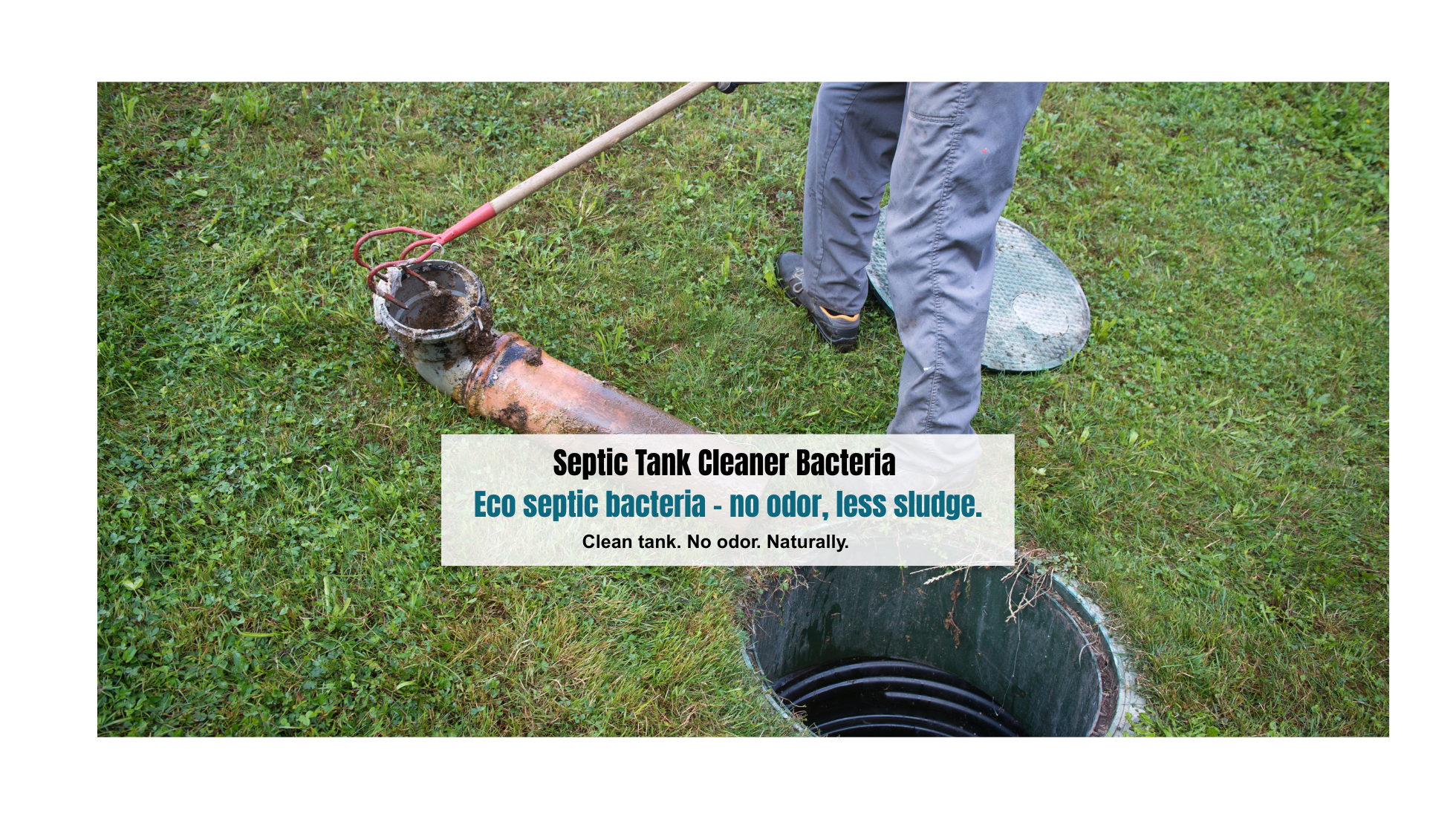
Septic Tank Cleaner Bacteria: The Smart Way to Maintain a Healthy Septic System

A well-functioning septic system is essential for maintaining hygiene and preventing foul odors, blockages, or sewage backups. The most effective way to ensure smooth septic tank performance is by using septic tank cleaner bacteria that naturally break down waste. If you are looking for a reliable biological solution for your septic system at home, commercial property, or institutional setup, Team One Biotech offers safe and effective microbial formulations.

What Makes Microbial Septic Tank Cleaners Better?

Traditional chemical cleaning solutions may reduce waste temporarily but often disturb the natural microbial balance inside the tank. Instead, using natural septic tank cleaner that contains beneficial septic tank bacteria helps maintain the biological ecosystem of the tank. These microbial cultures act as bioculture for wastewater treatment, breaking down organic matter, reducing odor, and preventing sludge accumulation.

This method supports sustainable septic system management without harming the environment.

How Septic Tank Cleaner Bacteria Work

Our microbial formulas contain specialized strains that act quickly to digest fats, oils, grease, paper, and organic waste. These septic tank bacteria powder and septic tank cleaning powder products start working immediately after application.

The bacteria release bioenzymes that:

  • Convert solid waste into simpler particles
  • Reduce sludge formation
  • Prevent blockages in pipelines
  • Maintain smooth wastewater flow

This biological action ensures continuous treatment, making it more effective than mechanical cleaning alone.

Odor Control Made Easy

Persistent foul smell is a common septic system complaint. Our microbial culture acts as a septic tank smell remover by naturally breaking down odor-causing compounds like hydrogen sulfide and ammonia. Instead of masking the smell, the bacteria eliminate its source.

Additional Application: Aquaculture Water Quality

Our microbial knowledge extends beyond domestic and commercial septic systems. We also offer probiotic for aquaculture solutions that improve pond water quality, enhance dissolved oxygen, and support healthier fish and shrimp culture. These probiotic for aqualculture blends maintain a balanced microbial environment, reducing ammonia levels and preventing harmful pathogens in aquatic systems.

This multi-application biotechnology approach shows how natural microbial solutions support both sanitation and sustainable aquaculture.

Why Choose Team One Biotech?

At Team One Biotech, our bioculture for wastewater treatment formulations are:

  • Scientifically tested
  • Highly stable and effective
  • Easy to apply (no machinery required)
  • Eco-friendly and safe
  • Suitable for homes, apartments, hotels, factories, and farms

We focus on building cleaner sanitation systems through nature-driven biotechnology.

Conclusion

Using eco-friendly septic tank cleaner bacteria is the smartest and most sustainable approach to maintaining a clean, odor-free, and efficient septic system. For residential and commercial properties, microbial bacteria-based septic cleaning is a reliable long-term solution.

As one of the leading biotech companies in India, we provide a sustainable product range across multiple verticals, including probiotics for aquaculture, biofertilizers and plant growth promoters, eco-friendly cleaning solutions, animal probiotics, and on-site consultation for biocultures for ETP and STP.

Email:  sales@teamonebiotech.com

Visit: www.teamonebiotech.com

Discover More on YouTube – Watch our latest insights & innovations!-

Connect with Us on LinkedIn – Stay updated with expert content & trends!

Probiotics in Shrimp Aquaculture: Meeting Global Demand Through Sustainable Farming and Modern Innovation

The global shrimp aquaculture industry is experiencing unprecedented growth, driven by rising consumer demand for sustainable seafood and protein-rich diets. As traditional fishing methods struggle to keep pace with population expansion, intensive shrimp farming has emerged as the solution to feed billions worldwide. Contact us to discover how we can transform your aquaculture operation with cutting-edge biotechnology solutions including advanced aquaculture probiotics.

The Rising Demand for Shrimp Production 

Shrimp farming has become one of the fastest-growing sectors in global food production. With worldwide seafood consumption increasing by 3.1% annually, aquaculture production now accounts for over 55% of all shrimp consumed globally. Countries across Asia, Latin America, and increasingly Africa are expanding their shrimp cultivation operations to meet this surging demand.

The shift from wild-caught to farm-raised shrimp represents a fundamental transformation in how we approach sustainable seafood production. Modern shrimp farms can produce consistent, high-quality harvests year-round, independent of seasonal variations that affect traditional fisheries. This reliability makes commercial shrimp farming an attractive investment for entrepreneurs and established agricultural businesses alike.

Technological Innovations Revolutionizing Shrimp Aquaculture 

Modern aquaculture technology is revolutionizing production through advanced systems and methodologies. Biofloc technology systems have emerged as game-changers, creating microbial communities that improve water quality while providing supplemental nutrition for shrimp. These systems reduce water usage by up to 90% compared to traditional methods, addressing critical environmental concerns.

Recirculating aquaculture systems (RAS) represent another breakthrough in intensive aquaculture. By continuously filtering and reusing water, RAS facilities can operate in land-locked areas far from coastal regions, opening new geographical markets for shrimp production. These controlled environments enable precise management of temperature, salinity, and oxygen levels—critical factors for optimal shrimp growth rates.

Precision water quality management systems equipped with IoT sensors and artificial intelligence provide real-time monitoring of ammonia, nitrite, pH, and dissolved oxygen levels. Early detection of parameter fluctuations allows farmers to take corrective action before stress impacts shrimp health and survival rates. This technological integration has increased production efficiency by 30-40% in advanced operations.

Disease Prevention and Biosecurity Excellence 

Disease management remains the most critical challenge in shrimp aquaculture. Pathogens like White Spot Syndrome Virus (WSSV), Early Mortality Syndrome (EMS), and Vibrio infections can devastate entire farms within days, causing millions in losses. Progressive farmers are implementing comprehensive biosecurity protocols that include quarantine procedures, water treatment, and restricted farm access.

The Revolutionary Role of Probiotics in Shrimp Farming 

Advanced shrimp probiotics have revolutionized disease prevention strategies and become indispensable tools for modern aquaculture operations. Probiotics for aquaculture are beneficial microorganisms—primarily Bacillus species, Lactobacillus, and beneficial yeasts—that colonize the shrimp gut and pond environment, creating a protective barrier against pathogenic bacteria.

Aquaculture probiotics work through multiple mechanisms: competitive exclusion of harmful bacteria, production of antimicrobial compounds, enhancement of digestive enzyme activity, and stimulation of the shrimp immune system. Studies show that probiotic supplementation can reduce mortality rates by 15-25% while improving feed conversion ratios by up to 20%.

Water probiotics applied directly to ponds accelerate the breakdown of organic waste, reducing toxic ammonia and nitrite levels that stress shrimp and make them susceptible to disease. These beneficial bacteria also outcompete Vibrio species and other opportunistic pathogens for nutrients and attachment sites, significantly reducing disease incidence.

Team One Biotech’s Advanced Probiotic Solutions 

At Team One Biotech, we’ve developed a comprehensive range of specialized probiotic products designed to address every aspect of shrimp aquaculture:

T1B Aqua S is our premium water treatment probiotic formulated specifically for pond environment management. This multi-strain formulation rapidly establishes beneficial microbial communities that maintain optimal water quality parameters, reduce pathogenic loads, and create a stable aquatic ecosystem. Regular application of T1B Aqua S significantly improves survival rates during critical growth phases.

T1B™ Acqua F is engineered for feed supplementation, delivering targeted beneficial bacteria directly to the shrimp digestive system. This feed-grade probiotic enhances nutrient absorption, improves gut health, and strengthens immune response. Farmers using T1B™ Acqua F consistently report improved feed conversion ratios and faster growth rates.

T1B™ Feed Pro represents our advanced nutritional enhancement solution, combining probiotics with essential enzymes and growth promoters. This comprehensive feed additive optimizes digestive efficiency, maximizes nutrient utilization, and supports robust shrimp development throughout the production cycle.

T1B™ Bio Floc is specifically formulated for biofloc technology systems, providing the precise bacterial strains needed to establish and maintain healthy floc communities. This specialized product accelerates organic matter conversion, maintains stable C:N ratios, and ensures consistent floc quality—critical factors for successful biofloc-based shrimp farming.

Multi-strain probiotic formulations like those in our T1B product line provide synergistic benefits, with different bacterial species targeting specific challenges. For example, Bacillus subtilis excels at organic matter decomposition and enzyme production, while Bacillus licheniformis produces powerful antimicrobial peptides. Lactobacillus plantarum enhances gut health and nutrient absorption, directly improving growth performance.

Regular application of probiotics throughout the culture cycle—in hatcheries, nurseries, and grow-out ponds—creates a stable microbial ecosystem that maintains water quality and protects shrimp health. Progressive farms have reduced antibiotic usage by over 80% through comprehensive probiotic programs using products like T1B Aqua S and T1B™ Acqua F, addressing growing consumer concerns about antimicrobial resistance.

Shrimp hatchery management has also evolved significantly with probiotic integration. SPF (Specific Pathogen Free) and SPR (Specific Pathogen Resistant) post-larvae supplemented with probiotics from day one show improved survival rates during the critical early stages. Genetic selection programs are developing shrimp lines with enhanced disease resistance, faster growth, and better adaptability to varying salinity conditions.

Optimizing Nutrition and Feed Management 

Shrimp feed optimization directly impacts profitability in aquaculture operations. Feed typically represents 50-60% of total production costs, making efficiency improvements highly valuable. Modern formulations incorporate highly digestible proteins, essential amino acids, immunostimulants, and omega-3 fatty acids that support rapid growth and disease resistance.

Incorporating probiotics like T1B™ Feed Pro and T1B™ Acqua F into feed formulations has become standard practice in advanced operations. Feed-based probiotics ensure consistent daily dosing and guarantee that every shrimp receives beneficial bacteria. This approach improves nutrient digestibility, enhances immune function, and reduces feed waste through better conversion efficiency.

Precision feeding strategies using automated feeders and appetite monitoring systems reduce waste while ensuring shrimp receive optimal nutrition throughout their growth cycle. Some operations have reduced feed conversion ratios from 1.8:1 to as low as 1.2:1 through careful feed management combined with probiotic supplementation, significantly improving profit margins.

Alternative protein sources including insect meal, single-cell proteins, and plant-based ingredients are reducing dependency on fishmeal while maintaining nutritional quality. These sustainable feed ingredients align with growing consumer demand for environmentally responsible aquaculture practices.

Vannamei: The Global Leader in Shrimp Production 

Vannamei shrimp production (Litopenaeus vannamei) dominates commercial farming due to its exceptional adaptability, rapid growth rates, and strong market demand. This species thrives in various salinity levels, from freshwater to full-strength seawater, enabling production across diverse geographical locations.

Vannamei can reach marketable sizes of 15-20 grams in just 90-120 days under optimal conditions, allowing multiple crop cycles annually. Their tolerance to high stocking densities makes them ideal for intensive shrimp farming systems, where farmers can achieve yields exceeding 20 tons per hectare per crop.

The global market strongly favors Vannamei due to its mild flavor, firm texture, and versatility in culinary applications. This species accounts for approximately 80% of all farmed shrimp globally, establishing it as the industry standard. When combined with proper probiotic management using solutions like T1B Aqua S and T1B™ Feed Pro, Vannamei demonstrates exceptional performance and disease resistance.

Embracing Sustainable and Organic Practices 

Sustainable shrimp farming practices have become essential for market access and regulatory compliance. Progressive farmers are adopting zero-water exchange systems, constructed wetlands for effluent treatment, and integrated multi-trophic aquaculture that combines shrimp with seaweed and other species to create balanced ecosystems. Probiotics like T1B Aqua S play a crucial role in these systems by maintaining water quality without chemical interventions.

Organic shrimp farming represents a premium market segment commanding 20-30% higher prices. Organic certification requires adherence to strict standards including chemical-free pond preparation, certified organic feed, prohibition of antibiotics, and minimum stocking density requirements. Organic probiotics derived from naturally occurring strains are essential tools for organic farmers, providing disease protection without compromising certification.

Mangrove-friendly farming practices and certification programs ensure that shrimp cultivation doesn’t contribute to coastal ecosystem degradation. Responsible farms maintain buffer zones, restore degraded areas, and implement waste management systems enhanced by probiotic treatments that protect surrounding environments.

Biofloc Systems: The Future of Intensive Production 

Biofloc technology represents one of the most promising innovations in modern shrimp aquaculture. These systems create self-sustaining microbial communities that convert waste into protein-rich biomass, providing supplemental nutrition while maintaining excellent water quality.

Successful biofloc systems require precise bacterial management, which is where T1B™ Bio Floc delivers exceptional value. This specialized formulation contains carefully selected strains that establish robust floc communities, maintain optimal carbon-to-nitrogen ratios, and prevent the dominance of undesirable microorganisms. Farmers using T1B™ Bio Floc achieve faster system stabilization, more consistent production, and superior shrimp health outcomes.

The Future of Shrimp Aquaculture 

The future lies in integration—combining biotechnology, automation, and data analytics to create smart farms. Artificial intelligence algorithms analyze historical data to predict optimal harvest times, disease outbreaks, and market conditions. Automated systems handle feeding, water quality adjustments, probiotic dosing, and health monitoring with minimal human intervention.

Genetic improvement programs are developing “super shrimp” with 30-40% faster growth rates and enhanced disease resistance. CRISPR and selective breeding technologies promise to accelerate improvements that traditionally required decades of conventional breeding. When combined with advanced probiotic regimens using products like T1B™ Feed Pro and T1B™ Acqua F, these improved strains achieve unprecedented performance levels.

Indoor vertical shrimp farming facilities are emerging in urban areas, bringing production closer to consumers while eliminating transportation costs and environmental impacts. These high-tech operations achieve production densities previously thought impossible, with some facilities producing over 100 tons per hectare annually through intensive probiotic-based biofloc systems utilizing T1B™ Bio Floc.

Partner with Team One Biotech 

At Team One Biotech, we empower farmers with cutting-edge solutions that bridge the gap between traditional practices and industrial-scale shrimp aquaculture production. Our comprehensive portfolio includes advanced probiotics (T1B Aqua S, T1B™ Acqua F, T1B™ Feed Pro, T1B™ Bio Floc), water quality management systems, nutritional supplements, and technical consultation services designed to maximize your farm’s productivity and profitability.

Our specialized aquaculture probiotic formulations are developed through rigorous research and field testing, ensuring optimal strain selection, viability, and performance under diverse farming conditions. Whether you need water treatment probiotics like T1B Aqua S, feed-grade formulations such as T1B™ Feed Pro and T1B™ Acqua F, or biofloc-specific products like T1B™ Bio Floc, we provide solutions backed by scientific evidence and proven results.

Whether you’re establishing a new operation or optimizing existing infrastructure, our experienced team provides customized solutions tailored to your specific environmental conditions, target markets, and production goals. We understand that successful aquaculture farming requires more than just products—it demands partnership, knowledge transfer, and ongoing support.

Contact us today to start your journey toward more productive, sustainable, and profitable shrimp farming. Let us help you meet global demand while building a resilient, future-ready aquaculture operation powered by cutting-edge probiotic technology. 

As one of the leading biotech companies in India and trusted bioremediation companies in India, Team One Biotech continues to deliver solutions that redefine sustainability across wastewater treatment, agriculture, aquaculture, and hygiene management.

Email: sales@teamonebiotech.com

Visit: www.teamonebiotech.com

Discover More on YouTube – Watch our latest insights & innovations!-

Connect with Us on LinkedIn – Stay updated with expert content & trends!
AI, Genomics & Nanotechnology in Modern Bioremediation and Biocultures

Bioremediation has long relied on naturally occurring or selectively cultured microorganisms to break down pollutants in soil, water, and effluents. However, today’s contamination challenges are more complex — industries discharge multi-component effluents containing dyes, hydrocarbons, solvents, surfactants, microplastics and emerging contaminants like PFAS and pharmaceuticals. Traditional biological treatments and single-strain microbial approaches often struggle to deliver consistent, predictable and fast remediation under these conditions.

To overcome these limitations, modern environmental biotechnology is undergoing a transformation. The integration of Artificial Intelligence (AI), Genomics, and Nanotechnology is enabling “Smart Bioremediation” — a data-driven and precision-engineered approach that enhances the performance of biocultures, engineered microbial consortia, and wastewater treatment systems.

These three technologies — AI, Genomics, and Nano — are not separate silos. Together, they create a powerful synergy:

Technology Primary Advantage in Bioremediation
AI / ML / IoT Predict, monitor, optimize and automate remediation
Genomics / Metagenomics Identify, engineer and enhance biodegradation pathways
Nanotechnology Increase bioavailability, speed up catalysis, and support microbial action

With research from 2023–2025 accelerating in all three domains, industries now have tools to achieve faster pollutant breakdown, higher COD/BOD removal, lower toxicity, and stronger microbial resilience, even in harsh Indian effluents. [1] [2]


  1. The Need for Advanced Bioremediation

Industrial ETPs and STPs face challenges such as:

  • Fluctuating influent loads and shock conditions
  • Recalcitrant pollutants resistant to biological degradation
  • High TDS, temperature, or toxic spikes inhibiting microbe growth
  • Slow response time and trial–error optimization
  • Dependence on chemicals, high sludge generation, and high OPEX

Modern pollution needs modern biotechnology, not just microbes in isolation. This is where AI/Genomics/Nano-enabled biocultures offer a game-changing advantage.


  1. Role of AI in Smart Bioremediation

AI makes biological treatment predictable and controllable through:

  1. a) Pollutant Prediction & Microbe Selection

Machine learning models can now recommend:

  • Best strain combinations
  • Ideal environmental conditions (pH, DO, ORP, temp)
  • Probability of COD/BOD reduction outcomes
  1. b) Digital Twins, IoT & Real-Time Optimization

AI-driven “digital twin” models simulate entire ETP/STP systems to:

  • Prevent failure before it happens
  • Optimize aeration, dosing, and energy use
  • Reduce chemical dependency and OPEX [3]

IoT sensors feed live data (DO, TSS, COD estimates), allowing adaptive microbial dosing and early detection of toxic shocks.

  1. c) AI + Engineered Consortia

AI models can also map syntrophic relationships between microbes — improving the design of Engineered Microbial Consortia, which Team One Biotech deploys for textile, refinery, and municipal treatment.


  1. Genomics: Designing Better Biocultures

Genomics and metagenomics enable scientists to:

  • Identify pollutant-degrading genes and enzymes
  • Discover native microbial species at contaminated sites
  • Engineer or enrich strains for specific pollutants
  • Enhance biosurfactant, biofilm, and enzyme production capacity

Techniques such as CRISPR, pathway engineering and whole-genome sequencing have accelerated discovery of microbes that can break dyes, hydrocarbons, pesticides, and pharma residues. [4]

This enables:

Genomics Capability Result in Field
Pathway engineering Faster mineralization, fewer toxic intermediates
Metagenome-driven consortia Superior stability and shock resistance
Indigenous strain discovery High performance in Indian environmental conditions


  1. Nanotechnology for Faster Bioremediation

Nanotechnology boosts bioremediation by increasing pollutant accessibility and catalytic speed through:

Nano Tool Function
Nano-sorbents (iron, carbon, clay nano) Adsorb dyes, metals, PFAS precursors
Nanozymes Mimic enzymes, accelerating breakdown
Nano-carriers Deliver microbes/enzymes more effectively
Conductive nanoparticles Support DIET and biofilm electron transfer

Studies from 2024–2025 show that nano-assisted systems can cut remediation time by 25–60% depending on pollutant type. [5]


  1. The Tri-Tech Synergy: AI + Genomics + Nano

When combined, these three technologies deliver:

  • Predictive system + engineered microbe + accelerated breakdown
  • Repeatable, scalable outcomes
  • Faster commissioning of ETP/STP bioculture programs
  • Lower chemical consumption, sludge volume, and OPEX

This is the direction Team One Biotech is building toward, starting with engineered microbial consortia and expanding into data-supported and hybrid nanobioremediation models.


  1. Team One Biotech Approach

Team One Biotech integrates these advancements with its core strengths:

  • Engineered Microbial Consortia
  • Indigenous Strain Enrichment
  • AI-supported monitoring (DO/ORP/COD trends)
  • Nano-assisted carriers (R&D stage)
  • CPCB-aligned pilot-to-scale methodology


T1B also supplies GRAS-certified strains through:
👉 https://www.teamonebiotech.com/buy-microbial-and-fungus-strains/

For treatment or project inquiries:
👉 https://www.teamonebiotech.com/contact-us/


  1. Applications for Indian Industry
  • Textile & dyes (azo, reactive dyes)
  • Refineries & petrochemical wastewater
  • Landfill leachate & municipal drains
  • Metals + organics (electroplating, tannery)
  • Pharma & emerging contaminants


  1. Regulatory and Compliance Fitment

Aligned with:

  • CPCB guidelines
  • Environment (Protection) Act
  • MoEFCC remediation objectives
  • ESG & sustainability frameworks


  1. KPIs to Measure Smart Bioremediation
  • COD/BOD reduction curve
  • Color/ADMI removal
  • Toxicity reduction
  • Biofilm stability
  • Energy savings
  • Seasonal resilience
  • AI-based monitoring trend match


  1. FAQs

Q: Is nano-biotech safe?
When used responsibly with approved materials, yes. Regulatory transparency is essential.

Q: Can AI replace engineers?
No — it supports decision-making and optimization.

Q: Can genomics be used in open environments?
Metagenomic insights are field-friendly; genetically engineered organisms require approvals.


Conclusion

Bioremediation is evolving—from microbe-dependent systems to intelligent, engineered, data-driven ecosystems. With AI optimizing conditions, genomics designing stronger biocultures, and nanotechnology accelerating reactions, industries can finally achieve stable, predictable, and sustainable pollutant removal, even for India’s toughest effluents.

Team One Biotech is committed to advancing this frontier with scientific rigor, compliance alignment, and practical field execution.

Scan the code