
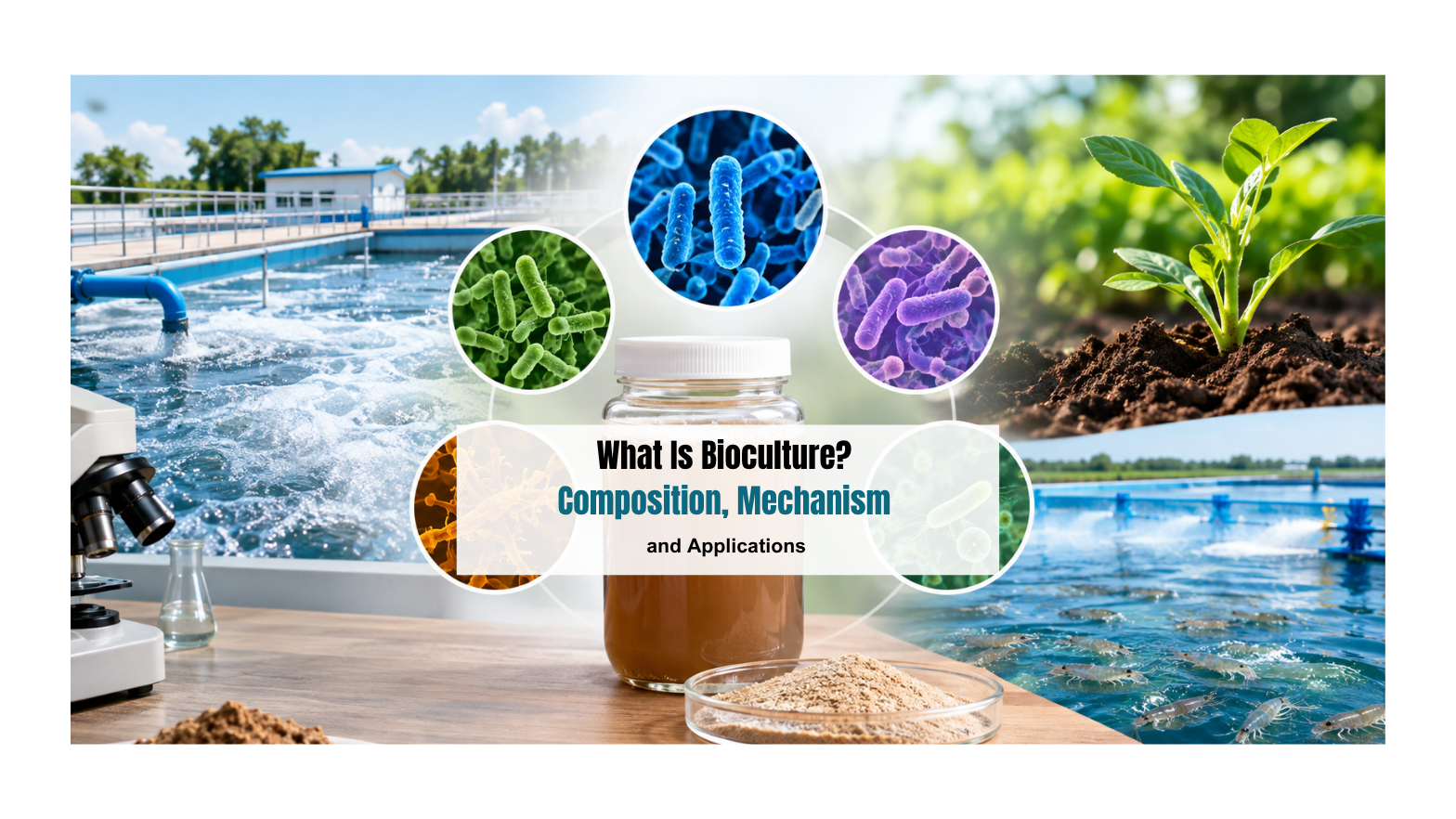

What Is Bioculture? Composition, Mechanism and Applications
An ETP plant manager is three days away from a compliance audit. The discharge parameters are slipping, the chemical dosing costs have doubled in the last quarter, and the treatment results are inconsistent at best. The team is doing everything by the book, adjusting pH, adding coagulants, tweaking the aeration schedule, and yet the BOD and COD numbers refuse to cooperate. This is not an unusual story. It is the everyday reality for thousands of ETP and STP operators across India, working under the growing pressure of CPCB and SPCB discharge norms that leave little room for error.
The good news is that there is a proven biological approach that addresses these challenges not by masking the problem, but by solving it at the microbial level. That approach is bioculture. Understanding what is bioculture, how it is composed, how it functions inside a treatment system, and where it is applied can fundamentally change how plant operators think about wastewater management.
This guide covers everything you need: bioculture meaning, its microbial makeup, the step-by-step mechanism of action, real-world applications in ETP and STP systems, and how to choose the right formulation for your specific plant. Whether you are an environmental science student, a plant operator, or an industrial compliance officer, what follows is written for you.
Bioculture Meaning, A Simple Definition
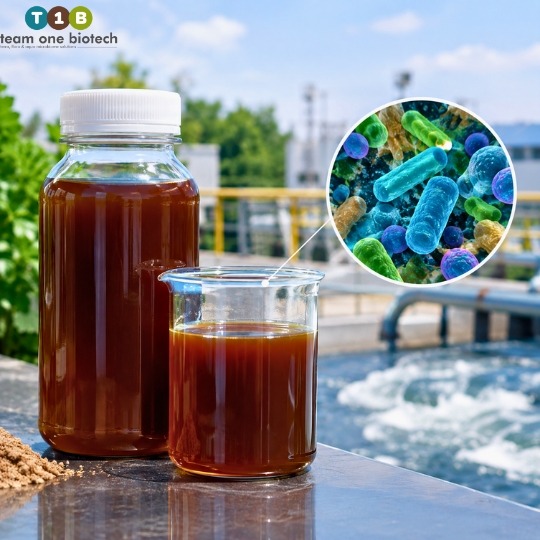
Bioculture is a concentrated formulation of carefully selected, naturally occurring microorganisms, including bacteria, fungi, and associated enzymes, purposefully designed to biodegrade organic pollutants in wastewater. It is the biological engine that powers effective effluent treatment.
What makes bioculture different from generic microbial products is the deliberate assembly of its microbial consortium. It is not random biology introduced into a tank and hoped to work. Each formulation is assembled to target specific pollutants in specific treatment conditions. The term bio culture wastewater is used broadly across the industry and is interchangeable with terms such as microbial culture, bacterial culture, and biological culture, all referring to this same principle of harnessing microbial metabolism for treatment purposes.
To be clear about what bioculture is not:
- It is not a chemical disinfectant or a substitute for physical treatment processes
- It is not a standalone solution, it functions within a designed treatment system
- It is not a one-size-fits-all product, formulations are customised based on wastewater type, organic load, and system configuration
- It is not a regulatory shortcut, it is a science-backed tool that supports compliance when correctly applied
Microbial Composition of Bioculture
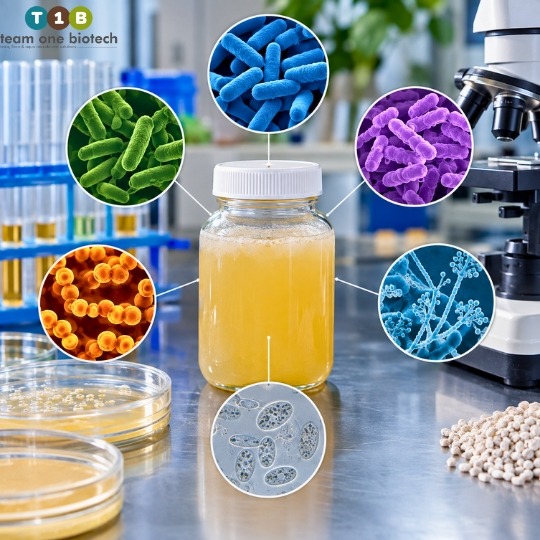
The composition of a bioculture formulation is what gives it its power. Different microorganisms perform different roles inside a treatment system, and a well-designed bioculture brings them together in a coordinated, functional consortium.
Aerobic Bacteria
Aerobic bacteria thrive in oxygen-rich environments such as aeration tanks and activated sludge zones. These are the workhorses of conventional ETP aerobic stages. Their primary role is the rapid breakdown of soluble BOD and suspended organic matter through oxidative metabolism. Genera commonly associated with aerobic bioculture activity include Bacillus, Pseudomonas, and Nitrosomonas, among others. Their efficiency at reducing BOD and COD under aerated conditions makes them the first line of biological defence in most treatment systems.
Anaerobic Bacteria
Where oxygen is absent, in anaerobic digesters, septic tanks, sludge lagoons, and submerged zones, anaerobic bacteria take over. These microorganisms are essential for treating high-strength wastewater, such as that generated by distilleries, food processing plants, and pharmaceutical manufacturing units. They break down complex organic compounds into simpler molecules through a multi-stage process, ultimately producing biogas (primarily methane) as a metabolic by-product. Their role in volatile fatty acid breakdown and methanogenesis makes them indispensable for high-COD effluent streams.
Facultative Bacteria
Facultative bacteria are the adaptable members of the consortium. They can function in both aerobic and anaerobic conditions, switching their metabolic pathways depending on the oxygen availability in their immediate environment. This makes them particularly valuable in treatment systems where oxygen levels fluctuate, a common operational reality in lagoons, sequential batch reactors, and transitional zones between aerobic and anaerobic chambers. Their flexibility provides a biological buffer that keeps the treatment process functioning even during process swings.
Specialised and Niche Strains
Beyond the broad aerobic and anaerobic categories, certain bioculture formulations include highly specialised microbial strains to address specific pollutant profiles:
Nitrifying bacteria, These convert ammonia to nitrate, which is critical for meeting CPCB and SPCB nitrogen discharge limits, particularly in pharmaceutical and fertiliser industry effluents.
Denitrifying bacteria, These complete the nitrogen cycle by converting nitrate to harmless nitrogen gas, which is released into the atmosphere. Together with nitrifying bacteria, they enable complete biological nitrogen management.
Phosphate-accumulating organisms (PAOs), These microbes remove phosphorus biologically, reducing or eliminating the need for chemical precipitation using alum or lime.
Hydrocarbon-degrading strains, These are specifically developed to target oil, grease, and petrochemical compounds in effluent from automotive, refining, and lubrication industries.
Cellulolytic and ligninolytic microbes, These are formulated for paper, pulp, and textile wastewater, which contains complex cellulose and lignin structures that conventional bacteria struggle to break down.
Disclaimer: The microbial strains and their proportions in a bioculture formulation vary significantly depending on the wastewater type, industry, and treatment system design. The genera mentioned above are indicative examples. Actual bioculture compositions are customised to site-specific conditions and should be determined by a qualified manufacturer or wastewater treatment specialist.
How Bioculture Works, The Mechanism of Action
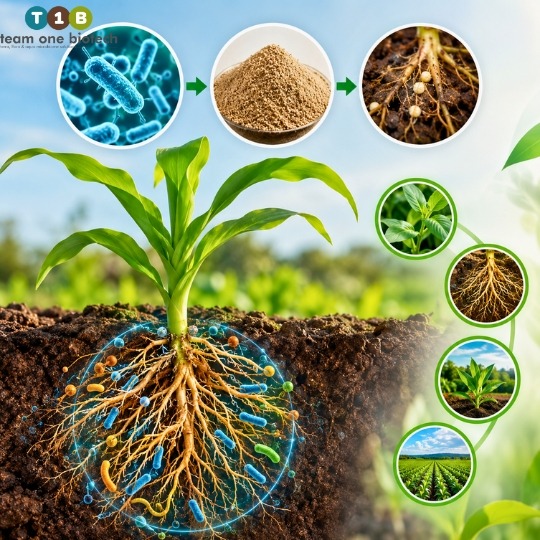
Understanding how bioculture works helps plant operators use it more effectively and set realistic expectations. The mechanism is elegant in its logic: microorganisms consume organic pollutants as food, converting them into harmless end products. Here is how that process unfolds inside a treatment system.
Step 1, Colonisation
When bioculture is introduced into a treatment system, the microorganisms begin attaching themselves to available organic surfaces, tank walls, media, and sludge particles. Over time, they form a stable biofilm, a living microbial layer that continuously intercepts and processes incoming organic matter. This colonisation phase is the foundation of long-term biological performance.
Step 2, Enzyme Secretion
Once colonised, the bacteria begin secreting extracellular enzymes into the surrounding liquid. These include proteases (which break down proteins), lipases (which target fats and oils), amylases (which work on starches and sugars), and cellulases (which degrade cellulose chains). These enzymes act as the first molecular tools, breaking large, complex polymer chains into smaller, digestible monomers that the microbial cells can physically absorb.
Step 3, Assimilation
The microorganisms absorb the simpler organic compounds produced by enzymatic breakdown and use them as their primary carbon and energy source. This is where the actual biological consumption of pollutants takes place. BOD levels fall because the organic matter causing that demand is being eaten and converted by the microbial population.
Step 4, Mineralisation
In aerobic conditions, the end products of complete microbial metabolism are carbon dioxide and water, both environmentally benign. In anaerobic conditions, the end products are methane, carbon dioxide, and trace compounds. This mineralisation step is what separates biological treatment from chemical treatment: the pollutant is not merely transformed or transferred, it is degraded at the molecular level.
Step 5, Sludge Reduction
An often overlooked benefit of efficient bioculture activity is the measurable reduction in excess sludge generation. Because organic matter is more thoroughly broken down through biological degradation, less undigested material accumulates as sludge. For plant operators, this translates directly into lower sludge disposal costs and reduced operational complexity.
If you are setting up a new ETP or struggling to maintain consistent BOD/COD levels, our team at Team One Biotech can help you select the right bioculture formulation for your process.
Key Applications of Bioculture in Wastewater Treatment
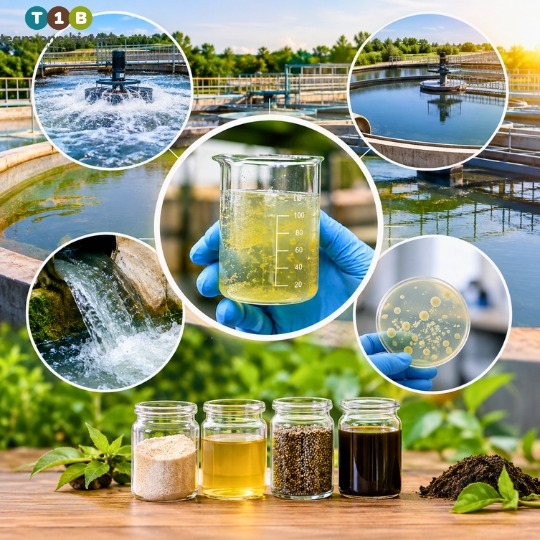
One of the strongest arguments for bioculture adoption is its versatility. It is not a solution designed for a single industry or a single type of pollutant. Across municipal and industrial settings alike, bio culture wastewater applications span an enormous range of treatment challenges.
Municipal Sewage Treatment Plants (STP)
Domestic sewage carries a complex and fluctuating organic load, food waste, human waste, detergents, and pharmaceutical residues from household consumption. Bioculture helps STPs accelerate the biological treatment stages, stabilise effluent quality across seasonal load variations, and consistently meet municipal discharge norms. For STPs handling growing urban populations, bioculture seeding during startup and maintenance dosing during operation are both standard practice.
Industrial Effluent Treatment Plants (ETP)
Industrial wastewater is often far more concentrated and chemically complex than domestic sewage. Bioculture plays a critical role across industry segments:
- Food and beverage processing, High BOD and COD from sugars, proteins, and fats; bioculture rapidly degrades these organic fractions
- Textile and dyeing units, Complex dye molecules, surfactants, and sizing agents that resist conventional treatment; specialised strains target these recalcitrant compounds
- Pharmaceutical and API manufacturing, Trace organic residues, solvents, and antibiotic residues require tailored microbial consortia
- Dairy processing, Lactose, casein, and fat-heavy effluents respond well to lipase and protease-producing bioculture strains
- Distillery and brewery, High-strength organic effluent with significant colour and BOD; anaerobic bioculture combined with aerobic polishing is the standard approach
Common ETP and STP Process Applications
Beyond industry type, bioculture is applicable across a range of treatment process configurations:
- Activated Sludge Process (ASP) augmentation to boost underperforming biological stages
- Sequential Batch Reactor (SBR) seeding during startup or after process upsets
- Moving Bed Biofilm Reactor (MBBR) biofilm support, providing the right microbial load for media colonisation
- Anaerobic digester startup and reactivation after shock loads or toxic influent events
- Lagoon systems where biological activity has become stagnant or overloaded
Bioremediation of Contaminated Sites
Beyond conventional treatment plants, bioculture is also deployed in broader environmental remediation contexts. These include soil and groundwater remediation following industrial spills, landfill leachate treatment where high organic and ammoniacal loads challenge standard systems, and the restoration of oil-contaminated land or water bodies through targeted hydrocarbon-degrading microbial blends.
Why Bioculture Is Preferred Over Chemical Treatment
For plant managers evaluating their treatment strategy, the comparison between chemical and biological approaches is not merely academic, it has direct implications for cost, compliance, and safety.
| Parameter | Chemical Treatment | Bioculture-Based Treatment |
| Mode of action | Reactive, masks or transfers pollutants | Degradative, eliminates at source |
| Long-term cost | Recurring, often escalating chemical costs | Reduces over time as biological stability improves |
| Sludge generation | Typically higher, especially with coagulants | Generally lower with efficient biological degradation |
| Environmental impact | Chemical residues can persist in treated water | Biodegradable; no toxic residues in effluent |
| CPCB/SPCB compliance | Risk of secondary contamination from chemical inputs | Aligned with biological treatment norms |
| Operator safety | Handling hazards with corrosives and oxidants | Generally safe, non-pathogenic microbial formulations |
Note: The comparison above reflects general operational trends. Actual performance depends on wastewater characteristics, system design, and application dosage, which vary from plant to plant.
The key insight here is not that chemicals have no role in wastewater treatment, pH correction, coagulation, and disinfection all have their place. The argument is that where biological degradation is possible and appropriate, bioculture delivers more sustainable, cost-effective, and environmentally responsible outcomes than chemical treatment alone.
How to Choose the Right Bioculture for Your Plant
Selecting the right bioculture is not a catalogue exercise. It requires a structured understanding of your wastewater, your system, and your compliance targets. Here is a practical checklist for plant operators and managers approaching this decision:
- Identify your primary pollutants, Is the challenge primarily BOD, COD, nitrogen, phosphorus, oil and grease, or a combination? Each profile points to a different microbial requirement.
- Know your treatment system design, Aerobic, anaerobic, combined, or sequential? The bioculture consortium must be matched to the oxygen environment it will operate in.
- Understand your current discharge gap, Compare your actual effluent parameters against CPCB and SPCB limits for your industry category. This defines the biological performance required.
- Determine the dosing scenario, Are you starting a new plant (startup culture), maintaining an established system (maintenance dose), or recovering from a process upset such as a toxic shock or operational failure (shock-recovery dose)? Each requires a different formulation approach.
- Assess your organic load variability, Plants with highly fluctuating influent loads need biocultures with greater microbial diversity and resilience, not just high cell counts.
- Partner with a manufacturer who provides site-specific guidance, A responsible bioculture manufacturer in India should offer microbial profiling support, dosage recommendations based on your system volume and organic load, and ongoing technical assistance rather than a generic product with a one-page instruction sheet.
At Team One Biotech, we do not offer generic solutions. We formulate biocultures specific to your industry, your effluent, and your compliance targets.
Frequently Asked Questions About Bioculture
Q1: What is the meaning of bioculture in wastewater treatment?
Bioculture refers to a concentrated formulation of beneficial microorganisms specifically selected and cultivated to biodegrade organic pollutants in wastewater. It is the biological engine of modern effluent treatment plants, replacing or reducing the need for chemical intervention by using natural microbial metabolism to degrade contaminants at their source.
Q2: How long does bioculture take to show results in an ETP?
The time to visible results depends on system conditions, organic load, temperature, and the microbial adaptation period. Generally, initial biological activity becomes apparent within a range of days to a few weeks after correct dosing and acclimatisation to the effluent environment. Disclaimer: Exact timelines vary significantly by system design, influent conditions, and microbial formulation. Confirm expected timelines with your supplier before application.
Q3: Is bioculture safe to handle and store?
Yes. Bioculture formulations are generally composed of naturally occurring, non-pathogenic microorganisms. Standard precautions apply during handling, avoid direct sun exposure, extreme temperatures, and contact with chemical disinfectants. Your supplier should provide a complete Safety Data Sheet (SDS) with detailed storage temperatures, shelf life, and handling instructions.
Q4: Can bioculture help meet CPCB discharge standards?
When correctly formulated and dosed for your specific effluent type, bioculture supports consistent biological treatment performance that aligns with CPCB and SPCB discharge parameters for BOD, COD, nitrogen, and other regulated parameters. It is not a regulatory guarantee in itself but is a core, science-backed component of a compliant biological treatment system when applied as part of a properly designed ETP or STP.
Q5: Where can I find a reliable bioculture manufacturer in India?
Team One Biotech is a leading bioculture manufacturer in India, offering customised microbial formulations for ETP, STP, and industrial bioremediation applications across sectors including food processing, pharmaceuticals, textiles, distilleries, and dairy. [Explore Our Bioculture Products]
The Biological Shift Your Plant Needs
We began with a familiar scene: a plant manager under pressure, discharge limits being missed, and chemical costs climbing without delivering consistent results. That pressure is real, and it is not going away. CPCB and SPCB discharge norms are tightening, not loosening, and the regulatory and reputational cost of non-compliance is rising with them.
Bioculture is not a new trend or an experimental technology. It is an established, science-backed, and field-validated approach to sustainable wastewater management. What makes it powerful is precisely what makes biology powerful: it gets to the root of the problem. It does not mask pollutants or shift them from one phase to another. It degrades them, thoroughly, continuously, and at the molecular level.
Here is what you should take away from this guide:
- Bioculture is a targeted microbial consortium that degrades organic pollutants at the source, not around them
- Its composition, aerobic, anaerobic, facultative, or specialised, is matched to your specific wastewater and treatment configuration
- It supports CPCB and SPCB compliance by consistently improving treated effluent quality across BOD, COD, nitrogen, and other critical parameters
- It reduces chemical dependency, sludge generation volumes, and long-term operational costs, making your plant more sustainable and less expensive to run over time
- Choosing the right formulation requires a proper assessment of your wastewater, your system, and your compliance targets, not a catalogue selection
The plants that are consistently meeting discharge norms, controlling costs, and building a reputation for responsible operation are increasingly the ones that have made this biological shift. The ones still relying entirely on chemicals are fighting the same battles month after month, audit after audit.
Your plant deserves a treatment solution that works with nature, not against it. Team One Biotech manufactures bioculture formulations trusted by ETP and STP operators across India. Whether you are starting a new plant, recovering from a process upset, or looking to reduce chemical dependency and cut long-term operational costs, we have a solution built for your specific needs and your specific effluent.
Looking to improve your ETP/STP efficiency with the right bioculture?
Talk to our experts at Team One Biotech for customised microbial solutions.
Contact: +91 8855050575
Email: sales@teamonebiotech.com
Visit: www.teamonebiotech.com
Discover More on YouTube – Watch our latest insights & innovations!-
Connect with Us on LinkedIn – Stay updated with expert content & trends!